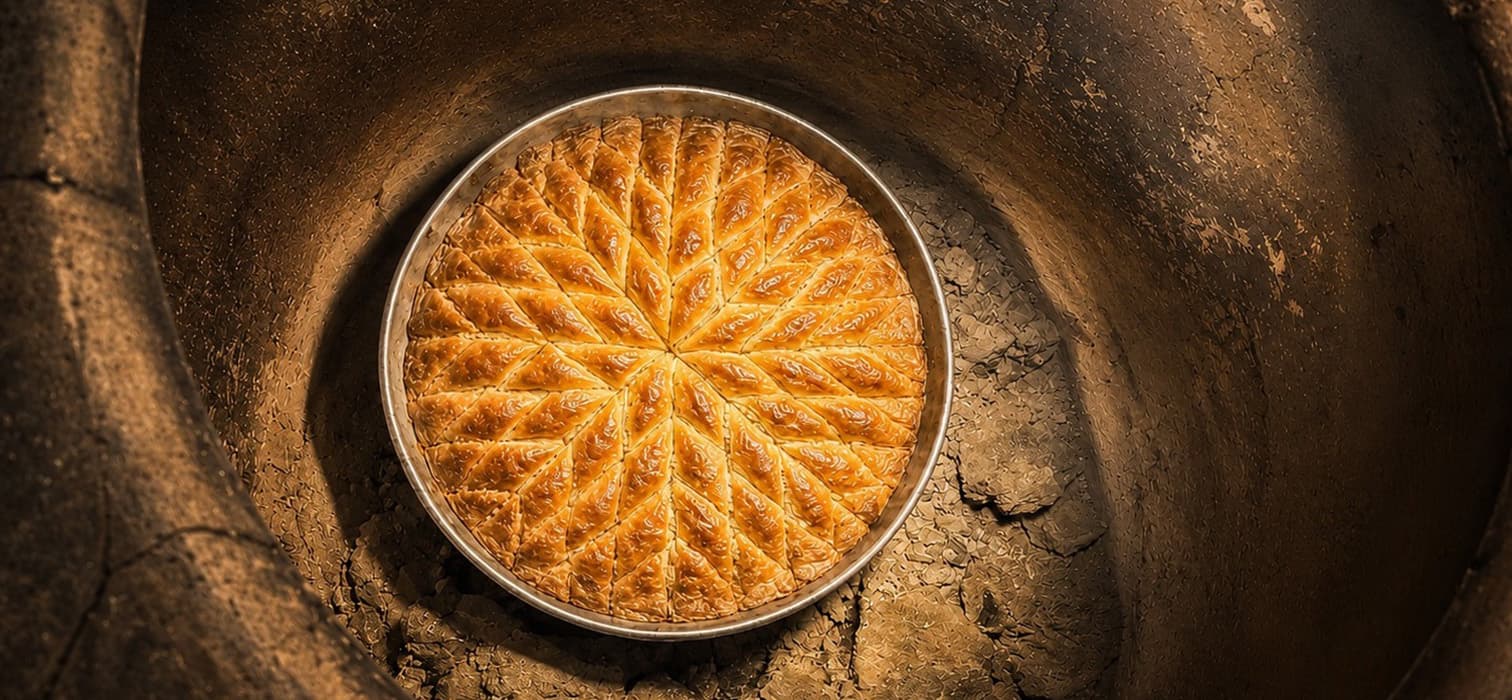
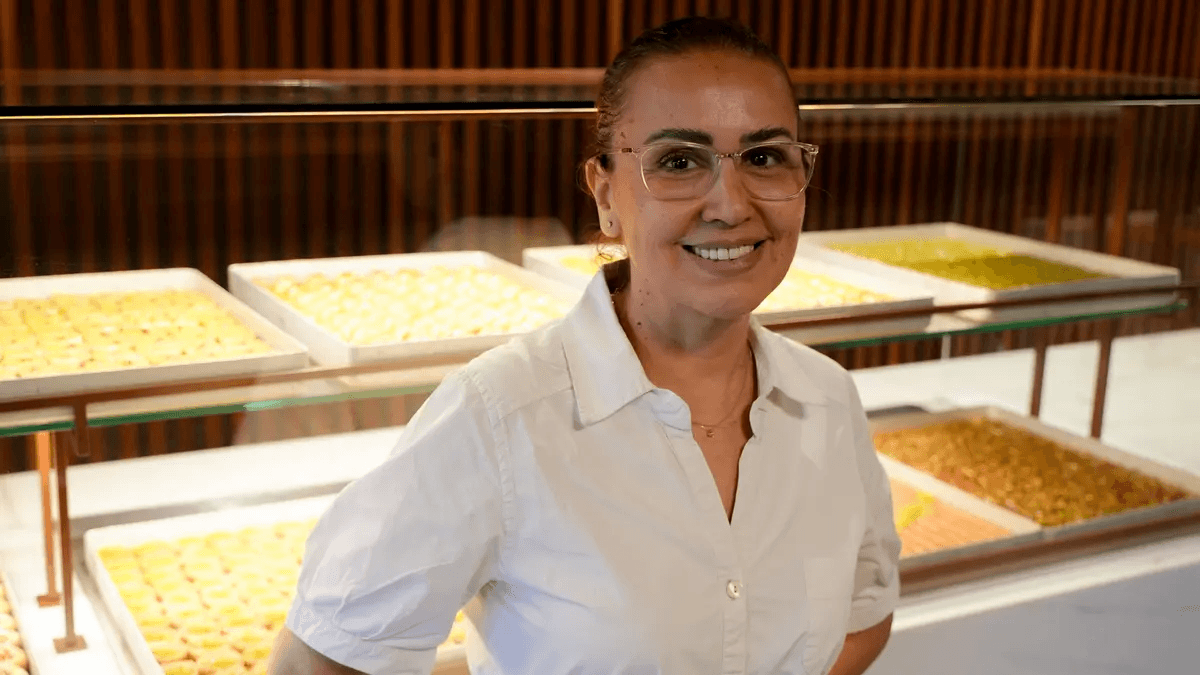
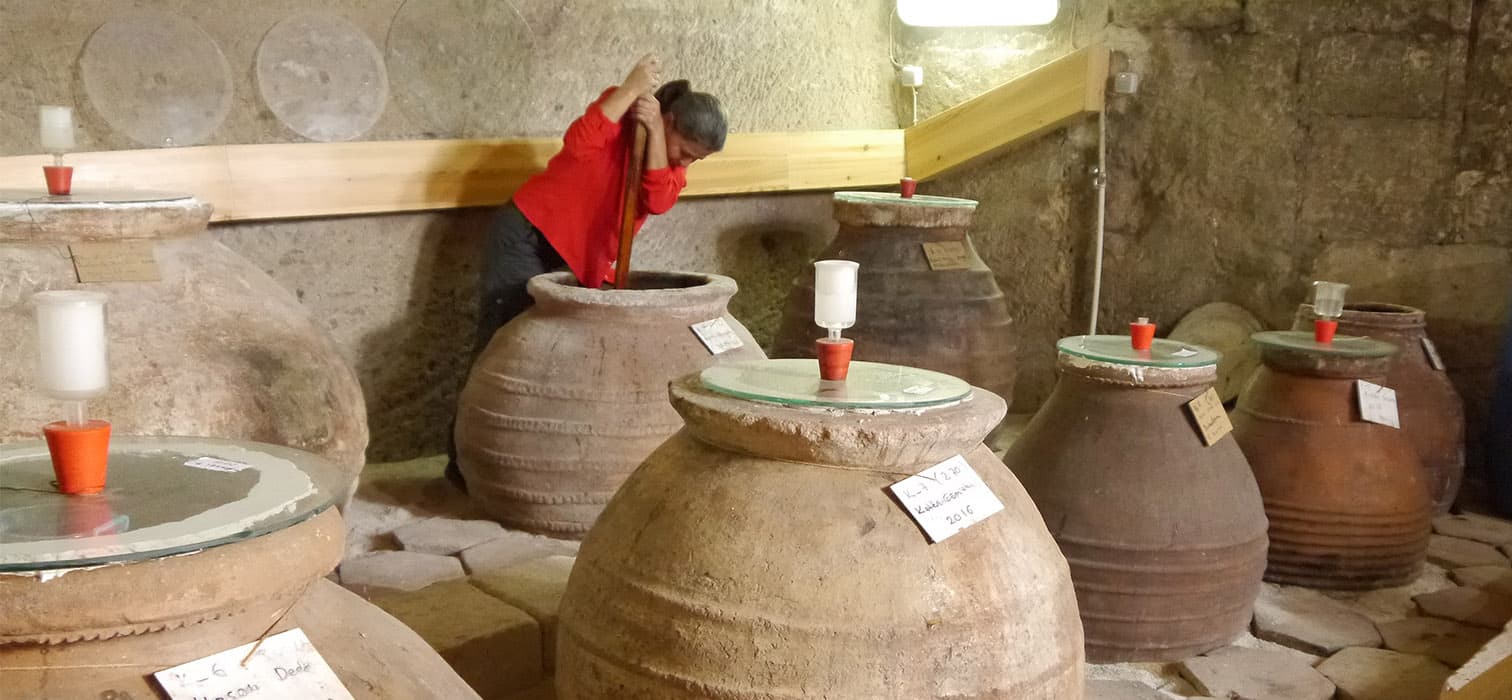
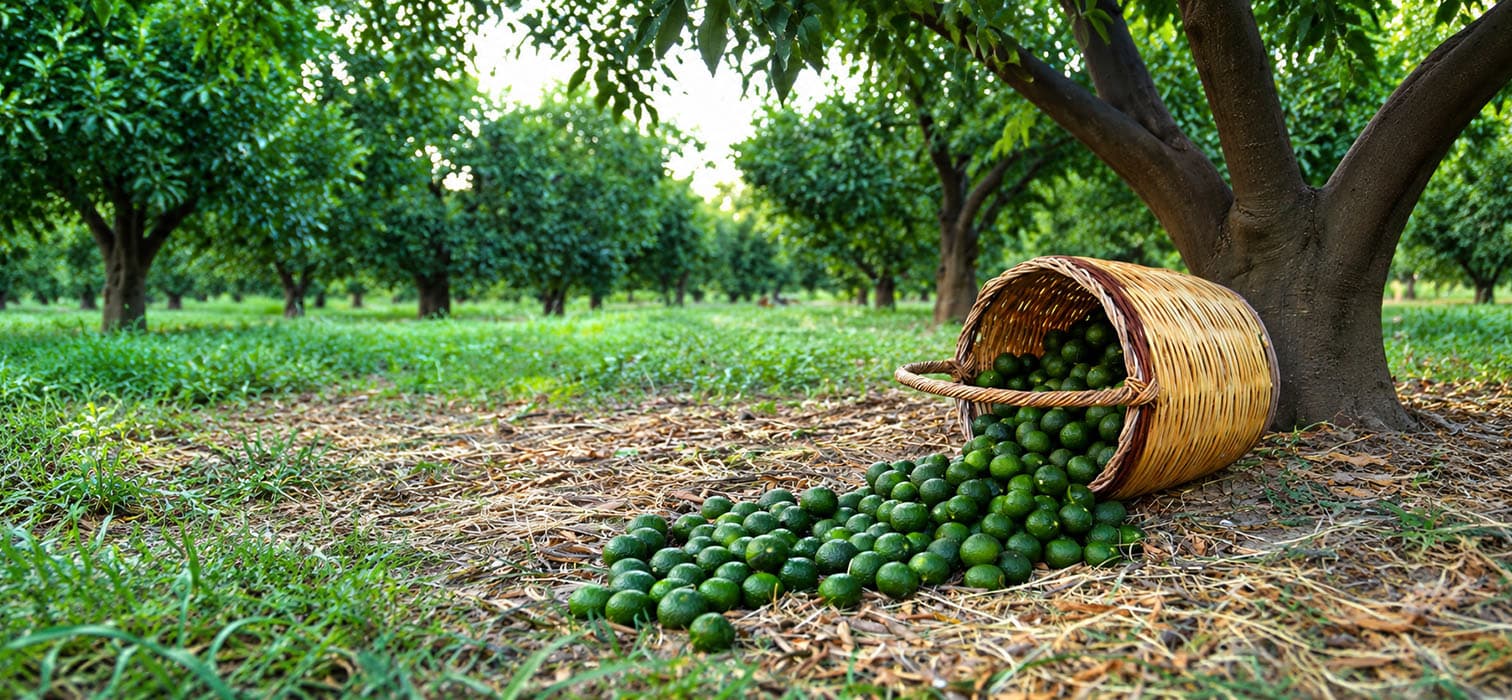
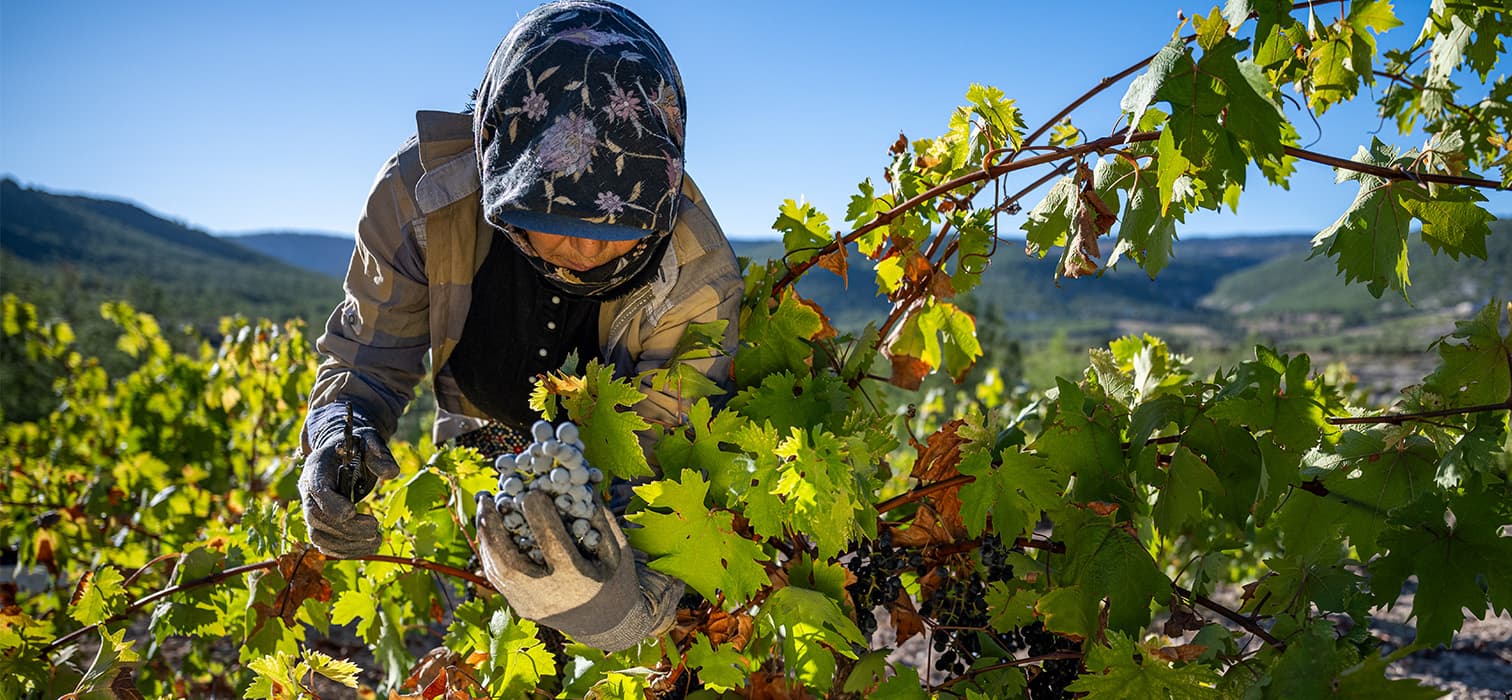
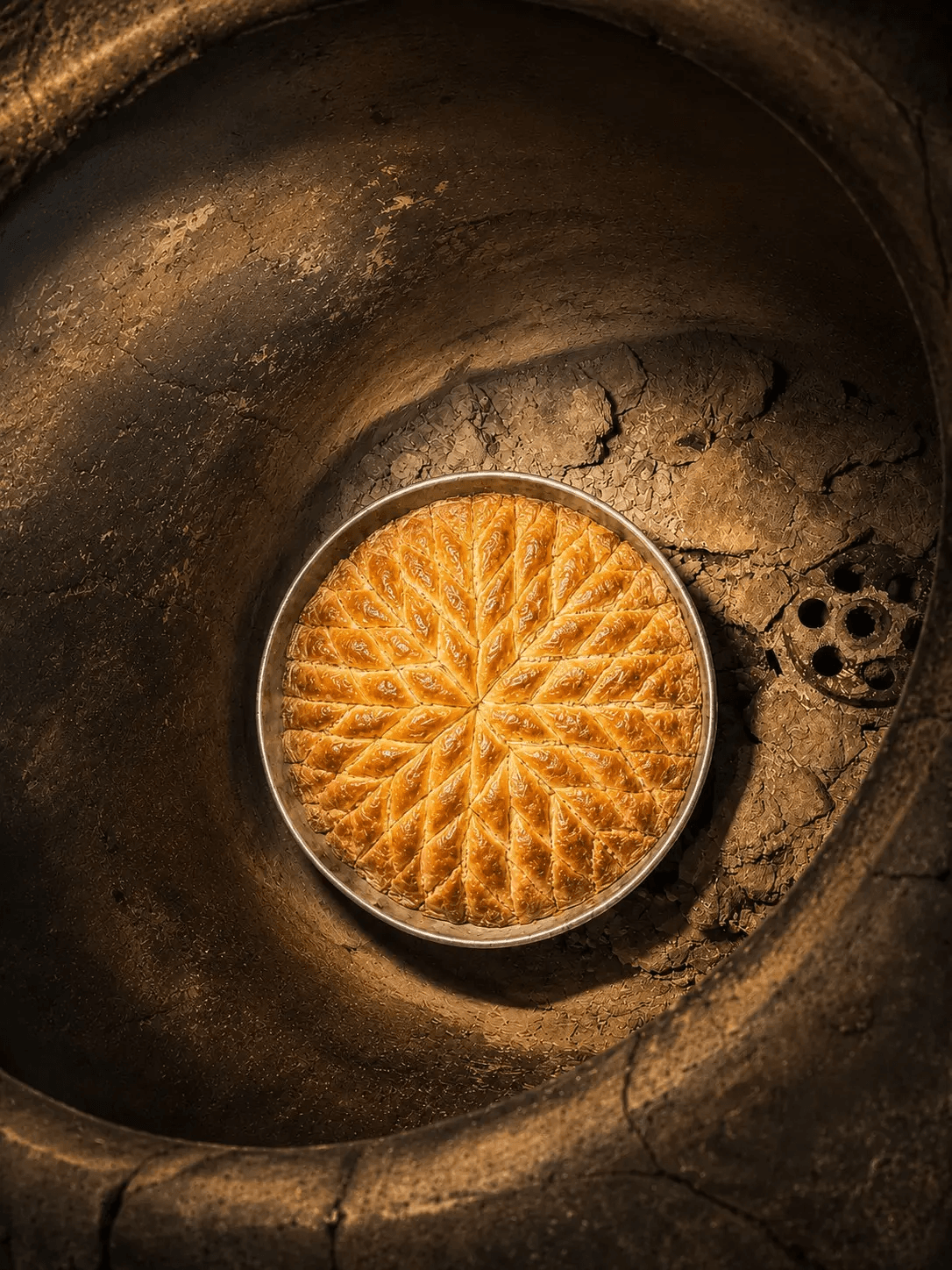
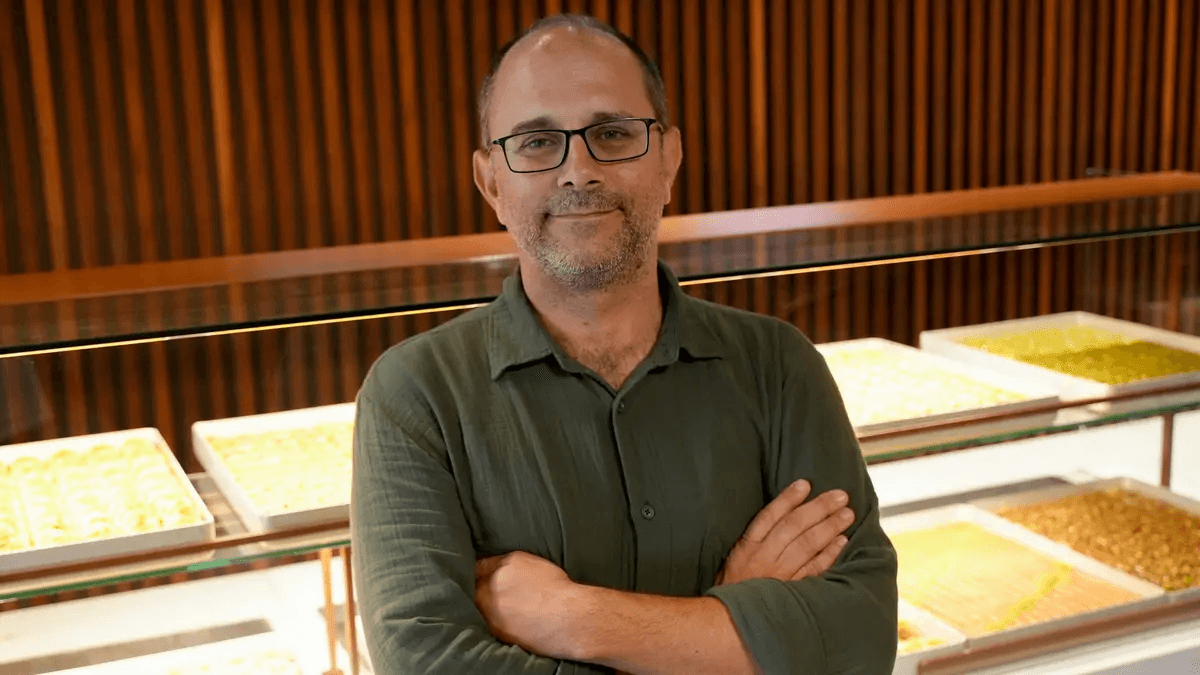
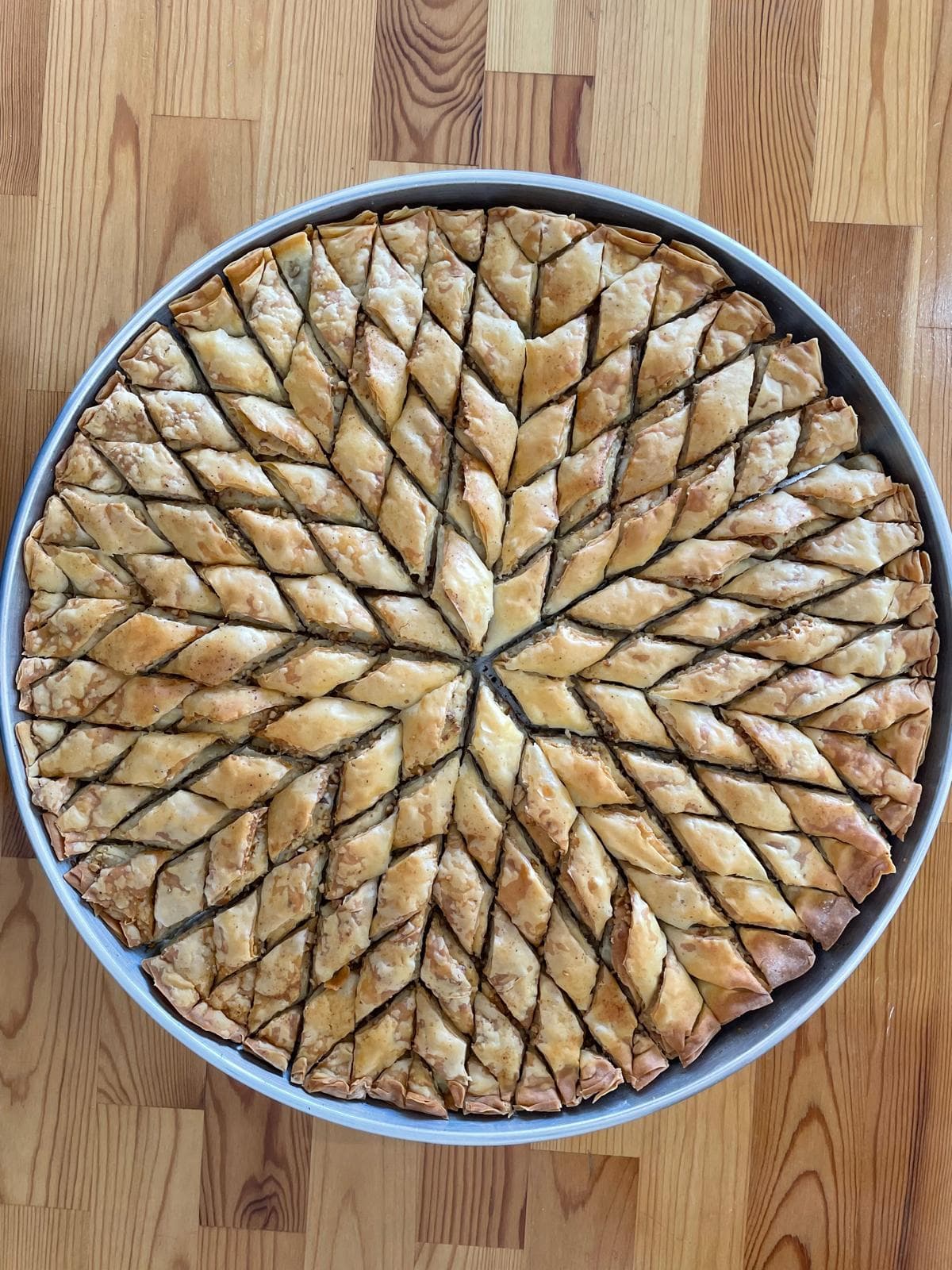
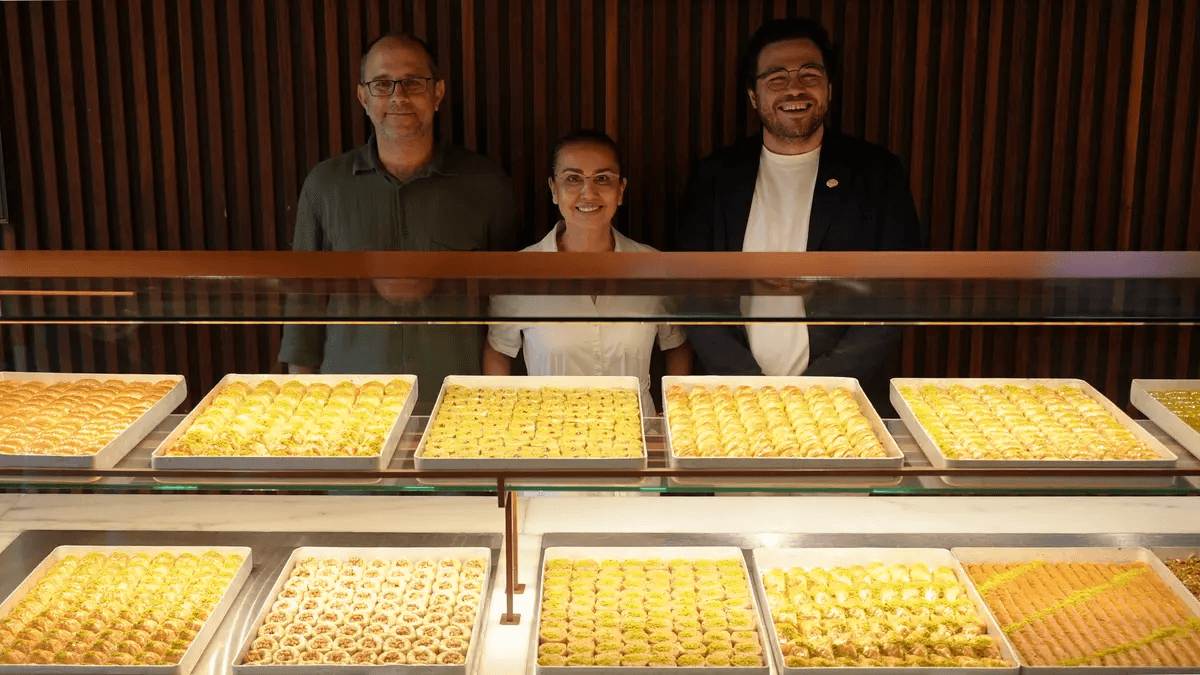
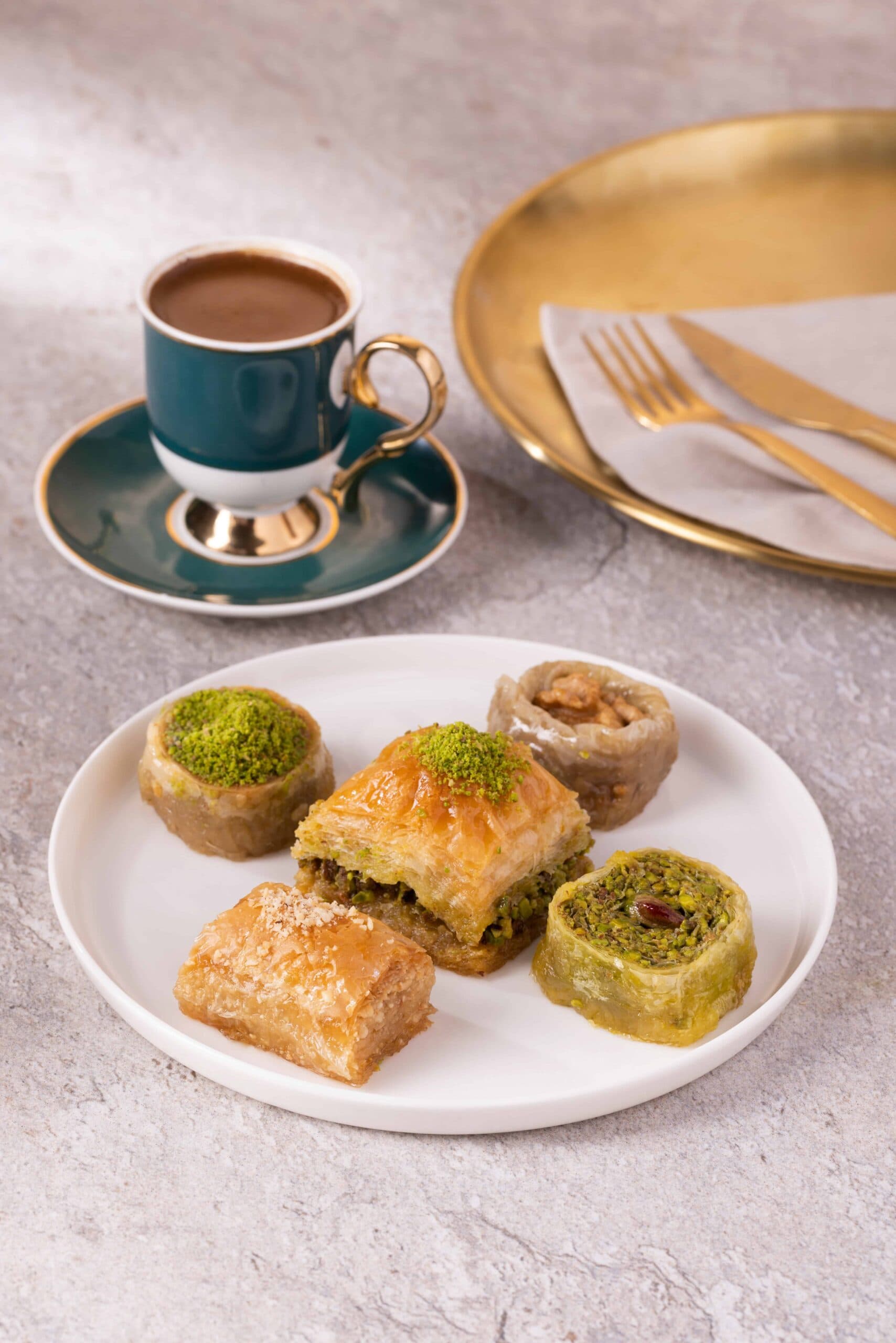
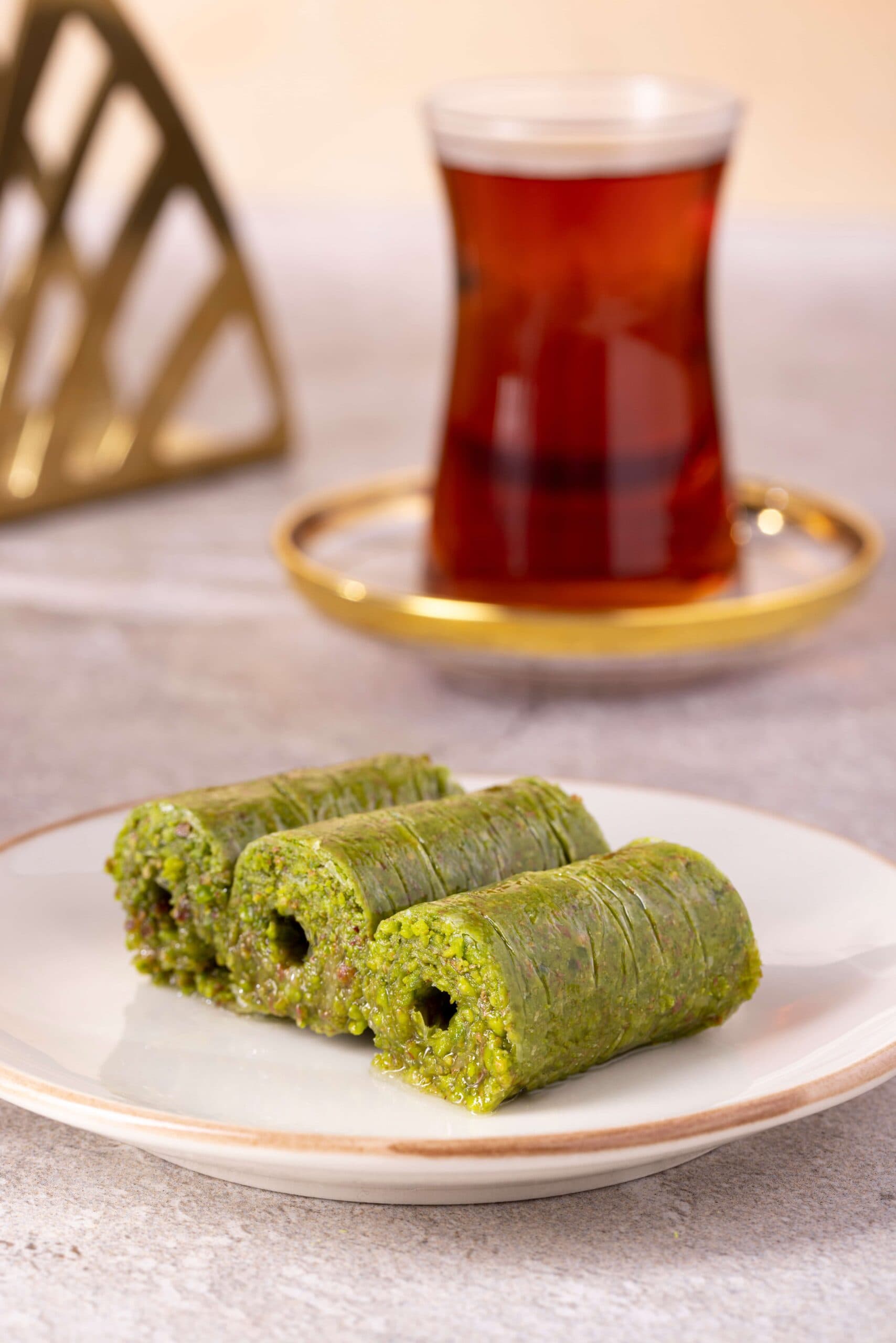
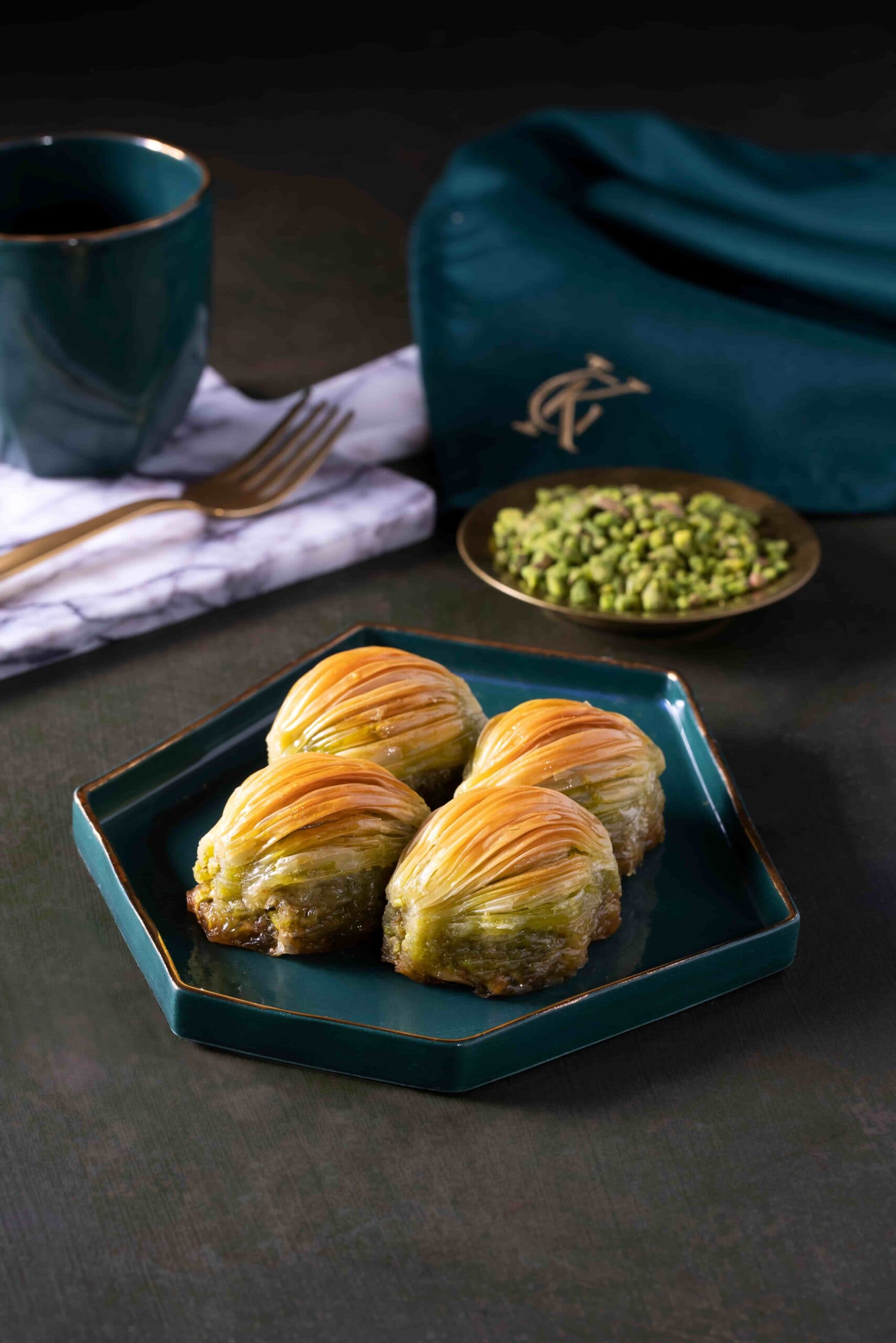
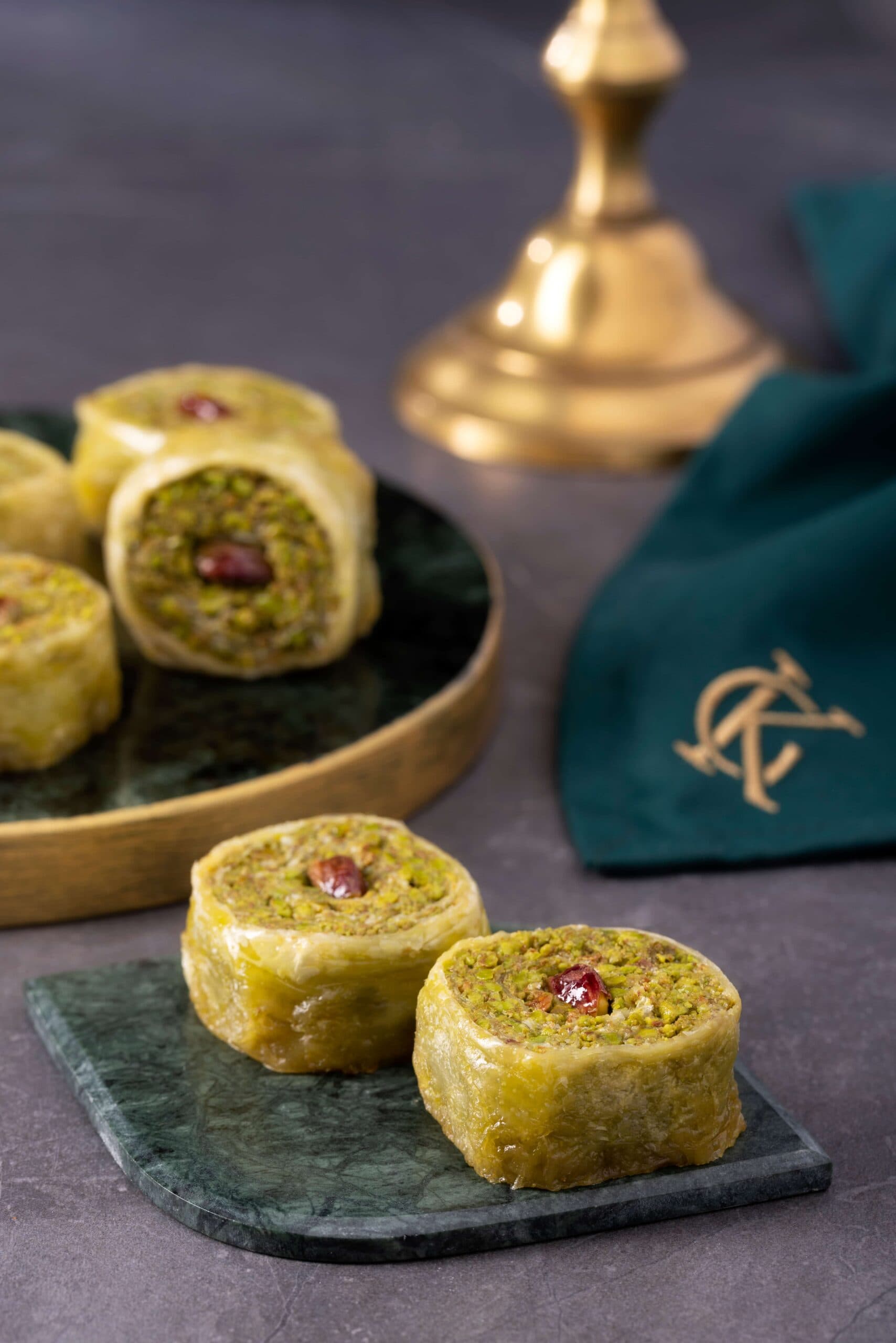
Food culture researcher Nilhan Aras, historian Prof. Dr. Burak Onaran and Karaköy Güllüoğlu General Manager Murat Güllü are travelling across Türkiye, province by province, to document recipes at risk of disappearing, regional production techniques and the collective memory woven around baklava for the Türkiye Baklava Atlas.
For centuries, baklava has been passed down from one generation to the next as one of the most powerful culinary legacies of Anatolia and the wider Ottoman geography. Yet for the first time, this rich heritage is becoming the subject of such a comprehensive, interdisciplinary study. Food culture field researcher and writer Nilhan Aras, historian Prof. Dr. Burak Onaran of the Department of Sociology at Mimar Sinan Fine Arts University, and Murat Güllü, General Manager and sixth-generation representative of Karaköy Güllüoğlu, are embarking on a long-term journey for the Baklava Atlas.
Over the next several years, Aras, Onaran and Güllü will travel across Türkiye, tracing the many stories of baklava. Encompassing interviews with master baklava makers, archival research, local recipes and techniques in danger of being forgotten, the project approaches baklava not simply as a dessert, but as an essential part of history, culture, craftsmanship and collective memory. By documenting baklava traditions from different regions of Türkiye, the completed Atlas will become a unique reference for both the world of gastronomy and cultural heritage research. At the very beginning of this journey, we spoke with the three names behind the project about how the idea emerged, the surprises encountered during the first months of research and the route of discovery that lies ahead.
Nilhan Aras — Food Culture Field Researcher and Writer
Türkiye’s Baklava Atlas
What convinced you to become involved when the idea for the Türkiye Baklava Atlas first emerged?
First of all, I can say that I genuinely love conducting fieldwork in Anatolia. When the subject is a single product, it means exploring detail—and then going even deeper into that detail—which, for me, is irresistible. Beyond that, the project would cover the entire country; even the thought of it was tremendously exciting. Add the expertise of the project team, and how could I not be convinced?
Of all the stories shared by the people you met during your fieldwork, which affected you most?
There are many, but one account from Hakkâri stands apart from all the others, at least for me, because of how unusual it was. One of our interviewees told us that it was his father who used to make baklava in their village during religious holidays. His father had completed his military service in Kars, where he worked in the kitchen and learned how to make baklava from his master. After returning to the village, he made baklava for anyone who asked, every holiday or whenever it was needed, until quite recently. He then began his current job and stopped making it. Naturally, the history of baklava culture in that region unfolds as a separate story connected to this account.
The world of gastronomy is currently rediscovering locality. Where does baklava stand within this transformation?
The examples we encounter show that the gendered division of labour and women’s invisible work within the household also need to be discussed through baklava. Everyone agrees that making baklava at home is neither easy nor something just anyone can manage. Despite this, baklava sold commercially by a gastronomic establishment is often considered more valuable than homemade baklava.
As a result, baklava frequently becomes visible only when it is diversified as a commercial product. Apart from distinctive examples such as Lüle Baklavası from Çorum, attempting to rediscover baklava’s locality solely through domestic production sometimes feels to me like offering praise without particularly solid foundations.
“I can say that I discovered a production method that was almost beyond belief.”
While preparing the Atlas, did you encounter a type of baklava that surprised you and had previously received little attention in the literature?
I would not necessarily call it a variety, but I can say that I discovered a production method that was almost beyond belief. In Çerkeş, a district of Çankırı, baklava cooked over the hearth is removed after it has partially cooked. To prevent the pastry sheets from becoming doughy and to ensure that the interior cooks properly, several of the upper layers are lifted off one by one and set aside. The tray is then returned to the hearth and cooked for a while longer before being removed once again, at which point the separated layers are carefully placed back on top.
It seemed so extraordinary to us that we felt compelled to ask again and again exactly how they did it. As for varieties, I could mention baklavas in which corn flour is used instead of, or together with, wheat flour to prepare the dough and roll out the pastry sheets. There is also a sesame baklava remembered by older generations, although it is now little known because sesame has not been cultivated locally for some time, as well as newer variations made with apple or cherry fillings. Of course, it should be remembered that the project will continue for several years and we are still only halfway through its first year.
Türkiye’s Baklava Atlas
Beyond the recipe itself, what makes baklava a form of cultural heritage?
For various reasons, we often tend to approach an ingredient or object associated with food culture in isolation. We think and speak only about that particular element, although naturally I exclude academic and scientific frameworks from this observation. In reality, every element is either an ecosystem in itself or an important component within one. Most have generated cultures of their own. Baklava is no different.
It is both an ecosystem, emerging through a network of relationships, and something that has created its own culture in accordance with the five Ws and one H: Who makes it? When, why, where and how is it eaten? In some places, trays of baklava are prepared for weddings, or guests bring trays to the wedding household. Elsewhere, it is not made for weddings at all. In certain regions, preparing an entire tray of baklava represents imece—communal labour and a division of responsibilities. What is eaten or drunk alongside it has become almost ritualised in some places.
Then there are the raw materials used in its production: water buffalo farming, practices surrounding the preparation of clarified butter, the agricultural production of ingredients for the dough and filling, and the cultural transitions connected to them. Many more elements could be added to this list.
What do the ingredients and techniques used in different regions of Türkiye tell us about local ways of life?
They tell us a great deal, from agricultural and livestock practices to the pace of everyday life and kitchen customs. This is precisely where we need to engage all five senses, as well as our memory. That is the beauty of fieldwork.
The study demonstrates that baklava does not emerge from a single recipe, but from a multilayered cultural geography. Which example best expresses this diversity?
The fact that the ingredients used for the dough and filling, along with the cooking technique, are determined by the place in which the baklava is made already illustrates this diversity in the most comprehensive way. Baklava is produced according to what grows in a particular region and the cooking methods available there. That is the very foundation of its diversity.
The number of layers and the purpose for which the baklava is prepared also vary according to the culture and way of life of each region.
What is the most important characteristic that distinguishes the Türkiye Baklava Atlas from a conventional gastronomy book?
It will be a book about Anatolian folk culture; the connections and differences between cultures and geographies; cooking techniques; transformations in agricultural production and their reflections in kitchen practices; the culture of communal labour; the historical position of all these elements; human stories; and much more. We structured our fieldwork accordingly.
Prof. Dr. Burak Onaran — Historian, Department of Sociology, Mimar Sinan Fine Arts University
Türkiye’s Baklava Atlas
Is it possible to read baklava not simply as a dessert, but as a historical document?
If you approach baklava as an object of material culture, it is certainly possible to read it as a document. Baklava is, after all, a product. From its raw materials to its preparation, it comes into existence through human activity. Its production, its form, changes in its ingredients, the traces it carries and, ultimately, the social practices that develop around it—or within which it takes shape—make it possible to read baklava as a historical document.
We should also remember that its consumption, as much as its production, is connected to how we live as a society, how we organise ourselves and how we make sense of the world around us. When you consider who makes it, who eats it, when it is served and in what manner, you realise that baklava can be read as both a social and sociological document concerning a vast terrain that includes social identities, class and gender relations. The Baklava Atlas is a project that follows precisely these lines of inquiry.
“Social practices make it possible to read baklava as a historical document.”
What does baklava’s transformation from the Ottoman period to the present day tell us about changes in society?
I can answer this question only through the history of commercial baklava making, because other factors need to be considered when analysing the story of baklava within the household.
In the late 19th and early 20th centuries, the image of the baklava maker at the centre of the empire was very strongly associated with Damascus and Arab identity. When we examine the famous baklava makers of Istanbul at the time, the stock baklava-maker characters in traditional orta oyunu theatre and the baklava-related jokes appearing in newspaper cartoons, we repeatedly encounter figures referred to as “Ak Arap,” or “White Arabs.” The expression “Damascus Baklava” occupied almost the same place in the language that “Antep Baklava” does for us today.
Please do not interpret this as an implication or claim that baklava essentially belongs to Arabs. I am simply referring to an association established during a particular historical period. With the foundation of the nation-state and Damascus remaining outside the national borders, the image of baklava within Türkiye became increasingly Turkish and increasingly associated with Gaziantep. I consider this one of the principal axes of change.
Marketisation, another defining dynamic of the 20th century alongside nationalisation, also radically altered the content and form of baklava. Pistachio’s rise to dominance from the mid-1970s onwards, the rapid popularisation of the rectangular cut during the 1980s and the continuous introduction of new varieties from the 2000s onwards are developments closely—and at times directly—connected to the marketisation experienced by both baklava and Türkiye.
“The memory carried by women and the kitchen is, in itself, an extraordinarily fertile line of inquiry.”
What do you consider the most important contribution of the Türkiye Baklava Atlas to the historiography of gastronomy?
The Atlas is a project that will reveal the local recipes, cultural value and social role of a dessert made and consumed without exception throughout Türkiye. I believe it is a highly valuable, comprehensive and remarkably detailed study for the field of gastronomy research in Türkiye.
Its particular contribution to the history of gastronomy will, in my view, be the revelation of local, microhistorical narratives that are otherwise difficult to access. We hope, for example, to present the baklava recipes of Eruh, Mudanya and İskilip, the confectioners operating in their town centres and the value attributed to baklava on special occasions within a historical progression. It will be a historical and ethnographic panorama capable of descending into detail on a micro scale.
Of course, we should also remember that the data obtained through the research will not offer the same degree of coverage in every region and district. Producing an entirely complete picture will therefore remain impossible.
Türkiye’s Baklava Atlas
Türkiye’s Baklava Atlas
Can Anatolia’s trade routes, patterns of migration or cultural interactions be read through regional baklava varieties?
In responding to such an extraordinarily broad question, I would first like to emphasise that this research is largely dependent on testimonies—in other words, oral-history material—and to acknowledge the limitations of both this methodology and its sources.
This means that we cannot use the Baklava Atlas to produce a map of migration, trade routes or cultural interaction. Nevertheless, to understand baklava’s diversity and the cultural values attributed to it, we must consider all of these factors and more. Attempting to address trade routes, migration and cultural interaction simultaneously through concrete examples would lead to an excessively long answer. So, with your permission, I will choose migration as a particularly productive example.
There is a baklava variation made by Cretans using cheese—more specifically, curd cheese—as its filling. We encounter this dessert in places to which Cretan communities migrated and were resettled. We also observe similar techniques among Georgian and Bosnian communities living in different parts of Türkiye. Migration is therefore unquestionably an important line of inquiry for understanding regional baklava variations, the interactions between those variations and the stories behind them.
Baklava is also a product that carries memory powerfully enough to reveal cultural richness and different forms of interaction, while remaining integrated into everyday life in many different ways. The memory carried by women and the kitchen is, in itself, an extraordinarily fertile line of inquiry.
However, we need to add a very large, bold “but” here. None of this should be understood to suggest that the history or geography of migration can be uncovered through baklava. The information obtained by examining baklava alone is simply not comprehensive enough to construct such a map.
Nor should we fall into the illusion that cultural transmission is always continuous in every context. The fact that the traces of people who arrived in Anatolia, or moved from one place to another within Türkiye, can occasionally be followed must not produce such a misunderstanding. We know that traces are sometimes erased or deliberately concealed. The traces left in memory by Anatolia’s Christian populations, for instance, are either faint or extraordinarily circuitous. It is not possible to reveal them simply by following baklava.
When it comes to the concept of “authenticity,” can we speak of a single correct recipe for baklava?
Authenticity is a highly problematic concept, not only in relation to baklava or gastronomy, but in almost every field. Once attached to a subject or object, it removes it from history and encourages the illusion that a perfect form can exist outside time.
Let us first strip the word of its aura. “Authentic baklava” means baklava that is “original,” “real” or “true to its source.” We would therefore need a definition of baklava that existed in a particular place at a particular time—or even at a particular moment—and was accepted by everyone as the original. It would also have to be a product that never changes, or rather, one that we desire never to change.
Unless we believe that a particular individual invented baklava at a specific moment and, in doing so, discovered the perfect form, technique and combination of ingredients for all time, we can easily understand that such a baklava has never existed. We need only look around us. The sheer breadth of baklava’s geography, extending from the Balkans to the Middle East, the diversity of products found across that geography and the variability of human preferences are enough to demonstrate the impossibility of the myth of a single correct recipe.
We should also remember that even our palates—and particularly our expectations regarding the amount of sugar in desserts—change according to both time and geography.
Was there a historical fact or document that particularly surprised you during the research?
It was not one particular document, but interconnected documents and accounts have repeatedly taken me beyond my initial assumptions, and thankfully they continue to do so. I say thankfully because I believe that moving beyond our assumptions is evidence that we are genuinely engaging with the field and the archive.
There were several such subjects while working on the book. I was greatly surprised when I realised that pistachio baklava’s rise to dominance did not extend back beyond the 1970s, when I encountered the fame of Tarsus baklava during the 1930s and when I worked out how the rectangular baklava cut emerged around the 1980s.
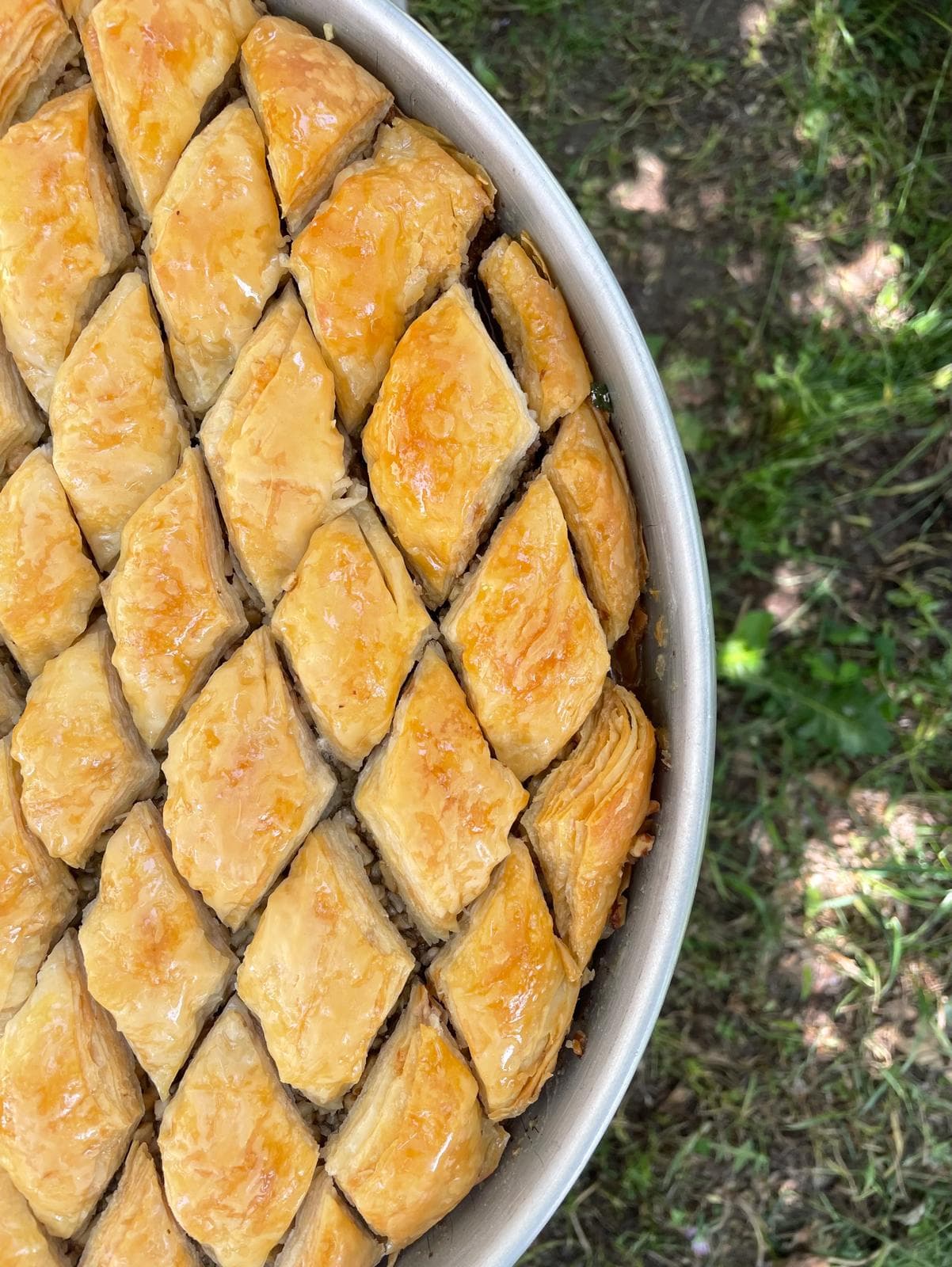
As I explain in detail in the book, the rectangular cut appeared in Istanbul’s commercial baklava production in the early 1980s as ovens and baking trays changed. When new rectangular aluminium trays replaced round ones, the traditional diamond-shaped baklava cut also gave way to rectangles.
During the Atlas research, however, I learned—through an interview conducted in Pervari, if I remember correctly—that during the 1970s, local baklava makers had used the sheet-metal trays found in bread ovens because of limited resources, and had cut their baklava into rectangles to suit those trays.
For me, this was both one of the moments when the Atlas and the baklava history book complemented one another and a historiographical lesson in how the same historical process can appear—and be constructed—differently when viewed from major cities and smaller settlements.
Why do you consider atlas projects of this kind important for the future of gastronomy research in Türkiye?
I believe research with a strong connection to the field, such as the Atlas project, demonstrates the extraordinary diversity of recipes that have been standardised, or are assumed to possess a single “authentic” form. It exposes the irreducible nature of questions surrounding gastronomic culture that are often thought to have been summarised through supposedly comprehensive overarching narratives.
There is much to learn from the field, from living kitchens and from kitchens preserved in memory. It is important not only to understand the recipes, but also the cultural worlds in which they exist and the memories those worlds consider worth preserving.
To me, the greatest misconception about baklava is the belief that a product spread across such a vast geography could possess a single original form, origin and nationality.
While 40 Kat Baklavanın Tarihi follows historical traces more closely, the Türkiye Baklava Atlas is a field-based study. How do the two projects complement one another?
The book was undoubtedly more archive-oriented, while the Atlas will rely more extensively on field interviews. Yet I also conducted fieldwork for the baklava history book. I wrote the section on 20th-century baklava history using oral-history interviews as much as archival research.
The Atlas also follows—and will continue to follow—historical traces. We will try to examine every place covered by the Atlas through the available literature and sources. The essential difference lies in scope.
In the baklava history book, our examination up to the 20th century focused largely on the palace, while the 20th-century section concentrated primarily on the development of commercial baklava making along the Gaziantep–Istanbul axis. The Atlas enters people’s homes, follows baklava into domestic kitchens and extends its research field beyond major cities.
I do not believe the two projects fit together like pieces of a jigsaw puzzle. Rather, I hope that by approaching baklava through different dimensions, processes, geographies and planes, they deepen and add further layers to what we know about baklava—and, through baklava, about the history of Türkiye.
What relationship have you observed between the baklava found in Ottoman archives, travel writing and historical texts, and the stories told by baklava makers today?
I think that relationship was largely invented during the rise of Ottoman nostalgia in the 1990s. Brands attempt to connect themselves and their stories to the Ottoman world. That is another world altogether.
As a researcher who has studied baklava for many years, what do you consider the greatest misconception about it in Türkiye?
To me, the greatest misconception about baklava is the belief that a product spread across such a vast geography could possess a single original form, origin and nationality.
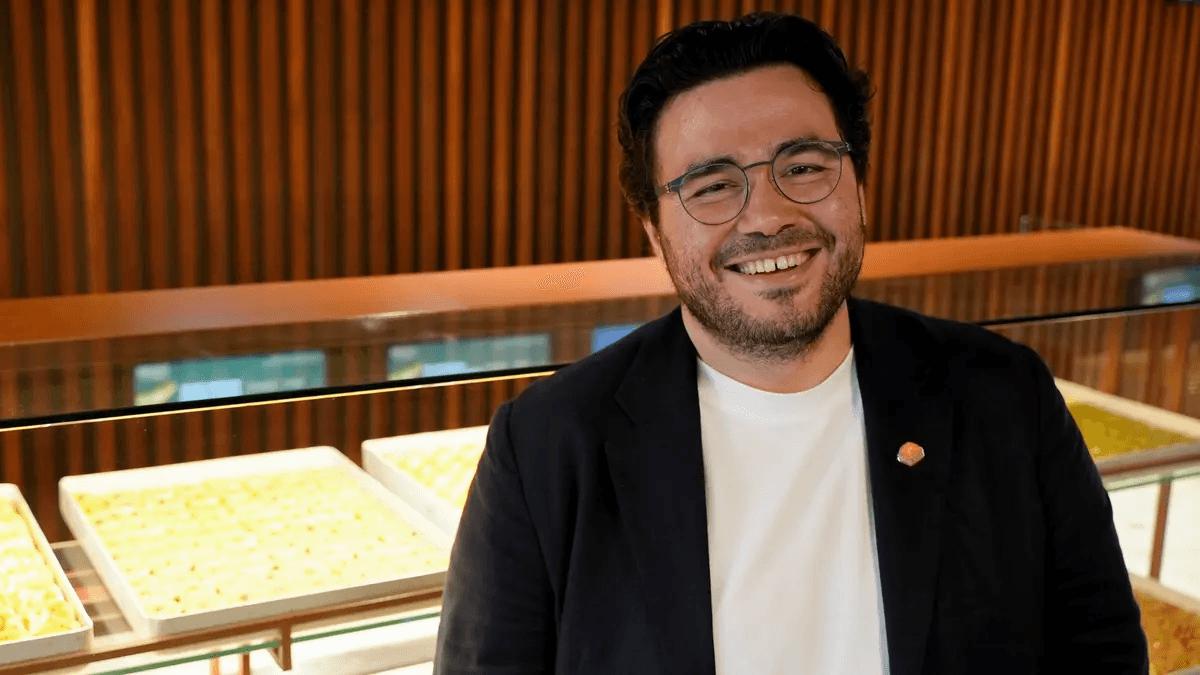
Murat Güllü — General Manager of Karaköy Güllüoğlu and the Brand’s Sixth-Generation Representative
As a baklava master, why was it important for you to contribute to the preparation of the Atlas?
We are a family whose roots extend to Gaziantep and whose history has unfolded partly in Gaziantep and partly in Istanbul. We produce Gaziantep baklava, but we are also very aware that distinct and highly individual baklava cultures exist throughout Türkiye.
The baklava of every region possesses its own history, production techniques and cultural heritage, and therefore carries a value of its own. For us, it is not only our own baklava that matters; every variety produced in Türkiye is equally precious.
This is why we attach such importance to contributing to the research and documentation involved in the Baklava Atlas. Some regional baklavas are at risk of being forgotten over time. As a responsibility inherent in our profession, we believe that these recipes, production traditions and stories must be documented, recorded and passed on to future generations before they disappear.
What determines a good baklava: its ingredients, its technique or the experience of its master?
It is not really possible to separate these elements. A good baklava emerges when high-quality ingredients, the correct technique and craftsmanship shaped by years of experience come together.
Technique evolves over time and continually renews itself. Through the Baklava Atlas, we also have the opportunity to examine production techniques across different regions, along with their similarities and differences. Understanding which methods are used in which region and how these techniques have developed over time will be one of the project’s important outcomes.
Ingredients, meanwhile, are largely regional. Every area has its own distinctive produce and raw materials. Yet harvesting those ingredients in the correct season and using them at their very best are just as important as the ingredients themselves.
The master is another defining element. Devoting years to this profession, concentrating exclusively on baklava and bringing accumulated experience to every production process have a direct effect on the quality of the finished product.
One of the most important qualities distinguishing Gaziantep baklava making is perhaps its ability to bring these three elements—high-quality ingredients, advanced production techniques and a deeply rooted tradition of craftsmanship—together in their strongest form.
“We see technology not as a replacement for tradition, but as something that supports it.”
How is a balance between tradition and modernisation established in contemporary baklava production?
We take great care to preserve this harmony in our own production. Advances in machinery and new manufacturing possibilities increase product diversity and support the process. Technology makes a particularly important contribution to the monitoring and traceability of raw materials and finished products.
At the same time, handcraftsmanship, the tradition of mastery and baklava’s distinctive character continue to be protected. Sourcing raw materials from their regions of origin is also an important part of this approach. In brief, we see technology not as a replacement for tradition, but as something that supports it.
How do you assess the younger generation’s interest in the baklava-making profession?
Compared with the past, we see that young people are showing greater interest in becoming baklava makers. The wider availability of gastronomy and culinary education has encouraged a more informed interest in the profession.
As part of a collaboration with MSA, the Culinary Arts Academy, young chefs visit our production facility and learn baklava-making techniques through practical experience. We believe that programmes of this kind are extremely valuable for the future of the profession.
In recent years, we have also seen growing interest among young women. Through our collaboration with İSMEK, we now have women masters working as part of our production team, and we consider this a highly valuable development for both our profession and the wider sector.
How do you hope the Atlas will be received among baklava masters following its publication?
We believe one of the Baklava Atlas’s most important contributions will be to increase the exchange of knowledge and experience between masters. As part of the project, we have had the opportunity to meet baklava makers in different cities.
During our research in Amasya, for example, local masters welcomed us with great hospitality and shared their knowledge and experience. We, in turn, had the opportunity to share our own expertise.
Allowing masters to observe the techniques, methods and production cultures found in different regions will make an important contribution to the development of the profession. We hope the Atlas will become not only a work of documentation, but also a strong platform for exchanging knowledge and building solidarity among masters.
“There are numerous varieties of baklava across Türkiye’s many different regions.”
Is Türkiye’s baklava diversity sufficiently recognised on the international gastronomic stage?
We cannot yet say that it is sufficiently recognised. In fact, this is true not only internationally, but within Türkiye as well.
When people think of baklava today, Gaziantep-style baklava is usually the first variety that comes to mind. As the most widespread and best-known type—and the kind we produce—it has gradually come to be perceived as Türkiye’s only baklava.
Yet many baklava varieties exist across the country, each with its own production methods, ingredients and stories. Some of these are not sufficiently recognised even in the cities to which they belong. The strong reputation of Gaziantep baklava can, at times, overshadow the visibility of other regional varieties.
This is why we consider studies such as the Baklava Atlas so valuable. By documenting the baklava culture of different regions, we believe the project will help make this rich gastronomic heritage more visible both within Türkiye and internationally.
Are there any new interpretations of baklava that excite you today, or is preserving tradition the greater priority?
Preserving the traditional approach to baklava making is always our priority. However, that does not mean we are closed to innovation. On the contrary, although baklava is an ancient product with deeply rooted traditions, it is also a highly dynamic field.
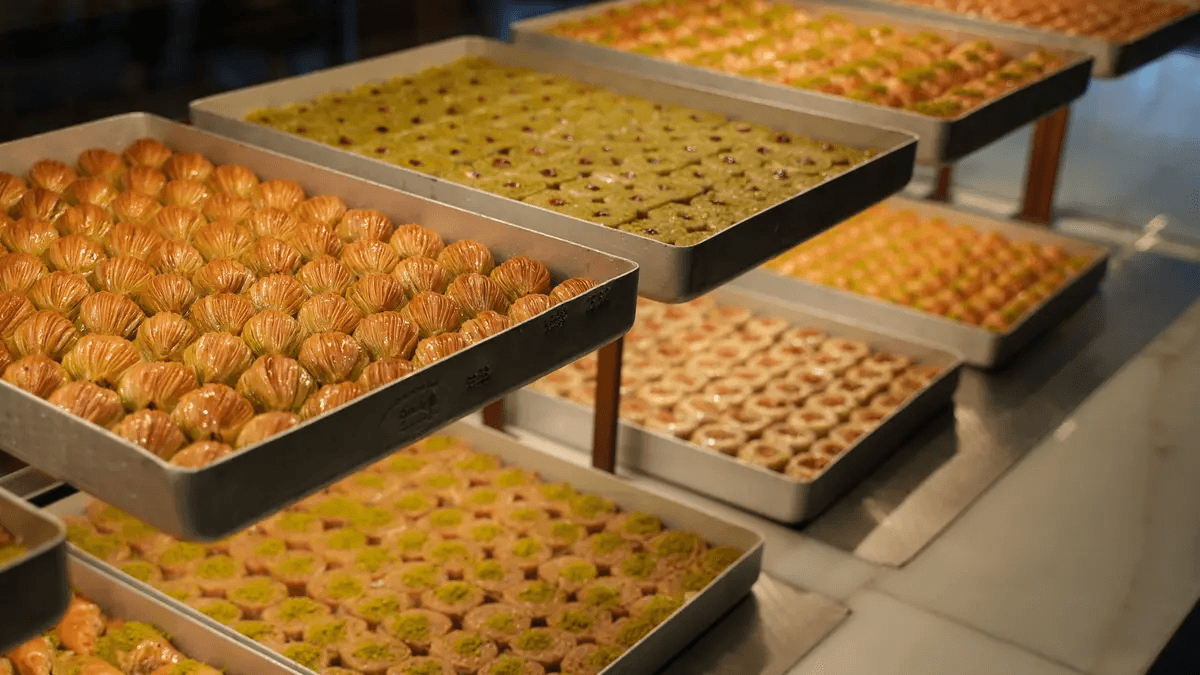
Soğuk baklava, or cold baklava, has been one of the clearest examples in recent years. With its milky character and different presentation, it has appealed particularly to younger consumers. Burger baklava, distinguished by its unconventional form, is another innovative product that has captured the attention of younger generations. Vegan baklava, meanwhile, responds to a different need by appealing to consumers who prefer not to eat animal-derived products.
We closely follow consumer expectations and developments within the sector, continuing to develop new products while protecting traditional baklava culture. What matters is ensuring that innovation does not come at the expense of baklava’s essence or its tradition of craftsmanship.
Which preconception about baklava would you most like readers of the Türkiye Baklava Atlas to reconsider?
The preconception I would most like to change is the belief that baklava consists solely of Gaziantep baklava—and solely of baklava made with pistachios.
Gaziantep baklava is, of course, one of our country’s strongest and best-known cultural values. Yet Türkiye’s different regions are home to numerous baklava varieties, each possessing its own production techniques, ingredients, cultural history and story.
One of the Baklava Atlas’s most important contributions will be to make this richness visible. After exploring the Atlas, I would like readers to see baklava not as a single product, but as a rich and living gastronomic heritage sustained across the many regions of Türkiye.
Saatolog Yıllık Saat Dergisi Saatolog’un yeni sayısı, 2020’nin yarattığı bu dönüştürücü etkiden ilham alarak hazırlandı. Dünya dijitalin etkisiyle her zamankinden de hızlı bir şekilde ilerlerken yavaşlamanın da önemini sonunda kavramış bulunuyoruz ve bu tezatlık hayatlarımızın her anına etki ediyor. Biz de bundan yola çıkarak Saatolog 2020/21 sayısını ‘‘hızlı ve yavaş’’ teması altında hazırladık.