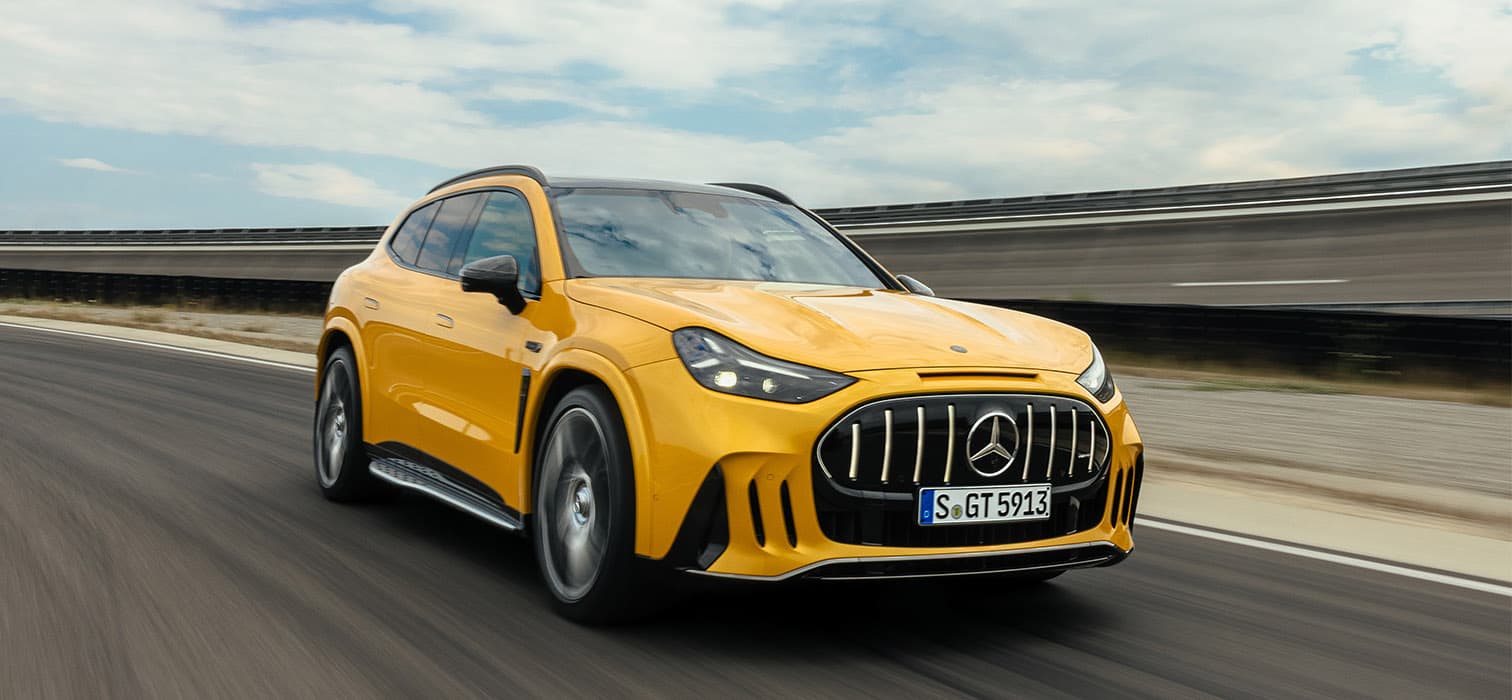
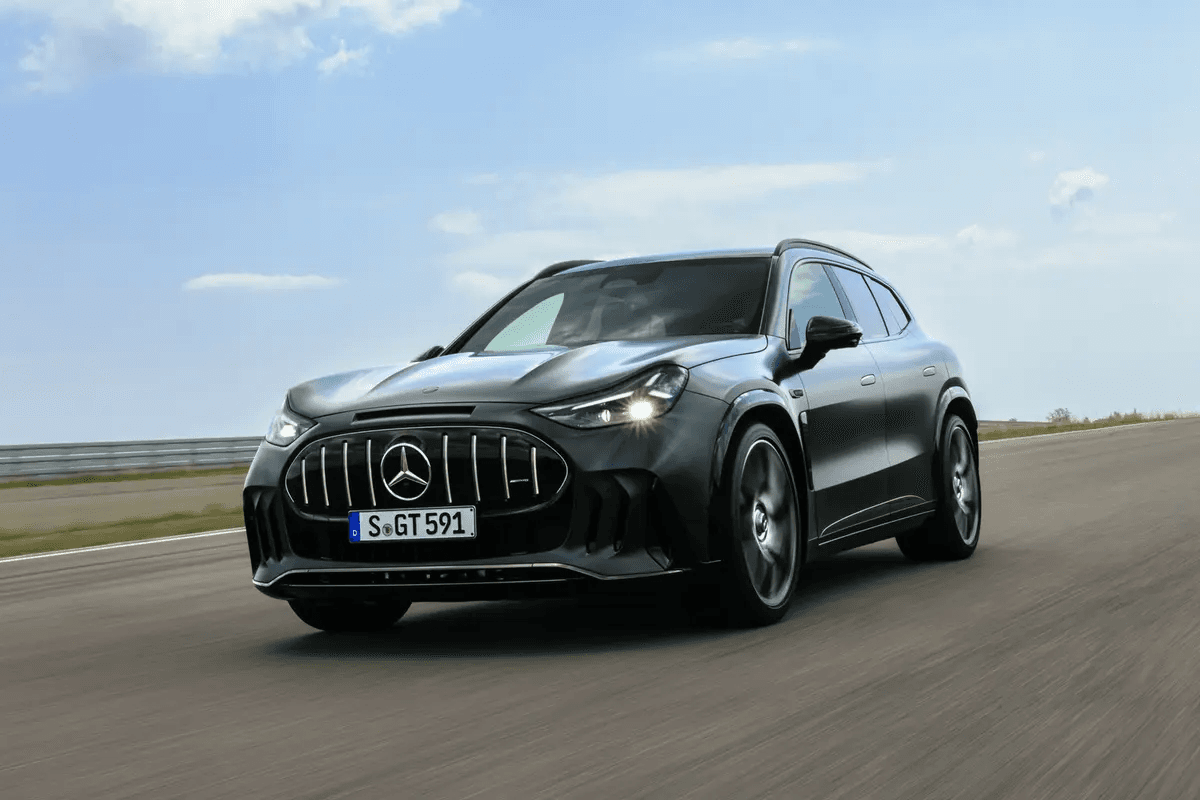
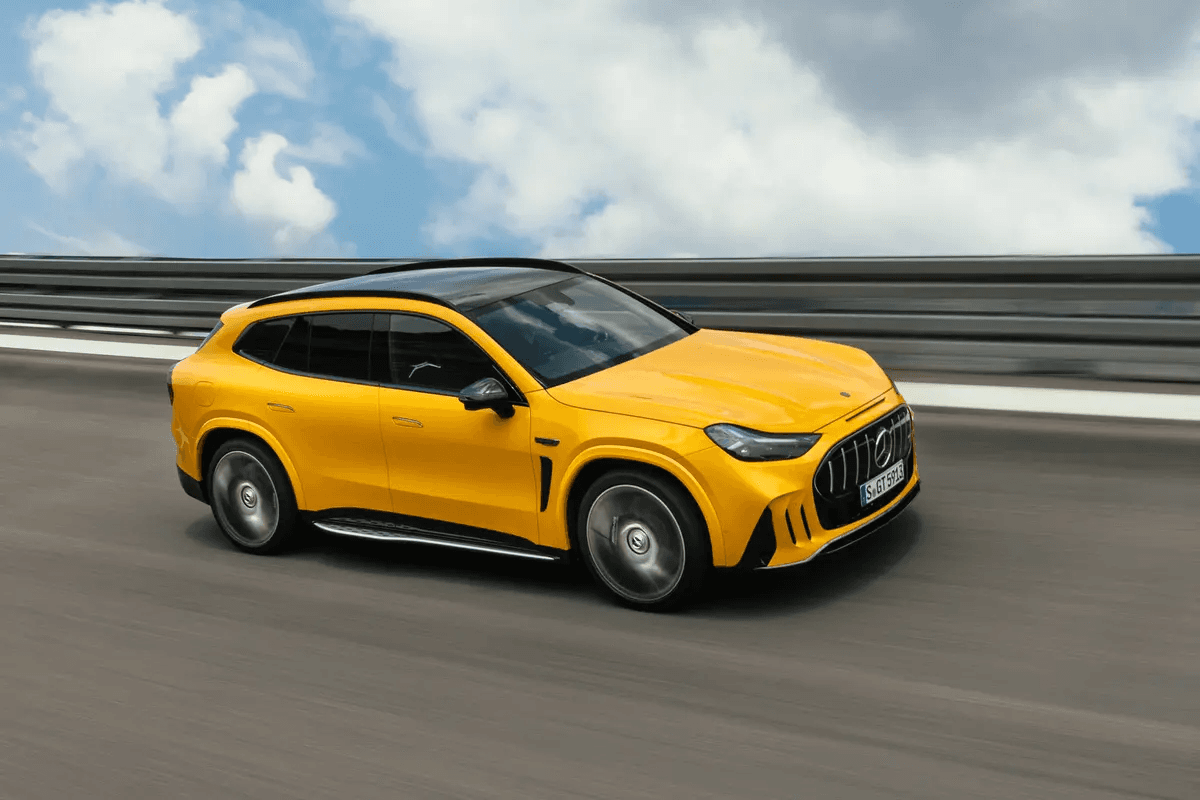
We’ve seen countless Mercedes-Benz SUVs bearing the AMG badge over the years. This time, however, things are different. Meet the first true SUV developed and engineered by AMG from the ground up: the Mercedes-AMG GT SUV.
Founded in 1967 as an independent engineering company, AMG made its name by modifying Mercedes-Benz cars. In 1990, the company signed an official cooperation agreement with Daimler-Benz AG. Nine years later, Daimler-Benz acquired a majority stake, transforming the business into Mercedes-AMG GmbH, before bringing it fully under the Mercedes-Benz umbrella in 2005.
Since its beginnings, AMG has been responsible for some of the most outrageous performance cars in the Mercedes-Benz universe. Now, for the first time, it has started with a blank sheet of paper to develop an SUV of its own. And this one is entirely electric. As the first SUV engineered by AMG from start to finish, the Mercedes-AMG GT SUV marks a significant chapter in the brand’s history.
Three Distinct Versions
Mercedes-Benz’s latest shift in brand strategy is also reflected in its model names. The newcomer is officially called the Mercedes-AMG GT SUV, with three versions in the range: the GT 53 SUV, GT 55 SUV and GT 63 SUV.
The entry-level model starts at approximately €113,000 in Europe, while the two more powerful versions are expected to arrive on the road in 2027.
Mercedes-Amg Gt Suv: Amg’s First Suv
The First SUV on the AMG.EA Platform
Another defining feature of the Mercedes-AMG GT SUV is that it is the first SUV to use AMG.EA, the dedicated electric architecture developed by the performance division.
It shares much of its underlying technology with the recently unveiled electric Mercedes-AMG GT 4-Door Coupé. Designed exclusively for high-performance vehicles, the platform features an 800-volt electrical architecture and three electric motors.
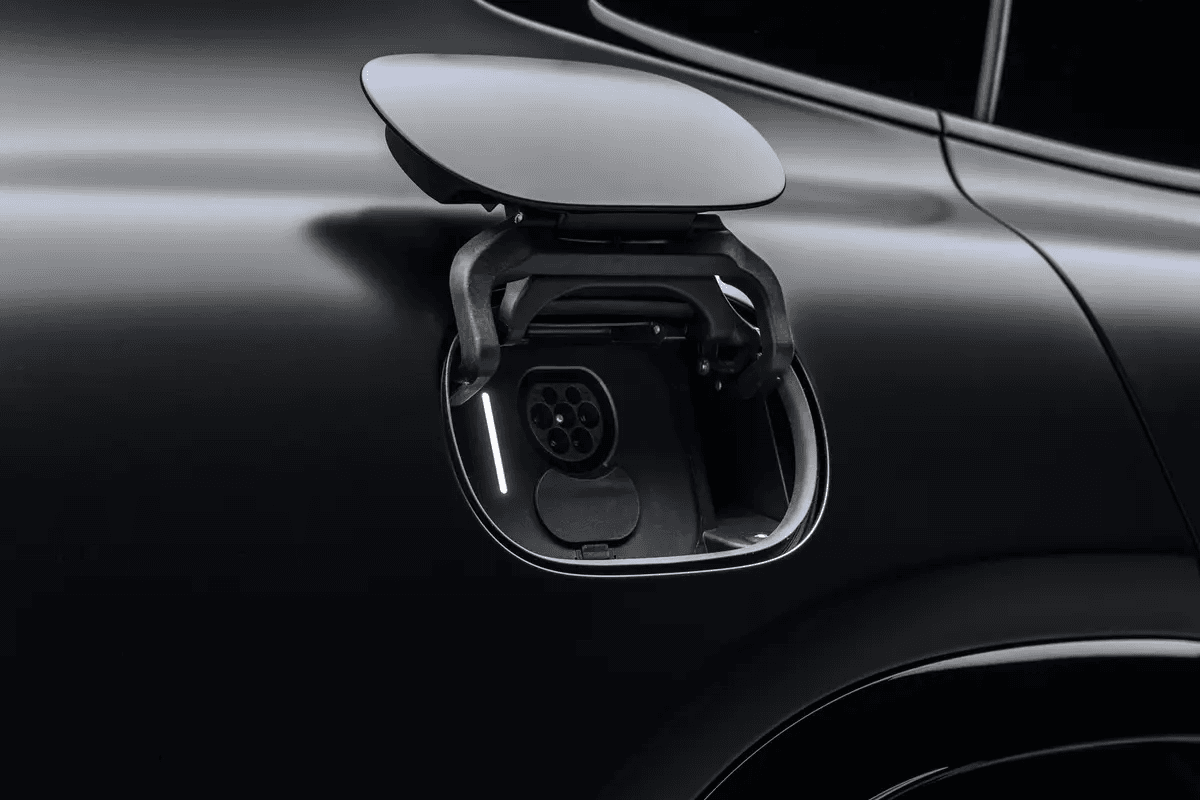
Charging capacity can reach an impressive 710 kW. Under ideal conditions, that translates into enough energy for approximately 450 kilometres of driving range in just ten minutes of charging.
The performance heritage of a partnership spanning 59 years between Mercedes-Benz and AMG now finds expression in an electric SUV. Combining the height and weight of an SUV with the driving character of a GT is no small engineering challenge. It has also been one of AMG’s principal priorities.
The electric motors used in the new architecture are lighter and more compact than conventional units. Positioning them as close as possible to the axle centres also helps keep the centre of gravity low.
Mercedes-Amg Gt Suv: Amg’s First Suv
The enormous battery pack, with a capacity of up to 128 kWh, is mounted beneath the floor for the same reason. Meanwhile, the AMG Active Ride Control+ air suspension and active anti-roll bars use instantaneous hydraulic adjustments to minimise body roll and movement through fast corners or at high speeds.
Mercedes-Amg Gt Suv: Amg’s First Suv
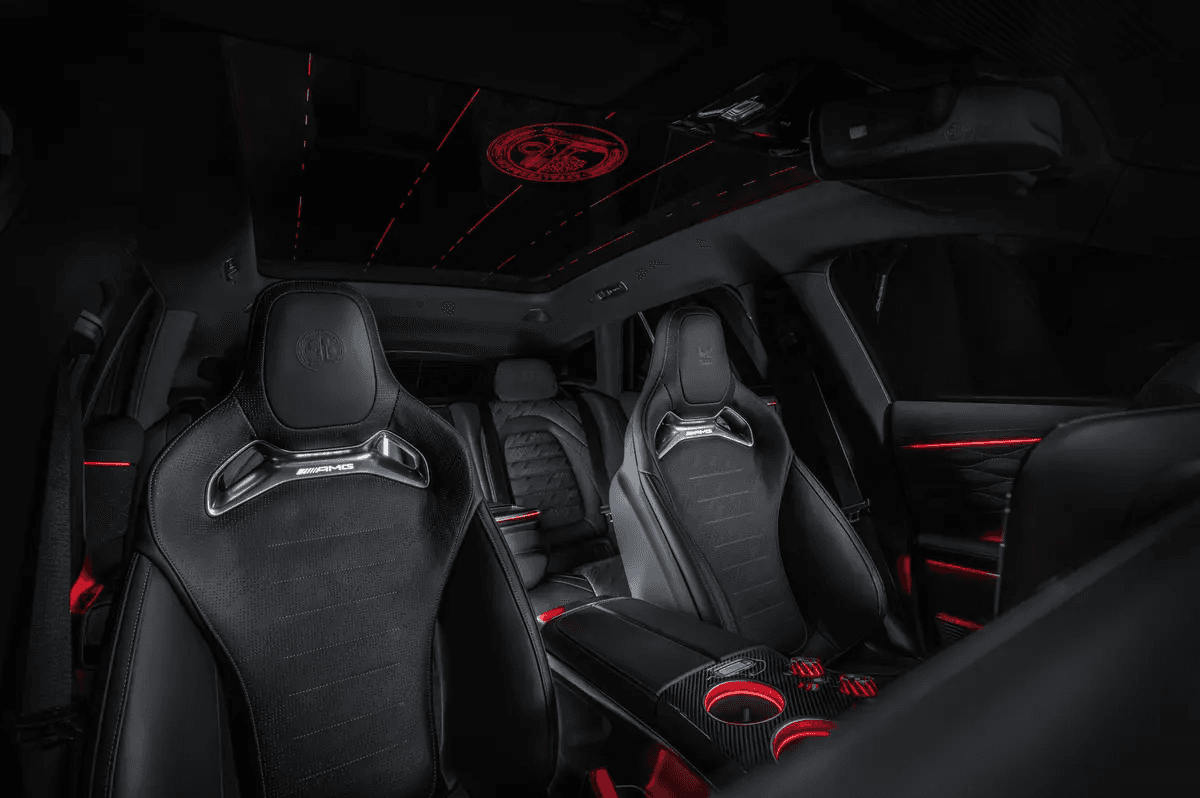
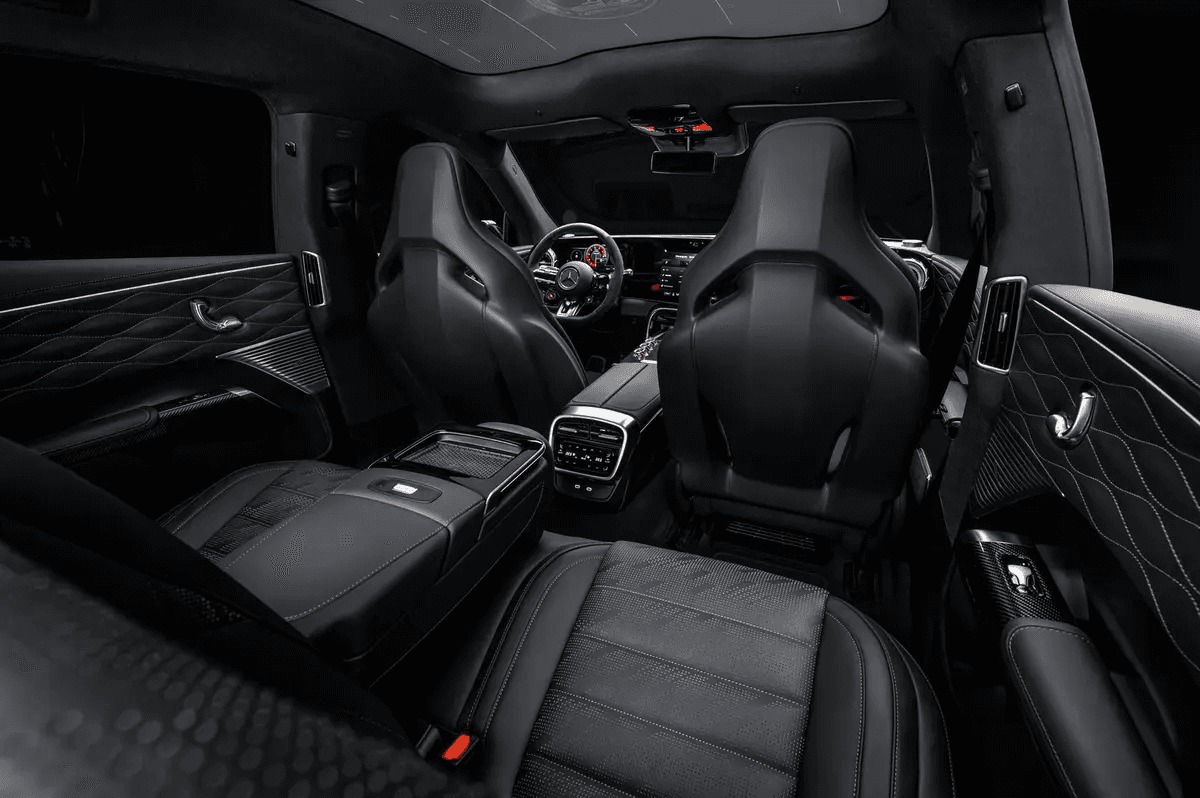
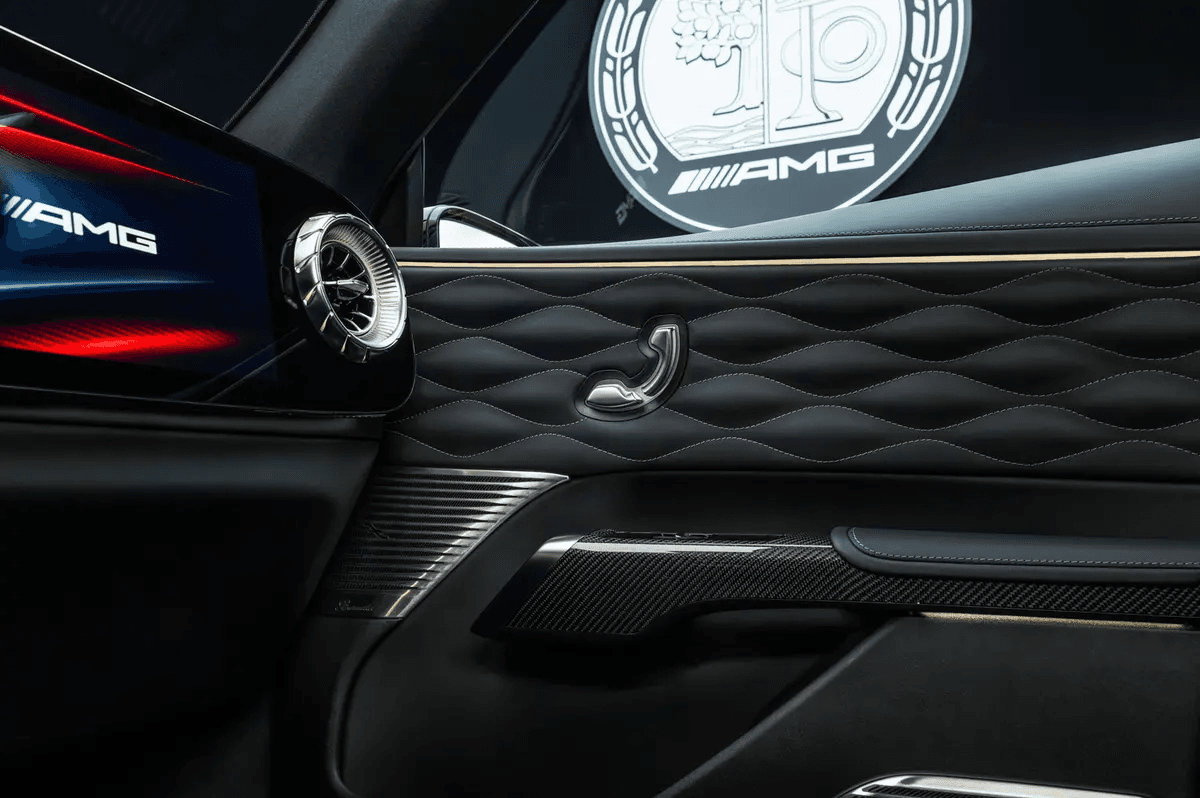
A driver-focused cockpit and a seating position mounted as low as possible further reinforce the GT character.
Active rear-axle steering also gives the SUV an agility that belies its dimensions. Below 80 km/h, the rear wheels turn by up to six degrees in the opposite direction to the front wheels, reducing the turning circle. Above 80 km/h, they turn approximately one degree in the same direction, improving stability through corners at higher speeds.
Mercedes-Amg Gt Suv: Amg’s First Suv
A Driving Experience Tailored to You
All these engineering solutions address the same fundamental challenge: how do you make a large, heavy electric SUV drive like a genuine performance car?
Despite the SUV designation, Mercedes-AMG has developed a vehicle intended to compete at the very highest level of electric performance driving dynamics.
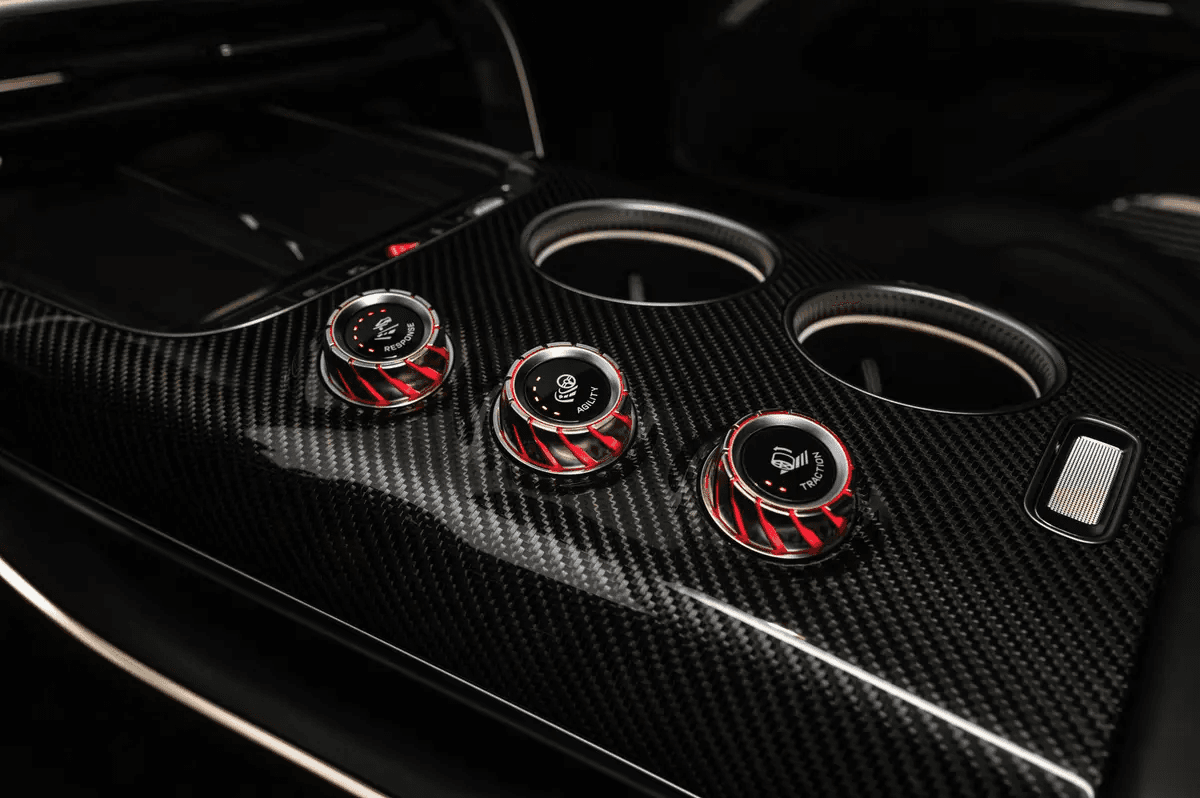
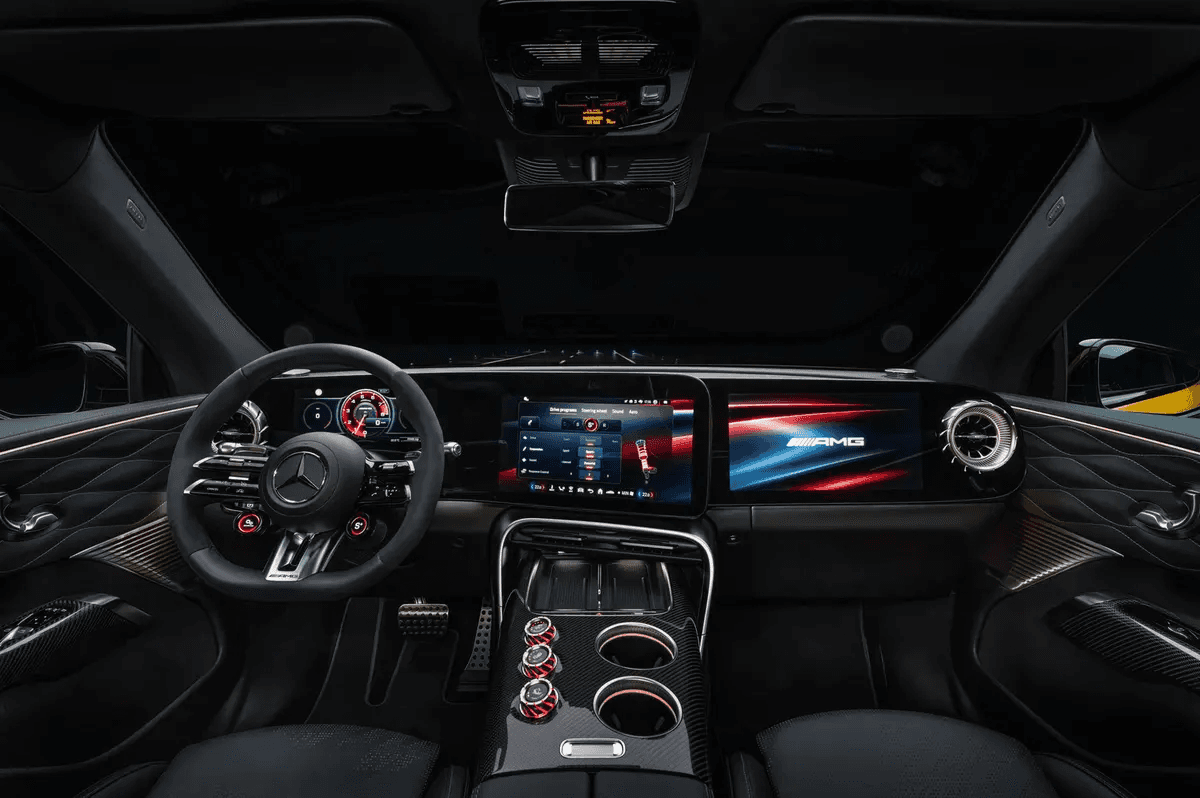
An essential part of that ambition is giving the driver control over the car’s personality. The AMG Race Engineer system is operated through three circular controls, recalling the purposeful interiors of some of AMG’s most formidable models.
These allow the driver to personalise fundamental characteristics such as power delivery, traction and agility, effectively tailoring the car’s behaviour to individual preferences.
Mercedes-Amg Gt Suv: Amg’s First Suv
Artificial Engine Sounds and Vibrating Seats
Silence is one of the great advantages of electric cars in everyday driving. But when it comes to high performance, some enthusiasts still miss the familiar growl of an internal combustion engine. AMG has gone to extraordinary lengths to address that.
The system, called AMGForce Sport+, recreates the sound of a V8 engine in the two more powerful versions, while the entry-level GT SUV draws inspiration from AMG’s historic six-cylinder engines. These sounds are not confined to the cabin; they are also projected outside the vehicle.
Mercedes-Amg Gt Suv: Amg’s First Suv
Inspired by the engine soundtrack of the Mercedes-AMG GT R, the system analyses more than 100 parameters while the car is moving. The resulting sounds are delivered through 16 speakers, constantly adapting to driving conditions.
Even gear changes that do not physically exist are recreated through sound. There are simulated exhaust pops and crackles, too, reminiscent of the effects produced by high-performance combustion engines during throttle lift-off or downshifts.
AMG has gone a step further still. During these imaginary gear changes, the seats vibrate to make the experience feel more convincing. In other words, an electric car in which you can not only hear the gear changes, but feel them as well.
Mercedes-Amg Gt Suv: Amg’s First Suv
Active Aerodynamics
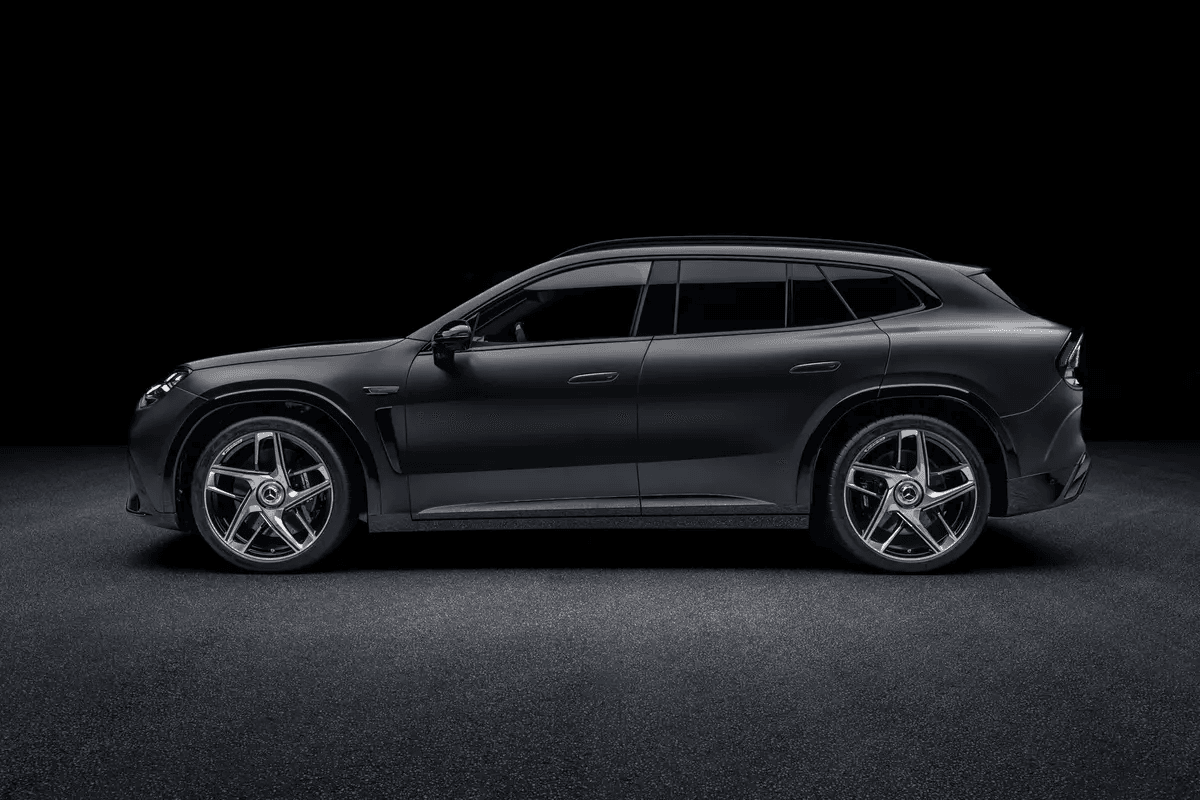
At 5.1 metres long, two metres wide and 1.7 metres tall, the Mercedes-AMG GT SUV is a substantial machine. Add a weight of approximately 2.7 tonnes, and the scale of the engineering challenge becomes even clearer.
AMG groups the car’s active aerodynamic technologies under the name Aerokinetics. Movable air channels in the front bumper open whenever the brakes or battery require cooling. When cooling is unnecessary, they close to reduce aerodynamic drag.
Mercedes-Amg Gt Suv: Amg’s First Suv
The roof spoiler is active, too. Up to 150 km/h, it remains in a position designed to minimise resistance. Beyond that speed, it changes angle to generate additional downforce, continuously adjusting its position according to data from the car’s other systems.
The result is a drag coefficient as low as 0.27 Cd, a remarkable figure for an SUV of this size.
Mercedes-Amg Gt Suv: Amg’s First Suv
Two Luggage Compartments
The dual-luggage-compartment arrangement familiar from electric vehicles is also present in the Mercedes-AMG GT SUV.
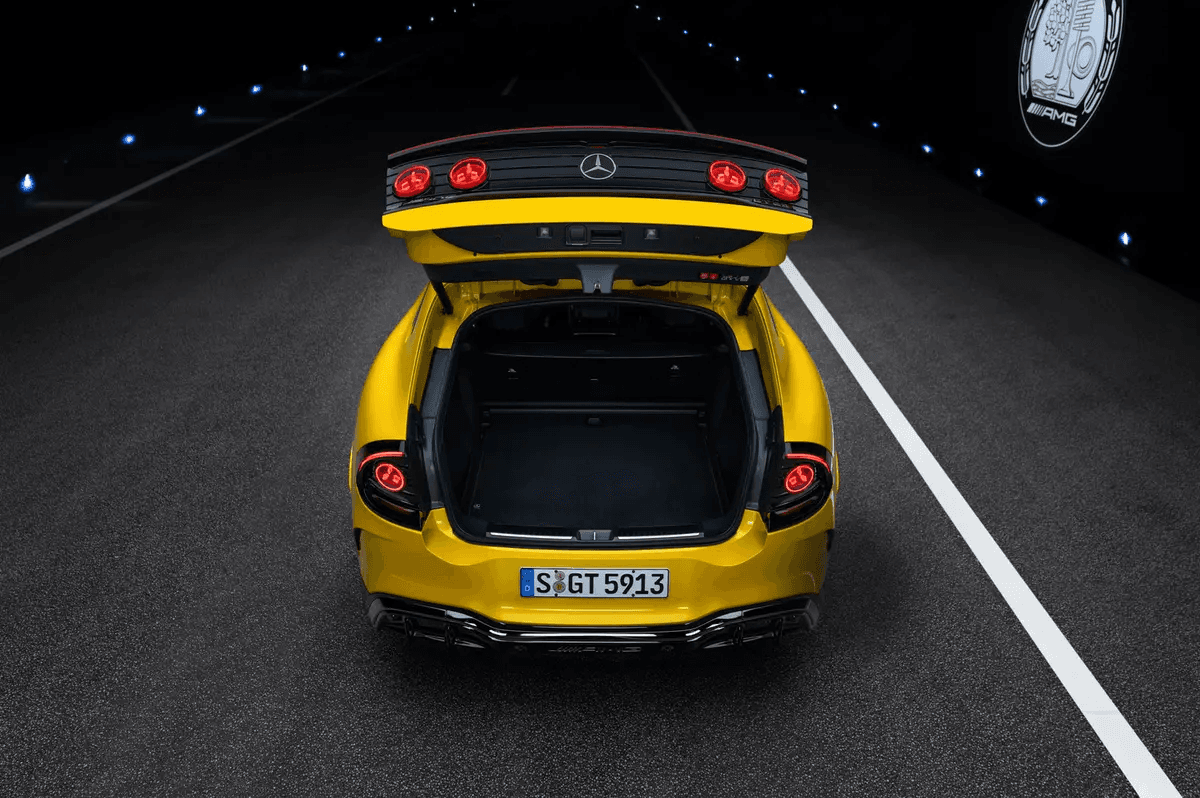
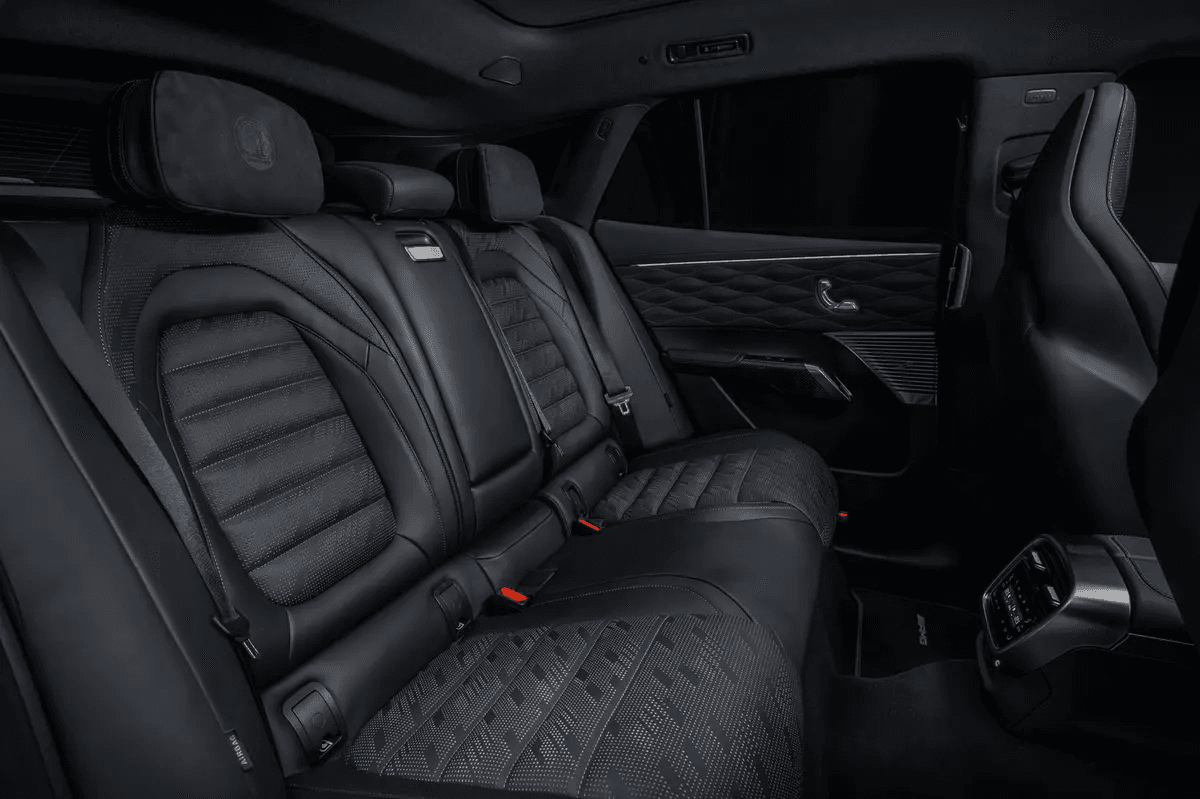
The conventional rear boot offers 607 litres of capacity, expanding to 1,740 litres when the rear seatbacks are folded down.
Mercedes-Amg Gt Suv: Amg’s First Suv
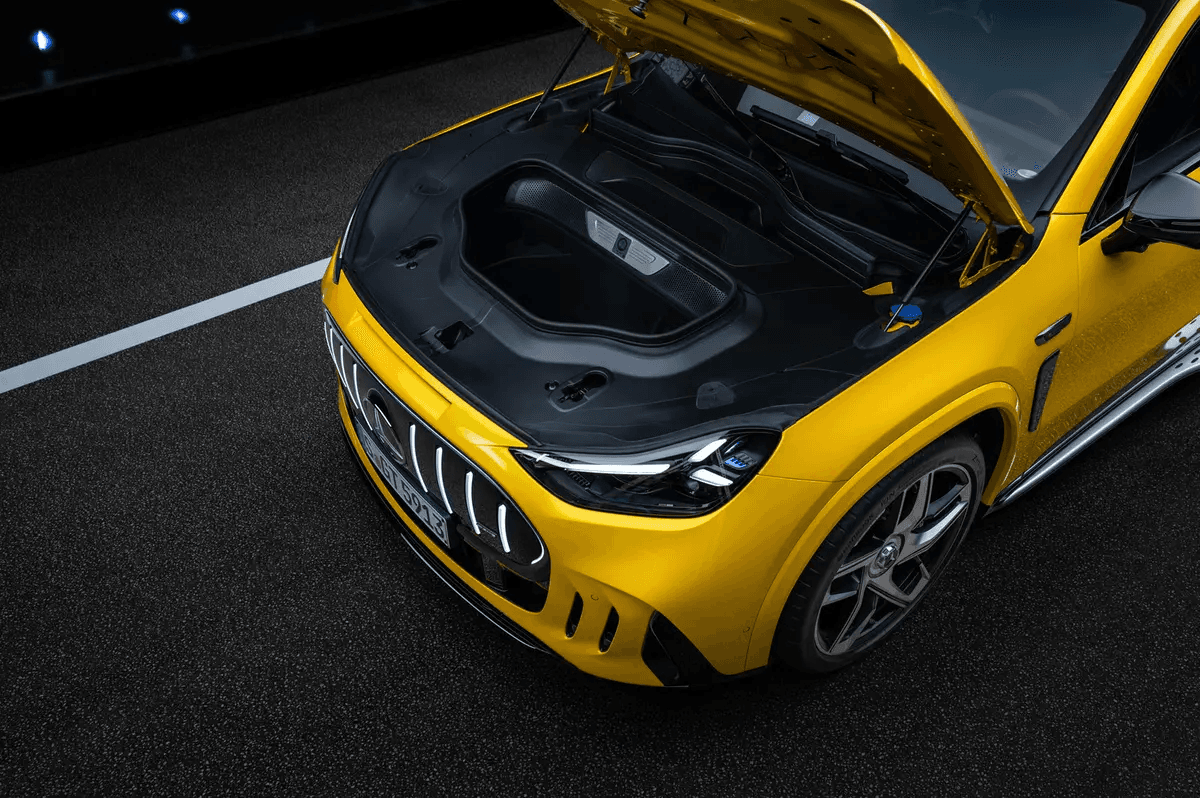
Beneath the bonnet is a second storage compartment, commonly known as a frunk, offering 78 litres under the VDA measurement standard, or 111 litres in total volume. It is a useful space for charging cables or wet equipment.
The opening mechanism is an interesting detail. With the key in your pocket, approaching the front bonnet automatically releases the lock and raises it slightly. You can then lift it fully by hand. At the rear, a powered tailgate comes as standard.
Mercedes-Amg Gt Suv: Amg’s First Suv
Power and Performance
Now for perhaps the most eagerly anticipated aspect of the Mercedes-AMG GT SUV: the performance figures.
The entry-level Mercedes-AMG GT 53 SUV produces 544 hp and 800 Nm of torque. It accelerates from 0 to 100 km/h in 4.2 seconds and reaches a top speed of 250 km/h. Its quoted electric driving range varies between 597 and 809 kilometres.
The Mercedes-AMG GT 55 SUV takes things considerably further, producing 816 hp and 1,860 Nm of torque. The sprint from 0 to 100 km/h takes just 3.1 seconds, while the maximum speed rises to 270 km/h. Its quoted electric range is between 525 and 806 kilometres.
Mercedes-Amg Gt Suv: Amg’s First Suv
At the top of the range sits the Mercedes-AMG GT 63 SUV, with figures that border on the extraordinary: 1,169 hp and a staggering 2,000 Nm of torque.
For an SUV weighing approximately 2.7 tonnes to accelerate from standstill to 100 km/h in just 2.7 seconds is impressive by any standard. Top speed is electronically limited to 270 km/h, while the quoted electric range extends from 525 to 806 kilometres.
All three models come equipped as standard with AMG Performance 4Matic+ all-wheel drive, which continuously varies the distribution of power between the four wheels.
Mercedes-Amg Gt Suv: Amg’s First Suv
New Details, Familiar AMG Traditions
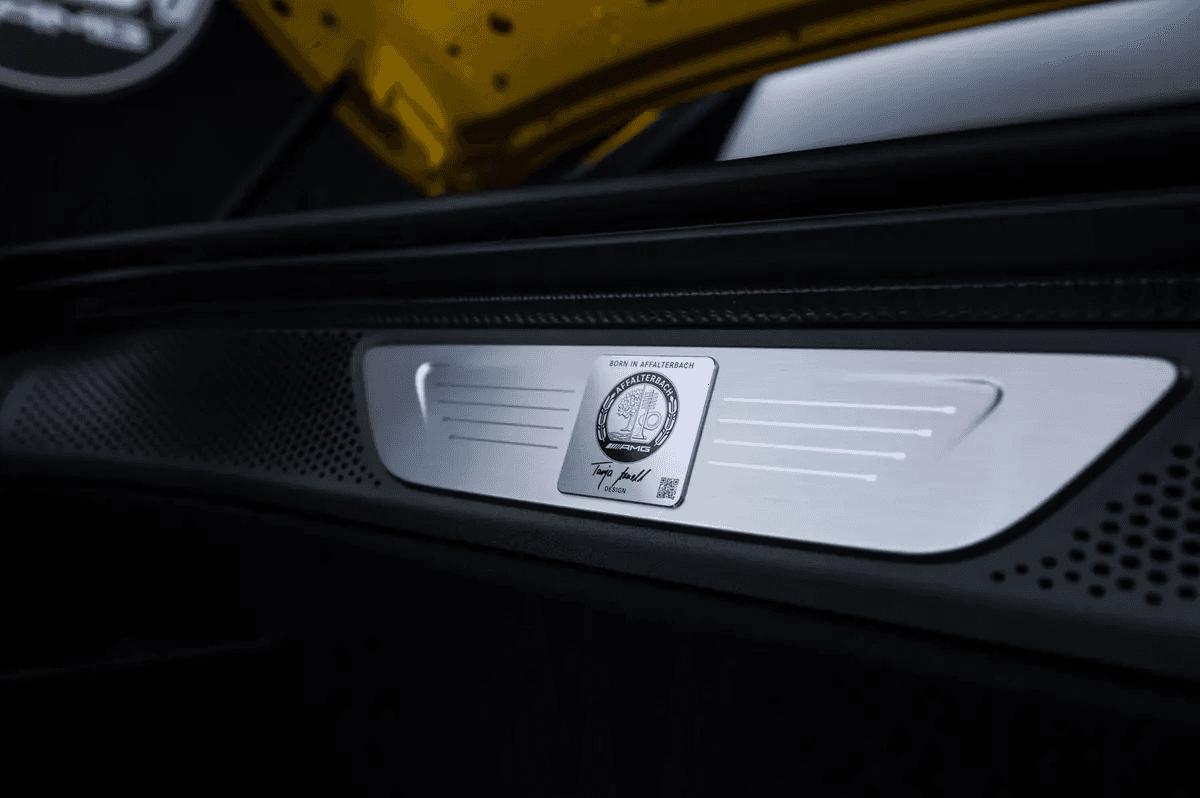
Those familiar with the AMG world will know the small metal plaques bearing the signatures of the technicians who assemble its engines.
In combustion-powered AMG models, the technician responsible for building the engine signs a dedicated plaque, which is then mounted on the finished unit.
Since the Mercedes-AMG GT SUV has no conventional combustion engine, this tradition has been reinterpreted.
Lift the bonnet and you will still find a signature plaque. This time, however, it carries the signature of the person responsible for the vehicle’s design, colours and material selections.
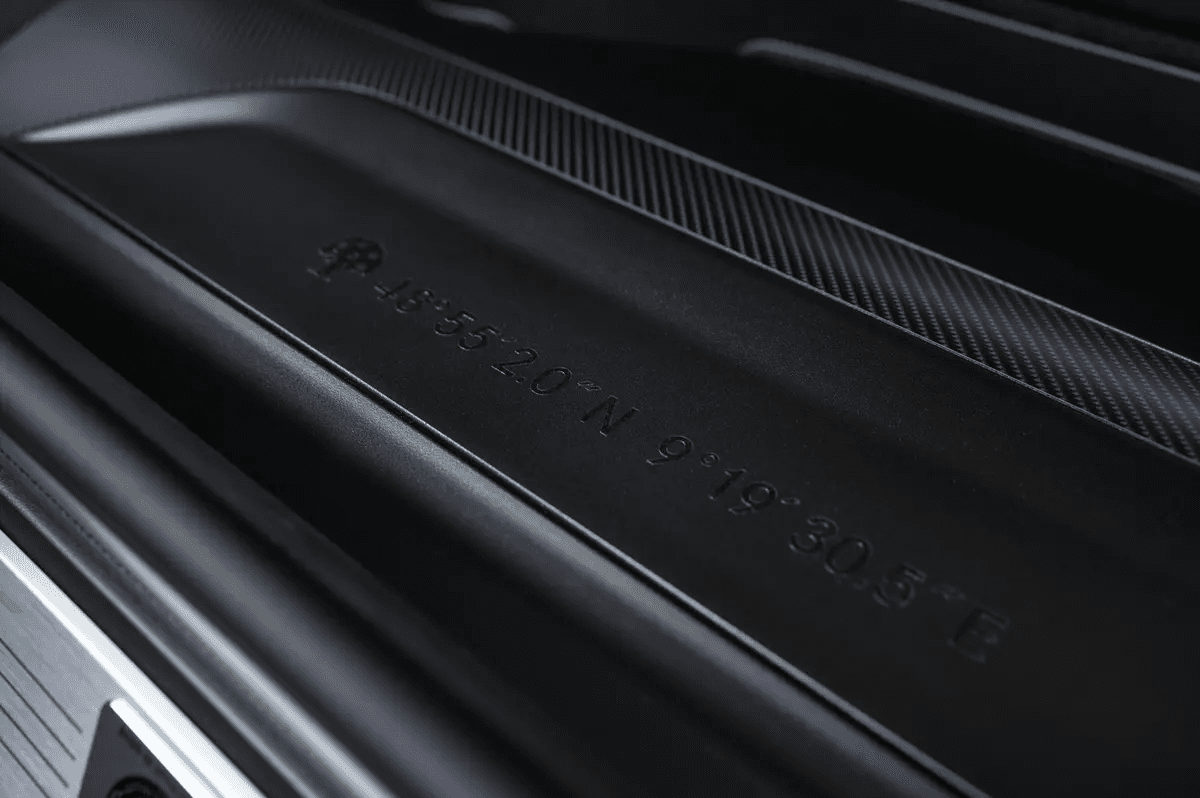
Another discreet AMG reference is hidden beneath the bonnet. The geographical coordinates of Affalterbach, the home of AMG production, are embossed into the plastic surface of the front luggage compartment.
Three Screens in the Cockpit
Rather than the elevated seating position typically associated with an SUV, the GT SUV adopts seats positioned as low as possible. It is one of the clearest expressions of its grand touring ambitions.
The driver-oriented cockpit features three displays: a 10.2-inch instrument cluster behind the steering wheel, a 14-inch central infotainment screen and a second 14-inch display for the front passenger.
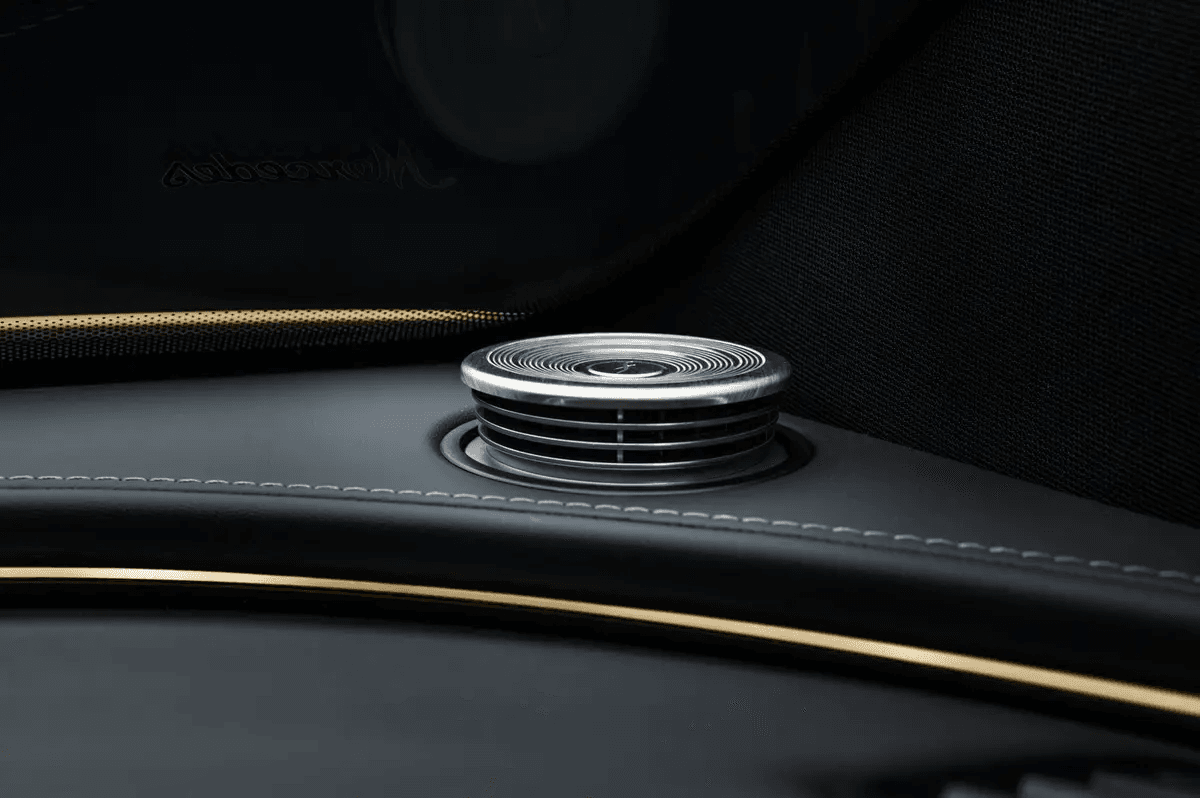
A Burmester 4D sound system, a Sky Control glass roof that can be electronically dimmed or decorated with AMG logos, and electrically adjustable seats throughout the cabin demonstrate that this performance-focused SUV has equally serious ambitions when it comes to comfort.
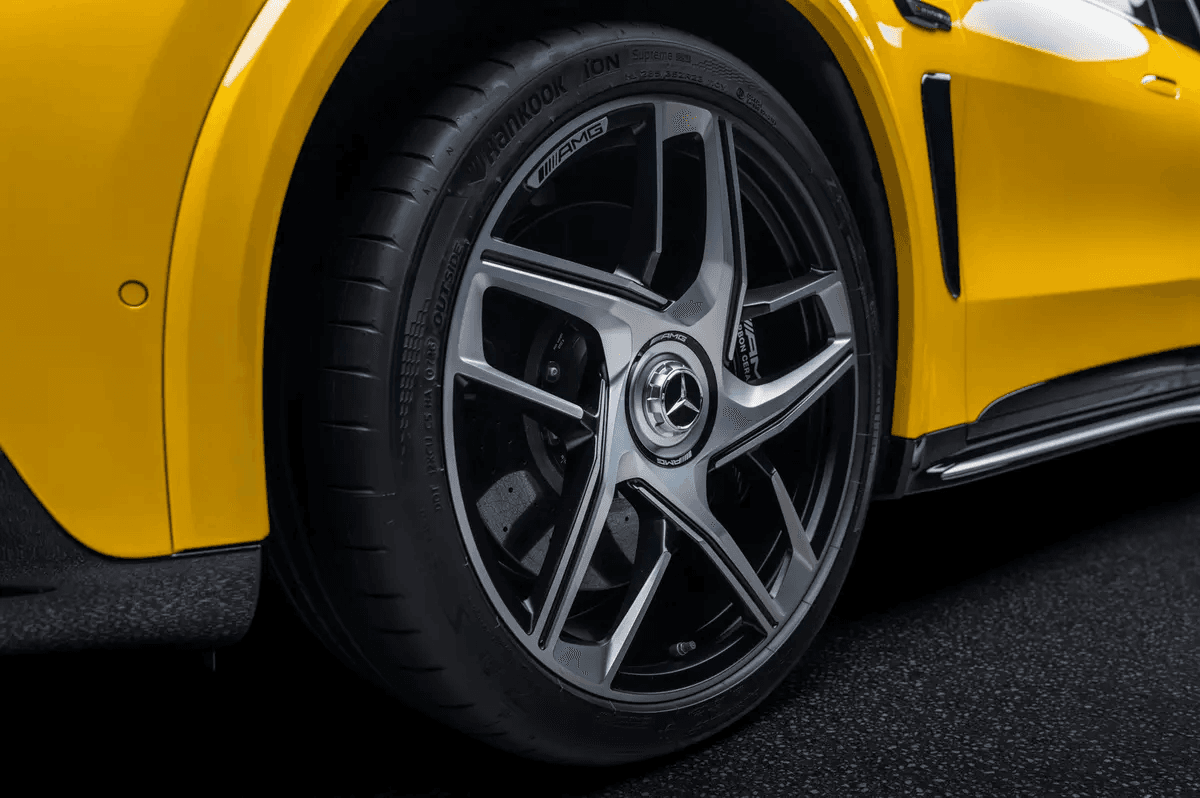
Personalisation options are extensive. Beyond the standard palette, there are 60 additional Manufaktur exterior colours. For the first time, the wheels are offered in three different colour options, while seat belts can also be specified in a choice of three colours.
Performance Data at Your Fingertips
The screens in the Mercedes-AMG GT SUV are designed for considerably more than navigation, entertainment and everyday driving information.
Through the AMG Performance Menu, drivers can monitor and record performance data in real time.
A watch-inspired display developed in collaboration with IWC is used to track lap times. The central screen can also display aerodynamic airflow, battery temperatures and even the lateral and vertical G-forces experienced while driving.
There is more. A Mercedes-AMG driving coach uses data collected by the vehicle’s own systems to offer guidance on circuits the car has previously driven.
It can suggest the ideal angle of approach to a corner, where to accelerate and where to brake. In effect, the car does more than measure your performance: it helps you improve your lap times.
A Different Design Direction
We have saved something for last that would normally come first: the design.
Mercedes-AMG certainly seems to be experimenting. The recently unveiled Mercedes-AMG GT 4-Door Coupé attracted considerable criticism for styling that many found unexpected from the brand.
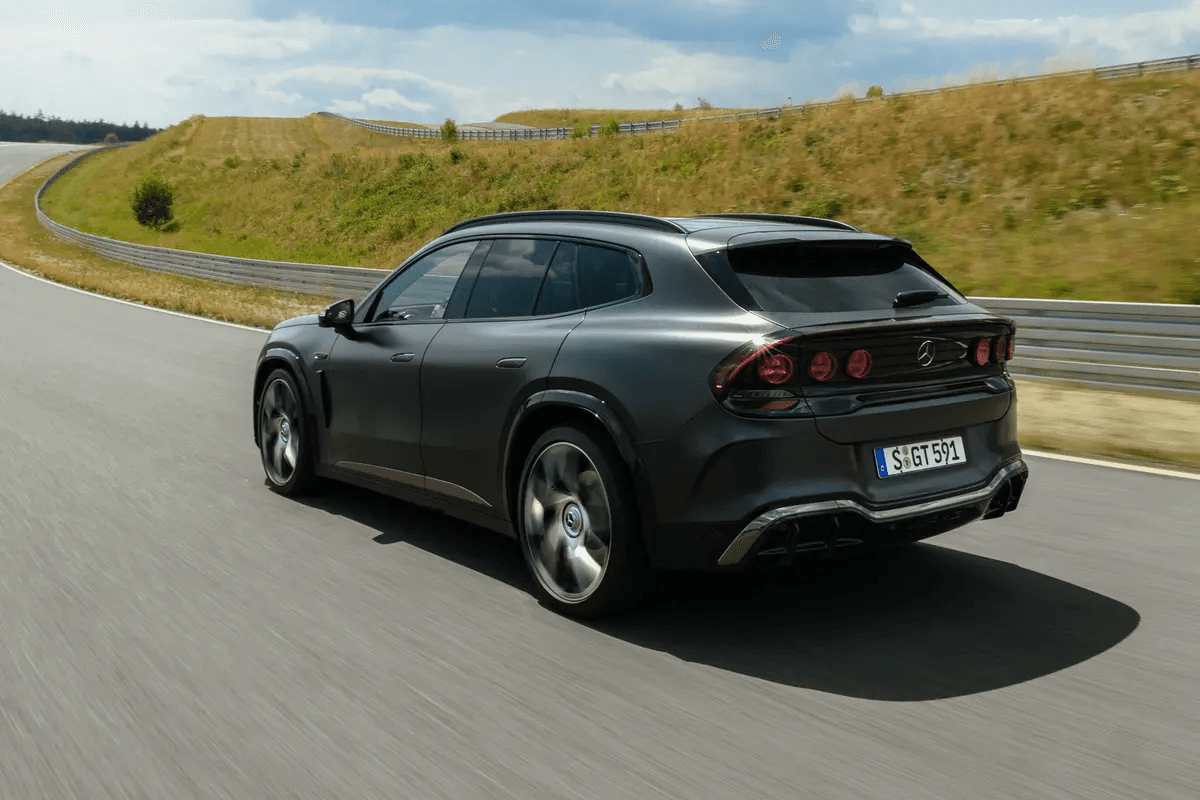
Compared with the magnificent designs of its predecessors, the Coupé appears almost a little melancholy. The Mercedes-AMG GT SUV, by contrast, may be one of the most aggressive-looking AMG models we have ever seen.
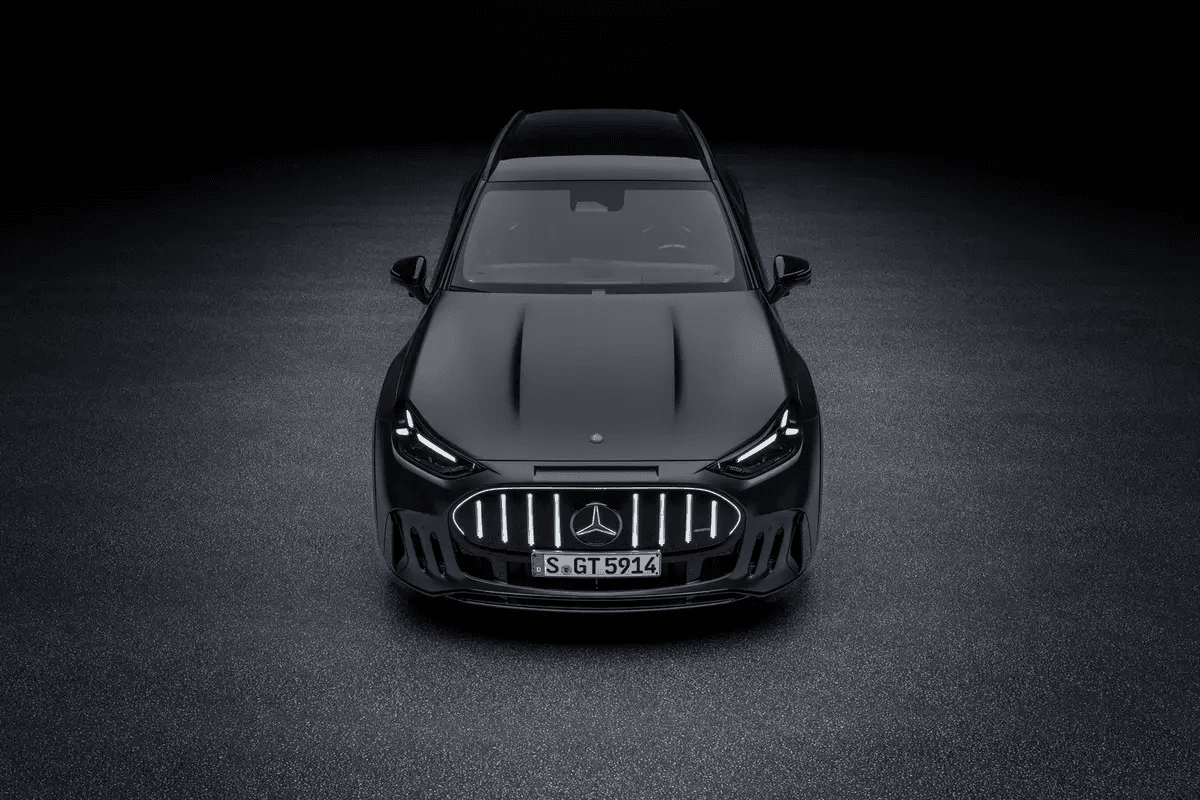
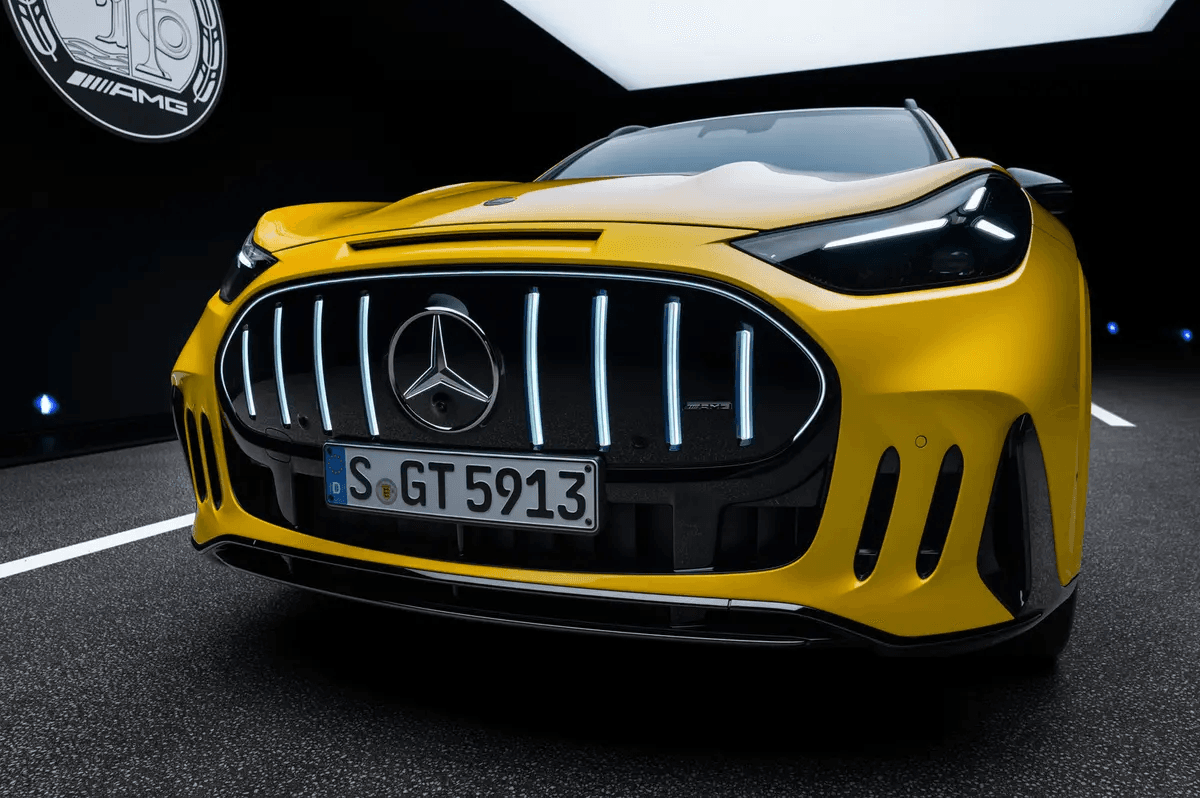
The body kit of the GT 63 version takes that aggression even further. With a front end resembling the expression of someone about to start a fight, this SUV looks determined to intimidate its rivals.
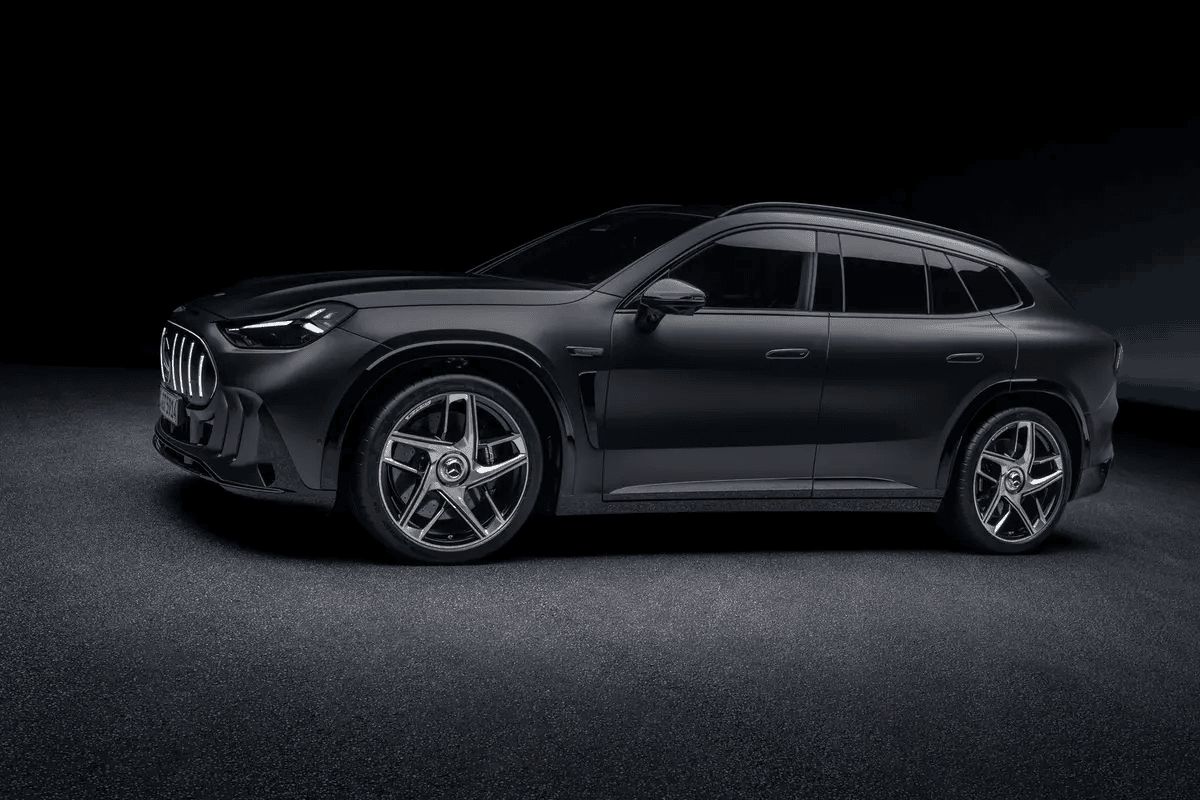
Traditional power domes on the long bonnet, headlights stretching towards the sides and a sharply defined grille dominated by vertical elements establish its assertive character.
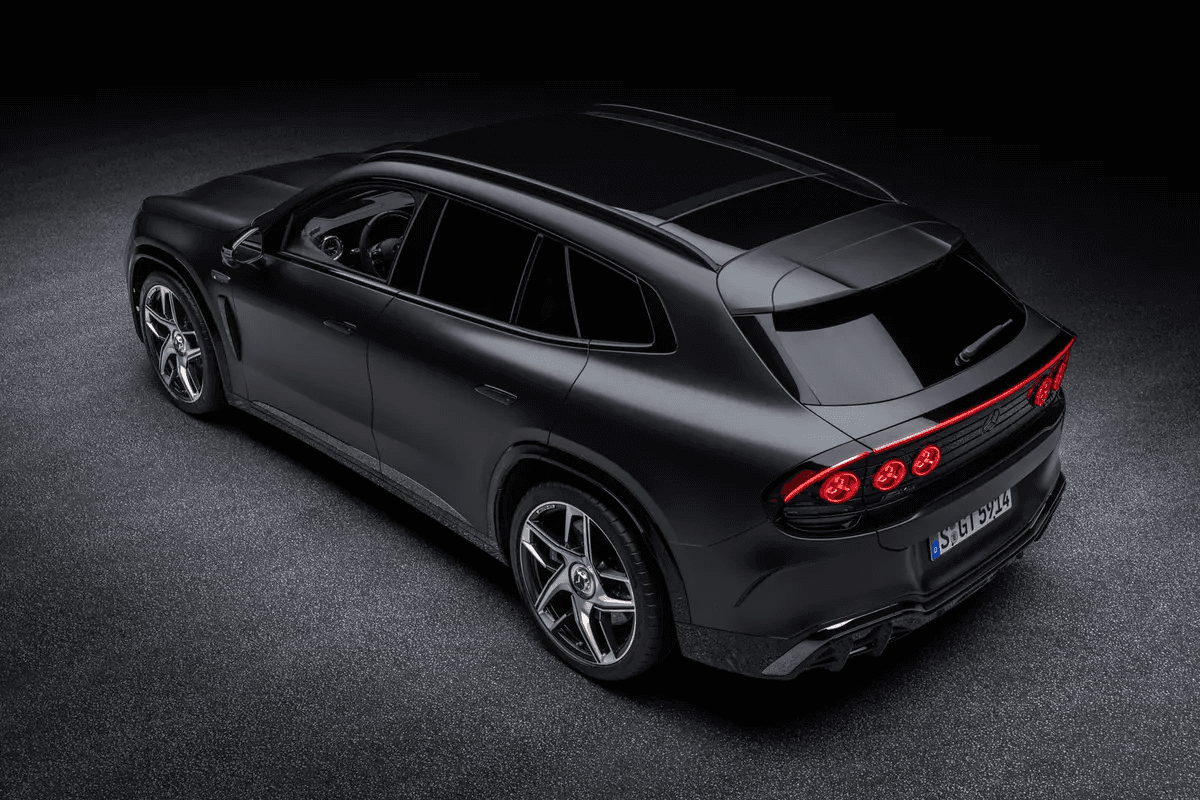
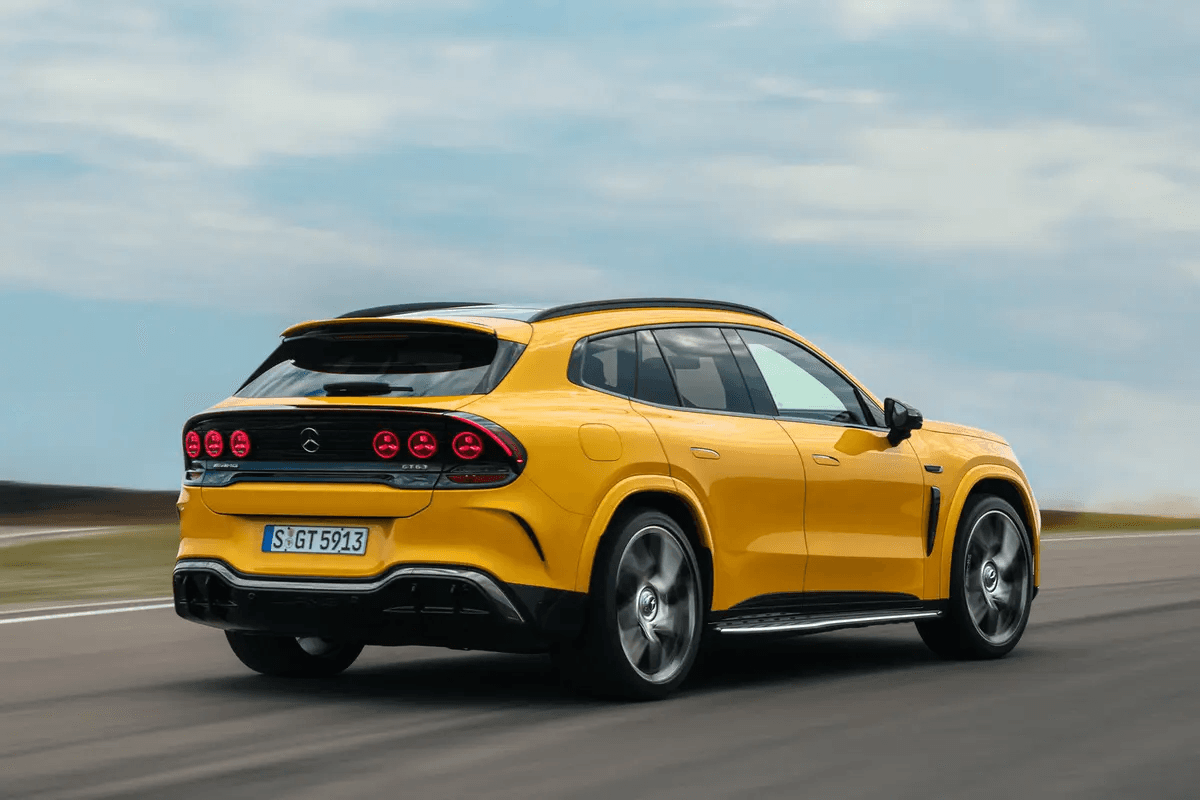
A dramatically rising shoulder line emphasises the broad rear wheel arches, while the proportions between the wheels and body give the car a genuine GT stance.
Frankly, the SUV looks considerably better than the 4-Door Coupé.
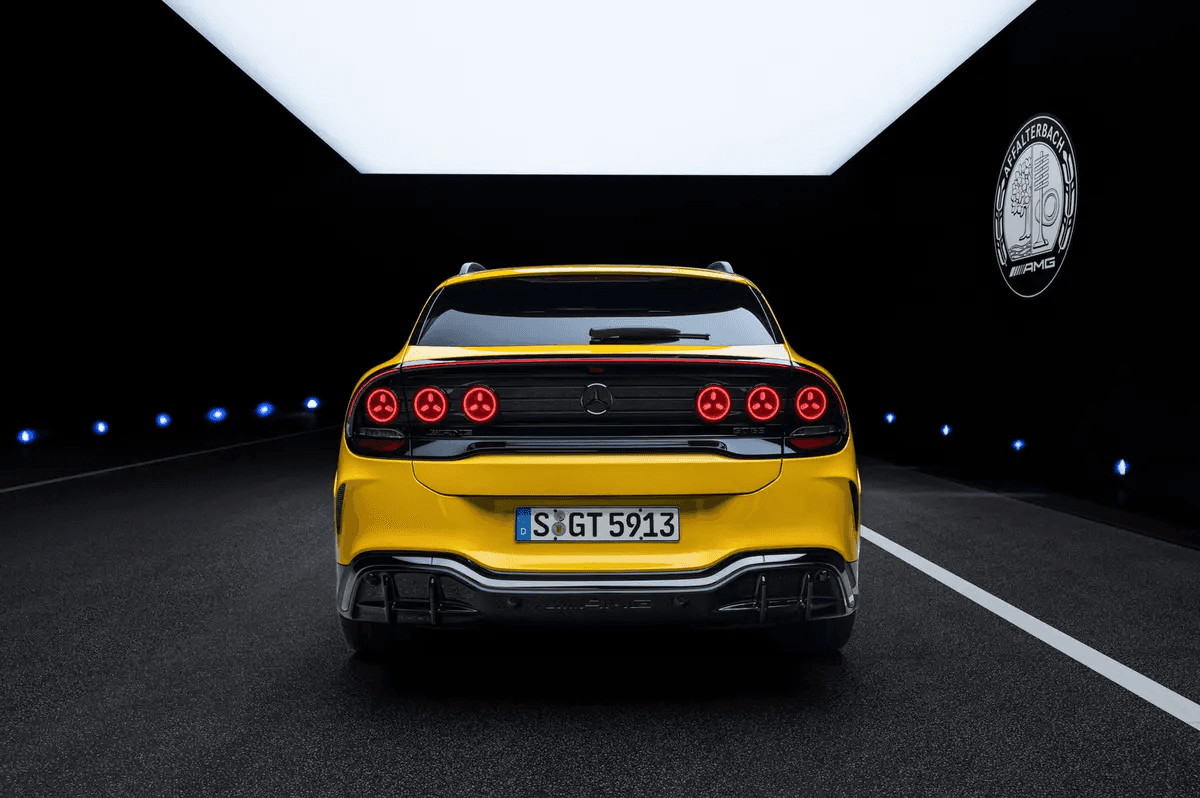
At the rear, six circular red lights surrounded by a black panel, together with the horizontal light strip, create an appearance reminiscent of a masked superhero. It is a design that will undoubtedly keep the debate going.
Yet Mercedes-AMG has once again produced a vehicle that pushes the boundaries of German engineering. Whether or not its styling wins us over, the GT SUV is a striking demonstration of what the automotive world is capable of today.
Saatolog Yıllık Saat Dergisi Saatolog’un yeni sayısı, 2020’nin yarattığı bu dönüştürücü etkiden ilham alarak hazırlandı. Dünya dijitalin etkisiyle her zamankinden de hızlı bir şekilde ilerlerken yavaşlamanın da önemini sonunda kavramış bulunuyoruz ve bu tezatlık hayatlarımızın her anına etki ediyor. Biz de bundan yola çıkarak Saatolog 2020/21 sayısını ‘‘hızlı ve yavaş’’ teması altında hazırladık.