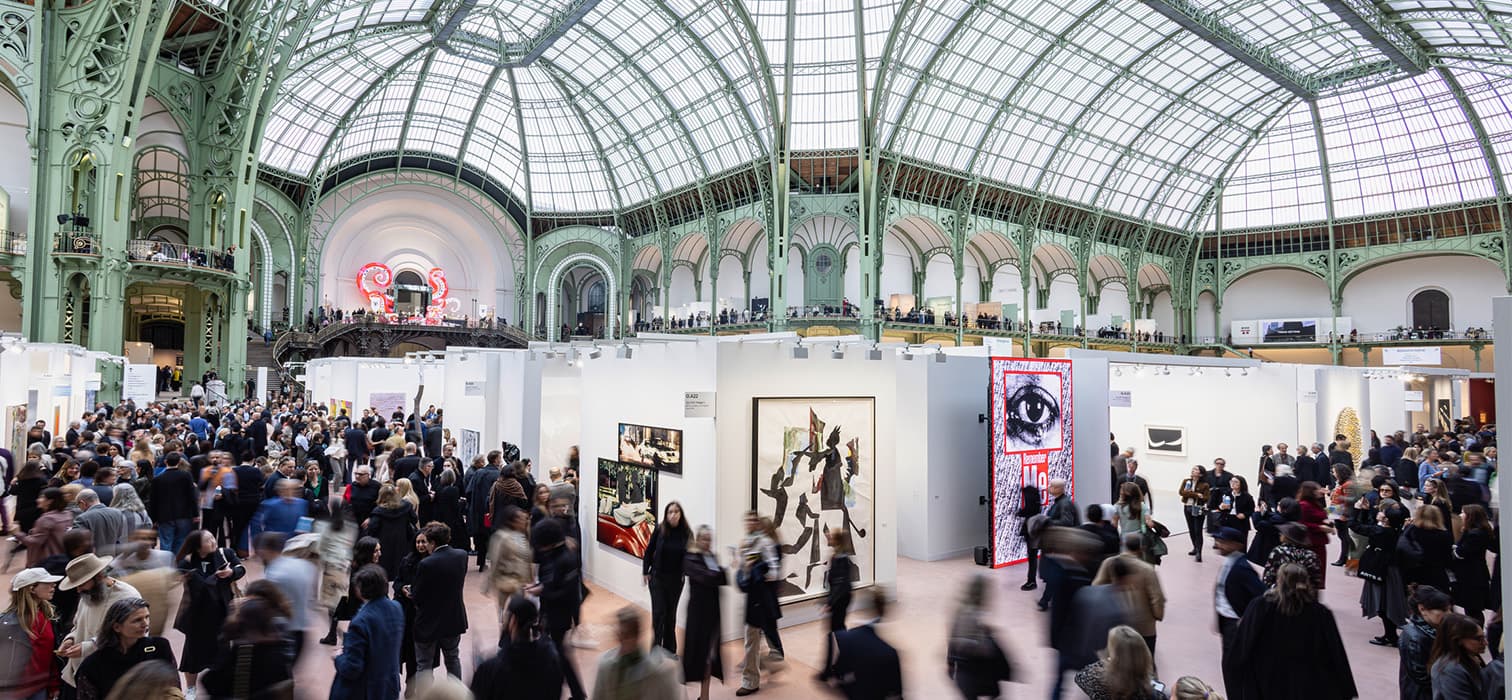
An intimate love story, artworks resurfacing after decades and Hollywood stars… Art Basel Paris 2026 promises surprises both on and off the exhibition floor.
Paris is once again becoming the centre of the art world this October. But the conversation surrounding Art Basel Paris 2026 extends well beyond the works on display. Photographs documenting a Nobel Prize-winning author’s love affair, paintings long held in private collections, Hollywood stars taking on new roles in the art market and creative collaborations with fashion houses are all part of this year’s story.
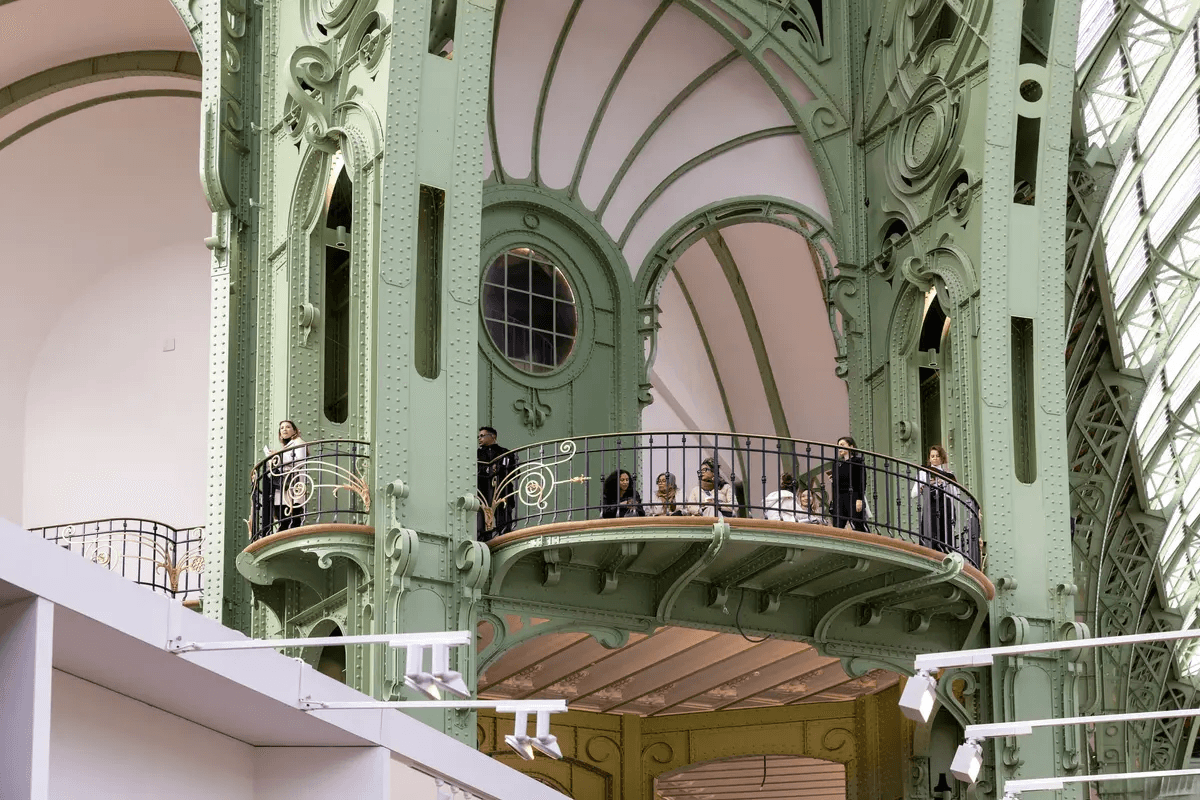
Taking place at the Grand Palais from 23 to 25 October, the fair will welcome 211 galleries from 41 countries, while its programme extends into the streets, historic buildings and cultural institutions of Paris. Now in its fifth year, Art Basel Paris will be held under the direction of Karim Crippa for the first time, with 32 galleries making their debut. Alongside art-market heavyweights such as Gagosian, Hauser & Wirth, David Zwirner and White Cube, emerging galleries will also find their place.
This year, the fair is preparing to open against a backdrop of social tensions as well as a busy cultural calendar. Protests over the cost of living and public services escalated into violent clashes in parts of the city on 17 October, raising questions about their potential impact on the upcoming fair. Although no changes to Art Basel‘s programme have been announced, it remains unclear how developments across Paris might affect public art events and visitors’ journeys around the city.
Fourteen Photographs of a Love Affair
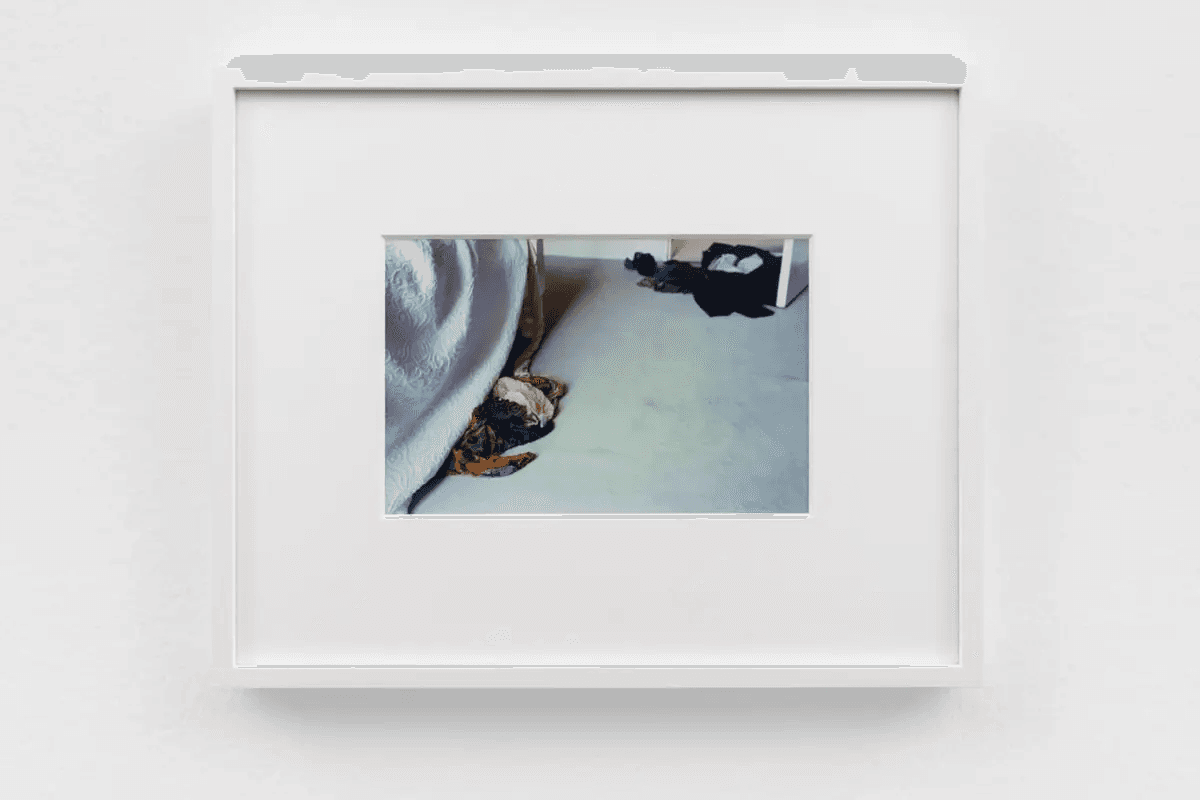
One of the fair’s most compelling presentations offers an intimate glimpse into the private life of French author and Nobel Prize in Literature laureate Annie Ernaux. Galerie Isabella Bortolozzi will present 14 photographs taken by Ernaux and her former lover, Marc Marie.
The story dates back to 2003. During a relationship that began while Ernaux was undergoing treatment for breast cancer, the couple started photographing the traces left behind in her home after their intimate encounters. Clothes scattered across the floor, chairs pushed out of place, remnants of meals shared together… These images would become the foundation of their 2005 book, L’Usage de la photo.
The transformation of intensely private moments into works of art promises an encounter quite unlike the conventional gallery presentation. Love, the body, illness and memory — recurring themes throughout Ernaux’s writing — are explored here not through words, but through photographs.
The Galleries to Watch at the Grand Palais
Bringing together masters of modern art and some of the most talked-about names in contemporary practice, Art Basel Paris 2026 presents an expansive selection beneath the glass roof of the Grand Palais. In Galeries, the fair’s main section, 183 galleries will place significant works from art history alongside contemporary creations.
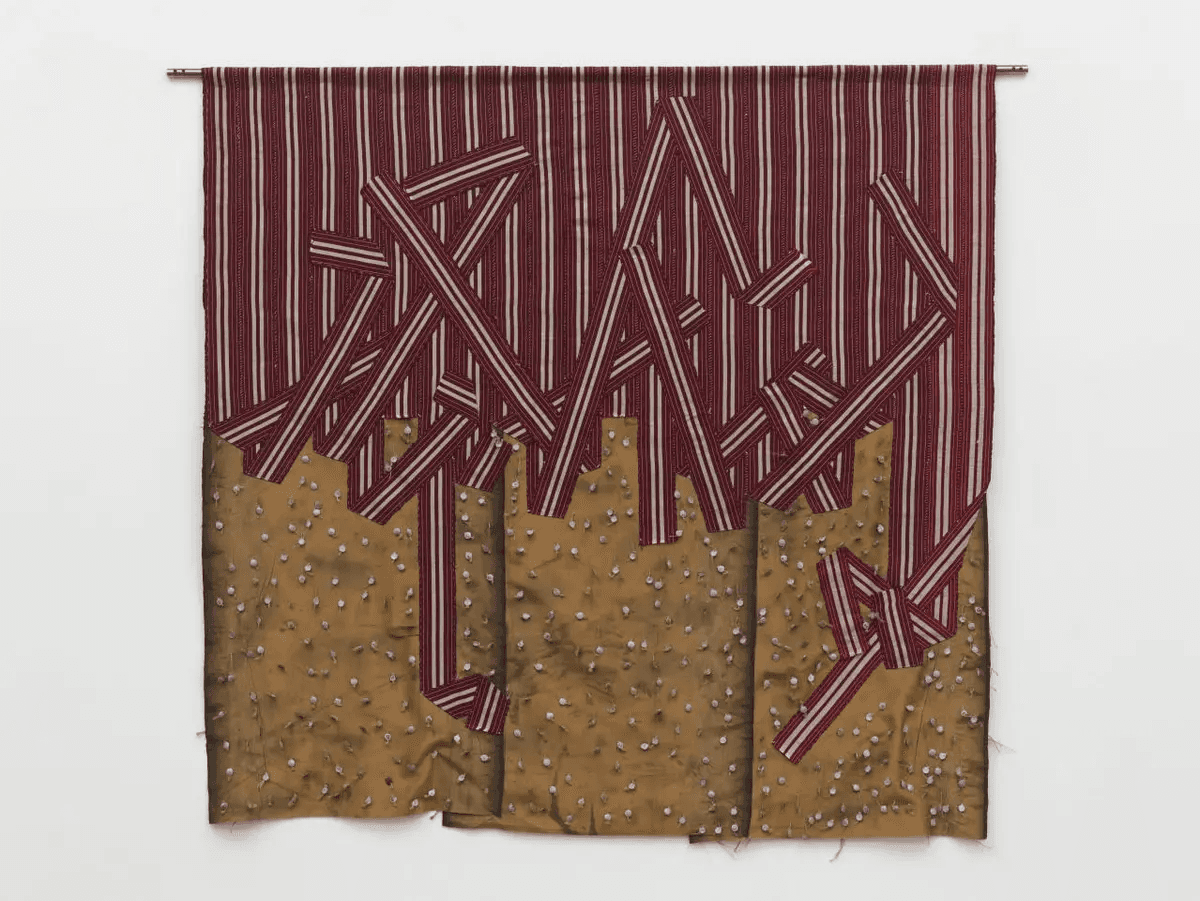
White Cube is preparing one of the fair’s most notable presentations. Among its highlights is Nyamuthia (2025–26) by Ghanaian artist Ibrahim Mahama. Made from handwoven textiles and metal tags applied to reclaimed rubber, the work reflects the artist’s ongoing investigation into everyday objects, labour and the histories embedded in materials. Mahama will also be in the Paris spotlight with his solo exhibition The Harvest Season at Fondation Cartier. White Cube’s presentation further includes Tracey Emin’s Waiting For A moment of You (2025), depicting a reclining female figure, two gold-toned paintings by Georg Baselitz and an unconventional sculpture by 2026 Turner Prize nominee Marguerite Humeau.
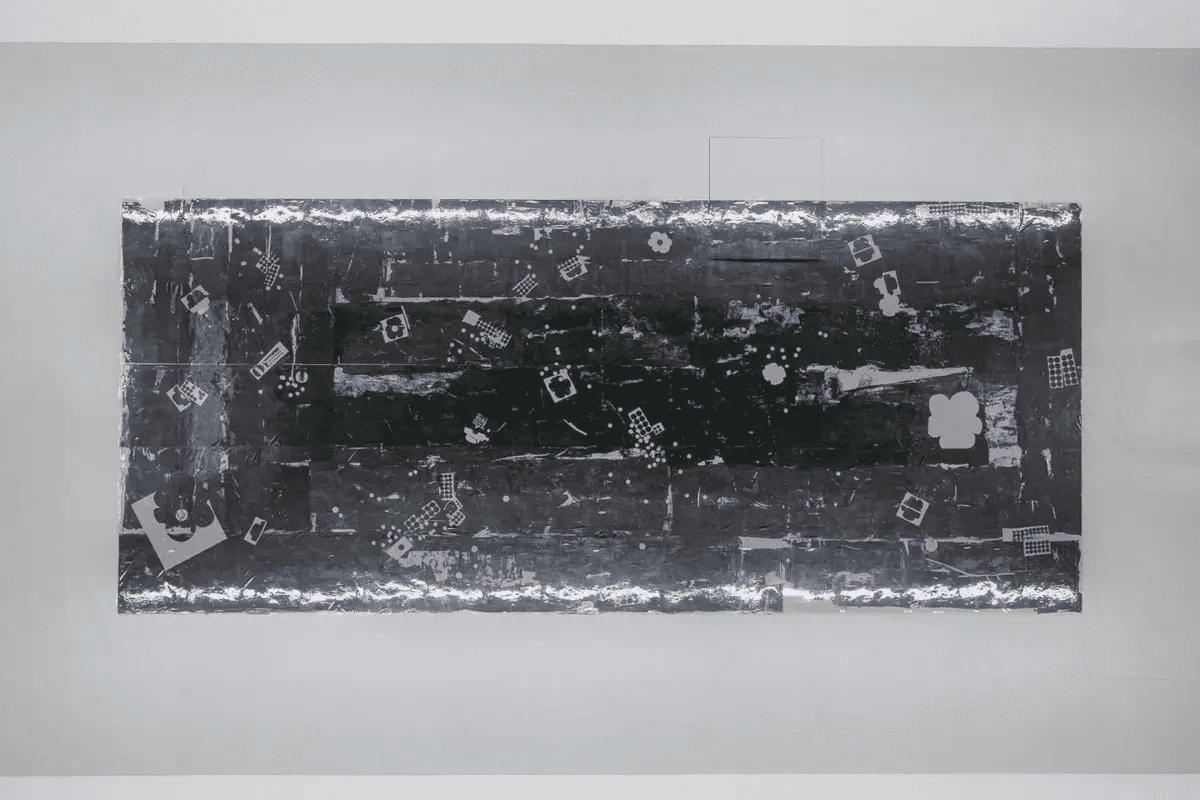
Hauser & Wirth, meanwhile, will devote a special presentation to Louise Bourgeois, whose work is also returning to the Parisian spotlight through a solo exhibition opening at the Bibliothèque nationale de France that same week. The gallery will additionally present a work from Jenny Holzer’s Redaction Paintings series, inspired by the visual language of censored documents. Coinciding with Holzer’s exhibition at the Musée d’Orsay, the presentation offers an opportunity to encounter the artist’s work across different settings.
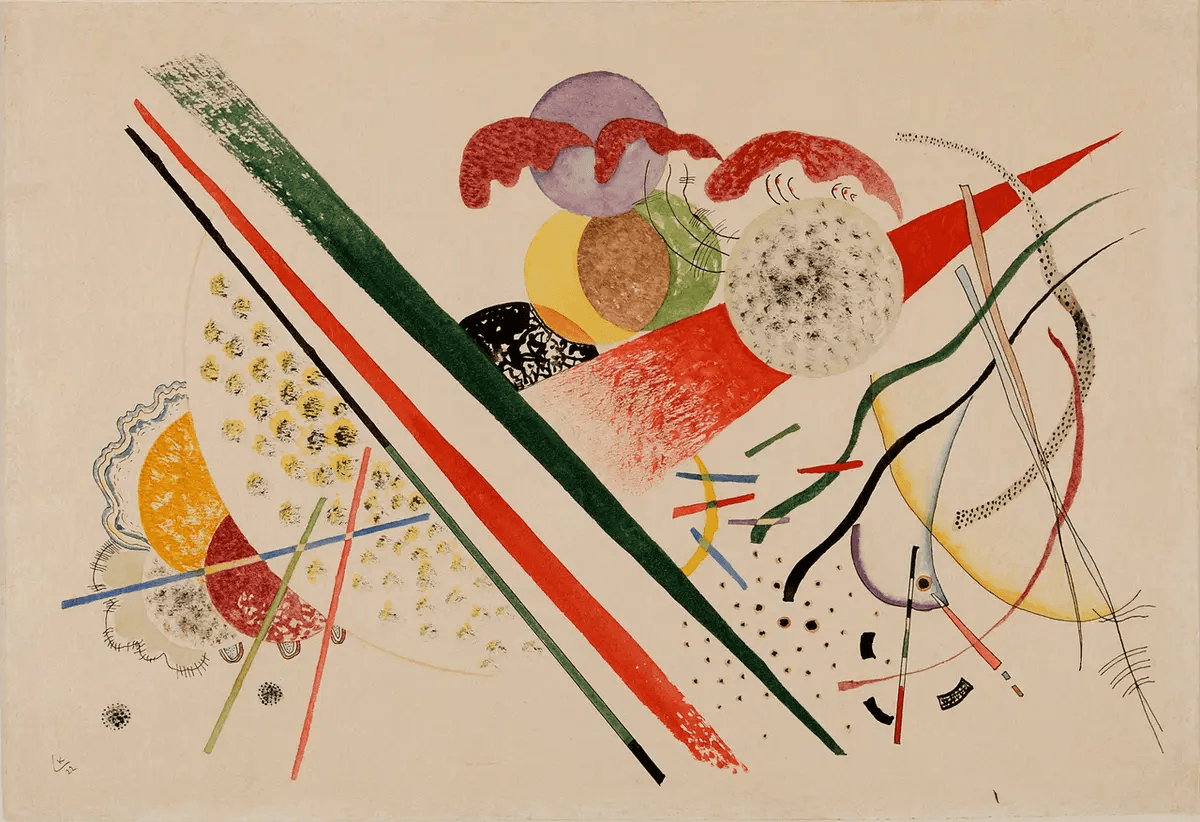
Galerie Le Minotaure is bringing Wassily Kandinsky’s 1922 watercolour Untitled to Paris. The work dates from the period when Kandinsky returned to Germany from Russia and began teaching at the Bauhaus at Walter Gropius’s invitation. Created during his transition from freer abstract forms towards geometric compositions, the painting brings red and green diagonal lines together with organic shapes. Documenting a significant shift in Kandinsky’s artistic language, it is one of the standout works in the fair’s modern art selection.
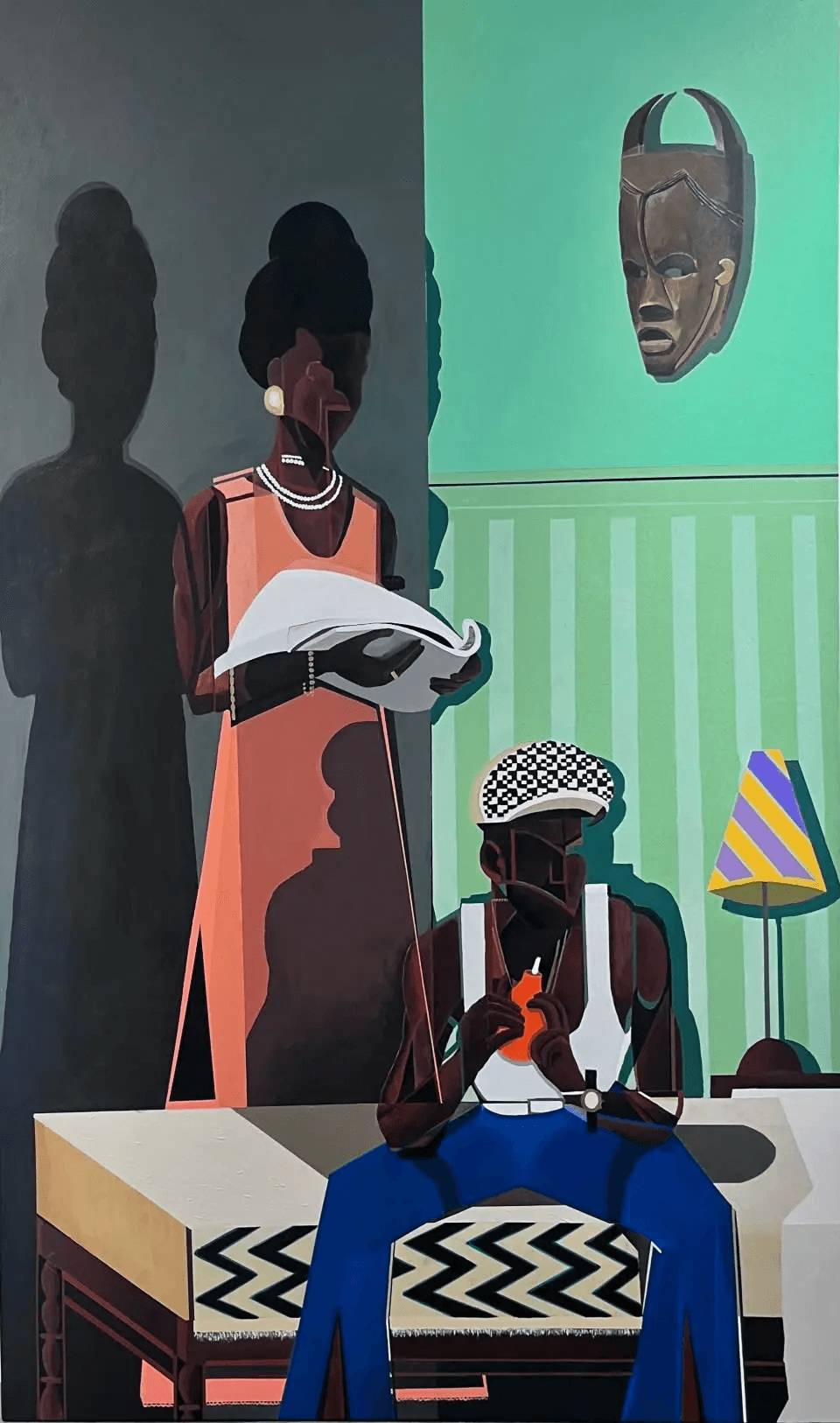
Galerie Cécile Fakhoury will exhibit new paintings created for the fair by Ivorian artist Carl-Edouard Keïta. His work draws on the cinema of his country’s post-independence years. Characters, costumes, everyday scenes and interiors from films by African directors such as Timité Bassori and Désiré Ecaré are reimagined in his paintings. Incorporating cinematic framing and editing techniques, Keïta brings Africa’s visual memory into dialogue with Cubism and Dadaism. With spaces in Abidjan, Dakar and Paris, the gallery also uses this presentation to draw attention to African modernism’s place in art history.
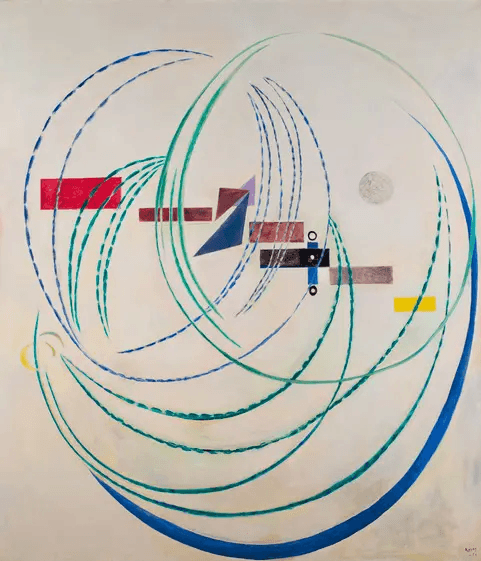
Galerie Raphael Durazzo is bringing renewed attention to Hilla Rebay, an important yet often overlooked figure in art history. Instrumental in the establishment of New York’s Solomon R. Guggenheim Museum, Rebay was not simply an art adviser and curator, but also a pioneering avant-garde artist. She encouraged Solomon Guggenheim to collect abstract art and became the museum’s first director, yet her own artistic practice has long remained overshadowed by her institutional achievements. The works on paper presented by the gallery in Art Basel Paris’s Premise section offer an opportunity to reconsider Rebay as an artist in her own right.
New York-based Olney Gleason is preparing one of the fair’s most intriguing historical presentations. The gallery will bring together works dating from 1956 to 1960 from Robert Indiana’s personal collection, including previously unexhibited pieces by Ellsworth Kelly. Focusing on the years when the two artists lived in New York’s Coenties Slip neighbourhood and influenced one another’s artistic development, the presentation revisits a significant friendship in art history. Drawn from the collection of Indiana, whose iconic LOVE became part of popular culture, these works offer a different perspective on both artists’ early careers.
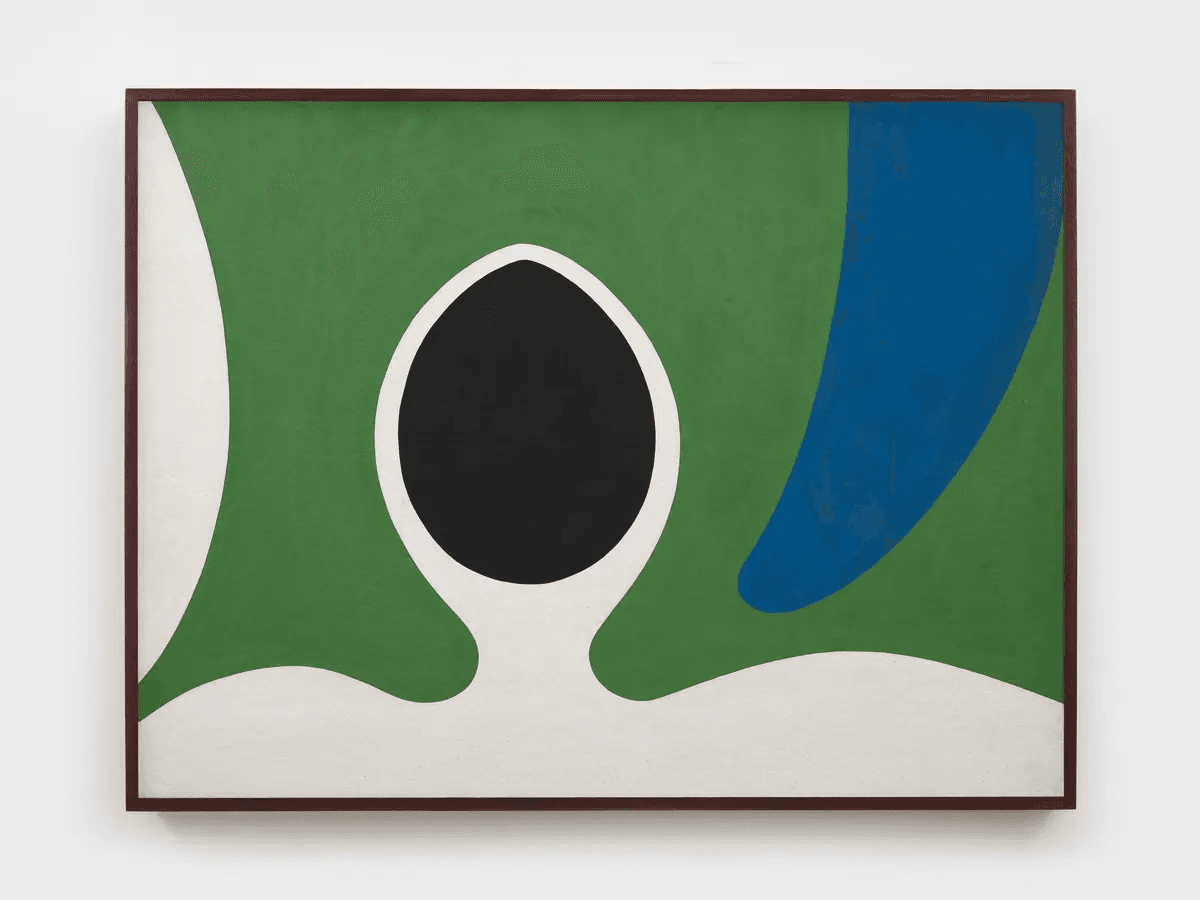
Photograph: Olney Gleason, New York
In Emergence, the section dedicated to younger galleries and artists, the focus shifts towards more experimental work. Lorenza Longhi, represented by Zurich-based Galerie Oskar Weiss, will present an installation inspired by Roman mosaics alongside a gift bag containing a hidden camera, addressing contemporary surveillance culture. Anna Clegg, represented by Berlin gallery Schiefe Zähne, transforms cut-up and reassembled party photographs into paintings, while Haneyl Choi, represented by Seoul-based P21, will exhibit sculptures informed by his personal experiences of sleepwalking.
An Unexpected Star
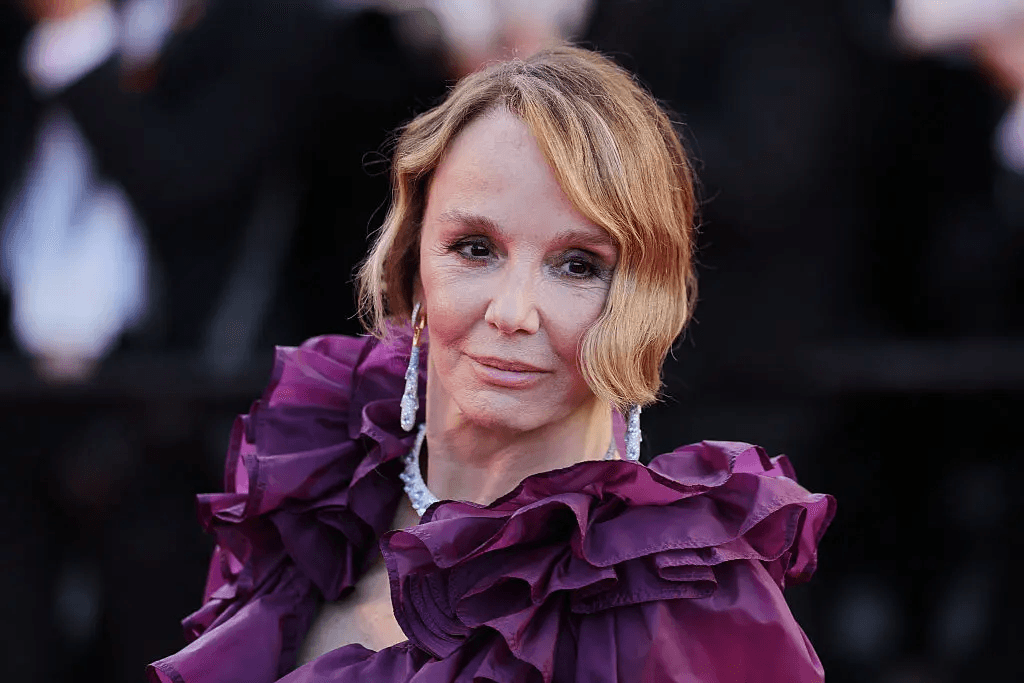
Best known for playing Sylvie Grateau in Netflix’s popular series Emily in Paris, Philippine Leroy-Beaulieu is stepping into a leading role at one of the art world’s most prestigious gatherings. The French actress has been appointed artistic director of Oh La La!, Art Basel Paris’s special programme. Taking place at gallery booths on 23 and 24 October, the presentations will explore the theme of “Myths and Legends”.
Yet Leroy-Beaulieu’s appointment forms part of a much broader conversation. Art fairs are increasingly seeking to attract not only collectors, but also influential figures from cinema, fashion and popular culture. An article published by the Financial Times on 14 October raised precisely this question: Can a Hollywood star persuade people to become art collectors?
And Leroy-Beaulieu is far from the only example. Nicole Kidman’s involvement in promoting Constantin Brâncuși’s sculpture Danaïde, offered at a Christie’s auction, and David Beckham’s appearance in an Art Basel Doha campaign illustrate the evolving roles of celebrities within the art market. While such collaborations raise the visibility of art, they also prompt a more complicated question: Does celebrity influence bring greater attention to artistic value, or primarily generate commercial interest?
Miu Miu’s Move into Art
Fashion houses are becoming increasingly visible in the art world. As the official partner of Art Basel Paris’s public programme, Miu Miu is responsible for one of this year’s most significant collaborations, working with filmmaker Alice Diop on Geste de Consolation at the Palais d’Iéna. The project marks Diop’s first exhibition outside the medium of cinema.
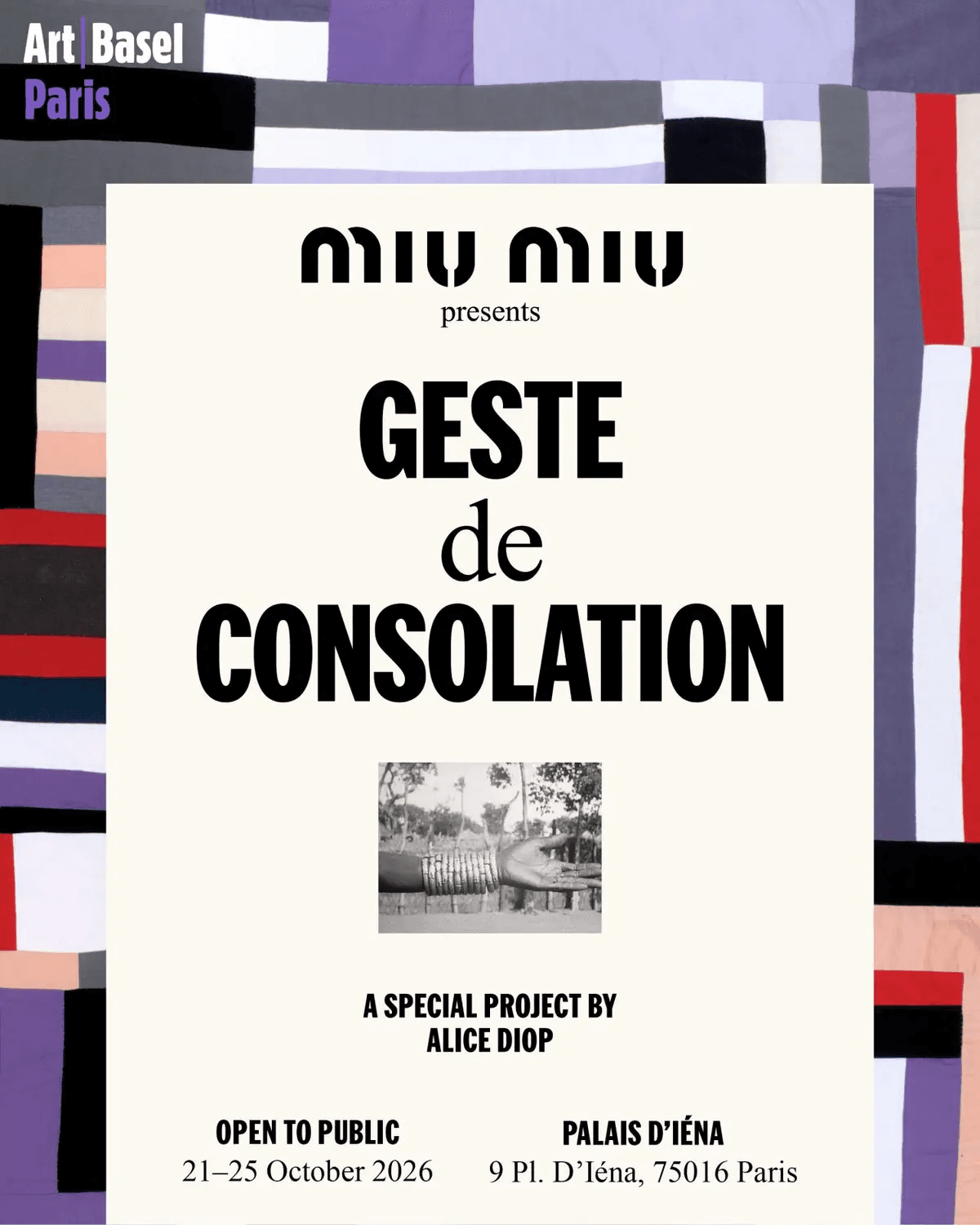
Bringing together works and writings by figures including Zanele Muholi, Simone Leigh and Audre Lorde with music, dance and performance, the exhibition examines questions of representation in art history through the creative practices of Black women artists.

Miu Miu’s role in the project also reflects a changing relationship between fashion and the arts. Fashion houses are no longer content simply to sponsor exhibitions; they are becoming directly involved in producing them and shaping the cultural conversation. Yet this growing proximity raises questions about the extent to which art institutions are becoming dependent on brand partnerships.
Back in the Spotlight After 48 Years
Few moments in the art market generate as much excitement as the reappearance of a work that has remained in a private collection for decades. At Art Basel Paris 2026, a painting by Japanese conceptual artist On Kawara, bearing the date 7 November 1977, is returning to the market after nearly half a century. The work has remained in the same collection since 1978.
Kawara’s Today series features paintings displaying the date of their creation in stark, understated typography. At first glance, these works appear to contain little more than letters and numbers. Yet they place the passage of time and the transience of human life at the very centre of the artistic experience.
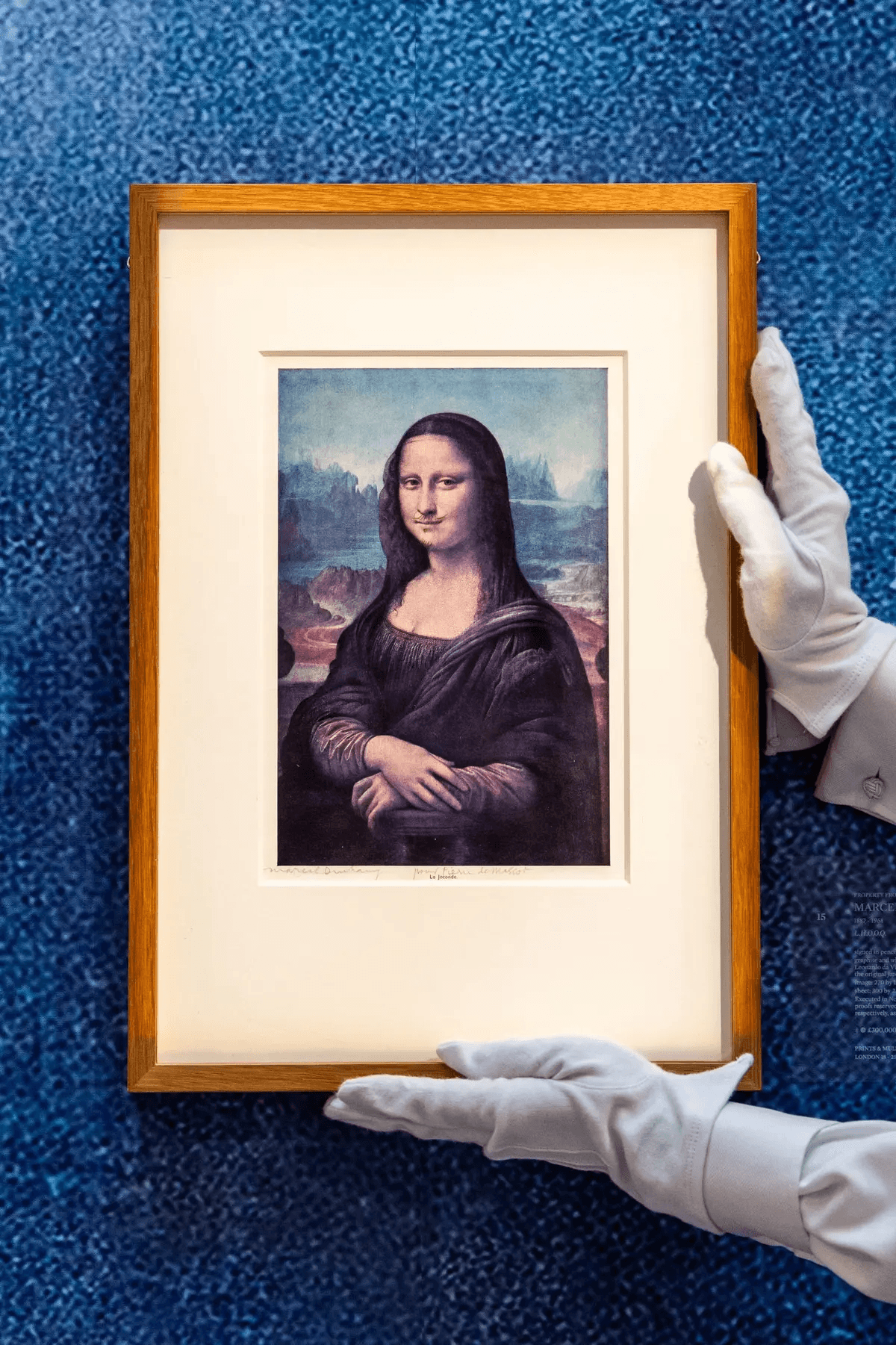
Other works presented by Zurich-based gallery Larkin Erdmann include Marcel Duchamp’s celebrated L.H.O.O.Q., in which he added a moustache to the Mona Lisa, and Man Ray’s Le Violon d’Ingres, one of Surrealism’s defining photographs. Alongside Kawara’s painting, preserved in the same collection for almost half a century, these two iconic works form one of the fair’s most eagerly anticipated presentations.
From Istanbul to Paris: Kutluğ Ataman
One of the most significant Turkish connections at Art Basel Paris 2026 is Kutluğ Ataman’s 2004 video installation Küba. Presented by London-based gallery Niru Ratnam, the work brings together the stories of 40 people living in Küba, a settlement established on the outskirts of Istanbul in the late 1960s.
The installation consists of 40 television screens, each accompanied by a different old armchair or piece of second-hand furniture. Rather than feeling as though they are walking through an exhibition gallery, visitors find themselves almost like guests in other people’s homes. Some residents speak about their childhoods, others about their fears or the unwritten rules governing life in their neighbourhood.
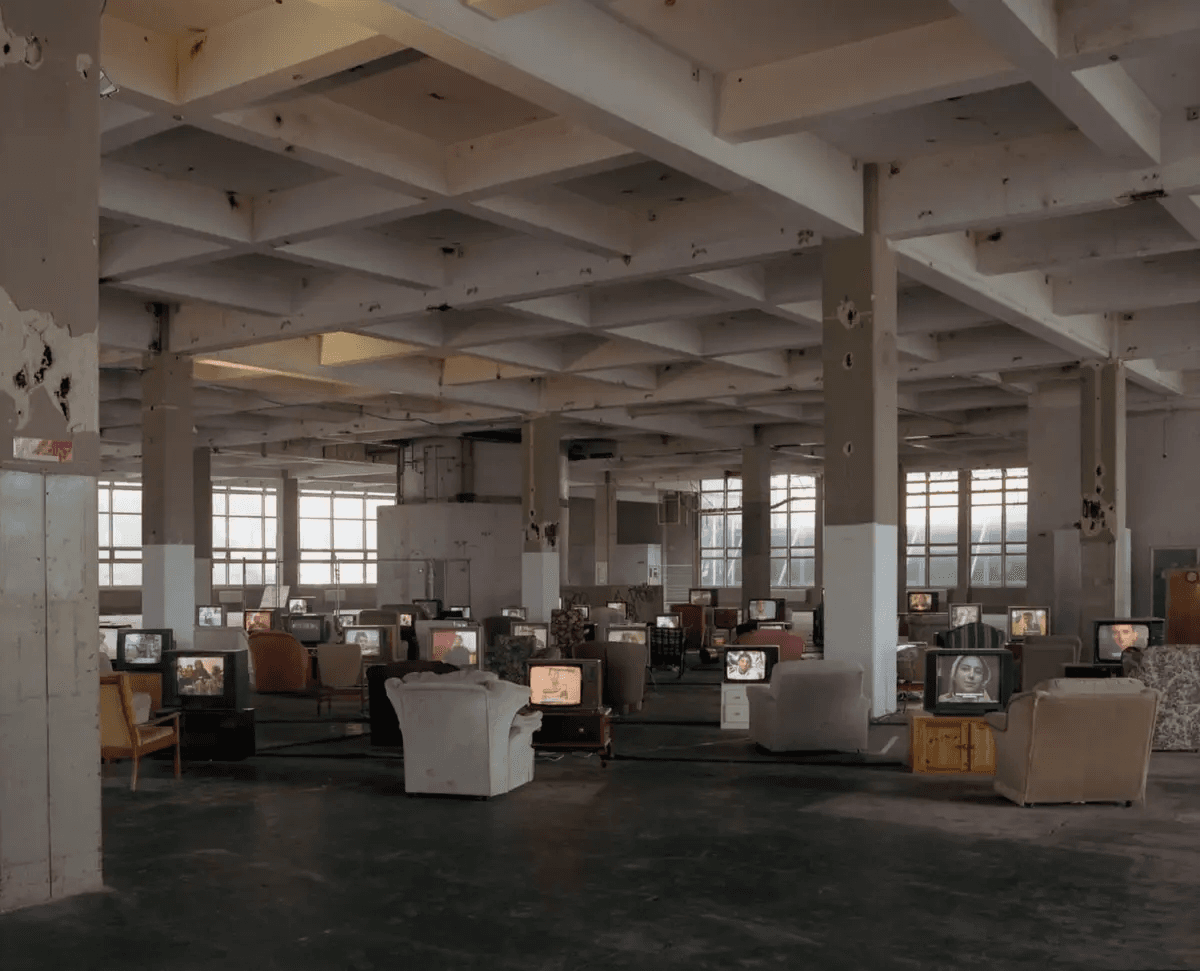
Created more than two decades ago, the work returns to public view in Paris at a time when questions of migration and belonging remain as relevant as ever. Küba will be exhibited from 20 to 25 October at the Chapelle des Petits-Augustins, Beaux-Arts de Paris.
The fair’s Turkish connections do not end there. The Pill, a gallery based in Istanbul and Paris, moves into the main Galeries section this year after previously participating in Emergence, the section dedicated to younger galleries. Its presentation, featuring works by three artists including Turkish artist Cem Örgen, explores the transformation of the body over time.
Art Takes to the Streets of Paris
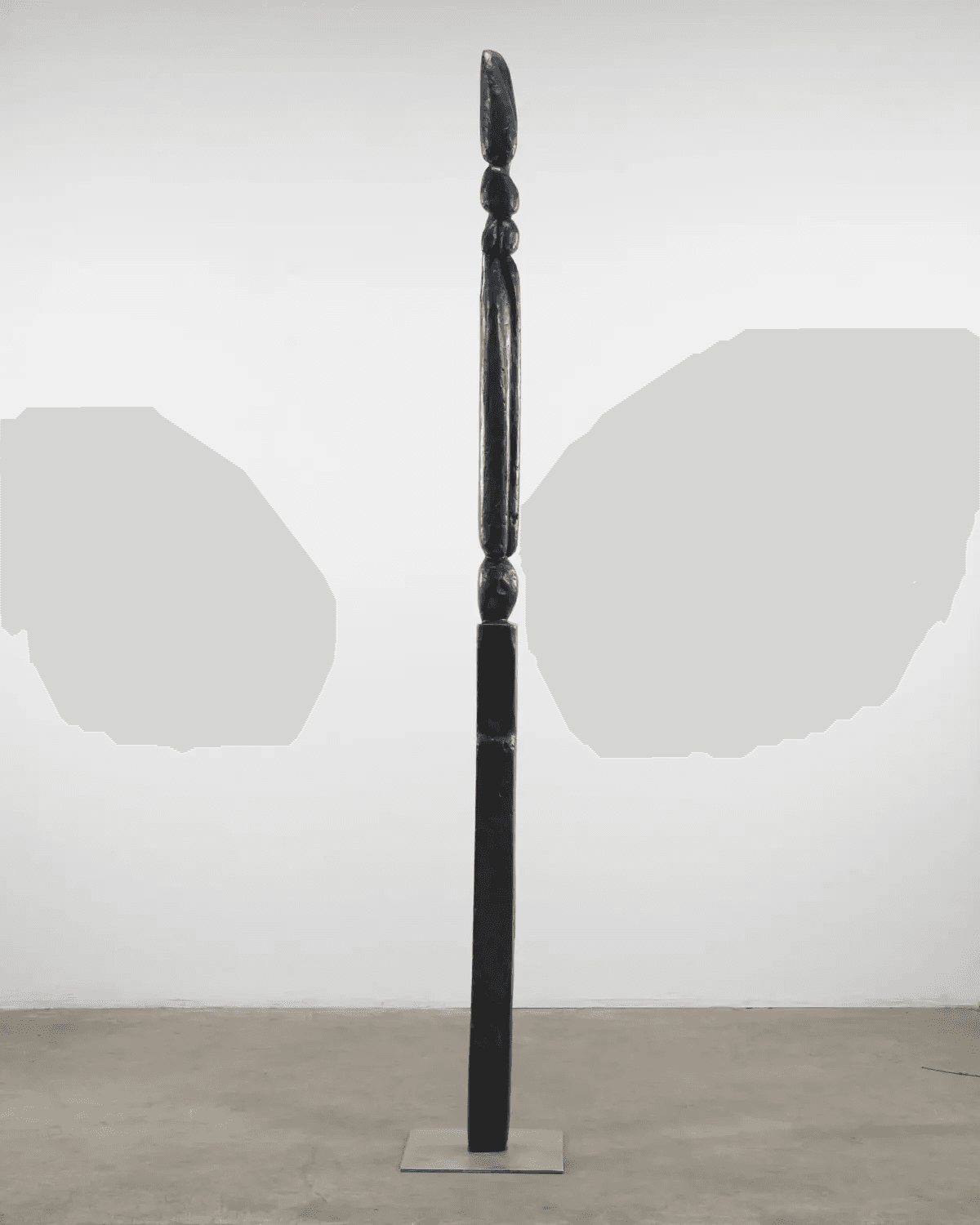
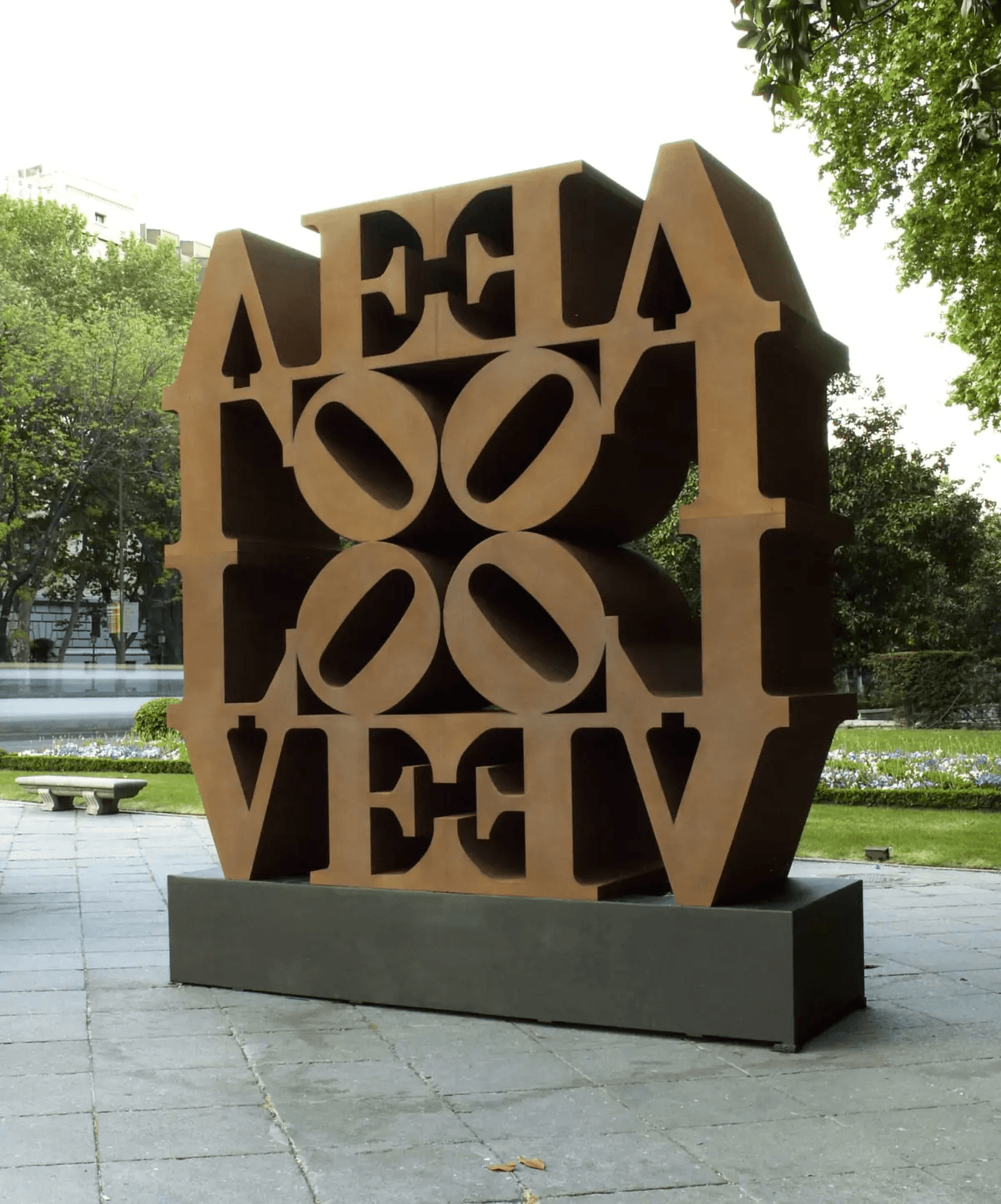
Beyond the Grand Palais, visitors can expect some unexpected artistic encounters across the city. Robert Indiana’s LOVE Wall will appear at Place Clemenceau, while three monumental bronze sculptures by Tracey Emin will be displayed at the Trocadéro. Exploring the female body through themes of vulnerability, resilience and transformation, Emin’s works will be encountered at one of Paris’s most visited landmarks.
At the Petit Palais, sculptures by Cosima von Bonin depicting sea creatures and dogs will create an unexpected dialogue with the museum’s historic architecture and sculptural collections. Made from materials including leather and velvet, the figures promise an unusual presence within their classical surroundings.
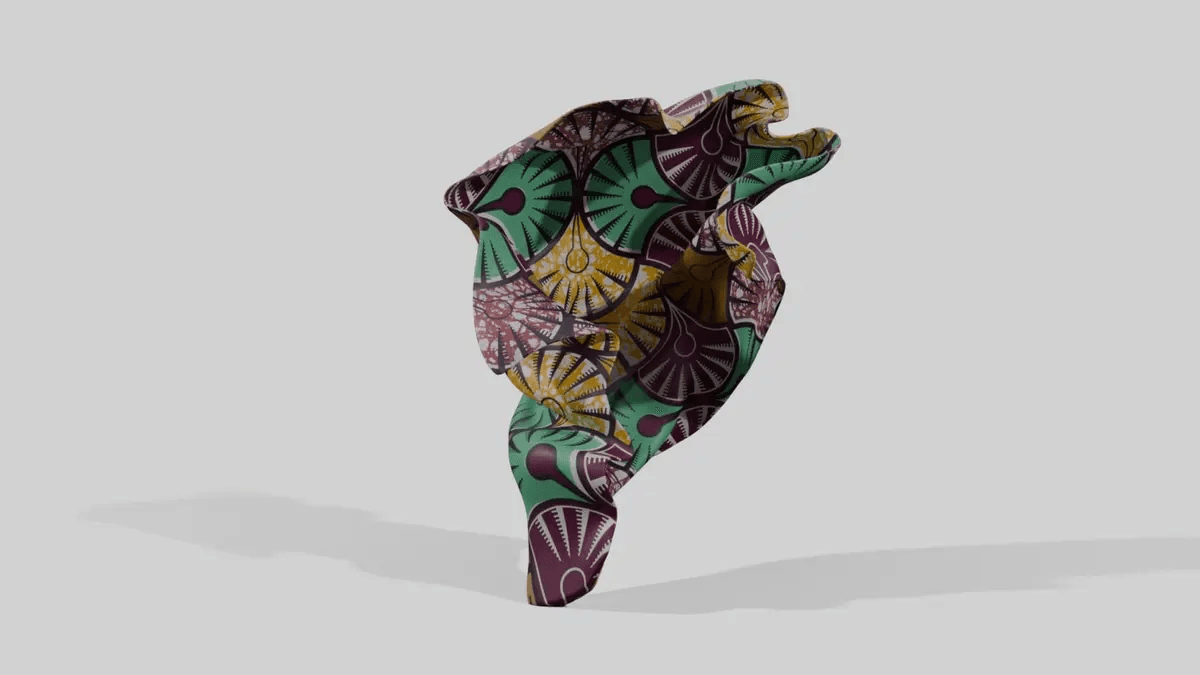
Works by Niki de Saint Phalle, Yinka Shonibare, Alicja Kwade and Carmen Herrera will also be on view along Avenue Winston-Churchill. Another highlight of the public programme is Marcello Maloberti’s CIEL, a neon work designed to face the sky and displayed at a height of approximately 20 metres.
Elsewhere in Paris, major cultural institutions will be hosting important exhibitions throughout Art Basel week. Visitors can discover Ibrahim Mahama at Fondation Cartier, Kerry James Marshall at the Musée d’Art Moderne de Paris and Jenny Holzer at the Musée d’Orsay. For this one week, Paris becomes more than a place to see art: it becomes a meeting point where conversations about the future of the art world are taking shape.
Design Miami Paris 2026: All Eyes on Paris