We spoke with Erman Aras, founder of Bodrum Yadigarı, about the mandarin orchards inherited from his family, Bodrum’s agricultural memory and the future of the Bodrum mandarin.
Today, Bodrum is mostly associated with the sea, tourism, entertainment and its ever-growing development. Yet the peninsula is also home to vineyards, olive groves, fig orchards and mandarin trees. Once a source of livelihood for local families, the Bodrum mandarin gradually lost ground over the years as export markets disappeared and tourism created new economic pressures. These circumstances also laid the foundations for Erman Aras’s entrepreneurial journey.
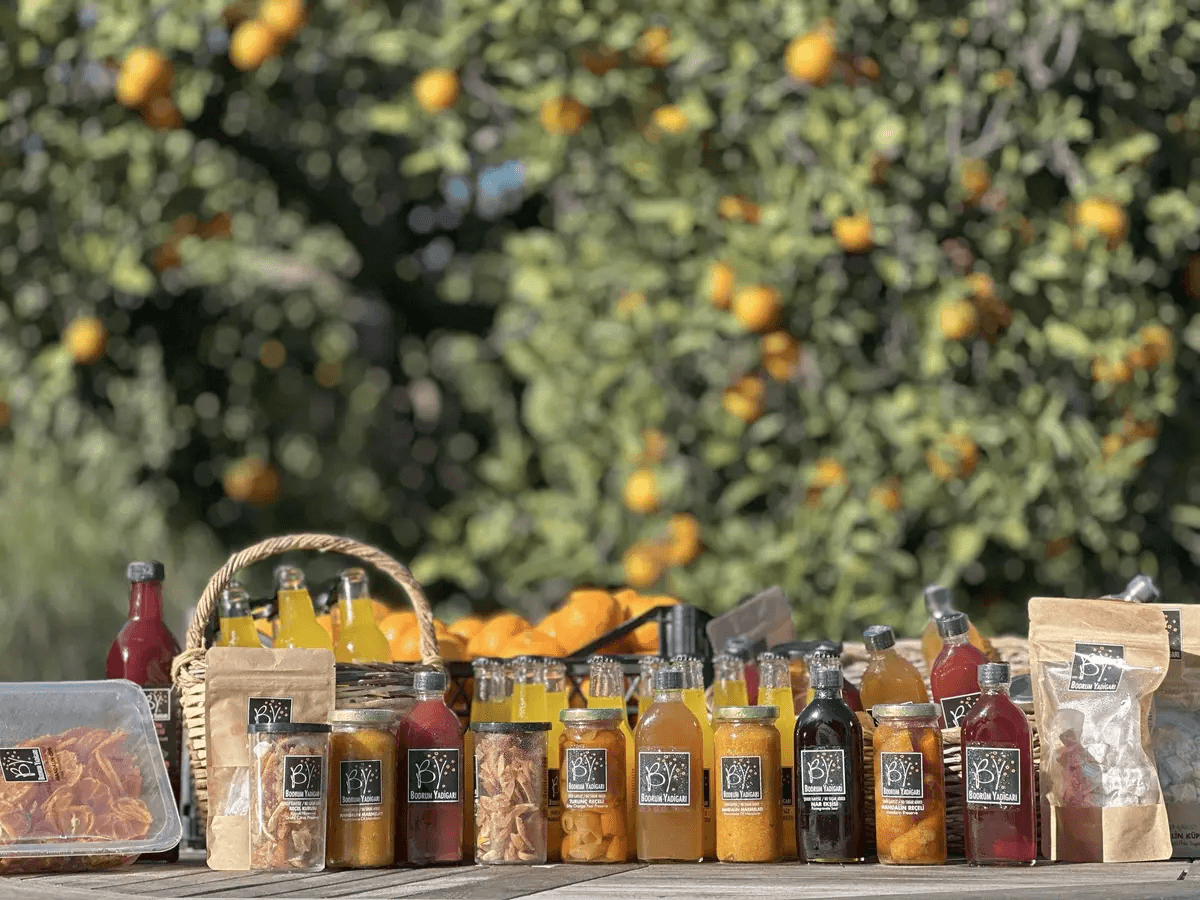
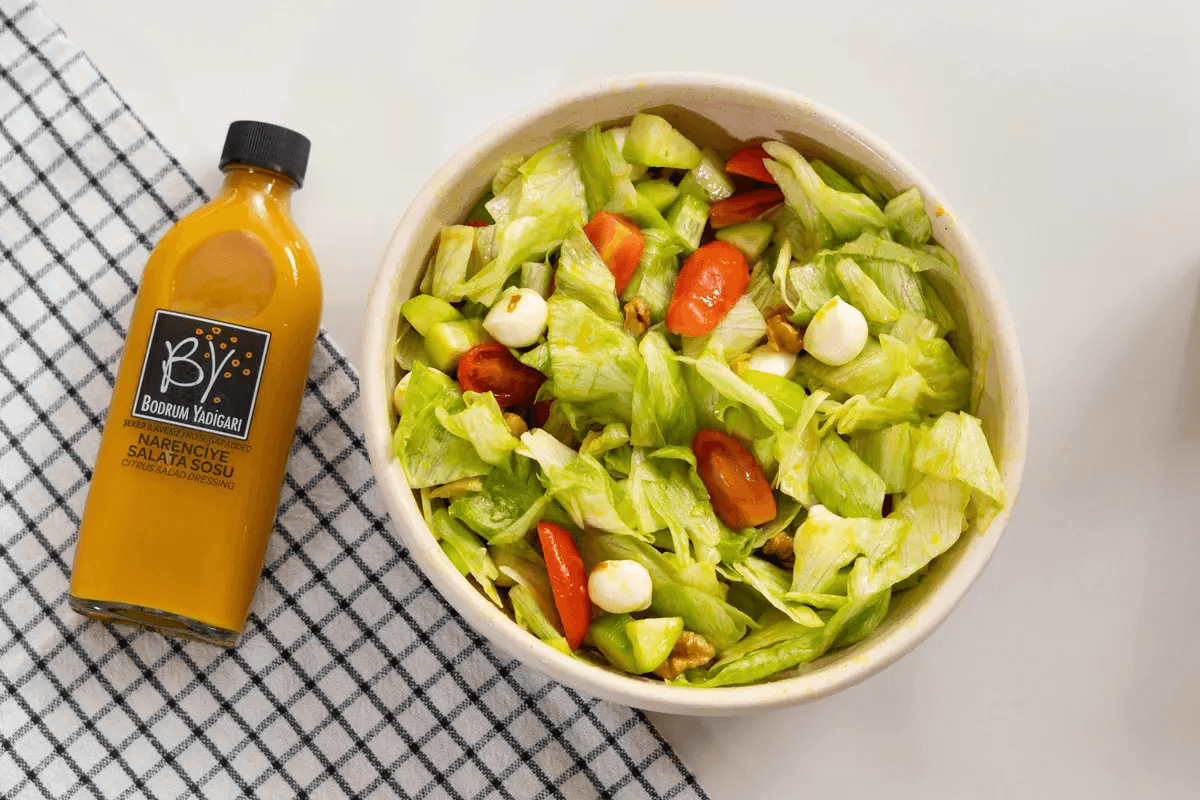
Concerned that the mandarin orchards his father, Ömer Aras, had tended for decades would disappear after him, the family began searching for a new way forward. What started with selling fruit online eventually evolved into a broad range of products, transforming the mandarin into everything from jam and marmalade to Turkish delight, soda and vinegar; from chips and flour to extracts and cosmetics. The brand’s name carries another family story: Yadigar Aras. In this sense, “Bodrum Yadigarı” refers both to his mother’s name and to a legacy from Bodrum intended to be passed on to future generations.
Our conversation with Erman Aras reveals how an agricultural product can acquire new meaning. Seeing every stage of the mandarin tree, from blossom to seed, as a separate harvest, Aras now works across a broad spectrum ranging from zero-waste production and geographical indication to local gastronomy and agro-homeopathic practices. Because unless the Bodrum mandarin once again becomes profitable for its growers, truly preserving these orchards will be almost impossible.
Mr Aras, the story of Bodrum Yadigarı actually goes back much further than 2014, to the 125 mandarin saplings your father, Ömer Aras, planted in Müsgebi in 1951. What place do those orchards hold in your childhood memories?
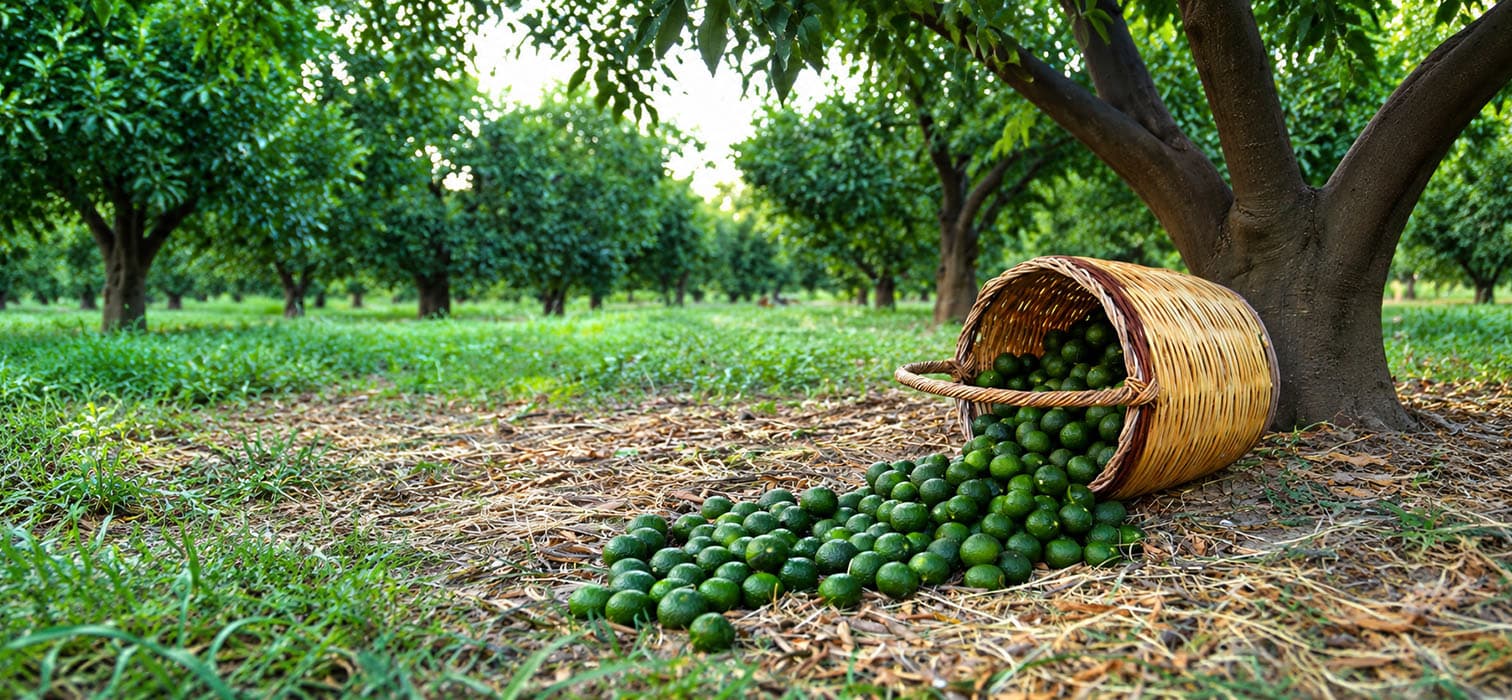
Of course, we grew up surrounded by the mandarin orchard. We knew how much my father loved the trees; we saw it all the time. When he got older and could no longer take care of them as much as he used to, he would say, “After I’m gone, all these trees will disappear,” and it made him very sad. The thought that the trees he loved perhaps even more than his own children might disappear after him made me think seriously about what we could do. I had to find a solution and put his mind at ease, so I made him a promise. I said, “We’ll carry this on after you. Don’t worry. In fact, let’s start while you’re still here. Let’s sell them online.”
The internet had entered our lives. I told him, “Let’s turn them into value-added products. Let’s start there.” And he said, “All right, then. Let’s do it.” Our first real turning point was an interview Banu Şen wrote for Hürriyet, titled “Diren Bodrum Mandalini” — “Resist, Bodrum Mandarin.”
When my father started receiving phone calls from all over Türkiye, he loved it. He said to me, “All right, this could work. Let’s keep going.” That became one of the most important starting points for us.
When your father told you, “This could work. Let’s keep going,” it seems to mark not only the beginning of the brand but also a new phase in your own relationship with the orchard. What did spending so many years alongside him in that garden teach you about agriculture, labour and attachment to the land?
We were always in the orchard together. He tried to pass on what he knew to me; he would point out diseases and explain what needed to be done. But there is something that comes with being young, and I only realised after losing him what a big mistake I had made: I never took written notes.
Now that I am responsible for looking after the orchard, I find myself thinking, “Yes, my father explained this to me.” I know the subject, but sometimes you need one small detail. And when that detail is missing, you start wondering, “What exactly was it?” When you haven’t written it down, you really regret it. I try to ask other people, but there is no one left from the circle my father learned from and shared that knowledge with.
I was genuinely angry with myself for not taking notes at the time. Now I’m trying to learn everything again. I think it is very important for every young person to listen to their elders and write down what they tell them.
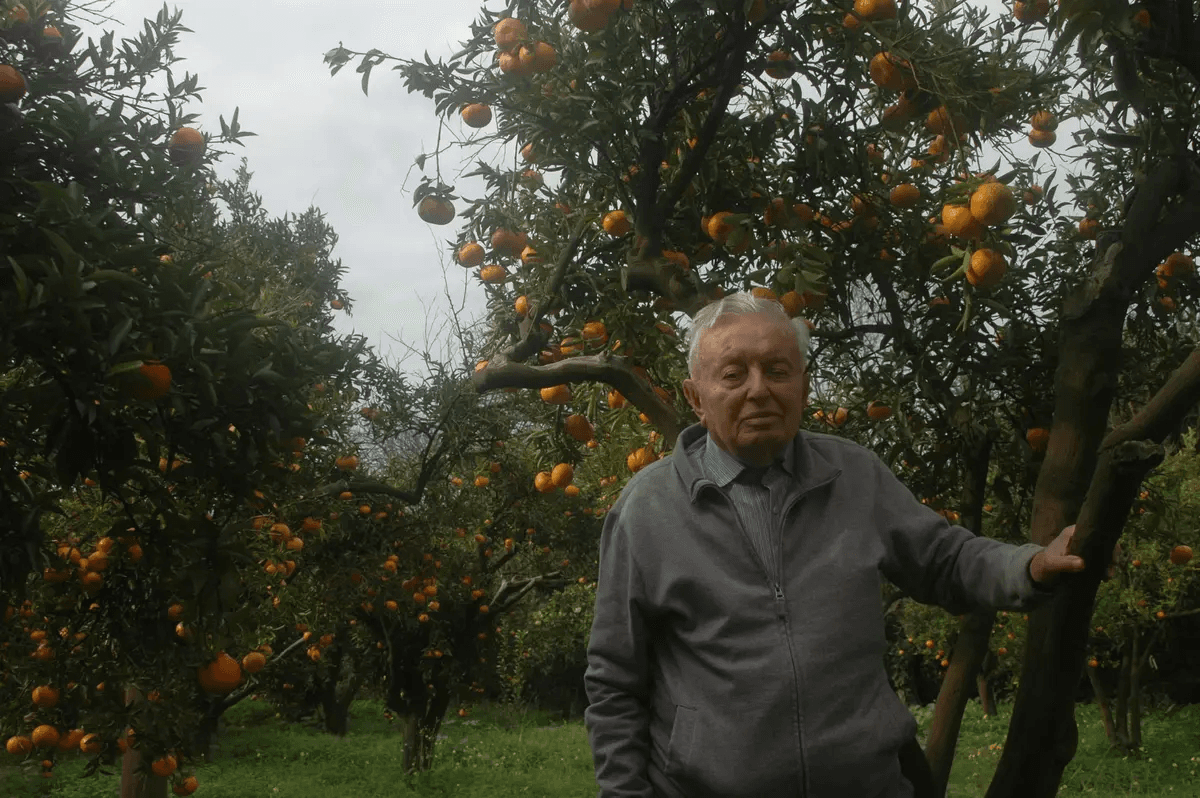
At this point, the word “yadigâr” — legacy or heirloom — takes on another meaning. It is not only the trees but also the knowledge passed down from one generation to the next that becomes a legacy. The brand takes its name from your mother, Yadigar Aras. When choosing the name “Bodrum Yadigarı”, did you consciously bring together your mother’s name with the idea of preserving something inherited from Bodrum?
Yes, it comes from our mother. Of course, it is something handed down to us from our own family, but all these trees are also a legacy belonging to Bodrum and Türkiye. So it carries both meanings: keeping our mother’s name alive and preserving these products that have been handed down to us. It is wonderful that the two meanings come together.
One of the most difficult aspects of preserving this legacy is economic reality. The mandarin orchards that once supported entire families are now trying to survive within a very different Bodrum. In your view, is the main issue facing the Bodrum mandarin agricultural, economic, or connected to the enormous transformation Bodrum itself has undergone?
The reason there were so many mandarin orchards here in the first place was that two entrepreneurs from Bodrum, the Karakaya family, began exporting the fruit to the Eastern Bloc. Once they found a large market, mandarins started being transported by truck through Yugoslavia to Eastern Bloc countries. When people began receiving serious money — one or two dollars per kilogram — for mandarins, everyone started planting them.
Some people removed their fig orchards because figs were no longer profitable. Tobacco cultivation had already been banned, so mandarins were planted on former tobacco fields as well. It was entirely driven by the market. Thanks to that opportunity, people entered a period when very good money could be made.
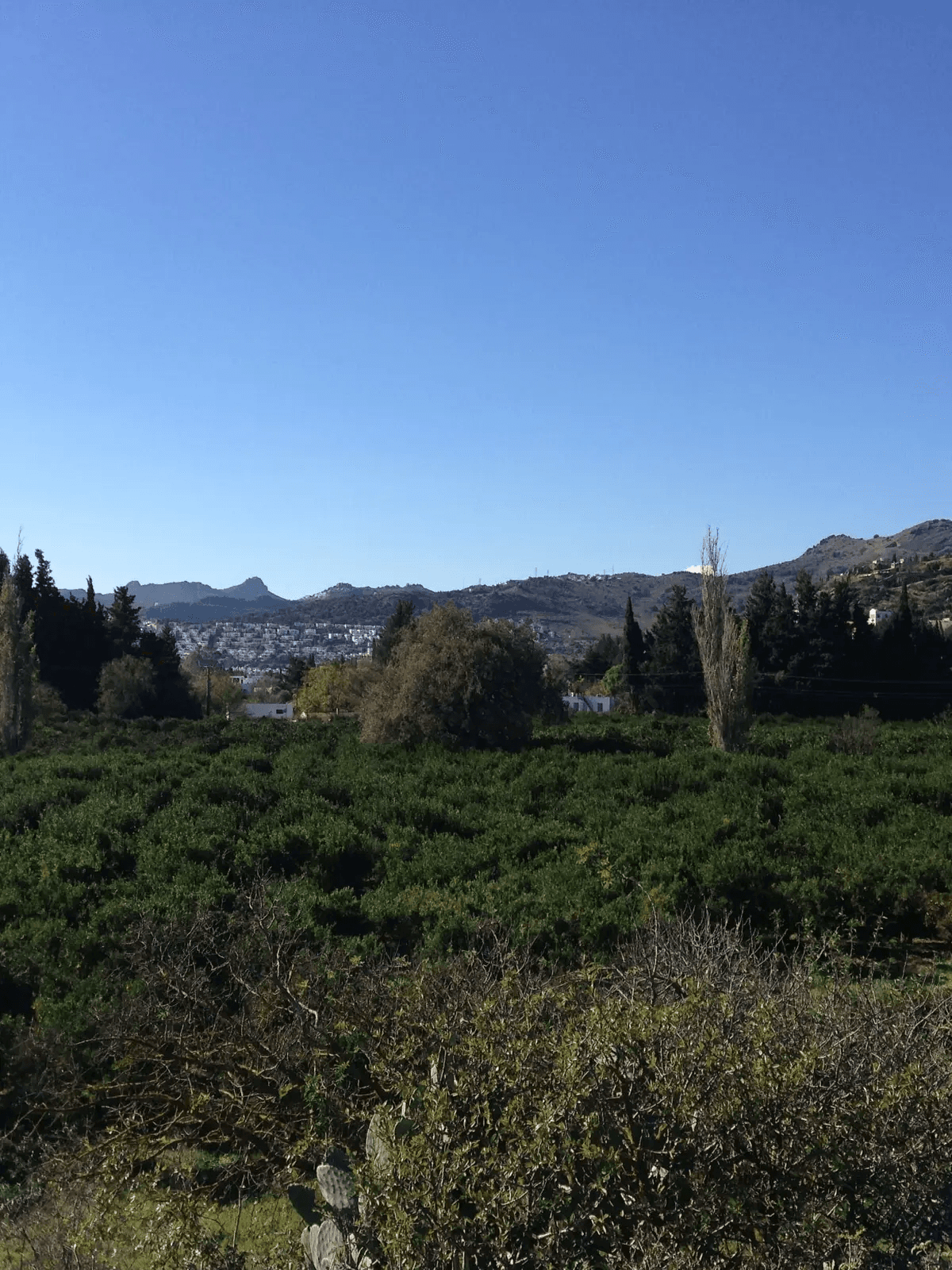
When the Yugoslav Wars began and the Eastern Bloc collapsed, the fate of the mandarin changed as well. A comparable market was never found again. No one really searched for a new one or made a serious effort. As you know, Türkiye does not have a particularly strong tradition of cooperatives either. So producers did not come together and ask, “We have this much produce — what are we going to do with it?”
At one point we were talking about an export volume of 25,000 tonnes. With the development of tourism, mandarin orchards were gradually pushed into the background. Over time, production fell from 25,000 tonnes to around 2,500 tonnes.
The loss of the mandarin’s market and the decline in production from 25,000 tonnes to 2,500 tonnes also created the problem of keeping these orchards economically viable. Your family experienced something similar. You have said that when you founded Bodrum Yadigarı, your starting point was to make mandarin orchards economically sustainable again. When did you realise that the most realistic way to protect a tree was to restore value to what it produces?
Even while my father was alive, mandarins were not making money. Especially towards the end of his life, he was constantly financing the orchard out of his own pocket. We knew that could not continue indefinitely. The orchard could only become economically self-sufficient and sustainable if we created value-added products. That was why we made this decision and started the journey while my father was still alive.
One of the important moments that brought this decision into public view was the 2014 “Diren Bodrum Mandalini” interview you mentioned earlier. At the time, did you imagine Bodrum Yadigarı becoming what it is today, or was it simply a smaller struggle to prevent the mandarins from being left on the branches and to keep the orchard alive?
I did not imagine that we would reach the point we are at today. But I knew the solution lay in value-added products. I thought that if we could produce value-added products, we could at least make the orchard sustainable and capable of supporting itself.
That did happen, but much more happened as well. Once I became involved in the process, I began to understand just how valuable this fruit really was. And I realised that many more products could be made from it.
You say “much more happened,” and today we can see this reflected in the diversity of your products. You use mandarins in everything from jam, marmalade and Turkish delight to soda and vinegar; from chips and flour to sauces, extracts, cologne and essences. How did this range develop?
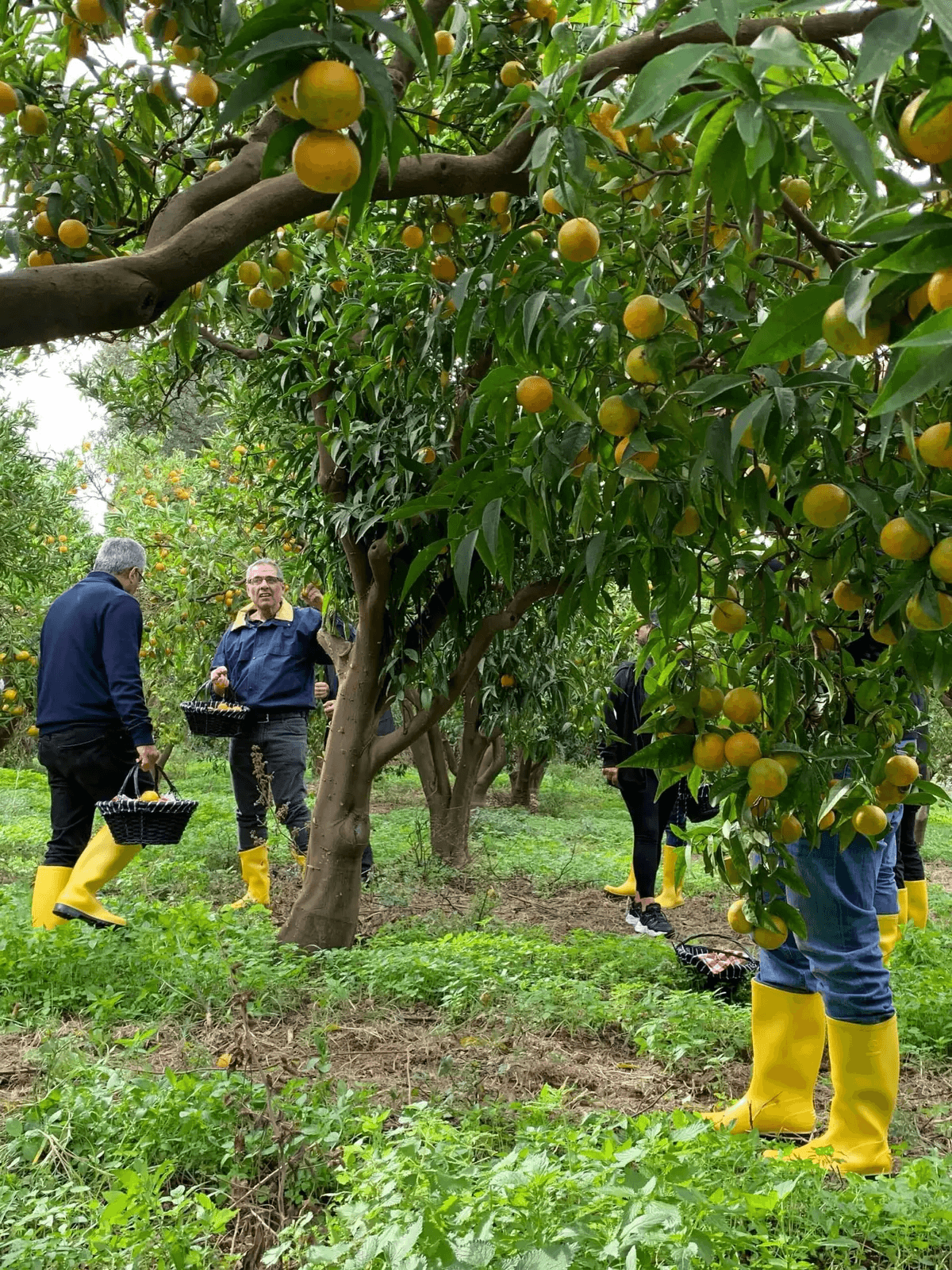
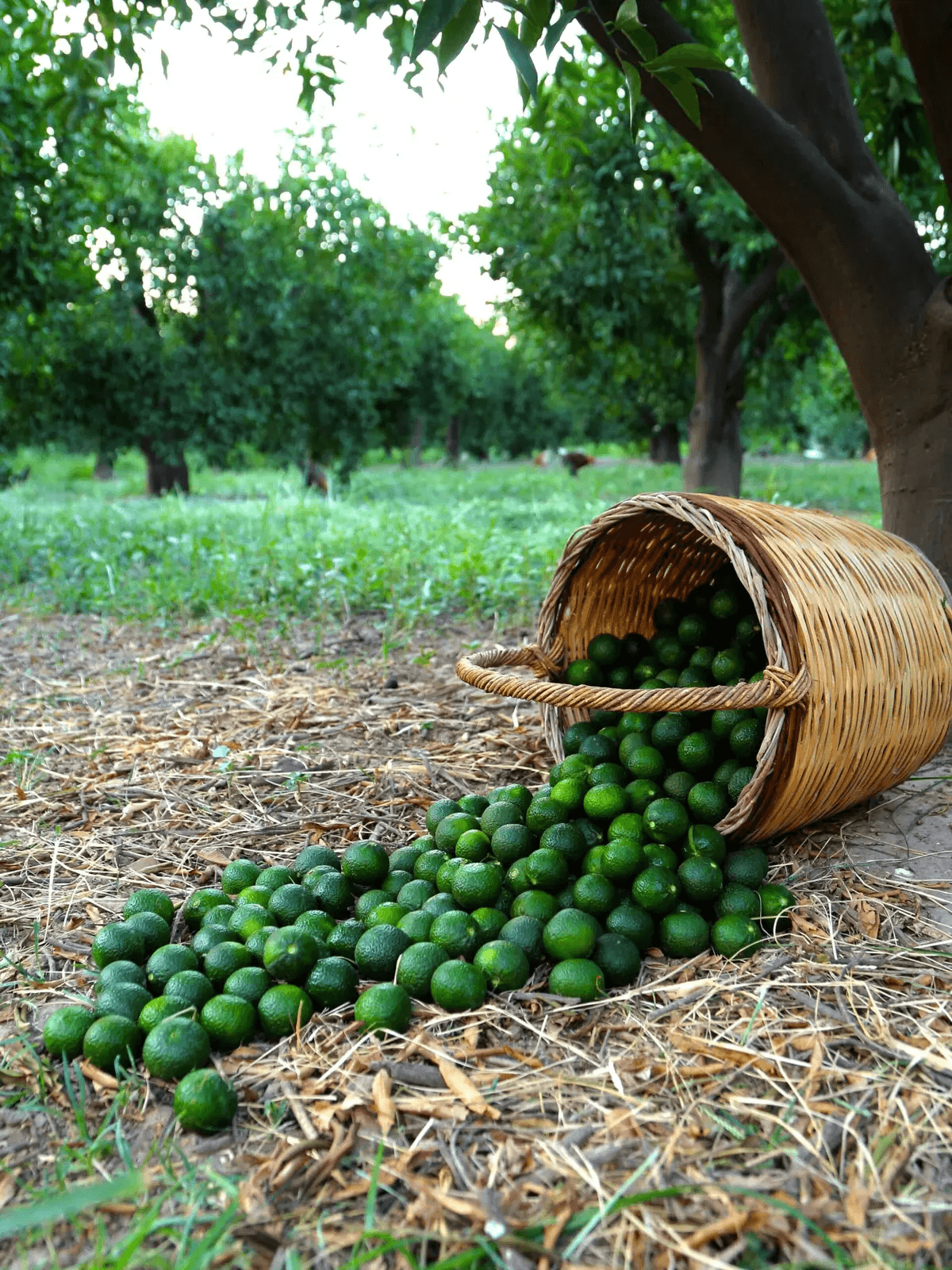
We had always focused on December, when the mandarins ripen. Around 15 December, the mandarins would be ready and, for us, that was when the harvest began. But once I became more involved, I realised that the blossom itself is a harvest. The shoots are a harvest. The buds are a harvest. Green mandarins are another harvest. In other words, the harvests never really end.
I understood that every stage is, in fact, a separate harvest. Then I began thinking about how I could use each one of them. And the mandarin is essentially a zero-waste product. You do not throw anything away. There is virtually nothing that needs to be discarded.
In fact, one of the most valuable parts is the seed. You can extract very valuable medicinal oils from the seeds. Technologically, that is still slightly beyond what we can do at the moment. But aside from that, we use everything, starting with the peel.
Seeing the blossom, shoots, buds, green fruit and even the seeds as separate harvests means looking at the fruit in an entirely different way. One of the Bodrum mandarin’s most distinctive characteristics is its powerful fragrance. As you worked with it over the years, were there uses or qualities that even you discovered only later?
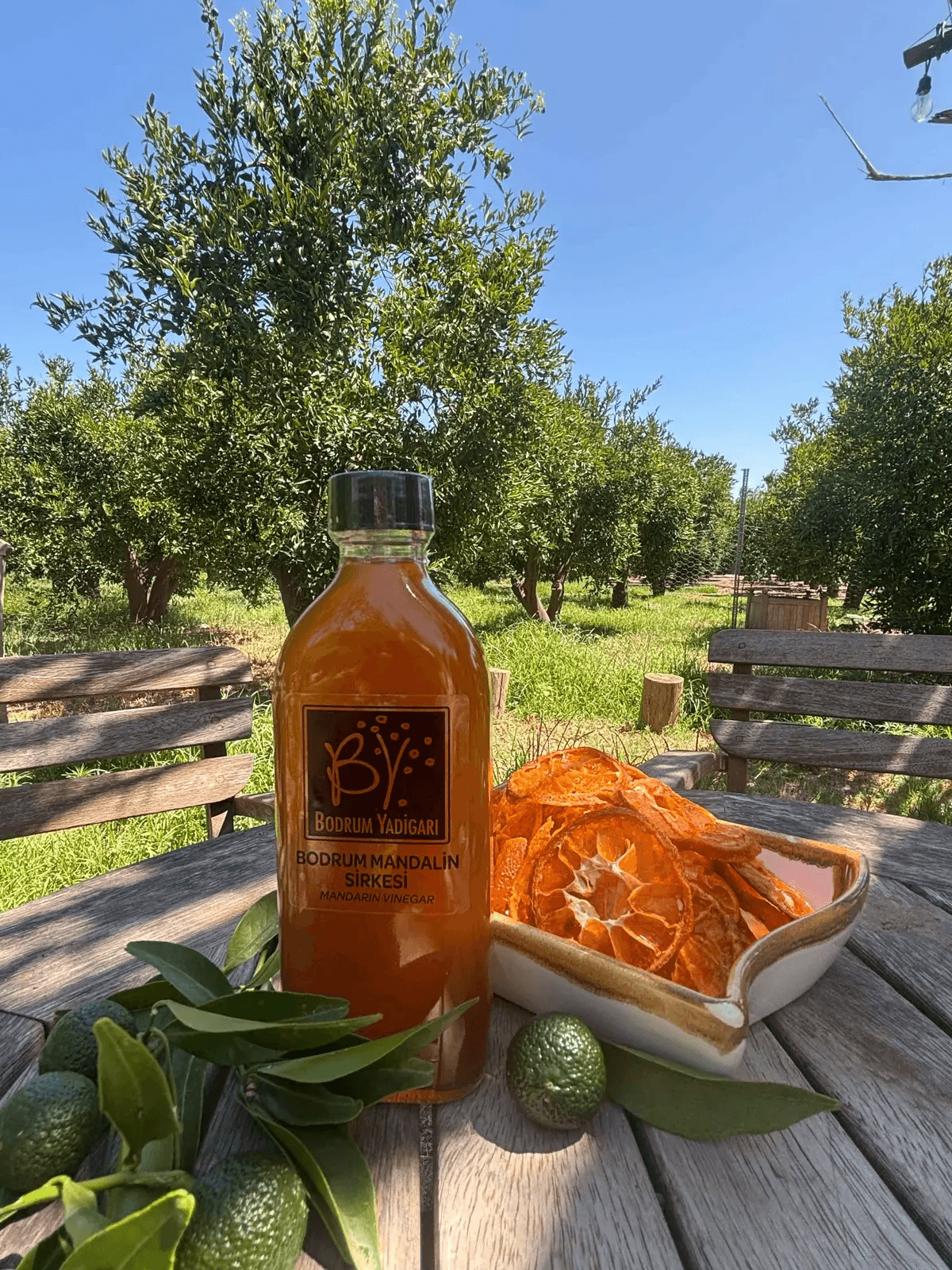
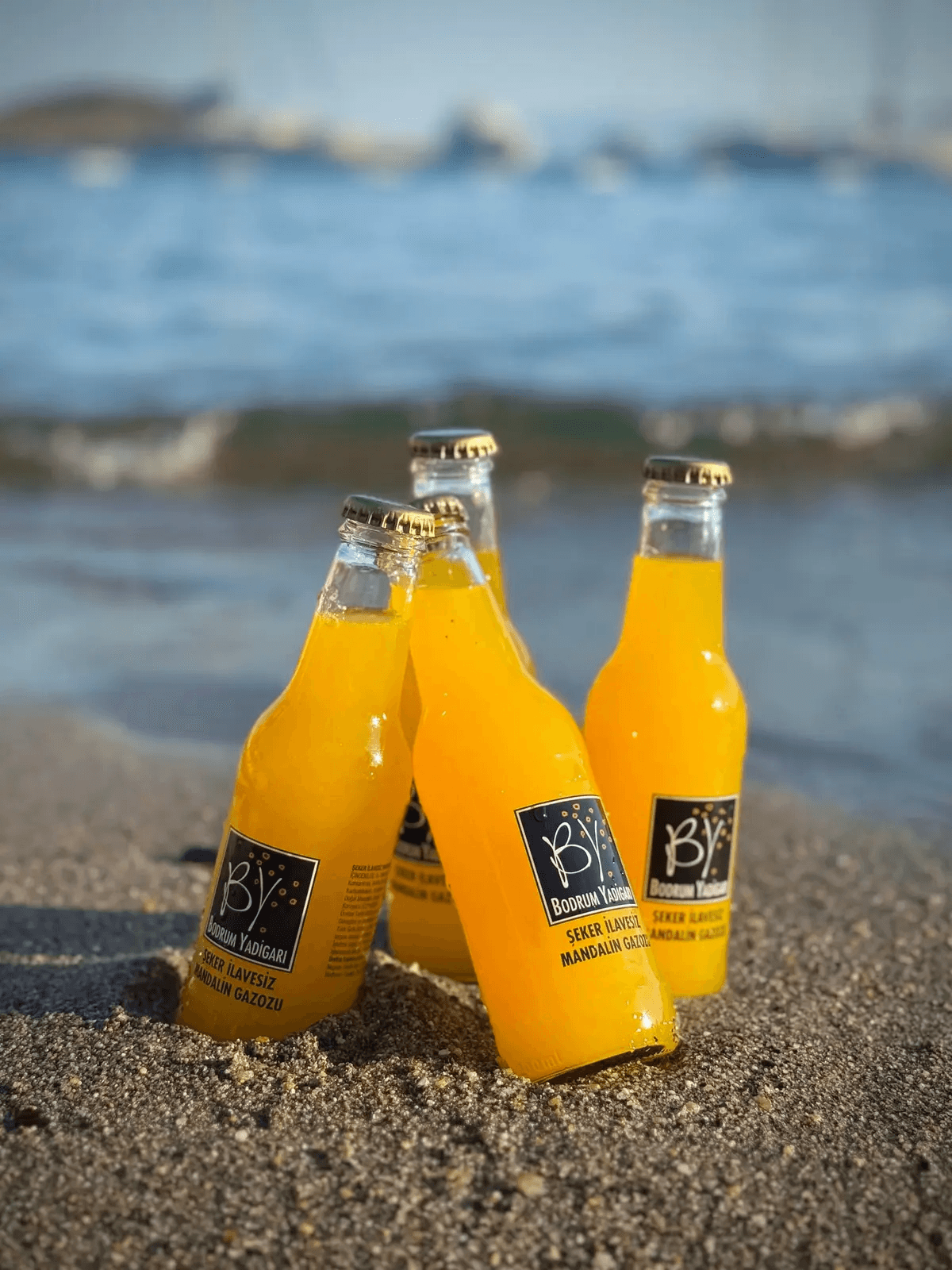
Yes, absolutely. We discovered that you can create beautiful sauces from it that could even be used by Michelin-starred chefs. Flours and vinegars made from it are also excellent products. Turkish delight and beverages are the more traditional applications, of course. But cocktail bases in particular give exceptional results. And once you have the essence, there is almost no cosmetic product you cannot make with it.
You mentioned that almost no part of the mandarin is wasted. Let’s talk a little more about how this zero-waste approach works in practice. When you receive a mandarin, how much of it can actually be used? Could you explain the production cycle, from the juice to the peel?
It genuinely is zero waste. Let’s take a ripe fruit as an example. We receive the fruit and first peel it. We extract essence from the peel. Once the essence has been extracted, the remaining peel becomes excellent animal feed.
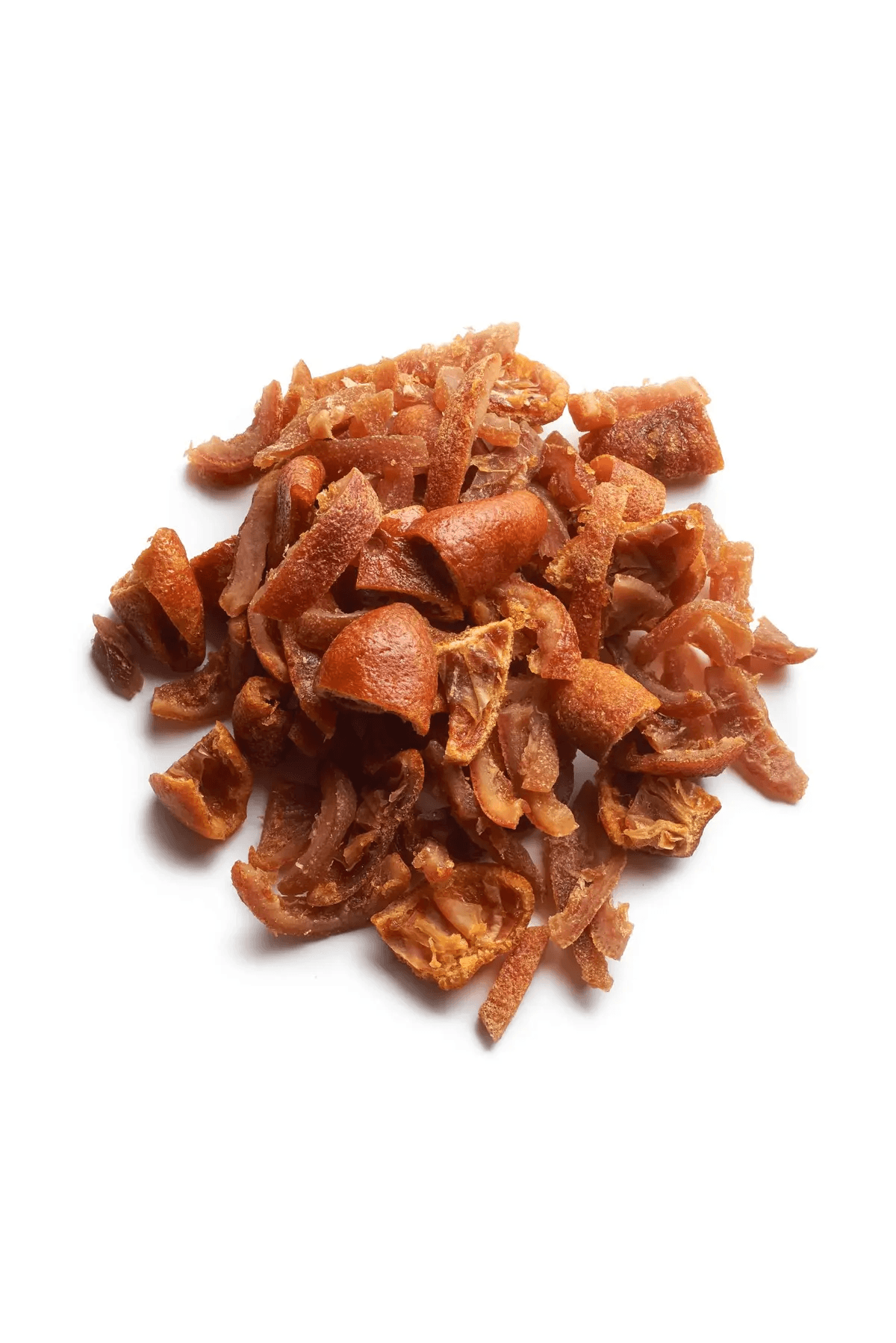
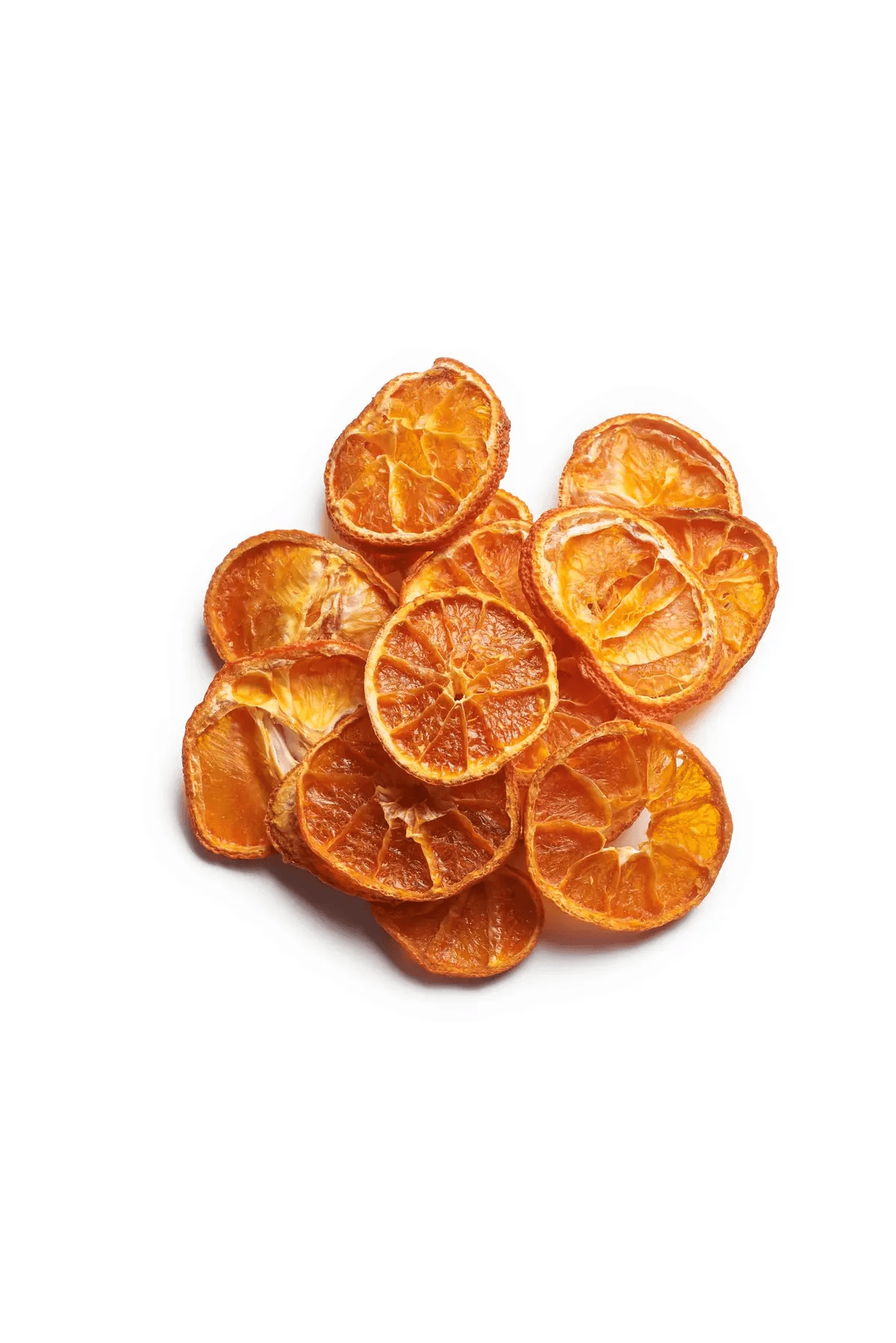
Once you have obtained the essential oil, you can use it in virtually any kind of cosmetic product. You can also make room fragrances. The peeled fruit itself can be dried; you can also dry it with the peel intact.
Let’s say we peel it and squeeze out the juice. There is almost no limit to what can be made from that juice. We use mandarin juice in many different products, from Turkish delight and sorbet to extracts and vinegar. The remaining pulp is valuable too. We can turn it into vinegar. Whatever remains can again be used as animal feed or processed into flour.
On the one hand, you are reinterpreting the mandarin without wasting any part of it. On the other, this production philosophy is rooted in a much older family story. Your mother’s side comes from Crete, while the story of your grandfather, Kazım Efendi, extends to Turkish delight and halva production on Kos. Years later, when you began producing Turkish delight from Bodrum mandarins, was this — consciously or otherwise — a return to a family tradition of production that had been interrupted?
I would say that is exactly what happened. When I was a child, my grandfather had a wooden bucket. It was an ice-cream maker with ice packed around the sides and a mechanism that you turned by hand. My grandfather would pour fruit juice into it and make wonderful sorbets. The aroma of those sorbets became so deeply embedded in my memory…
Think about the time we are talking about: as children, ice cream simply was not something we normally had, and suddenly it could be made at home. I always wondered, “Could I make this again?” And of course there was also the fact that my grandfather had been a confectioner and had made halva and Turkish delight in the Dodecanese.
So we said, “Now that we have started, let’s follow in Grandfather’s footsteps as well.” He was actually also a chocolatier. I realised how beautifully mandarin and chocolate complement each other. Now we have started combining mandarin with chocolate to create some wonderful products.
This story, stretching from the taste memories left by your grandfather to today’s products, naturally has the mandarin at its centre. But not every mandarin is the same. You work with different varieties such as Bodrum Yerli, Satsuma and Clementine. Consumers often simply call all of them “mandarins”. How do these varieties differ in aroma, fragrance and their possible uses?
What makes the Bodrum Yerli mandarin special is its aroma and its slightly tart character. You can find mandarins with seeds in many parts of the world. But because Bodrum is a peninsula, and thanks to the meltem winds and, of course, the characteristics of its volcanic soil, our mandarins have a remarkably distinctive and powerful aroma.
It is so distinctive that it enabled us to obtain a geographical indication. And of course it has seeds — that is actually one of its advantages.
If we compare it with the others, Clementines contain fewer seeds. Their colour tends to be slightly more orange and their aroma is milder. When you go to Europe, Clementines are much more prevalent in places such as Spain, Tunisia and Italy. They are essentially a variety developed by crossing seedless mandarins with traditional seeded varieties.
The Satsuma, which is the seedless mandarin, is much sweeter in comparison. But in terms of aroma — even in the essential oil found in its peel — it is much less aromatic than the others. So each variety has different characteristics. We grow all of them in our orchard, but the Bodrum Yerli mandarin is something completely different.
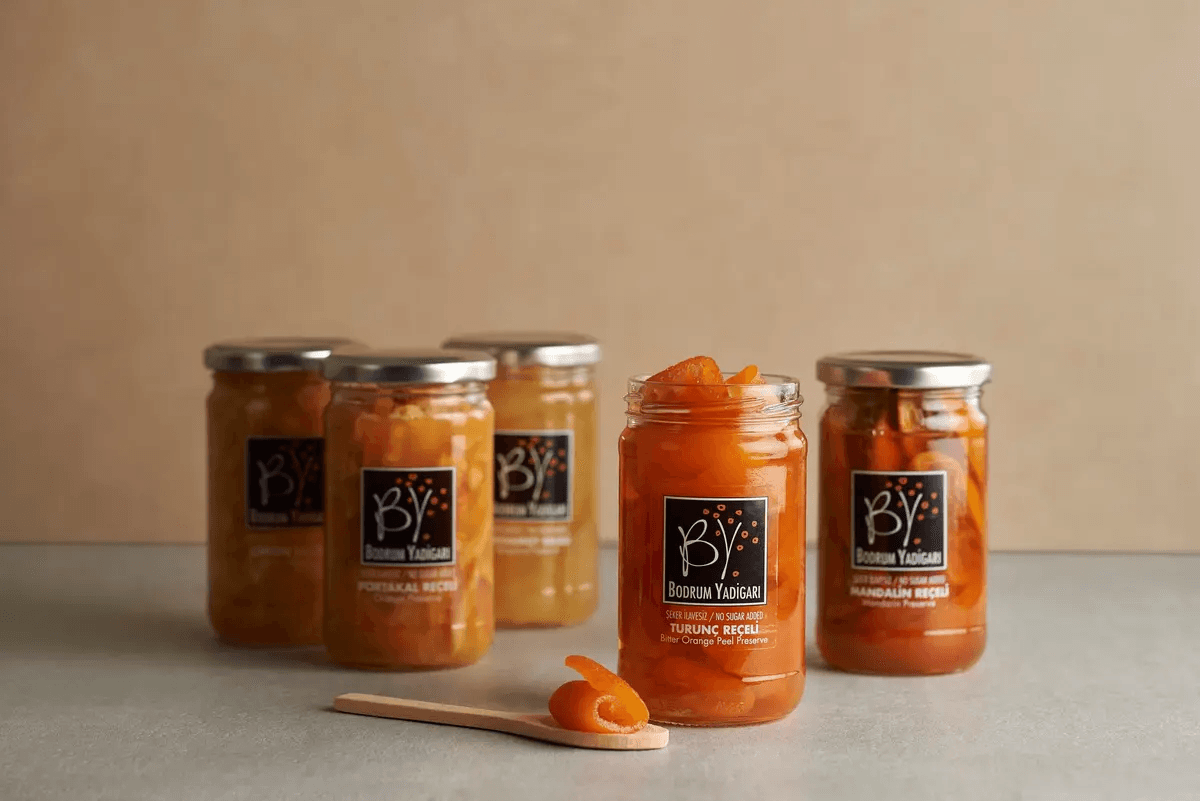
You turned to products with no added sugar at a relatively early stage. Achieving this with products such as jam, marmalade and Turkish delight, which are traditionally associated with sugar, cannot have been easy. What kind of R&D process was required to eliminate added sugar while preserving both flavour and texture?
When we first gave the products to friends to taste — my wife also put a great deal of effort into this — they asked, “Isn’t there a sugar-free version? Attitudes towards sugar are starting to change.” So we began searching for alternatives.
At the time, we discovered that some very important, high-level manufacturers in Türkiye were able to extract fructose from apples and turn it into sugar, and similarly obtain date sugar from the fructose in dates. We experimented with these.
We particularly liked apple for the jams because it does not impose its own aroma, allowing the mandarin fragrance to remain dominant. So we brought apple and mandarin together. Dates worked very well in Turkish delight. That is how we became able to produce products without added sugar.
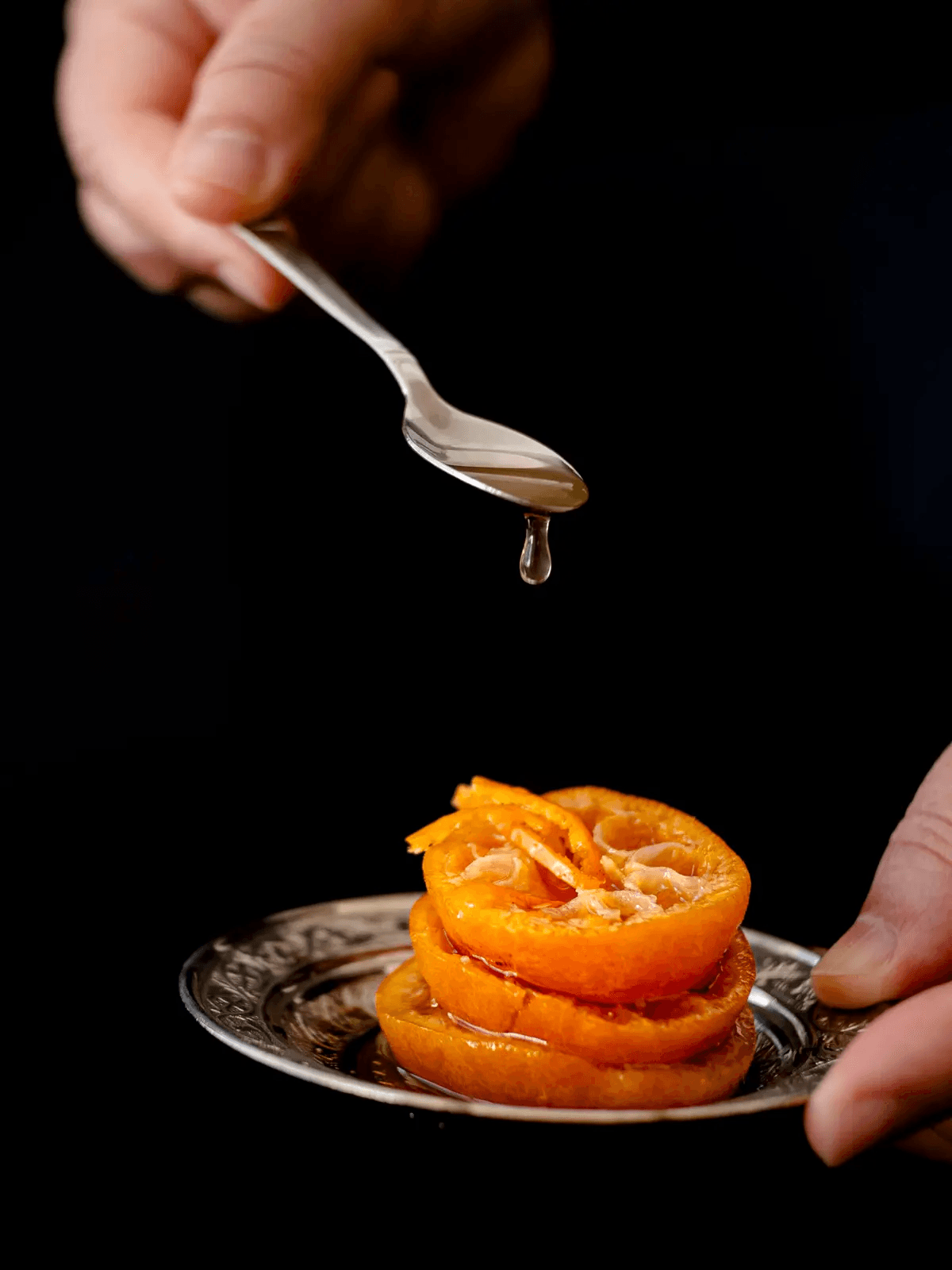
Turkish delight was particularly difficult. We only really solved it when we coated the outside with mandarin flour. In the end, we created a very gourmet product that feels entirely appropriate for Bodrum: Turkish delight made with 100 per cent mandarin juice, sweetened with dates and coated in mandarin flour.
The story of the mandarin actually takes us back to a much older identity of Bodrum. Today, Bodrum is known internationally for tourism, the sea, entertainment and luxury living. But if we go back just a few generations, we encounter an entirely different landscape of vineyards, olive groves, mandarin orchards and farmers. How much of Bodrum’s agricultural memory do you think we have lost?
If we go back to the Leleges and then the Carians, Bodrum was essentially an agricultural city. Through exporting agricultural products, they accumulated the wealth that helped bring one of the Seven Wonders of the Ancient World, the Mausoleum, to Bodrum. Agriculture contributed significantly to the creation of that extraordinary monument by the people who lived here before us.
So this has actually been a place of agriculture since antiquity. It was also famous for its vineyards. The olives are exceptional. The mandarins came later. Today, I think we can say that all of these are beginning to revive.
Vineyards are developing again in Bodrum and have grown considerably compared with the past. Our olives remain excellent. Our mandarins had lost a great deal of ground. Now we are trying to regain it.
I think the importance of agriculture is now being understood. Perhaps we simply need a little more time. And I believe the work we are doing can make a very significant contribution to that.
In this effort to revive the mandarin, obtaining a geographical indication for the Bodrum mandarin is undoubtedly important. But registering a product and keeping it alive in the orchard are not the same thing. Do you believe the Bodrum mandarin will still exist 20 or 30 years from now?
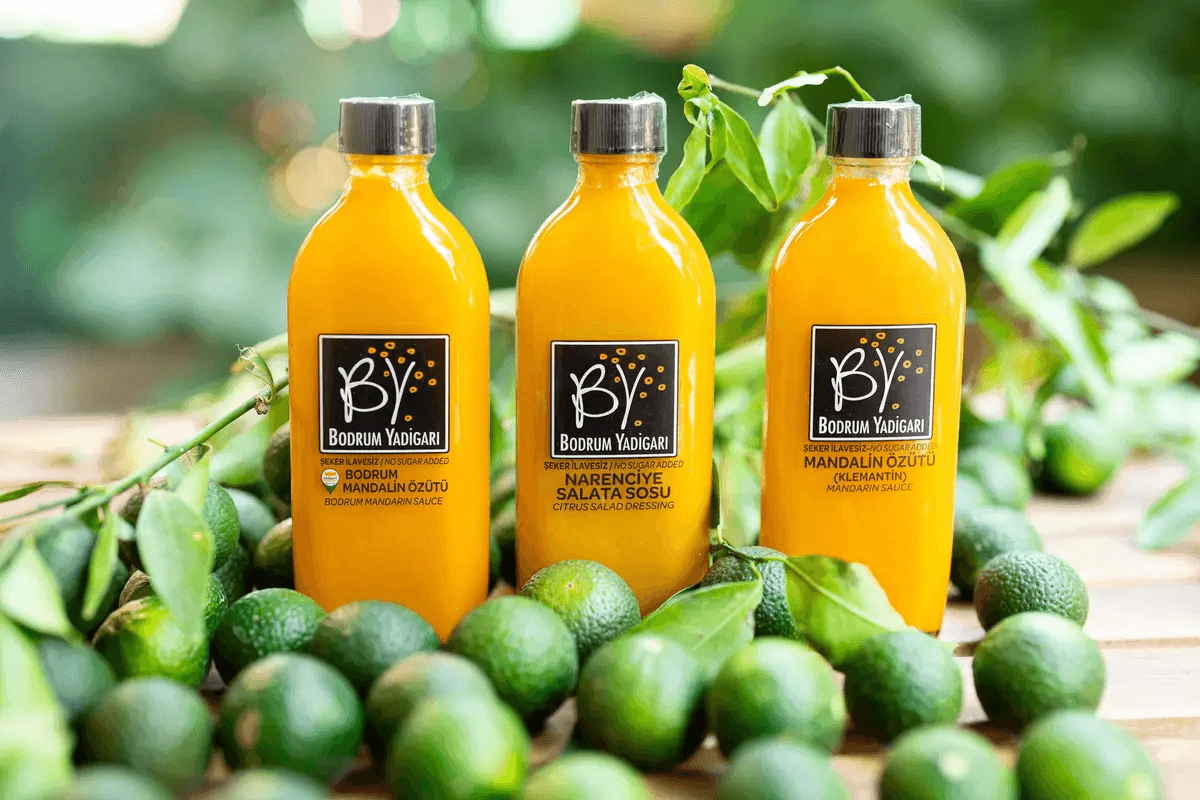
Yes, I believe it will still exist in 20 or 30 years. At the moment, Bodrum Yeşili — the green version of the fruit — is already being used by many businesses. Cocktail bases, lemonades and other products made with it have become very popular. At the very least, awareness has increased.
Of course tourism puts enormous pressure on the land. We cannot reverse what has already happened in areas that have been opened up for development, but if we can save the orchards that remain outside development zones and are still surviving, that alone could carry us forward another 50 years. But for that to happen, growers have to make money.
Consumers also have a role to play. They need to use this geographically indicated product themselves and, when they visit businesses, ask, “Why isn’t this geographically indicated product available here?” Businesses in Bodrum also have a major responsibility. They absolutely need to put these products on their menus. Those that do not should be called out. This is where consumers can make a difference.
Local authorities, chambers of commerce, hoteliers and all the other institutions involved also have major responsibilities. They need to run campaigns to ensure that geographically indicated products are included on menus. They need to set an example themselves. They should use these products in their own establishments and choose them when they are taking gifts somewhere.
But we need to use genuine products, not imitations. You cannot make something with artificial chemical flavourings, put “Bodrum” on the label and claim that it is made from Bodrum mandarins simply for the sake of saying you have done it.
If we do that, we will actually accelerate the disappearance of the mandarin orchards. So everyone has a responsibility. If the product appears on menus, then in summer — when the green mandarins are at their best — you can add them to water, use them with soda, make one of your ice creams from them, or use them in cocktails.
There is hardly a better product to use in summer. That is why, in my view, failing to use such a beautiful, geographically indicated product is almost a betrayal. I even think a business in Bodrum that does not use it or feature it on its menu has no place in Bodrum. It should close up and leave. But all institutions need to act with the same awareness.
It would also be incomplete to limit the issue to simply preserving mandarin orchards. How the fruit is grown, and what kind of agricultural philosophy is passed on to future generations, are just as important as the trees themselves. Let’s finish by returning to the beginning, to the saplings your father planted in 1951. What is the real “yadigâr” — the legacy — that Bodrum Yadigarı hopes to leave to future generations?
We are trying to demonstrate that this product can be used from blossom to its final stage according to a zero-waste philosophy. Secondly, we are putting a great deal of effort into showing that it can be grown without using any chemicals — neither chemical pesticides nor chemical fertilisers. We are trying to demonstrate that toxin-free agriculture is possible.
We have turned Bodrum Yadigarı into a model orchard where agro-homeopathic remedies and practices are used. I think we are trying to show future generations, through the example of the mandarin, that it is possible to grow produce without pesticides. And I believe that will become even more meaningful 50 years from now.
The legacy we can leave behind, I think, is to demonstrate that so many different and beautiful products can be created from this extraordinary fruit — and that toxin-free agriculture is possible. I believe that will be far more valuable 50 years from now.
Üç Yıldız Confectionery: A Century of Enduring Flavors