Irish cinema speaks not only through the country’s natural beauty but also through its cultural memory. Here are the films in which the spirit of Irish music meets the art of storytelling on screen.
In Ireland, cinema and music have perhaps always spoken the same language. Almost every chapter of the country’s political history has been passed down through generations by filmmakers and musicians alike. Take “Zombie”, the global hit by The Cranberries, one of the most celebrated bands of the 1990s. The song was written in response to the deaths of two children killed in an IRA bombing during the Troubles. Today, Fontaines D.C., one of Ireland’s most exciting contemporary rock bands, is doing something similar: giving voice to its Irish roots. Themes of belonging, immigration, language and stereotypes run through the band’s music, bringing the country’s cultural and political concerns into the present.
Much like its music, Irish cinema carries the country’s history, suffering, violence, wounds and humour. When the two come together, they reveal the lingering traces of the past. Of course, Ireland is captivating enough as a travel destination, with its seemingly endless green landscapes, Dublin’s music-filled streets, pubs, whiskey and legends. Yet the stories told on this island reach far beyond its picturesque scenery. From those forced to leave to those who chose to stay, from the struggle for independence to the lasting scars of the Troubles, from a song performed in a pub to young rappers reclaiming their native language on the streets of Belfast, music and cinema become different expressions of the same collective memory.
This time, we are not simply going to look at Ireland. We are going to listen to the stories it has to tell.
Contents
Once (2007)
IMDb: 7.8
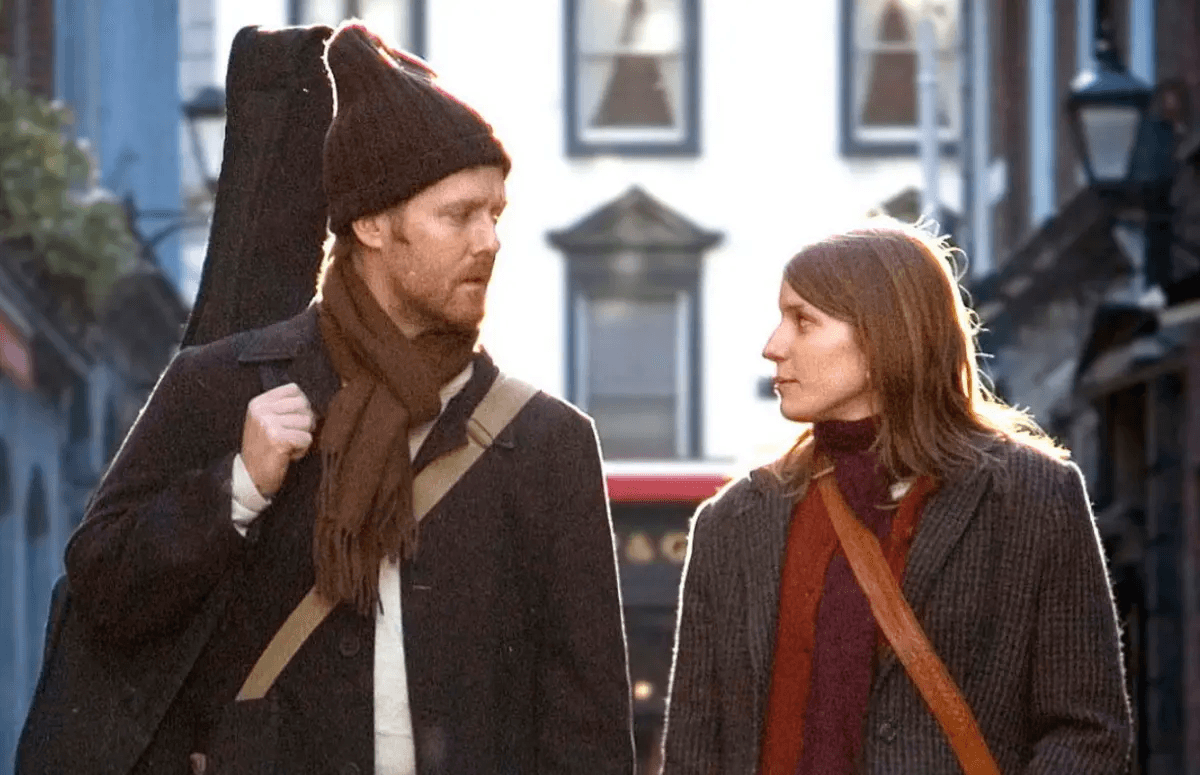
Starring the late, immensely talented musician Glen Hansard alongside Markéta Irglová, Once is a tender, heartwarming film about a Dublin street musician who meets an immigrant woman and the album they set out to make together. The Ireland we encounter here is, in many ways, the everyday Dublin of the 2000s. Hansard’s character picks up his guitar and performs on streets such as Grafton Street, reminding us that music is both one of the most ordinary and one of the most essential elements of daily life in the city. The film later inspired a Broadway musical. As The Irish Times once observed, Once romanticises Dublin without polishing away its rough edges. The city appears somewhat gritty and weary, yet the story finds room for immigration, belonging and music within its streets. Along the way, we encounter real Dublin music shops and venues, accompanied by a remarkable soundtrack well worth revisiting. Written and directed by John Carney, the film also gave us “Falling Slowly”, which won the Academy Award for Best Original Song at the 80th Oscars.
Kneecap (2024)
IMDb: 7.6
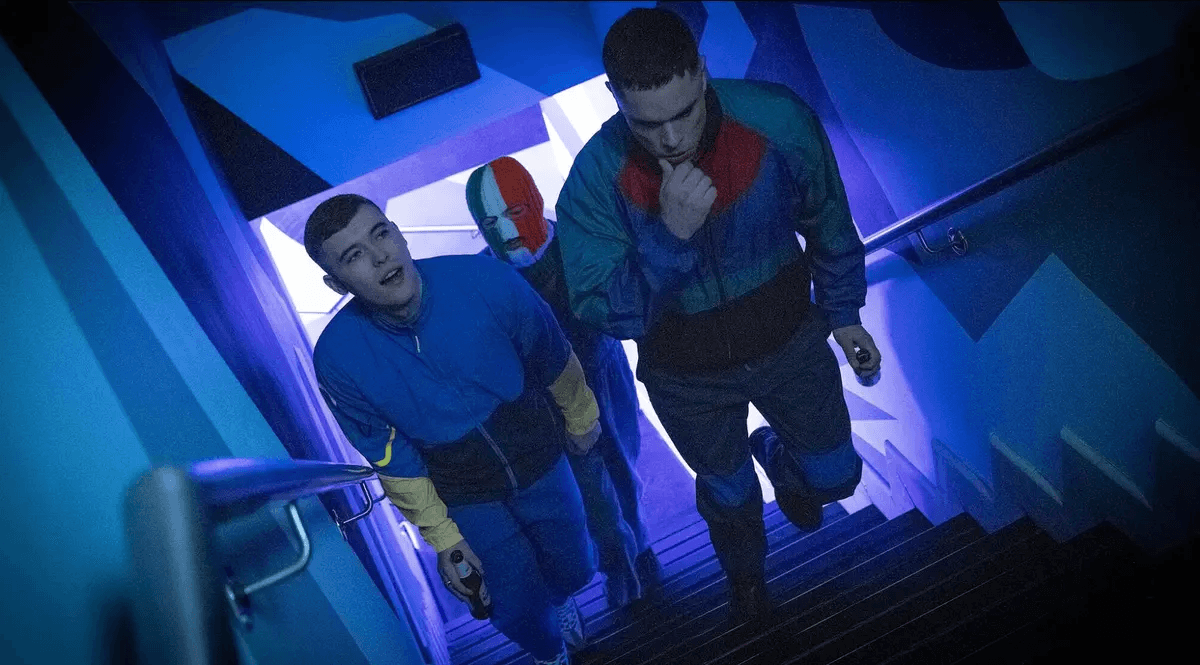
Directed by Rich Peppiatt, Kneecap tells the story of the Belfast-based hip-hop trio of the same name. It made history at the Sundance Film Festival as the first Irish-language film to be screened there. The group’s members, Móglaí Bap, Mo Chara and DJ Próvaí, play themselves, while Michael Fassbender appears as Arlo, a fugitive IRA volunteer representing an older generation of Belfast republican radicalism. At one point, Arlo declares that every word spoken in Irish is a bullet fired for Irish freedom, capturing the idea that preserving the Irish language, Gaeilge, is itself an act of cultural resistance. Set in the Gaeltacht Quarter of West Belfast, the film traces the formation of Kneecap and the development of their distinctive sound. Their rap comes from the streets, and it is from those same streets that they make their voices heard. Among the tracks featured is “Liberty Belle”, from Fontaines D.C.’s album Dogrel. Perhaps the film’s central idea is best captured in one line: “Stories build from language. Nations build from stories. This is our story.”
The Commitments (1991)
IMDb: 7.6
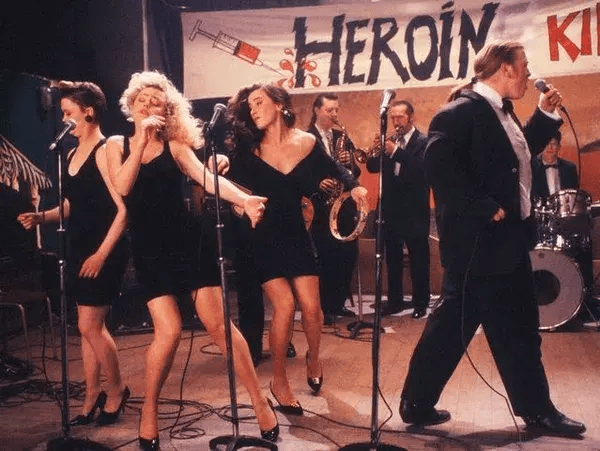
Directed by Alan Parker and adapted from Roddy Doyle’s 1987 novel, The Commitments has a wonderfully unusual premise. It follows a group of young Dubliners who decide to form a soul band. But beneath the music lies a story about class, economic hardship and the search for social identity. For these young people, joining a band offers a chance to gain recognition and a sense of status. Yet why would working-class Dubliners embrace soul, a musical tradition rooted in Black American culture? That question becomes one of the film’s defining themes, particularly given that hip-hop, acid house and rave culture were prominent musical forces in Ireland during the early 1990s.
The film features a largely unknown cast, performing American soul classics such as “Mustang Sally” and “Try a Little Tenderness” live during filming. Here, music is both an escape and a means of self-expression for the working class. The Dublin we see in the background is also far removed from the picture-perfect images found on travel websites. This is North Dublin, with its working-class neighbourhoods and everyday realities. All the more reason to watch.
Sing Street (2016)
IMDb: 7.9
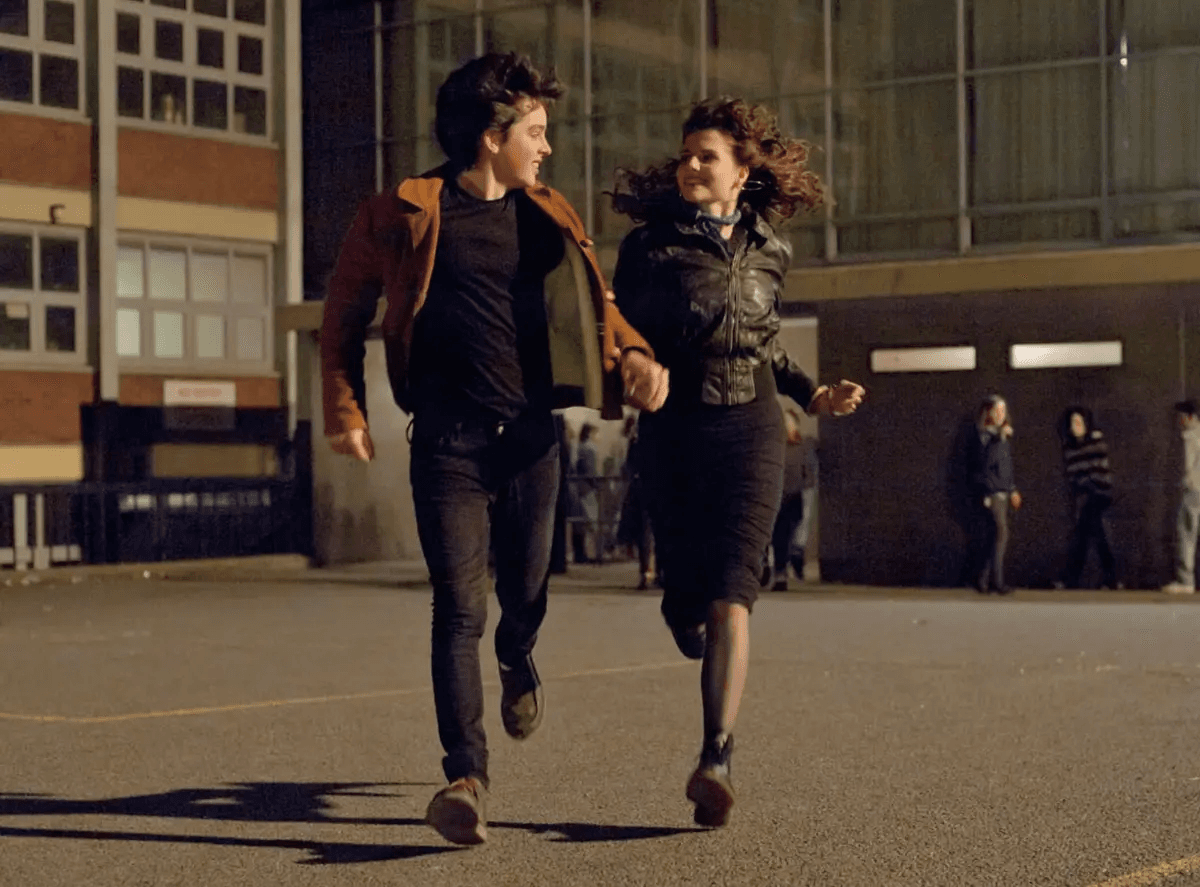
Another John Carney film, Sing Street is among the finest examples of Irish cinema’s enduring relationship with music. An uplifting story about dreaming big and finding the courage to pursue those dreams, it follows Conor, played by Ferdia Walsh-Peelo. Struggling with family problems and bullying at school, Conor decides to start a band to impress a girl he likes. What begins as a teenage romantic gesture gradually becomes something much more meaningful: a way of discovering his own voice through music.
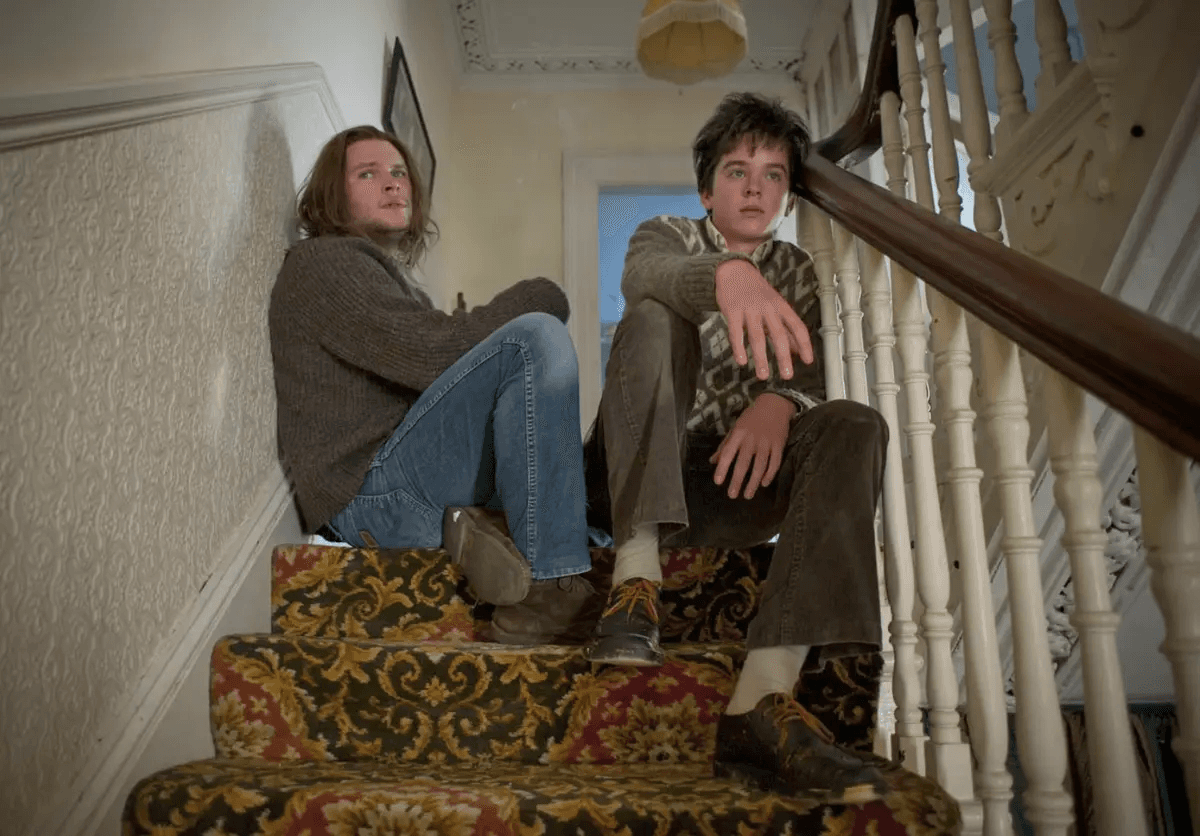
Naturally, the film is filled with pop and rock classics. Artists including Duran Duran, The Cure and Motörhead appear on the soundtrack and help shape the musical world of the story. The film’s original songs are equally energetic. And what about the Ireland of Sing Street? Set in the 1980s, the story unfolds against two of the country’s defining challenges of the decade: unemployment and emigration to Britain. Both become central to the hopes, frustrations and ambitions of its young characters.
The Banshees of Inisherin (2022)
IMDb: 7.7
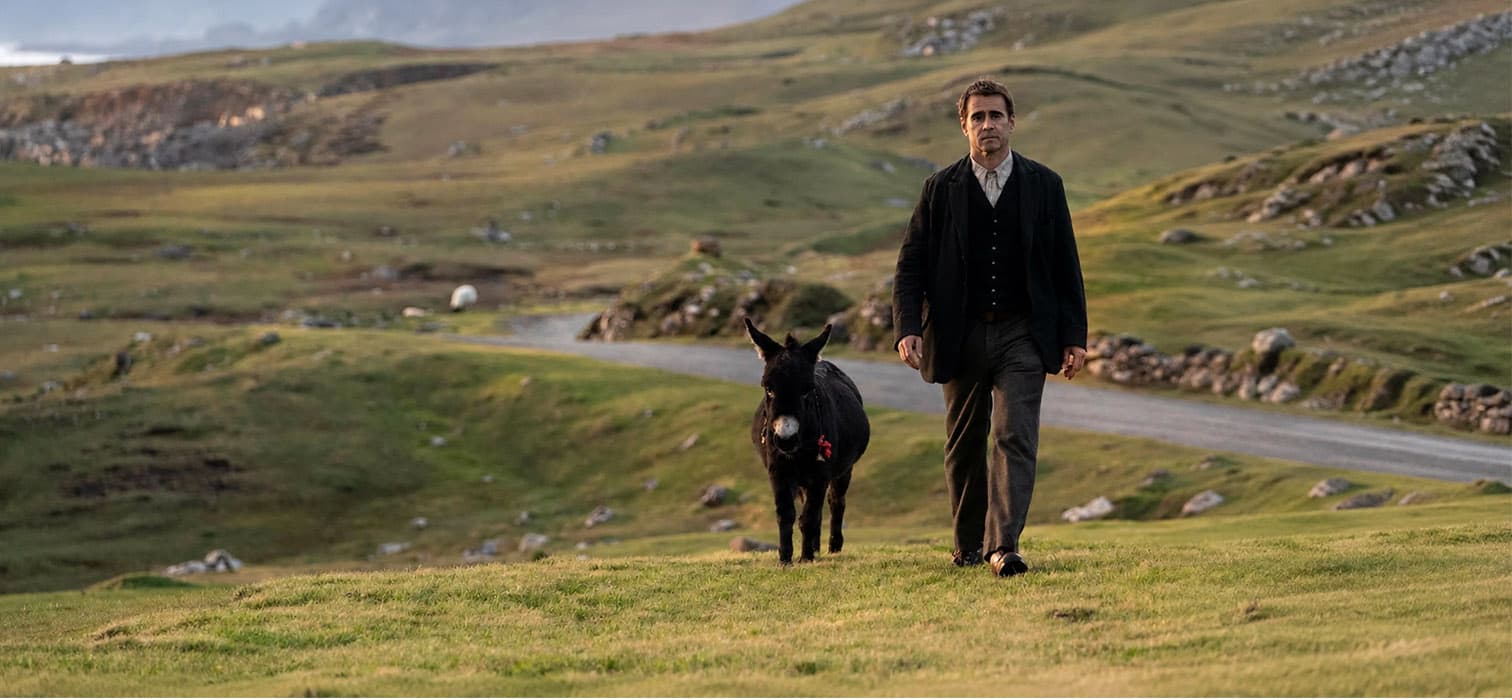
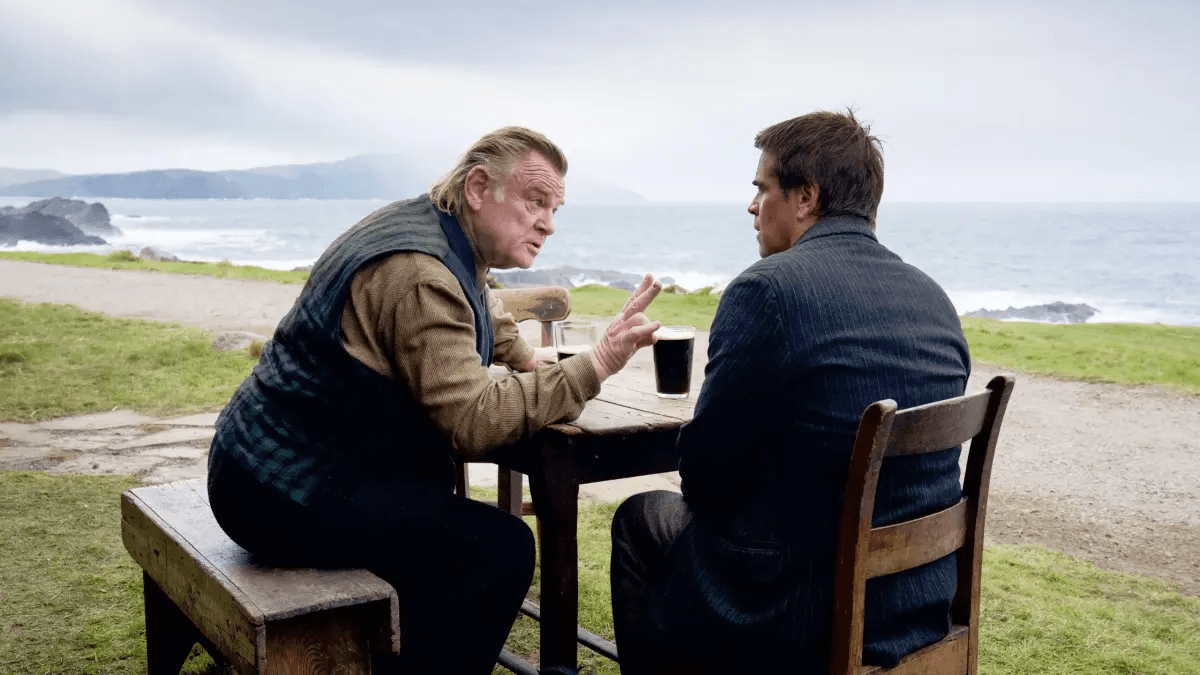
This time, we travel to an island off the Irish coast in the 1920s. On the mainland, the Irish Civil War is raging, with opposing factions fighting over the country’s political future. Starring Colin Farrell and the magnificent Brendan Gleeson, the film centres on two close friends whose relationship suddenly falls apart when Colm decides he no longer wants anything to do with Pádraic. Played by Gleeson, Colm is a musician who plays the fiddle, an instrument deeply rooted in Irish folk tradition. He performs at a pub called JJ Devine’s, and his greatest desire is simply to devote more time to composing music.
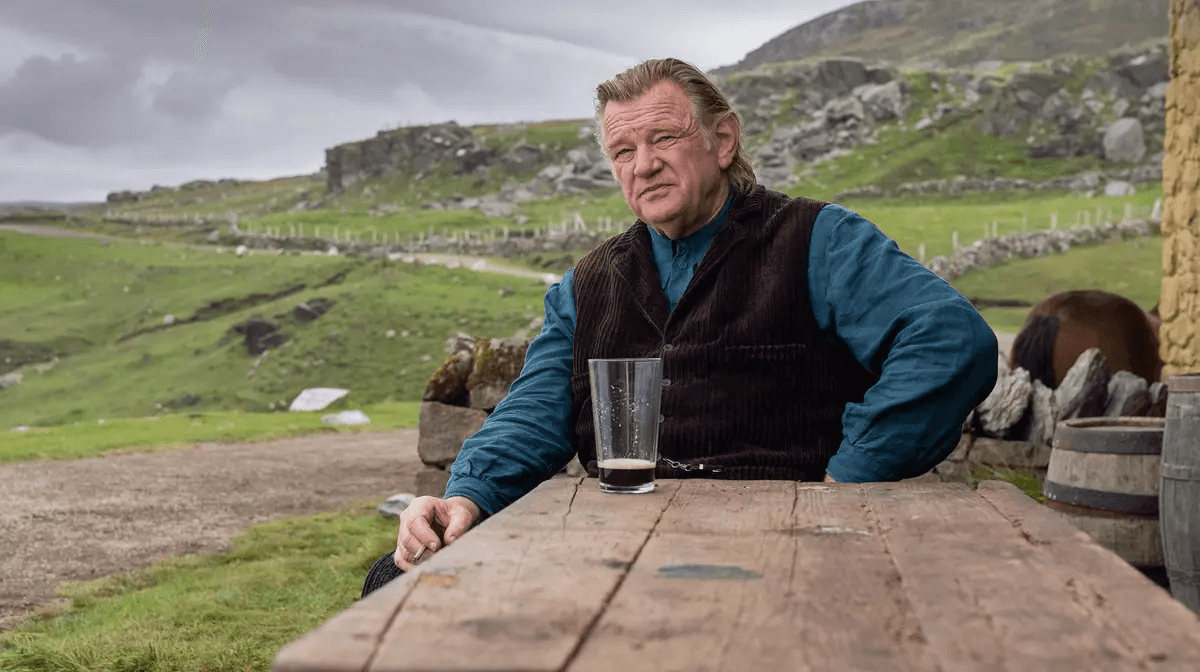
While war continues beyond the island, a different kind of struggle for freedom unfolds between the two friends. Directed by Martin McDonagh, The Banshees of Inisherin also offers a fascinating insight into the role of pubs in Irish culture. These are not merely places to drink, but spaces where music becomes part of everyday life. Islanders gather, gossip, observe one another and, inevitably, argue. It is also worth noting that Inisherin is a fictional island. The film was actually shot on Inis Mór and Achill Island.
Belfast (2021)
IMDb: 7.2
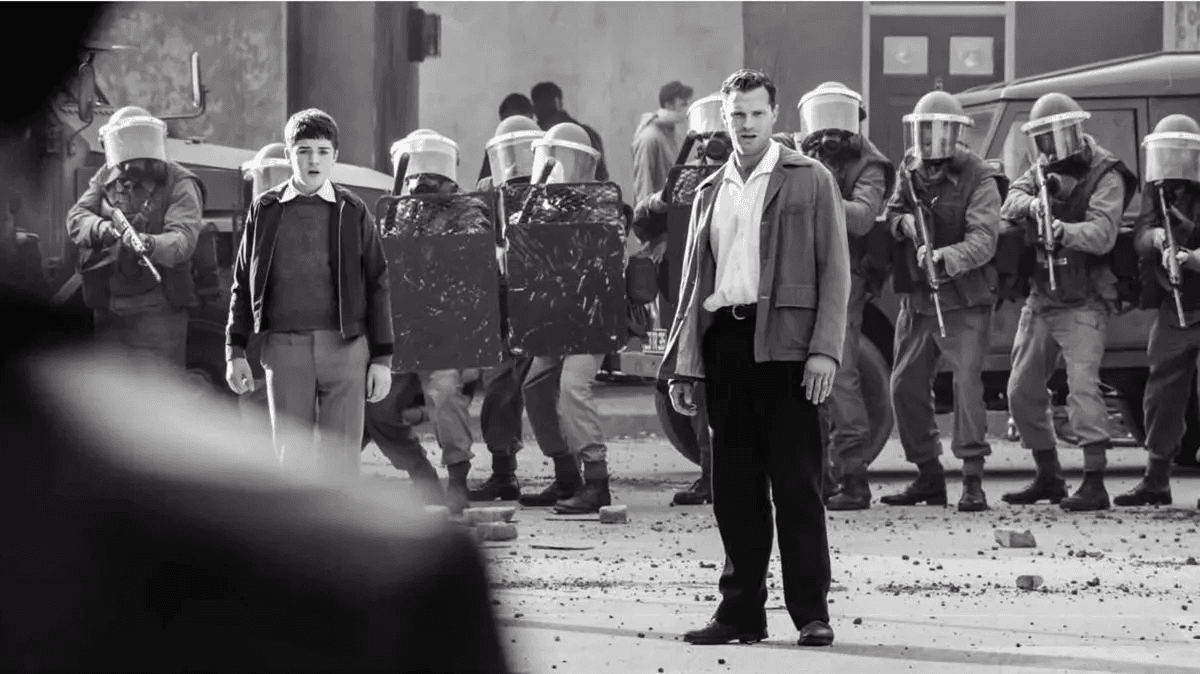
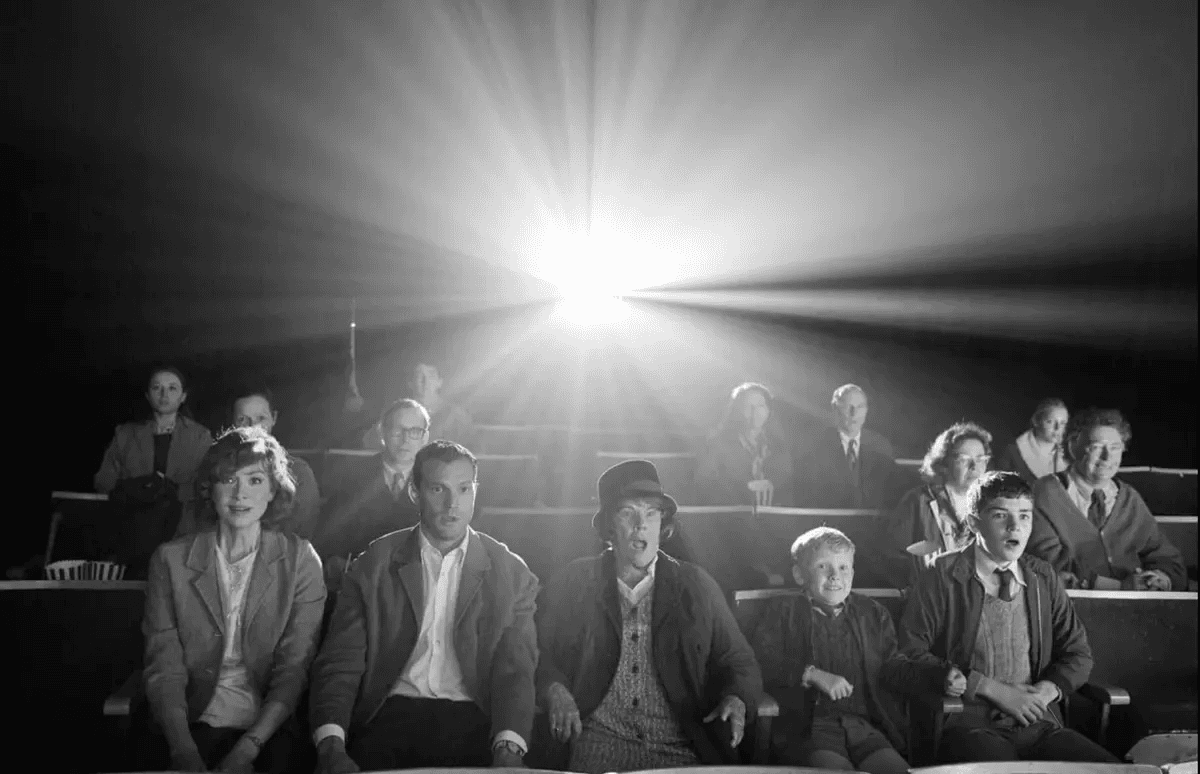
Accompanied by the music of Grammy-winning legend Van Morrison, we travel back to Belfast in 1969. Kenneth Branagh’s Belfast is a semi-autobiographical film inspired by the director’s own childhood, during a period when violence and political tensions were escalating in Northern Ireland. At the heart of the story is nine-year-old Buddy, played by Jude Hill. He witnesses attacks on his neighbours, the arrival of British soldiers and barricades appearing in familiar streets, all while trying to make sense of events through the eyes of a child. His father, played by Jamie Dornan, works in England and hopes to move the family away from Belfast. But for Buddy, this city is the only world he has ever known. As Branagh revisits his childhood memories through Buddy’s perspective, he turns to nine songs by Van Morrison, an artist whose music carries much of the city’s cultural identity. Among them is “Down to Joy”, written especially for the film.
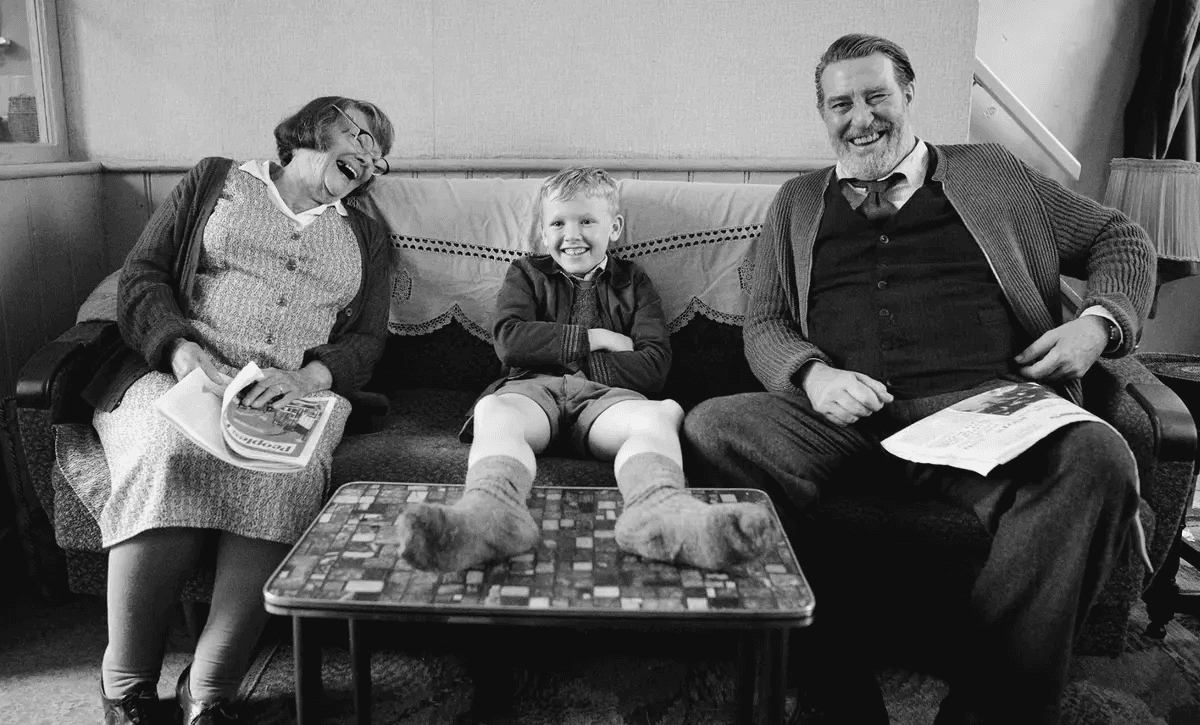
The streets, the violence, the melancholy and Morrison’s distinctive blend of soul, blues and folk all come together. Music becomes a kind of memory bank for Belfast and the era it portrays. Because the film was made during the pandemic, it was shot on a specially constructed set in Britain rather than in Northern Ireland. Winner of the Academy Award for Best Original Screenplay, Belfast is an essential film for anyone hoping to understand the atmosphere of Ireland during this turbulent period.
Good Vibrations (2012)
IMDb: 7.2
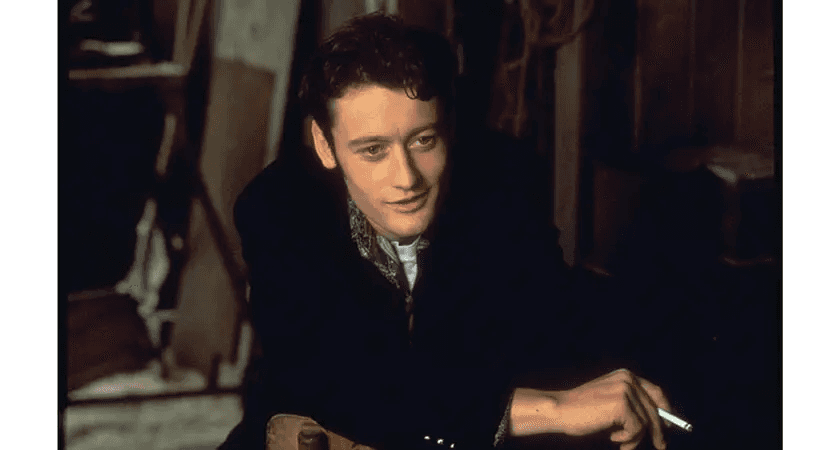
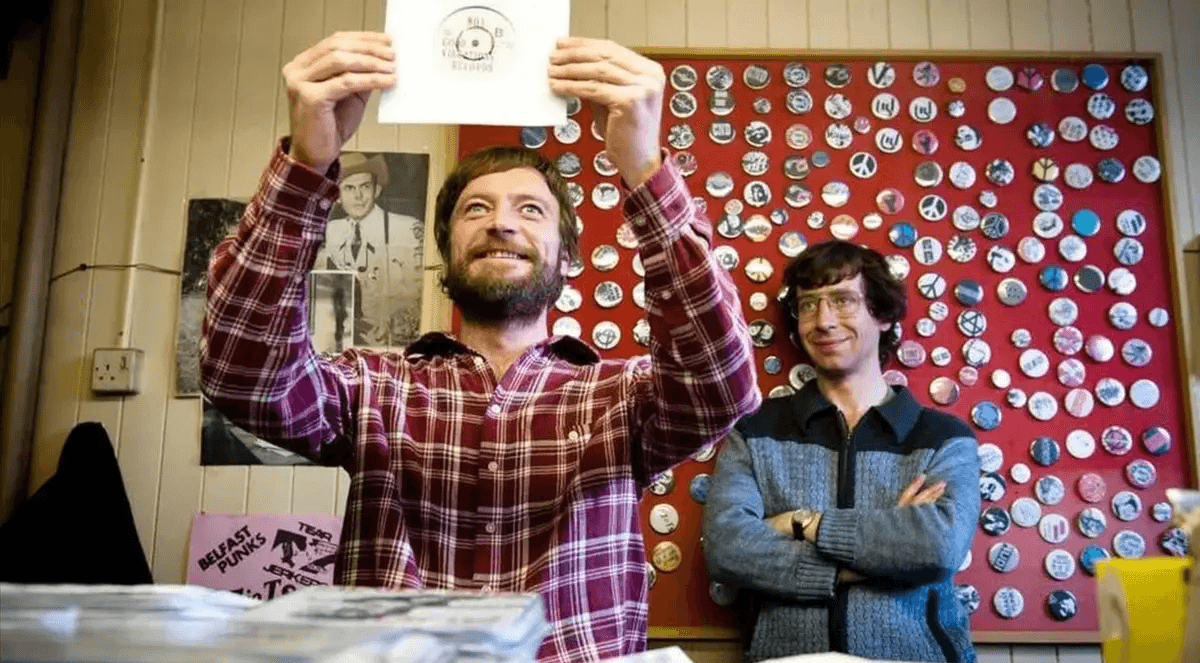
Few films capture the idea of music as a means of survival quite like Good Vibrations, directed by Lisa Barros D’Sa and Glenn Leyburn. Based on a true story, the film follows Terri Hooley, whose record shop became a legendary part of Belfast’s punk rock scene during the 1970s. At a time when violence was tearing the city apart and people were leaving in search of safer lives, Hooley dared to imagine something different. Could another world be possible? Initially, he struggles to understand punk music. Gradually, however, he begins to recognise in its sound the anger, frustrations and energy of Belfast’s young people. Bands such as The Undertones, Rudi, The Outcasts and Stiff Little Fingers give voice to alienation, hostility and the realities of life in Northern Ireland.
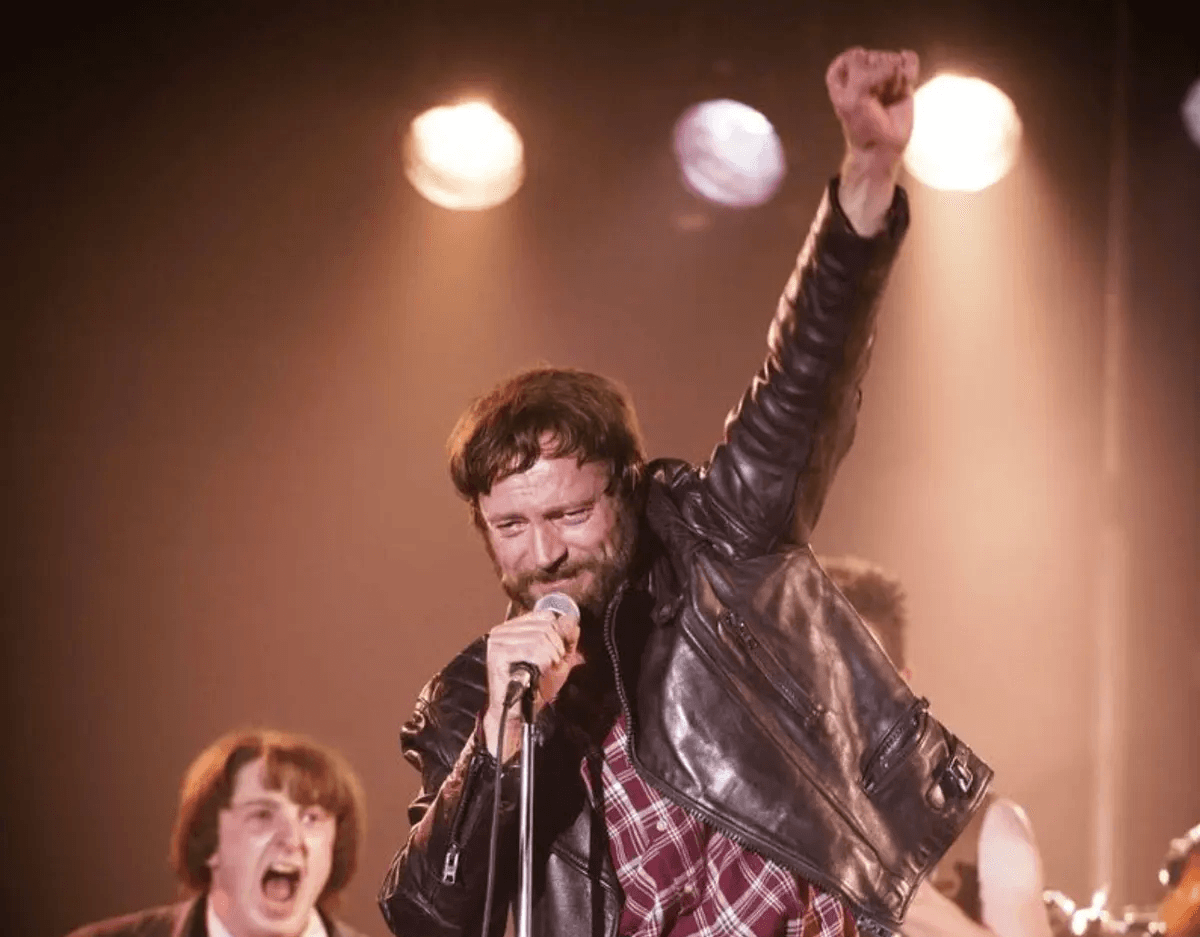
One of the film’s most memorable scenes captures the moment Hooley first hears “Teenage Kicks” by The Undertones. His decision to release the track on his Good Vibrations label helps turn it into one of the defining songs of Northern Irish punk. Amid the chaos of the Troubles, his record shop becomes something far more important than a place to buy music. It becomes a refuge.
The Wind That Shakes the Barley (2006)
IMDb: 7.5
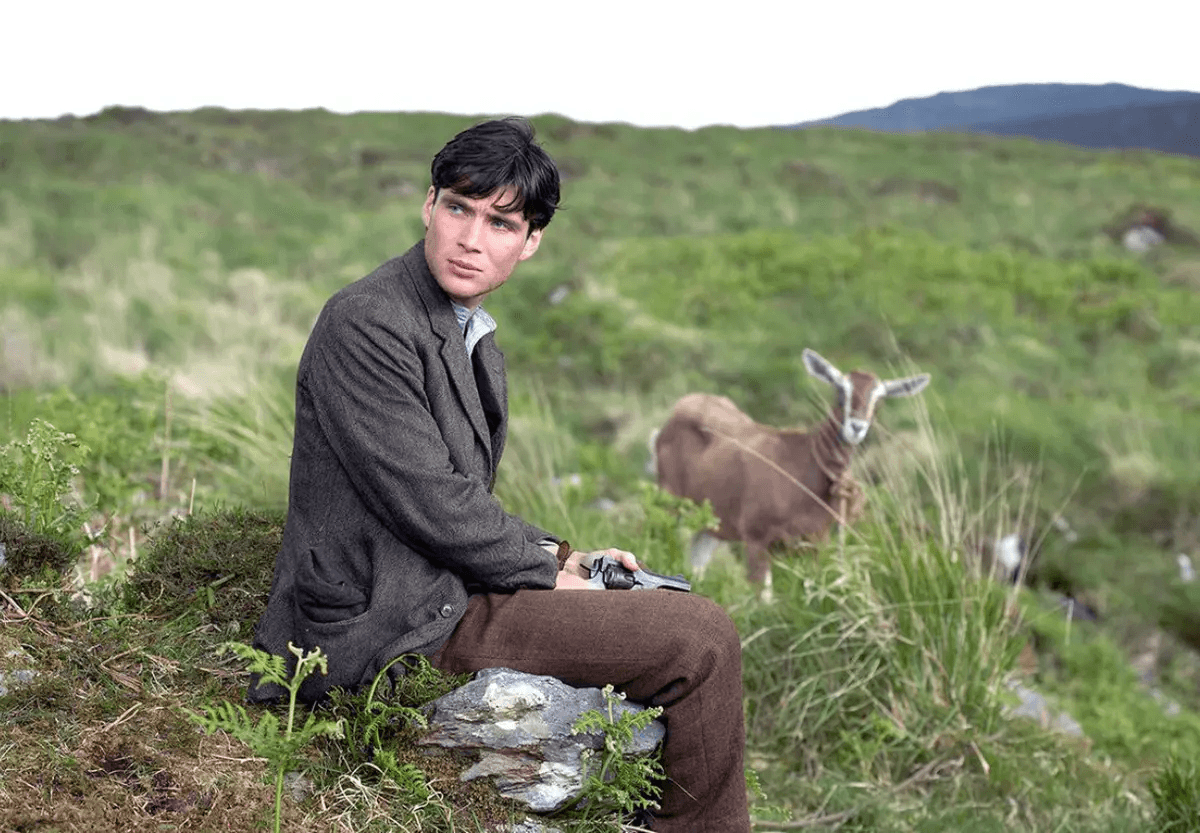
Directed by Ken Loach and starring Cillian Murphy, Pádraic Delaney and Liam Cunningham, The Wind That Shakes the Barley is one of the most significant films about Ireland’s struggle for independence. Winner of the Palme d’Or at the Cannes Film Festival, the film’s connection to music is embedded in its title. “The Wind That Shakes the Barley” is a nineteenth-century Irish lament, a song whose historical associations resonate throughout the film.
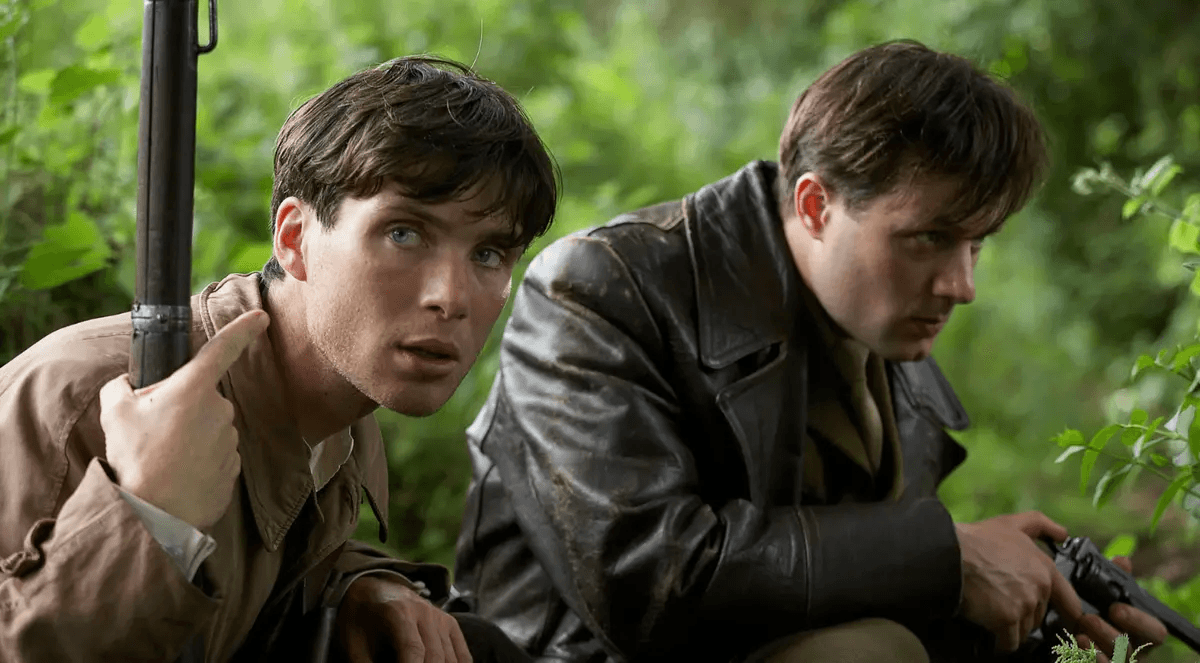
The story unfolds during the Irish War of Independence and the subsequent Irish Civil War, conflicts that played a decisive role in the partition of Ireland and the political division that remains today. In Ireland’s cultural memory, war and conflict are never far removed from everyday life. And so, as we follow the story of two brothers caught up in the struggle, we are also invited to reflect on the meaning of national identity. Beyond its political themes, the film offers glimpses of Ireland’s celebrated countryside, from sweeping rural landscapes to farms and small settlements.
Brooklyn (2015)
IMDb: 7.5
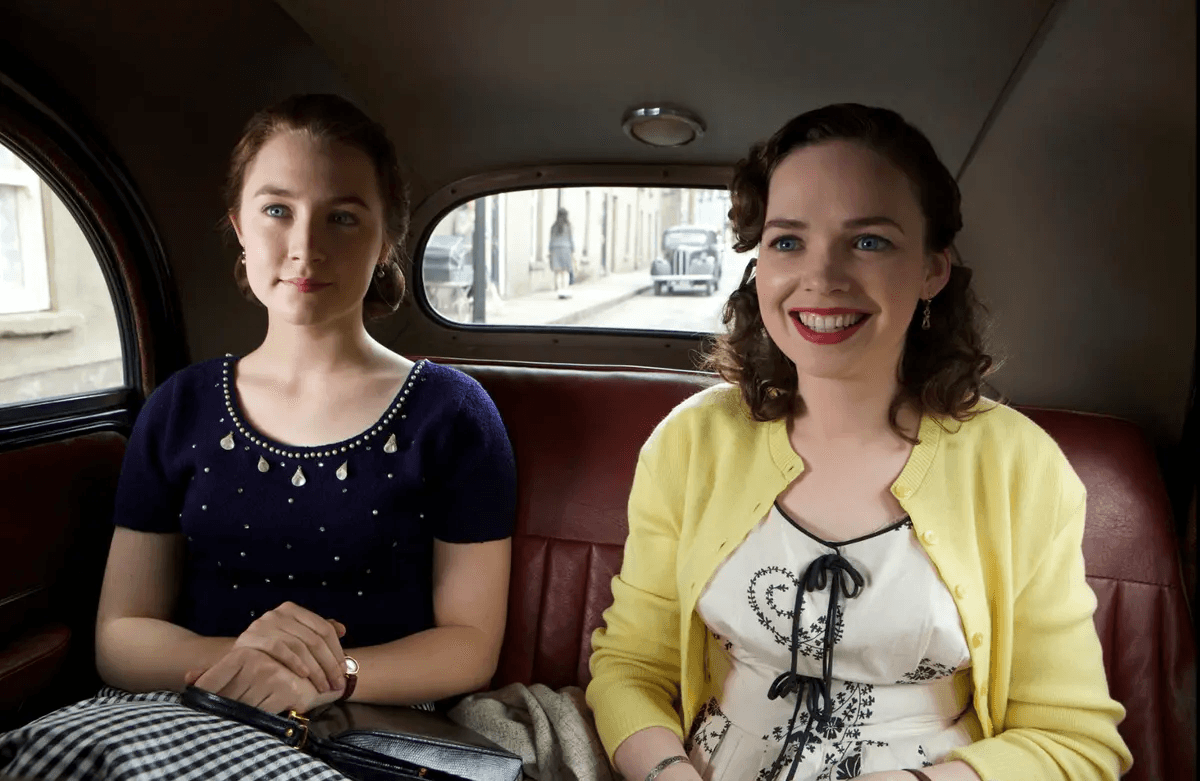
Few themes are as deeply woven into Ireland’s collective memory as emigration. Brooklyn, based on the novel by Colm Tóibín, adapted for the screen by Nick Hornby and directed by John Crowley, explores precisely this experience. Set in the 1950s, the story follows Eilis, a young Irish woman whose prospects for employment, independence and a future of her own are limited at home.
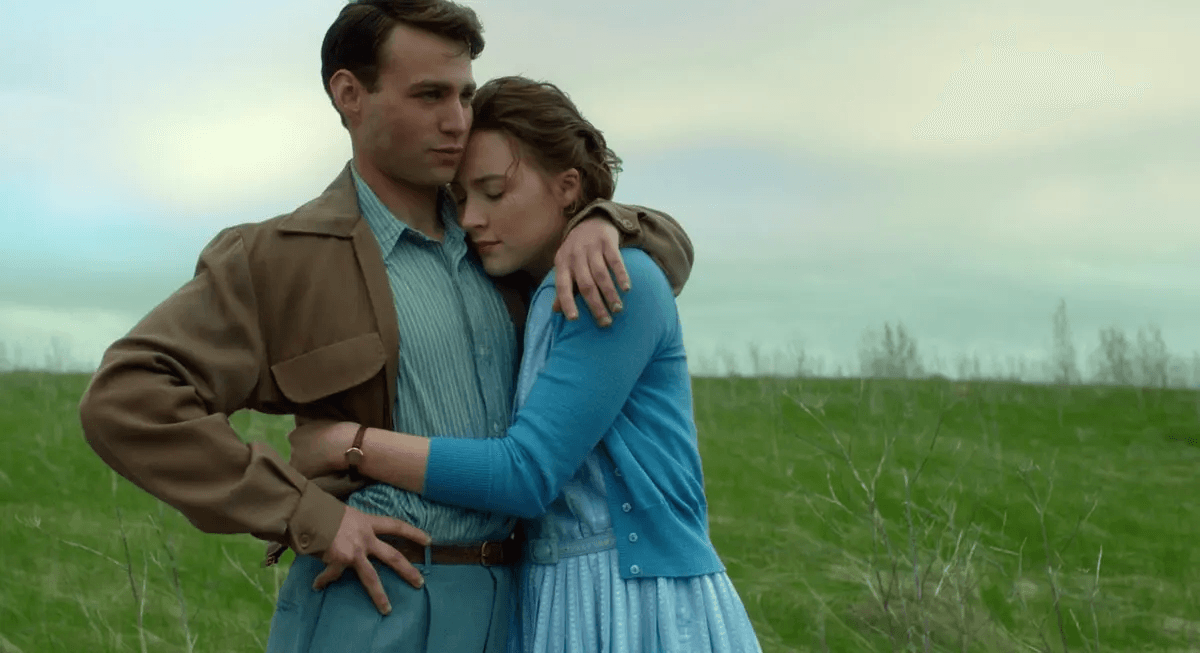
She leaves Ireland for Brooklyn, New York, where she initially struggles with overwhelming homesickness. Gradually, however, she begins to build a new life. When a family bereavement brings her back to Ireland, she discovers that the home she remembers is not quite the place she left behind. Two countries, two possible lives, and Eilis caught somewhere between them. With its Irish scenes filmed in locations including Wexford, Dublin and Wicklow, Brooklyn offers a moving exploration of a dilemma that appears time and again in Irish culture: the tension between leaving and belonging.
Hunger (2008)
IMDb: 7.5
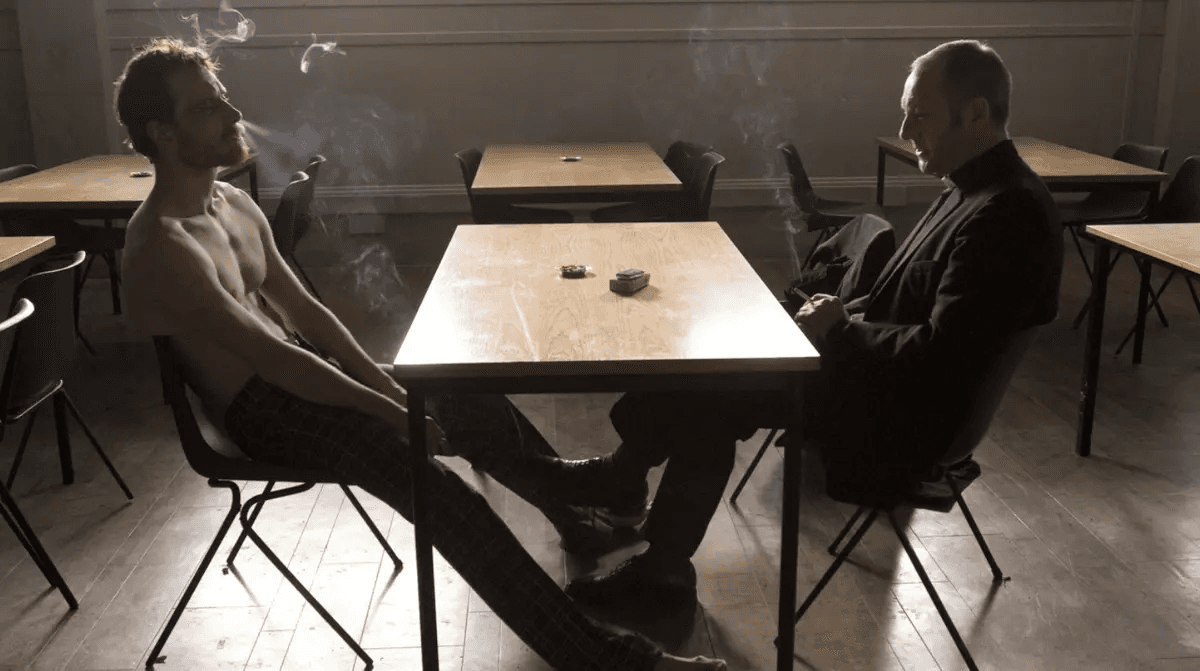
Steve McQueen’s feature-length directorial debut, released in 2008, takes us inside Northern Ireland’s Maze Prison in 1981. The film focuses on protests by IRA prisoners demanding political status, particularly the hunger strike led by Bobby Sands. German-Irish actor Michael Fassbender delivers a remarkable performance as Sands, alongside Liam Cunningham and Stuart Graham. The story examines the progression of republican prisoners’ protests, beginning with their refusal to wear prison uniforms and culminating in the hunger strike. At its centre is an extended conversation between Sands and a priest, widely regarded as one of the film’s most powerful sequences.
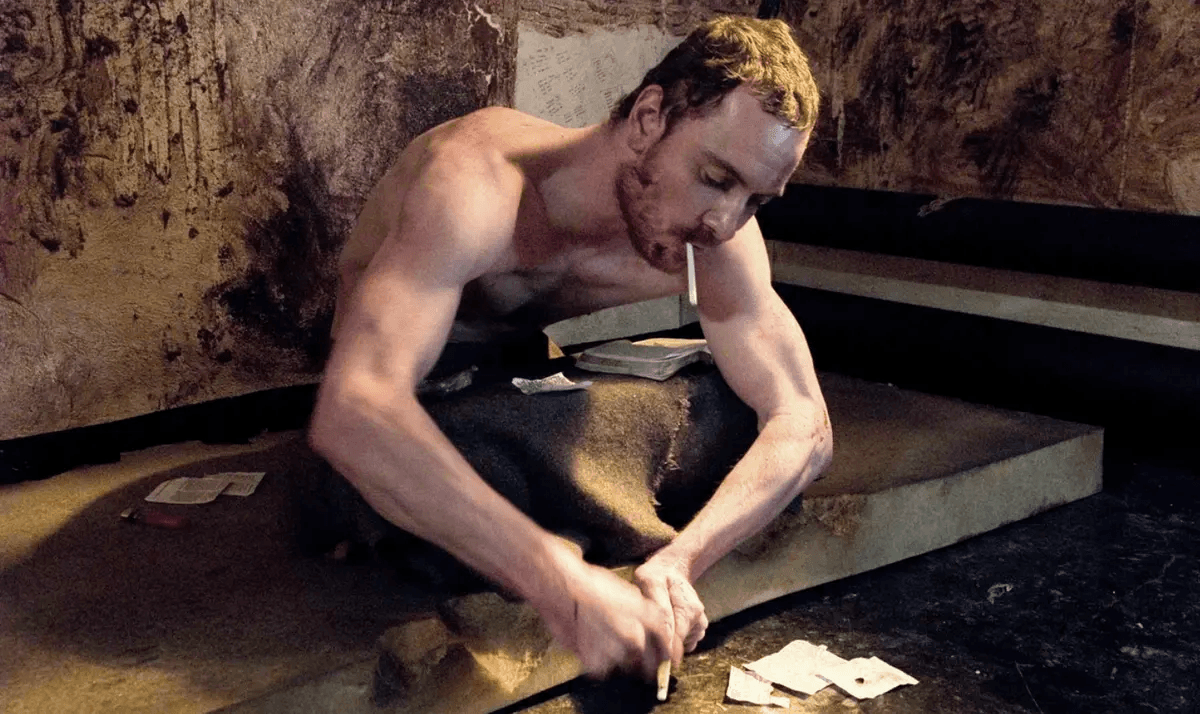
As McQueen has described, Sands’s body becomes a weapon as he grows progressively weaker. Winner of the Caméra d’Or for Best First Feature at the 2008 Cannes Film Festival, Hunger is not directly concerned with music. Yet it provides an extraordinarily powerful historical context for understanding why themes of oppression, resistance and political memory have such a profound presence in the songs of Irish bands.
The Drummer and the Keeper (2017)
IMDb: 6.9
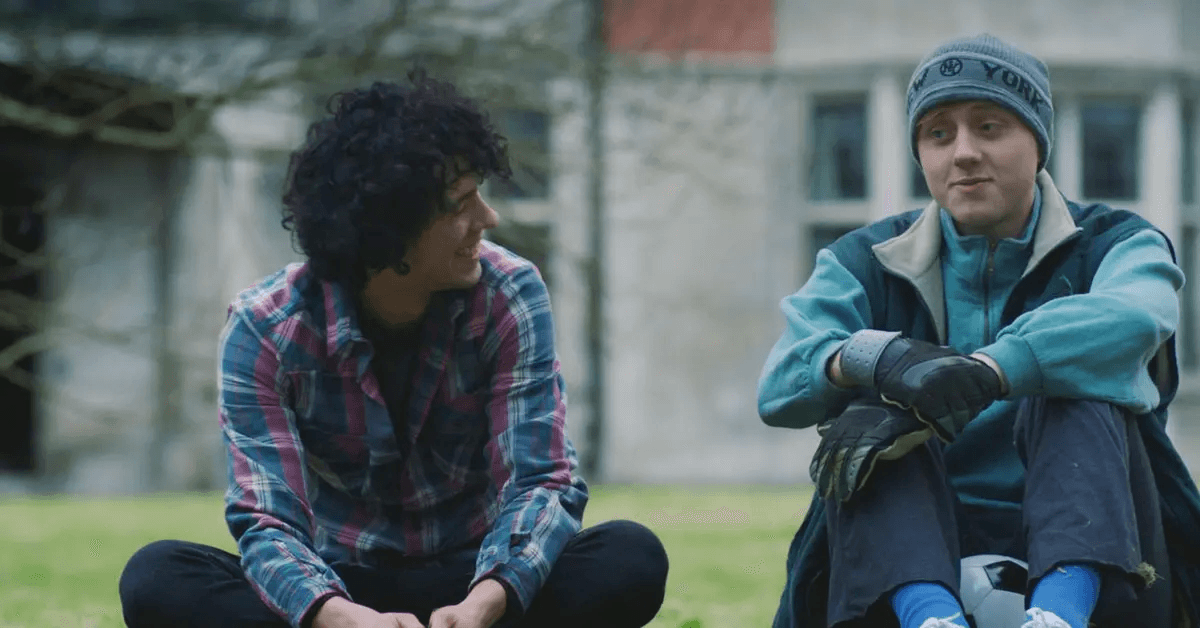
Directed by Nick Kelly, himself a former musician, The Drummer and the Keeper tells the story of an unexpected friendship between Gabriel, the drummer of a Dublin rock band, and Christopher, a goalkeeper who needs structure, stability and support in his daily life. Gabriel’s world revolves around music, performance and the chaotic life of his band. Christopher inhabits a very different reality. Music, however, is far more than a decorative element in this film. It is inseparable from Gabriel’s identity and the disorder that shapes his life. Exploring friendship and the conflicts that inevitably come with it, the film also has a particularly meaningful connection to Dublin’s music scene. It was shot at Whelan’s, one of the city’s most established and influential alternative and independent music venues, which has hosted countless musicians since 1989. The film won the Best Irish First Feature award at the 2017 Galway Film Fleadh.
Top Scandinavian Series You Can’t Miss