
A kitchen does more than produce food; it feeds on roots, slows down time, and calls people back to a real table. What Ayşe Şensılay has built is the embodiment of an authentic, unpretentious understanding of cooking.
No matter what you place upon them, some tables carry a soul. The tables Ayşe Şensılay sets are just that—deeply soulful, carrying traces of the past into the present. At first glance: olive oil, herbs, seafood… But if you pause, you begin to see childhood, migration, an island, time itself on the plate. Each dish feels like the continuation of a way of living, a habit, a cultivated sensibility built over years.
Stretching from Giritli Restaurant in the heart of Istanbul to Manici Farm in the North Aegean, this story should not be read as the growth of a restaurant. It is, rather, a long walk back to one’s own roots. Along this journey, every stop is rebuilt through a dish, a scent, a memory. It is about how we live, what we value, and what we place on the table. In this conversation with Ayşe Şensılay, we talk about how a kitchen is formed, how a table comes alive, the role of the land in this story, why simplicity is difficult, and what our relationship with food ultimately reveals.

What has remained unchanged in your kitchen from the first day you founded Giritli Restaurant until today?
Staying true to the essence—feeding from the roots. For 31 years, the table I’ve set for my guests has been the same as the one in our home.
Calling you a “chef” often feels insufficient. How do you define yourself in the kitchen?
I am not a chef. As I always say, I am a woman who has been cooking with an undiminished appetite and from the heart for years. I’m not entirely sure what being a “chef” means anymore; concepts get blurred and distorted. But in my kitchens, I’ve always held the main control—maybe that’s why they call me a chef? (She smiles.)
Is Cretan cuisine, for you, a collection of recipes or a way of life?
Not just Cretan cuisine—Crete itself is a way of life, almost a concept with its own philosophy. The island has hosted many civilizations and nations, often fought over, so it doesn’t belong to a single culture. The cuisine, being one of the core elements, seems shaped by this way of living. A cuisine of necessity, for example: rusks, herbs, goats, and plenty of olive oil.

Was it difficult to establish such a “slow” and calm kitchen in a fast-paced city like Istanbul?
Not at all. I come from a very old Istanbul family—one that lives to eat. Even though the ecosystem has changed, I still knew where to find what, and my connection to the Aegean never faded. I supported my tables with that connection, even with shopping trips to Greece.
What kind of story lies behind a dish served at Giritli? Where does a dish begin for you?
My dishes carry my childhood—family tables filled with guests, white tablecloths, porcelain plates, and properly cooked meals. So for me, a dish begins almost 65 years ago, from the very start of my life.

How did your kitchen evolve with Manici Farm?
Last year, when we began working with Manici Group thanks to Mr. Haluk Ulusoy, our kitchen went through very different experiences and continues to evolve rapidly with a “new and better” mindset. Once I understood the philosophy of Manici Farm, all the recipes and creativity that had been stored within me found freedom. In summer on the beach, now at the farm, my entire team and I are free. Of course, we still set Giritli’s classic evening table, but now we also have stages where we can dance and showcase our craft.
What is the main difference between running a restaurant in the city and producing within the land?
There, you can access the freshest and cleanest ingredients directly and effortlessly. In the city, avoiding large supply chains and standardized products requires serious effort, labor, and cost. This difference inevitably shows itself in both creativity and what you serve.

The structure you built in Manici feels like more than a restaurant—it’s a living space. What does it feel like to cook there?
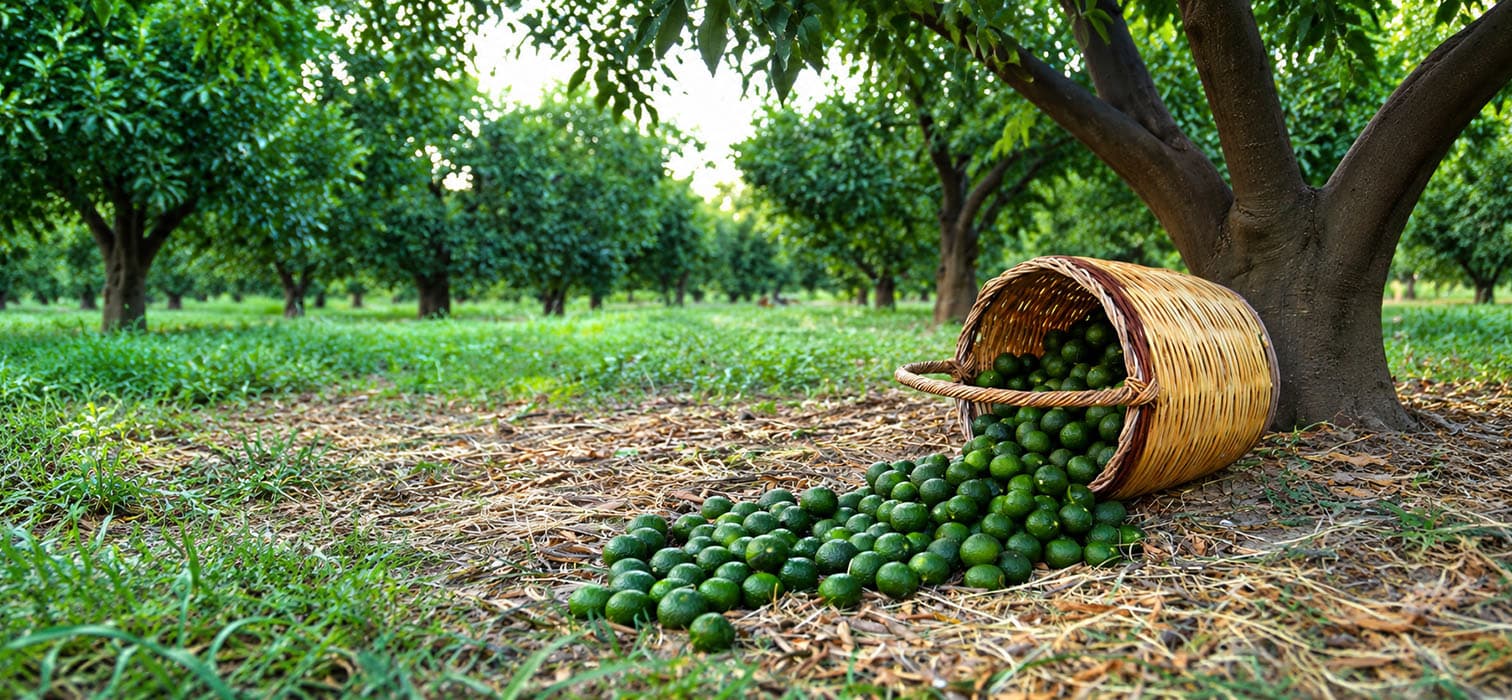
Cooking with a completely free mind, with the sea before you or among acres of olive groves, and being appreciated for it—that’s reaching nirvana for me. Our kitchens, both on the beach and at the farm, are either open or have huge windows. The kitchen and nature are intertwined.
Your relationship with ingredients is very clear. What makes you say an ingredient is “good”?
The moment I taste it—if I can say “this is it” at the first bite. It has to be exactly as it should be.


Working with local producers—just a preference or a responsibility?
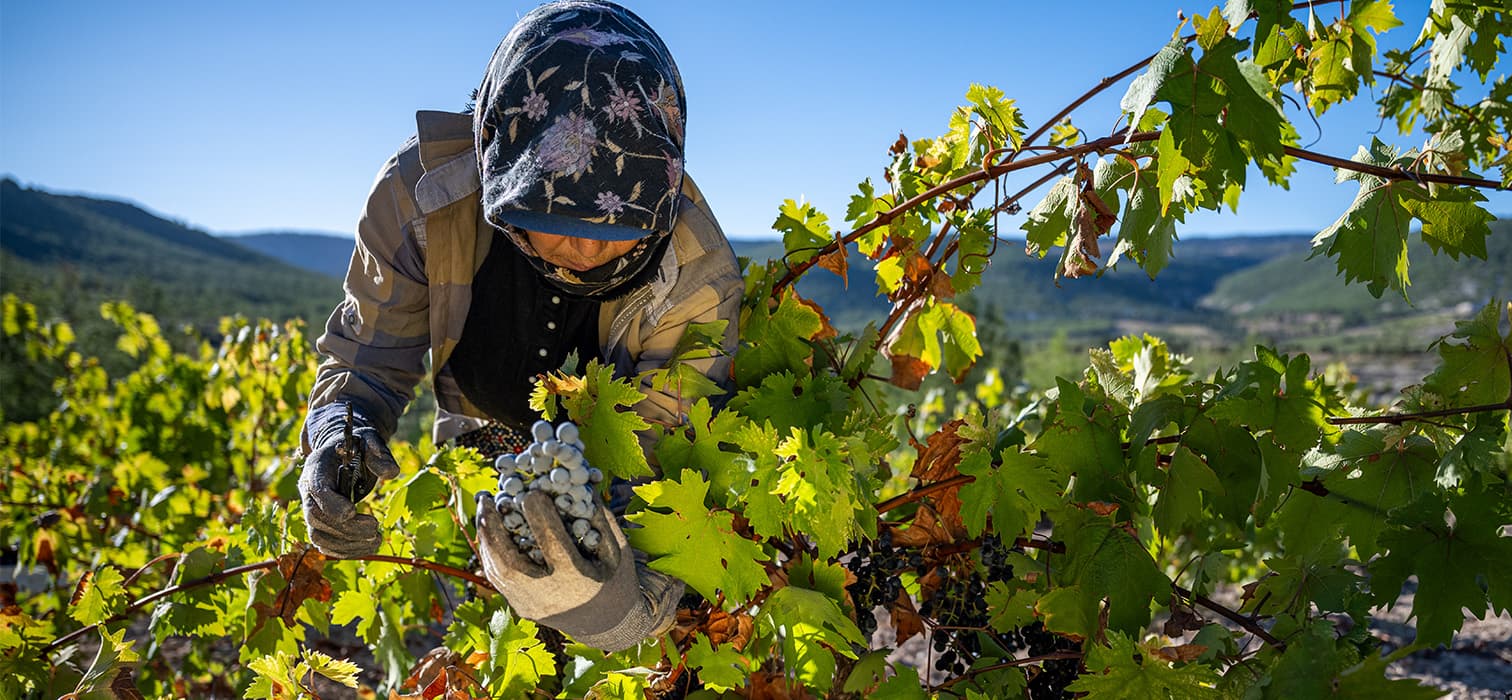
Both. Thirty-one years ago, it was simply the natural choice. Today, when I find what is truly right, supporting and sustaining it has become a responsibility. Sometimes I travel hundreds of kilometers for just a handful of ingredients—so the producer can earn what they deserve without intermediaries or degradation.

There is an increasing emphasis on “show” in gastronomy today. Where do you stand?
I watch it as a spectator, with deep sadness. Since I have no fear of being perceived as odd or excluded, I stepped out of the game quite comfortably. My place has always been clear—and it will remain so, as long as I continue.
Does simplicity make a dish harder to create?
Absolutely. Simplicity is difficult. A simple plate is one that is “free from ego.” It shows that the person preparing it has gone beyond many things and, first of all, has matured themselves.
What is one of the most emotional moments you’ve experienced at Giritli or Manici?
There are thousands, but if I had to generalize: the expression of satisfaction on someone’s face at the first bite. That is the moment when all the effort is rewarded—and that fulfillment keeps you going.

What would you like to say to young people entering the kitchen today, especially women?
It is a love that demands great sacrifice, one that can make you forget your womanhood, shape your life—even become your life. If you are ready for it, step in. Not with blind devotion, but with complete loyalty.
If one day you were to leave the kitchen, how would you want people to remember your food?
I would want them to taste something, somewhere, someday, and say, “This reminds me of Ayşe’s,” and remember me and my food that way.
Paris’s New Darling: Bonne Montmartre
Munzur’s Soul-Carrying Honey: İksor
Ahmet Güzelyağdöken: “A Fig Tells the Story of an Entire Childhood”