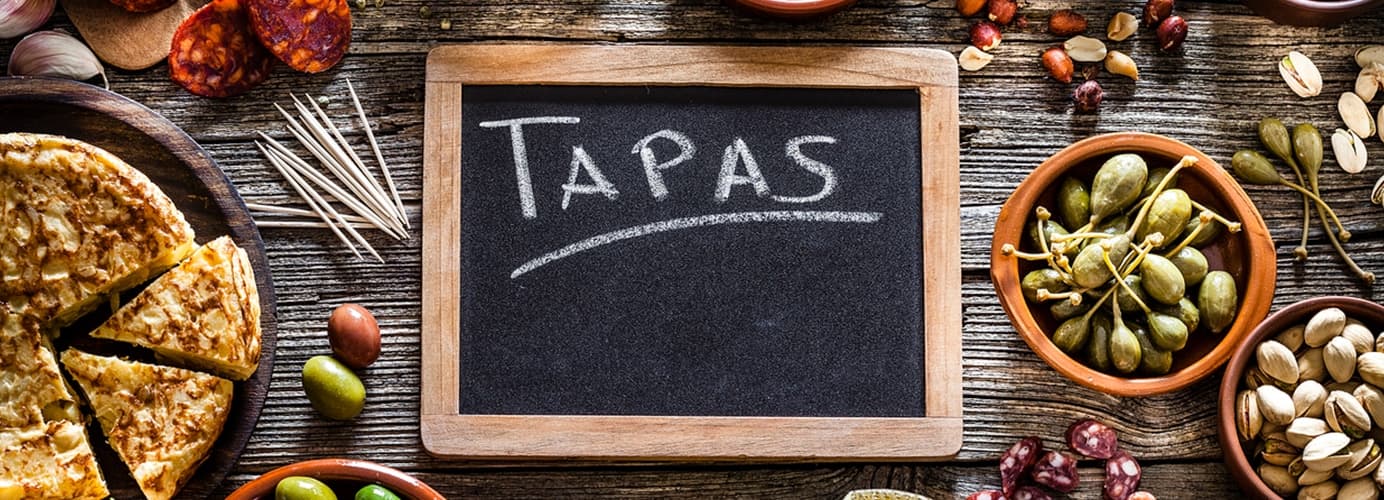
Humble children of world cuisine… We are exploring the rich world of tapas, the Spanish snacks that provide an explosion of flavor despite their tiny size.
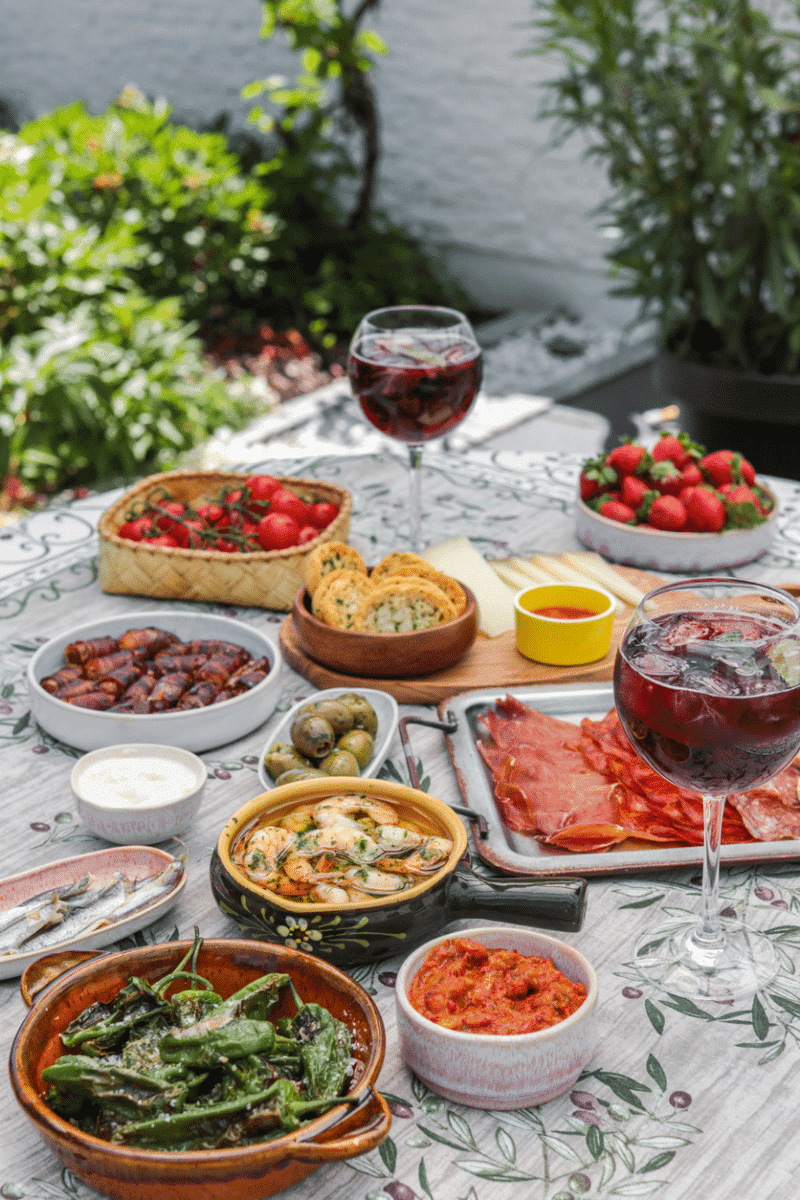
Even though there is a bar named after him in Seville today, tapas are not mentioned even once in the novel Don Quixote. But those who read the novel well will know. Cervantes describes the delicious snacks served in tiny portions in such an appetizing way that we understand that the story of tapas goes back a long way. Although it seems to be a close relative of appetizers, the pride of Turkish cuisine, when looked at in detail, it can be seen how dominant the Spanish genes are. With the colorful appearance of hot and cold appetizers served in small portions, and the combination of flavors that appeal to everyone, from seafood to vegetables, tapas tables seem to represent the colors of those sitting at the table with completely different stories. Maybe that’s why it tastes best at crowded tables. Some people choose a Tempranillo wine from the Rioja region, some prefer an Albariño white from the Rías Baixas region, and some accompany it with a Sangria with plenty of ice…
The tastes that woke Alfonso up from his sick bed (probably a little drunk) impressed him so much that the king banned the service of wine in taverns after this date, unless it was accompanied by tapas.
Tapa, which means cover in Spanish, or tapas in its plural form, was not referred to as a food group in Spanish cuisine for many years. However, over the years, these plates, which were served as snacks with drinks such as wine, beer and sherry, have reached such a wide variety that today they are among the prominent flavors of traditional Spanish cuisine. This wide range of appetizers prepared with many ingredients, from seafood to meat, from vegetables to dairy products, is like an amusement park of the gastronomy world. The origin story of this food culture is, of course, as colorful as itself.
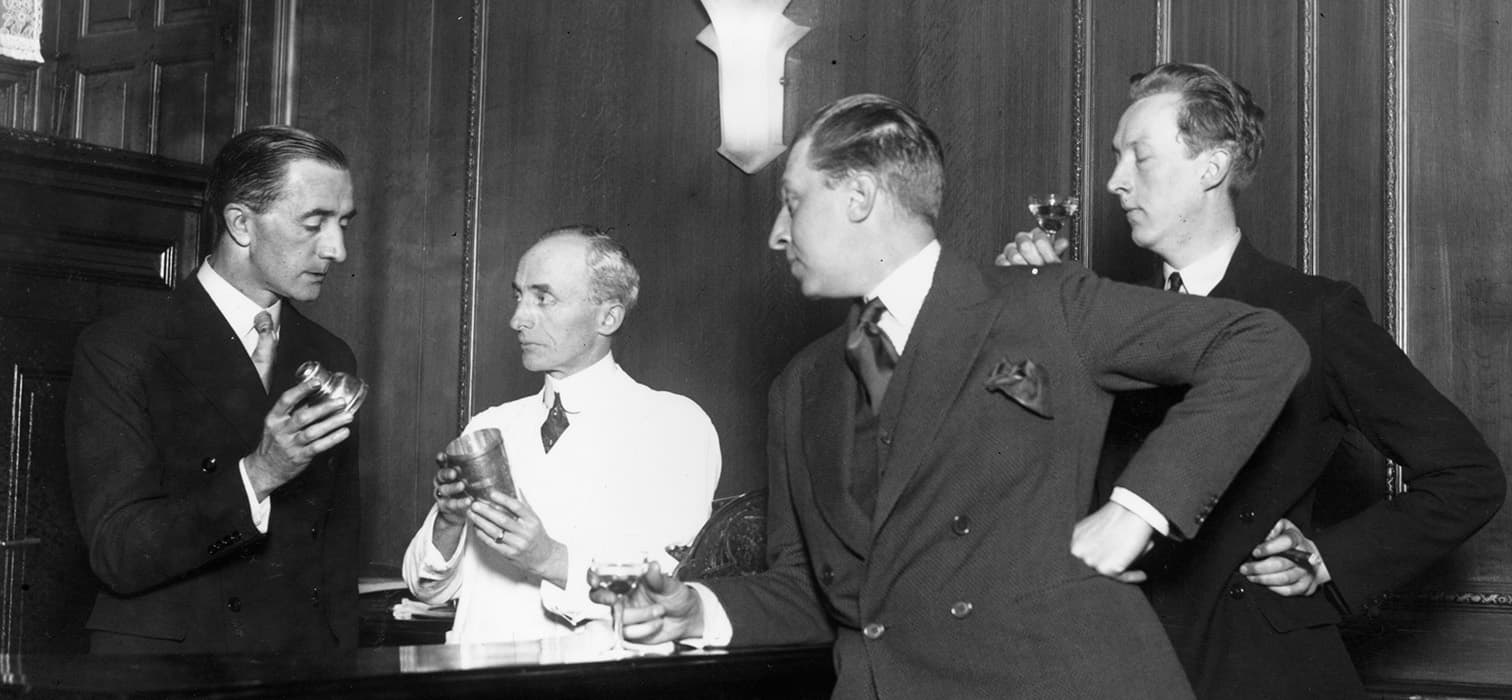
It is not known how true the story of King Alfonso XIII is. According to the rumor; the doctors, who prescribed plenty of wine to the king, advise him to eat and drink something, even if small. Don’t ask if such a prescription is possible; it would not be right to evaluate the conditions of the 13th century from today. The king fulfills the wine treatment well, but since he has no appetite, his cooks prepare small, different plates for him. The tastes that woke Alfonso up from his sick bed (probably a little drunk) impressed him so much that the king banned the service of wine in taverns after this date, unless it was accompanied by tapas.