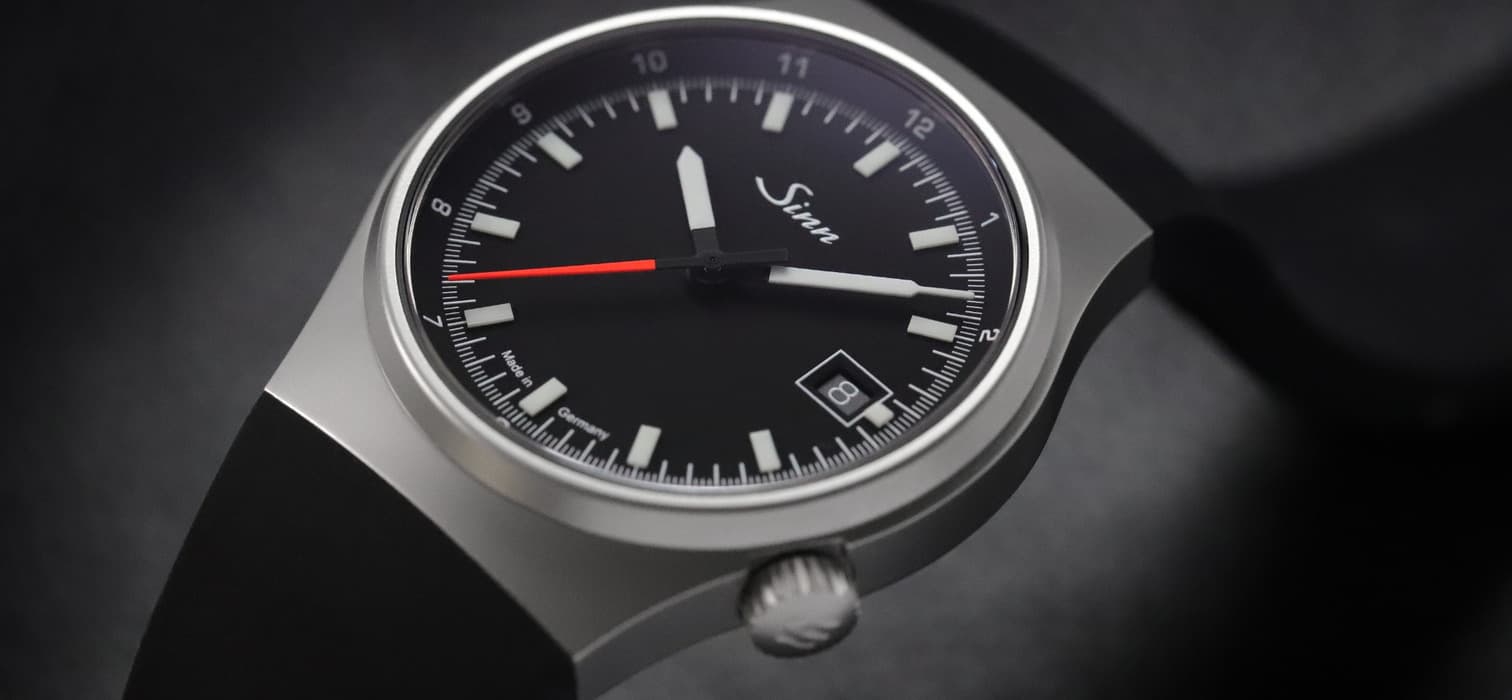
The latest addition to the Sinn family, the Sinn 544, marks a new chapter in a remarkable story. Since its beginnings in 1961, Sinn has built an extraordinary watchmaking legacy, spanning pilot’s chronographs, space missions and pioneering case technologies.
16 April 1980. A tragic aircraft accident takes place in Germany. A prototype of the two-seat Tornado military aircraft crashes, claiming the lives of both pilots. Remarkably, a watch that witnessed that fateful day is still preserved in the archives. Inside the aircraft’s cockpit was a Sinn NaBo 17 ZM. The clock survived the crash intact and was subsequently preserved in Sinn’s archives. At the time, the German watchmaker was producing timepieces for pilots and aircraft such as the Tornado. Yet the brand’s story began much earlier, in the 1960s, with a pilot.

Sinn was founded in Frankfurt in 1961 by pilot and flight instructor Helmut Sinn. Established under the name Helmut Sinn Spezialuhren, the company initially specialised in cockpit navigation clocks and pilot’s chronographs. Rather than pursuing the world of luxury watchmaking, Sinn set out to create reliable instruments for pilots. And that is precisely what it achieved. Throughout the 1960s and 1970s, the brand produced clocks for the cockpits of both civilian and military aircraft, with its instruments finding their place aboard some of the era’s most celebrated planes.
By the 1980s, Sinn had ventured beyond the skies and into space. In 1985, German physicist and astronaut Reinhard Furrer wore a Sinn 140 S as part of his personal equipment during the D-1 Spacelab mission. The story did not end there. In 1992, Klaus-Dietrich Flade wore a Sinn 142 S during a space mission, while in 1993, a watch from the 142 series accompanied the D-2 mission aboard the Space Shuttle Columbia.

As Sinn’s journey continued from the skies into space, a significant change took place in 1994, when the company was taken over by engineer Lothar Schmidt. This new chapter would usher in a period of innovation. Among the developments of the era was the Hydro collection of oil-filled diving watches. Having conquered the skies, Sinn was now turning its engineering expertise towards the depths of the ocean.
Two New Models: Sinn 544 and Sinn 544 RS
Understated Confidence, Distinctly Sinn
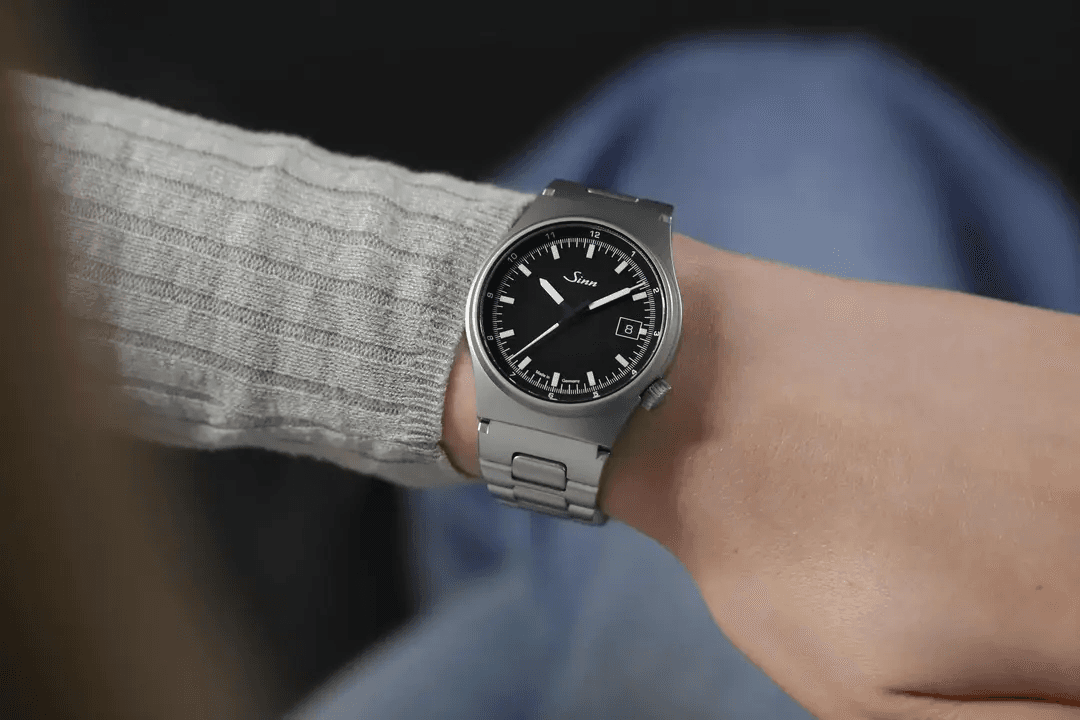
Fast-forward to the present. Among the latest creations from a brand renowned for its proprietary technologies and distinctive design are the Sinn 544 and Sinn 544 RS. Both models bring together Sinn’s function-first approach to watchmaking with a clean, balanced aesthetic. Their appeal lies in their understated confidence, with the brand’s identity evident in every detail, from case to dial.
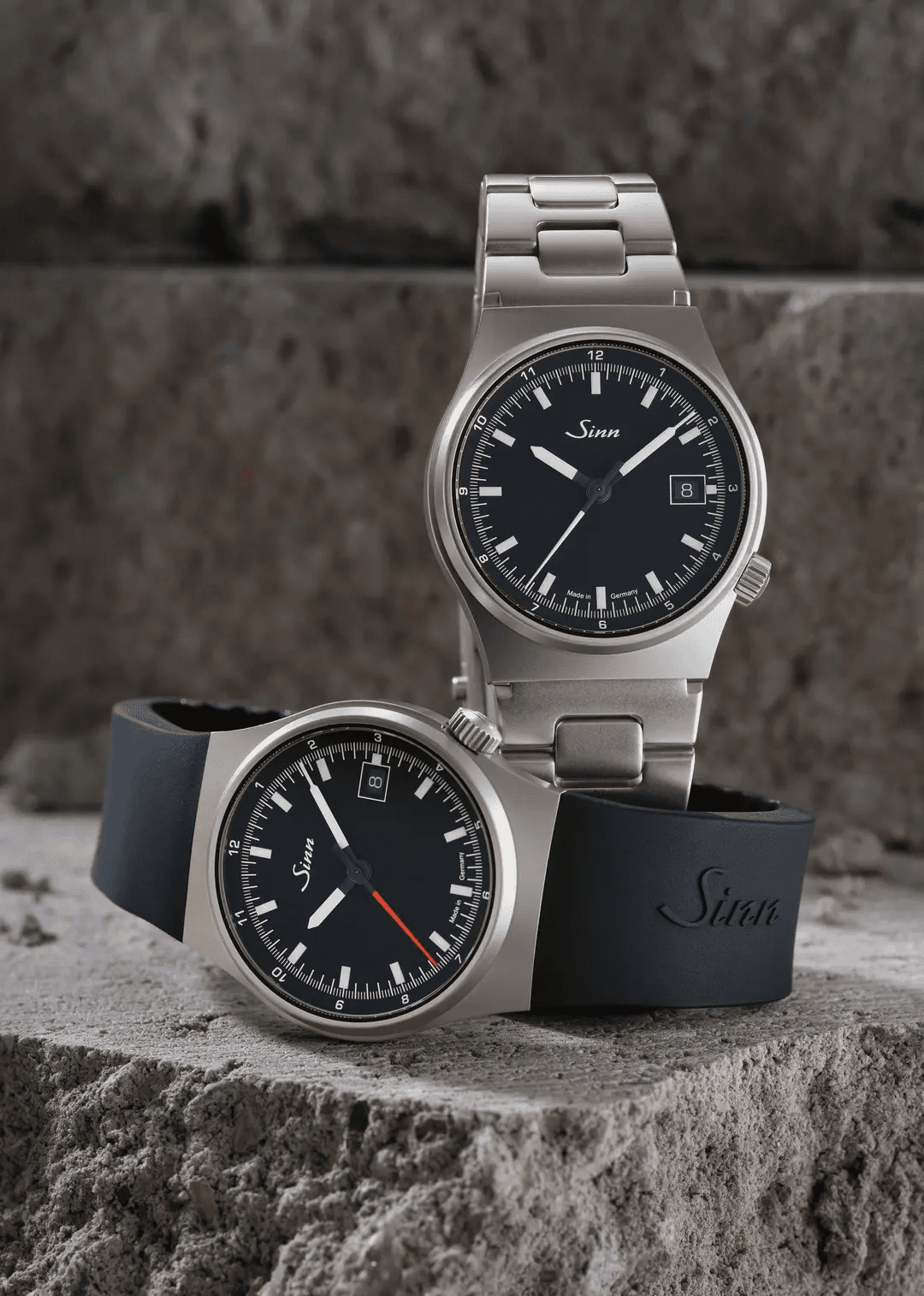
Housed in a 38.5 mm stainless steel case, the Sinn 544 immediately stands out for its harmonious proportions and matte finishing. The dial incorporates luminous hybrid ceramic elements, enhancing legibility in low-light conditions. White baton hour markers and matching hands create an elegant contrast against the black dial, further improving readability. A date window is positioned at 3 o’clock.
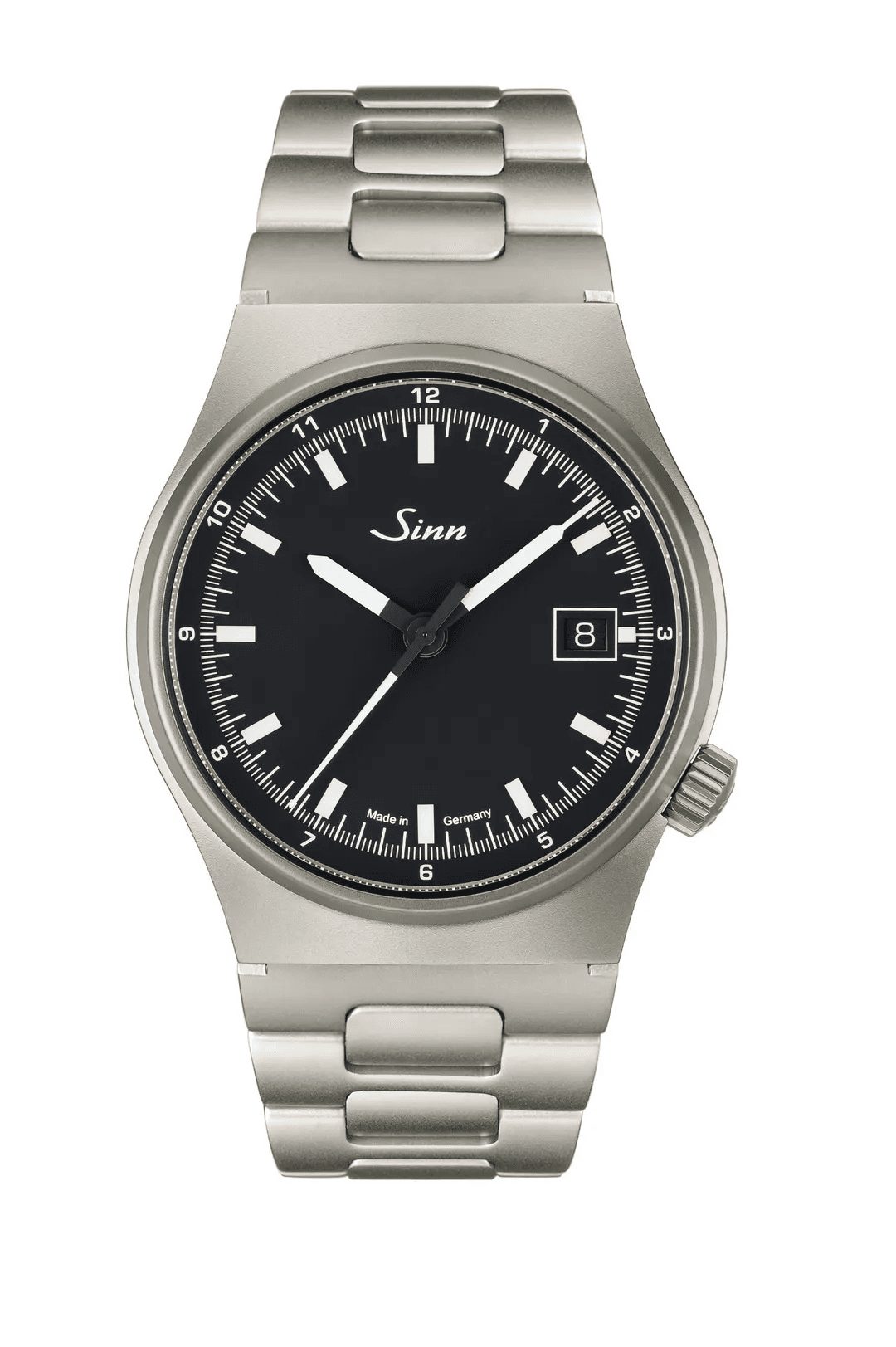
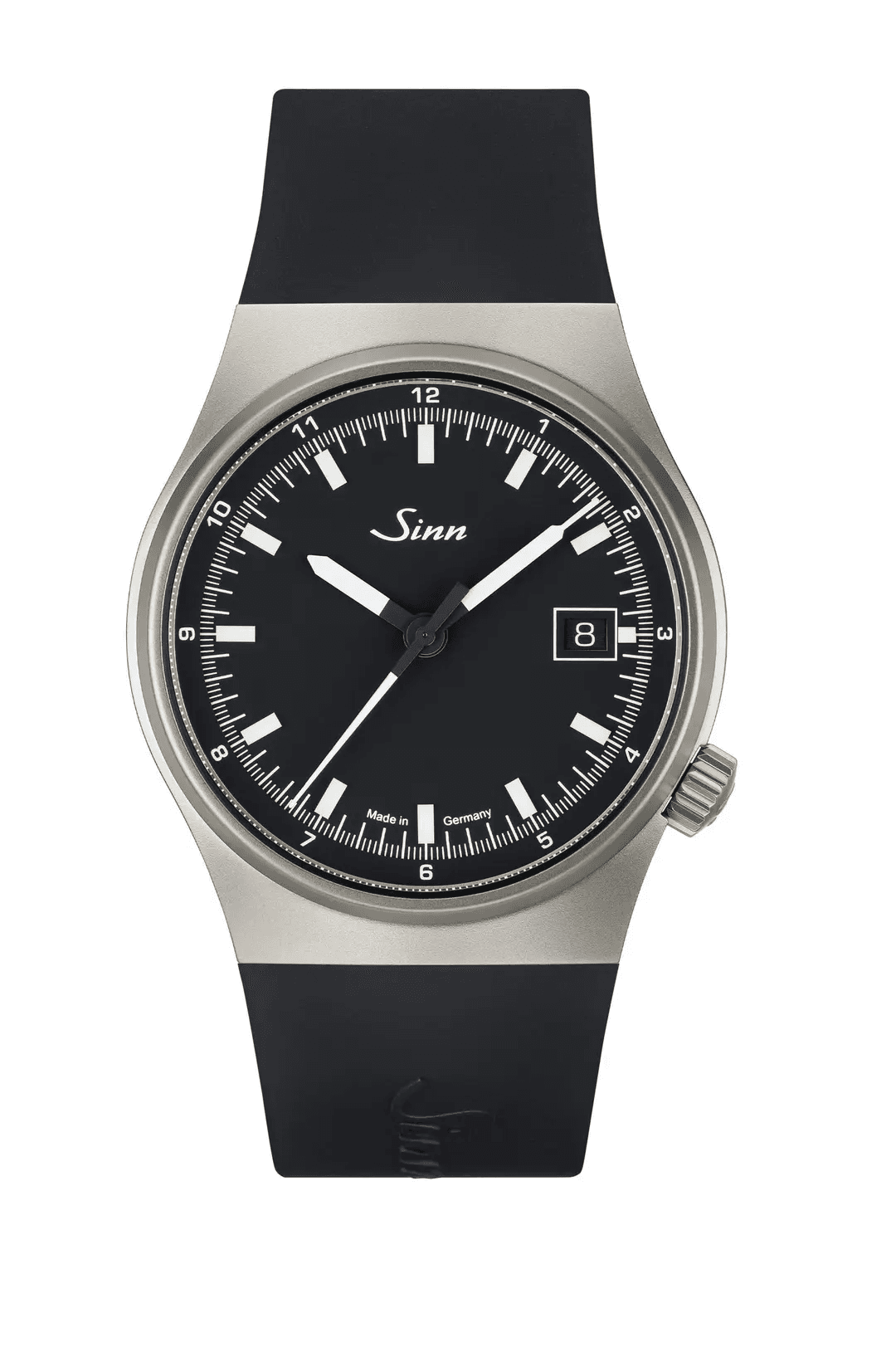
The crown, positioned at 4 o’clock, incorporates Sinn’s D3-System, designed to provide reliable protection against the ingress of dust and moisture. The watch is also water-resistant to 200 metres.
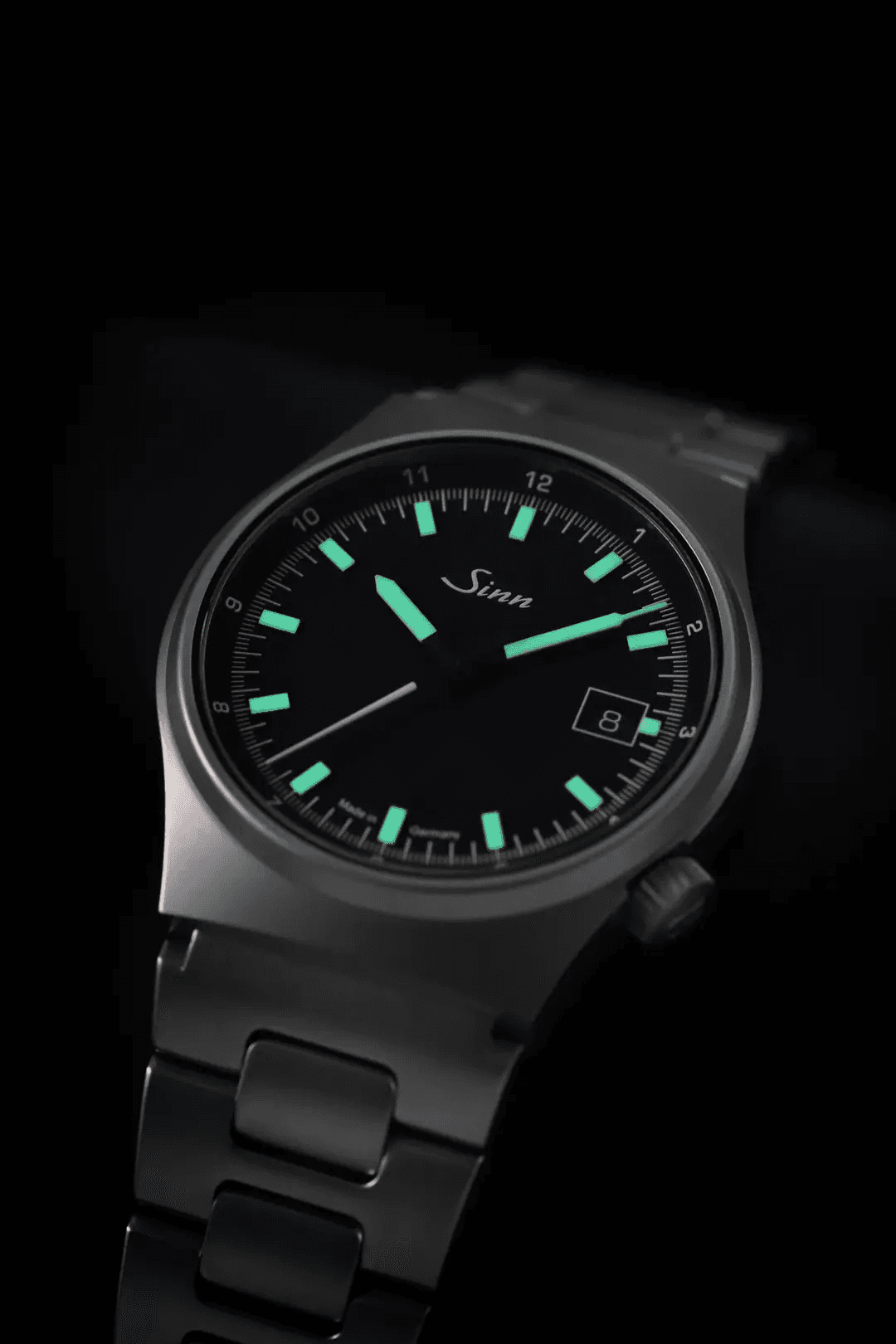
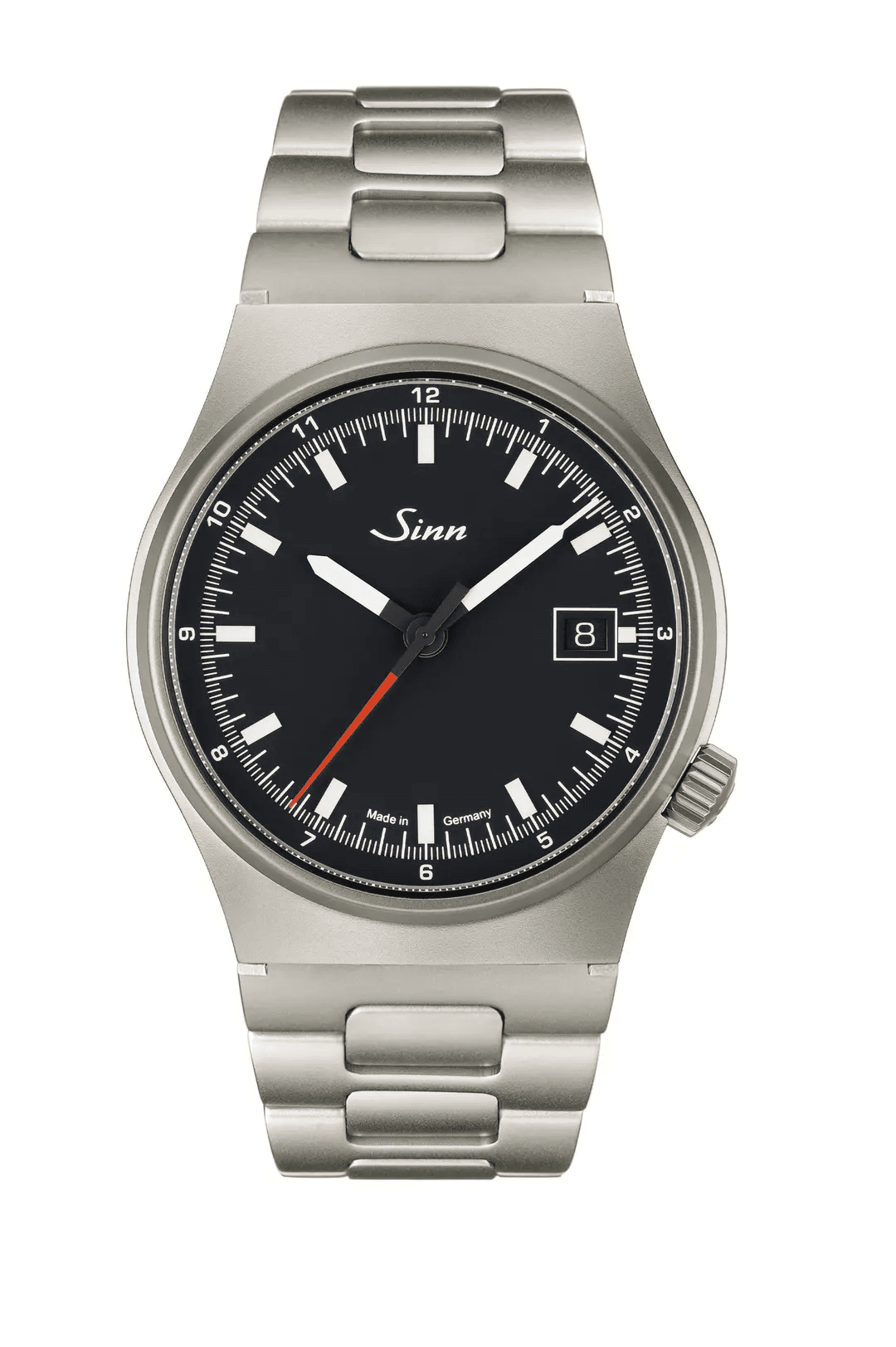
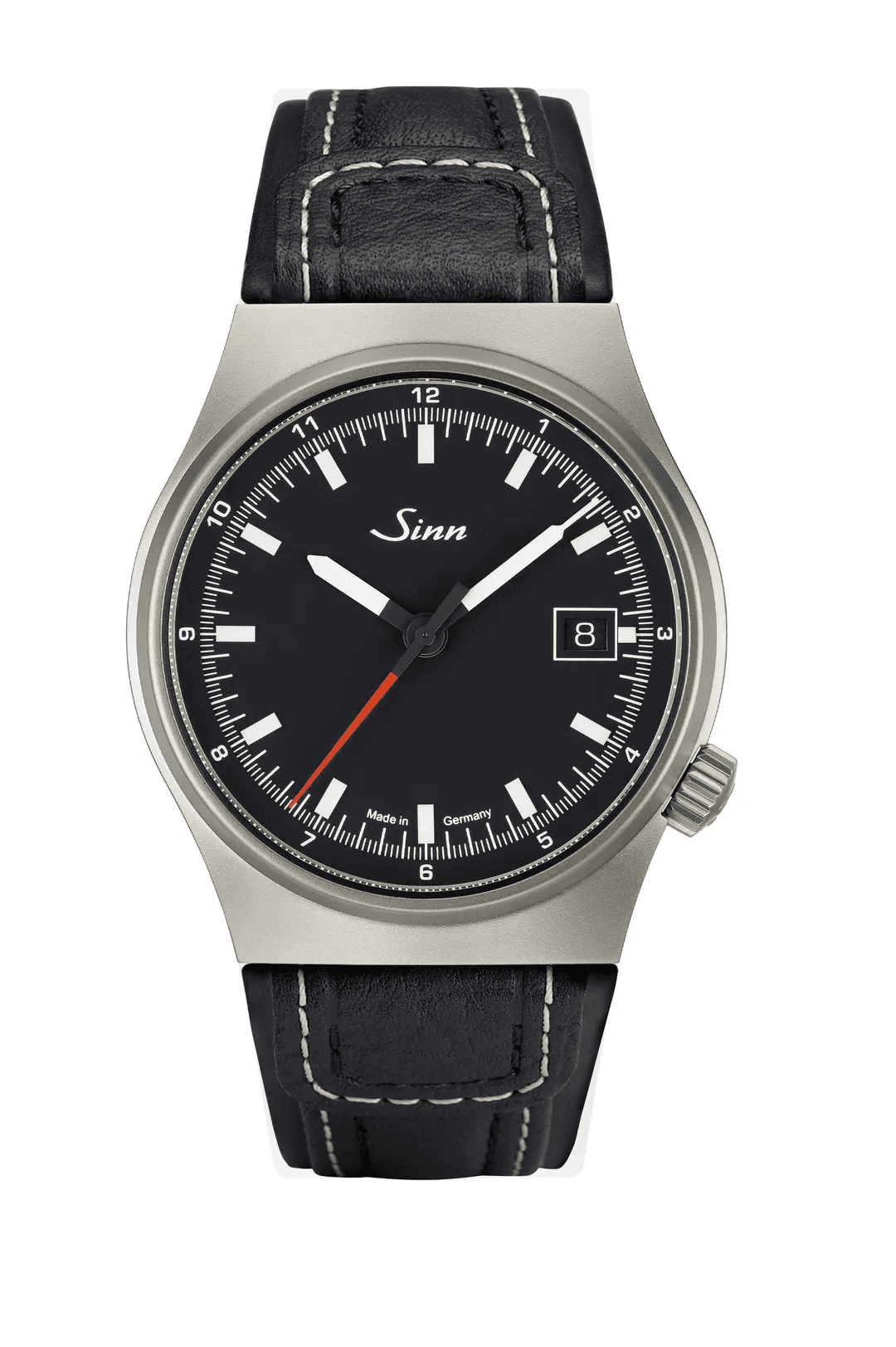
The Sinn 544 RS, the collection’s other new arrival, closely resembles its sibling. Its most immediately noticeable distinguishing feature is the red seconds hand. Apart from this vivid accent, the dial elements remain identical across both models.
Like the Sinn 544, the Sinn 544 RS features a 38.5 mm stainless steel case, with the crown positioned at 4 o’clock.

Another distinction between the Sinn 544 and Sinn 544 RS lies in their bracelet and strap configurations. The Sinn 544 is presented on an integrated stainless steel bracelet, while the Sinn 544 RS comes fitted with a rubber strap.
Powering both watches is the automatic Sellita SW200-2 Power+ movement, offering magnetic resistance in accordance with DIN standards. The latest and most advanced evolution of the Sellita SW200-1, the calibre operates at a frequency of 28,800 vibrations per hour and delivers a power reserve of 65 hours.
Technical Specifications
SINN 544 RS
Reference: 544.011
Movement: Automatic, Sellita SW200-2 Power+ calibre, magnetic resistance in accordance with DIN standards, 65-hour power reserve
Case: Stainless steel, 38.5 mm diameter, 10 mm thickness, water-resistant to 20 bar
Strap: Rubber
Additional options: Textile strap, leather strap and stainless steel bracelet
SINN 544
Reference: 544.010
Movement: Automatic, Sellita SW200-2 Power+ calibre, magnetic resistance in accordance with DIN standards, 65-hour power reserve
Case: Stainless steel, 38.5 mm diameter, 10 mm thickness, water-resistant to 20 bar
Bracelet: Stainless steel
Additional options: Rubber and leather straps
For more information about the watches, please visit the ABT Saat website, Sinn’s partner in Türkiye.