The meticulousness we witnessed at Rado’s factory in Solothurn felt like the answer to why fine watchmaking is still considered an art form; in that atmosphere, what we sensed was not time itself, but dedication.
Nestled at the foot of the Jura Mountains, Solothurn is one of Switzerland’s most enchanting towns. With its pastel-colored lakeside houses, cobblestone streets, and the elegant silhouette of St. Ursus Cathedral, it resembles a timeless painting. On this special journey organized by Rado for members of the press from Turkey, we had the opportunity to discover the brand’s story in its homeland.
A Day At The Rado Factory
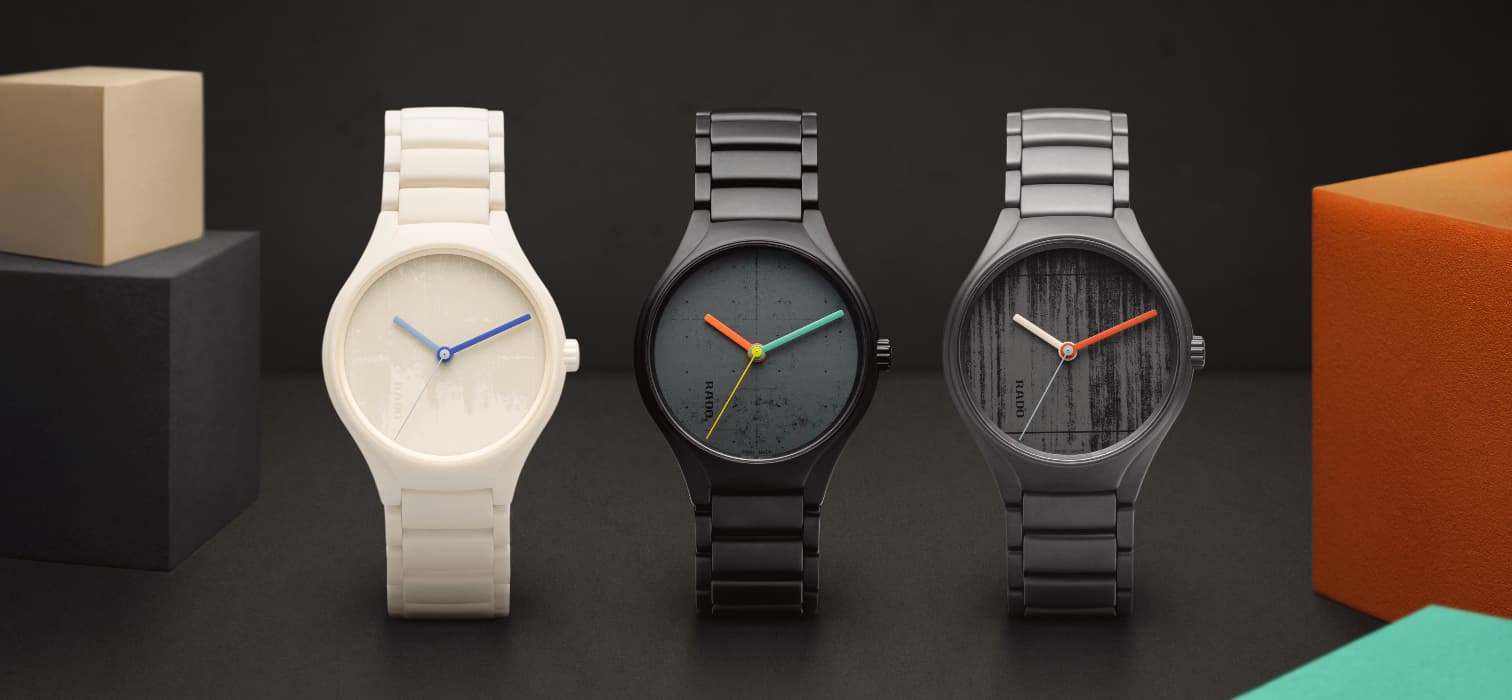
Our first stop was Comadur, where Rado’s production facility is located. The brand’s roots date back to 1917 in Lengnau, and the name “Rado” was registered in 1928. Known as the “Master of Materials,” Rado’s journey with ceramics began in the 1980s. In 1986, the brand introduced high-tech ceramic to the world of watchmaking—a move that evolved into an art form over the years. Today, Rado’s palette includes more than twenty ceramic shades.
A Day At The Rado Factory
A Day At The Rado Factory
Upon entering the factory, we were immediately immersed in an atmosphere that reflects the very essence of Swiss watchmaking: precision, silence, and perfection. Watching ceramic transform from fine powder into an elegant watch case felt like redefining the concept of time itself. During the “sintering” process, cases are baked for hours at 1,450 degrees Celsius, shrinking by about 25% to reach their final form. After polishing, sandblasting, and laser treatments performed with diamond-tipped tools, the cases are completed in plasma furnaces reaching temperatures of up to 20,000 degrees—technology that seems almost extraterrestrial. The result is a watch case that is both exceptionally durable and surprisingly light.
A Day At The Rado Factory
Ceramic is a material humanity has admired for thousands of years, but what makes Rado unique is the way it fuses this ancient substance with modern technology to create wearable art. Throughout the visit, the Rado watch on my wrist—with its refined form and almost imperceptible lightness—offered an experience that was unmatched in both design and comfort.
At dinner, we met with Rado’s CEO, Adrian Bosshard. Our conversation turned to the brand’s design philosophy, and I asked him how he defines Rado’s DNA today.
“Rado’s DNA is defined by a bold approach to design and a pioneering spirit in material innovation. Being the “Master of Materials” isn’t just a title, it reflects decades of exploring and perfecting advanced materials like high-tech ceramic, which has become a signature of our brand.”
When asked how Rado differentiates itself from others in the industry, Bosshard explained:
“What truly sets Rado apart is our ability to combine Swiss watchmaking tradition with forward thinking design. We’re not afraid to challenge conventions, and we often draw inspiration from architecture, art, and industrial design. Our collaborations with renowned designers also bring fresh perspectives and help us stay ahead of trends while remaining true to our identity. At Rado, a watch is more than a timepiece, it’s a design object, a statement, and a reflection of innovation. That’s what makes us different.”
Adrian Bosshard and Reyhan Tozkoparan
Bosshard’s words perfectly summed up what we had observed throughout the day. When a strong design identity meets technological innovation, it propels a brand into a unique position within the watch world. He also mentioned their goal to push this design language further by reinterpreting the fusion of form and material in the DiaStar and Anatom collections:
“2025 has been a vibrant and exciting year for Rado. We’ve continued to build on our strong design identity – one that’s instantly recognizable, even without a logo. Whether it’s the DiaStar or the Anatom, our watches speak for themselves through their unique shapes and materials. This year, our design team brought a fresh energy to these iconic models by introducing bold, colorful variations. These new shades not only reflect current trends but also allow our customers to express their individuality. The Anatom, for example, became the perfect companion for the summer season; stylish, lightweight, and full of personality. Despite the challenges of recent years and a complex geopolitical environment, Rado has made an incredible journey. We’ve stayed focused on our pioneering spirit and our brand DNA, and today, I’m proud to say we’re on a strong and successful path. Contributing to our success was the launch of the first Captain Cook in high-tech ceramic featuring a chronograph function, introduced in the first semester. This model has achieved remarkable global success, also in Turkey.”
A Day At The Rado Factory
The discipline felt in every corner of the factory resembled that of an artist’s atelier. The ceramic cases emerging from plasma furnaces—hotter than the surface of the sun—demonstrate Rado’s mastery in uniting engineering and aesthetics.
A Day At The Rado Factory
A Day At The Rado Factory
By the end of the day, our two days at the foot of the Jura Mountains had turned into more than just a factory visit—it became an inspiring journey into how time itself is shaped. Thanks to Rado’s hospitality, the warm conversation with CEO Adrian Bosshard, and the meticulous organization by the Turkish marketing team’s Özge Yaman and Oğuz Ersözoğlu, we experienced an unforgettable stay in the elegant atmosphere of Solothurn. The gentle touch of the Rado watch on my wrist serves as a lasting reminder of this journey’s essence: Don’t measure time—live the moment.