Saatolog.com.tr

Saatolog.com.tr Logo

Interview with Raymond Loretan, President of the GPHG Foundation

16 October 2025
Interview with Raymond Loretan, President of the GPHG Foundation
For the first time, the exhibition of the Grand Prix d’Horlogerie de Genève (GPHG), the “Oscars of Watchmaking”, has come to Istanbul. Ahead of the exhibition, we sat down with Raymond Loretan, President of the GPHG Foundation, to discuss the fascinating world of haute horlogerie.

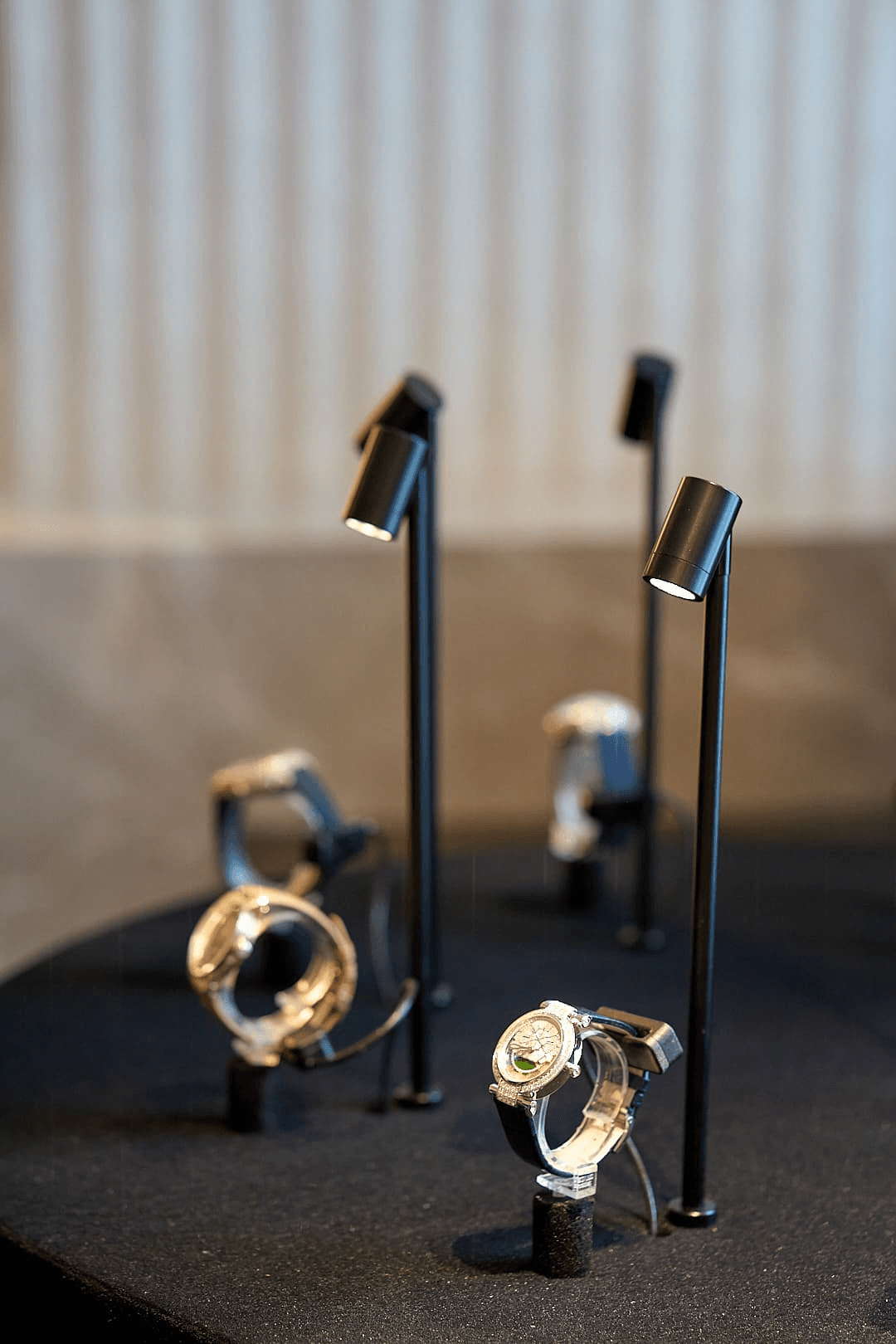
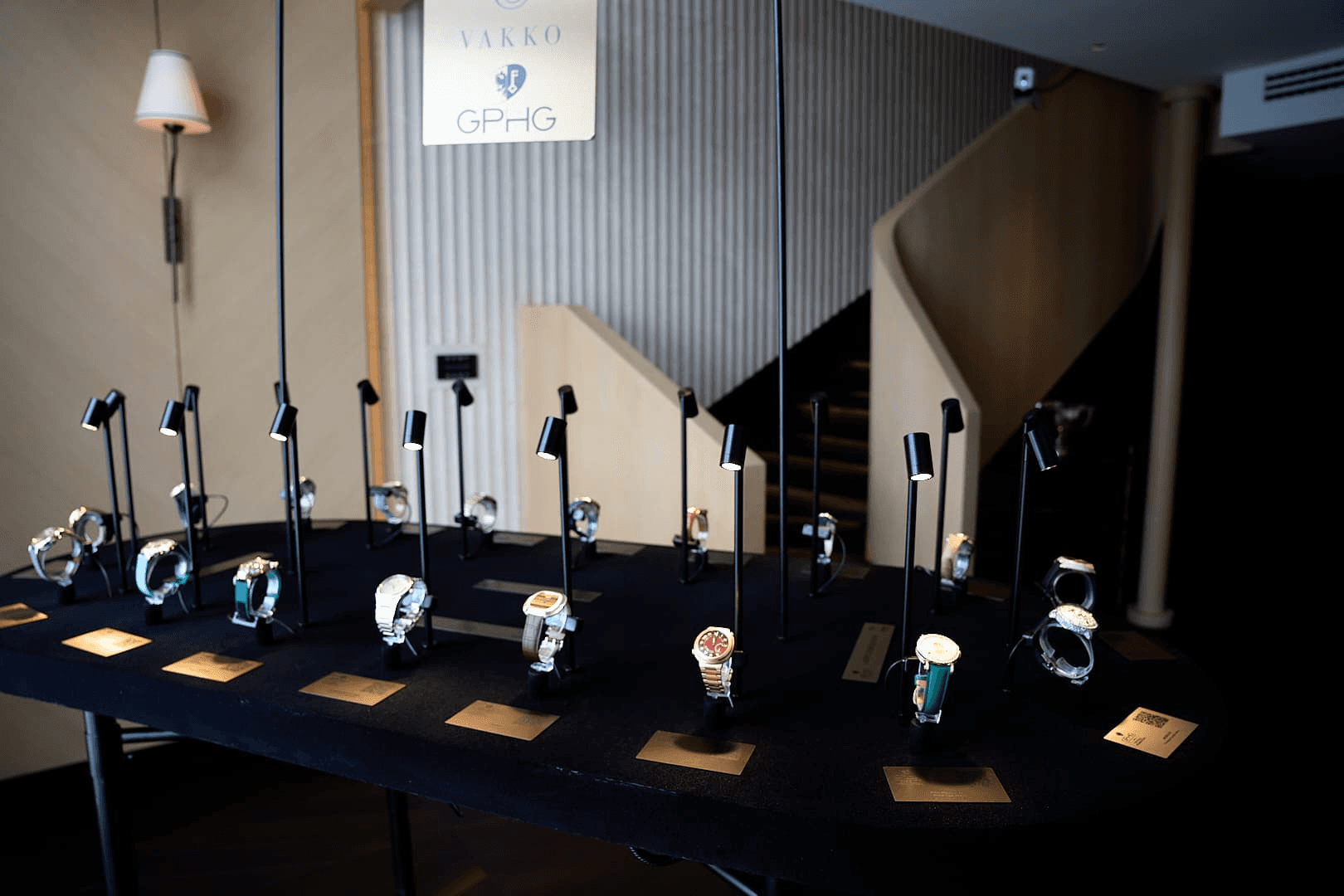
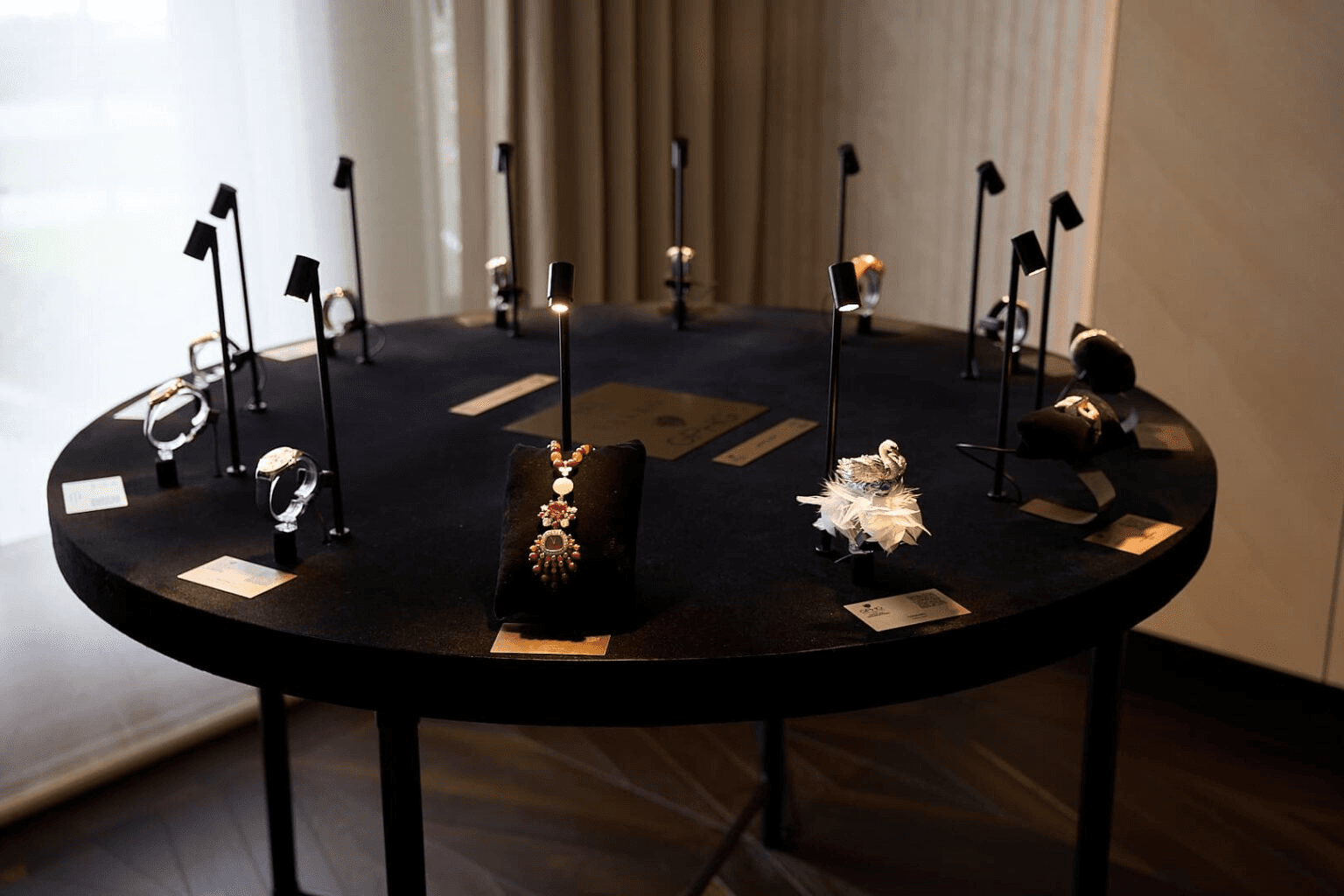
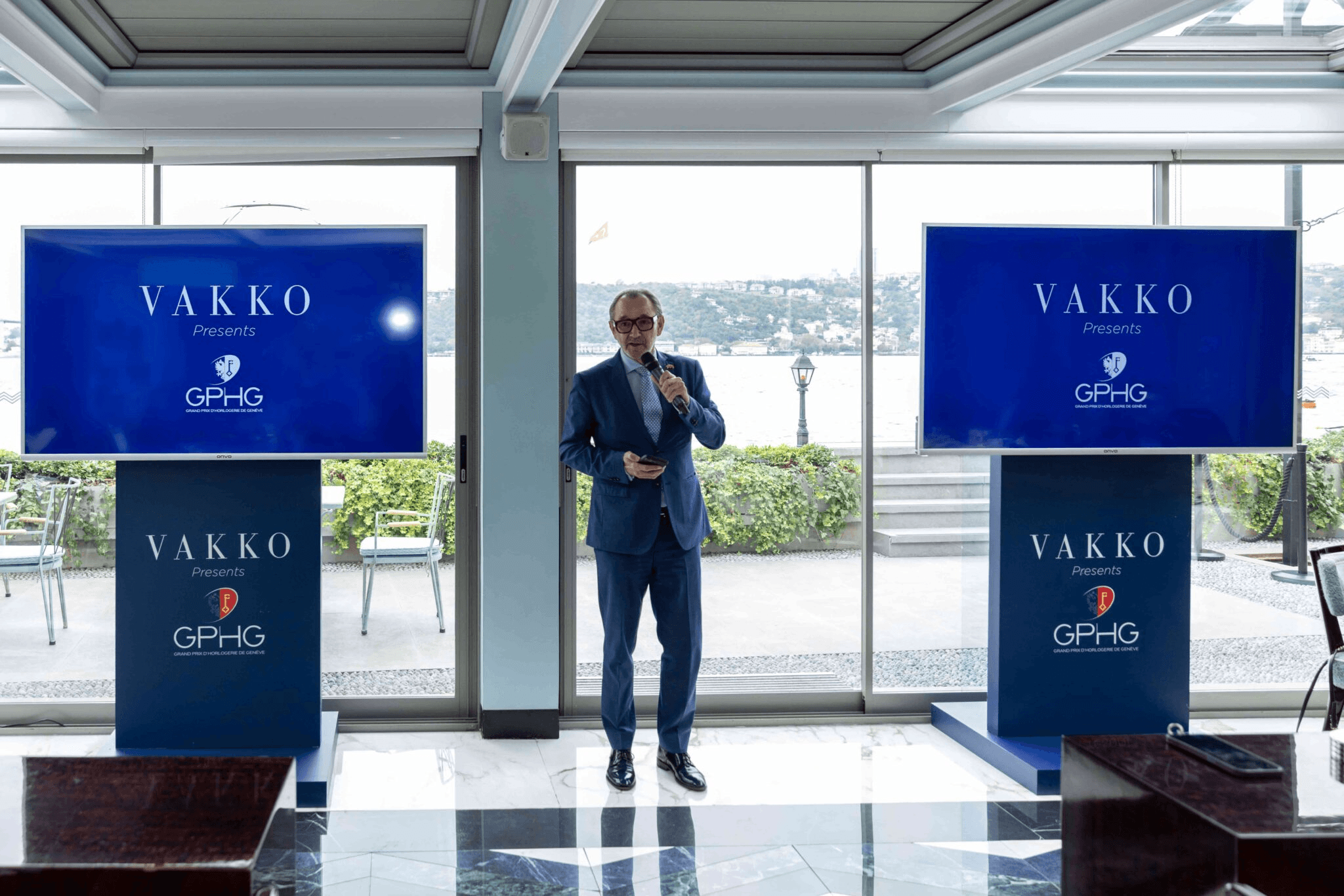
In 2025, 90 watches from 57 brands are competing for the coveted GPHG prizes. While the awards ceremony will take place on November 13 in Geneva, the timepieces themselves are making a special stop in Istanbul for the very first time. From October 15 to 20, the GPHG exhibition welcomes watch enthusiasts at Vakko Hotel Sumahan Bosphorus. Against the stunning backdrop of the Bosphorus, we met with Raymond Loretan to talk about the art of watchmaking as a bridge between cultures, traditions, and time itself.
Interview With Raymond Loretan, President Of The Gphg Foundation

Can you tell us about your journey with watches? When did your passion for watches begin?

My first emotional encounter with watchmaking dates back to my youth. In the 1970s, my father gave me his iconic wristwatch, a piece he had purchased with his first savings in the 1950s. For me, it became a transmission of memory and meaning. Years later, I passed this same watch on to my son. Since I became President of the GPHG, I no longer wear a watch myself — not as a rejection of time, but as a symbolic gesture of neutrality. The GPHG celebrates all watches equally, and I prefer to remain the custodian of that impartiality.

My second defining encounter with watchmaking came in the late 1990s, when I was Ambassador of Switzerland to Singapore. It was a time when Swiss watch brands were opening boutiques at a remarkable pace across Asia. I spent countless hours meeting CEOs, distributors, and collectors. Those encounters made me realize the symbolic power of watchmaking for Switzerland — not just as an industry, but as a cultural and emotional language shared with the world. Today, I see that watchmaking has remained true to its core values — precision, beauty, and craftsmanship — values that have become universal. They transcend nations and generations, speaking to something profoundly human: our desire to give meaning to time.

Could you tell us about the selection process of the GPHG? Are there any guidelines or criteria? How are the watches selected in the first place?

The selection process of the GPHG is one of the most structured, transparent, and impartial in the world of watchmaking competitions. It is built on a three-tier system that ensures neutrality, diversity, and credibility. First, every brand — large or independent — is free to enter its watches into the competition. These entries are then evaluated by the GPHG Academy, a body created in 2020 that now gathers more than 1,000 members from across the global watch ecosystem: watchmakers, artisans, collectors, journalists, designers, retailers, and even passionate amateurs. In a first digital vote, the Academy preselects 90 timepieces in 15 categories from among the hundreds of models submitted. This process reflects the industry’s full diversity — creative, technical, and aesthetic.
Then, a Jury of 30 members is formed, composed equally of personalities chosen by the Jury President and members drawn at random from within the Academy. This Jury meets physically in Geneva, where it examines each of the 90 preselected watches in person, before voting by secret ballot under notarial supervision.

Finally, the entire Academy votes once again, remotely, to contribute to the final result. The Jury’s deliberations count for two-thirds of the outcome, and the Academy’s vote for one-third. This system, combining expert evaluation, random selection, and democratic participation, guarantees the neutrality, impartiality, and universality of the process. It is what gives the GPHG its legitimacy — as an institution that represents the art of watchmaking in all its diversity and fairness.

Interview With Raymond Loretan, President Of The Gphg Foundation

What are your opinions about this year’s GPHG selection?

As every year, the 2025 selection offers a fascinating panorama of contemporary watchmaking. It demonstrates both the creative vitality and the enduring resilience of our industry. The 84 watches showcased in Istanbul capture the spirit of our time: an equilibrium between heritage and innovation, between craftsmanship and design. They remind us that watchmaking, even after centuries of evolution, still knows how to surprise, to inspire, and to touch hearts. As Jury President Nick Foulkes said: “Looking at the list of watches in competition this year, it is hard not to feel a sense of pride at being associated with such a resilient, resourceful, and inspiring industry.

GPHG is called the Oscars of the watchmaking industry. How do you view its place and importance in the industry?

The GPHG has often been compared to the “Oscars of watchmaking,” and that parallel makes sense — but beyond the ceremony, the GPHG’s mission is deeply cultural. It is a unifying platform designed to honor excellence across all segments of watchmaking — from the great maisons to the independents. It highlights the artistry, the innovation, and the emotional depth of an entire industry that continues to fascinate the world. By organizing our world exhibitions in cities such as Shanghai and Istanbul, we also reinforce the universal reach of the GPHG and of the art of watchmaking — as a bridge between tradition and creativity, East and West, heritage and future.

Are there any memorable moments or surprises from past GPHG ceremonies for you?

There are many. One that always moves me is when a small independent brand wins alongside a historic maison — that moment of pure emotion reminds everyone that talent and passion have no hierarchy. Another milestone was the creation of the GPHG Academy in 2020, which transformed the GPHG into a more open, participatory, and representative institution. It embodies our values of neutrality, universality, and solidarity.

Interview With Raymond Loretan, President Of The Gphg Foundation

How did the collaboration between GPHG and Vakko for the exhibition in Istanbul come about

The initiative came from His Excellency Guillaume Scheurer, the Swiss Ambassador to Turkey, whom we met previously in Morocco during a GPHG exhibition in Casablanca. This year, 2025 marks the 100th anniversary of diplomatic relations between Switzerland and Turkey, and His Excellency proposed that a watchmaking exhibition — a symbol of Swiss craftsmanship and cultural dialogue — would be the ideal setting to celebrate this centenary. Mr. Cem Hakko, President of the Vakko Group, a passionate watch enthusiast, immediately offered to host the exhibition at the Vakko Hotel, on the banks of the Bosphorus. The setting itself — a bridge between East and West — perfectly mirrors the spirit of the GPHG, which celebrates the universal art of watchmaking that transcends borders and unites people around beauty, creativity, and innovation.

What do you think about the Turkish watch industry? How would you describe the reaction to the exhibition so far?

This is a first for the GPHG in Türkiye, and the response has been extraordinary. Collectors, designers, and journalists alike have shown genuine enthusiasm and curiosity. Turkey has a long tradition of craftsmanship and design, and a rapidly growing appreciation for mechanical watchmaking. The dialogue between Turkish creativity and the global watchmaking scene is rich with potential. The exhibition at Vakko has been an open invitation to discovery — and we are delighted to see that it resonates with so many. I think we will have to come back very soon!

Interview With Raymond Loretan, President Of The Gphg Foundation
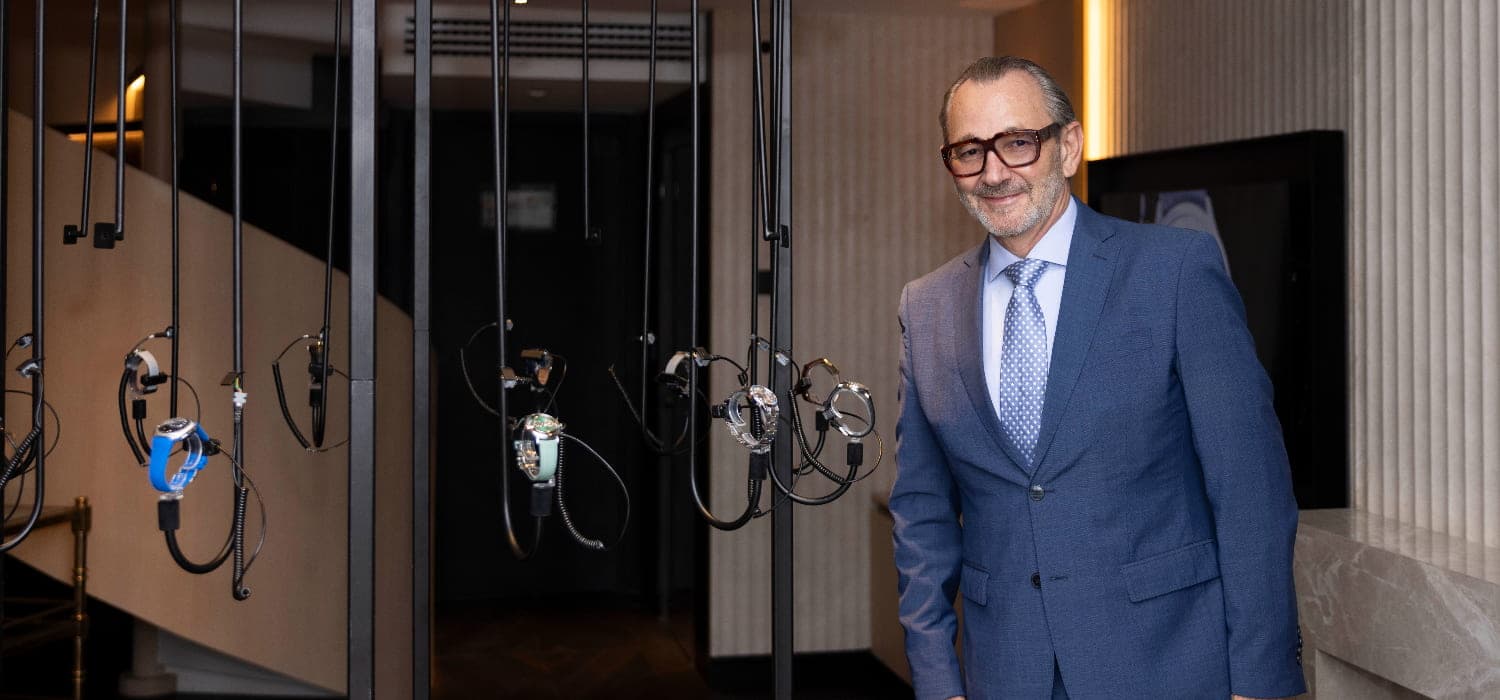
Raymond Loretan

How do you see the watchmaking industry evolving today, and where do you think it’s headed?

Despite global uncertainty, I remain very confident about the future of watchmaking. The sector continues to reinvent itself, balancing technical mastery and artistic expression. We see exciting developments in sustainability, new materials, and independent creation. But above all, watchmaking remains an art form rooted in human values — patience, precision, beauty. At the GPHG, we aspire to give our exhibitions an even stronger cultural and artistic dimension. In the years ahead, we plan to create dialogues between watchmaking and other forms of art — music, design, visual arts — to reveal new perspectives on time.

Finally, we hope that one day the art of watchmaking will be recognized by UNESCO as part of the Intangible Cultural Heritage of Humanity, in recognition of its artistic, technical, and symbolic contribution to our shared human story. As we like to say: The GPHG does not only celebrate how time is measured — it celebrates how time is lived.