Wines that have endured more than a century often take collectors on an extraordinary journey—one that stretches from shipwrecks to auction halls, testing both the imagination and, inevitably, the budget.
Let me share with you a sparkling tale that begins in Sweden and ends in Turkey. On November 3, 1916, the ship Jönköping set sail from Sweden, en route to Finland, which at the time was part of the Russian Empire. Though wartime trade was fraught with danger, it was also highly profitable. Not long after its departure, the Jönköping was intercepted and sunk by a German submarine.
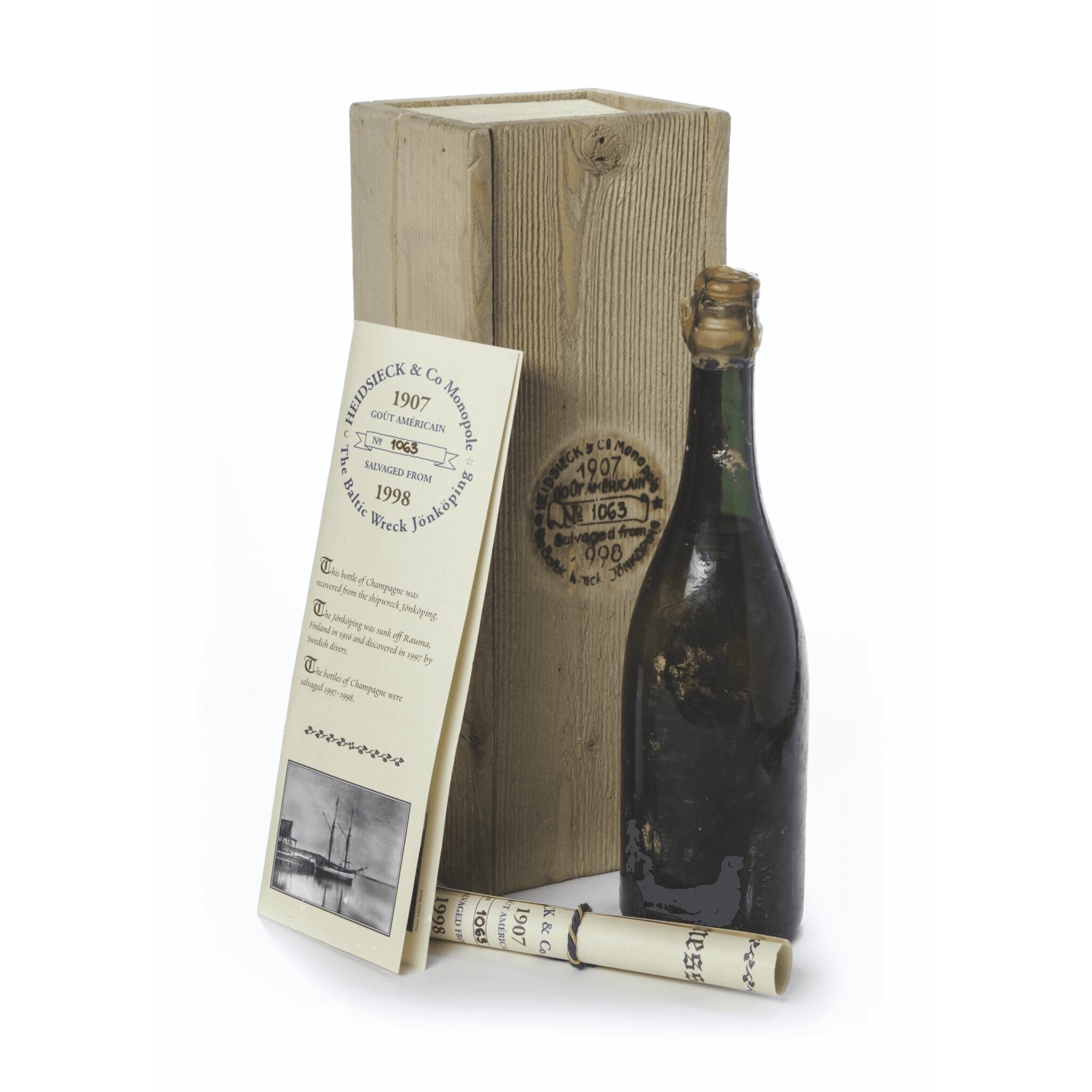
Decades later, in 1997, the wreck was discovered 64 meters beneath the surface. Remarkably, the ship was still intact and in excellent condition. This revelation caused great excitement—especially because the Jönköping had been carrying precious cargo intended for Russian officers: 3,000 bottles of 1907 Heidsieck Monopole “Goût Américain” champagne.
A number of these bottles were recovered and sampled. The taste was exquisite. The champagne had been perfectly preserved by the cold, dark, and high-pressure environment of the sea, which prevented the corks from popping. In 1998, the wreck was brought to the surface, and around 2,000 bottles of champagne were salvaged and later offered for sale at various wine auctions.
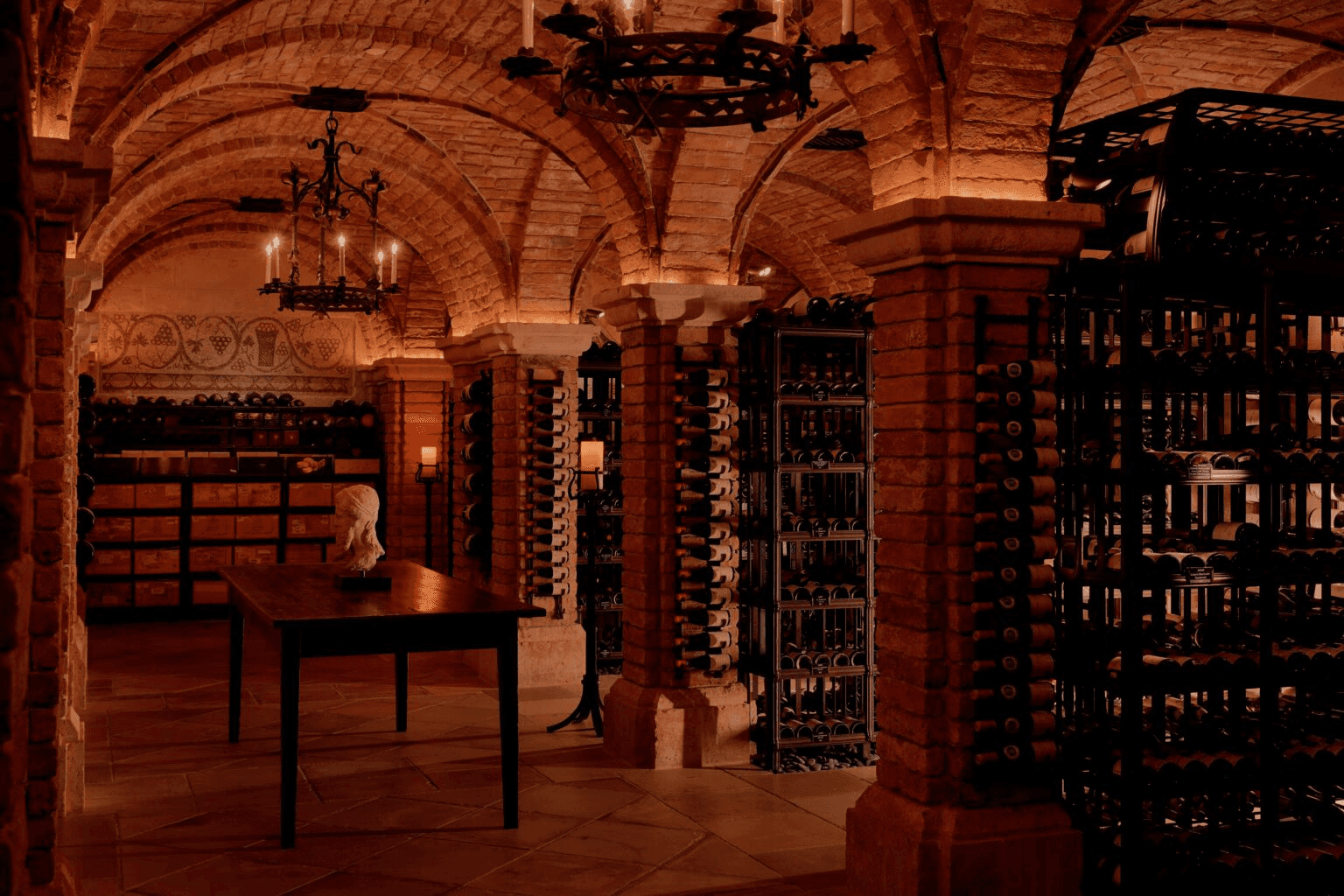
Now fast forward to 2004—when arrest warrants were issued for Cem Uzan and Hakan Uzan, leading to the seizure of their assets. Among these assets was an astonishing wine cellar. The wines were cataloged and put up for auction to help pay off the Uzan brothers’ debts. Among the collection were two bottles of the legendary 1907 Heidsieck Monopole “Goût Américain.” These rare wines—along with a significant portion of the Uzan wine cellar—were purchased by Barış Tansever, owner of Sunset Restaurant.
Credit: Christie’s
This auction in 2004 marked Turkey’s first and most notable wine auction. Thanks to its high-profile nature and media coverage, it captured public attention for quite some time. Although a second auction was held in 2005, where various wines were sold again, the trend didn’t take root locally. The global picture, however, is quite the opposite—wine auctions thrive abroad. For instance, the esteemed held 61 alcohol auctions in 2024, reaching a total of $114 million in sales.
Let’s now look at one of the most profitable wine auctions in history. American billionaire Bill Koch auctioned off roughly 8,000 bottles—grouped into 1,500 lots—through Christie’s, amassing $28.8 million. The standout lot was a 6-liter bottle of 1999 Domaine de la Romanée-Conti Romanée-Conti, which sold for $275,000. And get this: even after this sale, Koch still retained around 12,000 bottles in his personal collection.
Who Attends Wine Auctions?
Wine auction participants generally fall into two main categories. The first group is made up of true wine lovers—individuals who buy rare bottles they genuinely intend to drink and savor. The second group treats wine as a commodity for investment. These buyers acquire bottles they anticipate will rise in value, intending to resell them at future auctions, serve them in high-end restaurants, or offer them at exclusive events. For them, wine is similar to investing in luxury watches or rare art. In fact, entire companies now specialize in storing, insuring, and delivering investment-grade wines, offering full logistical services for collectors and speculators.
There are also charity auctions, where all—or a portion—of the proceeds go to individuals or organizations in need. In such settings, bidding becomes a statement of generosity as much as a desire to own the wine. Participants often gain publicity by showcasing how much they’re willing to spend in the name of philanthropy.
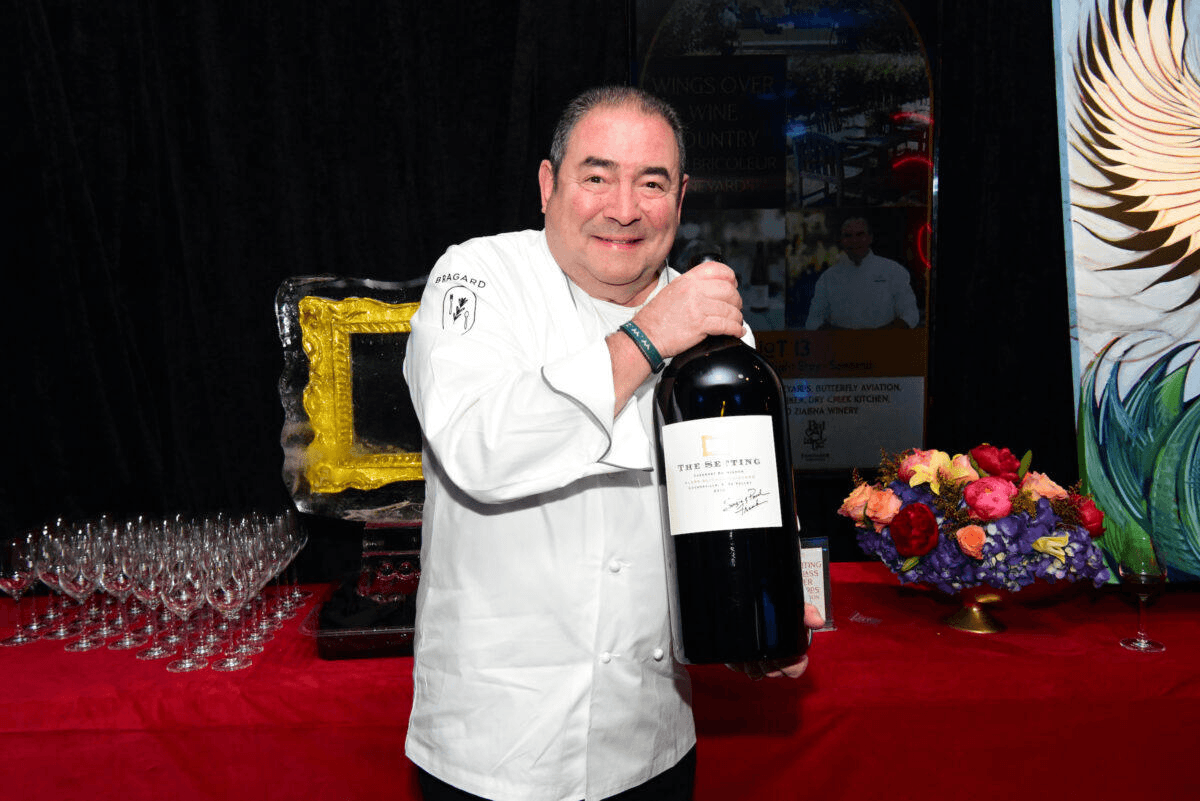
One of the most expensive bottles ever sold came from such an auction. In 2021, during the Carnivale du Vin charity event organized by Chef Emeril Lagasse, a benefactor paid $1 million for a 6-liter bottle of “The Glass Slipper,” a Napa Valley Cabernet Sauvignon. For reference, a standard bottle of the same wine would have cost around $200.
Credit: William Jess Laird – Christie’S
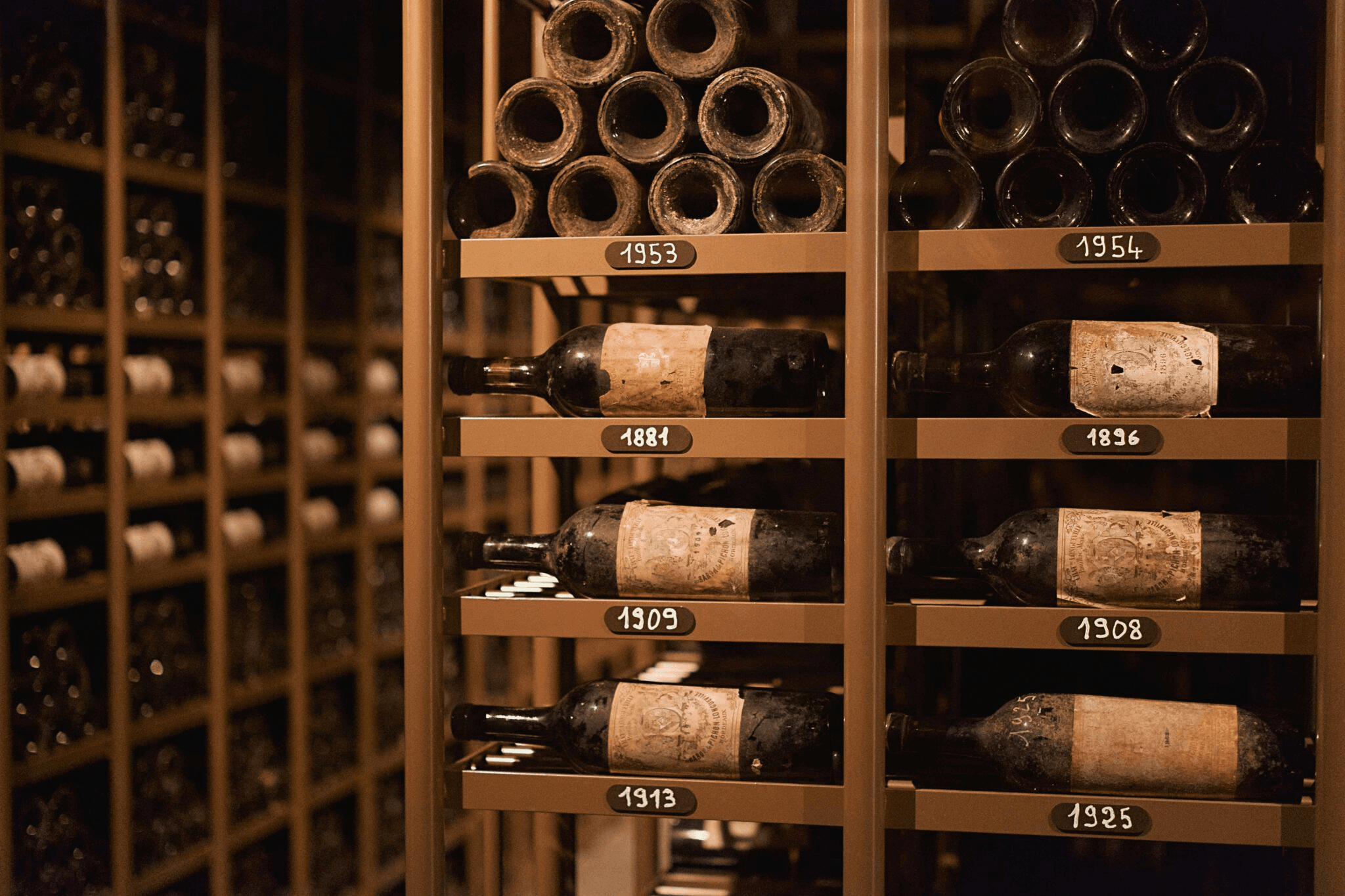
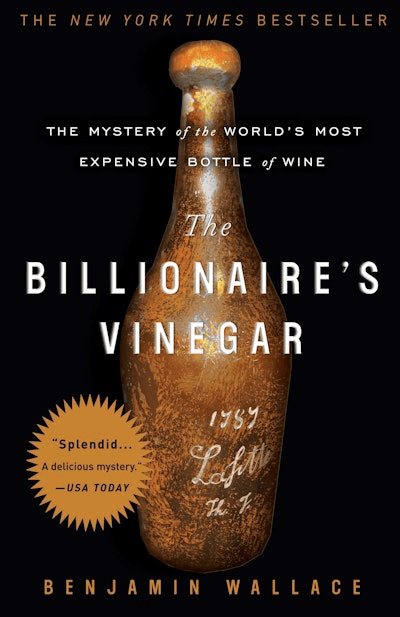
Some wines, meanwhile, are acquired purely for display due to their historical and symbolic value. A prime example is a bottle sold by Christie’s on December 5, 1985—marked “1787 Lafitte Th.J.” and believed to have belonged to Thomas Jefferson, one of America’s founding fathers. After intense bidding, Christopher Forbes purchased the bottle for $157,000—a record-breaking price at the time. But the tale doesn’t end there. In the late 1980s, four additional bottles allegedly from Jefferson’s cellar appeared on the market. They were bought by none other than Bill Koch—yes, the same Koch mentioned earlier—for a total of $500,000.
Over time, skepticism began to surround Hardy Rodenstock, the seller behind many of these iconic wines. To test the bottles’ authenticity, investigators employed an unusual method: Cesium-137 testing. Because this radioactive isotope was released globally after World War II, it can be found in any product made after 1945. The Jefferson bottles failed this test. However, legal disputes about the wines’ authenticity dragged on for years. For those curious, the full saga is documented in the book “The Billionaire’s Vinegar: The Mystery of the World’s Most Expensive Bottle of Wine,”published in 2013 by Kitabix Publishing—now available only in second-hand bookstores.
The scandal surrounding Rudy Kurniawan, told in the 2016 documentary Sour Grapes, is a story of entirely different deception. In 2012, FBI agent Adam Roeser raided Rudy’s home and described the scene as a counterfeit wine lab. He found old bottles floating in the sink, beeswax freshly dripping from others, and more than 30 opened bottles on the kitchen counter. Nearby were funnels, labels dated back to 1899, and a tool for crafting counterfeit seals—along with stacks of counterfeit labels ready for use.
Kurniawan had sold many fraudulent vintage wines to high-profile buyers, convincing even the savviest collectors. He was eventually sentenced to 10 years in prison, although he was released in 2020.
It wasn’t easy to uncover what Rudy Kurniawan was doing. One key reason was the age of the wines he sold—many were 50, 60, even 70 years old—and very few experts actually knew what wines of that vintage were supposed to taste like. As a result, even experienced collectors were fooled, their palates deceived by the allure of supposed rarity and age.
Still, the thrill of purchasing these “truly old” wines remains irresistible for many, regardless of the risk. According to wine writer Will Lyons, the gamble is often worth it. “You taste a bit of history in these wines,” he explains. “The amazing thing about great wines is that they age and evolve in the bottle, developing tertiary aromas you wouldn’t encounter in younger wines. The fruit becomes completely soft, and a character emerges that resembles dried fruit—almost nutty and caramelized.”
Auction Tips
If you’re considering buying wine at auction, here are a few tips that may help guide your experience. First, study the auction catalog closely. Pay attention to the condition of each bottle, research the wines and their producers, and compare auction prices to current market values. Decide on the maximum price you’re willing to pay and do your best not to exceed it. In short, don’t let the soothing effect of alcohol tempt you into spending beyond your means in the heat of the moment. These days, online auctions have become just as popular and accessible as live events—so it’s easier than ever to get involved.
Another frequently asked question is how to sell wine at these auctions. Almost everyone involved in the wine world—including myself—is regularly approached with variations of the same inquiry: “I found some old, maybe even historic, bottles of wine that belonged to my father or grandfather. How much are they worth?” (This question does carry a subtle bias—why is it always fathers or grandfathers? Couldn’t there also be wines that belonged to mothers or grandmothers?)
To clarify, the vast majority of wines sold at auction are valued for their drinkability or investment potential. In most cases, the buyer’s goal is either to consume the wine or to profit from its appreciation in value. That’s why, if you plan to sell a bottle, it’s essential that the wine has been stored under proper conditions. If a wine has deteriorated, its value plummets.
Before going to auction, wines undergo a thorough inspection by experts. Documentation regarding the wine’s origin and provenance is often required to verify its authenticity and ensure it’s not counterfeit. Only in rare cases are wines purchased for the historical significance of their bottle or label, without concern for the contents.
That means inherited bottles of wine—no matter how “vintage” they appear—are often not drinkable, as they were typically stored under poor or unregulated conditions. From a consumption standpoint, these wines are usually spoiled, rendering them worthless. However, there’s a chance that collectors might be interested in the bottle design or label, allowing for a modest financial return. That said, unless you’re holding an exceptionally rare or iconic bottle, making significant money from such sales is unlikely.
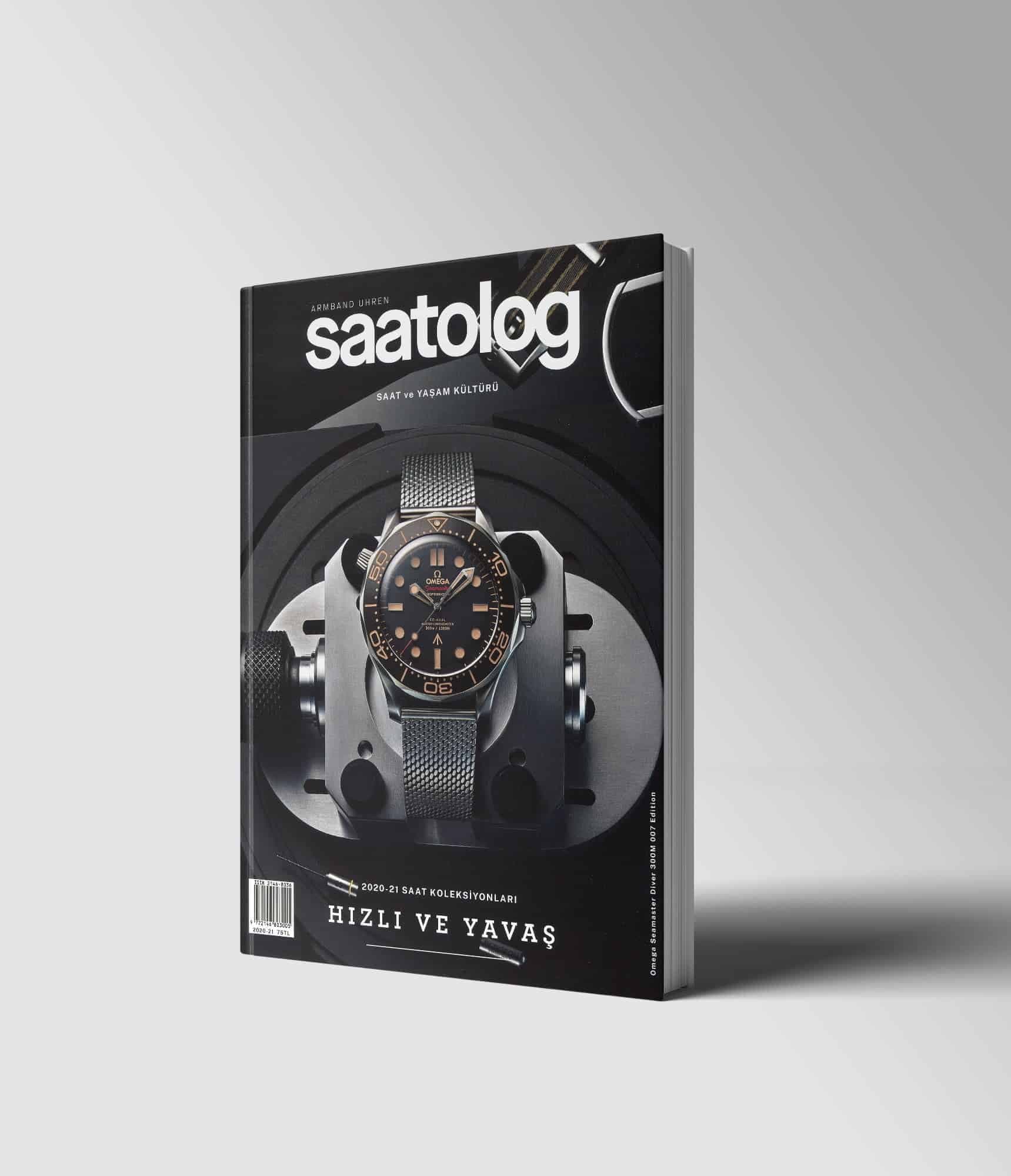
Saatolog Yıllık Saat Dergisi Saatolog’un yeni sayısı, 2020’nin yarattığı bu dönüştürücü etkiden ilham alarak hazırlandı. Dünya dijitalin etkisiyle her zamankinden de hızlı bir şekilde ilerlerken yavaşlamanın da önemini sonunda kavramış bulunuyoruz ve bu tezatlık hayatlarımızın her anına etki ediyor. Biz de bundan yola çıkarak Saatolog 2020/21 sayısını ‘‘hızlı ve yavaş’’ teması altında hazırladık.