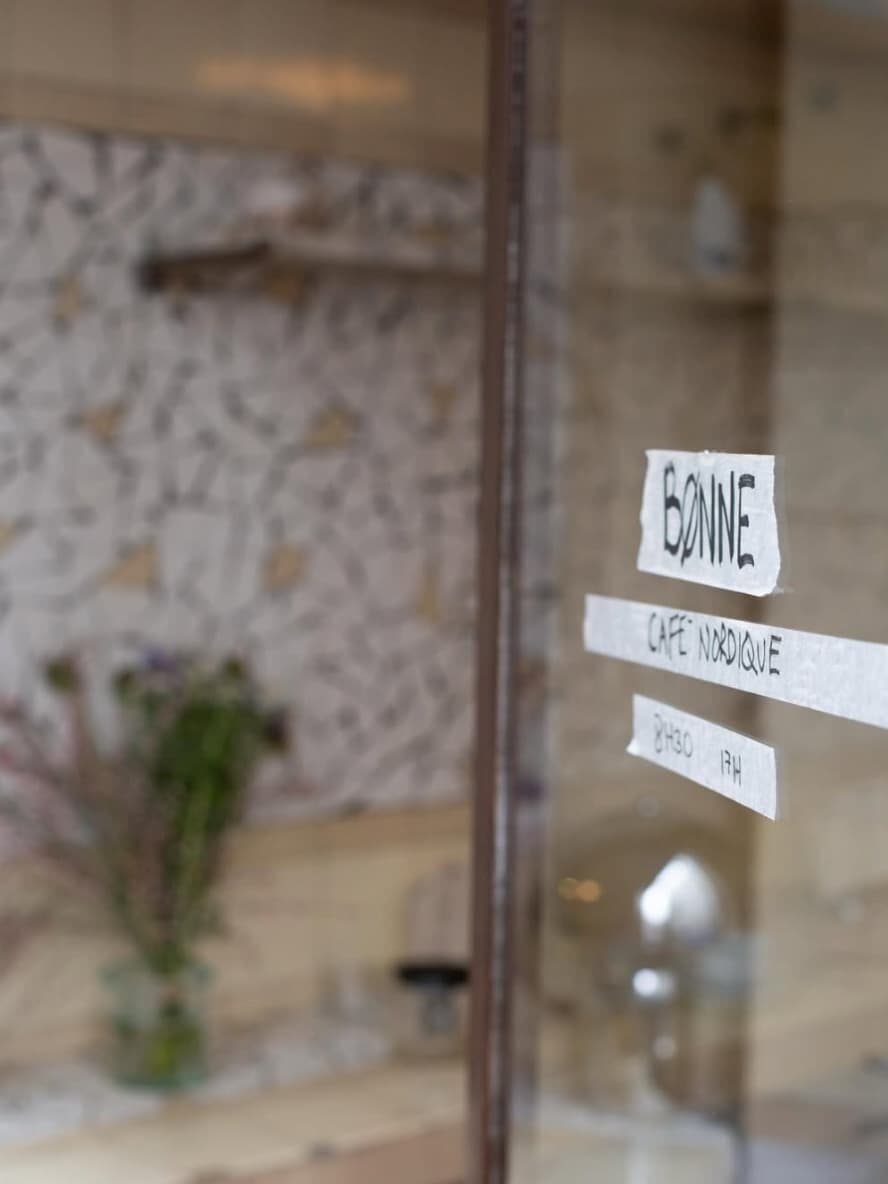
Opened in January in Montmartre—one of Paris’s most iconic cultural quarters—Bonne Montmartre, a Norwegian-Turkish blend, has quickly become one of the city’s most coveted spots. With its third-wave coffees and Scandinavian-inspired flavors, it awaits those passing through Paris…
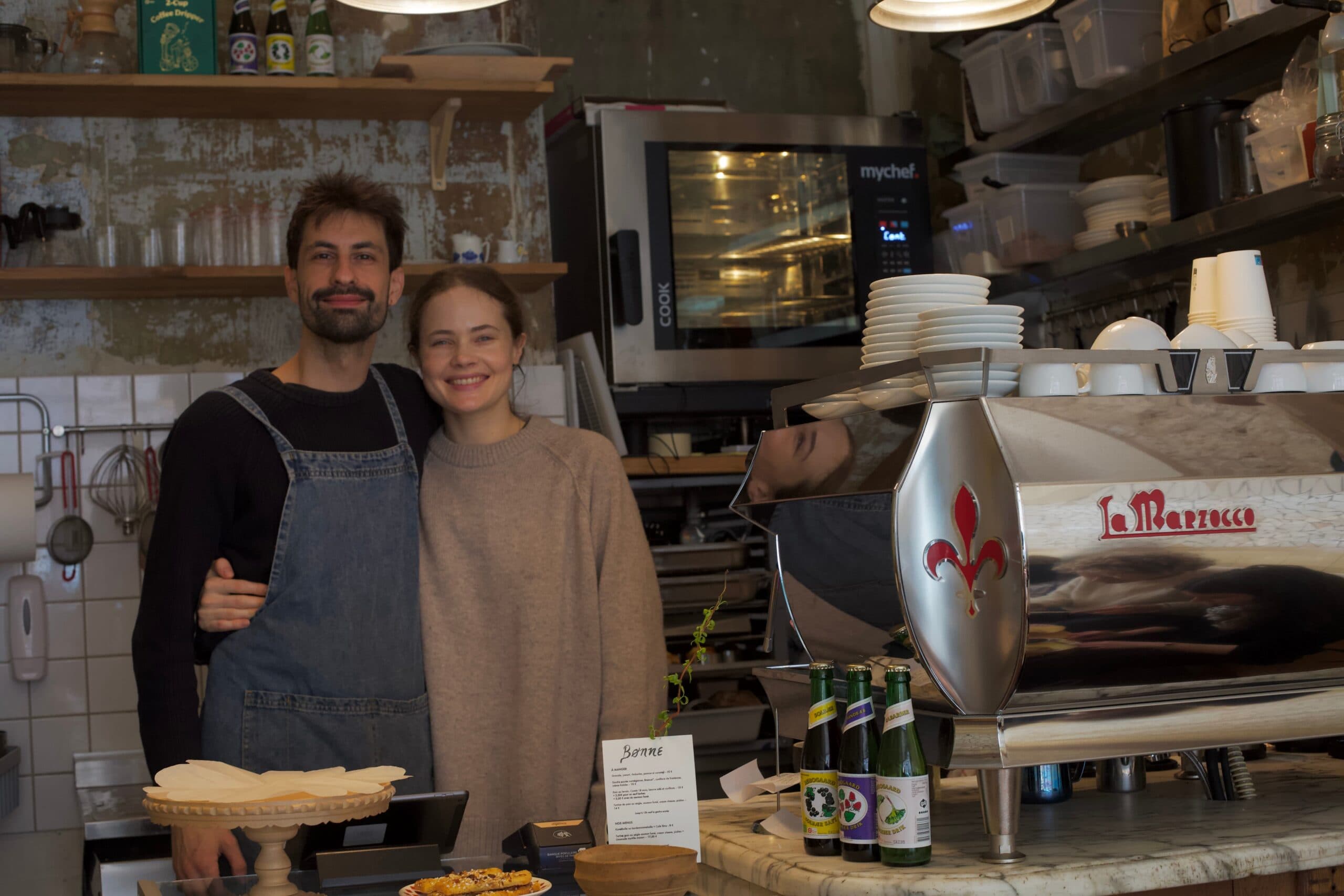
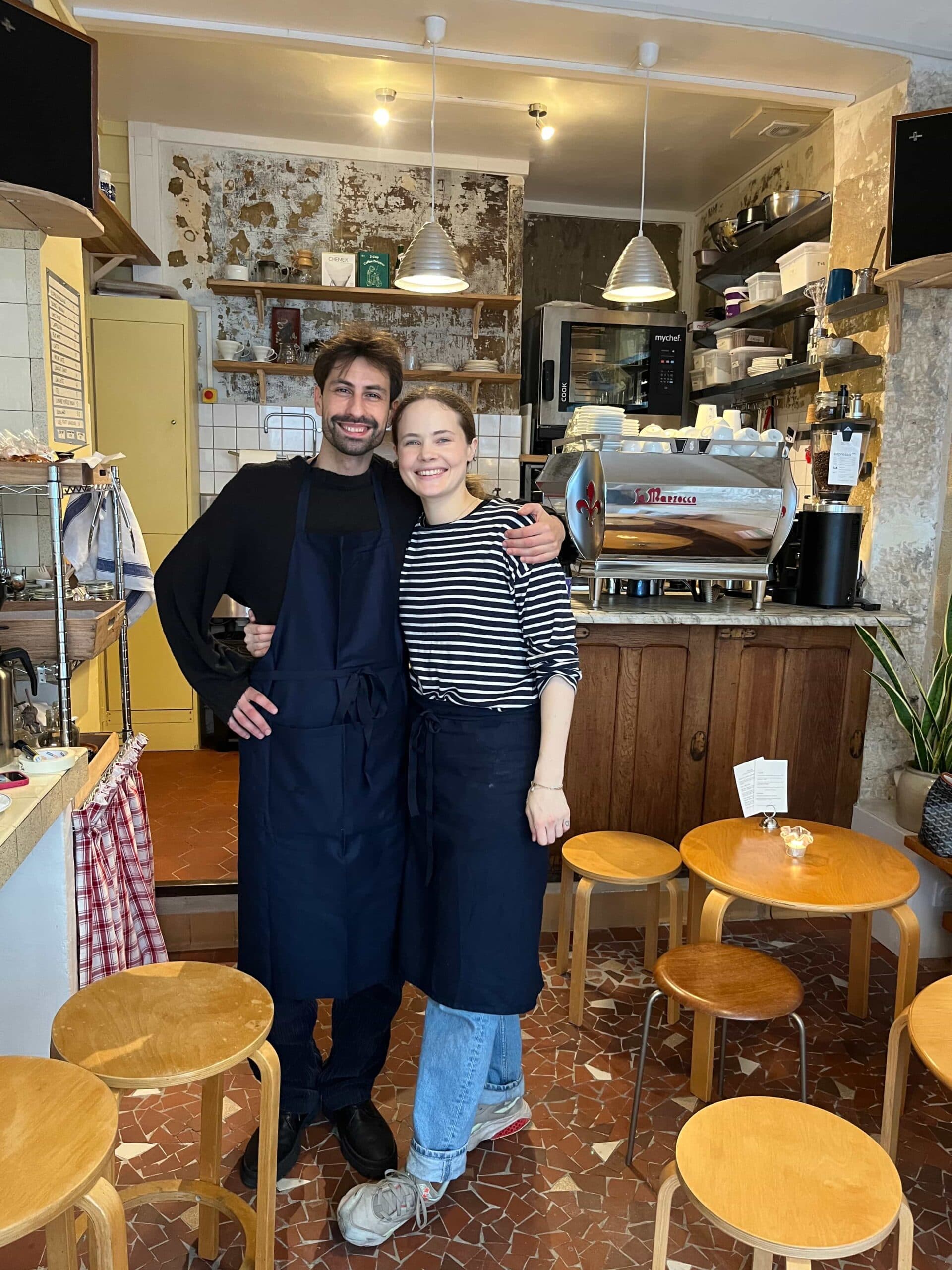
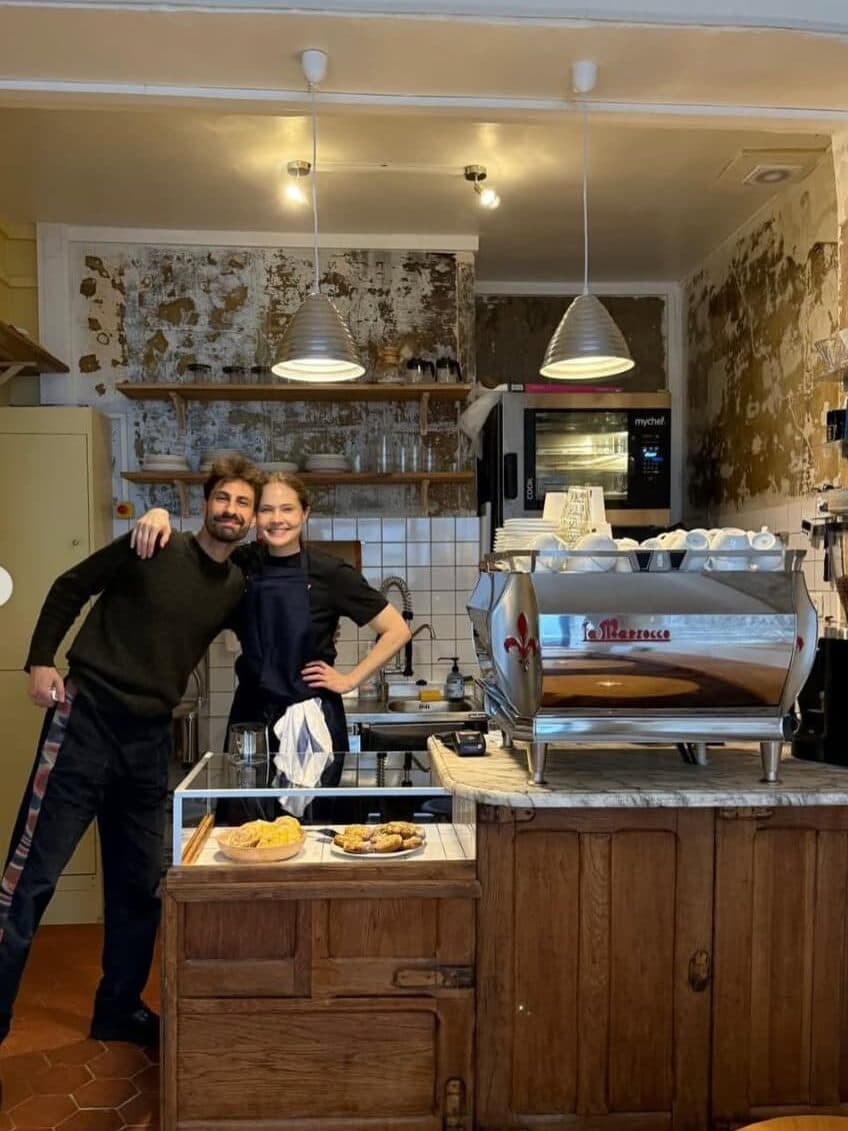
On the winding streets of Montmartre, where the spirit of Paris still lingers in its most authentic form, the intersecting paths of two young people have turned into one of the city’s warmest destinations. Chef Malin Gimle Labraten, who came from Norway to study gastronomy at Le Cordon Bleu, and barista Serdar Öztürk, who arrived in Paris with dreams of becoming a filmmaker, met at just the right moment.
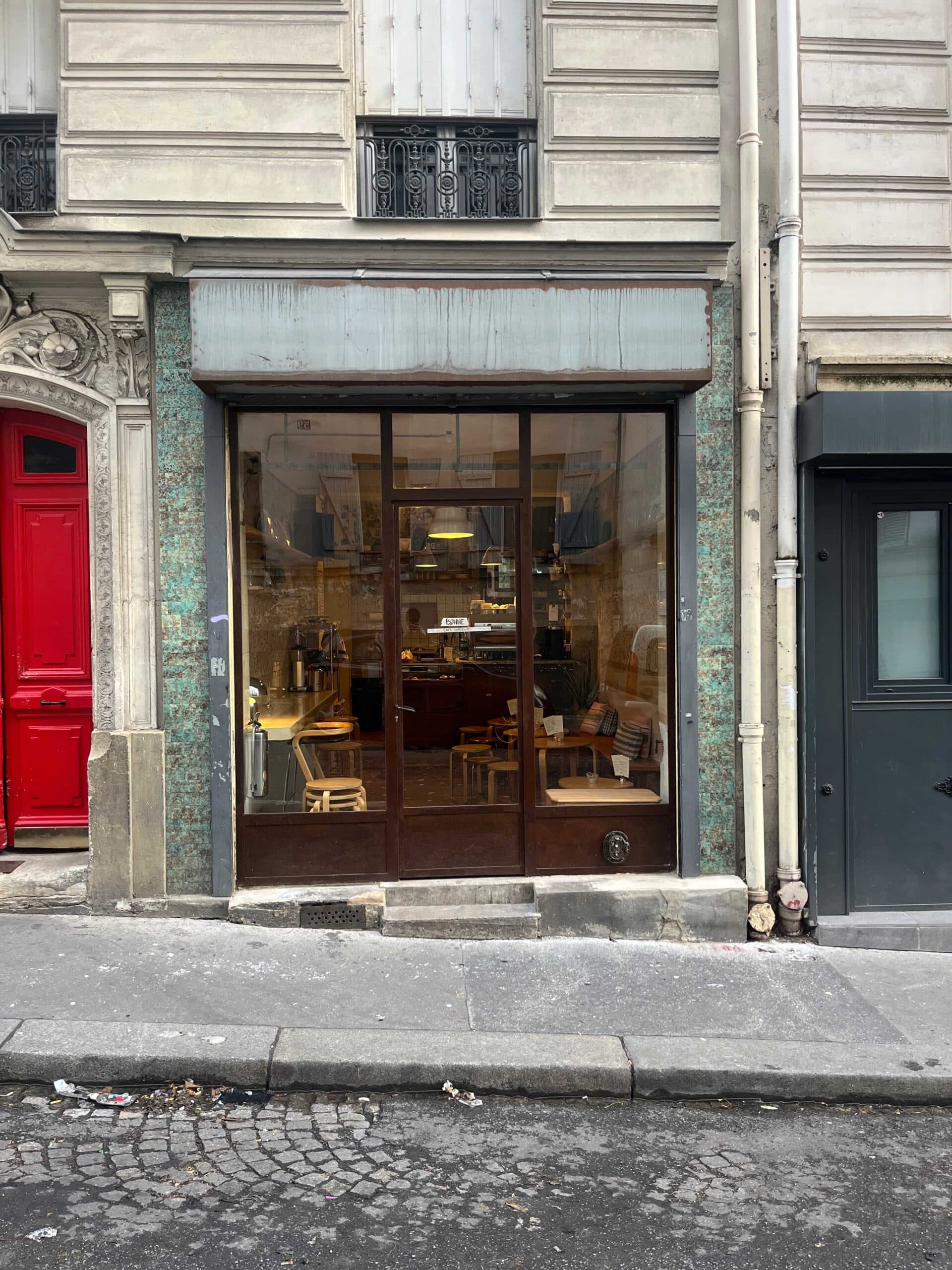
The idea of “opening his own café,” which had long lived quietly in a corner of Serdar’s mind, became a tangible goal the moment he encountered Malin’s cooking. Fate soon led them to a former butcher shop in Montmartre. What we now know as Bonne Montmartre was rebuilt from the ground up—by hand, with patience and passion. The duo didn’t just create the menu; they shaped the soul of the space together, breaking rubble, painting walls, and crafting every detail themselves.
When the scent of cardamom buns fresh out of the oven met the aroma of carefully brewed coffee in January, Bonne Montmartre quickly became the talk of the neighborhood—and then the city. Today, it is more than just a place serving good coffee and delicious dishes; it is the embodiment of a story brought to life through the perfect harmony of dreams, effort, and coincidence.
For those visiting Paris, Bonne Montmartre is not just a café to stop by—it’s an experience to be felt.
Bonne Montmartre
Let’s start with you. One of you is from Norway, the other from Turkey—how did your paths cross in Paris? Malin Gimle Labraten: I was studying culinary arts at Le Cordon Bleu, and Serdar was here for film studies. We met about three months after arriving in the city, and we’ve been together ever since.
When and how did the idea of Bonne Montmartre come about? Malin Gimle Labraten: It was about five years ago. Serdar had long dreamed of opening a café—he had even considered doing so in Istanbul before coming to Paris. Although the idea faded a bit after he moved here, I think it came back to life after we met. What I cooked encouraged him to take that dream seriously again.
What was the hardest part of starting a business in Paris as people coming from different countries? Serdar Öztürk: The hardest part was that everything was new at the same time: bureaucracy, business culture, language, and habits. But the French are very supportive when they feel you respect their culture. Over time, we realized these differences were actually enriching.
Bonne Montmartre
Bonne Montmartre
THE NORTH OF MONTMARTRE
What was it like opening a new place in a gastronomically strong city like Paris? Serdar Öztürk: Paris is very food-focused; people are genuinely interested in what they eat and open to trying new things. Seeing people come to taste what comes out of our kitchen has been a wonderful experience.
Why Montmartre in particular? How does the neighborhood connect to your story? Serdar Öztürk: After exploring different parts of Paris, we decided on the northern side of Montmartre. We wanted to be in an area with fewer tourists, more locals, and people curious about new cuisines.
How has the spirit of the street and neighborhood shaped Bonne’s character? Malin Gimle Labraten: The 18th arrondissement offers the perfect balance for us. Locals, tourists, students, young and old—everyone coexists here. It’s a multicultural environment, and people are eager to try new things. You can truly feel that curiosity.
Bonne Montmartre
A SCANDINAVIAN-LED MENU
How did the idea of combining Norwegian cuisine with Turkish coffee culture develop? Serdar Öztürk: Coffee culture is very strong in both countries. Turkey is home to the world’s first coffeehouse, while Norway has one of the highest per capita coffee consumption rates and a deep appreciation for specialty coffee. Bringing these two cultures together felt very natural.
How do these two cultures “speak” within the menu? Do they merge or stand side by side? Malin Gimle Labraten: Overall, the menu leans more Scandinavian.
As a chef, what inspires you most in the kitchen? Malin Gimle Labraten: I think the most important thing for a chef is trusting their own palate. Trying to please everyone isn’t the right approach. If you cook what you genuinely love and believe in, people usually connect with it. Trying to appeal to everyone can be risky.
Bonne Montmartre
Bonne Montmartre
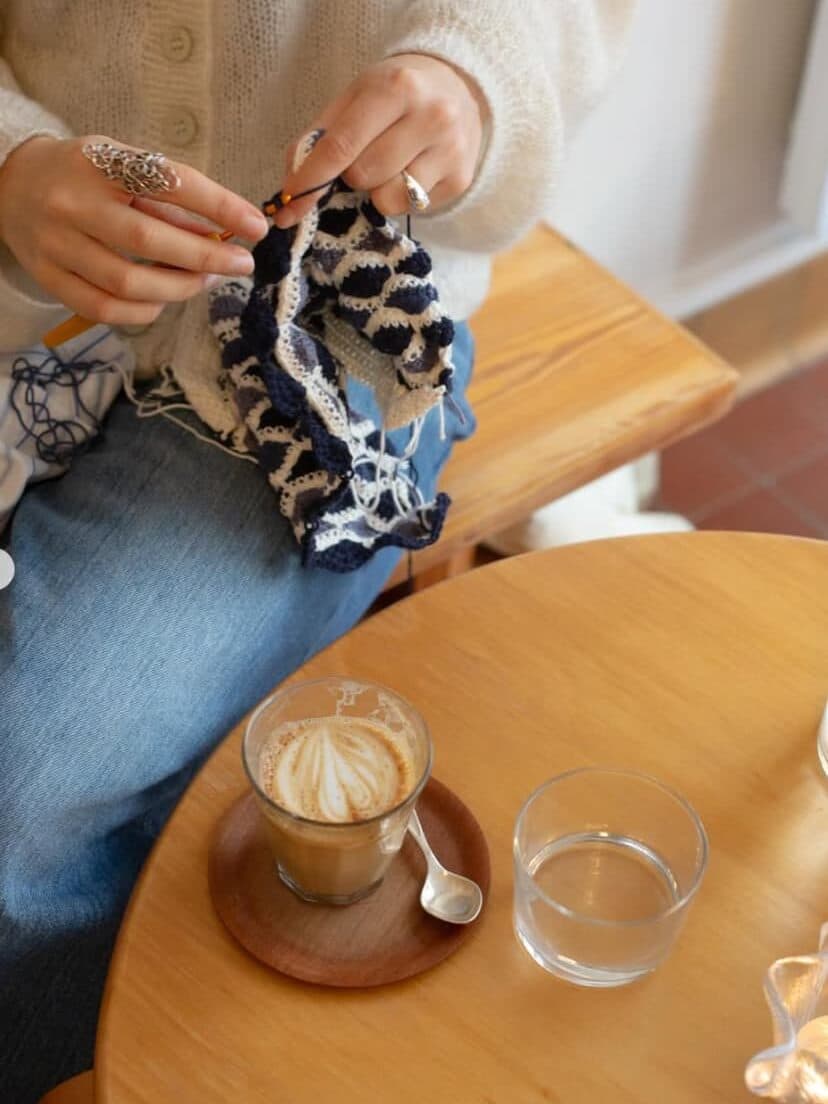
As a barista, how would you define your approach to coffee? At Bonne, is coffee a drink or an experience? Serdar Öztürk: I don’t see coffee as just a beverage—it’s a sensory experience shaped by its origin, processing, and preparation. Every bean carries a story: the land it grows in, the climate, and the people who cultivate and roast it. My approach is to respect that journey and reflect it in the cup as best as possible. At Bonne, coffee isn’t just something you drink; we aim to create a moment through aroma, texture, balance, and presentation. Our goal isn’t just to serve good coffee, but to make people feel the story behind the craft.
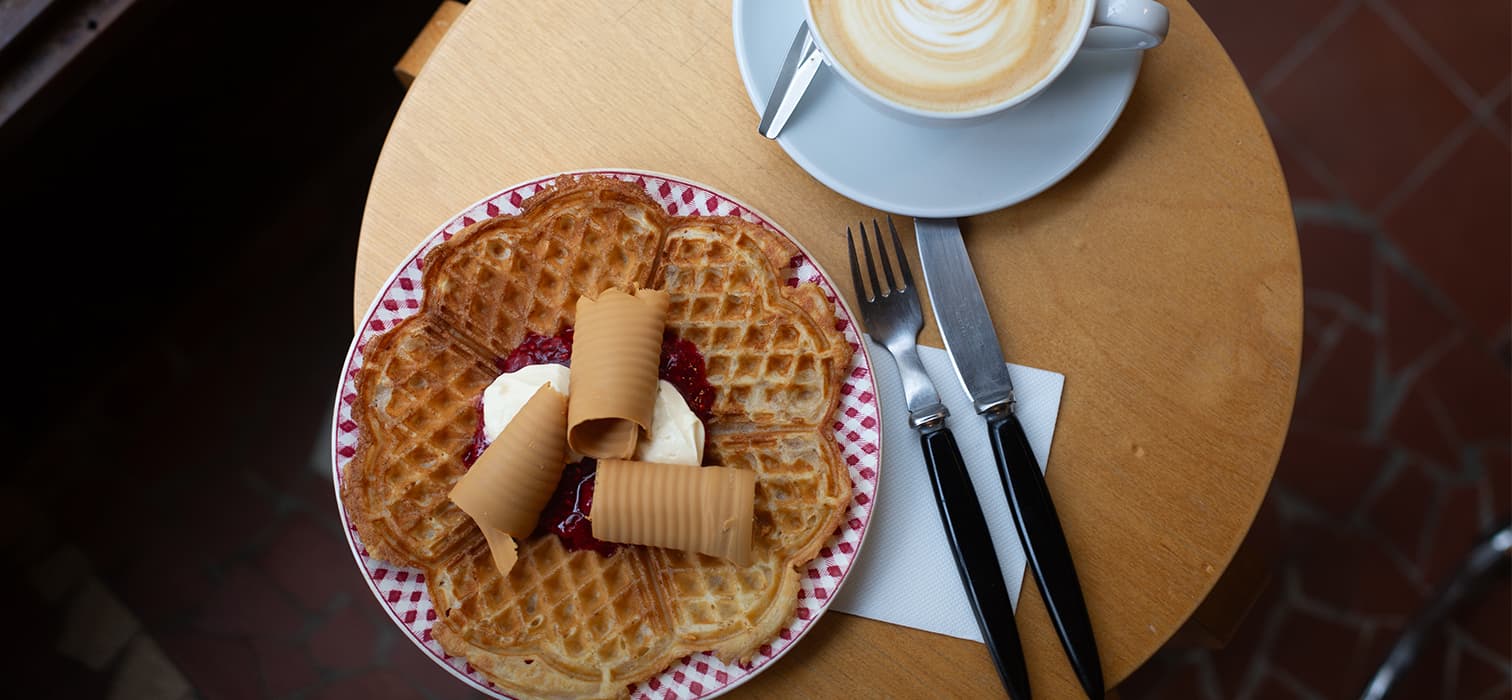
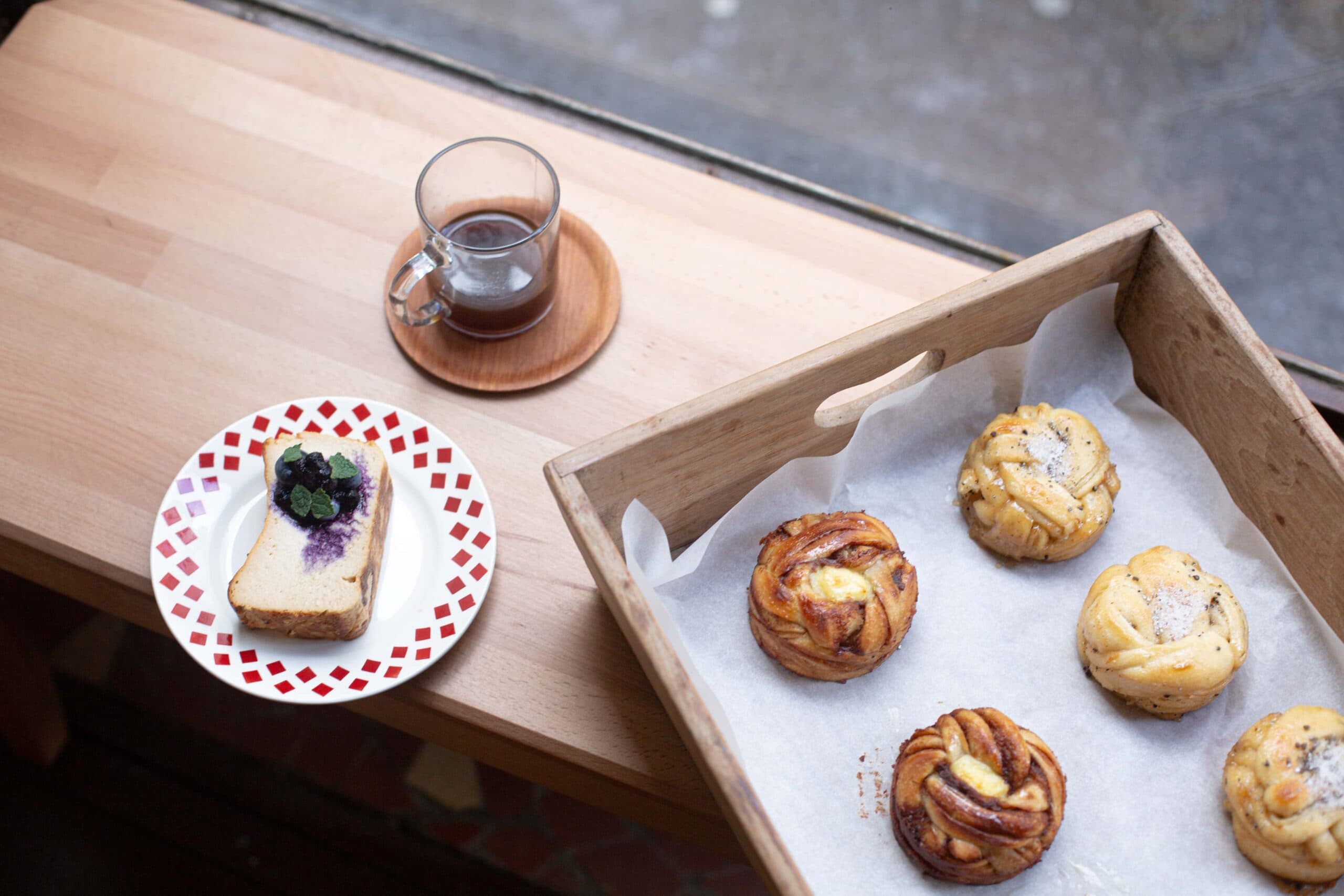
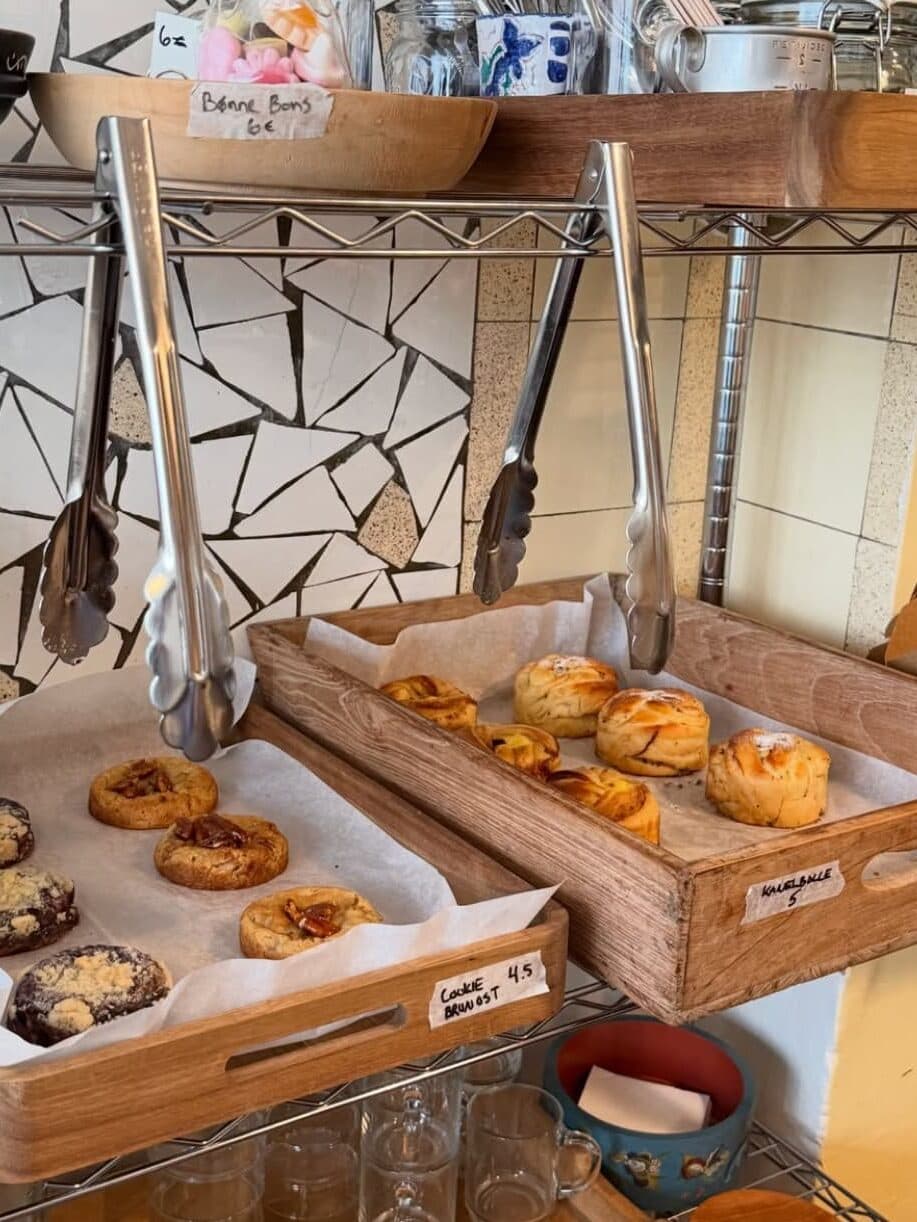
What are your signature offerings? Serdar Öztürk: All our coffees are roasted in Oslo by Supreme Roastworks, specialists in roasting and brewing. We offer a range of fermented coffees, often brewed using the V60 method or with Turkish ceramic brewer Etkin. In the kitchen, our cinnamon and cardamom buns, Norwegian waffles, Norwegian cheese cheesecake, blueberry cookies, and salmon tartine are among our signature dishes.
How often does the menu change? Malin Gimle Labraten: It changes seasonally, but sometimes we update it spontaneously with new ideas even within a season.
Bonne Montmartre
Bonne Montmartre
PRESERVING THE BUTCHER’S TRACE
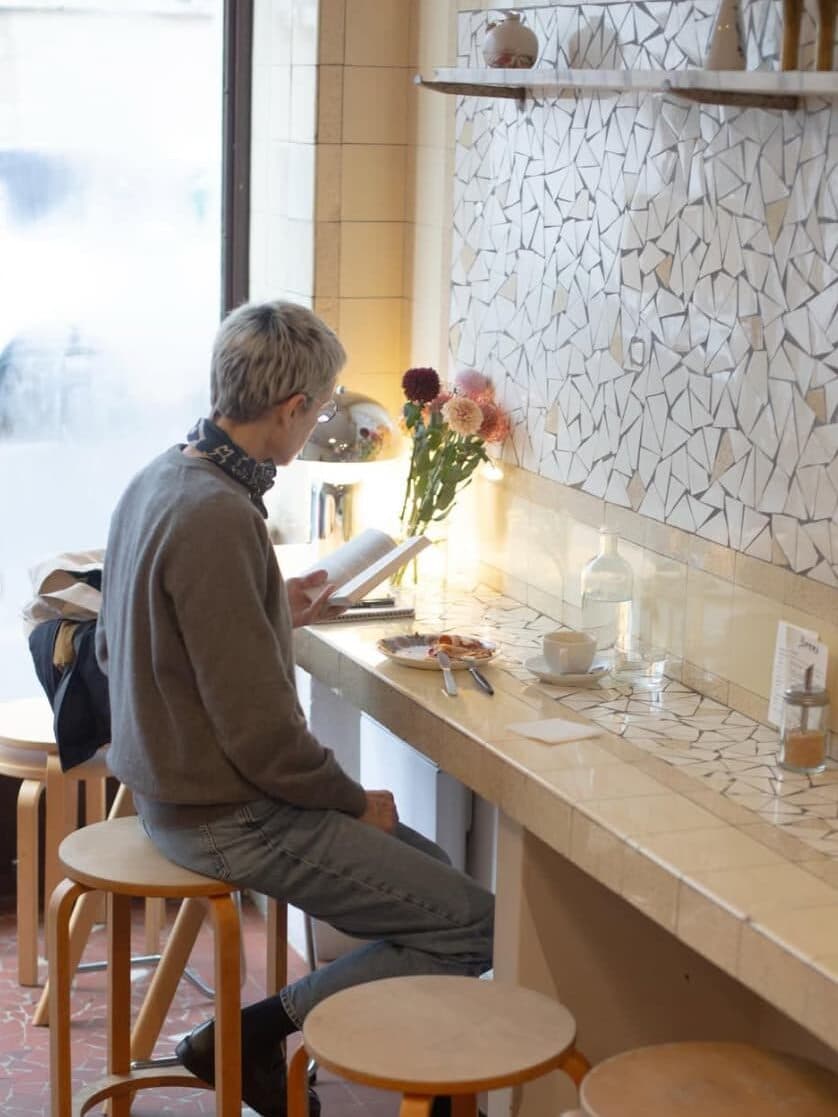
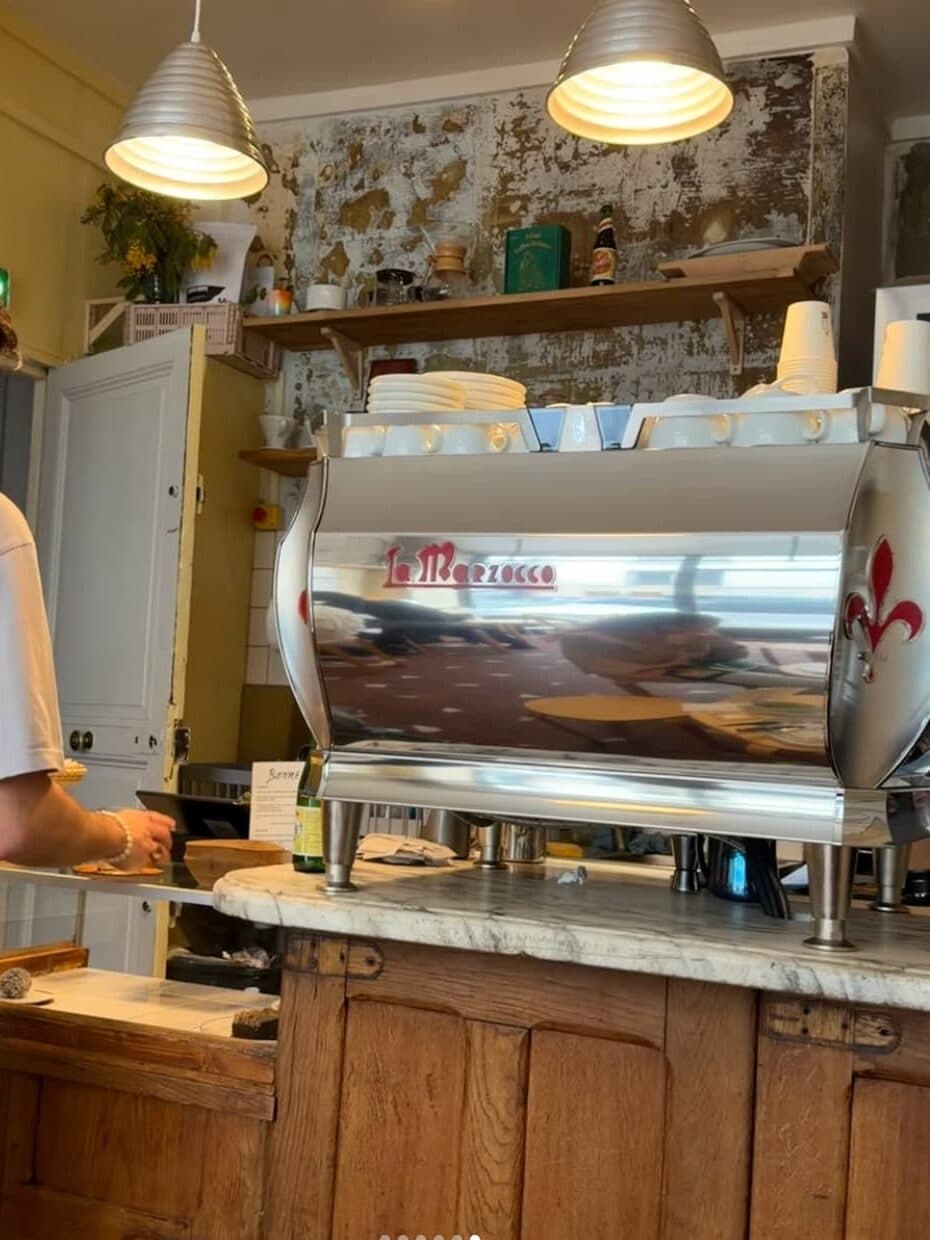
What kind of design language did you want to create for Bonne Montmartre’s interior? Serdar Öztürk: We wanted a warm, intimate, and timeless feel. We respected the history of the space by preserving traces of the old butcher shop, combining them with the simplicity of Scandinavian design. With wooden textures, soft tones, and natural materials, we aimed to create an atmosphere where people feel at home.
What feeling do you want people to experience as soon as they walk in? Malin Gimle Labraten: First and foremost, a sense of relaxation and belonging. We want them to feel they can breathe and step away from the rush of the day. At the same time, we aim to offer a small escape—like a short Scandinavian journey without leaving Montmartre. Weekdays are calmer and more serene, while weekends become more lively and social.
How do you see the recent rise of coffee and “casual dining” culture in Paris? Malin Gimle Labraten: We find it exciting. A new layer has been added to Paris’s strong café and bistro tradition. Interest in specialty coffee is growing, and the city is becoming a global hub in this field. On the casual dining side, people are looking for options that are both high-quality and accessible. This has led to the rise of what we call “fast good” spaces. For us, the most interesting part is the merging of coffee and cuisine—coffee spots are now also experience spaces.
Bonne Montmartre
BETWEEN TWO WORLDS
Where does Bonne Montmartre position itself within this scene? Malin Gimle Labraten: We see ourselves as being between two worlds—yet also as a place that brings them together. We prioritize quality in both coffee and cuisine. Our aim is to offer good food and good coffee in a sincere and accessible way. We’re neither just a third-wave coffee shop nor a classic café—we’re a balanced blend of both.
What is your vision for Bonne’s future? Serdar Öztürk: Rather than growing fast, we want to grow right. Preserving our identity and sincerity is our main goal. We also want to remain a place people feel connected to.
Are there plans for new projects or expansion into other cities? Serdar Öztürk: The idea exists, but we’re cautious for now. Our priority is to strengthen what we have. There may be new projects in the future, but only once we’re sure we can maintain the same level of quality.
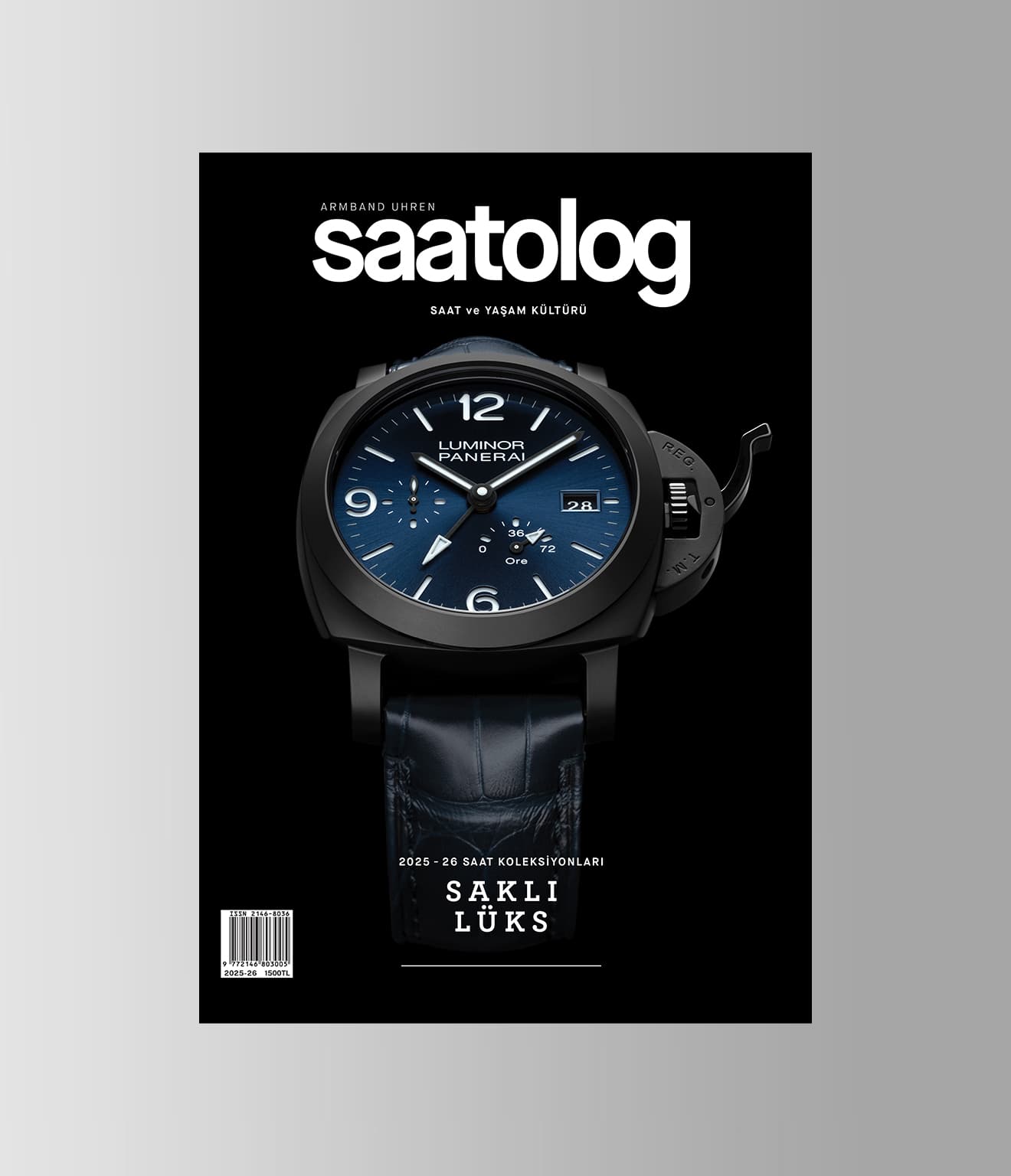
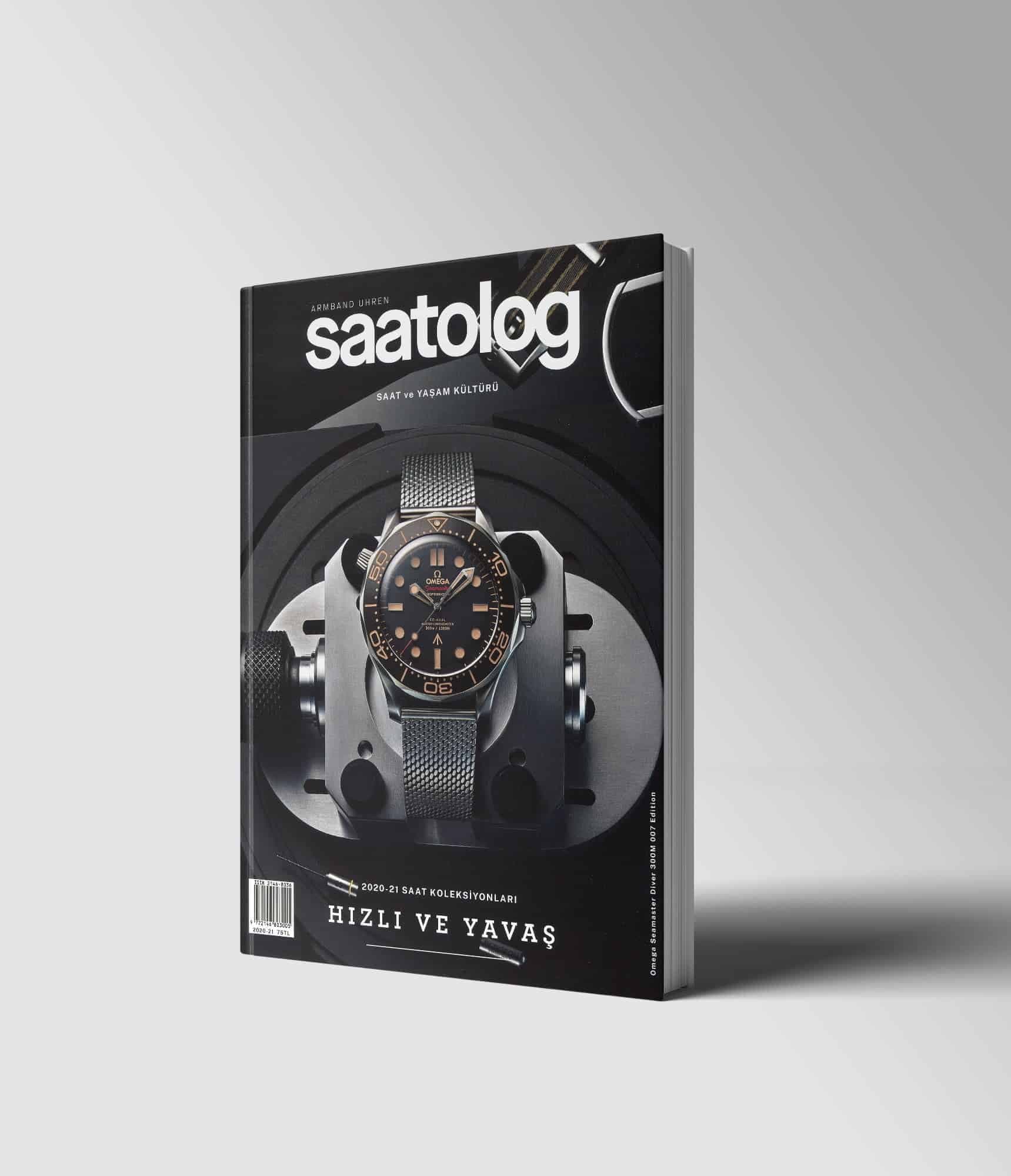
Saatolog Yıllık Saat Dergisi Saatolog’un yeni sayısı, 2020’nin yarattığı bu dönüştürücü etkiden ilham alarak hazırlandı. Dünya dijitalin etkisiyle her zamankinden de hızlı bir şekilde ilerlerken yavaşlamanın da önemini sonunda kavramış bulunuyoruz ve bu tezatlık hayatlarımızın her anına etki ediyor. Biz de bundan yola çıkarak Saatolog 2020/21 sayısını ‘‘hızlı ve yavaş’’ teması altında hazırladık.