From sculptural furniture to rare collectibles, Design Miami Paris 2026 opens its doors from October 21 to 25, bringing art and design into conversation. We explore this year’s most intriguing presentations.
In October, Paris becomes a meeting point not only for the worlds of fashion and art, but also for collectible design. Returning for its fourth edition, Design Miami Paris is set to welcome galleries, designers and collectors into the elegant rooms of Hôtel de Maisons, an 18th-century mansion in the heart of the French capital. Yet this year’s story extends well beyond the exceptional furniture and objects displayed within its historic walls. The increasingly fluid boundaries between art and functional design, a renewed appreciation for 20th-century icons and the growing presence of international galleries in Paris are all shaping the conversation ahead of the fair.
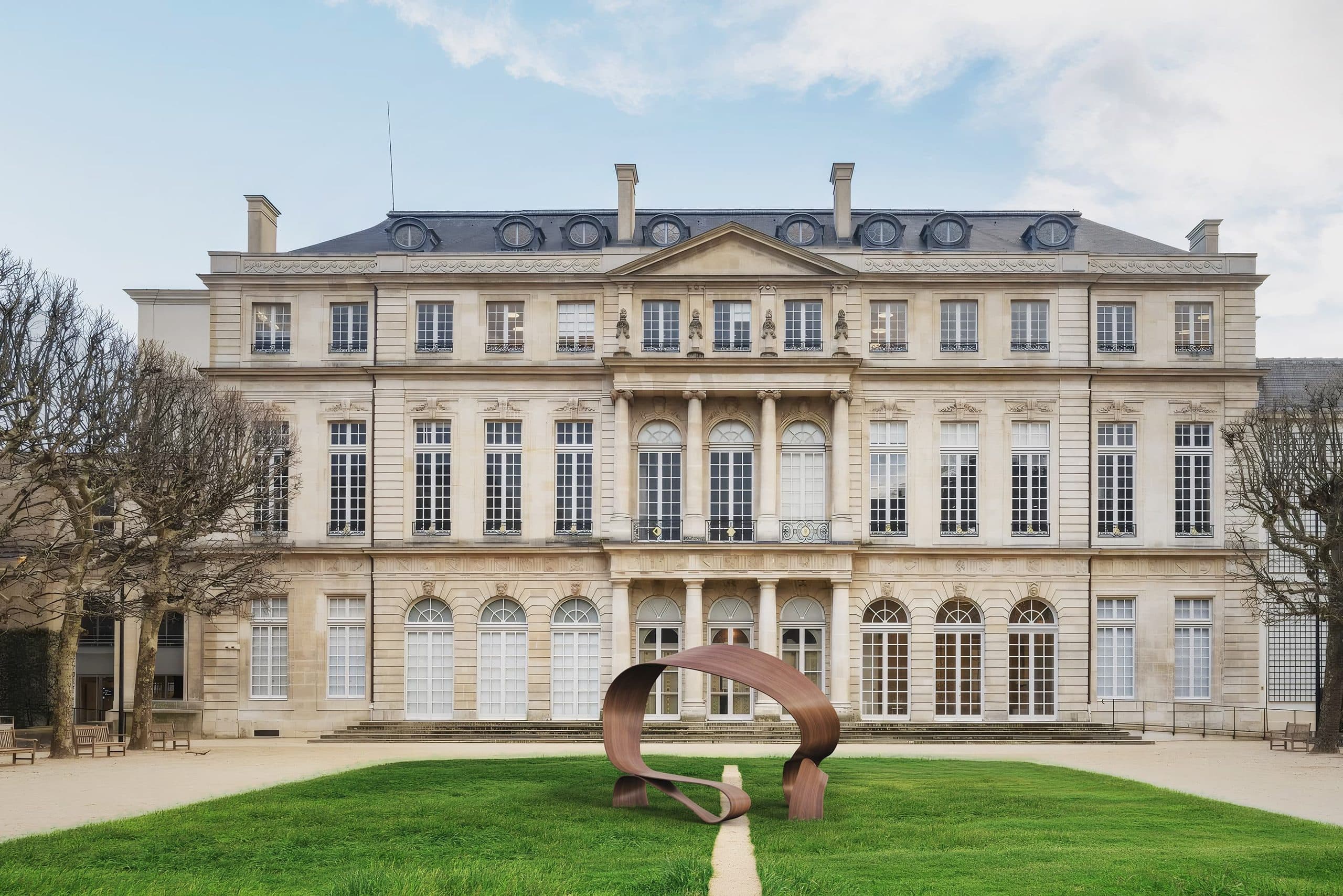
Once home to Karl Lagerfeld, Hôtel de Maisons is as much a part of the experience as the works themselves. With its parquet floors, grand staircases and private garden, the mansion takes collectible design out of the conventional white-cube gallery and places it within a space rich in history and character. Here, furniture is presented not simply as an object to be admired, but as a work of art in dialogue with its architectural surroundings.
The Lalannes Take Centre Stage
One of this year’s anticipated presentations comes from Paris-based Galerie Mitterrand, which returns to the fair with works by François-Xavier and Claude Lalanne. Among the highlights is Singes attentifs, a group of bronze monkey sculptures by François-Xavier Lalanne. Renowned for transforming forms inspired by the natural world into furniture and sculptural objects, Lalanne developed a visual language that remains unmistakably his own.
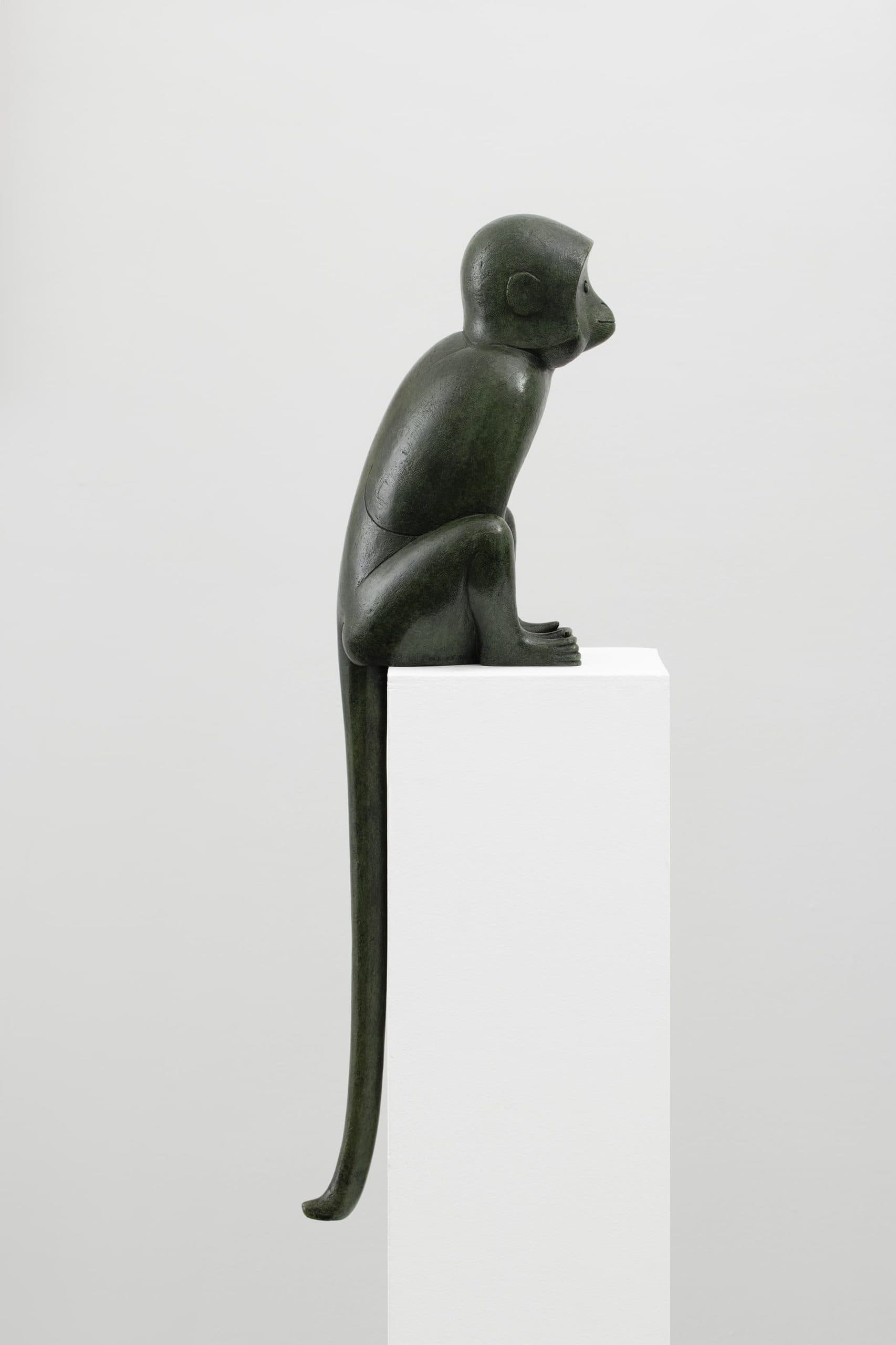
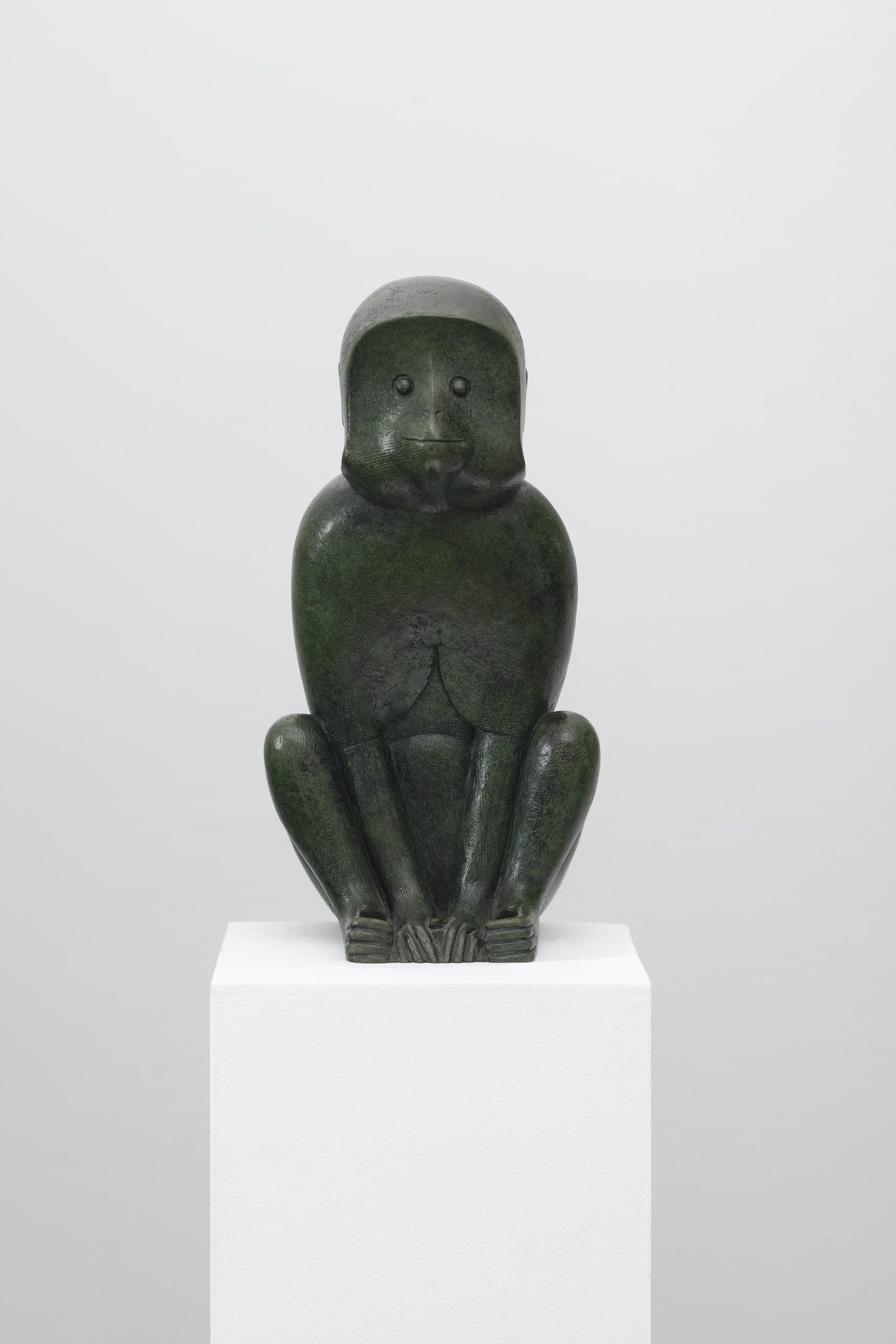
The fair also marks an important moment for Galerie Mitterrand, which is preparing to open a new space at 28 Avenue Matignon on October 20. Its expansion offers a glimpse of a wider development: Design Miami Paris is becoming not only a destination for exceptional objects, but also a catalyst for galleries strengthening their presence in the French capital.
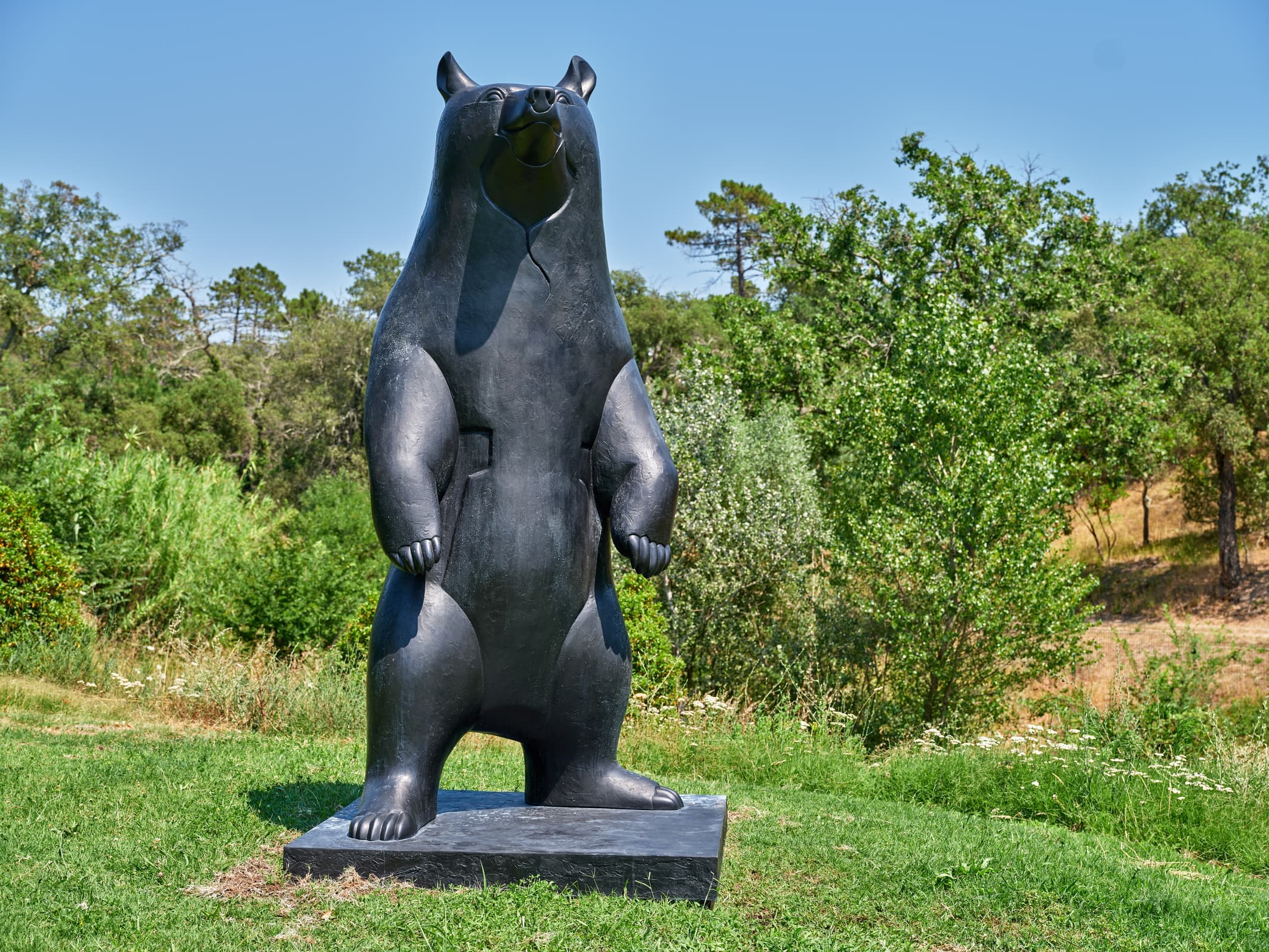
Le très grand ours, 1994-2007 © Jean-Christophe Lett
When Does a Streetlamp Become Art?
Can an ordinary streetlamp, something we barely notice in everyday life, become a collectible design object? London’s JAM collective explores precisely this question with its Lamppost series. Created by Joe Halligan, Dan Waterstone and Adam Willis, the glass lamps were developed at CIRVA, the international research centre for glass and plastic arts in Marseille.
Presented in a preview by Galerie kreo, the series includes pieces reaching approximately 2.4 and 3.4 metres in height. Their appeal lies in the unexpected contrast between the delicacy of blown glass and the familiar industrial language of street lighting. Galerie kreo will also present the series at its space on Rue Dauphine, extending the conversation beyond the fair itself.
Jean Prouvé’s House Takes a Japanese Turn
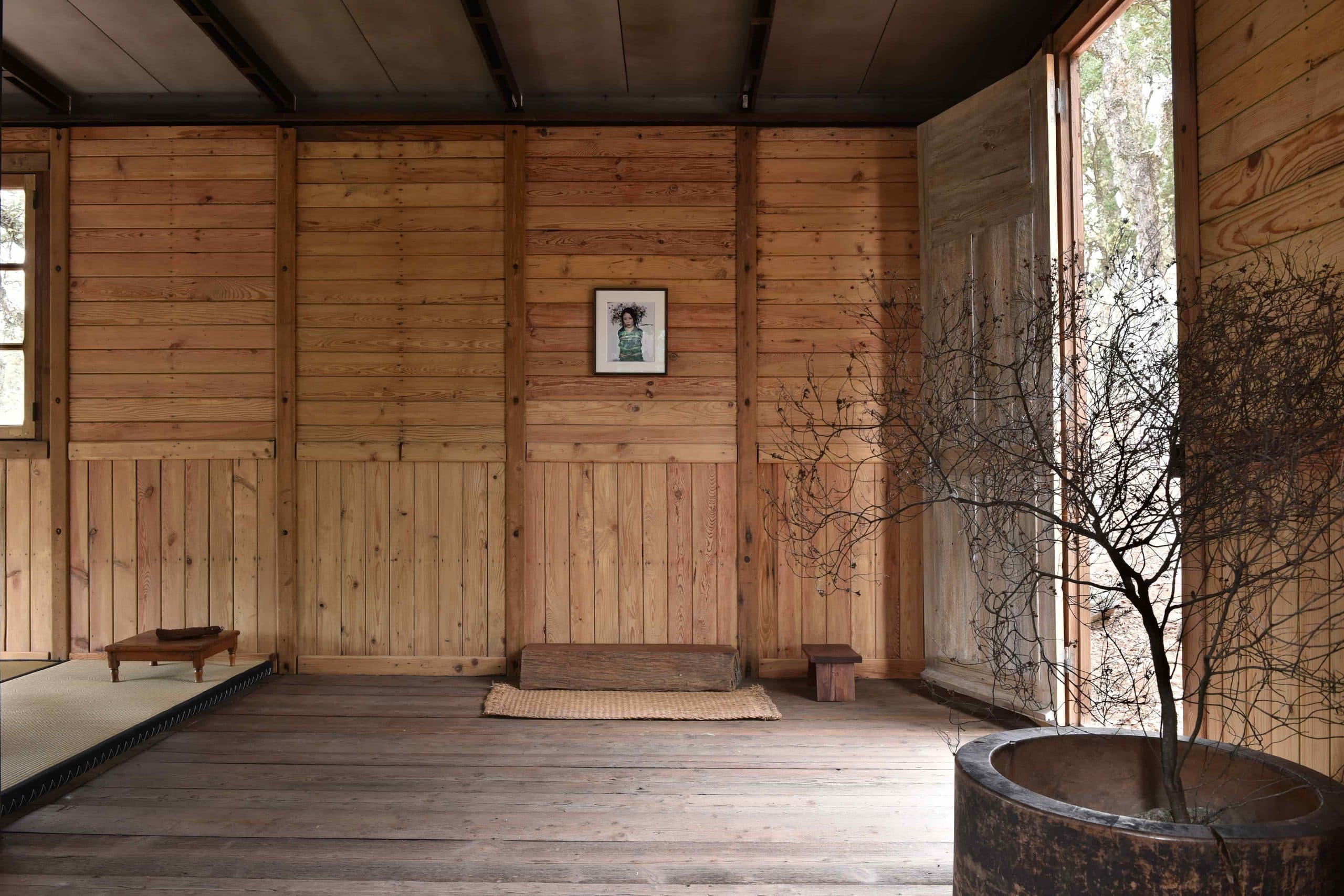
Among the most compelling installations planned for the garden of Design Miami Paris is Jean Prouvé’s Maison Démontable 6×6, designed in 1944. Originally conceived as a response to the urgent need for housing in the aftermath of the Second World War, the prefabricated structure has since become an important example of modern architecture’s exploration of adaptability and industrial production.
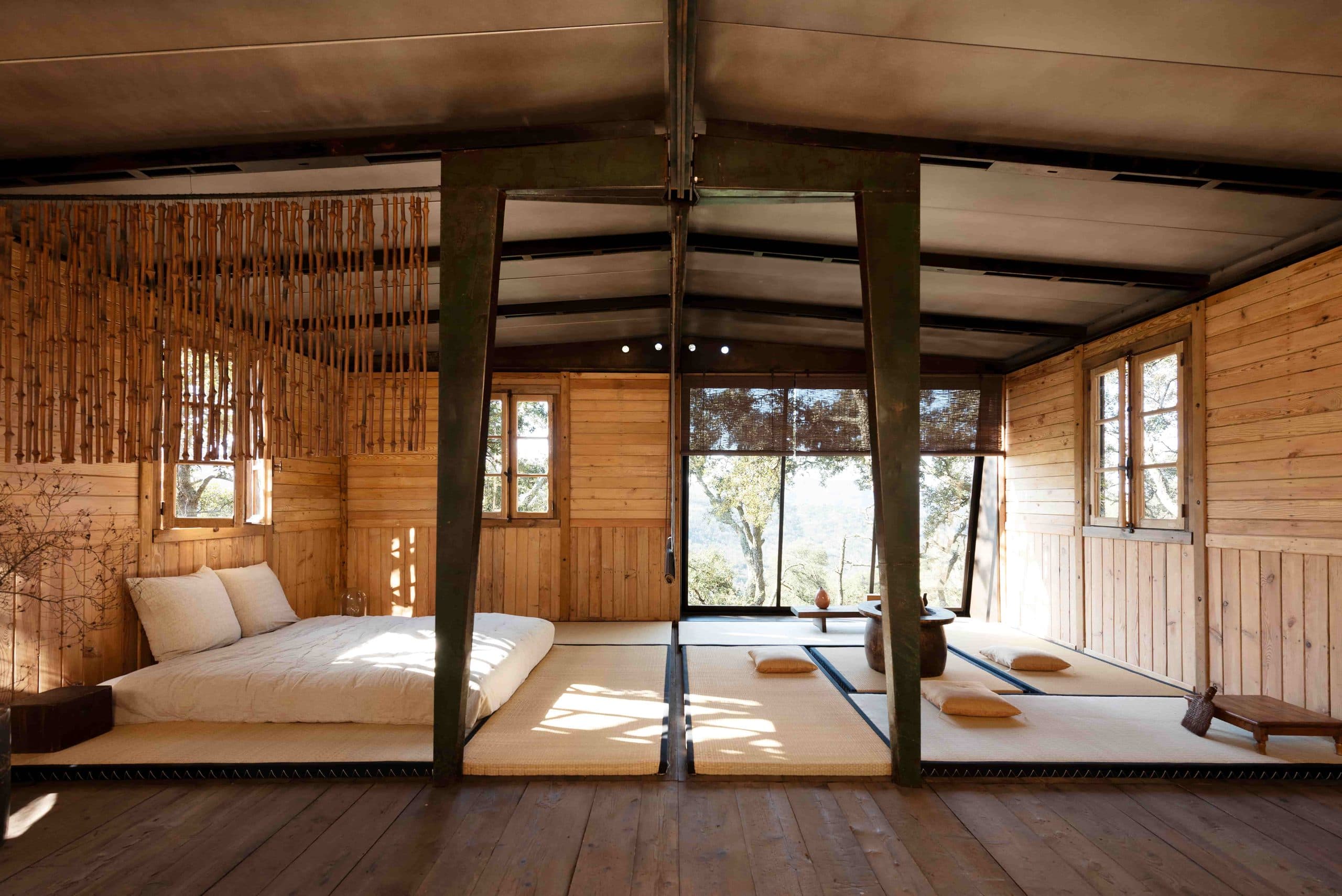
For this year’s fair, Galerie Patrick Seguin will present the house with a Japanese-inspired interior. Furnished with tatami mats and futon beds, the installation will demonstrate how a structure designed more than 80 years ago can accommodate a different approach to domestic life. What makes the presentation particularly interesting is not simply the preservation of a historic design, but its reinterpretation as a contemporary living environment.
A New Perspective on Italian Design
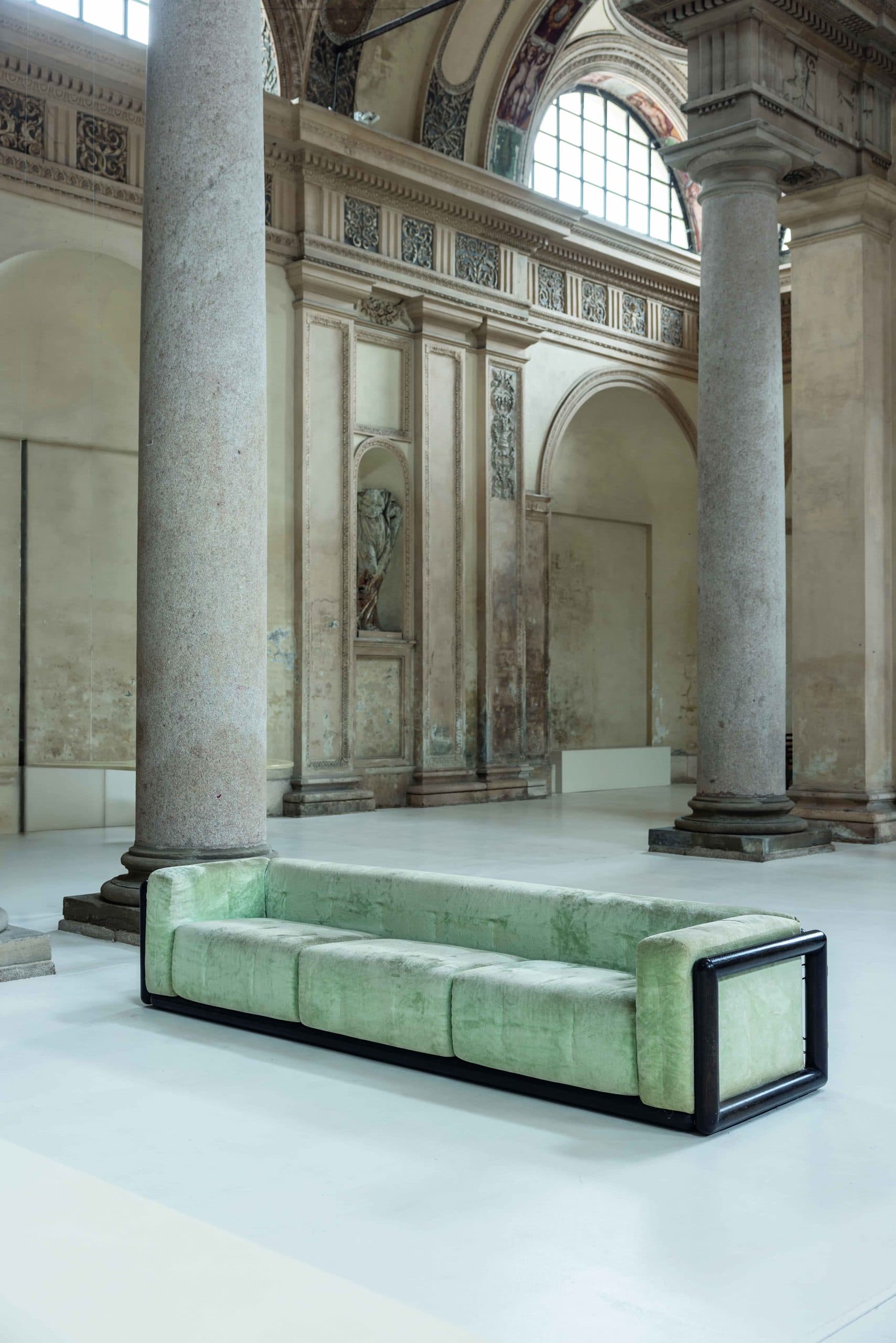
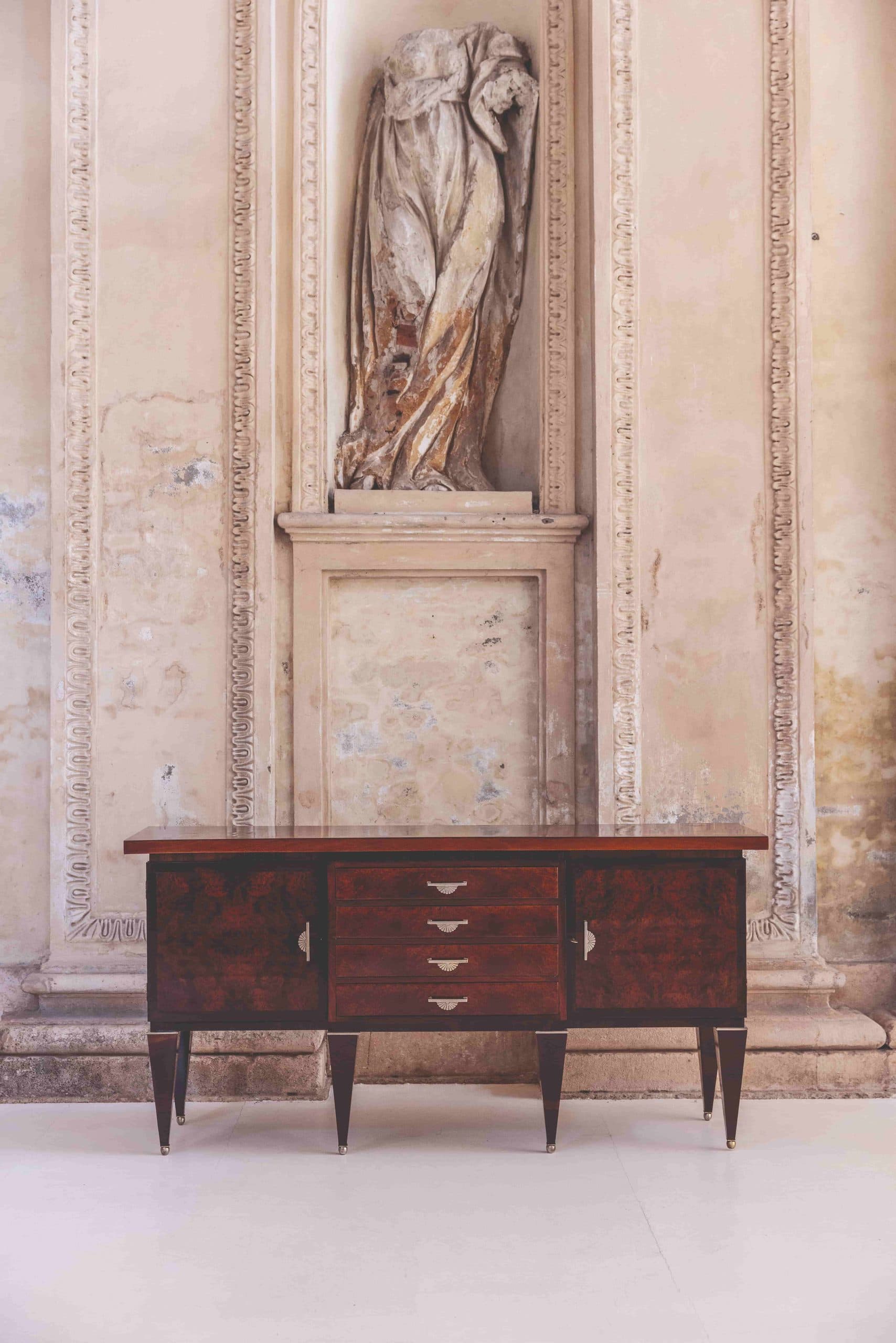
Based in Piacenza, Italy, in a former Renaissance church, Volumnia makes its Design Miami Paris debut this year. Founded by Enrica De Micheli, the gallery brings together significant figures from Italian design history in a presentation titled Common Ground. Highlights include a sideboard designed by Gio Ponti and Emilio Lancia in the 1920s, a wrought-iron lamp by Alessandro Mazzucotelli, and two works by Carlo Scarpa: a mirror dating from 1939 and the Cornaro sofa from 1974.
The centrepiece, however, is Three Little Spirits, a wooden pavilion conceived especially for the fair by architect Michele De Lucchi. Inspired by protective spirits and traditional masks, the sculptural structure has been designed as a distinctive entrance welcoming visitors into the presentation. In bringing together historic Italian design and contemporary architecture, Volumnia offers a dialogue between different generations of creative practice.
Sculptures to Wear
London-based Elisabetta Cipriani Gallery makes its Design Miami Paris debut with an approach that treats jewellery as collectible art. Founded in 2009, the gallery is known for collaborating with contemporary artists to create sculptural works intended to be worn on the body.
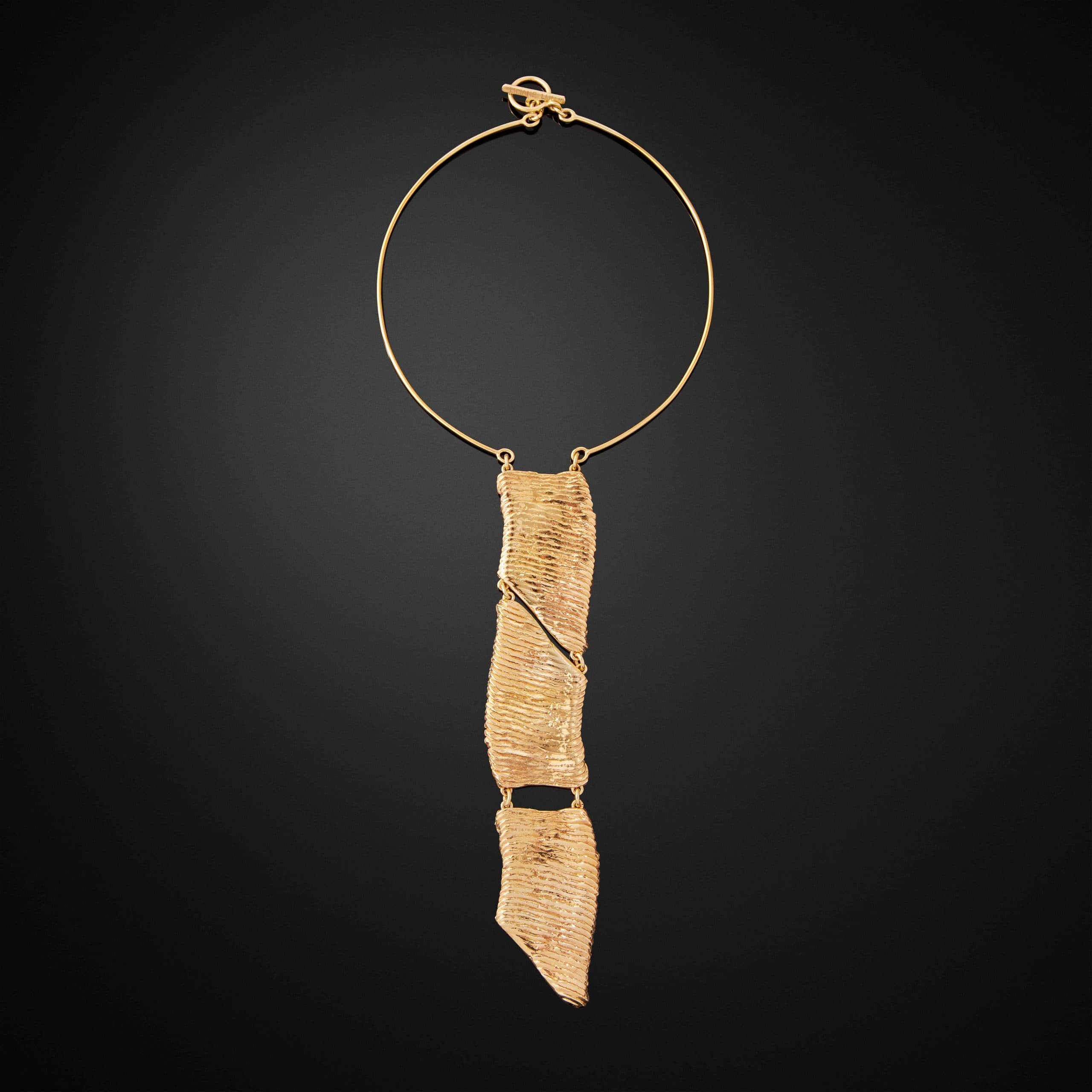
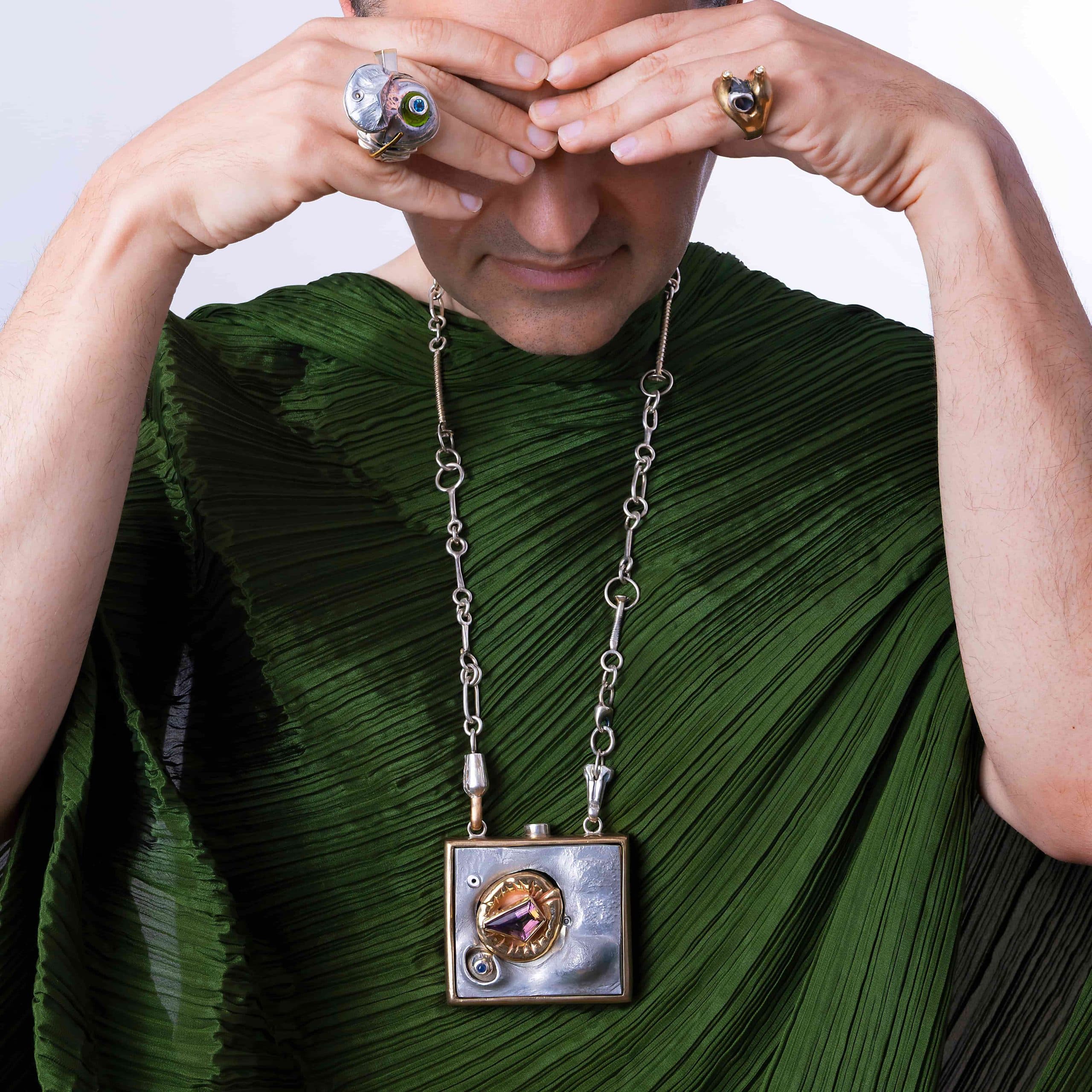
Among the artists represented in this year’s selection is French artist Faust Cardinali, who challenges traditional notions of jewellery by combining precious metals with unconventional materials. British-American artist Liliane Lijn draws inspiration from geological formations, creating sculptural pieces that evoke the raw textures of the natural world. Simone Fattal, meanwhile, has translated her Guardians sculptures into miniature bronze jewellery. Her Lady B and Lady M pieces can stand independently as small sculptures when they are not being worn. Developed over five years, these works offer a compelling example of how the boundaries between jewellery and sculpture can disappear.


The Return of Scandinavian Design
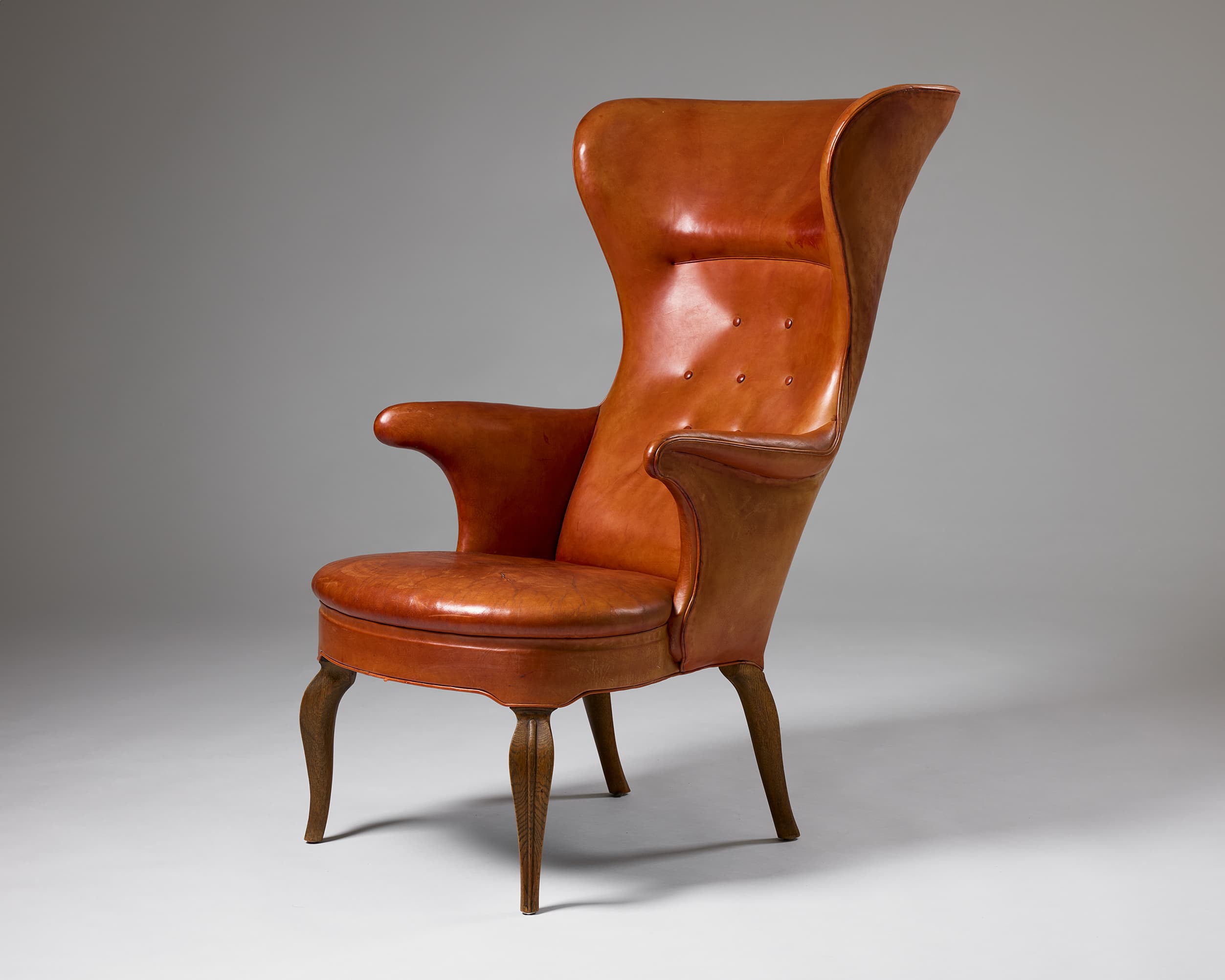
Swedish gallery Modernity makes its first appearance at Design Miami Paris with a carefully curated room dedicated to historic Scandinavian design. Founded by Andrew Duncanson, the gallery will place a monumental carpet, approximately 6.7 metres long, at the centre of its presentation. Created in the 1950s by Margareta Sundbon Eichenholz for a private villa, the piece is particularly noteworthy given that the designer worked exclusively on private commissions.
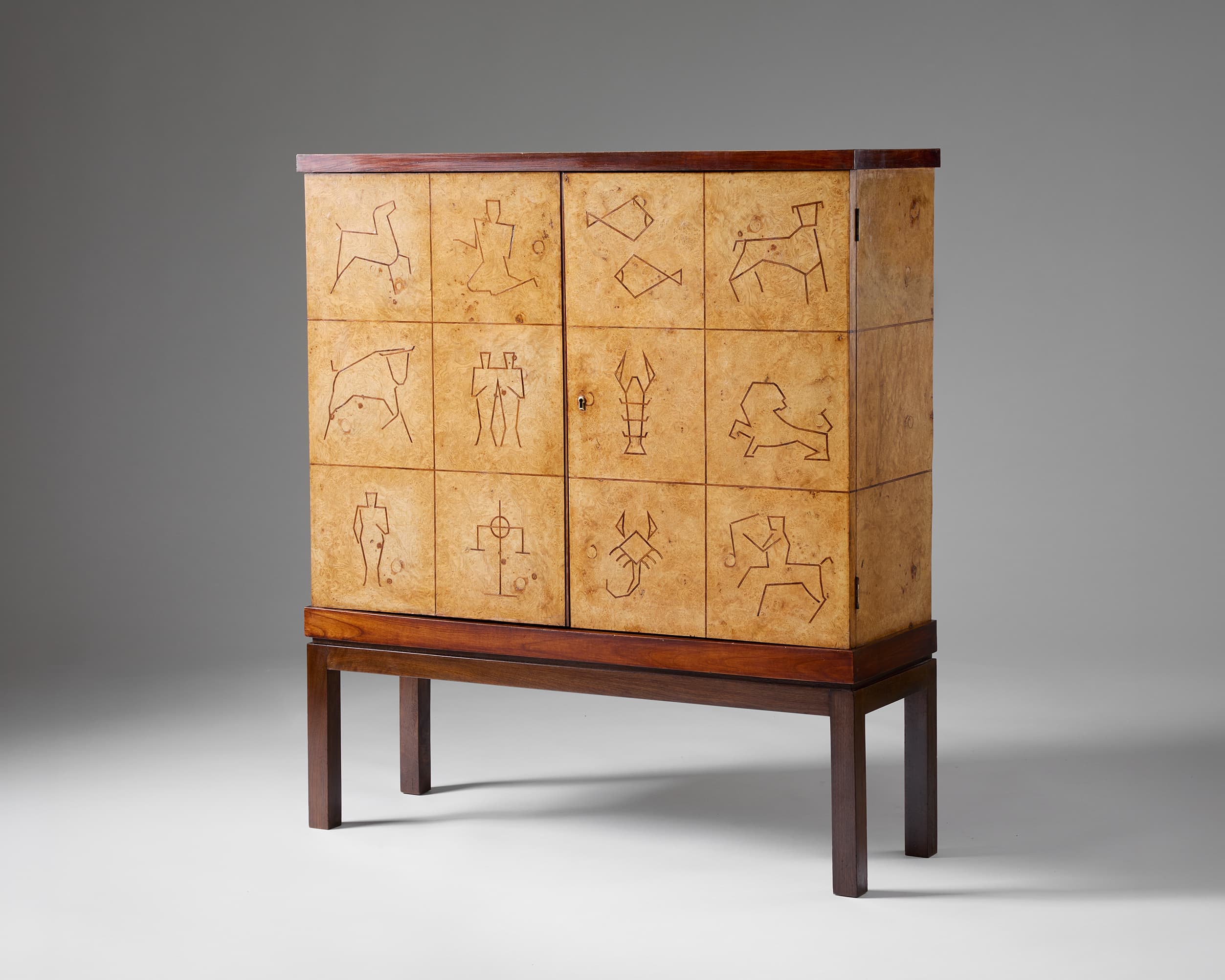
The selection also includes a rare 1927 floor lamp by Poul Henningsen and his Akademi chandelier, featuring three layers of opal glass. Modernity’s debut brings renewed attention to Scandinavian design, which has occupied a less prominent position at the fair in recent years.
Modern Art, Woven into History
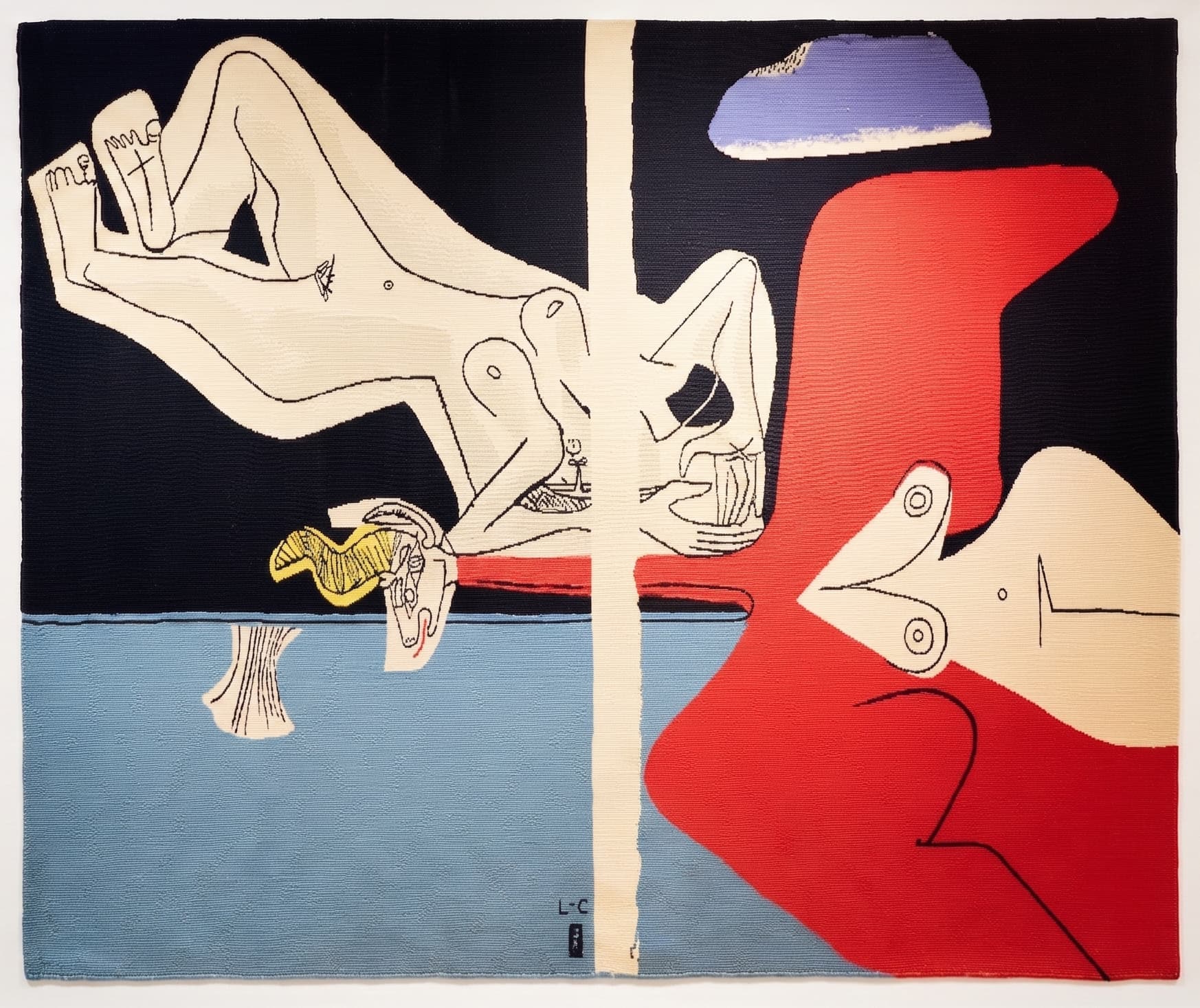
Boccara Gallery returns to Design Miami Paris with a presentation that brings major figures of modern art into the world of textiles. Led by Didier Marien, the gallery specialises in tapestries produced from designs by some of the 20th century’s most influential artists.
This year’s highlights include Alexander Calder’s Boomerang, a wool tapestry dating from the 1970s, works by Sonia Delaunay exploring colour and geometric form, and pieces by Brassaï and André Borderie woven at the celebrated workshop of Yvette Cauquil-Prince. The gallery is also preparing to present Le Corbusier’s rare tapestry La Licorne passe sur la mer as part of the Design at Large programme. Together, these works reveal how the visual language of modern painting and sculpture can find a new expression through the craftsmanship of traditional French tapestry-making.
Radical Design Takes Over the Garage
One of the fair’s most unexpected spaces will be the garage of Hôtel de Maisons. Making its debut, Pulp plans to transform the area into a vivid orange cube, creating a deliberate contrast with the mansion’s historic interiors.
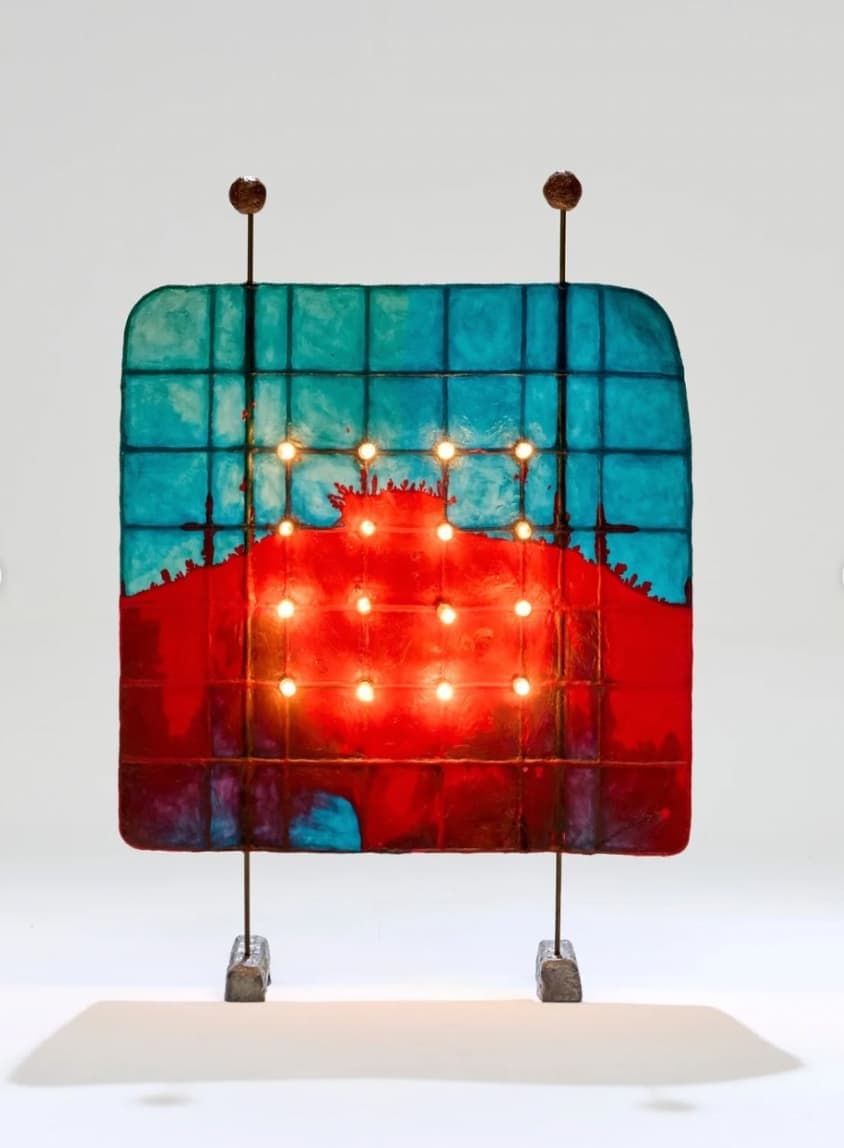
The gallery’s presentation will feature works by the German design group Pentagon and Gaetano Pesce. Focusing particularly on the experimental, sculptural design of the 1980s, Pulp celebrates a period when designers challenged convention and allowed form to take precedence over function. Its 27-year-old co-founder, Paul-Louis Betto, has noted that a significant proportion of the gallery’s clients come from the fashion industry. The connection reflects the growing appeal of experimental furniture among fashion collectors and the wider creative community.
A Conversation Around Design
Visitors arriving at the fair will encounter Circle of Trust, an installation by Studio Mameluca making its Paris debut. Presented by Sorgin Gallery, the work consists of orange chairs arranged in a circle.
What distinguishes the installation is its invitation to participate. Rather than simply observing the work, visitors are encouraged to sit down and engage with one another. Furniture becomes a setting for collective experience without losing its original function. As individual chairs come together to form a sculptural whole, Circle of Trust offers a playful exploration of the evolving relationship between utility, art and social interaction.
Why Paris Matters More Than Ever
Beyond the objects on display, this year’s Design Miami Paris is also drawing attention to the growing investment international galleries are making in the city. Alongside Galerie Mitterrand’s new address on Avenue Matignon, New York-based Salon 94 Design is preparing to open a space at 30 Galerie de Montpensier, near the Palais-Royal.
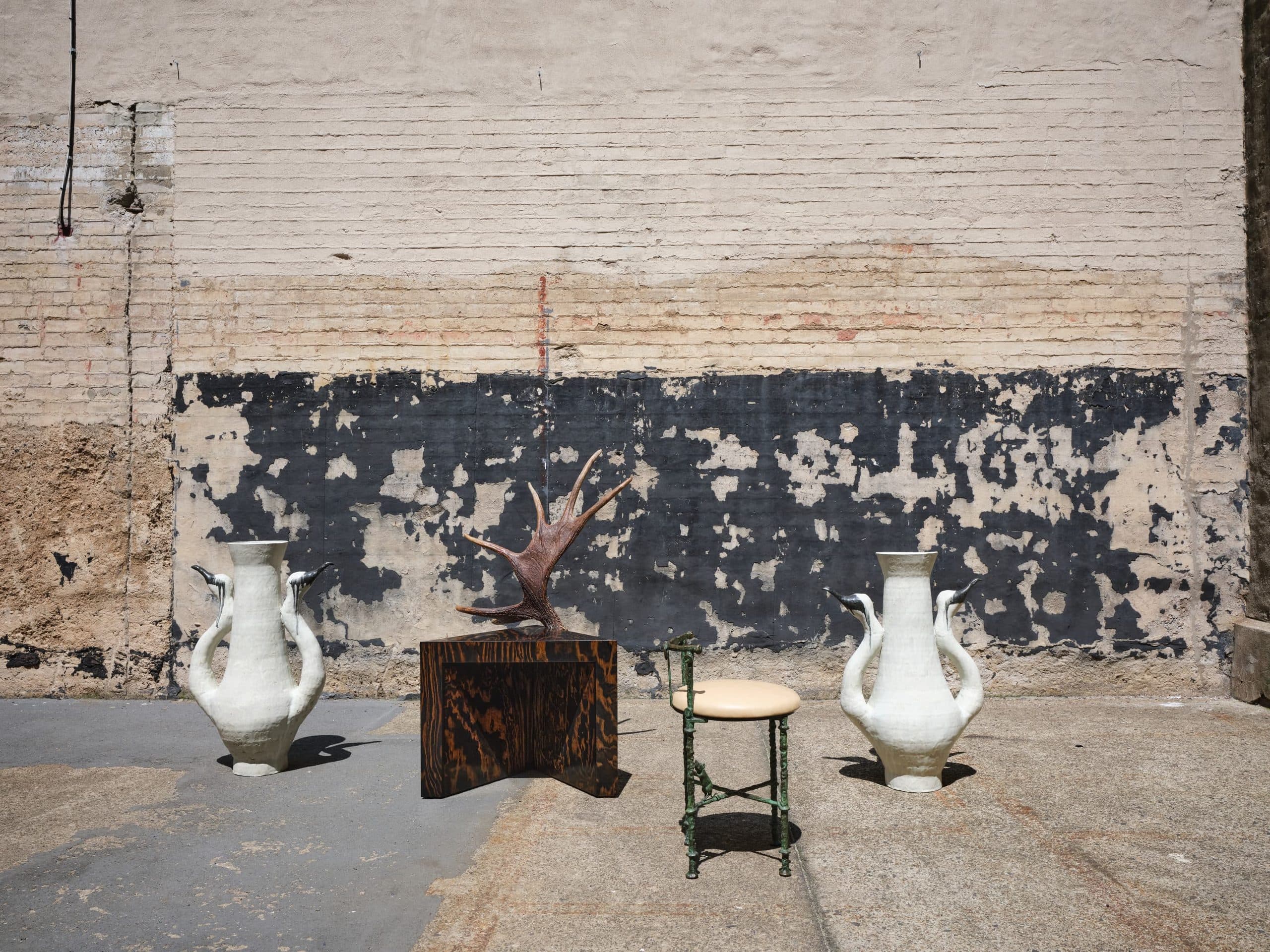
Founded by Jeanne Greenberg Rohatyn, Salon 94 Design’s move into Paris is another indication of the city’s appeal to the international collectible design market. For leading galleries, the French capital is increasingly more than an annual fair destination; it is becoming a place in which to establish a lasting presence.
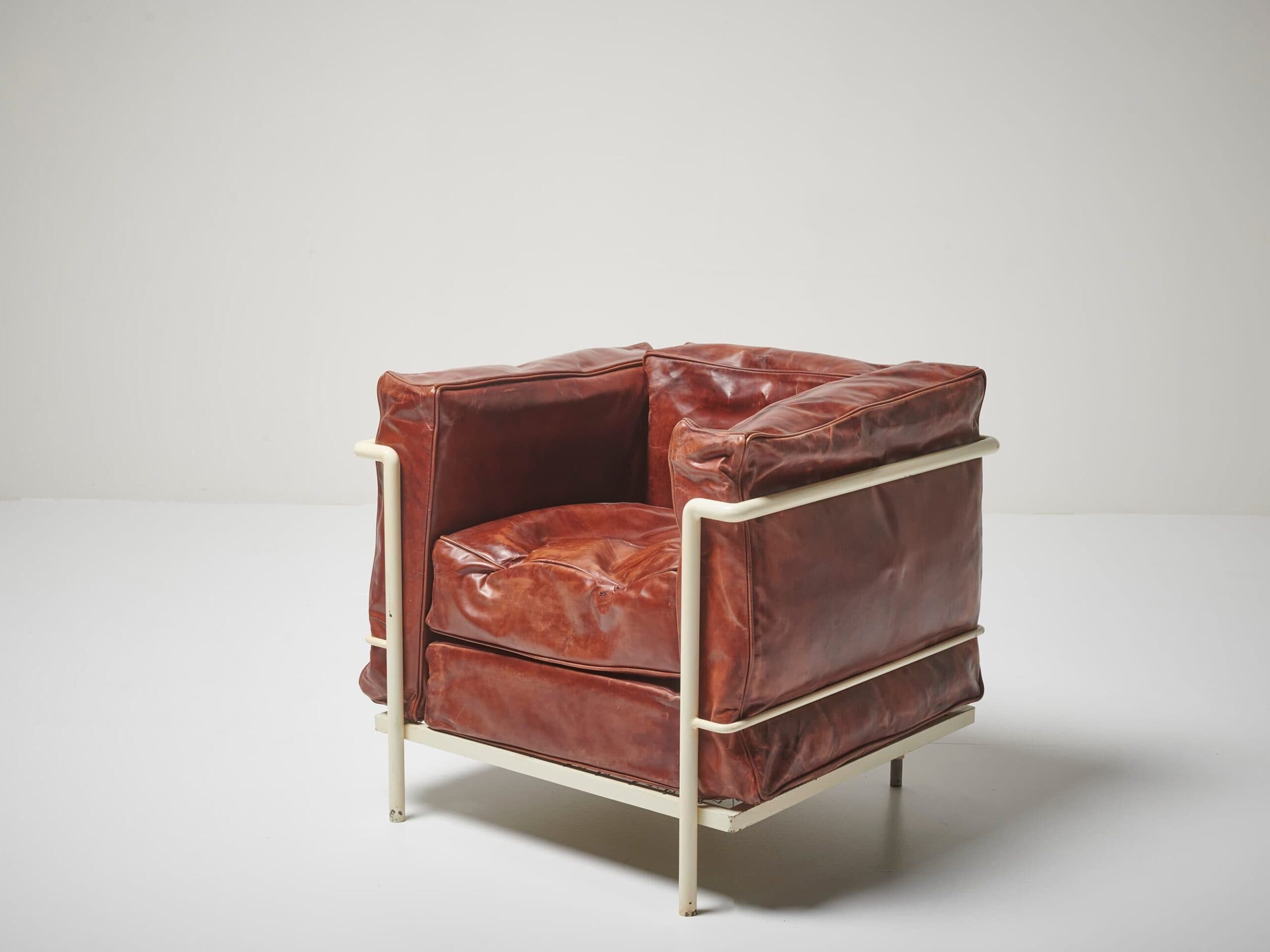
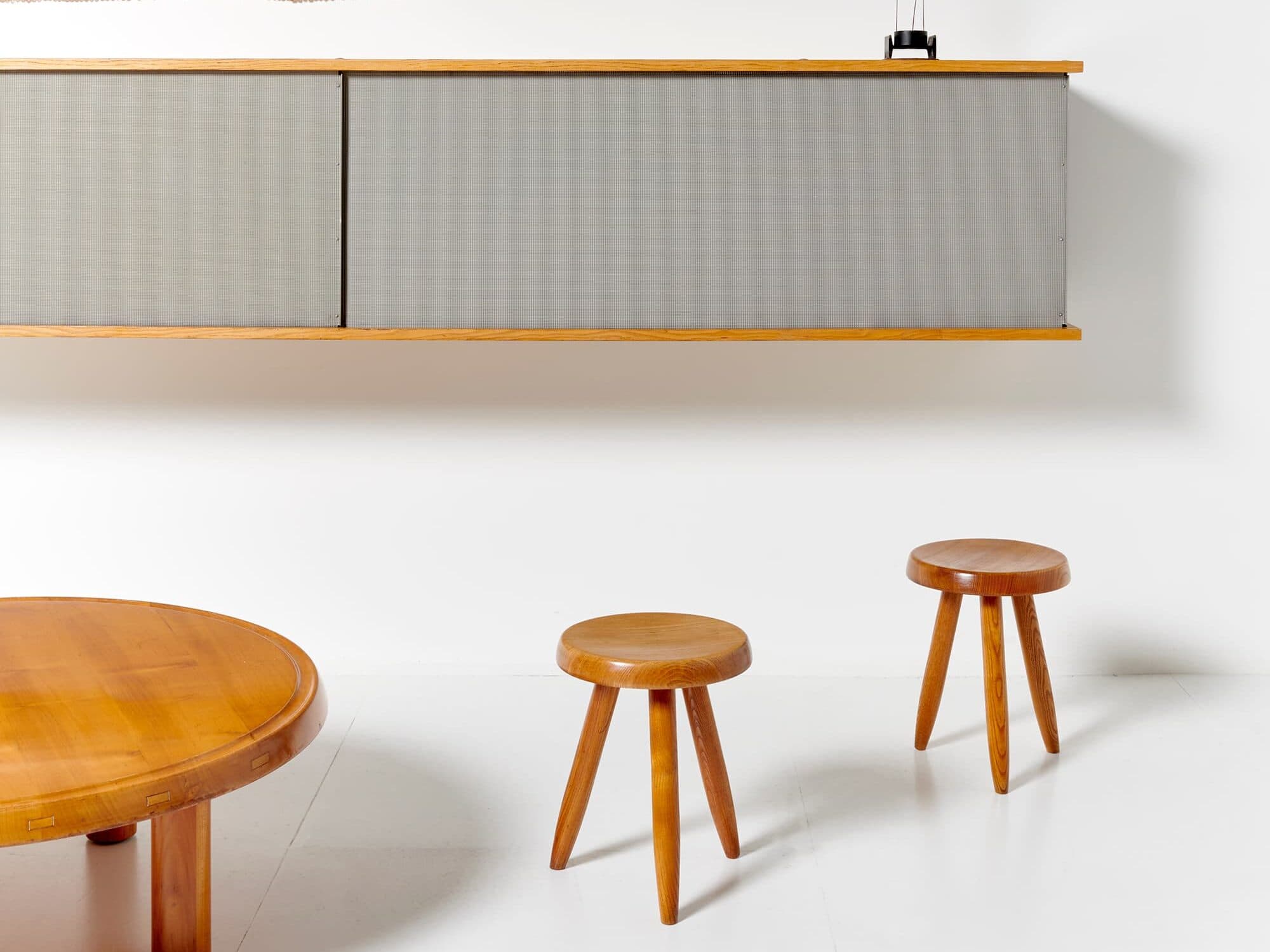
Another defining feature of this year’s edition is the breadth of design history represented under one roof. Galerie Downtown, founded by François Laffanour, will present works from the 1950s alongside American Shaker furniture, while Rossella Colombari’s selection includes important figures of Italian design such as Angelo Lelli and Ico Parisi. Historic furniture and traditional craftsmanship therefore retain a strong presence alongside contemporary experimental work.
A Surprise in the Garden
The garden of Hôtel de Maisons will also provide a setting for some of the fair’s most intriguing installations. Galerie Gastou is preparing to present Irene Cattaneo’s L’Axe central: Effi Briest as part of the Design at Large programme. The work comes from Il Giardino Segreto, an immersive exhibition project shown during the Venice Biennale in May 2026.
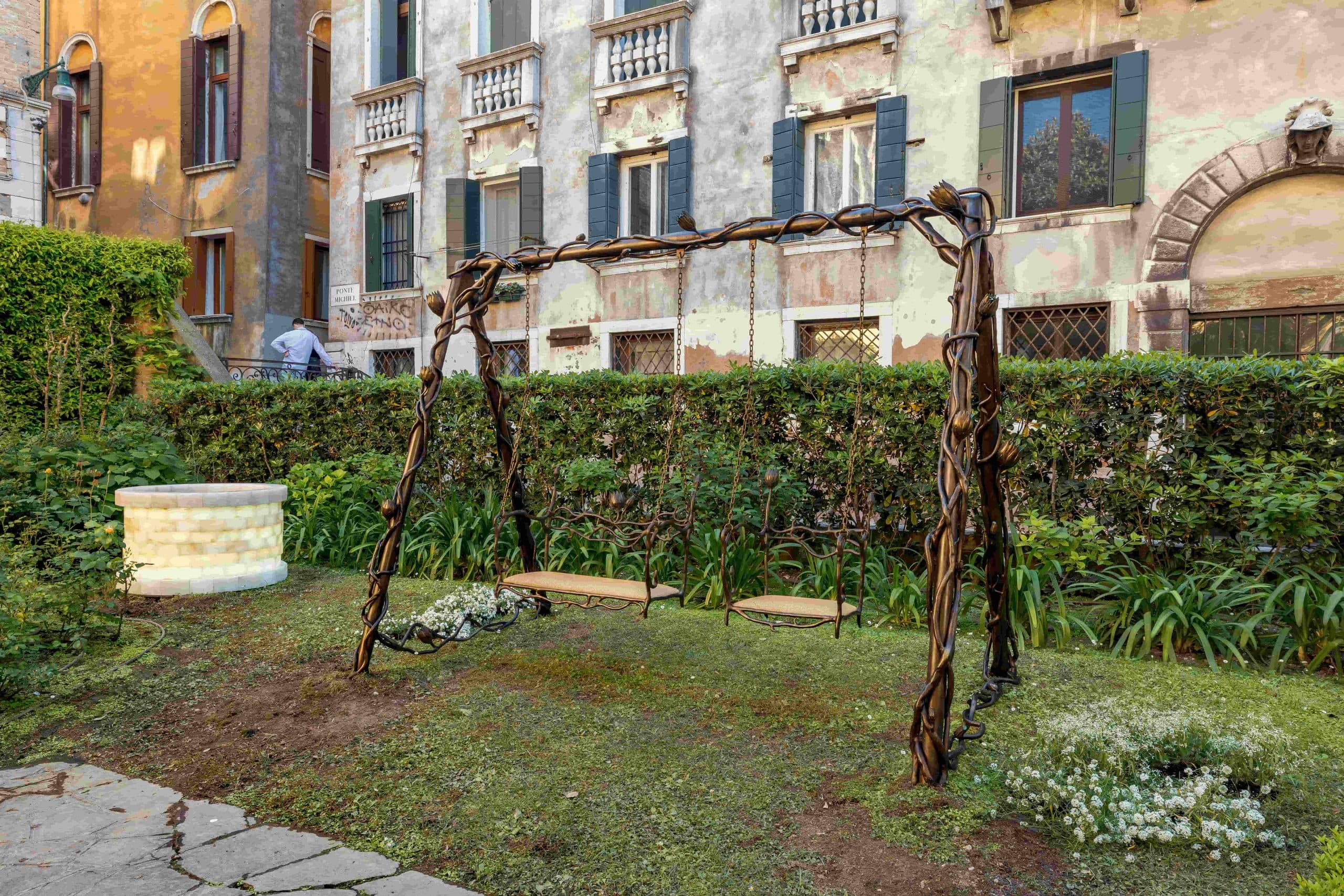
Extending beyond the mansion’s historic interiors, the installation promises to explore the relationship between design, architecture and the open air, adding another dimension to the fair’s presentation of collectible objects.
Looking ahead to Design Miami Paris 2026, three themes emerge from the programme: the reinterpretation of historic design in contemporary settings, the increasingly blurred distinction between furniture and sculpture, and the expansion of collectible design into fields ranging from jewellery to architecture. Which works will ultimately capture the greatest attention among collectors remains to be seen when the private previews begin on October 20.
Salone del Mobile Milano 2026: A Stage Where Memory Takes the Lead