Music has never been more accessible. But how much time do we actually spend listening? From Tokyo to London and beyond, the renewed fascination with listening bars is bringing music out of the background and into the spotlight.
When Pink Floyd’s The Dark Side of the Moon arrived in record shops in March 1973, it marked the beginning of one of music history’s greatest success stories. The album quickly reached hundreds of thousands of listeners, though few could have imagined that it would eventually sell approximately 45 million copies worldwide and become a cultural phenomenon. Back then, buying a new album was an experience in itself: placing the record on a turntable, studying the artwork and listening to every track from beginning to end.
By the 1990s, music lovers were making pilgrimages to cassette shops, compiling mixtapes of their favourite songs and queuing outside record stores for the latest releases. Lyrics were memorised, albums were played on repeat, and discovering new music was something to savour.
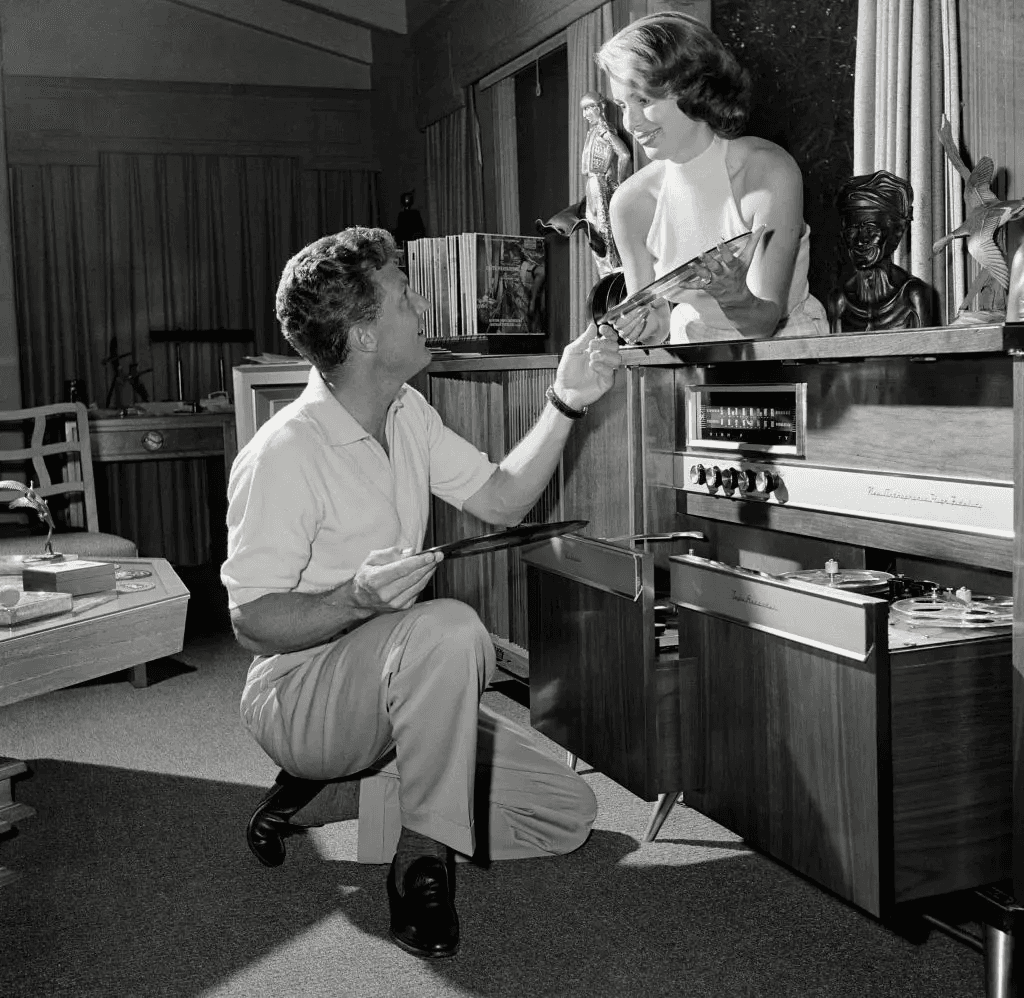
Today, the popularity of Instagram accounts dedicated to vinyl collections, rare pressings, musical discoveries and the rituals of listening reveals just how enduring that culture remains. What was once a passion shared in record shops, living rooms and gatherings among friends has found a new expression in the digital world. The rituals of discovering and listening to music may have changed, but the excitement has never quite disappeared.
And yet, there is a certain irony to it all. While devoted music enthusiasts have become increasingly visible, our everyday listening habits often tell a different story. Think about it: how often do you skip to the next song before the previous one has finished? When was the last time you set aside the time to listen to an entire album? With millions of songs in our pockets, how many do we really listen to?
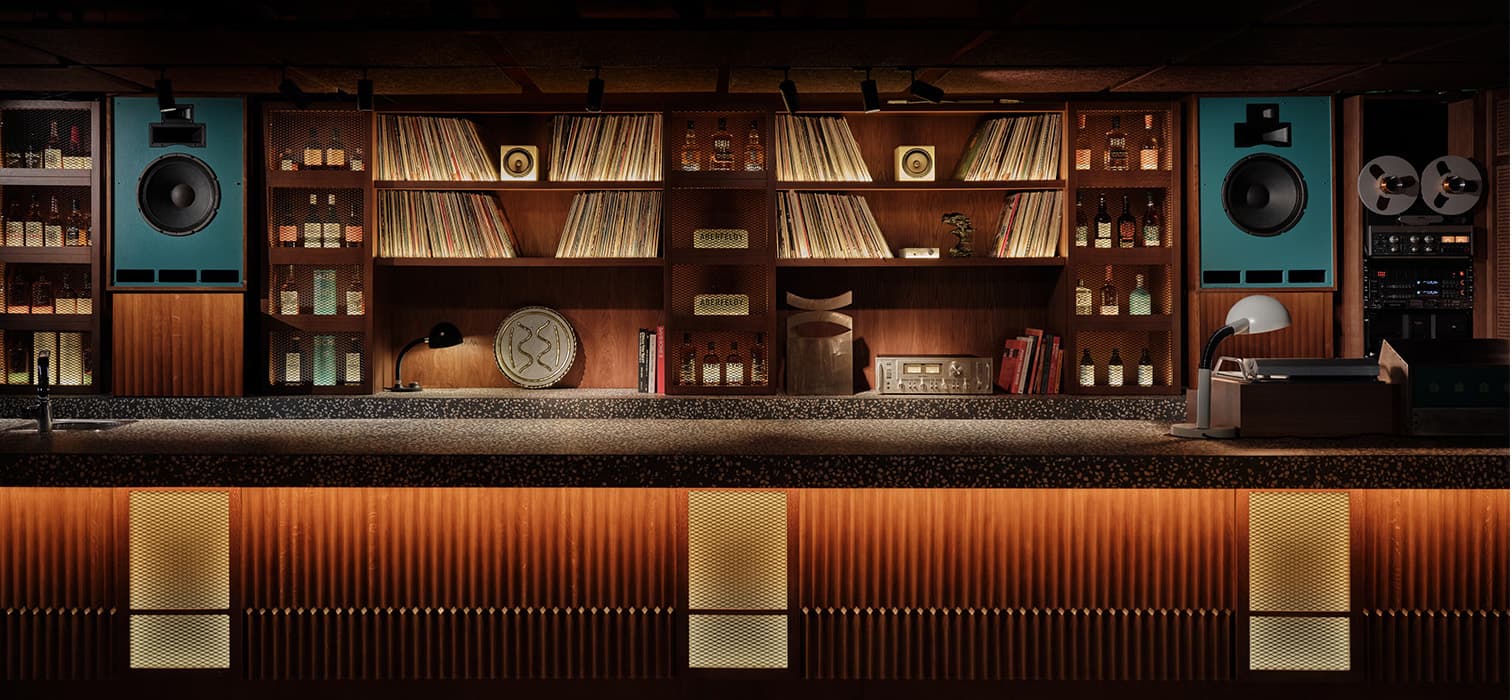
There was a time when we counted down the days until we could get our hands on a new record, cassette or CD. Now, music from almost anywhere in the world is available at the touch of a button. But in gaining such effortless access, have we lost some of the attention we once devoted to it? That is precisely the question at the heart of the listening bars appearing in cities around the world. And perhaps it is a question worth asking. In these spaces, music is not an incidental soundtrack to conversation; it takes centre stage. Some have walls lined with vinyl records, while others feature towering speakers carefully positioned for an immersive listening experience. In certain establishments, conversation is discouraged altogether. Behind the decks, DJs do more than string together tracks; they curate their selections with meticulous attention. Ultimately, the idea is not simply to rediscover the pleasure of good sound, but to give music the time it deserves.
Nor is the listening bar quite as new a concept as it might seem. To trace its origins, we must travel back to Japan in the 1920s, when owning a gramophone and imported records was a luxury beyond the reach of many. Music enthusiasts would gather in cafés to hear recordings they could not enjoy at home. Known as kissa, some of these establishments specialised in classical music, forming the meikyoku kissa tradition, while others were devoted to jazz, giving rise to the jazz kissa. Jazz cafés became particularly widespread after the Second World War, establishing themselves as an important part of Japanese musical culture throughout the 1960s and 1970s. Listeners would settle into chairs facing the speakers, carefully following an entire side of a record or sometimes the whole album. When the music began, conversation fell silent.
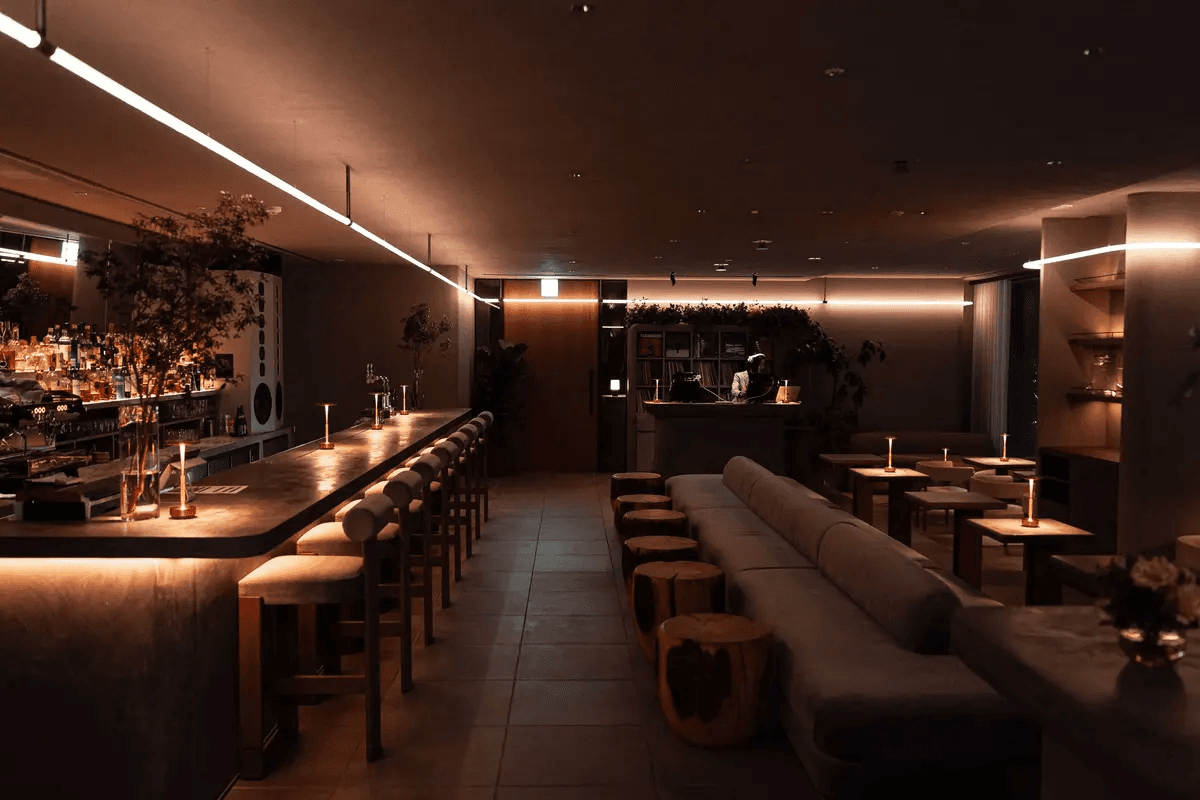
Traces of this tradition can still be found in Tokyo’s historic listening cafés. Yet listening bar culture has long since travelled beyond Japan. In London, bespoke sound systems are created by specialist audio engineers; in New York, intimate bars bring together passionate music enthusiasts; and in Lisbon, dedicated sessions invite guests to experience an album from its opening note to its final refrain. Some venues preserve the rituals of the past, while others embrace contemporary audio technology to create something entirely new. Each city has developed its own interpretation. Nor does every listening bar demand silence; in some, conversation is an integral part of the experience. What unites them is the belief that music should not merely fill a space, but give that space its purpose.
Of course, not all listening bars are conceived with the same philosophy. Some place high-fidelity sound reproduction at their heart, while others celebrate vinyl culture and the social experience of sharing music. In venues with a distinctly audiophile approach, every element, from the speakers and amplifiers to the turntables and room acoustics, contributes to the listening experience. Because here, what matters is not simply which record is playing, but how faithfully its every detail can be heard.
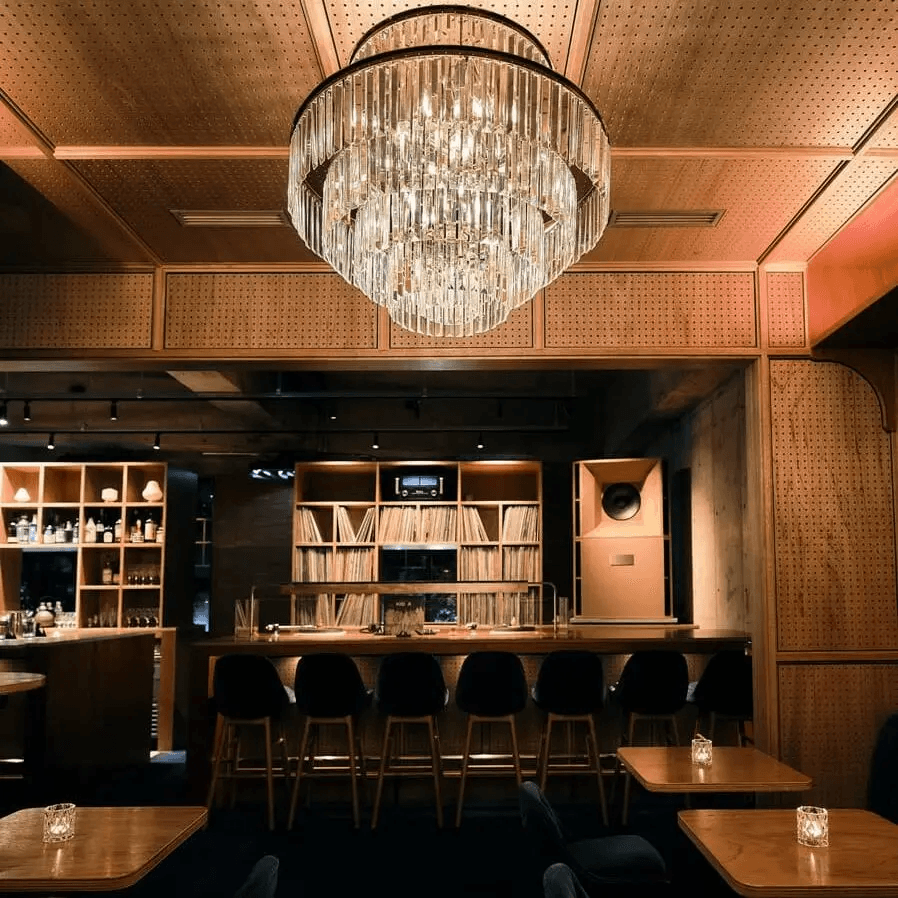
Where It All Began: Meikyoku Kissa Lion, Tokyo
Tucked away in Tokyo’s Shibuya district, Meikyoku Kissa Lion is a listening café devoted to classical music. Although it differs from the contemporary listening bar, it remains one of the most revealing places to explore the origins of the culture. First opened in 1926 and rebuilt in 1950, the establishment resembles an old-fashioned concert hall more than a café. Step inside and its velvet-upholstered seats, subdued lighting, bust of Beethoven and custom-built speakers standing approximately three metres tall transport visitors to another era.
Conversation is forbidden at Lion. Guests take their seats and turn their attention entirely to the music. Works by Mozart, Beethoven and Brahms fill the room as listeners sit quietly before the imposing speakers. Listening to an album here is treated with much the same seriousness as attending a concert. Nearly a century after its beginnings, Lion continues to uphold the reverence for music that helped establish the listening bar tradition.
No Talking, Please: Bar Martha, Tokyo
There are a few things to know before visiting Bar Martha in Tokyo’s Ebisu neighbourhood. Loud conversation, photography and song requests are all frowned upon. This is, after all, a place shaped less by the demands of its guests than by the musical sensibilities of its founder.
Owner Wataru Fukuyama draws from a collection of more than 6,000 vinyl records, played through vintage Tannoy speakers dating back to the 1960s. His archive spans jazz, rock and a variety of other genres, but the selections are entirely his own. Fukuyama has even spoken of occasionally allowing the reactions of the most attentive listener in the room to influence what he plays next.
What makes Bar Martha particularly intriguing is that its strict etiquette does not necessarily create a cold or unwelcoming atmosphere. Quite the opposite: the shared experience of listening establishes an unspoken connection among guests. Perhaps there is something quietly liberating about a form of socialising in which no one feels obliged to speak.
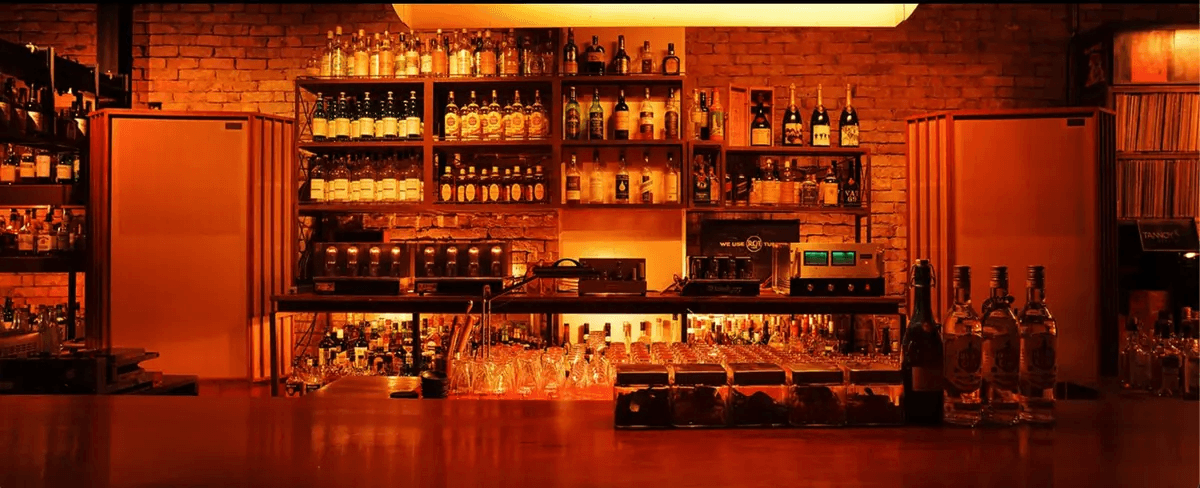
Where the Sound System Takes Centre Stage: Ginza Music Bar, Tokyo
Not every listening bar is an exercise in nostalgia. Ginza Music Bar, for instance, brings Japan’s traditional listening culture into a decidedly contemporary setting. Founded by music producer Shinichi Osawa and coffee producer Nobuhiro Toriba, the venue houses more than 3,000 records spanning rock, jazz, soul, disco, new wave and electronic music.
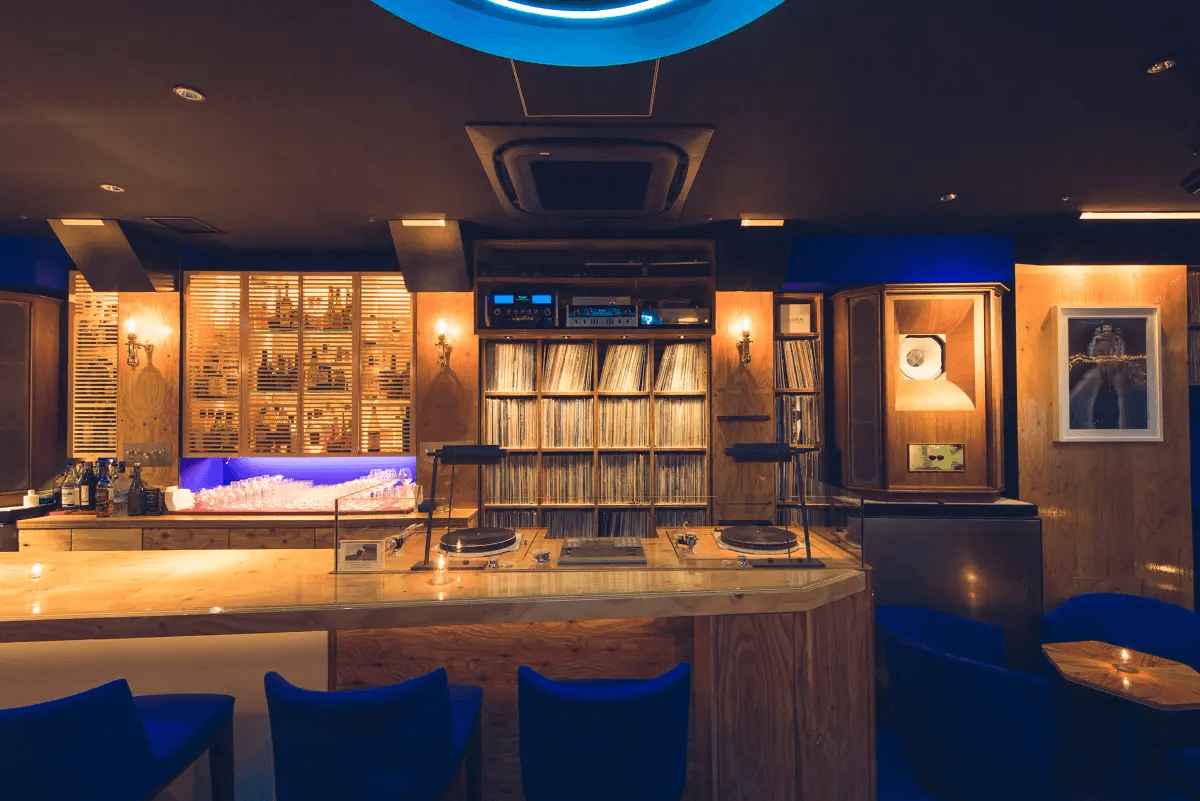
Yet what makes Ginza Music Bar particularly fascinating is its sound system. Westminster loudspeakers by British manufacturer Tannoy, a McIntosh MC462 power amplifier and a Garrard Model 301 turntable are among the components that define the venue’s sonic identity. With its substantial cabinet and dual-concentric driver design, the Tannoy Westminster is a familiar name among hi-fi enthusiasts. Paired with McIntosh amplification and an analogue vinyl playback system, it reflects the importance the venue places on sound quality. Naturally, an exceptional listening experience depends on more than the calibre of the equipment alone: the way a system is configured to complement a room’s acoustics is equally important.
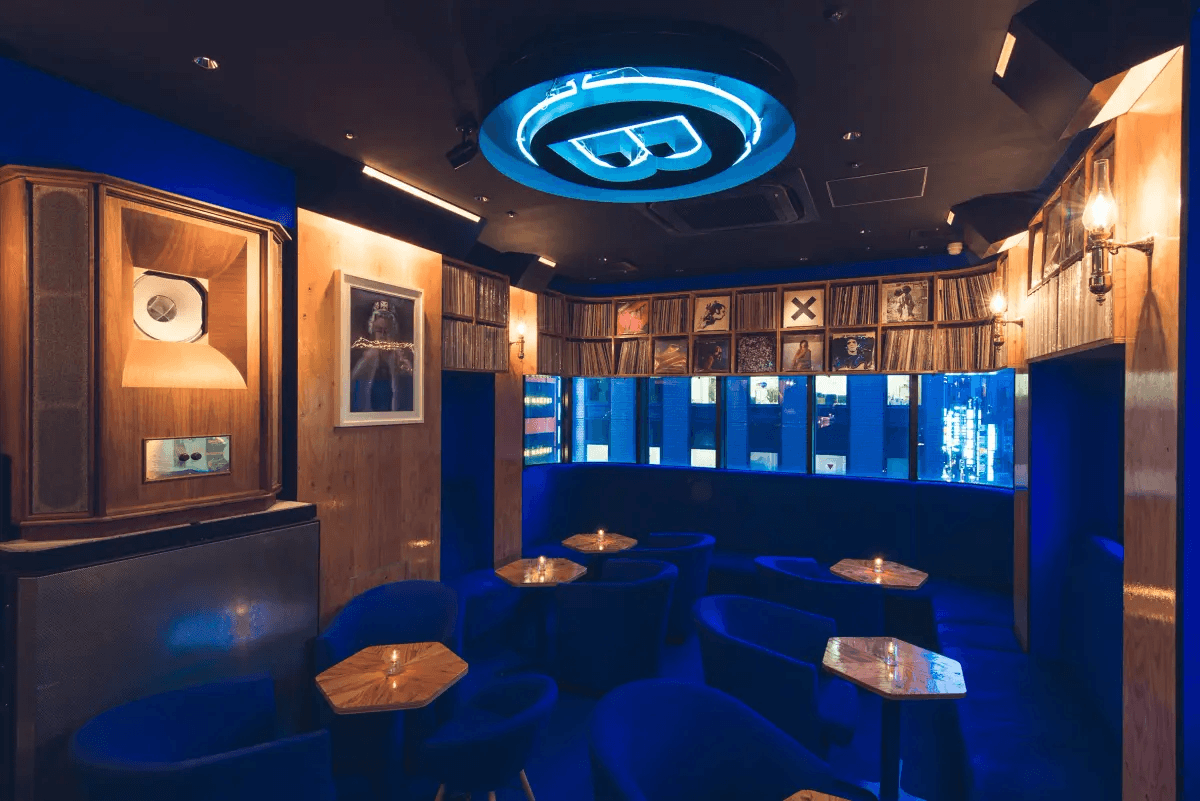
At Ginza Music Bar, as much attention is given to how records are played as to which records are selected. The venue also strikes a balance between the more formal conventions of Japan’s traditional listening cafés and the relaxed atmosphere of a modern bar, attracting music lovers from different generations across Tokyo.
London’s Music Laboratory: Spiritland
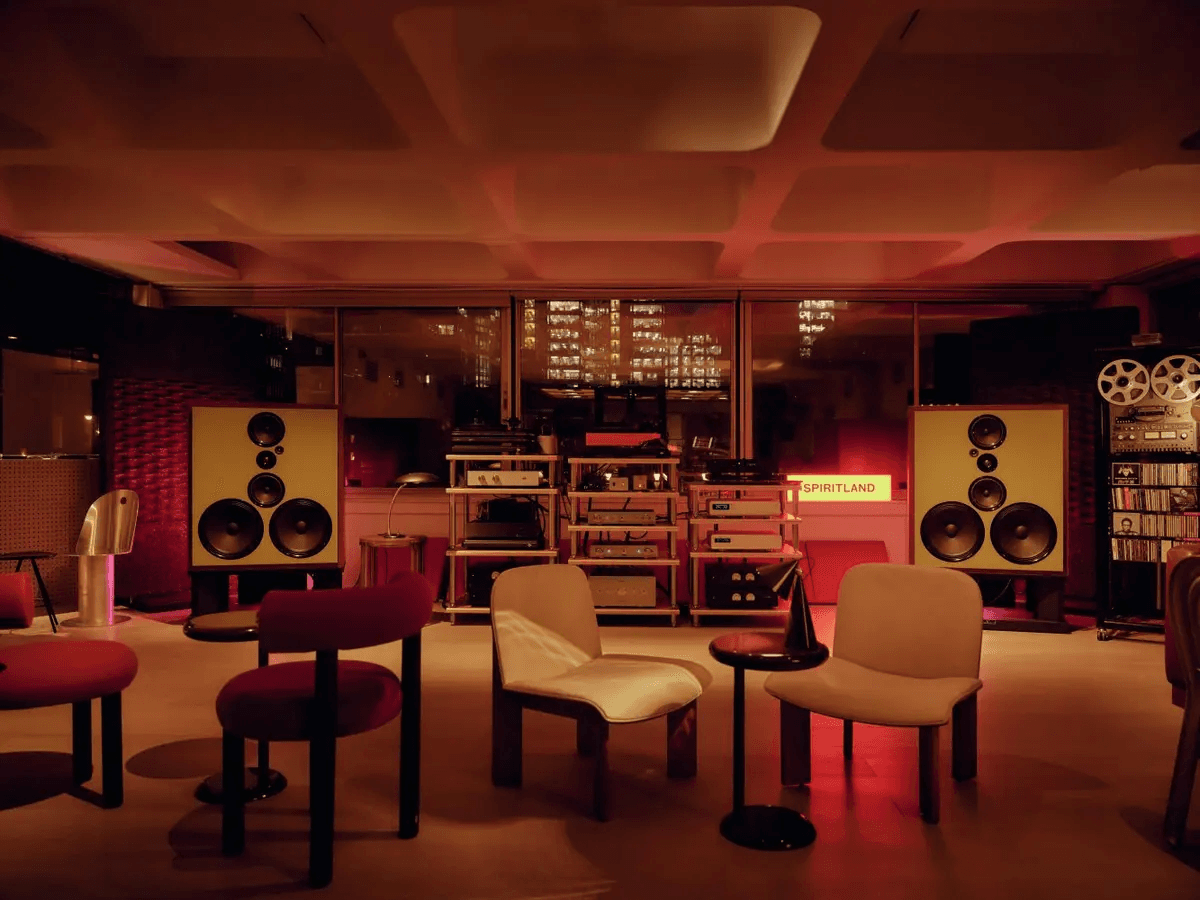
One of London’s most prominent representatives of listening bar culture, Spiritland opened in King’s Cross in 2016. Its founders set out to create more than a bar with excellent music. Their ambition was to establish a space in which recordings could be experienced as closely as possible to the way the artists originally intended. An approach that speaks directly to the audiophile sensibility.
That philosophy is reflected in the venue’s sound system. Its bespoke loudspeakers were developed by British manufacturer Living Voice under the supervision of Kevin Scott. Valve amplifiers by Atelier du Triode, an Isonoe mixer and modified Technics turntables complete the technical picture. Together, these components reveal a venue conceived around the act of listening rather than simply playing music. The aim is not merely to deliver volume through powerful speakers, but to preserve a recording’s dynamics, instrumental separation and musical detail as faithfully as possible. The fact that the sound system plays such a defining role in the character of the space makes Spiritland particularly compelling for audiophiles.
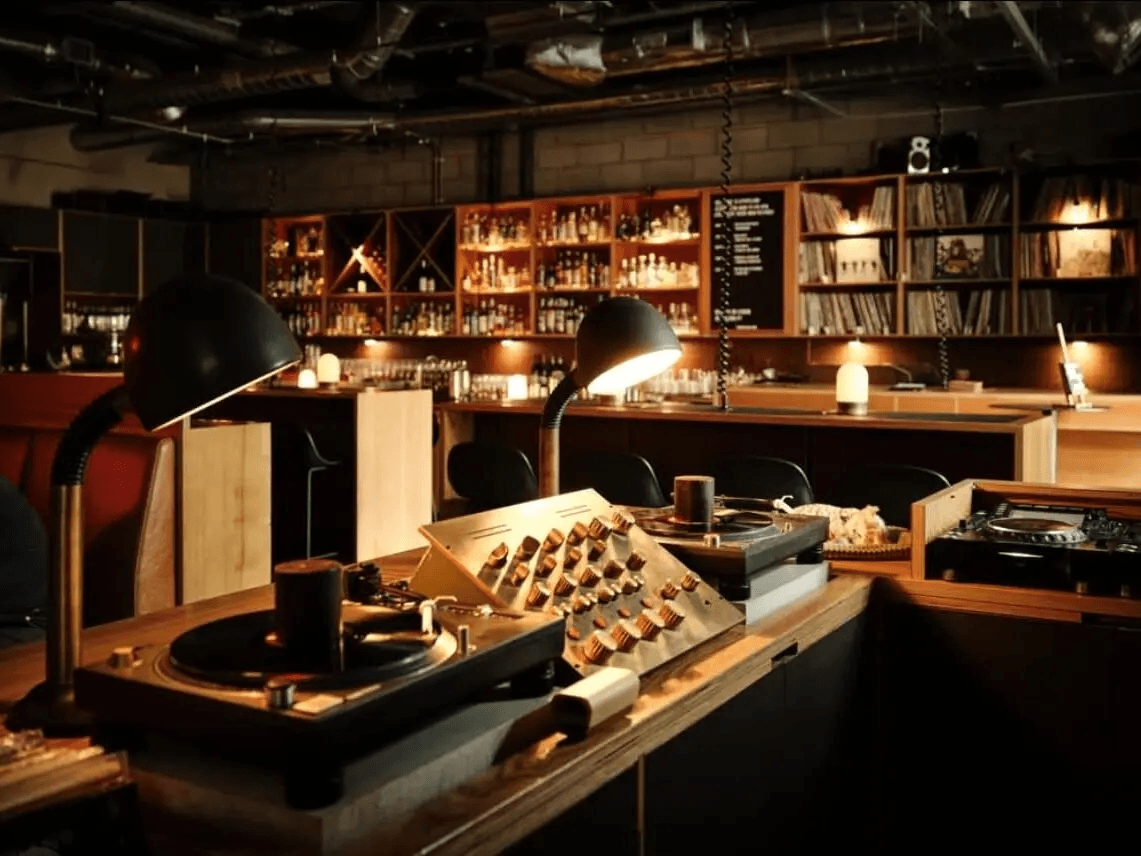
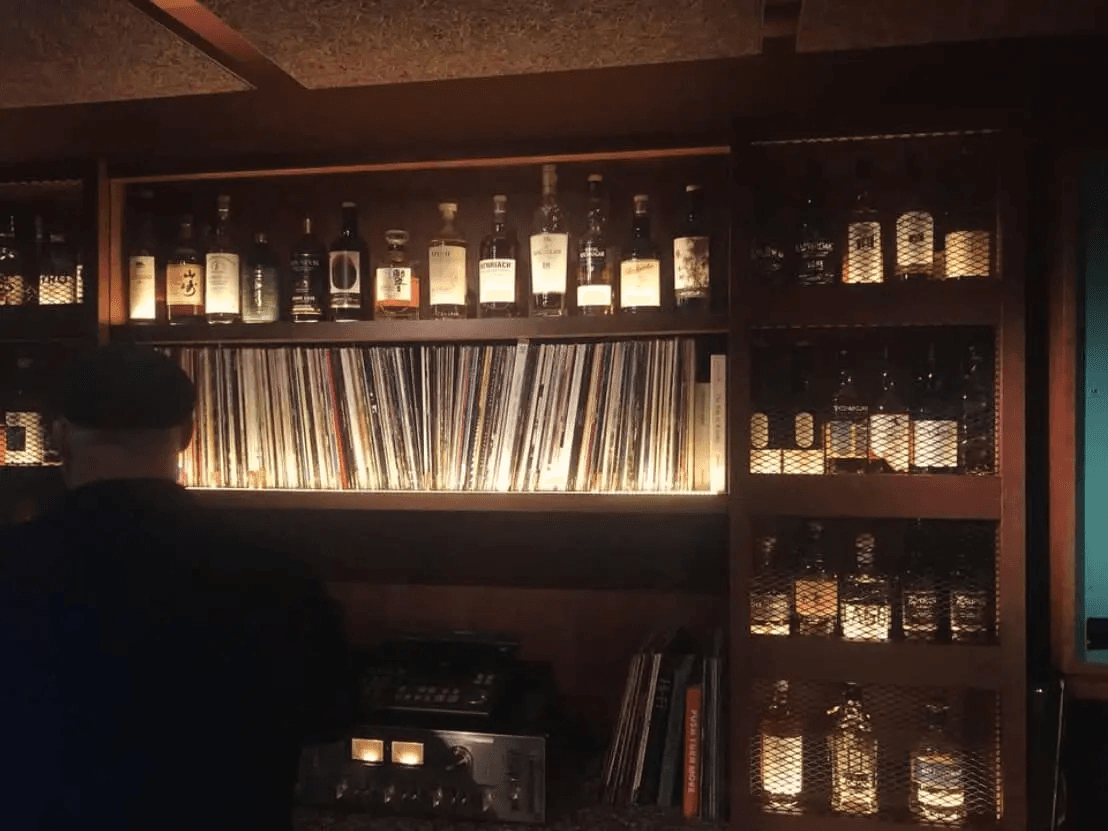
At Spiritland, guests settle in to listen, while album launches, talks and dedicated listening sessions form part of the programme. During album-listening events, selected records are played in their entirety, offering perhaps the clearest expression of the venue’s philosophy. The musical programme ranges from jazz and reggae to electronic music and folk, but the underlying emphasis is less on genre than on the quality of sound.
Spiritland has cultivated a devoted following, and its influence now extends beyond King’s Cross. The brand is preparing to open a new listening space at London’s Barbican Centre, another example of how listening bar culture is making its way from independent venues into major cultural institutions. Here, an album will be played in full every day at 5 p.m. through a bespoke Living Voice sound system.
Brooklyn’s Essential Listening Spot: Eavesdrop, New York
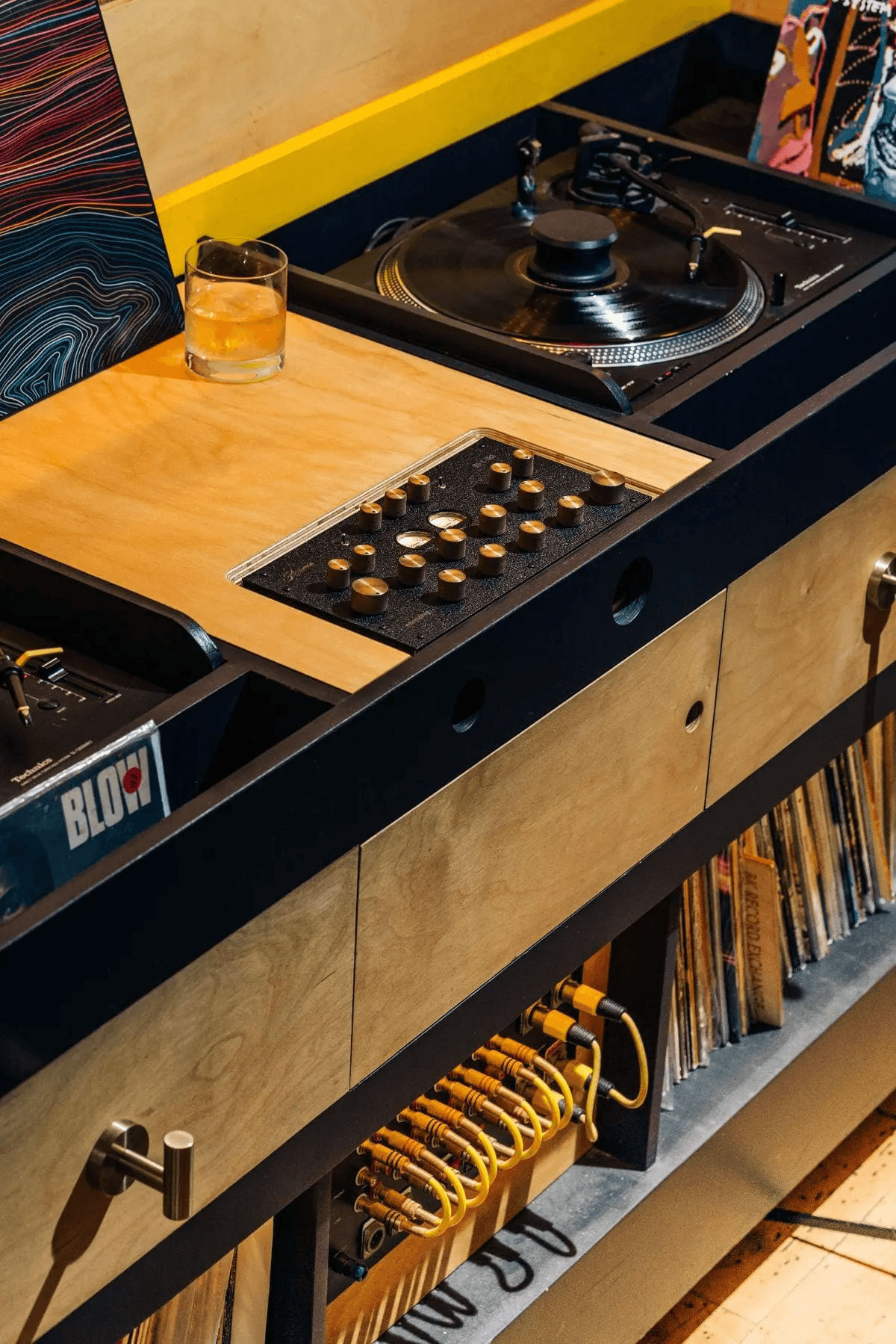
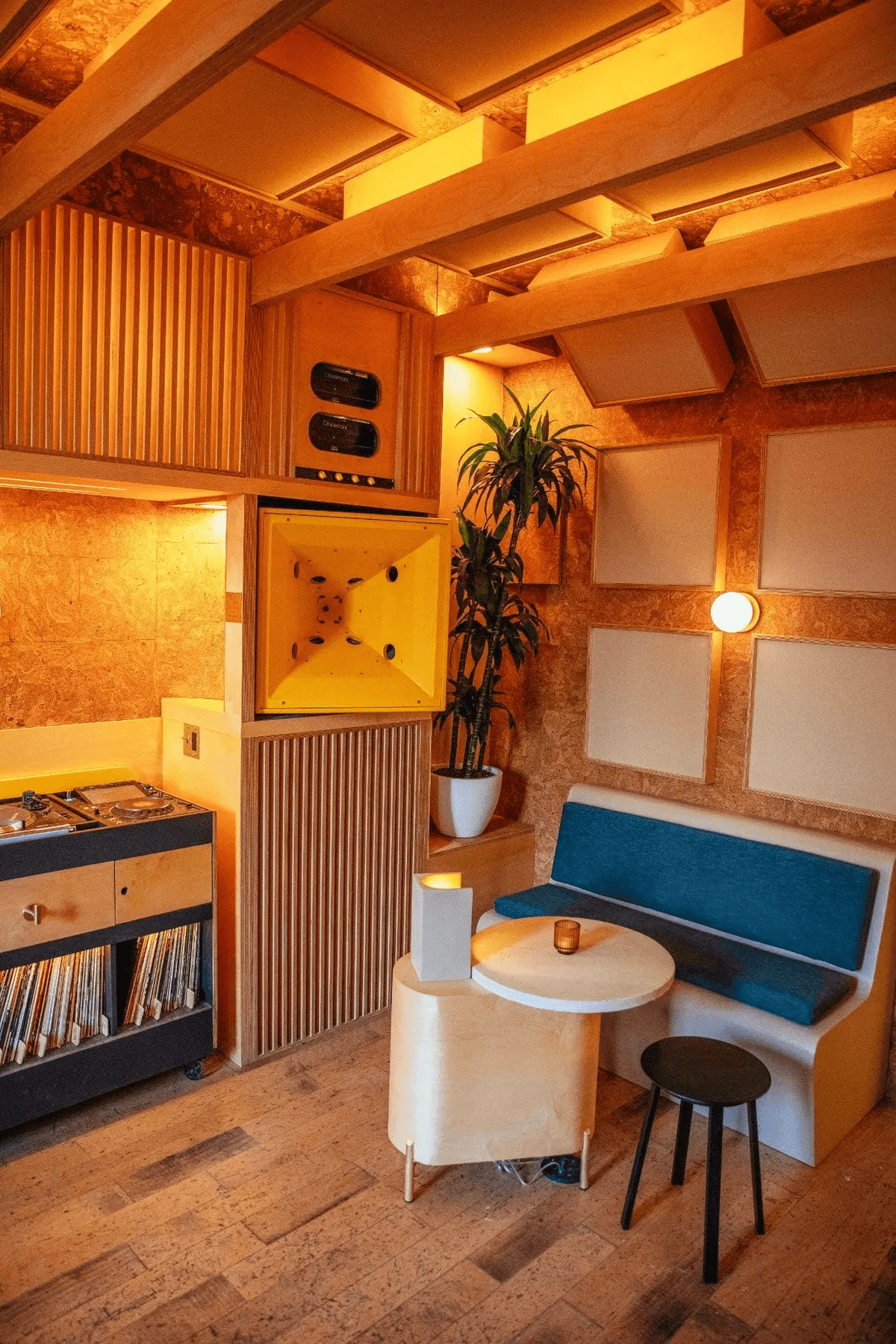
Listening bar culture is by no means confined to Japan and Britain. In Brooklyn, New York, Eavesdrop offers a more sociable interpretation of the traditional Japanese listening bar. Located in Greenpoint, it was conceived as an intimate gathering place where music is played to be listened to rather than danced to, bringing together artists, music connoisseurs and dedicated listeners.
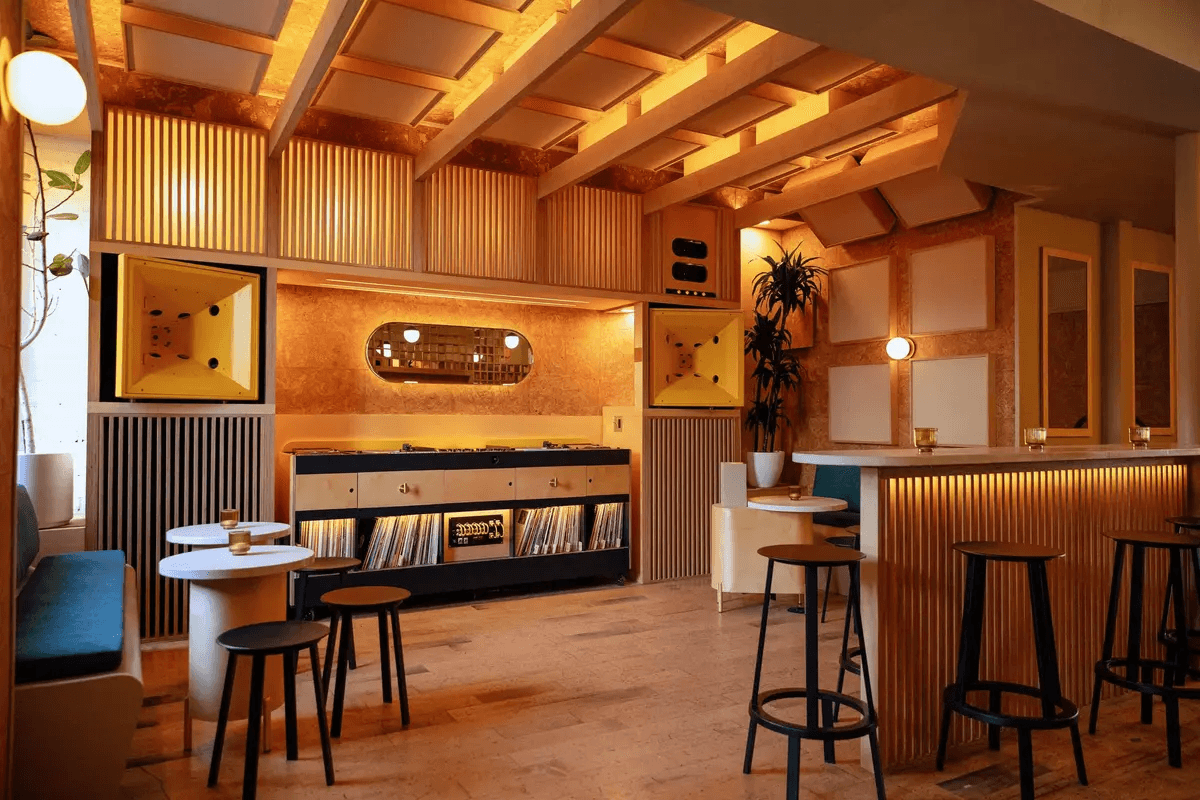
Its sound system incorporates Danley SH-60 loudspeakers, Bryston amplifiers and Seaton subwoofers. Acoustic panels and sound-diffusing surfaces are also integrated into the interior design, ensuring that the emphasis is not simply on volume but on preserving the detail and balance of the music.
Unlike Tokyo’s Bar Martha, Eavesdrop does not impose strict rules of silence. Guests are free to converse and explore selections curated by different DJs. Yet the music never quite disappears beneath the noise of a crowded room. Eavesdrop demonstrates how the listening bar philosophy can be adapted to the social rhythms of New York.
An Evening Devoted to a Record: The Kissaten, Lisbon
Among Europe’s notable interpretations of the concept is The Kissaten, located within Locke de Santa Joana in Lisbon. The venue approaches listening bar culture through dedicated sessions centred on individual albums. Its programme has featured records from different eras, ranging from David Bowie’s Heroes to Jay-Z’s Reasonable Doubt, played in their entirety.
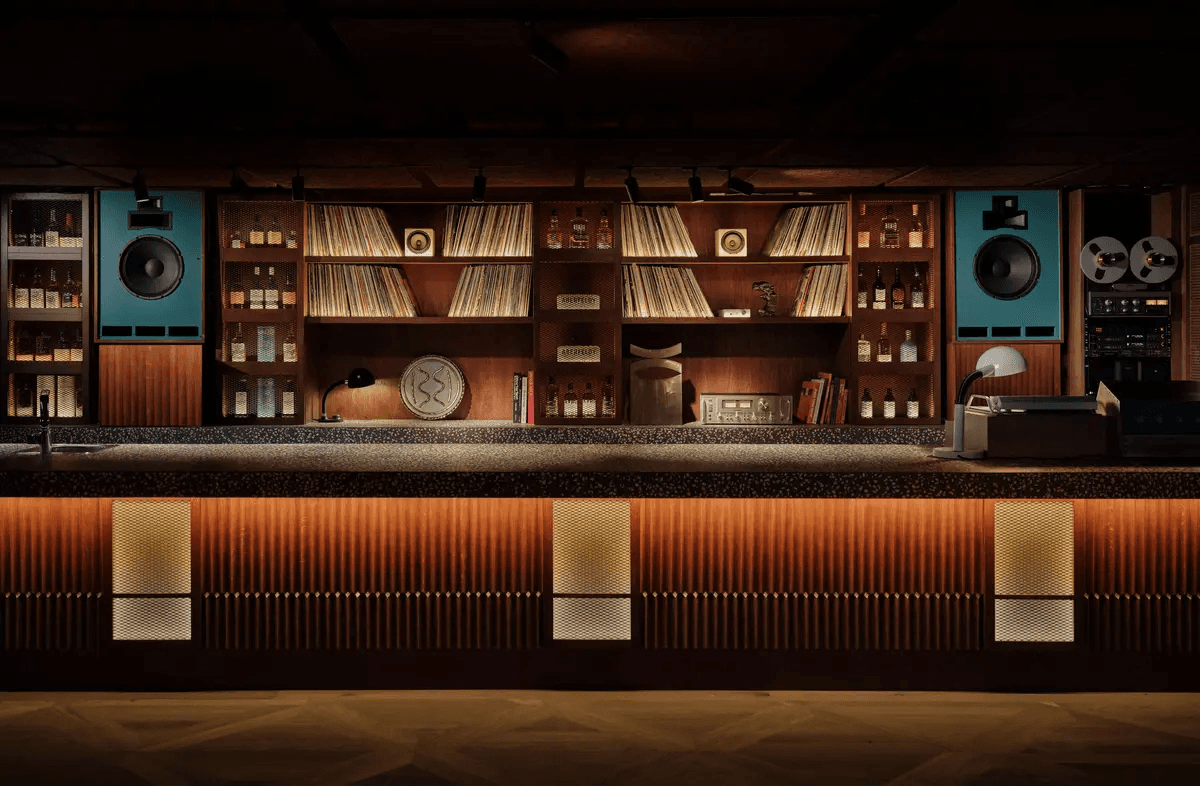
One of The Kissaten’s most interesting offerings is Bring Your Own Vinyl. Guests can reserve designated sessions and bring records from their own collections, becoming active participants in the musical experience rather than simply following a programme selected by the venue.
Seen in the context of listening bar history, it is a particularly fitting evolution. The cafés that once gave people access to records they could not afford to own have become places where listeners can share the music they already treasure.
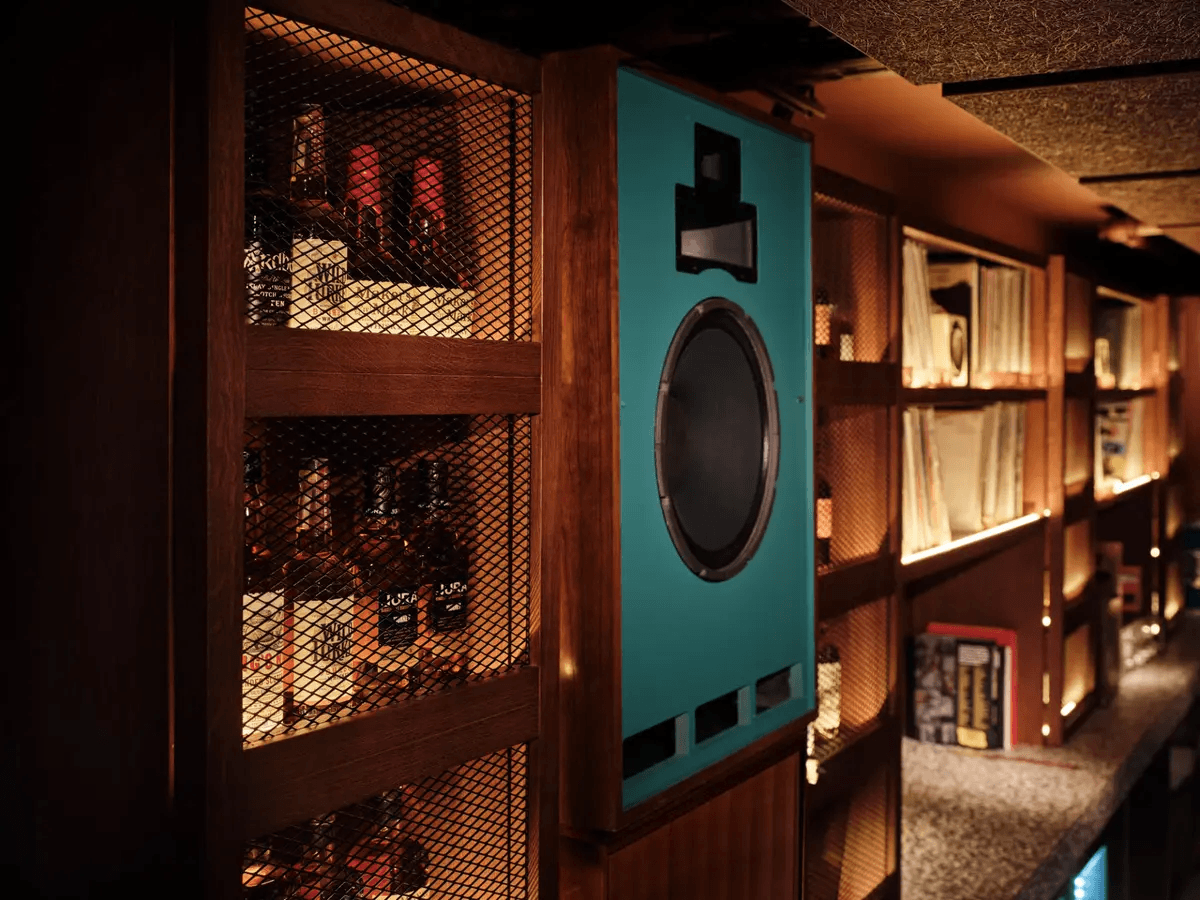
Listening Bars in Istanbul
Nearly a century after the emergence of Japan’s listening café culture, the concept has also found different expressions in Istanbul. Although the city’s listening bar scene is not yet as developed as those of the world’s leading destinations, several venues are placing music at the centre of their identity. Arkestra Listening Room and June offer two distinct interpretations of this approach.
Arkestra Listening Room, Etiler
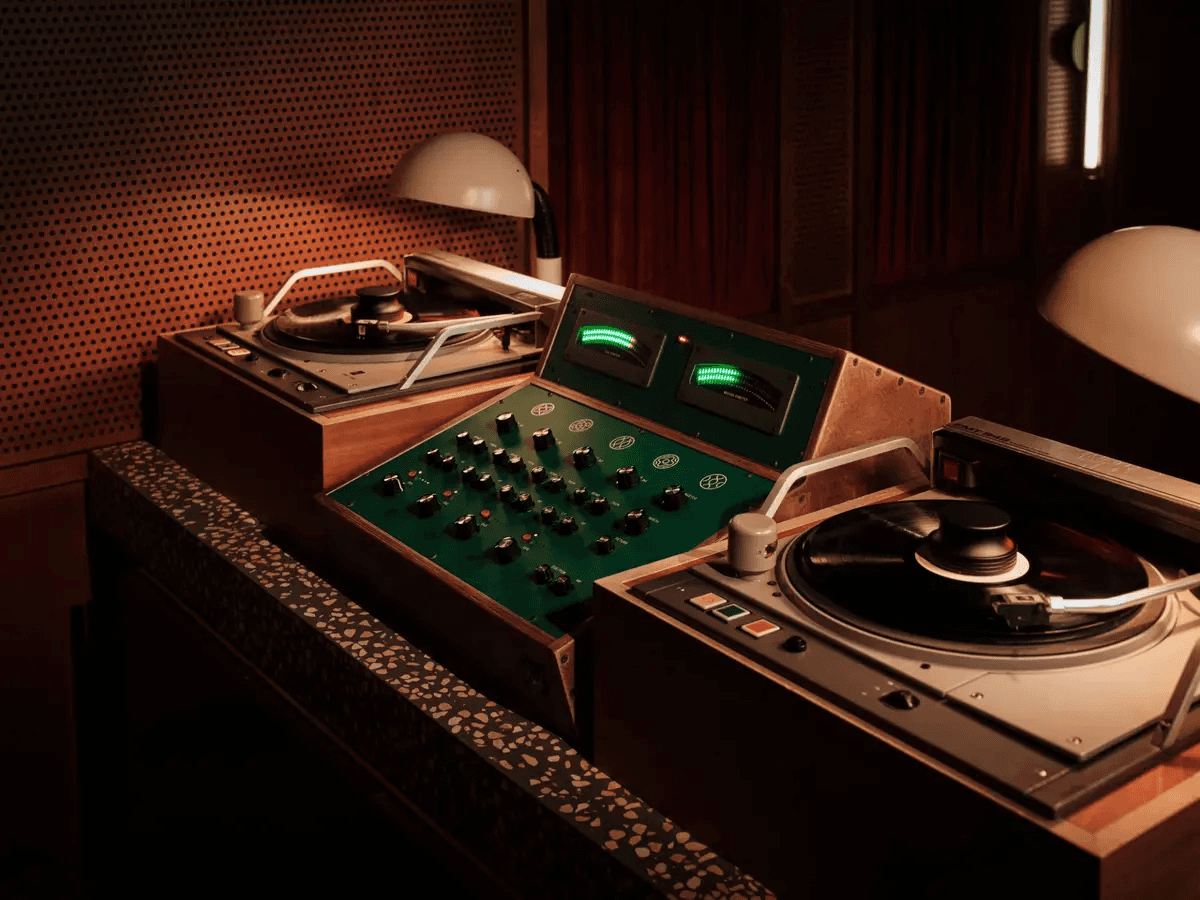
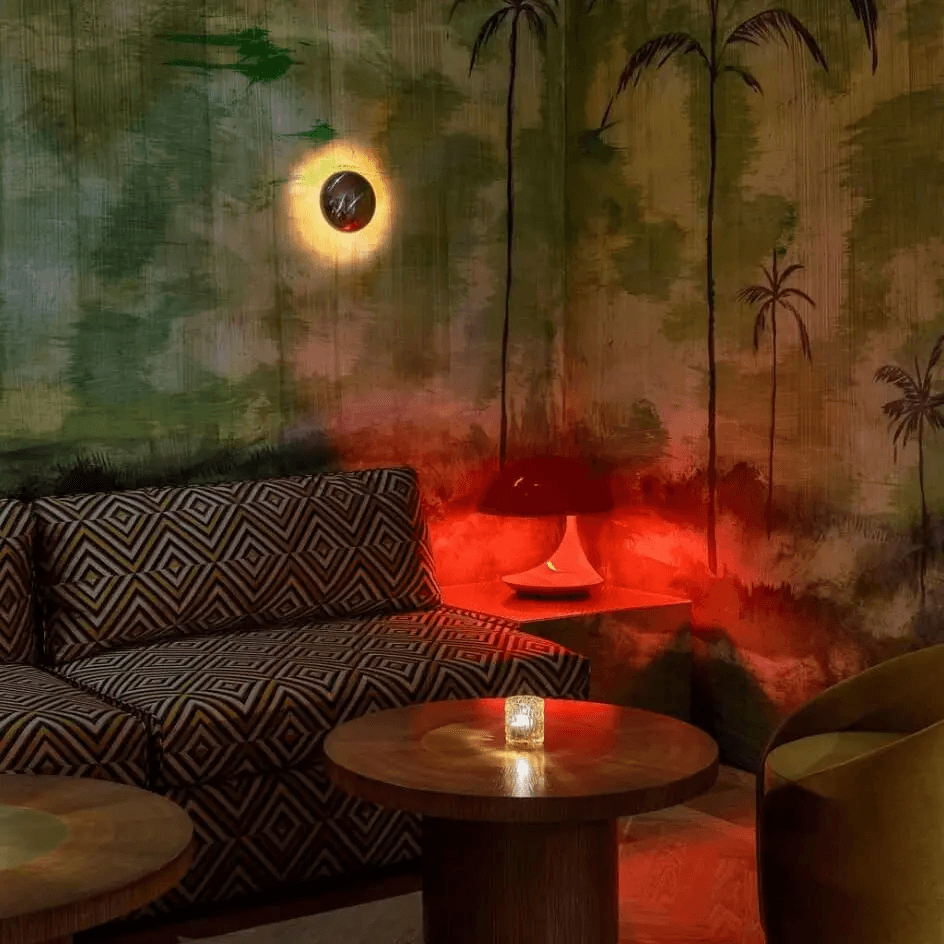
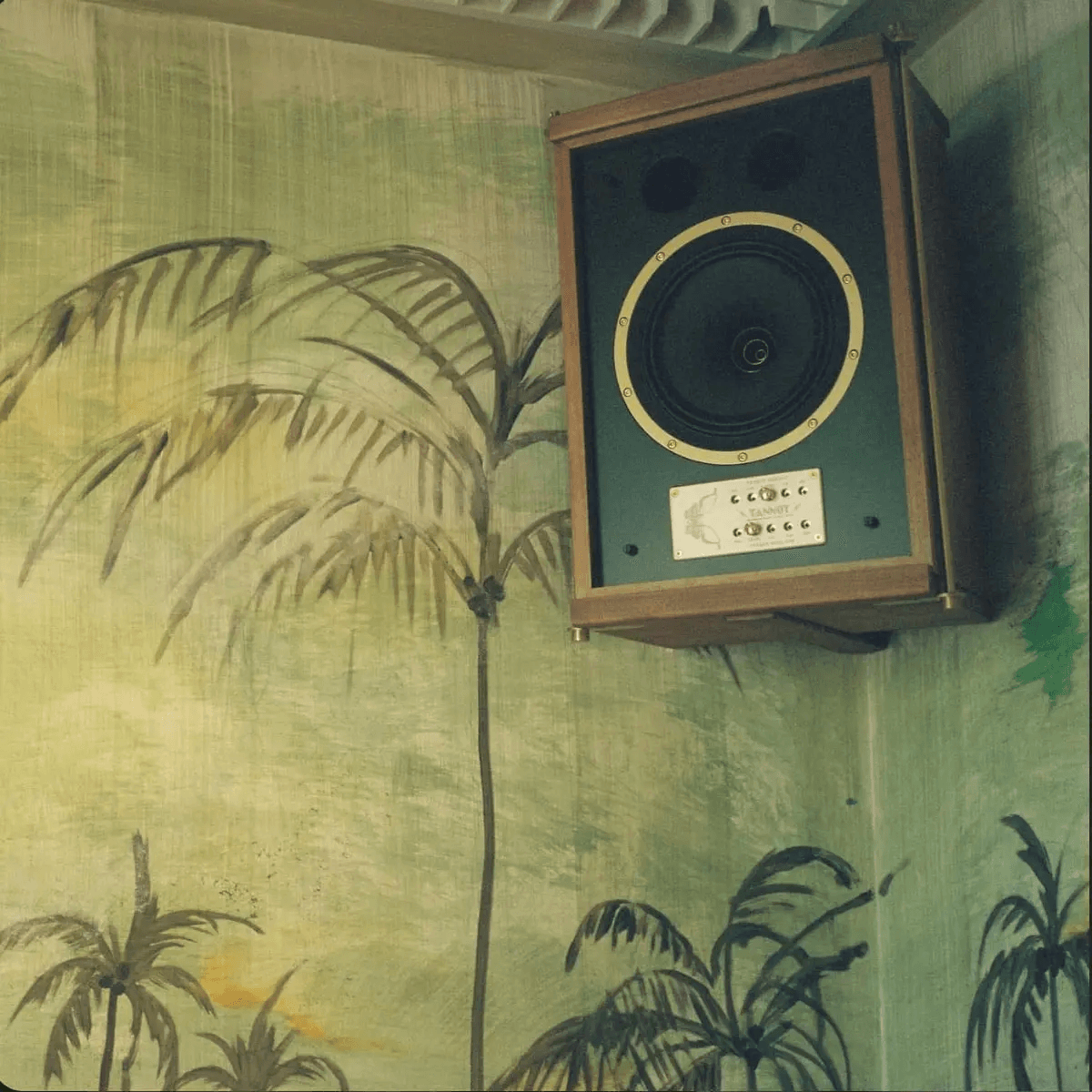
Located on the upper floor of Arkestra, the restaurant known for chef Cenk Debensason’s cuisine, the Listening Room is a space dedicated to music, distinct from the restaurant’s dining experience. Palm-patterned walls, atmospheric lighting, lounge seating and a vinyl collection define its character.
Its weekly programme features guest selectors who draw from Arkestra’s collection or bring records of their own. The establishment describes the Listening Room as an audiophile bar. Unlike the silence-focused approach of traditional Japanese listening cafés, Arkestra brings music and gastronomy together. One practical detail is worth bearing in mind, however: the Listening Room is currently accessible only to restaurant guests and cannot be visited independently.
June, Teşvikiye
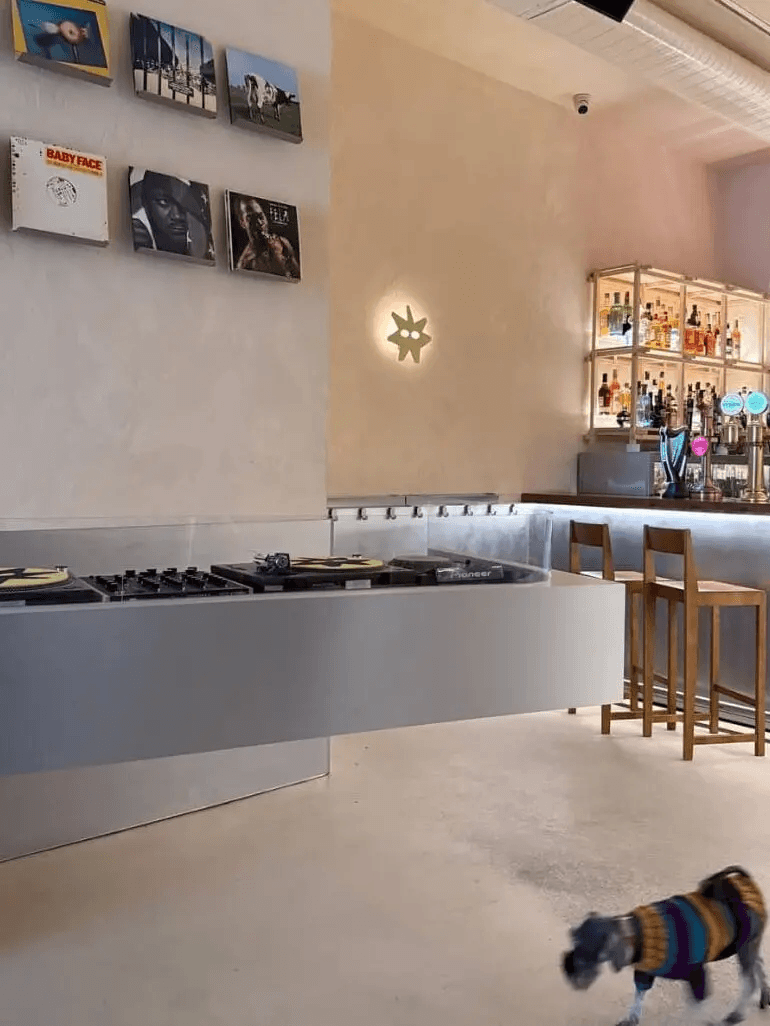
June, in Istanbul’s Teşvikiye neighbourhood, describes itself as a neighbourhood listening bar and restaurant. Offering a more sociable interpretation of Japanese listening culture, it pairs food and drink with vinyl selections spanning jazz, soul and funk. Rather than adopting the strict silence policies of traditional listening cafés, June treats music as an opportunity to connect. Its relaxed daytime atmosphere gives way to a livelier mood in the evening, when DJ performances take centre stage.
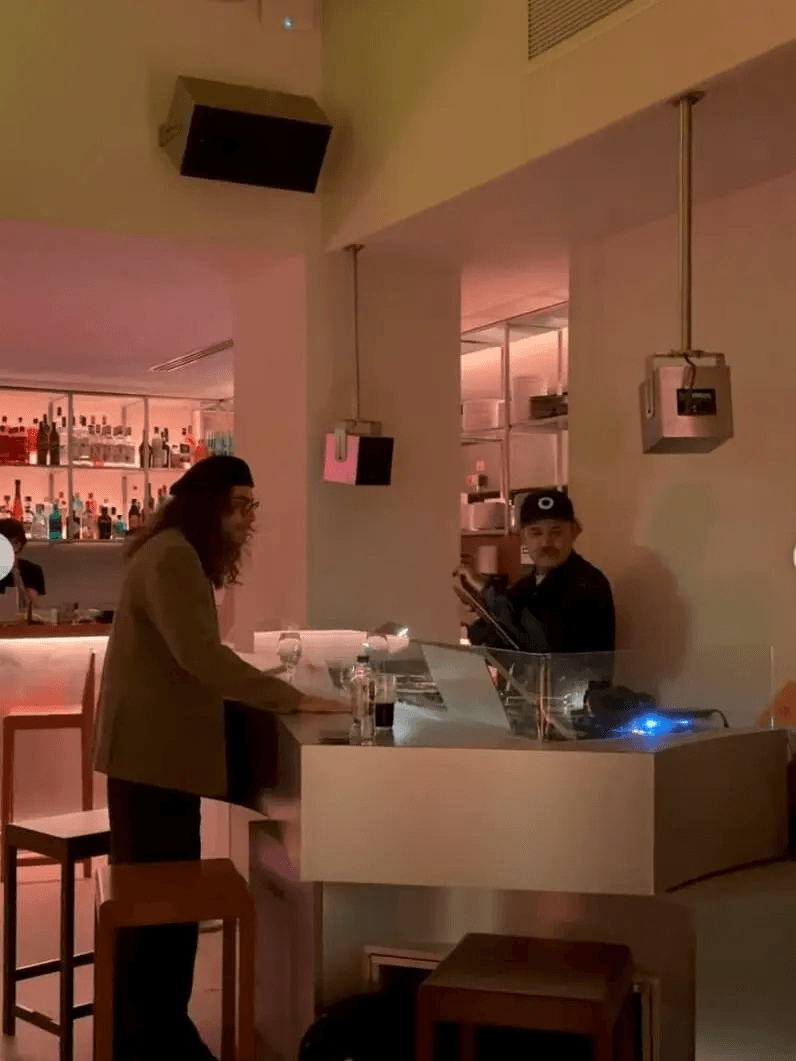
From Tokyo to London, New York to Istanbul, these spaces remind us that listening to music need not always be a solitary experience with a pair of headphones. There is a particular pleasure in coming together around an exceptional sound system, a thoughtfully curated musical selection and a shared passion for music. Yet perhaps these places remind us of something simpler still: are we really giving music the time it deserves? It is a question worth considering. Who knows? Perhaps one day we will once again find ourselves leaving the house simply to listen to a favourite album from beginning to end…
The Haven of Rebellion: The World’s Best Jazz Clubs
Behind Closed Doors: Speakeasy
The Memory of a Century: 25 Archival Records from the History of Jazz