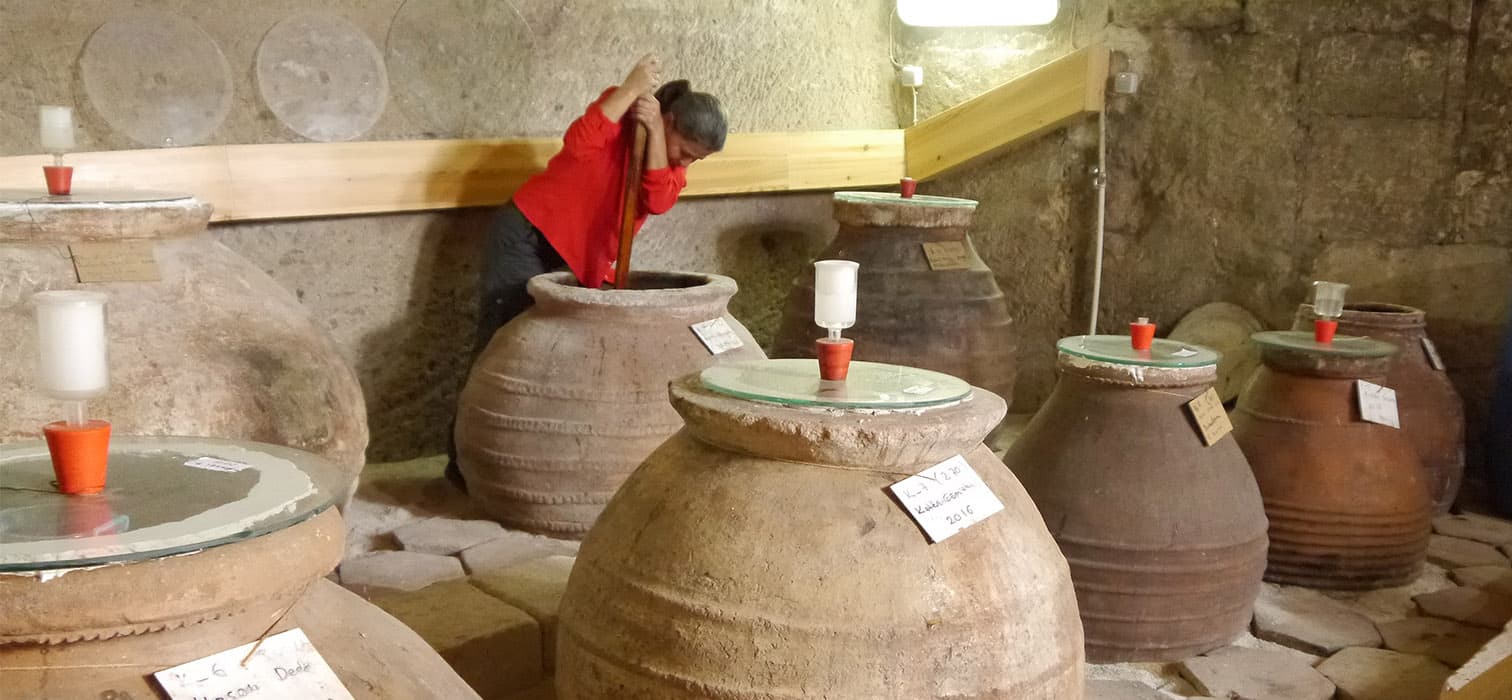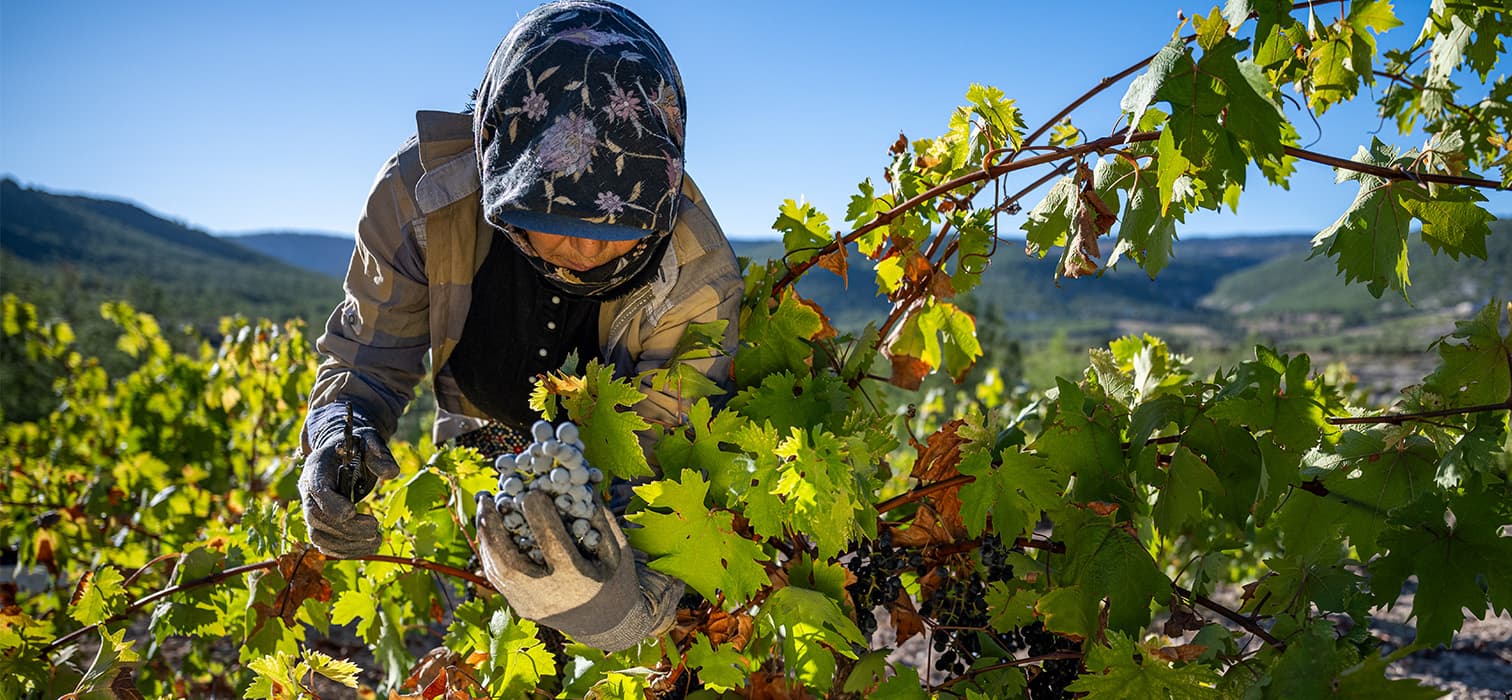
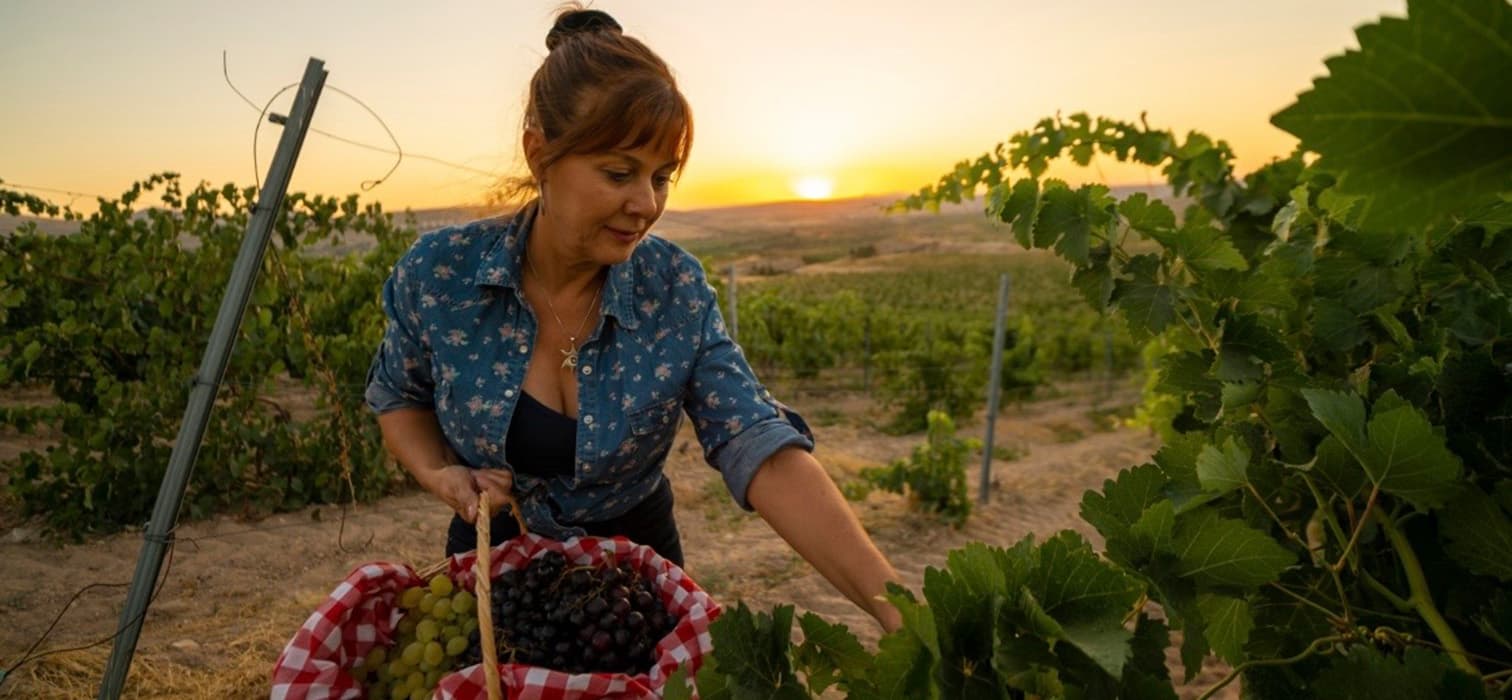
From family vineyards in Kayseri to the creation of Vinolus, Oluş Molu shares a story shaped by heritage, science and a profound connection to the land.
Sometimes, a person travels far away only to return years later to where it all began, as someone entirely different. I think this is a fitting way to describe Vinolus Winery founder Oluş Molu. Her childhood was spent in Kayseri, among her family’s vineyards, wheat fields and animals. Then came biology studies at Hacettepe University, academia and a career that eventually led her to the Ministry of Environment. Later, the road brought her back to Molu Farm. This time, when she returned to the land of her childhood, she brought with her a perspective shaped by science, experience gained in environmental policy and the idea of building a new life on those very soils.
Vinolus was born precisely at this intersection. On one side is a family legacy passed down through generations; on the other, vineyards shaped by the volcanic history of Mount Erciyes, high altitude and Kayseri’s climate. At the centre of it all is Oluş Molu, who does not see wine as a product whose story begins in the cellar. From the vitality of the soil to birds, vegetable gardens and animals, she sees the entire farm as part of the same ecosystem. The biologist in her observes and questions; the producer in her knows that nature sometimes behaves differently from what the books say.
Perhaps what makes the story of Molu Farm today so compelling is that, rather than looking back at the past with nostalgia, it transforms heritage into something living. Throughout our conversation, which ranges from indigenous grape varieties and organic farming to the climate crisis and the place of women in the wine world, the subject keeps returning to the same point: the soil. For Oluş Molu, the story of a bottle of wine begins much earlier, deep within the earth.
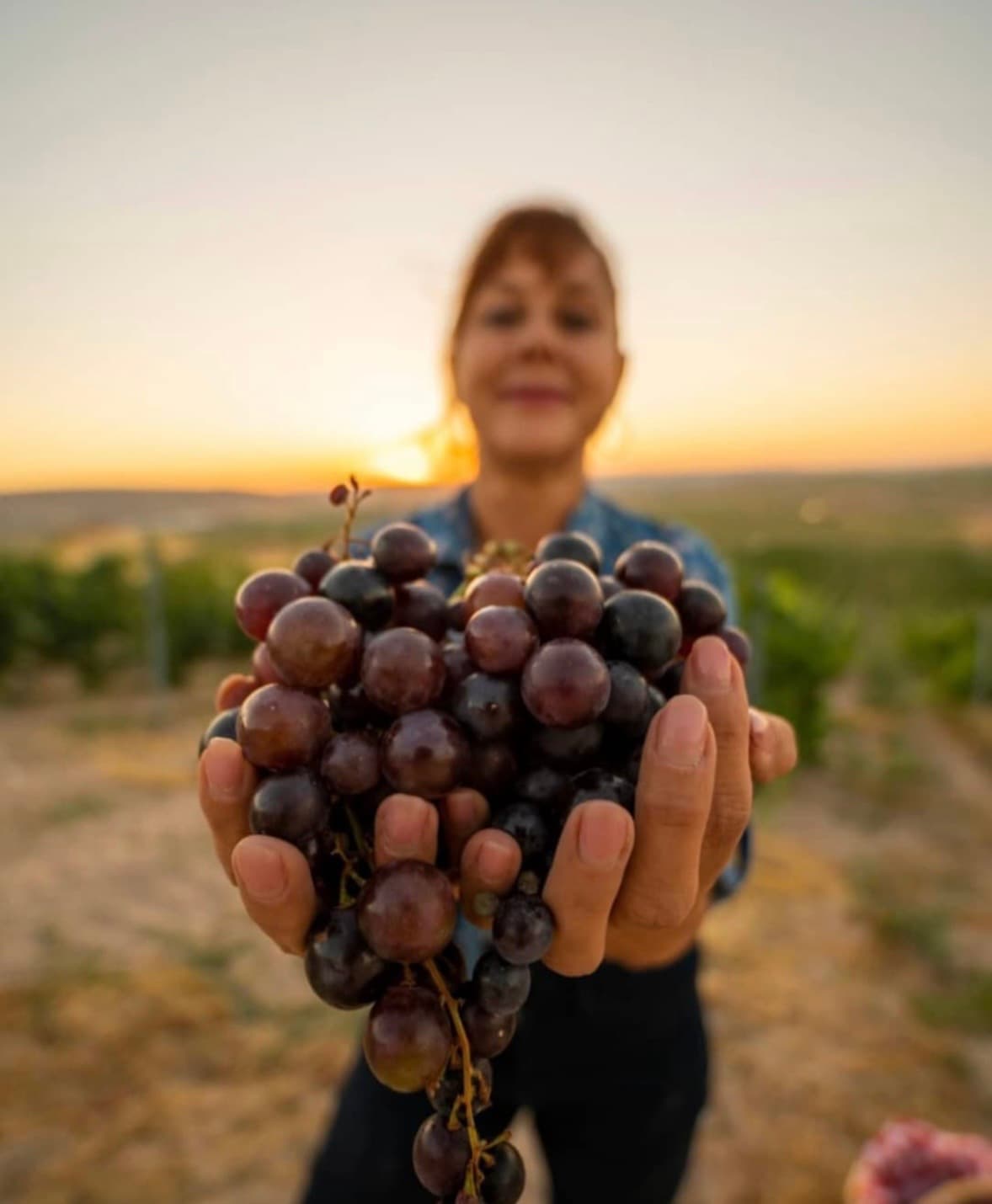
Dear Oluş, let’s start right at the beginning, with Molu Farm. You spent your childhood among vineyards, fields and animals. Looking back, can you see the first signs of what you do today in those years?
I spent the summers of my childhood on our farm, among vineyards, wheat fields and animals. Of course, back then I never thought, “I’m going to become a wine producer,” but that was where I learned that soil is a living entity. I think that also influenced my choice of profession, and I decided to become a biologist. I was accepted into my first choice, the Department of Biology at Hacettepe University. I was deeply influenced by the respect my grandfather and father showed for nature. Looking back today, I realise that the foundations of Vinolus were actually laid during my childhood.
In light of what you have just described, how does your identity as a scientist influence the decisions you make today in the vineyard and the cellar?
My biology education taught me to observe nature and to question it. Intuition is important in viticulture, but I look for a scientific reason behind every intuition. That was also one of the reasons I decided to adopt organic farming in the vineyards. Since I did not receive specialised training in winemaking, I chose to work with an oenologist. Today, we produce by combining technology with traditional methods.
Then came a major change of direction in your life. You left your career in Ankara and returned to Kayseri, to your family’s land. What was the real turning point that led you back?
Throughout my professional life, which began as a research assistant at university and continued at the Ministry of Environment, I felt the need to put the experience I had gained into practice. With the encouragement of my family, I returned to Kayseri and came to believe that the land they had worked on for so many years deserved to be brought back to life. For me, this was not merely an investment; it was a return to my roots and a legacy I wanted to leave to future generations.
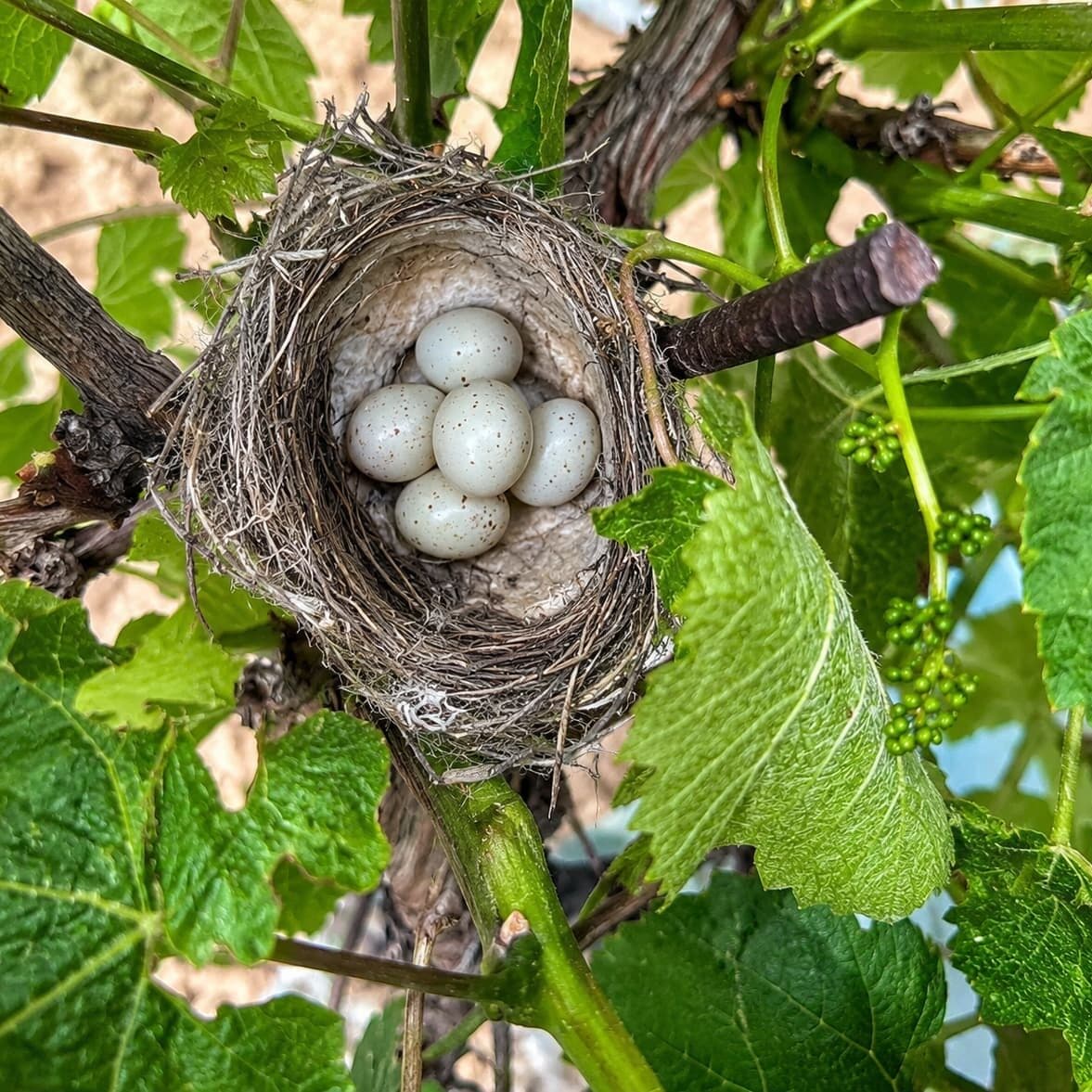
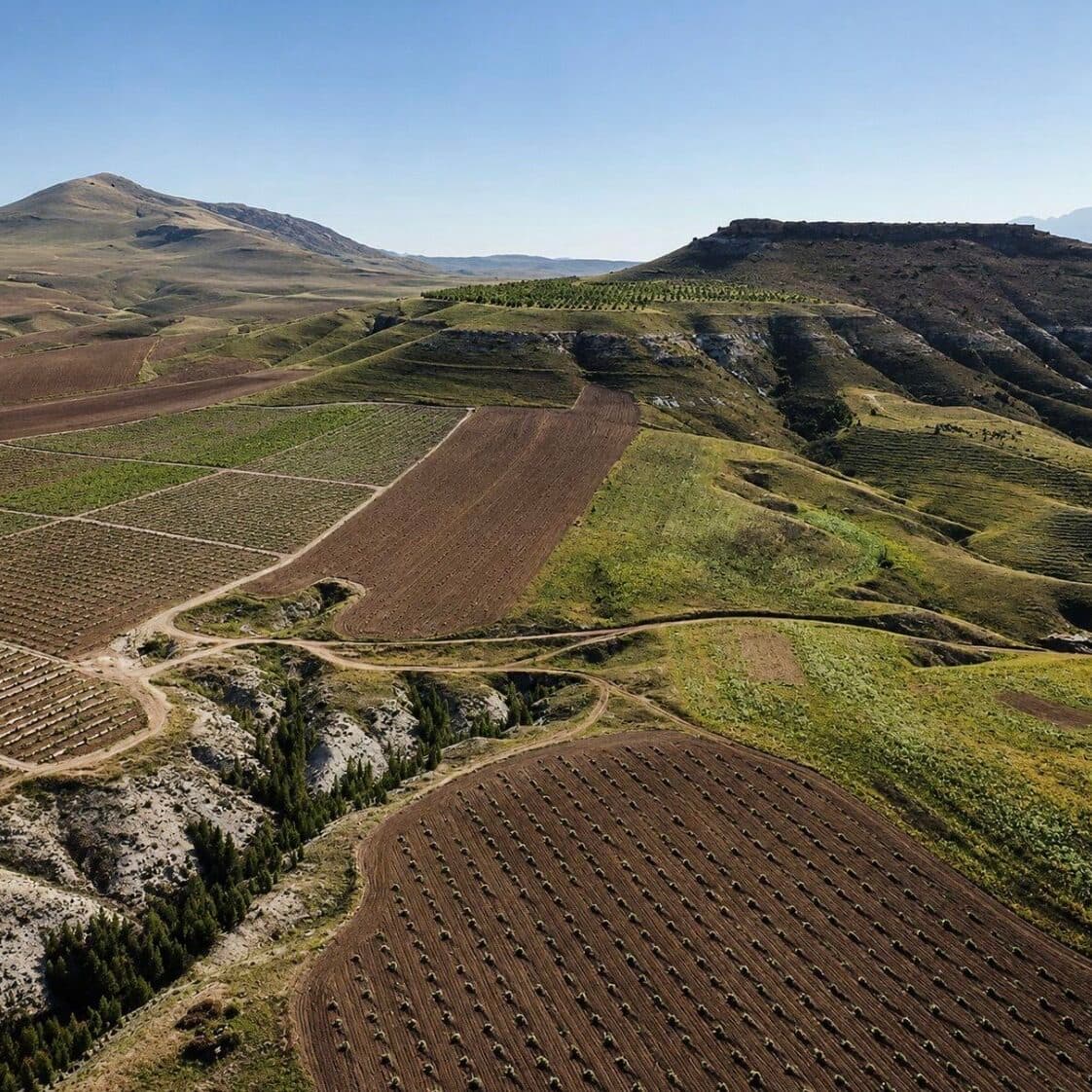
You mentioned “returning to your roots”. With Molu Farm, you also inherited a family history stretching back centuries. Does such a legacy give you freedom, or does it bring an even greater sense of responsibility?
I think it does both. Such a legacy carries a great responsibility, but at the same time it is an incredibly powerful source of inspiration. My aim has been to preserve the past while adding new values for the future. Creating a sustainable farm model has also been one of my greatest dreams.
When you add your own story to that legacy, Vinolus emerges. From its name to the symbol on its label, the brand carries very personal traces. How did the name Vinolus and that dragonfly-like figure come about?
Vinolus is a very personal brand that brings together my name, “Oluş”, with Latin wine culture. I wanted my own story to live within the brand as well. The symbol on the label is actually an angel, although it also resembles a dragonfly. While the angel represents purity and sacredness, the dragonfly symbolises the balance of nature, transformation and hope for me. I also see it as a symbol of organic production, because where there is a healthy ecosystem, there are dragonflies too.
Geography also plays a major role in Vinolus’s identity. Kayseri may not be one of the first wine regions that comes to mind, but you strongly believe in its potential. How would you describe Kayseri’s terroir?
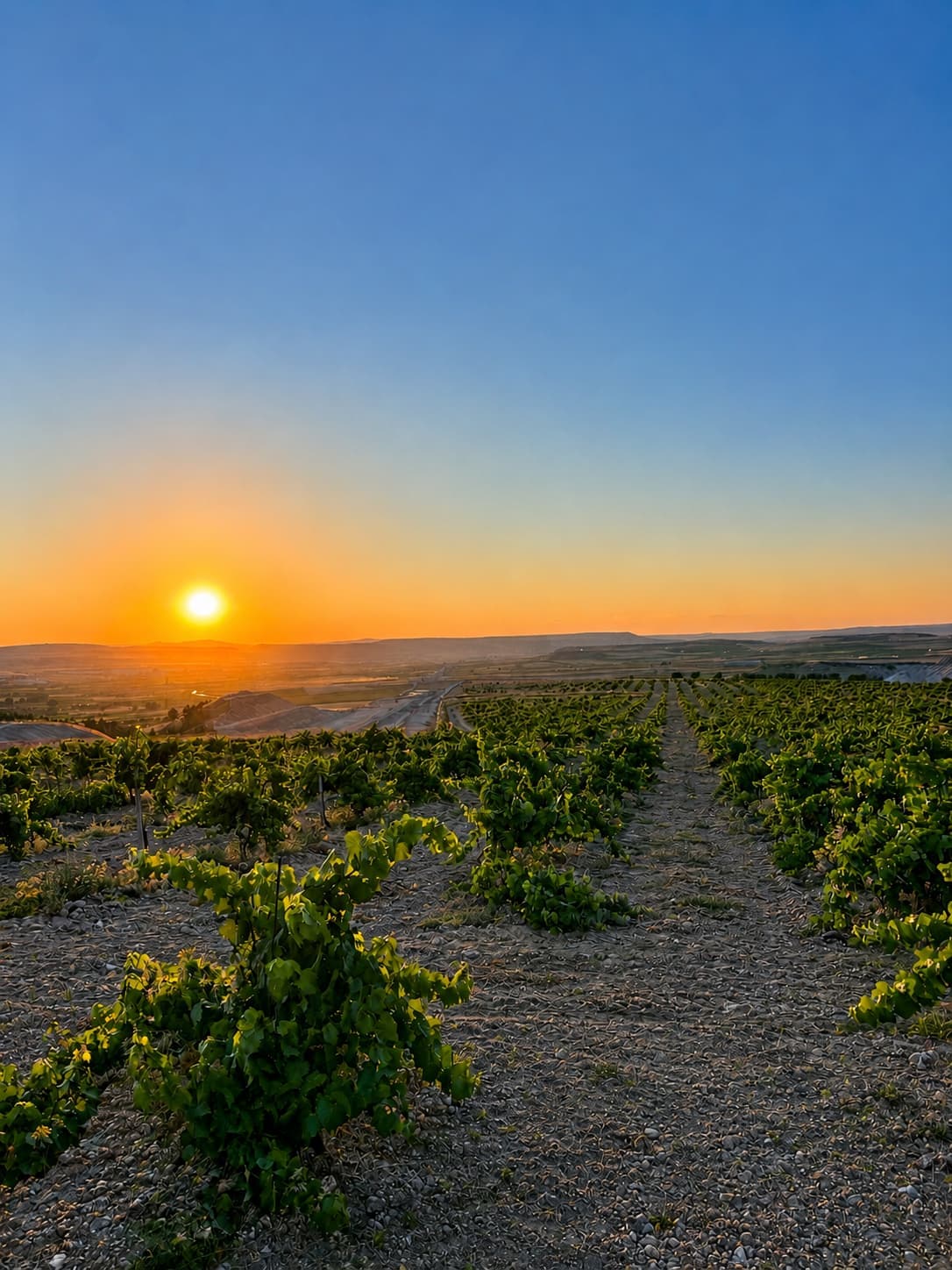
Kayseri has enormous potential that has yet to be fully discovered. The volcanic history of Mount Erciyes, the high altitude, calcareous soils and the temperature differences between day and night give the grapes a strong character. I believe Kayseri could become one of the important wine regions of the future.
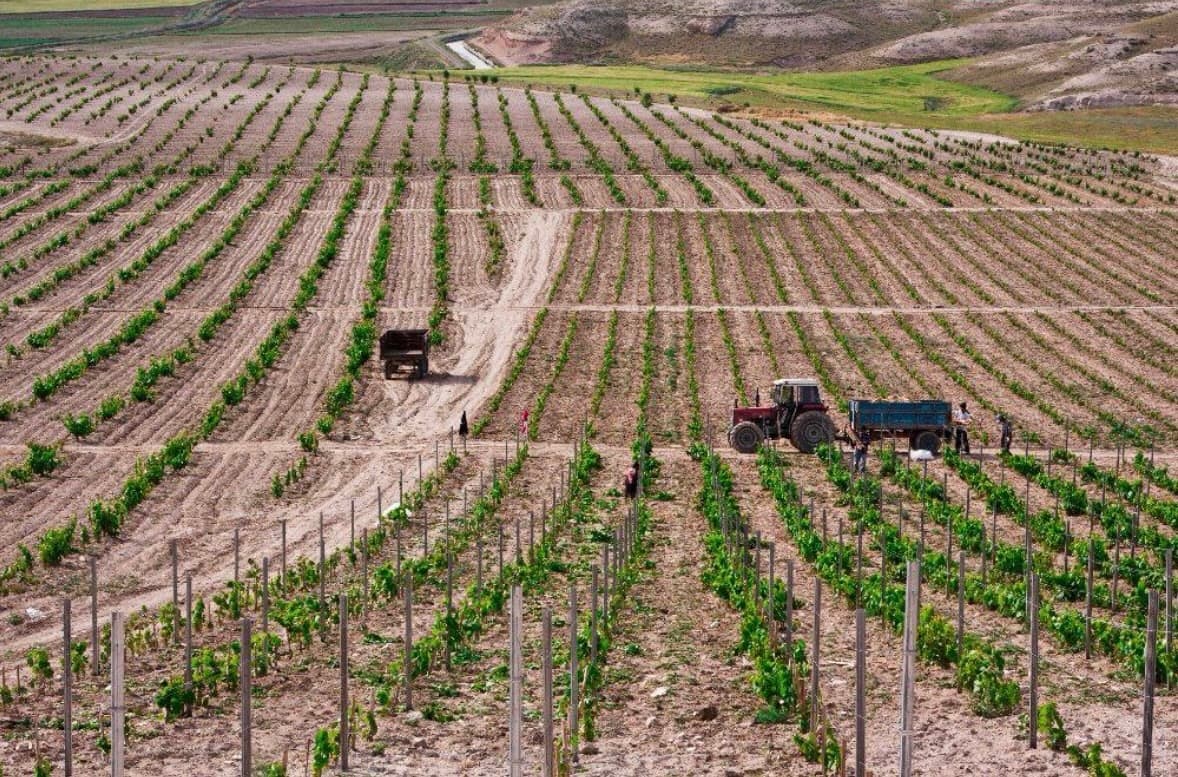
When talking about this geography, we naturally come to your relationship with nature. “Organic production” is a term we hear very often today. What does it truly mean to you?
For me, organic production is not simply a certification. It means preserving the vitality of the soil, supporting biodiversity and leaving a healthy ecosystem for future generations. We do not try to dominate nature; we try to produce together with it.
Molu Farm is not made up of vineyards alone; vegetable gardens, animals and birds are all part of the same cycle of life. What would you most like someone visiting the farm for the first time to notice?
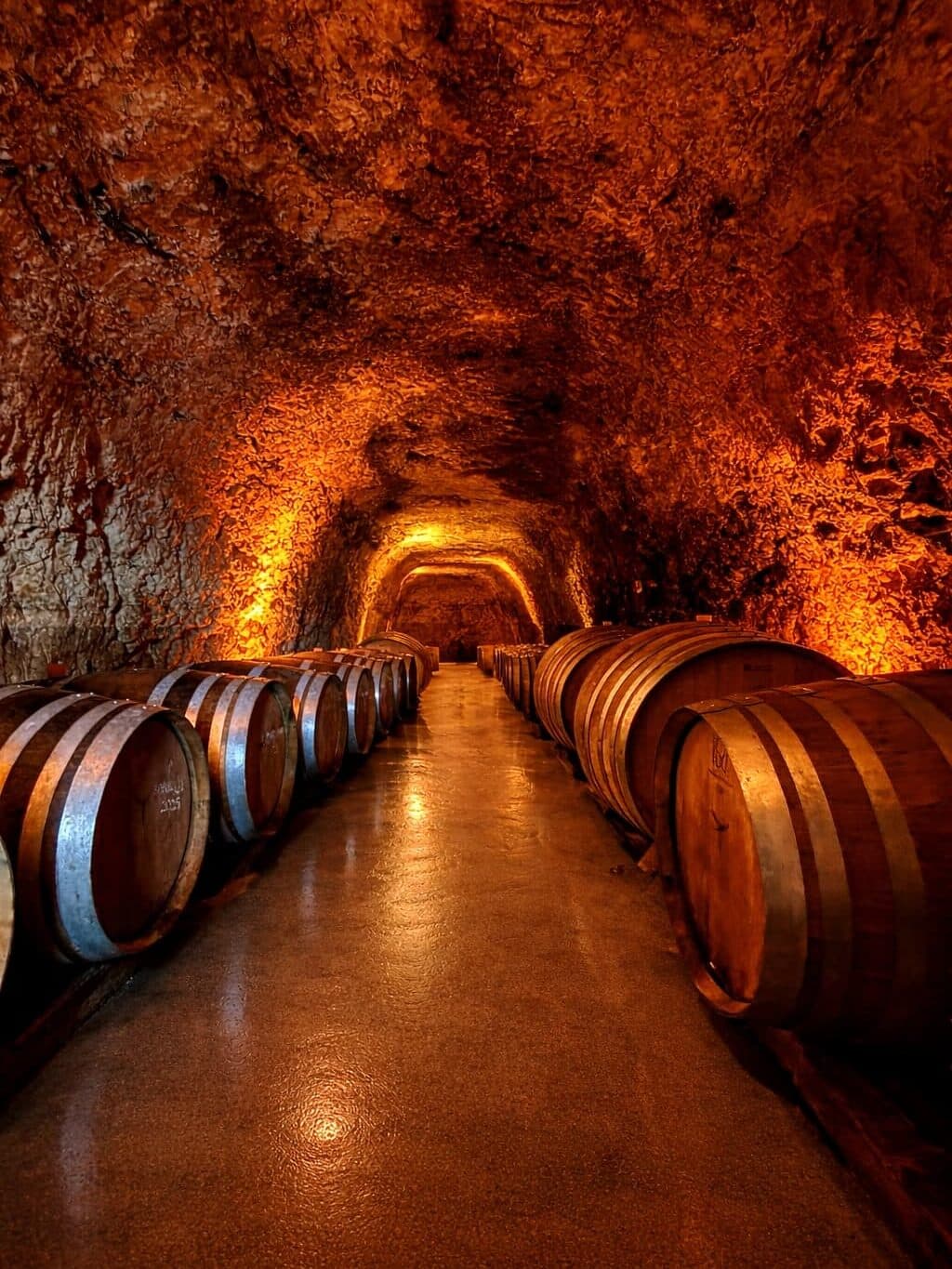
I would like them to see that the story of wine does not begin only in the cellar. I want them to see the vineyards, the vegetable gardens, the animals, the birds and the entire cycle of life. Because the story of Vinolus is really the story of this wholeness and this ecosystem.
On one side there is Oluş the scientist, and on the other, Oluş the producer who has spent years observing the land. When science and intuition come into conflict, which one do you listen to?
Science shows me the way, while intuition determines the timing. Nature sometimes behaves differently from what is written in the books. At such times, I prefer to listen carefully to nature.
Shall we talk a little about grapes? Indigenous Anatolian varieties are being rediscovered. Which local grape excites you most?
The Emir grape from Cappadocia has always excited me. It has an elegant, age-worthy character that expresses its geography very powerfully. I am also very impressed by the character Kalecik Karası develops in this terroir and by how well it pairs with gastronomy.
Some wines stay in our memory even years later. What do you think makes a truly good wine unforgettable?
Technical perfection alone is not enough. A wine becomes unforgettable when its story, the effort of its producer, the soil in which it was grown, the texture of its ecosystem and the people with whom you share it all come together.
Anatolia has an extraordinary wine story to tell. What do you think is Türkiye’s greatest wealth that we possess but have still not communicated sufficiently to the world?
We have not told the story of Anatolia’s thousands of years of viticultural history and its indigenous grape varieties well enough. Yet Türkiye is one of the world’s oldest wine-growing geographies.
One way of telling your story is to immerse people in that geography. What feeling would you like guests to take with them when they leave Sunolus Vineyard House?
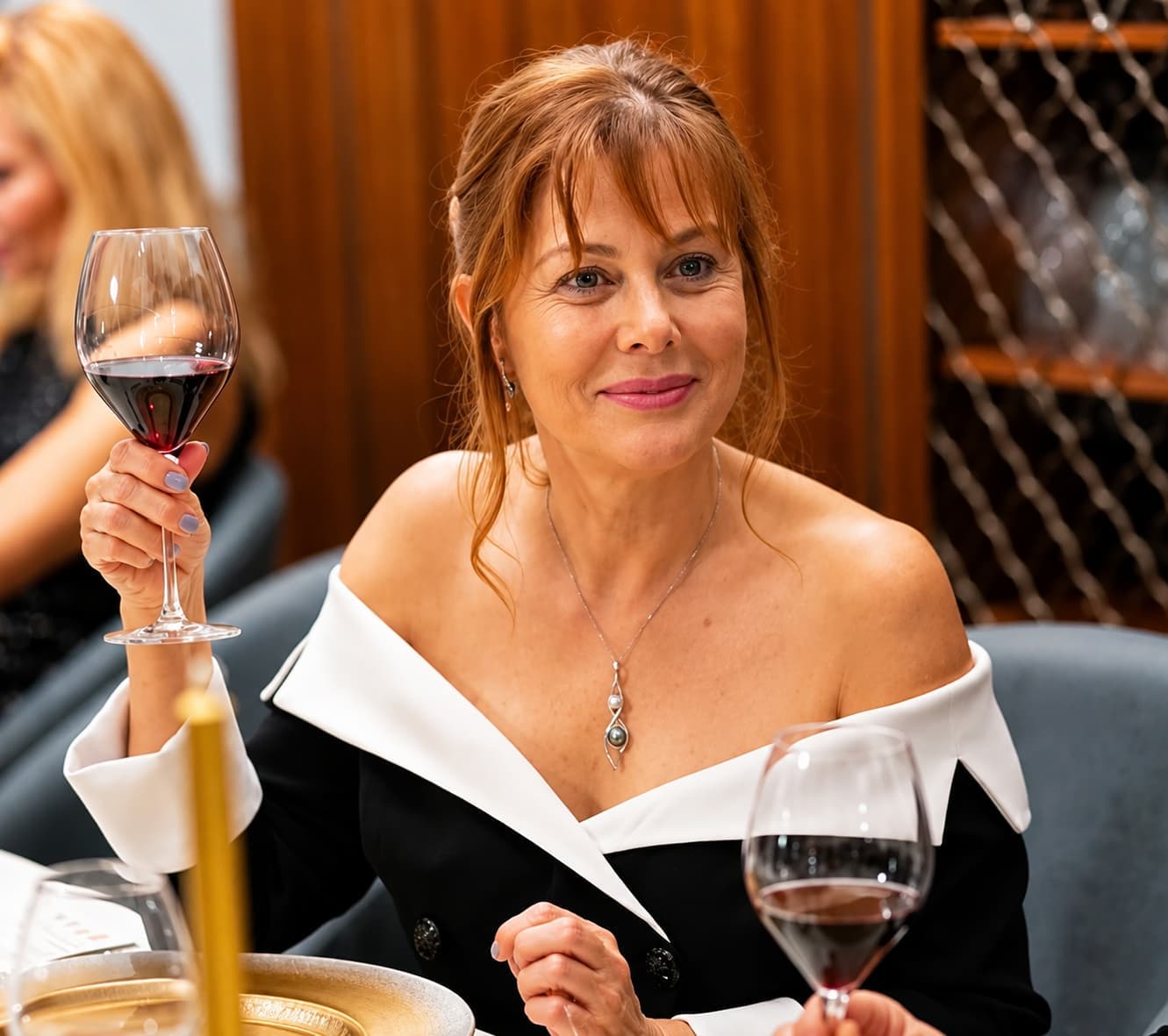
I would like them to feel as though they are leaving the home of friends rather than a hotel. I want them to remember not only the wine, but also the warmth and hospitality of Anatolia.
You have also made this journey as a female producer and entrepreneur. How has the place of women in the wine world changed from the years when you first started until today?
In recent years, I have seen many more women working as producers, sommeliers and entrepreneurs. I believe this change enriches both the quality of the industry and its perspectives. The sensitivity women bring to the sector is very valuable.
Let’s look a little further ahead. The climate is changing and water is becoming increasingly valuable. What do you think will be the greatest challenge for Turkish winemaking over the next ten years?
Climate change and water management. It is no longer enough simply to produce high-quality wine; we have to produce sustainably. We also need to reconsider how we will adapt to changing conditions.
If the international wine world were standing before you and you had only one sentence to describe Türkiye, what would you say?
“Türkiye is one of the world’s most ancient wine lands, waiting to be rediscovered.”
Wine can sometimes preserve a particular period in a person’s life. Which Vinolus takes you back to an earlier version of Oluş when you open a bottle?
The first Vinolus Emir we produced. Because that bottle carried both the dream of producing a high-quality wine that reflected the character of our land and the excitement of the new life I had begun. For that reason, it will always hold a very special place for me.
We have come all the way from the first Vinolus Emir to today. Let’s finish where we began, with legacy. Years from now, when people say, “This is what Oluş Molu left us,” what would you like them to mean?
I would like people to say, “Oluş Molu protected the soil, created an original approach to production, kept Anatolia’s vineyard culture alive and never stopped sharing it.” My greatest legacy would be not so much the wine in the bottles, but having contributed to people believing once again in nature and in the values of Anatolia.
Teruar Urla: The Aegean at the Heart of the Kitchen