Hector Maldonado captures Istanbul on film while exploring time through his other passion, mechanical watches. For him, photography and watchmaking pursue the same question: What does time really look like?
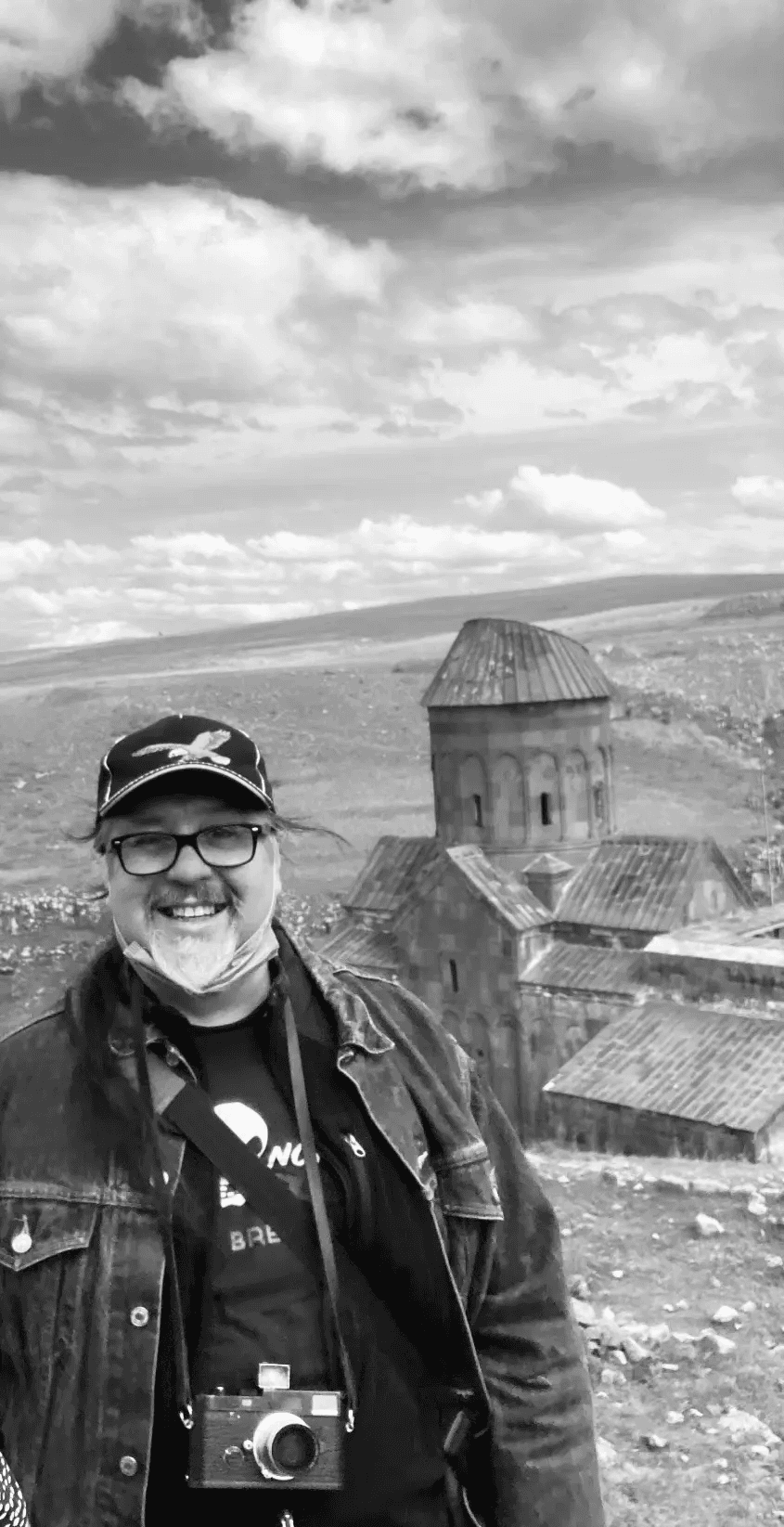
Having lived in Istanbul for some time, photographer Hector Maldonado sees analogue photography not merely as a technique, but as one of the most authentic ways of preserving memory. He builds his visual world, shaped by his Native American roots, through black-and-white images he develops and prints in his own darkroom. His work has been shown at the Harold Washington Cultural Center and the Chrysler Building as part of Native American Heritage Month, while his Powwow series has been exhibited at Trickster Gallery. City Abandoned, a project focusing on Istanbul’s urban memory through photographs of Tarlabaşı, was exhibited at the Tamarkin Leica Rangefinder Gallery. His long-standing passion for collecting mechanical watches reveals another side of his relationship with time. Accompanied by Maldonado’s photographs, we spoke about a story that stretches from his childhood to his daily life in Istanbul, from his photographic rituals to collecting.
What kind of world did growing up in a Native American family open up to you as a child? What is the first family story you remember?
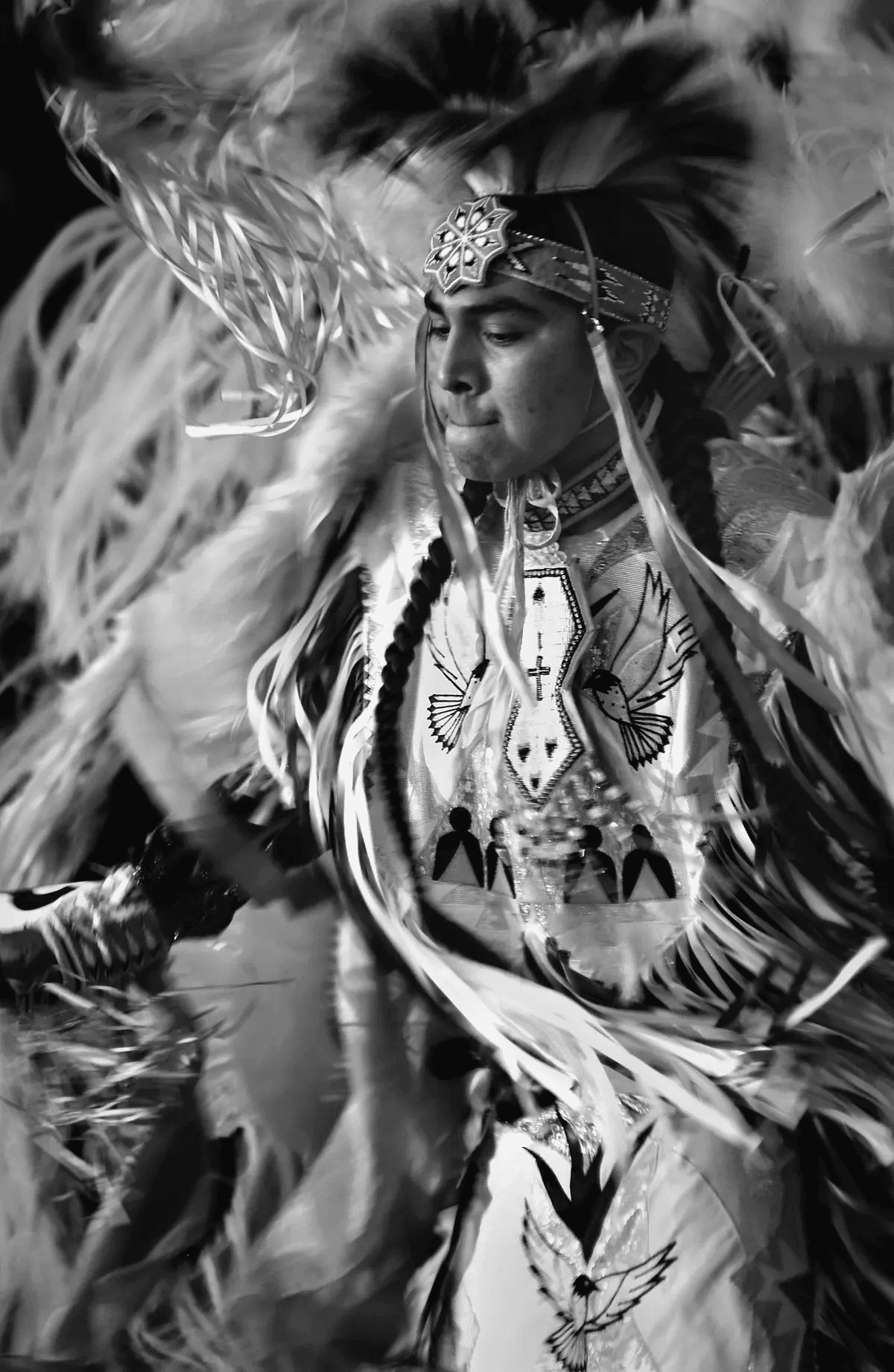
In fact, I grew up somewhat removed from my own culture. Because my father was Mexican, the cultural heritage on my mother’s side was not at the centre of our everyday life. Still, when I was young, we would occasionally visit my mother’s tribe. My first real encounter with my roots came later, in my teenage years, when I attended my first Powwow. That day, I realised that the dancing, the songs and the sense of coming together were not simply a celebration; they created a powerful feeling of belonging that reminded me who I was.
Which tribe does your family belong to? What rituals or traditions from that culture remain part of your life today?
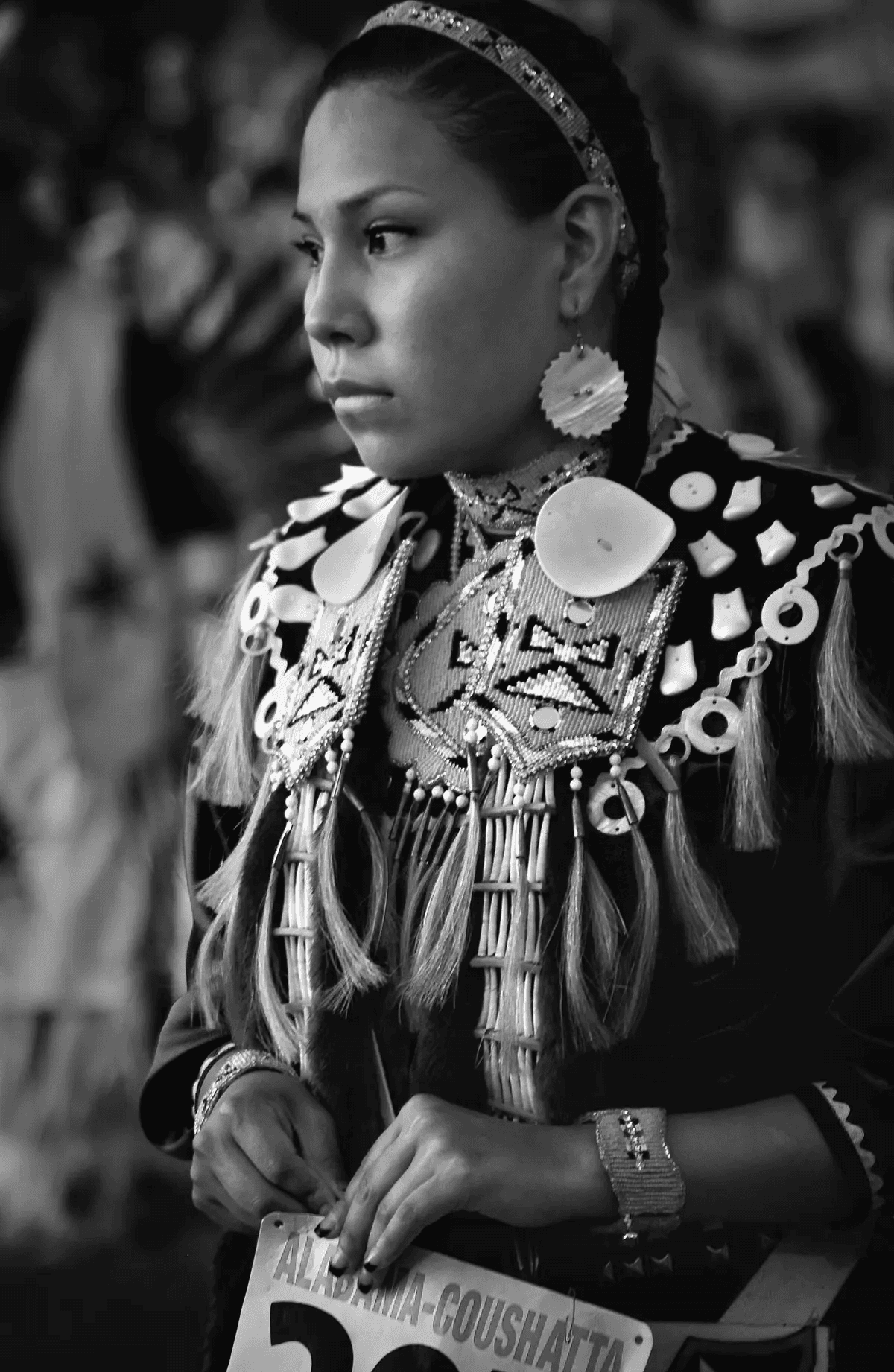
I am an enrolled member of the Alabama-Coushatta Tribe of Texas, which has the oldest reservation in the state. My clan is called Daddy Longlegs, and in our community clan identity is passed from mother to child because ours is a matriarchal society.
One of the central teachings of our tribe is a belief known as “The Twin Manifestations”. We believe that the greatest gift the Great Spirit gave to human beings is free will. Throughout life, each person makes their own choices between good and evil. That idea remains one of the values that guides my life today.
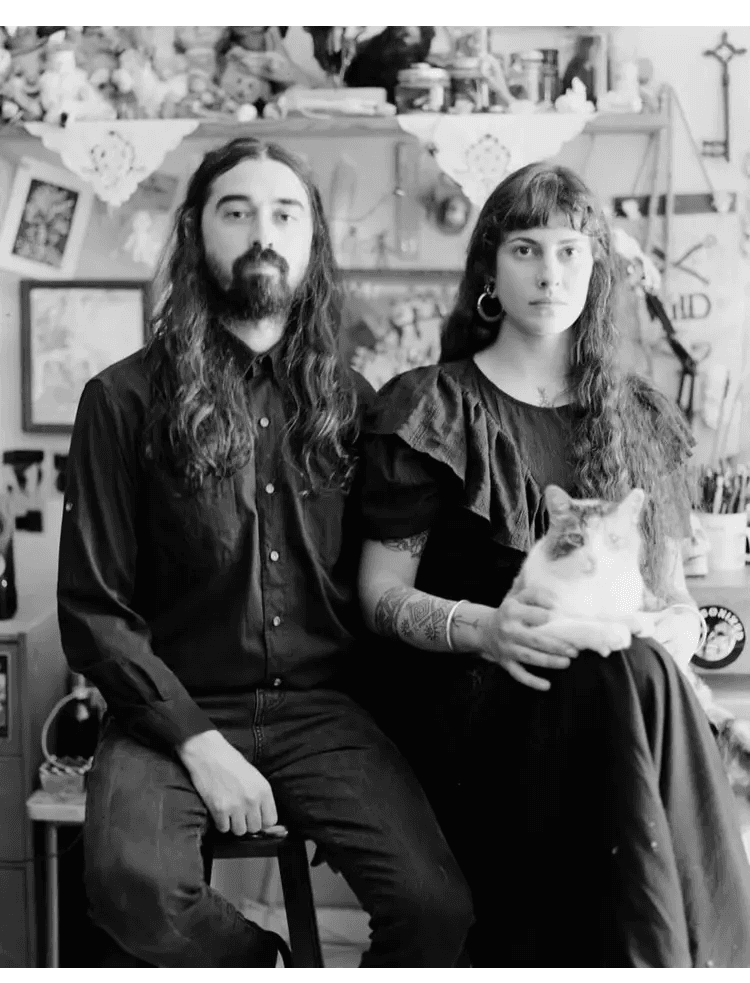
What did your elders pass on to you most strongly: stories, or a way of looking at nature?
Each of them left me a very different legacy. My aunt, Leona Sylestine, was the matriarch of the tribe. From her, I learned respect for women and how strong women can hold a community together. My uncle, Clem Fain Sylestine, was the tribal chief. He taught me not only the history of the Alabama-Coushatta people, but also how nature speaks to us and how everything is connected by invisible bonds. My mother, Ina Abbey, taught me something much simpler, but perhaps the most valuable lesson of all: how to be a good person. She was one of the best people I have ever known.
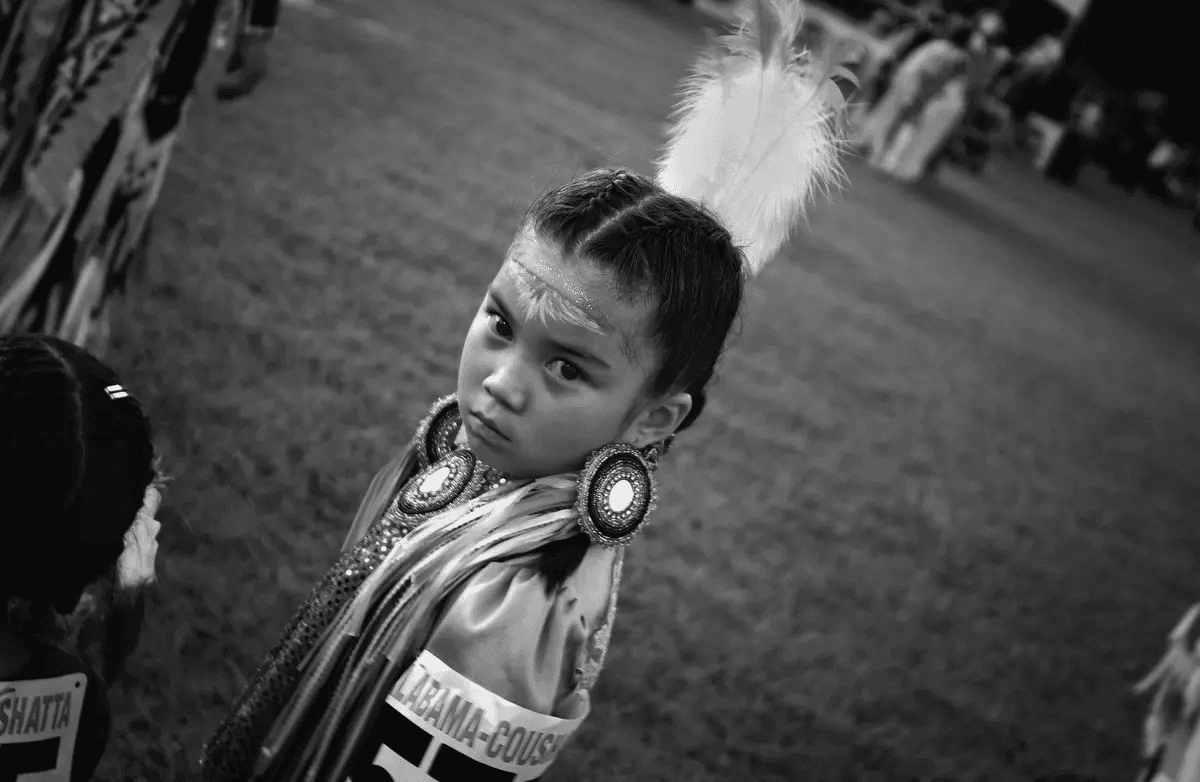
Istanbul’s Deep Shadows
Do you remember the first day you came to Istanbul? How did the city strike you at first?
I remember it very well. I had finally arrived in this exotic city that I had only ever seen in magazines and documentaries. My first impression was of a place that was incredibly vibrant, dynamic and full of life. It felt as though every corner held another story.
When you came from another culture and began living in Istanbul, when did the city start to feel like home?
Istanbul has a kind of hospitality that can take you by surprise. I cannot say exactly when it became “home”, because I felt comfortable and accepted here almost from the very beginning. I think that is one of the city’s most beautiful qualities.
Which neighbourhoods in Istanbul do you most enjoy spending time in?
I love the older neighbourhoods on the European side: Tarlabaşı, Eminönü, Eyüpsultan and Balat. You can still see the real Istanbul there. People know one another, and three generations can sit and talk together on the same street. That sense of intimacy makes me feel safe and keeps my desire to explore alive.
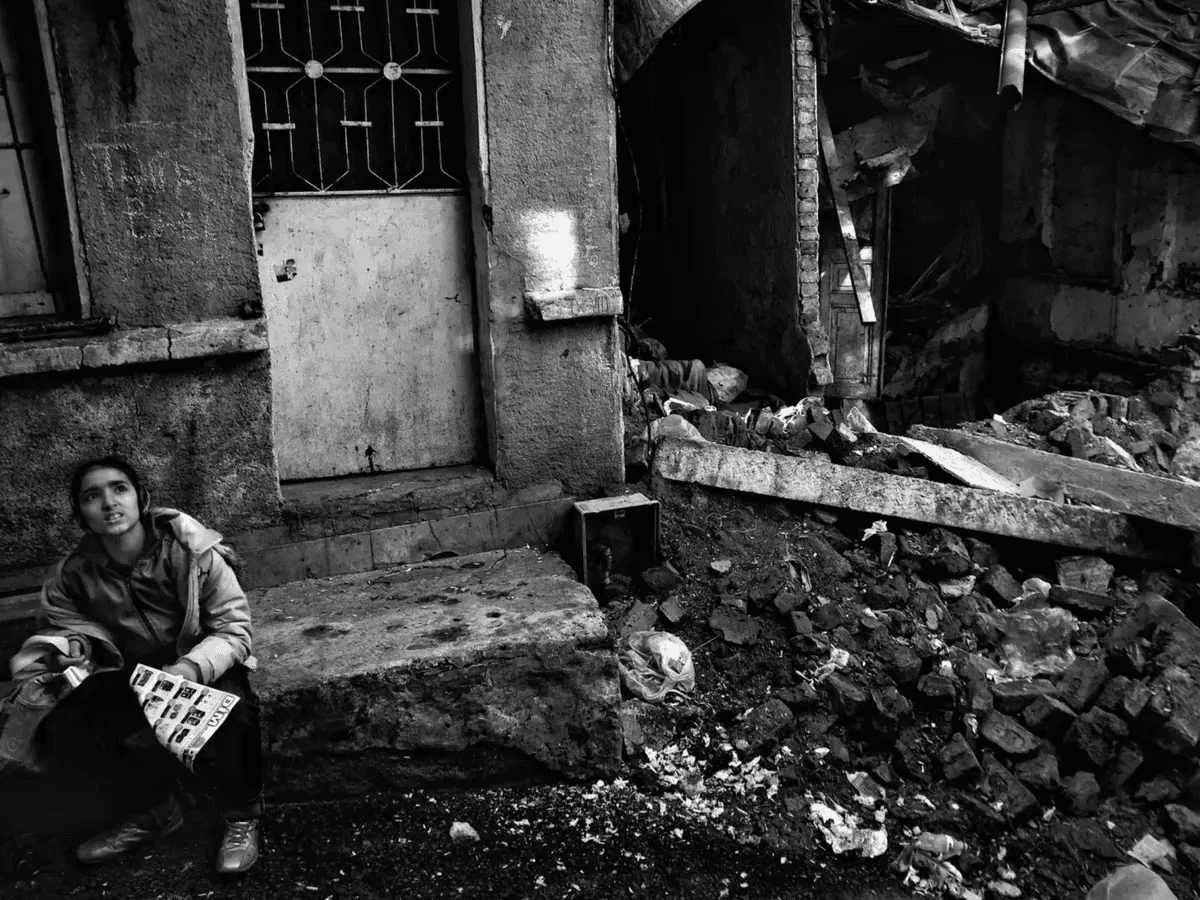
What affects you most about Istanbul: people’s faces, the light, or its sense of time?
Istanbul is a very old city with deep shadows. Its darkness has as much character as its light. But what fascinates me most are people’s faces. When you walk through this city, you never know who you will meet around the next corner. Istanbul is full of surprises.
What is the first thing that catches your attention when you photograph someone?
It is never just one thing. For me, a face and the energy a person carries are inseparable. In a way, it is that invisible energy that creates the photograph.
Before taking a portrait, do you prefer long conversations, or silence?
In street photography, I usually do not speak to people. The moment you start talking, the natural quality of the moment begins to disappear. I see photography as the art of reducing reality to a personal point of view; almost a language of subtraction. I record my own experiences, the scenes I encounter and details that last less than a second, as they appear before me. What I try to do is share with the viewer the diversity of the world I have witnessed.
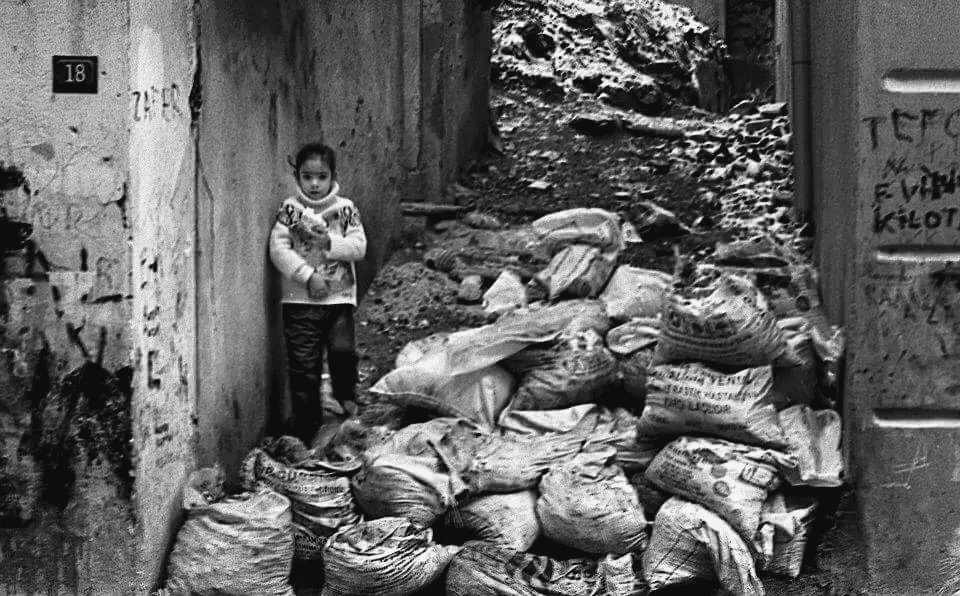
In the digital age, why is developing your own film in the darkroom still indispensable to you?
Because that is how I learned photography. What I love most is being able to control the entire process. From the negative to the final print, every stage belongs to me, and I love the ritual of making the image itself.
Which is more exciting: the moment you press the shutter, or watching the negative slowly appear in the darkroom?
They carry completely different kinds of excitement. In one, you capture the moment; in the other, you see for the first time that the moment truly exists.
Have you ever come across an image during developing that surprised even you?
Not really. I photograph with intention. By the time I press the shutter, I already have a fairly clear idea in my mind of the image that will appear in the darkroom.
Does your Native American identity quietly find its way into your portraits as well?
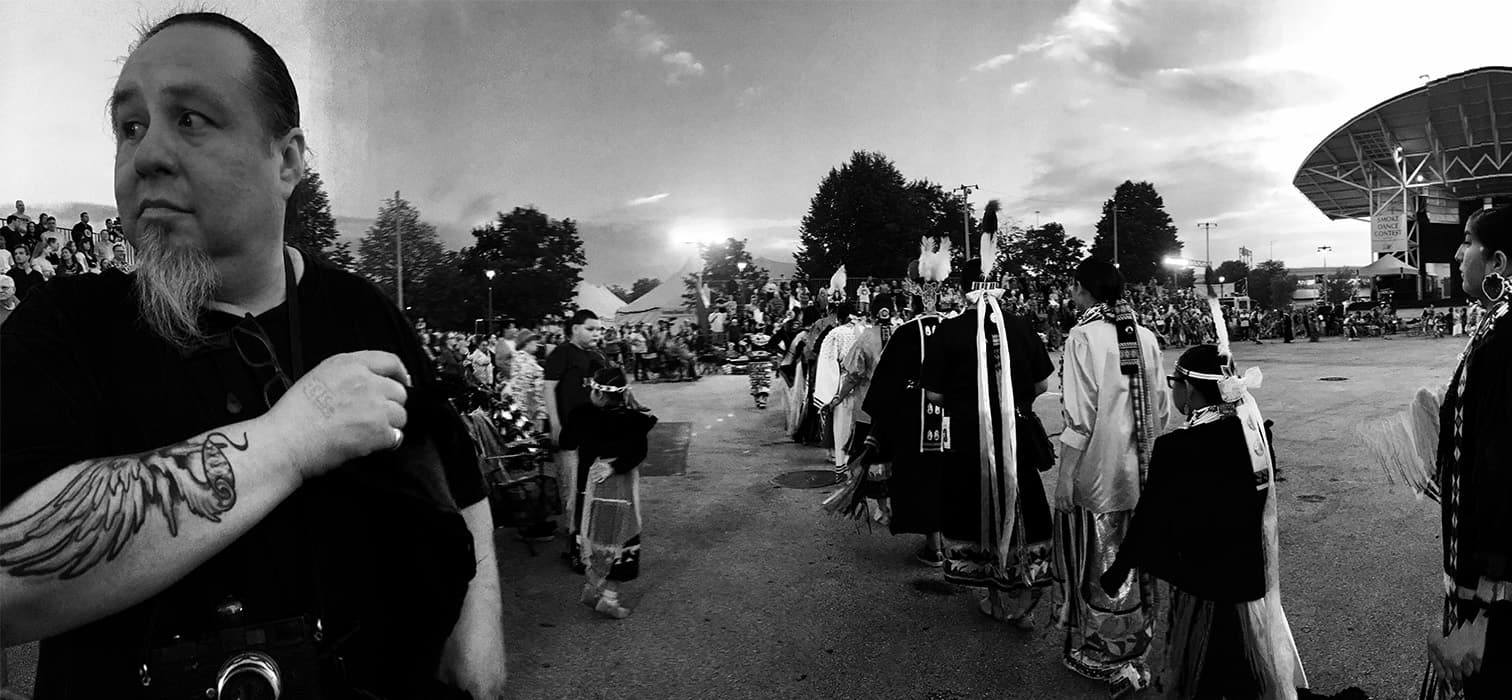
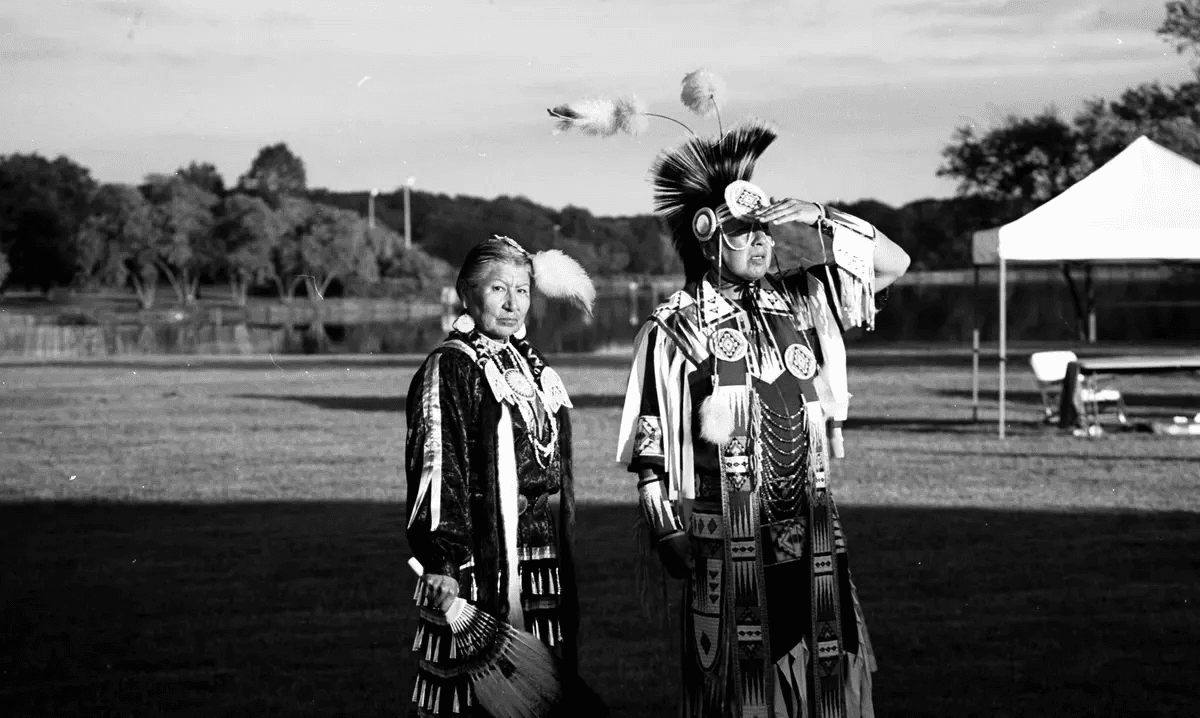
I do not consciously look for that in my street photographs in Istanbul. But when I photograph at Powwows, among my own people, things change. There is a very strong connection between my photography and my roots there. Even if it is not visible from the outside, it is a layer I feel in every frame.
Do you see a shared emotion connecting the people you photograph in Istanbul?
In an age when every part of society is surrounded by artificial sensory stimuli, experiences this simple can reconnect us with the world. They nourish the soul by making us feel beauty, a kind of chaotic order, and the vitality of life.
My two greatest passions in life are travel and photography. I believe travel broadens the way we see the world. Experiencing different cultures, meeting people from other communities and countries, and seeing both the extraordinary beauty of the world and, at times, its painful side have taught me something important: all our lives are interconnected, and yet each one is unique. These journeys have allowed me to appreciate my own home and culture more deeply, as well as the cultures of the people I have met and the places I have seen.
Would you ever like to make a deeply personal photography book devoted entirely to your own family’s story?
Yes. In fact, that is my next project. We will soon return to the land where my tribe lives. I want to photograph my own people there and create a visual archive documenting their lives, memories and culture. For me, it will be more than a photography project; it will also be a story of returning to my roots.
Time: Numbers and Mathematics
Photography freezes time, while a mechanical watch makes its passage visible. How do these two passions come together in your mind?
Time… Numbers and mathematics. For me, photography is about distilling reality through a personal point of view; much like mathematics, it is a process of stripping things back until you reach their essence. I record my own experiences, fleeting scenes and those very brief details my eye happens to catch. What I am really doing is dividing time, breaking it into smaller pieces and sharing the world with the viewer in all the diversity in which I see it.
When did your watch collection begin? What was the first watch you owned?
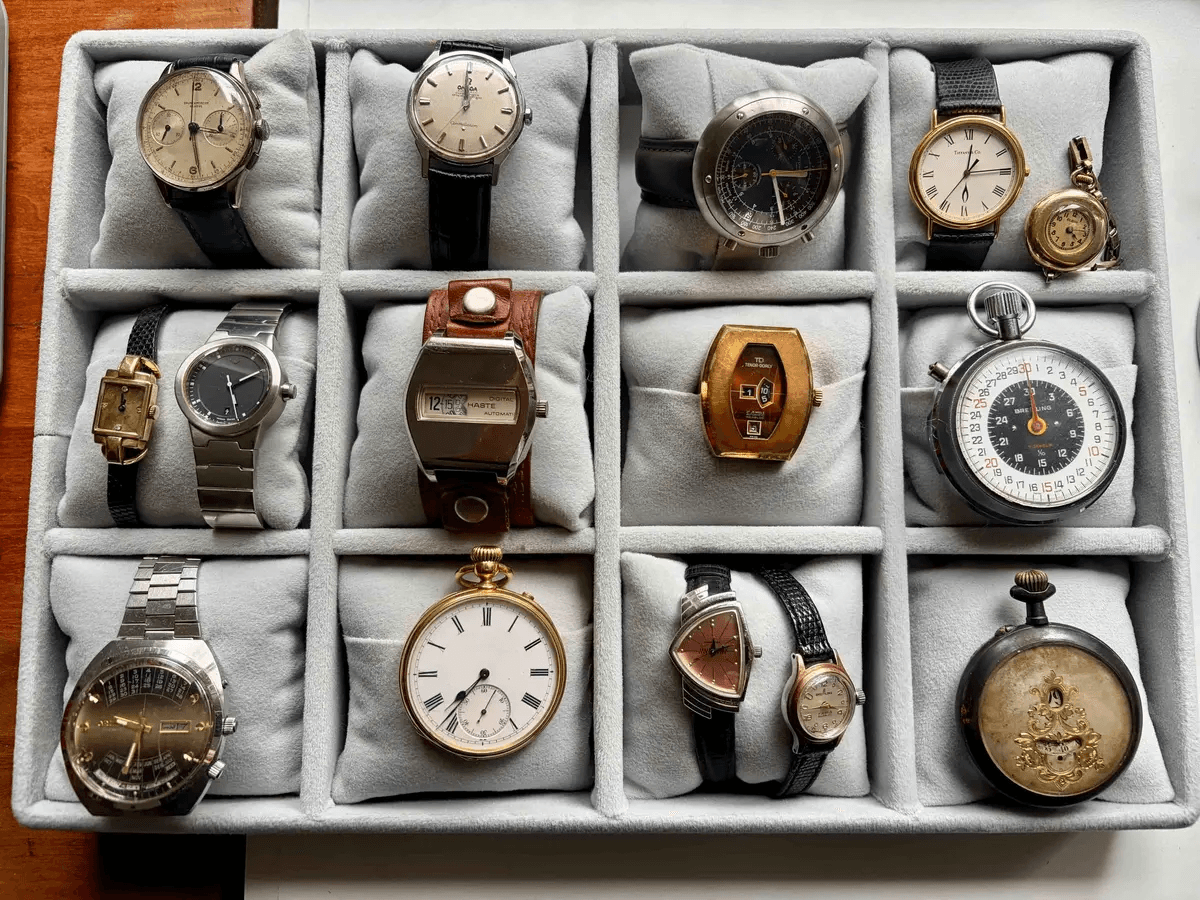
I was 14. My father’s aunt in Mexico gave me a simple, hand-wound analogue Citizen watch. That became the first piece in my collection.
Which watch in your collection is valuable not because of its price, but entirely because of its story?
The most precious are two Omega Constellations. One belonged to my father-in-law’s father, and the other was my father-in-law’s own watch. They were given to us when my wife and I got married. There is something almost impossible to describe about wearing a family legacy that has been carried across generations.
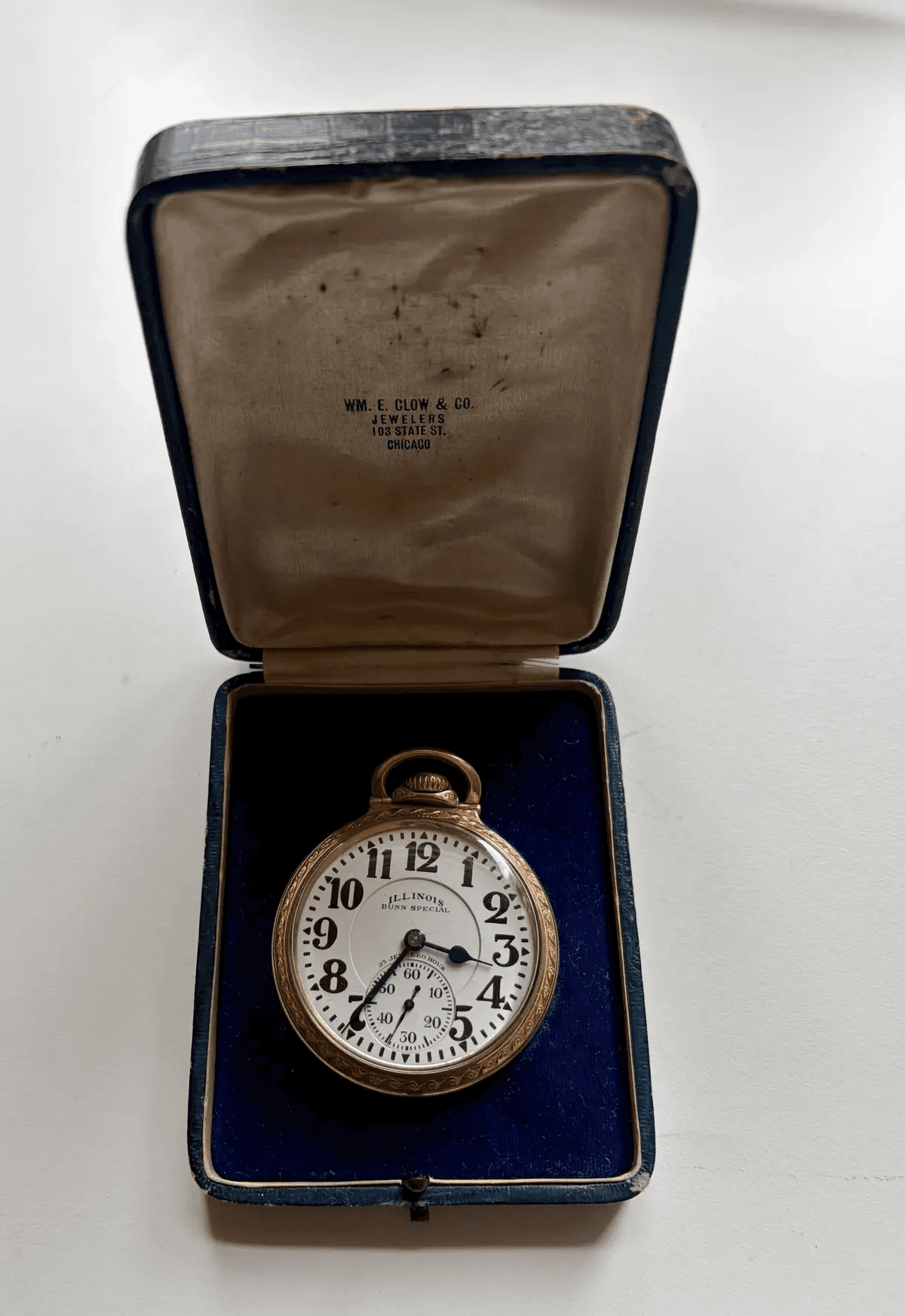
What truly makes a watch beautiful to you: its complications, its movement, or the story of the person who wears it?
The complexity and extraordinary precision of a mechanical watch movement are works of art in themselves. What fascinates me most is that invisible craftsmanship.
Does your relationship with watchmakers remind you of the craftsmanship of the darkroom? Do you see a connection between the two?
Absolutely. Their common language is time. In the darkroom, just as in a mechanical watch, everything depends on the right measurement, the right moment and an understanding of time. Whatever I do, I always seem to return to time.
Photos: Hector Maldonado
Omar Victor Diop: “What I Create Now Is Not Merely Photography”
Jill Greenberg: “Messy Handmade Work Feels Necessary”
Elif Koyutürk Hazen: The Archive of What History Couldn’t Write