We are looking at a magnificent automobile, but can this electric GT really secure the future of the British marque?
Jaguar is one of Britain’s most iconic automotive brands, a name that has always combined sporting luxury with high performance and a distinctly aristocratic character. We use the past tense deliberately. The brand recently announced its transition to an entirely electric future, ceased production of new vehicles for much of the past year, and sparked worldwide controversy with the Type 00 concept unveiled during Miami Art Week in December 2024, along with the campaign surrounding its launch. The backlash ultimately cost both its creative agency and CEO their positions. Just as these debates were beginning to fade, the first production car of Jaguar’s new electric era has finally appeared in the flesh. And there is plenty to discuss.
A Car With Attitude, Whatever the Controversy
During Jaguar’s rebranding, critics argued that the company had been excessively influenced by “woke” culture, abandoning its familiar colours and language in favour of an entirely different message. Even people who had never driven a Jaguar, or perhaps never been anywhere near one, joined the debate, contributing to a social media backlash.
In that sense, the campaign launched shortly before the Type 00 concept in December 2024 could be considered a success. Think about it: a brand that has produced virtually no cars over the past two years has nevertheless kept us constantly talking about it. The result is a classic case of “love it or hate it”. One thing, however, is undeniable: this is a car with a distinct attitude, one that makes its presence felt, closes one chapter and opens another.
Jaguar Hasn’t Softened: It Has Carried Its Heritage Into the Future
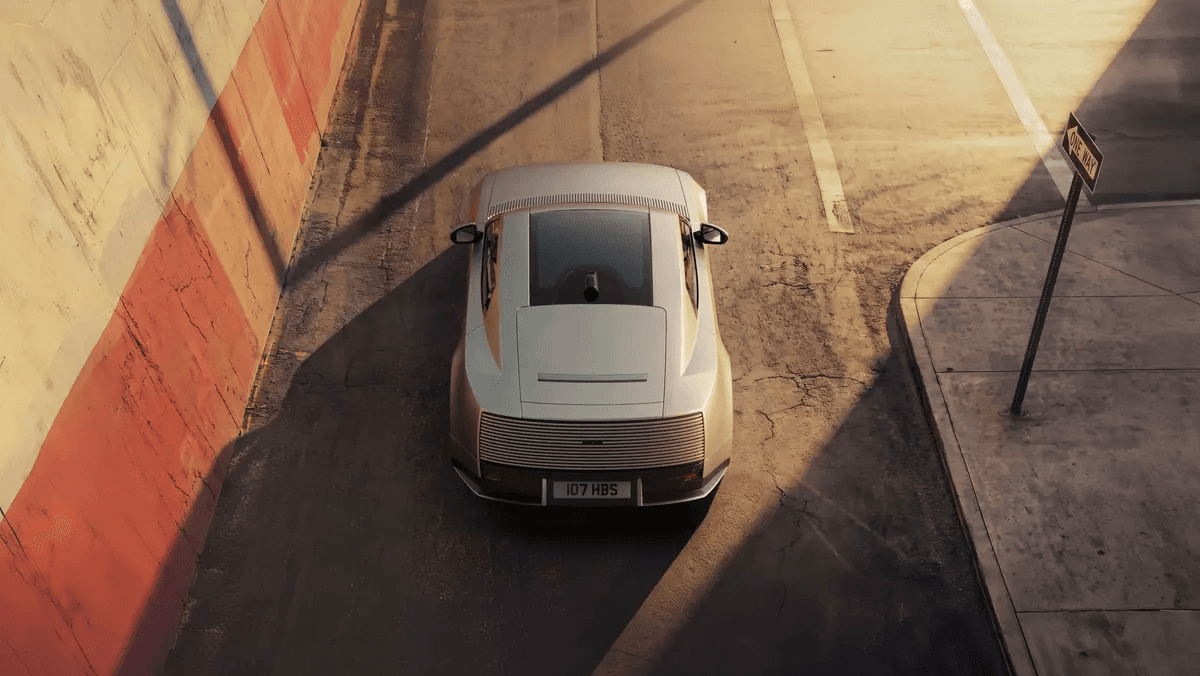
Following what some considered an excessive display of political correctness during the launch campaign, the Jaguar Type 01 has emerged as a genuine feat of engineering. Although the brand may have taken its initial attempt to erase its past a little too far, Jaguar is now adapting its traditions to a vision of future electric mobility.
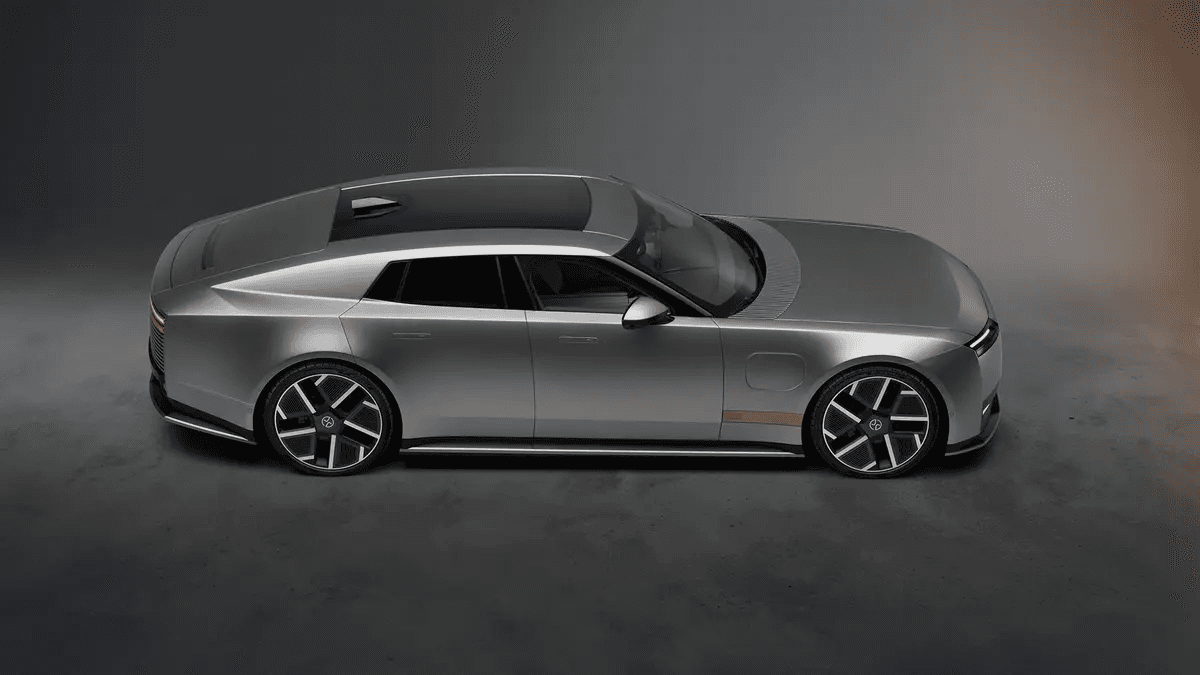
At first glance, the Type 01 looks startlingly different and avant-garde. Whether it proves to be a passing fashion or a future cult classic remains to be seen. What is clear is that numerous references to Jaguar’s history have been incorporated throughout the car, some immediately apparent, others cleverly concealed.
The Real Breakthrough Will Come With the Models That Follow
It has to be acknowledged that many motorists admired Jaguar without actually buying one. The brand was consequently facing serious financial difficulties, prompting the decision to embark on this ambitious rebirth.
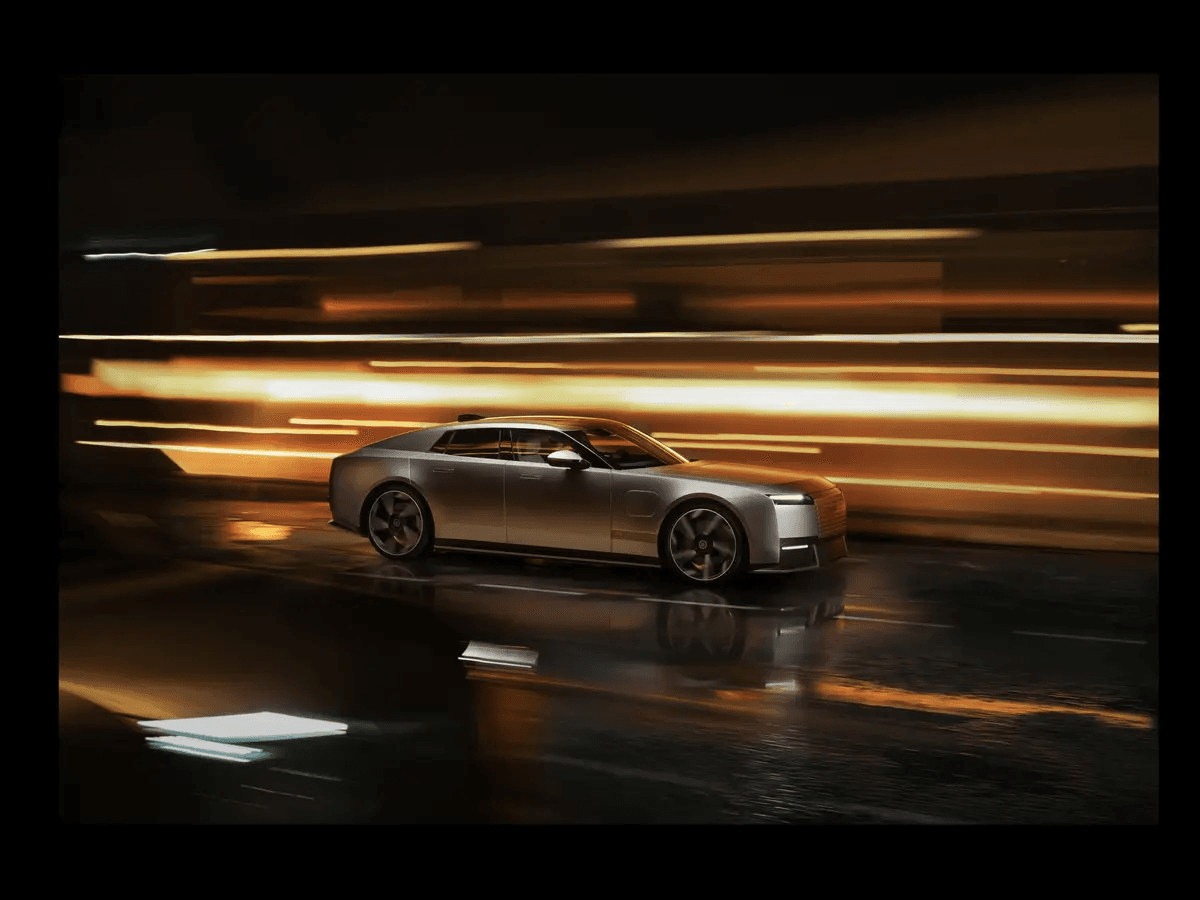
Jaguar‘s survival or decline will not depend on the Type 01 alone. This electric model is a four-seat, four-door grand tourer, with an SUV scheduled to follow and a sporting coupé planned for subsequent years. Jaguar has positioned the Type 01 as its new flagship in the luxury segment, but expects its forthcoming SUV to generate the real surge in sales.
The Designers Imagined It, the Engineers Made It Possible
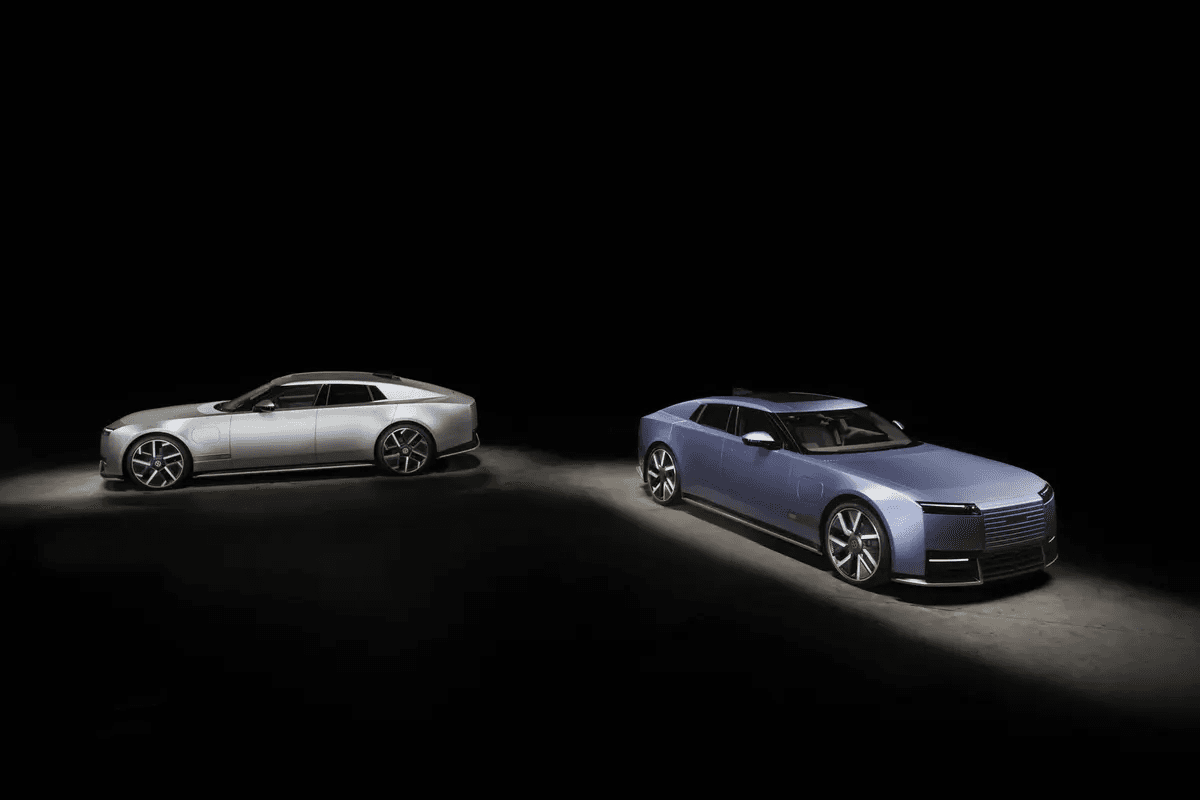
The Jaguar Type 01 is a car in which designers established an ambitious vision and engineers transformed that vision into reality.
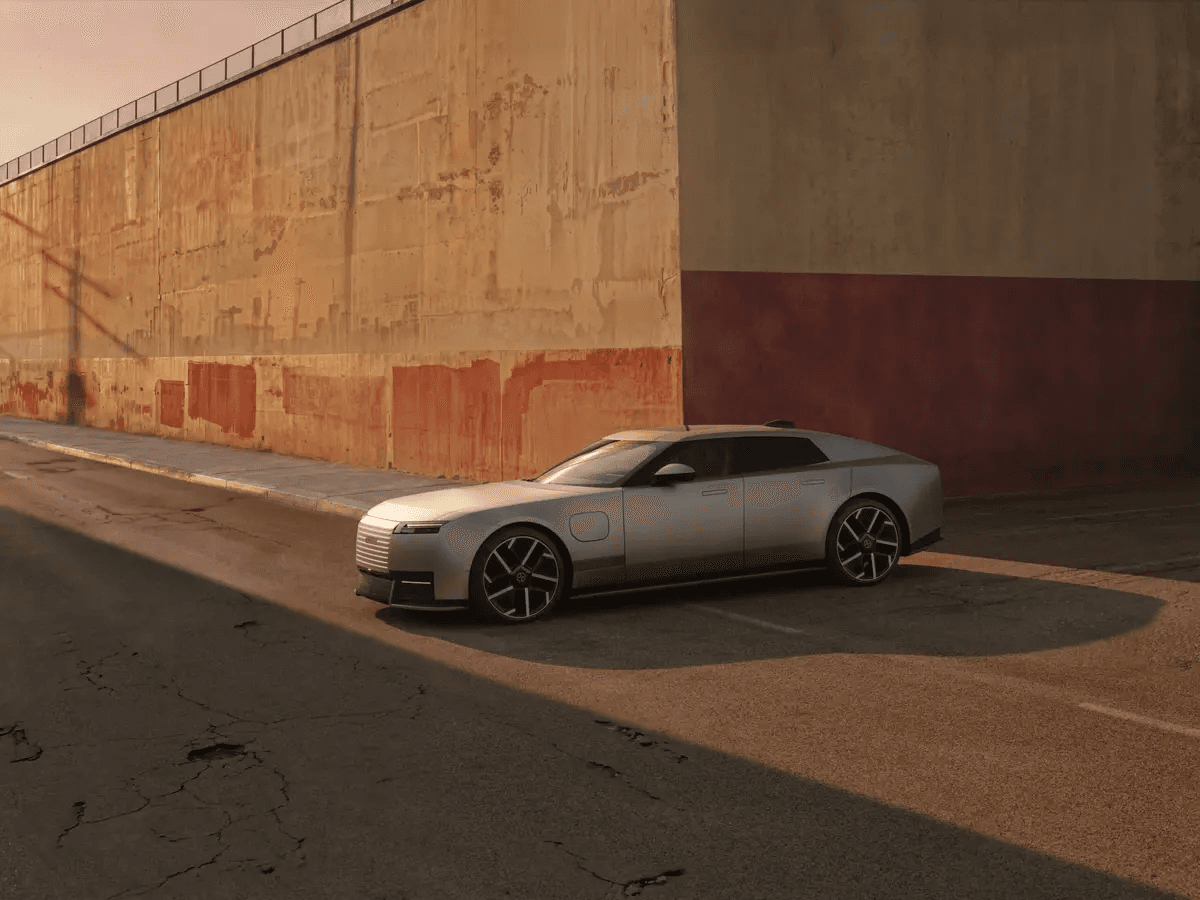
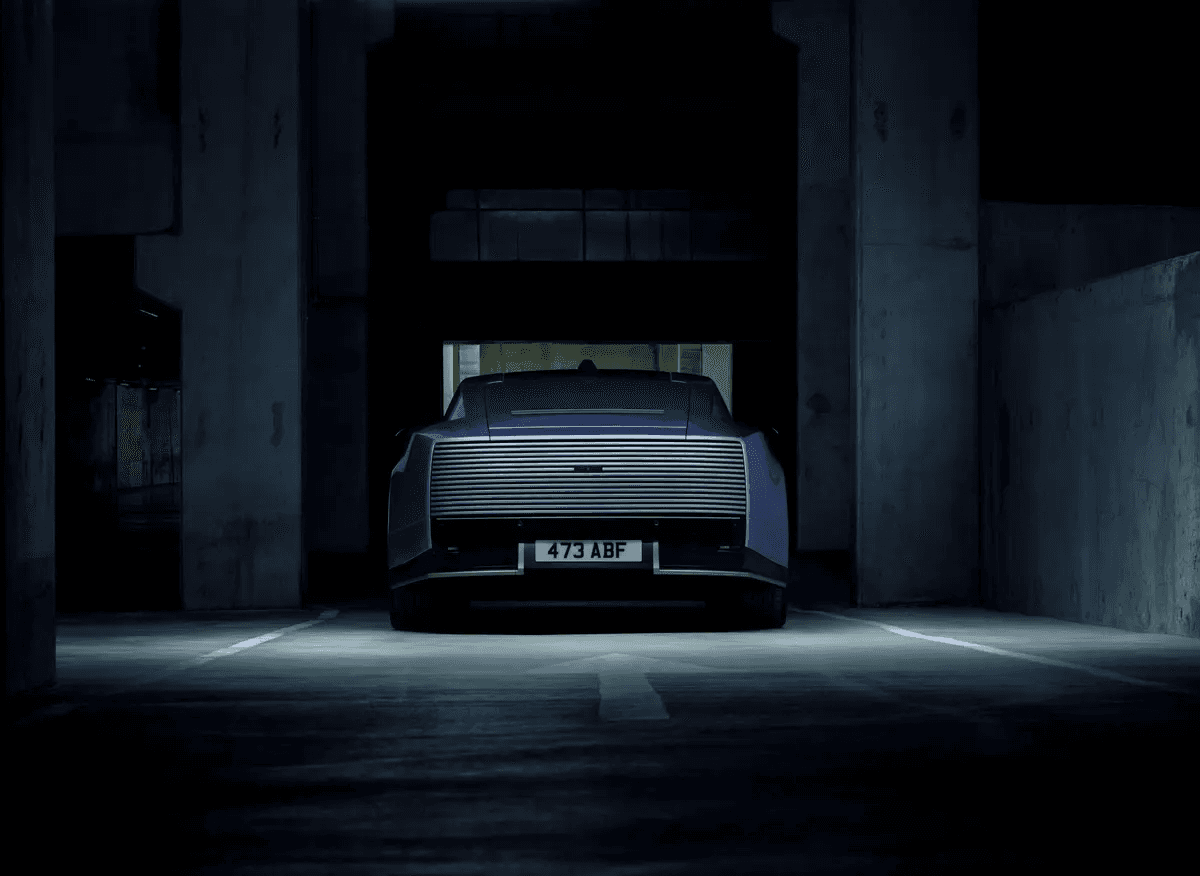
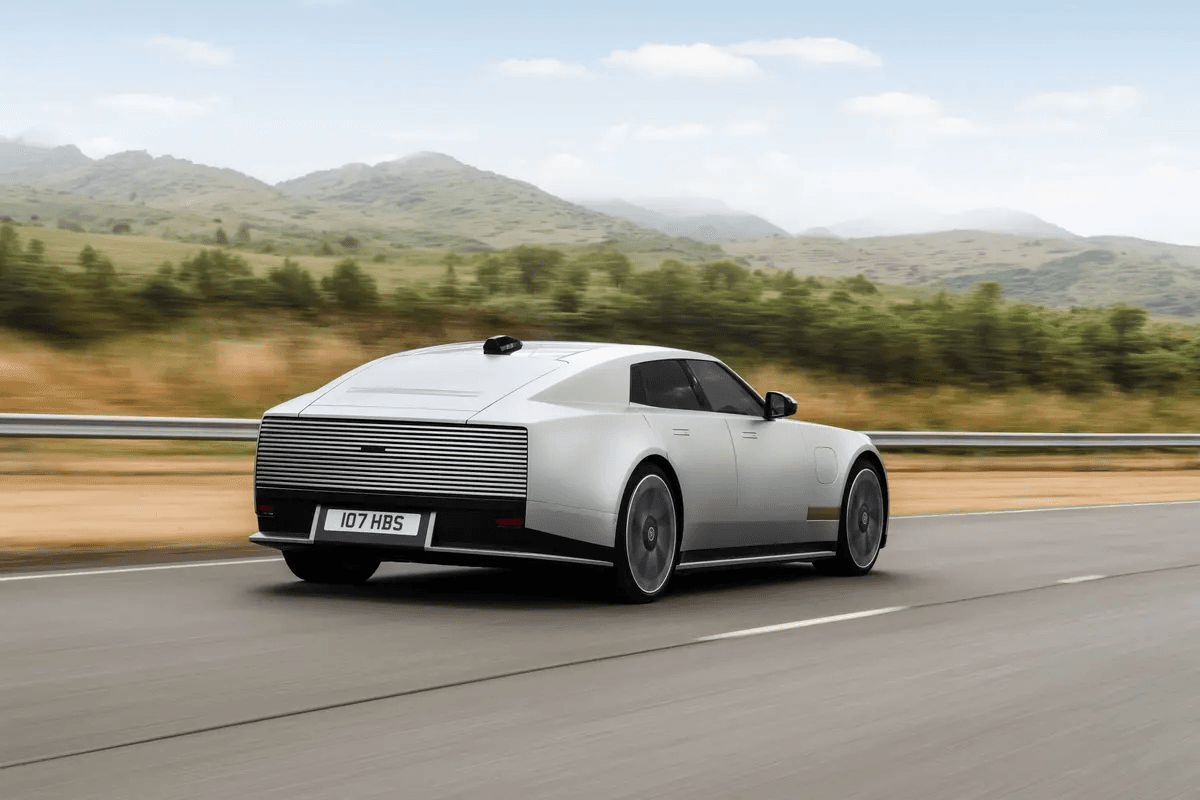
Measuring 5.2 metres in length and 2.2 metres in width, including its mirrors, the Type 01 has four doors rather than the two featured on the Type 00 prototypes. Yet it retains some radical design elements, including the absence of a rear window. Instead, a camera provides the rear view, displaying its image in the centre of the dashboard.
Riding on 23-inch wheels, the Jaguar Type 01 is remarkably low, standing just 1.4 metres tall. Stack its tyres vertically and they would exceed the height of the entire car. To minimise the intrusion of the 118 kWh battery pack into the passenger compartment, Jaguar has opted for four individual seats.
Ingenious Front Suspension Geometry
Unlike the V12 and V8 engines that once occupied Jaguar’s enormous bonnets, the space beneath the Type 01’s long hood houses one of its three electric motors and various technical components.
At first glance, there seems to be insufficient room for the suspension travel required to maintain comfort with 23-inch wheels, although 21-inch wheels will also be available as an option. The available space is just 133 mm.
The solution is an entirely new front suspension geometry. Additional channels have been engineered into the chassis to allow the moving components to provide sufficient suspension travel within this remarkably confined space. Two-stage air suspension and adaptive dampers help preserve both driving dynamics and ride comfort.
A New Logo and a New Visual Identity
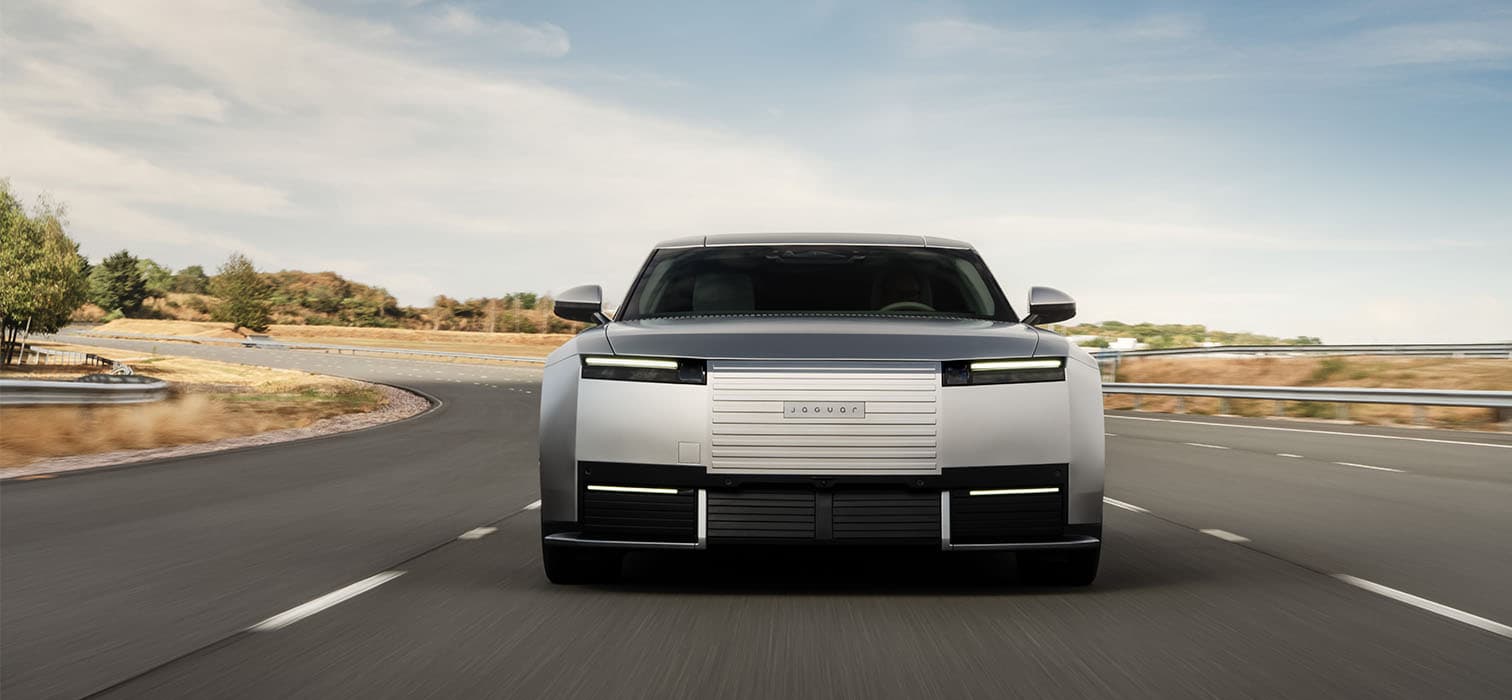
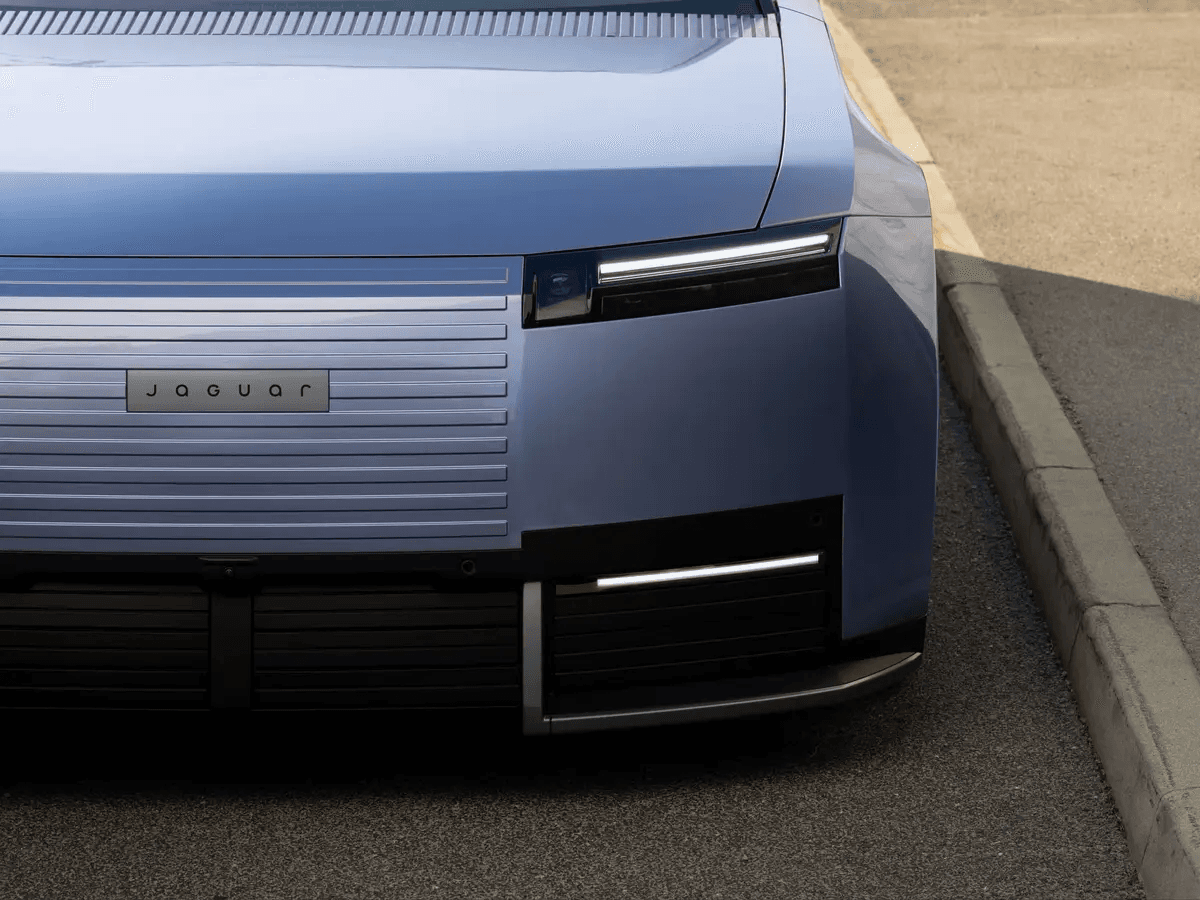
As on the concept car, the completely enclosed front end features the new “JaGuar” lettering. That capital G is no typographical error: it is part of the brand’s redesigned identity.
Beneath the front bumper are active air ducts that open and close to cool the batteries. Additional adaptive ducts at the lower corners of the bumper open when brake cooling is required. Under normal conditions, all these panels remain closed to maximise aerodynamic efficiency.
Despite its almost wall-like front end, the Type 01 achieves a drag coefficient of just 0.23 Cd. Some rivals manage even lower figures, but this is nevertheless an impressive result.
A Bonnet That Pays Tribute to the XJS
Beyond a subtle break in the bodywork, the enormous bonnet stretches out before the driver like an uninterrupted surface. The distance between the centre of the front wheels and the front passengers’ footwells is 898 mm, unusually generous even in relation to the car’s overall dimensions and entirely in keeping with its grand touring character.
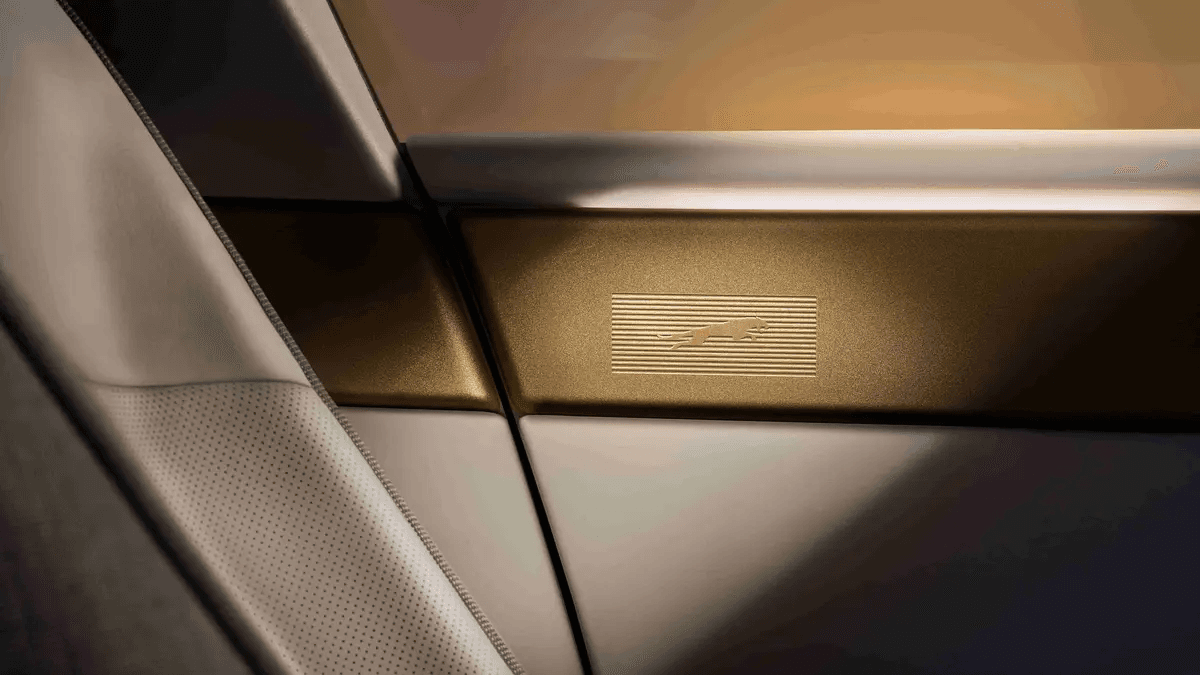
This area incorporates the charging ports and a redesigned version of Jaguar’s famous Leaper emblem. Jaguar calls it “luxury space”.
The grooves near the base of the windscreen reference the classic Jaguar XJS. This time, however, they are completely closed, since there is no combustion engine requiring ventilation. Their lines continue into the interior cockpit, establishing a visual connection between exterior and cabin. The long bonnet itself is an unmistakable tribute to the marque’s legendary sports cars and grand tourers.
A Radical Rear Design
The gently sloping rear of the Jaguar Type 01 looks unlike that of any conventional car. Beyond the absence of a rear window, its sharply defined edges, distinctive channels and lighting elements extending along those channels create an unmistakably original appearance.
Some have compared the design to the cooling units of wall-mounted air conditioners. Yet these unusual elements serve an aerodynamic purpose, reducing the vortex effect generated while driving and creating the equivalent of approximately 4 kg of forward force, improving efficiency.
Meanwhile, the shoulder line that begins at the front bonnet gradually widens towards the rear, emphasising the fastback profile.
They Actually Built the “Impossible Panel”
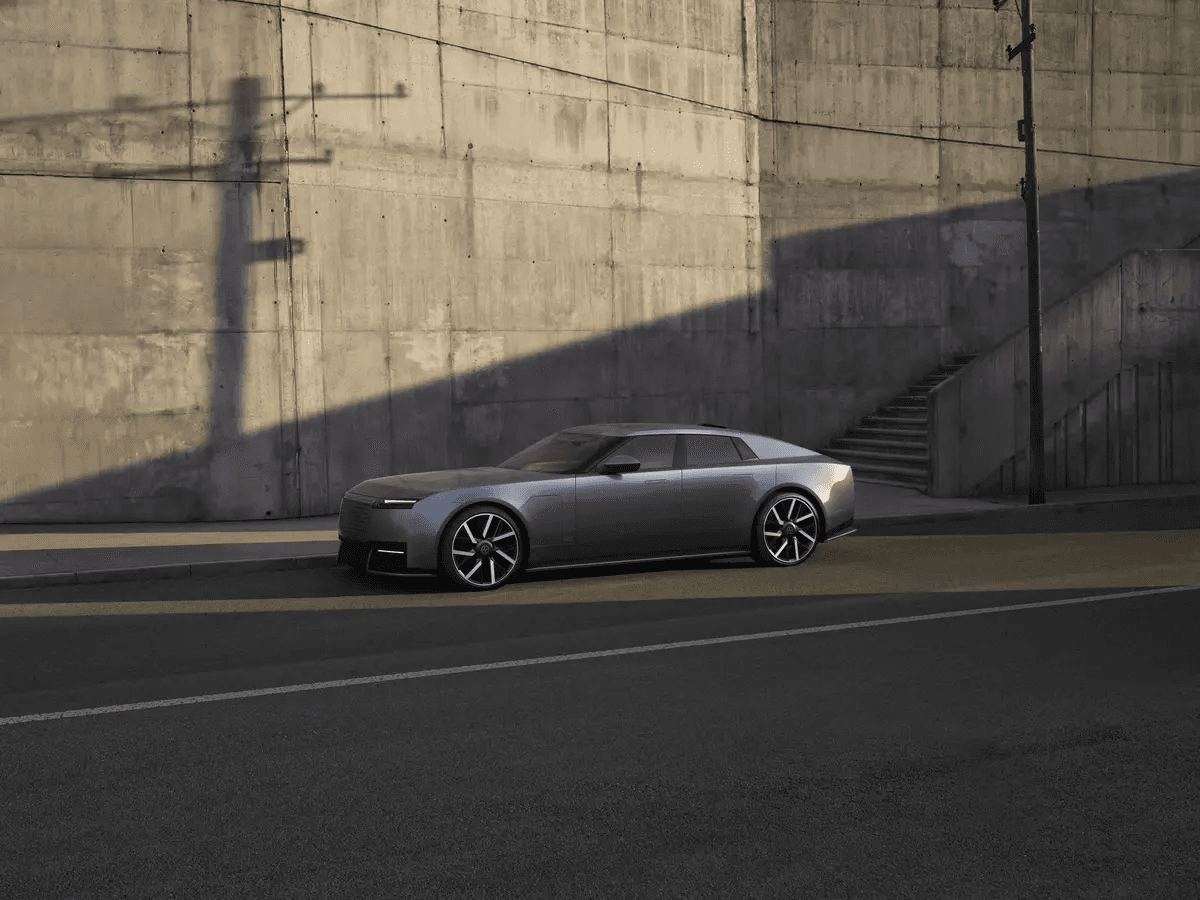
One of the greatest production challenges for the Jaguar Type 01 involved its side panel. While similar components typically require around four weeks of development, the Type 01’s panel took 22 weeks to complete.
Beginning above the front doors, extending across the roof and continuing all the way down towards the rear bumper and the ground, this single-piece panel also incorporates the curve of the shoulder line.
Jaguar’s engineers consequently nicknamed it the “Impossible Panel”. Apparently, even the impossible can be manufactured after all. How damage to such a component will be repaired, however, remains to be seen.
Don’t Expect an Enormous Boot
The most prominent elements interrupting the car’s otherwise monolithic appearance are the roof-mounted camera and an electrically operated rear spoiler, which generates 75 kg of downforce when deployed.
Behind the boot lid lies 450 litres of luggage space, hardly generous for a car of these dimensions. With its shallow proportions and high loading threshold, one thing is certain: this is no Tesla Model Y.
Grand Touring Spirit Inside
Jaguar openly acknowledges that it did not set out to create the most spacious electric luxury saloon on the market. That was never the objective, and historically, it has never really been Jaguar’s approach.
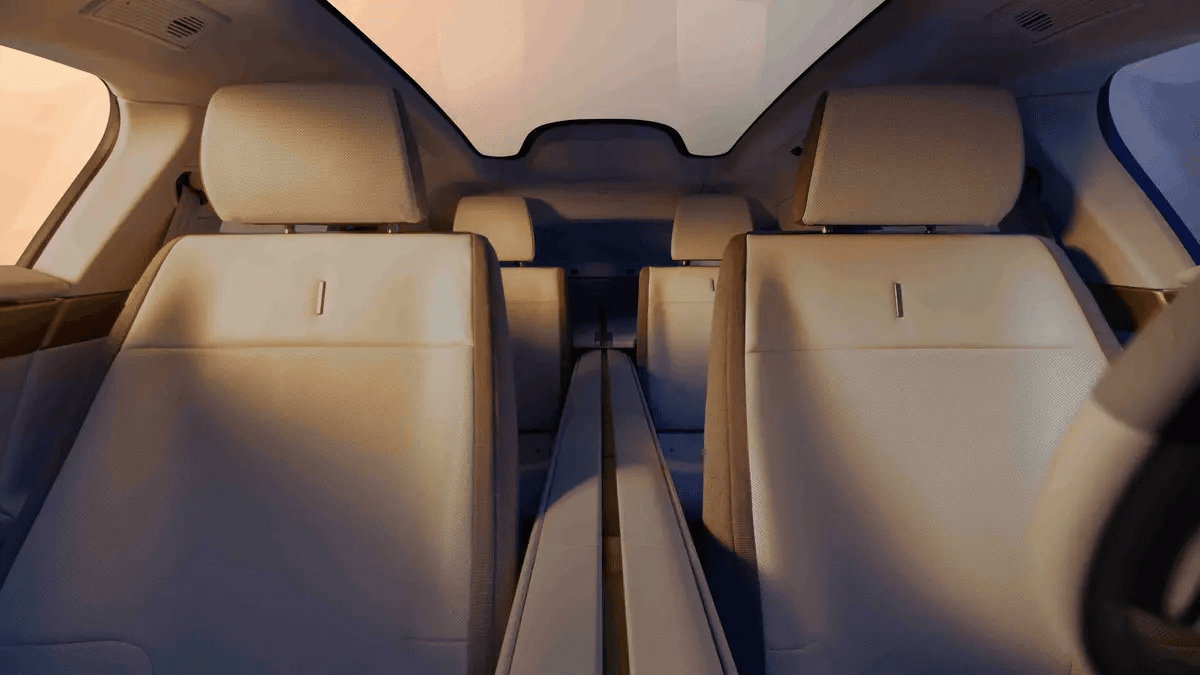
A central line, described as the backbone of the Type 01, runs the length of the cabin and continues into the luggage compartment. This arrangement gives each occupant a clearly defined personal space.
The long central console incorporates cup holders, storage compartments and wireless phone chargers. Each of the four seats features lateral support designed to balance dynamic driving with comfort.
Minimalist Displays and a Cocoon-Like Cabin
Rather than pursuing the vast, open interior space associated with Bentley or Rolls-Royce, Jaguar has focused on creating the sensation of travelling inside a cocoon.
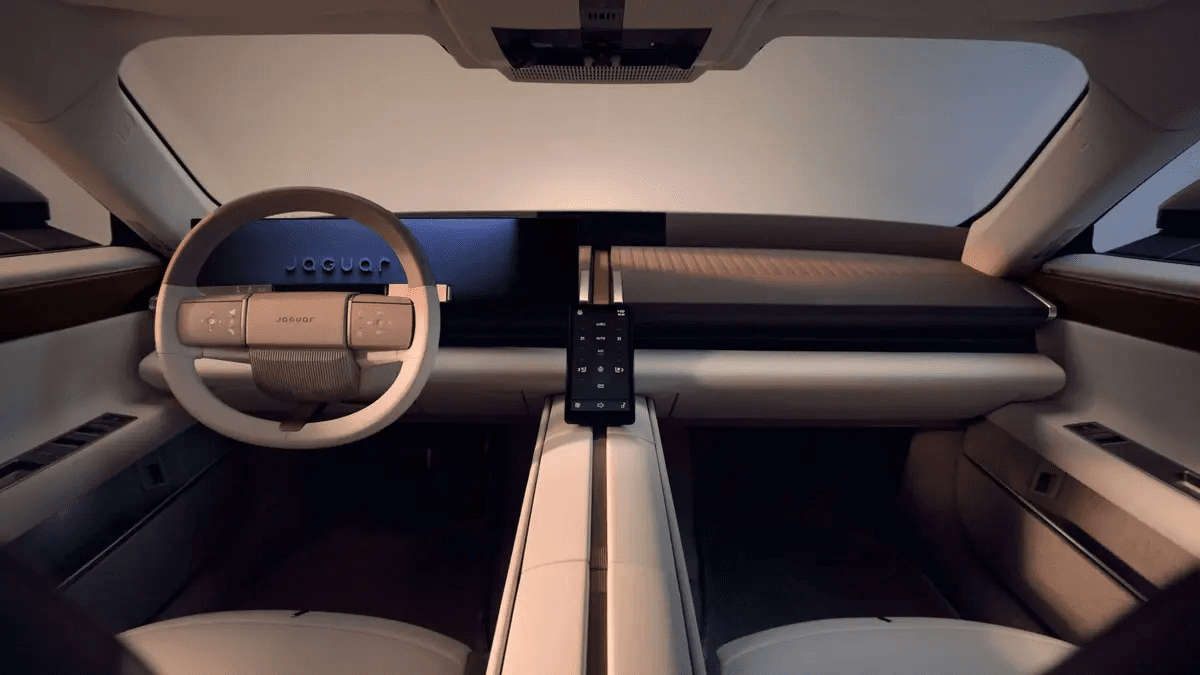
Light colours, bronze detailing and a deliberate reduction in the number of components define the interior. Certain traditional elements remain, including a two-spoke steering wheel, mechanical indicator and windscreen-wiper stalks, and even conventional electric window switches. Beyond these, however, physical buttons are almost entirely absent.
Behind the steering wheel sits a single-piece 24-inch OLED Interactive Driver Display, which also allows access to Jaguar’s infotainment functions. Frequently used systems, including climate control, are operated through a centrally positioned 7-inch screen.
Another innovation is the panoramic audio outlet beneath the windscreen, described as an automotive industry first. This arrangement eliminates the need for conventional door-mounted speakers.
An Enormous Battery Capacity
One of the Jaguar Type 01’s strongest advantages over its rivals in the luxury electric cruiser segment is its battery capacity.
Its 118 kWh battery operates on an 850-volt electrical architecture, a substantial increase over the 85 kWh battery of the i-Pace, Jaguar’s first production electric vehicle.
In addition to the battery pack mounted beneath the floor, supplementary battery modules have been positioned beneath the bonnet to achieve an ideal 50:50 weight distribution. The trade-off is a substantial total weight of 2.7 tonnes.
Thanks to its large battery, the Type 01 offers a driving range of up to 720 kilometres. At a 320 kW rapid-charging station, a 13-minute charging session can provide enough energy for approximately 321 kilometres of driving.
More Than 1,000 Horsepower
Power outputs exceeding 1,000 horsepower are becoming increasingly familiar in the electric vehicle world. The Jaguar Type 01 joins this exclusive group with 1,030 hp and 1,365 Nm of torque.
It accelerates from 0 to 100 km/h in just 3.2 seconds, while the 100–180 km/h sprint takes 4.0 seconds.
To deliver acceleration figures worthy of a grand tourer, Jaguar has drawn on its experience in Formula E.
360 Patent Applications
Developed and manufactured entirely in Britain, the Jaguar Type 01 has generated a total of 360 patent applications.
It also earns several distinctions within the brand’s history, including being the most technologically advanced, most powerful and most structurally rigid Jaguar ever produced.
With a confirmed UK price of £130,000, orders for the Type 01 are scheduled to open in 2027, while customer deliveries are expected to begin in the second half of that year.
Interest in the car is already considerable. And for many observers, the Type 01 is far from the disaster they had feared. Instead, it may prove to be a crucial step towards securing Jaguar’s future.
New Electric Cars Coming in 2027