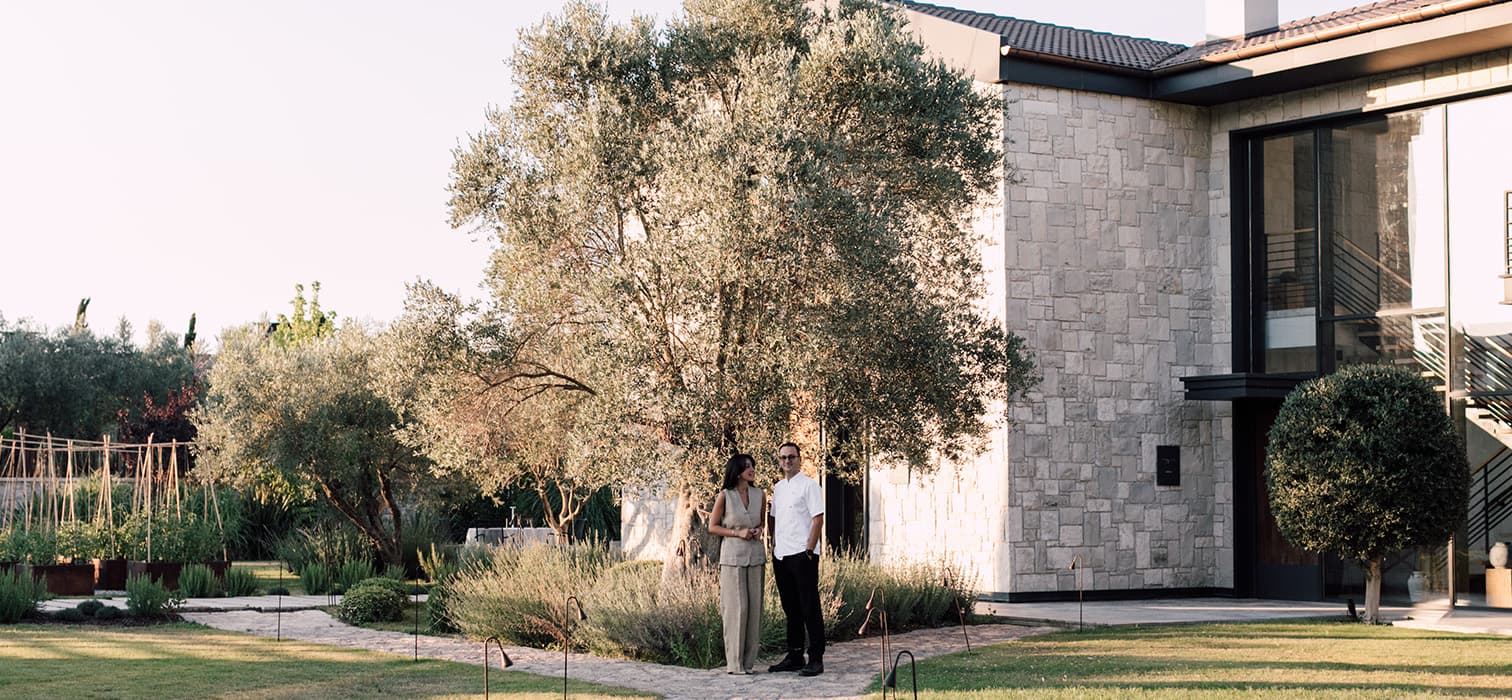
Rooted in the Aegean, Teruar Urla brings together cuisine, craftsmanship and a deeply personal approach to sustainability. Osman and Ezgi Serdaroğlu take us inside the world they have built.
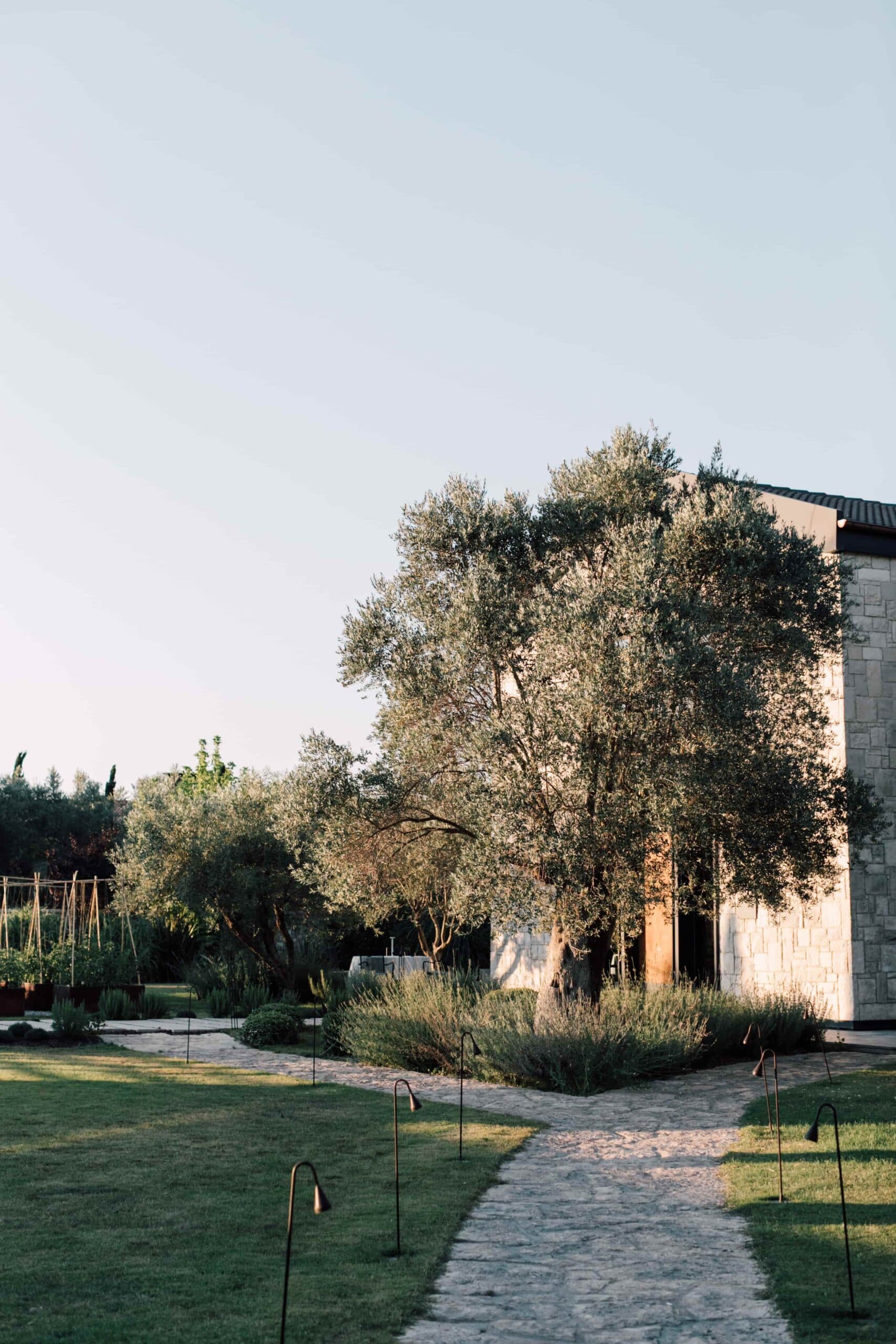
A good restaurant is remembered not only for the food it serves, but also for the feelings it leaves with its guests. From the moment you step through the door, the atmosphere, the rhythm of the space and the world it creates become as integral to the experience as the food itself. Located in Urla, İzmir, Teruar is one of the restaurants guided by this philosophy. Here, gastronomy extends far beyond the kitchen, evolving into a holistic culture that encompasses the land, architecture, craftsmanship, design and everyday life.
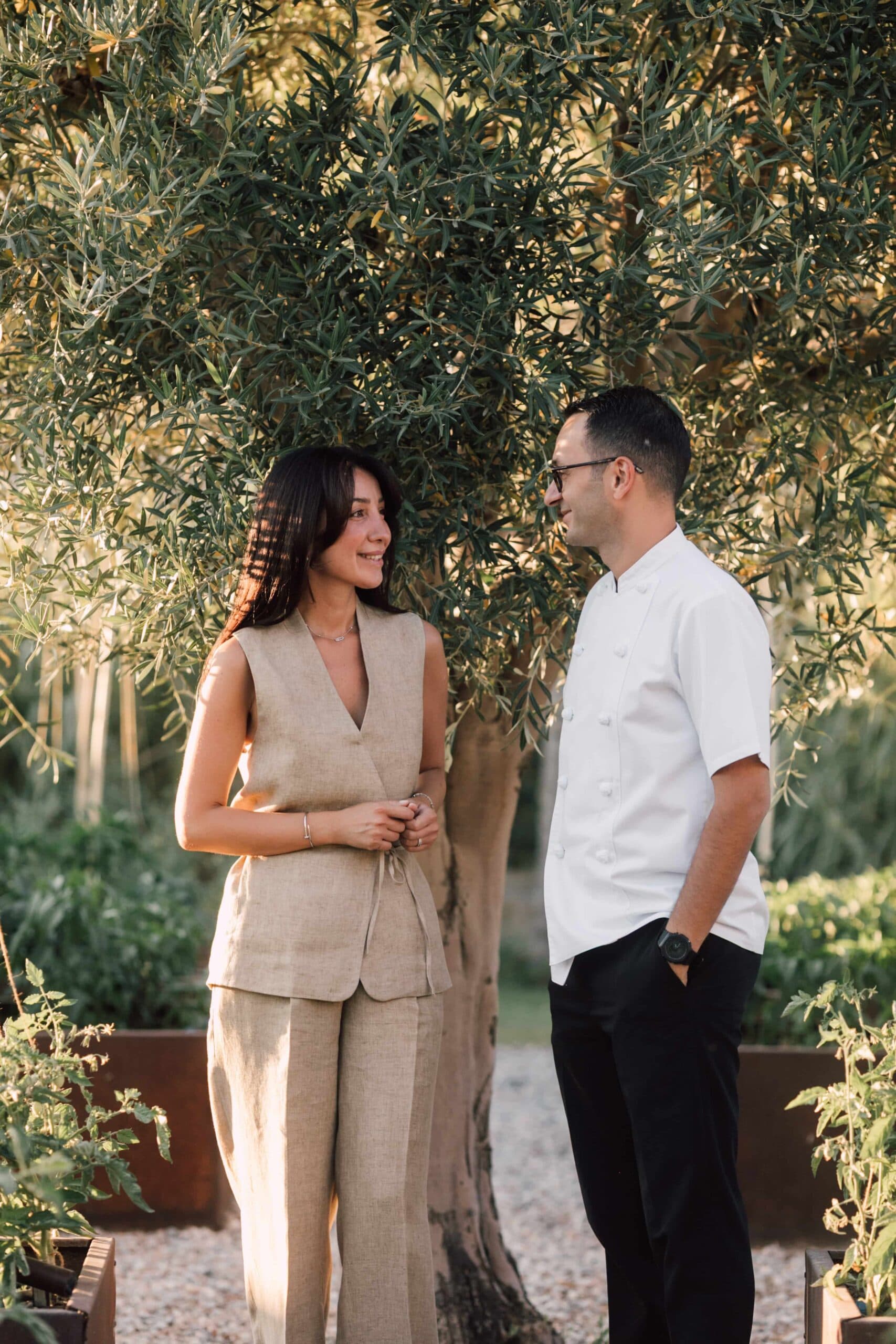
Behind this approach are Ezgi and Osman Serdaroğlu. While Osman Serdaroğlu brings together the culinary discipline he acquired in Italy with the produce of the Aegean, Ezgi Serdaroğlu shapes the guest experience that earned her the MICHELIN Service Award, as well as the identity of the space and Teruar’s wider language. The successful structure they have built together has become a living ecosystem centred on production, curiosity and continuous learning.
We spoke with them about how Teruar was founded, how a dish comes into being, what sustainability truly means in gastronomy, the culture of production developing under Teruar Works and the legacy they hope to leave behind when they look back many years from now. As the conversation unfolded, it became clear that Teruar’s greatest achievement lies not in creating flawless plates, but in bringing the land, people and life together around the same table.
Teruar Urla
Teruar Urla
When you founded Teruar, was your ambition simply to open a good restaurant, or did you set out from the beginning to build a culture and way of life? Looking back today, how close do you think you have come to what you originally imagined?
Ezgi Serdaroğlu: When we founded Teruar, we never had only the idea of a restaurant in mind. From the very beginning, we imagined it as an extension of the life Osman and I wanted to build together. How we wanted to produce, the kind of life we wanted to create, the people we wanted to work with and the relationship we hoped to establish with this geography all took shape before the restaurant itself. Over time, Teruar became a natural reflection of all these things.
Looking back today, what makes us happiest is that despite everything that has changed over the years, our starting point has remained the same. We continue to produce, research and build this life together with the same curiosity. I think the best way to understand how close we have come to what we imagined is to look at precisely that.
Osman, in your kitchen, you bring together the techniques you learned in Italy with the produce of the Aegean. Do you think a chef’s role is to place their own signature on an ingredient, or to reveal the ingredient’s true character?
Osman Serdaroğlu: I am closer to the latter. I do not think a chef’s role is to overshadow an ingredient, but to reveal the story it wants to tell in the right way. A signature is important, of course, but I find it more valuable when it is felt rather than loudly announced on the plate.
That was one of the most important things I learned while working in Italy. Both Gennaro Esposito and Pino Cuttaia taught me that technique is not an end in itself, but a tool. Technique exists to reveal an ingredient, not to conceal it.
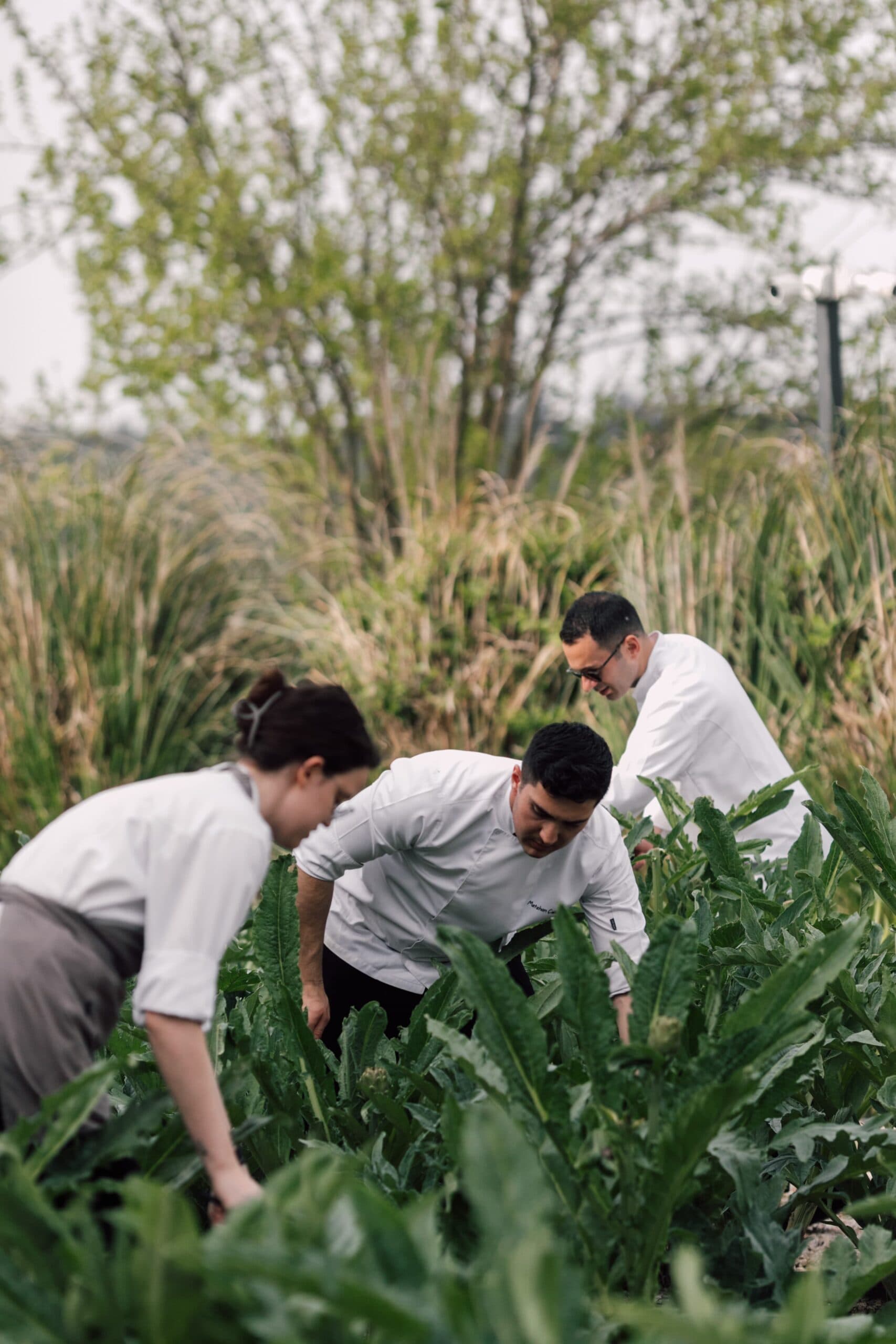
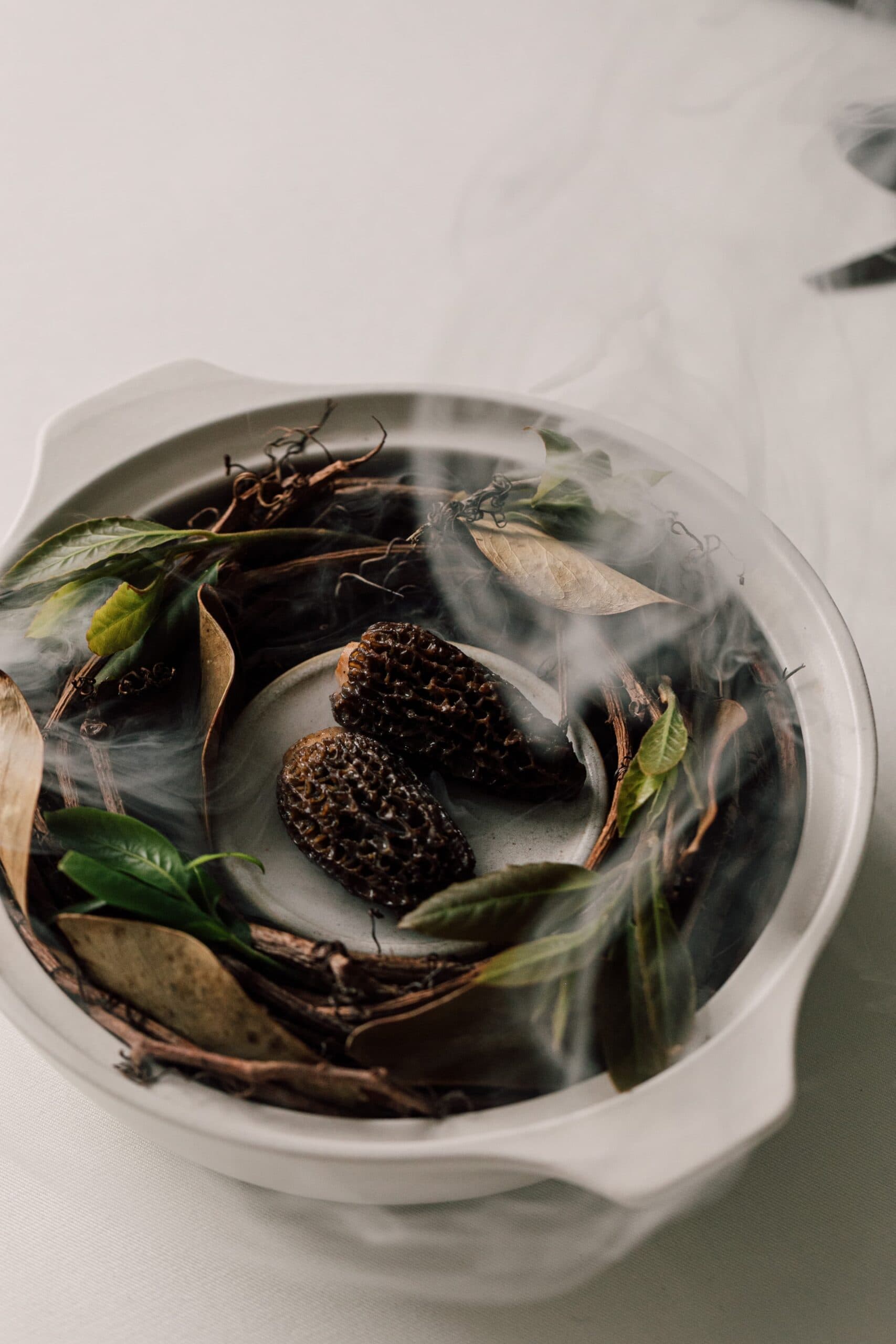
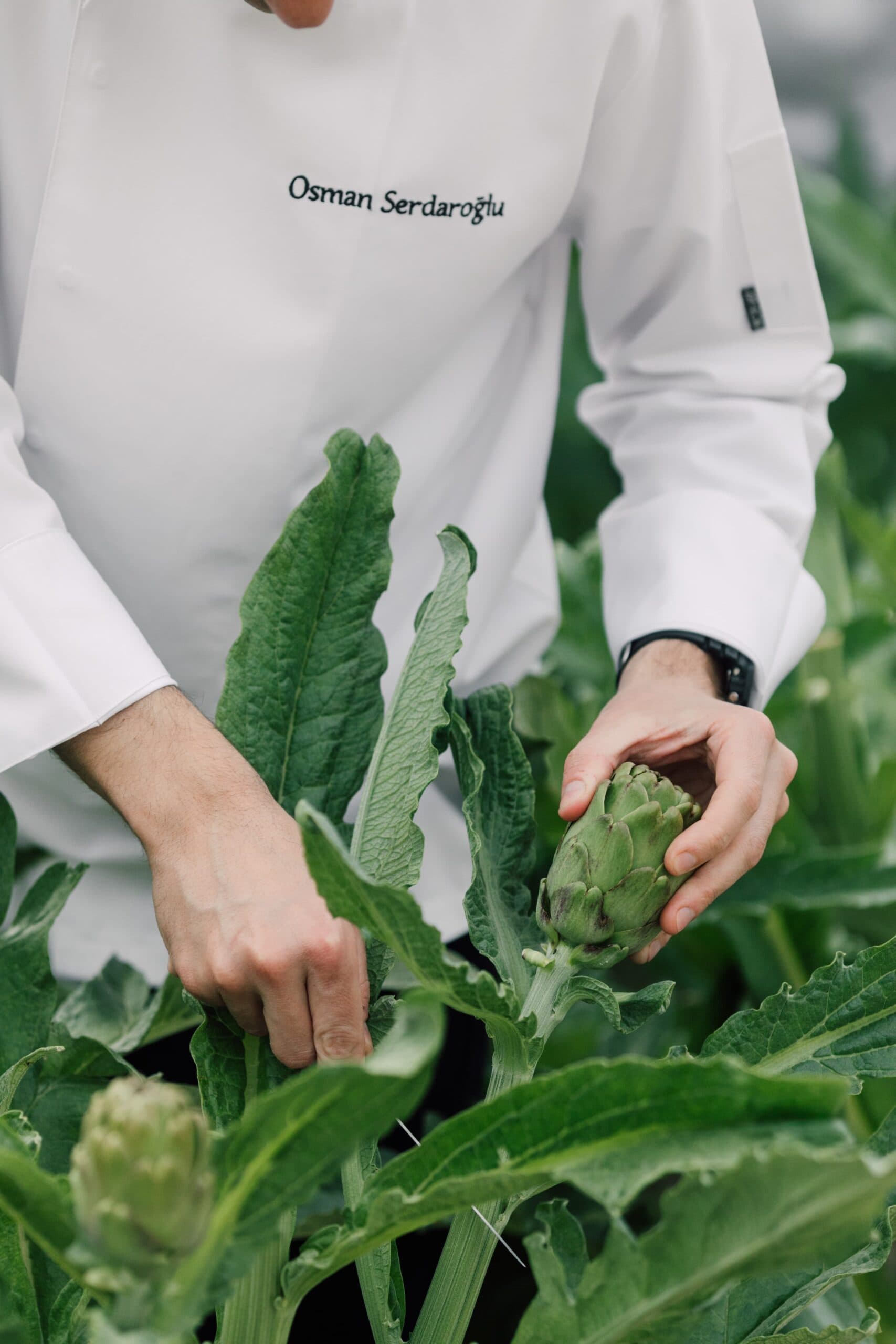
I work with the same understanding in the Aegean today. Our greatest wealth is already this geography. An excellent Sakız artichoke, a wild herb gathered at exactly the right time or a fish caught only a few hours earlier already has a character of its own. My role is not to alter that character, but to make it feel clearer, purer and more powerful.
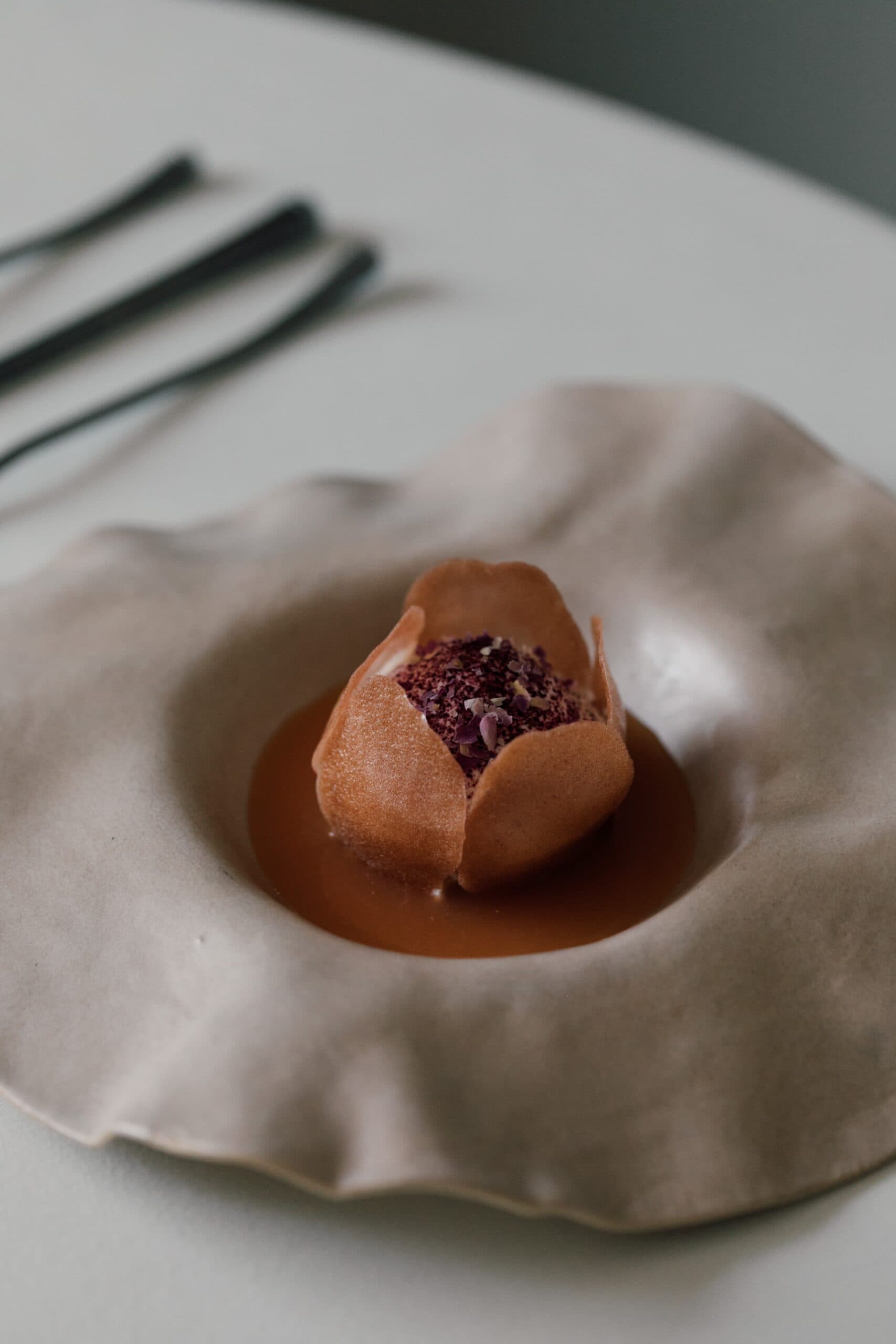
That is why our dishes at Teruar often appear simple. Simplicity is actually one of the most difficult things to achieve. You cannot hide behind an ingredient. Every mistake becomes visible. At the same time, however, simplicity is the best way to demonstrate your respect for the ingredient.
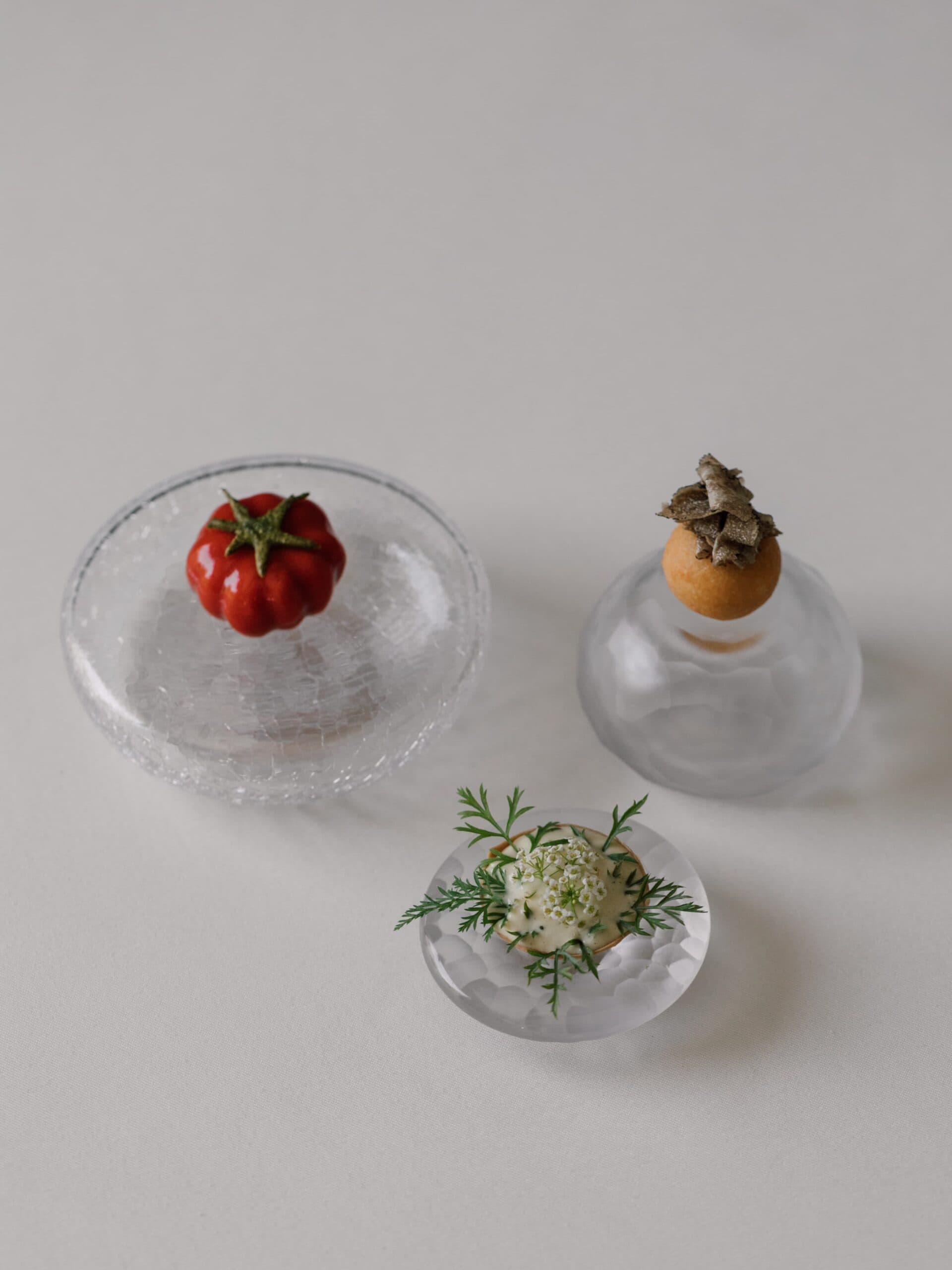
Ultimately, I would not be particularly happy if people left our restaurant saying, “That was such a technical dish.” But if they left saying, “That was the best tomato I have ever eaten,” or “I have never tasted fish like that before,” then I would feel that we had done the right thing. For me, a chef’s true signature lies not in making themselves visible, but in making the land they inhabit visible.
Teruar Urla
V
Ezgi, it is no coincidence that you received the MICHELIN Service Award. In your view, is flawless service a learned discipline or a matter of intuition—the ability to read a guest’s mood?
Ezgi Serdaroğlu: I think it is both. Discipline forms the foundation of good service. But what truly makes the difference is being able to understand each guest individually, rather than treating everyone in the same way.
Every table and every guest has a different rhythm. Even the same guest may have a different rhythm on different days. Sometimes approaching at exactly the right moment, and sometimes knowing when to step back, can be more valuable than a lengthy explanation. Good service is partly about being able to sense this.
For that reason, I have never viewed service as an area concerned only with performing things correctly from a technical perspective. For me, service is where the story that begins in the kitchen meets the guest. When we speak about the producer, the artisan, the materials we use or the geography around us, we are not simply sharing stories; we are bringing Teruar’s language together with the guest. But we never try to direct guests towards feeling a particular way. What matters to us is creating enough space for everyone to form their own connection within the natural flow of that evening.
This is also why I do not regard the MICHELIN Service Award as a personal achievement alone. It represents the collective efforts of everyone who contributes to Teruar, from the kitchen and service teams to our producers and artisans. What a guest feels at the table is never solely about the service. It is a reflection of all this work and of the world we have created together.
From the plates and wooden details to the garden and architecture, everything at Teruar appears to speak the same language. How do you balance aesthetics and function while creating this sense of unity?
Ezgi Serdaroğlu: I believe a restaurant’s identity emerges not from individual objects, but from the harmony established between all those details. A plate we use, a wooden object or a plant growing in the garden is not an isolated decision. They are all parts of the same whole.
For us, it is not enough for a detail simply to look beautiful. It must also have meaning. A material, an object or a particular texture needs to establish a genuine connection with our work, the geography we inhabit and the life we have built together. This is why we create many of these pieces in collaboration with artisans, following long conversations and shared production processes.
At this point, aesthetics and function are no longer separate. I try to create a balance in which neither overshadows the other, but instead they complement one another. I think the sense of unity at Teruar comes not from a collection of individually beautiful objects, but from the fact that they all speak the same language.
Teruar Urla
Teruar Urla
A visit to Teruar is not only about eating; guests also experience the pace, lighting, music and atmosphere of the space. Where do you think an unforgettable restaurant experience truly begins?
Ezgi Serdaroğlu: I do not think it has a single starting point. What a guest feels that evening is actually the result of hundreds of small decisions made long beforehand.
From the structure of the menu and the objects we use to the music, lighting and the kitchen and service teams sharing the same perspective, every detail is shaped around the same idea. We never want a single element to dominate. What matters is that all these details exist in harmony with one another.
There is, of course, a great deal of preparation and planning behind this. But to me, planning is less about determining everything in advance and more about ensuring that the team shares the same perspective. Every evening is different, and every guest is different. Rather than building a team around a rehearsed approach to service, I find it important to create one that can read the moment and make decisions within the flow of the evening when necessary.
I think that is precisely what makes an experience unforgettable. When guests leave the table, it is not a single detail that remains in their minds, but the feeling created by all those elements coming together.
Which balance is the most difficult to maintain when running a restaurant: guest expectations, team motivation, economic realities or perfectionism?
Ezgi Serdaroğlu: I do not think any of them can be separated from the others. A good restaurant is a place where all these balances can be considered simultaneously. Ensuring that guests feel good, enabling the team to work with the same motivation, maintaining economic sustainability and refusing to compromise on the work you do—when one of these is missing, all the others are affected.
Perhaps that is the most difficult part. You have to re-establish the balance every day. But I think the most important thing we have learned over the years is that maintaining this balance becomes more possible when every decision is guided by the same values.
Many young people today see gastronomy as something limited to the kitchen. Yet behind every strong restaurant are communication, management and storytelling. What would you like to tell young people about this?
Ezgi Serdaroğlu: I believe a strong restaurant is created through the combined efforts of many different areas working together, far beyond the kitchen. Communication, service, management, production and design are all parts of the same whole, and none is less important than another.
My humble advice to young people would therefore be not to look at gastronomy solely through the kitchen. I think it is extremely valuable for them to explore every field that interests them, draw inspiration from different disciplines and develop a perspective of their own.
At a time when so many things are beginning to resemble one another, I do not think what makes a difference is adding more and more touches. It is developing an original point of view that belongs to you. In my opinion, this perspective does not emerge solely from gastronomy or your profession. It grows from your curiosity about life, the things that excite you and your ability to draw inspiration from different disciplines.
Osman, your laboratory is the unseen side of the kitchen. How does the process of creating a new dish unfold? How instructive are unsuccessful experiments for you?
Osman Serdaroğlu: When people hear the word “laboratory,” they imagine a highly technological place. For us, however, the laboratory is where curiosity lives. We do not only create new dishes there; we ask questions.
Sometimes we spend months pursuing a single ingredient. We experiment with different fermentations for a tomato, work with different ageing methods for a fish or follow the same idea for years. Sometimes the result makes it onto the menu, and sometimes it never does.
Failure is actually the greatest teacher in a kitchen. If every experiment you conduct is successful, it means you are not taking enough risks. Many of the dishes at Teruar today are the result of dozens of failed experiments, while some have hundreds behind them.
I do not see failed experiments as wasted time. On the contrary, each one brings us slightly closer to the right answer. Progress in gastronomy is not linear. Sometimes something you do incorrectly leads you to the right idea—one you had never previously considered.
Is there ever a moment when you finish a dish and say, “Now it is complete,” or is every dish part of a process of research that is never truly finished?
Osman Serdaroğlu: I do not believe any dish is ever completely finished. A dish enters the menu, but it continues to live. The season changes, the ingredient changes, the producer changes and even I change. When I look at the same dish six months later, I may notice a completely different detail.
Perfection is not a destination; it is a direction you continue to pursue. If I ever say, “There is nothing more I can do to improve this dish,” I think that will be the day I stop learning. This is also part of Teruar’s spirit: constantly evolving and constantly questioning.
Sustainability is one of the most frequently used concepts in gastronomy today. How have you made it a natural part of your daily working practices rather than a marketing language?
Ezgi & Osman Serdaroğlu: We have never considered sustainability a separate category or a project added later. It developed naturally as part of our everyday lives and the way we work.
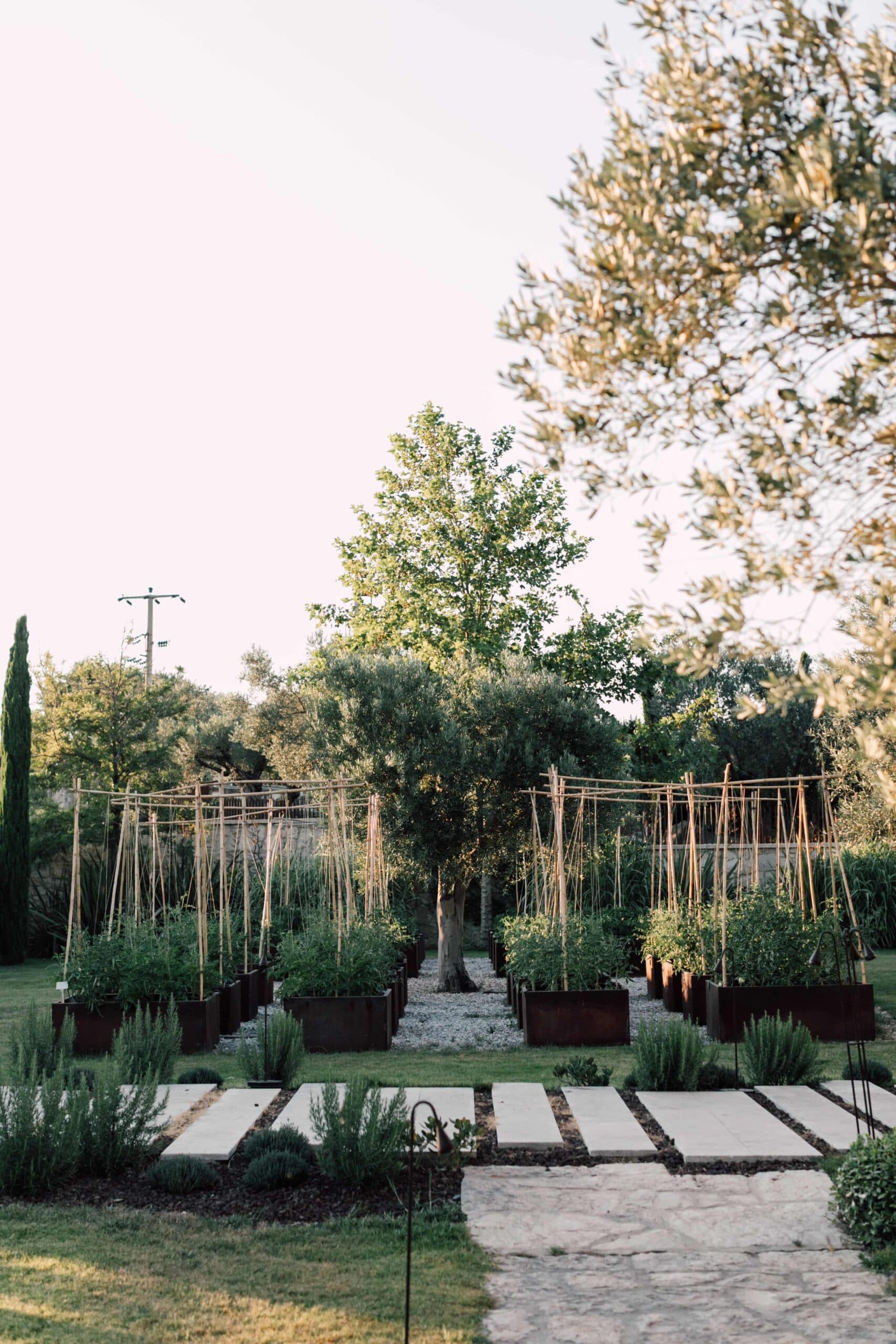
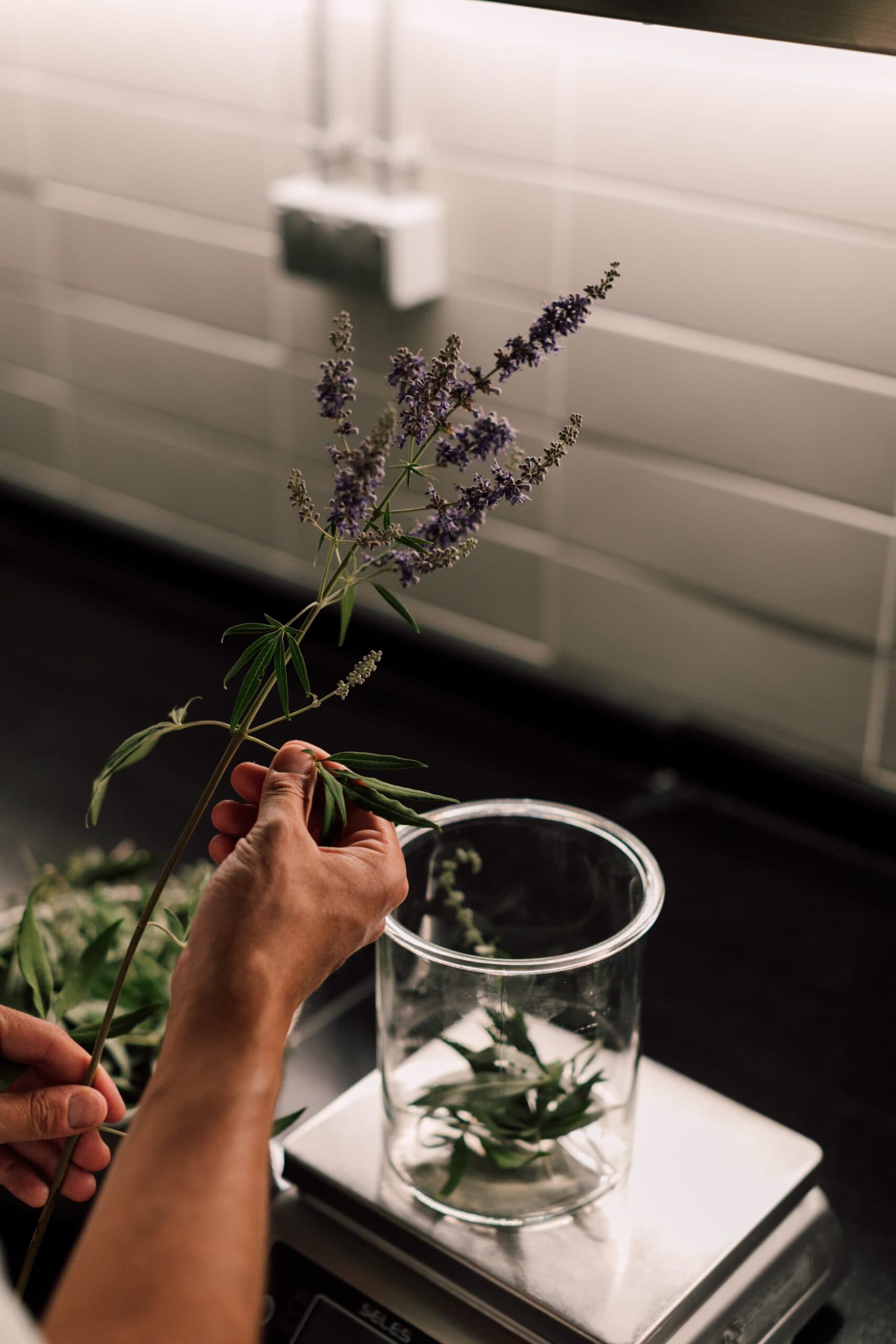
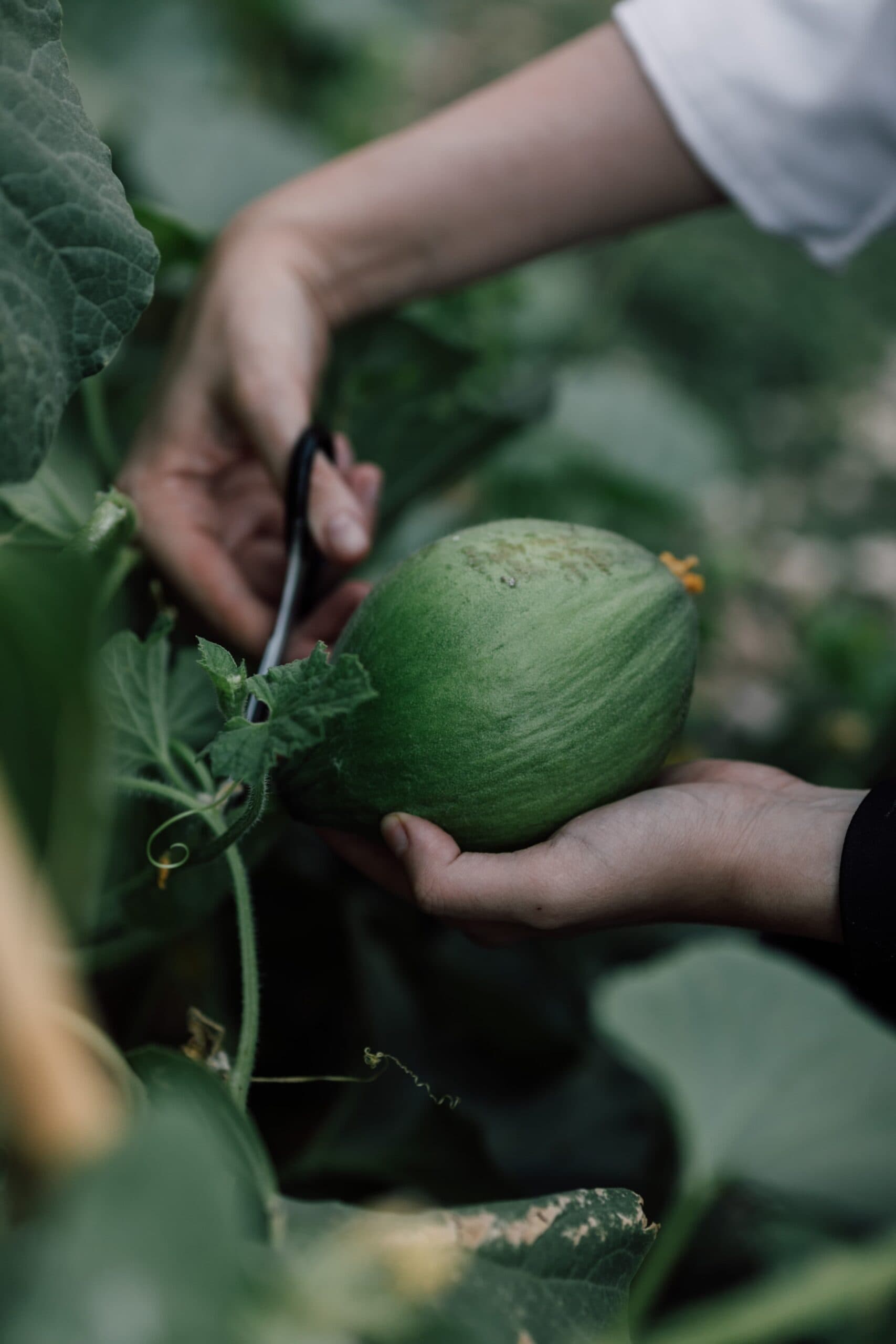
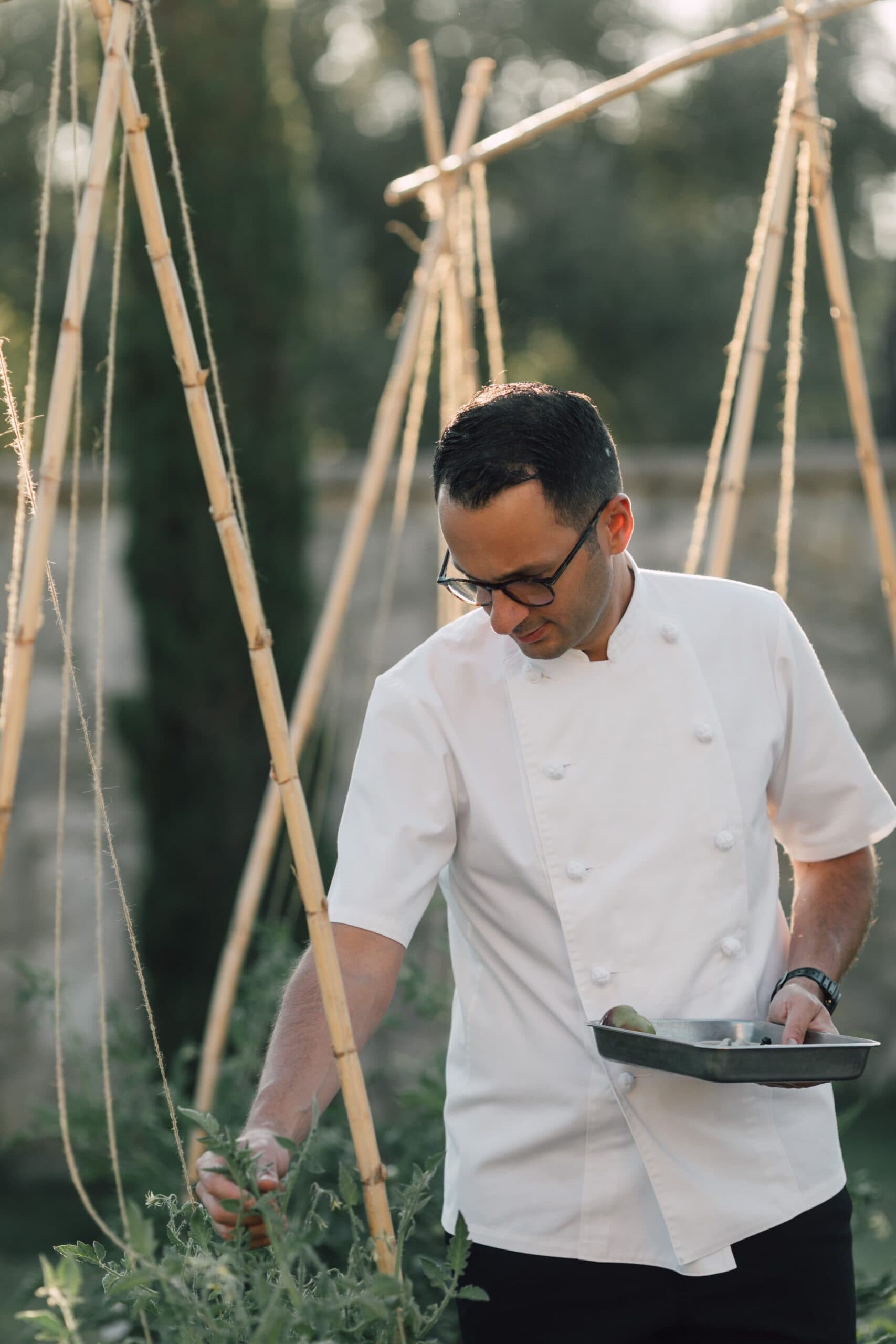
Growing produce in our garden, foraging from nature, thinking seasonally, working closely with producers, finding new uses for waste and developing new methods in the laboratory—none of these is a sustainability project in isolation. They are all parts of the way of living and working that we have adopted over the years.
Perhaps this is why sustainability is less a concept we talk about and more a natural extension of our work and of living in this geography. It is the sum of the small decisions we make every day. It is the common language shared by all our choices about how we want to live, how we want to produce and the kind of relationship we want to establish with this land.
Through Teruar Works, you bring gastronomy together with design, production and craftsmanship. Where would you like to take this structure in the future?
Ezgi & Osman Serdaroğlu: Teruar Works is an organic part of our daily production and way of life. Rather than being a deliberately planned structure, it is a space that emerged spontaneously within Teruar’s natural flow.
The way we produce in the garden, what we forage from nature, the work we conduct in the laboratory, the pieces we create with artisans and the perspective our team contributes to this structure are all mutually supportive parts of the same way of life. Teruar Works makes precisely this organic flow visible.
In the future, rather than defining it within specific boundaries, we want it to continue developing with the same sense of curiosity. As we draw inspiration from new disciplines, discover different forms of production and continue learning, our greatest priority is to preserve this organic structure and the approach that makes us who we are.
Urla has become one of the most significant gastronomic destinations in recent years. What do you think has been the greatest strength behind this transformation, and what will be Urla’s most important challenge moving forward?
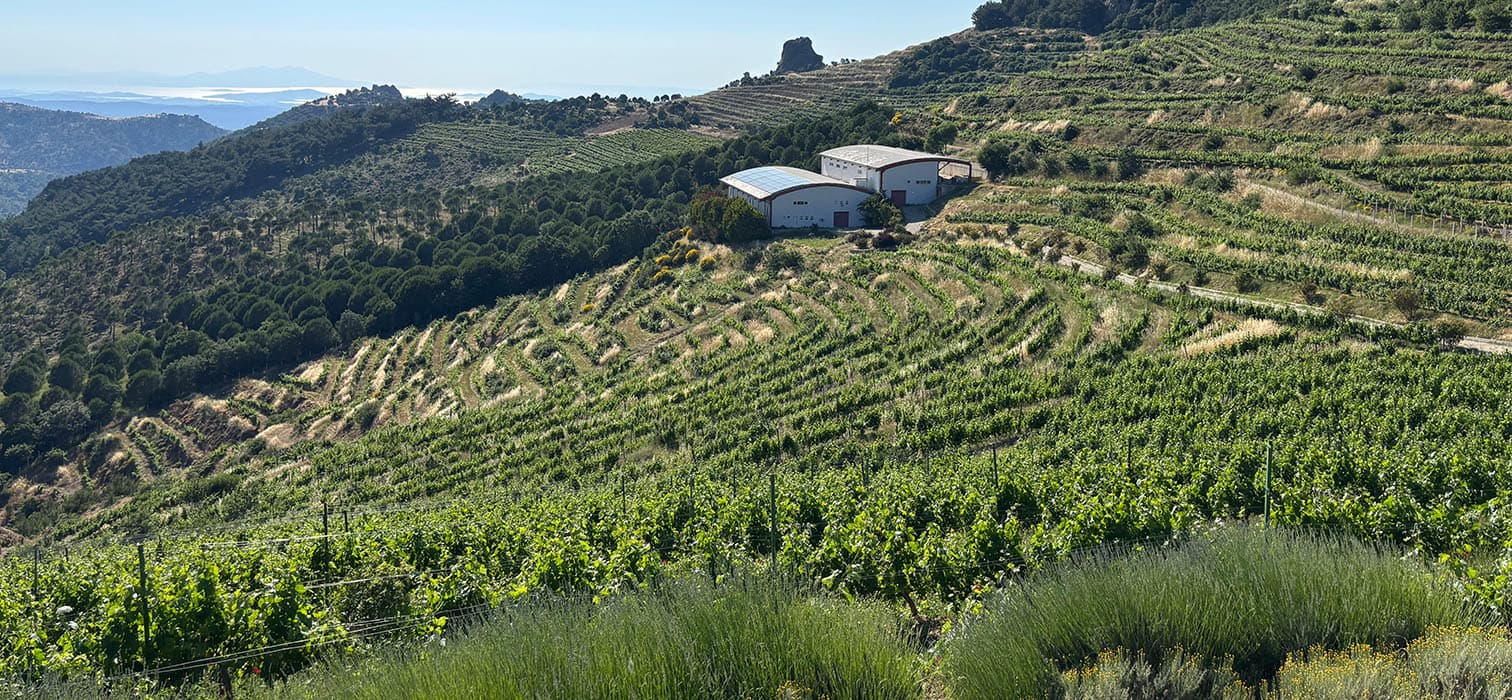
Ezgi & Osman Serdaroğlu: Urla’s greatest strength is that it has been able to develop while preserving its own identity. With its producers, artisans, vineyards, gardens and natural landscape, it already had a very strong foundation. As these qualities have become more visible in recent years, more people have begun to discover the region.
The most important issue moving forward will be ensuring that this development can preserve its own character. The more attention a place receives, the more quickly it can change. What truly matters is ensuring that this change does not overshadow the culture of production, rhythm and distinctive identity that make Urla what it is.
I think this is where our collective responsibility begins: to continue producing while protecting the values offered by this geography and, as we develop, not to lose the essence that drew us here from the very beginning.
The same techniques can now be seen in restaurants all over the world. Do recipes make a cuisine truly original, or do the chef’s character and the geography they inhabit also play a role?
Osman Serdaroğlu: I think character makes the greatest difference. Technique can now be learned by anyone. Access to information has never been easier. You can buy the same equipment and follow the same recipes, but a chef’s childhood, the geography they inhabit, their perspective on life and their memories cannot be replicated.
The Aegean lies at the heart of my cooking. But it is not only about Aegean ingredients. It also encompasses the years I spent in Italy, the people I met, the journeys I made through different geographies and the experiences I accumulated. Ultimately, food is the edible form of a chef’s biography. To me, this is where true originality begins.
Many years from now, when you look back, what feeling would you most like people to associate with Teruar?
Osman Serdaroğlu: MICHELIN stars, awards and achievements are all extremely valuable, of course, but these can change over time. What I would like to remain is the feeling people experience when they remember Teruar. I want them to remember not only that they ate well when they came here, but that they felt good.
I would like them to feel the respect we have for the land, the relationships we have established with producers, the sincerity of our team and the small but unforgettable impression that the few hours they spent here left on their lives. In the end, people may not remember every bite they ate, but they will remember how you made them feel for many years.
Finally, if Teruar were a single word for you, what would that word be?
Osman Serdaroğlu: If I had to choose one word, I would say “pursuit.” Teruar has never been a destination we have reached. It has always been a journey we continue to follow.
We are searching for a better ingredient, a more precise cooking technique, a more meaningful guest experience and a more sustainable way of living. We are not simply trying to make better food; we are trying to build a better culture.
Perhaps this is the true essence of Teruar: a place that is constantly searching, remaining curious and never believing that it has fully arrived. Because I think this is precisely where progress begins.
Ezgi Serdaroğlu: My word would be “authenticity.” To me, authenticity does not mean trying to appear different or believing that you can become better by doing what someone else has already done. It means sincerely incorporating your own life, interests and values into your work.
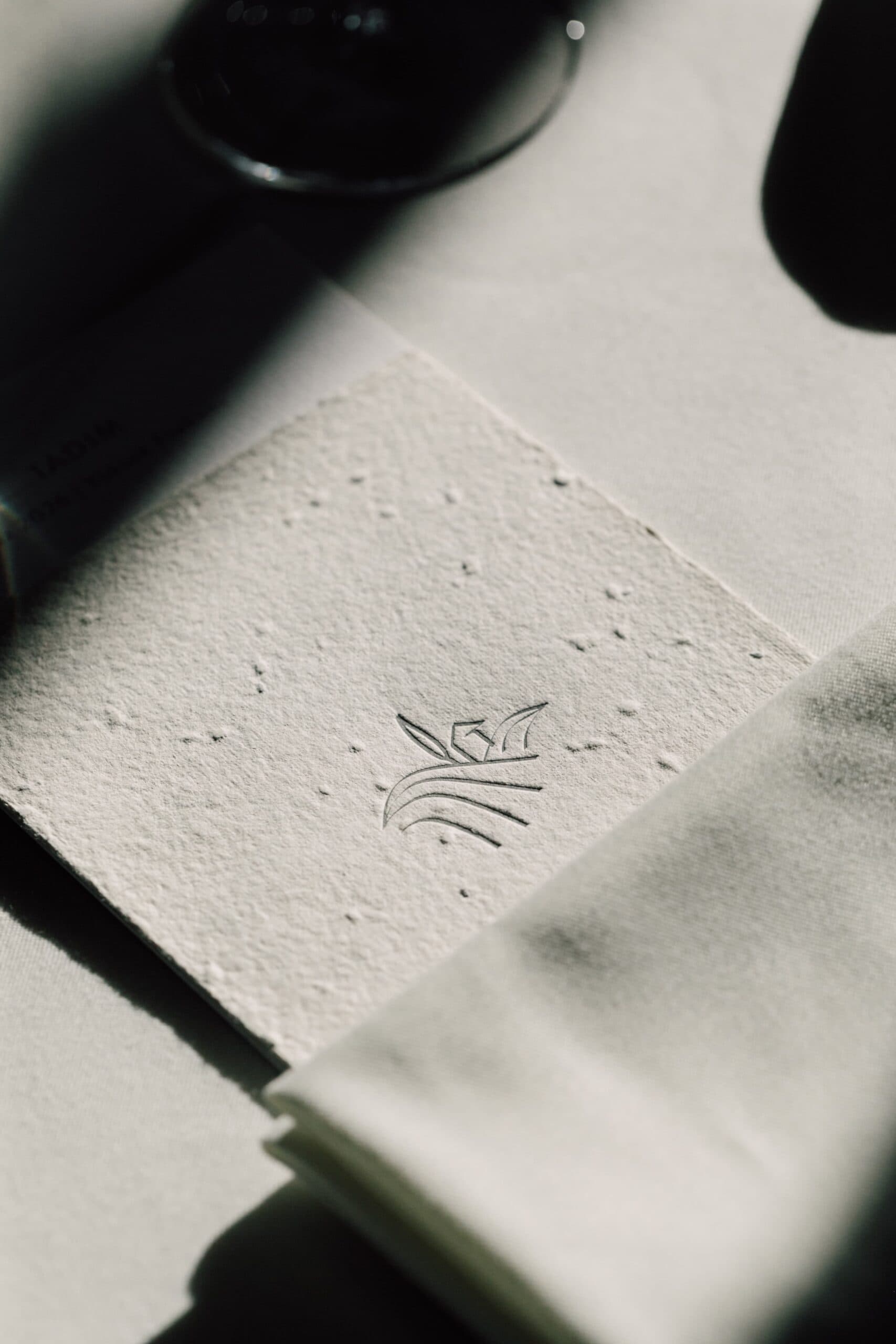
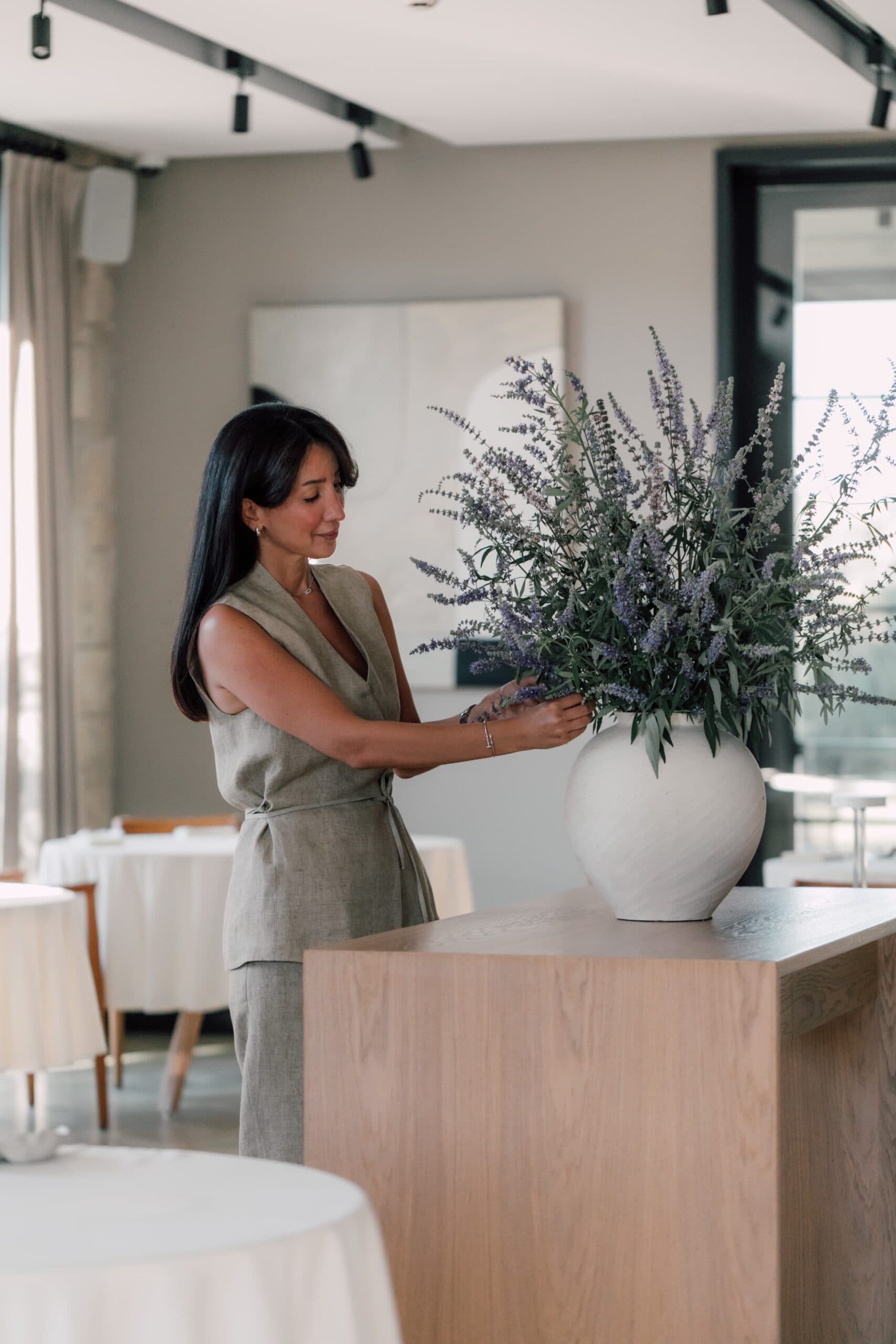
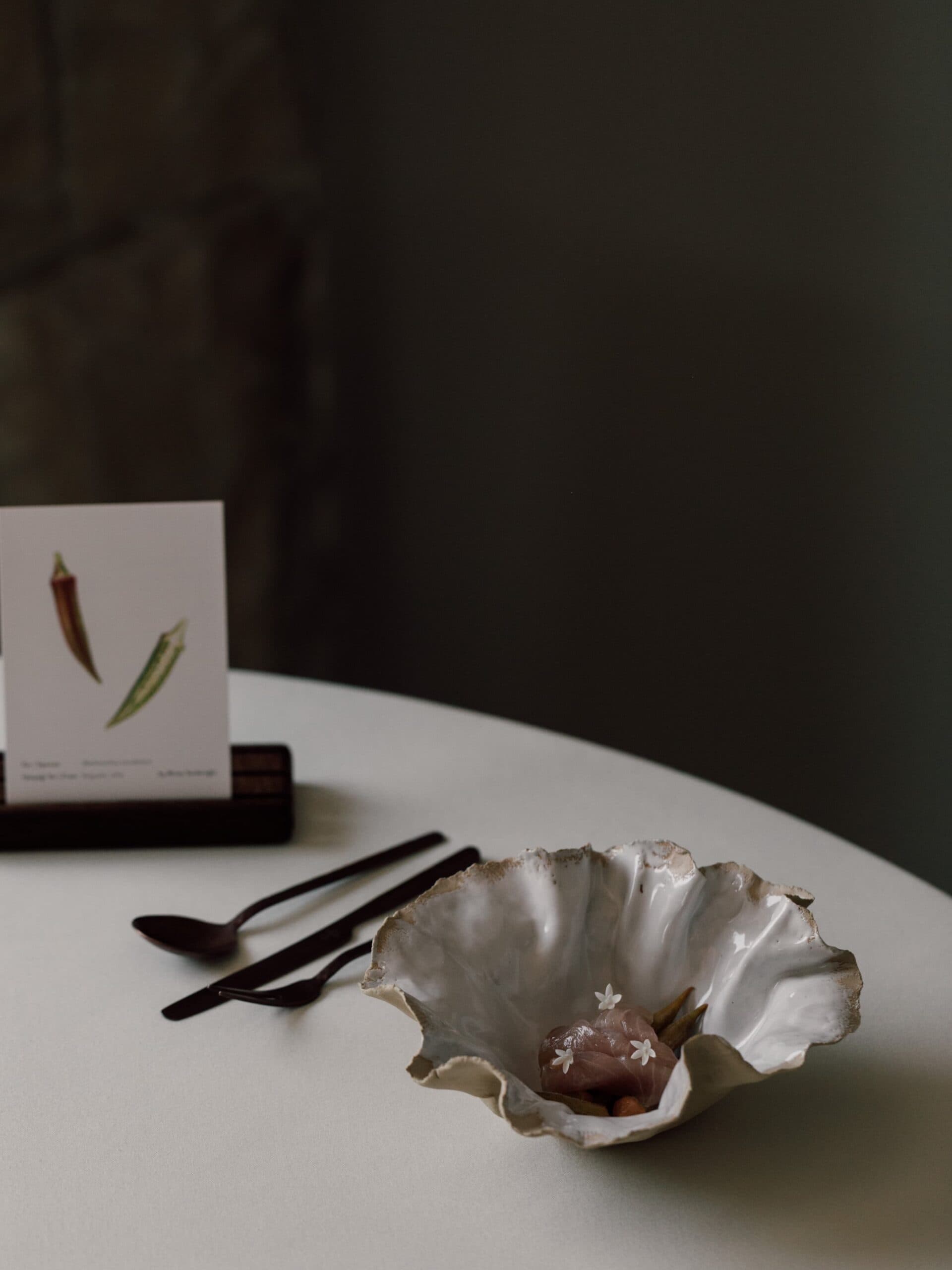
This is why so many of the details our guests encounter at Teruar carry traces of our own lives. Living closely with animals and feeling a responsibility towards strays led us to turn our organic waste into food for them. The time we spend in nature every morning finds its way into the menu and the experience. My interest in flowers is reflected in the visual language that extends from the dining room to the table. Even the illustrated cards depicting seasonal produce are individually drawn by hand by Osman’s sister.
None of these details was conceived afterwards. They were already part of the natural flow of our lives.
I think Teruar’s authenticity comes from precisely this. None of the details here was designed for the purpose of constructing an identity. They were first a part of our lives and, over time, naturally became a part of Teruar as well.
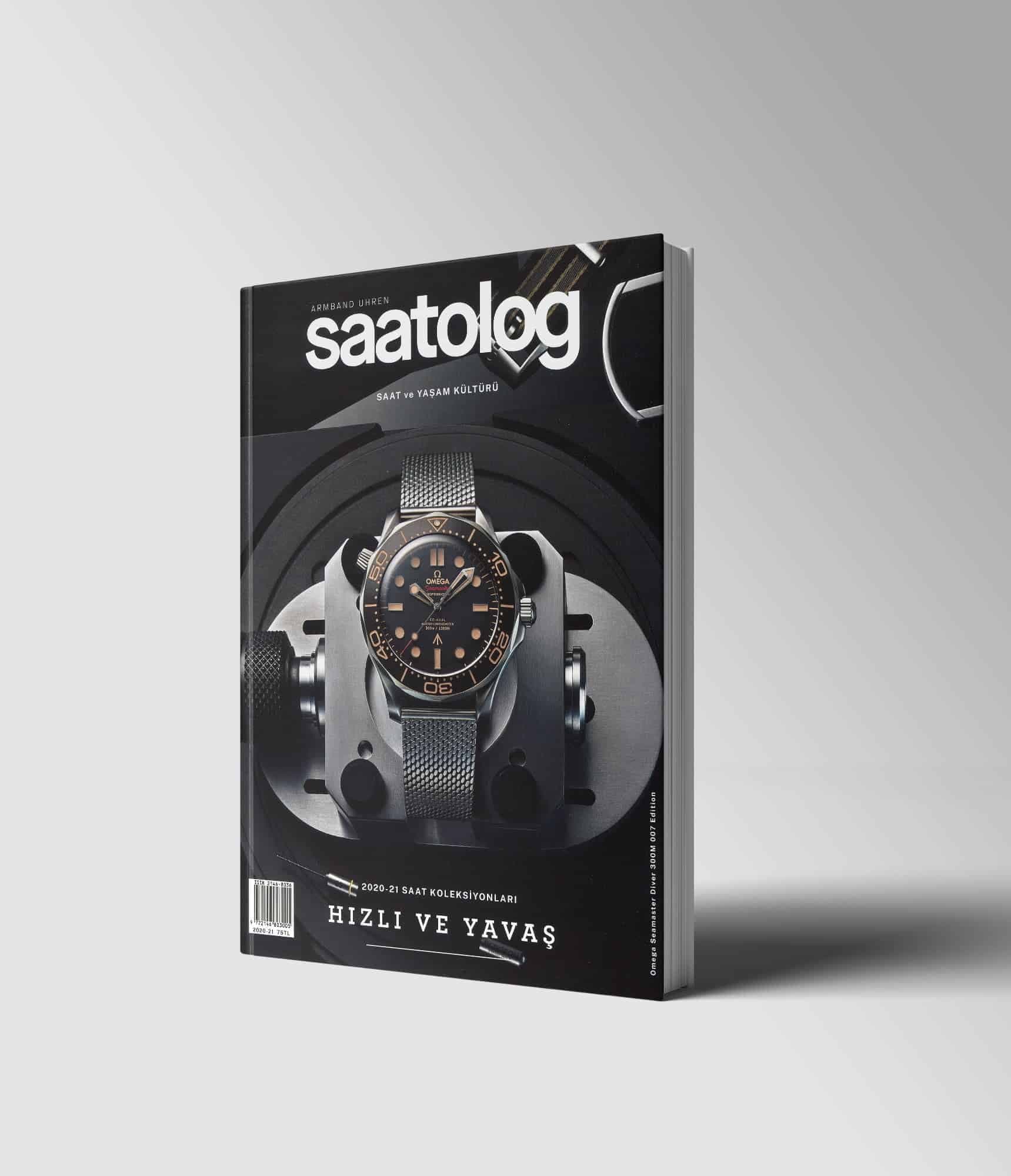
Saatolog Yıllık Saat Dergisi Saatolog’un yeni sayısı, 2020’nin yarattığı bu dönüştürücü etkiden ilham alarak hazırlandı. Dünya dijitalin etkisiyle her zamankinden de hızlı bir şekilde ilerlerken yavaşlamanın da önemini sonunda kavramış bulunuyoruz ve bu tezatlık hayatlarımızın her anına etki ediyor. Biz de bundan yola çıkarak Saatolog 2020/21 sayısını ‘‘hızlı ve yavaş’’ teması altında hazırladık.