“I owe a debt to this land,” says 7Bilgeler founder Dr Bilge Yamen, whose approach to winemaking is shaped by a desire to bring his own interpretation to Anatolia’s heritage.
Dr Bilge Yamen is a physician who spent years exploring the workings of the human body, disease and the process of healing before turning that same curiosity towards the soil, the chemistry of grapes and the transformations wine undergoes. Yet his story reaches back to a childhood fascination with geography, history and mythology. Founded in 2010 in Selçuk, İzmir, his winery 7Bilgeler takes its name from the thinkers of the ancient world and sees wine as an expression of the soil, climate and human endeavour that shape it.
Today, Yamen’s winemaking journey stretches from the vineyards of Selçuk and Denizli to Bordeaux. On one side is French winemaking, governed by rules established over centuries; on the other, Anatolia, whose indigenous grape varieties are still being explored. As he investigates the potential of grapes such as Emir, Karasakız and Öküzgözü, he places scientific knowledge at the heart of production, yet believes the palate must ultimately have the final say. Climate change, debates over natural wine, gastronomy and architecture all form part of this story. We spoke to Bilge Yamen about his journey from medicine to oenology, Anatolia’s grape heritage and what lies within a glass of wine.
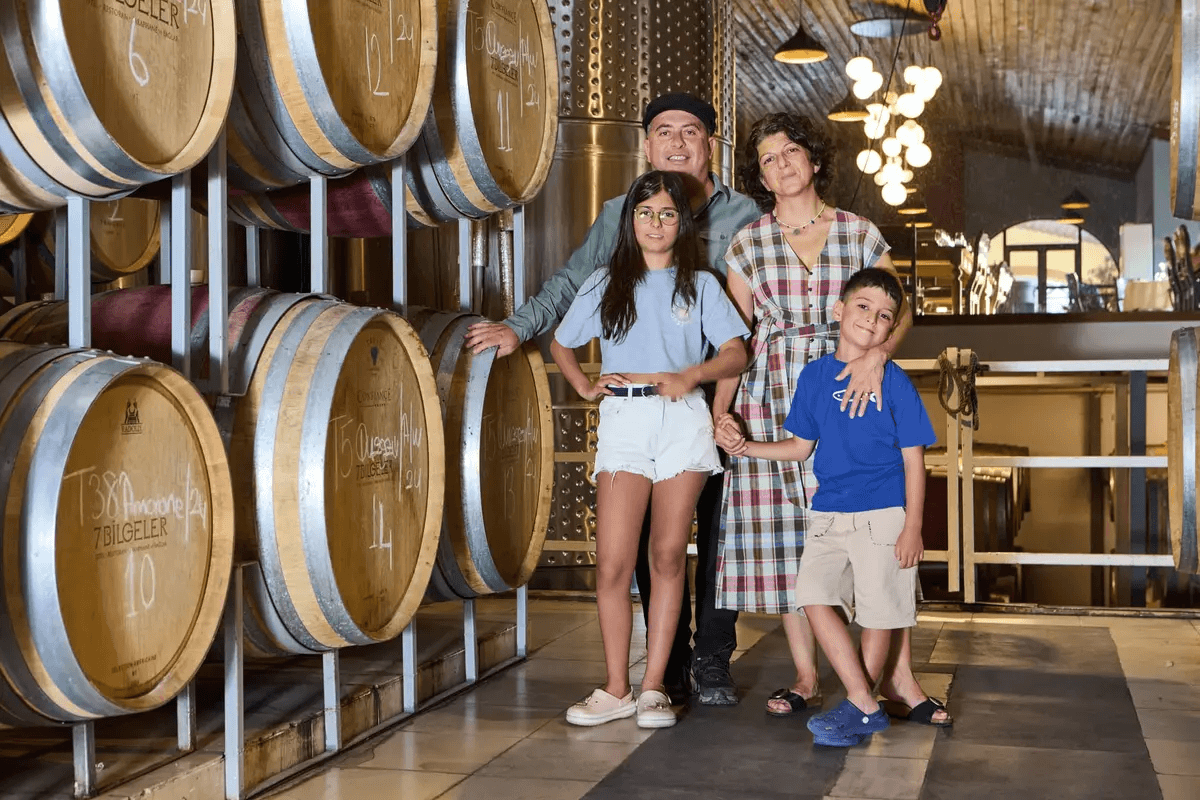
Dr Yamen, it is intriguing that a physician who has devoted years to understanding the human body should decide to learn the language of soil and grapes. How did your journey from medicine to winemaking begin?
Nothing happened overnight. From childhood, I was interested first in geography, then history. Psychology and philosophy followed. Both kept referring back to myths, which drew me towards mythology. All this reading seemed to lead to wine. It held such an important place in mythology, revealing layers of the human subconscious, our emotions and our relationship with nature. In that sense, my interest in history and philosophy drew me towards making wine. When I felt ready, I left medicine to devote myself entirely to winemaking.
I also found medicine very rewarding. It is another field that gives you knowledge on so many levels. No other discipline brings together so much understanding of human beings. In that respect, I have been very fortunate. I have experienced and studied both fields, and spent a great deal of time thinking about them.
Balance is an important concept in both medicine and winemaking. In the human body, a loss of balance leads to illness; in wine, the balance between acidity, tannins, alcohol and fruit determines its character. How do you connect these two worlds?
I see certain connections between medicine and oenology. In France, admission to an oenology faculty requires prior study in the basic sciences. A medical degree is accepted as fulfilling that requirement. Organic chemistry, biochemistry and microbiology are all involved, and wine is a living thing. Wine develops through a process that begins with microbiological activity, followed by biochemical and then chemical interactions. Balance is therefore just as important in wine.
We are always looking for problems, faults or spoilage in wine, too. We make a diagnosis, then prescribe the treatment. It is much like a bedside consultation: we taste a wine and make decisions based on certain analyses. That is why I see so many similarities between medicine and oenology.
You say your childhood fascination with geography, history and mythology drew you to wine. When you look at a glass today, do you first see the wine itself, or the story it carries?
When I look at a wine, the first thing I want to know is the story behind it. That was not the case in the early years. Today, though, a wine expresses its vintage and its terroir to me. It is the taste of a place. Where does it come from? Which year? What were the climatic conditions, and who made it?
I have loved travelling since childhood. Whenever a guest came to our house, I would immediately get a T-shirt and a pair of shorts ready. I wanted to go travelling with them, because different places fascinated me. Winemaking is like that: it is full of adventure. Grapes from regions with different climates, soil types and topographical features have their own distinctive flavours and characters. That is really what it is all about.
Wine is about diversity, not conservatism. It is always in search of the new, the different, the unexpected, the nuance. Few products can convey, in so many layers, their climate, their soil and the feelings and knowledge of the people who grow them. Ironically, in vino veritas: in wine, there is truth.
This layered quality also appears in 7Bilgeler’s identity. Thales, Pythagoras, Heraclitus, Bias… How did you come up with the idea of putting the names of ancient thinkers on your wine labels?
My own name, Bilge, means “wise”. That is the name my parents gave me. Perhaps it explains why I have always been interested in sages. What excites me most, though, is that most of the Seven Sages, who are described as the founders of science and philosophy, lived in western Anatolia. The land we inhabit holds a distinguished place in the world, and we are heirs to that legacy. I wanted to highlight this. I also think the idea of Anatolian wisdom should be understood in this context: wisdom and knowledge have ancient roots in Anatolia.
We are also in a region where wine originated. Wine was born in the Caucasus and eastern Anatolia, then travelled to Europe through western Anatolia. The colony at Marseille in France, for example, and its vineyards were established by settlers from Phocaea. Another route led south from the Caucasus, through the Phoenicians to mainland Greece, and from there to Italy.
How do you connect a wine’s personality with these thinkers? How, for example, would you describe the way Pythagoras has evolved over the years?
I named the wines according to the feelings and ideas those philosophers inspired in me. Pythagoras was a thinker who set out the mathematics of musical notes. He made significant contributions to mathematics, music and the fine arts. Inspired by that musical harmony, I gave his name to the wine in which we bring together four Bordeaux grape varieties. Over the years, it has evolved into a fuller-bodied, more complex wine. That has come with my own growing knowledge and experience.
Anaxagoras of Urla, with his concept of Nous, was one of the earliest materialist thinkers and the first philosopher to be tried for his ideas. Offered a choice between hemlock and exile, he chose exile and opened a school of philosophy in Lapseki. We named our Chardonnay after him.
When you founded 7Bilgeler in 2010, boutique winemaking in Türkiye was very different from what it is today. Looking back, how has your understanding of wine changed?
In 2010, the wine community in Türkiye was still very much in its infancy. Boutique winemaking was only just beginning to flourish. A great deal has changed, and we have experienced a great deal. The world has changed, too, and scientific knowledge has enabled considerable advances in oenology and winemaking.
While Bordeaux, Burgundy and certain regions of Italy were held up as examples, our own Anatolia remained largely undefined as a wine region. During that time, we worked to define our country’s wine-growing regions and understand their potential. We came to realise what a valuable asset we had. Comparing them with many of the wineries I have visited around the world, I found that the modern wineries established in Türkiye by people from different professions, guided by science, were even surpassing their international counterparts.
Working with international grape varieties is very important when you are starting out. You need to know varieties such as Cabernet Sauvignon, Merlot and Chardonnay well. But both as the founder of 7Bilgeler and as Bilge Yamen, I also owe a debt to this land. I wanted to understand the indigenous grape varieties grown in distinctive terroirs across Türkiye, to learn how to make wine from them and to add our own interpretation. The more people interpret these grapes, the better we can define the varieties and their terroirs.
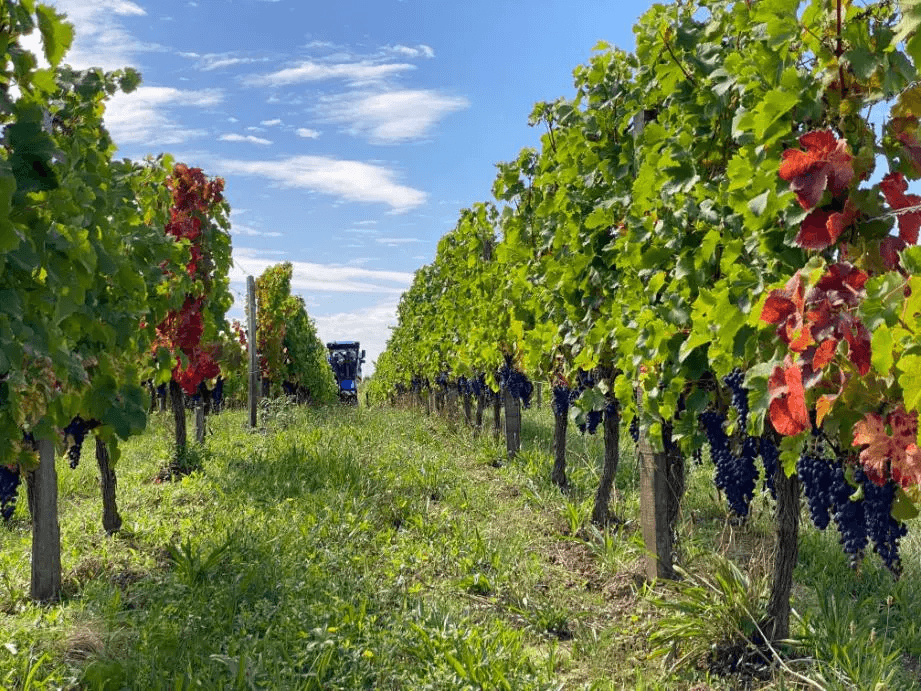
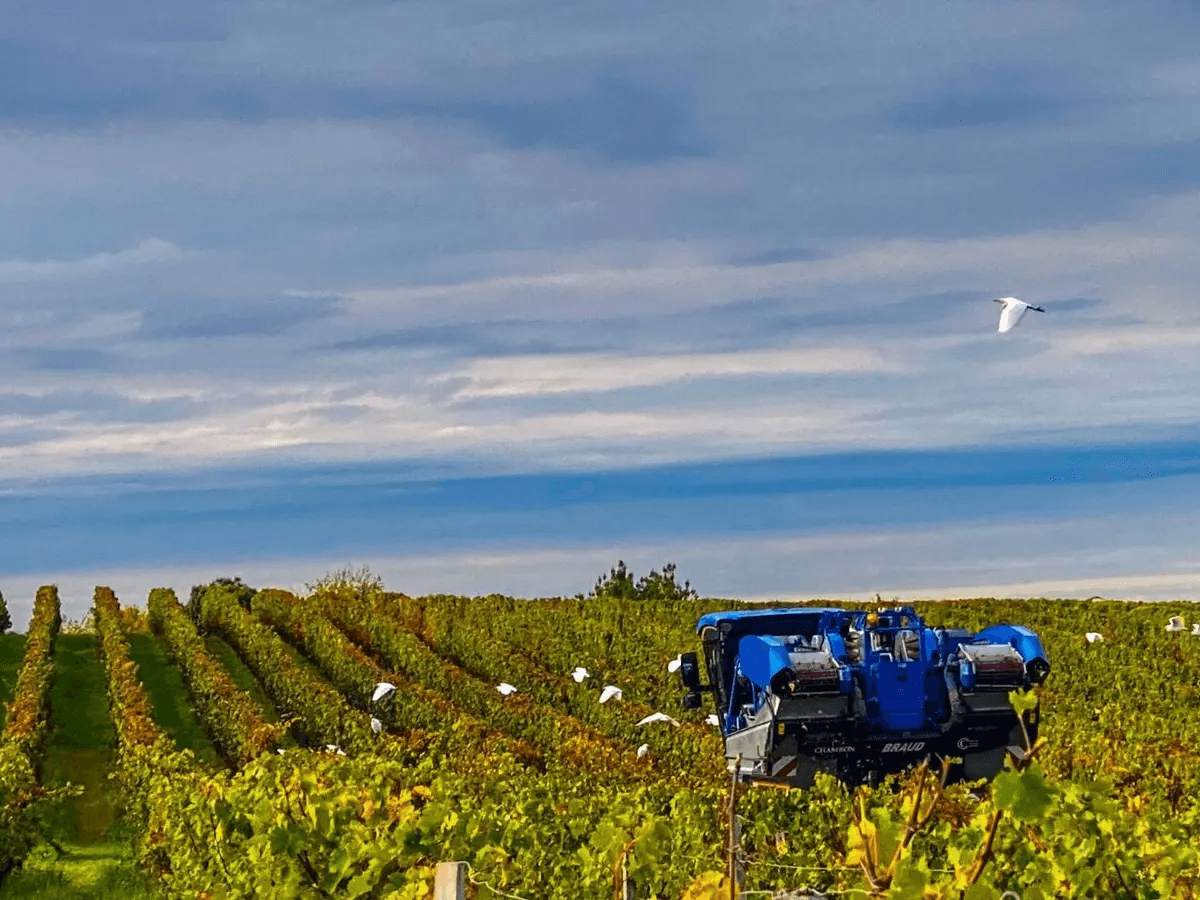
Your vineyards in Selçuk and Denizli-Güney have different climates and soils. To you, is terroir the sum of scientific data, or is there an intuitive element, too?
Translated into Turkish, terroir could be described as “the taste of a place”. Its fundamental elements are climate, soil, the clone and genetic makeup of the grape variety, and the people who grow it. We now also include the soil microbiota: fungi, bacteria and the microorganisms that establish communication between the vine and the soil. The flora and fauna above ground are also important.
When a crop grown in a particular place has a distinctive flavour or structure, we can speak of that place’s taste. Scientific data can help us understand how it develops. We may also sense intuitively that a place has a distinctive flavour, but intuition becomes reliable through knowledge and experience.
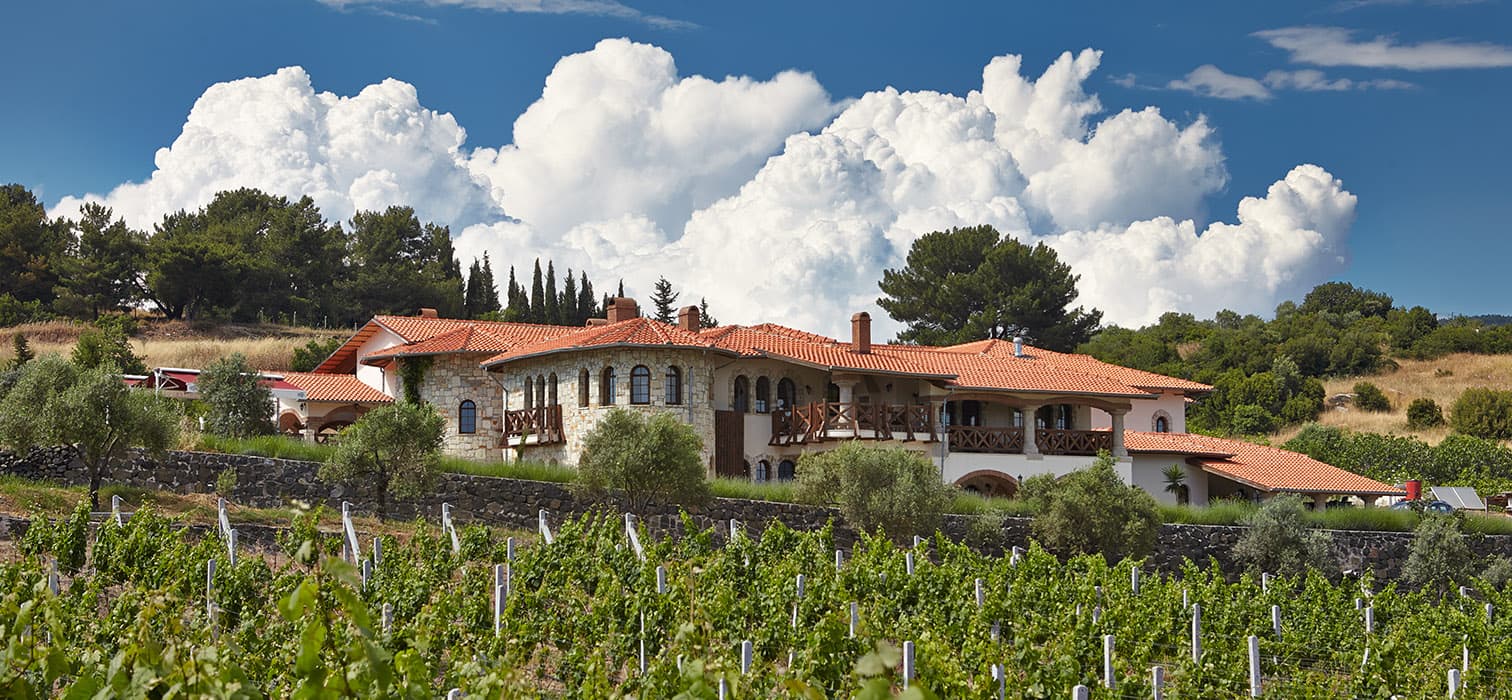
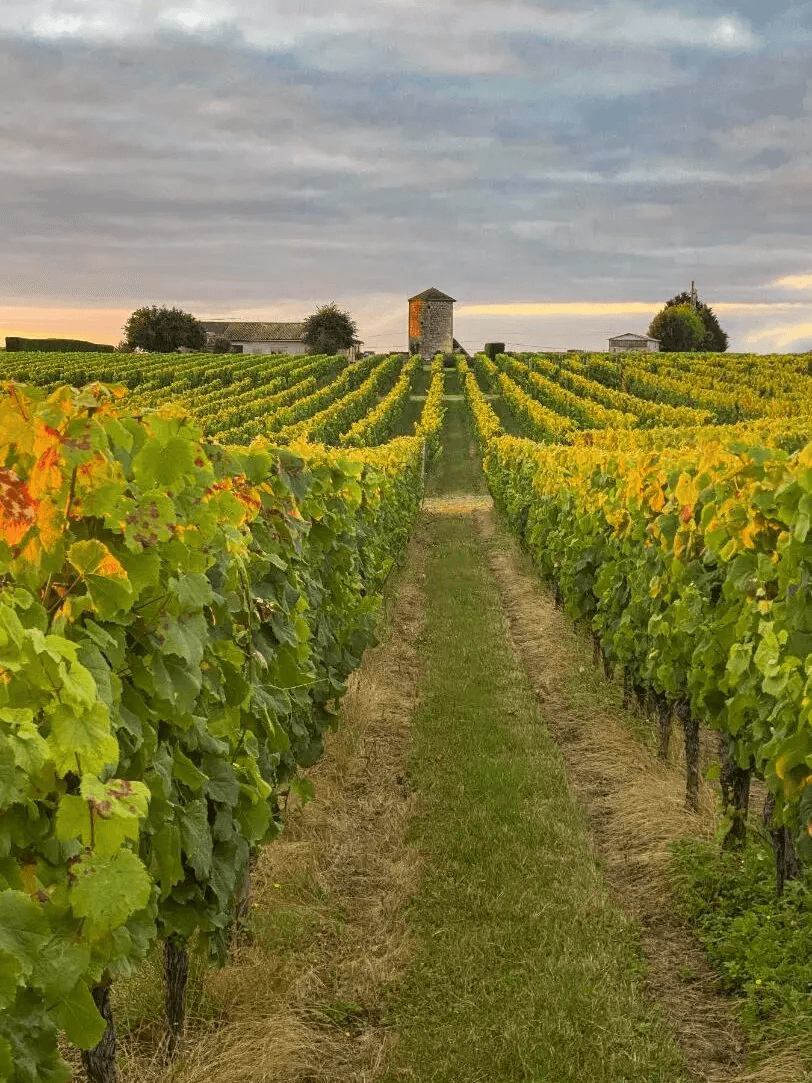
Our vineyard in İzmir sits at an altitude of 220 metres, 10 kilometres from the sea. It faces south, with well-drained schist soils. It is rich in plant life, from pine and fig trees to wild plants and olive trees. We have never used herbicides or insecticides in any of our vineyards.
We planted our vineyards in Denizli-Güney at altitudes of 700 to 950 metres. The area sits in the transition zone between Mediterranean and continental climates, with clay-rich, calcareous soils over limestone. All our white grape varieties are grown here. We also planted red Bordeaux varieties such as Cabernet Franc and Petit Verdot. In our highest vineyard, at 950 metres, we planted Riesling, which prefers a cooler climate.
In recent years, you have turned towards indigenous varieties such as Patkara, Karasakız and Emir. What potential do you see in Anatolia’s grapes?
Some of the indigenous Anatolian varieties we work with have the potential to gain international recognition. Among the whites, Emir has the pronounced minerality and taut acidity to make its mark internationally. It shares certain characteristics with French Muscadet and pairs very well with seafood. We grow it in the volcanic soils of Erciyes, at a high altitude of around 1,400 metres.
Karasakız is a very promising variety. As the world moves towards lighter-bodied wines with high acidity and pronounced fruit, its importance is growing. There is a particular trend towards reds that can be served slightly chilled in summer.
Öküzgözü is a very important grape from Elazığ and Arapgir. Its high acidity and complex fruit profile yield medium- to full-bodied wines, and it lends itself to different styles of production. Anatolia is home to more than 1,200 grape varieties. They are gradually being documented, and some will become more significant in the future.
Does every indigenous grape have to become a great wine? Or is preserving these varieties a responsibility in its own right?
In the early 1700s, Montesquieu, the author of The Spirit of the Laws, made his living as a wine producer in Bordeaux. In an essay, he wrote: “Some grape varieties we planted 20 years ago are no longer very popular, while varieties we once paid little attention to have become more popular.” He added that we needed to adapt our production accordingly.
Trends can change over time. At the moment, the world is moving towards white grape varieties and lighter-bodied reds. Denis Dubourdieu of the University of Bordeaux also noted that old Sauvignon Blanc and Sémillon vineyards had been replaced with Merlot to follow fashion, and that a return to those earlier varieties was needed.
Not every indigenous variety will become hugely popular, but these grapes embody centuries of accumulated knowledge and must be preserved for the future and for the sake of diversity. They carry knowledge, experience and genetic heritage. This is not a romantic approach; it is a realistic one.
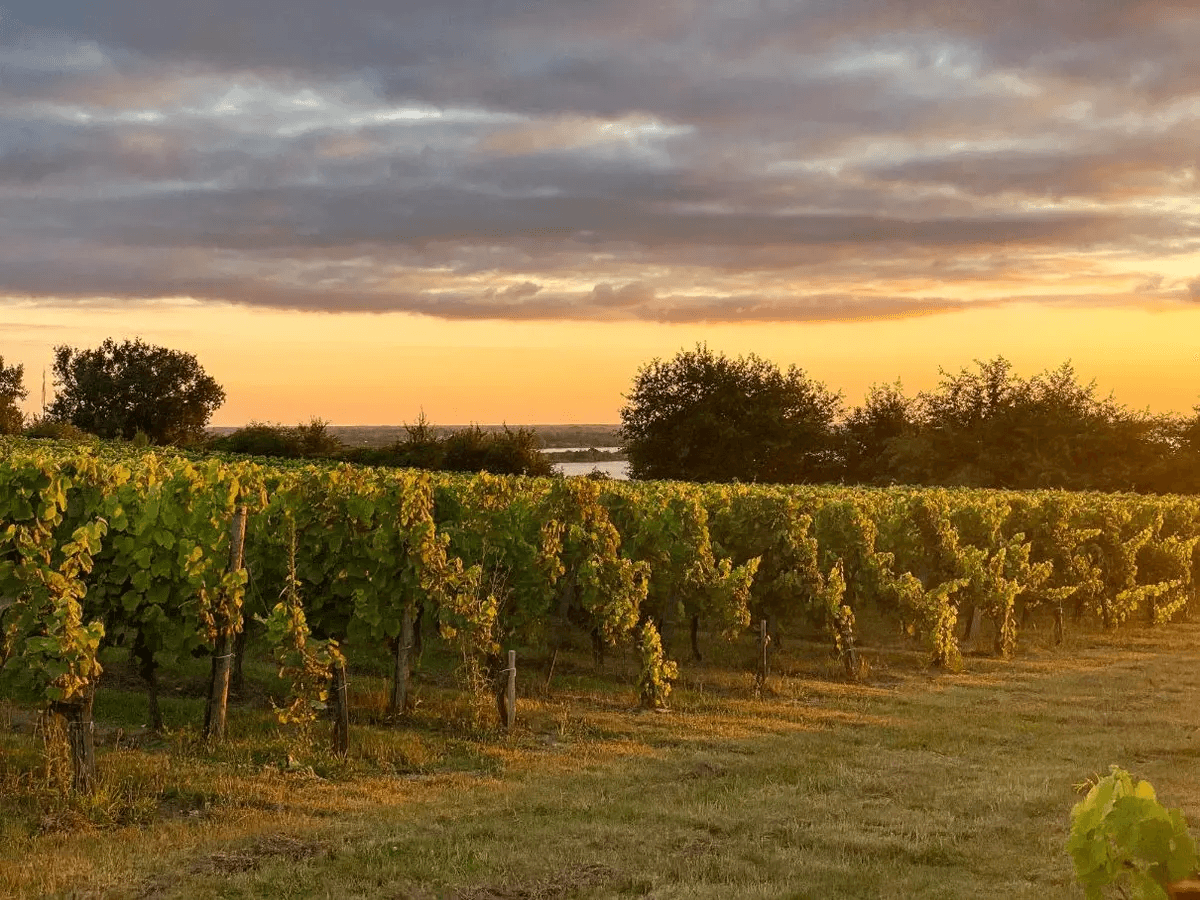
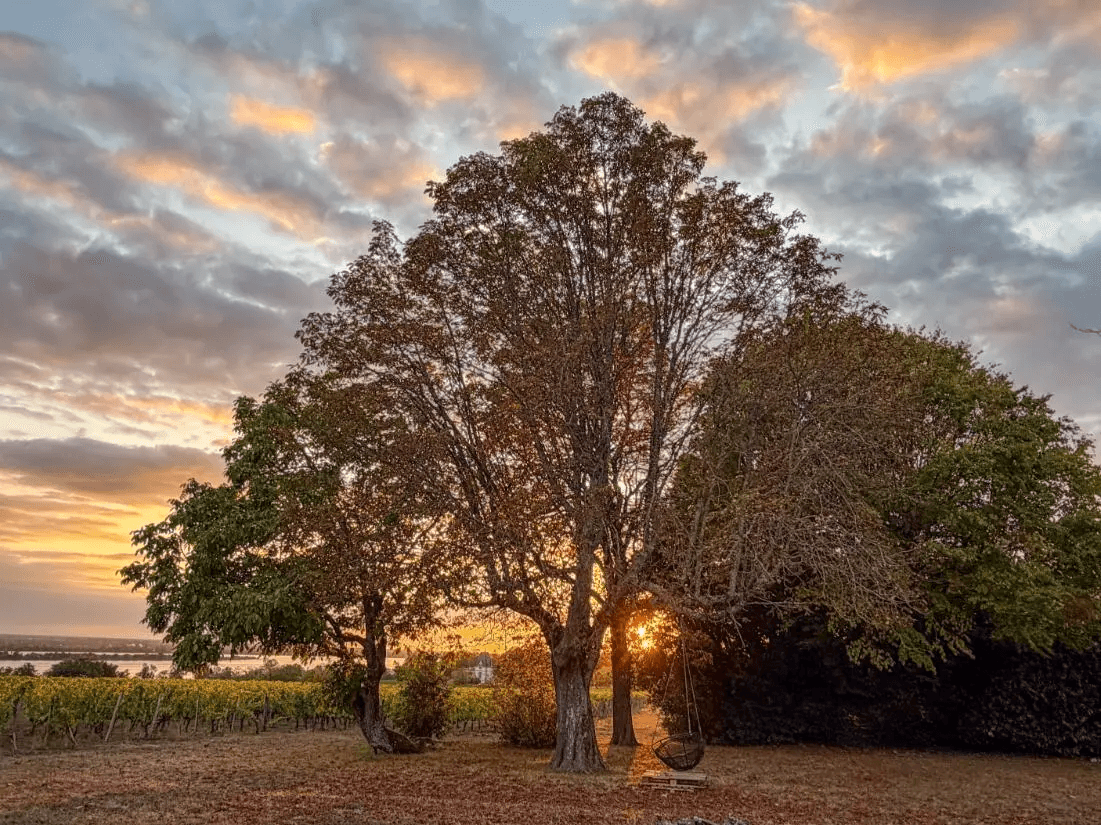
You have developed a separate winemaking venture with Château des Vu in Bordeaux. What has Bordeaux taught you, and which experiences from Anatolia have you brought to France?
Bordeaux has been a tremendous learning experience for me. Wine regions all over the world are compared with it because it has an unbroken history stretching back 2,000 years. Passing on genetic heritage is very important. The accumulated knowledge of the people who live there has also been handed down through generations. Bordeaux varieties such as Cabernet Sauvignon, Merlot and Cabernet Franc dominate global wine production. It is a very clearly defined region, with appellation rules and regulations.
At the other end of the spectrum is winemaking in Anatolia, where there is no appellation system and the process of defining its regions is still in its early stages. As for which I enjoy more, making wine in Anatolia is tremendously exciting and adventurous. Bordeaux is immensely instructive. On one hand, I make wine within France’s regulatory framework; on the other, I am one of the pioneers helping to define numerous grape varieties in Anatolia. It is exciting to travel to different parts of Anatolia and talk about winemaking with farmers who hold age-old knowledge of their land.
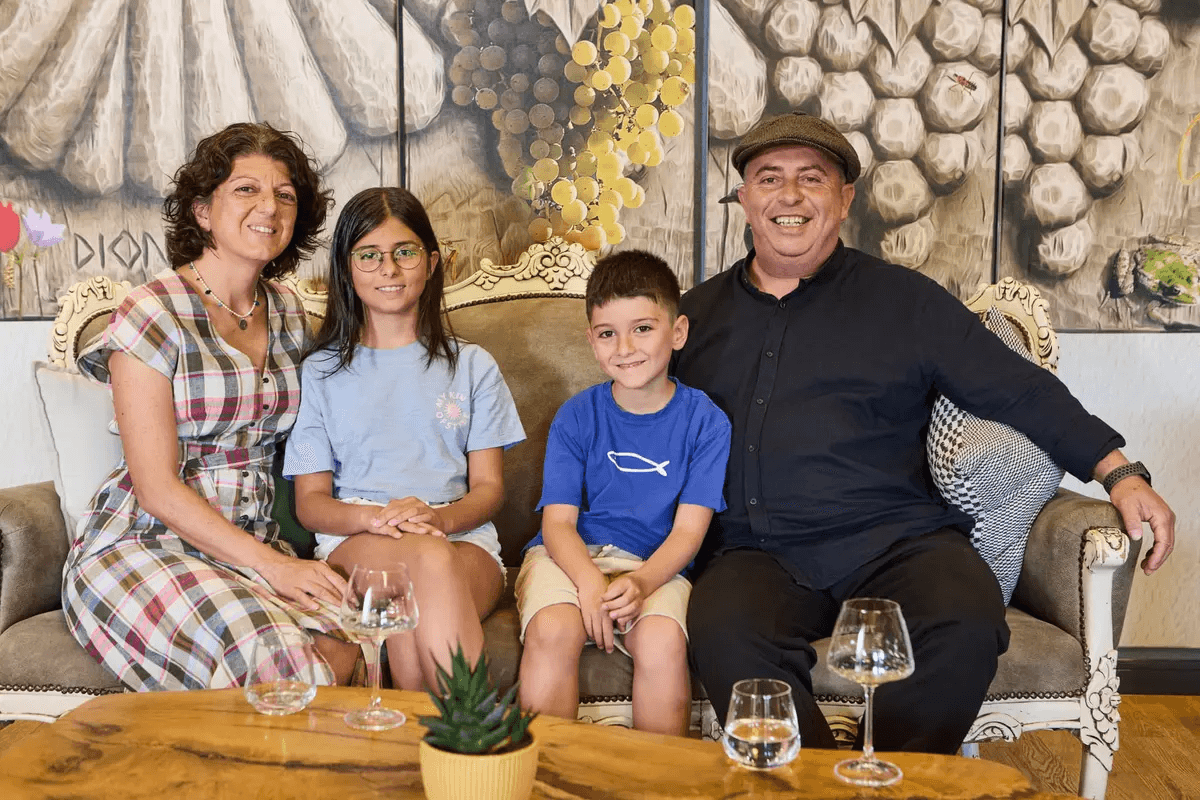
Climate change is a major challenge for both regions. What are you observing in your Selçuk and Denizli vineyards? Do you have a plan B for the years ahead?
Climate change is an enormous challenge. We are fortunate, but that alone is not enough. In İzmir and Denizli, our main terroirs, climatic conditions do not vary dramatically from year to year. Some years are drier, others wetter. We had quite a balanced season this year. The wildfires, however, are alarming.
Western Europe is being affected much more severely. In Bordeaux, the summer of 2024 was rainy and cool, while the summer of 2026 was very hot and dry, with wildfires to contend with. Temperatures of 43–45°C were recorded. Irrigation is normally prohibited, but some wineries watered their vineyards with special permission. I made wine there in 2024, 2025 and 2026, and all three vintages were different. I hope scientific knowledge can help prevent the negative effects of climate change. Otherwise, Anatolia may also face difficult conditions.
Is there a plan B? In terms of viticulture, I think there is. With its different elevations, varied soils and topography, Anatolia has a remarkable range of macroclimates and microclimates. Cold regions that are not currently suitable for growing grapes may become viable for viticulture in the future.
Türkiye’s gastronomic diversity and millennia of viticultural history are considerable advantages. What should we do to establish a distinctive identity in the international wine world?
In fact, we do not need to do very much to promote our own winemaking. First, we need to organise our vineyards well. We need to understand our soils and what we plant, and make good wine.
When people around the world read about the cultural history of wine and look back to its origins, all signs point to Anatolia. That makes it possible to direct their curiosity and interest here. What we need to do is produce sound, high-quality wines and clearly demonstrate their potential. That is the most important part.
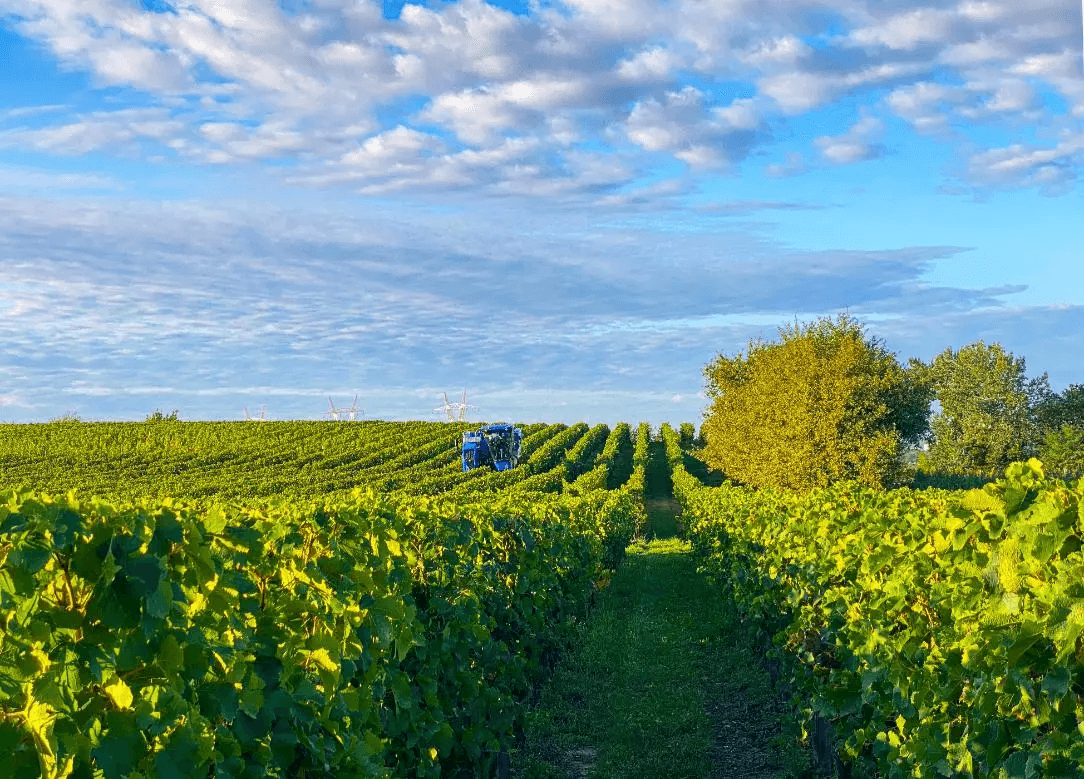
Winemaking encompasses different approaches to spontaneous fermentation, commercial yeasts, filtration and sulphur use. In your own production philosophy, where should human intervention begin, and where should it stop?
First of all, wine cannot be made without human intervention. And when we talk about natural wine, I am not sure where we are supposed to draw the line. In the 17th century? In Roman or Greek times? In the Hittite period in Anatolia, or in Georgia around 6000 BC? Winemaking has always changed and evolved.
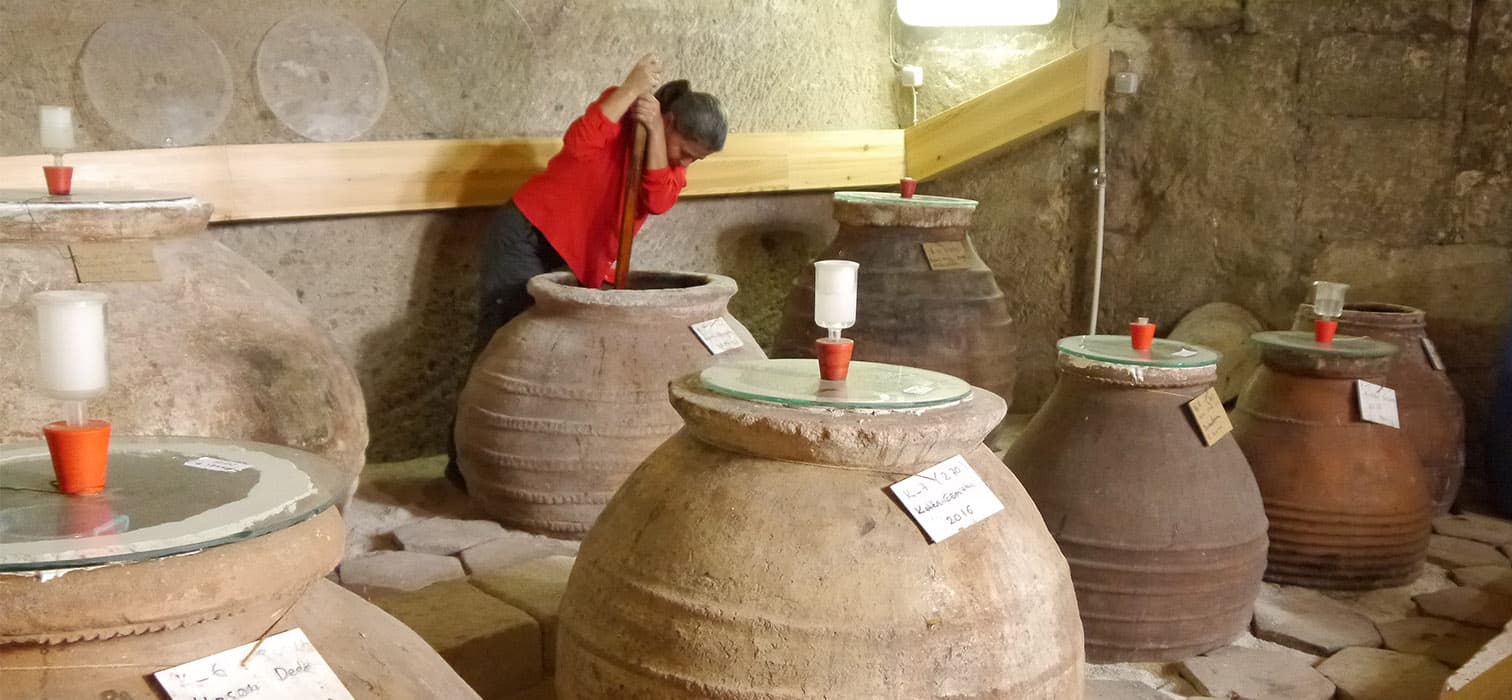
Sulphur is described as an intervention, yet it has been used in various forms since around 800 BC. In Roman Pompeii, amphorae were buried in the ground to control temperature. In northern Mesopotamia, around 5500 BC, the mouths of jars were coated with terebinth resin to protect against oxidation.
What matters, I think, is bringing out the potential within the grape. For someone like me, with a background in medicine, it makes no sense to turn away from what knowledge makes possible. But I do not support interventions that suppress a grape’s identity, its terroir or its sense of place. It is a fine line.
You worked for a time with the experienced oenologist Jean Luc Colin. Today, when deciding on a wine’s future, which do you trust if the laboratory results and your palate tell you different things?
Tasting—the organoleptic assessment—is what matters most in wine. Through taste and smell, you can assess faults, balance and complexity very accurately. Laboratory analyses simply support that judgement.
In medicine, too, we treat the patient, not the disease. There are always individual variations. Sometimes, you approach a patient through experience and intuition. What appears in the laboratory as a minor fault can sometimes add complexity to a wine. That is why you need to assess it as a whole. Numbers cannot express that whole.
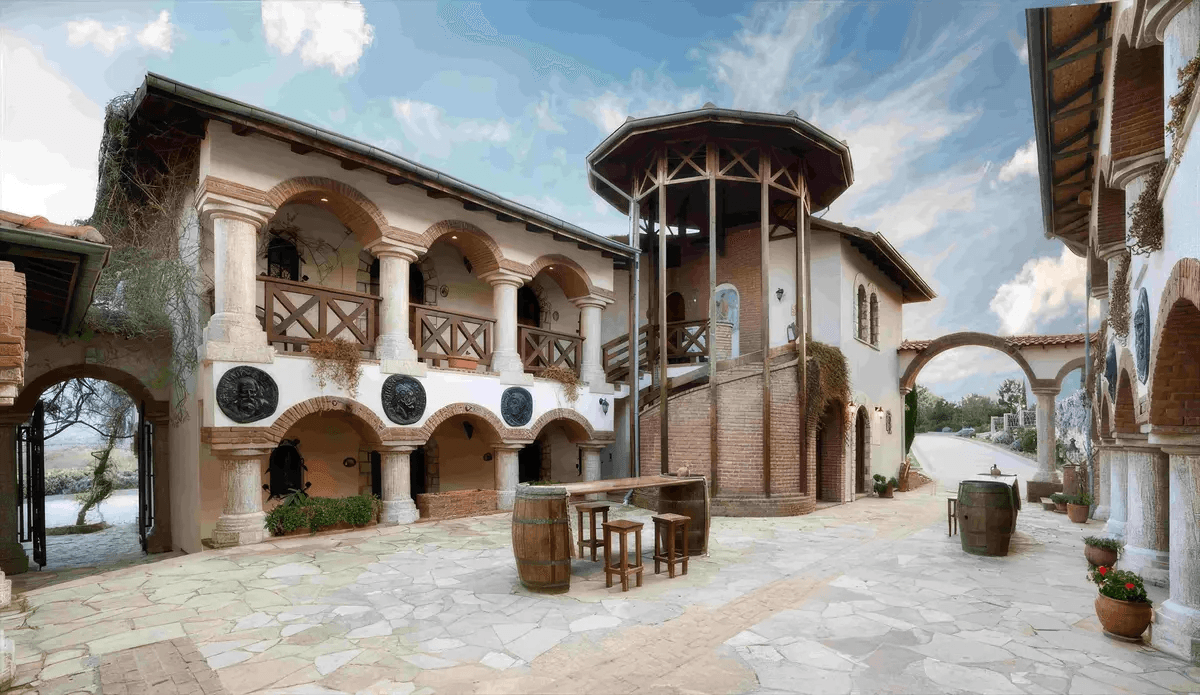
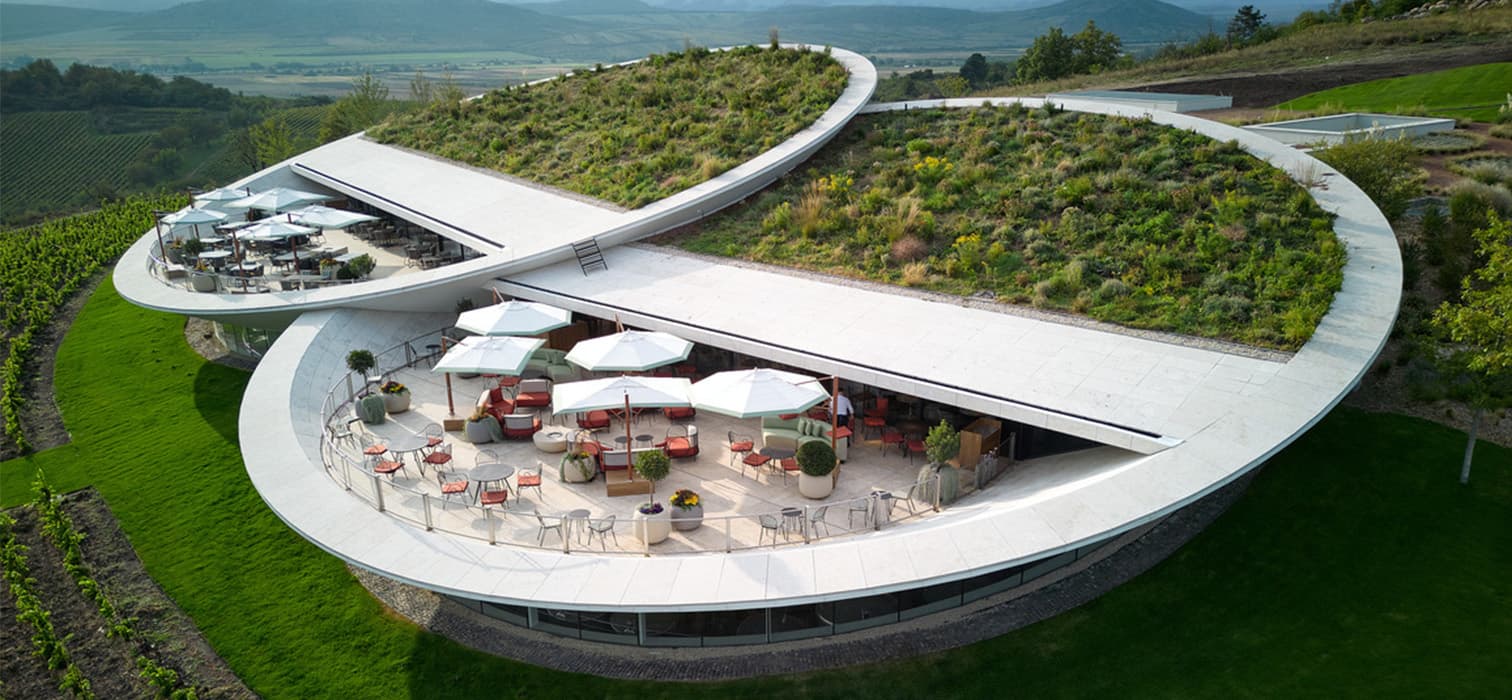
7Bilgeler is more than a winery: it is a place where architecture, gastronomy, hospitality and art come together. Vinifera Hotel and Mayadan Restaurant are part of that whole. Why, for you, should wine not remain confined to the bottle?
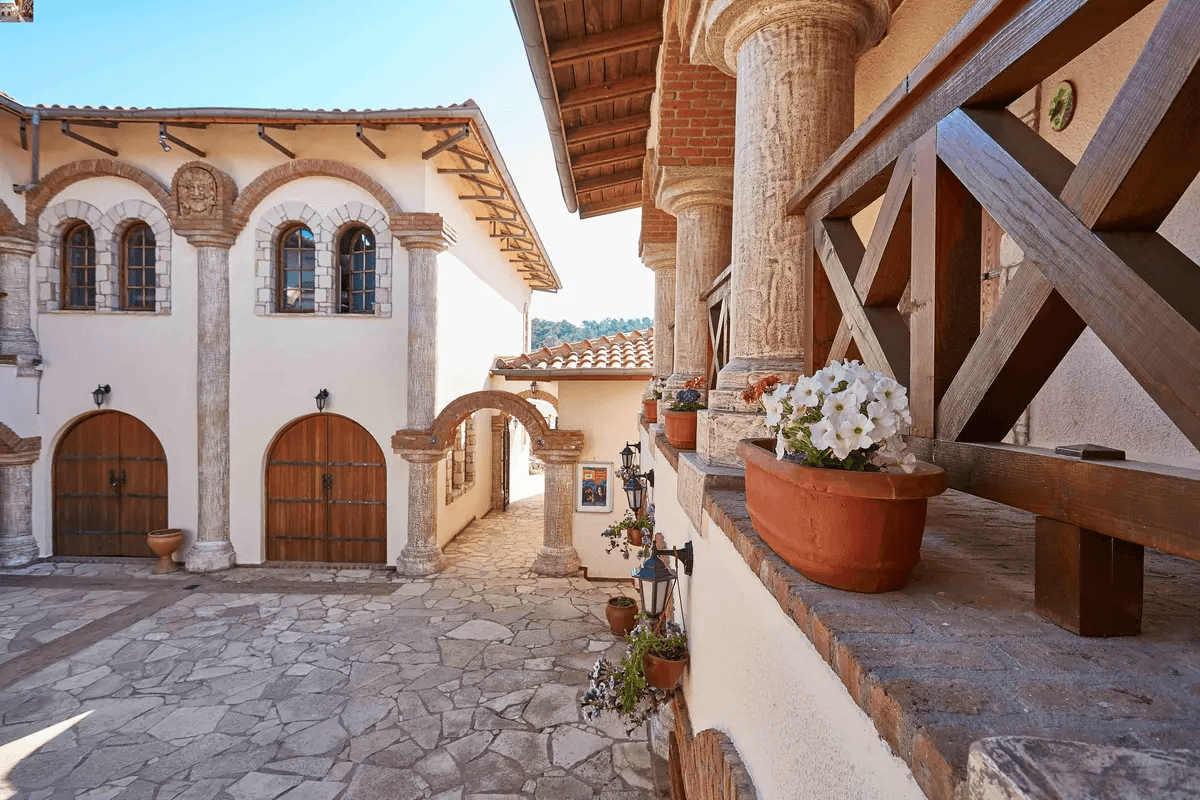
Wine is a culture in itself, an integral part of cultural history. I believe a winery is a living place, connected to its surroundings and vineyards, and brought to life by people. I wanted it to be a home for culture. I wanted its architecture to draw on elements of the past civilisations of İzmir and the area around Ephesus. I wanted it to host philosophical gatherings, concerts and jazz performances. I planned the property as a hotel, restaurant and winery.
Since it was founded, it has hosted all kinds of events, concerts, gatherings and exhibitions. Living there is a way of life for me. I created it more out of a desire for that way of life than for commercial reasons.
How has your relationship with time changed from your years in medicine to your life today? What has winemaking taught you about waiting, ageing and allowing certain things to take their course?
Medicine is a profession that requires considerable patience and equanimity. Through your patients, it reveals the many possibilities life can present. Medical training and the practice that follows are invaluable for understanding life and human beings.
Winemaking and the work in the vineyard are very similar. There are many variables, and you cannot always control them. It is the same in healthcare. In both fields, problems are the rule; the absence of problems is the exception. A surgeon knows that complications are part of the job. What matters is knowing how to deal with them.
You do not encounter the same problem in the vineyard every year. One year, something happens and you take precautions; the next, a different problem arises. Nor does it end when you harvest the grapes and leave the vineyard. The adventure continues when they go into the tank. Wine is a living thing. It ages, changes as it grows older, and requires care at every stage. It is rather like the influence you have on a child as they grow up.
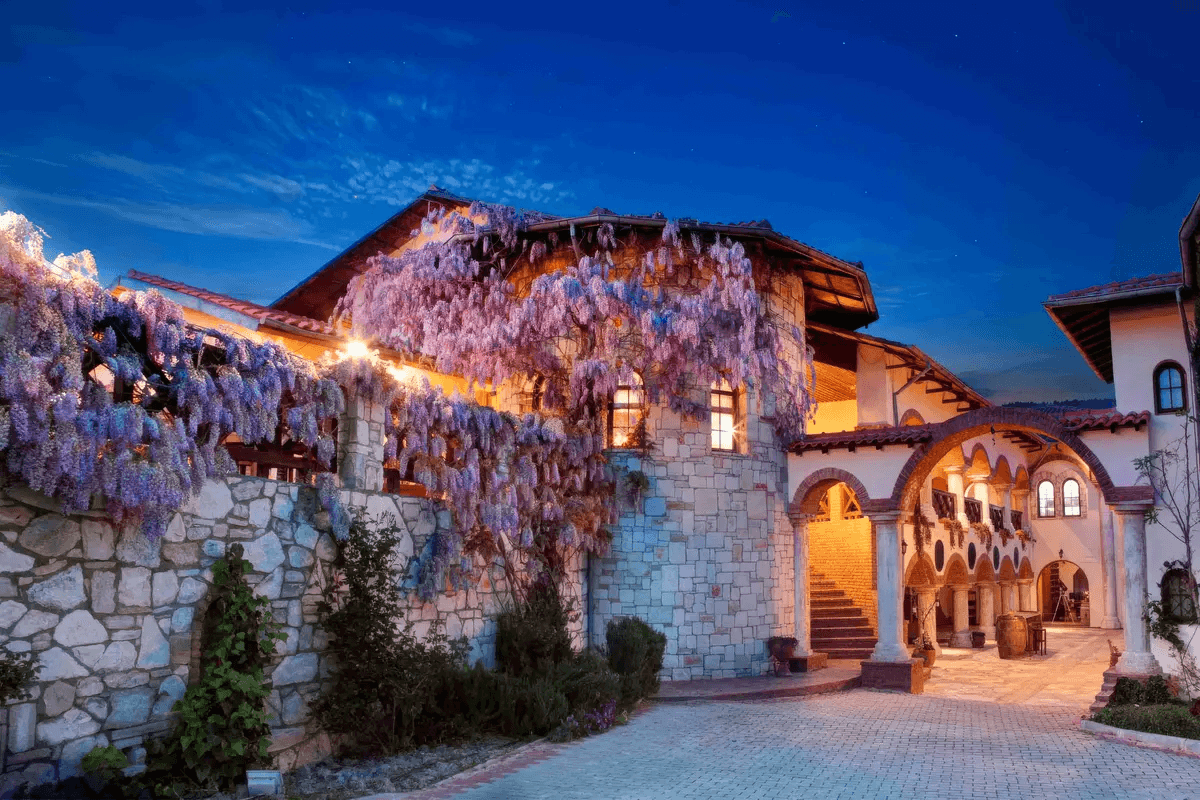
Finally, looking to the future, what still excites you about winemaking and inspires you to explore new possibilities?
Modern life tries to put everything in order. But that is not possible. The thinker Proudhon once said, “Chaos is order.” That movement and those differences are themselves the very essence of order. You cannot fit life into a frame. That is precisely the fallacy of modern life. Humanity thought modernity would allow it to solve everything, but it has not. Ultimately, we return to nature and to human beings themselves. That is why medicine and winemaking sit side by side.
Making wine has been a wonderful adventure for me, many times more enjoyable than I imagined when I began. Every year brings another project. In the vineyard and the winery, you are always looking for surprises and nuances, and that search never ends.
A different region, a different grape variety or a different way of making wine presents itself. Almost every year, I look for, find and try something new. Sometimes it is a production technique, sometimes a grape variety, sometimes a region. Winemaking is an adventure that will probably take me on a deeply enjoyable journey for many years to come.
The World’s Most Beautifully Designed Wineries