Motor shows are returning to their pre-pandemic glory, and Paris is the latest proof. Not even growing competition from China could overshadow the French brands on home turf.
The 2026 Paris Motor Show became a stage for European manufacturers fighting to secure their future amid mounting competition from China. Alongside BYD and Stellantis-backed Leapmotor, brands such as Denza and Omoda chose Paris for a series of global premieres. Meanwhile, French manufacturers including Citroën, Peugeot and Renault sought to win over consumers with more affordable models, while drawing on their rich heritage through nostalgia-inspired show cars. Whether this combination of history, innovation and accessibility will be enough to secure Europe’s automotive future remains to be seen.
Contents
Peugeot E-T16 Concept: A Group B Fan’s Dream
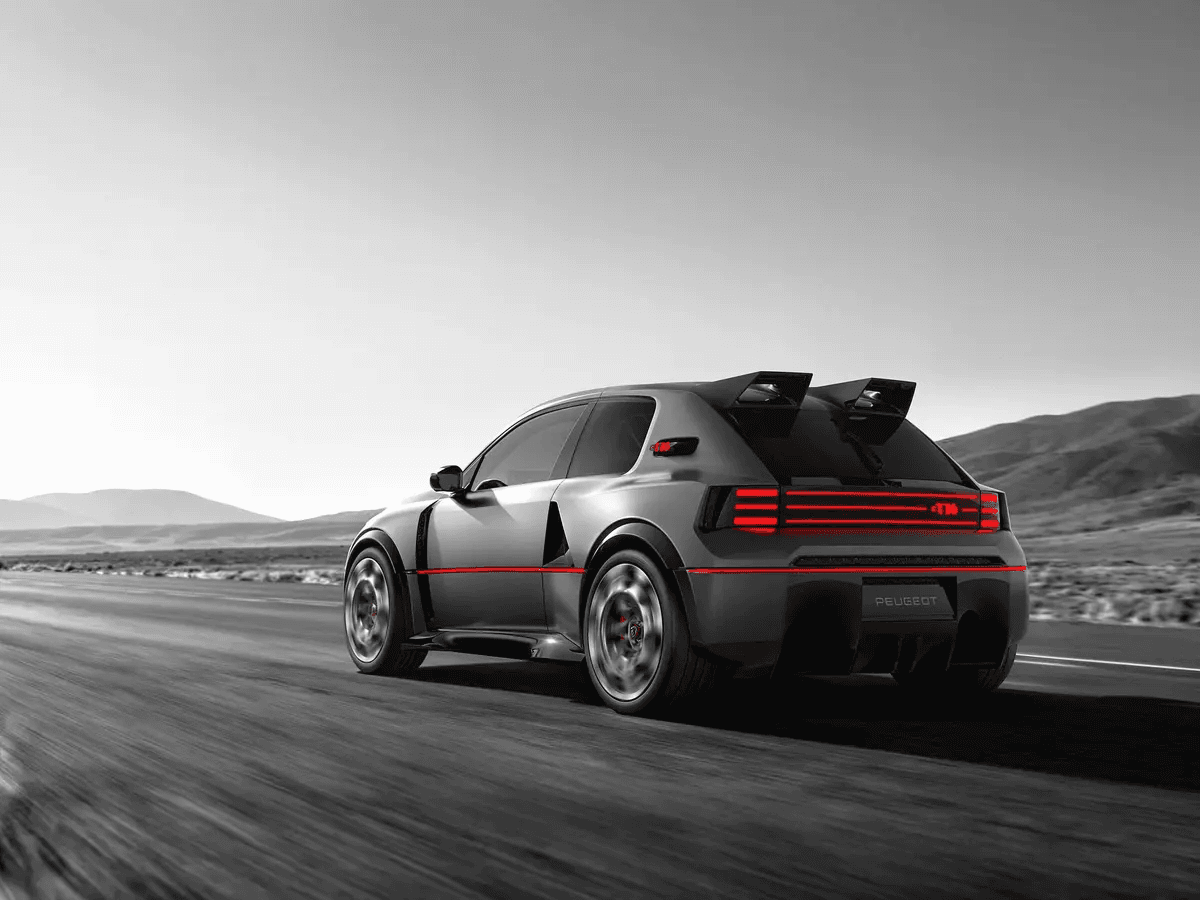
Group B was motorsport at its wildest in the 1980s, an era of extraordinary machines, spectacular victories and sometimes deadly competition. Among its greatest legends was the Peugeot 205 T16, which claimed World Rally Championship titles in 1985 and 1986. Forty years later, the E-T16 Concept unveiled at the Paris Motor Show is enough to make any enthusiast abandon their plans and start dreaming.
More than a nostalgic design exercise, the E-T16 is a thoroughbred machine developed by Peugeot Sport engineers. Combining the brand’s radical new “Feline Future” design language with extreme performance, it delivers a formidable 816 hp from three electric motors, one mounted on the front axle and two at the rear. With a power-to-weight ratio of less than 2 kg per horsepower, it becomes the most powerful road-and-track car in Peugeot’s history.
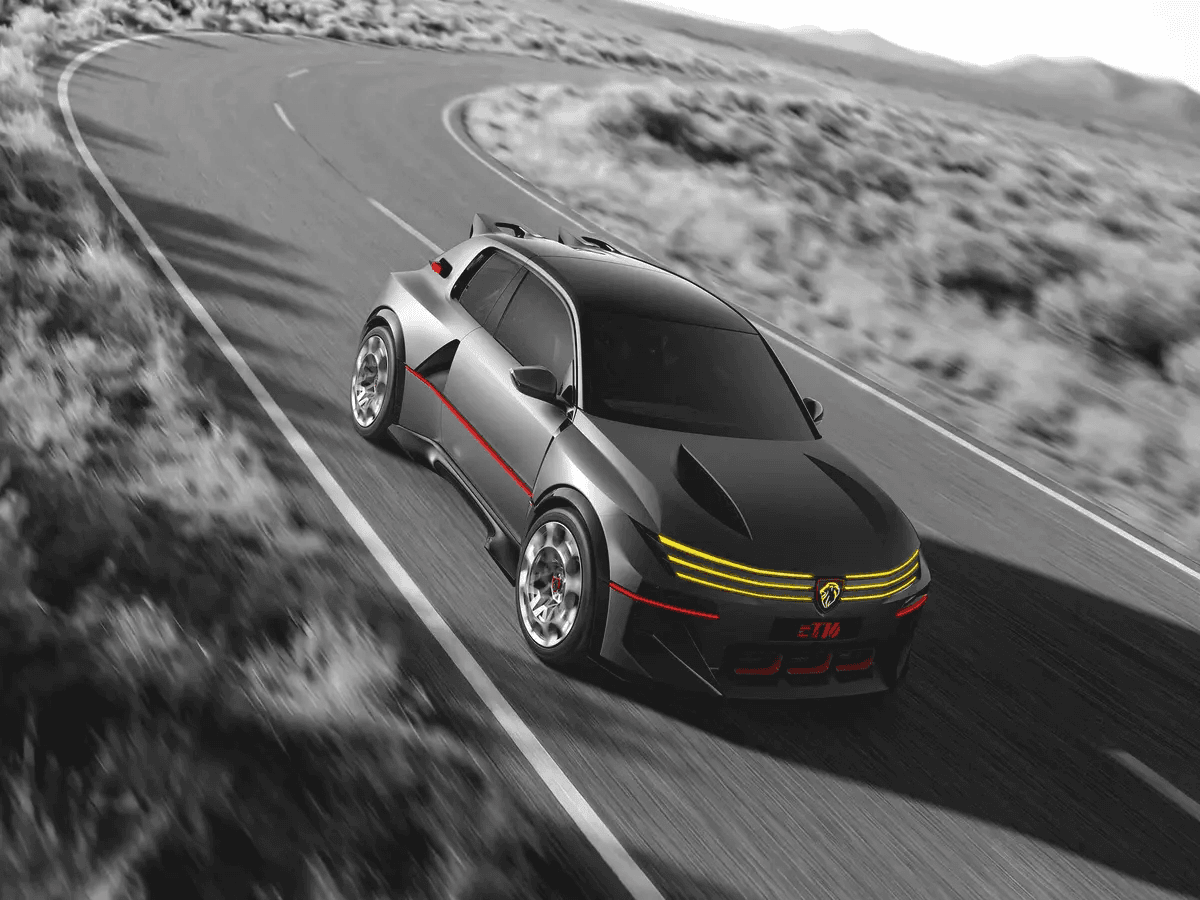
The figures are equally extraordinary: 0–100 km/h in 2.5 seconds and 0–300 km/h in just 16 seconds. The E-T16 also showcases Peugeot’s next-generation i-Cockpit architecture, featuring its futuristic Hypersquare steering system and steer-by-wire technology. Perhaps most intriguingly, it offers a direct preview of the radical design direction expected for the next-generation Peugeot E-208.
The E-T16 Concept does without real-time intelligent torque vectoring and the vertically mounted hydraulic handbrake associated with its rally heritage. Instead, it offers four distinct driving modes, including a specially calibrated Track setting.
Its 800V electrical architecture supports a WLTP range of up to 400 kilometres, while charging from 10 to 80 per cent takes less than 15 minutes. Add 380 mm brake discs and Michelin performance tyres measuring 275 mm at the front and 315 mm at the rear, and the result promises braking forces powerful enough to rearrange your internal organs.
Peugeot, we’ll keep this brief: Put it into production. Exactly as it is.
Peugeot RCZ Vision
At the 2026 Paris Motor Show, Peugeot revived one of its most distinctive coupé silhouettes for the electric age with the RCZ Vision, blending French elegance with futuristic engineering. Perhaps the most sculptural expression of the brand’s “Feline Future” design philosophy, the concept retains the original RCZ’s unforgettable double-bubble glass roof and flowing shoulder lines. At the front and rear, a triple horizontal claw-shaped lighting signature gives it an unmistakably dramatic presence.
Yet the RCZ Vision is far more than a styling exercise. Developed in partnership with Factorial Energy, its remarkably slim 110 mm solid-state battery and groundbreaking 1,000V electrical architecture make it a technological showcase for Peugeot.
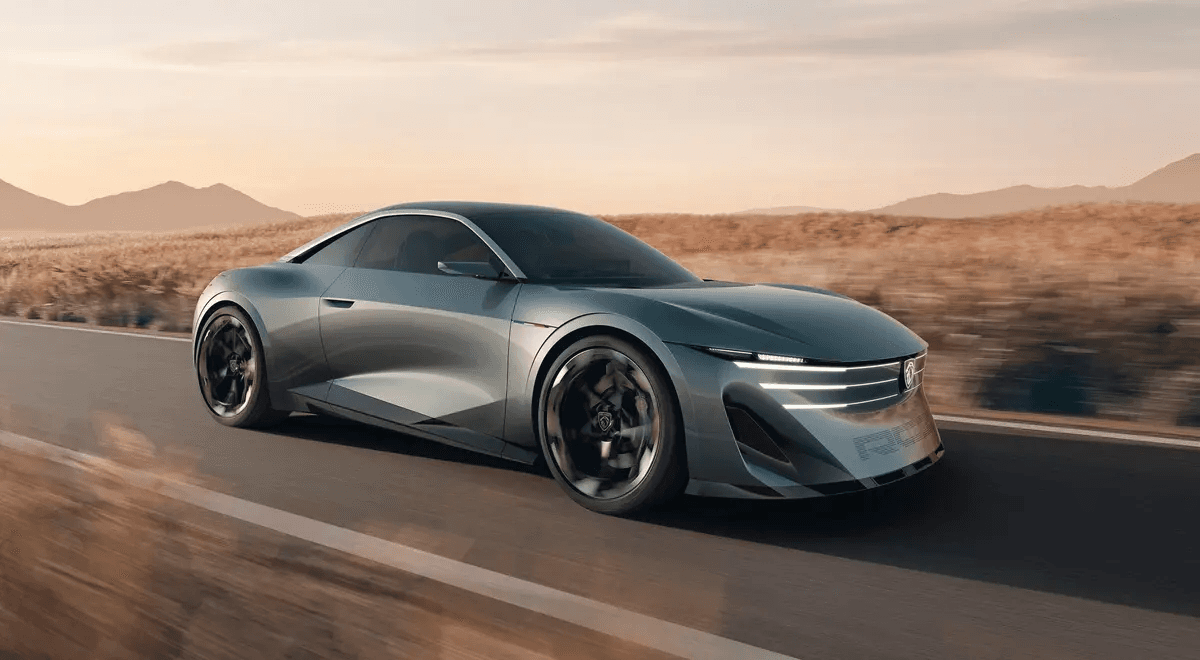
The four-seat GT produces 500 hp and promises a WLTP range of up to 600 kilometres on a single charge. Thanks to its ultra-fast charging capability, the battery can be replenished from 10 to 80 per cent in just ten minutes, bringing an entirely new sense of speed to electric mobility.
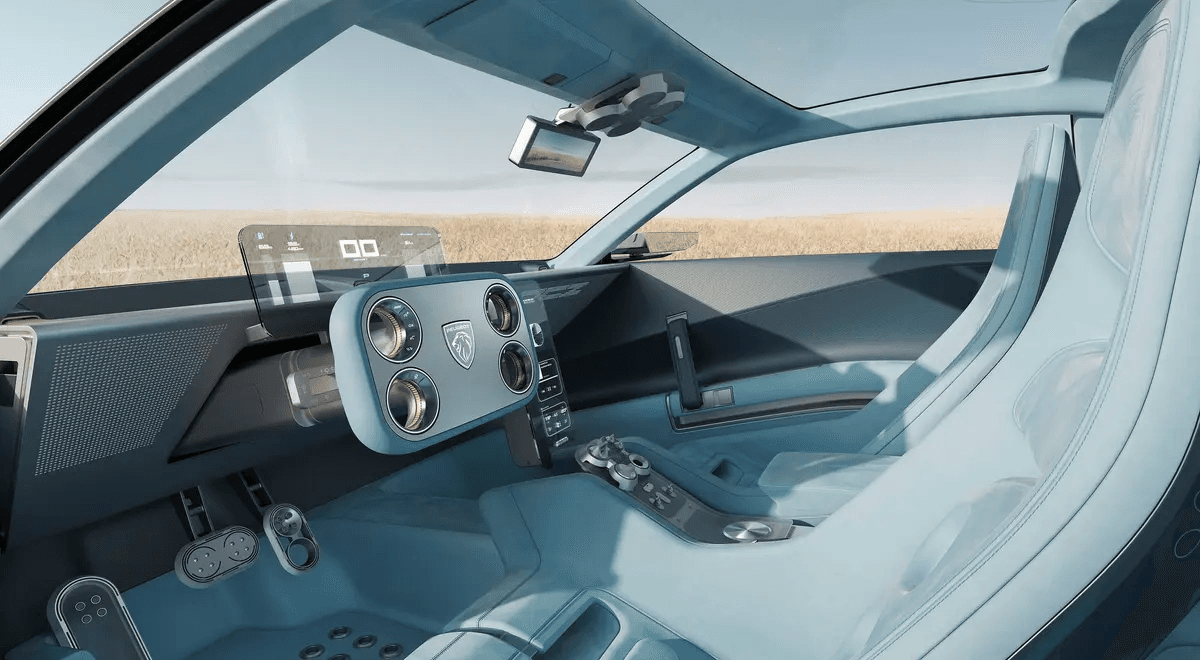
Inside, minimalist luxury meets an uncompromising focus on driver engagement. Physical driving controls sit alongside Alcantara, recycled Pelinova leather and machined aluminium surfaces, while a curved 21-inch display keeps visual clutter to a minimum.
At the centre of the cockpit is the Hypersquare steer-by-wire system, paired with brake-by-wire technology integrated by Peugeot for the first time in this model. Level 2++ autonomous driving capabilities and intelligent torque distribution complete the package. The RCZ Vision is ultimately Peugeot’s ambitious declaration that driving pleasure, beauty and emotion still have a place at the heart of an increasingly digital automotive world.
Alfa Romeo Cuorerosso: For Those Who Say No to Electric Cars
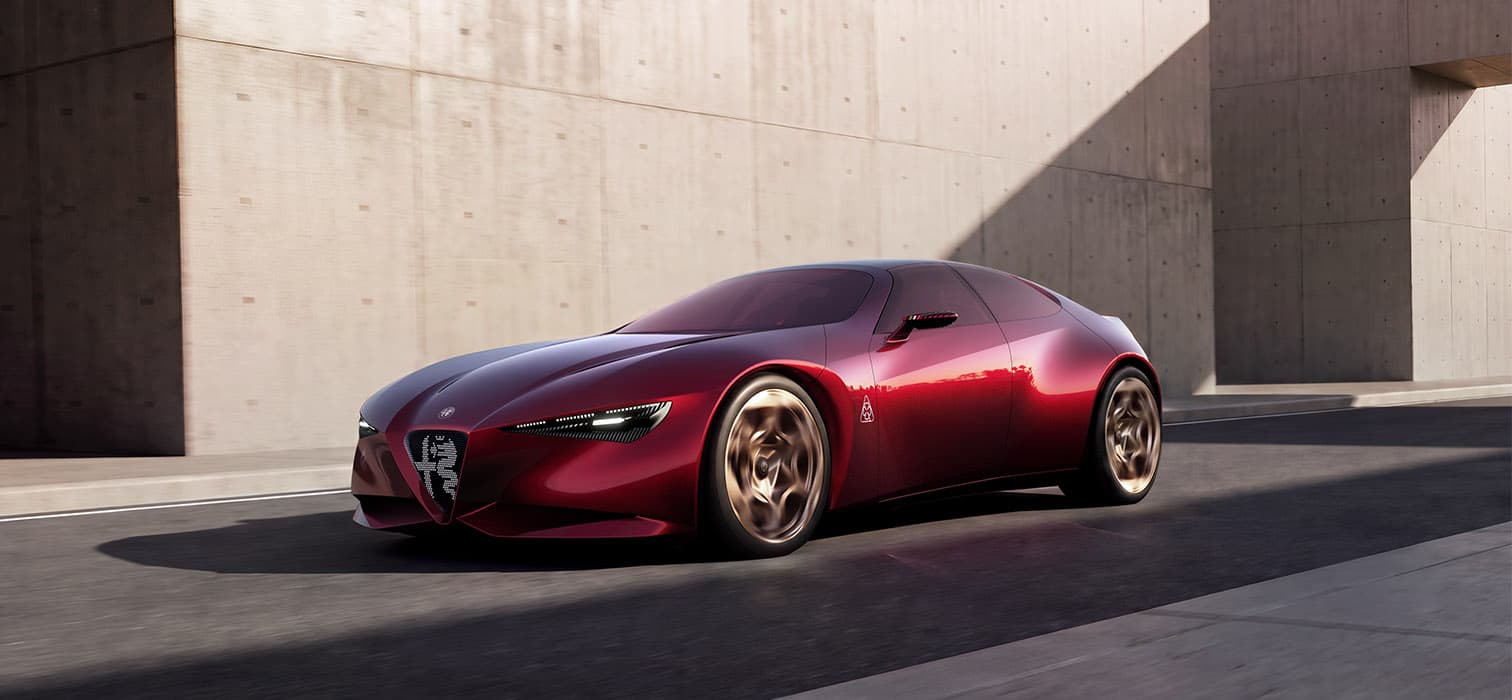
There was little disagreement over the star of the 2026 Paris Motor Show. The Alfa Romeo Cuorerosso arrived as a sculptural masterpiece, reminding the world that a car can still be, above all else, an object of pure emotion and living passion. Created by Centro Stile in Turin, the Cuorerosso takes its name from the brand’s legendary “Red Heart”. More than a conventional concept car, it is an uncompromising manifesto for Alfa Romeo’s automotive future, bringing together architecture, engineering and the soul of the machine. Built around the three pillars of red, Italy and sporting spirit, this magnificent 2+2 Gran Turismo translates the warmth and energy of molten lava into its bodywork, lighting and materials, as though the machine and the human heart were beating in unison. Its proportions strike a remarkable balance between the drama of a supercar and the elegance of a long-distance GT. Measuring approximately 4.7 metres long, two metres wide and just 1.3 metres high, the Cuorerosso has a broader, lower and more muscular stance than the Giulia.
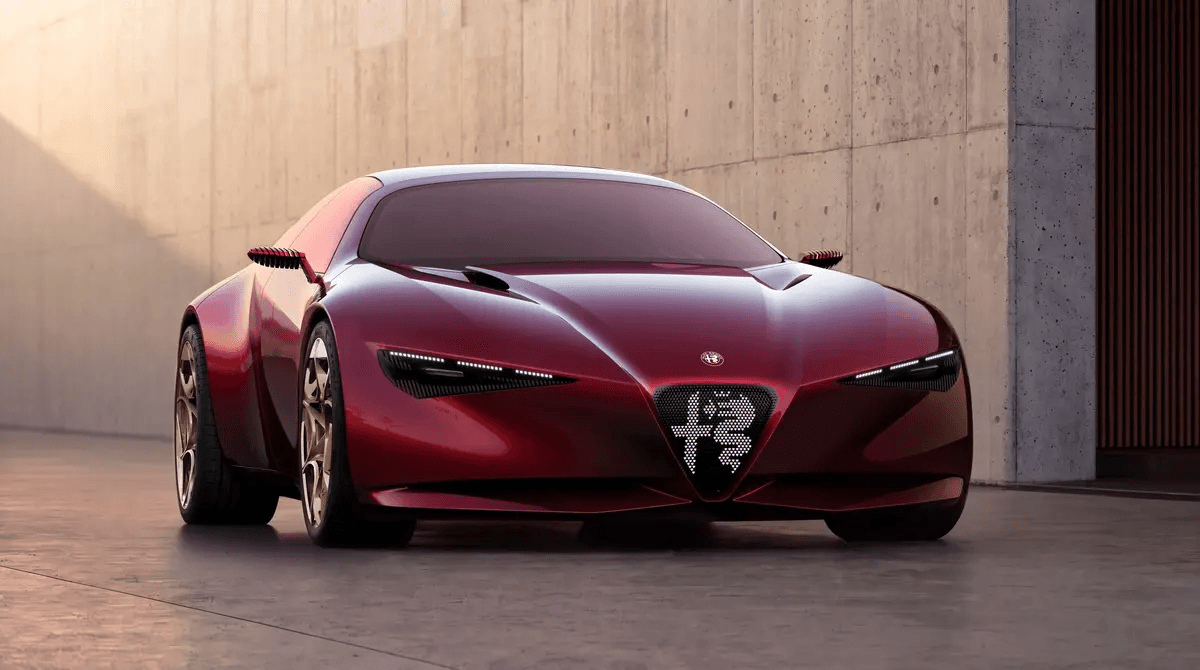
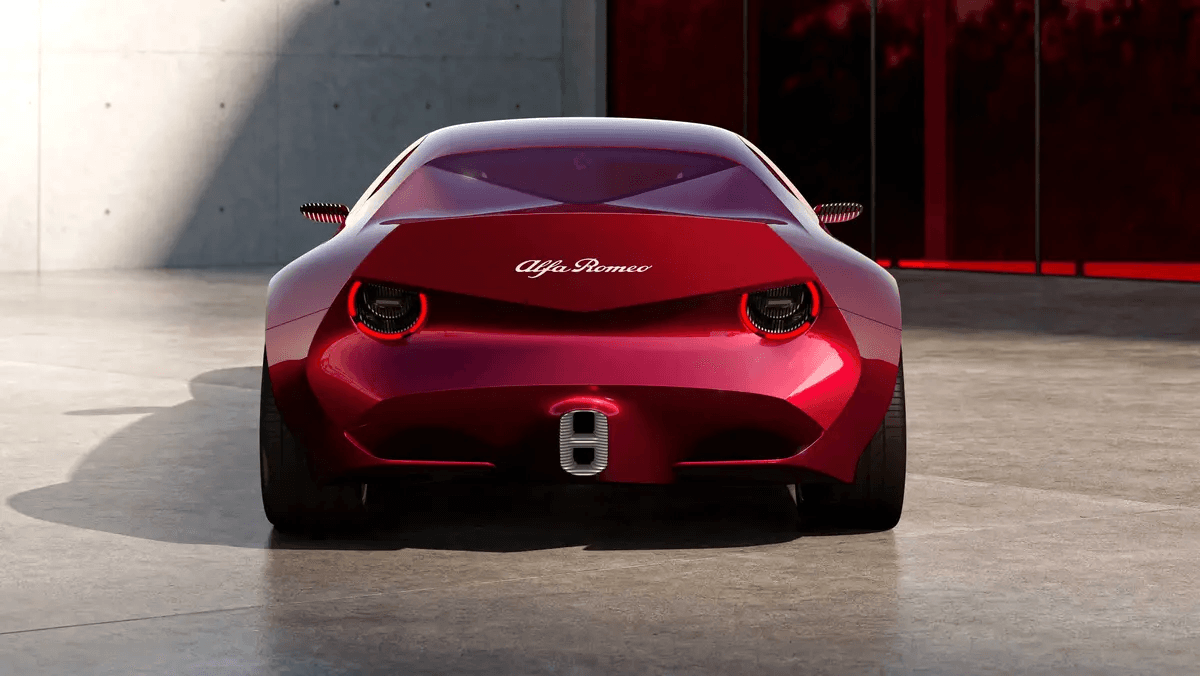
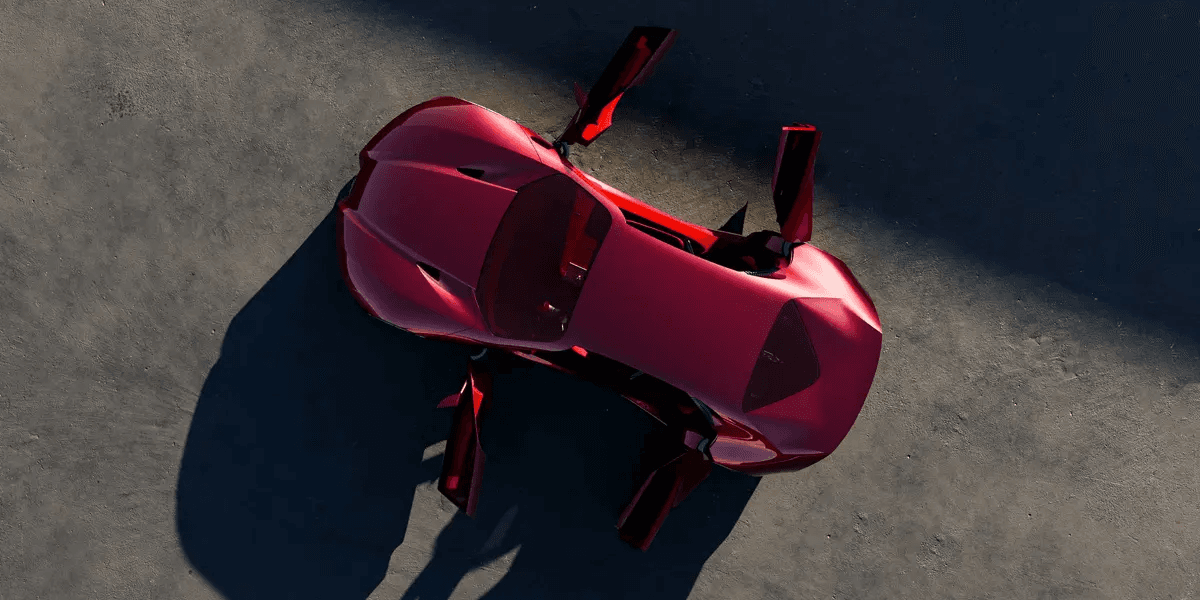
At first glance, it appears to be a pure two-door coupé. Yet rear-hinged doors open to reveal an inviting four-seat interior. At the front, Alfa Romeo’s new “Bellezza Necessaria” (Necessary Beauty) design philosophy takes centre stage. At the rear, the iconic window shaped like the historic Scudetto grille, double-layered circular LED taillights and vertically arranged central exhaust outlets connect the marque’s racing heritage with its future.
Beneath the bonnet lies further proof that Alfa Romeo has no intention of abandoning driving passion. A 2.9-litre twin-turbocharged V6 petrol engine with Quadrifoglio DNA is paired with an innovative performance-oriented hybrid system, all-wheel drive and a lightweight carbon-fibre driveshaft.
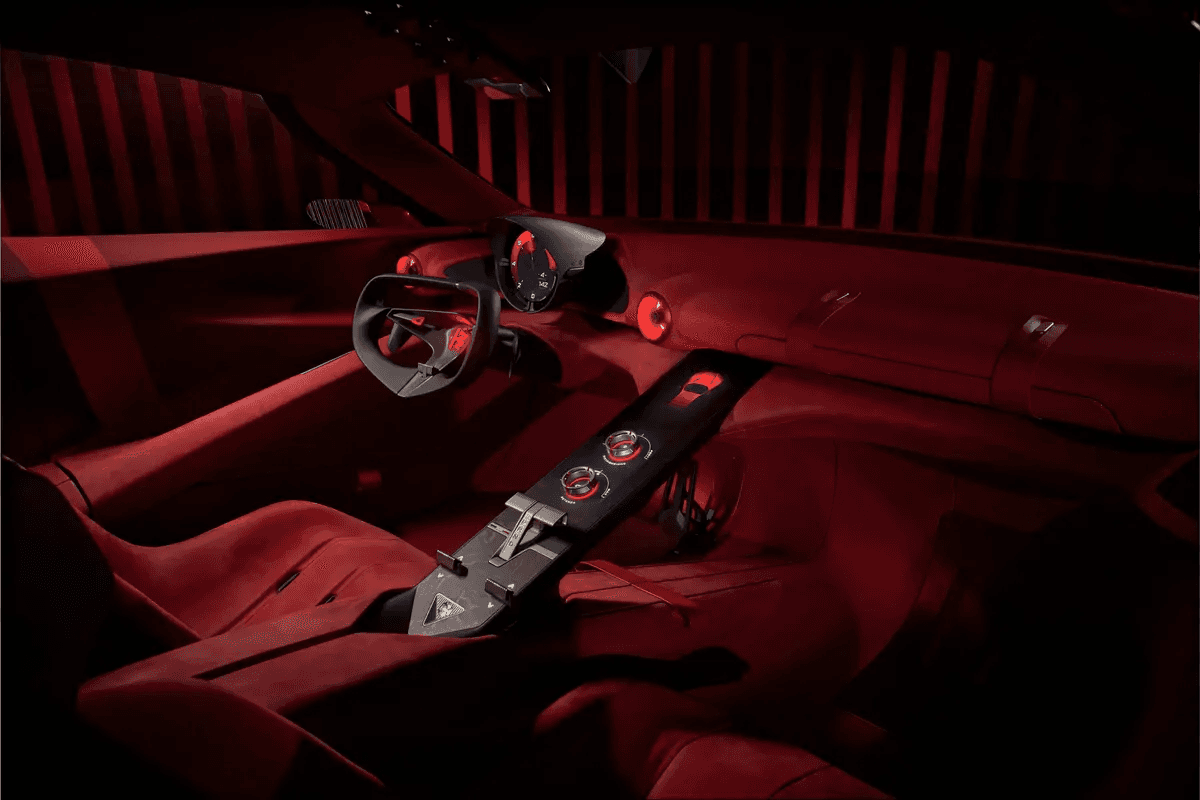
The interior channels the minimalist spirit of the legendary 1967 33 Stradale. A yoke-style steering control replaces the conventional wheel, with driving-mode selectors integrated directly into it. Red and black leather, meticulous craftsmanship and circular air vents transform the driver-focused cockpit into a work of mechanical art.
Whatever direction automotive technology takes, the Cuorerosso is Alfa Romeo’s declaration from Paris that cars bearing its badge will always be designed to stir the driver’s soul and quicken the heartbeat.
We would very much like to see this one on the road sooner rather than later.
Leapmotor B03: Stellantis’ Chinese DNA
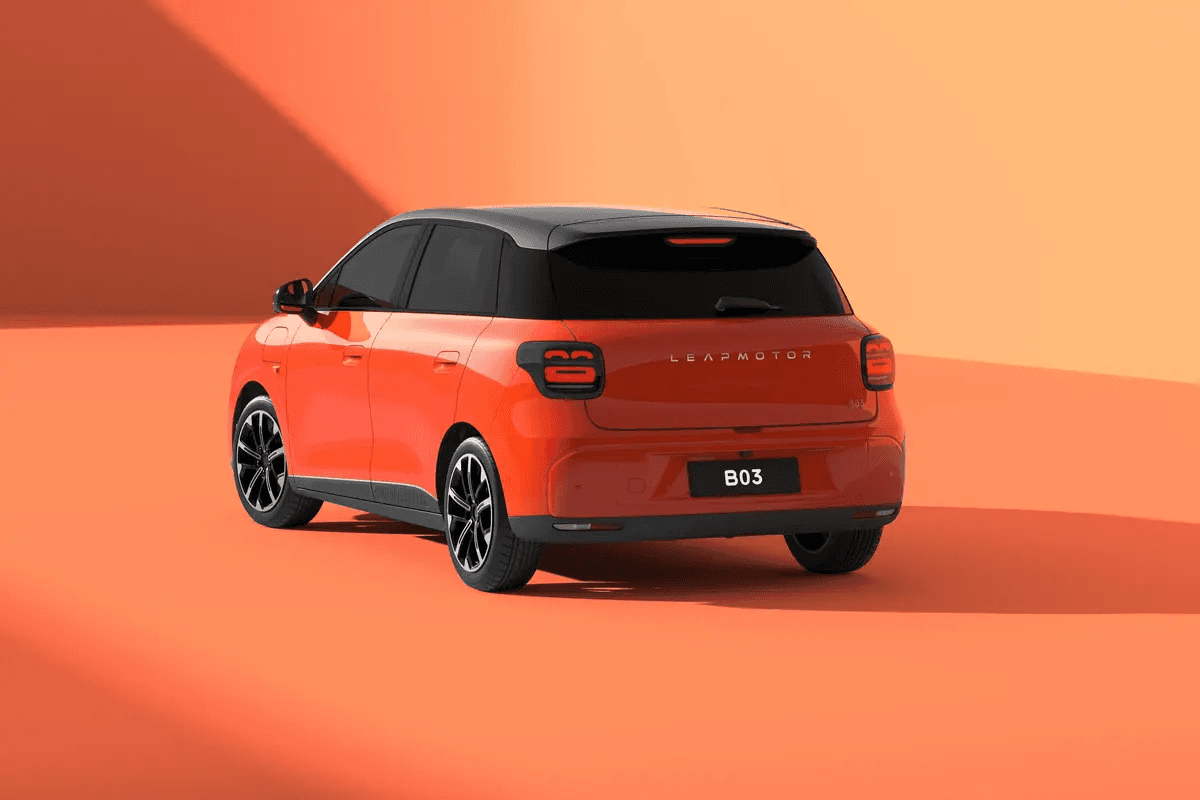
The new Leapmotor B03 made its world premiere at the Paris Motor Show. Produced at Stellantis’ Zaragoza plant in Spain, where the electric versions of the Opel Corsa and Peugeot 208 are also manufactured, the B03 is an electric B-segment hatchback that benefits from European production. This allows it to avoid the EU’s additional tariffs on Chinese-made electric vehicles while reducing delivery times and logistics costs across the continent. Expected to retail for approximately €25,000, the B03 features an oil-cooled electric motor weighing just 60 kilograms, producing 194 hp and 200 Nm of torque. It accelerates from 0 to 100 km/h in 7.6 seconds, while its 53 kWh battery delivers a WLTP range of 390 kilometres. With 133 kW DC fast charging, the battery can be replenished from 10 to 80 per cent in 21 minutes.
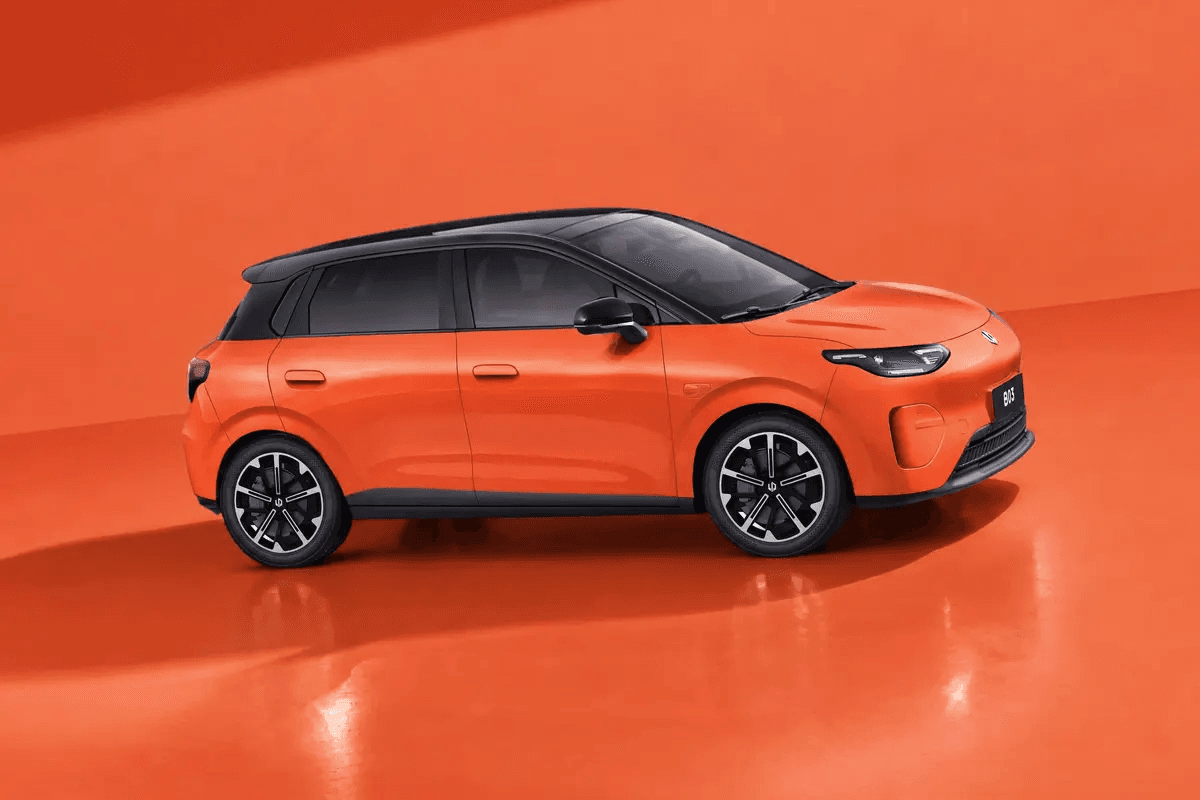
Despite its compact 4.17-metre body, the Leapmotor B03 makes particularly clever use of space thanks to its Cell-to-Chassis battery architecture, giving the cabin a sense of roominess usually associated with a larger segment. The brand’s signature three-part slim LED headlights, interior trim inspired by Morse code and energy-saving technologies such as a heat pump bring an unexpected combination of refinement and practicality to the B-segment. A suite of 21 ADAS driver-assistance functions supported by 14 advanced sensors, together with a turning circle of just 9.8 metres, makes it a particularly appealing proposition for everyday urban driving.
Opel STX Concept: Is the Caravan Making a Comeback?
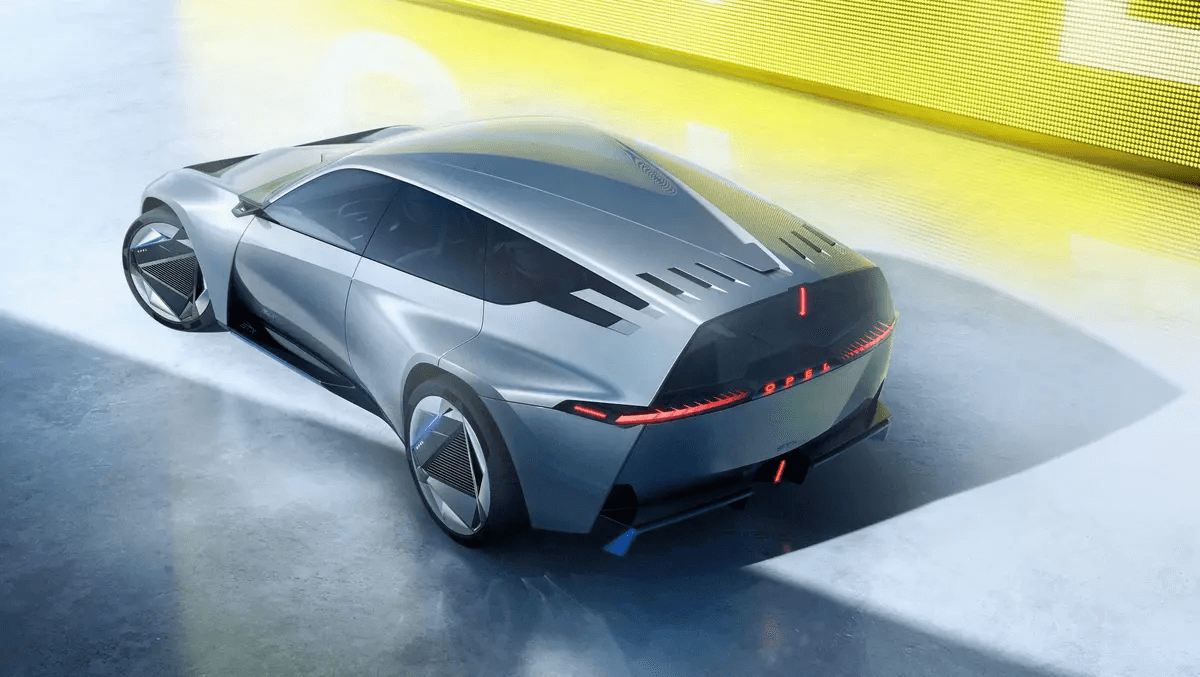
With the STX Concept, developed at its design centre in Rüsselsheim, Opel reimagines its longstanding Caravan heritage for the electric age. At a time when SUVs dominate the market, this bold station wagon, or sports tourer, offers a compelling alternative. An expanded version of Opel’s next-generation Vizor front fascia, sharply defined body lines sitting flush with the doors and aerodynamic C-pillars reflect the precision and restraint of German design. Active extendable rear diffuser elements significantly reduce aerodynamic drag at high motorway speeds, while 22-inch alloy wheels with three distinct aerodynamic zones elevate the concept’s approach to functional aesthetics.
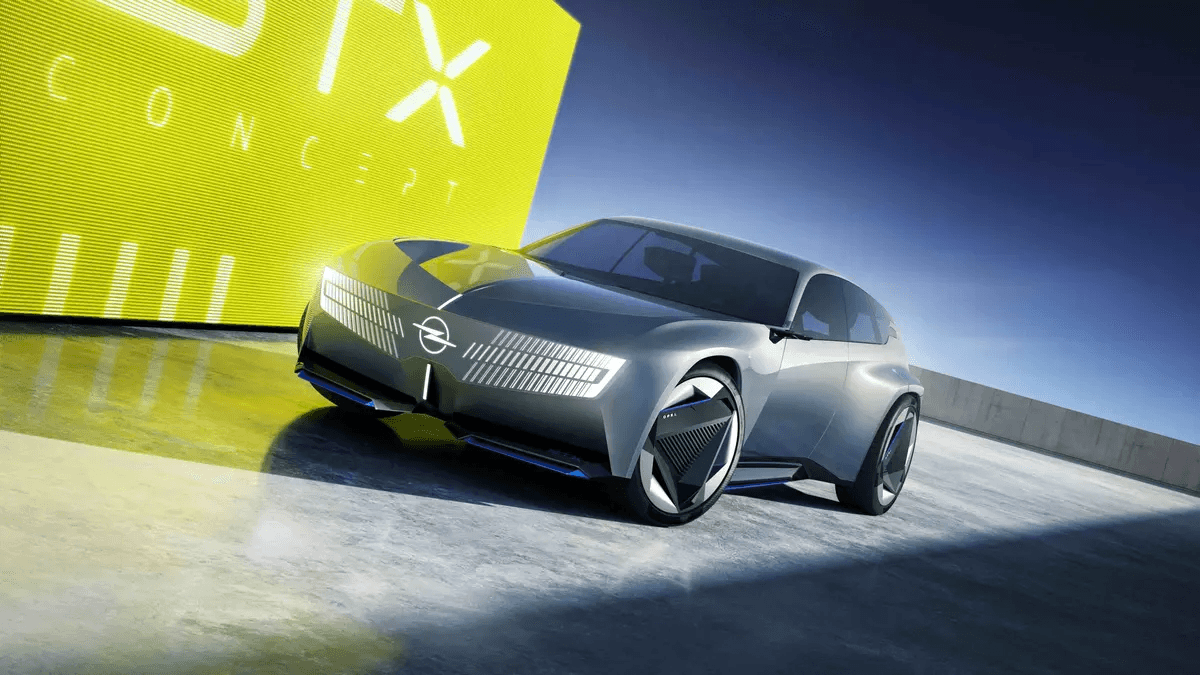
Built around the architectural possibilities of the STLA Medium/Large platform, the STX Concept can accommodate battery packs exceeding 100 kWh and an 800V electrical system. Inside, it remains faithful to Opel’s “Greenovation” philosophy. The chrome-free cabin combines recycled, high-strength Rezyklat fabrics with atmospheric lighting and minimalist digital interfaces designed to eliminate unnecessary visual distractions, transforming long-distance journeys into a more relaxing experience. Developed under the direction of Opel design chief Mark Adams, the concept offers a clear indication of the design and efficiency principles likely to shape future electric models, including the Astra Sports Tourer and vehicles in the Insignia segment.
Opel GSE 27FE: Ready for Its Formula E Debut
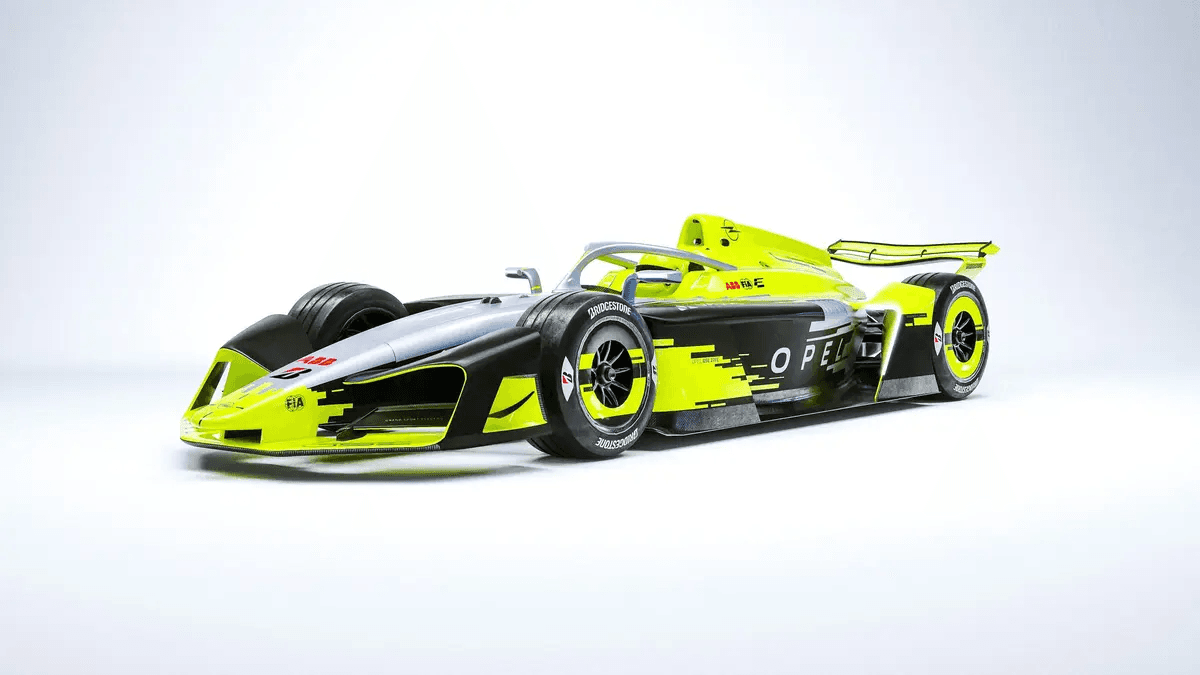
At the Paris Motor Show, Opel revealed the final livery of the all-electric GSE 27FE race car, which will compete in the manufacturer’s inaugural Formula E World Championship season. Finished in a striking combination of black, silver and the brand’s signature GSE Yellow, the car embodies a distinctly German design aesthetic. Set to be driven by Mitch Evans and Théo Pourchaire, it made its public debut ahead of the season opener in Jeddah in December.
Lancia Gamma: A Renaissance or the End of the Road?
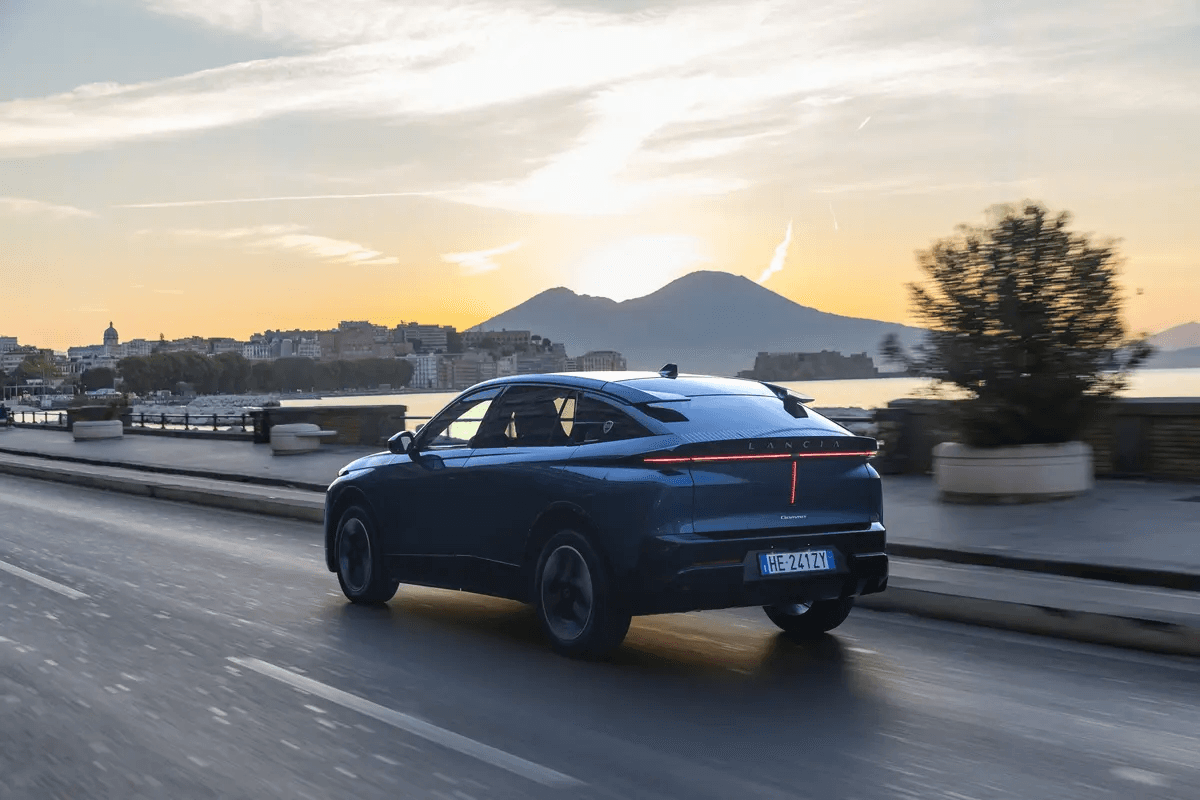
Lancia, sadly one of the most vulnerable names within the Stellantis Group, chose Paris 2026 for the world premiere of the new Gamma. Reinterpreting the legacy of the original Pininfarina-designed 1976 model, the new generation takes the form of an elegant 4.67-metre fastback crossover, manufactured at Italy’s historic Melfi plant. A crucial milestone in the brand’s global Renaissance strategy, the Gamma is tasked with re-establishing Lancia’s presence in the premium segment through a combination of hybrid and fully electric powertrains.
With European pre-orders gathering momentum, the Gamma is destined for major markets across the continent and beyond. Produced in Italy, it has a vital role to play in reaffirming the marque’s reputation for craftsmanship and manufacturing quality. Built on Stellantis’ advanced STLA Medium platform, this ambitious flagship represents both Lancia’s enduring connection to its heritage and its determination to embrace an all-electric future.
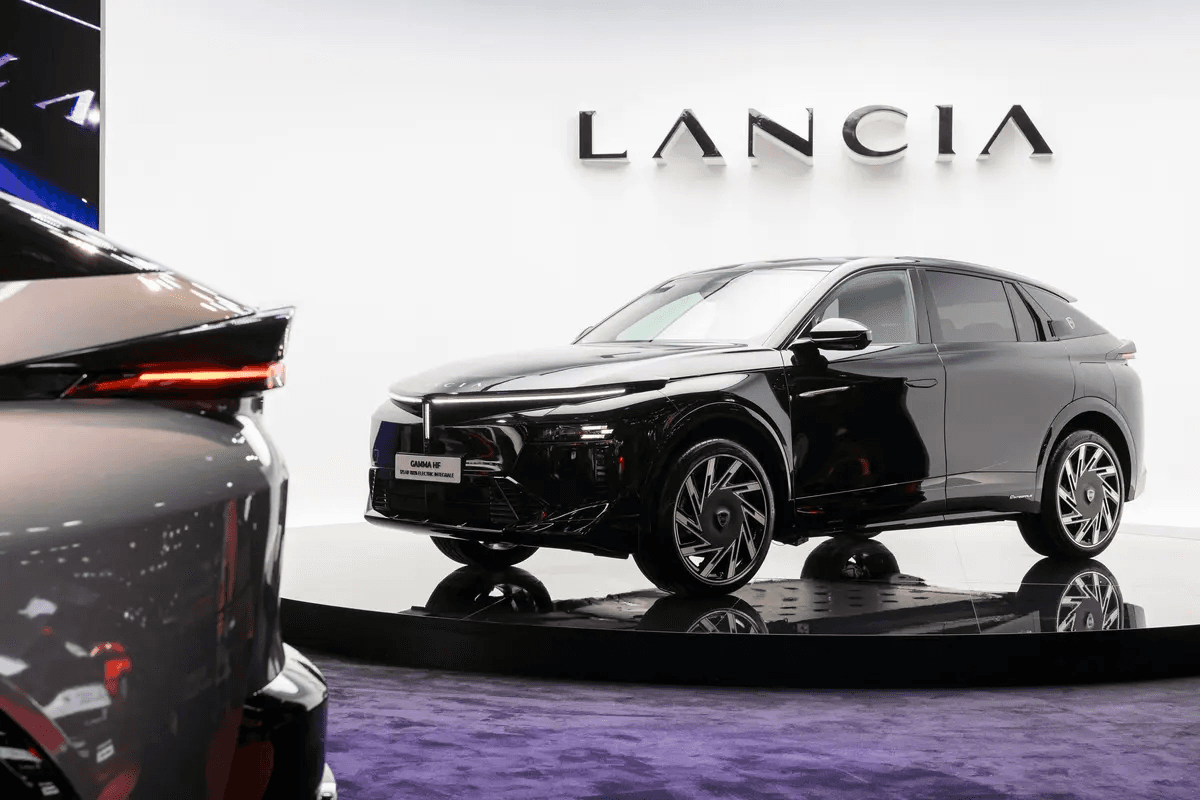
The new Lancia Gamma will be offered with a 1.2-litre mild-hybrid powertrain producing 145 hp, alongside fully electric versions generating 230 hp in standard-range form and 245 hp in long-range configuration. At the top of the range sits the all-wheel-drive Gamma HF Integrale, whose dual-motor system develops 375 hp and draws inspiration from the brand’s illustrious rally history. Equipped with liquid-cooled lithium-ion NMC batteries, the electric versions promise WLTP ranges of up to 540 kilometres with the standard battery and an impressive 740 kilometres in long-range specification. A generous 560-litre boot, acoustically refined and ergonomically designed seating inspired by Italian furniture, sustainable premium materials and a minimalist digital cockpit reflecting Lancia’s traditional “Pura” design philosophy transform the Gamma into something approaching an Italian living room on wheels.
DS F3VER Concept: A Stylish Urban Hatchback
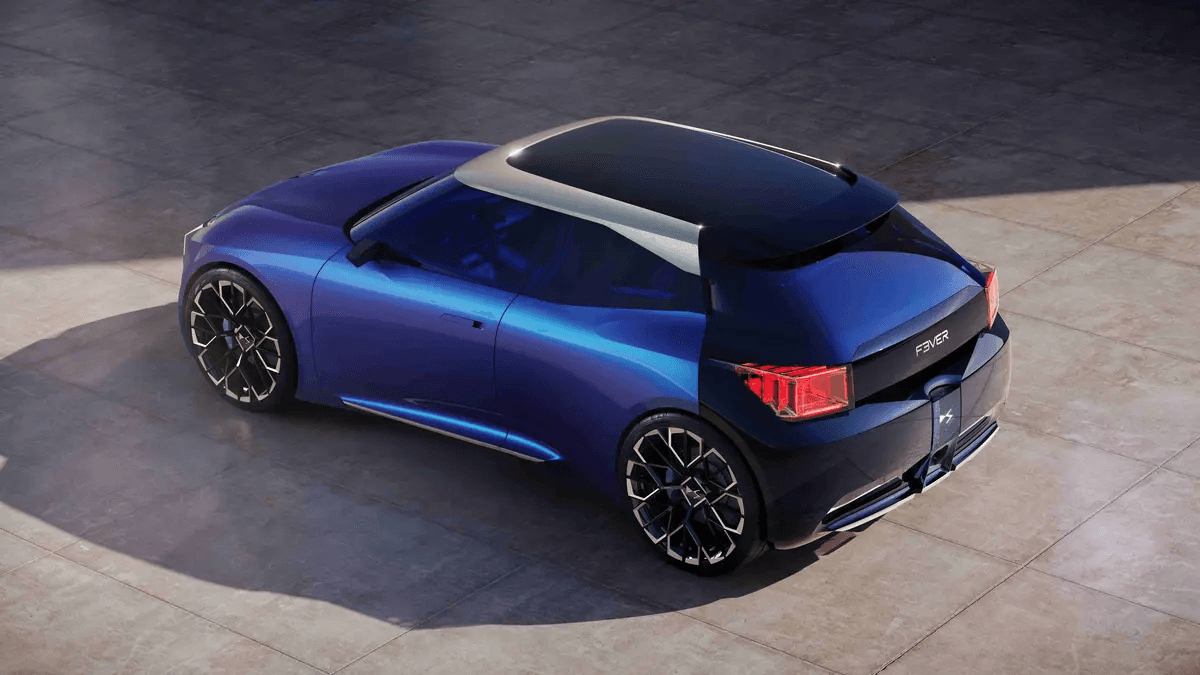
The DS F3VER Concept is an ambitious exploration of how DS Automobiles’ distinctly French interpretation of luxury might evolve in the electric era. Developed according to the brand’s “Design Intelligence” philosophy, the concept combines clean, uncluttered bodywork with a dichroic Cosmic Blue finish that shifts from blue to purple depending on the light. A customisable roof ring accentuates its silhouette, while a two-tone treatment extends towards the rear. Perhaps its most theatrical feature is a hypnotic lighting signature comprising 16 LED panels inspired by the glass dome of the Grand Palais, reinforcing the concept’s emphasis on personalisation and visual sophistication.
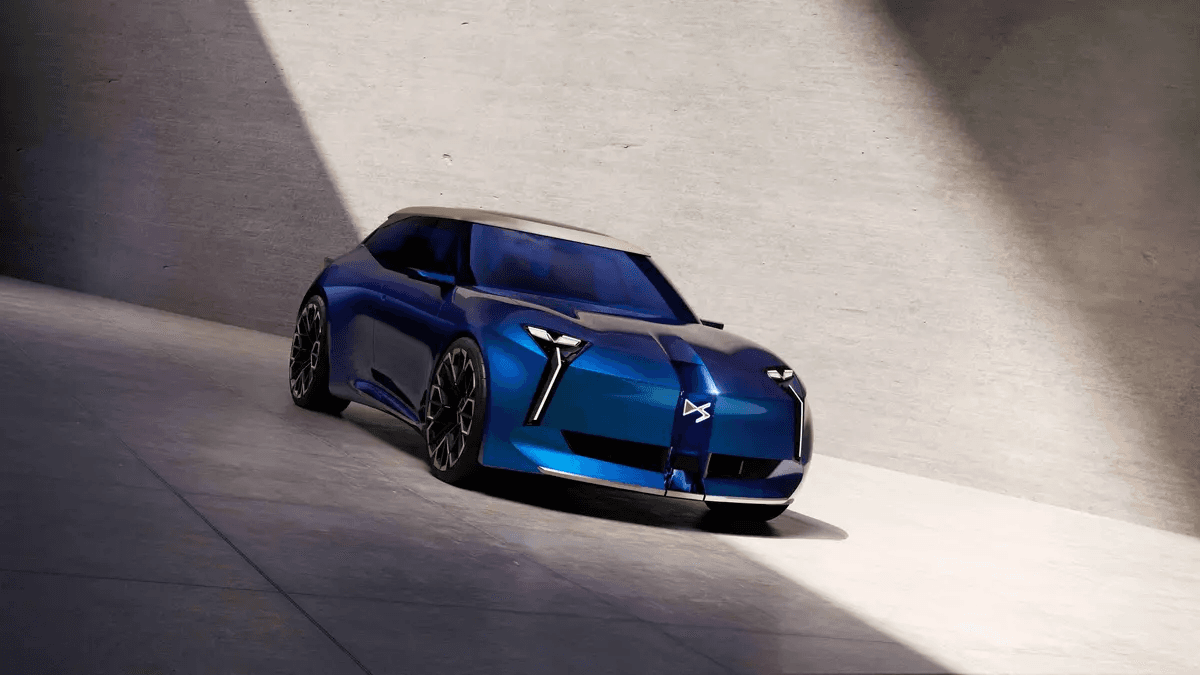
Despite measuring just 4.19 metres in length, the F3VER offers interior space comparable to cars from a higher segment, thanks to its generous 2.70-metre wheelbase, alongside a 400-litre luggage compartment. Built on an entirely new electric architecture, it serves less as a production-ready vehicle than as a laboratory of ideas for future DS models. Specific performance figures, including motor output, battery capacity and range, have yet to be officially announced. One thing is clear, however: the prospect of bringing the DS 3 back in a new form appears to be generating considerable enthusiasm.
Citroën 2 CV Concept: Ready to Carry a Basket of Eggs?
Citroën is bringing one of the most iconic cars in automotive history back to life, this time with electric power. Inspired by the practicality, lightness, accessibility and spirit of freedom that defined the original 1948 2 CV, the concept offers a refreshingly cheerful and rational alternative to an electric car market increasingly characterised by weight, complexity and high prices. Measuring just 3.76 metres long, it promises exceptional urban agility and is positioned between the Ami and C3, in line with Europe’s emerging E-Car regulations. Citroën aims to manufacture it in Europe and bring it to market by 2028, with an accessible starting price of approximately €15,000.
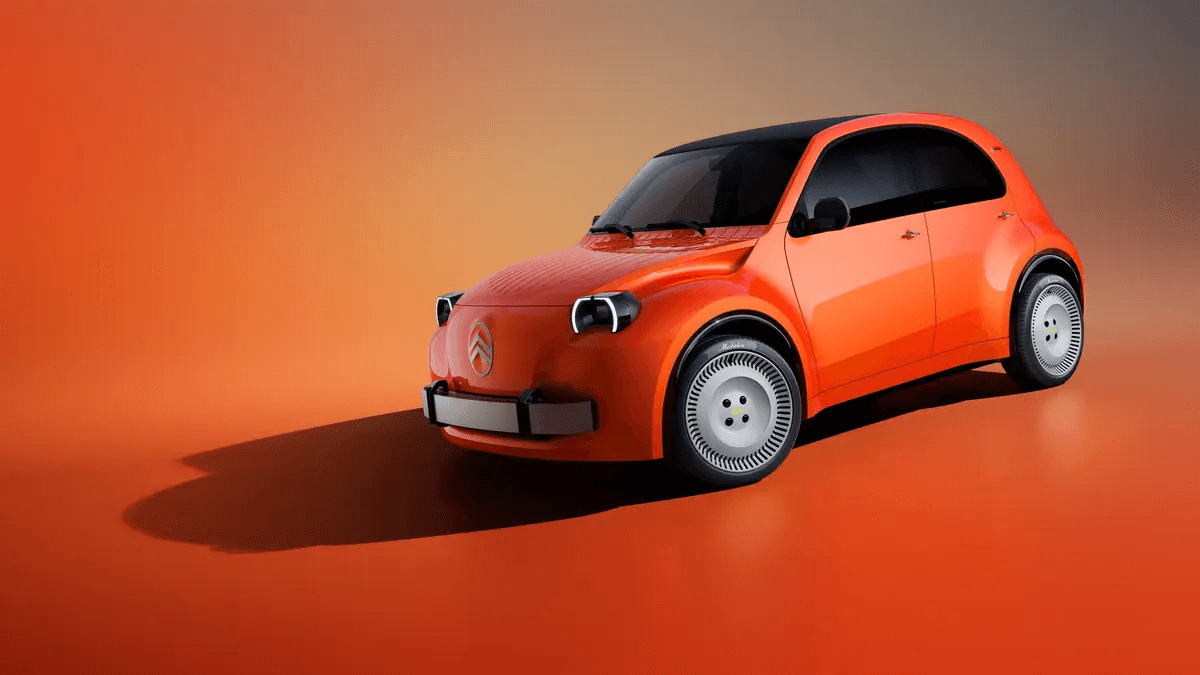
Rather than surrendering entirely to nostalgia, the exterior combines the original car’s unmistakable character with contemporary design. The familiar headlights, corrugated bonnet and separate bumpers create a silhouette that feels instantly recognisable yet thoroughly modern. A vibrant Infra Red body colour and playful retro details add to its personality. Inside, the conventional dashboard has been replaced by a minimalist cylindrical structure, complemented by a single-spoke steering wheel, a square “phygital” display and a portable Radioën speaker.
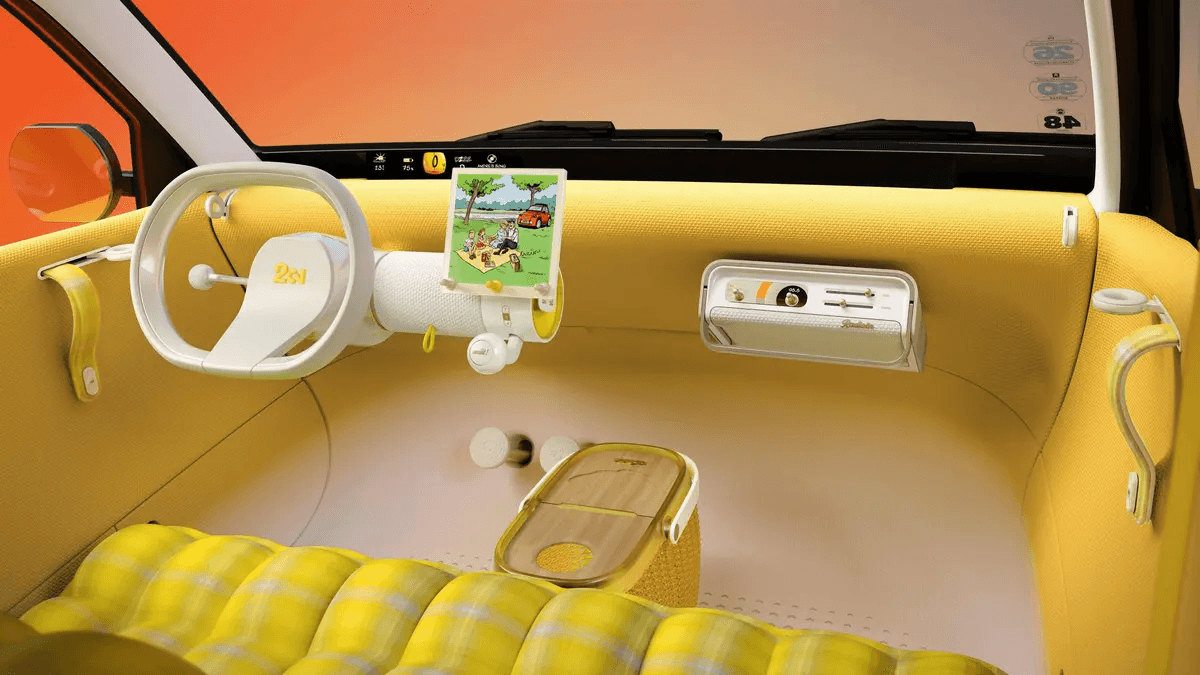
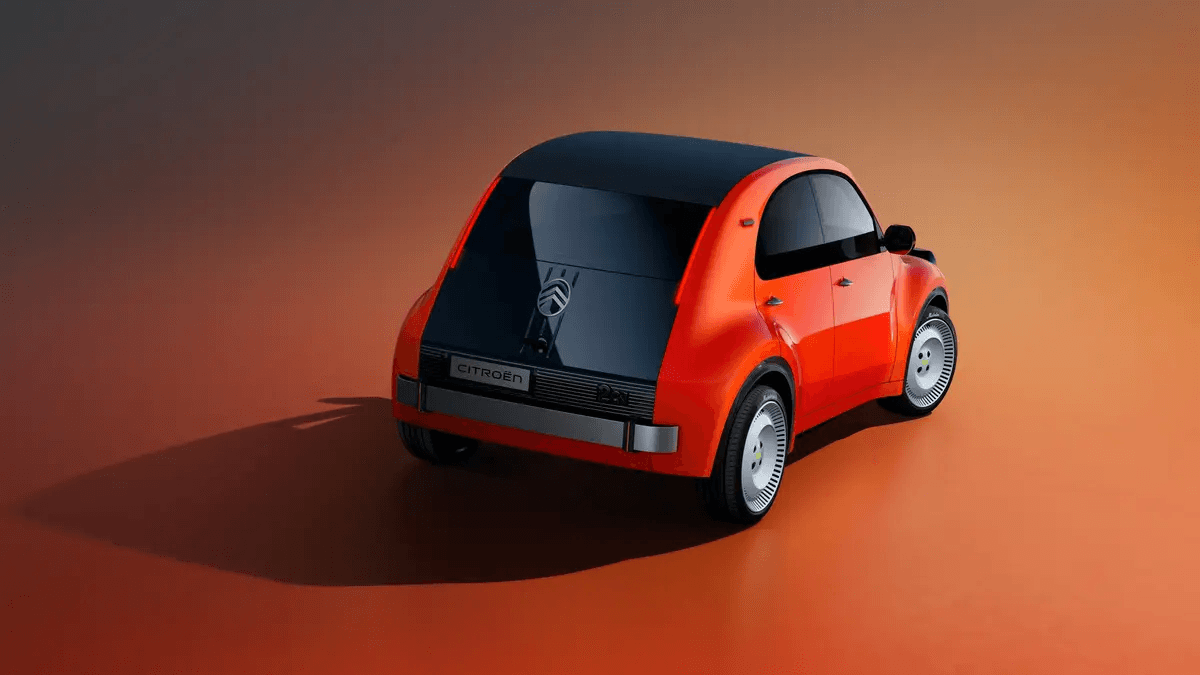
Yellow tartan-patterned Advanced Comfort seats, a manually operated fabric sunroof and playful tortoise-and-hare symbols on the pedals complete Citroën’s vision of making mobility more human and enjoyable. At the rear, elements inspired by the original car’s lighting are integrated into bumper-like projections, while vertical indicators flanking the rear window lend the design an especially charming finishing touch.
The reference to carrying eggs is no coincidence. It comes from one of the most famous engineering briefs in automotive history, dating back to the 1930s. When Citroën executive Pierre-Jules Boulanger initiated a project to create a people’s car for French farmers and rural communities, he gave his engineers an extraordinary challenge: develop a vehicle with suspension so effective that a basket of fresh eggs carried on the rear seat could survive a journey along rough, uneven country roads without a single shell breaking. The resulting Citroën 2 CV achieved precisely that. Remaining faithful to this remarkable legacy, the 2 CV Concept unveiled in Paris features specially designed compartments in its door panels, perfectly suited to transporting eggs.
Citroën 2 CV Fourgonnette Concept
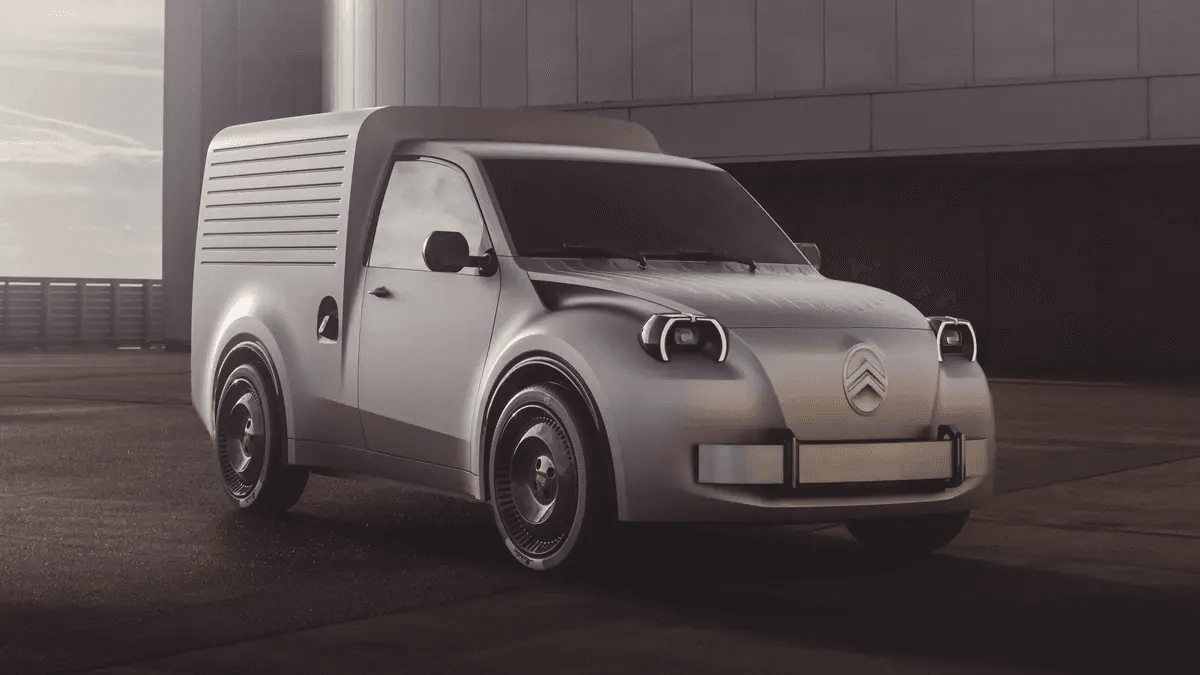
Unveiled alongside the 2 CV Concept in Paris, the 2 CV Fourgonnette Concept brings the legendary light commercial vehicle, once a familiar sight among shopkeepers and delivery drivers for generations, into the electric age. Developed by Citroën’s designers as a freely conceived passion project, the concept combines the simple, practical and cheerful electric architecture of the new 2 CV with the versatility of a commercial vehicle, reaffirming the brand’s longstanding commitment to professional users. Although there are no immediate plans for series production, the Fourgonnette acts as a creative laboratory for future commercial vehicle solutions. Its approachable, characterful design is a reminder that practicality need never come at the expense of personality.
Fiat Multiplay: The Legacy of the Multipla
You heard that correctly. The Fiat Multipla, whose famously unconventional looks have earned it a place among modern automotive cult classics, is hinting at a production comeback through the Multiplay concept. Drawing on the ingenious approach to space that defined both the 1956 Fiat 600 Multipla and the 1998 Multipla, the new concept combines the spaciousness of an MPV, the robust character of an SUV and the cargo-carrying practicality of a pick-up in a single vehicle measuring just 4.45 metres long.
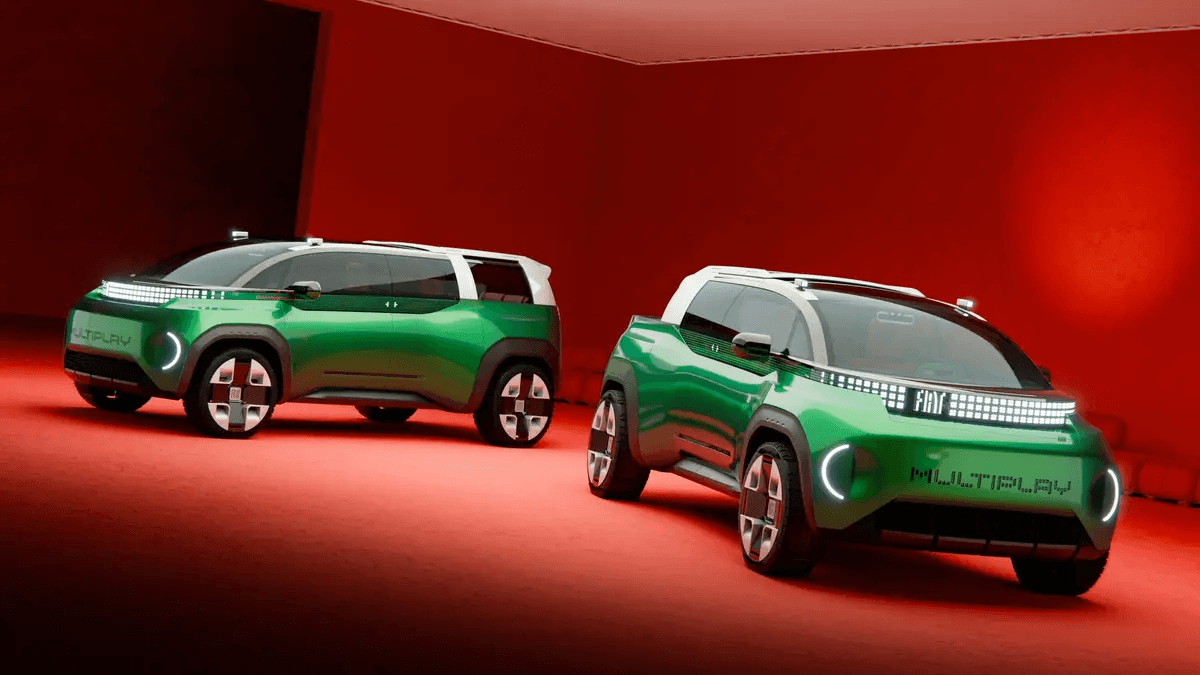
At the heart of the design is an innovative architecture called “Metamorfosi”, integrated into the C-pillars. A sliding rear module allows the vehicle to transform within minutes from a spacious 6+1-seat family car into an open-bed pick-up capable of accommodating bicycles or outdoor equipment. The rear spoiler can also rotate to become an integrated bicycle carrier, while modular solutions throughout the rear passenger compartment demonstrate how a single vehicle might adapt to the changing needs of family life throughout the day.
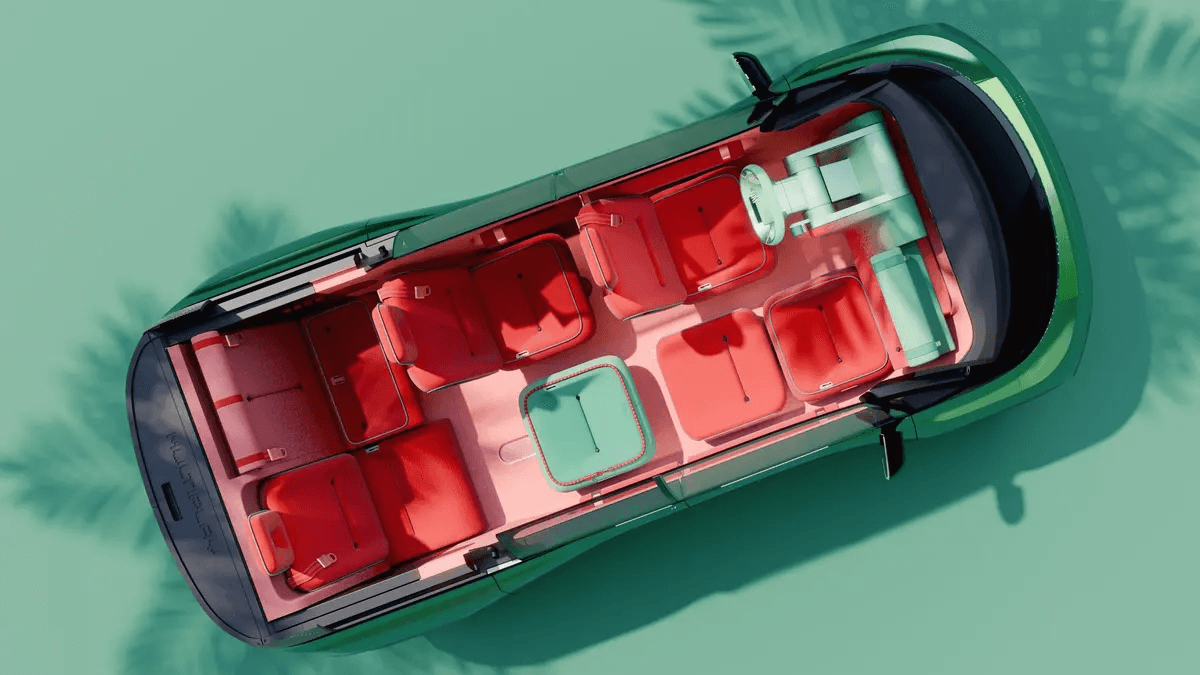
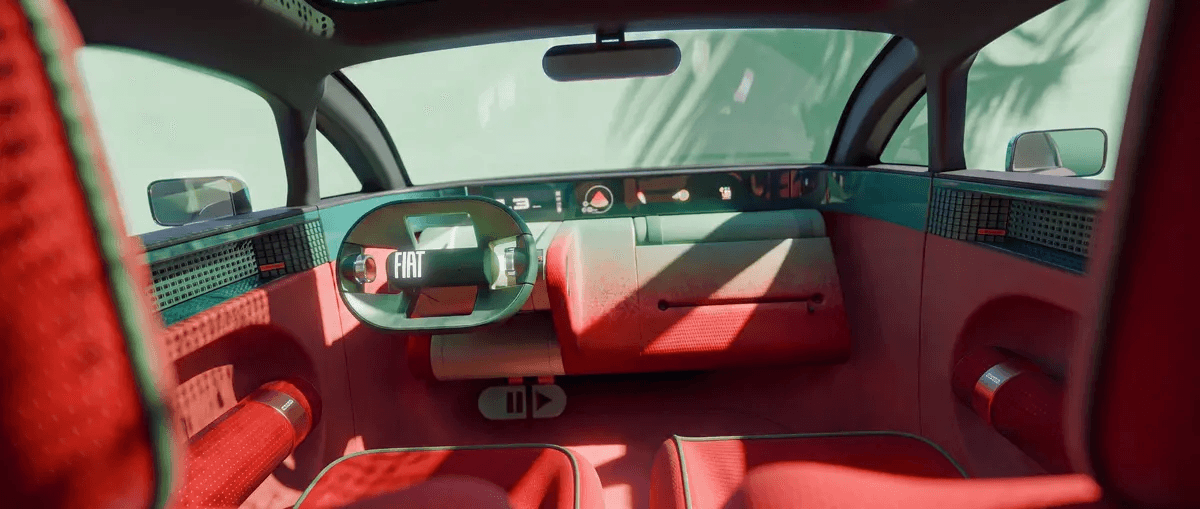
Inspired by the cheerful spirit of an Italian summer and the contrasting colours of watermelon, the bright green exterior and pink-red interior create a warm, inviting atmosphere. Among the cabin’s more ingenious details are the modular “Petsenger Seat”, which can be configured for pets or a child seat, and the front passenger “Sunseat”, which converts into a lounger when the vehicle is parked.
Seamless 3D-knitted fabrics designed to reduce waste, waterproof surfaces and hidden digital displays that disappear into the dashboard when switched off further underline Fiat’s experimental approach. Rather than representing a single model destined for immediate production, the Multiplay serves as a laboratory for innovations that could find their way into the Italian manufacturer’s family cars of the near future.
Fiat Multiplina: A Four-Seater Topolino Is Ready
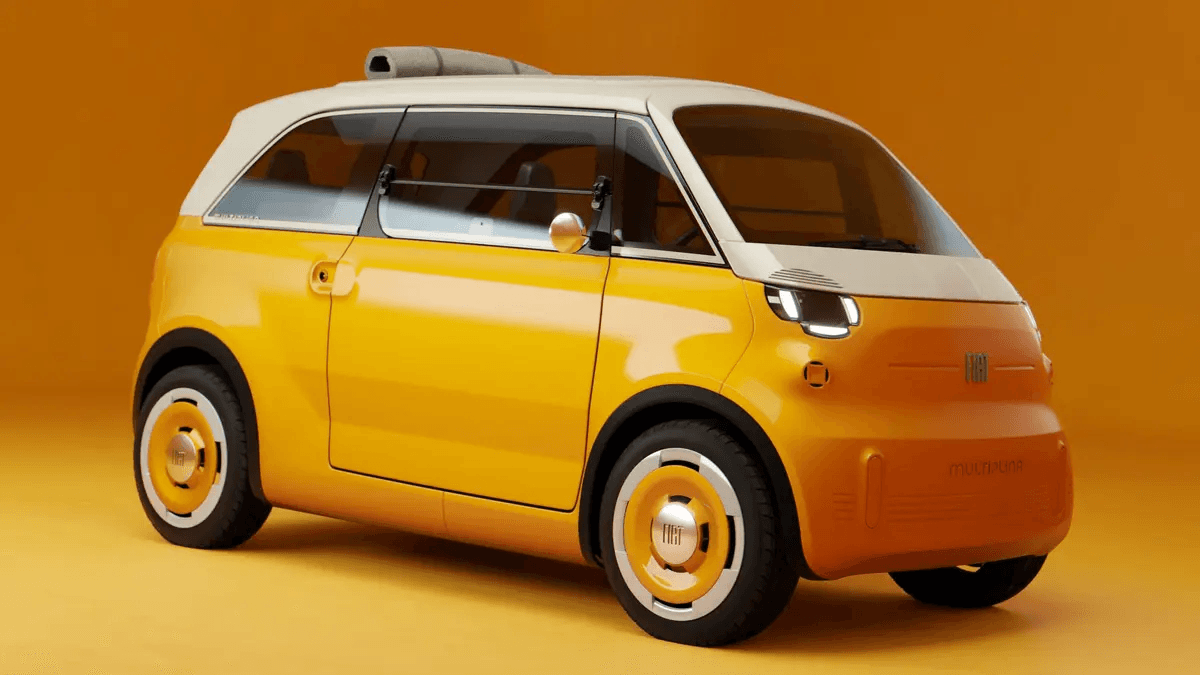
Fiat transformed its exhibition space at the 2026 Paris Motor Show into a contemporary Italian piazza, where one of the show’s most charming surprises was waiting: the Multiplina concept. Based on the platform of the successful Topolino microcar, this ultra-compact, four-seat electric city vehicle blends the joyful spirit of Italian streets and everyday life with futuristic styling. Designed to meet urban mobility needs through clever, minimalist use of space, the Multiplina embodies Fiat’s philosophy of accessible, enjoyable transportation with its lively colour palette, retro-futuristic details and zero-emission powertrain. In other words, if you’ve ever looked at a Topolino and wished it had two more seats, your wish may be about to come true.
Fiat Grizzly & Grizzly Fastback: Made in Bursa?
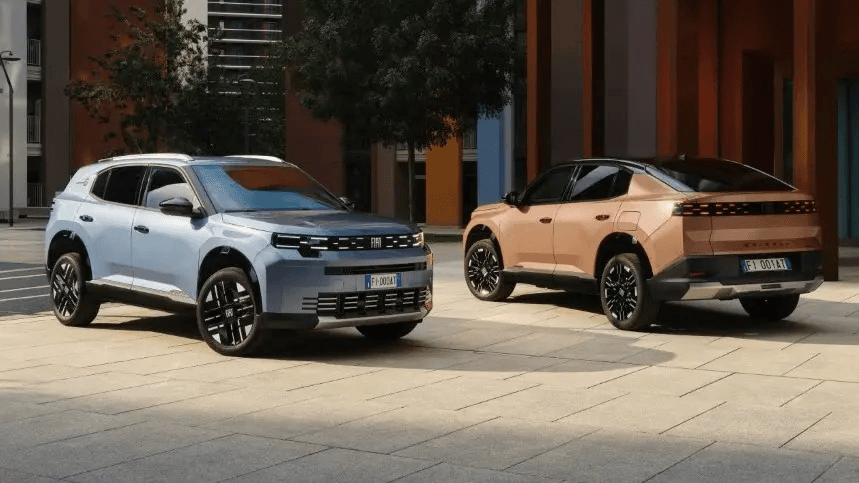
For some time, speculation has surrounded the question of which passenger car might fill the gap left by the Fiat Egea at Tofaş’s factory in Bursa. One of the strongest candidates is the Fiat Grizzly Fastback. Although no official announcement has yet been made, the importance of these two models to Fiat is unmistakable. Among Stellantis’ most significant global premieres, the Grizzly and Grizzly Fastback mark the Italian manufacturer’s ambitious return to the spacious family-car segment. Developed for sale in more than 100 countries across three major global regions, the two models combine compact exterior dimensions with exceptionally generous interior space.
Both measure less than 4.5 metres in length, yet offer an impressive total interior volume of 3.5 cubic metres. The standard Grizzly, designed with practicality in mind, provides 545 litres of luggage space, while the more dynamic Grizzly Fastback offers 608 litres, positioning it among the most spacious vehicles in its class under 4.5 metres. Petrol, hybrid and fully electric powertrains will be available, along with manual and automatic transmission options. With a targeted starting price of approximately €20,000, European order books are scheduled to open on 5 January 2027 for all powertrain variants, while the first international media test drives are planned for February.
Renault E-Space Concept
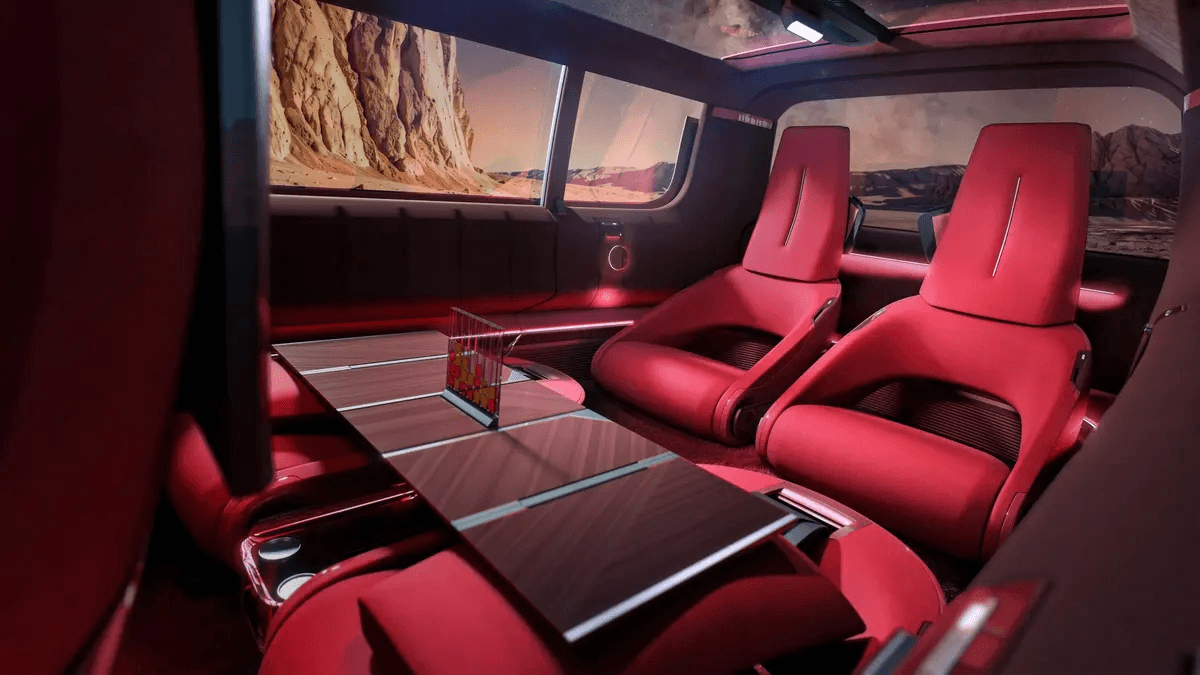
Renault arrived particularly well prepared for its home motor show. With the E-Space Concept, the French manufacturer reinterprets the “voitures à vivre” philosophy, or “cars for living”, that it introduced to the automotive world with the first-generation Espace in 1984. Offering a bold alternative to the SUV formula dominating today’s market, the concept measures 4.70 metres long and 2.02 metres wide, with a low roofline that pays homage to the original Espace’s distinctive silhouette, often compared to France’s TGV high-speed train.
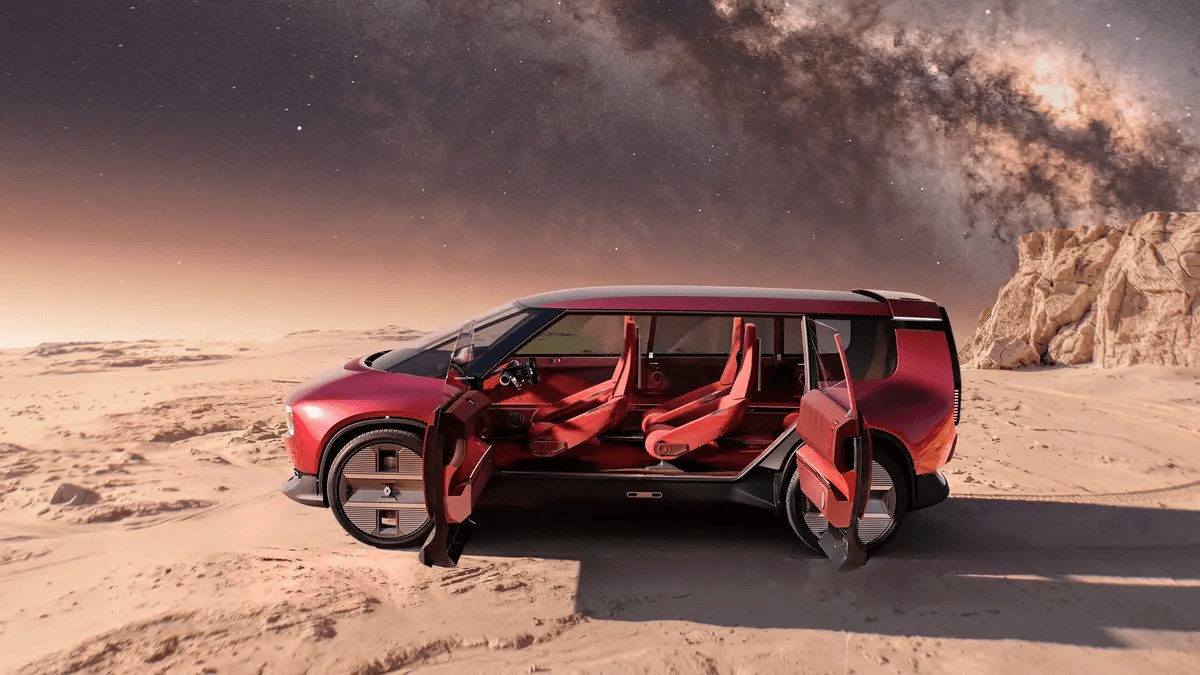
Its glass-intensive bodywork, inspired by Bauhaus architecture, features exceptionally smooth surfaces and a U-shaped digital lighting signature at the front, emphasising its high-tech identity. What makes the E-Space Concept particularly significant, however, is that its design process began not with the exterior bodywork but with the human experience inside. Behind pillarless openings and rear-hinged doors lies a six-seat layout with individual swivelling seats reminiscent of the iconic furniture designs of Pierre Paulin, transforming the cabin into a mobile lounge.
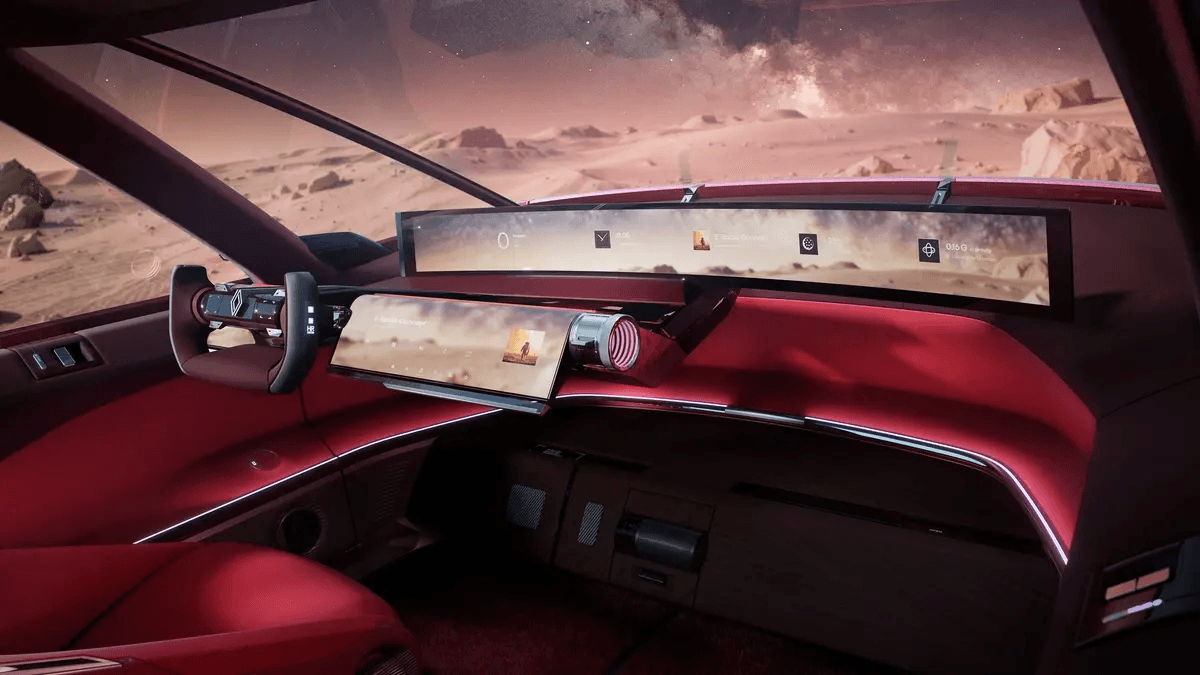
On the driver’s side, steer-by-wire technology and an OpenR Panorama display stretching across the dashboard establish a distinctly futuristic environment. A refrigerator, games console and specially designed trays that can slide along the central section encourage interaction among passengers. With this concept, Renault suggests that the family car of tomorrow could become more than a means of transport: a modular, light-filled living space designed around people. Production approval, however, has yet to be granted.
Renault 8 Gordini Concept: A Rear-Wheel-Drive Electric Restomod
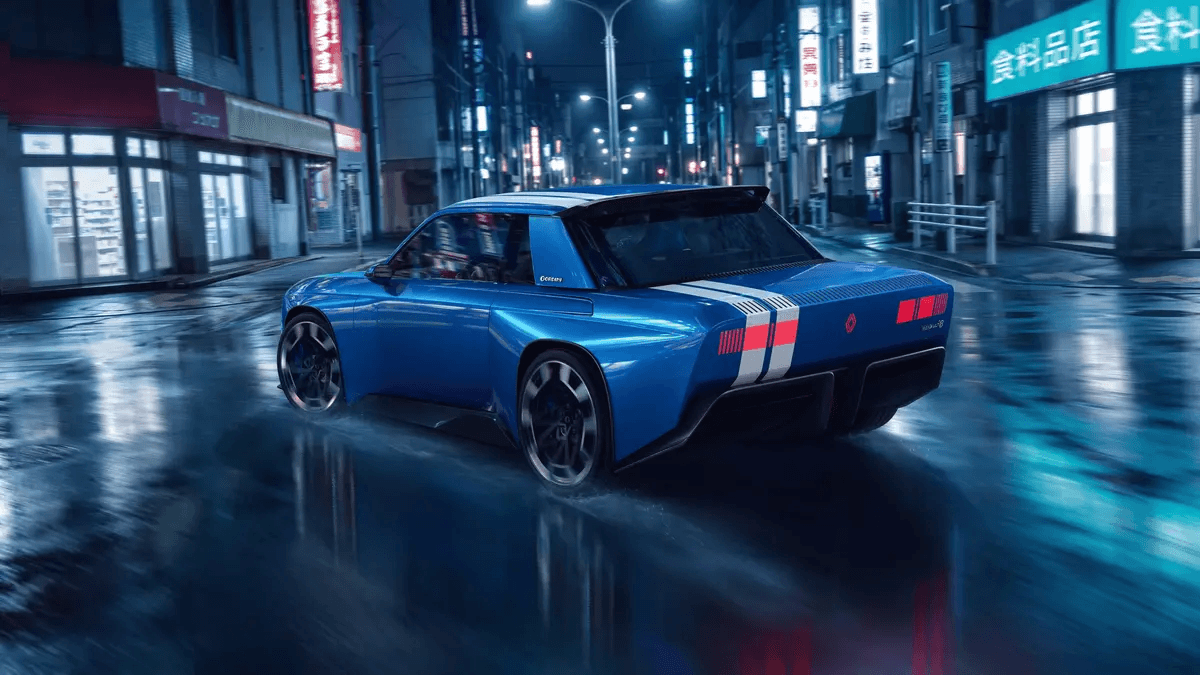
Following celebrated projects such as the R17 Electric Restomod and R5 Diamant, Renault added another chapter to its exploration of electric reinterpretations of its heritage at the 2026 Paris Motor Show. The legendary Renault 8 Gordini, born in 1964 through the expertise of Amédée “The Sorcerer” Gordini, introduced an entire generation of drivers to the thrill of motorsport through its rear-engine, rear-wheel-drive configuration. Now, affectionately known as “La Gorde”, it returns as the Renault 8 Gordini Concept, a thoroughbred electric restomod selected from more than 300 proposals submitted to an internal competition at Renault’s own design studio.
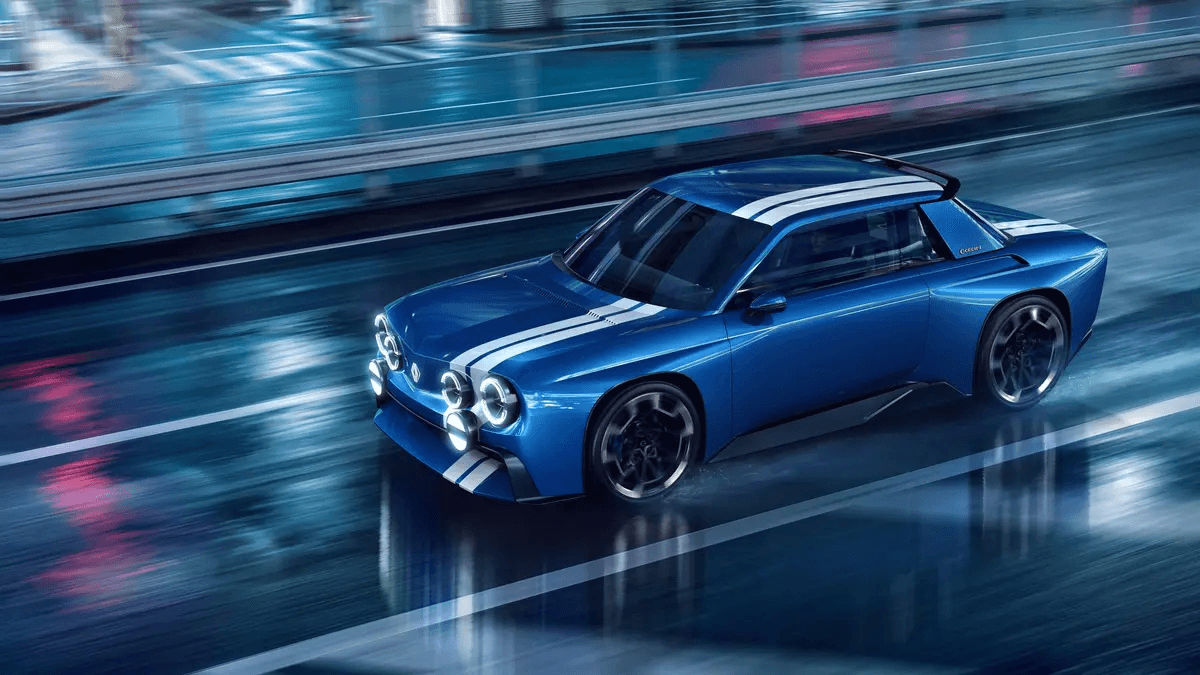
Inspired by the Café Racer movement in motorcycling, the two-door electric coupé strips away unnecessary ornamentation in favour of a muscular, low-slung stance reminiscent of a contemporary rally car. Measuring 4.12 metres in length, it sits on 19-inch front and 20-inch rear wheels. Six circular 3D LED headlights pay tribute to the original R8 Gordini, while squared-off wheel arches and a specially developed three-layer pearlescent Bleu de France paint finish reinforce its sporting character.
The iconic twin white stripes are no longer merely decorative graphics applied to the body. Instead, they become structural elements of the design, extending from the bonnet ventilation ducts to the rear lighting graphics and dashboard trim. Faithful to the original car’s rear-engine, rear-wheel-drive character, the concept features a rear-mounted electric motor producing 270 hp.
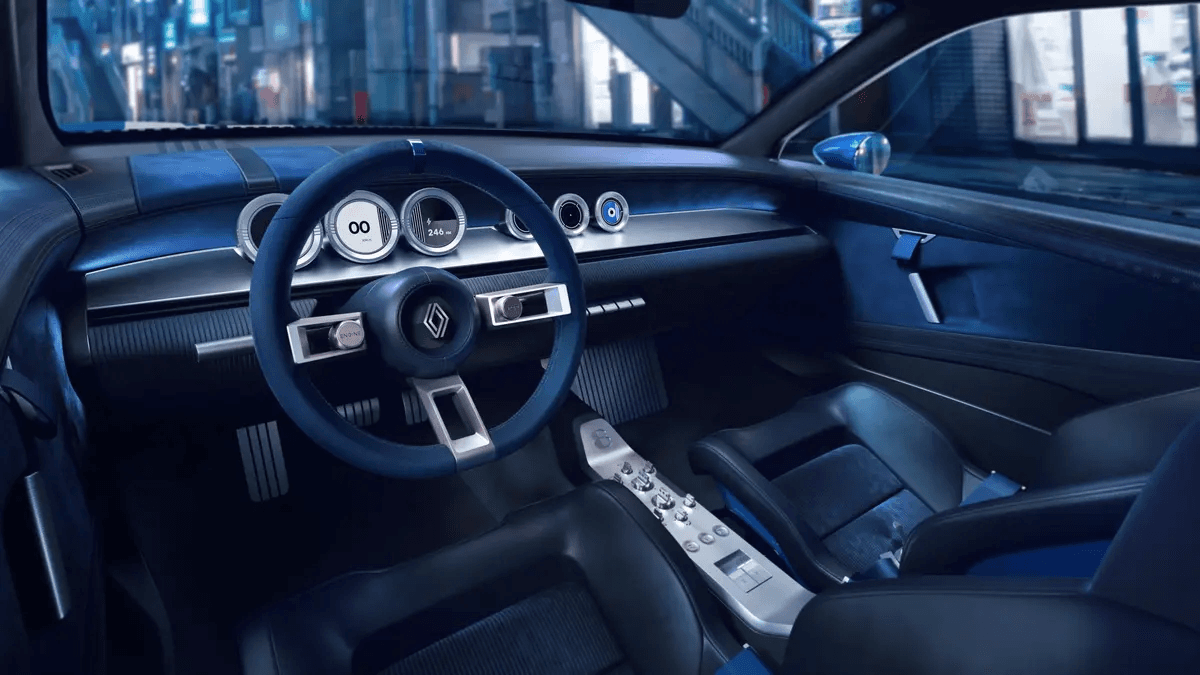
Inside, the emphasis falls on transparency and an unfiltered driving experience. A horizontal dashboard strip in brushed aluminium, Alcantara upholstery and racing seats with blue velvet stitching create a purposeful environment. Traditional instruments give way to circular digital displays set into brushed aluminium surfaces, while a red accent on the stopwatch button at the centre of the dashboard completes the cockpit’s motorsport-inspired atmosphere.
Renault Trafic Van E-Tech Electric: International Van of the Year
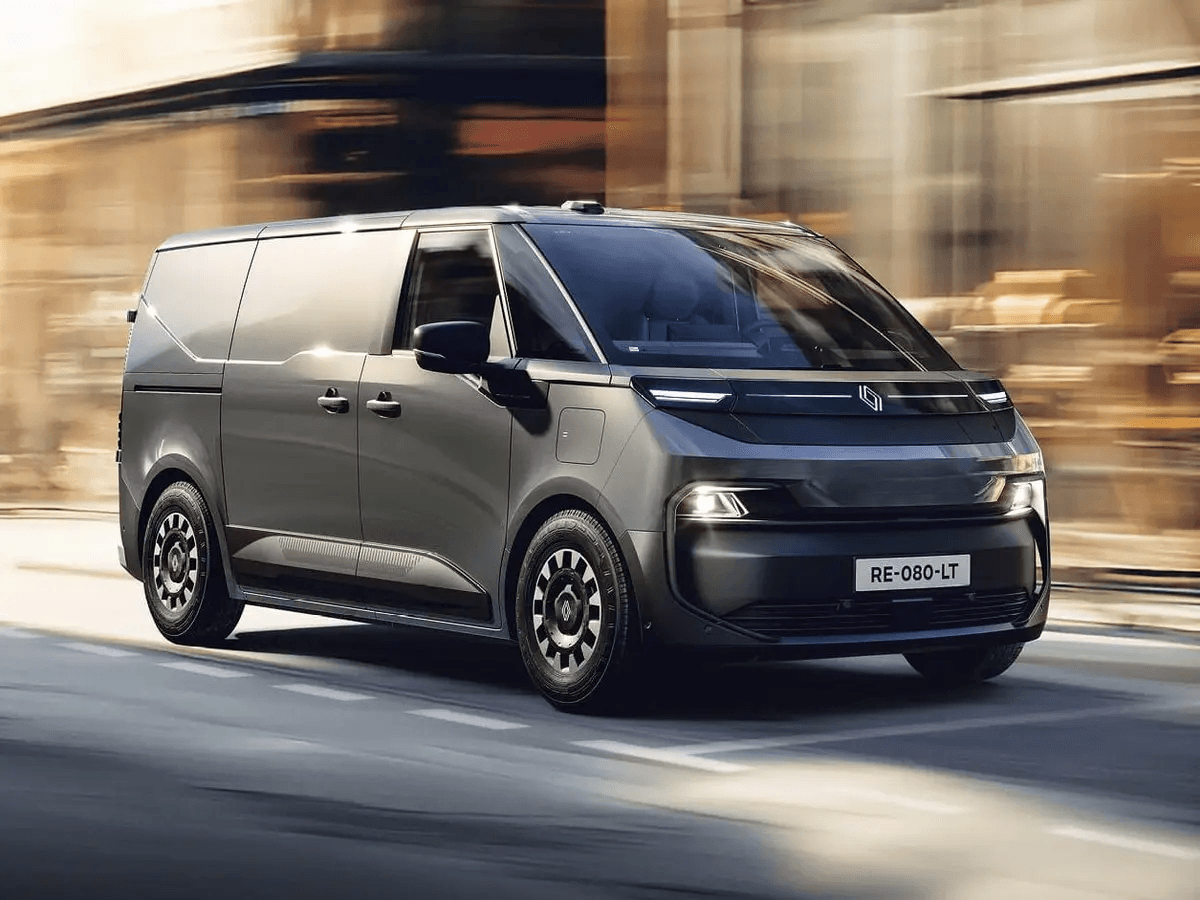
At its home motor show, Renault presented more than daring concepts and new production models. Also on display was the new Trafic Van E-Tech Electric, winner of the International Van of the Year 2027 award. Available in Europe from €41,500 in ADVANCE specification with a 60 kWh battery, the electric commercial vehicle also offers an 81 kWh long-range battery option, delivering up to 470 kilometres of range and an 800V fast-charging architecture.
Dacia Spring: Electric and Made in Europe
For a generation of Turkish drivers, the Renault 9 Spring was once synonymous with affordable motoring. More recently, the Spring name returned as a small electric A-segment hatchback manufactured in China and sold in markets including Türkiye. However, additional European tariffs on Chinese-made electric vehicles limited the model’s momentum and encouraged the Renault Group to pursue alternative strategies. The new Dacia Spring now arrives as a larger, better-equipped model, manufactured at the Novo Mesto plant in Slovenia.
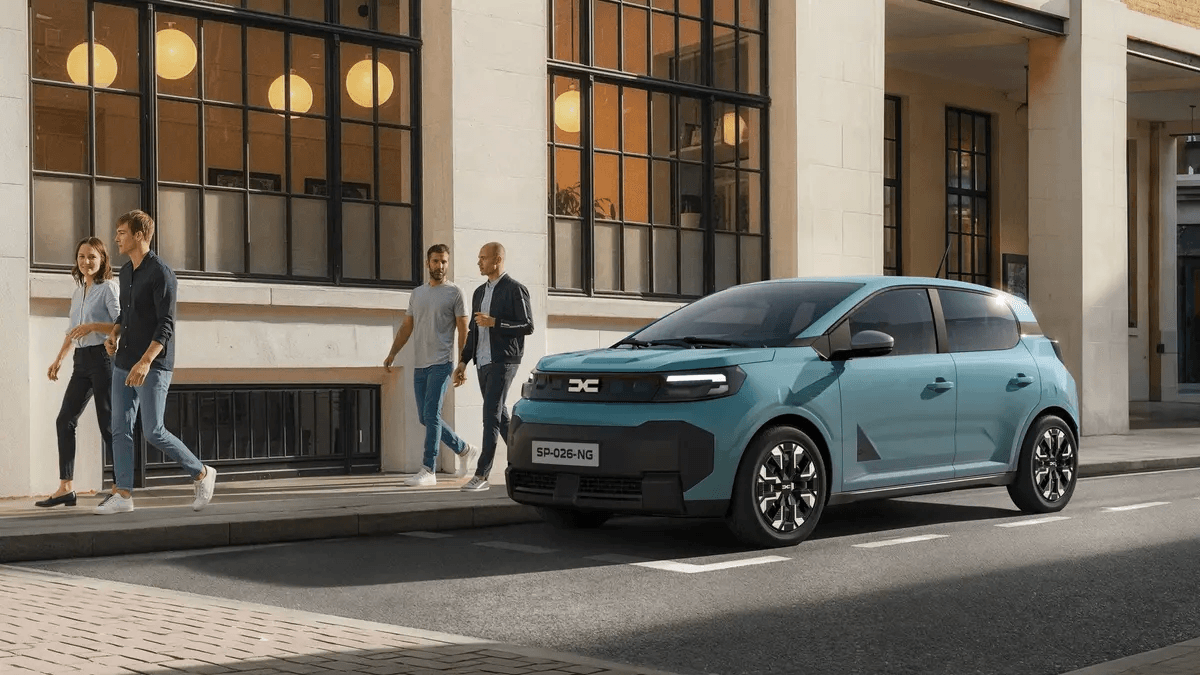
Aiming to make electric mobility even more accessible with a starting price below €18,000, the second-generation all-electric Spring features an 80 hp motor and a 27.5 kWh LFP battery, delivering approximately 250 kilometres of WLTP range. Its increased dimensions allow for a 337-litre boot, supplemented by an optional 18-litre front storage compartment, or frunk. Customisable My Safety driver-assistance systems and practical YouClip accessories position it as a particularly sensible choice for everyday city driving.
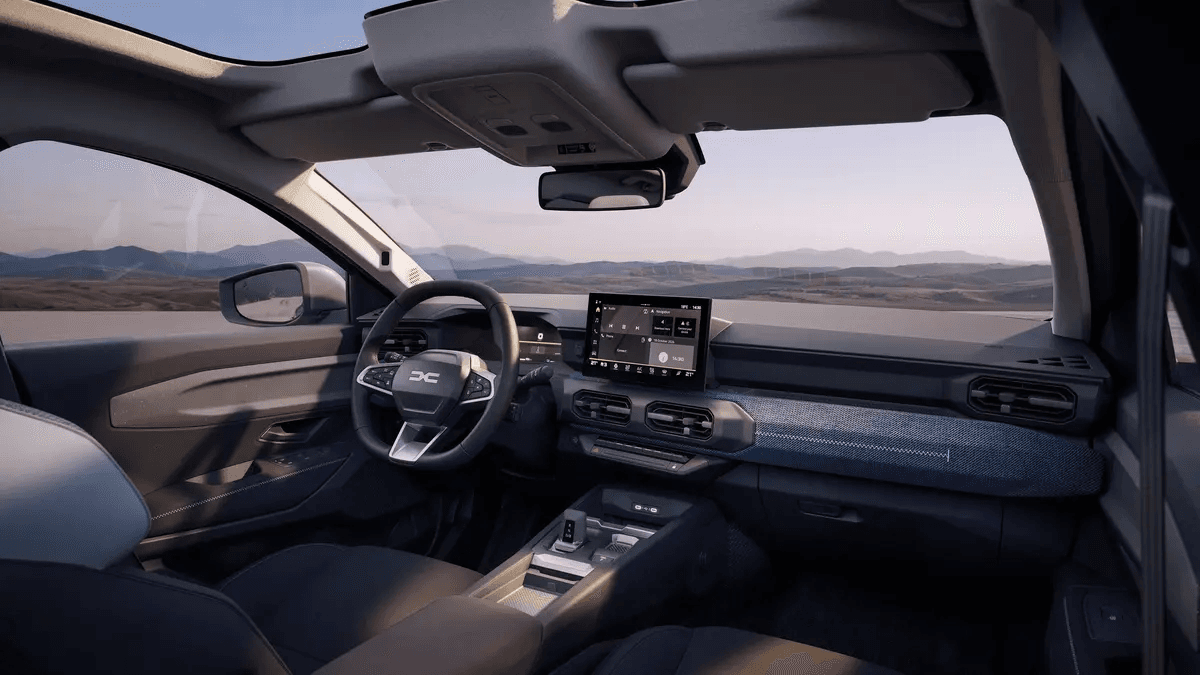
Dacia also used Paris to introduce the new Hybrid 155 powertrain for the Sandero, Sandero Stepway and Jogger. As hybrid options become available across the brand’s model range, the Duster and Bigster also gain the new Tribrid 150 4×4 powertrain.
Dacia Striker: Türkiye’s Next Bestseller?
One of Dacia’s most important introductions at Paris 2026, the Striker strengthens the brand’s ambitions in the C-segment while representing a significant development for Türkiye’s automotive industry. The Oyak-Renault factory in Bursa has been selected as the model’s sole global production site, making the Striker a cornerstone of the manufacturer’s €400 million strategic investment programme. From Türkiye, the vehicle will be exported to markets around the world, particularly Europe. Measuring 4.62 metres long, this innovative crossover combines the robust stance of an SUV with the everyday versatility of a station wagon. Its generous 602-litre boot makes it especially appealing to larger families and drivers who regularly undertake long journeys.
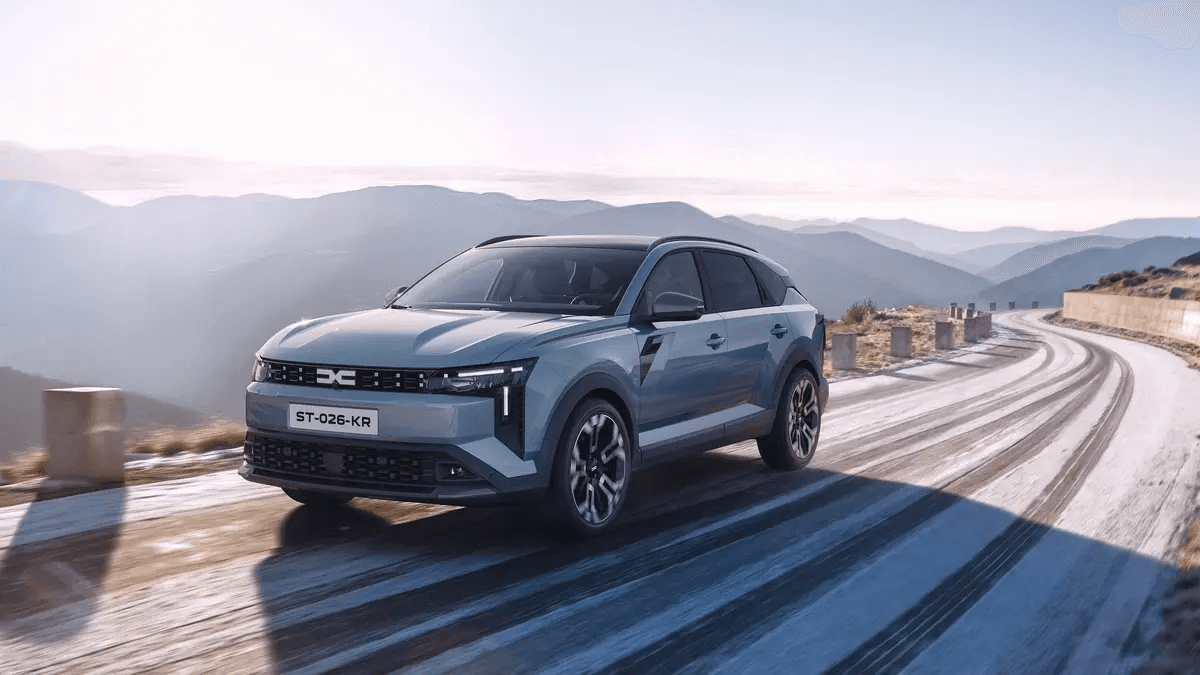
The Dacia Striker will offer three electrified powertrain options: the entry-level Mild Hybrid-G 140, combining petrol/LPG dual-fuel technology with a mild-hybrid system; the efficiency-focused Hybrid 155; and the Hybrid 150 4×4, designed to deliver all-wheel-drive capability on more demanding terrain.
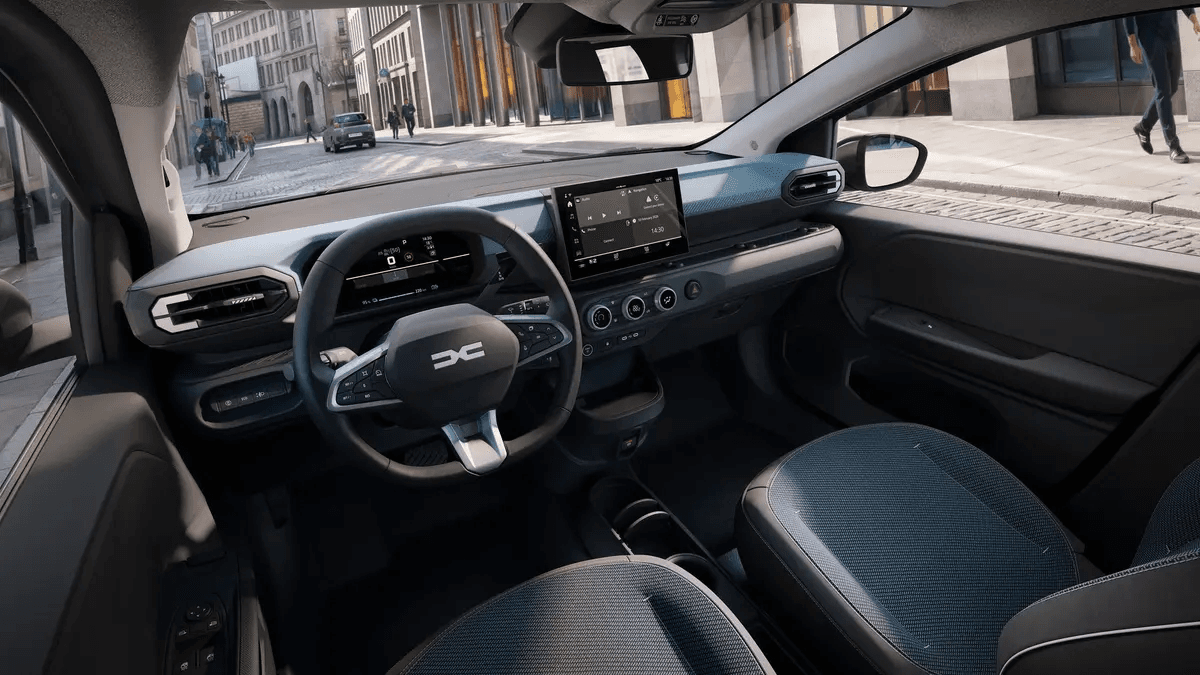
Inside, every trim level includes a 10.1-inch touchscreen and digital instrument cluster as standard, alongside modern features such as Autohold, offered on a Dacia for the first time. Thanks to the advantages of domestic production and the brand’s accessible pricing strategy, the Striker is scheduled to reach the Turkish market in December 2026.
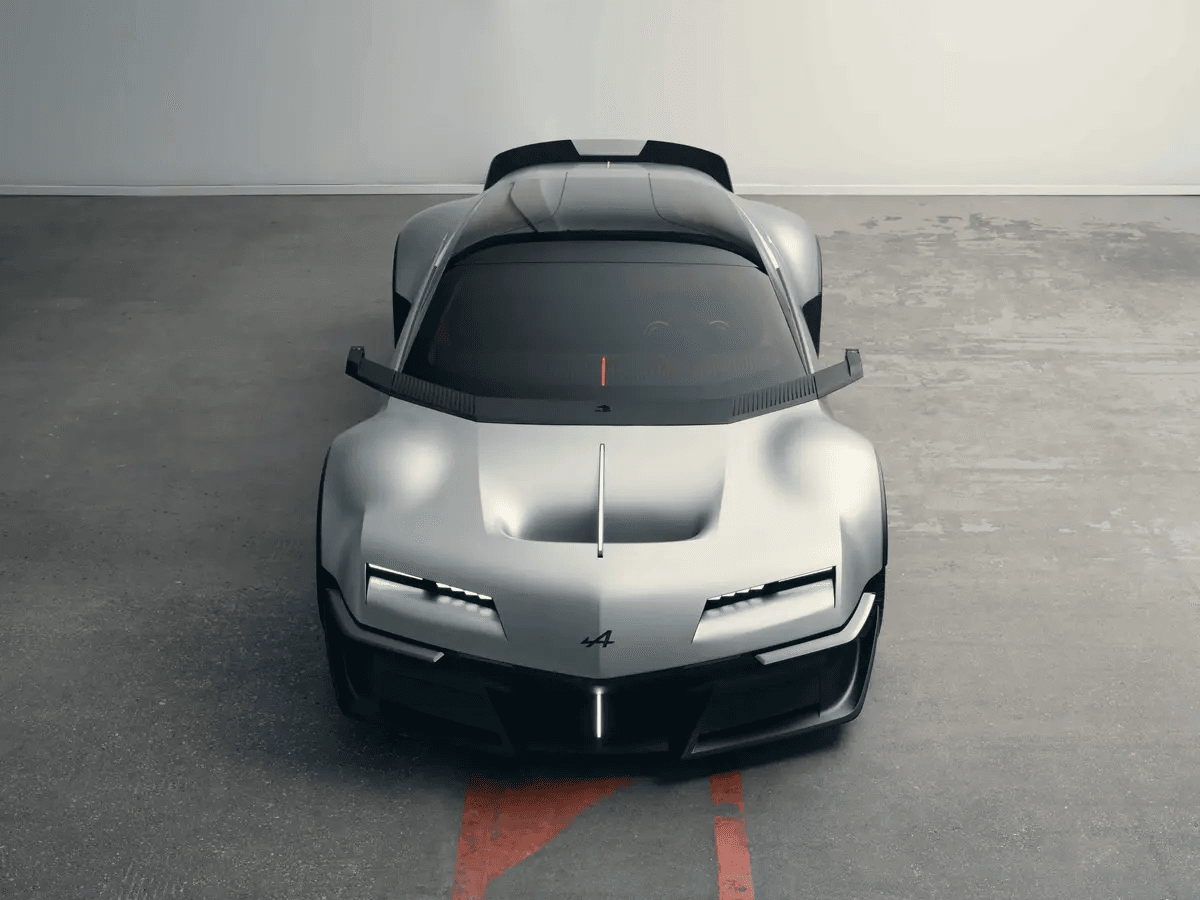
Alpine A310 Vision: A Retro-Futuristic Statement
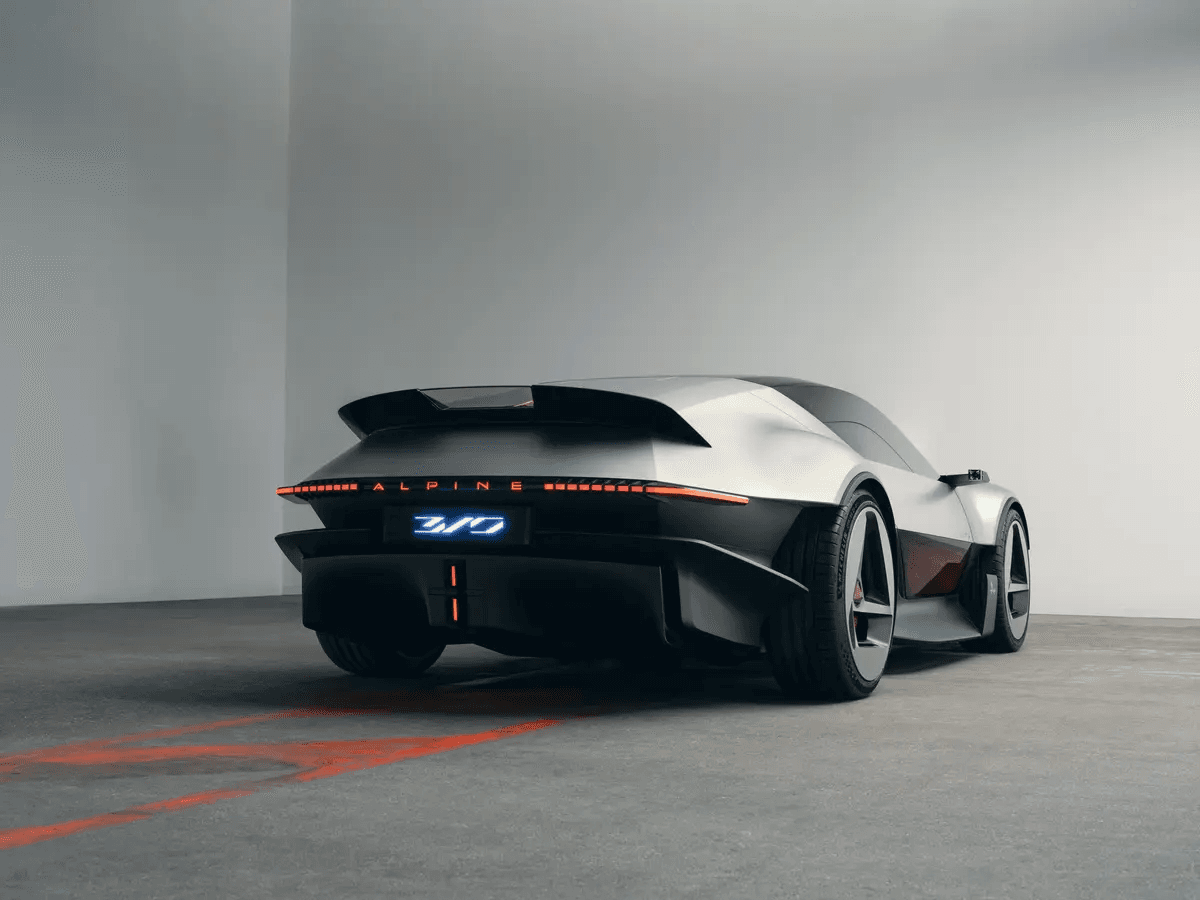
With the one-off A310 Vision unveiled at the 2026 Paris Motor Show, Alpine pays tribute to its French sports-car heritage through an unmistakably retro-futuristic design. The concept celebrates the 55th anniversary of the four-cylinder A310, first introduced in 1971, and the 50th anniversary of its V6 successor. Rather than simply recreating the original, Alpine has reinterpreted its distinctive geometric proportions, low profile and muscular bodywork through a contemporary lens. More a laboratory for creative experimentation than a production-ready model, the concept demonstrates the design freedom offered by the brand’s new Alpine Performance Platform (APP).
Measuring 4.55 metres long, 2.03 metres wide and just 1.18 metres high, the A310 Vision features aluminium bodywork, Formula 1-inspired black lower air channels and a semi-transparent canopy roof. Futuristic details include pop-down headlights that deploy when the car is activated, an S-duct air channel in the bonnet, distinctive A-shaped wheels and a two-piece transparent rear spoiler, all contributing to its aerodynamic identity. Visible beneath the translucent roof, the driver-focused cabin combines vibrant colour blocking, organically shaped racing seats and physical controls inspired by high-fidelity audio systems, capturing the spirit of a pure sports car.
Hyundai Bayon: From Türkiye to Europe
The completely new Hyundai Bayon made its world premiere at the 2026 Paris Motor Show, emerging with a bolder, more muscular and mature SUV identity in the B-SUV segment. Manufactured at Hyundai’s Assan Automotive plant in İzmit and exported to European markets, the new Bayon combines a longer wheelbase and sharper styling with comfort technologies borrowed from higher segments, balancing urban practicality with a notably more spacious interior.
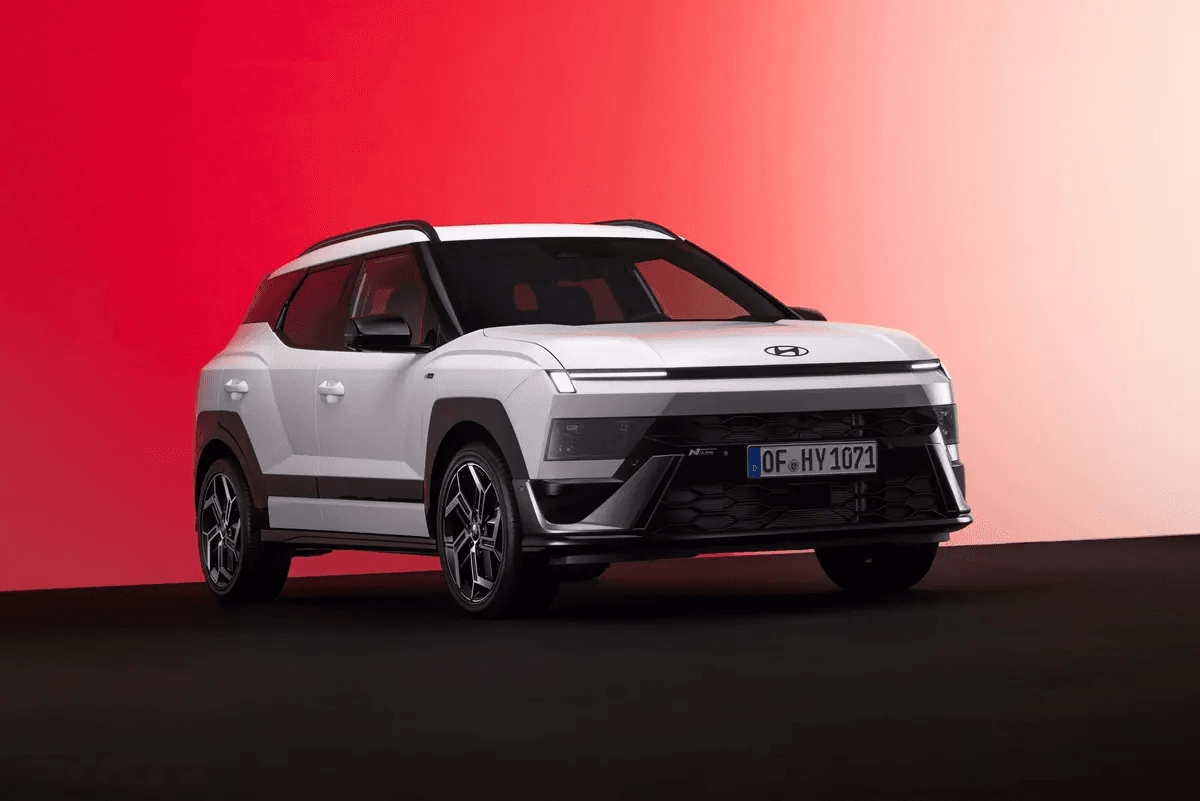
Now 65 mm longer than its predecessor, the Bayon measures 4,245 mm in length with a 2,600 mm wheelbase. A 440-litre boot and one of the most generous rear legroom measurements in its class further enhance its practicality. Inside, highlights include a panoramic display arrangement incorporating two integrated 12.3-inch screens, digital key technology, ventilated front seats and an opening panoramic glass roof. Initially offered with 1.0-litre T-GDI turbocharged petrol engines producing 90 and 115 hp, the range is scheduled to gain a 138 hp hybrid powertrain in 2027, strengthening its efficiency credentials.
Hyundai Tucson: A More Aggressive N Line
One of the C-SUV segment’s most popular contenders, the Hyundai Tucson made the European premiere of its new generation at Paris 2026. Promoted under the slogan “The Most Ambitious SUV”, the latest Tucson grows in size while raising the bar in both exterior design and cabin technology. A more spacious interior, improved connectivity and intelligent driver-assistance systems reinforce its position in the segment, while the powertrain range continues to include mild-hybrid, full-hybrid and plug-in hybrid options.
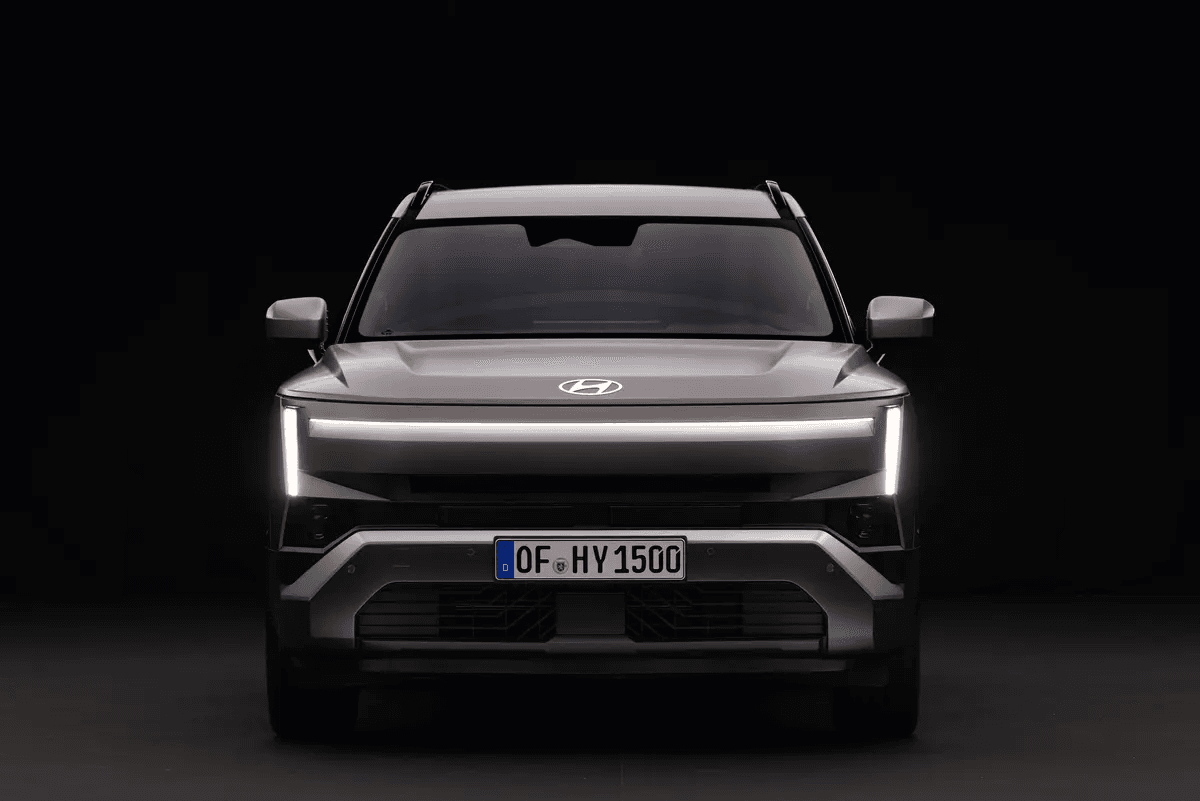
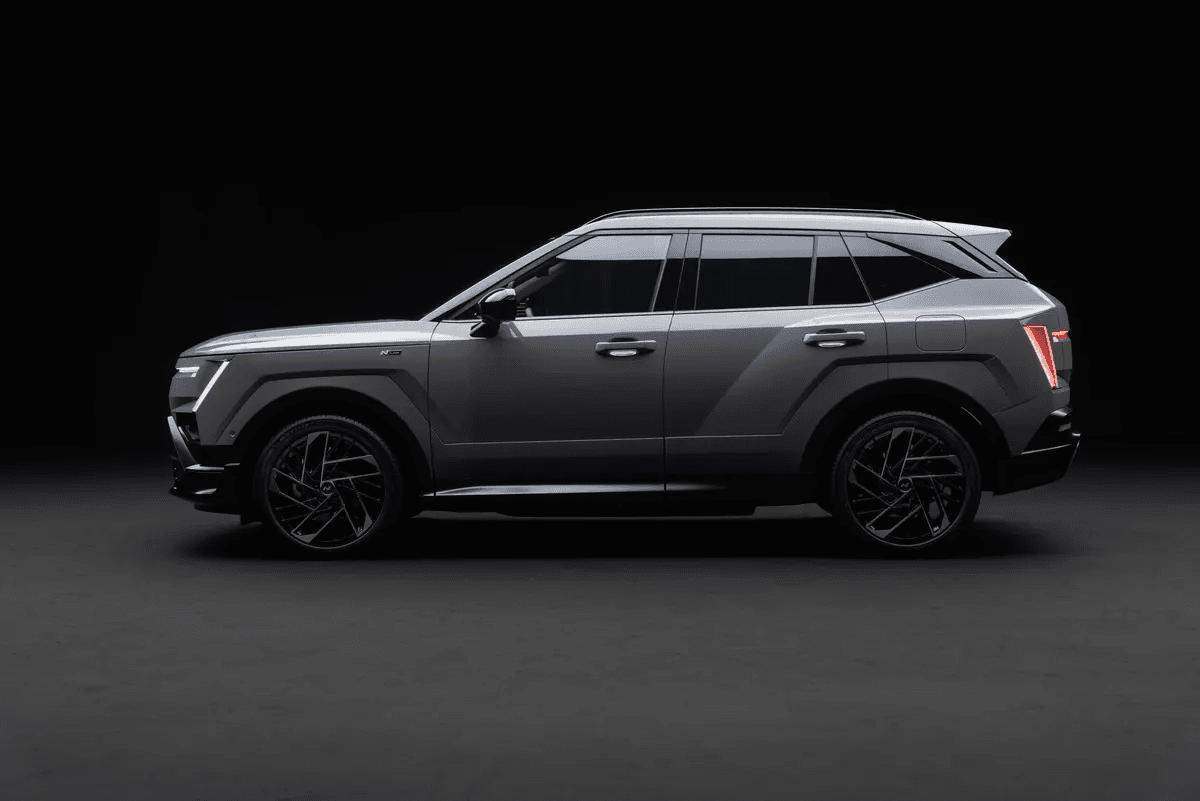
The surprise in Paris was the world premiere of the Tucson N Line alongside the standard model. With redesigned front and rear bumpers, model-specific 20-inch alloy wheels, body-coloured wheel-arch cladding and twin exhaust outlets, the N Line delivers a distinctly more aggressive, sporting appearance.
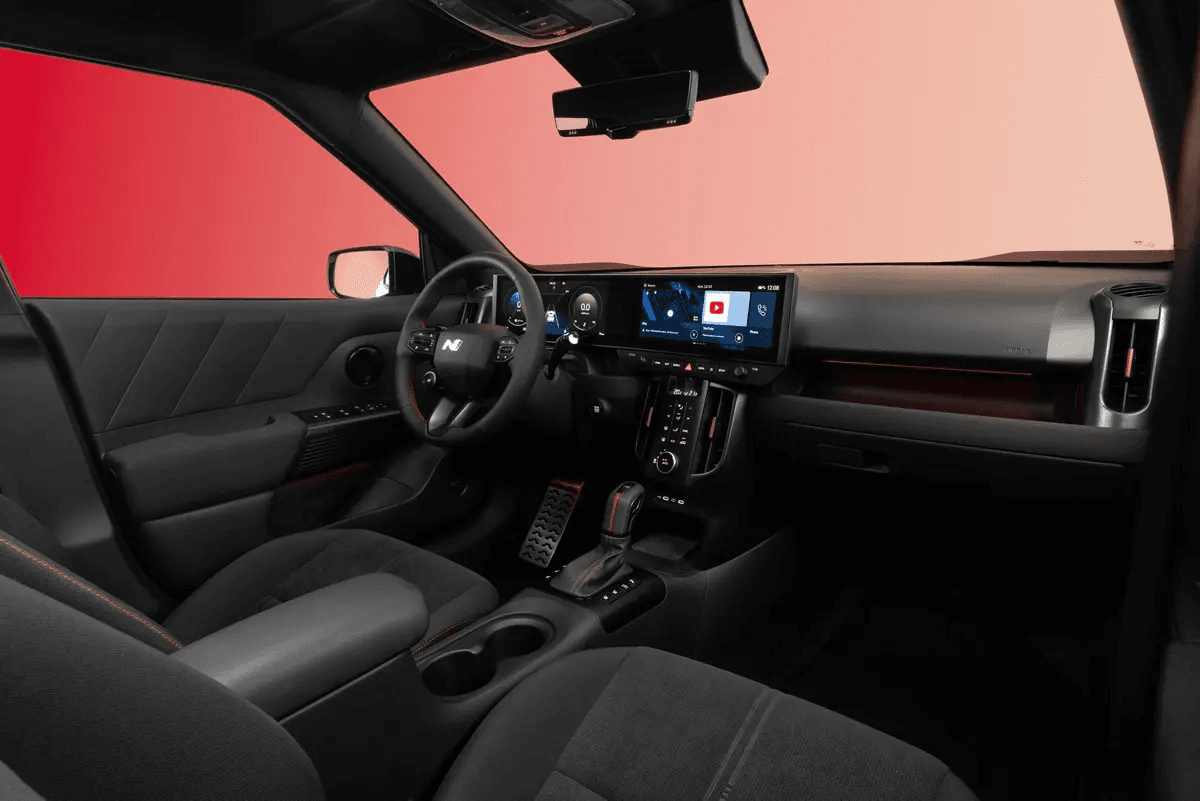
Inside, black sports seats with red stitching, an N Line steering wheel and metal pedals reinforce the performance-inspired character. Powertrain highlights include a 245 hp full-hybrid (HEV) and a 292 hp plug-in hybrid (PHEV) equipped with a 17.1 kWh battery. The result is a sportier interpretation of Hyundai’s popular C-SUV that retains the practicality and comfort for which the Tucson is known.
Hyundai Staria Cargo Electric: Looks Finally Meet Technology
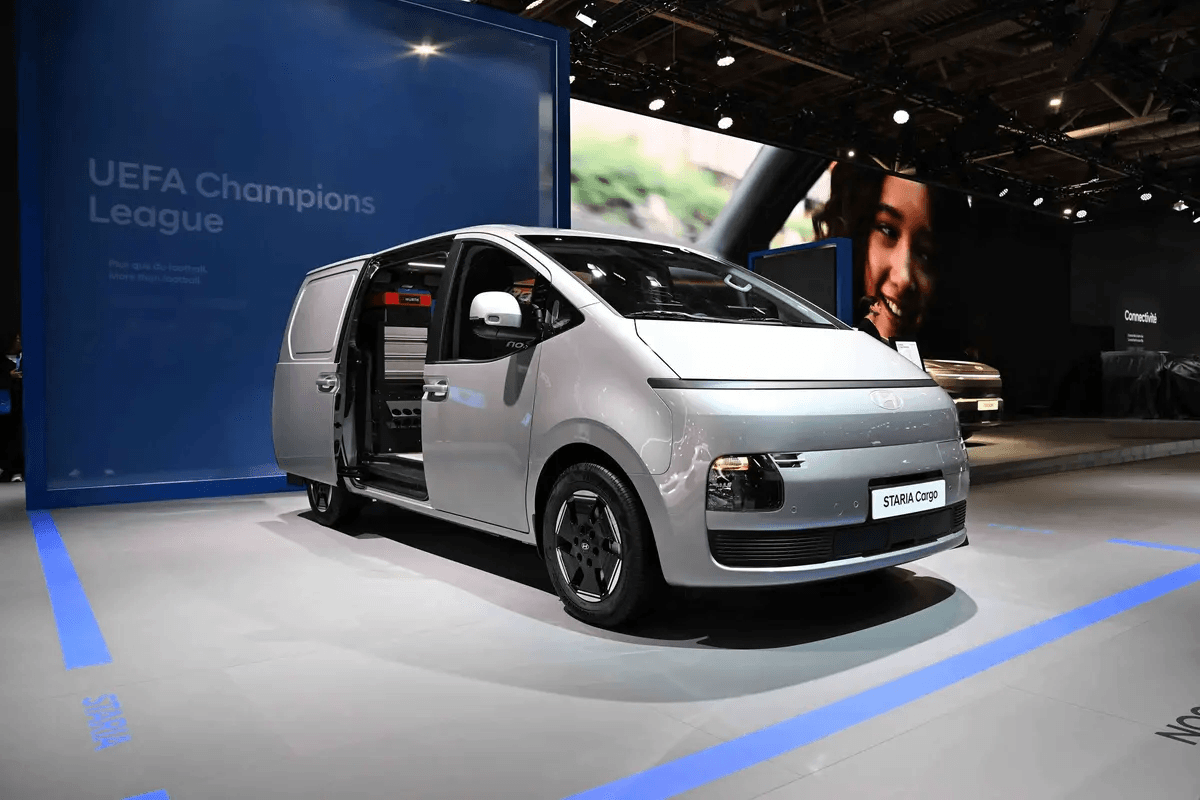
One of the most distinctive expressions of Hyundai’s commercial vehicle vision, the Staria appeared at Paris 2026 in the form of the fully electric Staria Cargo. Developed for businesses embracing a more user-focused approach to mobility, this zero-emission light commercial vehicle combines its futuristic monovolume silhouette with the quiet operation, efficiency and lower running costs made possible by electric propulsion.
Kia Seltos Hybrid
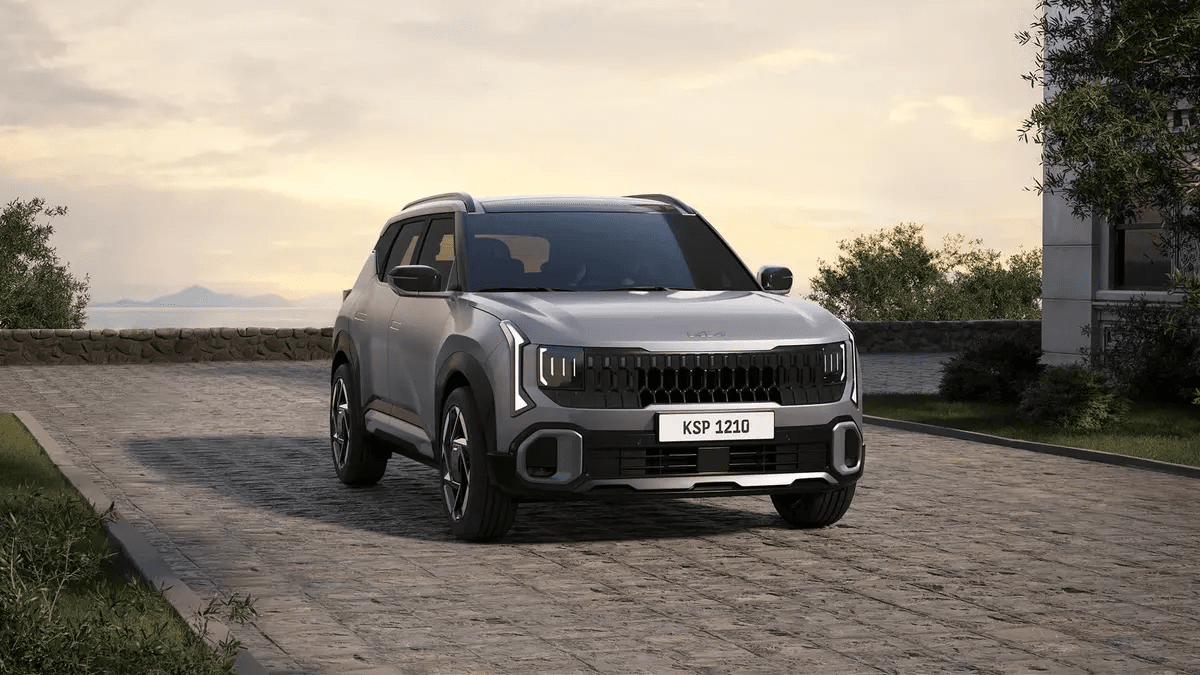
Kia chose Paris for the European premiere of the Seltos Hybrid. The second generation of the Seltos, the brand’s second-best-selling model globally, combines a bold, muscular SUV design with advanced technology and greater everyday practicality. Entering Europe’s rapidly expanding and fiercely competitive C-SUV segment, the Seltos Hybrid also becomes the first Kia model to feature the brand’s e-AWD electric all-wheel-drive system. By distributing torque more precisely, the system is designed to improve traction and maximise stability in challenging road conditions.
Elsewhere on Kia’s Paris stand, the new K4 Hybrid attracted attention alongside the expanded fully electric GT family. Joining the EV6 GT and EV9 GT were the EV3 GT, EV4 GT and EV5 GT. Kia also displayed the PV5 Cargo and seven-seat PV5 Passenger, members of its fully electric Platform Beyond Vehicle (PBV) family, conceived to redefine future commercial and passenger transportation.
Škoda Epiq: Sportline Specification Revealed
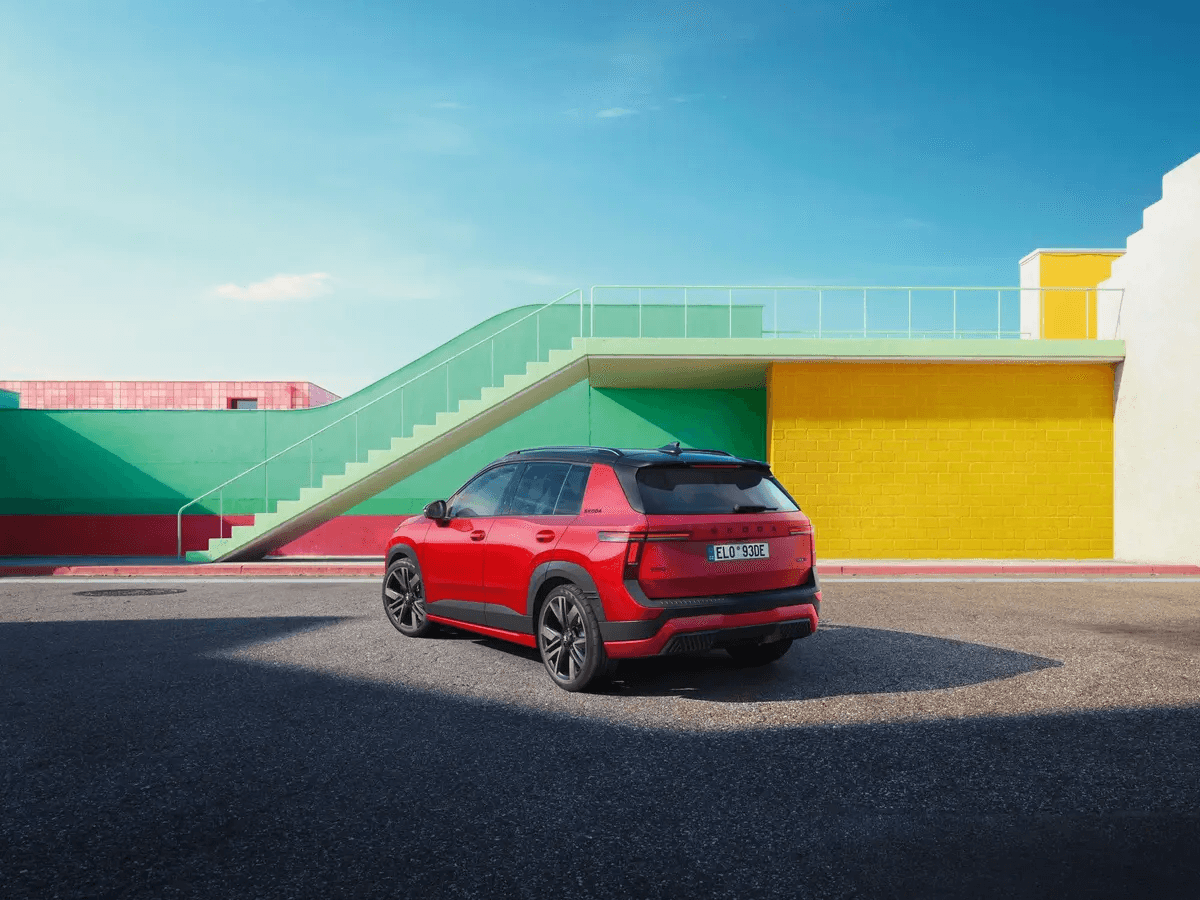
Škoda unveiled the Epiq Sportline for the first time at the Paris Motor Show, introducing the sportiest and most distinctive version of its fully electric compact SUV. Featuring the most comprehensive standard equipment package in the Epiq range, the Sportline will be offered with two power outputs, 99 kW and 155 kW, and a driving range of up to 440 kilometres, combining everyday electric practicality with a more dynamic character.
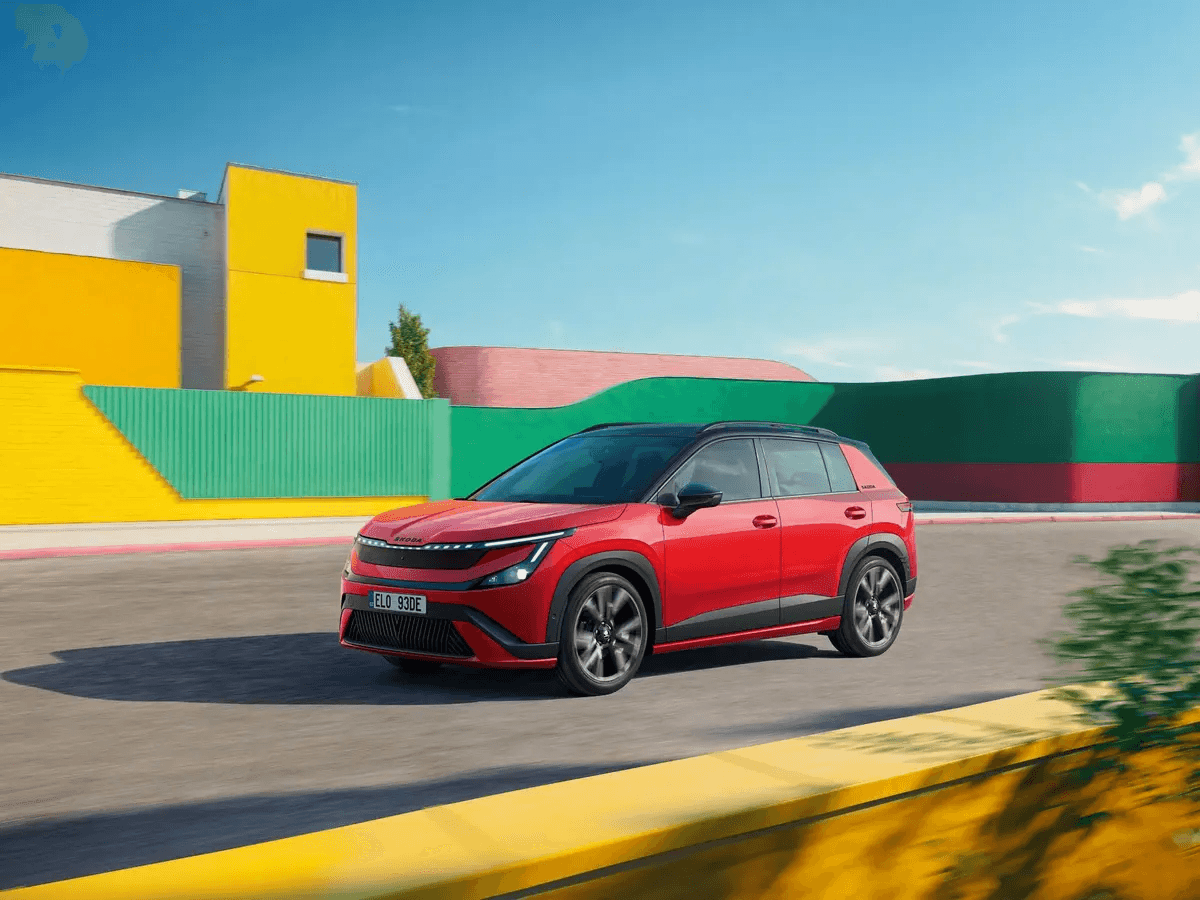
Visually, the Sportline stands apart through body-coloured bumpers, gloss-black detailing, an optional black roof, T-shaped LED Matrix headlights and, for the first time in the range, an illuminated front grille. Standard 19-inch black alloy wheels, with 20-inch alternatives available as an option, give the vehicle a particularly assertive stance. Inside, electrically adjustable sports seats upholstered in Suedia, stainless-steel pedals and ambient lighting create a refined yet energetic cockpit atmosphere.
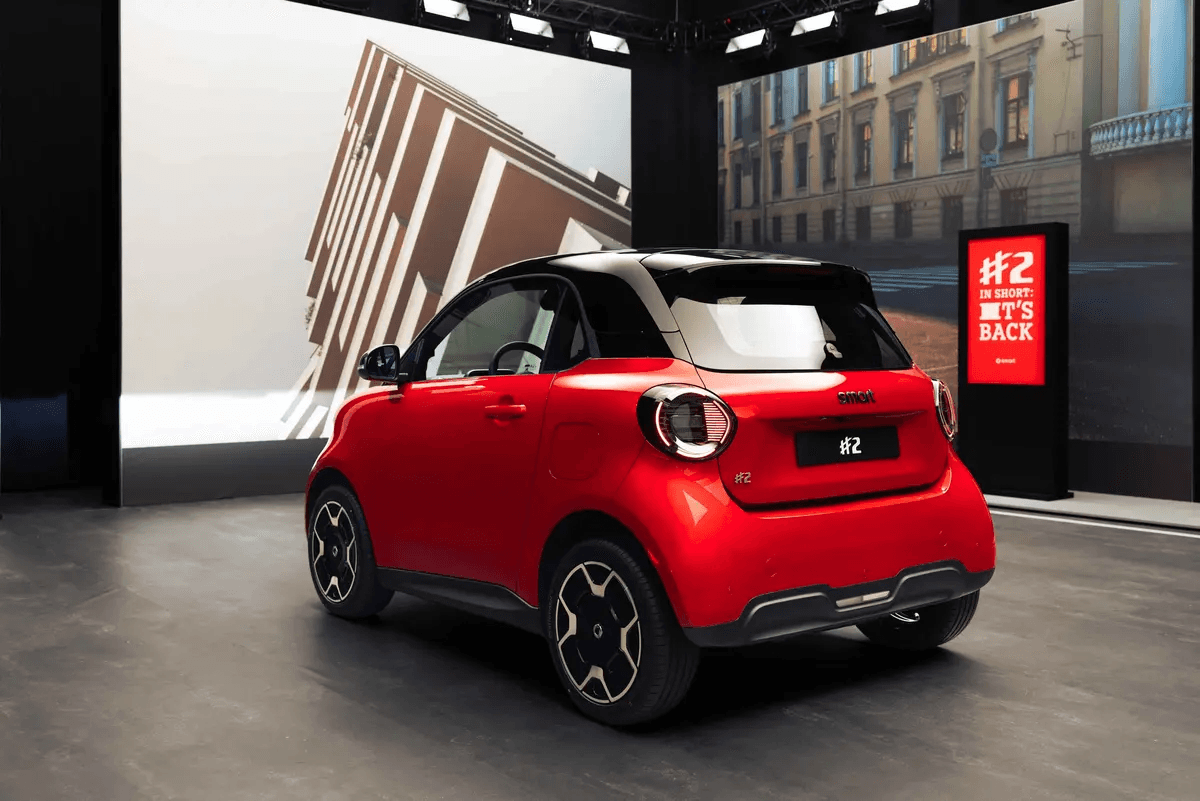
smart #2: The Iconic City Car Returns
smart introduced the new generation of its iconic microcar to the world in Paris under the name #2. Pre-orders for the fully electric smart #2 have opened across Europe, with prices starting at €19,990. The two-seat city car retains the brand’s traditional wheels-at-the-corners design philosophy, maximising interior practicality within exceptionally compact dimensions. A turning circle of just 6.95 metres makes it particularly well suited to narrow urban streets.
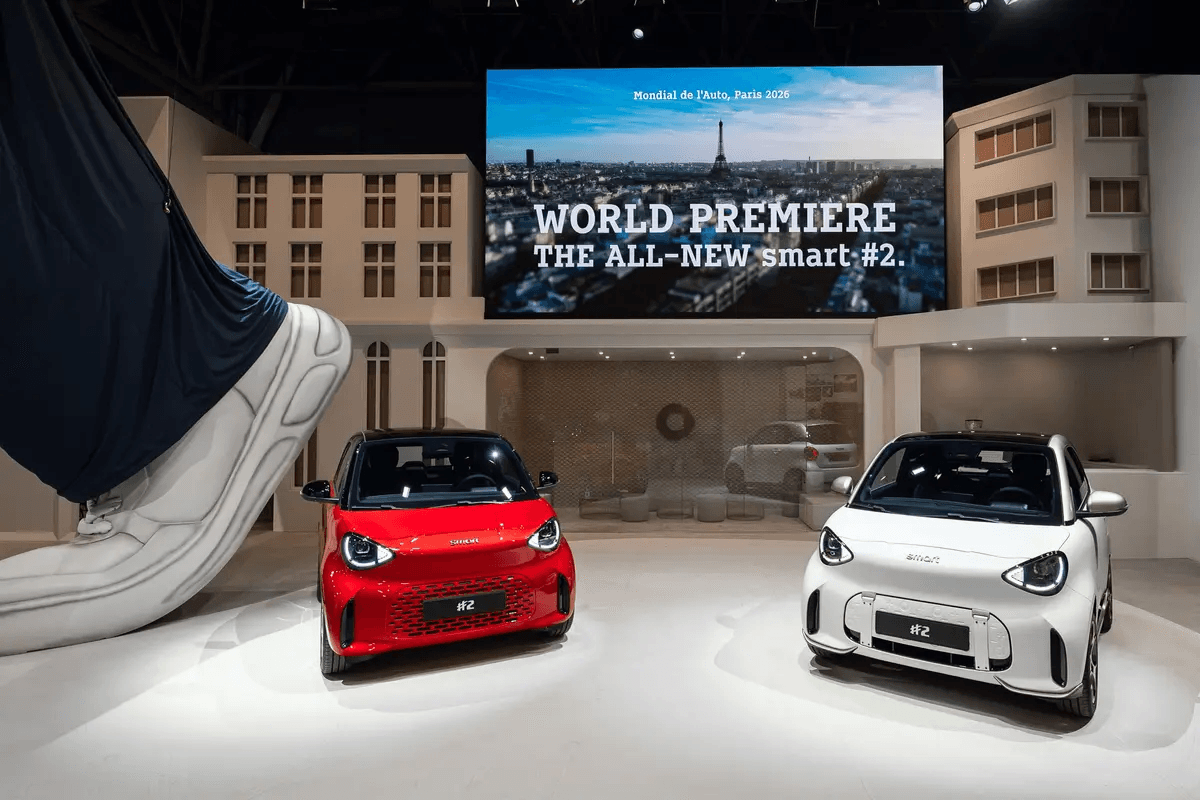
With a WLTP combined range of up to 290 kilometres and 65 kW DC fast-charging capability, the smart #2 is designed primarily for everyday urban and suburban journeys. A five-link independent rear suspension system, a first for its class, promises improved comfort and stability during both tight city manoeuvres and motorway driving. Alongside the entry-level version, buyers can choose from Pure+, Premium and a special Couture Edition limited to just 999 examples.
Even the standard model includes advanced features such as Vehicle-to-Load (V2L) functionality, allowing the battery to supply external electrical devices, and smart Pilot Assist. Higher specifications add a panoramic glass roof and a seven-speaker Sennheiser sound system.
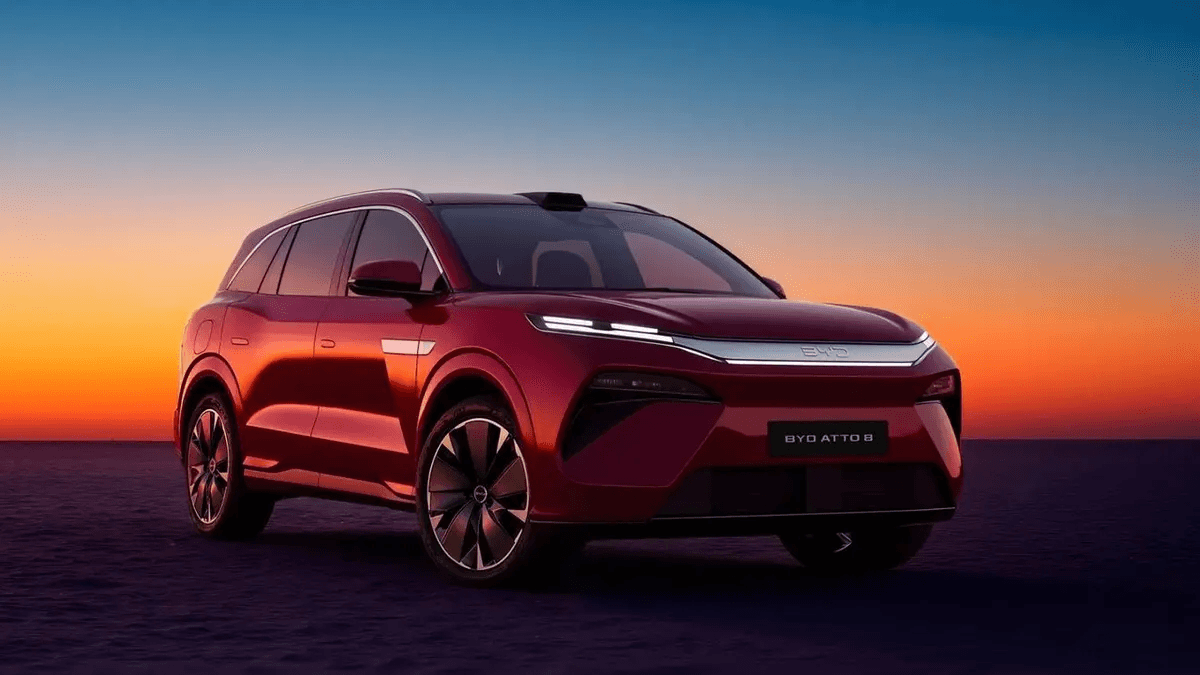
BYD Atto 8: A Chinese Contender Enters the Large SUV Arena
Chinese automotive giant BYD unveiled the Atto 8 at the 2026 Paris Motor Show, a new flagship developed for Europe’s D/E-SUV segment. Built around the manufacturer’s latest e-Platform 3.0 EVO architecture, the model combines advanced electric technology with the space and presence expected of a large premium SUV, further intensifying competition in the European electric vehicle market.
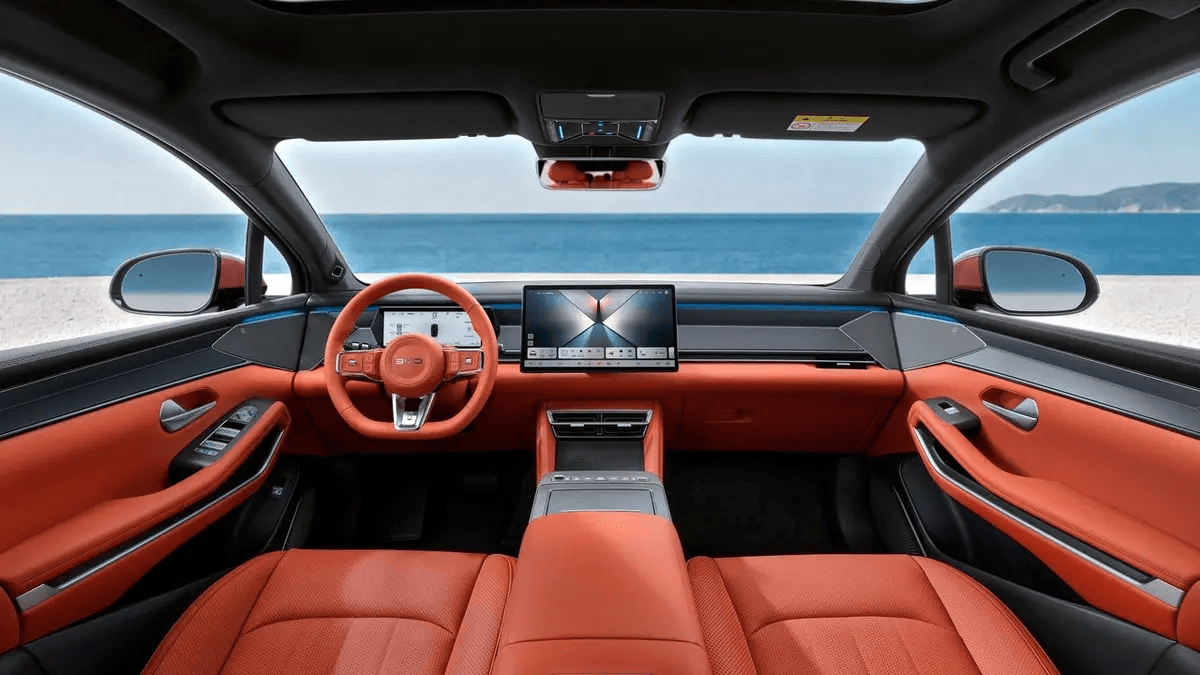
One of the Atto 8’s most unusual features, and a detail that particularly surprised visitors and automotive journalists in Paris, was its bonnet-opening mechanism. Rather than relying on a conventional mechanical release or an interior lever, the front panel opens electrically, sliding forwards and upwards at the touch of a button on the digital cockpit display or through the smart key.
Designed primarily to provide access to the front luggage compartment, or frunk, this innovative electrically operated arrangement eliminates the need to search for a bonnet release. It also preserves the smooth aerodynamic lines of the vehicle’s front end while reinforcing its distinctly high-tech character.
BYD Dolphin G DM-i: A Hybrid with a 1,000-Kilometre Range
BYD made another statement at the 2026 Paris Motor Show with the Dolphin G DM-i, its first B-segment plug-in hybrid (PHEV) developed specifically for the European market. Rather than adapting an existing Chinese-market model, BYD designed the compact hatchback around the expectations of European drivers, bringing its fifth-generation Super Hybrid (DM-i) technology into the B-segment.
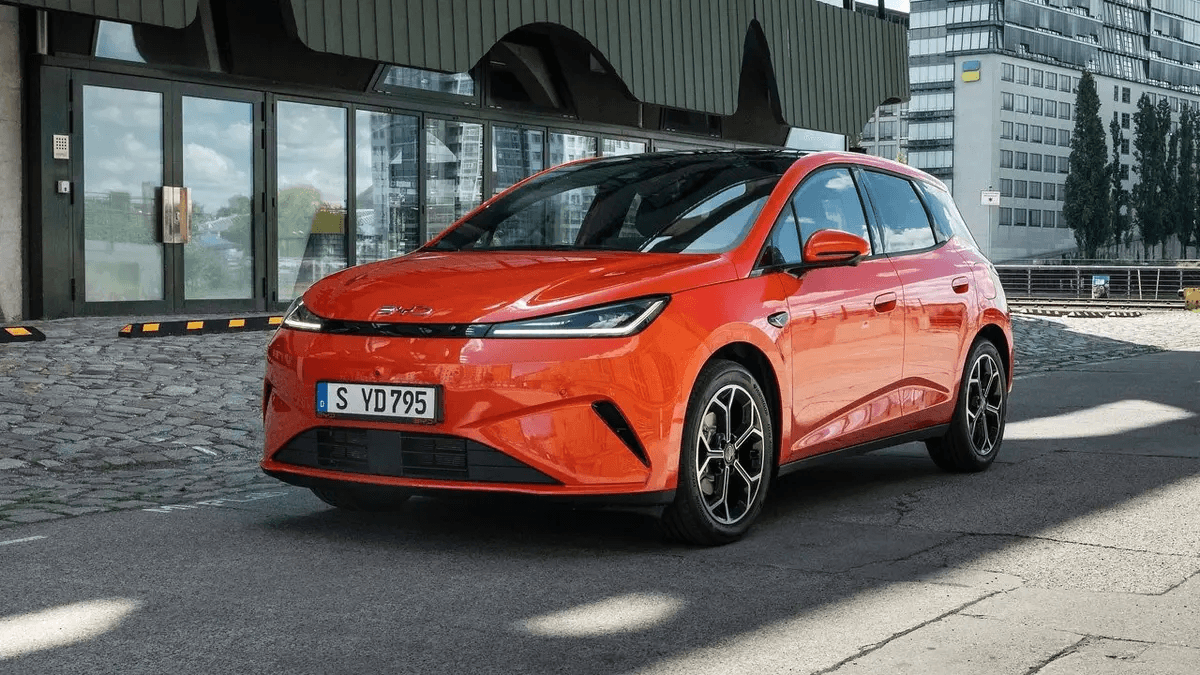
Combining a 1.5-litre Atkinson-cycle petrol engine with an electric motor and Blade LFP battery technology, the Dolphin G DM-i offers approximately 100 kilometres of all-electric driving range in urban conditions. With the petrol engine providing additional support, total combined range exceeds 1,000 kilometres. Its accessible positioning, low fuel consumption during city driving, 0–100 km/h acceleration time of 8.3 seconds and impressive selection of cabin technologies make the Dolphin G DM-i a formidable alternative to both conventional combustion-engine cars and fully electric competitors in the segment.
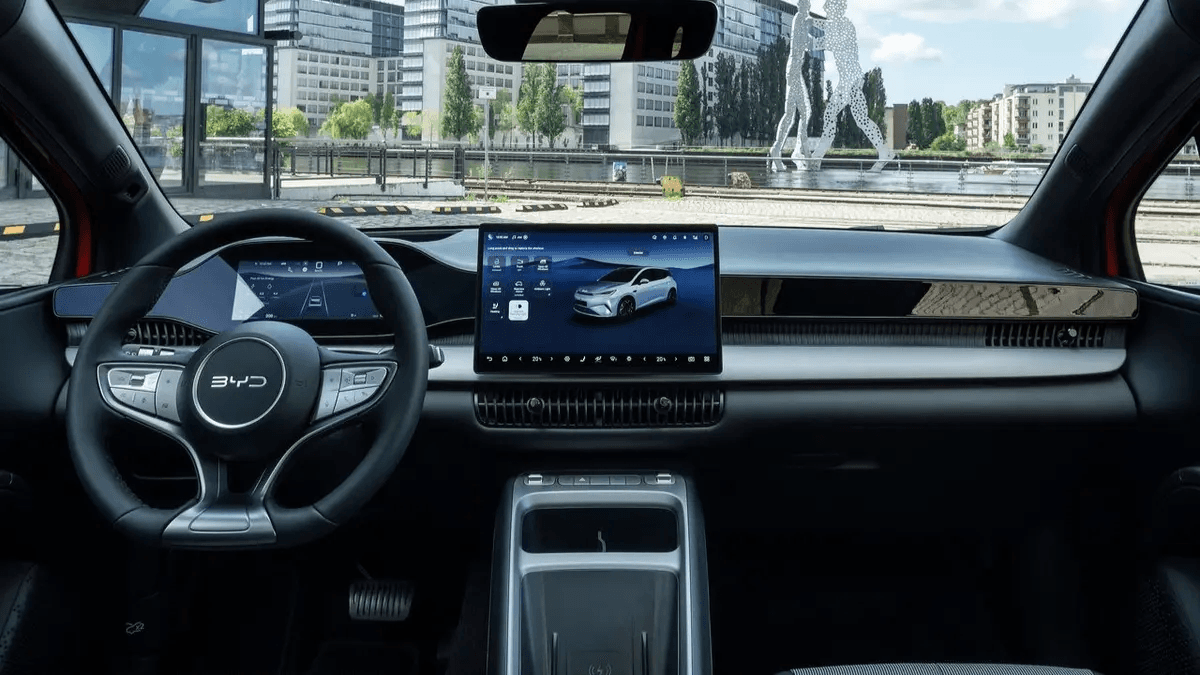
BYD Shark: The Latest Addition to the Chinese Pick-Up Wave
One of the most talked-about vehicles on BYD’s stand at the Paris Motor Show was the Shark, the manufacturer’s first plug-in hybrid pick-up, built on its DMO (Dual Mode Off-road) platform. Measuring 5.45 metres long, the Shark combines a 1.5-litre turbocharged petrol engine with two electric motors, generating a total of 436 hp and 650 Nm of torque. This allows the imposing pick-up to accelerate from 0 to 100 km/h in just 5.7 seconds. Its robust 32.2 kWh Blade LFP battery, integrated into the chassis, provides approximately 80–100 kilometres of all-electric range, while combined driving range exceeds 800 kilometres with support from the petrol engine.
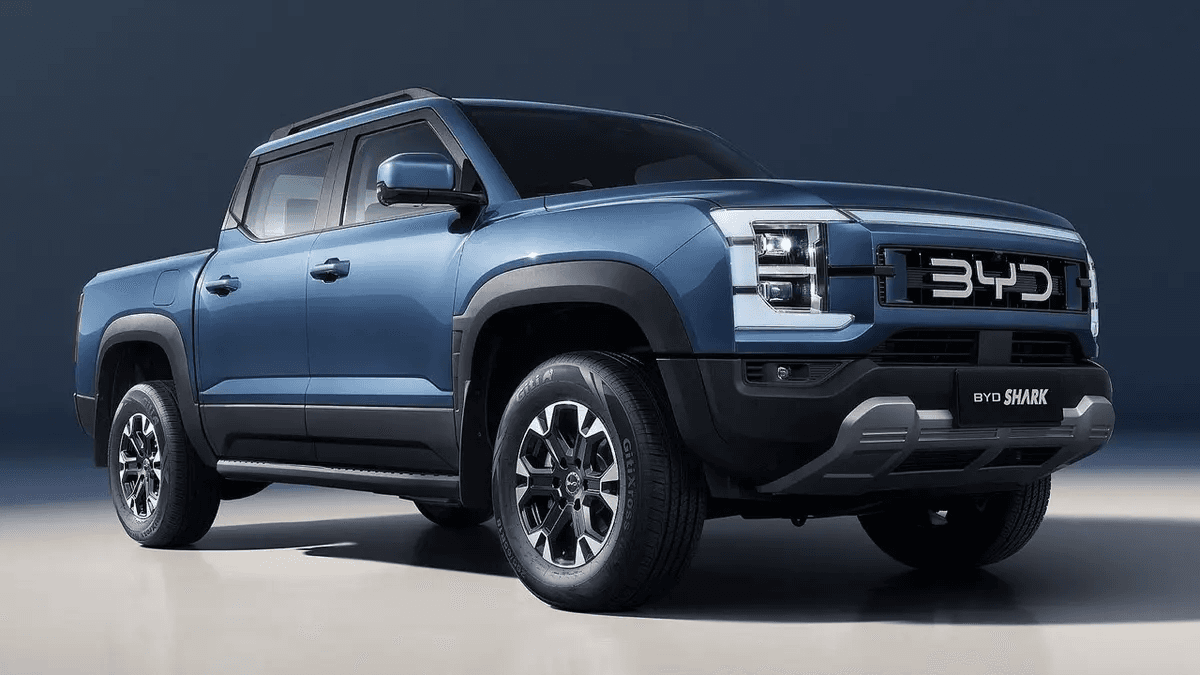
With its off-road capabilities and advanced technology, the BYD Shark presents a serious challenge to established rivals. Independent double-wishbone suspension at both the front and rear, intelligent e-AWD and dedicated driving modes for sand, mud and snow are designed to improve performance across demanding terrain. A braked towing capacity of 2,500 kilograms and a payload capacity of 790 kilograms further underline its working credentials. The load bed also incorporates a 6 kW Vehicle-to-Load (V2L) power outlet, allowing tools, camping equipment and other electrical devices to operate directly from the vehicle’s battery.
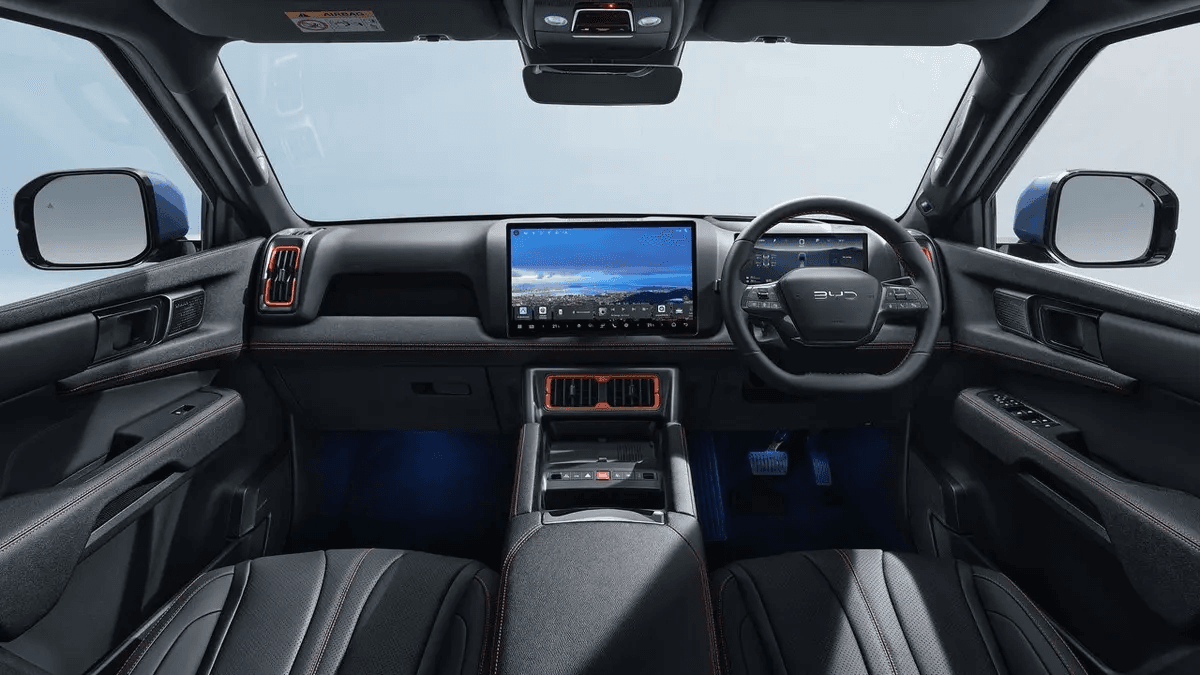
Inside, the Shark brings the comfort and technology of a premium SUV into the pick-up segment. Equipment includes a large 15.6-inch rotating infotainment display, a 10.25-inch digital instrument cluster, a Dynaudio sound system, heated and ventilated leather seats and a head-up display (HUD), combining serious utility with an unexpectedly luxurious driving environment.
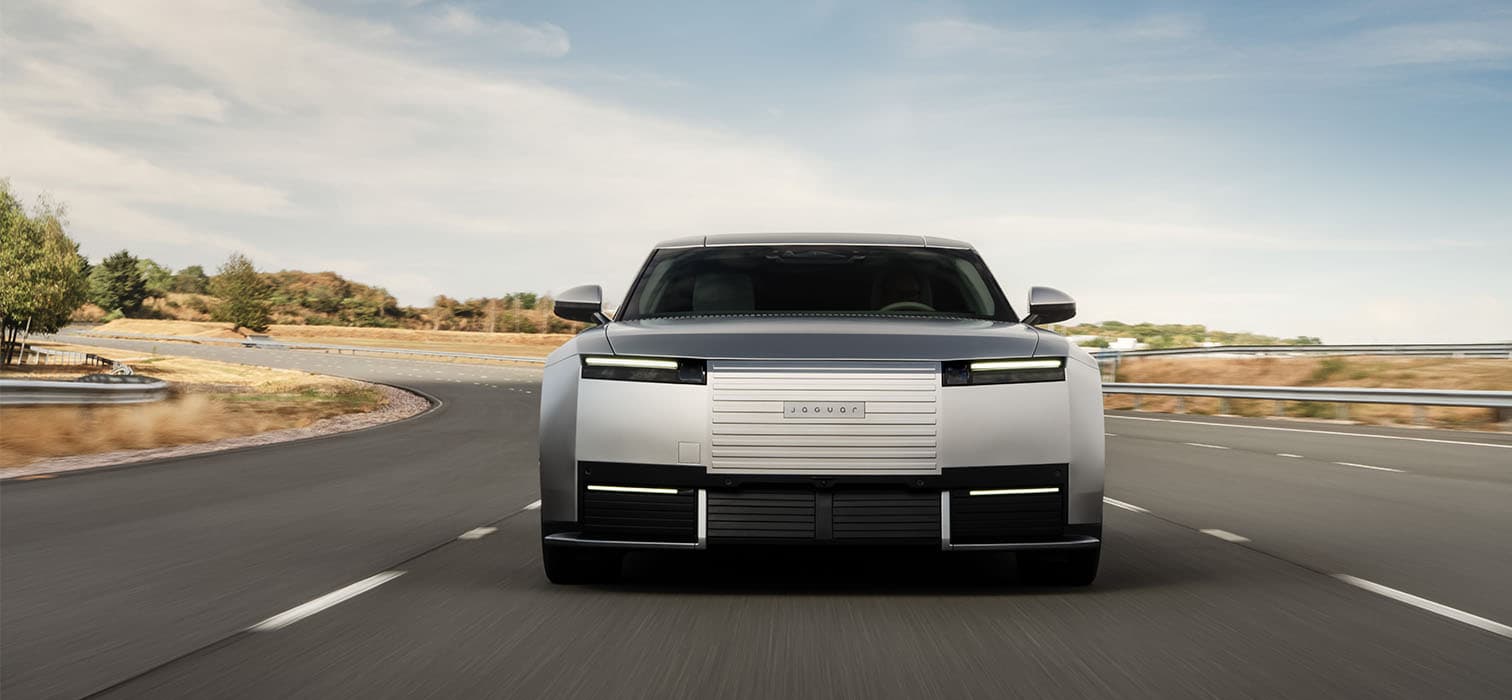
Jaguar Type 01: The Controversial Car Becomes Reality