Born from the mountains of Tunceli, its endemic flowers, and its ancient cultural memory, İksor tells a story that treats honey not as a product, but as a form of giving back.
When you open an ordinary jar of honey, perhaps only sweetness rises. With İksor, however, the mountain breeze, the waters of Munzur, and the endemic flora of Tunceli arrive at your table. For that reason, İksor is far more than honey—it is a bond with the land and an act of respect toward nature.
Doğan Çelik, who spent many years working on development projects, no longer wanted to merely speak of his homeland’s extraordinary nature and culture. Instead, he transformed the aroma of the intensely fragrant honey of his childhood—his grandmother’s table, the waters of Munzur—into an initiative. İksor is not a commercial brand, but a journey born from the desire to give back to Tunceli’s multicultural fabric, its endemic plant life, and its beekeeping heritage.
Today, İksor has earned international awards, entered hotel kitchens, and captured the attention of leading chefs. Yet at its core, it is an initiative committed to staying small and building a trust-based bond between producer and consumer. In this interview, through the eyes of Doğan Çelik, you will read not only a honey story, but also the bee’s labor, the voice of the geography, and the loyalty carried toward Tunceli.
Munzur’s Soul-Carrying Honey: İksor
Mr. Doğan, I’m curious about the birth of İksor. What was the initial spark that ignited this brand in your heart? How does honey resonate with you emotionally?
I have been a development professional for years, working on projects for institutions such as the United Nations, the World Bank, and the European Bank for Reconstruction and Development. While designing programs that enabled hundreds of SMEs to do quality work, I found myself thinking, “Why not tell the story of this extraordinary geography—my homeland—to all of Turkey through a socially impactful initiative?” That is how I decided to give İksor substance.
The name İksor is the former name of Gözen Village in Tunceli. According to Nişanyan Yeradları, İksor was a Christian village with 11 households in 1518, 5 in 1523, and 4 in 1541. Today, it is a Kızılbaş-Zaza village with only a few remaining households, where the buzzing of bees is ever-present.
For me, İksor is an act of reckoning before it is a commercial venture. Over the years, I have come to better understand the value of Munzur, Pülümür, those rugged rocks, and their endemic plants. The scent of the intensely aromatic honey my grandmother would place on the table when I was a child still lingers in my memory. That scent was not merely a taste—it was the memory of the soil. That was the initial spark: preserving the memory of a place.
To me, honey is “the most delicate bond nature forms with humans.” The few grams a bee produces in its lifetime contain the wind of the mountains, the flowers of the valleys, the story of a fragile ecosystem. That is why honey always reminds me of patience, hard work, and nature’s justice.
Munzur’s Soul-Carrying Honey: İksor
Munzur’s Soul-Carrying Honey: İksor
It seems no coincidence that you chose Tunceli as your center… What do these lands mean to you?
There is a saying here: “Ali’s secret is the bee’s secret. Neither the secret of Ali nor the secret of the bee can be comprehended.” This geography, with its unique culture, continues to create a magnetic, almost mystical energy in Tunceli. This is the homeland of people who ask for consent before cutting a tree; who make yogurt with water from Munzur; who greet the morning sun and the night moon. The people of a nature that does not yield to hunters and does not allow dams to block its waters naturally touch my heart.
The scent of that intensely fragrant honey my grandmother placed on the table when I was a child is still in my nose. That scent was not just a flavor—it was the memory of the soil.
In your writing, you describe honey not as a product, but as a story. How did this perspective develop?
Beekeeping and honey are among the most story-friendly areas of nature-based livelihoods. They bring together many disciplines, from ethnobotany to climatology, from zootechnology to pharmacology. There are even concepts that have entered the literature, such as “bee democracy.” The meeting of nectar and bees, its transport to the hive, its transformation within the bee’s body, the architectural structure of the honeycomb… each of these is a narrative in itself. Honey is not just a biological process; it is also a memory that carries the geography, climate, altitude, and the relationship between humans and nature.
Capitalist modernity’s reduction of honey to a sweetener seems incomplete to me. Because honey is not a product; it is the collective memory of an ecosystem. It is the droplets of a story that began before humans and will continue after them.
Munzur’s Soul-Carrying Honey: İksor
Munzur’s Soul-Carrying Honey: İksor
How would you describe the spirit that Munzur’s flora and water add to your honey? What makes a jar of İksor special?
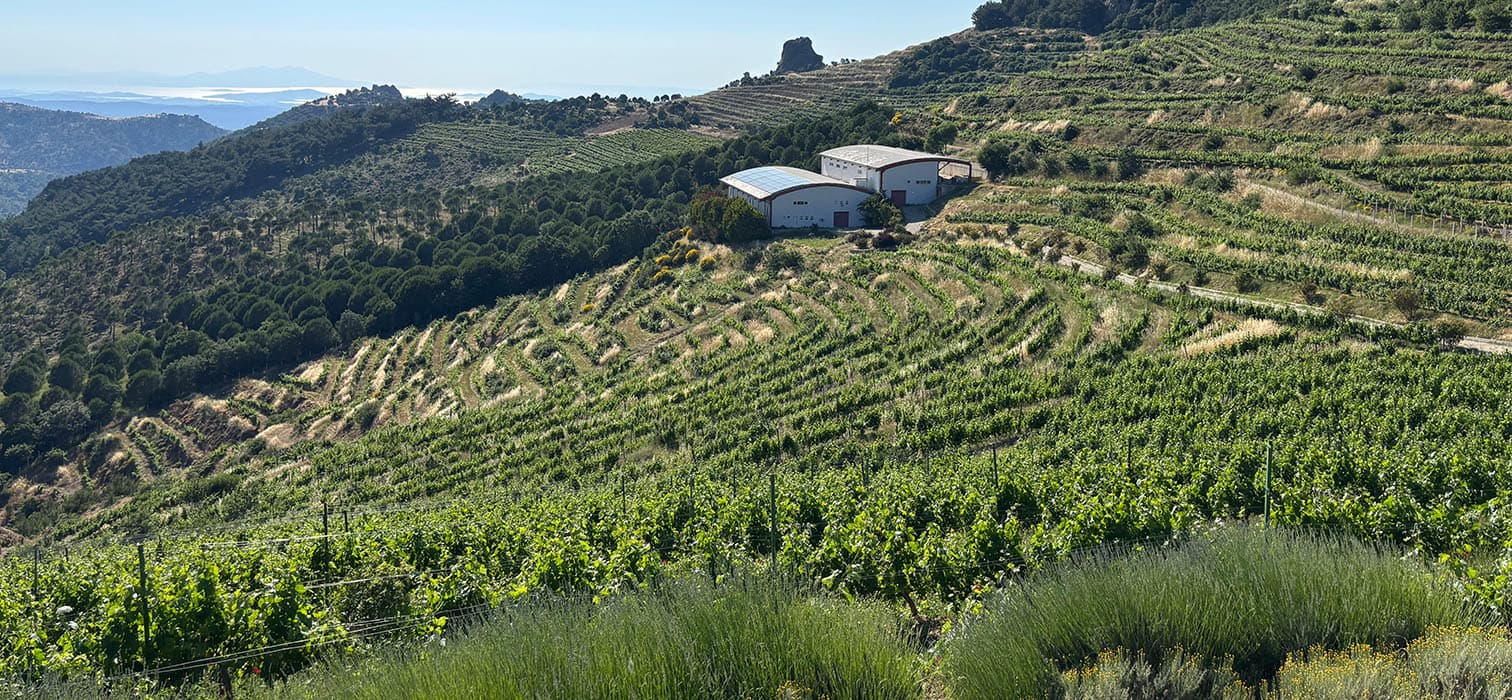
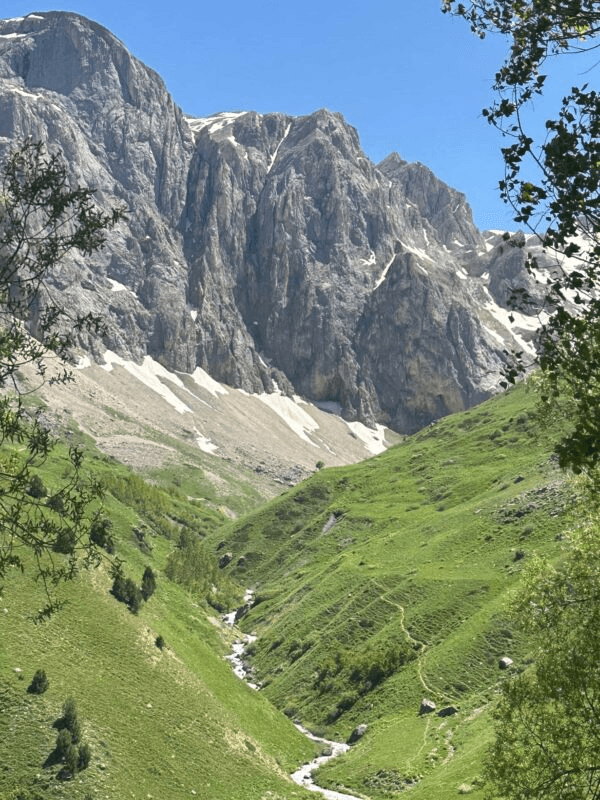
It is a healing product from a biodiversity hotspot where there is no industry, and where 43 of the 1,518 plant species are endemic. The water of the Munzur River is not only drinkable; it is the main factor that determines the character of the plants in the region. The pH balance, mineral composition, and year-round temperature stability of Munzur water affect the nutrition of plant roots. Therefore, the resin quality of the juniper, the aroma of the mountain thyme, and the pollen structure of endemic plants are entirely the work of this water. What makes a jar of İksor special is this unique hydrogeological integrity.
This geography, with its unique culture, still creates a magical energy aura in Tunceli. This is the homeland of people who ask for “permission” when cutting down a tree, who make their yogurt with water from Munzur, and who greet the morning sun and the night moon.
District honeys, mini tasting sets, karakovan series… How did these products come about?
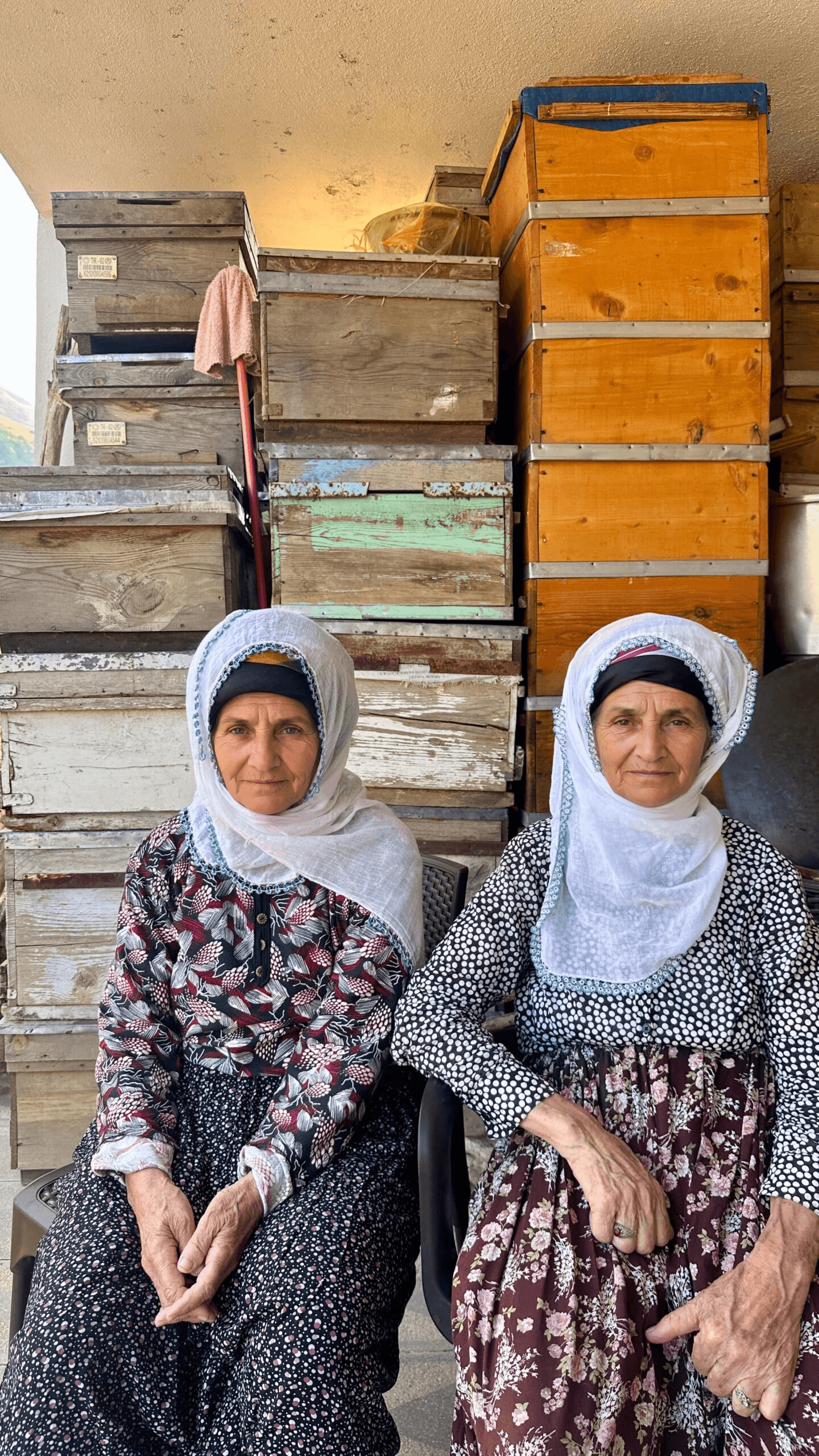
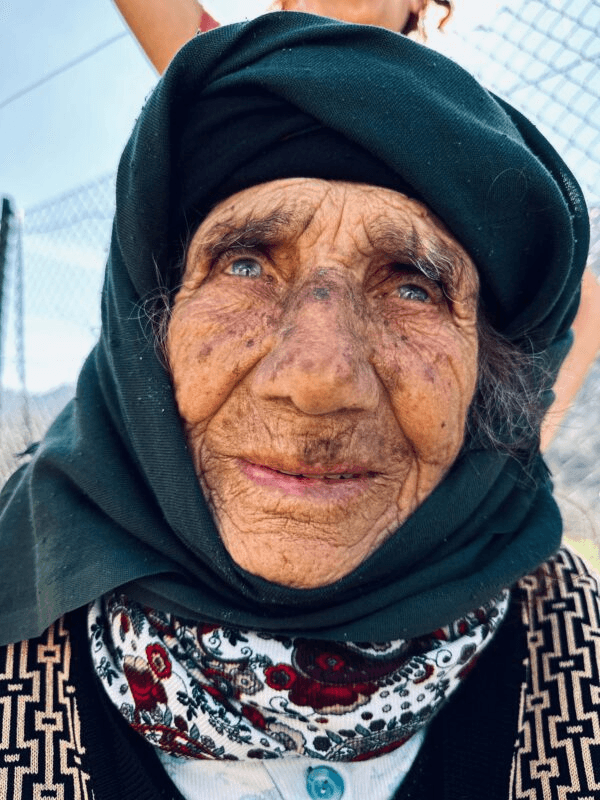
Packaging and product design in Turkey are still not at the level we want them to be. When you look at examples in Europe, you see a wide range, from honey jams to infused varieties. In Turkey, however, there is still a perception that honey comes in a single type of jar. That’s why we created the Tunceli Honey Collection: a special box containing the aromas of eight districts. There is nothing like it in Turkey. In our Karakovan series, we used the silhouette of an elderly woman who has become a symbol of Tunceli. We wanted to show how the bee’s labor is intertwined with the wisdom of the region.
Munzur’s Soul-Carrying Honey: İksor
What are the essential criteria for “real karakovan”?
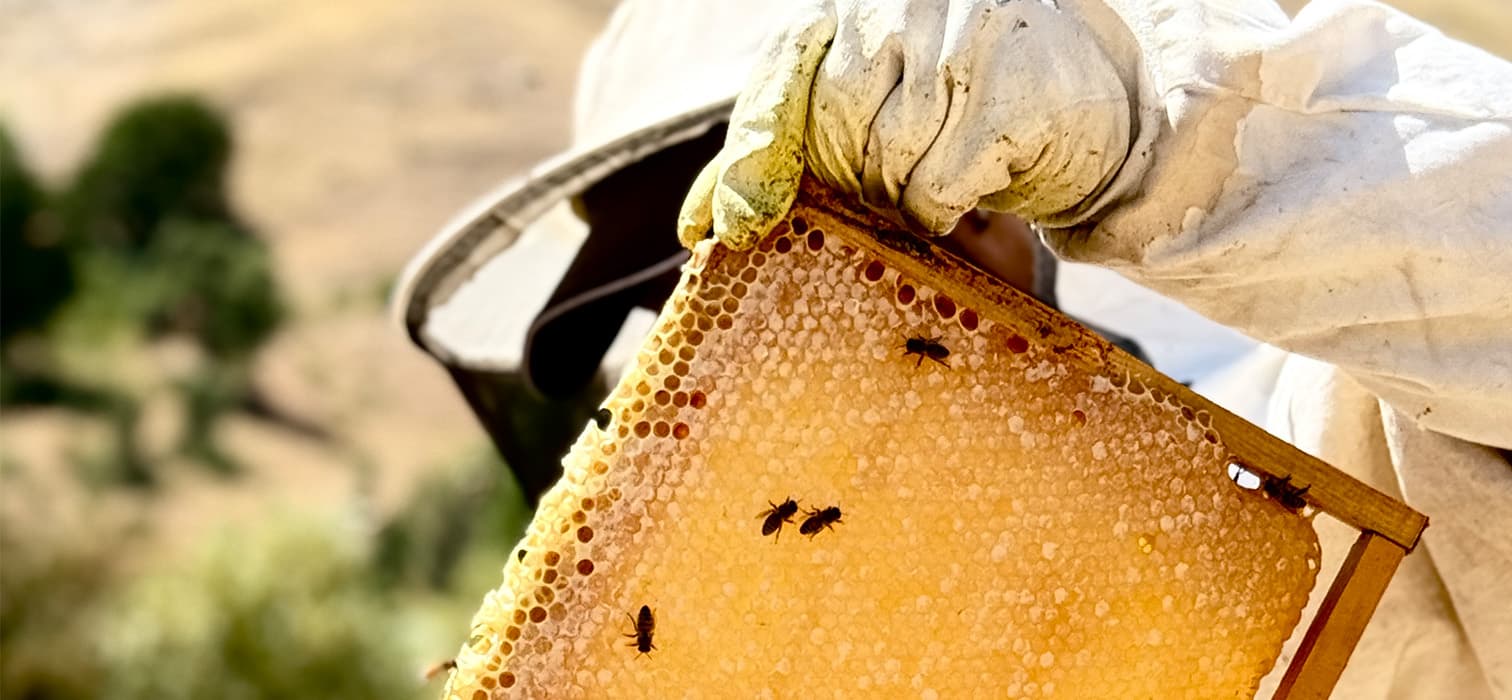
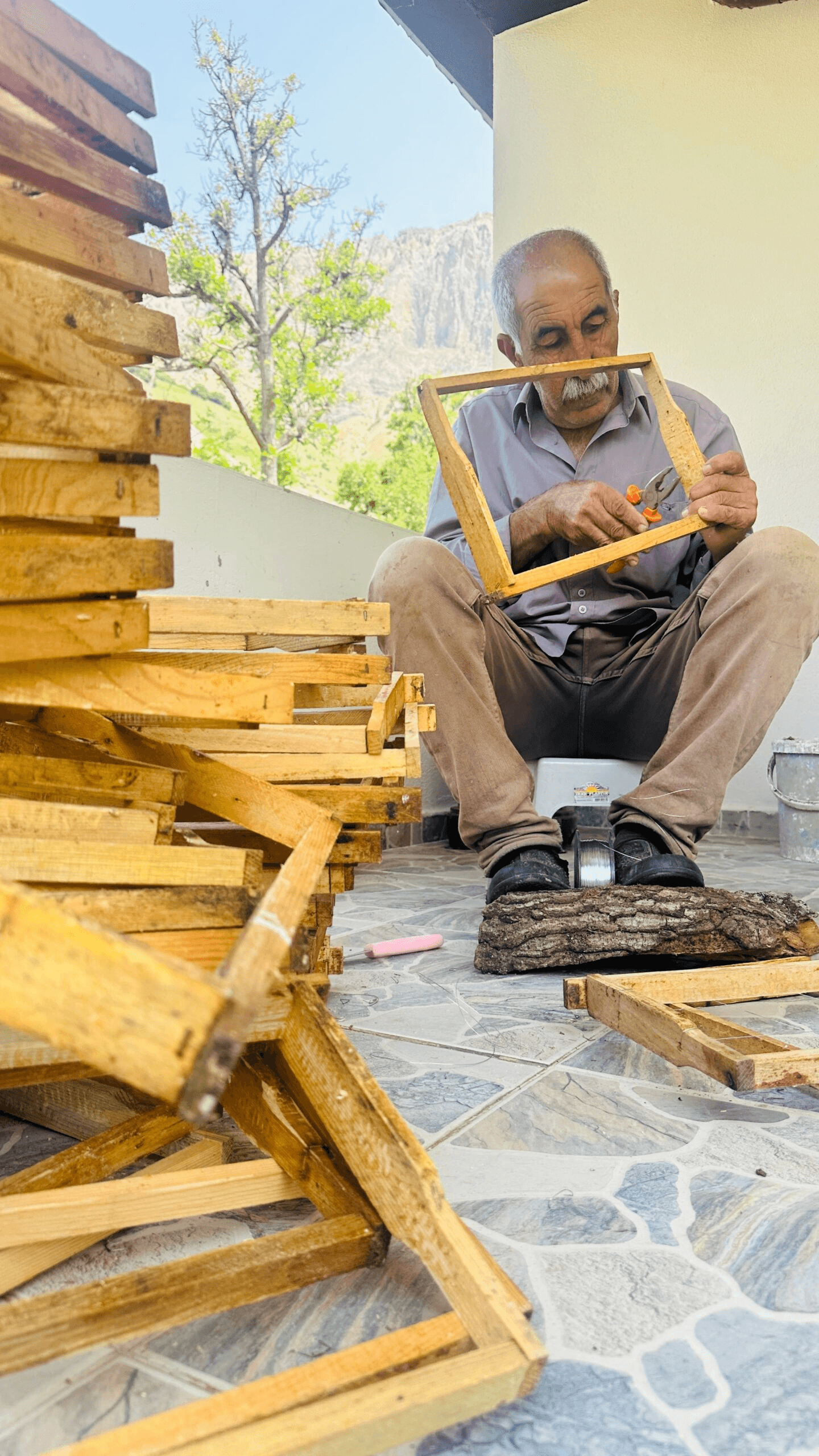
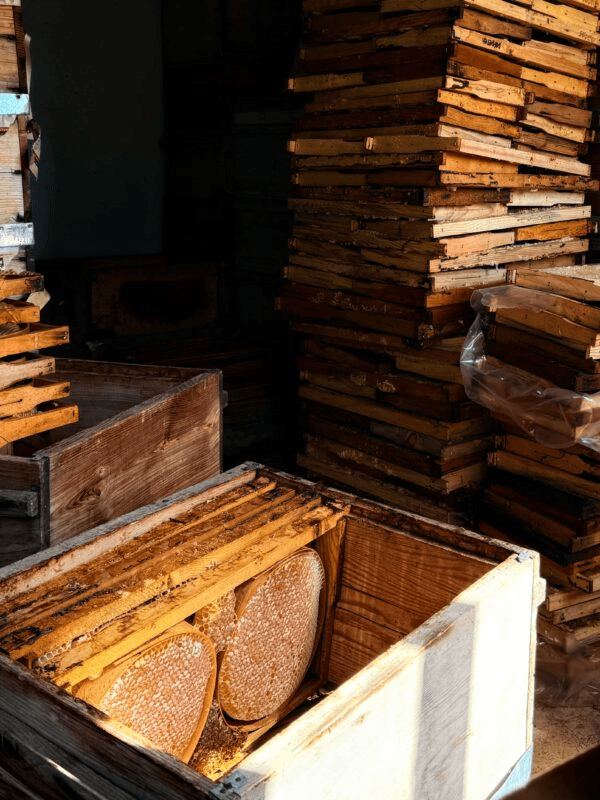
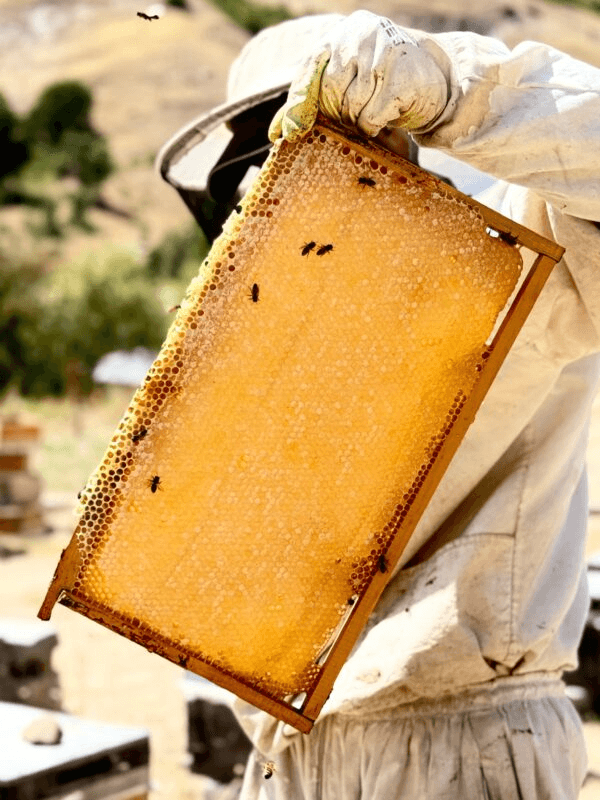
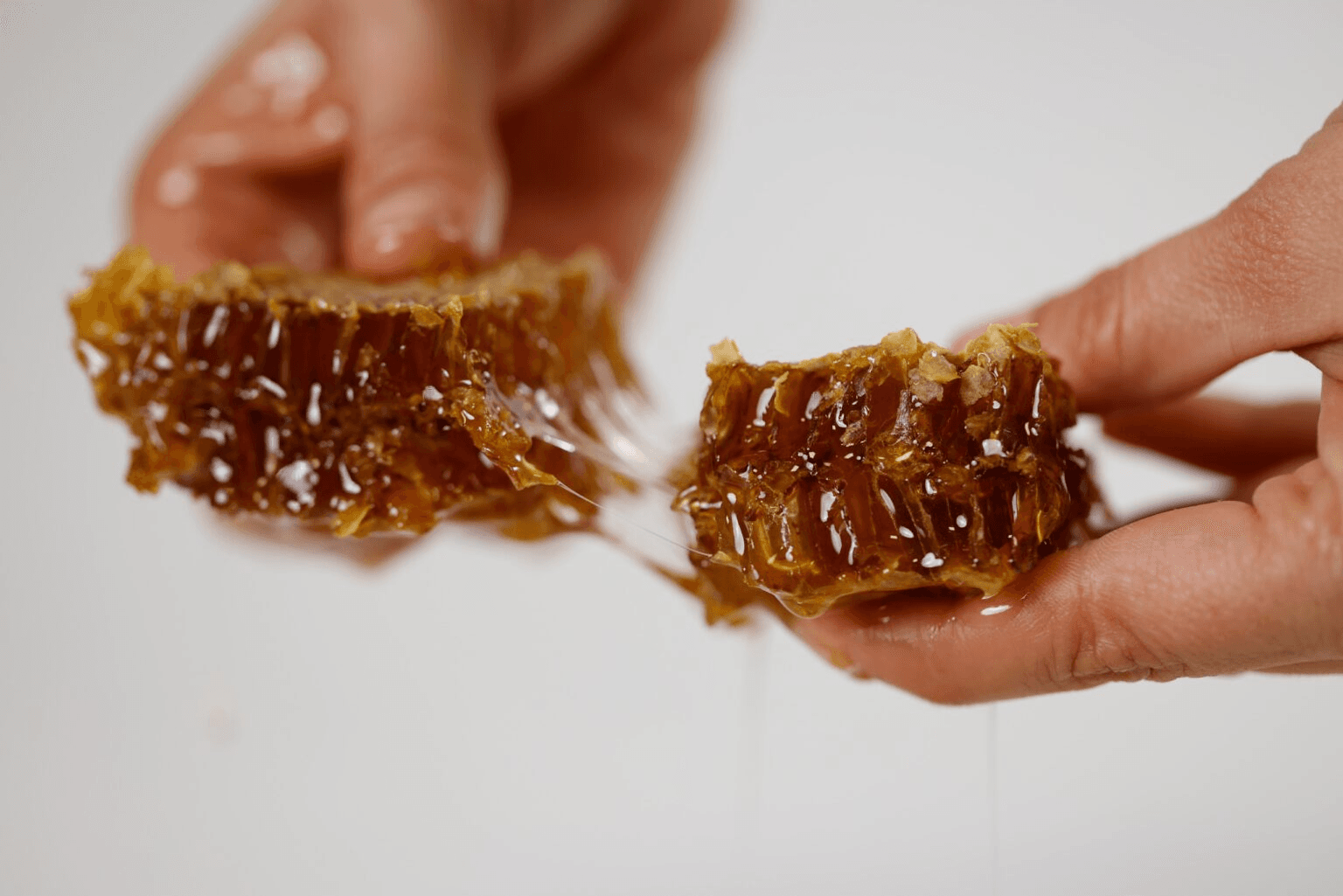
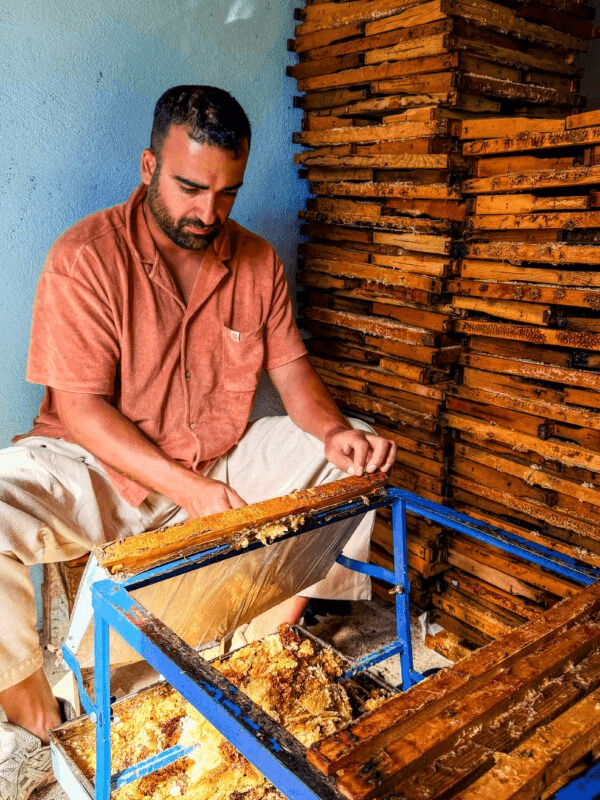
The comb must be woven entirely from scratch by the bee. No wire, pre-made foundation comb, or plastic frame is used. No sugar syrup or supplementary feeding is allowed; the bee works solely with nectar and pollen from nature. The honey is not strained; it is extracted as is. It should be remembered that beeswax melts at 60 degrees; the notion that “it doesn’t melt, so it’s fake” is incorrect. Real karakovan is a tradition based on the bee’s labor and the rhythm of nature.
…honey is not a product; it is the collective memory of an ecosystem. It is a drop in a story that began before humans and will continue after humans.
Munzur’s Soul-Carrying Honey: İksor
How did your relationships with beekeepers, young people, and women producers begin?
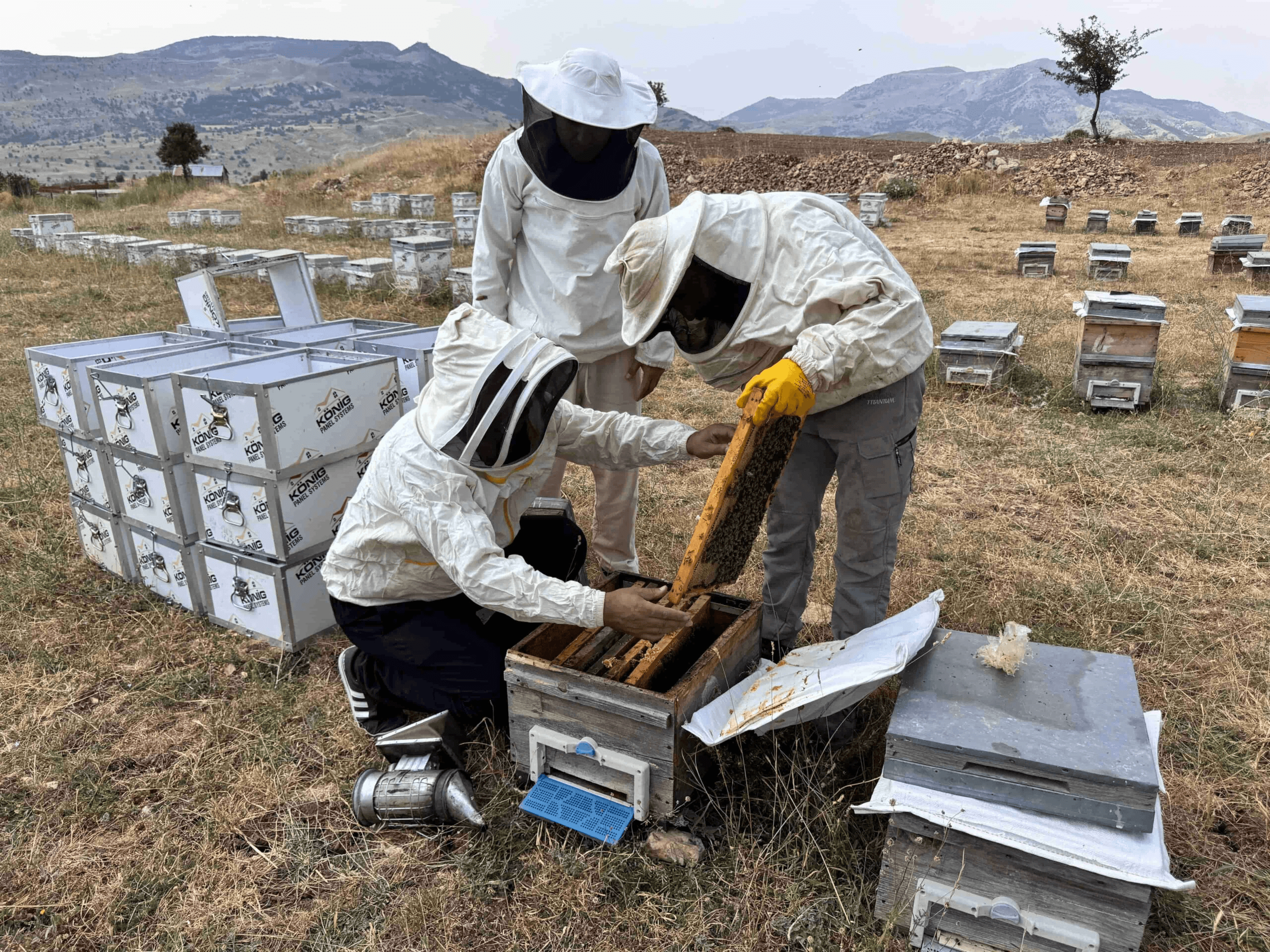
For now, we are working through the Tunceli Beekeepers Association. We considered the first year a transition period to establish a traceable and sustainable supply model. Starting next year, we aim to establish the model directly with the beekeepers. Although women are less visible in rural areas, their knowledge base is very strong. We are creating a safe space through workshops, tasting events, and visits to producers. Young people are seriously curious about beekeeping. These relationships are critical to deepening İksor’s social impact.
Your claim of transparency is very strong. What kind of traceability system is behind the jars?
Each honey is analyzed in coordination with the Association, with the producer known. Based on the results, it is either bottled or returned to the producer. Since we are not obsessed with growth, we do not need standardization that would compromise the character of the honey. Our goal is not to reach millions; it is to deliver the right honey to a few tens of thousands of people who appreciate clean production.
Munzur’s Soul-Carrying Honey: İksor
Munzur’s Soul-Carrying Honey: İksor
What has changed in your life after the international award?
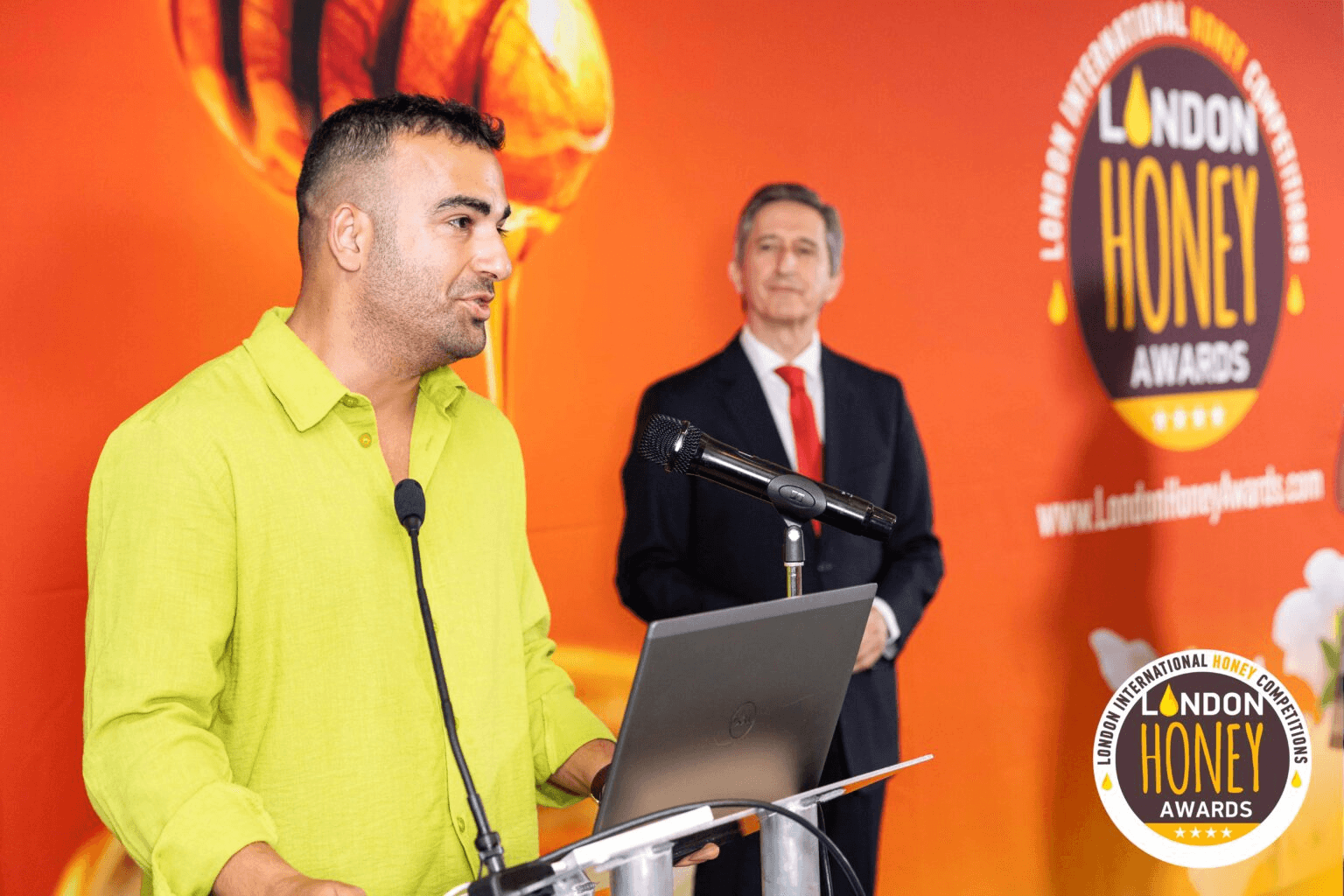
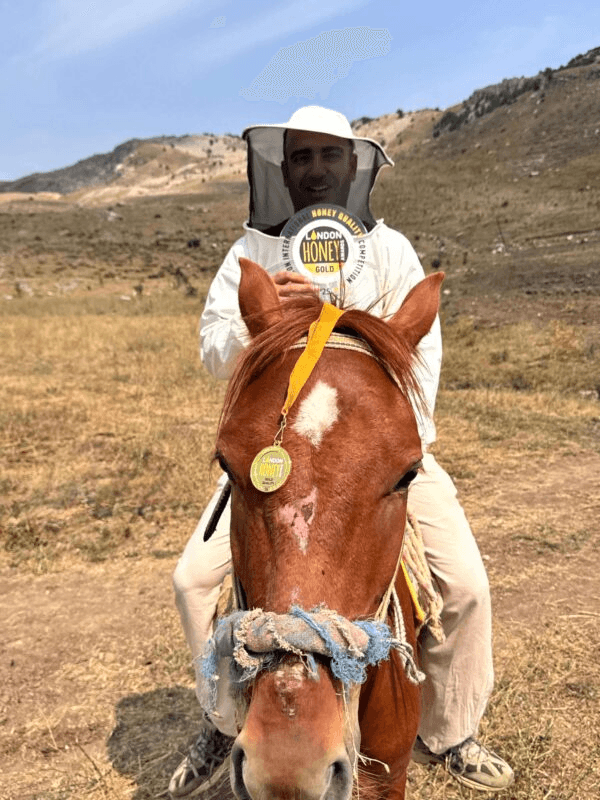
The award is certainly a source of pride, but what really matters is that the geographically marked Tunceli–Munzur honey has become known. If the news that “Tunceli honey has won an award in London” gives hope to beekeepers even in villages at an altitude of 2,500 meters, then we have partially fulfilled our mission. The Tunceli Honey Collection is offered in some hotels; it has been gifted to a head of state; it has been chosen by some corporate companies. Still, our focus is on maintaining our own platform and subscription model.
The jar in your hand is not just a product; it is the scent of a geography, the breath of a mountain, the labor of a producer, and the hope of a community.
You allocate 20% of your income to beekeeping and children’s awareness of bees. How did this decision come about?
Sustainable clean production is only possible if the new generation takes an interest in beekeeping. The magical world of bees is still a fairy tale waiting to be told to children. We allocate 20% of our revenue to this cause to help spread the love for this fairy tale. From this 20%, we will also cover the costs of organizing a honey festival and sending a beekeeper to Italy.
How did the idea of taking a producer from Tunceli to the Honey Tasters Union training in Italy come about?
My curiosity, which began with Carla Marina Marchese DeBenedetto’s book on honey tasting, deepened with Elvan Uysal Bottoni’s contributions. There is a very strong training program in Italy that is accredited at two levels and includes a final exam. I will also be attending the program in Dubai on December 7–10, 2025. We want to take at least one beekeeper from Tunceli to the next training program.
What would change if the culture of honey tasting developed in Turkey?
We have made progress in tasting, but honey tasting is still lagging behind. Honey routes, tastings, apitourism, and festivals are almost non-existent. In Tunceli, it is even possible to create an accommodation experience with Şavak Cheese–honey pairings. For these kinds of projects, you always need a few “crazy” people. Let’s see how many crazy people we can find in Tunceli?
What is on İksor’s roadmap for the coming years?
Our goal is to go beyond the consumer-producer relationship and build a community that embraces its geography. The main points on the roadmap are to turn Tunceli into a destination known for honey, to carry out joint lobbying efforts, and to establish an integrated beekeeping–ecotourism center.
It is even possible to create an accommodation experience in Tunceli with combinations of Şavak cheese and honey. You always need a few “crazy” people for these kinds of projects. Let’s see how many crazy people we can find in Tunceli.
Credit: Erman Çivici
How did the world of gastronomy connect with İksor?
Chefs fall into two categories: those who are solely cost-focused and those who have a vision and seek products that make a difference. We particularly emphasize that it is a geographically indicated product, an internationally awarded product, and an Ark of Taste product. We have started collaborations with important hotels. Our goal is to popularize the use of truly high-quality honey in recipes.
What do you think is the biggest issue in Tunceli beekeeping today?
It’s not the climate or lack of knowledge… The biggest problem is the migration of young people. The fact that young people are not staying in their hometown is slowly dragging Tunceli into decline. Beekeeping has the potential to be a livelihood that can reverse this trend. Another issue is the pressure of semi-nomadic animal husbandry on pastures. It poses a risk to the endemic plants that bees feed on. This issue must be addressed by both scientific and local actors.
What is the most sensitive point in the bridge you build between the producer in the mountains and the consumer in the city?
Trust. We must approach the labor of the producer in the mountains and the health of the consumer in the city with the same diligence. Once trust is broken, it cannot be restored. This is İksor’s greatest sensitivity.
How should we understand the concept of “premium honey” in Turkey?
There is no need to hide the bad reputation of the honey market. Premium honey does not mean high price, but rarity, terroir, sustainability, and ethical production. Brands must clearly disclose their source, flora, altitude, analysis, and producer. As transparency increases, the sector will clean itself up.
Finally… What would you like to say to someone holding a jar of İksor?
The jar in your hand is not just a product; it is the scent of a geography, the breath of a mountain, the labor of a producer, and the hope of a community. This honey, which flows from the cool highlands of Munzur to your table, is a reminder of our relationship with nature and our loyalty to the land. My greatest wish is that every time you open İksor, you can feel the flora of Tunceli and the goodness that still lives in that geography.
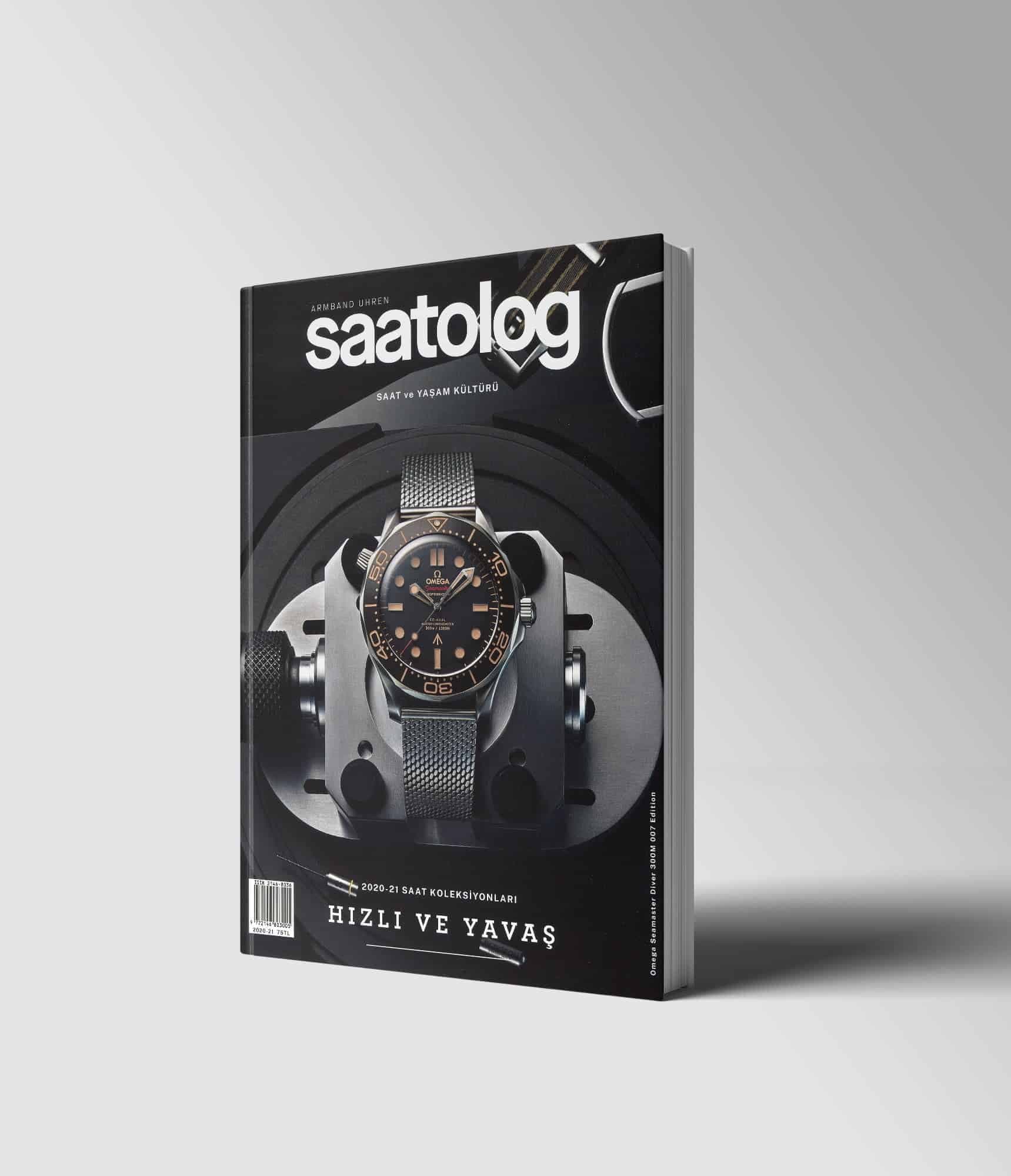
Saatolog Yıllık Saat Dergisi Saatolog’un yeni sayısı, 2020’nin yarattığı bu dönüştürücü etkiden ilham alarak hazırlandı. Dünya dijitalin etkisiyle her zamankinden de hızlı bir şekilde ilerlerken yavaşlamanın da önemini sonunda kavramış bulunuyoruz ve bu tezatlık hayatlarımızın her anına etki ediyor. Biz de bundan yola çıkarak Saatolog 2020/21 sayısını ‘‘hızlı ve yavaş’’ teması altında hazırladık.