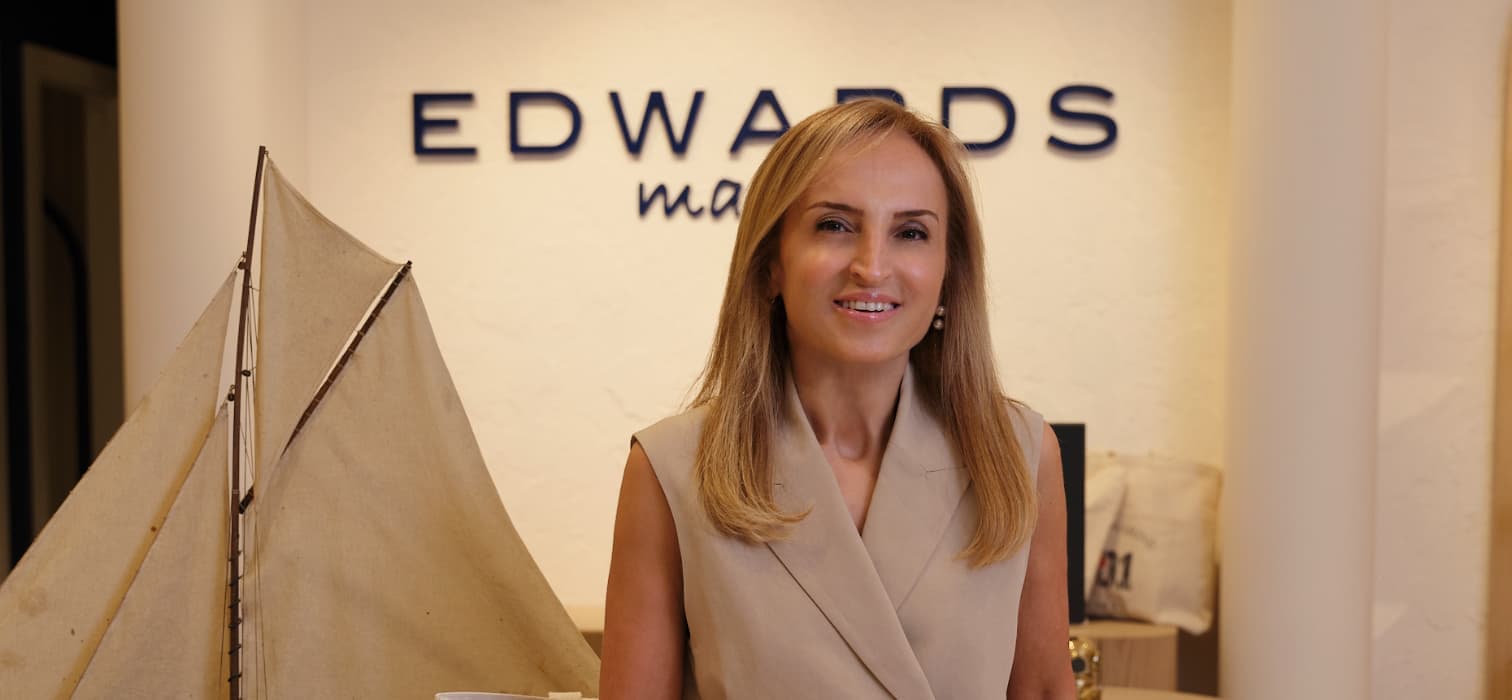
Çağlar Bozçağa tells the story of his journey from the kitchen of Orfoz to the ancient vineyards of Neferiye — from sea to land, from food to wine.
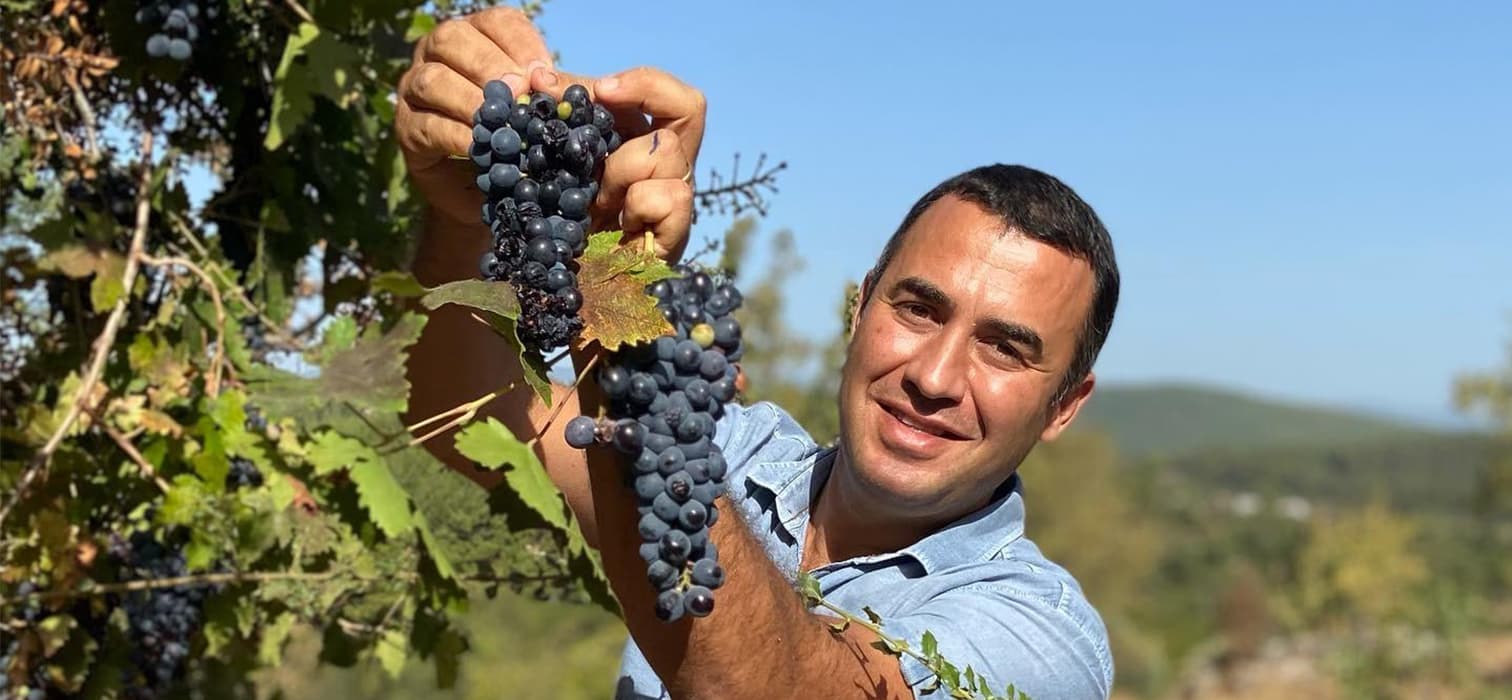
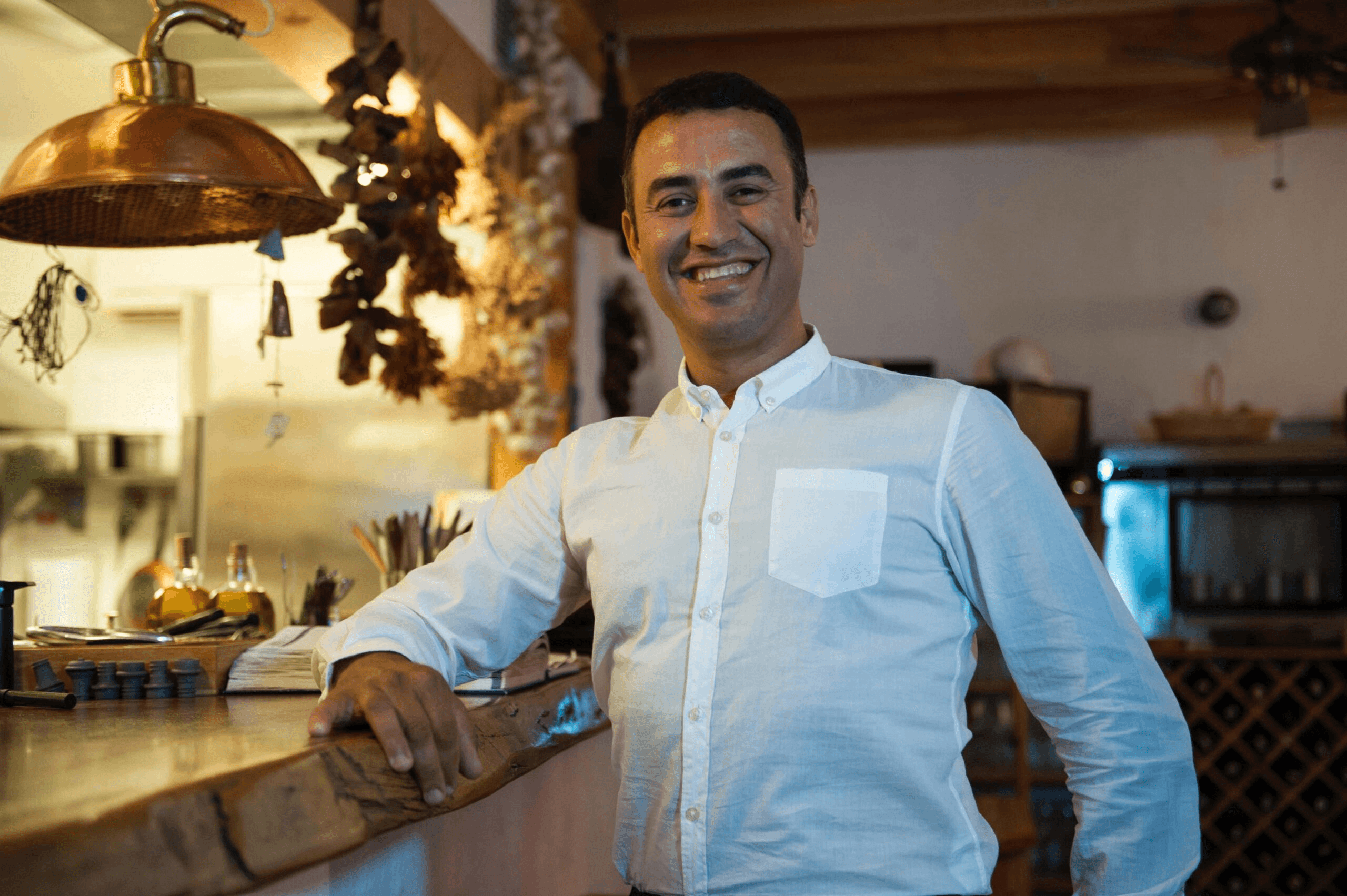
There are many ways to capture Bodrum’s wind, its salty waters, and its rugged shores — but perhaps none as evocative as the stories told on plates and in glasses. Behind these stories stands a name deeply rooted in both the sea and the soil:Çağlar Bozçağa. At times, we find him in the kitchen of Orfoz, creating dishes that embody years of experience, patience, and passion. At other times, he is among the vines of Neferiye, reviving Anatolia’s nearly forgotten grapes and giving them new life.
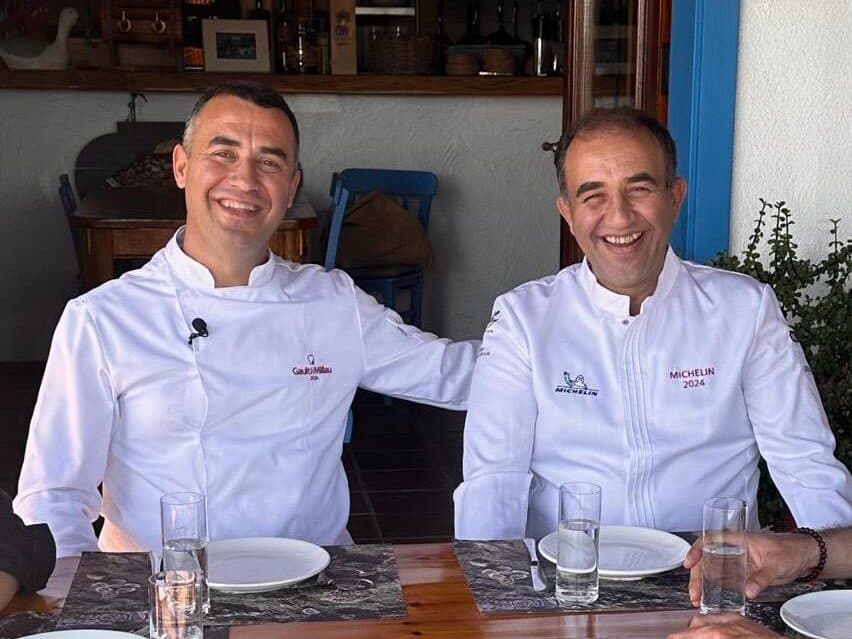
Orfoz Bodrum’s inclusion in the Michelin Guide Recommended list represents more than the success of a single restaurant — it signifies the recognition of a culture, a geography, and an entire way of life. At the heart of this achievement lies a devotion to locality and seasonality. Bozçağa approaches both his kitchen and his vineyards with the same guiding philosophy: harmony with nature, respect for one’s roots, and an ever-present desire to learn.
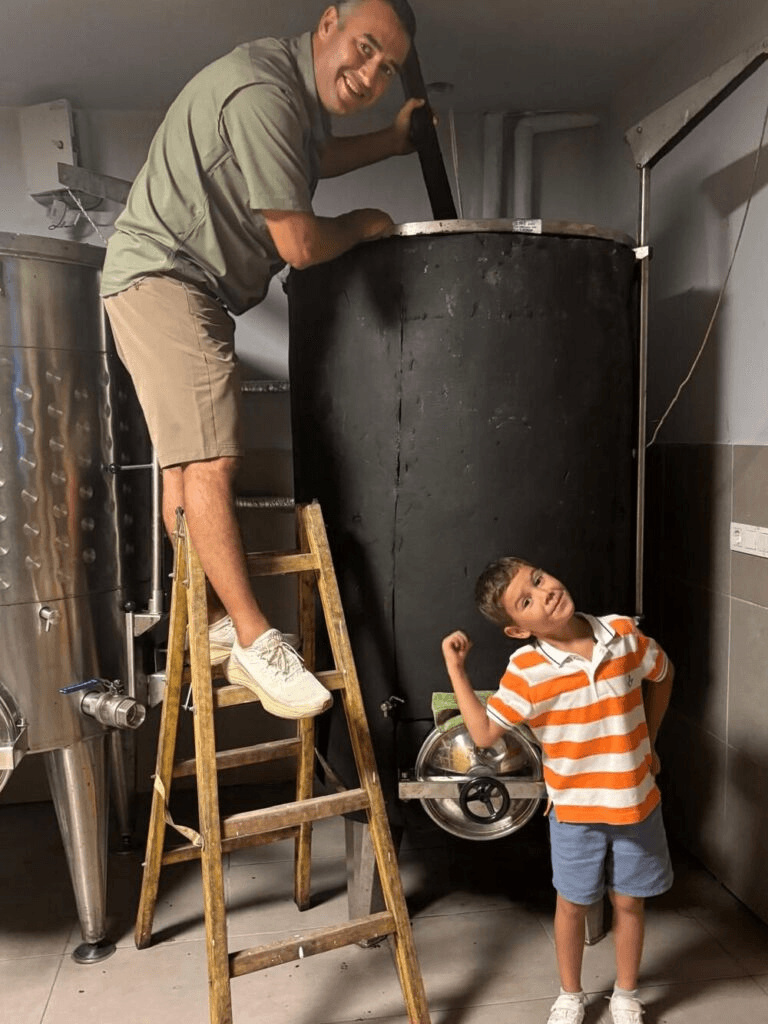
On this journey — from a kitchen abundant with the treasures of the sea to a vineyard where wine takes shape from the earth — his greatest source of inspiration is listening to the voice of the land he inhabits. Neferiye Wines, blending ancient winemaking traditions with modern sensibilities, represents more than just production; it embodies a philosophy of living. Guided by an agroforestry approach, this venture transforms vineyards into living ecosystems, where wine becomes something far beyond a beverage — a symbol of peace with nature, sustainability, and shared labor.
In Çağlar Bozçağa’s world, the sea and the land are in continuous conversation. The sea speaks to him of freedom; the land anchors him to his roots. When he unites these two elements — at both Orfoz and Neferiye — what he offers is not only flavor, but also a sense of belonging, a story, a journey.
From Orfoz To Neferiye With Çağlar Bozçağa
What does Orfoz Bodrum’s inclusion in the Michelin Guide Recommended list mean to you? Could you briefly tell us about the restaurant’s journey to this point?
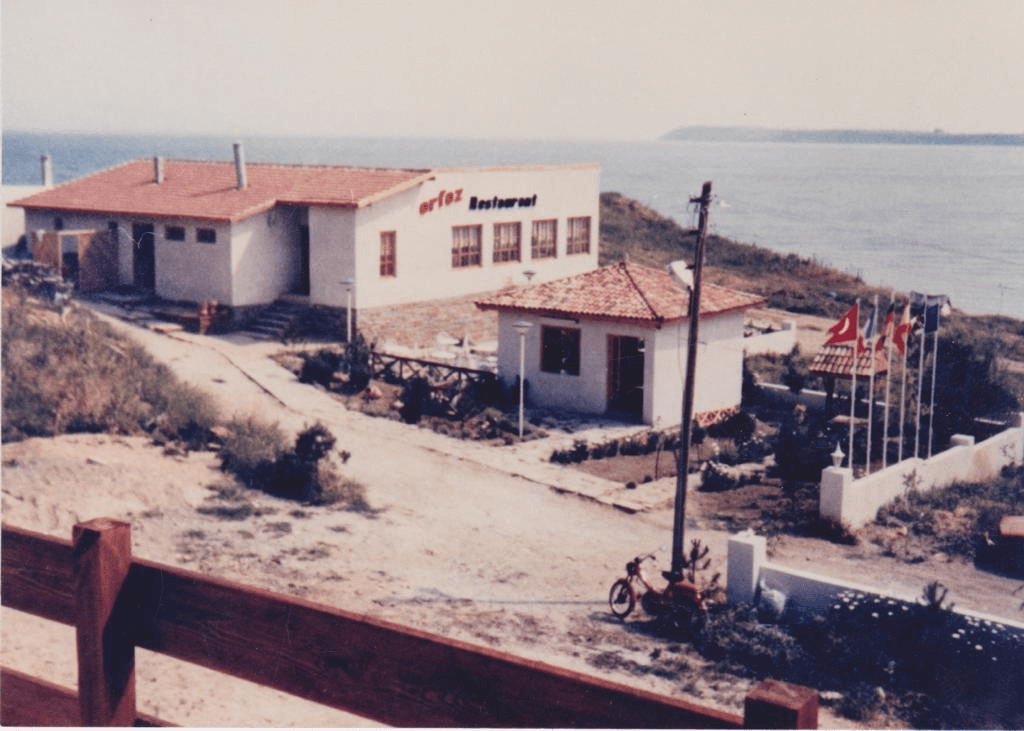
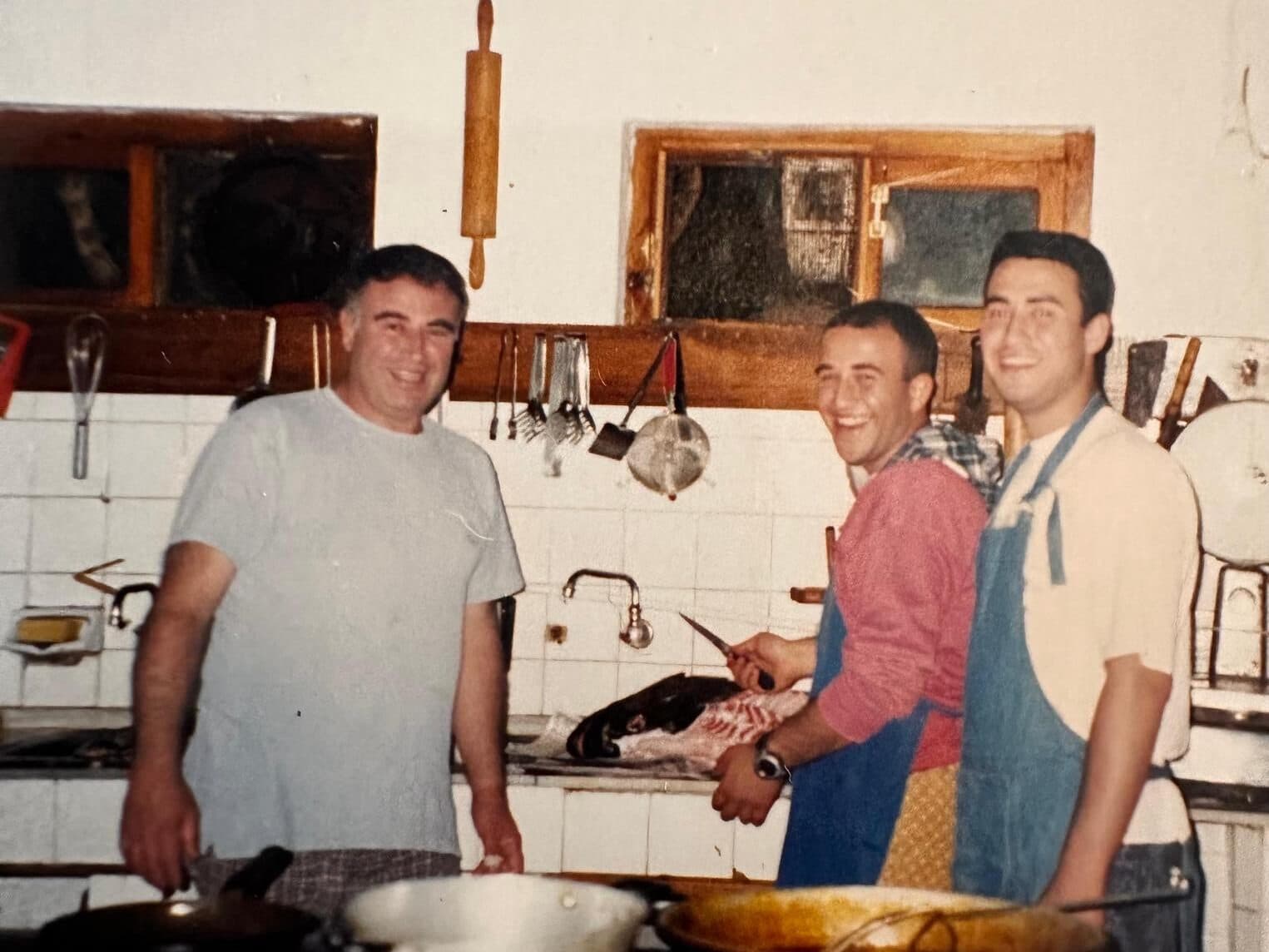
It’s a reminder to our entire family — who have been part of this story since 1986 — and to everyone who has contributed their effort and heart over the years, of our shared responsibility not only to our restaurant, but also to our region and our country. I see it as a recognition of our long-standing dedication to locality, seasonality, and, above all, our dialogue with the geography that sustains us. As we leave behind four decades of work, the feeling that we are still only at the beginning fills me with great excitement. Orfoz exists through Bodrum’s sea, its fishermen, its producers, its nature. We are simply the ones who bring that story to the plate. Reaching this point has been possible only through perseverance, patience, and an unwavering commitment to local values.
The motto “Sea, Food, Wine” seems to sum up your whole story. How do you translate these three words into your own life?
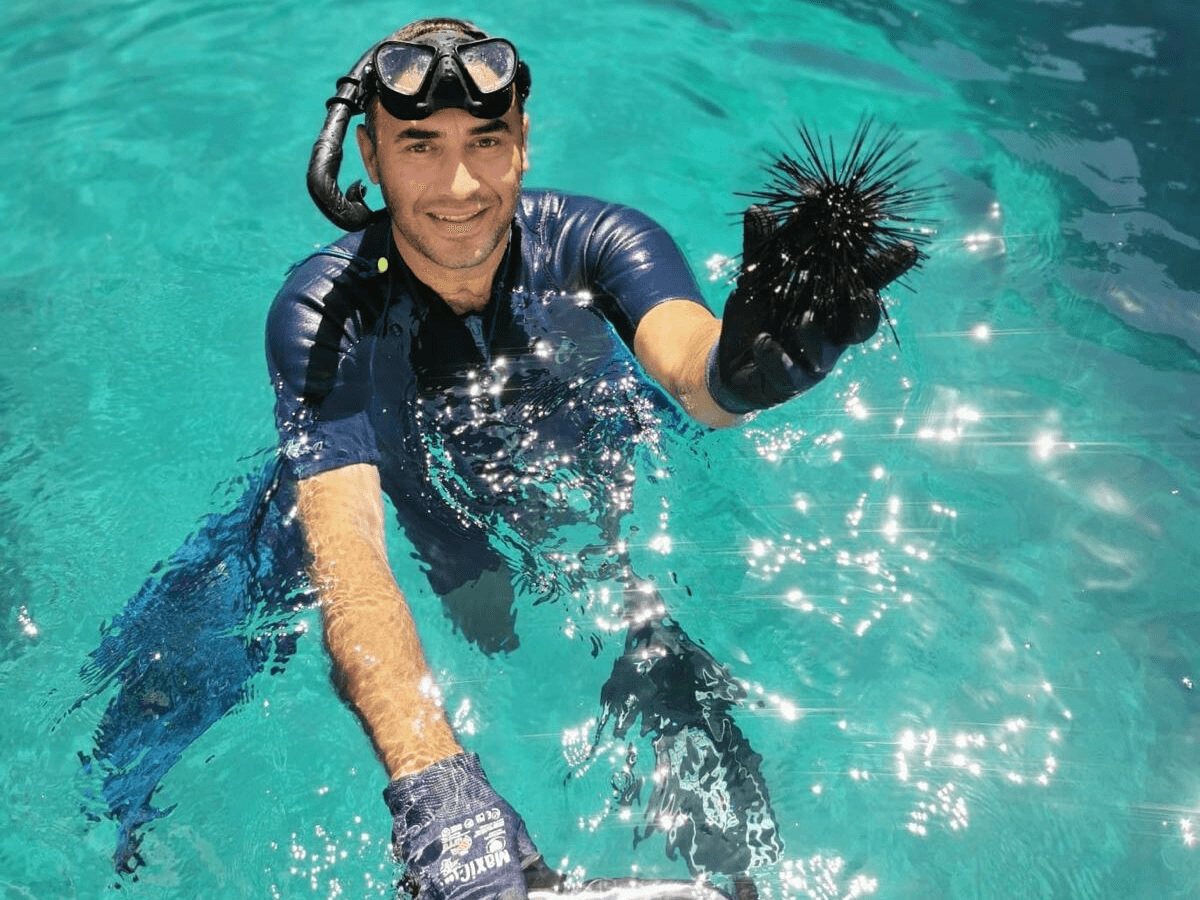
The sea is my childhood, my dives, my underwater discoveries — my happiness, my space of freedom. Food is creation, sharing, and touching people’s lives. Wine, on the other hand, feels like rehabilitation: setting roots in the soil, reconnecting with where I come from. When these three come together, they trace the path of my journey.
From Orfoz To Neferiye With Çağlar Bozçağa
How did the idea that gave birth to Neferiye Wines come about? As a chef, what is the story behind turning to the vineyard, to the soil?
Neferiye Wines emerged as the answer to a question that first took shape in Orfoz. It was born from the dream of capturing the inevitable harmony between local food and local wine — from the belief that “the most fitting companion to our own cuisine, to our own dishes, must be wine made from the grapes of our own region.”
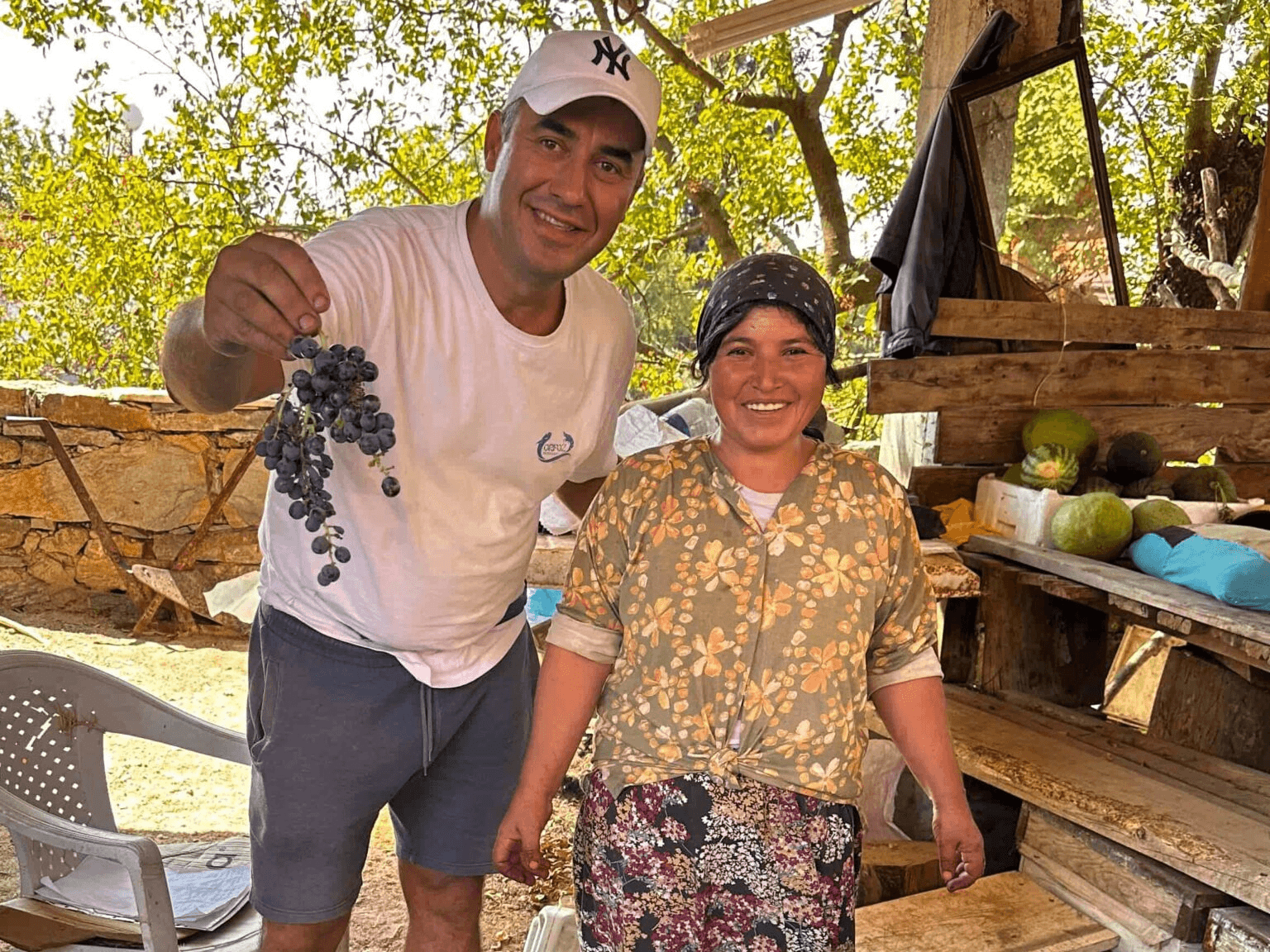
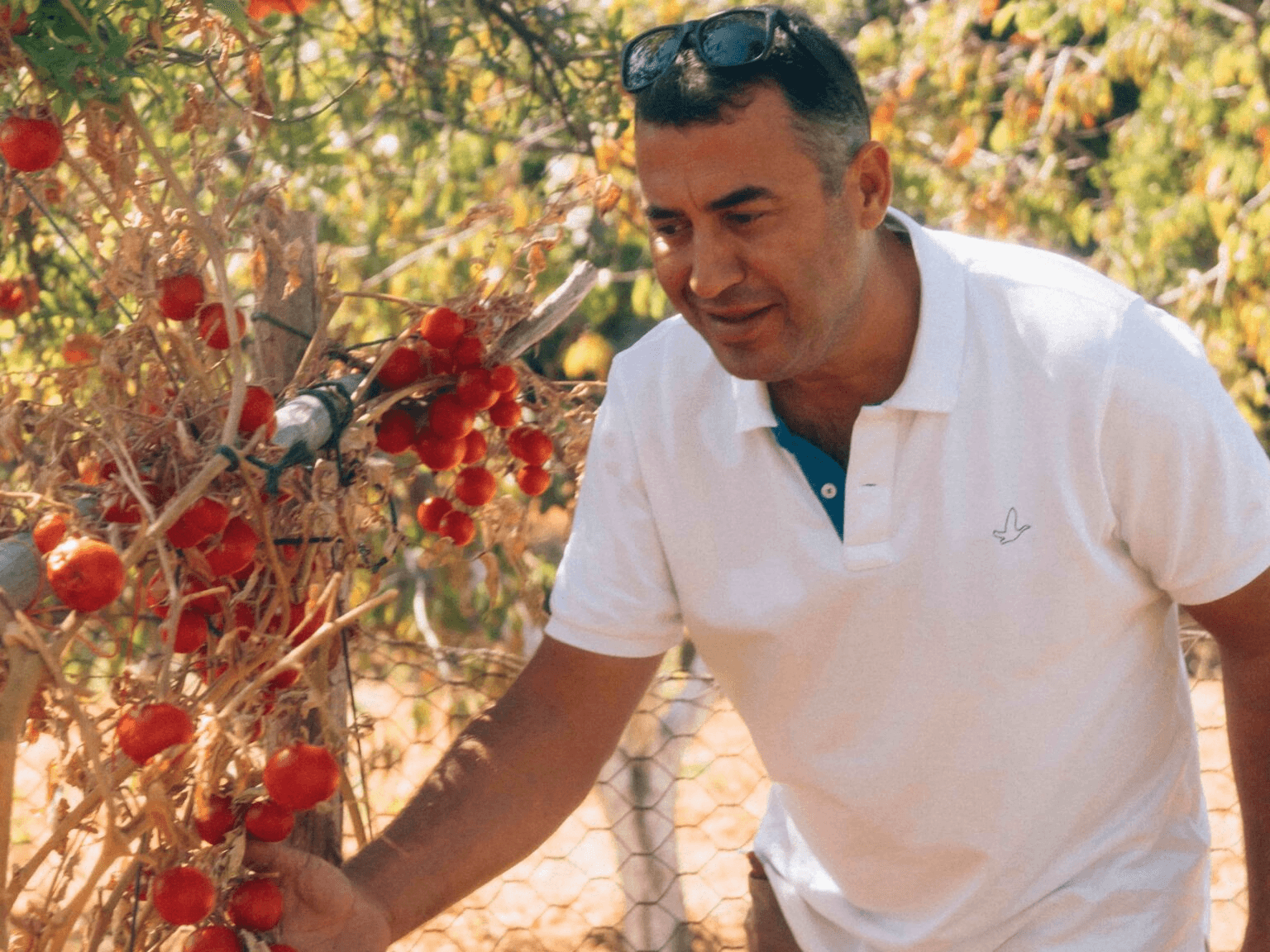
We were already shaping the dishes, but without the vineyard, without the soil, the story felt incomplete. So we turned to history, to archives, to local memory. Through conversations with villagers and years of research, we rediscovered and officially registered three local grape varieties over the past decade. Today, we are working on two more. I am certain that in the years to come, we will hear more and more about new local grape varieties being found — not only here, but across Anatolia. That thought alone fills me with happiness.
What does the agroforestry approach mean in winemaking? Is it merely an agricultural method, or something larger — a philosophy?
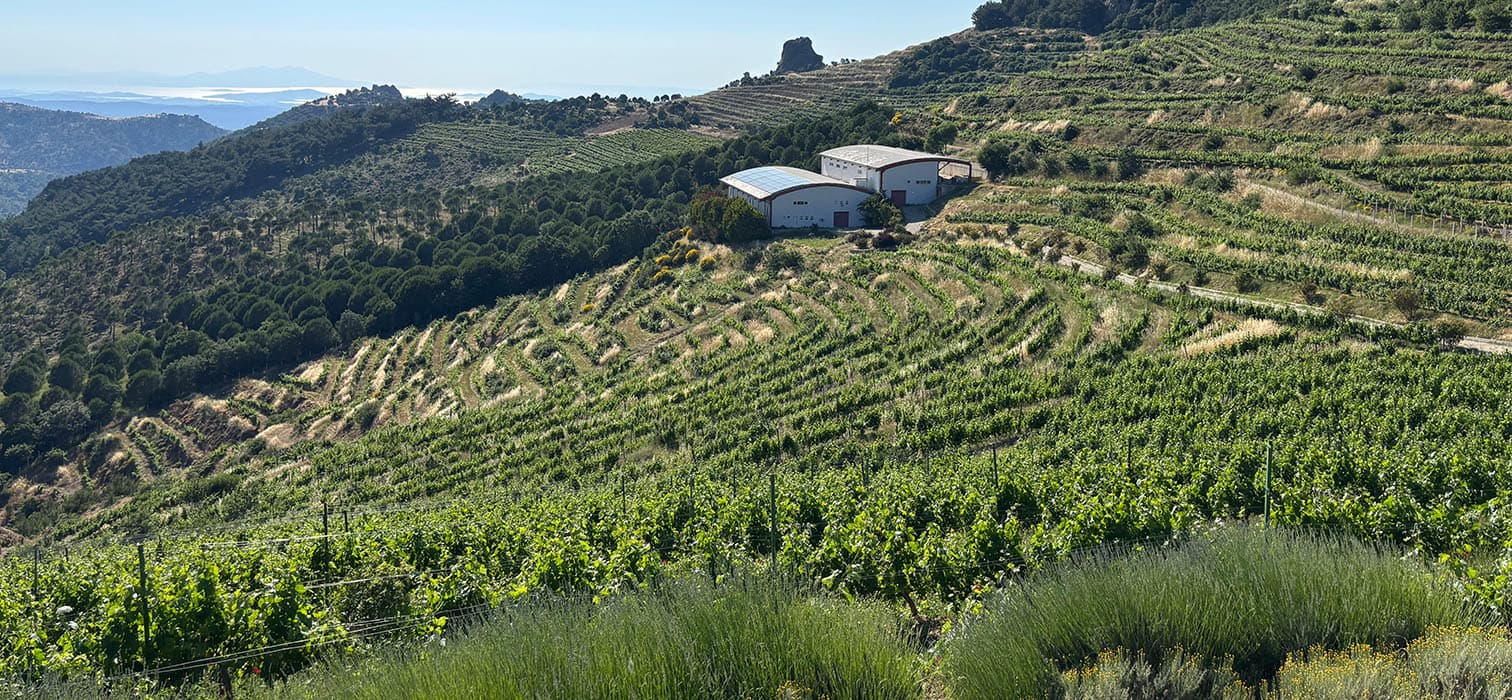
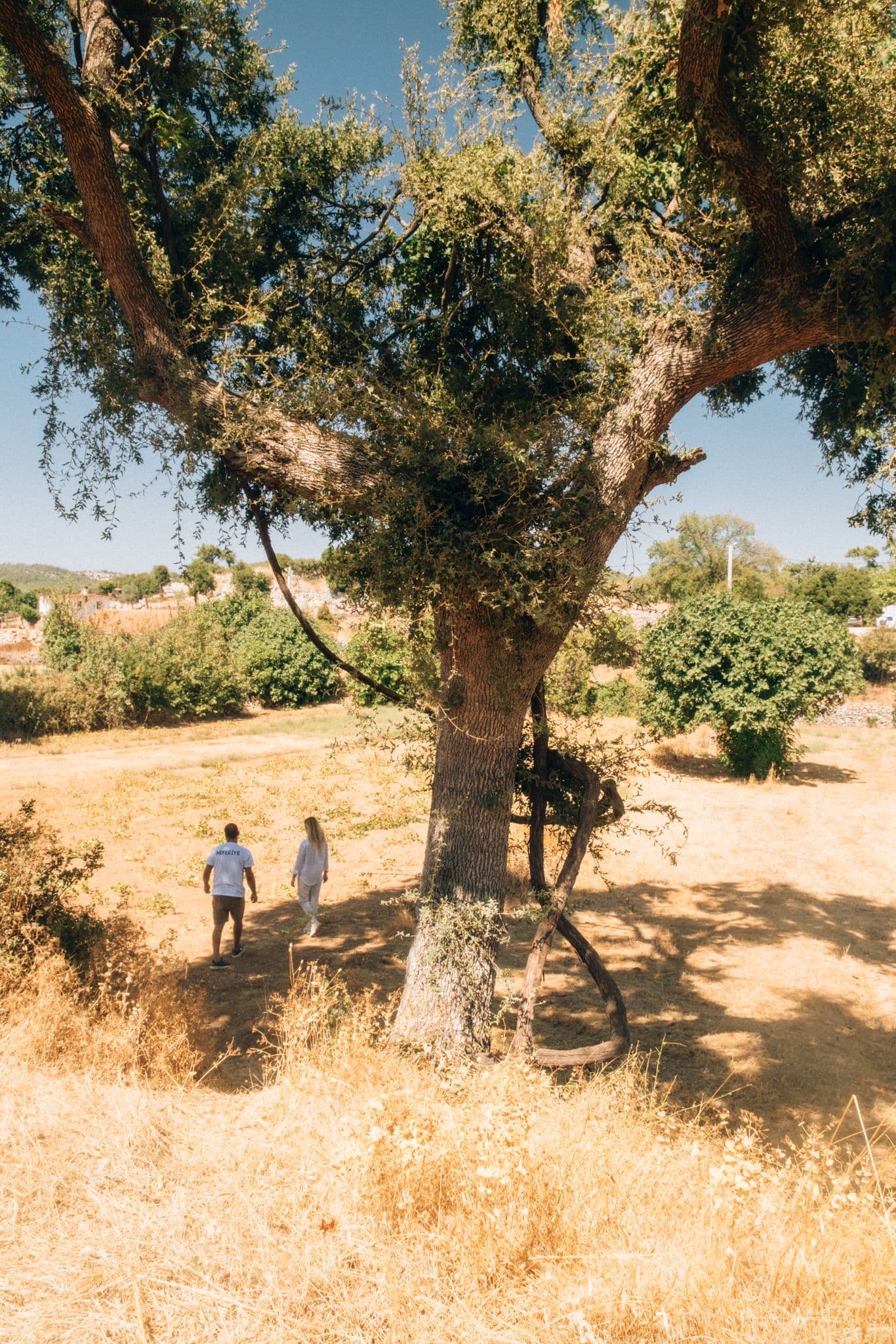
Agroforestry is far more than an agricultural technique; it is a philosophy of life. It means expressing every characteristic of a region — in all its rawness and subtlety. It is about the coexistence of trees, vines, and animals within a shared ecosystem, each enriching the other. It shows us that living beings can thrive in their most natural state, without interference, in a balanced and harmonious way.
Here, wine is not just a product — it is nature’s voice, speaking through the soil and the vine. For us, it is a profound reminder that living in harmony with nature is not an ideal; it is the only way forward.
Credit: Burçin Esin / Lamba Film
Credit: Burçin Esin / Lamba Film
Do you believe agroforestry practices can become widespread in Turkey? How do you perceive the responsibility of being a pioneer in this field?
I have an unshakable belief that agroforestry will take root across Turkey — but I also hope it happens thoughtfully, with a controlled and genuinely nature-centered approach. The climate crisis, water scarcity, and the protection of soil are no longer topics for debate; they are undeniable realities.
Dry farming represents the most natural, most authentic form of life. When you feel the rhythm of the ecosystem, you begin to see yourself as part of it. Our journey began ten years ago with the discovery of three local grape varieties and a small initiative involving just a few households. Today, it has grown to include 50 or 60 families. New local grapes continue to be found, and vines are being planted at the roots of trees.
Being among the first to walk this path brings a deep sense of responsibility — but it is also immensely exciting.
From Orfoz To Neferiye With Çağlar Bozçağa
Why does the concept of ancient winemaking resonate with you? How do you combine these ancient methods with modern practices at Neferiye?
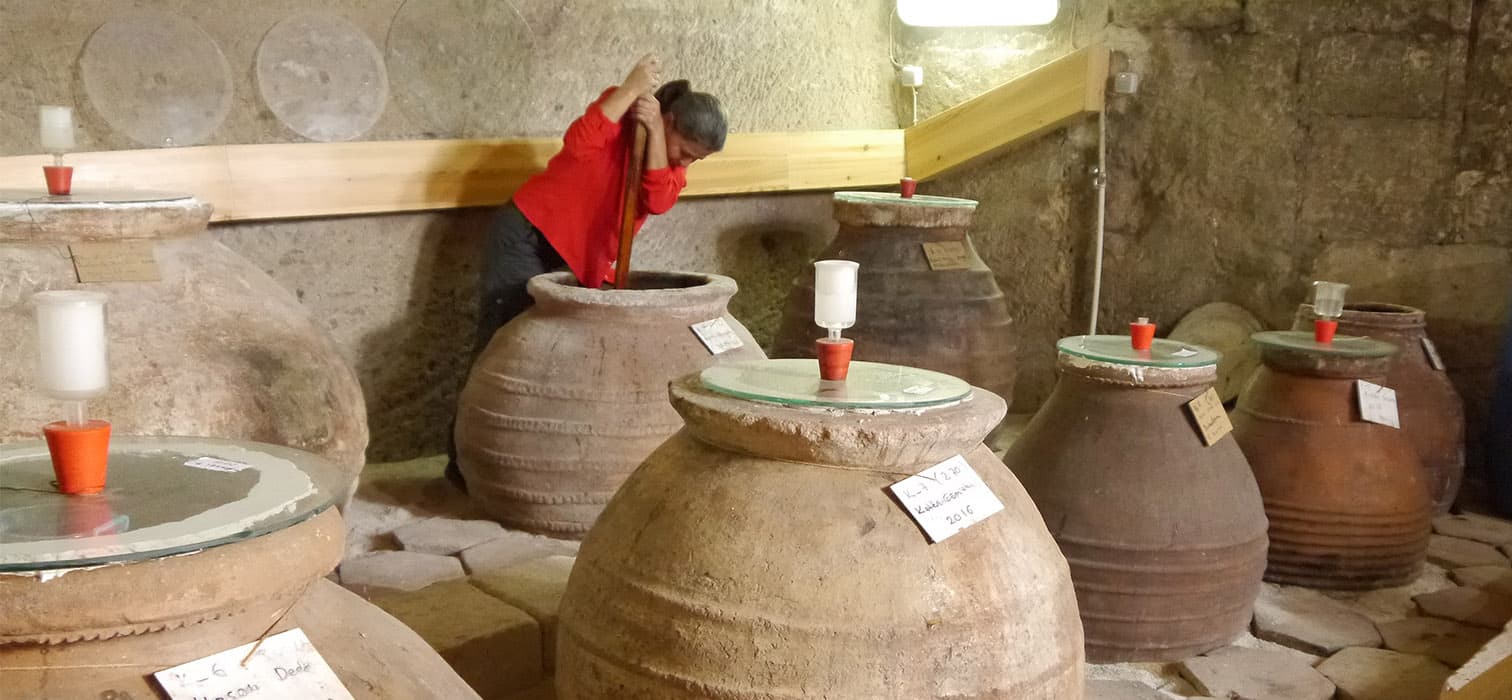
Ancient winemaking captivates me because, throughout history, wine has always been a ritual — a sacred act in ancient cities. At Neferiye, we honor this legacy through the use of ancient vines, natural yeasts, and skin contact. Our modern contributions are hygiene, knowledge, and transparency — elements that ensure continuity without losing authenticity.
Ancient winemaking is once again gaining popularity around the world. Where does Anatolia fit into this story?
People everywhere are yearning to return to their roots. Anatolia stands at the heart of that journey — it is, after all, the homeland of the grape. Our role is to carry this immense heritage into the present.
Humanity is always drawn to progress — to going faster, further. But the truest inspiration often comes from looking back. We return to our origins, following the traces that time has obscured. Progress, after all, is not a straight line; it is a circle.
Neferiye was born right at the center of that circle — in the shadow of ancient vineyards, as a voice rising from forgotten grapes. As the wines that once fermented in amphorae thousands of years ago return to our glasses today, we are reuniting the past and the present, sip by sip.
How do the soil, climate, and history of the Aegean inspire you in wine production?
The soil of the Aegean tells me stories — of salty winds, limestone rocks, and endless sunlight. Each grape carries within it a fragment of this land’s history, a trace of the Aegean’s ancient connection to wine. My greatest source of inspiration is this geography itself — the soil, the air, the sea, and the spirit that binds them together.
Credit: Burçin Esin / Lamba Film
What surprised you most in Neferiye Wines’ first attempts?
What amazed me most was seeing wines that so perfectly reflected their terroir — grapes that found their own natural balance. I was deeply fascinated by how the wine revealed its true character when I simply stepped aside and did not intervene.
Can we define wine not only as a drink but as a “way of life”? Does Neferiye hold that meaning for you?
Absolutely. Wine is not merely a drink; it’s a way of life with depth and meaning. For me, Neferiye represents much more — friendship, nature, family, food, production, and sharing. It’s a collective rhythm of living in harmony.
How do you connect Orfoz’s kitchen with Neferiye’s vineyards? Do you apply the same philosophy in these two different realms?
They are, to me, two sides of the same story. At Orfoz, the journey begins with the sea and ends on the plate. At Neferiye, it begins in the soil and reaches the glass. Both are guided by a single philosophy — respect for nature and a commitment to authenticity.
From Orfoz To Neferiye With Çağlar Bozçağa
How do Bodrum’s gastronomic scene and Neferiye’s approach to wine production nourish each other?
Bodrum’s gastronomy is a rising, evolving scene, and our wines are part of its foundation. Local cuisine cannot truly exist without local wine — we complete each other.
At every opportunity, we strengthen our relationships with mountain villagers who cultivate ancient vines. Through these connections, we continue our research in a sustainable way, remaining in dialogue with the region. While our focus is primarily on production rather than consumption, we are proud to become a strong role model with the support of like-minded establishments that share the same awareness.
How do you see the future of wine culture in Turkey? Could experimental approaches like agroforestry play a role in this future?
I believe the future is promising. There’s a new generation of young, bold producers, unafraid to experiment. Approaches like agroforestry will certainly shape this future — they reflect a more conscious, sustainable understanding of agriculture.
The concept of “ritual” lies at the heart of wine. Is winemaking a ritual for you?
Without question. Entering the vineyard, especially during harvest, feels sacred — gathering grapes that descend from ancient vines, processing the gifts nature offers us alongside 50 or 60 families. Each step feels like a ceremony in harmony with nature: harvesting, fermentation, aging, tasting… all repeated in cycles, each time yielding new surprises. It’s as if history itself keeps repeating in the rhythm of production — endlessly fascinating and full of life.
From Orfoz To Neferiye With Çağlar Bozçağa
Ancient wine amphorae, natural fermentation, the vineyard’s ecosystem… What do these concepts mean to you?
When I visit Bodrum Castle and see the ancient amphorae, I feel our roots calling. Natural fermentation, on the other hand, teaches patience. It reminds me that industrialization often disrupts the natural flow — forcing intervention where nature would otherwise thrive freely. The vineyard ecosystem, to me, represents the truth that wine is not separate from nature; it is a living fragment of the forest, of life itself.
What do you think distinguishes Neferiye Wines from other producers?
Agroforestry, above all. Neferiye is not a single, tightly controlled vineyard — it lives and breathes in harmony with the entire region. It thrives with what nature offers and expresses gratitude in return. Our aim is to produce wine in the most natural and least interventionist way possible, in cooperation with both the land and the local community.
What makes Neferiye different is that we present wine not in isolation, but together with its ecosystem, its philosophy, and the story of its vineyard. For us, wine is not a product — it’s a whole.
From Orfoz To Neferiye With Çağlar Bozçağa
From Orfoz To Neferiye With Çağlar Bozçağa
How did the Blue Cows project come about? Could you tell us more about the idea and the vision behind it?
The Blue Cows project was born naturally in the aftermath of the devastating fires that struck Bodrum and Marmaris in 2021. It was conceived as a gesture of goodwill — an effort to support the region by raising awareness of local livestock farming at a time when agriculture was impossible.
It grew from the idea of integrating nature and livestock around burned vineyards that would eventually renew themselves. Cows, trees, birds, and vines — all coexisting as parts of one living ecosystem.
Although much of my dream has already been realized, I wanted the project to have a sustainable impact for the people of my homeland who came together in difficult times. My hope has always been that the cheese made from the milk of these herds — expanded by the calves of dozens of donated pregnant cows — will be served in Bodrum’s most respected establishments, with its story proudly told.
Credit: Demet Walsh
As both a restaurant chef and a wine producer, you pursue a dual vision. How do these two roles feed into each other?
Cooking teaches me creativity; winemaking teaches me patience. They complete one another. Without both, I would feel incomplete.
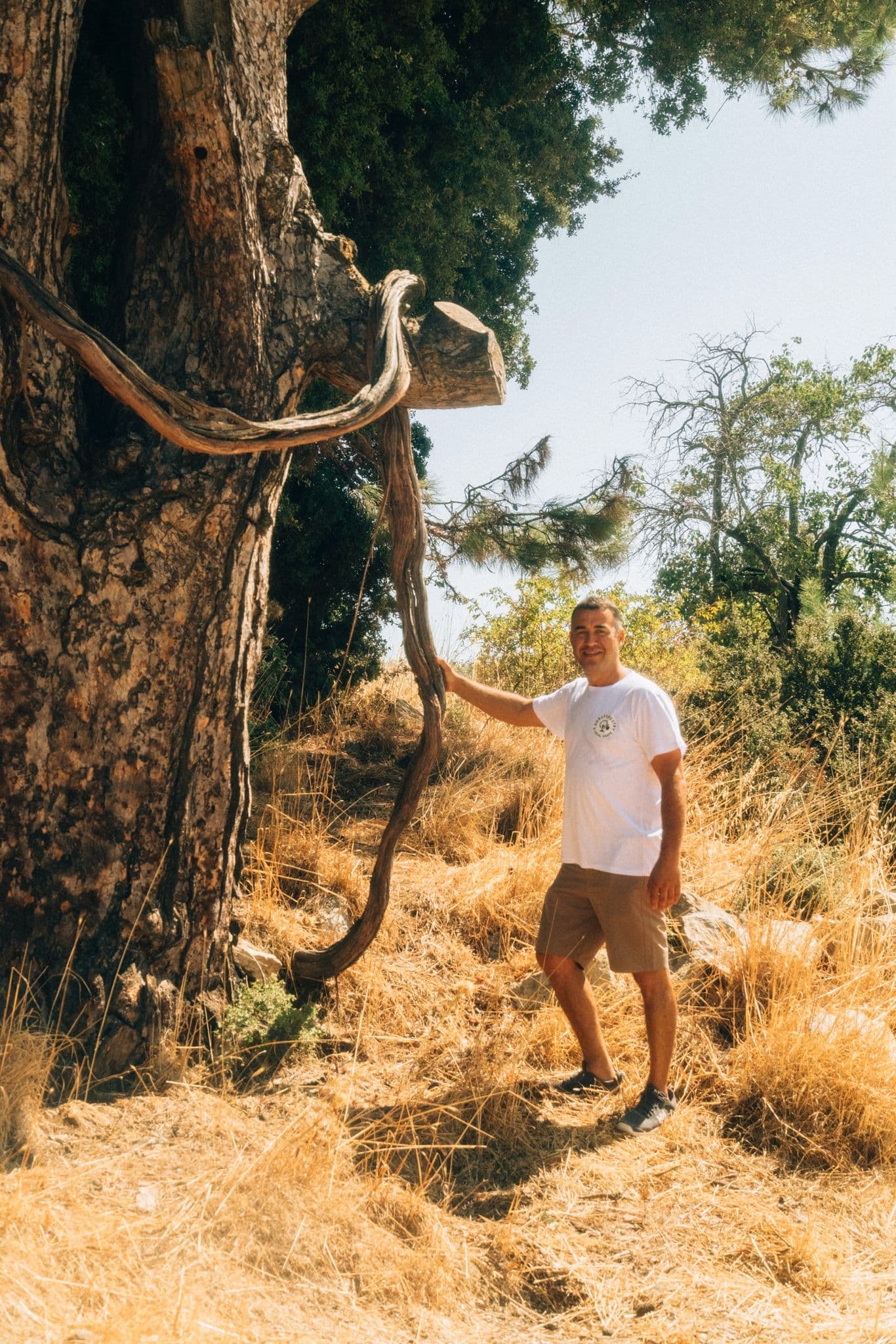
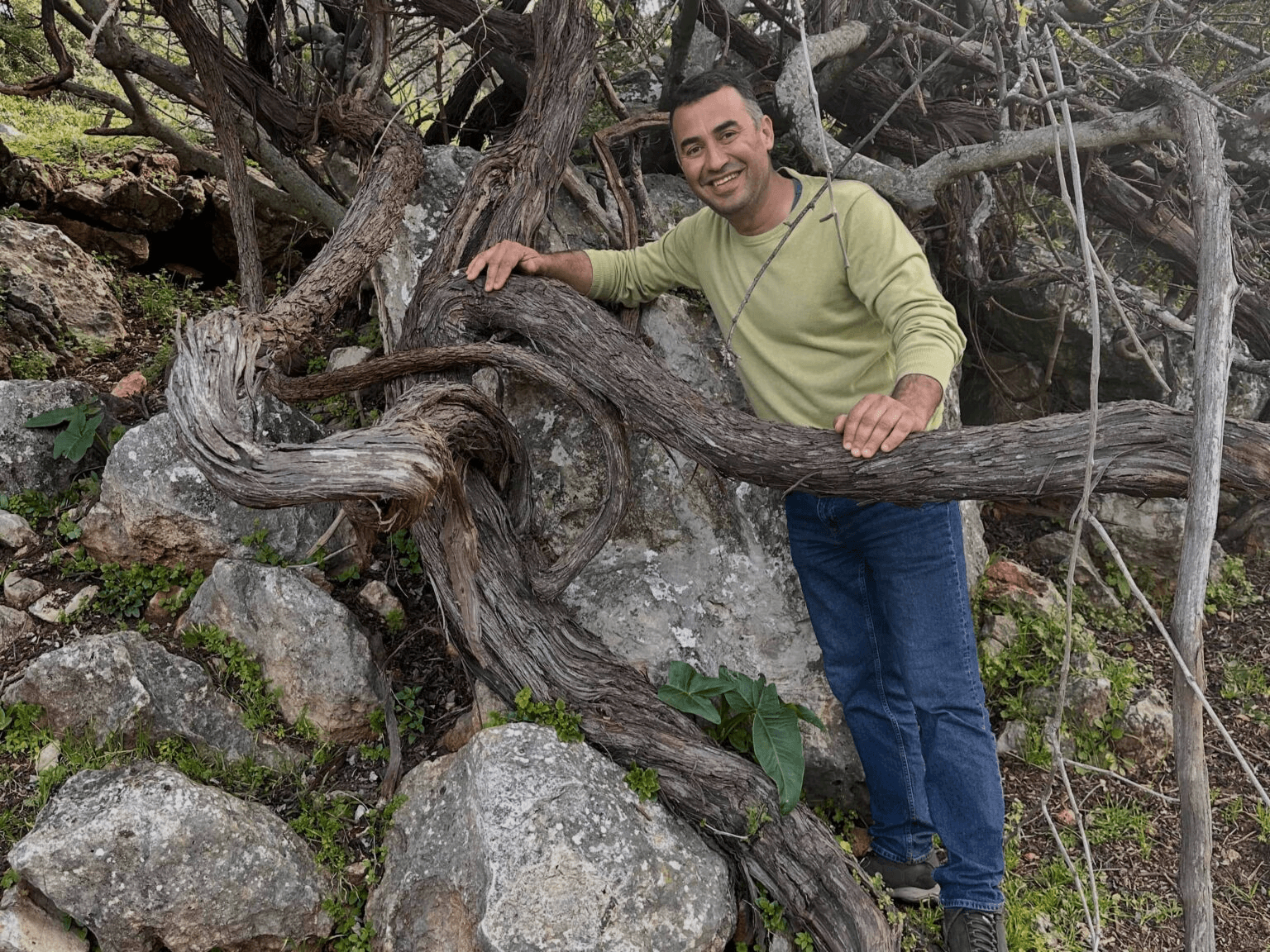
In viticulture, the married vine — where grapevines grow intertwined with trees — is a perfect metaphor for me. It mirrors the relationship between food and wine: a bond built on love and respect, the essential ingredients of a good marriage. Living close to nature and accompanying its rhythm has been the greatest fortune of my life.
Where will we see Neferiye, Orfoz, and you in the coming years? What are your goals in the international gastronomy and wine world?
In the years ahead, I hope more people around the world will come to know Orfoz and Neferiye. I have a strong belief in the richness of our region and our country, and I want us all to see and protect what we already have.
This winter, I plan to express this vision on every platform — attending fairs, conferences, and producer meetings in various countries. My goal is to establish Bodrum as a powerful name in both the gastronomy and wine worlds.
Saatolog Yıllık Saat Dergisi Saatolog’un yeni sayısı, 2020’nin yarattığı bu dönüştürücü etkiden ilham alarak hazırlandı. Dünya dijitalin etkisiyle her zamankinden de hızlı bir şekilde ilerlerken yavaşlamanın da önemini sonunda kavramış bulunuyoruz ve bu tezatlık hayatlarımızın her anına etki ediyor. Biz de bundan yola çıkarak Saatolog 2020/21 sayısını ‘‘hızlı ve yavaş’’ teması altında hazırladık.