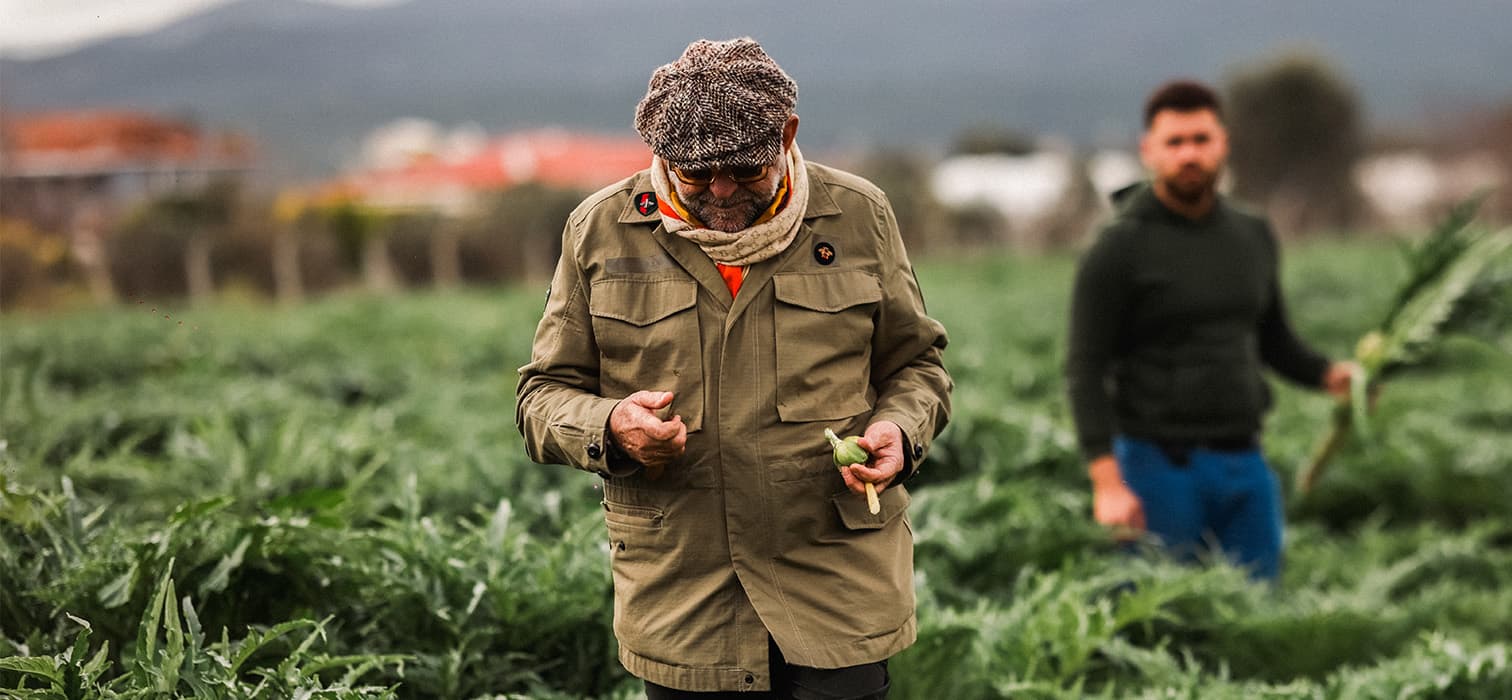
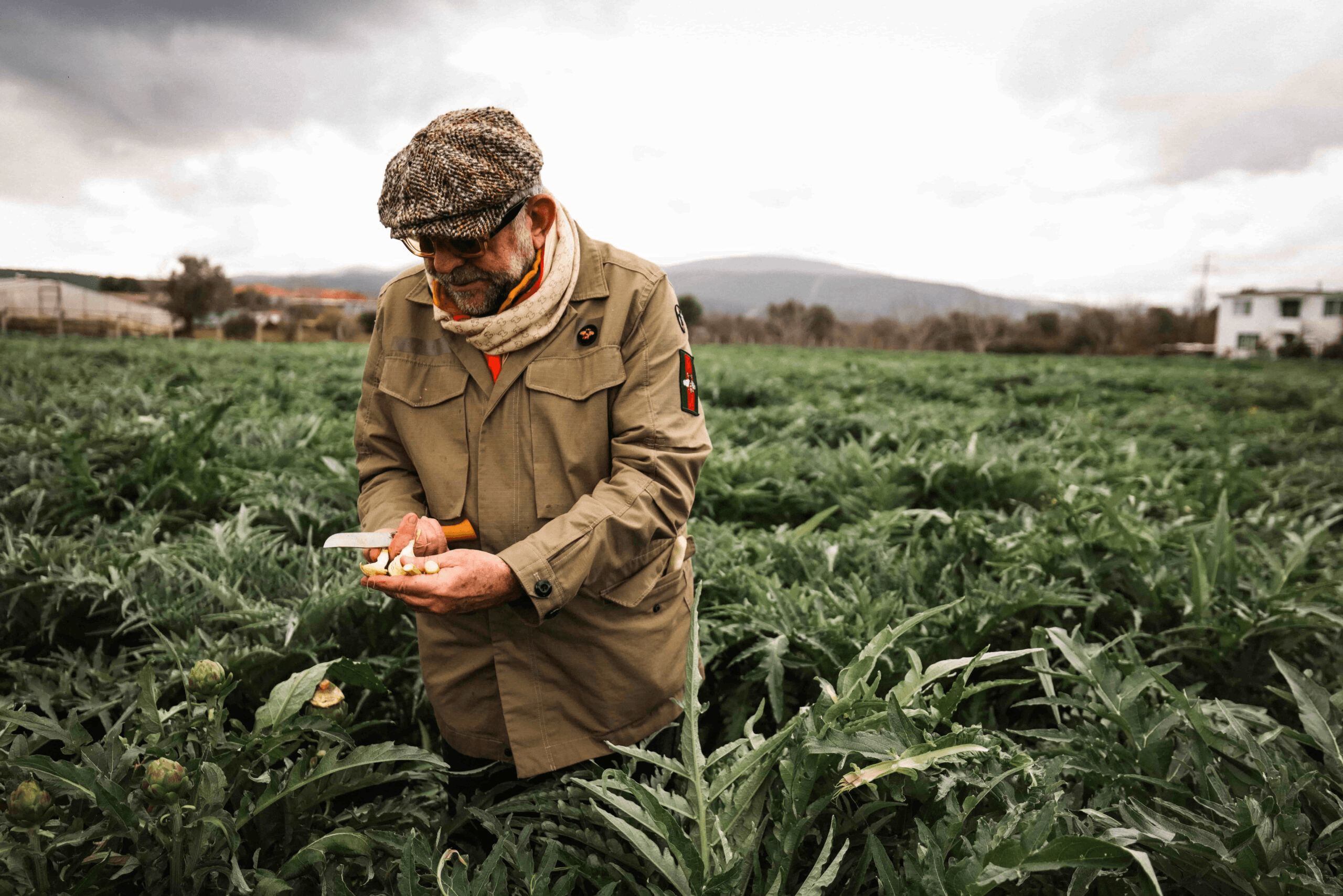
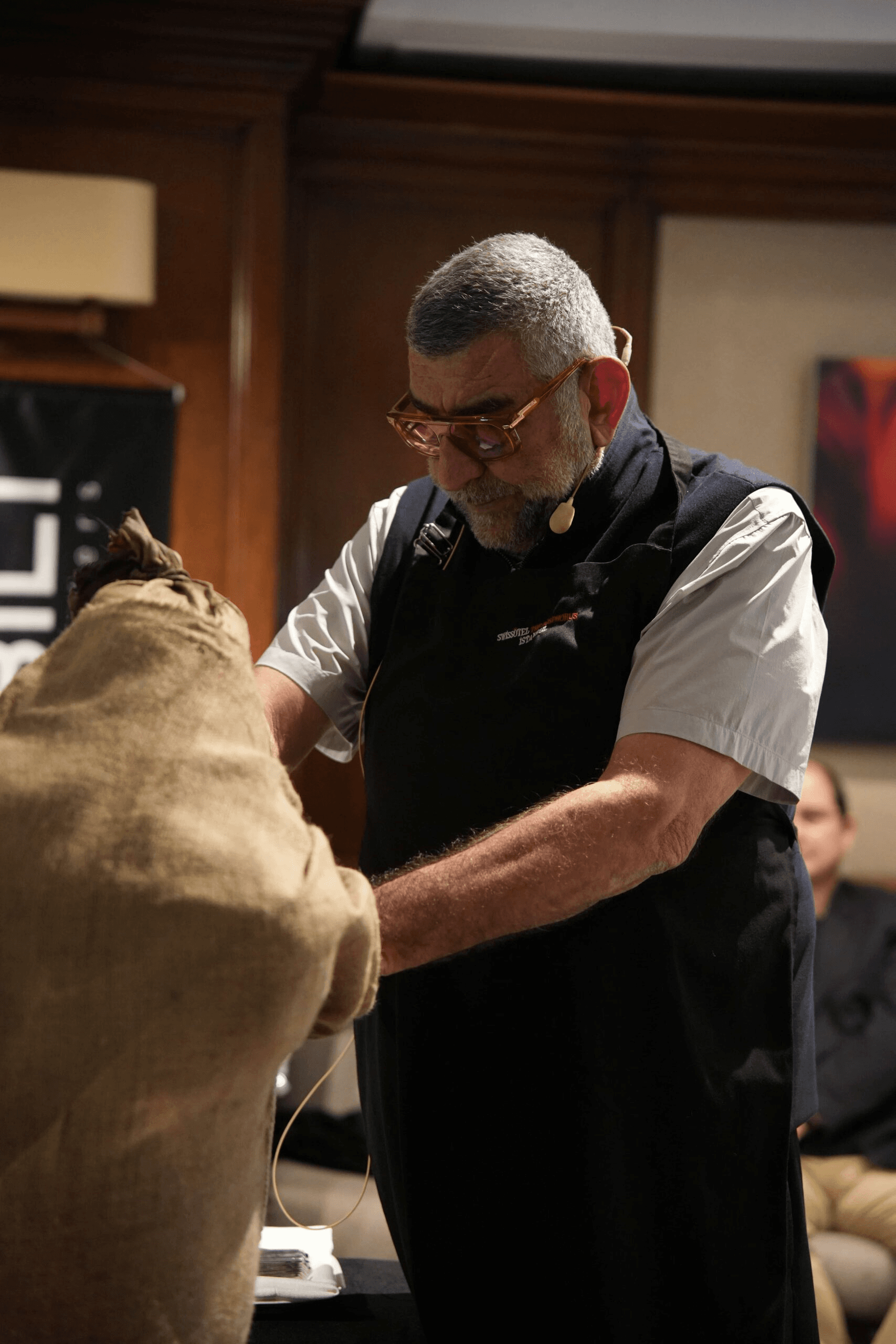
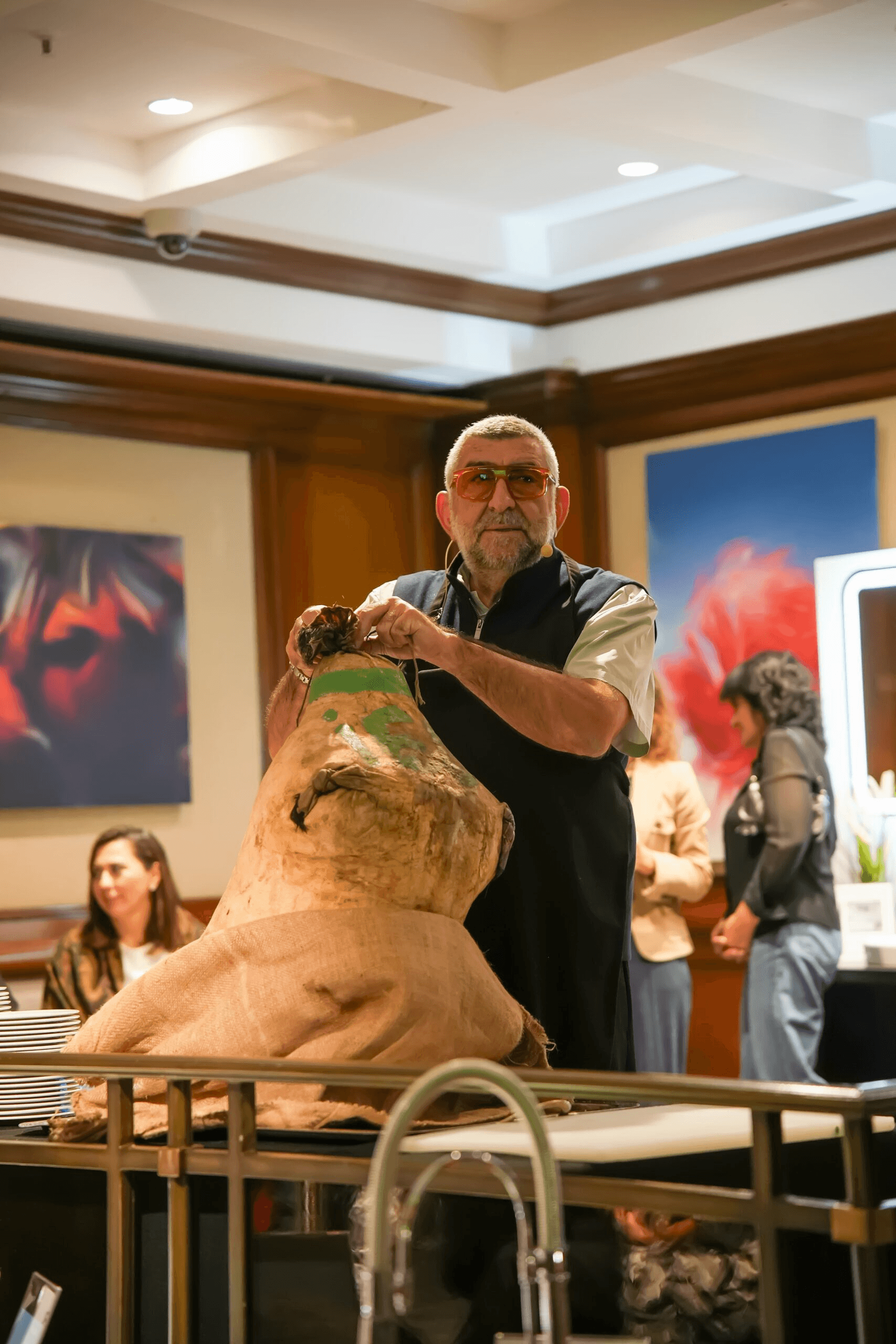
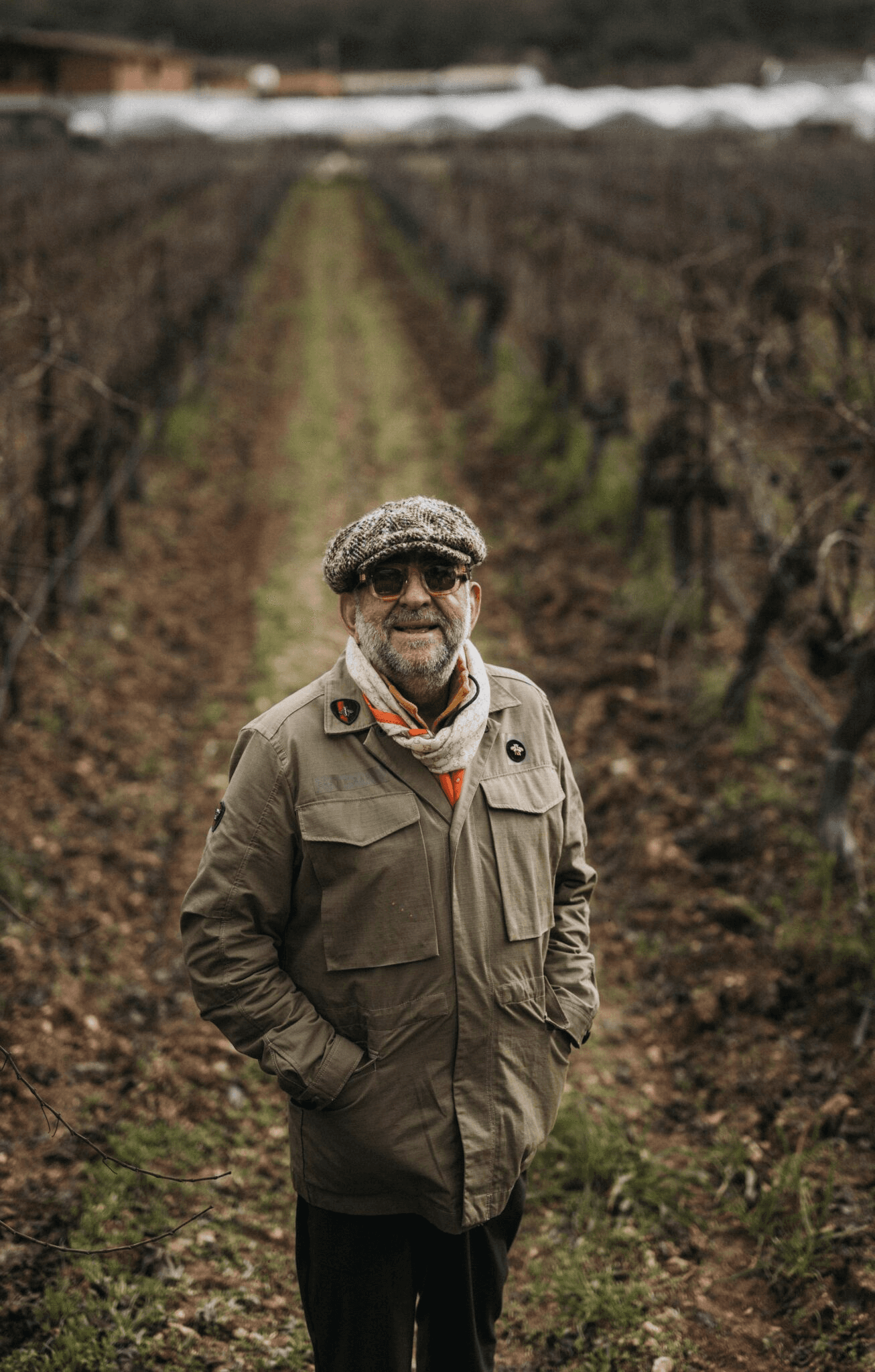
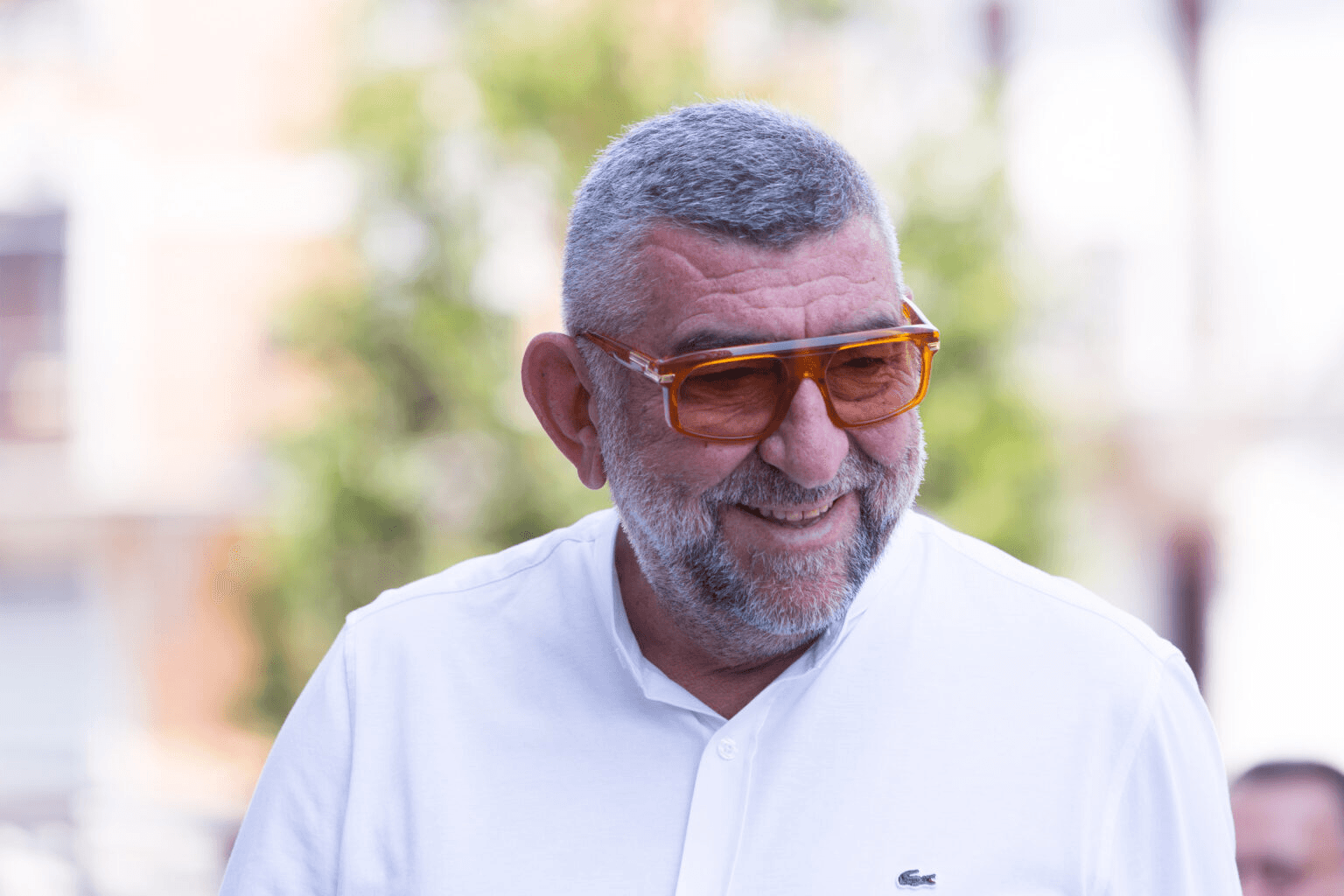
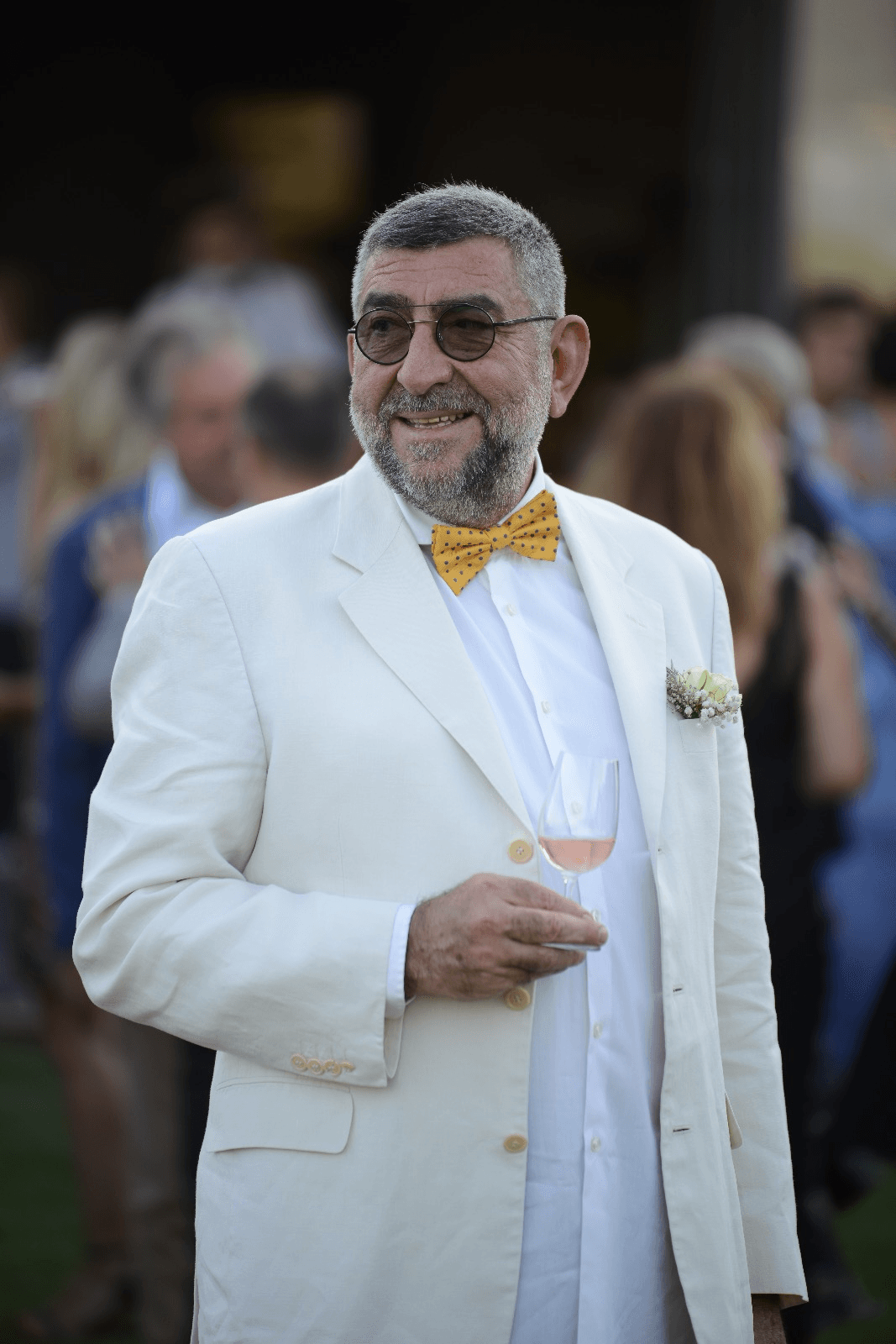
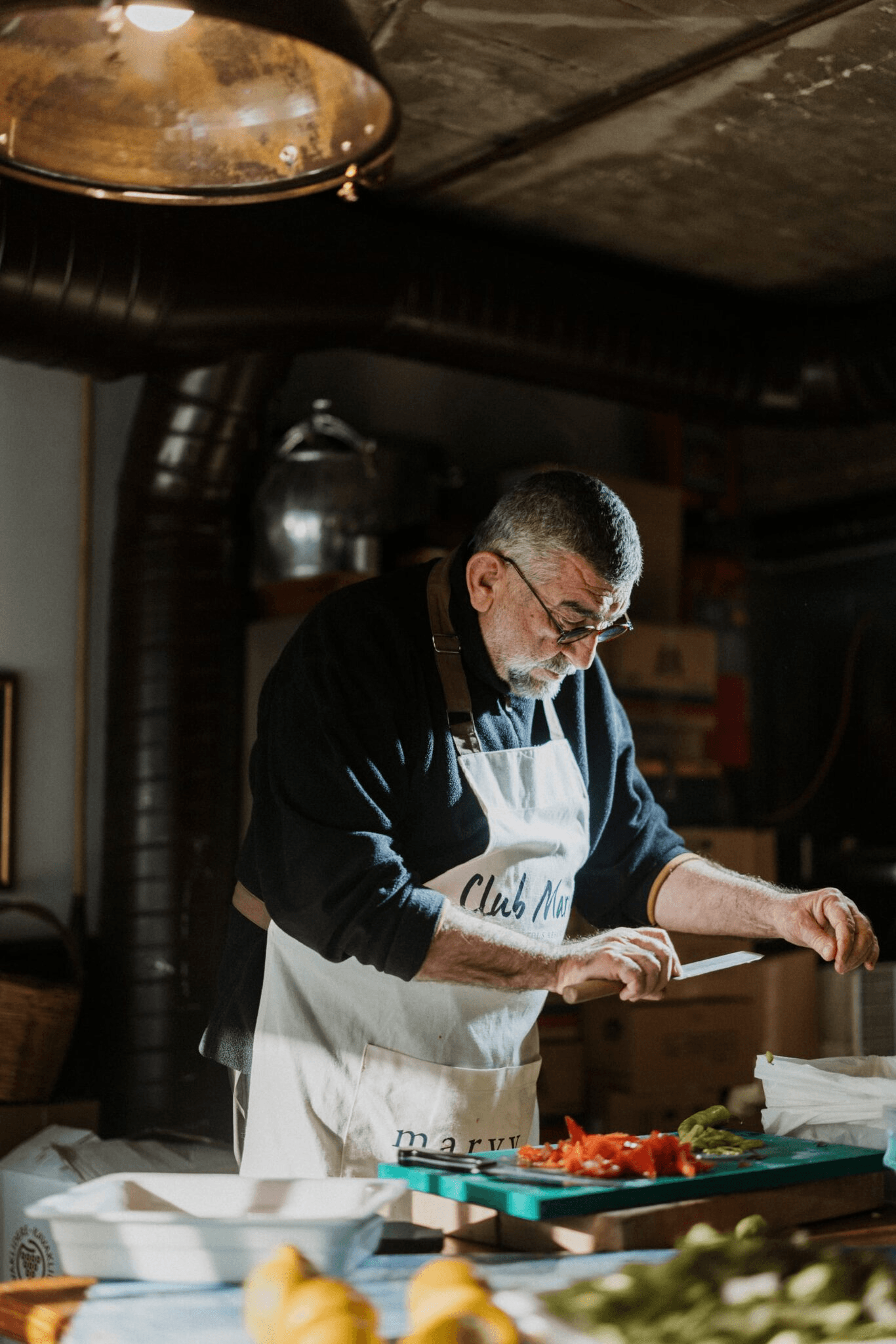
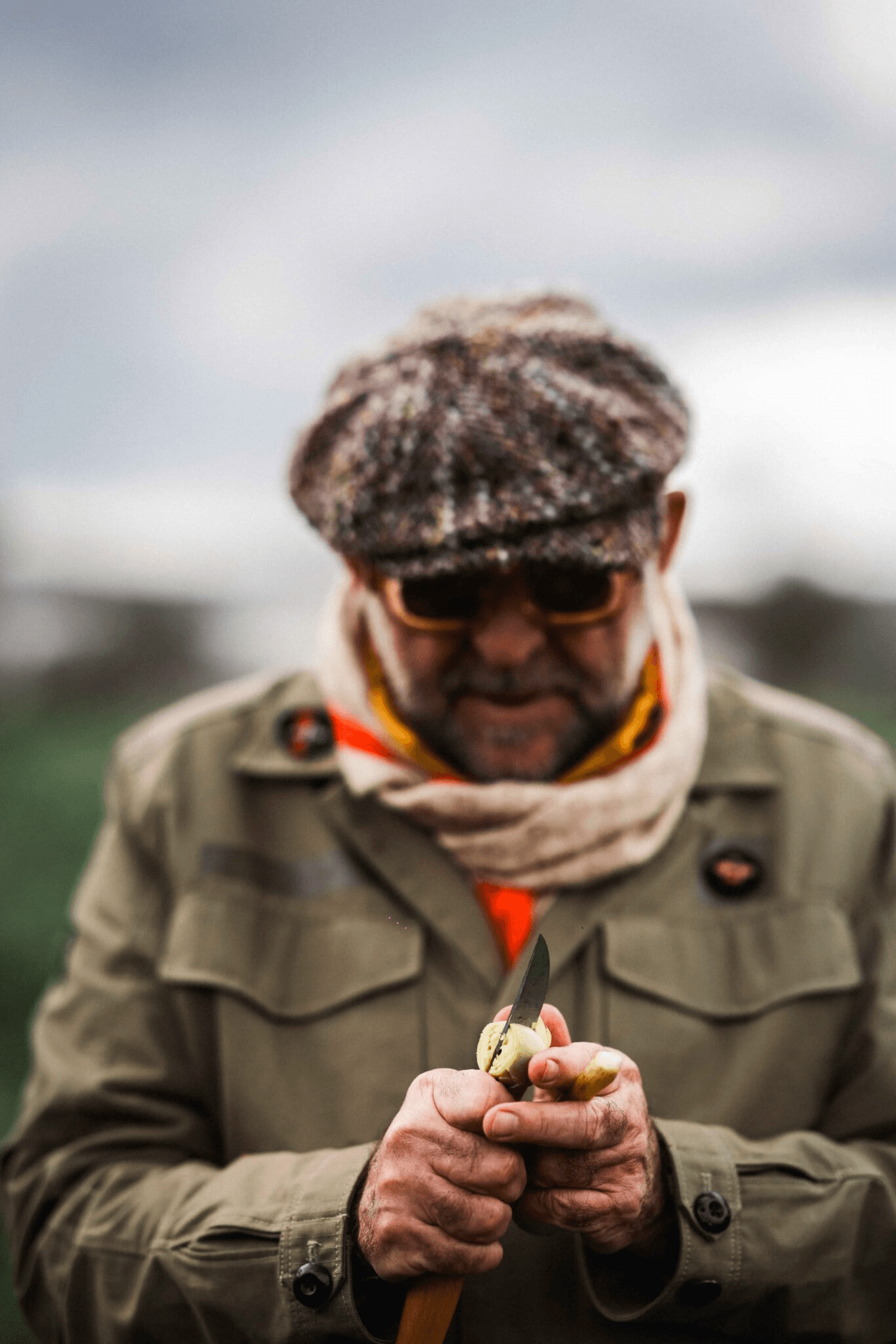
The scent of Söke, the memory of olive oil, and a mother’s cupboard… We listen to Ahmet Güzelyağdöken as he shares how memory, scent, and labor intertwine to create culture.
Some people don’t just cook — they tell stories. For them, the kitchen is more than a place of nourishment; it’s a space where the past and present meet. Ahmet Güzelyağdöken is precisely such a storyteller. His journey, from the fertile lands of Söke and the fragrant oil mills to the kitchens of İzmir and the nature of Club Marvy, has been guided by one constant thread: the traces of labor, scent, season, and memory.
Every conversation with him unfolds like a childhood scene. The bitter aroma of olive leaves, the freshness of figs picked in the cool morning, the hopes cooked on his mother’s “1001 Sultan” stove… Everything carries the weight of ritual. For Ahmet Güzelyağdöken, the kitchen is the most honest mirror of life.
With him, we talk about much more than food — about patience, work, nature, and time. Here is a man who seeks spirit in cheese rennet, memory in olive oil, and stories on every plate. Perhaps “The Memory of Olive Oil” isn’t his book’s title, but another one fits perfectly: His Mother’s Cupboard. Inside that cupboard lingers the scent of a green fig eaten in the cool of a Söke morning, long ago.
Ahmet Güzelyağdöken
Let’s start with Söke. What was Söke like for you as a child? What smells, tastes, and sounds still linger in your memory?
The Söke of my childhood is a crystal-clear pool where all my memories come together — like the basin of a waterfall, overflowing from one place and spilling into another. The Konak neighborhood, our houses, the gardens we moved to in summer, the meals eaten cross-legged on the floor, my mother’s skill, my father’s appetite… The bitter scent of olive leaves, the milky aroma of fig leaves, and the trees that gave us shelter. Male figs (ilek) strung on ropes we wrapped around branches for pollination. The simple pleasure of eating fresh figs in the morning chill. Black chickens that adored olives, spotted gourds that loved figs, and the thrill of hunting them with a slingshot…
We know your family worked in olive cultivation and cheese making. What kind of world was that production for you as a child?
My childhood was spent among vineyards and gardens, surrounded by fig trees and olive groves. Everything had its own rhythm, its own ritual. During harvest time, olives were picked and gathered in one place, and then we all went to the oil mill together. Watching the olives being pressed, smelling that first oil… I relive those moments with every new harvest. The machinery and technology may have changed, but the story and the feeling remain the same.
It was the same with figs. After being picked, they were dried on bushes, then sorted. The best were set aside for experts, and some were reserved for home. Those were dipped in boiling salt water and lifted out in baskets — a preservation ritual that kept them edible through winter. It was both necessity and ceremony, and the image of it still stays with me.
Cheese, milk, yogurt… These, too, were constants in our lives. Yogurt made from fresh cow’s milk, curd cheese, and the dish we called “Gypsy Pilaf” — a mix of seasonal vegetables, curd, and a generous drizzle of olive oil.
And then there was testi peyniri, a kind of cheese now nearly forgotten. The curd, lightly salted and mixed with caraway seeds, was poured into clay jars (testi), tied with cloth, turned upside down, and buried underground. The months it spent there seemed to absorb the story of the passing seasons. For me, all this was more than food — it was a way of understanding life, labor, and the flow of time itself.
Ahmet Güzelyağdöken
Ahmet Güzelyağdöken
Would you share the first moment you remember smelling olive oil?
Before the scent of olive oil itself, what imprinted on my memory was the scent of the olive. That sharp, slightly bitter aroma of freshly picked green fruit, or the smell that rises when you shake them down with a pole — it’s the smell of the land I was born on.
Then comes another scene — the oil mill. The moment the olives are pressed releases an entirely different fragrance. As you approach, two contrasting scents greet you: the fruity freshness of newly pressed olives and the heavy, fermented smell of the residue, known as pomace. You can still catch it when passing olive oil factories around Ayvalık. Some find it unpleasant, but for me, it’s the smell of home.
Pomace — the leftover pulp of the olive — was never wasted. It fueled the mill’s boilers and was used in soap making. Its smell, too, is etched into my memory because back then, high-acid oils were also produced — what we now call “defective” oils, oxidized and exposed to air. Even that scent lingers in my recollections.
Olive oil is, in a sense, alive. As the essence of a fruit, it contains pulp, acid, and air — all of which make its aroma dynamic, living, and ever-changing. The scent clings to everything in the mill — machines, pumps, tables, chairs. It’s a smell that becomes part of life itself. And every time I encounter it, I’m transported back to those days.
Is there a production habit or ritual you still carry from those years?
Yes — I still carry that instinct to preserve the classics. For example, that same village cheese I mentioned earlier. I still love making Gypsy Pilaf with it. Whatever’s on hand: a bit of pepper, tomato, fresh onion, dill… If it’s seasonal and fresh, it’s enough.
You drizzle plenty of olive oil and sprinkle a little red pepper. It’s such a simple, sincere flavor — one that brings the same joy each time. I still make it now and then; when the mood strikes, I return to that ritual. Because it’s not merely a dish — it’s a habit carried from childhood to the present. A return to oneself, a way to reconnect with one’s roots.
Ahmet Güzelyağdöken
What, to you, distinguishes a good olive oil from the rest?
Today, one of the first things we consider when evaluating olive oil is its acidity level, known as “dizyem.” Expressed as 0.1, 0.2, or 0.3, the lower the acidity, the higher the oil’s refinement and quality. It’s one of the clearest indicators of excellence. But for me, olive oil is not defined by numbers alone. Its true essence lies in aroma, texture, and the feeling it evokes. During tastings, color is never considered — it can deceive the senses. That’s why professional tastings are done in cobalt blue glasses, letting only the aroma and flavor speak.
For me, the soul of a good olive oil lies in early harvests — in that fresh fruit aroma of green almonds, apples, plums, artichokes, or the wild herbs of the Aegean. These notes make an oil truly special. In later harvests, the profile softens, with ripe fruit aromas taking the lead — rounder, warmer, more generous. When poured over a cooked dish as a final touch, it gives the food an entirely new character. In short, a good olive oil may be defined by low acidity, but its soul is found in its aroma — in the timing of the harvest, the ripeness of the fruit, the story of the soil, and the bond between the maker and the land. That connection is what gives each oil its living character.
Patience and skilled craftsmanship are crucial in cheese production. What was the most valuable lesson you learned in this field?
Cheese is one of those creations that seem simple on the surface yet conceal an entire universe within. Everything begins with the journey of the milk — and that milk has its own adventure long before it reaches the dairy. The animal that gives the milk passes on its character to it: whatever it eats, wherever it’s raised, whatever it breathes becomes part of the milk’s identity. Just as we say “you are what you eat,” in this case, we can say, “milk is what you feed it.” But the story doesn’t end there. Even after the milk arrives at the dairy, it continues to absorb the world around it — from humidity to the direction of the wind, from the north breeze to the southern air. I often say that even the master’s mood at the right moment leaves a trace in the cheese. Because fermentation is a kind of magic. Yeast is not merely chemistry; it carries spirit.
It’s just like pickles — everyone’s pickles taste different, because every touch, every energy is different. The same is true for bread and yeast. That’s why cheese making is, in essence, a dialogue with one’s own spirit. The air, the moisture, the wind, the temperature, and the inner world of the cheesemaker all come together, creating an invisible balance within that milk. So, the most valuable lesson I have learned in cheese production is this: fermentation is a matter of spirit. And that spirit can only ripen fully when it passes through the heart of its maker.
Ahmet Güzelyağdöken
You taught cooking classes for many years at the university, particularly at İzmir University of Economics. What did those years teach you?
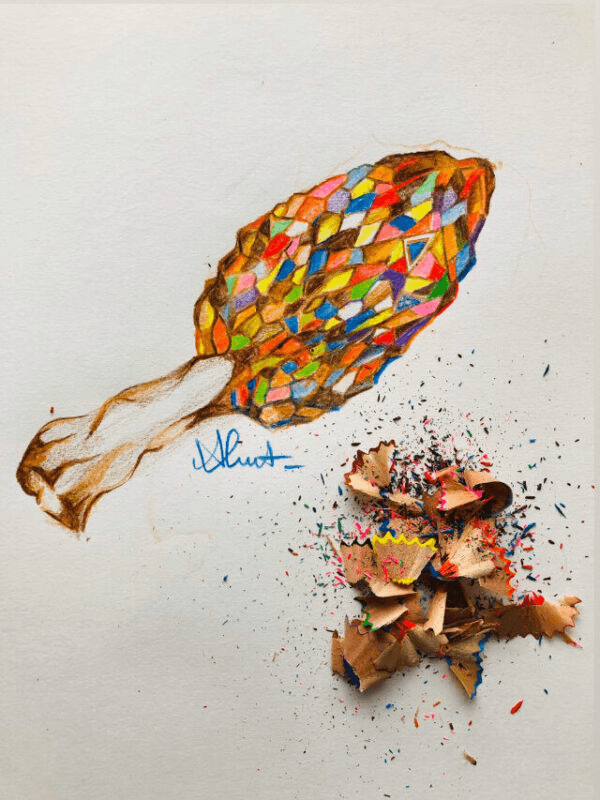
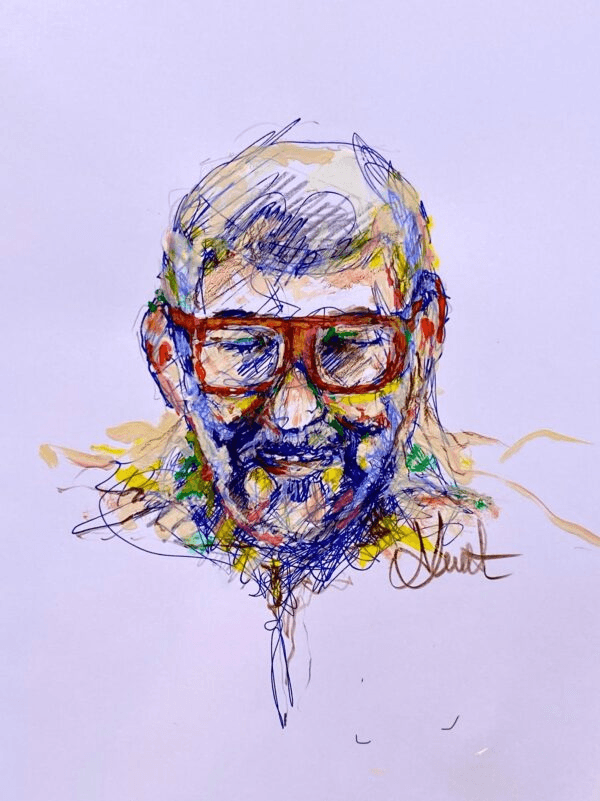
Academically, I’m actually an art teacher. My background is in fine arts — sculpture and, above all, oil painting. I had a very productive student life and even won a few awards at the time. Later, as life unfolded, painting quietly took a step back. But in recent years, I’ve picked up the brush again. Now I work with acrylics and dry pigments instead of oils. So yes, I’m still creating — only the materials have changed. Teaching at the university felt like reclaiming a teaching path I had once left unfinished. This time, my focus was gastronomy. And although it might seem far removed from painting, the two are remarkably similar: in both, you form a relationship with the material, touch it, shape it, and give it form.
At İzmir University of Economics, I concentrated on Aegean cuisine — olive oil dishes, local herbs, regional ingredients. I felt entirely at home there, deeply connected to the land and culture around me. We would visit the markets with my students, buy vegetables, herbs, and fish, and cook together in the teaching kitchen. Once, we even attended a fish auction — I explained everything hands-on, from recognizing the fish to cleaning it.
Those were truly rewarding years. Because for me, it was essential not only to teach cooking techniques but also to teach the ingredients themselves. When I run into former students who say, “Teacher, do you remember the artichokes we made that Sunday?” I realize that something lasting remained from those days. And that act of sharing hasn’t ended. I continue to do the same today — sometimes in seminars, sometimes at Balmumu. I still find myself in the kitchen from time to time, showing how to clean and cook herbs. Because knowledge only grows when it’s shared. Perhaps that’s the very essence of teaching — passing on what you’ve learned by living it.
Ahmet Güzelyağdöken
Ahmet Güzelyağdöken
Was there something that surprised your students the most — something that made them say, “Teacher, is that really possible?”
Yes, absolutely — then and now. Because for me, the kitchen is not just a collection of recipes; it’s a space of stories. Every dish, every ingredient, every scent carries a narrative. Gastronomy, as I see it, is also an act of recording and preserving those stories. When I step into the kitchen to teach, I want to explain not only how something is done, but why. Why a herb is gathered only in a particular season, why a cheese is aged in a specific way, why a salad bears a certain name. Because each of these choices belongs to a culture — a way of life, an inheritance.
Sometimes I tell them about köy kızartması, the simple “village fry.” I don’t just list the ingredients; I talk about its soul — the village garden, the blackened pan balanced on a three-legged sacayağı, summer vegetables sizzling in olive oil, the warmth of tomatoes just picked, the laughter around the table. Their eyes widen, and someone always says, “Teacher, is that possible?” In that moment, they realize that cooking isn’t just about feeding the body — it’s about keeping a story alive, preserving a culture. The moments I treasure most are when I see that spark in a young cook’s eyes — when they say, “We’re cooking meaning along with the food.” Because food, to me, is one of the purest forms of self-expression.
How did returning from academia to the field — to production and restaurants — change you?
Actually, it wasn’t really a “return.” Because I never truly left the kitchen, the fields, or production behind. Academia was just a pause, a layer added to the life I was already living. Teaching was a brief stop along the same road — but the road itself never changed. I have always been surrounded by ingredients, soil, and work. So, instead of calling it a return, I’d call it a continuation. Teaching simply became another way of expressing what I was already doing, and those two worlds — academia and practice — have always complemented each other beautifully.
Ahmet Güzelyağdöken
I’m curious about the story behind Balmumu Restaurant. What was the dream that started it?
Balmumu Restaurant was, in many ways, a dream made real. I was involved as a consultant and played a key role in shaping the spirit of the place. It all began with a simple question: How can we bring back the warmth of our mothers’ kitchens, that feeling of home? One day we sat together, and they asked, “How should we define this kitchen?” I said, “Let it be maternal, homely, and traditional.” Then came the question, “What should we call it?” — and that’s when “Balmumu” came to mind.
I thought of the bee: to protect its honey, it produces wax from glands under its body, builds its honeycomb, and stores its honey safely within. Such a pure, instinctive act of care and preservation. I said, “Let’s treat the traditional, home-cooked dishes of these lands the same way — let’s store them in beeswax, protect them, and carry them into the future.”
That is the essence of Balmumu: a place built on the desire to safeguard the labor, aromas, and recipes of the past, and to deliver them — intact and alive — to the tables of today and tomorrow.
Ahmet Güzelyağdöken
What is the relationship that Balmumu has established with local producers, and how does this relationship reflect in the kitchen? Balmumu’s kitchen is more than a space for cooking—it’s a place where a life cycle is sustained. That cycle is inspired by bees, one of nature’s purest and most humane symbols of production. The same philosophy lies at the heart of Balmumu: producer, nature, and people form an inseparable whole.
In this sense, Balmumu is not just a restaurant; it represents a production philosophy. Local producers hold a crucial place in this philosophy. Without small-scale producers, the voice of the land cannot be heard, and the spirit of the table is incomplete. For instance, one day at the market we discovered a producer growing tiny baby eggplants. We didn’t simply buy their crop—we supported them so they could continue producing. Similarly, there are women who prepare tarhana, couscous, barley couscous, and noodles at home using traditional methods. Making their labor visible, often in collaboration with women’s cooperatives, is part of Balmumu’s mission.
In short, Balmumu’s kitchen brings the fruits of the land to the table while also carrying human labor into the future. Because good food is more than a recipe—it’s the outcome of a fair and balanced cycle among nature, producers, and people.
Ahmet Güzelyağdöken
You are one of the first names that come to mind when it comes to bottarga. How did this interest of yours begin? Bottarga is a flavor recognized in many parts of the world. Italians call it bottarga, the French boutargue, the Greeks avgotaraho, the Jews abudarahu, and the Japanese karasumi. All refer to the same delicacy—fish roe that is salted, dried, and preserved by coating it in wax. In our language, we call it “waxed mullet roe.” These foreign terms mean little to me, because we have our own version of this tradition, born from our own region, our own sea, and our own hands. I’m from Söke, where the Bafa and Didim areas are famous for the quality of their mullet. That’s where I learned this culture. It’s a tradition that has existed in our region for generations. The old masters used to make tarama from mullet roe and also salt and dry the roe for preservation. Today, tarama is often made from carp roe, but to me, mullet roe has an unmatched elegance.
I can confidently say that we produce one of the finest examples in the world—or to be modest, one of the best. The roe of mullet caught between the two capes of Karaburun and Foça, especially toward the end of summer, is highly prized. The roe from fish living in those cold, rocky waters between August and October has a unique flavor and texture. We process these roe using traditional methods, complemented by a touch of modern technology. First, they are rested and dried at a specific temperature, then dipped in melted beeswax to preserve them. The wax coating protects the roe and seals in its flavor.
I always say, “Knowing how to consume a product is as much a culture as knowing how to make it.” Waxed mullet roe is no exception. Thinly sliced, it pairs perfectly with butter on toasted chickpea flour bread. Its first taste brings the true flavor of the sea to your senses. Most importantly, this flavor has no nationality. Greeks, Jews, Japanese, French—they all prepare their own versions using their local fish and methods. Because cuisine has no nationality; it has geography. Bottarga is the shared language of that geography—the sea, and labor itself.
What are your thoughts on the development of bottarga culture in Turkey? Bottarga, or mumlu kefal havyarı as we call it, requires an extremely delicate production process. If we want this culture to grow in Turkey, we must first support, monitor, and properly teach the production process. This is both a matter of awareness and preservation. Cooperatives may be the best way to achieve this, as small-scale, unregulated production still takes place in basements, where poor conditions can cause the product to become rancid or spoiled. With state support or through local cooperative initiatives, the production process can be made safe, healthy, and sustainable. Cold storage, proper drying areas, and controlled salt levels—these may sound like technicalities, but they are essential for the survival of this cultural practice. In the past, this awareness came naturally because life moved more slowly. Today, everything is consumed quickly. The modern world keeps pushing us to rush—from the moment we wake up, we’re in a race. Yet when we pause and look around, we realize we can’t truly keep up with anything.
Edip Cansever’s line always comes to mind: “You’re never late for anything, Ahmet Abi.” It’s true—no matter what we do, life always feels a little incomplete. Maybe that’s why people rush—to reconnect with time and with their own labor. That’s where things like waxed caviar come in. This is a production that demands patience and awareness. When you dry that roe and dip it in wax, you’re really engaging with yourself—a small act of resistance against the pace of the modern world. In my opinion, every good kitchen should hold a piece of caviar, like a single diamond kept in a jewelry box. Because it’s not just a taste—it’s a philosophy of life. Like the foam of a wave dissolving on a slice of toasted bread, it reminds you to slow down and savor the moment.
In the old days, people would carry it in their pockets, taking it out to enjoy next to their glass of rakı. That’s how precious it was. Today, it might appear grated over pasta—it doesn’t matter. What matters is that the tradition lives on. Bottarga is not merely a product; it’s the taste of slowness, labor, and patience.
Your relationship with fish isn’t just about the ingredient—it feels like a friendship. What is your most unforgettable fish story? For me, fish has always been more than an ingredient—it’s a friend. That bond goes back to my childhood in Kuşadası, where I spent countless days at the harbor catching small mullets and gopez. Even bringing home those tiny fish and frying them filled the kitchen with a joy that defined my childhood. Years have passed, but my connection with fish hasn’t changed. If anything, I’ve spent as much time in fish markets and fish halls as by the sea itself. Even during the busiest times of my career, I would stop by for an hour or two just to find calm in the chaos. Among the fishermen, surrounded by that salty air, I’d talk not about prices but about stories—the fish, the season, the sea. Those friendships often carried over to the table. I’ll never forget the impromptu meals shared with fishermen—rakı sipped from teacups, sardines cooked on tin lids right over the fire. You don’t even clean them first; the oil and smoke mingle, meeting the sea. We jokingly call it boklu kebap.
I also remember the iskaroz fish—a simple weed fish, yet legendary for us. There’s a long-standing debate about whether it’s a morning or evening fish. When caught early, while it’s still fresh, only one side is cooked and it’s eaten with the internal organs intact. Because a morning fish is clean—it’s already purged. Its taste is unlike anything else. That’s what my relationship with fish is about—a mix of sea, salt, labor, friendship, and a touch of madness. Catching it, cooking it, sharing it—they’re all parts of the same story.
Ahmet Güzelyağdöken
We know you’re currently in the Club Marvy kitchen. How has that kitchen influenced your approach to cooking? One of the main reasons my path crossed with Marvy’s is my friendship with Gürsel Tombul and his daughter, Ece Tombul. Ms. Ece, who chairs the board, is more than a manager to me—she’s a friend who shares my roots, my story, and my philosophy. We share not only a culinary language but a view of life itself. When I first arrived at Marvy, I immediately felt something familiar. The kitchen’s spirit—its relationship with nature and embrace of local traditions—resonated deeply with my own journey. Being there felt less like work and more like a continuation of what I already believe in.
Marvy is more than a holiday village; it’s a place where rituals and culture come alive. The annual Hıdırellez celebrations in May are true festivals of life, filled with food, music, and joy. The pomegranate harvest event, bollama, symbolizes abundance and prosperity, while the olive harvest in November holds special meaning for me. During that time, we host olive tastings and workshops on crushing and pruning, where participants—both local and foreign—touch the soil and feel the land’s rhythm. In the evenings, we gather at a long table by the sea, sharing meals prepared for the occasion as the sun sets. The scent of olive oil mingling with the sea breeze always makes me think, “This is where I belong.” Marvy is not just a workplace; it’s a treasure. It’s a place where the stories of land and people intertwine—where art, music, and cuisine coexist. Monthly exhibitions, jazz concerts, artist gatherings… there’s a unity to it all. And being part of that whole feels right, because Marvy’s essence and my own story are one and the same: preserving tradition and carrying it forward.
Ahmet Güzelyağdöken
When you talk about food, you always tell a story. Do you think a plate can carry a story? Absolutely. Every dish has a story—or at least, it should. Our cuisine is full of stories we haven’t yet told, or ones we’ve left unfinished. A plate is not just a taste—it’s the voice of a culture, the memory of a time, the imprint of human labor.
I try to keep that spirit alive through the traditional dishes we make at Marvy and Balmumu—like keşkek, mumbar dolması, or gerdan tatlısı, a surprising dessert made from lamb neck. When people first hear about it, they’re skeptical—“Can you really mix meat and dessert?”—but their surprise turns to wonder once they taste it. When I introduced it to Marvy’s menu, not a single foreign guest left without trying it. Because it offered more than flavor—it offered a story. I believe the stories behind dishes should be written, recorded, even filmed. Food isn’t just for eating—it’s for remembering, passing down, and keeping alive. Sometimes a plate can be as profound as a novel.
Is there a flavor that brings both the Aegean and you together on a plate? Perhaps the simplest one: a green fig picked from the tree early in the morning. Its scent still lingers in my mind; its taste never fades. No matter how much time passes, that aroma takes me back to the same place—to the garden where I walked barefoot on the cool morning soil of my childhood. Sometimes, just a fig can bring together the Aegean, childhood, soil, and labor on a single plate. Sometimes, a fig tells the whole story.
Is there a table you’ll never forget? Where was it, who was there, and what was served? The table I’ll never forget is my mother’s. When I was a child, she would prepare what she called the “1001 Sultan” table for making wishes and invoking Hızır. Every kind of dish, dessert, and fruit she had would be placed there—a huge, colorful, fragrant table that felt like a feast. People would pray, share, and make wishes around it. For me, food and faith, table and hope, became intertwined at that table. If you ask me which taste takes me back to childhood, it’s my mother’s bread—baked in a wood-fired stone oven, with a whole egg placed in the middle of the dough. When it came out, the egg was still warm, the shell cracked, releasing that unforgettable aroma. Grabbing that egg as a child was one of the purest joys of my life. It wasn’t just a recipe—it was a ritual. Maybe that’s why, to this day, I still search for that same warmth and innocence at every table.
If you were to write your life story one day, what would the title of the book be—The Memory of Olive Oil, With the Salt of the Sea, or something else? It wouldn’t be The Memory of Olive Oil or With the Salt of the Sea. The title would be My Mother’s Cupboard. I’m already jotting down small notes for it. Everything begins with that cupboard door—the smell of childhood, the sounds of the kitchen, the steam rising from a pot, the morning light. Whatever sits inside that old wire cabinet is part of my life: a few olives, a bag of tarhana, a bunch of mint, a finger of honey, some salt. They’re all fragments of memory. My story begins anew every time I open that cupboard door.
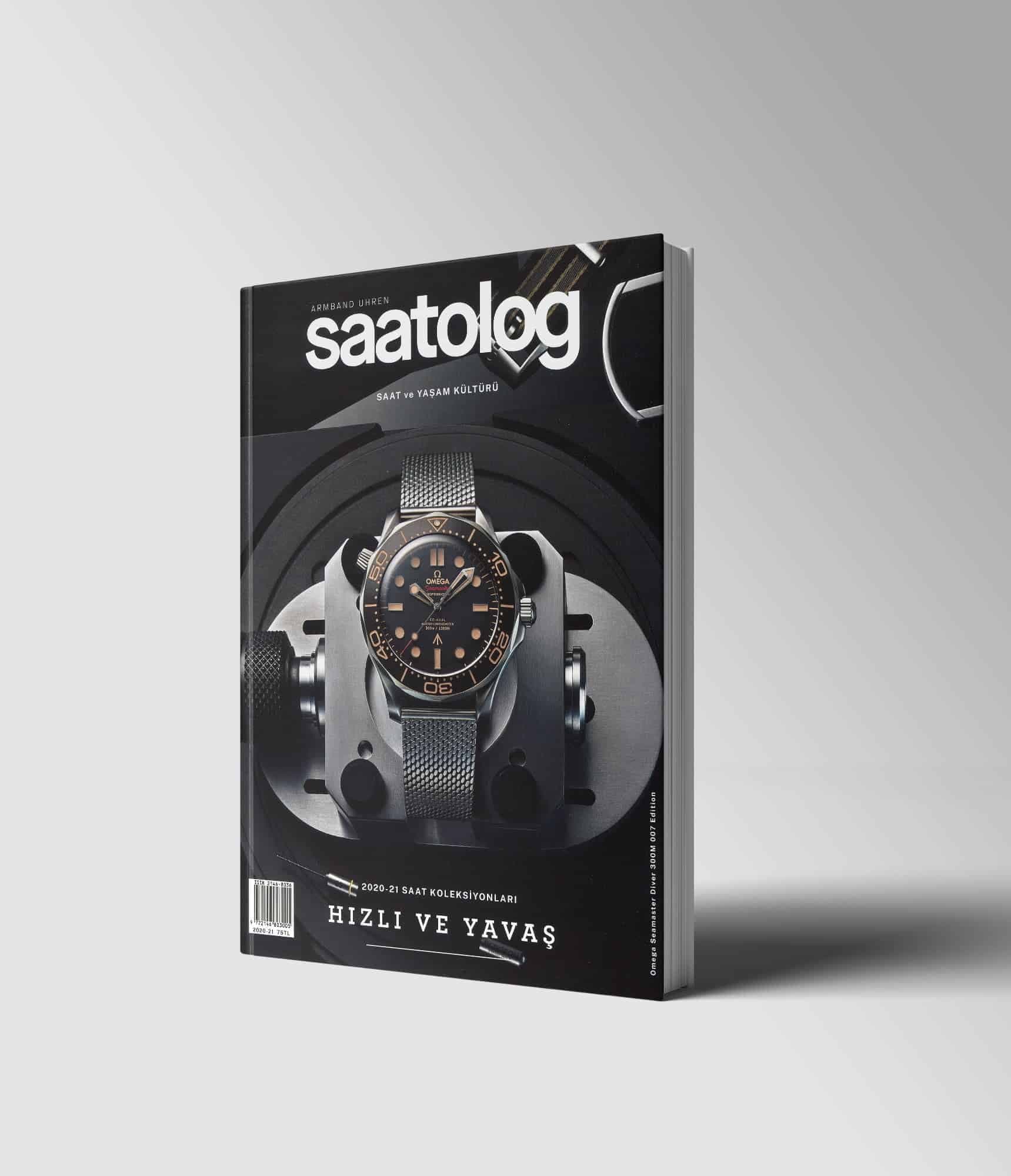
Saatolog Yıllık Saat Dergisi Saatolog’un yeni sayısı, 2020’nin yarattığı bu dönüştürücü etkiden ilham alarak hazırlandı. Dünya dijitalin etkisiyle her zamankinden de hızlı bir şekilde ilerlerken yavaşlamanın da önemini sonunda kavramış bulunuyoruz ve bu tezatlık hayatlarımızın her anına etki ediyor. Biz de bundan yola çıkarak Saatolog 2020/21 sayısını ‘‘hızlı ve yavaş’’ teması altında hazırladık.