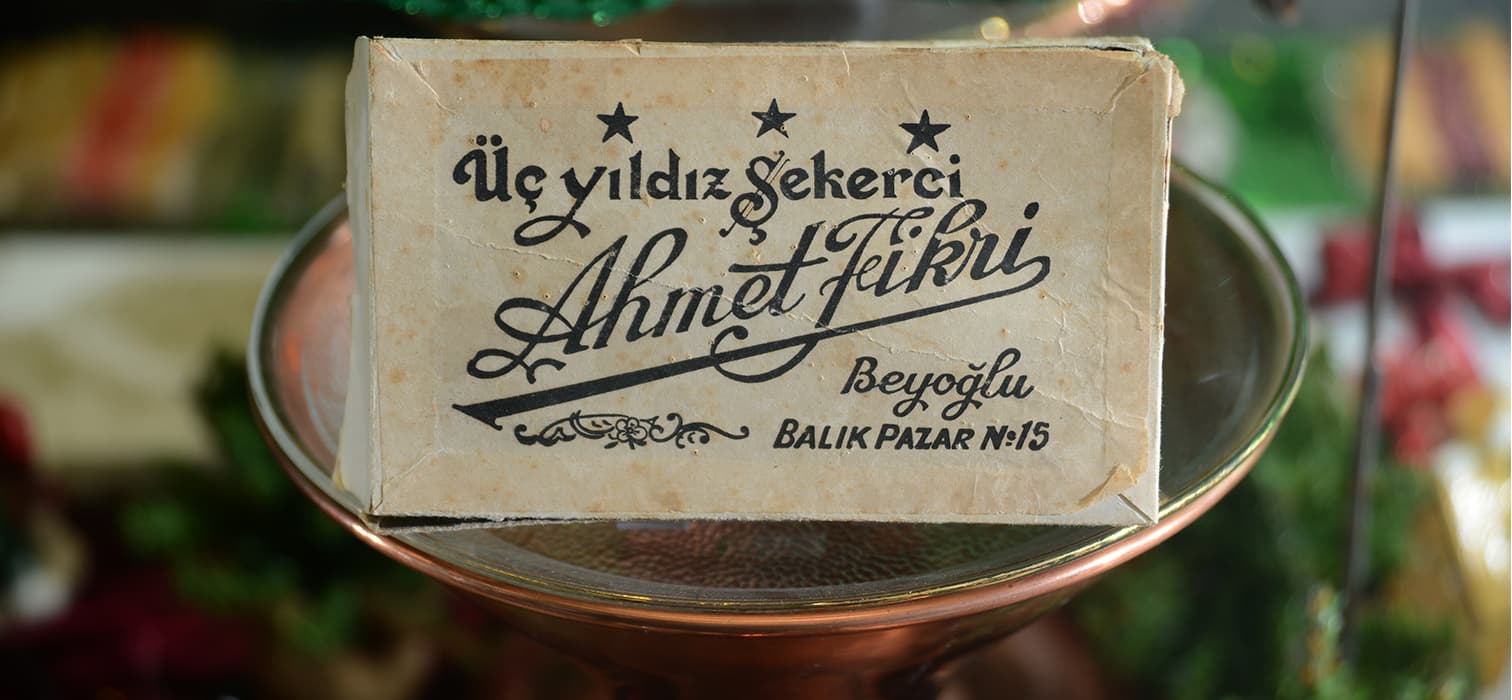
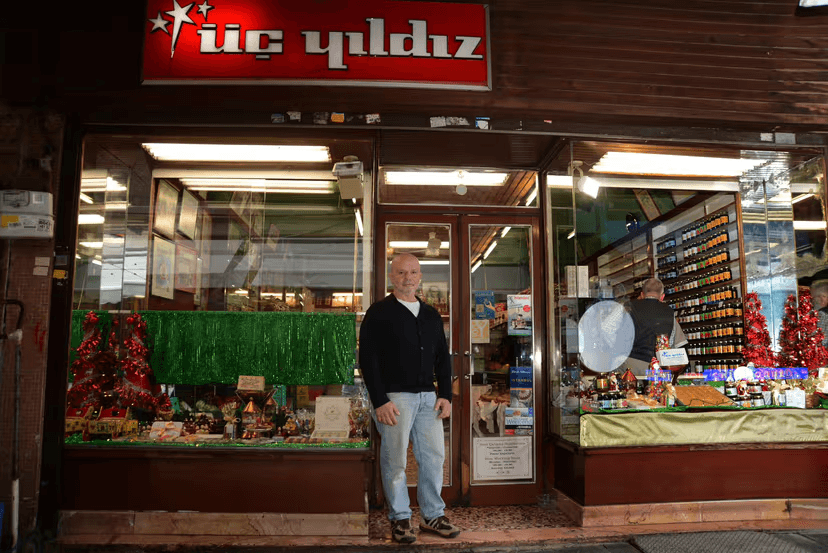
Celebrating its centennial this year, Üç Yıldız Confectionery is far more than a simple sweet shop; it is a storied culinary landmark that has stood as a witness to the evolving soul of Beyoğlu, preserving heritage in every bite.
There are certain establishments in Beyoğlu where the aroma is as instantly recognizable as the storefront itself. To step through the doors of Üç Yıldız Confectionery is to leave the modern bustle behind and enter a realm defined by the passage of time. Feridun Dörtler, the brand’s second-generation guardian, is now 92 years old, yet he continues to grace the counter and greet patrons on designated days of the week. While the foundational history of Üç Yıldız is told through his memories, our contemporary inquiries are addressed by his son, Altuğ Dörtler, who currently oversees the production facilities.
The narrative shared by Feridun Dörtler transcends the history of a mere storefront. It is the chronicle of a family odyssey that began in Rumelia, migrated through İnebolu, and eventually flourished in Istanbul. Within the Dörtler lineage, the art of confectionery is a sacred craft passed down through the ages. Feridun Bey’s great-great-grandfather was a master of the trade, a legacy his grandfather upheld after the family settled in İnebolu. Consequently, confectionery became much more than a livelihood; it transformed into a specialized body of ancestral knowledge and a collective memory transferred from one pair of hands to the next.
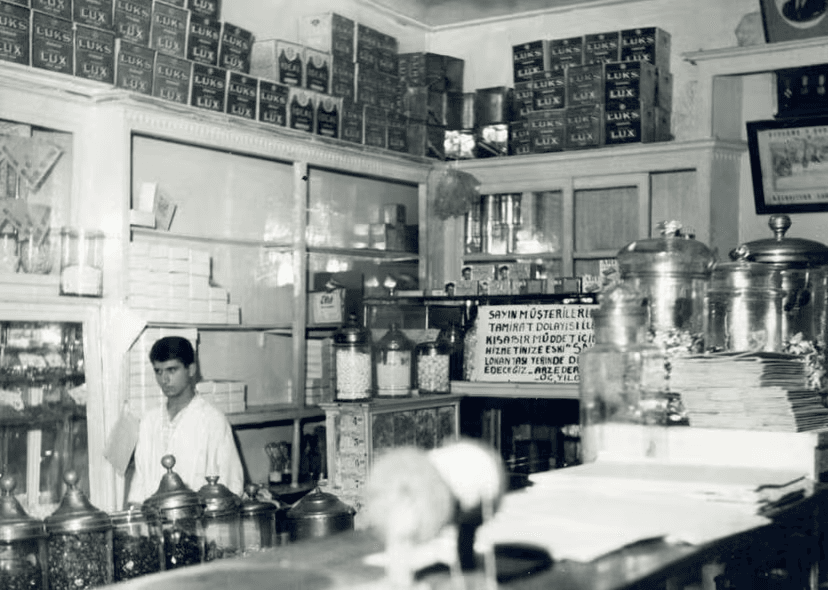
“My father was the eldest of six children, working alongside his own father until he was called to military service. He served for seven arduous years during the First World War and the War of Independence. Following the armistice, he arrived in Istanbul and found employment with a family-owned business from Üsküdar. A few years later, he took the definitive step that would alter his destiny: alongside his brother and a lifelong friend—a trio who viewed themselves as ‘stars’—he founded Üç Yıldız (Three Stars). Though the partnership structure evolved over the decades and the brothers eventually stepped away from ownership, they never severed their ties to the craft. One remained a fixture at the counter, while the other dedicated himself to production. My parents wed in the 1930s. My elder brother arrived in 1931, followed by my sister in 1932, and myself in 1934. I was born in Firuzağa, but I have resided in Cihangir since the age of one—remarkably, I still live in that very same house today.”
Feridun Bey’s formative years were inextricably linked to the shop. Beginning in 1944, whenever school was in recess, he and his brother were dispatched to the shop to keep them occupied. He reflects on those summers with a nostalgic glint: “We managed to find plenty of trouble right under my father’s watchful eye. After primary school, I attended Galatasaray High School, where I played soccer for the Galatasaray Club for two years before retiring from the sport in 1956.”
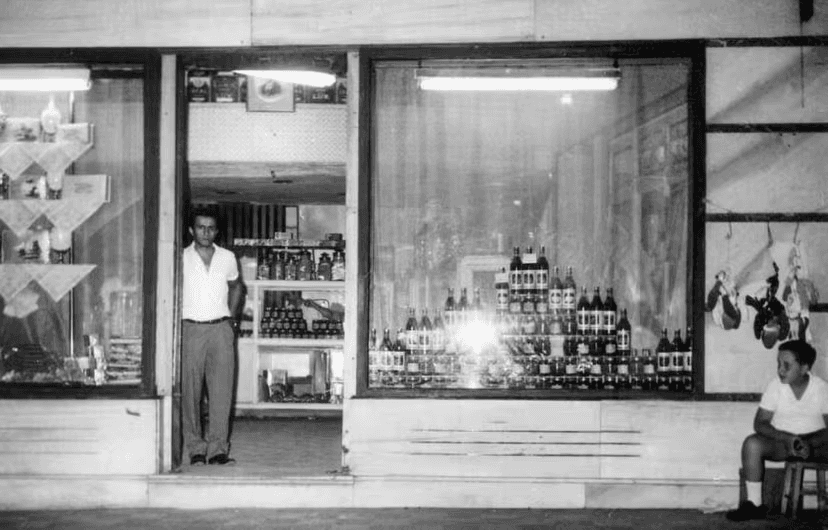
However, his true lifelong commitment had already taken root: Feridun Dörtler has been an active steward of the shop since 1955. The year 1965 proved to be a pivotal moment for Üç Yıldız. Feridun Bey recounts how, with his brother’s collaboration and their father’s blessing, they razed the original structure and meticulously rebuilt it in a mere six months. The interior decor that patrons admire today still carries the distinct character of that mid-century renovation. The century-long saga of Üç Yıldız Confectionery is, in many ways, the saga of Beyoğlu itself: a legacy of craftsmanship that has endured through conflicts, migrations, and the shifting tides of the city’s streets. We now turn the conversation over to Altuğ Dörtler, the third-generation representative of the brand.
In an era where the world moves at an unrelenting pace, sustaining a business for 100 years is a monumental feat. To what do you attribute this longevity?
Surpassing the century mark is a milestone that is far easier to describe than it is to achieve. I have been personally immersed in this trade for 35 years; like the generations before me, my journey began as a child working in the shop during school holidays. The bedrock of our enduring success is the profound loyalty of our clientele and the mutual respect we share with them. Our most vital guiding principle is to afford every individual the same level of meticulous care and consideration. Naturally, we now serve many third-generation customers, a dynamic that has fostered an incredibly intimate and cherished bond over the decades.
What are the values that you would say have “never been compromised” and have kept the brand vibrant to this day?
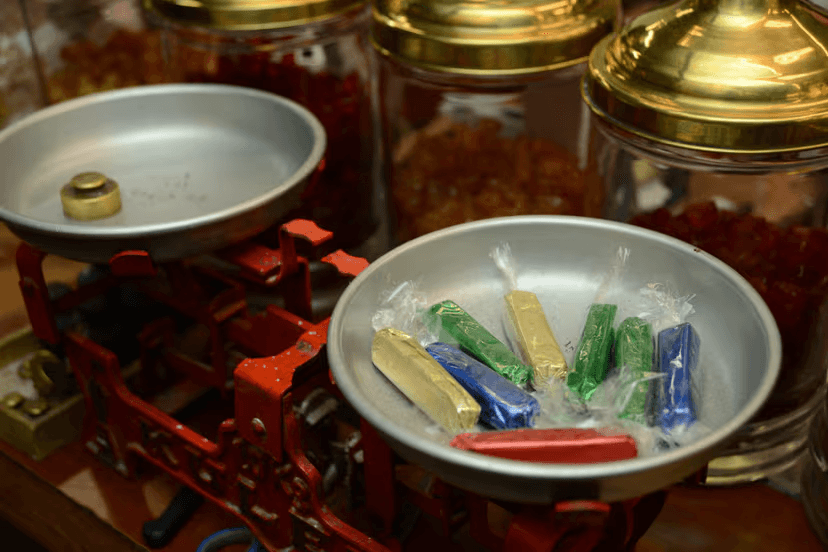
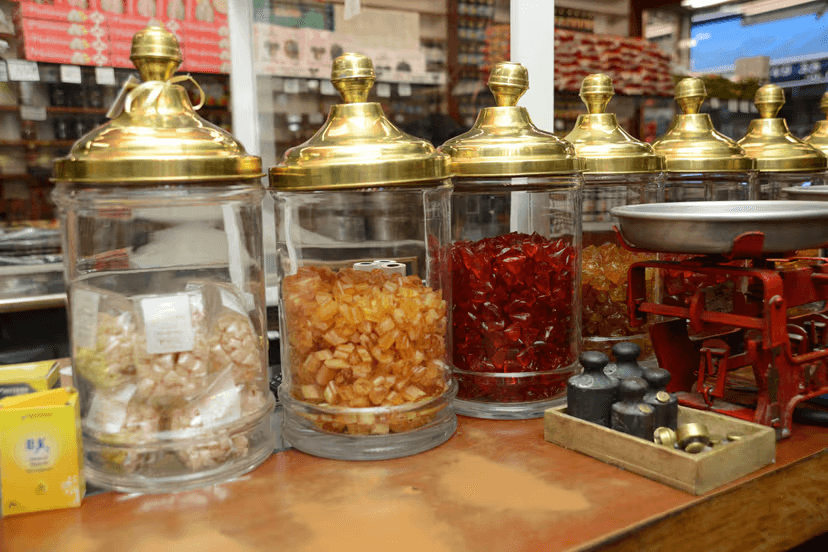
At its core, our longevity is rooted in sincerity and respect. For us, there is no distinction between a patron purchasing 100 grams of akide candy and one buying a kilogram of almond paste; we view everyone who crosses our threshold not merely as a customer, but as a guest in our home. It may sound like a cliché, but we operate under the unwavering principle that “the customer is always right,” treating every visitor with the same hospitality.
What was the most challenging period in Üç Yıldız Confectionery’s history?
One of our persistent challenges has been our location. This area is highly sensitive to the country’s political and economic shifts; for security reasons, we are occasionally forced to close our doors early. However, our most harrowing period was the 2003 British Consulate bombing. Following the blast, we were left without electricity for an extended period; our windows were shattered, and our roof sustained significant damage.
Yet, those dark days also revealed a level of solidarity we will never forget. It occurred just before Eid al-Adha, and the majority of our holiday preparations had been ruined. Despite the chaos, our customers called us one by one to offer their support; some even left their identification with security cordons just to pass along a “get well soon” message and rescue the candies that remained after the explosion. For this reason, I remember that time as our greatest struggle, but also as the moment we found our greatest spiritual strength.
Preserving Traditional Flavors While Updating Our Recipes
How have changing consumer habits and competition with major brands affected you?
Evolving consumer habits are naturally reflected in our recipes. Over time, we have gradually reduced sugar levels to ensure our products align with contemporary dietary preferences. Competing with major brands is not a practical goal for us; they are vast corporations with extensive chains and corporate infrastructures. We, conversely, thrive through a boutique production philosophy. We believe the way to solidify our position is not through scale, but by elevating the quality of our products to the highest possible standard.
How do you strike a balance between preserving traditional flavors and innovating?
We update our techniques while fastidiously preserving the essence of traditional flavors. For instance, in the past, jams were often made with glucose; today, they are prepared entirely using traditional, artisanal home methods. We have also expanded our range to include sugar-free jams and contemporary Turkish delight varieties. By significantly reducing the sugar content in our almond paste and preserves, we strive to keep heritage recipes alive by adapting them to the palates of today.
Almond Paste Holds a Special Place
Which product holds the highest emotional value for you?
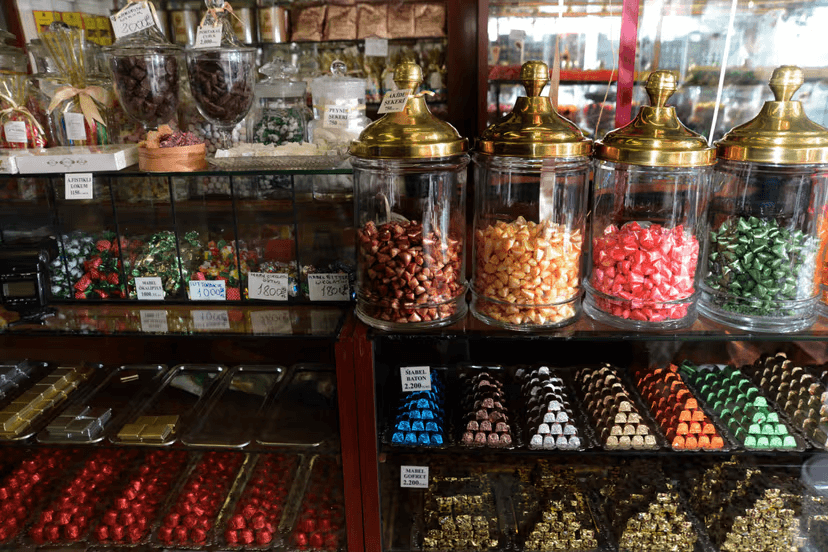
Nearly all of our products carry a specific emotional weight for me, largely because I am intimately involved in every stage of their creation. We pour our best efforts into everything we make, so it is difficult to single out just one. Still, almond paste holds a special place in my heart; I invested a great deal of personal effort into refining its recipe. Today, we produce it with consistent excellence, and the satisfaction of our customers confirms that the effort was worth it.
What do you feel when you meet customers who say, “I grew up with these candies”?
It brings us immense joy. Furthermore, many of these individuals now return with the younger members of their families, which marks the beginning of a brand-new connection. The fact that they grew up with these flavors and still choose our shop today is, in itself, the most beautiful answer to the questions of legacy and quality.
Entirely Handmade
In your opinion, what sets a good confection apart: the ingredients, the technique, or the artisan’s touch?
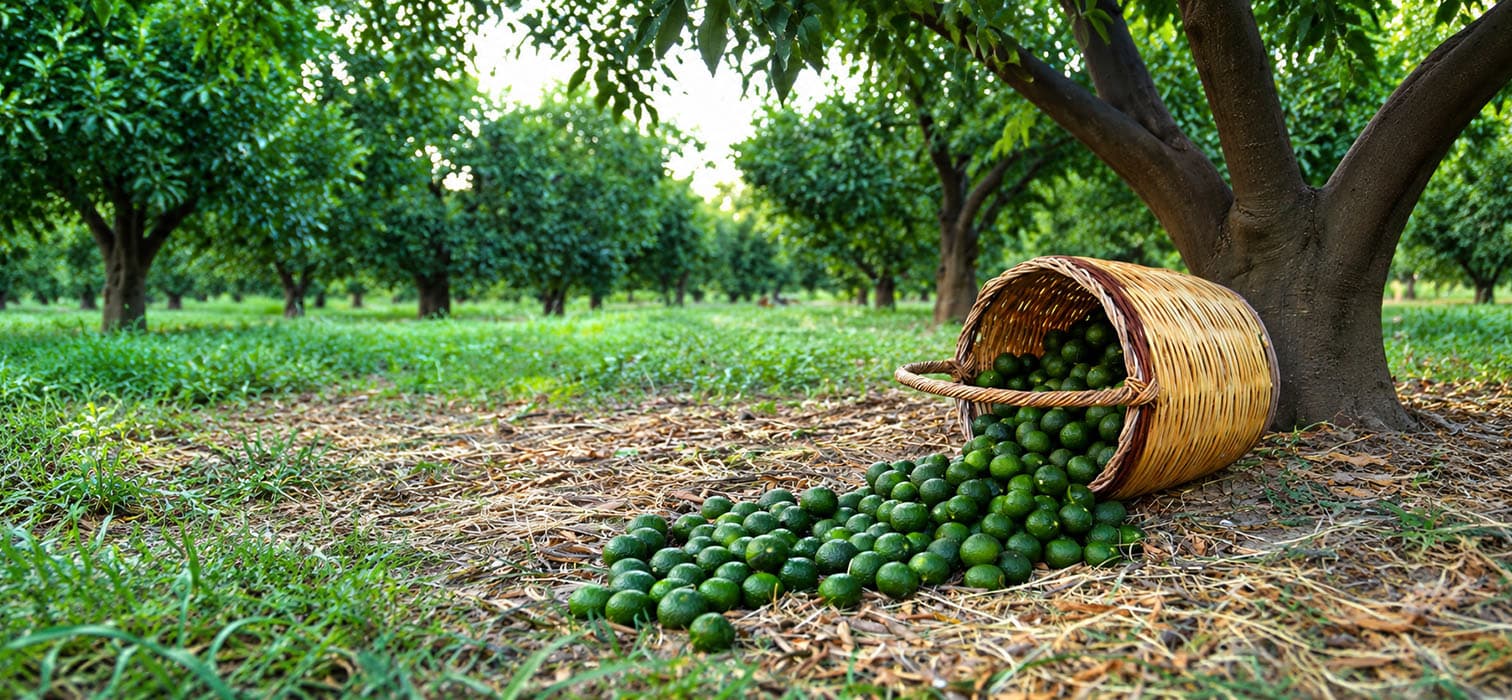
The foundation of a superior confection lies in the trifecta of quality ingredients, masterful craftsmanship, and passion. Quality requires experience—the ability to visually monitor the cooking stages of lokum, sensing the exact consistency of a jam, or knowing how to properly process almonds. Additionally, the kitchen must always be stocked with premium raw materials; we use the finest pistachios and almonds, and we never compromise on the integrity of our ingredients.
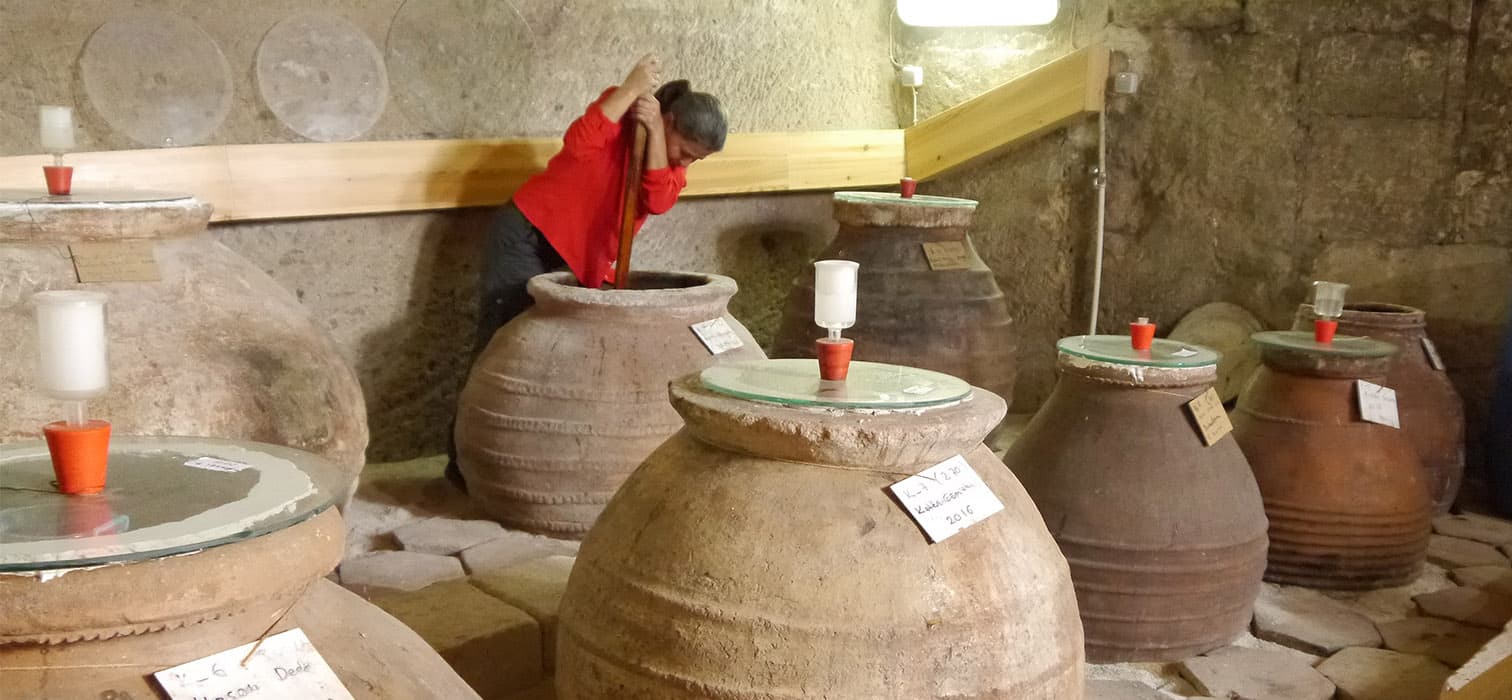
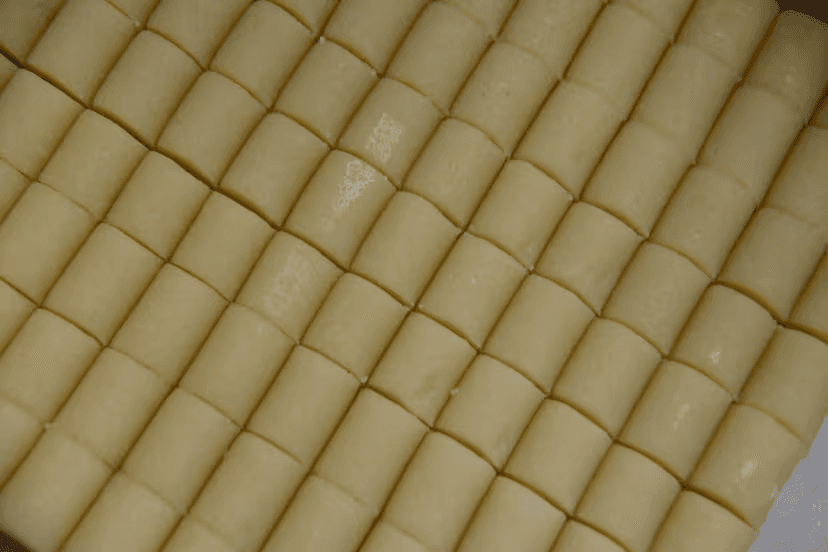
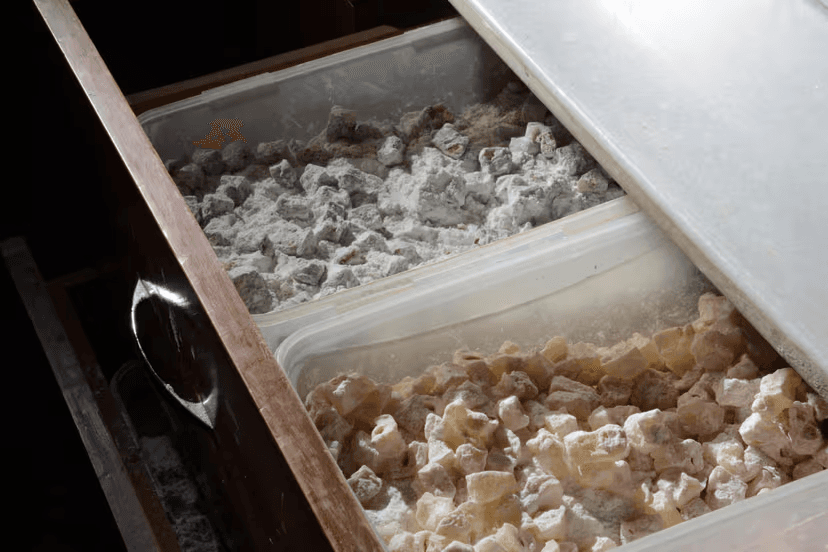
The vast majority of our products are still prepared by hand. Our almond paste and akide sugar are entirely artisanal; even our jams and lokum only use machinery for the initial cooking stage. In line with our boutique philosophy, we rely on traditional methods for nearly every step of production, utilizing only updated stoves and cutting machines where necessary.
Was it difficult to pass down the master’s knowledge through the generations? How is the flavor standard maintained in a 100-year-old brand?
This expertise has flowed from my grandfather down to the present day. Each generation views its primary role as an opportunity to further refine the quality of the product. By refusing to compromise on standards regardless of external conditions, we have successfully preserved our signature flavor profile for a century.
Living Recipes
Do you have recipe books?
We do not rely on a single, static recipe book. Instead, I maintain detailed notes on production changes and lessons learned from past mistakes; in this way, our recipes have been continuously evolved and perfected over the last decade. A fixed formula is impossible because we aren’t compounding medicine—sugar standards, raw material compositions, and environmental conditions change. While we use thermometers and refractometers, we still verify the final consistency by hand, relying on intuition and skill. Our recipes are “living” entities; they adapt to changing tastes while maintaining our characteristic standard.
Where do Üç Yıldız flavors stand in Istanbul’s culinary landscape?
Our brand occupies a unique niche within Istanbul’s gastronomic culture. Specifically, our mastic-flavored, double-roasted Turkish delight, our almond paste, and the “white dessert” (çevirme) are considered quintessential examples of Istanbul flavors by connoisseurs. The white dessert is a traditional treat served by the spoonful with a glass of ice-cold water—a staple of hospitality in the non-Muslim households of old Istanbul. These products remain essential for our regulars when hosting guests.
What is the connection between Üç Yıldız Confectionery and the identity of Istanbul and Beyoğlu?
The connection is profound. While Beyoğlu is in a state of constant flux, we are one of the few establishments in the Fish Market that has remained unchanged. We are often featured as a landmark in international magazines and city guides. For those who know the city, Üç Yıldız and Beyoğlu are an inseparable pair. We rarely advertise; our reputation travels through word-of-mouth among those who appreciate our value.
How has the city’s transformation and the evolution of neighborhoods affected your business?
We are situated in the Beyoğlu Fish Market. Before the advent of large supermarkets, this was the heart of the city’s commerce, where one could find everything from fresh fish to artisanal cheeses and imported delicacies. As the city grew and supermarkets made goods more accessible, the character of the neighborhood shifted, and many traditional shops closed. Consequently, we occasionally feel a sense of isolation in the area, but we continue to endure thanks to the innovations and commitment to quality that define us.
Saatolog Yıllık Saat Dergisi Saatolog’un yeni sayısı, 2020’nin yarattığı bu dönüştürücü etkiden ilham alarak hazırlandı. Dünya dijitalin etkisiyle her zamankinden de hızlı bir şekilde ilerlerken yavaşlamanın da önemini sonunda kavramış bulunuyoruz ve bu tezatlık hayatlarımızın her anına etki ediyor. Biz de bundan yola çıkarak Saatolog 2020/21 sayısını ‘‘hızlı ve yavaş’’ teması altında hazırladık.