New York, 1925. Midnight. You are standing outside a laundromat that has long since closed for the night. You knock three times, then once more. A voice comes from behind the door: “Who are you?” The password: “Joe sent me.”
There is little point in discussing the bonds we form with what is visible; that part is rather ordinary. Yet the seductive effect of the invisible, of what remains hidden, on the human imagination is undoubtedly extraordinary. Fuelled by the boundlessness of human imagination, our curiosity about what is secret is intense, our fascination deep, and our creativity capable of pushing beyond all limits. There is, of course, something mystical about an ordinary door opening onto an entirely different, completely unexpected world. As though it symbolised a dream. Perhaps that is why, a hundred years later, even those living in entirely different geographies remain so passionately attached to the aesthetic codes of that era.
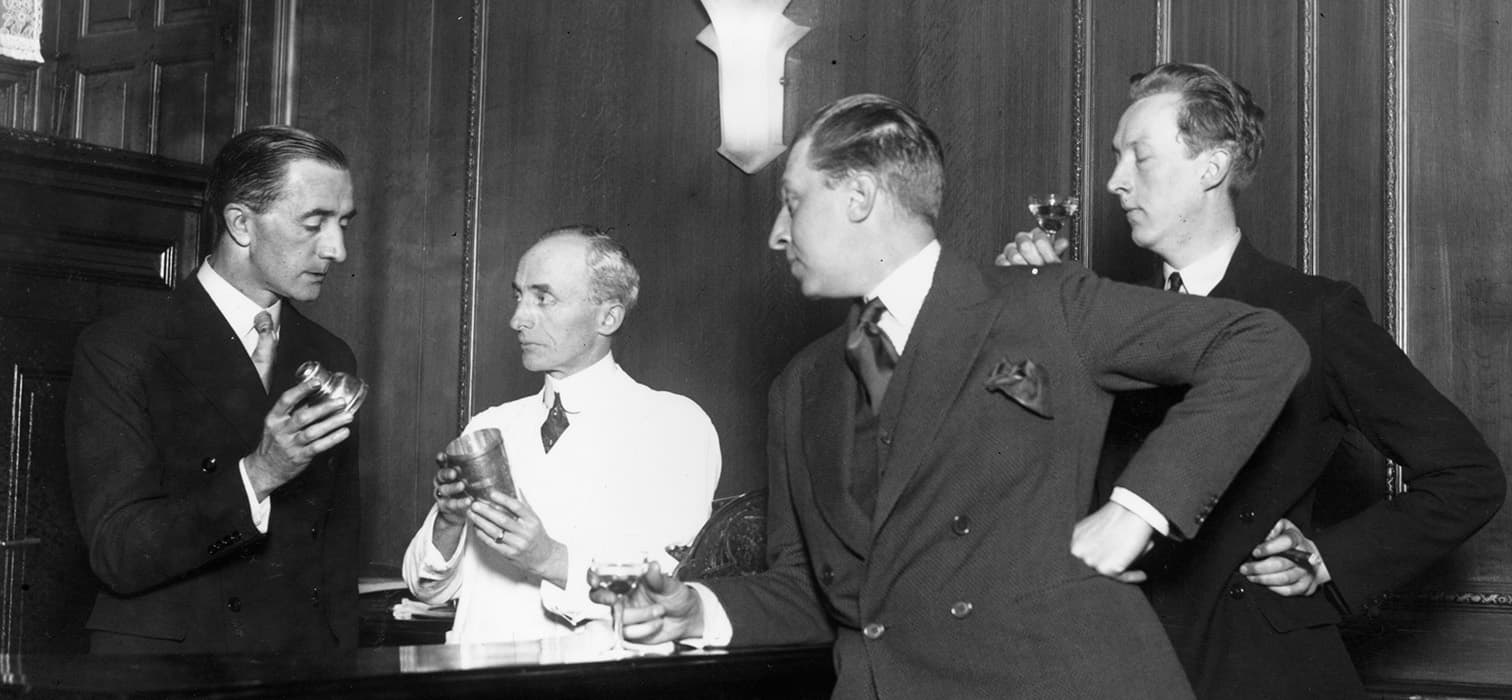
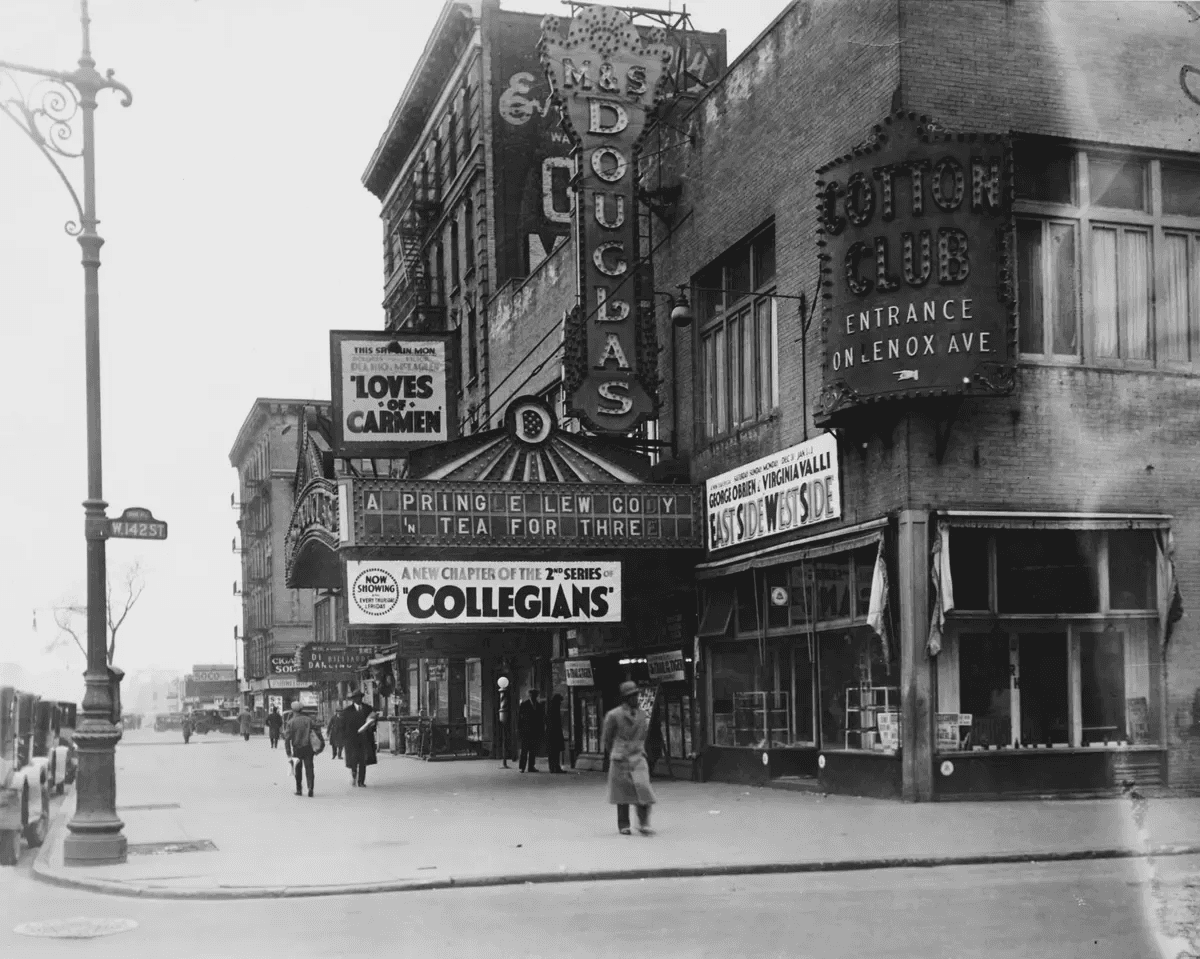
Hulton Archive / Getty Images
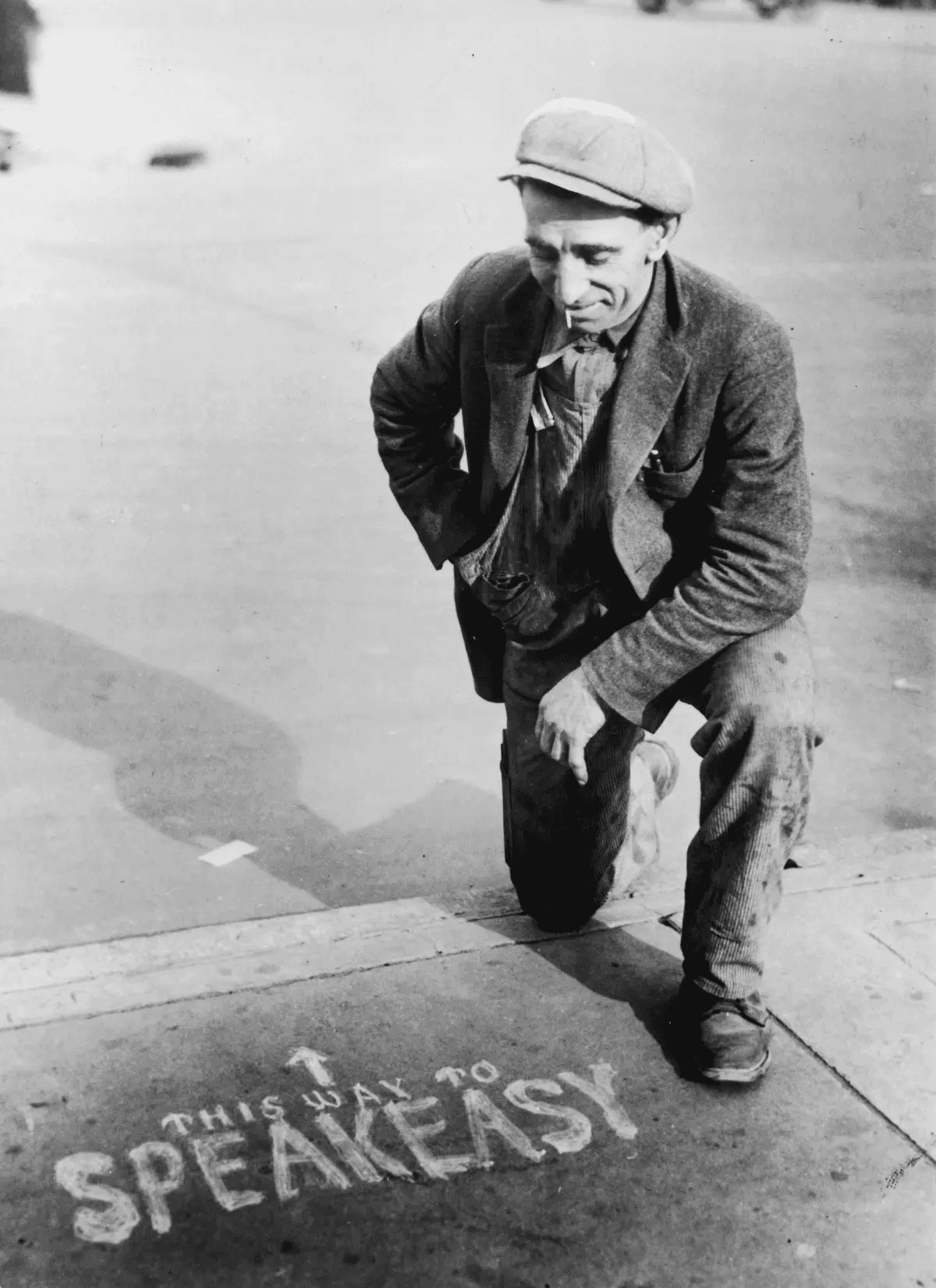
Speak Easy
Let us travel back a hundred years, to America in the 1920s and the days of the Noble Experiment. With the 18th Amendment to the Constitution, the manufacture, sale and distribution of alcoholic beverages were prohibited.
By day, the streets were calm, orderly and respectable; the promise of protecting public morality was on everyone’s lips, while newspapers were filled with articles claiming that Prohibition would purify society.
But when night fell…
The same city slipped into an entirely different rhythm. Shadows waited outside shuttered shops in back streets, the smell of makeshift stills drifted up from basements, boats quietly approached the harbour, and an entire city remained on edge at the sound of every siren.
Prohibition was creating an aesthetic of its own underground: doors opened in whispers, music mingled with darkness, and a culture of secrecy gave birth to a new kind of creativity. Out of circumstances no one could have predicted came the password to a century-long revolution: the speakeasy.
“Speak easy.” Keep your voice low. Because the regulars of these new establishments had to whisper if they were to exist without being overheard by the world outside.
Manhattan, 1925. We are standing outside what appears to be an ordinary laundromat in the heart of the city. Behind its shopfront, however, lies one of New York’s whispered-about secret establishments.
Like many hidden bars of the period, it wears the disguise of an innocent “business”. To step inside, you must first know the right person and then give the correct password.
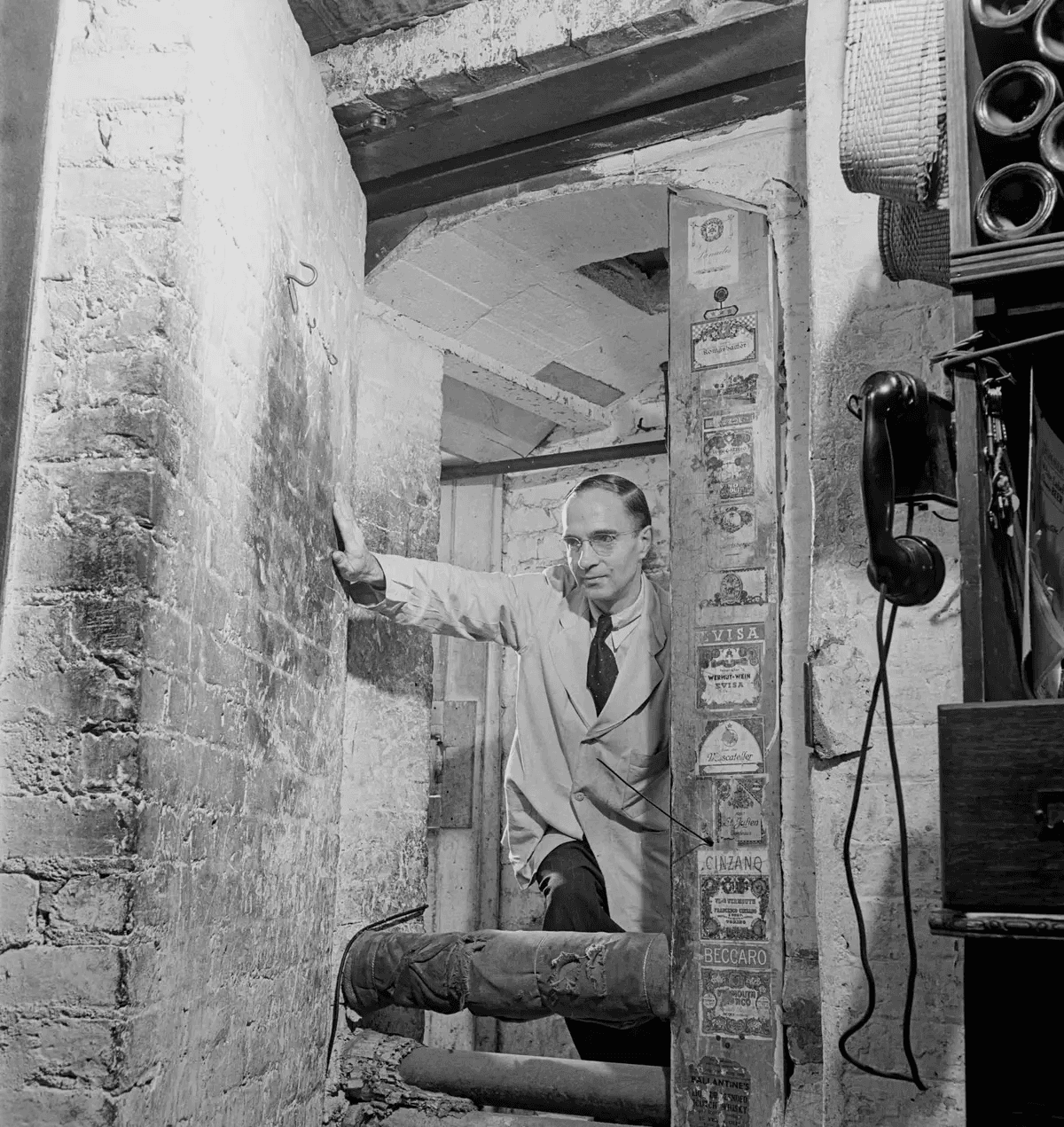
Inside, however, lies a world far more seductive than the one outside: crystal glasses are disguised as teacups; at the first rumour of a raid, bottles and barrels disappear in seconds, hidden away in attics, basements and secret compartments; elegantly dressed women and men speak in low voices, argue, debate and feed their souls with music.
It is in these early speakeasies that the legends of tunnels, false walls and escape doors hidden beneath Prohibition-era New York begin to take shape. Later, in places such as the 21 Club, concealment would evolve into an extraordinary feat of engineering. But in those days, it was still only the beginning.
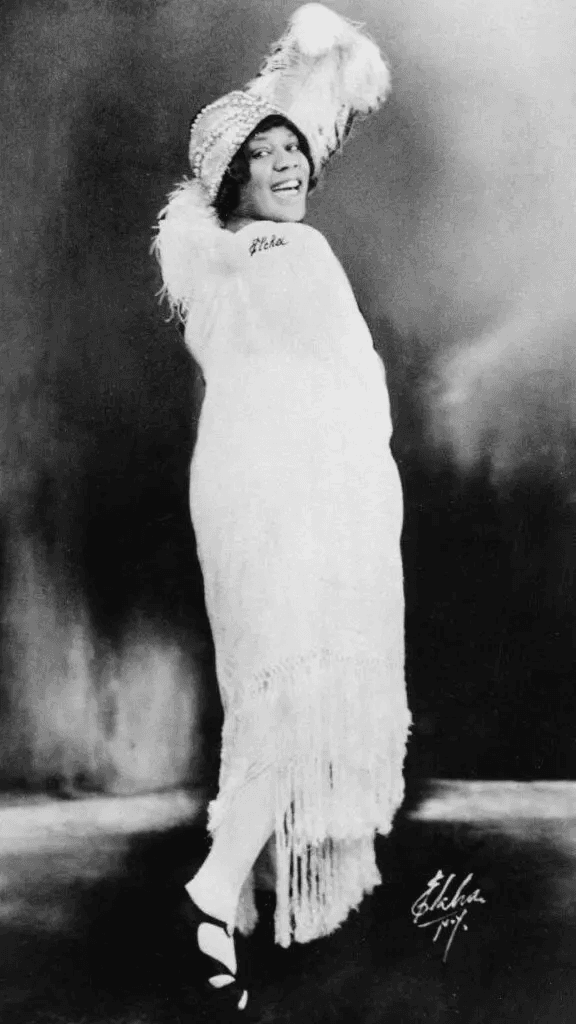
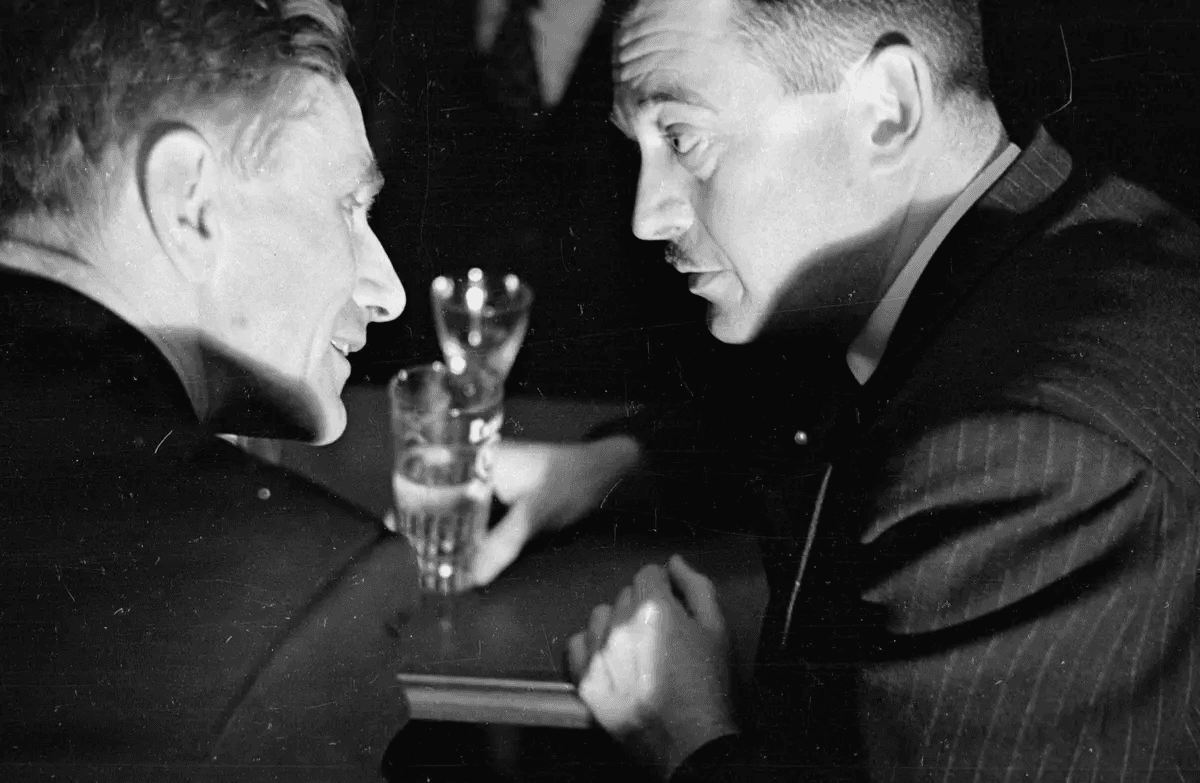
Bessie Smith 1925 Fotoğraf: Edward Elcha/Michael Ochs Archives/Getty Images
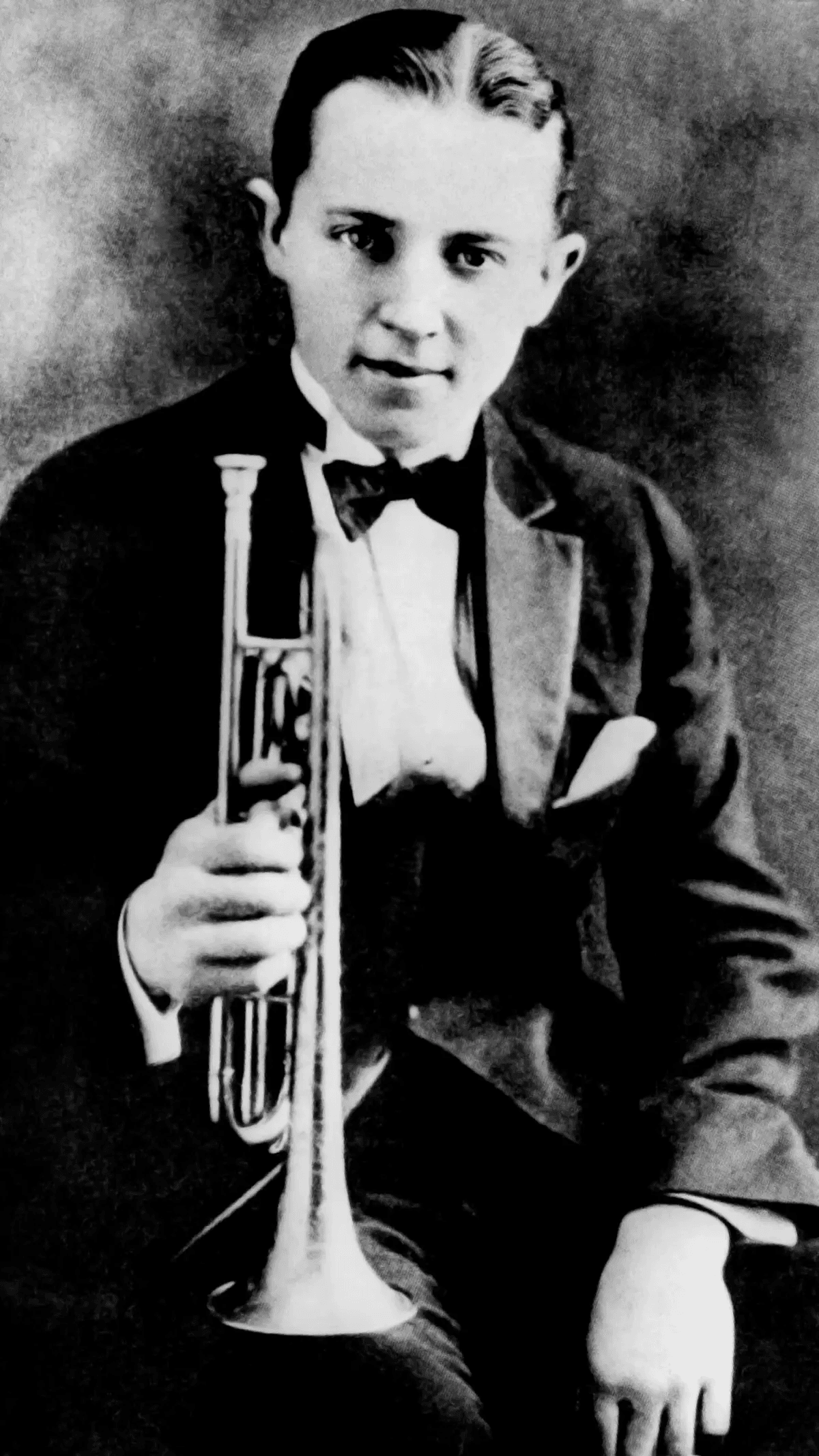
Bix Beiderbecke Fotoğraf: Michael Ochs Archives / Getty Images
The 21 Club is undoubtedly among the most famous names associated with this culture, but it was never the only one.
On the narrow streets of Greenwich Village, at 86 Bedford Street, stood a door without a sign: Chumley’s. From the outside, it looked like the entrance to an ageing apartment building. Step through it, however, and you found yourself in a world of wooden tables, shelves filled with books and conversations conducted in low voices.
John Steinbeck, F. Scott Fitzgerald and Ernest Hemingway are among the names associated with these tables; they drank, wrote, argued and listened here. It is a scene that reminds us how the very fact of a place being “secret” lends an extra layer of depth to the stories born within it.
Part of Chumley’s beauty was that even arriving there felt like a ritual: those who did not know could not find it; those who did know told no one.
As speakeasies multiplied across New York, the city gradually became a map printed in two layers. On one side was its daytime face: respectable, obedient and clean. On the other was the alluring universe of those who removed their cloaks only after dark, behind closed doors.
In Chicago’s back streets, bars opened one after another under the protection of gangsters, while in Detroit barrels of contraband liquor arriving from Canada were quietly moved into warehouses.
Yet the true heartbeat of speakeasy culture was still in New York, and particularly in Harlem. Because the places subjected to the greatest pressure also became the stage for the most extraordinary creative explosions.
In these bars, it was not only glasses that overflowed, but ideas. Jazz musicians such as Duke Ellington took to the stage, and women found a degree of equality they had long deserved within these spaces.
Hulton Archives / Getty Images
Cocktail Culture is Born
The underground aesthetic created by the speakeasy was never simply a matter of alcohol. It was a way of life that would redefine the culture of its time.
Before Prohibition, drinking culture had been as pure and straightforward as the drinks themselves. The essential thing was to drink beer as beer and whiskey as whiskey.
Once Prohibition came into force, however, the balance shifted.
The alcohol arriving through illegal channels, or being produced at home, was often of terrible quality, sometimes with an odour intimidating enough on its own. This was precisely where inventive bartenders stepped in and began proposing entirely new formulas.
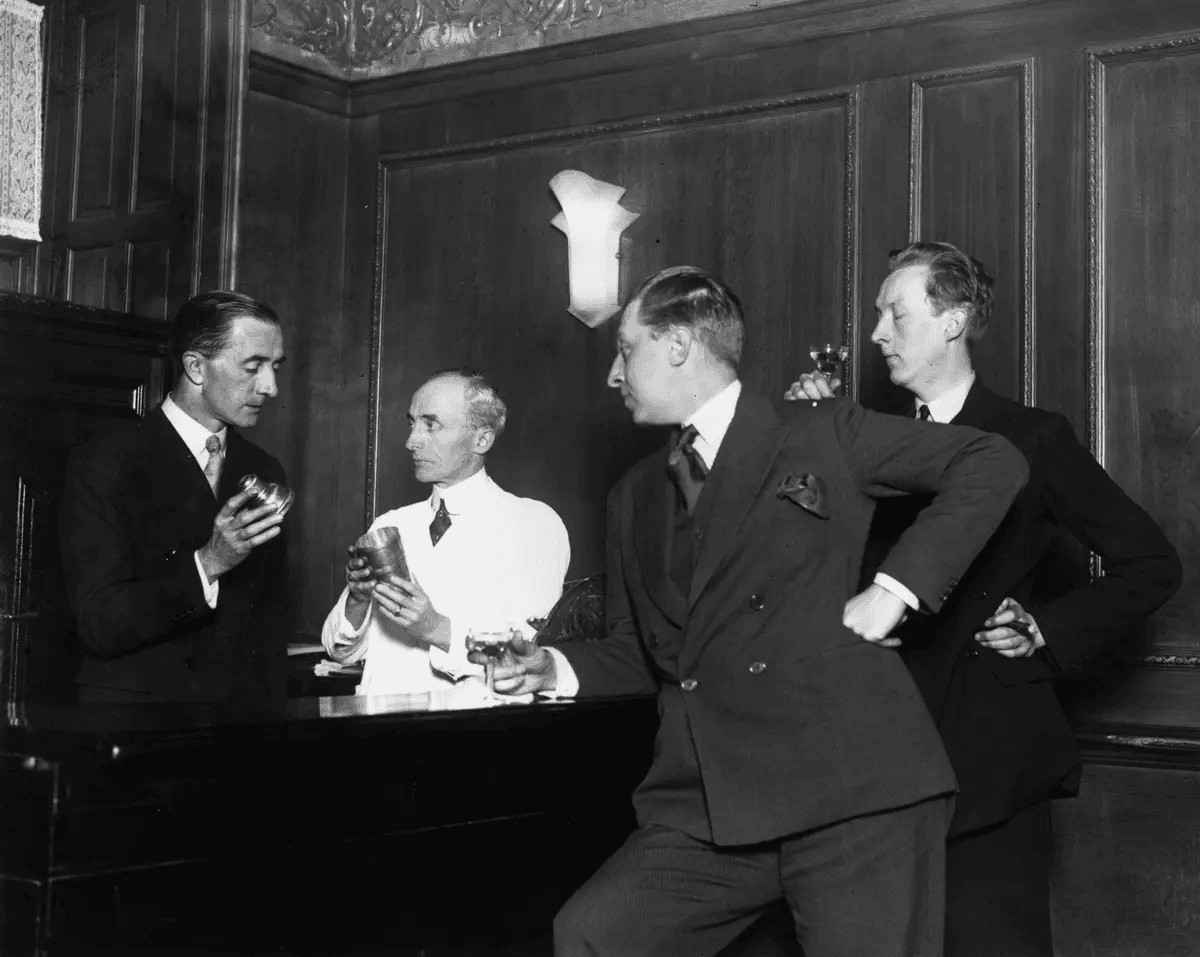
Behind the bar, the counter began to resemble a chemistry laboratory. Lemon juice, honey, sugar syrups, aromatic herbs and spices entered the equation, and as though in defiance of the harsh reality of the age, recipes of unexpected elegance began to emerge.
The Mary Pickford, made with pineapple juice and grenadine, seemed to embody the elegance and colourful life of the film star whose name it carried.
The Last Word, prepared with cherry liqueur and lemon, carried the sophisticated wit of the speakeasy world even in its name.
Today, many of the cocktails that appear under the heading “Classics” on bar menus are, in fact, the products of a necessity created by Prohibition: an attempt to make poor-quality alcohol drinkable.
Yet in time, it became clear that this effort amounted to far more than simple camouflage.
Bar counters became workshops not merely for people creating flavour profiles from the limited ingredients available to them, but for those beginning to give cocktails a story. Bartenders, meanwhile, ceased to be simply the people who prepared attractive drinks and became craftspeople who understood the geography of ingredients, could read an aroma and took the shape of an ice cube seriously.
The refinement cocktail culture has reached today is, in many ways, the evolved form of a creativity born of necessity. The small steps taken in the shadows of Prohibition gradually transformed into an entirely new aesthetic language within modern gastronomy.
Merlyn Severn / Getty Images
The End of Prohibition, The Beginning of the Legend
By the time Franklin D. Roosevelt became president in 1933, almost everyone understood that Prohibition was not working.
That same year, the 21st Amendment came into force and the ban on alcohol officially came to an end. Thousands of speakeasies either closed overnight or transformed themselves into legal bars.
But the cultural legacy created over those 13 years was not something that could simply be locked away.
The cocktail culture born in speakeasies, the changing ways in which women occupied public space, the normalisation of different classes and identities sharing the same room… All of these continued long after Prohibition ended.
Only their names changed. Their visibility increased. But their spirit moved from underground to above ground, finding new homes in bars, restaurants and nightclubs.
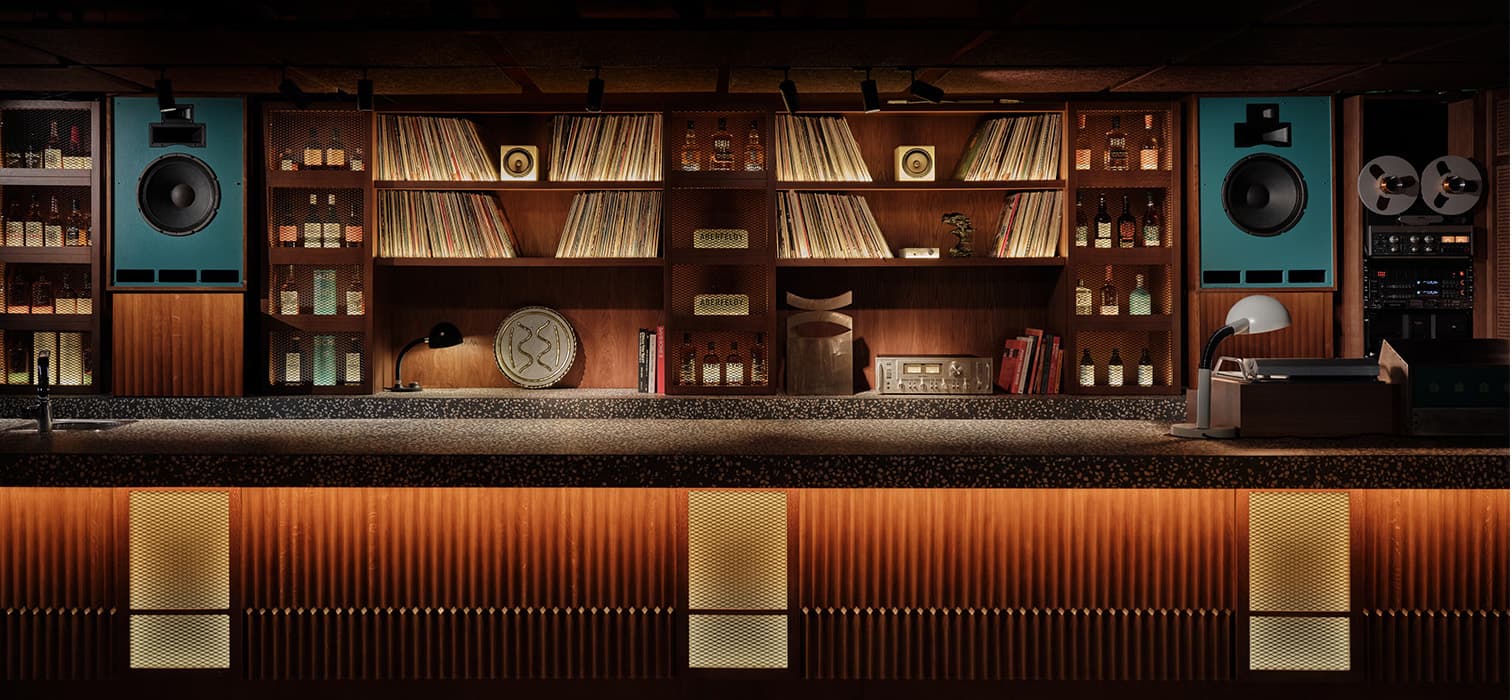
Even today, there are places that either preserve the atmosphere of the 1920s or directly inherit something from that era.
The Back Room in New York is one of them; drinks are still served in teacups, and guests pass through hidden doors disguised as bookcases.
In San Francisco, Bourbon & Branch occupies what was once the back room of a cigar shop. Even today, guests are required to give a password at the door, and mobile phones are banned inside.
Fox Photos / Getty Images
For decades, the 21 Club in Greenwich Village carried its speakeasy past beneath the elegance of a sophisticated restaurant; its hidden compartments and the legendary cellars beneath it became the material of countless stories.
Elsewhere in New York, PDT—Please Don’t Tell—became one of the defining symbols of the modern speakeasy renaissance, entered through an old telephone booth hidden inside a hot-dog shop.
In Barcelona, Paradiso lies behind the refrigerator door of a pastrami shop.
In Tokyo, Bar Benfiddich works with botanicals cultivated by its own bartender.
Together, they show that the spirit of the speakeasy was never confined to America or to the 1920s; the idea of the “hidden door” answers a far more universal desire.
Perhaps that is exactly why speakeasies remain so seductive: the luxury of being invisible in an age of excessive visibility.
In a world where everything is recorded, every moment shared and every place rated, there is still something irresistible in the possibility that, behind some anonymous door, an experience might exist that cannot quite be contained within a photograph—that cannot be fully explained, that remains slightly hazy, slightly risky and valuable simply because you happened to be there.
Speakeasy culture may have been born in an age of genuine prohibition. But what it reminds us of today is something much larger: the pleasure of curiosity, the allure of what remains hidden, the value of slowing down, and the fact that stories told in whispers somehow always seem to live a little longer.
And perhaps that is why, whether we find ourselves on a street in New York, in a passageway in Tokyo or before a hidden door in Barcelona, the same excitement rises within us:
Saatolog Yıllık Saat Dergisi Saatolog’un yeni sayısı, 2020’nin yarattığı bu dönüştürücü etkiden ilham alarak hazırlandı. Dünya dijitalin etkisiyle her zamankinden de hızlı bir şekilde ilerlerken yavaşlamanın da önemini sonunda kavramış bulunuyoruz ve bu tezatlık hayatlarımızın her anına etki ediyor. Biz de bundan yola çıkarak Saatolog 2020/21 sayısını ‘‘hızlı ve yavaş’’ teması altında hazırladık.