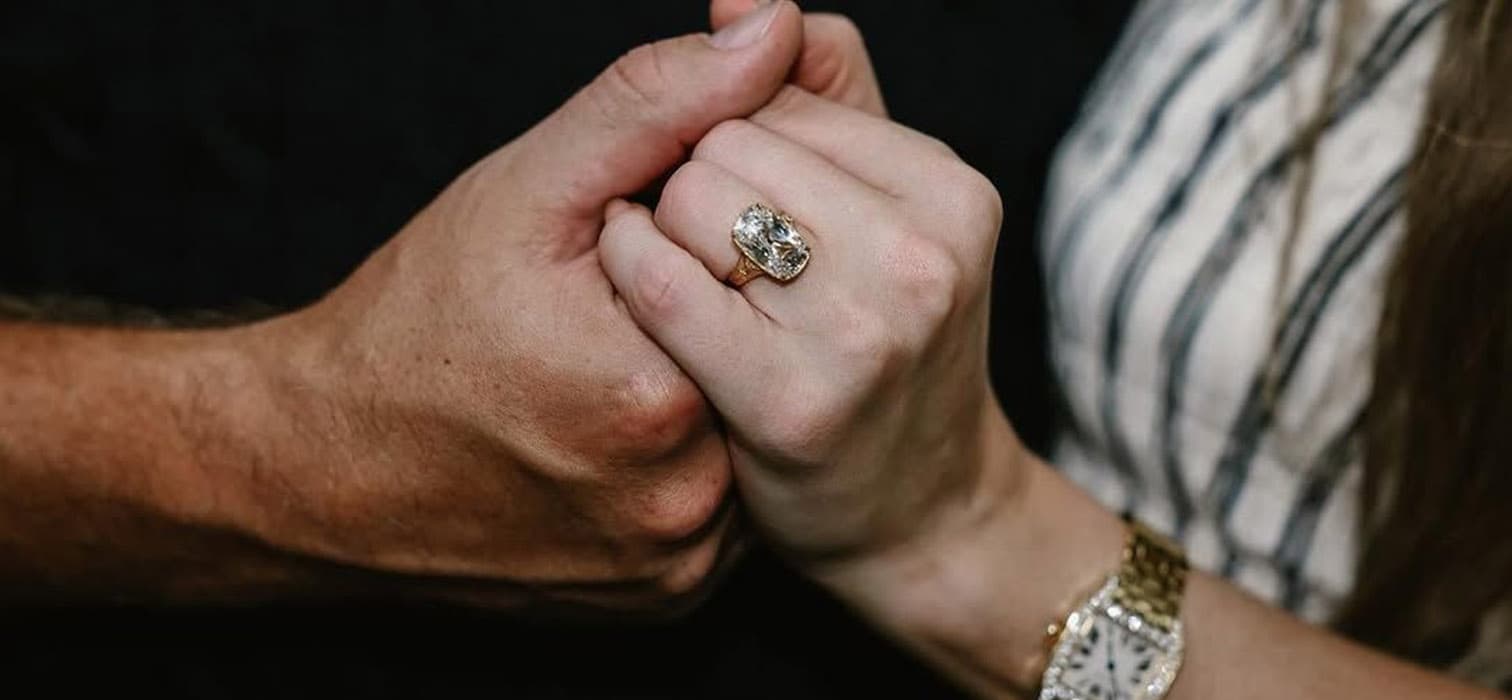
Vintage influences, unconventional diamond cuts and fresh interpretations of classic designs are shaping the engagement ring trends of 2027.
Engagement rings represent one of the oldest traditions in the world of jewellery. Dating back to Ancient Rome, the custom was initially associated less with romance than with marriage agreements and social commitments. Rings were typically crafted from iron or gold. During the Middle Ages and Renaissance, fede rings symbolised fidelity, while the more romantic gimmel rings, with their interlocking bands, and posy rings, engraved with words of love, became increasingly popular.
One of the earliest documented examples of a diamond engagement ring dates to 1477, when Archduke Maximilian of Austria presented Mary of Burgundy with a diamond ring. The gesture helped establish diamonds as an increasingly prominent feature of aristocratic marriage traditions in Europe. By the 19th century, Victorian engagement rings had become more elaborate and decorative. The modern solitaire, meanwhile, began to take shape towards the end of the century. In 1886, Charles Lewis Tiffany introduced the six-prong Tiffany Setting, a design that elevated the diamond above the band to allow more light to pass through the stone. It would become one of the defining references for the classic solitaire engagement ring. De Beers’ famous 1947 slogan, “A Diamond Is Forever”, further cemented the diamond’s association with everlasting love.
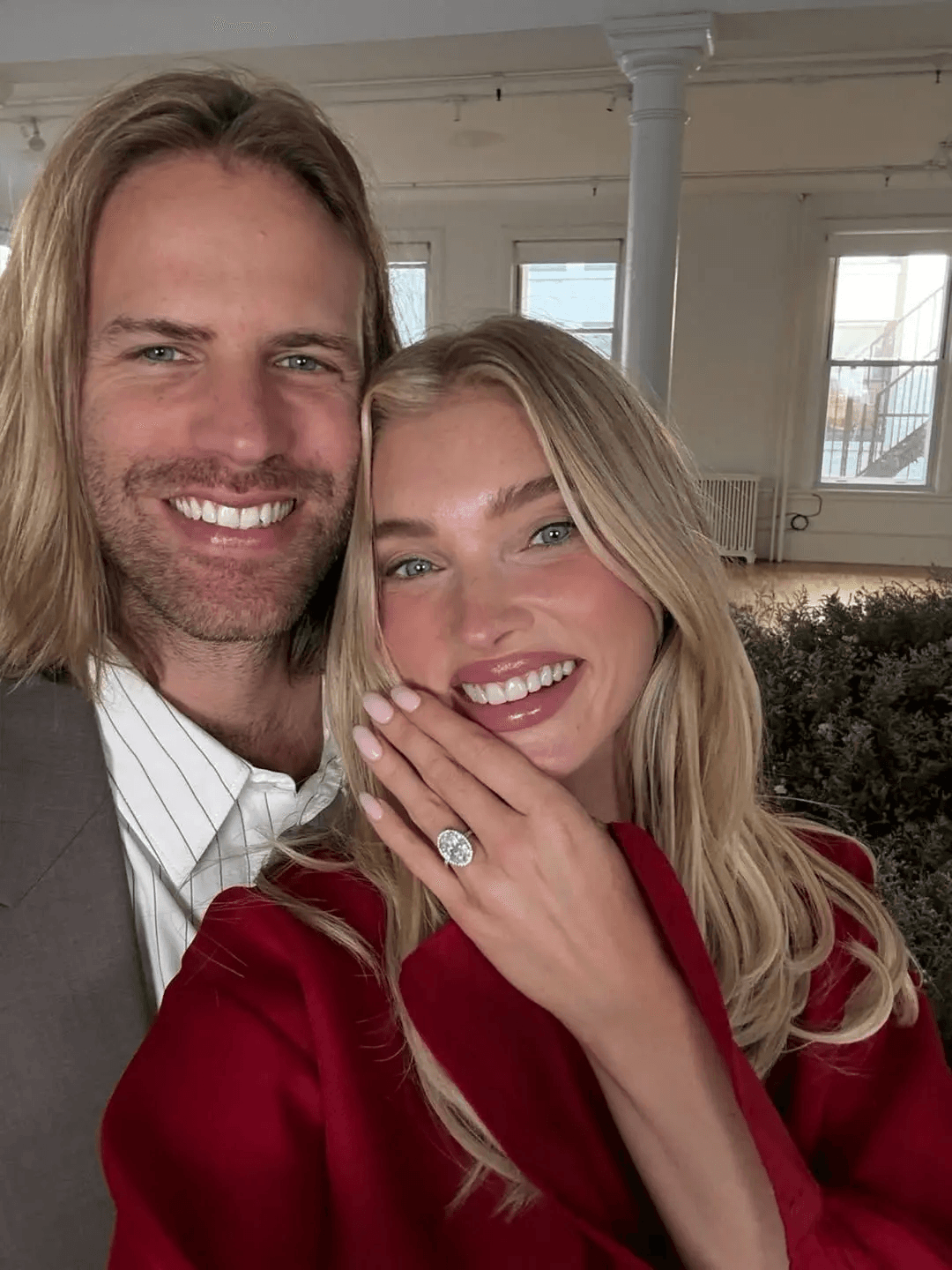
For decades, the aesthetic popularised by Tiffany remained at the heart of engagement ring design: a slender band, a four- or six-prong setting and a diamond as close to flawless as possible. Carat weight, clarity and brilliance were the deciding factors, while design often took a secondary role. Over the past few seasons, however, engagement rings have become considerably more diverse. Today, a ring’s character is defined as much by its cut, setting, metalwork and personal details as by the size of its centre stone.
As 2027 approaches, two distinct directions are emerging in engagement ring design. On one hand, there is a renewed appreciation for the craftsmanship and aesthetics of antique jewellery. On the other, designers are embracing a more experimental approach, reimagining traditional codes with greater freedom. Historical references meet contemporary design, while individuality and personal expression play an increasingly important role in choosing a ring. Beyond carat weight and perfection, craftsmanship, character and meaning are becoming just as important. Here are the ten engagement ring trends defining the season.
Contents
1. Antique Diamond Cuts
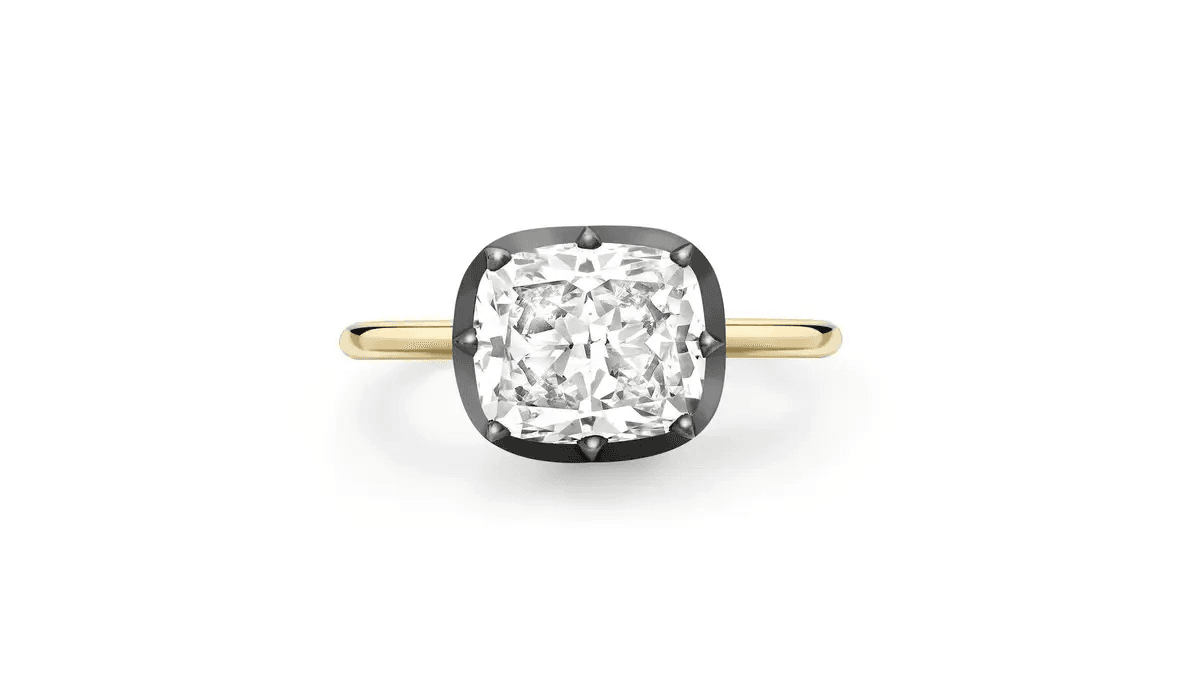
As the jewellery world continues to celebrate precision and symmetry, antique diamond cuts are finding renewed appeal for their distinctive character. Old Mine and Old European cuts stand apart from the standardised geometry of modern diamonds, with their individual facet arrangements and softer reflections of light. Today, these stones are being paired with contemporary gold bands and minimalist settings, bringing the charm of antique jewellery into a modern context.
2. East-West Settings
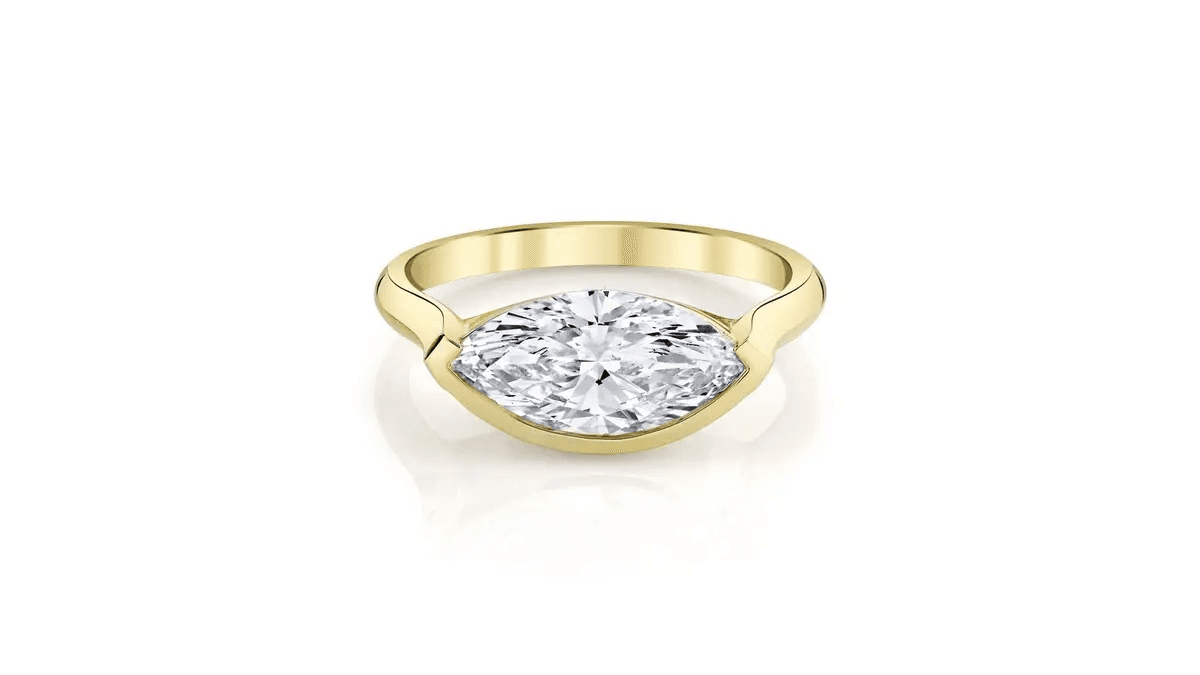
Sometimes, changing the direction of a stone is all it takes to transform the character of a ring. In East-West settings, oval, marquise and emerald-cut diamonds are positioned horizontally rather than in their traditional vertical orientation. This seemingly simple adjustment gives the familiar solitaire silhouette an entirely different personality, introducing a more graphic, contemporary aesthetic.
3. Bold Gold Bands
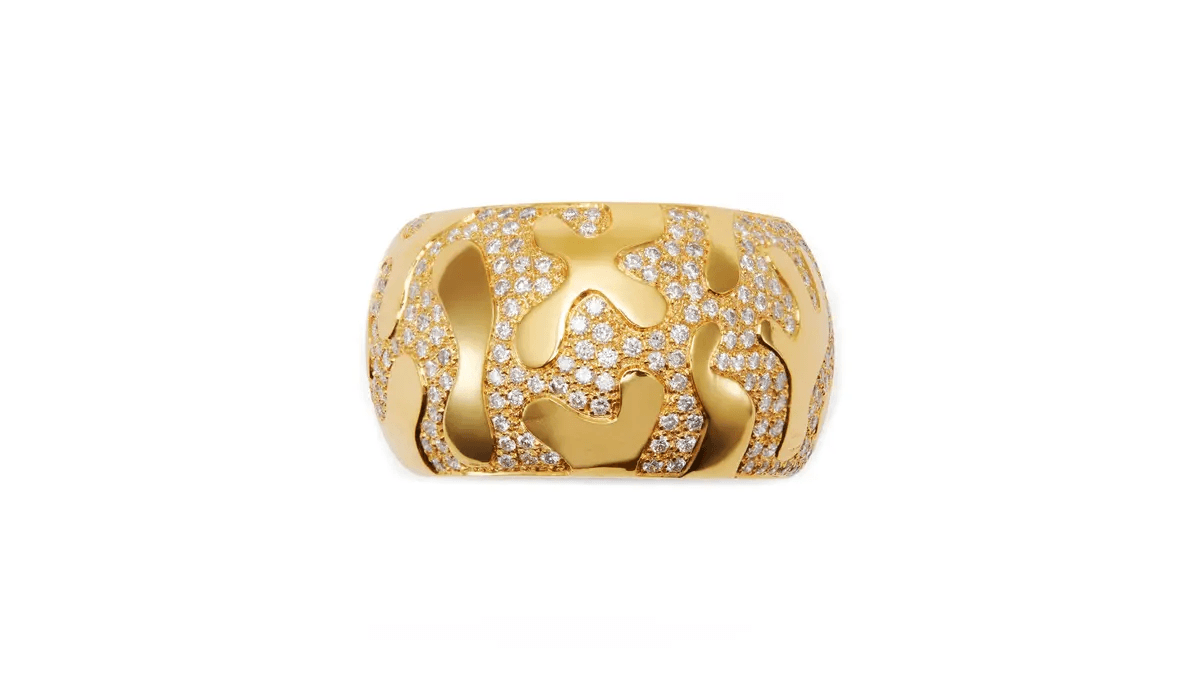
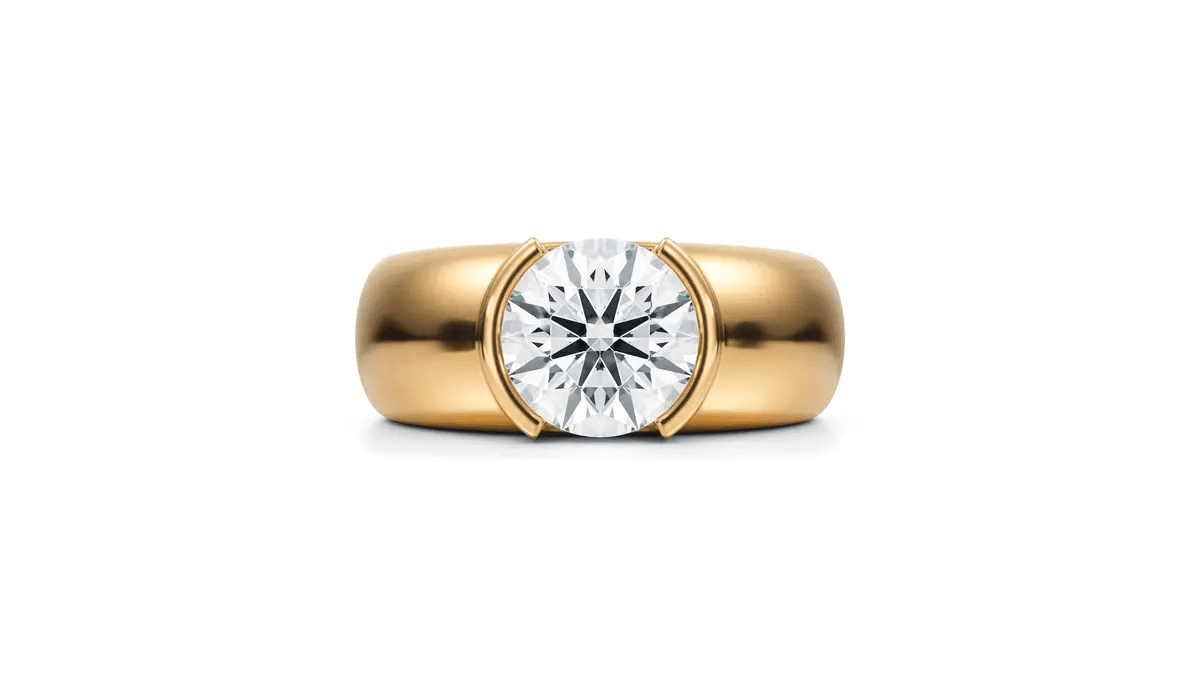
After years of increasingly delicate bands designed to keep the focus firmly on the diamond, engagement rings are gaining weight and volume. Reminiscent of the statement gold jewellery of the 1970s, wide, substantial bands create a striking frame for the centre stone. In these designs, the richness of the gold and the treatment of its surface become just as important as the diamond itself. Some feature stones set flush into the metal, while others place a prominent diamond at the centre of a sculptural gold band.
4. Modern Settings
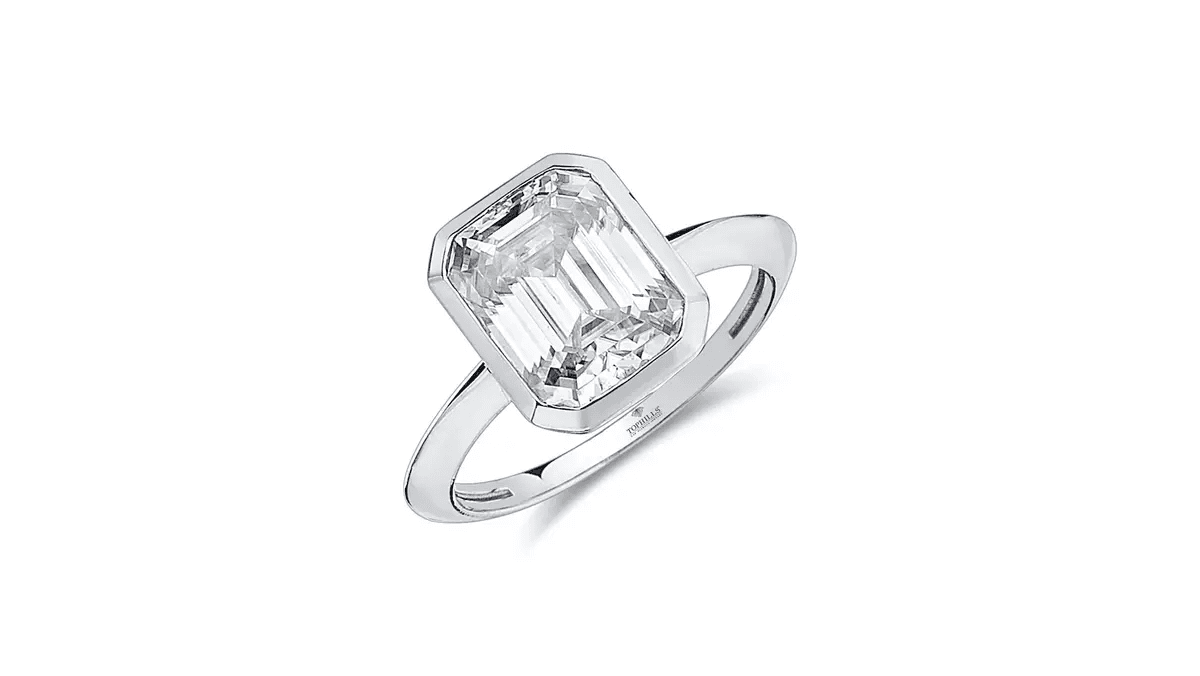
The longstanding dominance of traditional prong settings is being challenged by a renewed interest in bezel designs. By surrounding the diamond with a fine metal rim, a bezel setting emphasises the stone’s shape while creating a more seamless silhouette. Half-bezel settings offer a lighter alternative, holding the stone at two opposing points and leaving more of its edges exposed. Particularly effective with oval and emerald-cut diamonds, these settings bring a distinctly modern sensibility to engagement rings.
5. Warm-Toned Diamonds
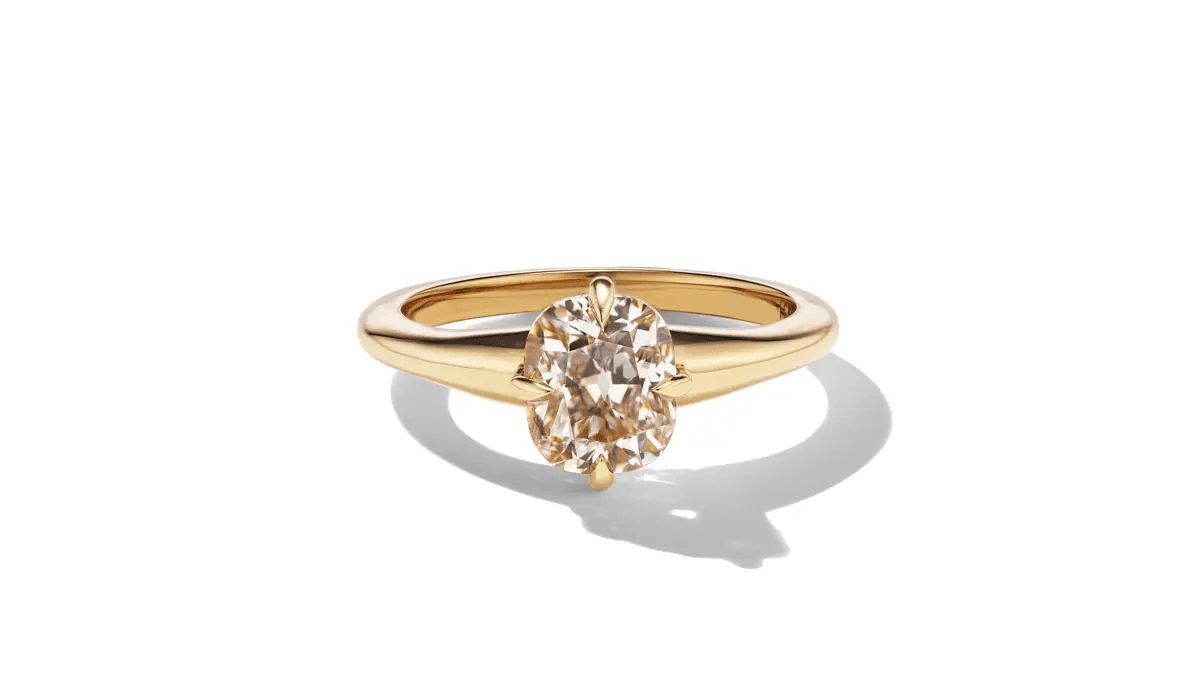
After decades of pursuing the colourless perfection of D- and E-grade diamonds, warmer and more unconventional shades are gaining attention. Champagne, honey, light brown and cognac tones are emerging as compelling alternatives to traditional white diamonds. Paired with yellow gold, these stones create a particularly nostalgic effect, their natural warmth complementing the richness of the metal. The result is a softer, more individual interpretation of the classic diamond engagement ring.
6. Organic Shapes
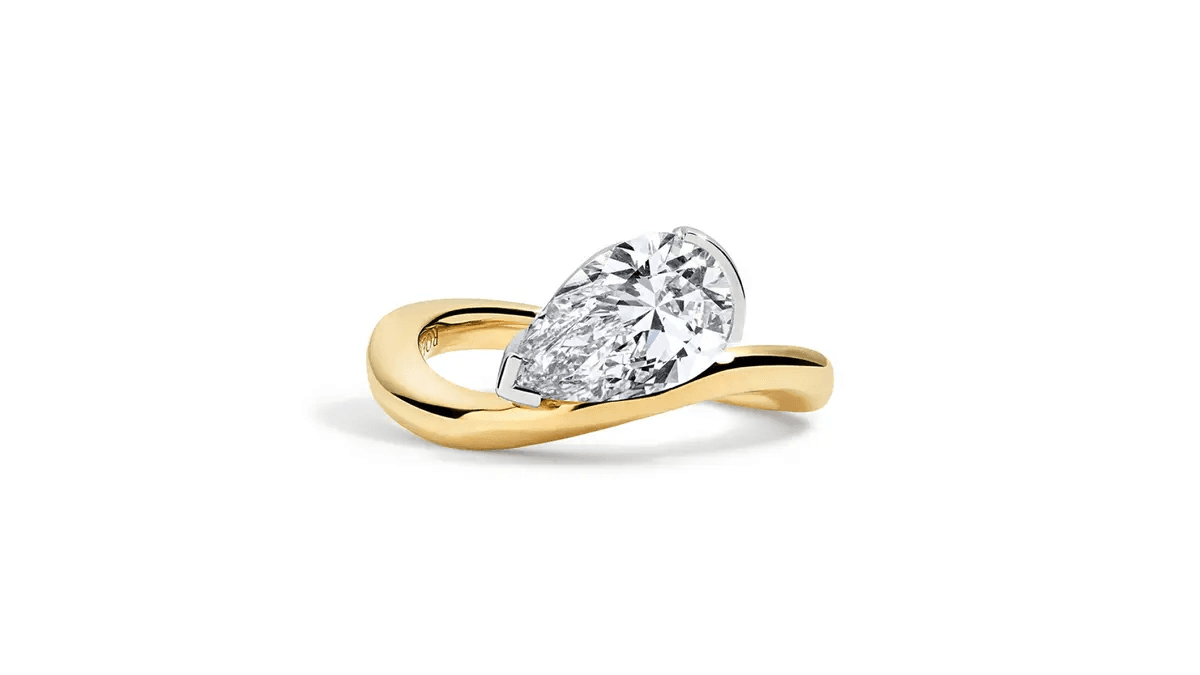
Movement is the defining characteristic of this trend. Traditional circular bands are giving way to freer, more fluid forms, with undulating lines, asymmetrical curves and details that appear almost hand-sculpted. These designs transform engagement rings into miniature works of sculpture, while diamonds nestled within the curves enhance their sense of movement. The appeal lies in their irregularity, offering an alternative to the precise geometry of conventional jewellery.
7. Elongated Silhouettes
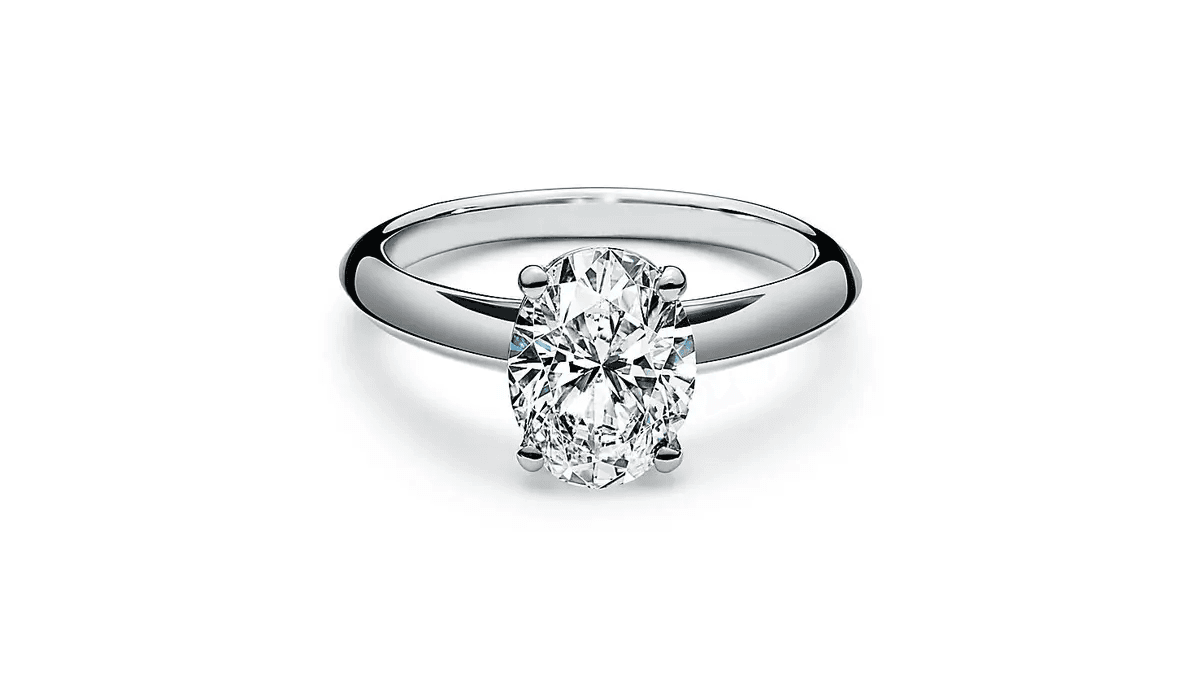
Diamond proportions are changing. Alongside traditional round brilliant cuts, longer, narrower shapes with more pronounced lines are gaining ground. Oval diamonds, whose popularity has risen steadily in recent years, have already established themselves as modern classics, while marquise cuts are making a notable comeback. Elongated cushion, emerald and radiant cuts are also part of this movement. Their proportions create the impression of a larger stone by covering more of the finger, while a vertical setting can help make the fingers appear longer and more slender.
8. Mixed Metals
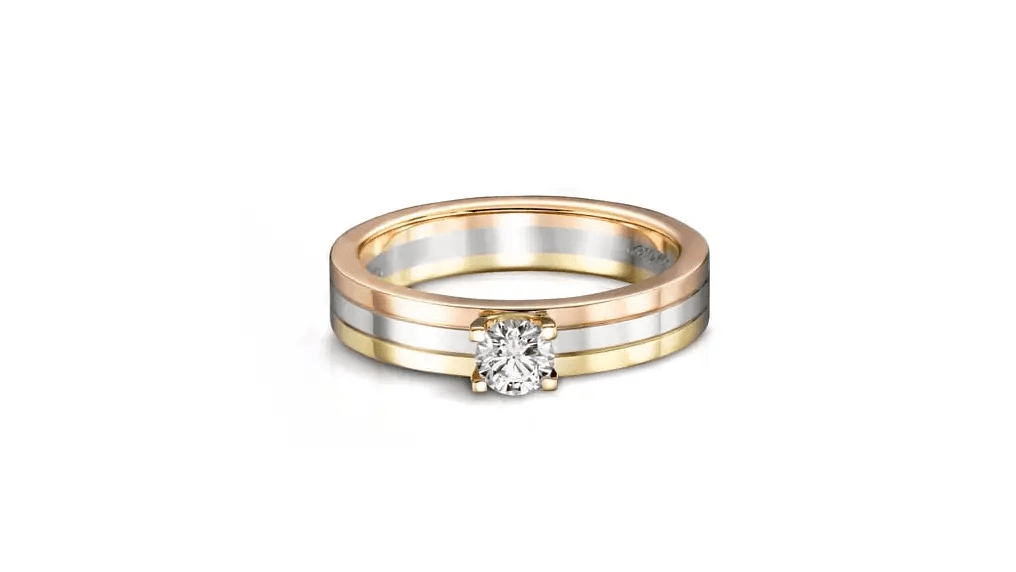
For those who have always enjoyed combining gold and silver tones in their jewellery, there is good news: the idea of committing to a single metal colour is becoming increasingly outdated. Yellow gold, white gold and platinum are being brought together within the same ring, creating designs with greater depth and contrast. Beyond their visual appeal, mixed-metal engagement rings also offer greater versatility, making it easier to pair them with different pieces in an existing jewellery collection.
9. Toi et Moi Rings
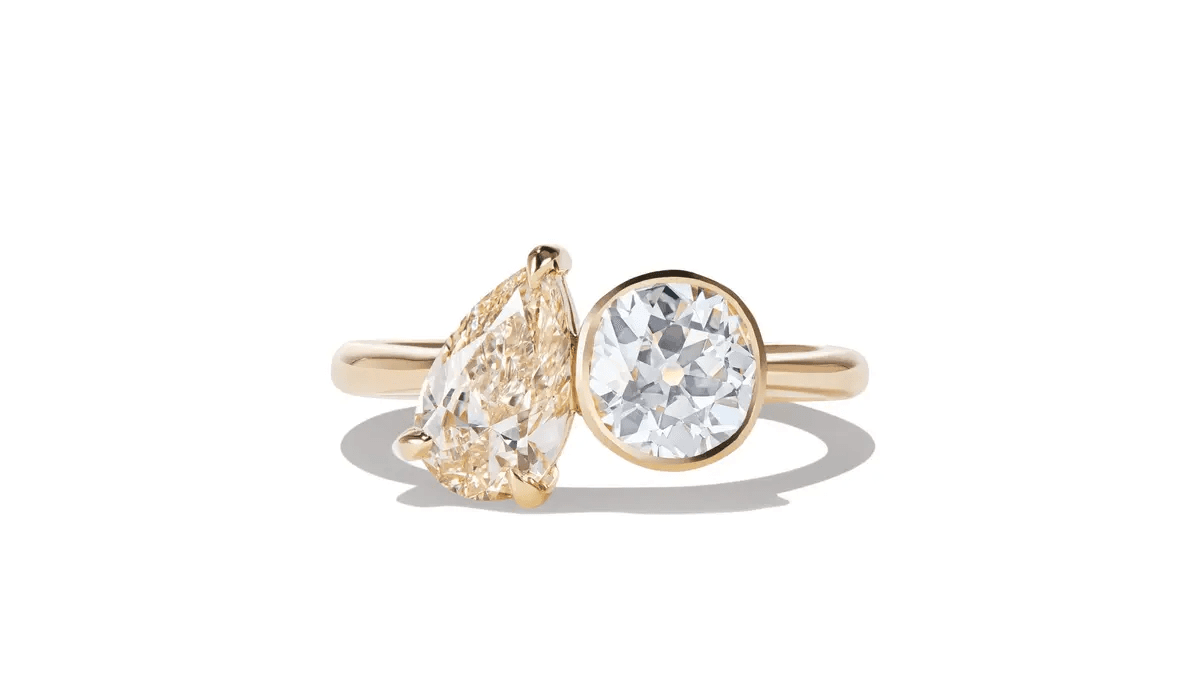
Immortalised in jewellery history by the ring Napoleon gave Joséphine, Toi et Moi designs have enjoyed a resurgence in recent years. Their two stones, traditionally symbolising the union of two people, retain their romantic significance, but contemporary designers are taking greater liberties with the classic arrangement. Diamonds of different sizes, contrasting cuts and combinations of coloured gemstones are among the defining features of today’s interpretations, giving this historic style a distinctly personal character.
10. One-and-Done Rings
Traditionally, the wedding band has occupied a separate place alongside the engagement ring. The growing One-and-Done approach challenges this convention by combining the functions of both pieces into a single design. Wide gold bands, flush-set diamonds and sculptural silhouettes are making it possible to choose one ring that serves as both an engagement ring and a wedding band. The result is a more streamlined approach to bridal jewellery, without compromising on design or individuality.