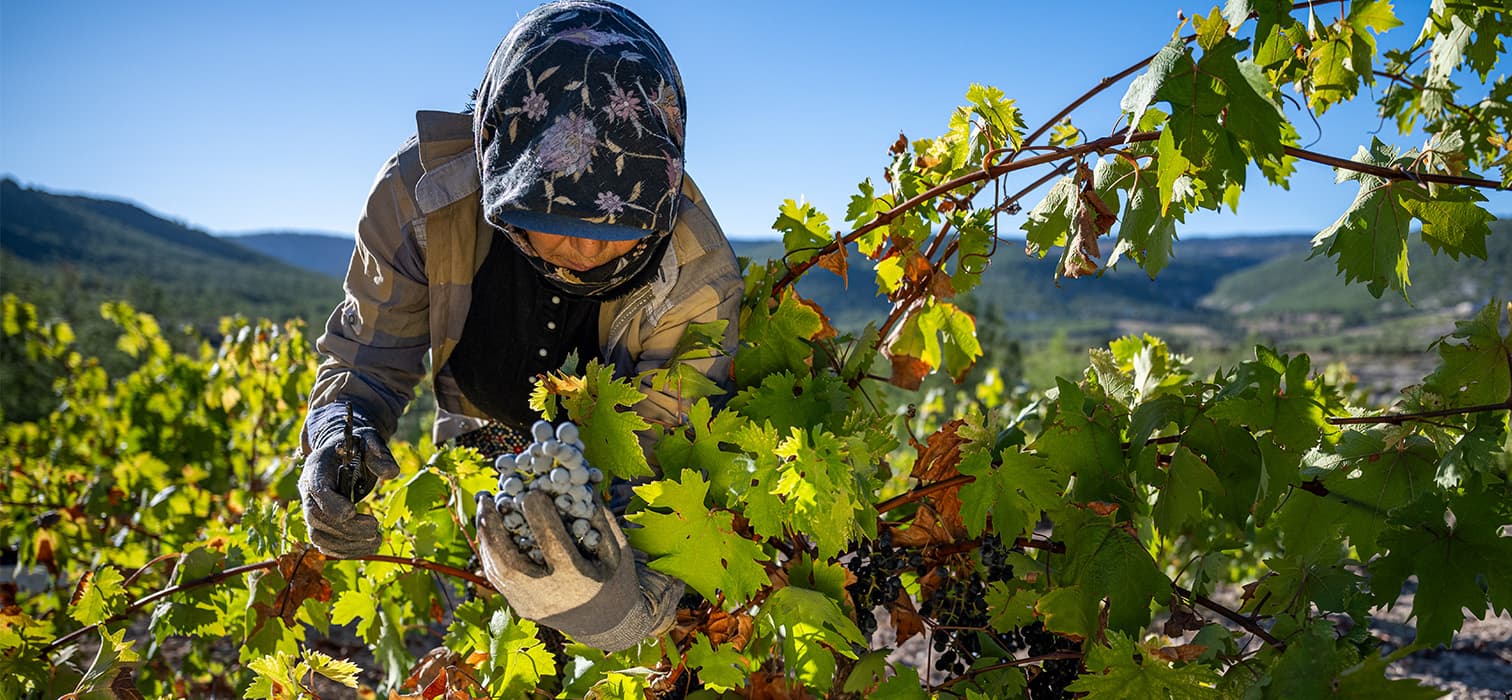
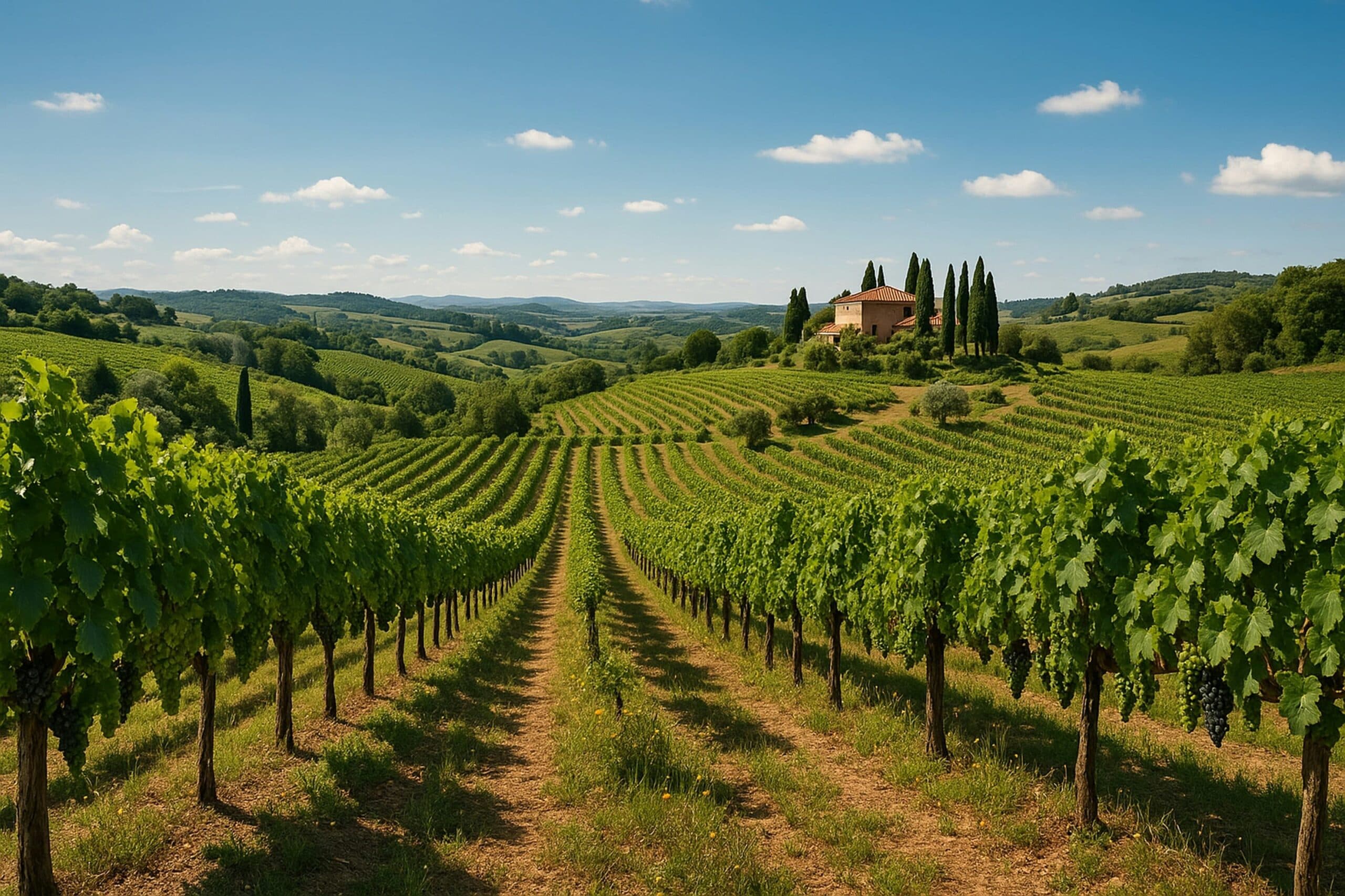
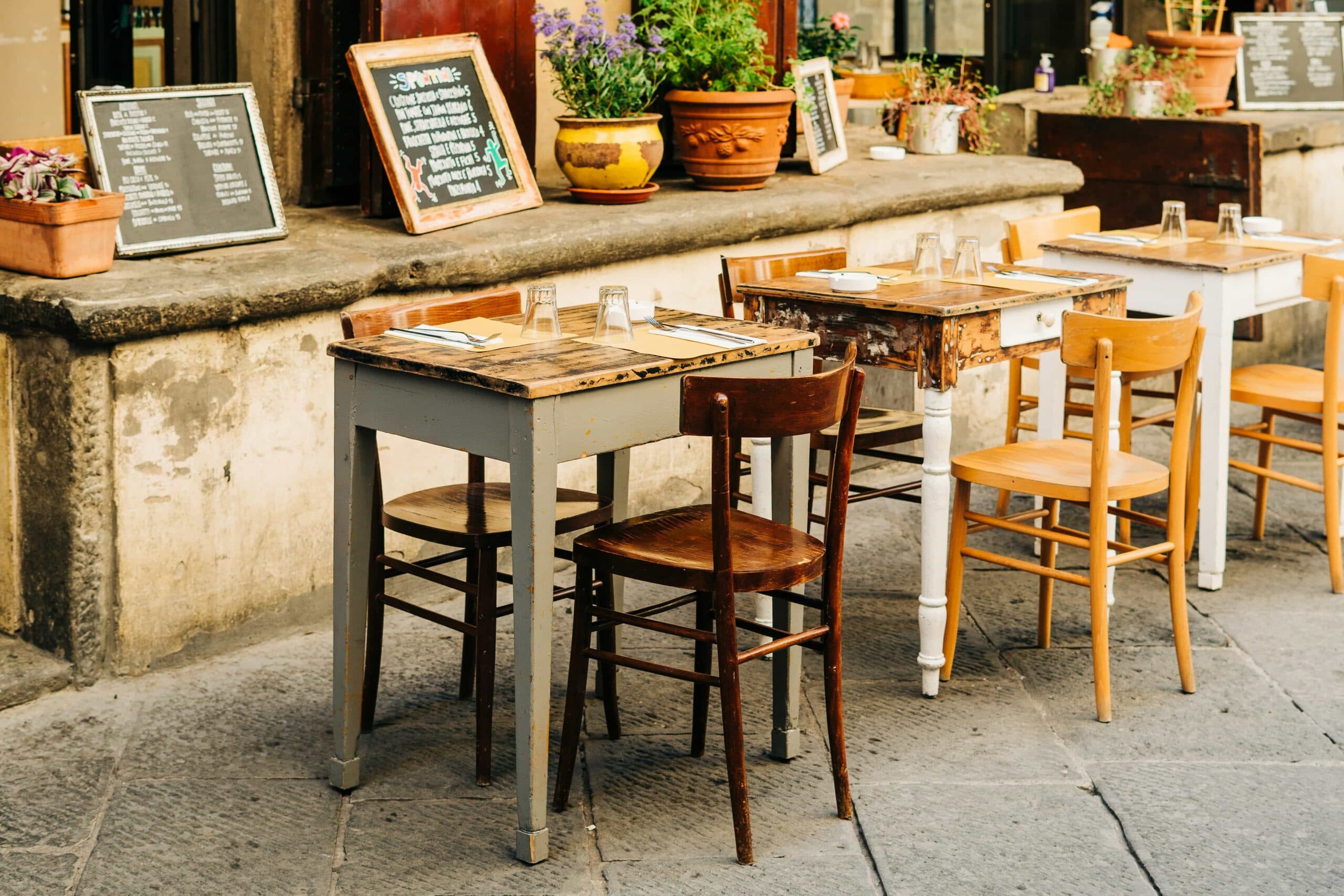
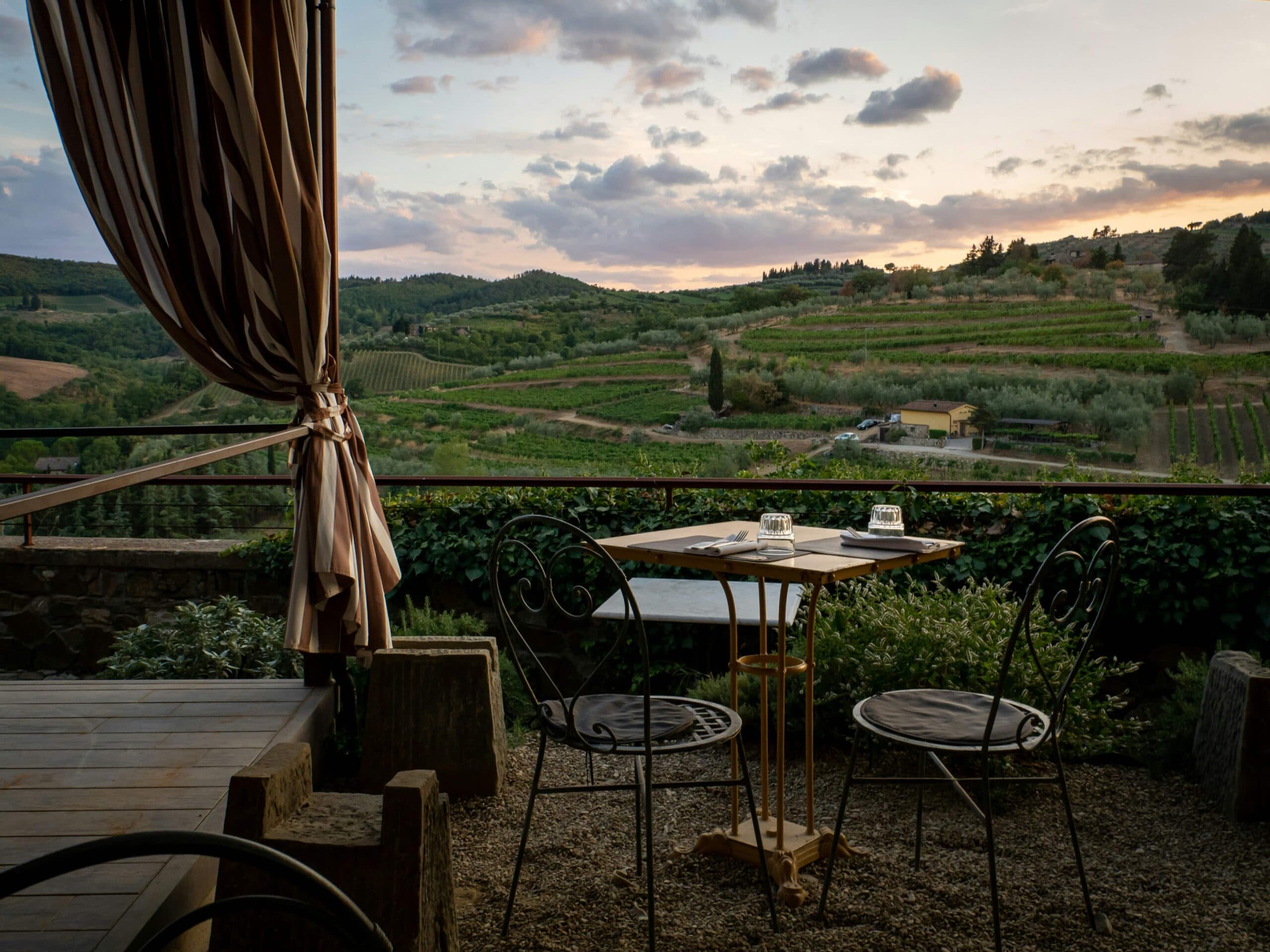
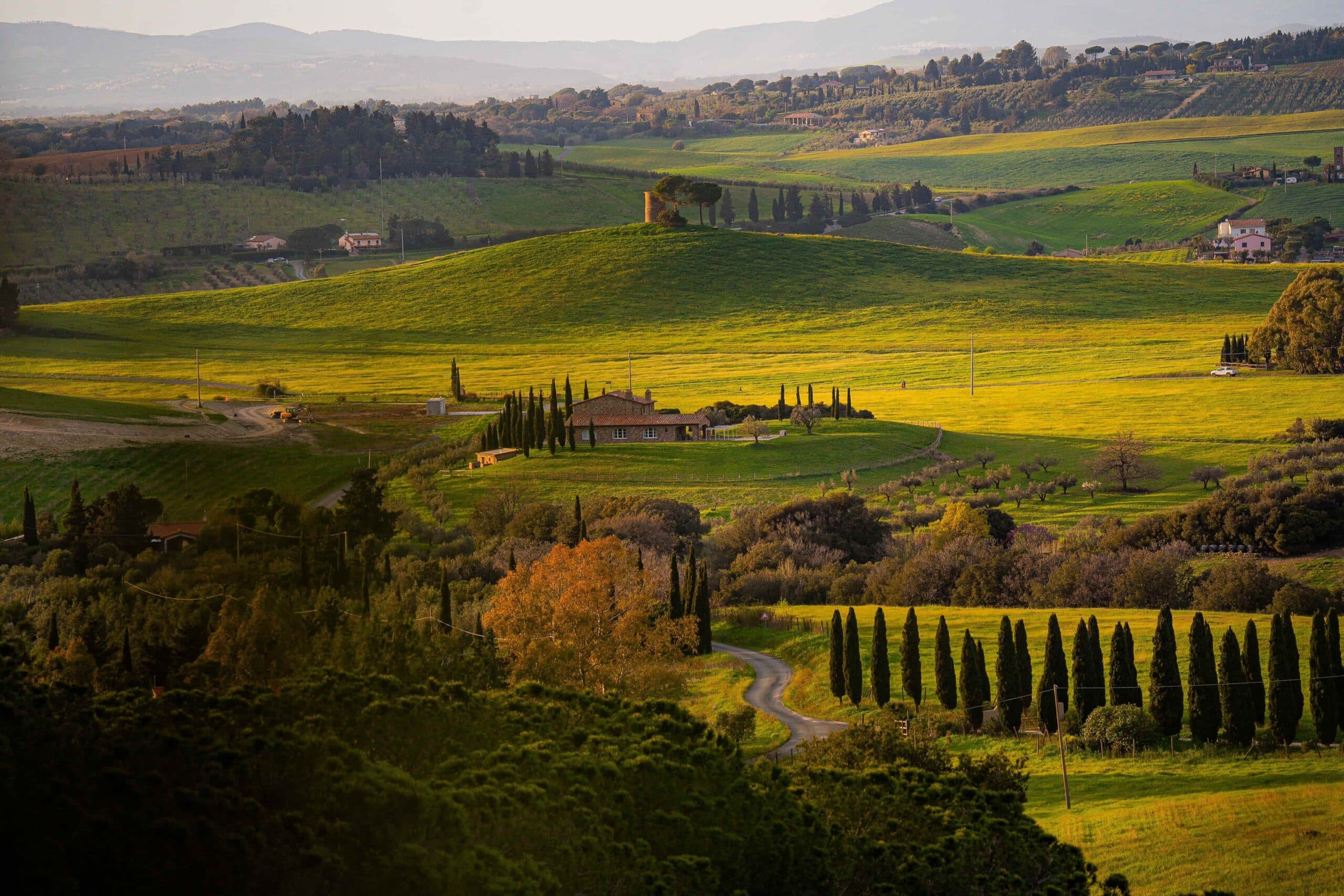
Chianti, Brunello di Montalcino, Vino Nobile di Montepulciano and more… Doğuhan Atış presents a comprehensive route for those eager to discover Tuscany’s most celebrated wines.
Tuscany… So many places are compared to it. Which region, for instance, is “the Tuscany of Türkiye”? Personally, I have never been fond of such comparisons. I prefer to appreciate every destination for what makes it unique. Yet I mention this example to illustrate just how powerful the Tuscany brand has become. If countless places are being likened to a single destination, that destination is undoubtedly worth a closer look.
The Tuscan wine route can essentially be approached from two directions. One follows the coastline stretching from the border with Liguria—whose most important city is Genoa—to Lazio, home to Italy’s capital, Rome. The most famous wines along this route are the Super Tuscans produced around Bolgheri. Moving inland toward Florence, the heart of Tuscany, brings us to legendary wine regions such as Chianti, Montalcino and Montepulciano. In the valleys that host these vineyards, grapes ripen beneath the same blazing sun immortalized in the 2003 romantic comedyUnder the Tuscan Sun, giving life to some of Italy’s most celebrated wines. Tuscany is also home to an exceptional dessert wine called Vin Santo, which we will explore in greater detail later on.
From Chianti To Montepulciano: A Tuscan Wine Route
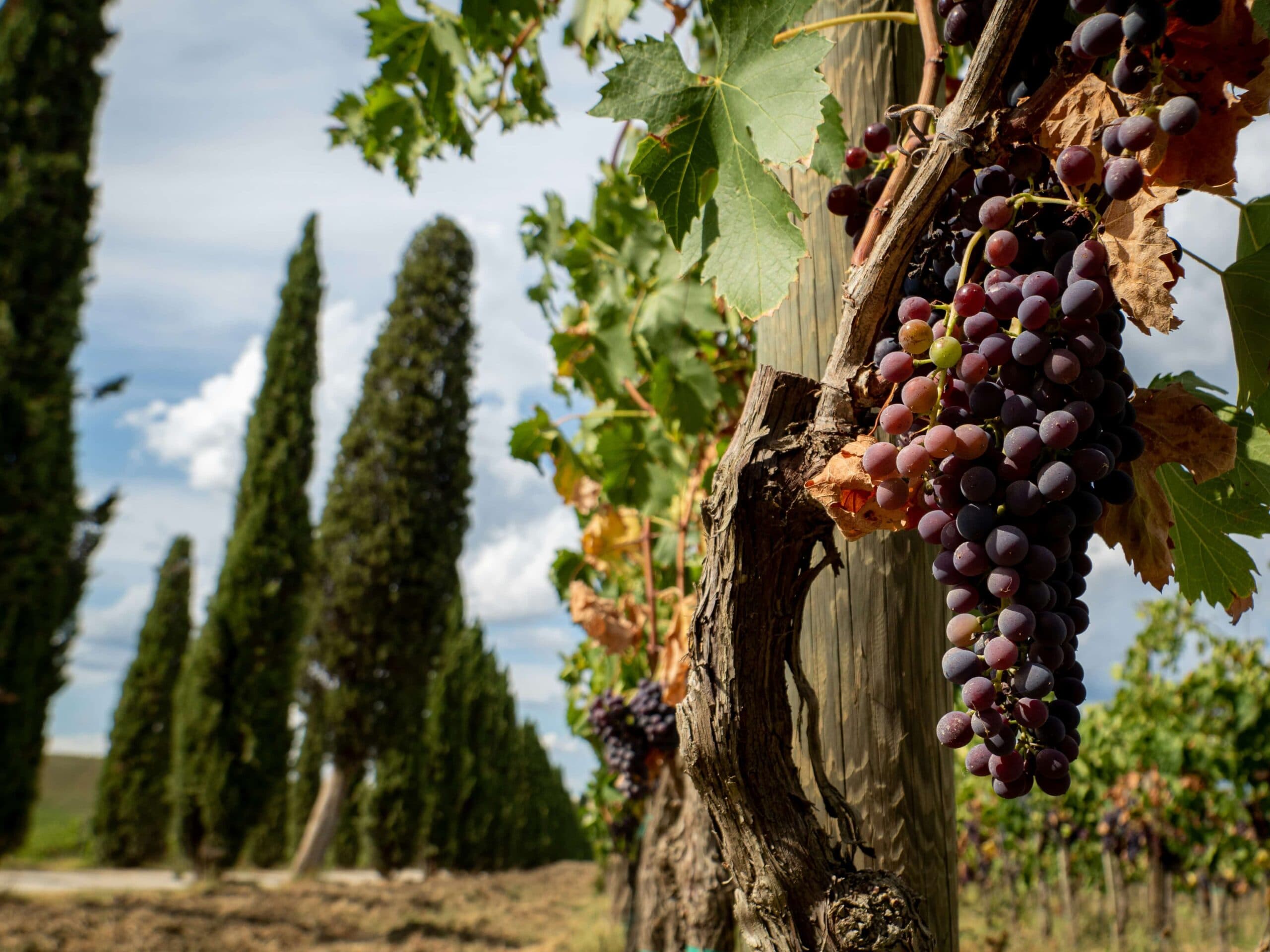
The vast majority of Tuscany’s vineyards are planted with Sangiovese, a grape that becomes even more dominant in the inland regions. Along the coast, meanwhile, we encounter the French varieties that helped create the Super Tuscan phenomenon: Merlot, Cabernet Sauvignon, Syrah and Cabernet Franc. Tuscany’s principal white grapes are Trebbiano and the increasingly popular Vermentino. Vermentino can, in some ways, be compared to Sauvignon Blanc, one of the world’s most beloved international white varieties. In simple terms, if you enjoy one, there is a good chance you will enjoy the other as well.
To understand Italian—and, more broadly, European—wine, we first need to understand appellations. The term may sound sophisticated, but it essentially refers to a wine’s geographical designation or protected origin. In simple terms, if a wine comes from a specific region and adheres to established production standards, it becomes eligible for certain classifications. Let’s take a closer look at these appellation categories.
From Chianti To Montepulciano: A Tuscan Wine Route
VdT (Vino da Tavola)
Literally translated as “table wine,” this is the broadest classification. The grapes may come from anywhere in Italy, and no specific geographical origin is required. Interestingly, when iconic Super Tuscan wines such as Tignanello, Sassicaia, Solaia and Ornellaia first appeared on the market—despite being worth hundreds of euros today—they were classified under this category. Subsequent legal reforms eventually created new classifications such as IGT and DOC to accommodate wines of this kind.
IGT (Indicazione Geografica Tipica)
Under this classification, a wine’s geographical origin within Italy is guaranteed, but producers are granted considerable freedom regarding production methods.
DOC (Denominazione di Origine Controllata)
To label a wine as DOC, it is not enough for the grapes to originate from a designated region. Producers must also follow a strict set of production rules established for that area. Every DOC zone has its own regulations. Italy currently has more than 300 DOC regions, and the number may continue to evolve over time.
DOCG (Denominazione di Origine Controllata e Garantita)
DOCG was introduced in response to criticism that the growing number of DOC classifications made meaningful distinction difficult. Wines carrying DOCG status must fully comply with DOC regulations, possess deep historical ties to their region, and rely on grape varieties considered native to Italy. Every stage of production—from vineyard management to winemaking and final tasting evaluations conducted by expert panels—is subject to rigorous oversight. There are currently 79 DOCG regions throughout Italy.
From Chianti To Montepulciano: A Tuscan Wine Route
It is important not to interpret these classifications as direct indicators of quality. Systems such as DOC and DOCG were designed primarily to preserve regional identity and terroir rather than to guarantee excellence. Quality is a separate matter altogether. As the Super Tuscan story demonstrates, these classifications can sometimes lose their relevance. In truth, many contemporary wine lovers no longer wish to memorize complex appellation systems. They increasingly prefer a more straightforward language of communication, which is one reason why producers have become more willing to operate outside traditional appellation rules.
By now, we have mentioned “Super Tuscan” several times. Before continuing our journey, it is worth exploring how these wines emerged and what makes them so special.
From Chianti To Montepulciano: A Tuscan Wine Route
Bolgheri
The Italian wine world underwent a profound transformation during the 1960s. The newly introduced DOC system imposed strict regulations, allowing only wines produced according to specific rules to qualify for official classifications. Yet some producers in the coastal area of Bolgheri were unwilling to accept these limitations. They wanted to experiment—blending Tuscany’s flagship grape, Sangiovese, with renowned French varieties such as Merlot, Cabernet Sauvignon, Cabernet Franc and Syrah grown in their own vineyards. They sought to create innovative wines, pushing boundaries through research, experimentation and new winemaking techniques.
Their arguments, however, fell on deaf ears. The authorities refused to accommodate their vision. Eventually, several producers rebelled. Their attitude was simple: “As long as we can make the wines we believe in, we do not need your classifications.”
From Chianti To Montepulciano: A Tuscan Wine Route
One of the earliest Super Tuscans, Sassicaia, was a blend of Cabernet Sauvignon and Cabernet Franc. Produced from the 1968 vintage, it was first released in 1971. In 1974, the Antinori family—one of Tuscany’s most influential wine dynasties—introduced Tignanello. While predominantly based on Sangiovese, it also incorporated Cabernet Sauvignon and Cabernet Franc. When these wines entered the market, they were officially categorized as humble table wines under the VdT classification.
Yet their quality spoke for itself.
The wines attracted extraordinary attention and quickly proved that they belonged in a class of their own. Today, Super Tuscans have achieved cult status and can be found on wine lists and in cellars around the world, including Türkiye.
Having explored the story of the Super Tuscans, it is now time to turn our attention to Tuscany’s most famous wine region: Chianti, situated between Florence and Siena.
From Chianti To Montepulciano: A Tuscan Wine Route
Florence – Siena
In Chianti, wine revolves around the region’s indigenous grape, Sangiovese. Its name derives from the Latin phrase Sanguis Jovis, meaning “The Blood of Jupiter.”
Sangiovese is something of a chameleon. It absorbs the character of its surroundings and reflects that character in the wines it produces. Because it is planted across a wide range of Tuscan terroirs and interpreted by countless producers, it reveals an extraordinary variety of expressions.
Typically medium- to high-acid and firmly structured with tannins, Sangiovese gives rise to medium- and full-bodied red wines. Cherry is its defining aroma. While red cherry often takes center stage, darker cherry notes can also emerge, lending the wine a subtle tartness. Tomato and sun-dried tomato aromas are among its most distinctive signatures. Mediterranean herbs such as thyme frequently appear on the nose, adding complexity and regional character.
In Tuscany, one encounters both fruit-driven expressions of Sangiovese and more rustic styles, where oak influence and earthy nuances walk hand in hand with the fruit. This remarkable versatility is precisely what makes the grape so fascinating.
From Chianti To Montepulciano: A Tuscan Wine Route
Chianti
Chianti wines are instantly recognizable thanks to their iconic straw-covered bottles and the famous Black Rooster emblem. Before continuing, it is worth revisiting the story behind that symbol, as recounted in Elvan Uysal Bottoni’s acclaimed book Üzümler ve İnsanlar, Toprak Ana, Bağban Baba.
According to a legend dating back to the Middle Ages, Florence and Siena had grown weary of fighting over control of the Chianti region. Seeking a peaceful solution, they agreed that each city would send a knight on horseback at the crowing of a rooster. The point where the two knights met would determine the border.
The Sienese carefully fed their rooster so it would crow loudly and proudly at dawn. The Florentines, meanwhile, chose a thin black rooster and kept it hungry throughout the night. Driven by hunger, the black rooster crowed long before sunrise, allowing the Florentine knight to depart much earlier. The well-fed rooster of Siena slept peacefully through the night, giving its knight a considerable disadvantage. As a result, the Florentine rider covered much more ground, securing most of the Chianti territory for Florence.
Today, the heart of the region is Chianti Classico, celebrated for its historic villages and breathtaking vineyard landscapes. However, Chianti wines are also produced in areas such as Colli Aretini, Colli Fiorentini, Colli Senesi, Colline Pisane, Montalbano, Montespertoli and Rufina.
For many years, Chianti was regarded as a simple table wine. To be fair, that reputation was not entirely undeserved. Yet a handful of passionate producers dedicated themselves to improving quality, and by the early 2000s the region had undergone a remarkable renaissance.
It is worth emphasizing that the wines that best express the true spirit of Chianti come from the Chianti Classico DOCG appellation. If you are exploring the region for the first time, these are the wines to seek out.
From Chianti To Montepulciano: A Tuscan Wine Route
Several terms commonly appear on Chianti labels:
Chianti Young, fresh and approachable wines.
Superiore Aged for at least one year. These wines tend to be rounder, richer and more structured.
Riserva Aged for a minimum of two years. These represent some of Chianti’s finest examples, where oak and fruit achieve greater harmony.
Gran Selezione A classification exclusive to Chianti Classico. Wines must be aged for at least thirty months and display considerable complexity. Alongside fruit aromas, notes of smoke, tobacco, leather and bottle-aged character emerge, supported by firm tannins and impressive structure.
Young Chiantis pair beautifully with pasta, pizza and simple charcuterie, while more mature expressions are ideal companions for grilled meats, aged cheeses and premium cured meats.
One of the most memorable cultural references to Chianti appears in the 1991 film The Silence of the Lambs. In one of cinema’s most famous lines, Hannibal Lecter, portrayed by Anthony Hopkins, remarks that he ate a victim’s liver “with some fava beans and a nice Chianti,” forever cementing the wine’s place in popular culture.
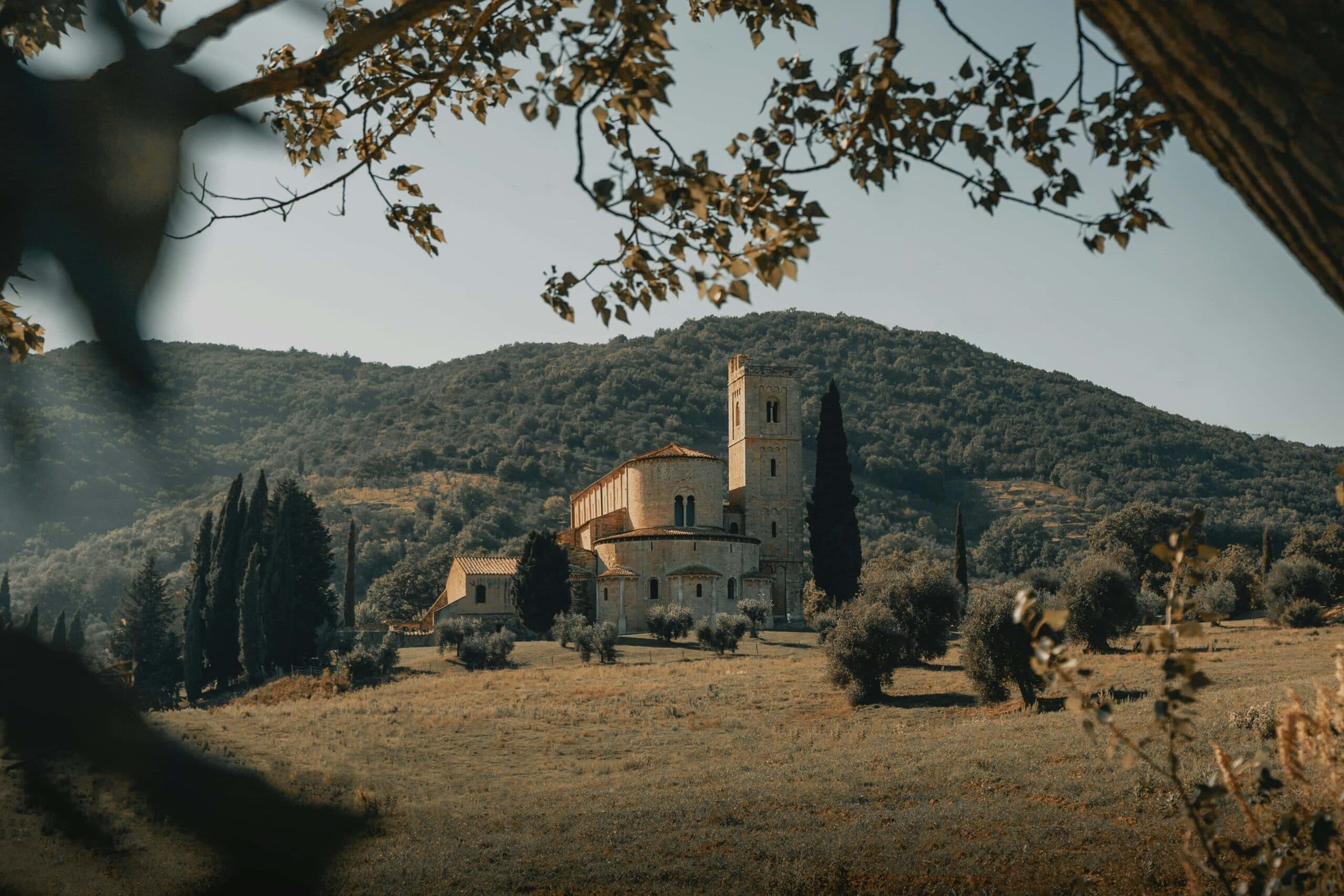
Our next stop is Montalcino, one of Tuscany’s most captivating wine regions. Perched atop a hill and surrounded by rolling countryside, Montalcino is the kind of town that invites admiration from every angle. Its signature wine is Brunello di Montalcino, which literally translates to “Brunello of Montalcino.”
From Chianti To Montepulciano: A Tuscan Wine Route
But what exactly is Brunello?
In essence, Brunello is Sangiovese. However, within Montalcino the grape is identified by a different name due to its unique clonal characteristics and the influence of the local terroir. These factors give the resulting wines a distinctive identity that sets them apart from Sangiovese grown elsewhere in Tuscany.
Brunello di Montalcino carries DOCG status, and the regulations governing its production are among the strictest in Italy. Wines from this appellation cannot be released until at least five years after harvest. In other words, Brunello rewards patience. Time is an essential ingredient in its creation.
This lengthy aging process contributes to Brunello’s reputation as one of Tuscany’s most prestigious and expensive wines. Powerful, structured and capable of remarkable longevity, these wines are built to evolve gracefully over decades.
For those seeking a more approachable introduction to the region, there is also Rosso di Montalcino. Produced under DOC regulations, these wines are intended for earlier consumption and generally offer a fresher, more accessible expression of the local terroir.
Montepulciano
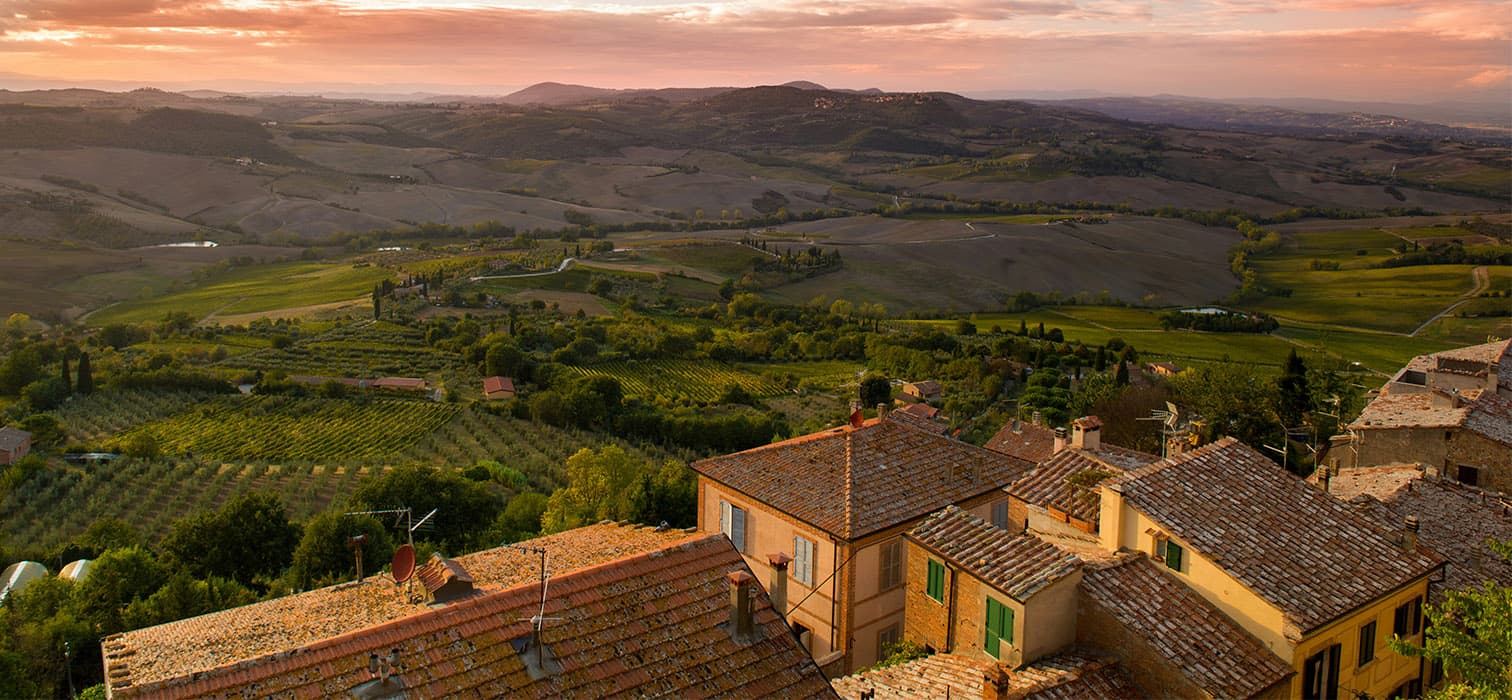
The final wine region on our Tuscan journey is Montepulciano. This medieval hilltop town, located within the province of Siena, overlooks the surrounding countryside and showcases Renaissance architecture at nearly every turn.
Before proceeding, however, an important distinction must be made.
Montepulciano is both the name of a town and the name of a grape variety. The grape, Montepulciano, is best known for wines produced in Abruzzo—a region that does not even border Tuscany. You may already be familiar with wines labeled Montepulciano d’Abruzzo.
In this article, however, we are not discussing the grape variety. We are discussing Montepulciano the place.
The region’s wines are classified under the name Vino Nobile di Montepulciano, meaning “The Noble Wine of Montepulciano.” Significantly, this was one of the very first Italian wine regions to receive DOCG status in 1980.
As one might expect, Sangiovese forms the backbone of these wines. More specifically, producers use a local clone known as Prugnolo Gentile. Regulations require that at least 70 percent of the blend consist of Sangiovese.
From Chianti To Montepulciano: A Tuscan Wine Route
The resulting wines typically display high acidity, medium body and firm tannins. Elegant rather than overpowering, they combine structure with remarkable finesse.
Legend has it that Thomas Jefferson, one of the founding fathers of the United States and an enthusiastic wine lover, held these wines in particularly high regard. He is said to have remarked:
“For the present I confine myself to a good Montepulciano; it is one of my favorite wines, and I have become so accustomed to these light and pleasant wines that they have become almost a necessity of life.”
I have always had a soft spot for sweet wines, and I enjoy ending wine stories on a sweet note. That makes this the perfect moment to return to Vin Santo—literally, “Holy Wine”—which we briefly mentioned earlier.
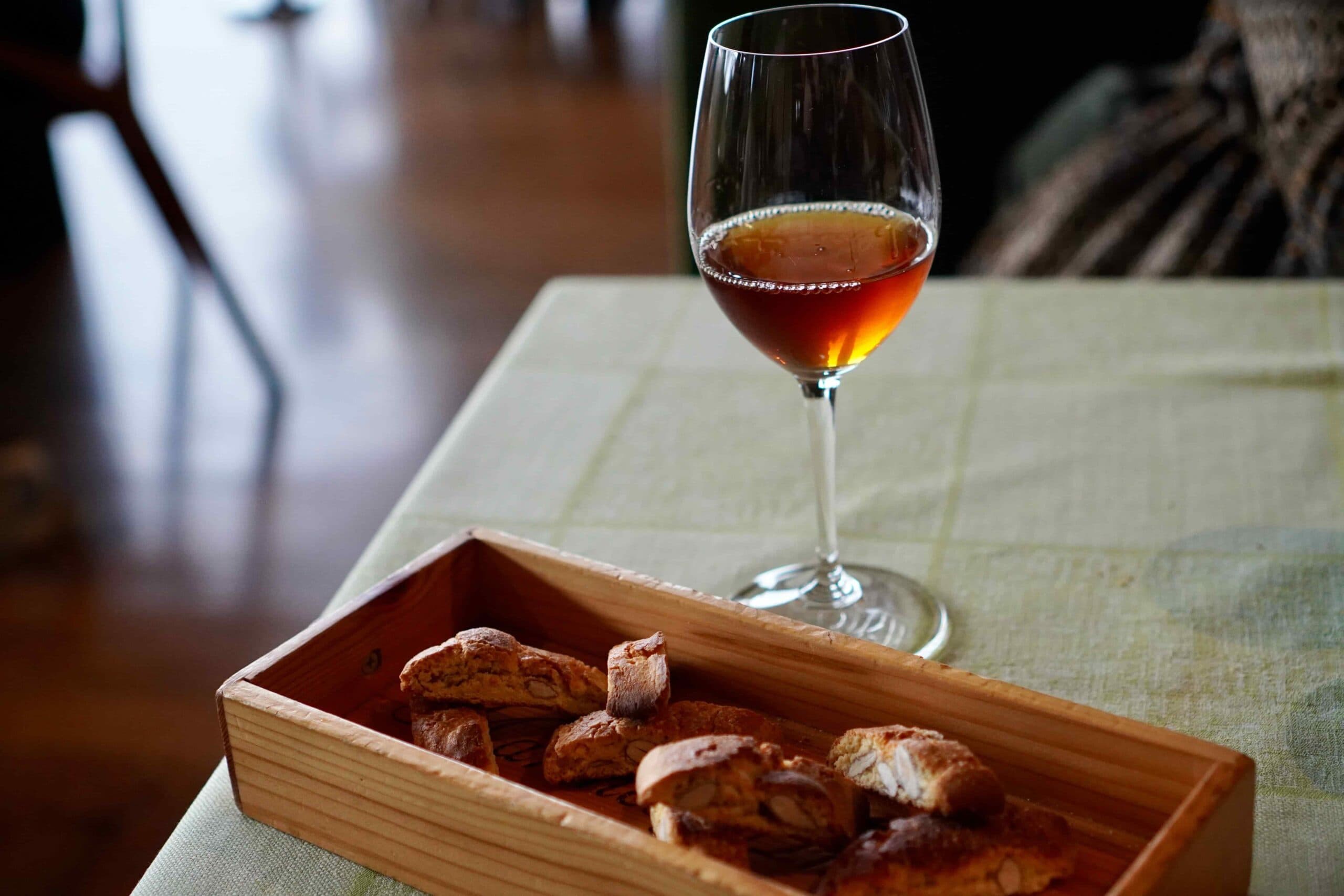
Vin Santo is impossible to mistake. Its color ranges from luminous gold to deep amber, making it one of Tuscany’s most visually distinctive wines.
From Chianti To Montepulciano: A Tuscan Wine Route
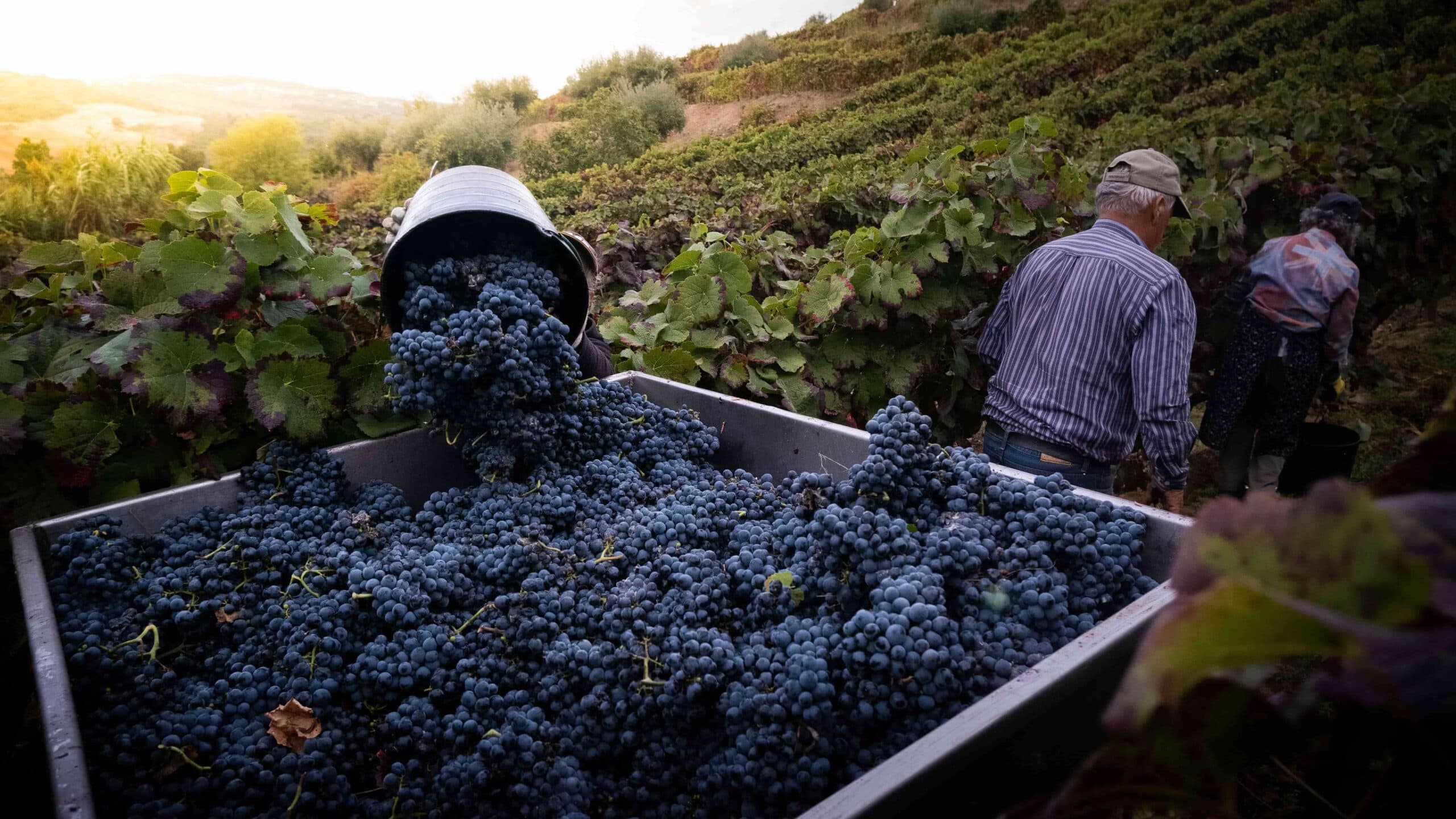
Production begins with late-harvest grapes that have developed elevated sugar levels. These grapes are laid out on straw mats and left to dry, allowing them to lose a significant portion of their water while concentrating their sugars and flavors. Once sufficiently dried, the grapes are pressed and transformed into wine.
The resulting wines are then aged for many years in barrel before release.
Producing Vin Santo is a labor-intensive process, but the reward is extraordinary. Rich, concentrated and intensely aromatic, these wines often reveal notes of hazelnut, caramel, pine honey, tropical fruits, dried apricot, dried fig and candied orange peel. While sweet versions dominate production, dry styles of Vin Santo also exist, albeit in much smaller quantities.
From Chianti To Montepulciano: A Tuscan Wine Route
Within Tuscan culture, sharing Vin Santo is considered a gesture of friendship and hospitality. If someone offers you a glass, they are welcoming you into their world.
Traditionally, the wine is served alongside cantucci—the region’s famous almond biscuits. The ritual is simple: first taste the wine, then dip your cantucci into the glass, allowing it to absorb the wine before taking a bite.
After all, what better nourishment for a friendship than good food and good wine?
Saatolog Yıllık Saat Dergisi Saatolog’un yeni sayısı, 2020’nin yarattığı bu dönüştürücü etkiden ilham alarak hazırlandı. Dünya dijitalin etkisiyle her zamankinden de hızlı bir şekilde ilerlerken yavaşlamanın da önemini sonunda kavramış bulunuyoruz ve bu tezatlık hayatlarımızın her anına etki ediyor. Biz de bundan yola çıkarak Saatolog 2020/21 sayısını ‘‘hızlı ve yavaş’’ teması altında hazırladık.