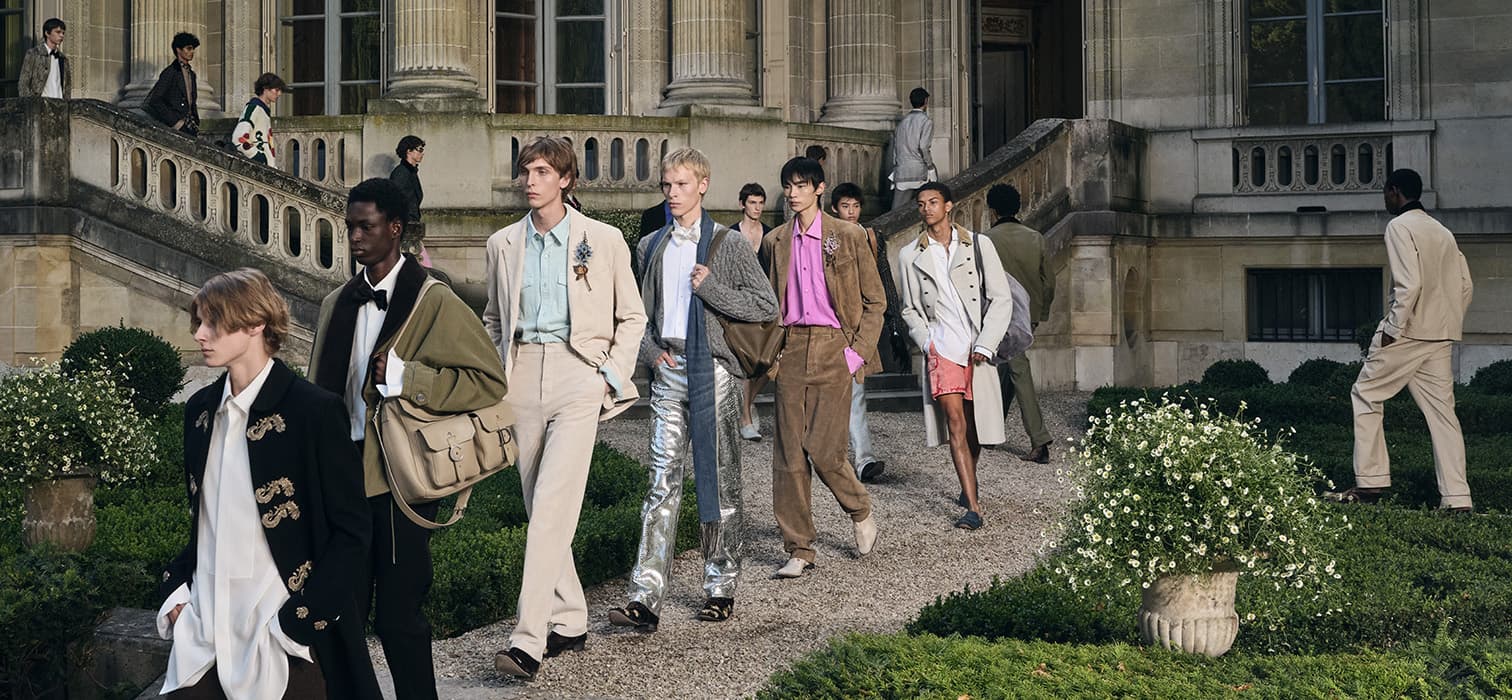
Competition at the 2026 World Cup is not limited to the pitch. National teams’ official wardrobes, the Hermès and Chanel bags carried by players, and special collections created by fashion houses are turning the tournament into the biggest showcase in menswear.
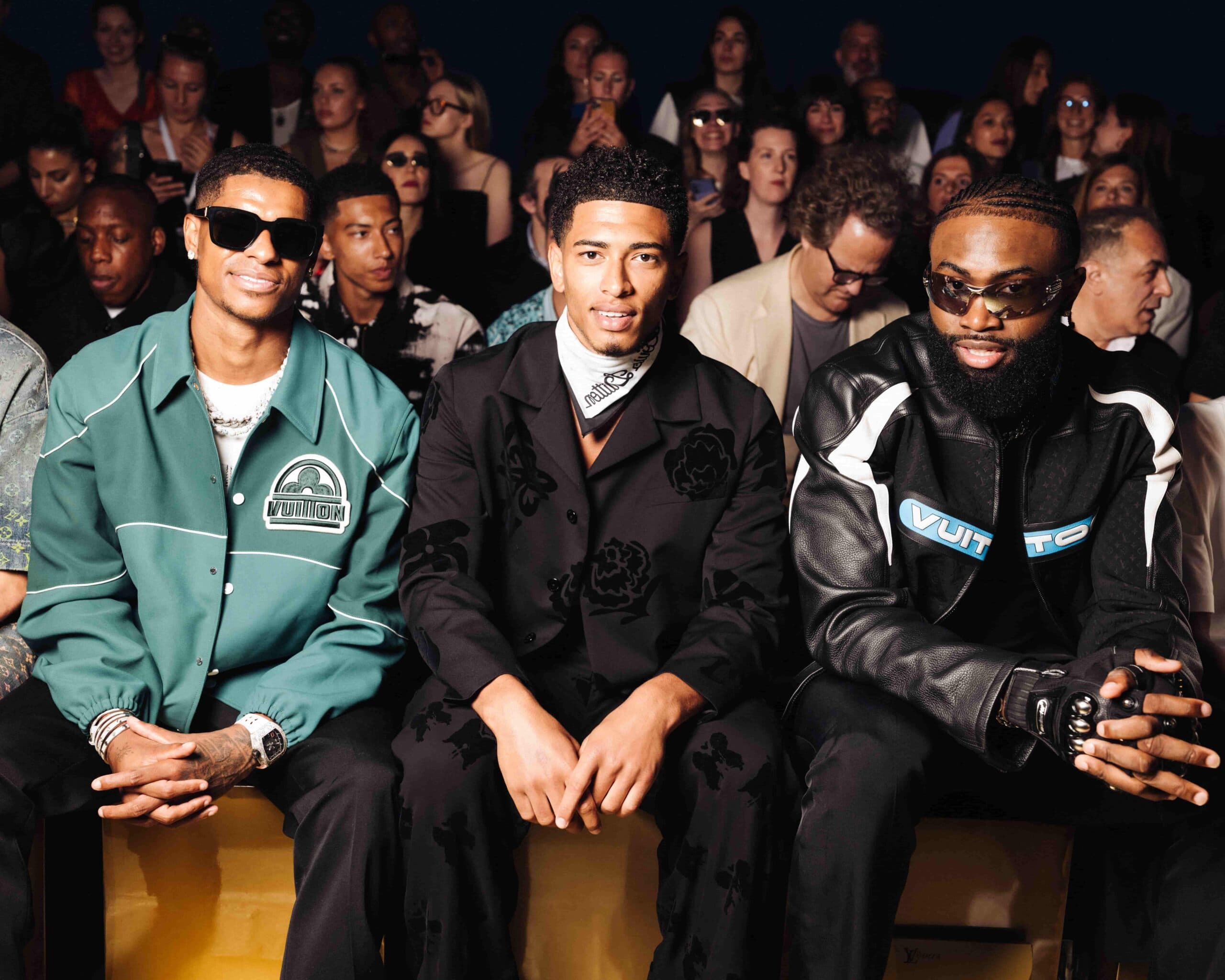
One of the defining moments in the brief history of football’s relationship with fashion was when David Beckham wore a sarong or appeared in an Armani campaign. In the early 2000s, those moments were considered unusual. Today, the situation is entirely different. Alongside their sporting careers, footballers have become some of the most visible faces of global luxury consumption, menswear and popular culture. The space once occupied by Hollywood actors and musicians is now filled by figures such as Kylian Mbappé, Jude Bellingham, Jules Koundé and Son Heung-min. Mbappé serving as a global ambassador for Dior, Bellingham appearing front row at Louis Vuitton shows and Koundé becoming one of the most closely watched guests at Paris Fashion Week are all signs of this shift. For fashion houses, football has become one of the world’s most powerful cultural platforms.
The 2026 World Cup is the most visible stage of this transformation to date. While the official wardrobes of national teams have been entrusted to fashion houses such as Loewe, Dunhill, Gabriela Hearst and BOSS, brands including Jacquemus, Willy Chavarria, Palace and Balenciaga are also incorporating football culture into their own aesthetic universes. And this collaboration goes far beyond designing jerseys.
Credit: Pierre Mouton / Getty Images
Which Hermès bag the French national team arrived with at training camp (the Haut à Courroies, to be specific—a design dating back to 1892 originally created to carry equestrian equipment), how Spain looks in Loewe tailoring, or the Democratic Republic of Congo’s outfits inspired by La Sape culture are being discussed almost as much as the matches themselves. Perhaps the tournament’s most talked-about accessory was carried by France international Marcus Thuram: a vivid green Chanel bag from the brand’s 2019 collaboration with Pharrell Williams, now worth a small fortune on the collectors’ market.
The 2026 FIFA World Cup is the largest tournament in football history. For the first time, three countries—the United States, Mexico and Canada—are co-hosting the competition. It is also the first World Cup to expand from 32 to 48 teams, meaning more cities, more matches and a longer tournament calendar. Another defining feature this year is the unprecedented visibility of football’s cultural influence. Spread across three countries, dozens of cities and hundreds of millions of fans, the World Cup has become a global festival where fashion, music, design and popular culture intersect. Seen the performances by Shakira and Lisa? That is exactly why, in 2026, what players wear and which brands represent them are generating as much conversation as the football itself.
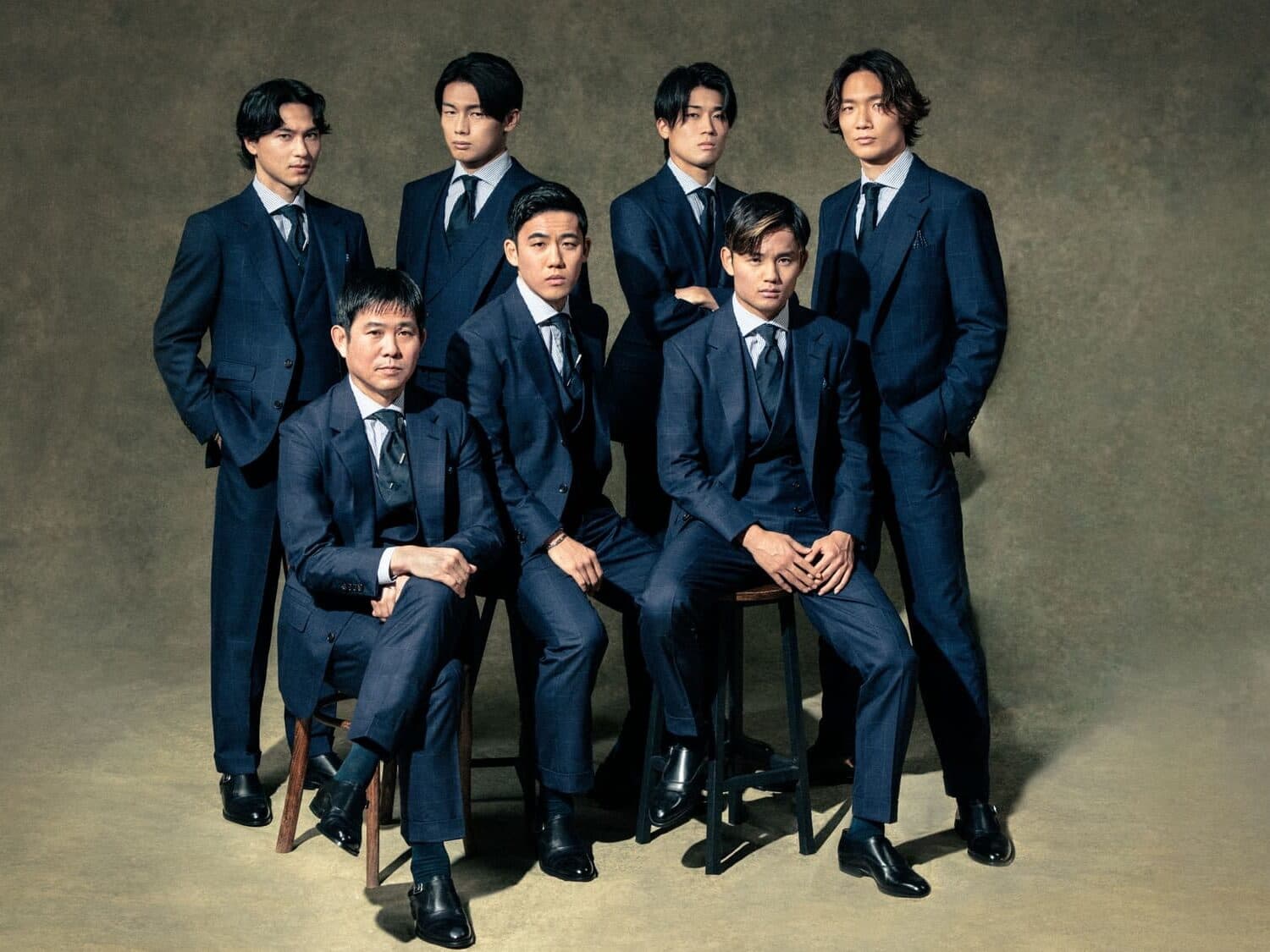
Known for the leather driving jackets once worn by English aristocrats behind the wheel, Dunhill has long maintained a relationship with sport through football. The brand has served as the official tailor of the Japanese national team since 2000, making it one of the longest-running partnerships in national-team fashion.
Created for the 2026 World Cup, the Samurai Blue Collection interprets Japan’s off-pitch identity through what might be called “quiet luxury.” Fine white pinstripes set against deep navy reference the team’s Samurai Blue nickname, while a wool-cashmere fabric developed in England and Dunhill’s signature Bourdon jacket form the collection’s foundation. Details such as the double-breasted peaked-lapel waistcoat and patterned pocket square move the look away from conventional corporate suiting and toward a more characterful menswear wardrobe.
While many fashion houses now view footballers as global style icons who transform airports into runways, Dunhill’s approach is different. The aim here is not to create a viral fashion moment but to express Japan’s disciplined and refined international image through clothing. The result is one of the most understated yet enduring examples of the relationship between football and luxury fashion. A national team is represented not by tracksuits, but by a three-piece suit shaped by the traditions of Savile Row.
The Best-Dressed Teams Of The 2026 World Cup
Uruguay
Gabriela Hearst
Ahead of a World Cup, national-team wardrobes often become visibility platforms for global luxury brands. The partnership between Uruguay and Gabriela Hearst, however, operates differently. Rather than a sponsorship agreement, it feels more like a personal love letter from the designer to her homeland.
Born in Uruguay, Hearst spent her childhood on her family’s ranch, operated continuously for six generations. Since launching her own label, she has championed sustainability, traceable production and local craftsmanship within luxury fashion. Later, as creative director of Chloé, she brought the same values to a major fashion house. Today, the Gabriela Hearst brand is known less for overt logos and more for exceptional materials, quiet luxury and stories rooted in place.
The Best-Dressed Teams Of The 2026 World Cup
The Best-Dressed Teams Of The 2026 World Cup
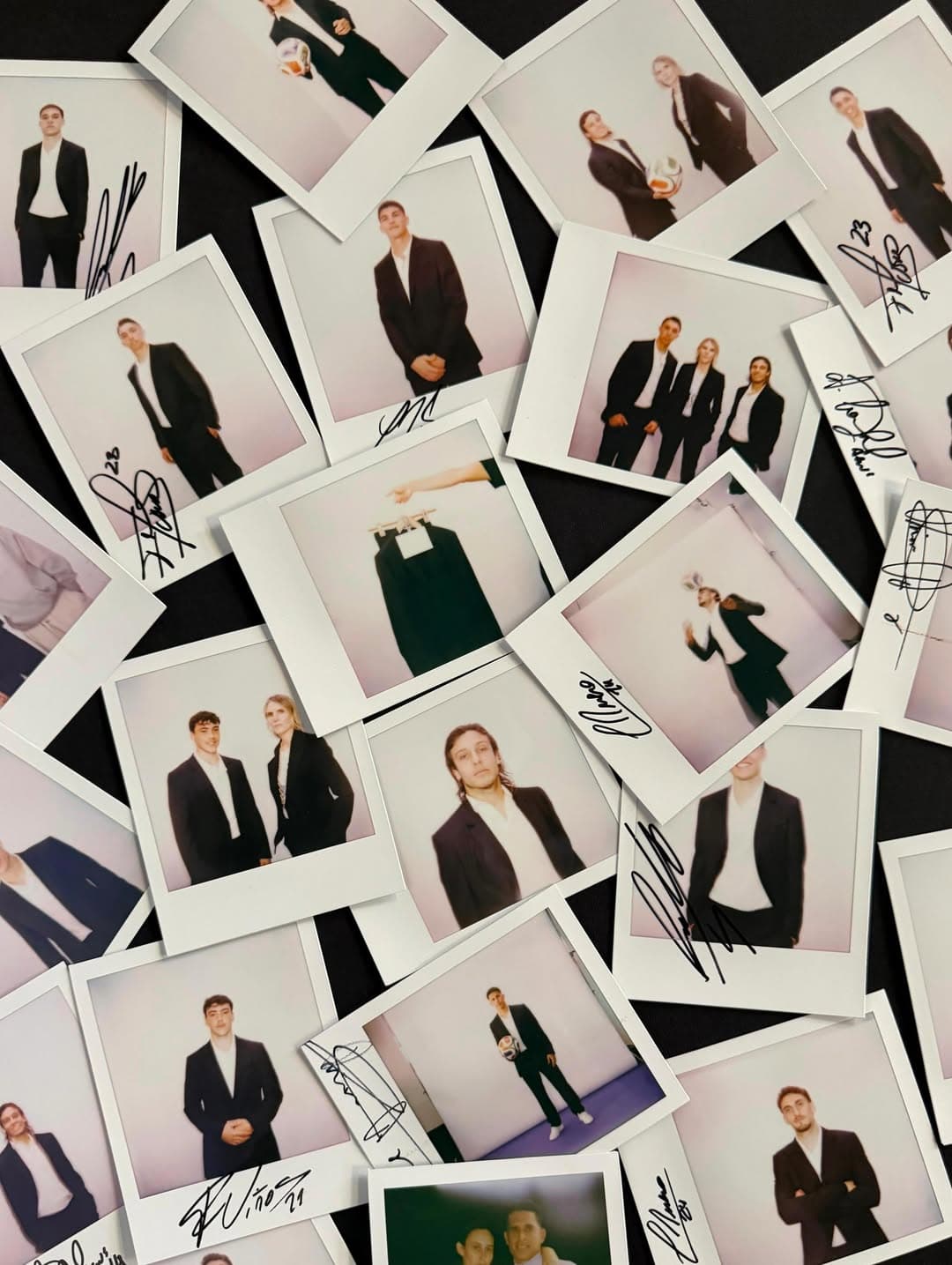
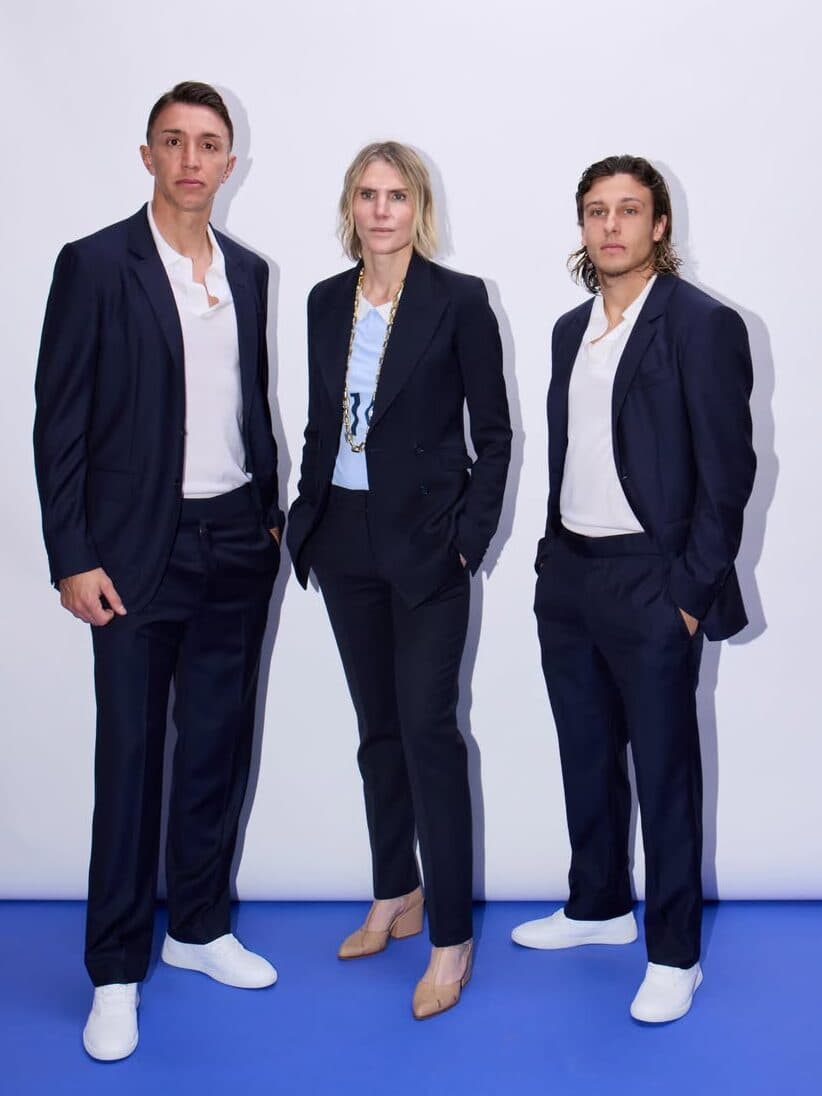
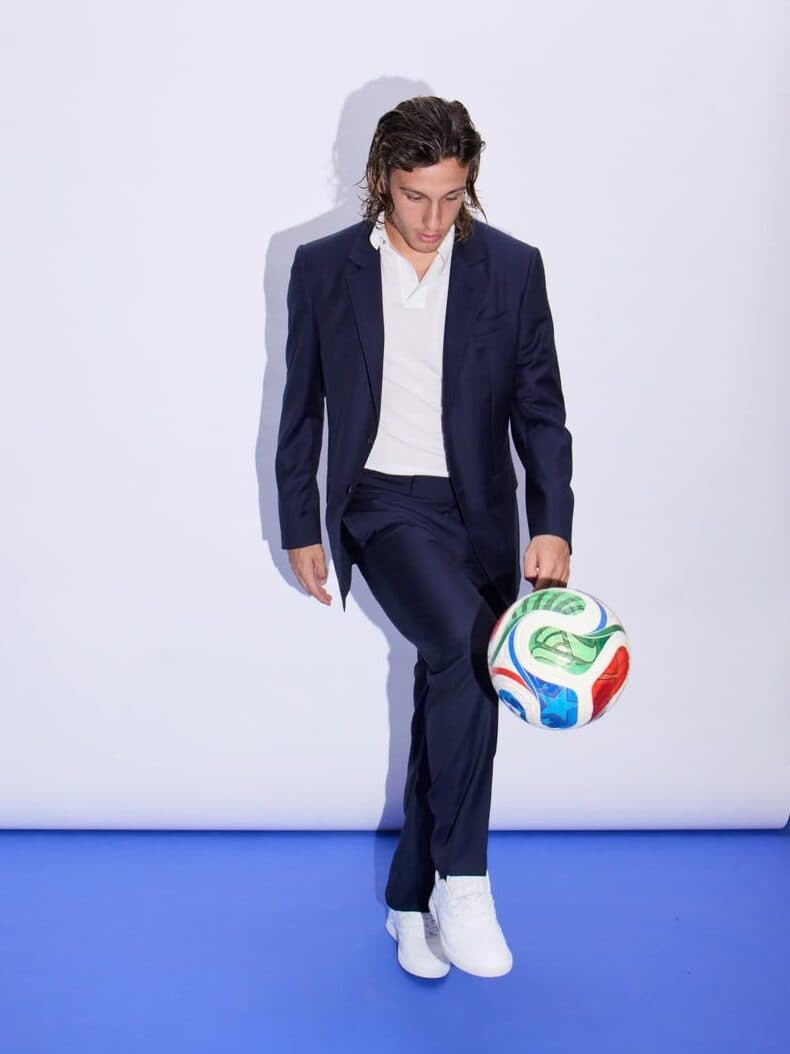
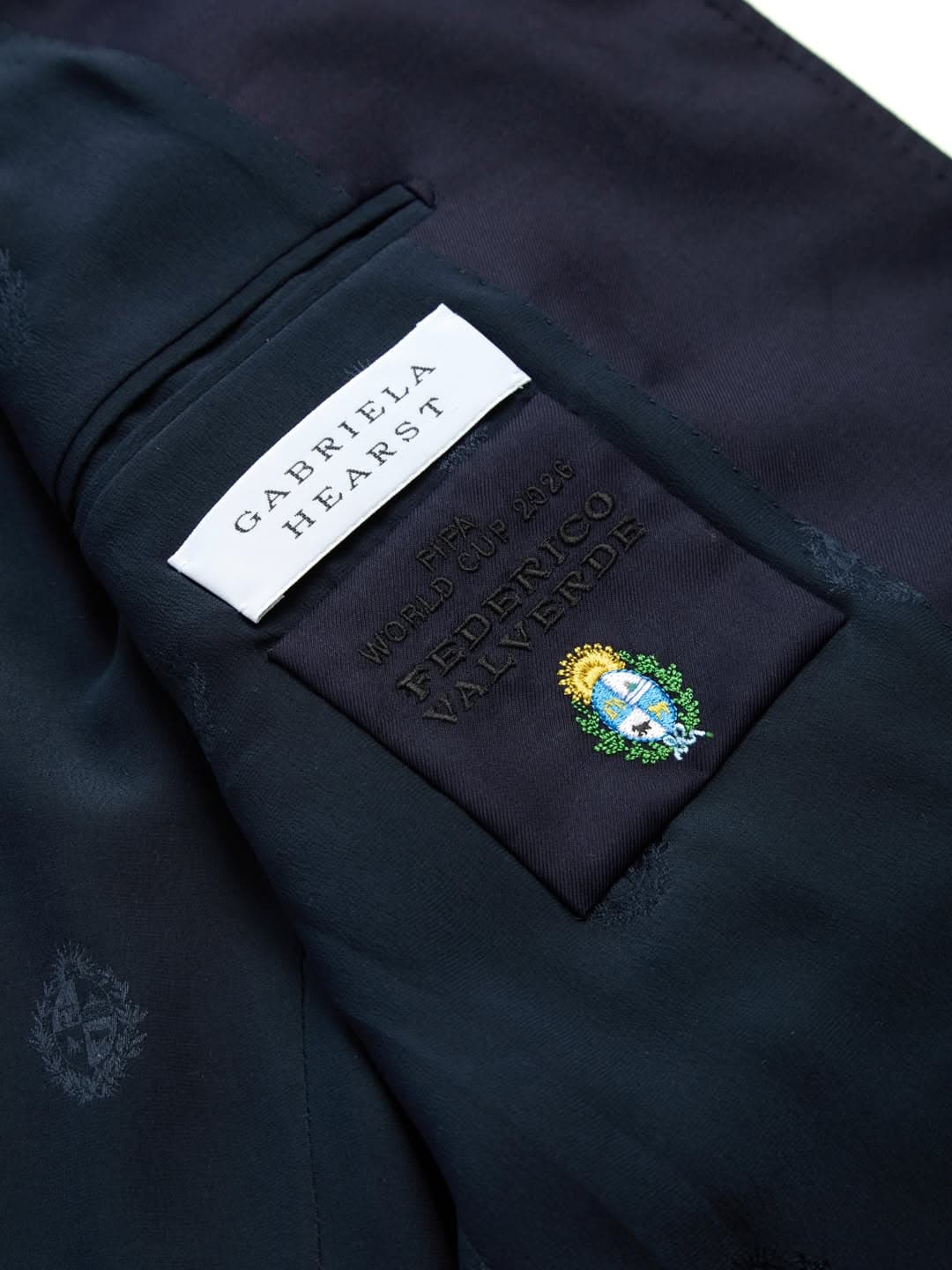
The same philosophy defines her Uruguay collection for the 2026 World Cup. The fabric is produced and woven in Uruguay, reflecting the brand’s commitment to local production. The suits feature 100 percent silk linings decorated with the crest of the Uruguayan Football Association. Inside the jackets, pockets are embroidered with each player’s name and the words “FIFA World Cup 2026,” transforming the garments into personal keepsakes rather than standard uniforms.
Hearst replaces the traditional shirt-and-tie combination with a merino wool knitted Poli top. The result is a softer, more contemporary and distinctly South American silhouette. Completing the collection is the Ohio sneaker, developed specifically by the designer. Players wear the white leather version, while the coaching staff wears a navy suede model; both feature the AUF monogram on the tongue.
If Dunhill’s work for Japan brings Savile Row discipline to football, Gabriela Hearst’s work for Uruguay is more emotional. This collection feels less like a national-team wardrobe and more like the wearable expression of a designer reconnecting with her roots. That is precisely why it stands out as one of the tournament’s most personal and sincere fashion projects.
The Best-Dressed Teams Of The 2026 World Cup
The Best-Dressed Teams Of The 2026 World Cup
Spain
Loewe
The 2026 World Cup coincides with a symbolic moment in Loewe’s history. Founded in Madrid and celebrating its 180th anniversary this year, the Spanish fashion house spent decades as one of the country’s best-kept luxury secrets. Over the last fifteen years, first under Jonathan Anderson and now under Jack McCollough and Lazaro Hernandez, it has evolved into one of the most influential names in fashion. Once known primarily for its leather craftsmanship, Loewe is now regarded as a force that shapes both runway trends and popular culture.
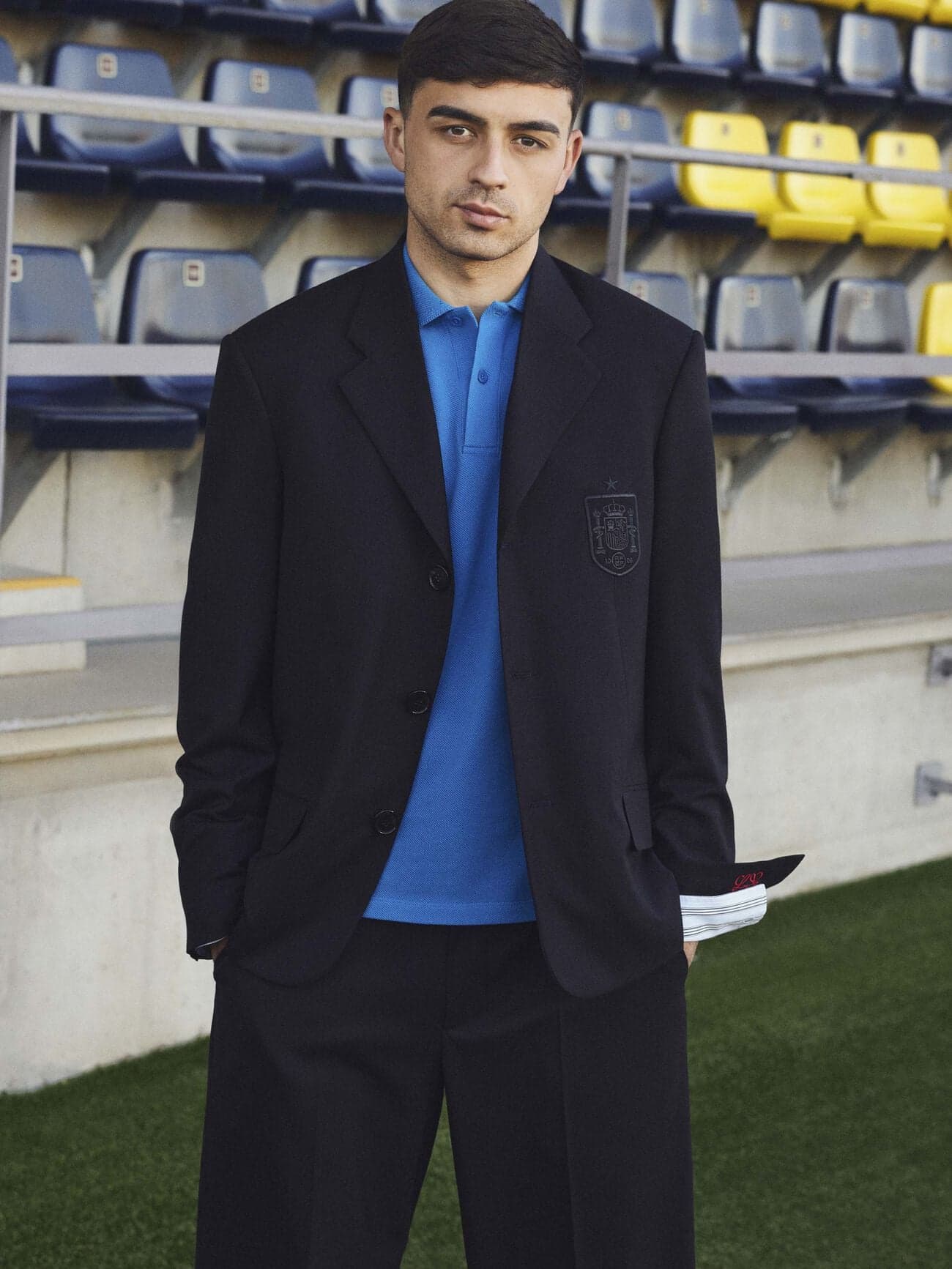
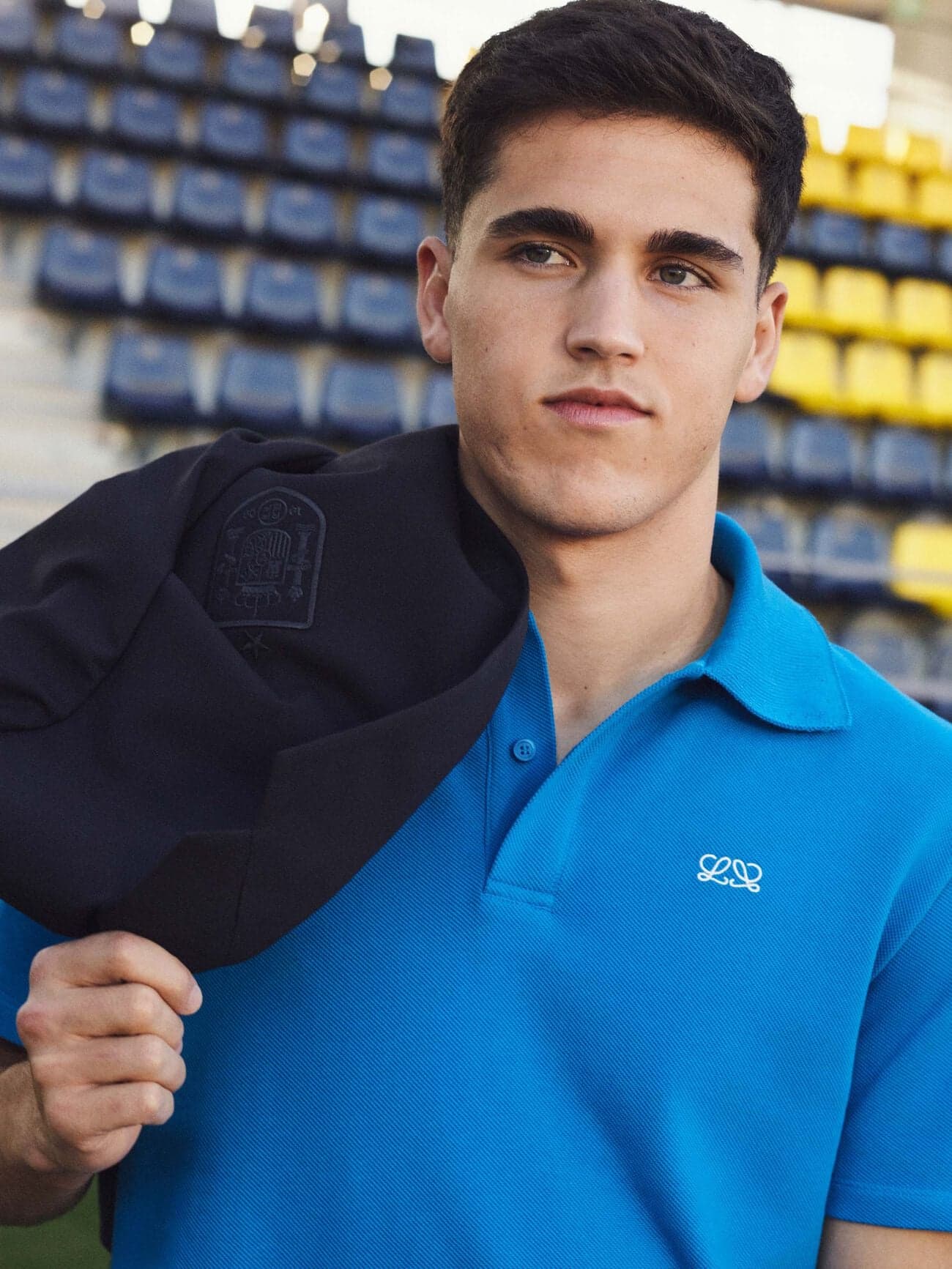
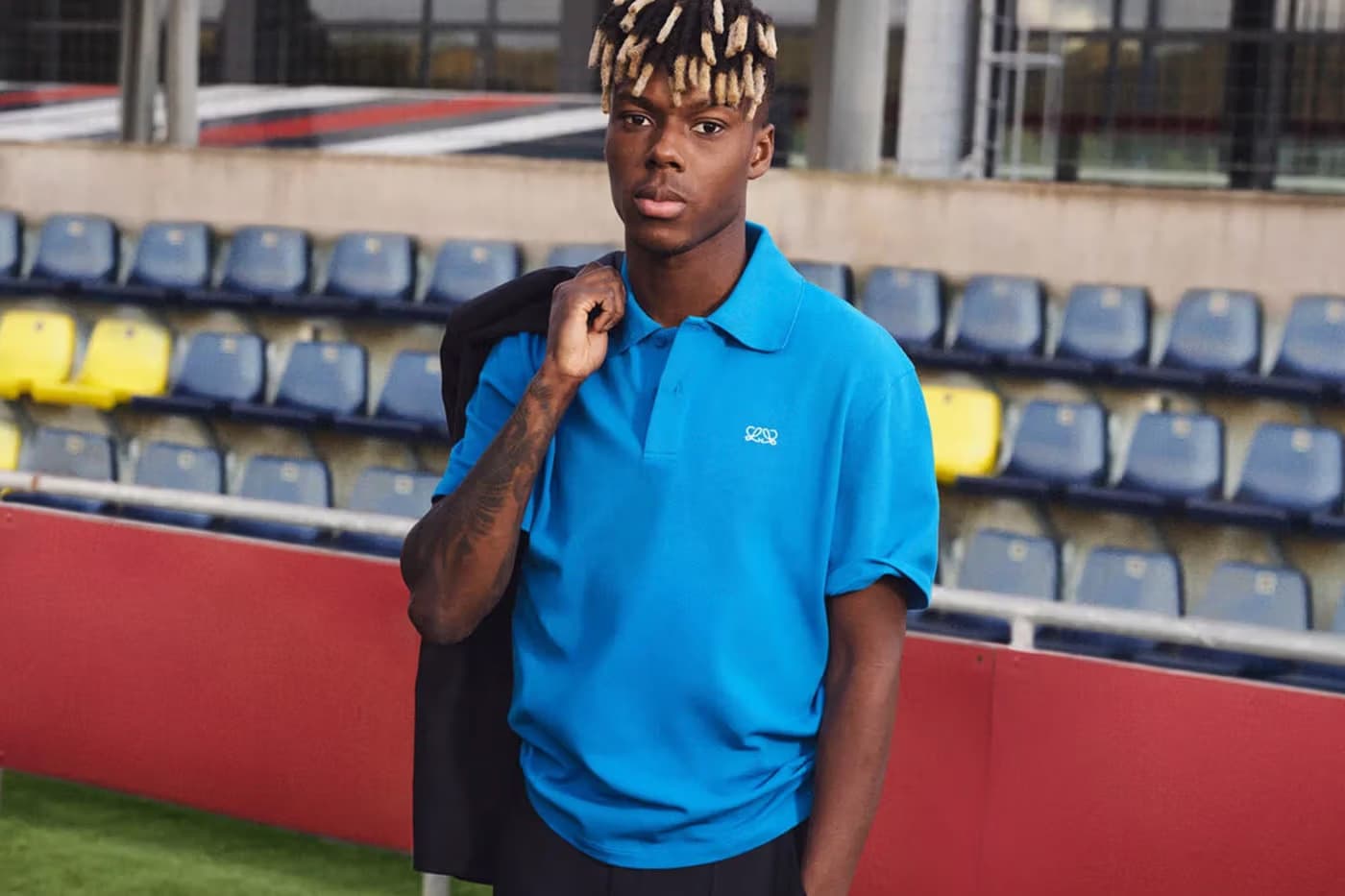
For that reason, its four-year partnership with the Spanish national team feels less like a sponsorship and more like a meeting of two of Spain’s most successful cultural exports. Today, Loewe is part of the country’s global identity. The wardrobe created by McCollough and Hernandez reflects that confidence. Moving away from the slim-cut, corporate look traditionally associated with football tailoring, the collection embraces the relaxed and voluminous silhouettes Loewe has championed on the runway in recent years.
The Best-Dressed Teams Of The 2026 World Cup
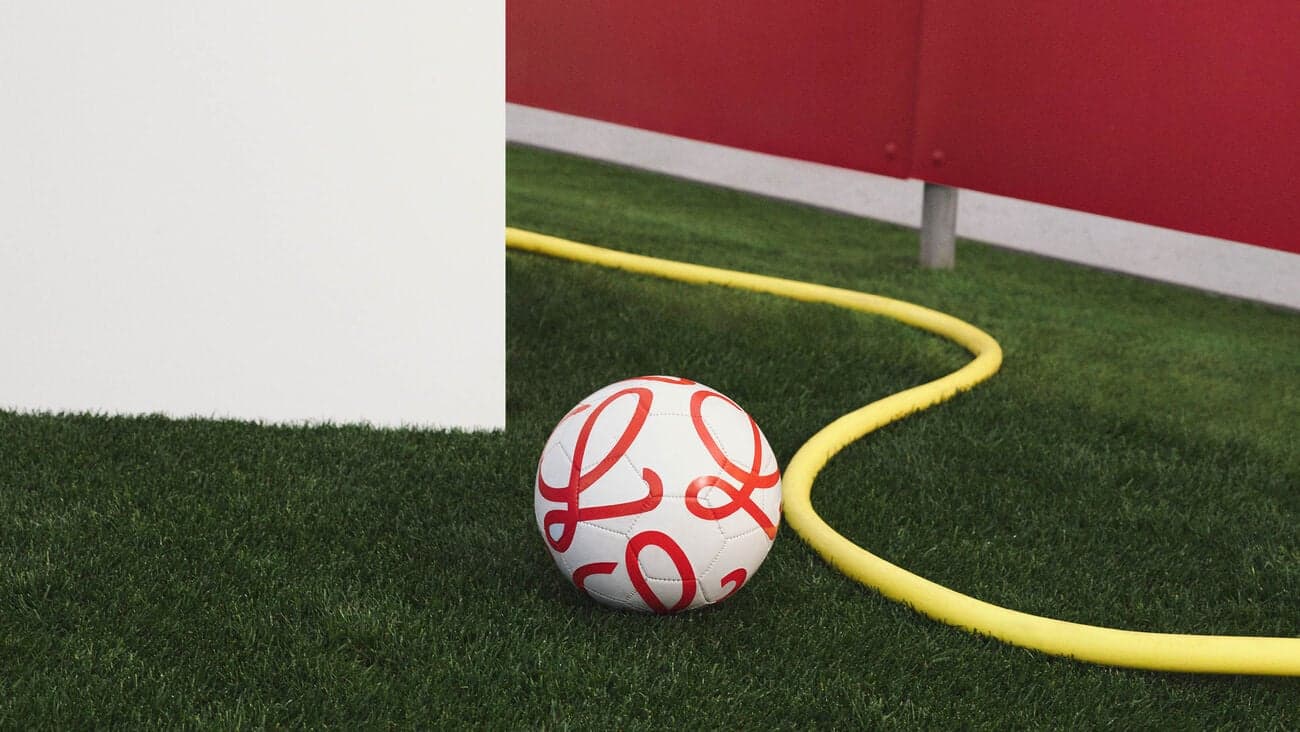
Wide-leg trousers, softly constructed jackets, casually rolled cuffs and the house’s updated Anagram logo make the wardrobe feel more like a Loewe collection than a national-team uniform. Paired with blue cotton polo shirts and black Derby shoes, the looks prioritize comfort above all else. In step with the broader redefinition of tailoring in luxury menswear, Loewe dresses footballers not as corporate ambassadors but as creative professionals.
The Best-Dressed Teams Of The 2026 World Cup
The Best-Dressed Teams Of The 2026 World Cup
The collaboration also marks the brand’s first major institutional investment in football. Yet Loewe’s relationship with the sport began long before this agreement. Players such as Rodri, Lamine Yamal and Jules Koundé have naturally embodied the brand’s aesthetic for several seasons. Now that relationship extends beyond individual style and onto the national stage. And if the partnership continues as planned, it may already be offering a glimpse of how host nation Spain will look at the 2030 World Cup.
The Best-Dressed Teams Of The 2026 World Cup
United States
BOSS
Thanks to BOSS, footballers are back in businesswear—but not in the traditional sense. Instead, the brand proposes a lighter, more practical and distinctly American interpretation of tailoring.
The partnership is an extension of BOSS’s broader transformation over the past few years. Once synonymous with corporate suiting, the brand has aggressively invested in sport, from Formula 1 and tennis to the NFL and football, repositioning itself as a 24-hour wardrobe for modern men. Collaborations with David Beckham, Aston Martin Formula One and a series of performance-driven collections have all contributed to that shift.
The Best-Dressed Teams Of The 2026 World Cup
The Best-Dressed Teams Of The 2026 World Cup
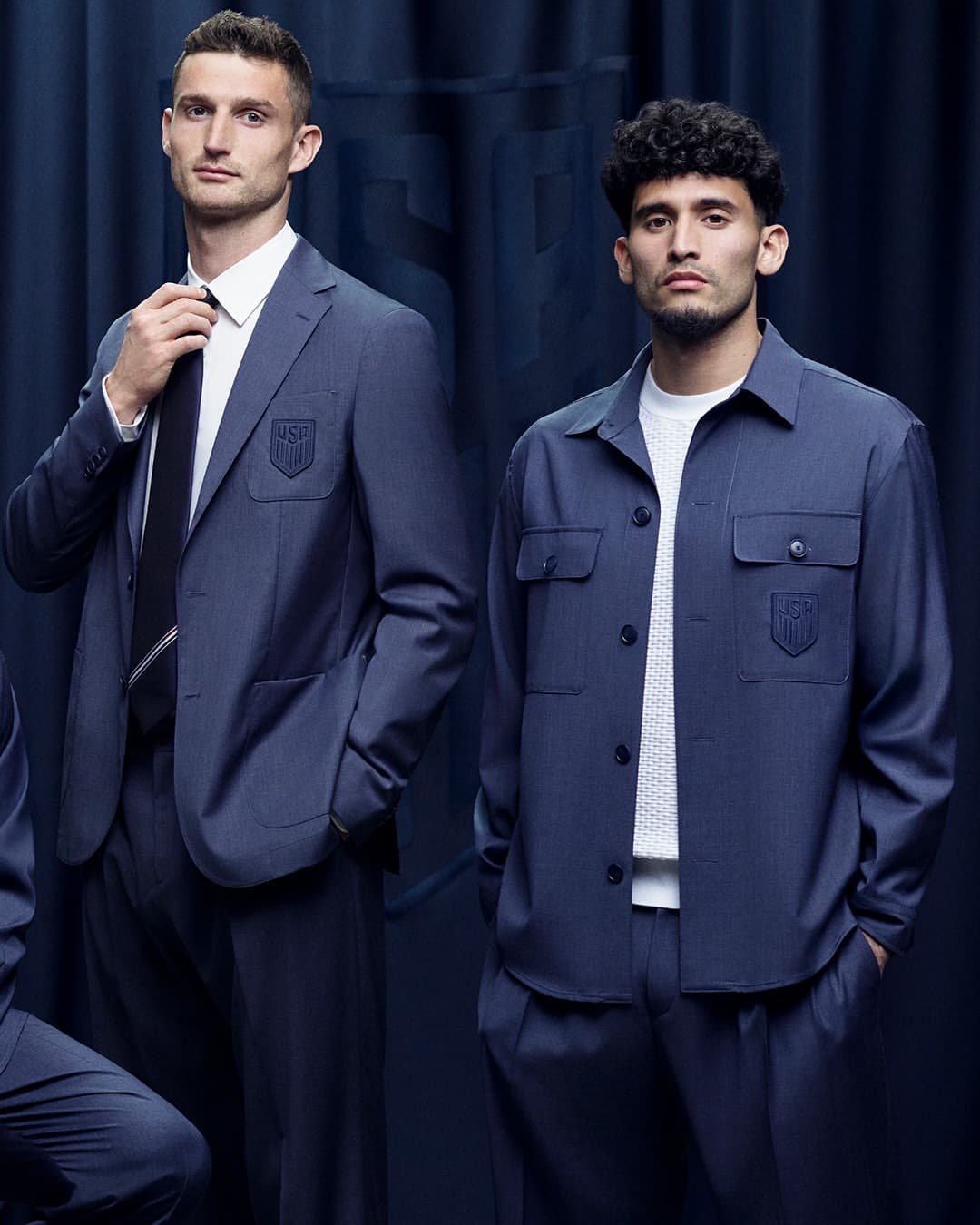
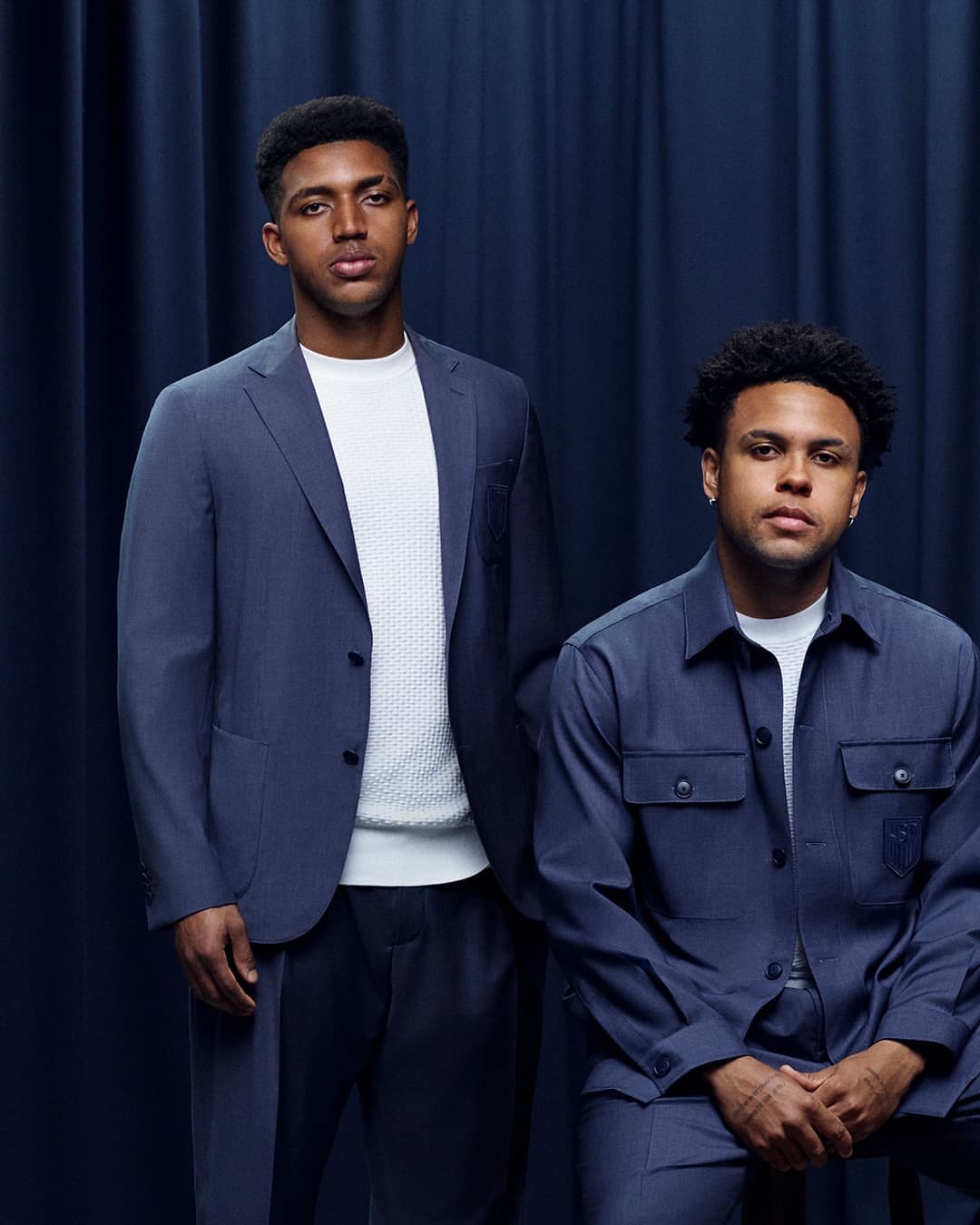
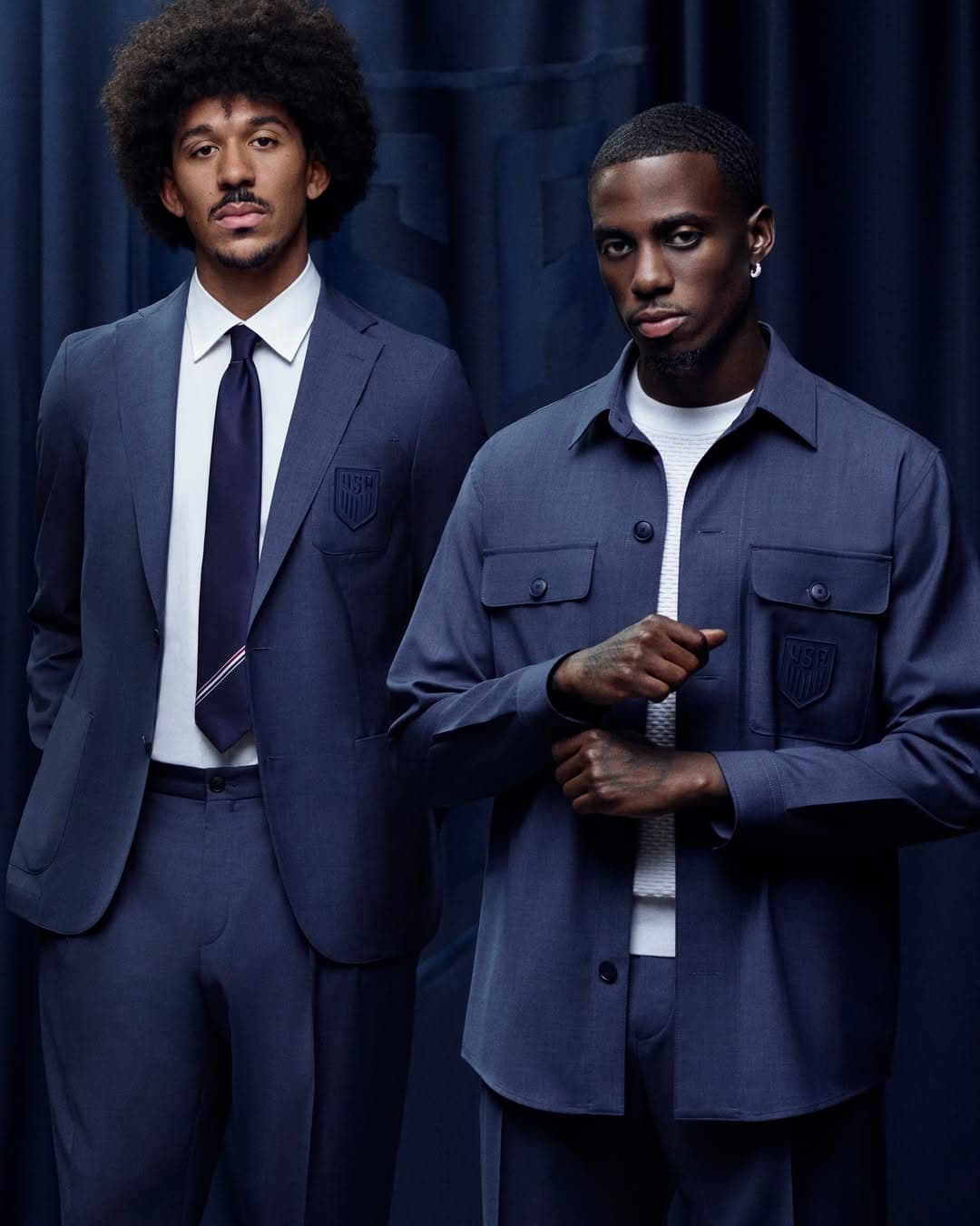
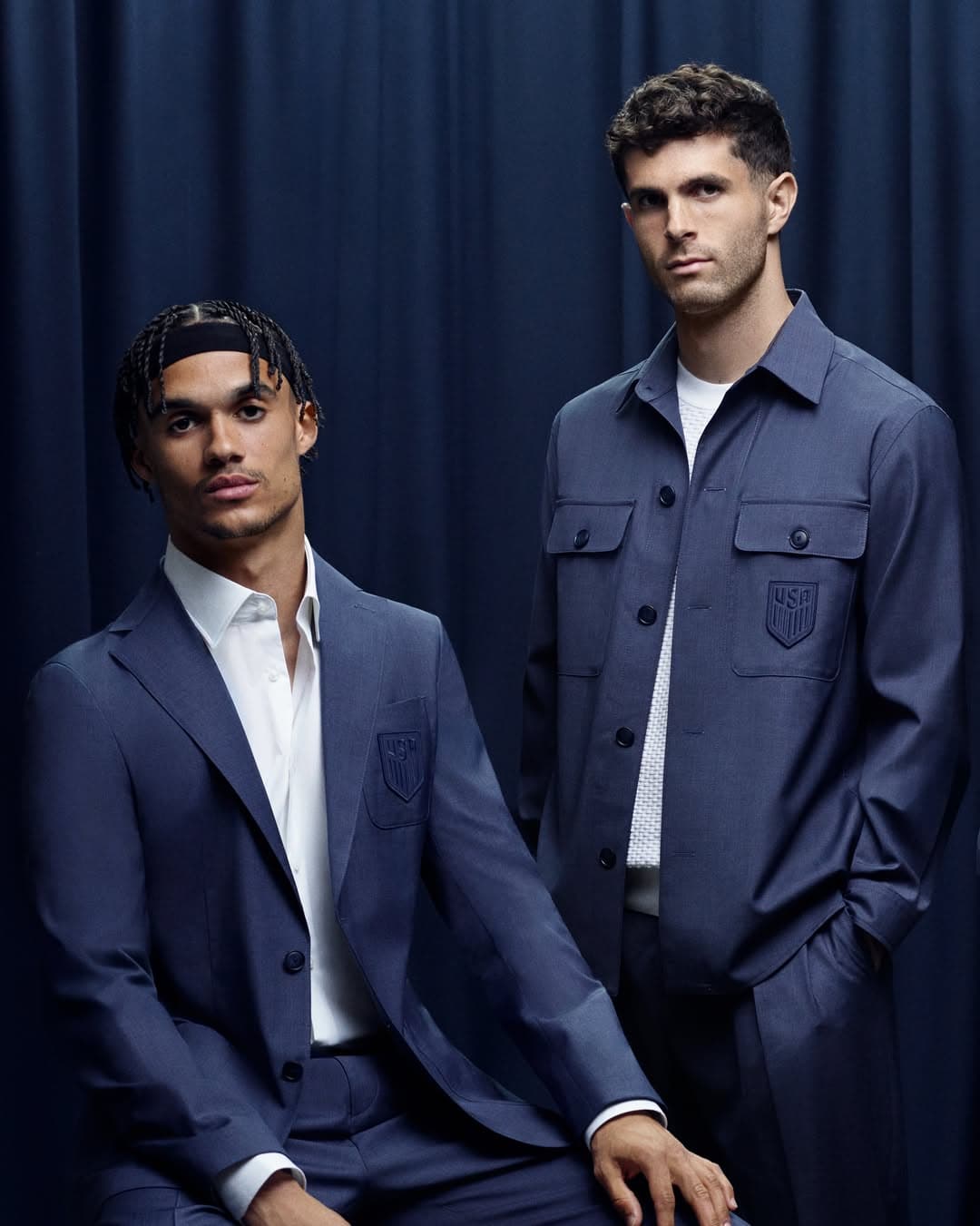
The collection designed for the U.S. Men’s National Team follows the same philosophy. Moving away from strict tailoring, BOSS dresses players in a silhouette that is more relaxed, more dynamic and more contemporary. At the center of the wardrobe is the brand’s Performance Air Wool fabric, developed specifically for long-haul travel and demanding tournament schedules thanks to its lightweight, breathable and wrinkle-resistant qualities.
While slim-fit suits remain the foundation of the collection, shirt-jacket hybrids featuring dual chest pockets push the look into more casual territory. Polo shirts, technical outerwear and travel essentials reinforce the same message. The result feels less like a national-team uniform and more like a wardrobe designed for creative professionals constantly moving between New York, Los Angeles and Austin.
In many ways, the collection mirrors the current identity of American soccer itself. While Europe’s traditional football powers continue to define themselves through heritage and tailoring, the United States embraces performance, mobility and lifestyle. BOSS’s wardrobe captures exactly that spirit.
The Best-Dressed Teams Of The 2026 World Cup
The Best-Dressed Teams Of The 2026 World Cup
Germany
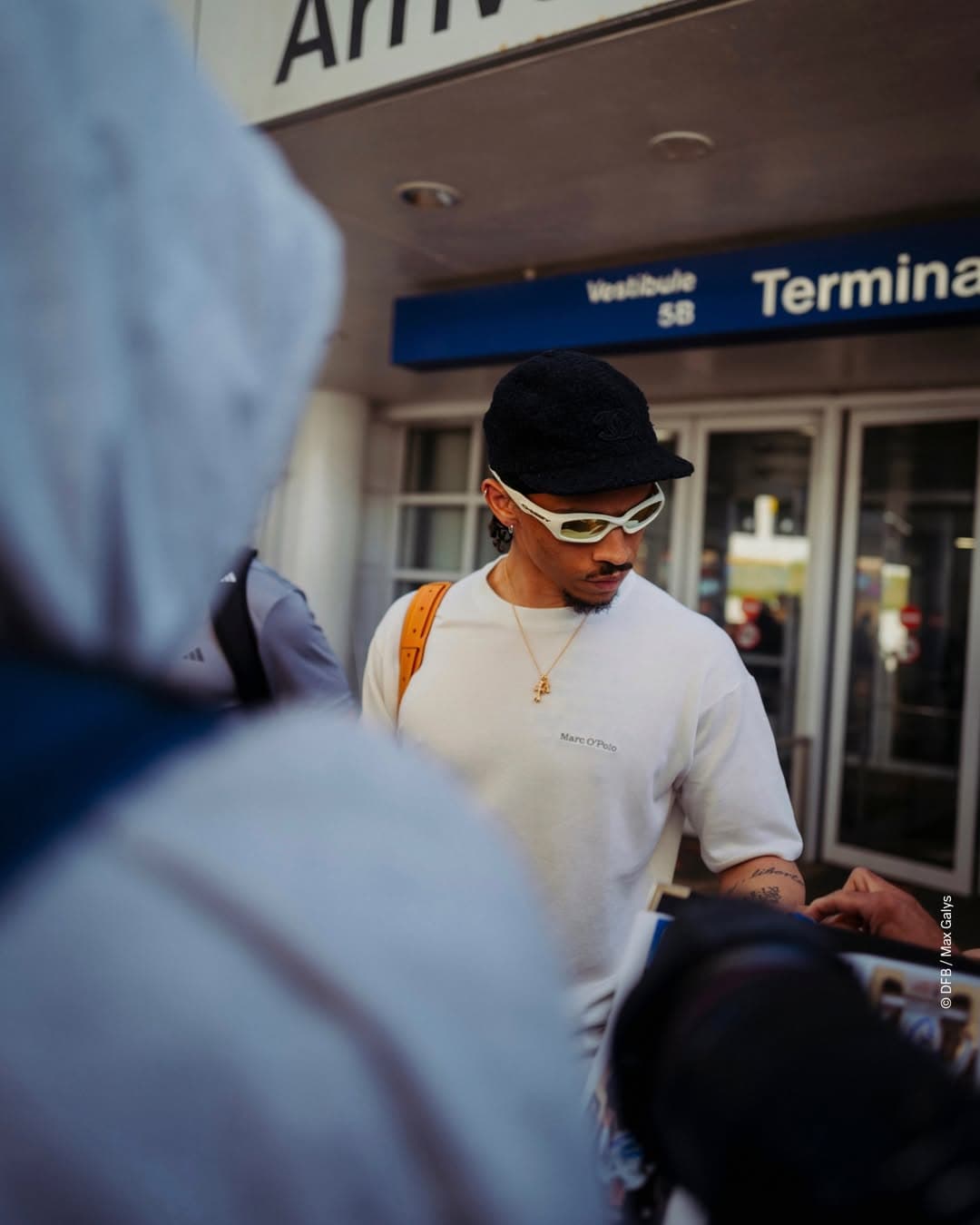
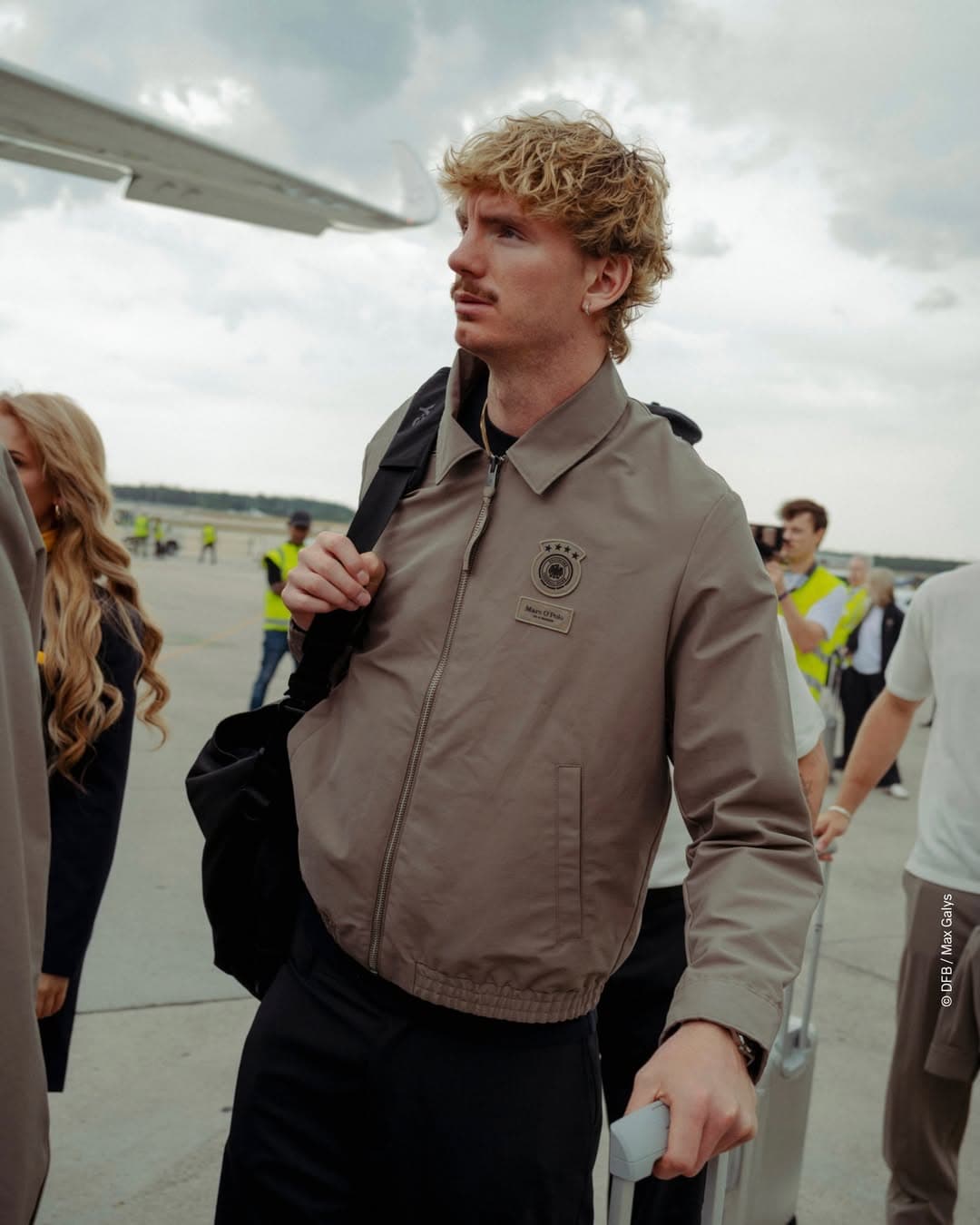
Marc O’Polo
One of the most intriguing partnerships of the 2026 World Cup may also be one of its least flashy. Germany’s national team is dressed by Marc O’Polo, a brand that rarely dominates fashion headlines in the way Loewe or Dunhill does.
Founded in Sweden in 1967 and now headquartered in Germany, Marc O’Polo has long occupied the space of Europe’s quiet premium brands, investing more in materials and functionality than logos or trends.
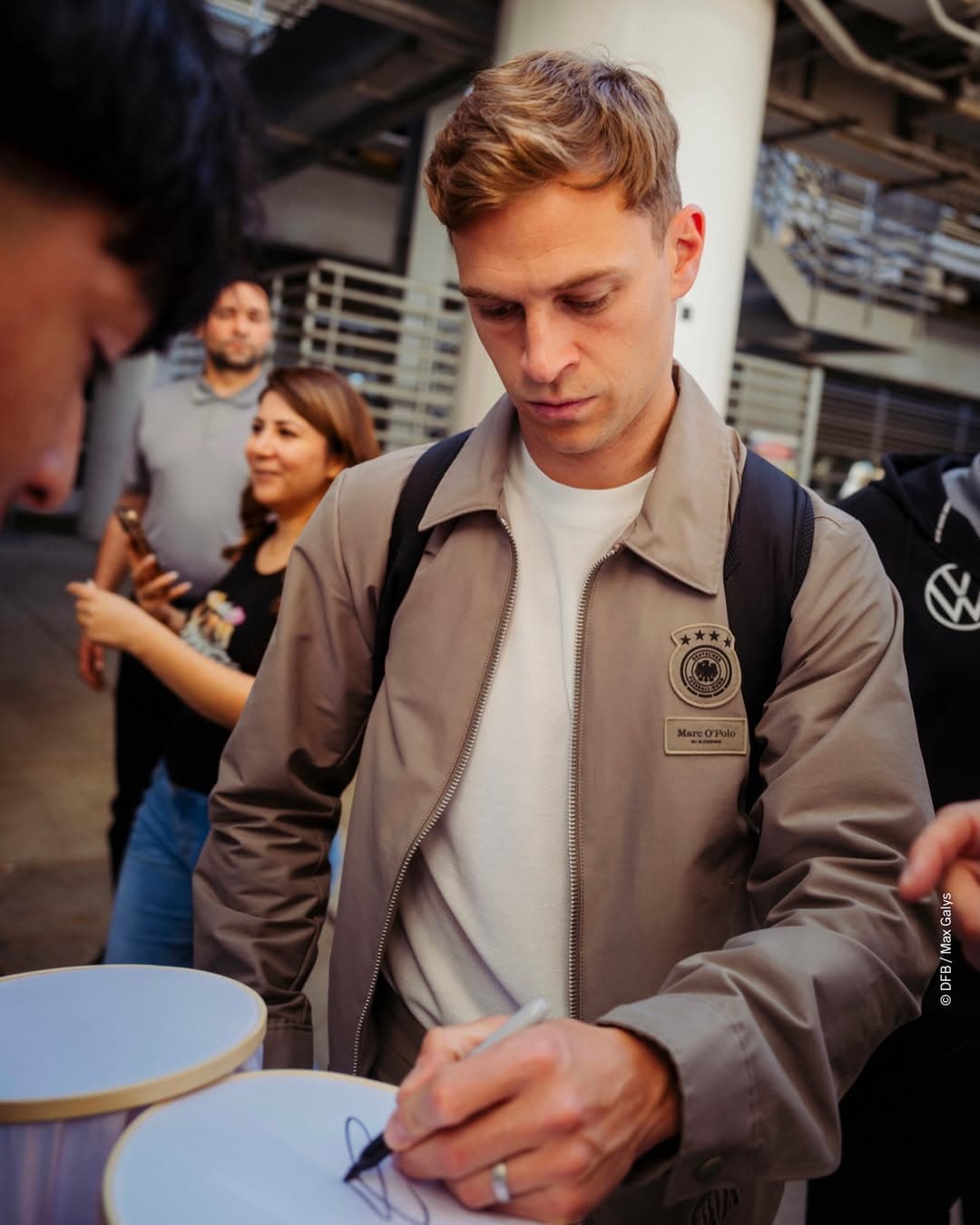
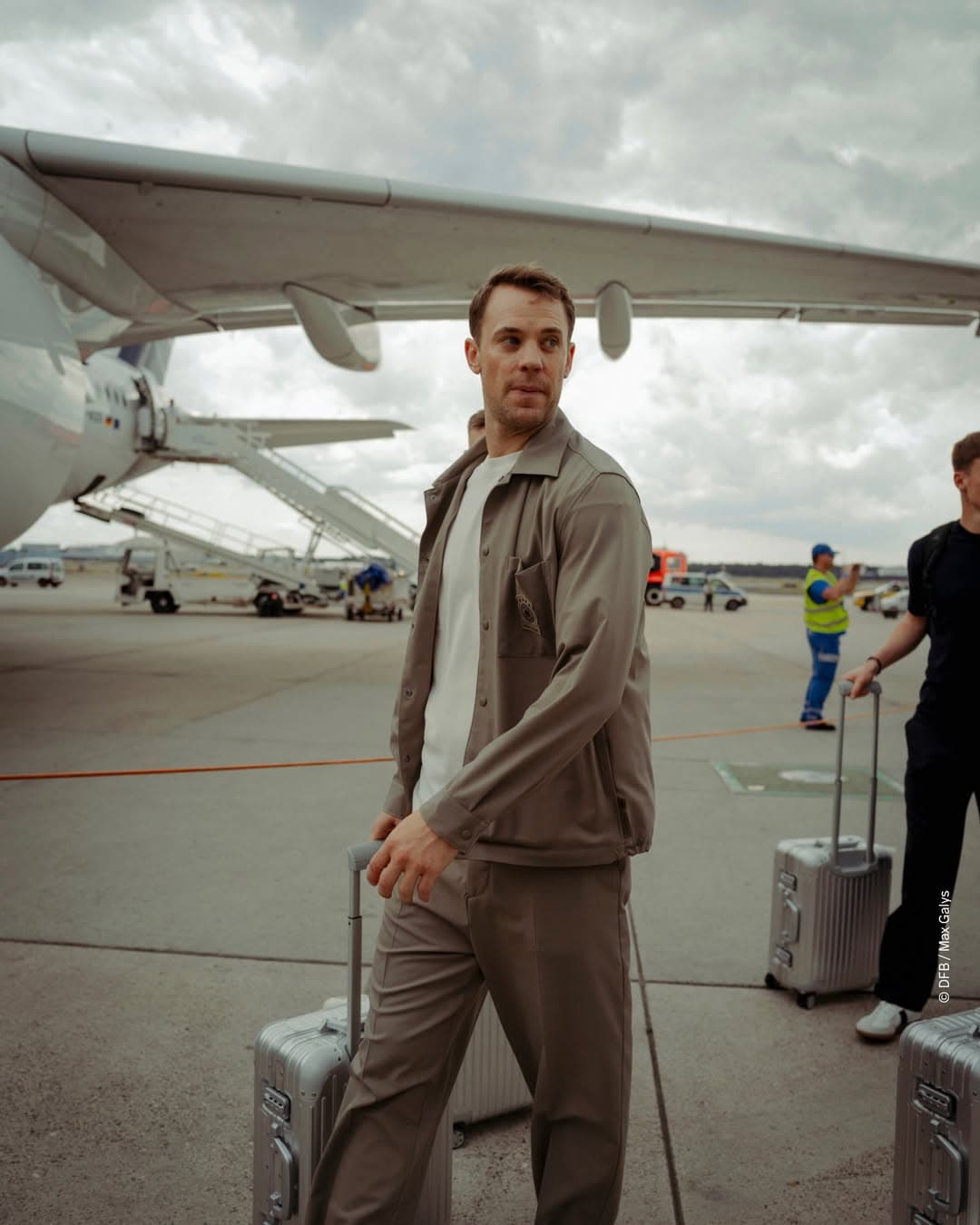
That approach aligns surprisingly well with the institutional character of the German national team. In Marc O’Polo’s 2026 World Cup wardrobe, the suit is no longer the central piece. Instead, shirt-jackets, polo collars, zip-up layers, lightweight knitwear and relaxed T-shirts take the spotlight. The color palette follows the same philosophy, built around beige, navy, white and pale blue tones—understated, but impeccably executed.
The Best-Dressed Teams Of The 2026 World Cup
The Best-Dressed Teams Of The 2026 World Cup
Created in collaboration with the German Football Association, the collection reflects one of the most significant shifts in modern menswear. Once upon a time, national-team players were expected to arrive at airports in suits and ties. Today, luxury menswear values comfort and practicality just as highly as formality. Marc O’Polo’s proposal is simple: dress footballers not like CEOs, but like globally minded creatives constantly moving between cities and continents.
The collection extends beyond clothing, encompassing everything from sunglasses and travel bags to sneakers and baseball caps. As a result, it feels less like a team uniform and more like a complete lifestyle offering—one that designs not only how a player arrives at the stadium, but how he lives throughout the tournament.
The Best-Dressed Teams Of The 2026 World Cup
The Best-Dressed Teams Of The 2026 World Cup
France
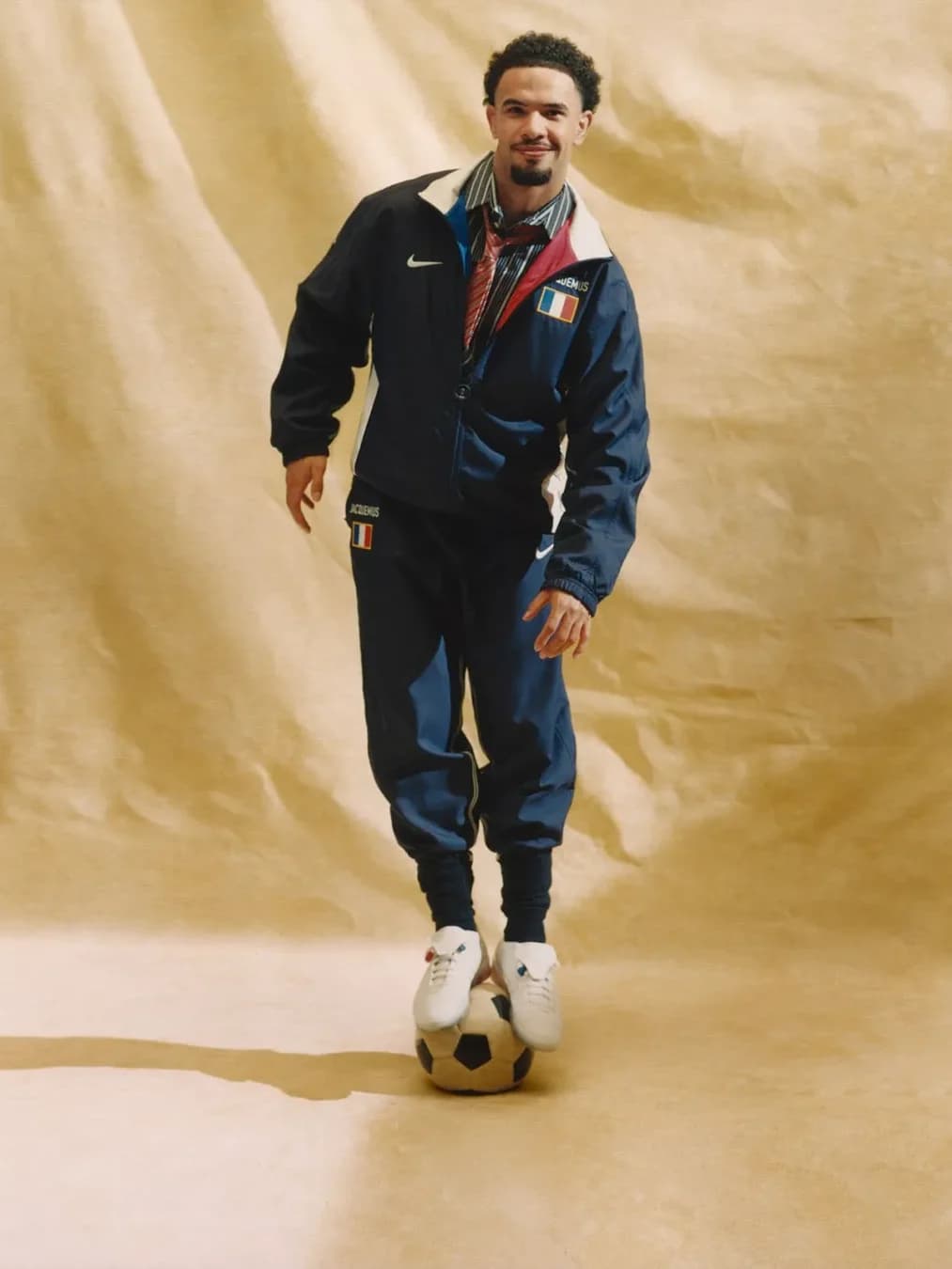
Jacquemus × Nike
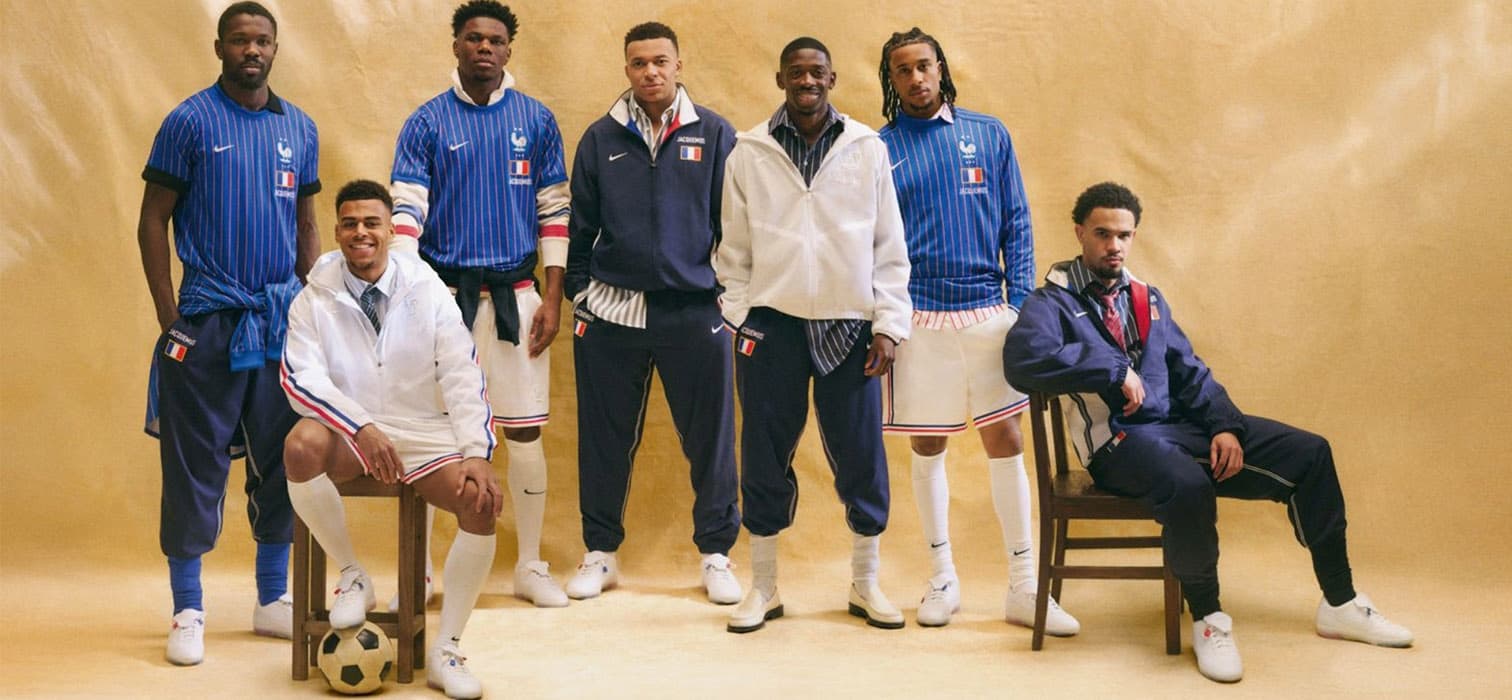
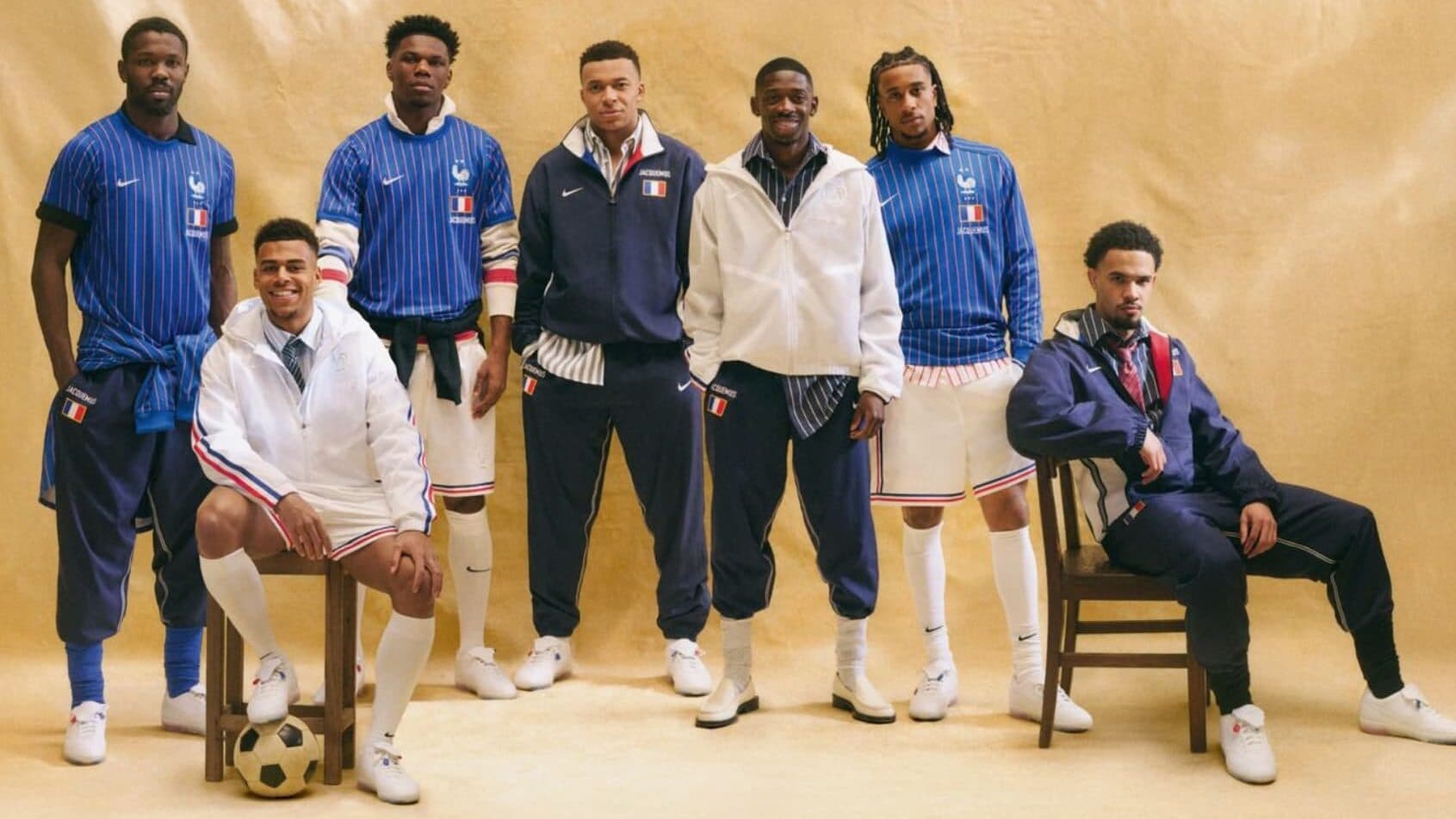
In recent years, the relationship between football and fashion has largely been defined by luxury brands turning footballers into runway stars. What Simon Porte Jacquemus has done for the World Cup is something different: he brings French football culture together with the Mediterranean romanticism that defines the Jacquemus universe.
Over the past decade, Simon Porte Jacquemus has become one of the most influential figures in French fashion. Inspired by his childhood in Provence, the brand is built around sun-soaked colors, effortless silhouettes and a nostalgic vision of the French summer. What separates Jacquemus from many other luxury houses is precisely this perspective. Rather than embodying the formality of Parisian fashion, it represents the lightness and ease of the South of France.
The Best-Dressed Teams Of The 2026 World Cup
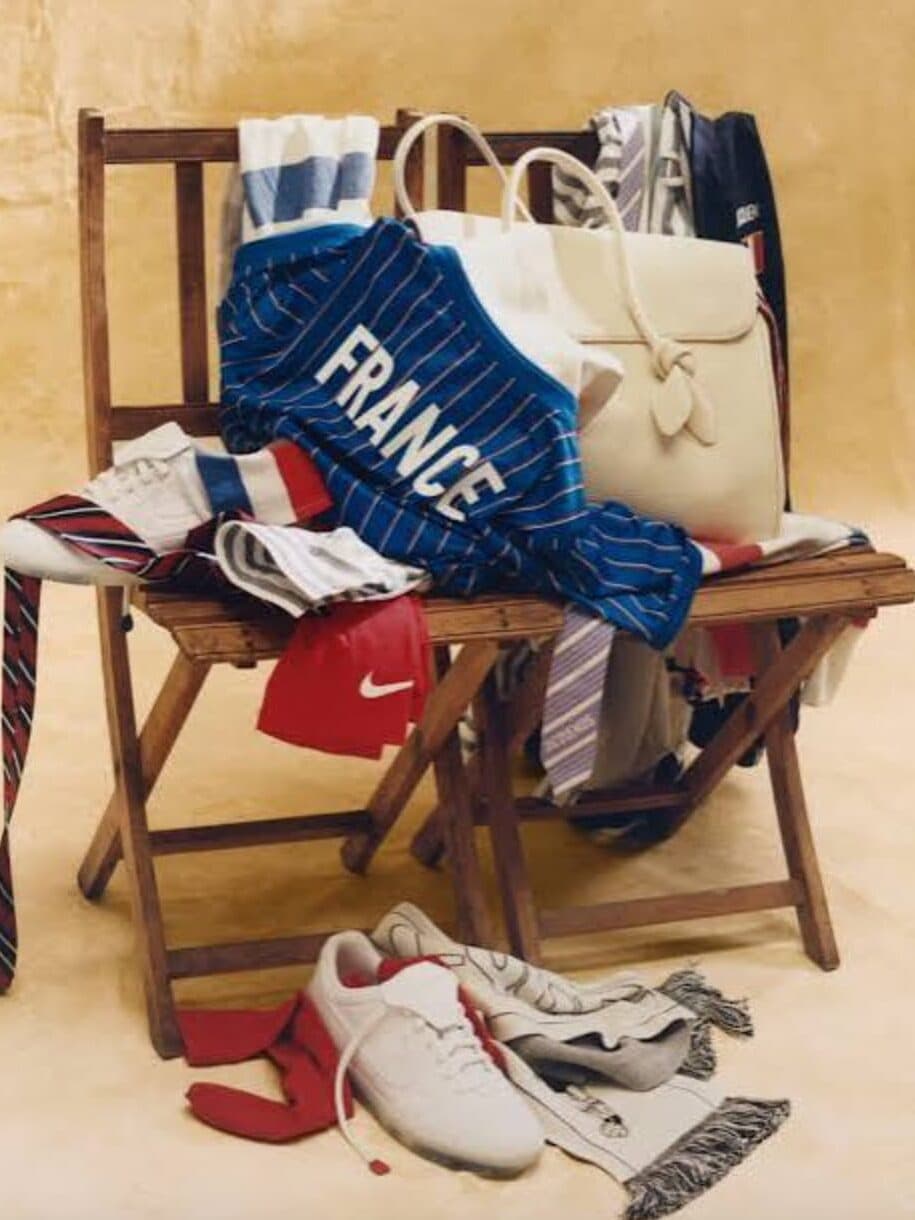
The collection created with Nike and the French Football Federation for the 2026 World Cup reflects the same spirit. Rather than redesigning the match kit itself, the collaboration focuses on the lifestyle surrounding football culture. Polo shirts, training tops, casual sportswear and sneakers present a more refined and relaxed interpretation of French football.
The project also marks a new chapter in Jacquemus’ relationship with sport. After transforming sneakers into fashion objects through collaborations such as the Air Humara, J Force 1 and Moon Shoe, the designer now shifts his attention from individual products to a broader national football narrative. The result feels less like a fan collection and more like a wardrobe for a summer holiday in Saint-Tropez.
In many ways, Jacquemus is not bringing football closer to fashion. Instead, he is placing football within a world already shaped by ideas of French summer, coastal culture and everyday elegance. That is what makes this one of the most distinctive collections produced around the World Cup.
The Best-Dressed Teams Of The 2026 World Cup
The Best-Dressed Teams Of The 2026 World Cup
Congo
JMAKxPARIS
One of the most widely shared fashion moments of the 2026 World Cup did not happen on the pitch. It happened at the airport.
The Democratic Republic of Congo’s arrival at the tournament generated almost as much attention on social media as the matches themselves.
The outfits were created by JMAKxPARIS, the label founded by Paris-based Congolese designer Alvin Junior Mak. Black tailoring accented with gold details and leopard motifs may appear dramatic at first glance, but the collection carries a much deeper meaning. The leopard references the team’s nickname, “The Leopards,” while simultaneously drawing on one of the country’s most recognizable cultural symbols.
More importantly, the wardrobe can be read as a contemporary interpretation of La Sape, the Congolese fashion movement that dates back to the colonial era. La Sape views dressing not merely as a display of status but as a form of creativity, self-expression and self-respect. Congo’s World Cup wardrobe embodies exactly those values.
Here, the players are not presented solely as footballers. They become protagonists of their own stories.
Mexico
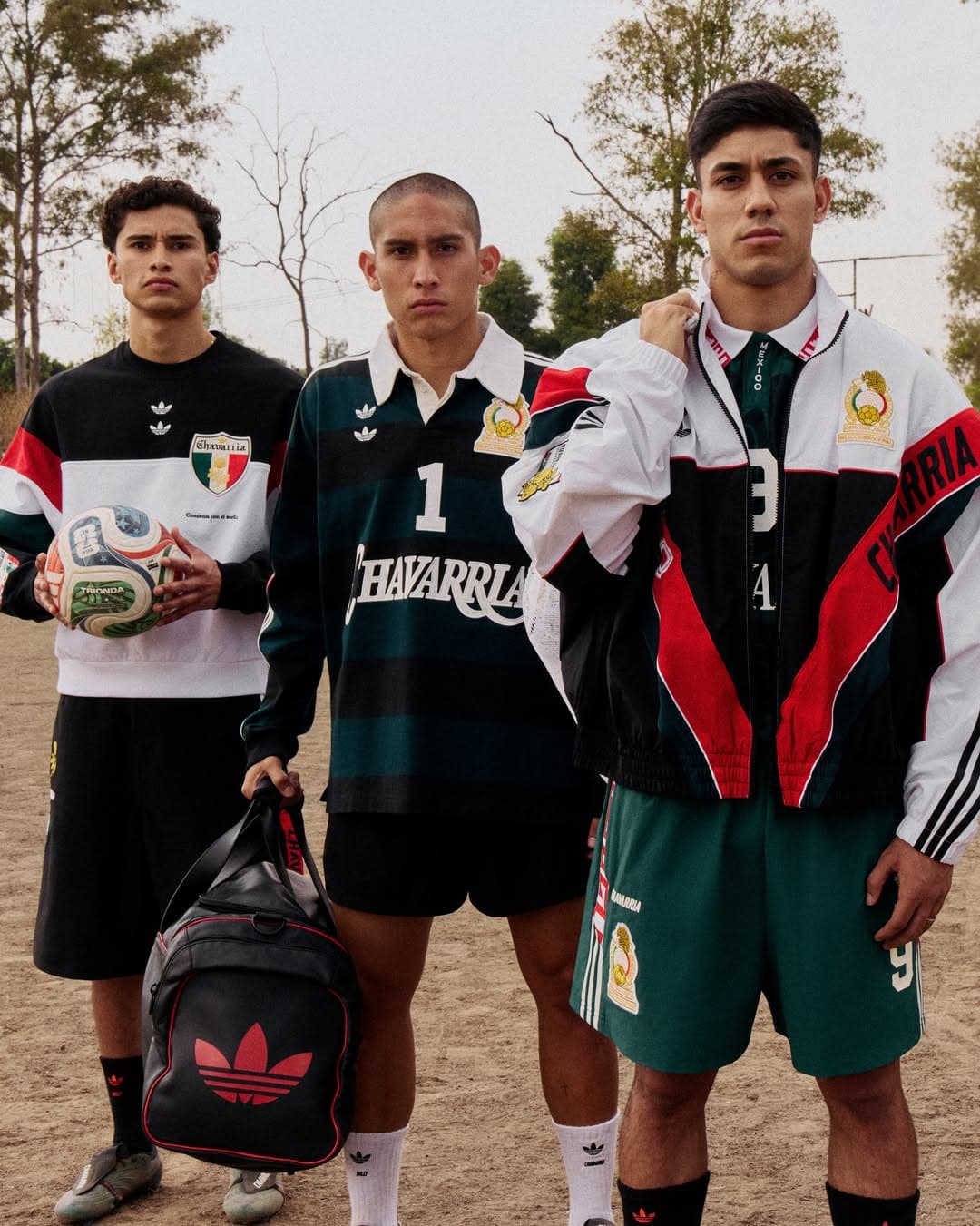
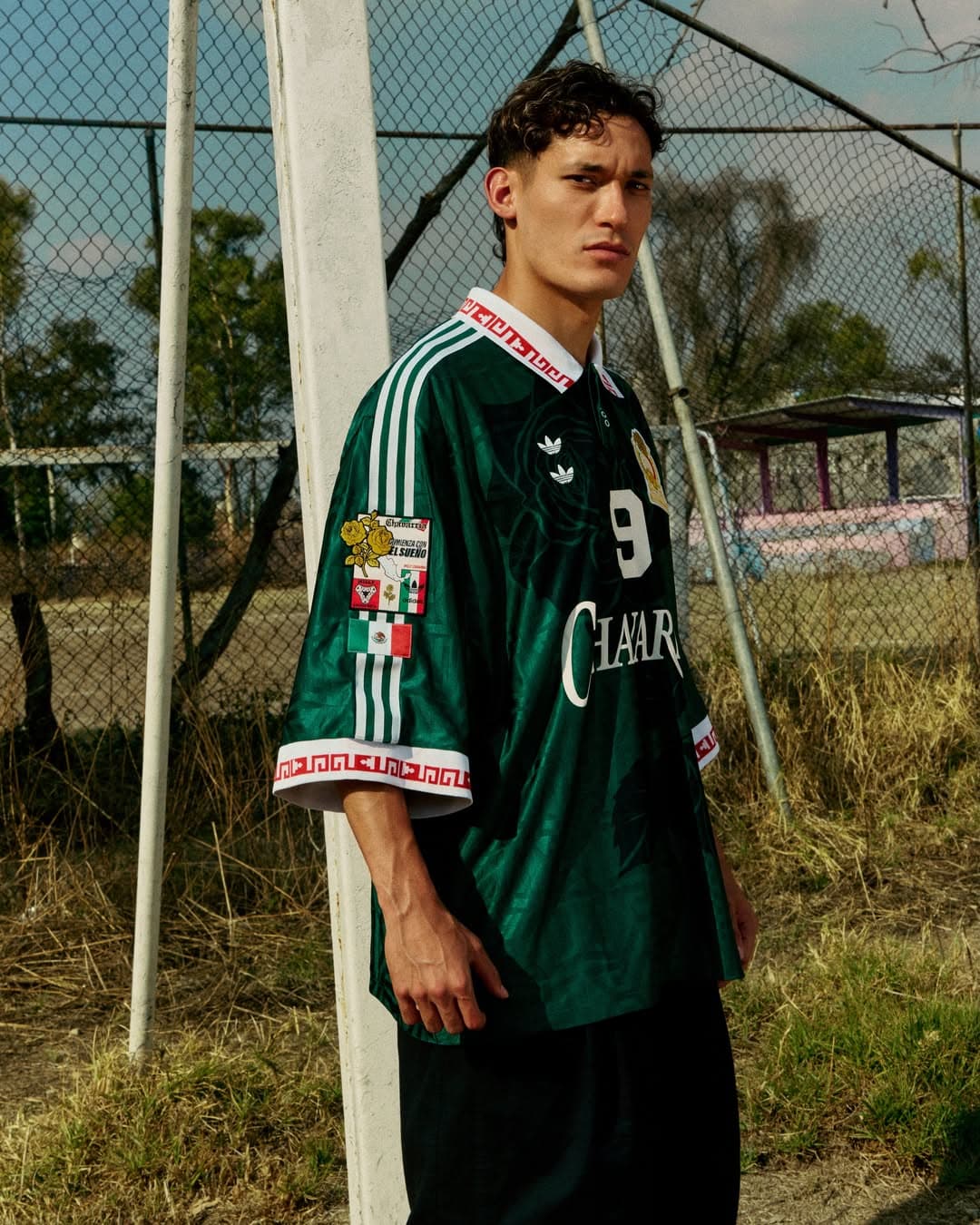
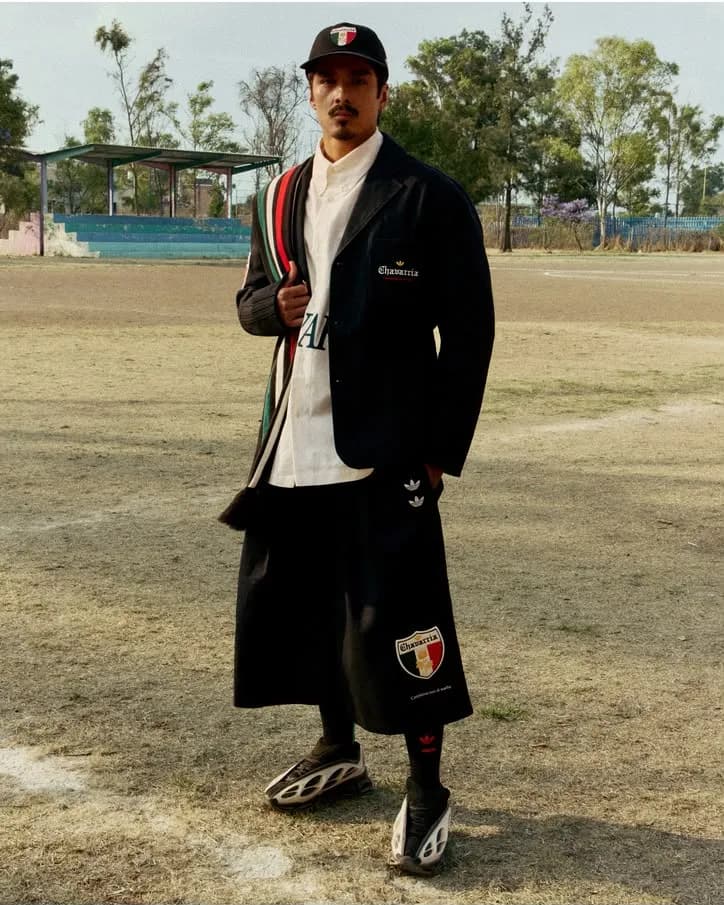
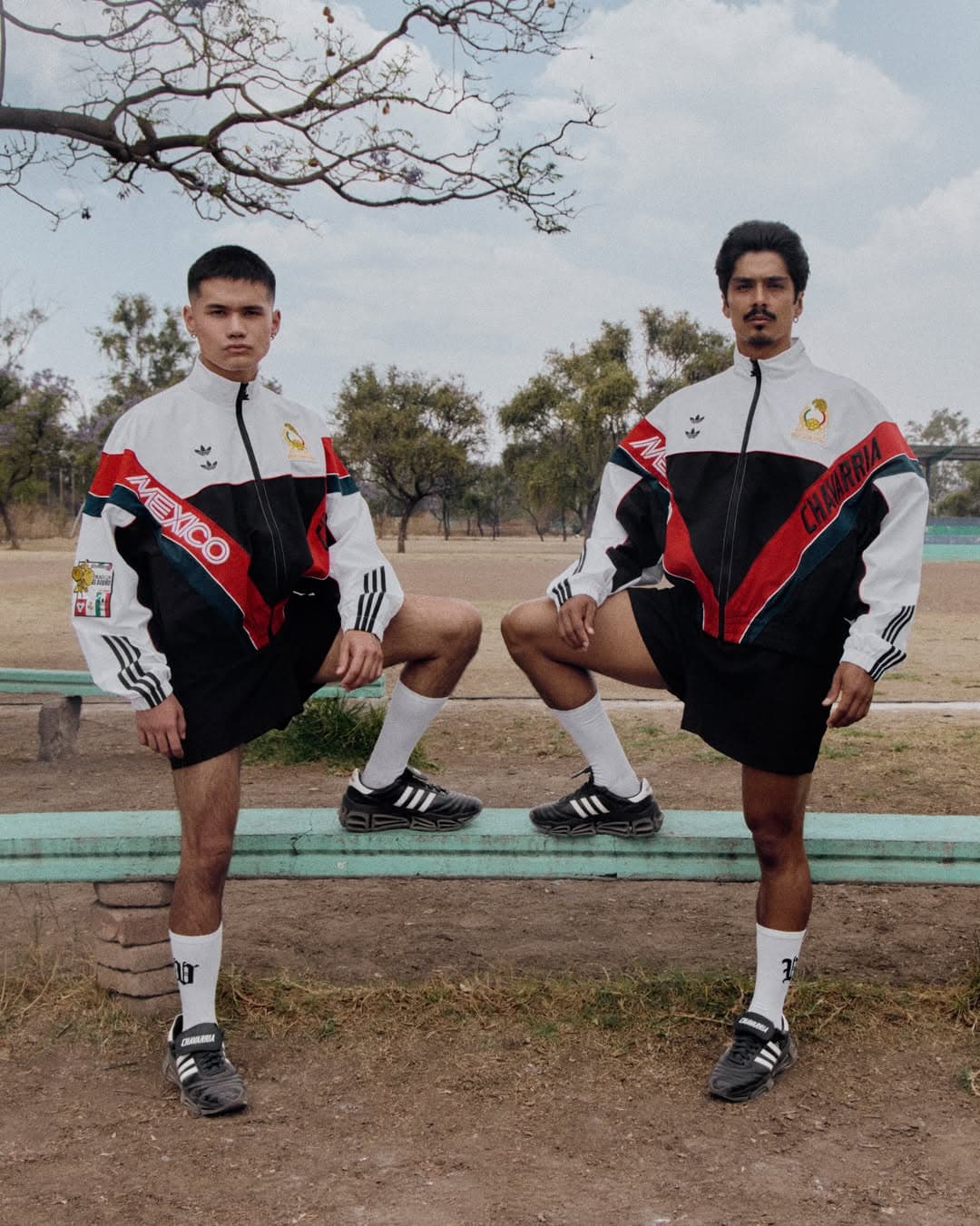
Adidas Originals × Willy Chavarria
As one of the tournament’s host nations, Mexico enters the World Cup with one of its most culturally resonant fashion collaborations.
Designer Willy Chavarria has long been regarded as a storyteller exploring Latin identity, immigration and contemporary masculinity. Through the collections he has presented in Paris in recent seasons, he has emerged as one of the most powerful voices in American fashion. After being named Menswear Designer of the Year in 2025, he turned his attention to football.
The Best-Dressed Teams Of The 2026 World Cup
The Best-Dressed Teams Of The 2026 World Cup
Created with Adidas Originals and the Mexican national team, the collection is titled Comienza con el Sueño—Everything Begins with a Dream. It goes far beyond conventional fan merchandise. Oversized jerseys, rugby shirts, wide-leg track pants and elongated shorts are reimagined through Chavarria’s signature silhouettes.
The collection draws from Chicano culture, the streets of Los Angeles, the Mexican diaspora and the collective memory of Latin America. In many ways, it brings to the World Cup stage the themes Chavarria has explored throughout his career.
Football here becomes more than a sport. It becomes a conversation about belonging, representation and visibility.
England
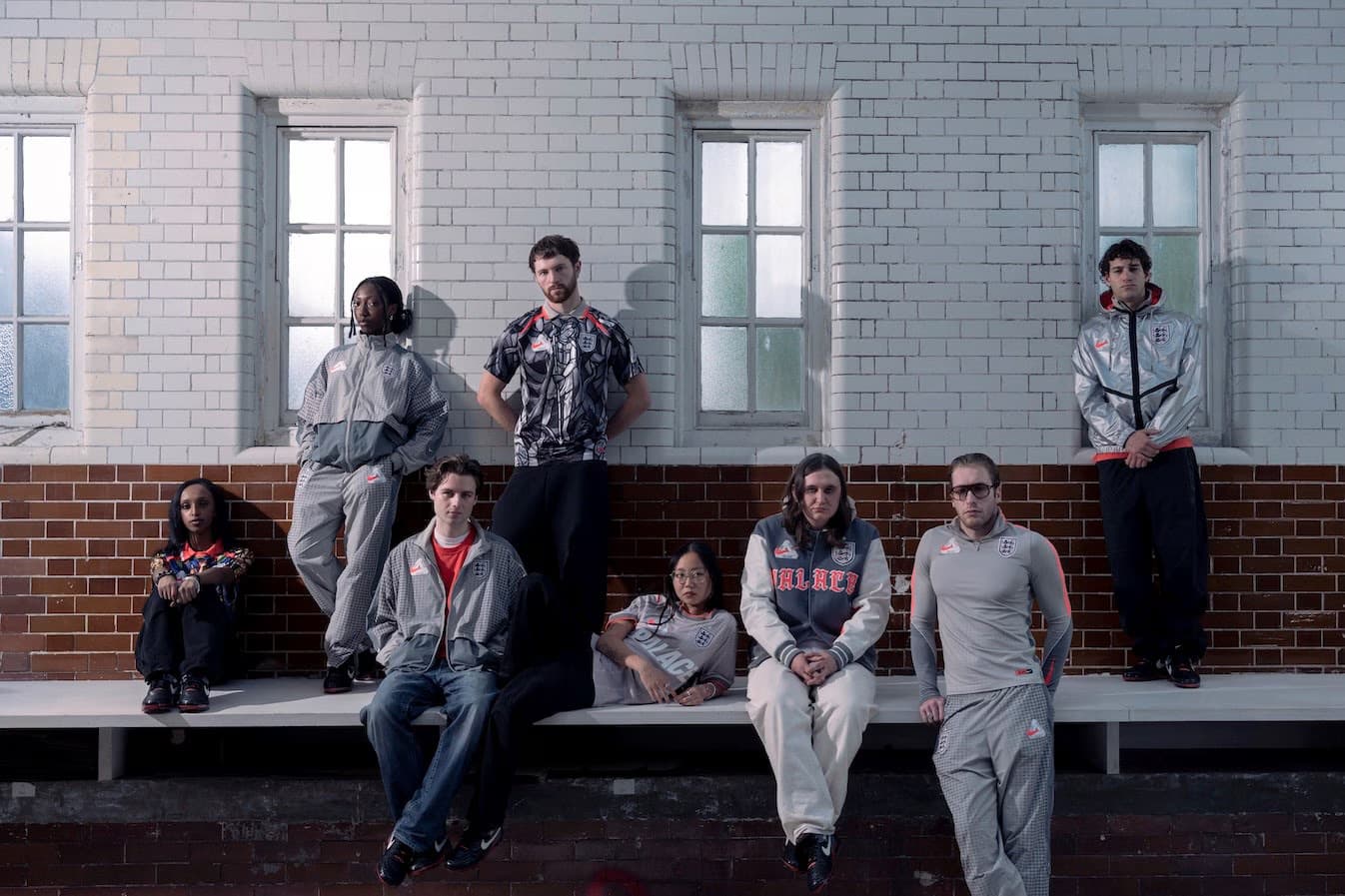
Nike × Palace
English football culture has been intertwined with fashion for decades. The relationship between terrace culture, Britpop, Stone Island, Burberry, adidas Sambas and football fandom has become a subject worthy of academic study. In that sense, the collaboration between Nike and Palace feels less like a surprise and more like an overdue meeting.
Founded in London in 2009, Palace began as a skate brand before evolving into one of the defining voices of British youth culture. Much like Supreme became synonymous with New York, Palace developed its own distinct relationship with London. Football was never far from its identity; in fact, it remained at the center of the brand’s cultural language.
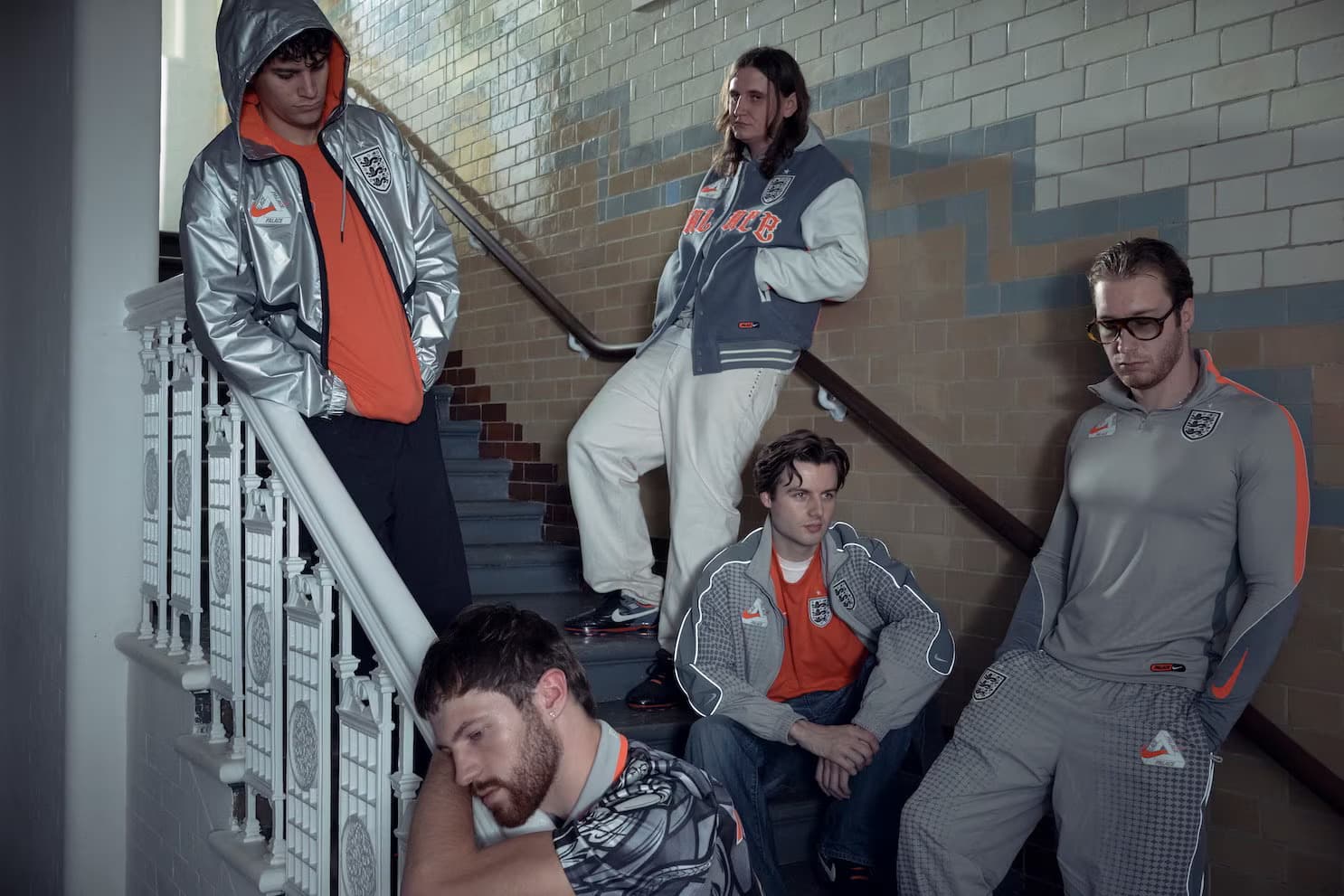
The Three Lions Collection created for the 2026 World Cup reflects that spirit. Retro football shirts, tracksuits, varsity jackets and graphic T-shirts reinterpret England’s football heritage through Palace’s unmistakable lens.
The references are unmistakably British: London pubs, away days, football nostalgia and the youth culture of the 1990s. Rather than presenting football as luxury, Palace treats it as a living cultural memory.
Soccer Series
Balenciaga
As blokecore, vintage jerseys and terrace culture entered the mainstream, Balenciaga decided to absorb football’s visual language into its own universe.
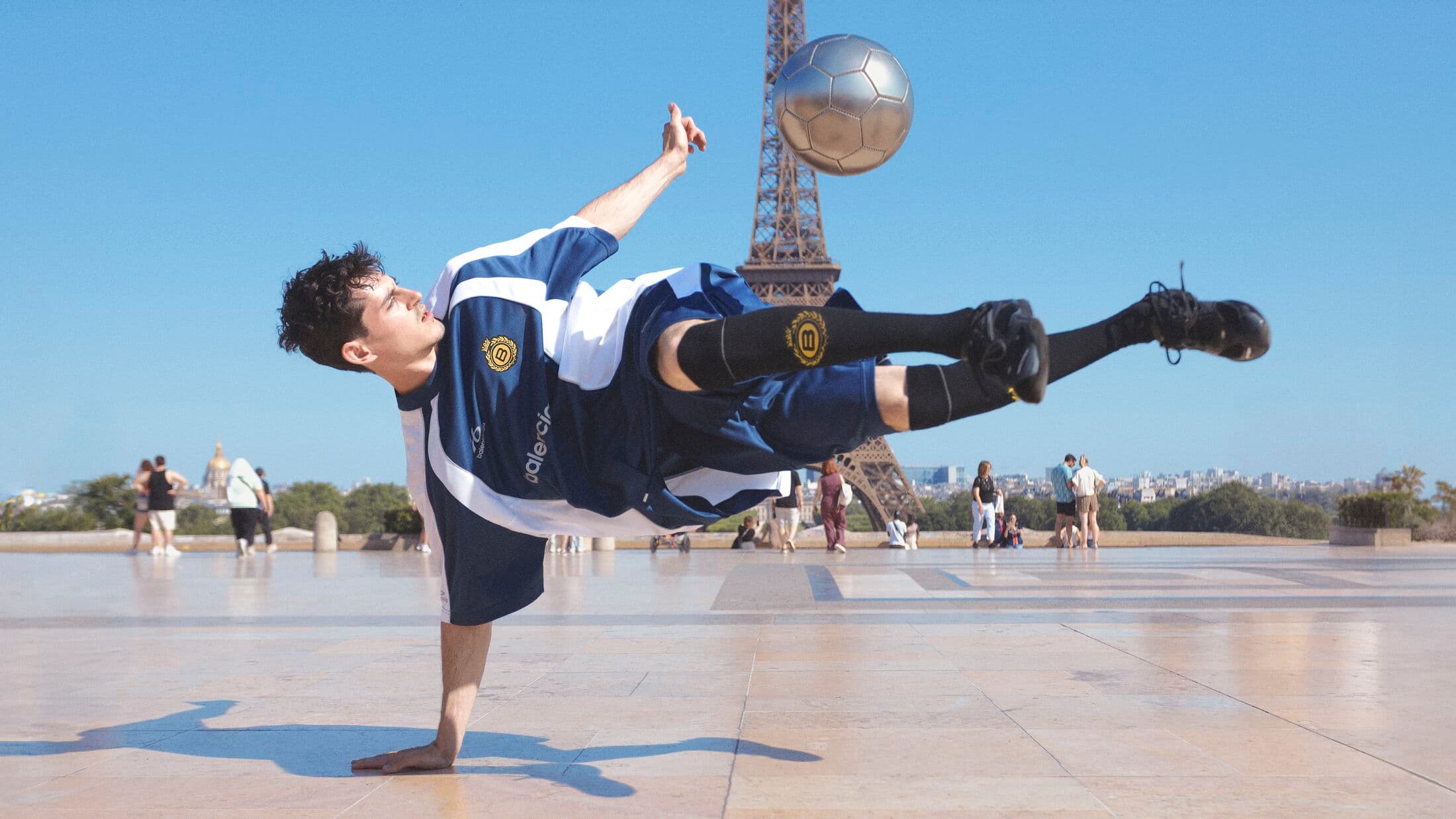
Introduced during the World Cup period, the Soccer Series collection reimagines classic football shirts and training gear through the exaggerated proportions that have become synonymous with the house. Oversized jerseys, voluminous tracksuit tops, technical fabrics and logo treatments reminiscent of club merchandise feel simultaneously familiar and distinctly Balenciaga.
One of Demna’s defining achievements at the brand has been his ability to transform everyday clothing into luxury objects. Football is simply the latest extension of that strategy.
The objective here is not to represent a specific team or nation. Instead, Balenciaga appropriates football’s immense cultural power and visual vocabulary, translating them into a fashion context. It may not be the World Cup’s most expensive jersey collection, but it is certainly its most self-aware.
In the end, the Soccer Series is less about supporting a club and more about wearing football itself as a cultural symbol. A reminder that in 2026, the World Cup is not only the biggest event in sport—it is also one of the most influential stages in global fashion.
Saatolog Yıllık Saat Dergisi Saatolog’un yeni sayısı, 2020’nin yarattığı bu dönüştürücü etkiden ilham alarak hazırlandı. Dünya dijitalin etkisiyle her zamankinden de hızlı bir şekilde ilerlerken yavaşlamanın da önemini sonunda kavramış bulunuyoruz ve bu tezatlık hayatlarımızın her anına etki ediyor. Biz de bundan yola çıkarak Saatolog 2020/21 sayısını ‘‘hızlı ve yavaş’’ teması altında hazırladık.