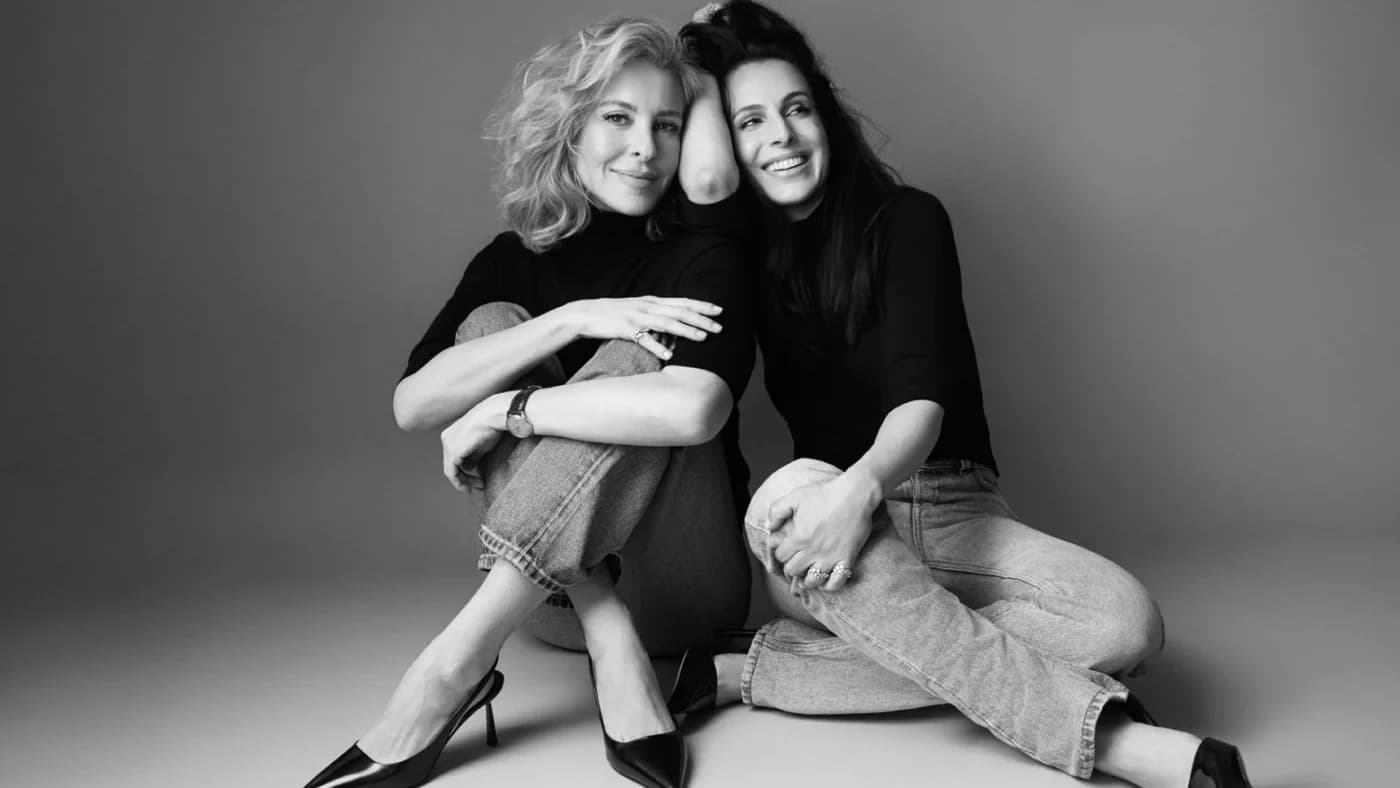
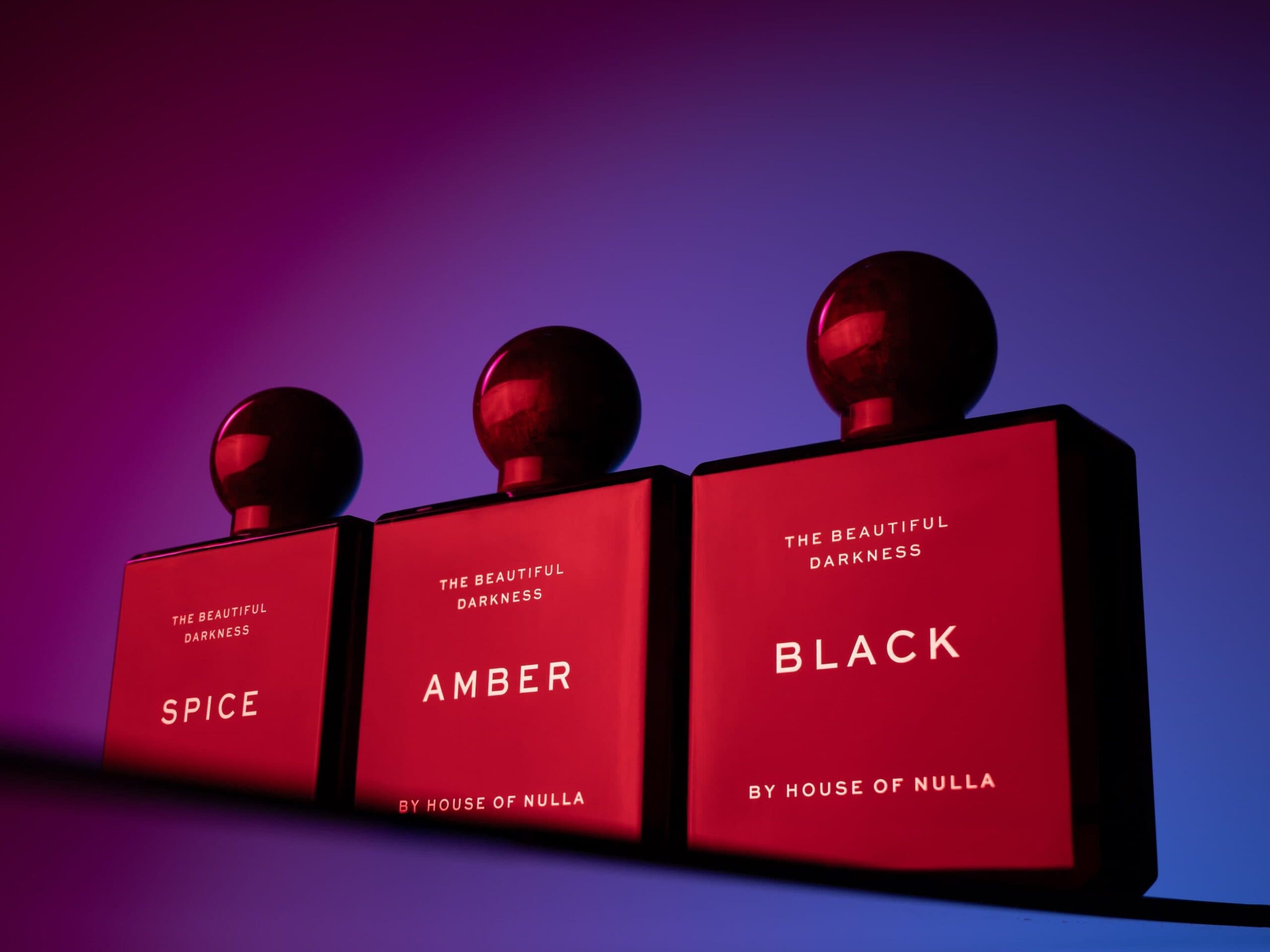
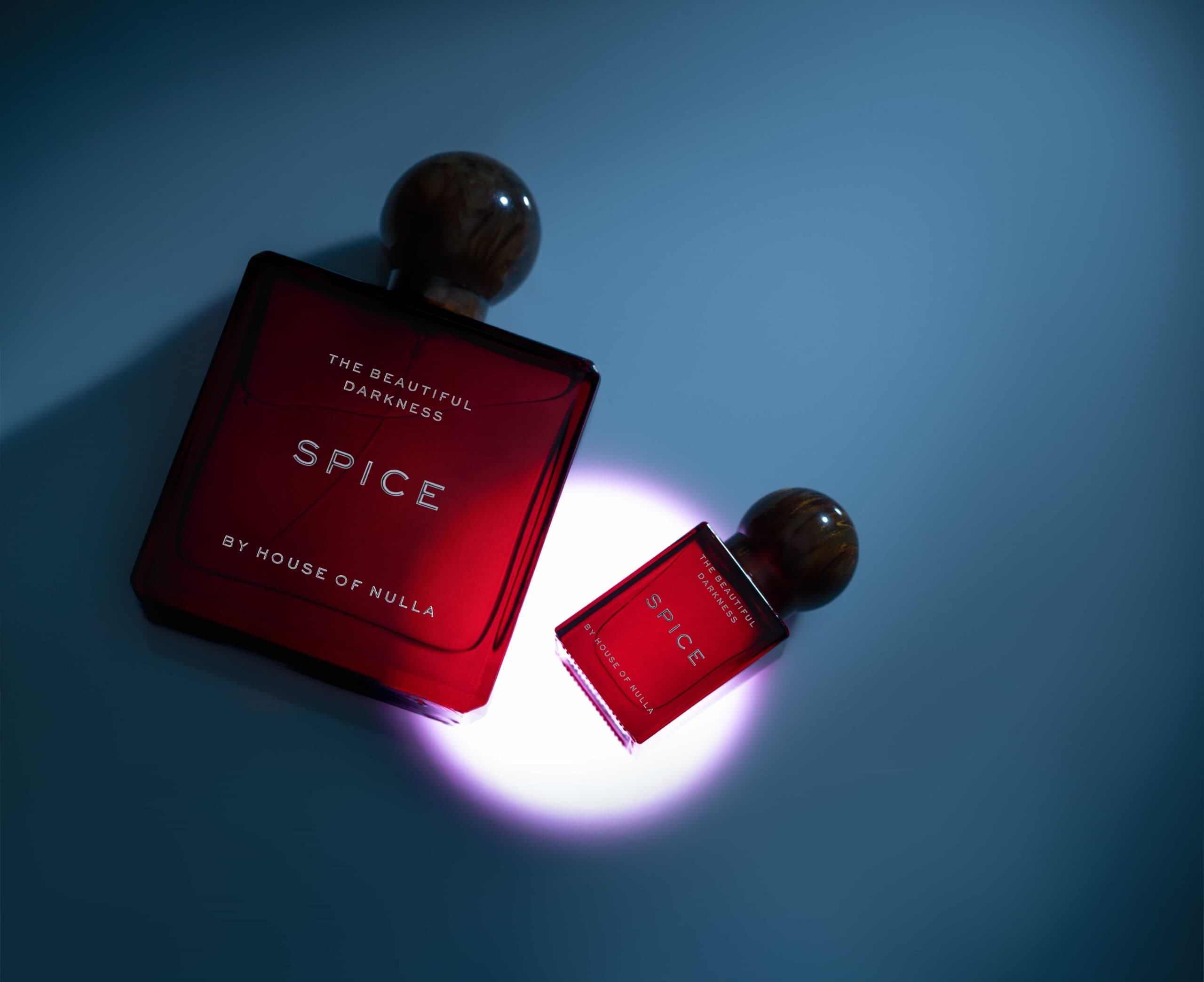
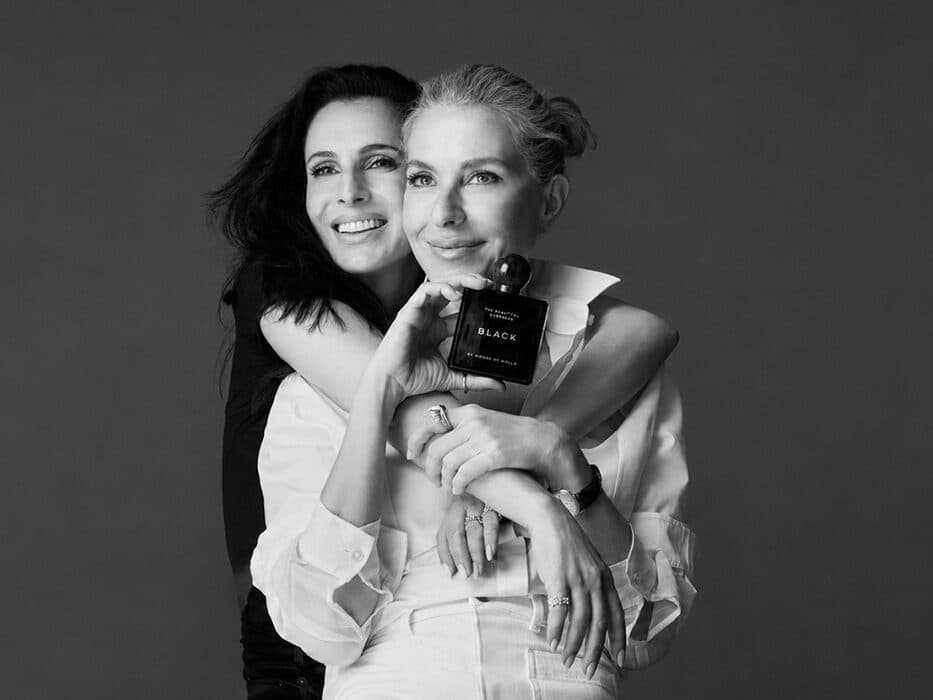
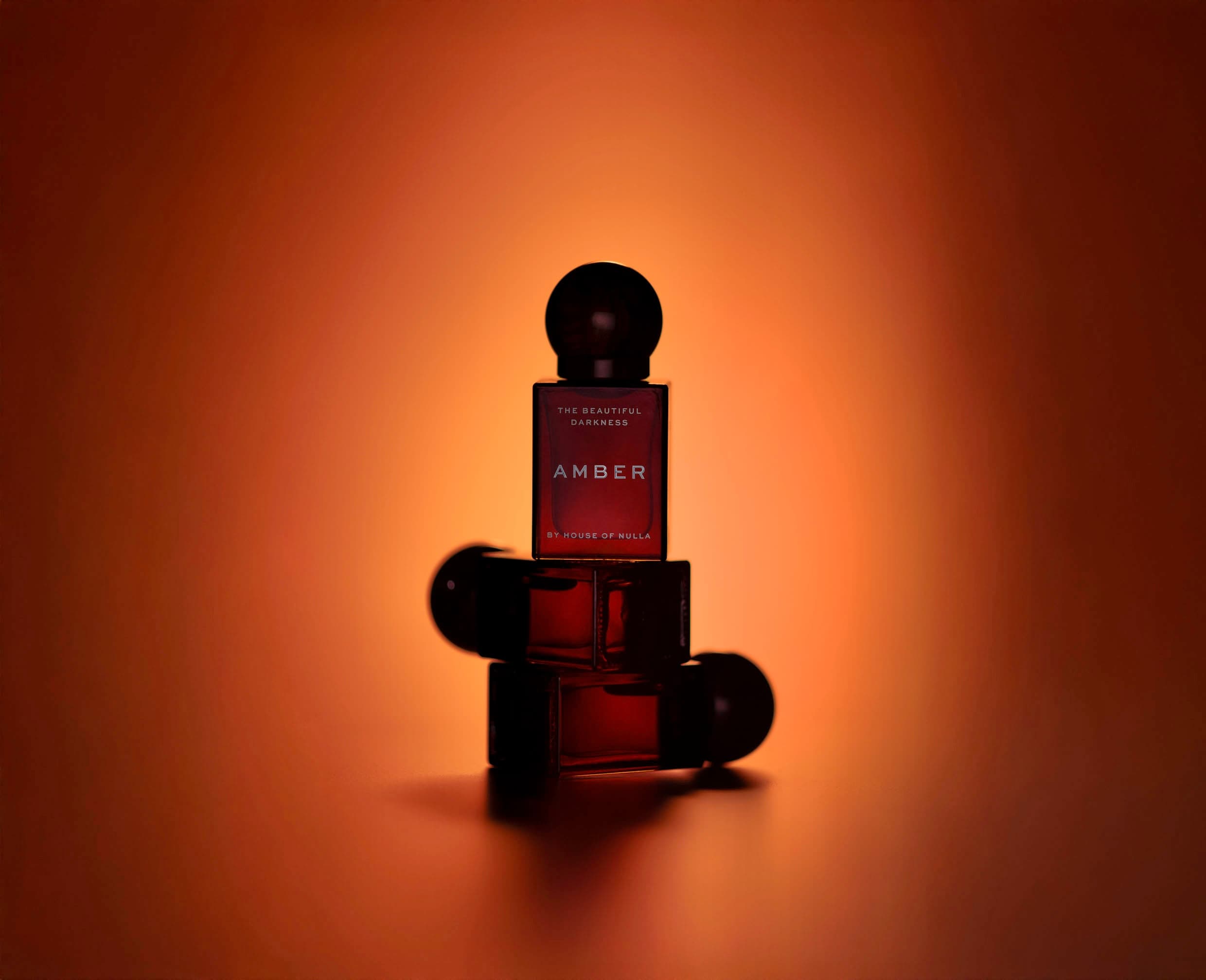
We spoke with Nevbahar Koç and Esra Tümen Dinçkök, the founders of niche fragrance house House of Nulla, about their debut collection The Beautiful Darkness, inspired by the black rose of Halfeti, following years of meticulous work and research.
House of Nulla, a project you have worked on with great care and dedication for many years, has finally met consumers. How do you feel?
NK: House of Nulla has been part of our minds and our lives for a very long time. This process was not only about developing a product; it was also an intensive journey of research, reflection, and creation. We spent a great deal of time working on every detail, from the character of the fragrances to the visual world of the brand. Seeing people now build their own connection with House of Nulla is incredibly exciting. It is also deeply emotional because a world that lived within us for so long has finally begun to connect with others.
ETD: I can say that we are going through a very intense but very rewarding period. In the beginning, House of Nulla was more of a shared area of curiosity for us; over time, it evolved into something much larger with a distinct world of its own. Seeing the brand resonate with people is incredibly meaningful. One of the most exciting aspects is watching how the fragrances evoke different emotions and associations in different individuals. From the very beginning, we envisioned House of Nulla not simply as a perfume brand, but as a narrative space that engages with the senses and memory.
How was House of Nulla born?
NK: The starting point of House of Nulla was the idea that fragrance is not merely an aesthetic element but something that forms a powerful connection with culture, memory, and intuition. As Esra and I explored this field, what affected us most was the fact that this geography possesses an incredibly rich olfactory heritage, yet it remains insufficiently represented within the language of contemporary perfumery. Local rituals, ancient fragrance practices, plants, resins, oils, and especially the black rose of Halfeti became not only sources of inspiration but also the foundation of our narrative. House of Nulla emerged from a desire to reinterpret this heritage—not by repeating it directly, but by expressing it through a more abstract, sensory, and refined language that belongs to today’s world.
ETD: Curiosity was really where it all began. We conducted extensive research into how fragrance has been used throughout history, the meanings it has carried across different cultures, and its relationship with human memory. This process led us into a multilayered exploration of historical fragrance rituals, botanical ingredients, and sensory memory. In many ways, House of Nulla was born from that journey of research and discovery. We wanted to create a brand that draws inspiration from the past while speaking the language of the present—a brand with roots, yet one that feels contemporary.
Your first collection, The Beautiful Darkness, consisting of three fragrances, is inspired by Halfeti’s black roses. What drew you to them?
ETD: When we began researching the black rose of Halfeti, what fascinated us most was the fact that it can only develop such a distinctive character because of that region’s unique climate, soil, and light. The same feeling simply cannot be recreated elsewhere. We were also captivated by the symbolism the black rose has carried throughout literature, art, and mythology. It embodies layered meanings such as mystery, resilience, and passion.
Another aspect that made the black rose special for us was its inherent contrast. At first glance, it appears dark, mysterious, and powerful, yet it also possesses a delicate and fragile side. When creating The Beautiful Darkness collection, this balance became our central focus. We were drawn to the idea that beauty does not always have to be bright, obvious, or easy to interpret. For this reason, the black rose of Halfeti became more than just a source of inspiration or a fragrance note; it became one of the symbols that carries the spirit of House of Nulla.
House of Nulla was founded by two women, Nevbahar Koç and Esra Tümen Dinçkök. How did your paths cross in creating a perfume house?
NK: Our friendship was already rooted in a shared aesthetic sensibility and similar interests. We were two people who loved discussing different cultures and creative disciplines. Over time, we realized that these conversations were bringing us to the same creative ground. For both of us, fragrance was never simply about smelling good; it represented a layered realm connected to memory, emotion, and atmosphere. In many ways, House of Nulla emerged from this shared perspective.
ETD: House of Nulla was shaped by the convergence of our different strengths. Nevbahar’s aesthetic vision and intuitive approach complemented my focus on research, structure, and storytelling. What united us was not a desire to create a specific product, but a desire to build a compelling world. Fragrance felt like the perfect medium because it is simultaneously sensory, cultural, and deeply narrative.
I know there is an enormous amount of work behind House of Nulla, despite it being a newly launched brand. What have been the most challenging and most rewarding aspects of creating a perfume house?
NK: The greatest challenge is transforming an abstract idea into a tangible and coherent world. Fragrance is invisible—you cannot hold it in your hands—yet it leaves a powerful imprint on memory, skin, and emotion. Creating a perfume house is therefore not only about developing beautiful scents but also about ensuring that every detail conveys the same feeling.
The process behind House of Nulla was long and multilayered. We focused on every detail, from how the fragrances develop on the skin and their longevity to the balance of the notes, the weight of the bottle, the choice of materials, and the visual language. Patience is essential in niche perfumery; even a subtle adjustment can completely change the expression of a fragrance. We moved forward carefully, always asking whether each decision truly served the world of House of Nulla.
The most rewarding part was seeing all of these individual elements eventually begin speaking the same language. Watching an idea that you have worked on for years transform into a living perfume house through scent, objects, and visual storytelling is extraordinary. Seeing people now form personal connections with these fragrances is the most valuable aspect of the journey.
The Beautiful Darkness is inspired by this land. Will you continue telling stories unique to Anatolia through future fragrances?
NK: The cultural memory of this geography is immensely inspiring to us. We are talking about a richly layered world where different civilizations, rituals, fragrances, and stories have intersected for centuries. While the black rose of Halfeti was the starting point of The Beautiful Darkness, what truly captivated us was the narrative richness and sensory memory embedded in these lands. Nature, history, rituals, and cultural references will continue to play an important role in future collections. However, we do not intend to approach them through nostalgia or direct traditionalism. Instead, we aim to reinterpret them through a contemporary, refined, and universal language of perfumery.
ETD: Roots occupy a very important place in the world of House of Nulla because this geography possesses an extraordinarily rich heritage—not only botanically, but also in terms of fragrance culture. Throughout history, different civilizations have assigned meaning to scents, oils, resins, and plants. This forms a highly valuable field of research for us. We strive to reinterpret this cultural heritage through the language of modern perfumery. So yes, the stories and memories carried by these lands will continue to inspire House of Nulla. However, our goal is not to present them as direct traditional narratives, but rather to explore them through a more refined, timeless, and international perspective.
How would you describe the fragrances in your debut collection to someone who has never smelled them?
NK & ETD: We see The Beautiful Darkness collection not as a single character, but as a balance of different moods and contrasts. At first, it creates a strong, mysterious, and profound impression, but over time it reveals a warmer, softer, and more layered structure. Black offers a more modern, deep, and minimalist expression, while Amber adds warmth and softness to the collection. Spice introduces energy, vibrancy, and contrast.
The common thread connecting all three fragrances is their balance: dark but never heavy, powerful yet elegant. When designing Black, Amber, and Spice, we wanted each fragrance to stand strongly on its own while also complementing one another without overpowering each other. This is why layering is such an important part of the collection. For us, it is not merely a technical method of wearing fragrance but also a form of personal expression. Through different combinations, each person can reinterpret the scent according to their own skin, mood, and memory.
Which fragrances from the collection are your personal favorites, and why?
NK: My choice changes depending on my mood. Sometimes I wear Black on its own because it has a more understated, deep, and introspective character. Most of the time, however, I enjoy combining Amber and Spice. The warmth of Amber and the lively, contrasting nature of Spice come together to create a balanced yet distinctive fragrance. The layering approach is one of the most important aspects of the collection for us because we wanted the fragrances to create entirely new, personal expressions when combined.
ETD: I use Amber and Black the most. I feel very close to Amber’s warm, soft, and inviting character, while Black adds a more modern, deep, and powerful dimension. My choice changes depending on the time of day and my mood, but when worn together, Amber and Black leave an impression that is both elegant and long-lasting. This versatility and room for personal interpretation is what makes the collection so special to me.
Saatolog Yıllık Saat Dergisi Saatolog’un yeni sayısı, 2020’nin yarattığı bu dönüştürücü etkiden ilham alarak hazırlandı. Dünya dijitalin etkisiyle her zamankinden de hızlı bir şekilde ilerlerken yavaşlamanın da önemini sonunda kavramış bulunuyoruz ve bu tezatlık hayatlarımızın her anına etki ediyor. Biz de bundan yola çıkarak Saatolog 2020/21 sayısını ‘‘hızlı ve yavaş’’ teması altında hazırladık.