For those who want to experience more consciously the intense and enjoyable journey that stretches from vineyard to glass, Doğuhan Atış writes about what you should know before visiting a winery.
Together with my wife Süray, in our book “Soil and Wine: Turkey’s Vineyards and Wines,” we included information about 85 producers. We have visited nearly 60 of these producers on-site. In addition, we have had the chance to visit many wineries in Bordeaux and Alsace in France, Mosel in Germany, Rioja and Ribera del Duero in Spain, Kakheti in Georgia, and the island of Samos in Greece. In short, we consider ourselves quite experienced and well-practiced in winery visits. Now, I will talk about a few points you should pay attention to when visiting a winery or going on a wine trip. Of course, if you go to a winery, you will also taste wine; and it wouldn’t be right not to touch on the basics of tasting.
Let’s say you’ve set your sights on one or more wineries. The first thing you should look at is whether these are tourist-oriented wineries or independent producers quietly continuing their craft. Let me clarify this. Also, the ideal number of wineries that can be visited efficiently in one day is three. More than that becomes overwhelming.
What You Need To Know About Wine Tasting Before You Go
All kinds of people visit tourist wineries. Wine enthusiasts and gastronomic travelers find their way there, as well as tourists who simply want to add an interesting memory to their trip, saying “There’s a winery nearby, why don’t we go?” Take Urla as an example. Almost all wineries there fall into the “touristic” category. It’s a region already visited by many for seaside holidays. This crowd naturally spills into the wineries and sustains them. Of course, to be fair, Urla has gained prominence in gastronomy in recent years and has become an important attraction in that sense. However, the point I want to emphasize is that wineries in such places attract visitors with very different motivations.
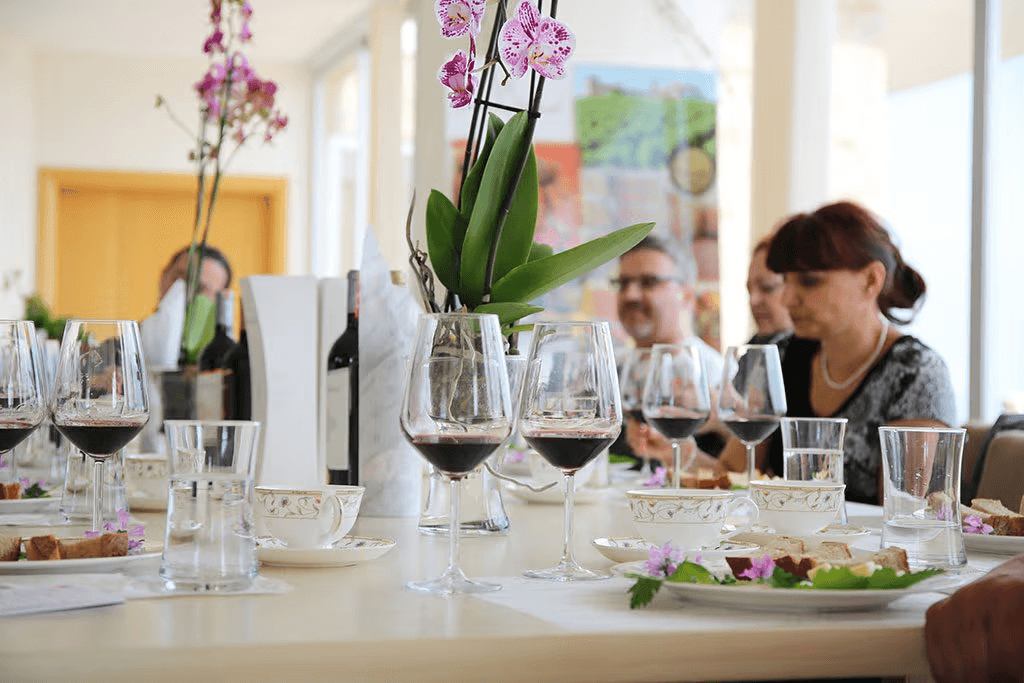
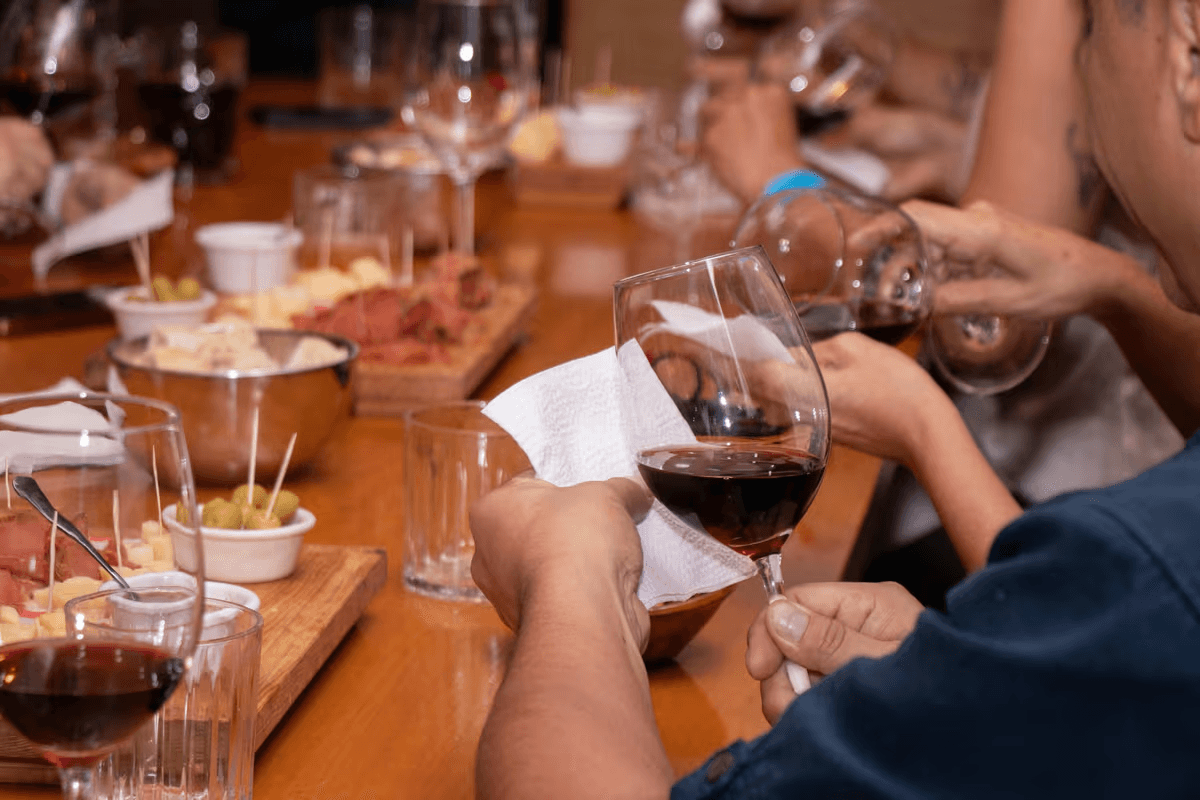
Wineries that receive this many visitors inevitably have to build infrastructure and offer services to host them. For instance, most of these wineries also have restaurants where you can eat and drink wine. Due to high demand, they usually don’t offer personalized tastings. They operate within a set schedule. For example, they may announce that winery tours take place three times a day at 13:00, 15:00, and 17:00. If you visit outside these hours, you won’t be able to join a tour. Most likely, they will always offer tastings, but if you want a guided tasting, that too is scheduled. For example, guided tastings may take place every hour. By guided tasting, I mean that a set number of wines will be presented to you by someone who explains them, guides you, and answers your questions. In other words, they won’t just place the wines in front of you and leave you on your own.
What You Need To Know About Wine Tasting Before You Go
If you’re planning to visit a touristic winery, make sure to gather information in advance about their daily and weekly programs. Find out when tours and guided tastings take place. Ask about the restaurant details if there is one, and request their menu. (Some provide this information on their websites, but they are in the minority.) Also, if you go during high season, know that you will be doing everything together with crowds.
Contents
Local Producers You Can Visit in Turkey
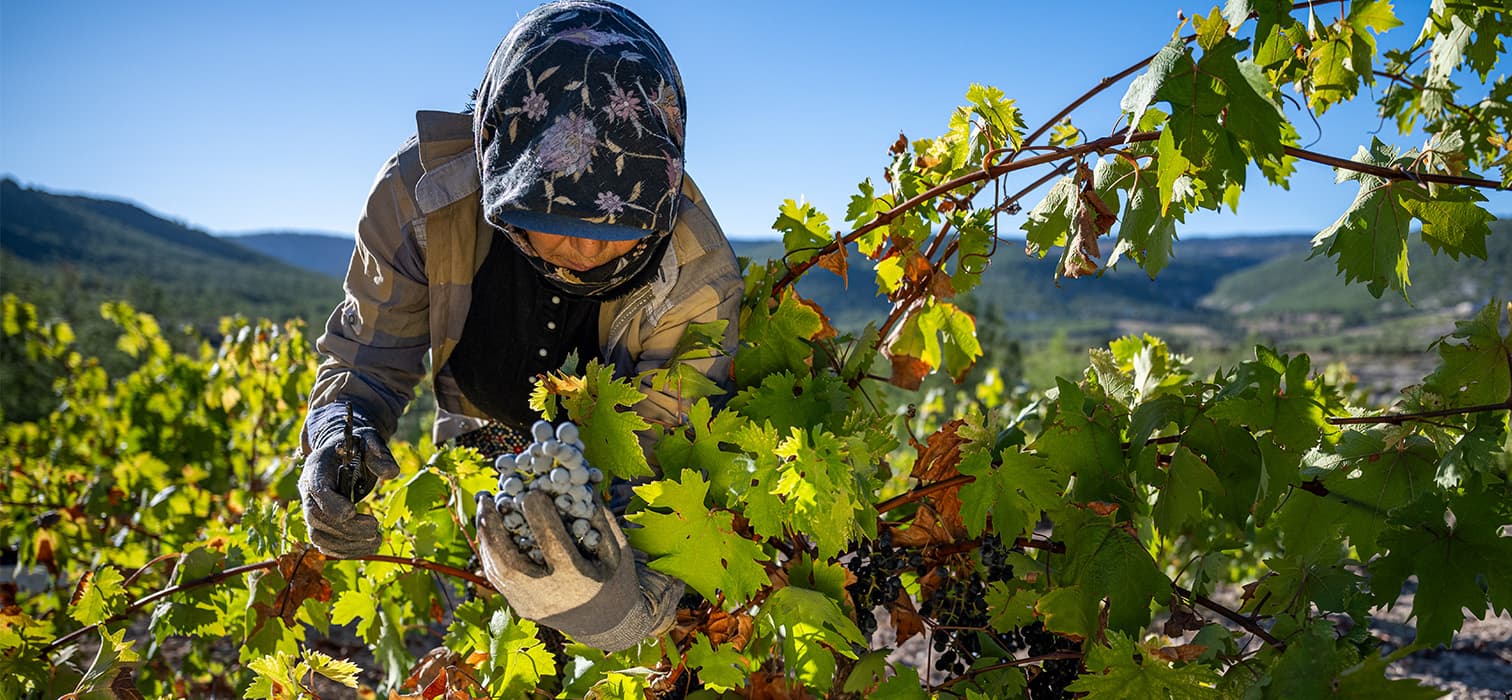
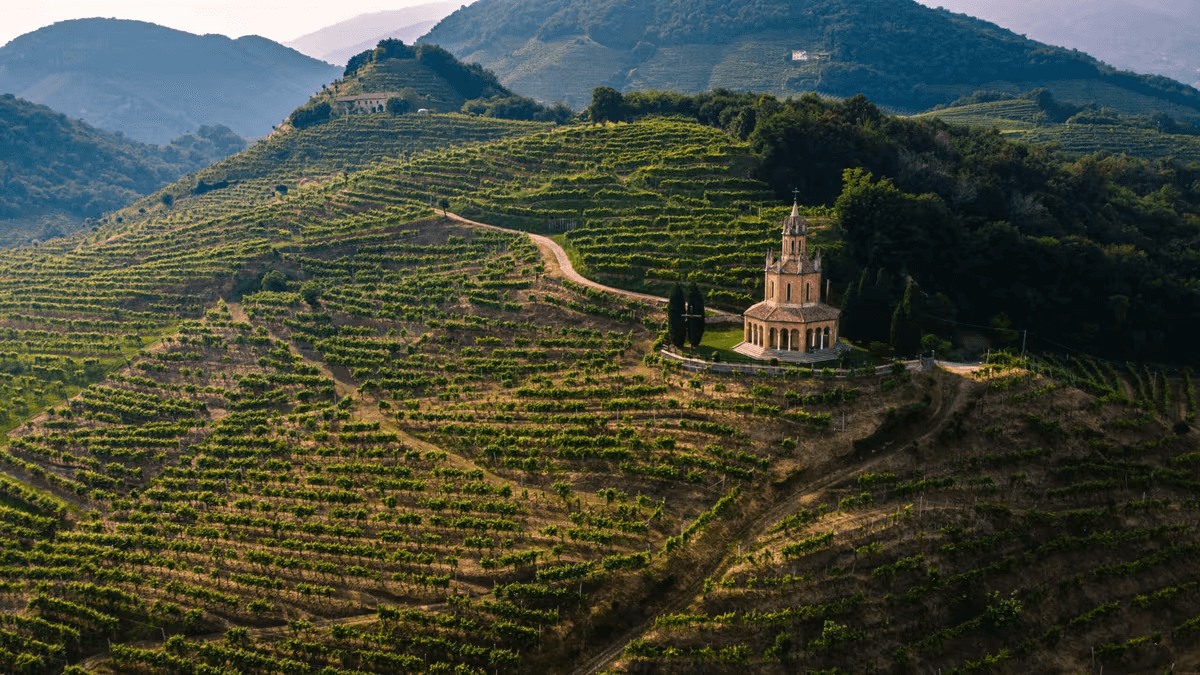
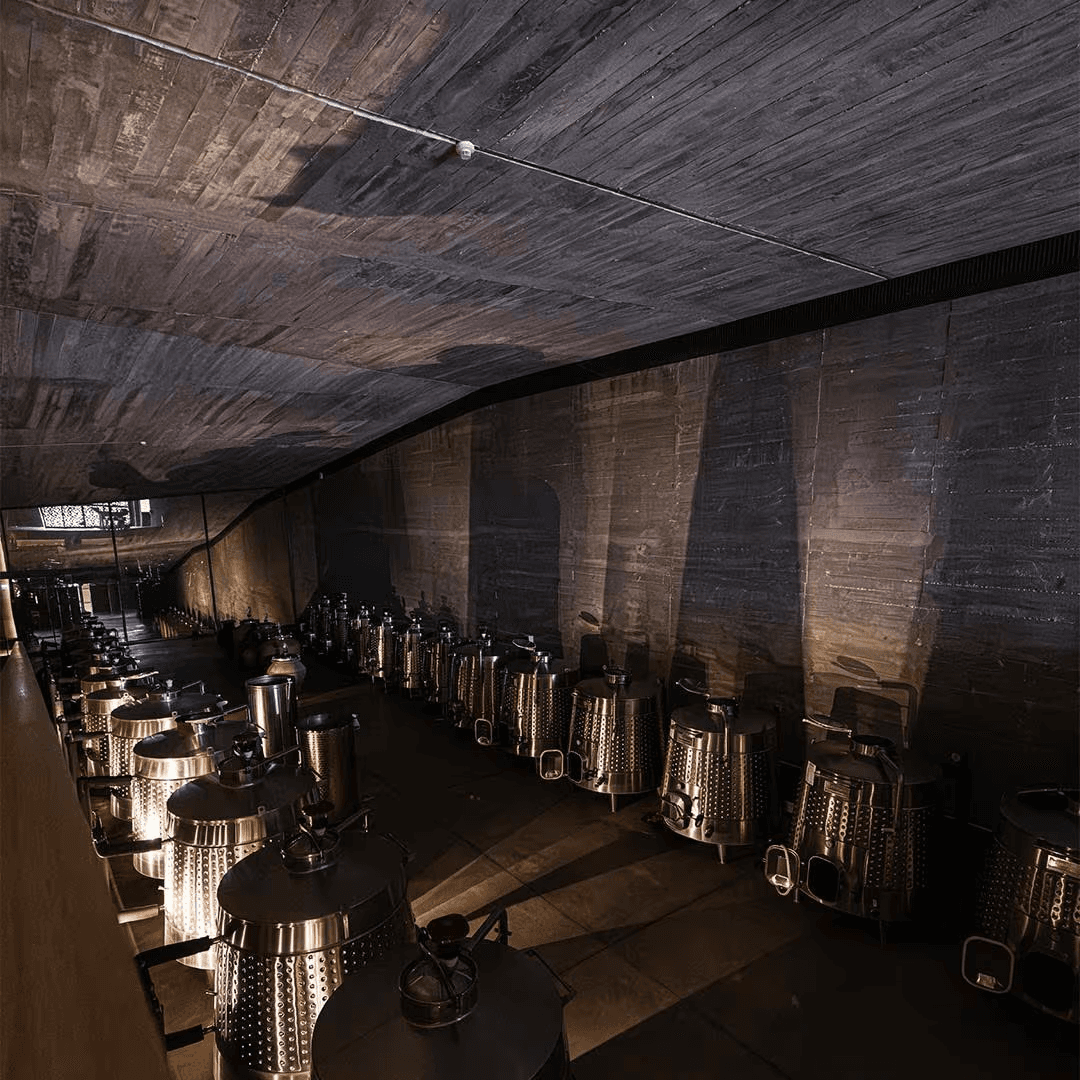
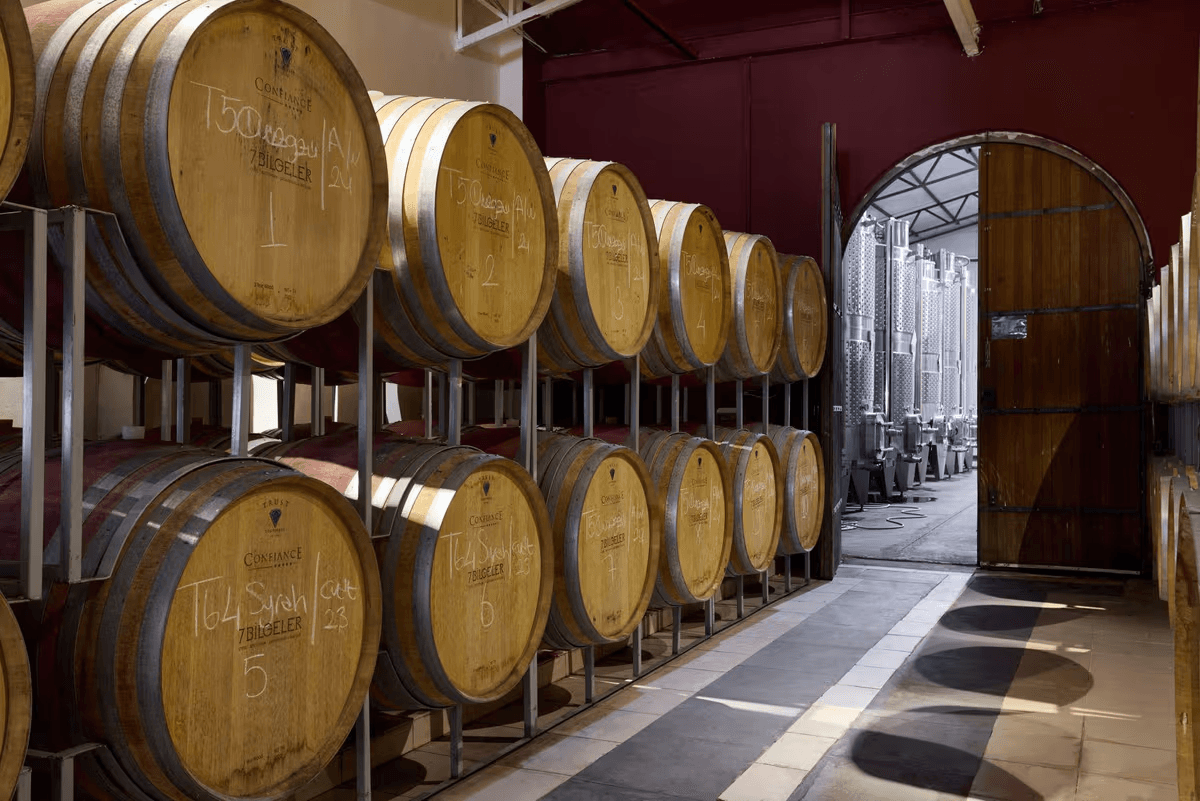
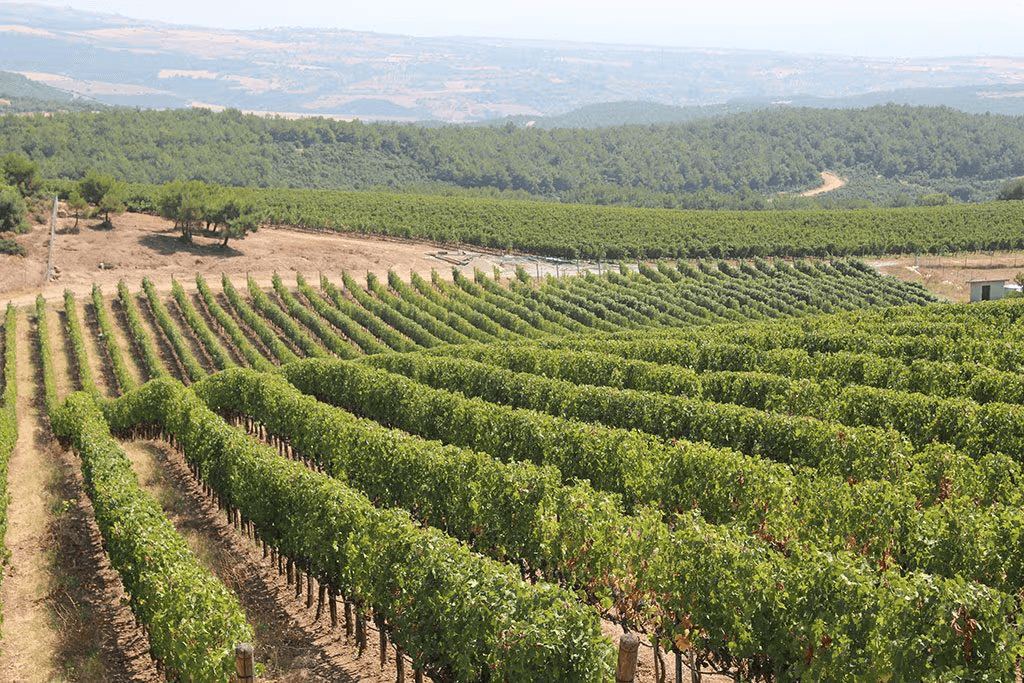
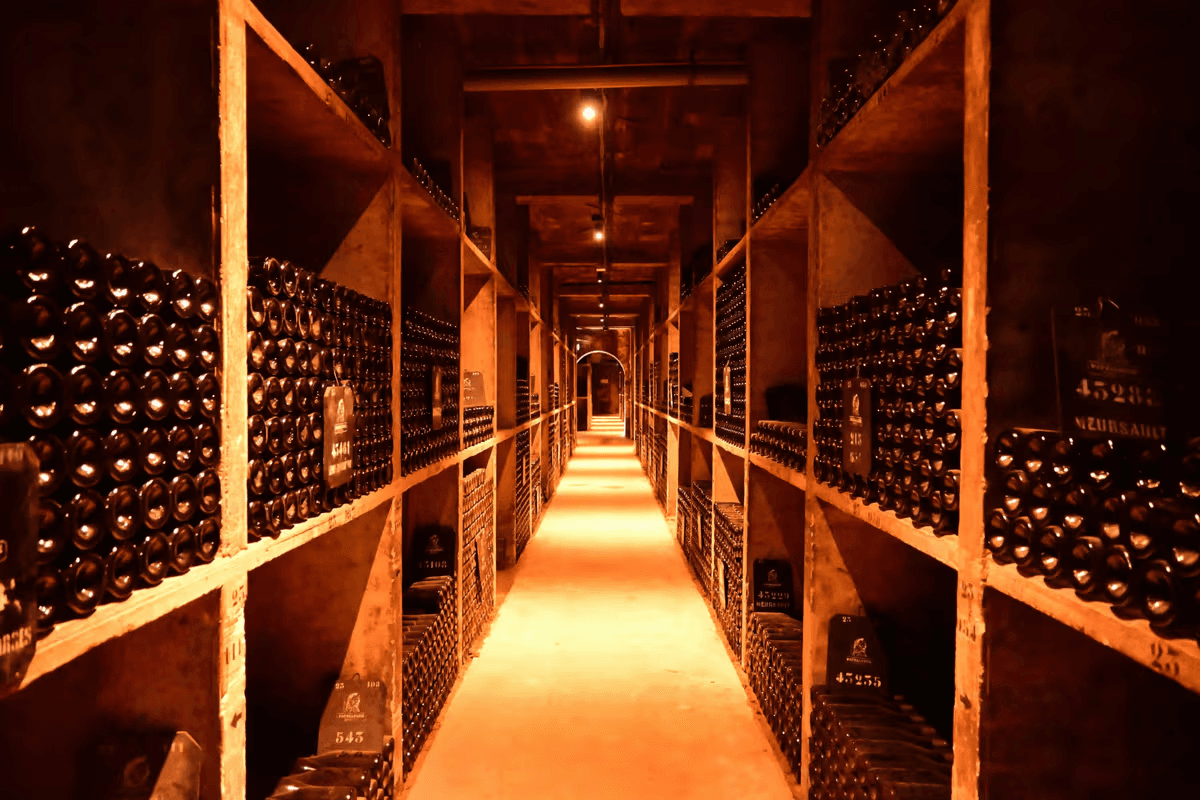
By the way, winery tours usually start in the vineyard. They briefly explain how the vines are cared for and what processes are involved. Then, following the journey of grapes turning into wine, you move to the winery, where presses and steel tanks used for fermentation are shown. The tour ends with the bottling line and, if the producer ages their wines in oak barrels, a visit to the cellar. To be honest, after touring three or four different wineries, you don’t need more, because the same things are shown everywhere. However, wineries that produce using different techniques—such as clay amphorae or glass vessels—or those with distinctive architecture are always worth visiting. These go beyond the standard experience.
Gelveri
Gelveri
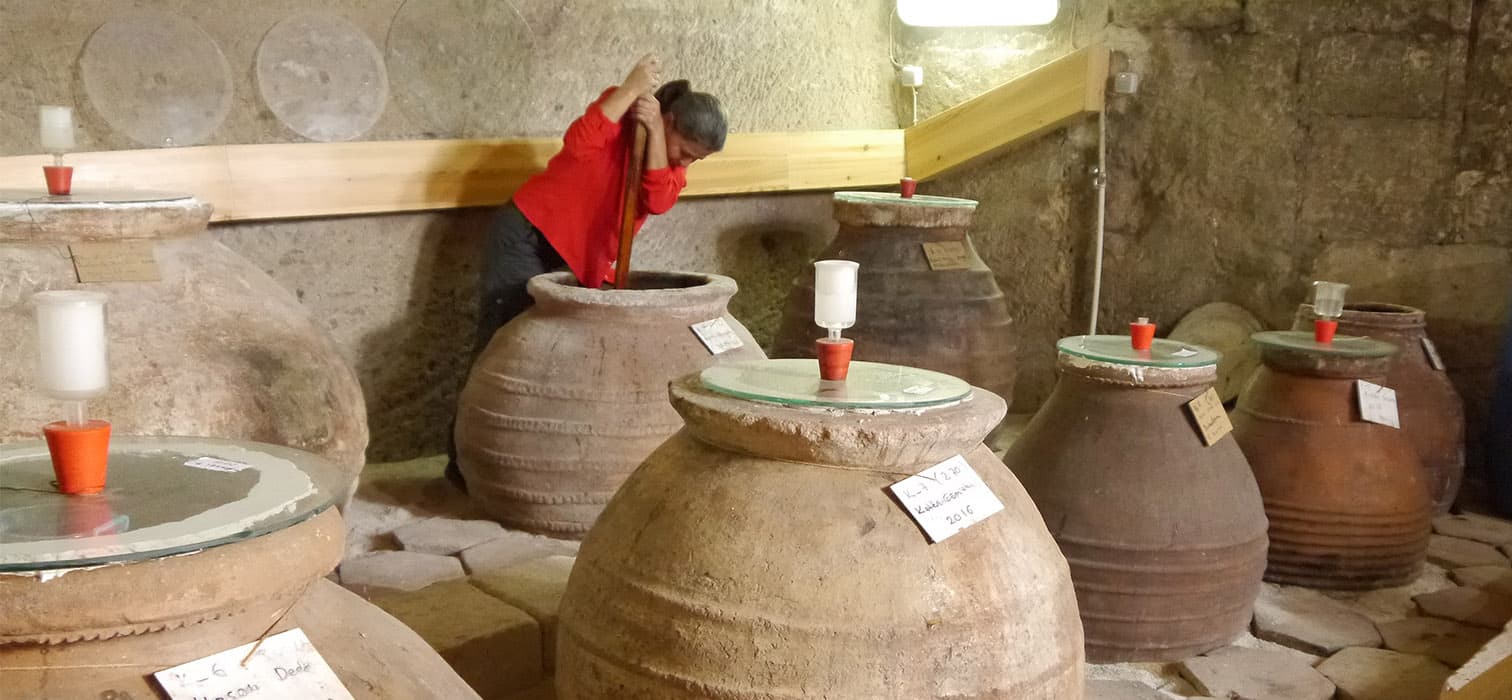
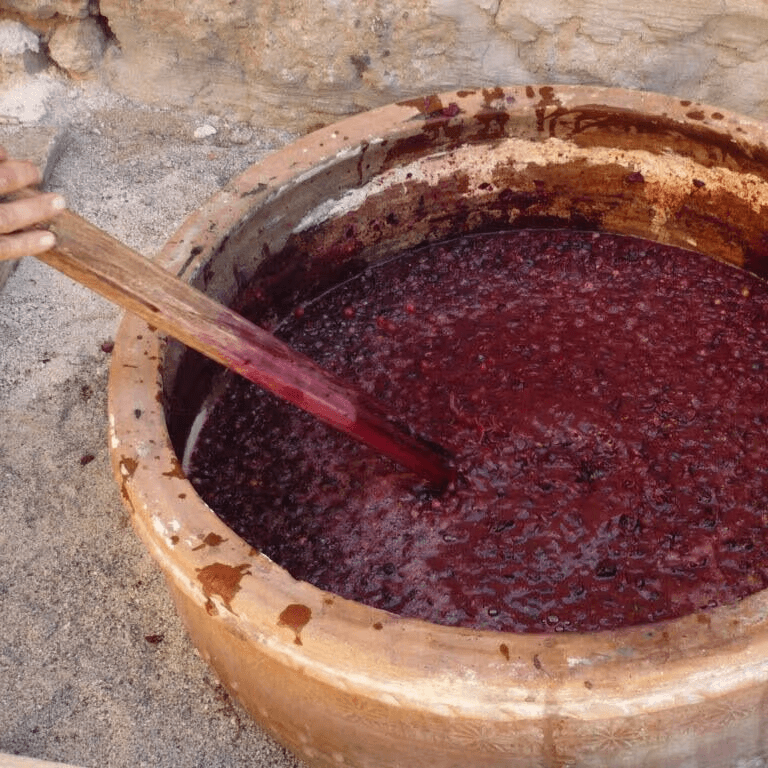
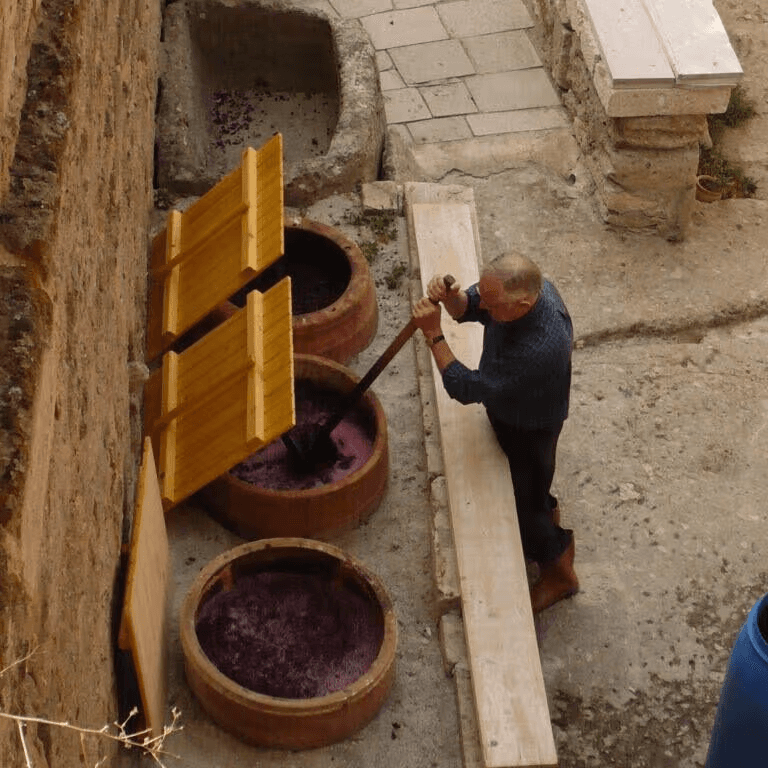
For example, Gelveri in Güzelyurt near Cappadocia is a unique producer making natural wine in clay amphorae. Vasbos, the new winery of Assos, stands out with its architecture and its use of barrels, clay amphorae, and glass spheres in production.
Vasbos
Vasbos
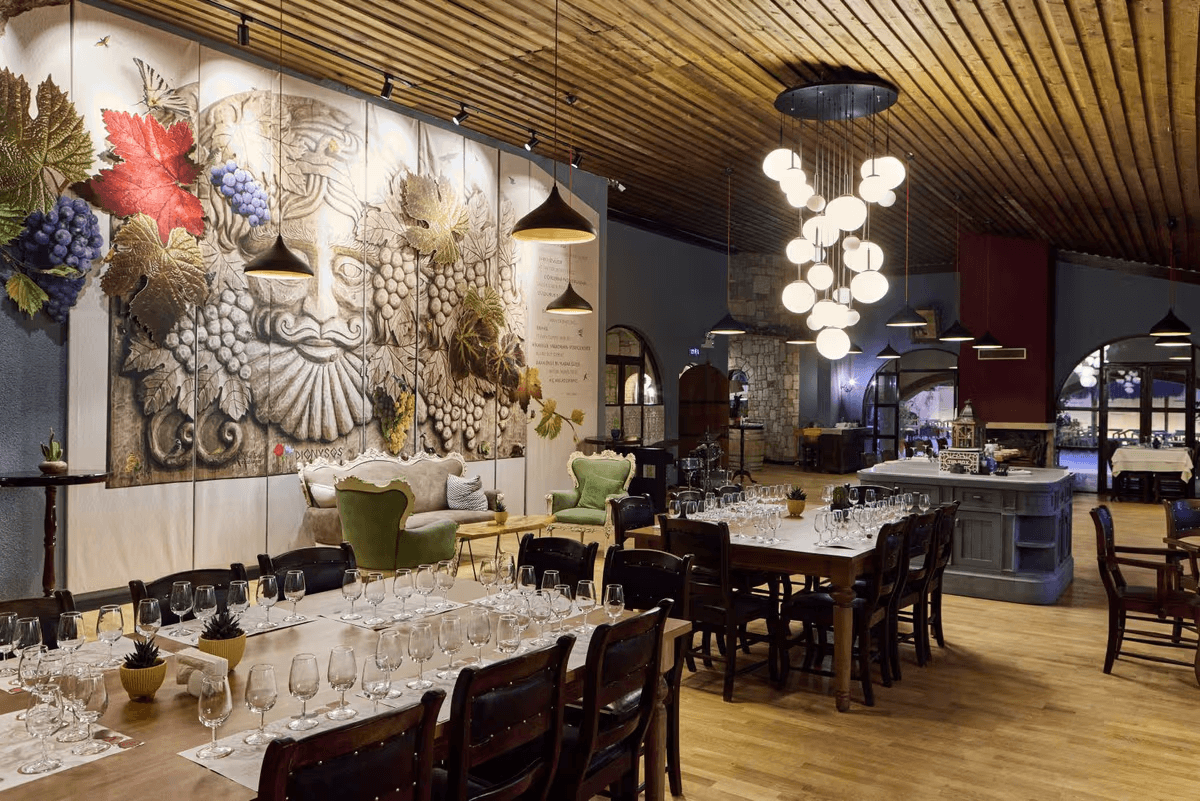
7 Bilgeler in Selçuk, with its carefully composed architecture blending different styles, is like an oasis in the desert. Producers such as Chateau Kalpak and Porta Caeli are worth seeing for the artworks displayed in their vineyards and cellars. The “History of Viticulture Museum” created by Murat Yankı of Asmadan is another original initiative. Some producers are also visited for their exceptional wines. Since I have a special appreciation for local grape varieties, Likya, with its explorations in this field, is one of the first that comes to mind. Likewise, we shouldn’t forget producers like Paşaeli and Heraki, who create unique wines from local grapes.
7 Bilgeler
7 Bilgeler
At this point, some of the producers I mentioned can only be visited by appointment. In these places, you experience the exact opposite of tourist wineries. These producers, located in regions without other branches of tourism, are usually visited by enthusiasts. The distinction I make between touristic and non-touristic producers applies both domestically and internationally. There isn’t much difference. However, wineries abroad are more established in terms of wine tourism. They offer a wide range of options and are well-organized. When communicating with foreign wineries, email will be your greatest ally. Anyway, let’s return to what you should pay attention to when visiting non-touristic wineries.
Chateau Kalpak
Chateau Kalpak
What Should You Pay Attention to Before Visiting a Winery?
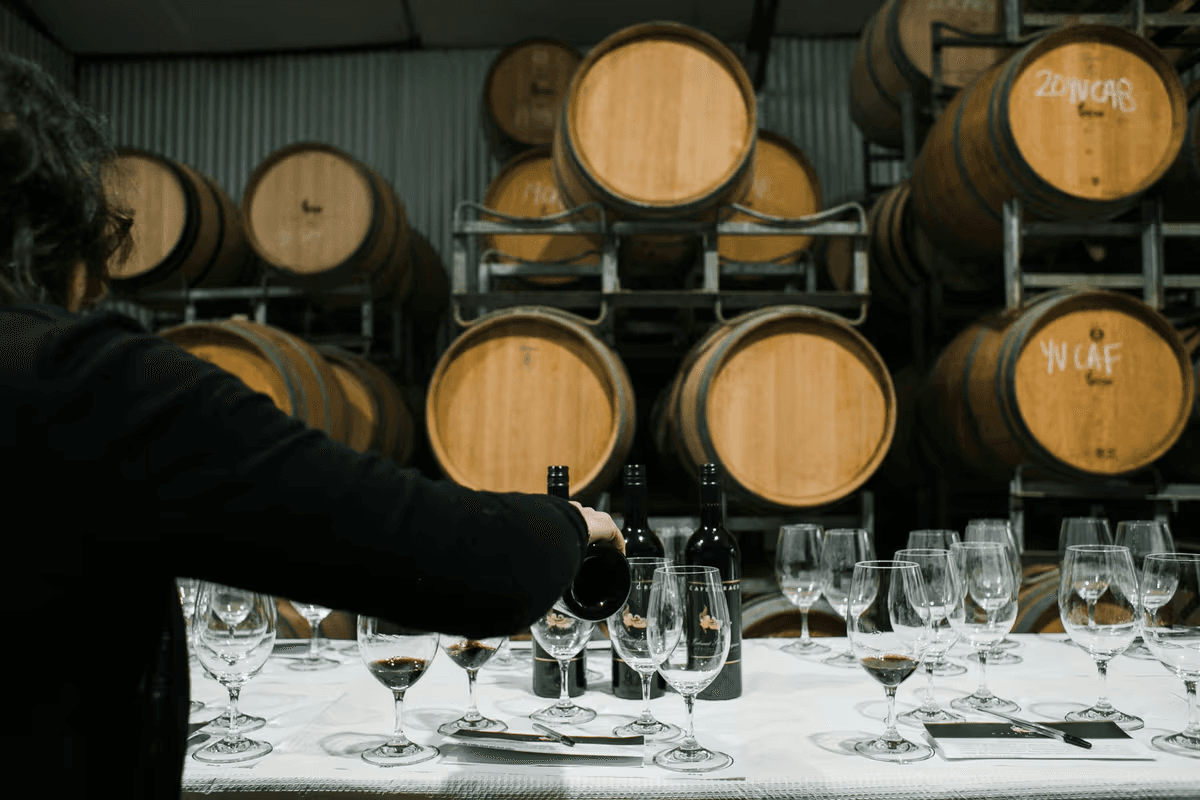
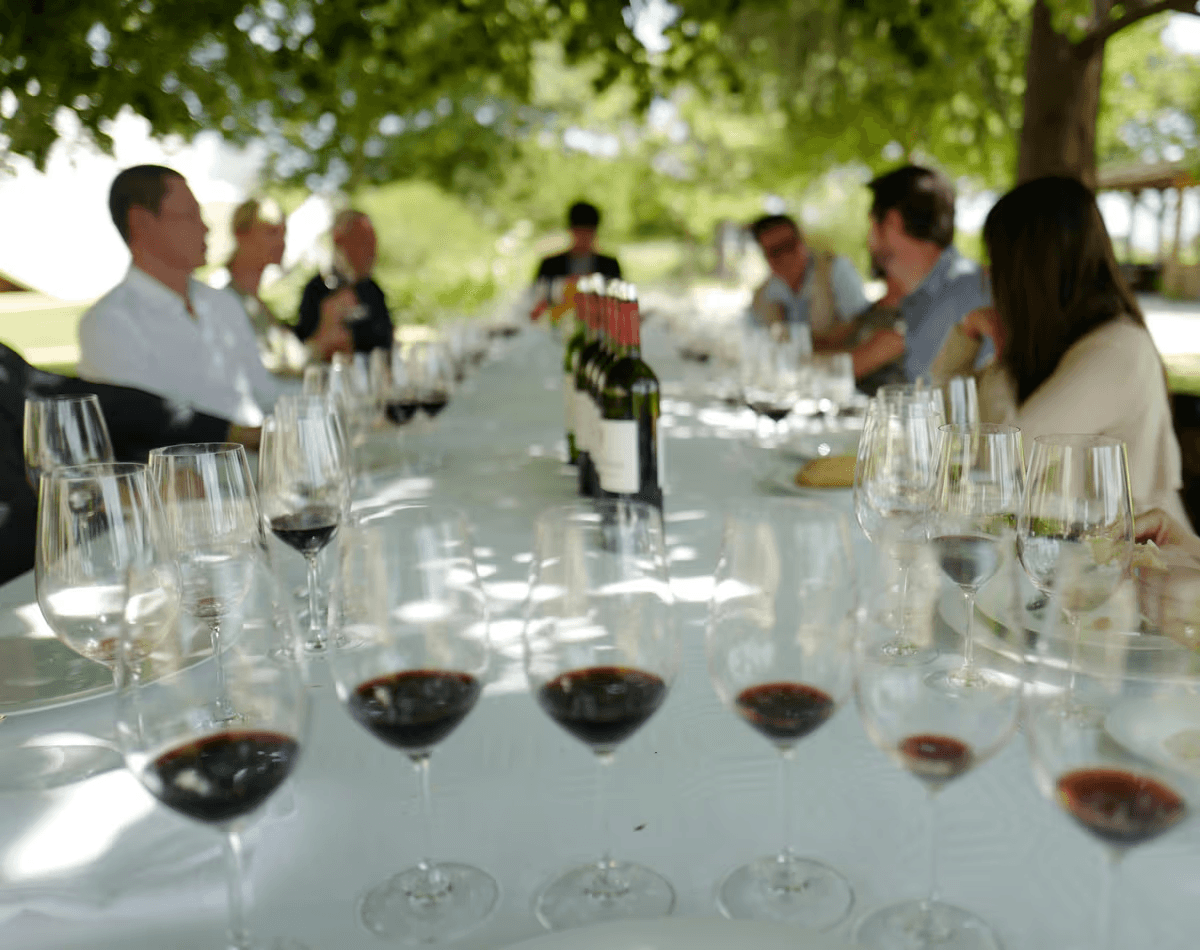
You must make an appointment with these types of wineries and clearly state what you want. Because the tour will be tailored specifically for you. It is not a group activity. For example, if you want detailed information about viticulture, you can request a focus on that and skip the winery tour. Then comes the tasting. You can also determine the wines to be tasted in advance. For instance, you can taste different expressions of the same grape—bottled and barrel-aged—or design thematic tastings tailored to your interests. In non-touristic wineries, the person who made the wine or the family behind it usually hosts you. Unlike tourist wineries, there is no dedicated staff for these roles. In these small and charming family businesses, you have the chance to see the passion in the eyes of the winemaker. Their excitement becomes contagious. The shared interaction creates a halo of joy around the growing love for wine.
What You Need To Know About Wine Tasting Before You Go
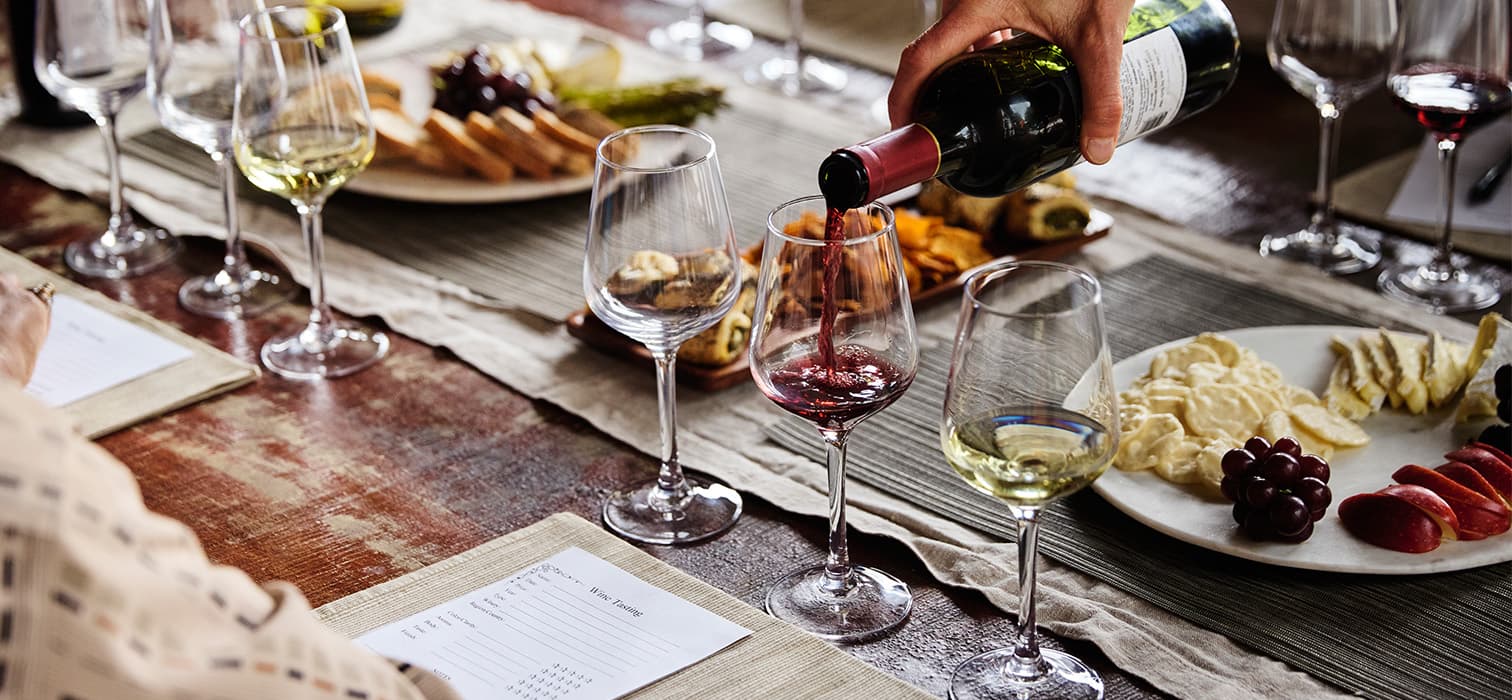
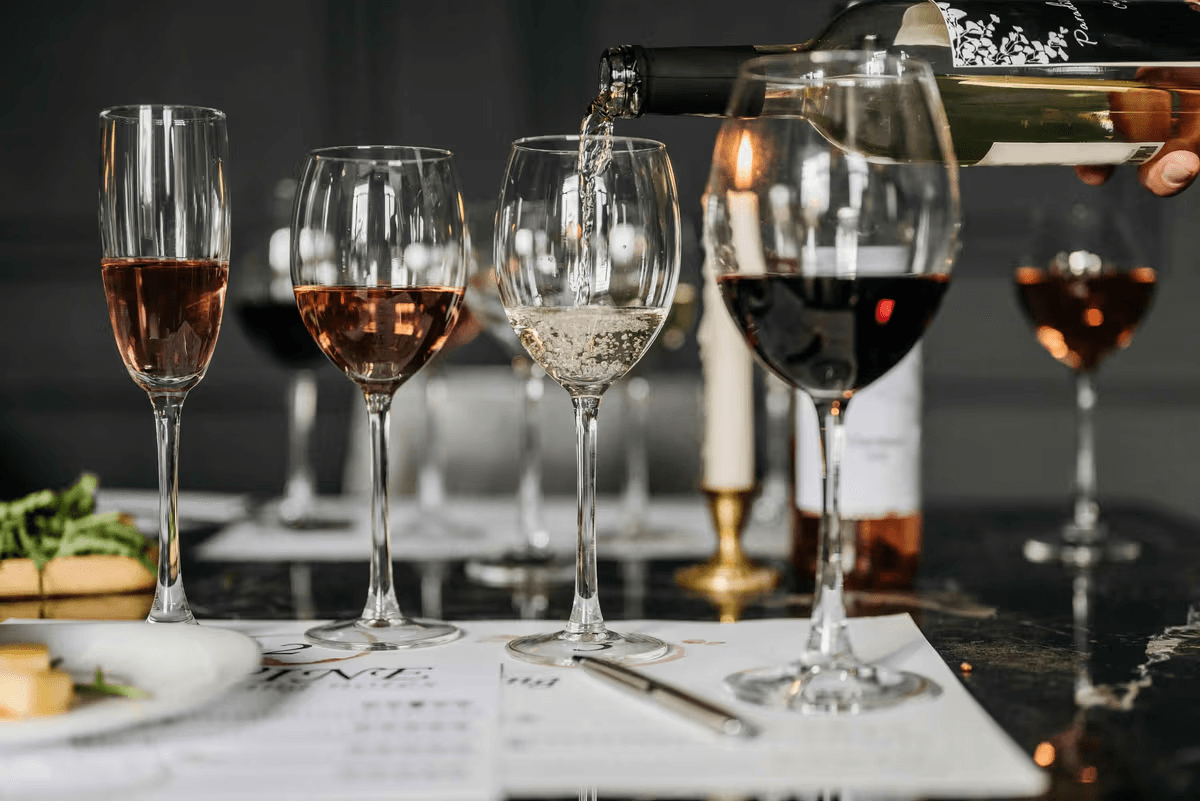
If you consider yourself an amateur wine taster, I strongly recommend taking notes while tasting. Writing is essential for learning, internalizing, and forming synaptic connections between new knowledge and existing ideas. When you write, you inevitably think about what you’re writing, challenge your mind, and analyze it. So, write about what you want to learn. In short, take tasting notes.
What You Need To Know About Wine Tasting Before You Go
How to Take Tasting Notes
Here, I won’t explain how to take technical tasting notes, but rather what to pay attention to when taking notes for yourself. First, start by writing down objective information about the wine. Let’s take a hypothetical wine produced in Urla:
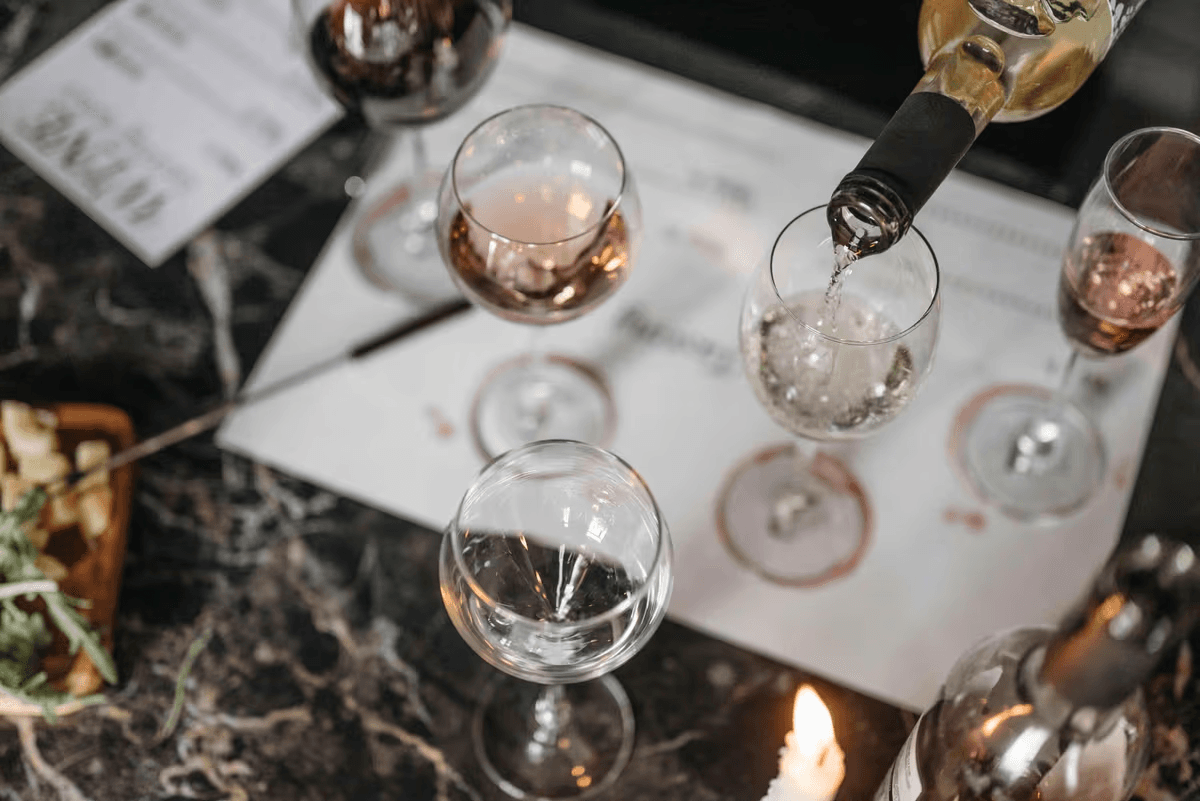
“This white wine, produced in the winery in Urla using Sauvignon Blanc grapes sourced from Denizli, is from the 2026 vintage. Its alcohol level is 14.2%. It has also been aged for six months in new French oak barrels used for the first time.”
You can learn some of these details from the wine label, but the best way is to ask the person presenting the wine during tasting.
After this, you can move on to personal evaluations:
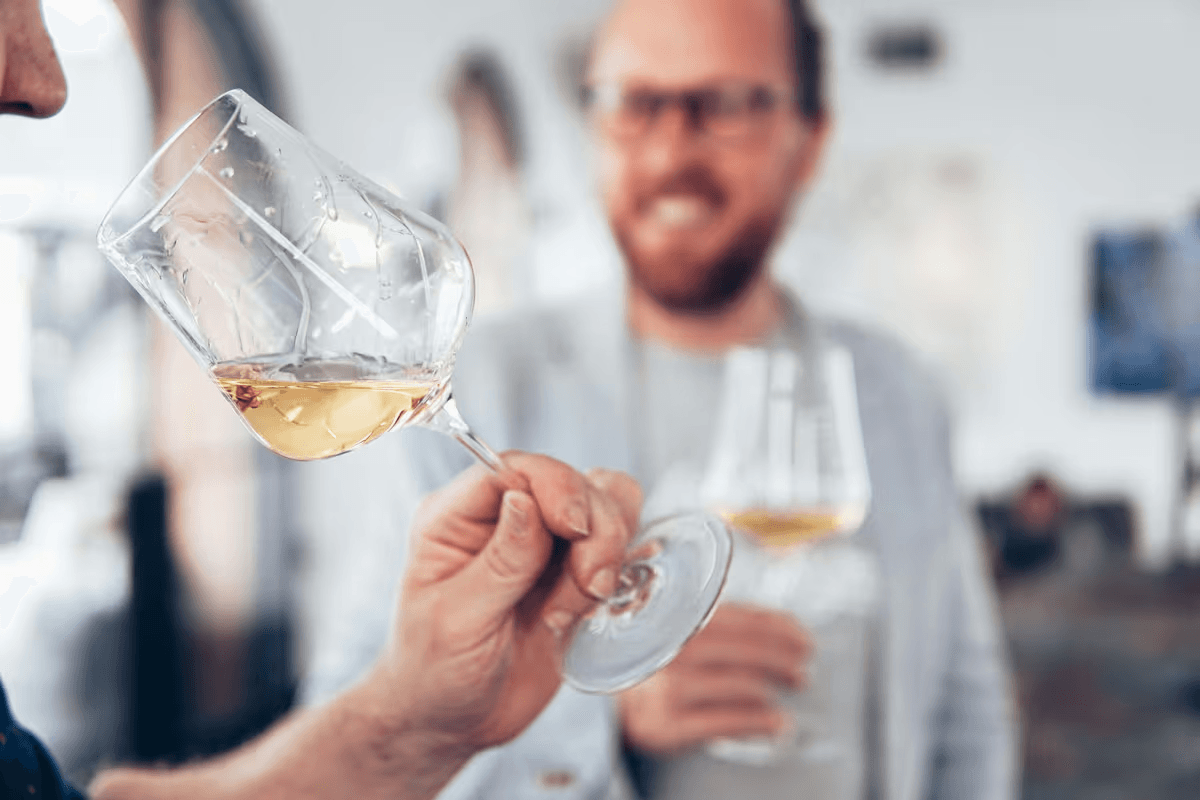
“When I smell the wine, I detect citrus notes like lime and grapefruit, along with tropical aromas such as pineapple. There is also a hint of oak. When I take a sip, it feels strong—intense, with a certain weight on my palate, which I like. The aromas I perceived on the nose are also present on the palate, quite powerfully. It feels as if I’m biting into those fruits. However, I don’t enjoy the dominance of fruit aromas this much. After a second sip, I notice that it makes my mouth water significantly, almost like eating lemon. It gives a pleasant freshness. The flavor lingers on my palate for a long time—it’s not fleeting. It seems to say, ‘I was here.’”
What You Need To Know About Wine Tasting Before You Go
You don’t need to be a wine expert to take such notes. You simply need to think about what you’re drinking and understand how it makes you feel. Also, remember that you are not writing a technical tasting note but a personal evaluation. Someone else might describe the same wine as “light” instead of “intense and weighty.” This shows that reference points differ—and both are valid. Or rather, we can say both are reasonable.
Similarly, one person might dislike the dominant fruit aromas, while another might say, “This is exactly what I’m looking for—the fruit flavors are so intense and powerful that I feel like I can absorb them.” This reflects differences in personal taste. These judgments are independent of whether a wine is objectively good or bad; they are based on individual preferences. Subjectivity always dominates in food and drink.
What You Need To Know About Wine Tasting Before You Go
As you can see, the same wine can generate different tasting notes. The most important thing when taking personal notes is consistency within your own references. If a wine makes your mouth “very” watery, and another makes it even more so, you should express that difference clearly. Your personal jargon and reference points will develop over time.
You are taking notes for yourself, not for others. The goal is to reflect your preferences accurately so that your collection of notes becomes useful. Over time, when you review your notes, you will notice patterns—these patterns reflect your taste. For example, you might realize that you haven’t liked any Sauvignon Blanc wines because they make your mouth water too much. Then, when ordering wine, you can say, “I’d prefer something that doesn’t make my mouth water too much, so not Sauvignon Blanc or similar grapes.”
Or, you may notice that you enjoy wines with strong, bursting fruit aromas. In that case, you can describe your preference as wines with “pronounced fruitiness” and “lower acidity.” As you refine your notes, your descriptions become more precise.
What You Need To Know About Wine Tasting Before You Go
However, I should emphasize that I simplified these scenarios. It’s unlikely that someone would dislike all wines made from a single grape, as different styles exist. For example, an unoaked Sauvignon Blanc from New Zealand differs significantly from an oak-aged one from France. Similarly, Chardonnay varies greatly depending on production style.
There are many variables. For instance, you might not enjoy light red wines in winter, but they can be perfect in summer when served chilled.
What You Need To Know About Wine Tasting Before You Go
Concepts You Can Use in Tasting Notes
Finally, here are some key concepts:
Body: The weight or intensity of the wine on the palate. Classified as light, medium, or full-bodied.
Acidity: How much the wine makes your mouth water and how refreshing it is. It forms the backbone of the wine.
Aromatic Intensity: The strength of aromas such as fruit, floral, or spice. Can be subtle, medium, or pronounced.
Tannin: The compound that gives dryness and astringency, mostly in red wines. Can be described as soft, velvety, or harsh.
Instead of saying “It felt intense and heavy,” you could say “full-bodied.” Or instead of “I felt like biting into fruit,” you could say “aromatically rich and fruity.” “It made my mouth water” could be described as “high acidity.”
What You Need To Know About Wine Tasting Before You Go
But don’t get too caught up in terminology—what matters most is expressing what you feel in your own words. Even if you can’t write detailed notes, jot down a few key impressions. You can use apps like Vivino or simply write in a notebook. And if you share your notes with the person guiding you, the experience becomes even richer.
After all, the best part of wine is traveling, seeing, tasting, and sharing conversations.
Saatolog Yıllık Saat Dergisi Saatolog’un yeni sayısı, 2020’nin yarattığı bu dönüştürücü etkiden ilham alarak hazırlandı. Dünya dijitalin etkisiyle her zamankinden de hızlı bir şekilde ilerlerken yavaşlamanın da önemini sonunda kavramış bulunuyoruz ve bu tezatlık hayatlarımızın her anına etki ediyor. Biz de bundan yola çıkarak Saatolog 2020/21 sayısını ‘‘hızlı ve yavaş’’ teması altında hazırladık.