Inspired by Anatolia’s ancient wisdom and the enduring power of symbols, Bee Goddess redefines luxury through meaning. We speak with founder Ece Şirin and Cemil Dinçmen about the brand’s journey.
For decades, the jewelry world was defined by status, wealth, and material value. Yet in recent years, a new pursuit has emerged, particularly within luxury consumption: people are no longer interested solely in how valuable an object is, but in what it represents and the story it carries. This is precisely where Bee Goddess positions itself. Bringing together the thousands-year-old symbols, mythology, and cultural memory of Anatolia with a contemporary design language, the brand interprets jewelry not merely as an aesthetic object, but as a talisman imbued with personal meaning. We spoke with founder Ece Şirin about Bee Goddess’s sources of inspiration, the evolution of modern luxury, the BABAS collection—which offers a different perspective on men’s jewelry—and Anatolia’s inexhaustible creative legacy.
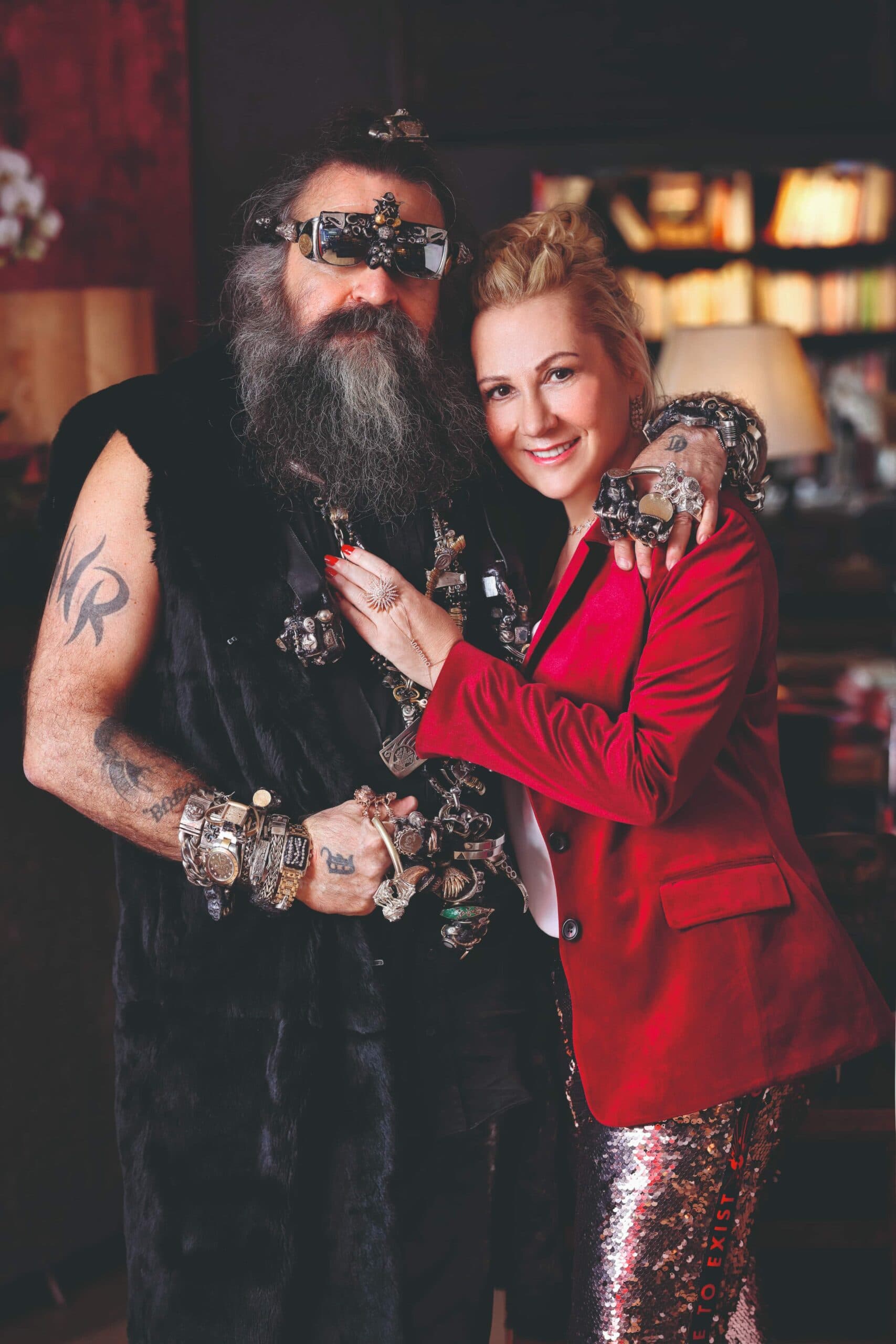
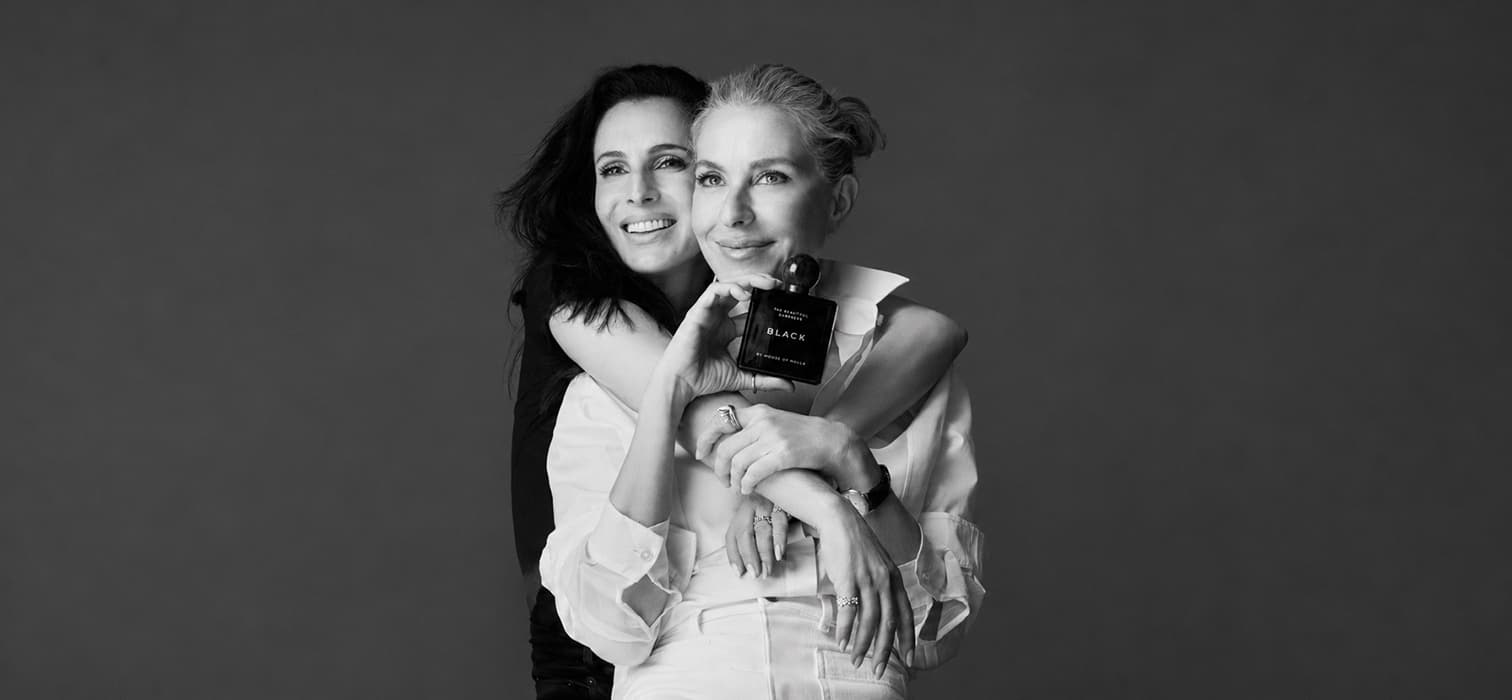
Cemil Dinçmen – Ece Şirin
The story of Bee Goddess traces back to the Mother Goddess archetype of Çatalhöyük. In an age where everything is accelerating, why do you think a symbol that is 10,000 years old still resonates so deeply with people today?
At Bee Goddess, we reinterpret humanity’s ancient wisdom through today’s design language. The Mother Goddess archetype of Çatalhöyük is not merely a figure from the past; she symbolizes creation, abundance, intuition, and life force—a symbol of transformation that continues to live within humanity’s collective memory.
Symbols are a universal language that transcends cultures and time. They establish a deeper, more intuitive connection with people. Bee Goddess expresses jewelry not as an accessory, but as a talisman that reminds us of our inner light; it becomes a vessel of meaning through which individuals connect with their own stories.
When founding the brand, you positioned jewelry less as a luxury object and more as a cultural medium. Why do you think people today feel the need to reconnect jewelry with meaning?
The new luxury is no longer centered on the question, “What do I have?” but rather, “Who am I?” That was the starting point of Bee Goddess. For a long time, jewelry was defined through status, wealth, and external validation. I wanted to reverse that narrative. I wanted jewelry to become not an object that adds value from the outside, but a symbol that expresses the value, light, and potential already within a person.
That’s why we call jewelry “essence gems.” The true treasure is not within the jewel itself, but within the soul of the person who wears it. The new understanding of luxury is built not on the material value of the things we own, but on the meaning and emotions they give us. We all care far more about a story and the values it represents.
Jewelry is especially unique in this regard. It is the object we wear closest to our bodies, often accompanying life’s most significant moments and passing from one generation to the next. For that reason, the story embedded within a piece of jewelry speaks directly to the heart. At Bee Goddess, every talisman design carries a universal energy of transformation—love, courage, abundance, protection, balance, or new beginnings. In this way, a person wears not just a beautiful jewel, but a talisman that accompanies their own story.
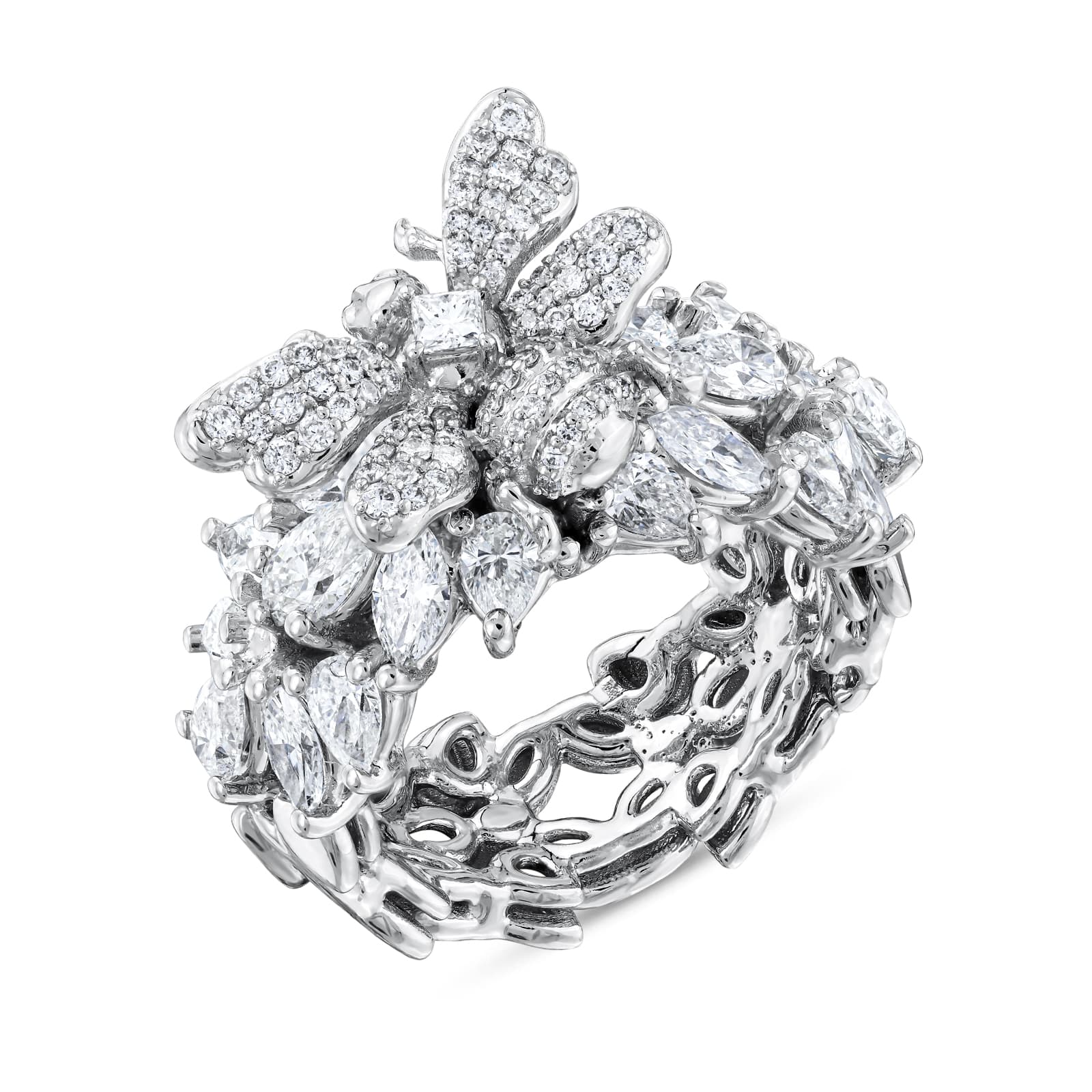
Queen Bee Hania
Queen Bee Hania
Bee Goddess’s “Inspire & Empower” philosophy has remained unchanged for years. How has this approach contributed to the brand’s international growth?
“Inspire & Empower” is not a slogan for us; it is our DNA. From day one, Bee Goddess has aimed to remind people of their power, beauty, and potential. When I first started, I wanted to create a world—a brand that inspires and empowers. That vision gave strength both to us and to our community around the world. Our clients in Paris, London, Istanbul, and the United States may come from different cultures and speak different languages, but our hearts are connected.
Because Bee Goddess speaks sincerely and from the heart, it has become exceptionally strong. The brand has grown not only through design, but through values and storytelling. Today, our presence in global luxury destinations is supported not just by our designs, but by this powerful spirit. Bee Goddess is more than a jewelry brand; it is a world that reminds people of their own inner light.
Today, you represent Turkish craftsmanship in many parts of the world. What do international customers connect with most in Bee Goddess—the design, the symbols, or the cultural narrative behind them?
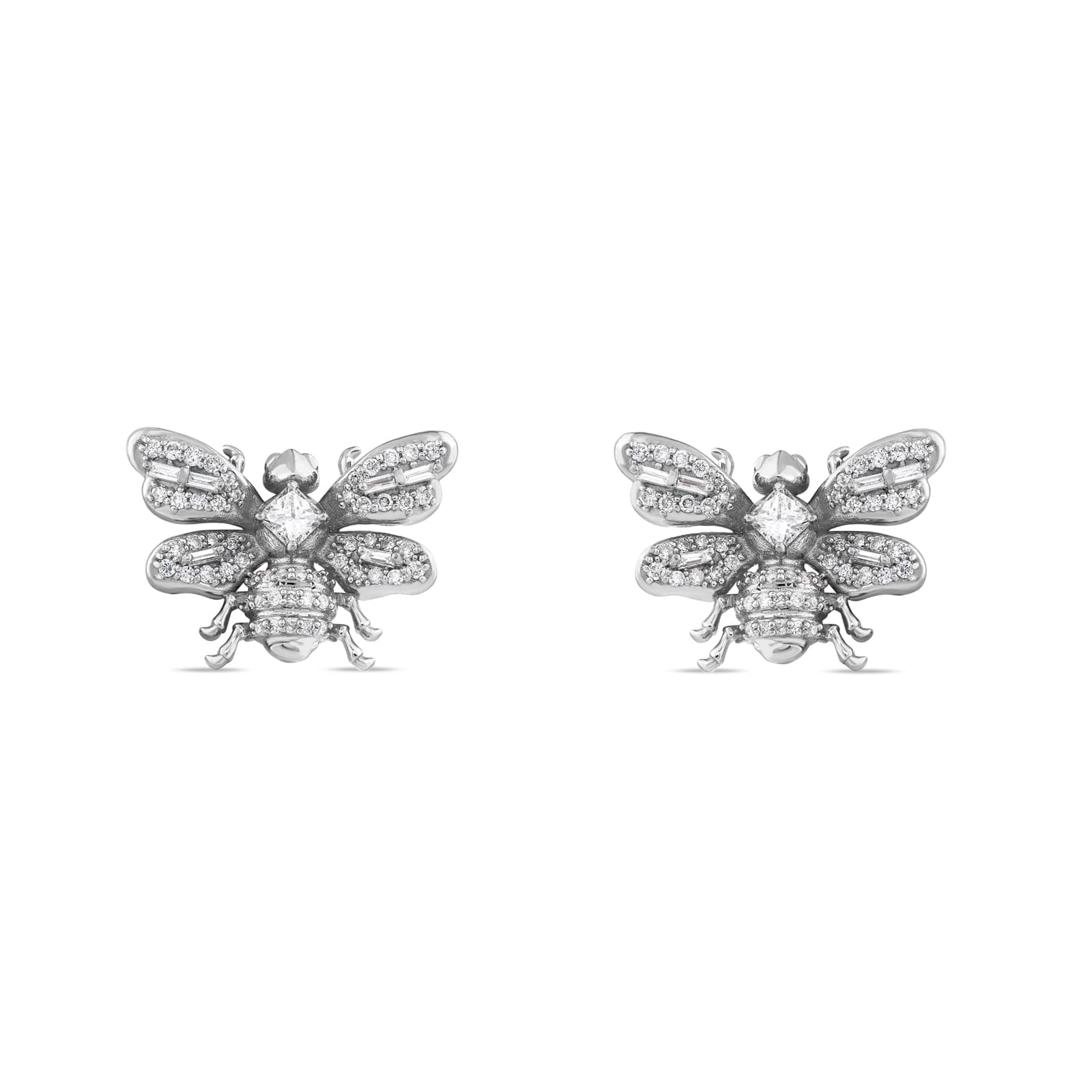
International clients are initially drawn to the elegance and simplicity of Bee Goddess’s design language. But the real connection happens when they enter the world behind the symbol. Once they realize that a bee is not merely a bee—that it represents miracles, abundance, creation, and the sweetness of life—the jewel takes on a personal meaning.
Turkey and Anatolia are extraordinary sources in this respect. These lands are a mosaic of civilizations, myths, goddess archetypes, craftsmanship, and symbols. What Bee Goddess offers to the world is this ancient richness expressed through a contemporary luxury language.
In reality, all three elements work together. Design captures attention at first glance; the symbol creates a personal bond; the cultural story adds depth to the jewel. Turkish craftsmanship and Anatolia’s cultural heritage are essential parts of this experience. We wanted to create a brand rooted in local culture yet fluent in a global language. That balance is one of the reasons Bee Goddess resonates internationally.
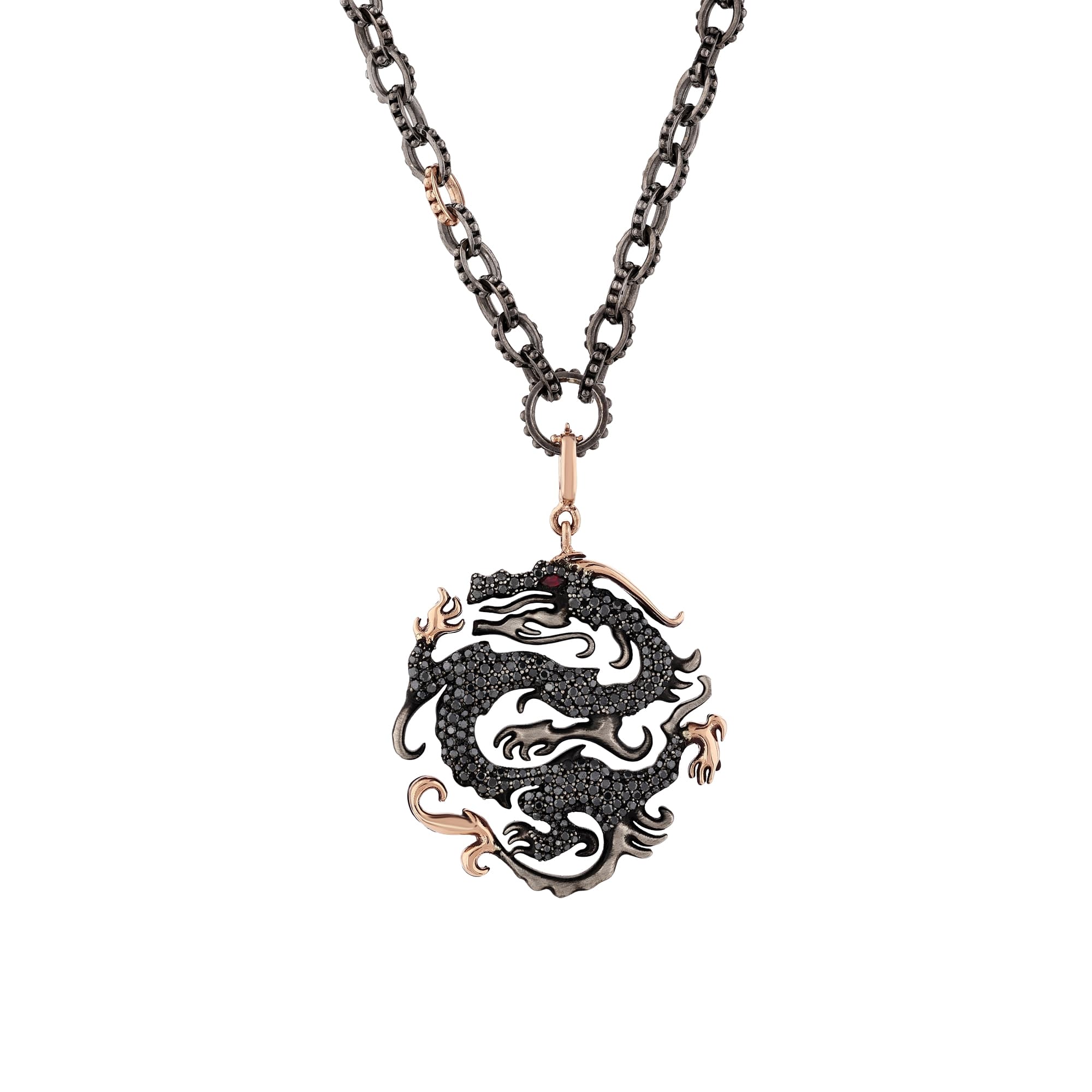
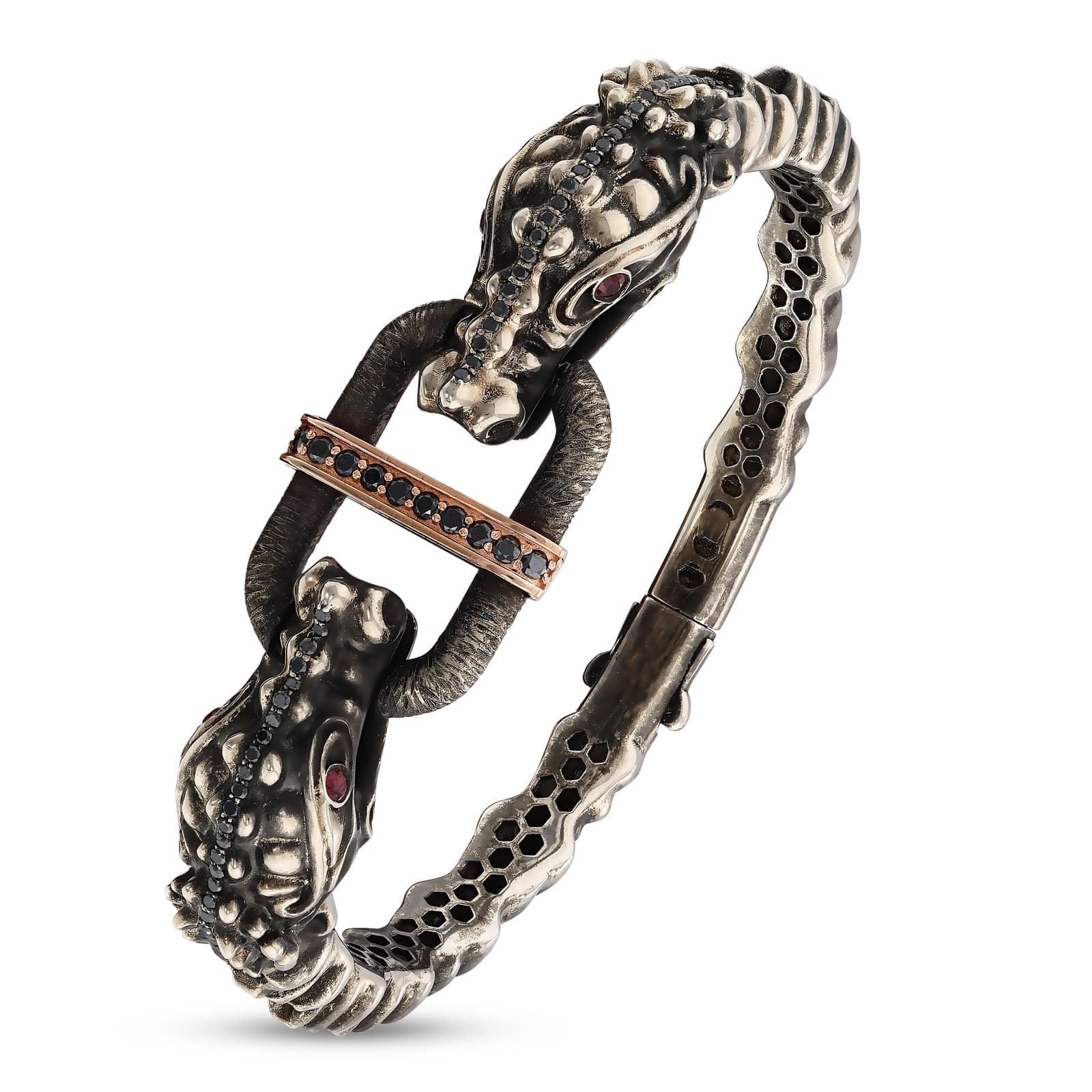
Dragon
Dragon
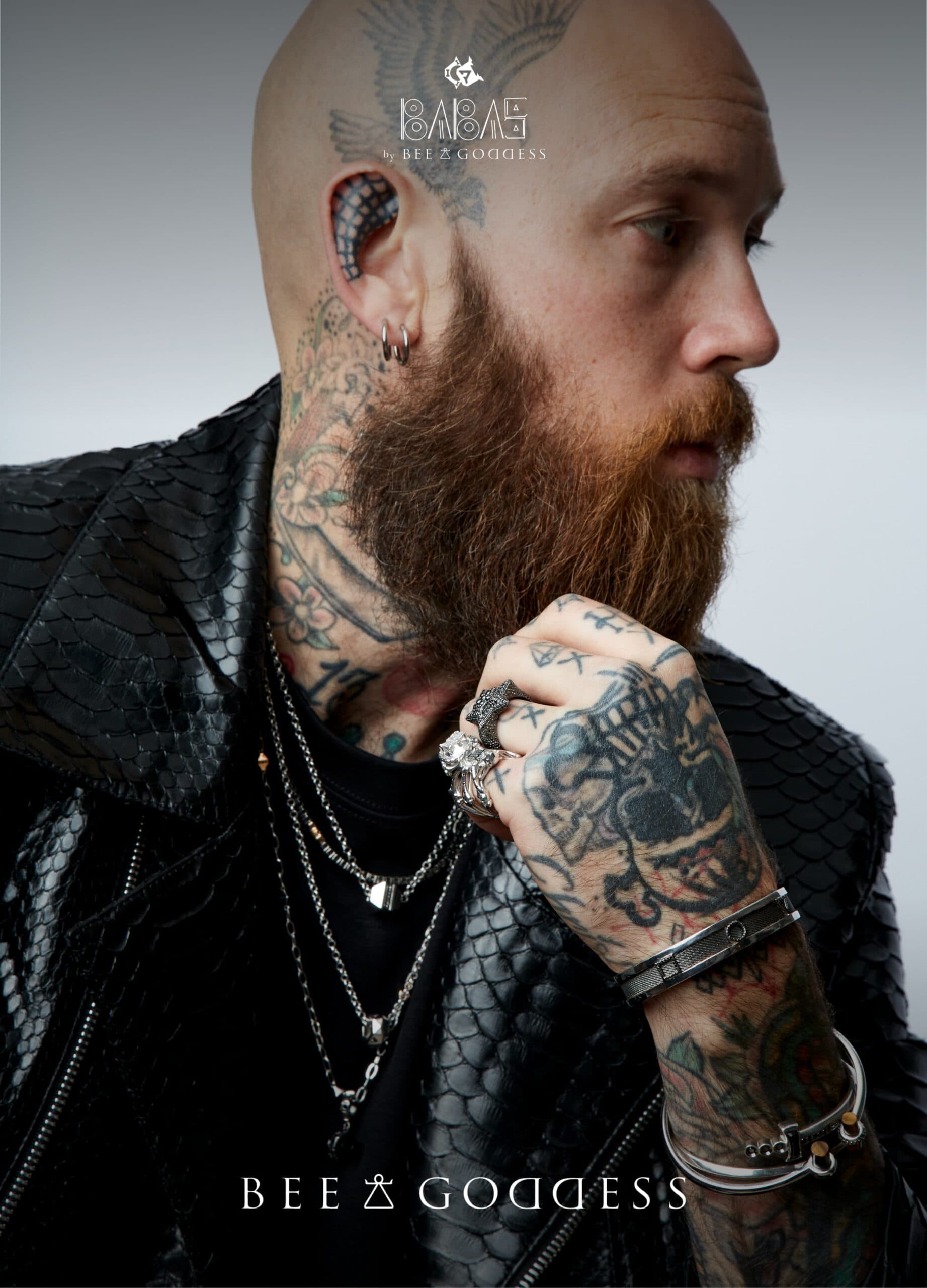
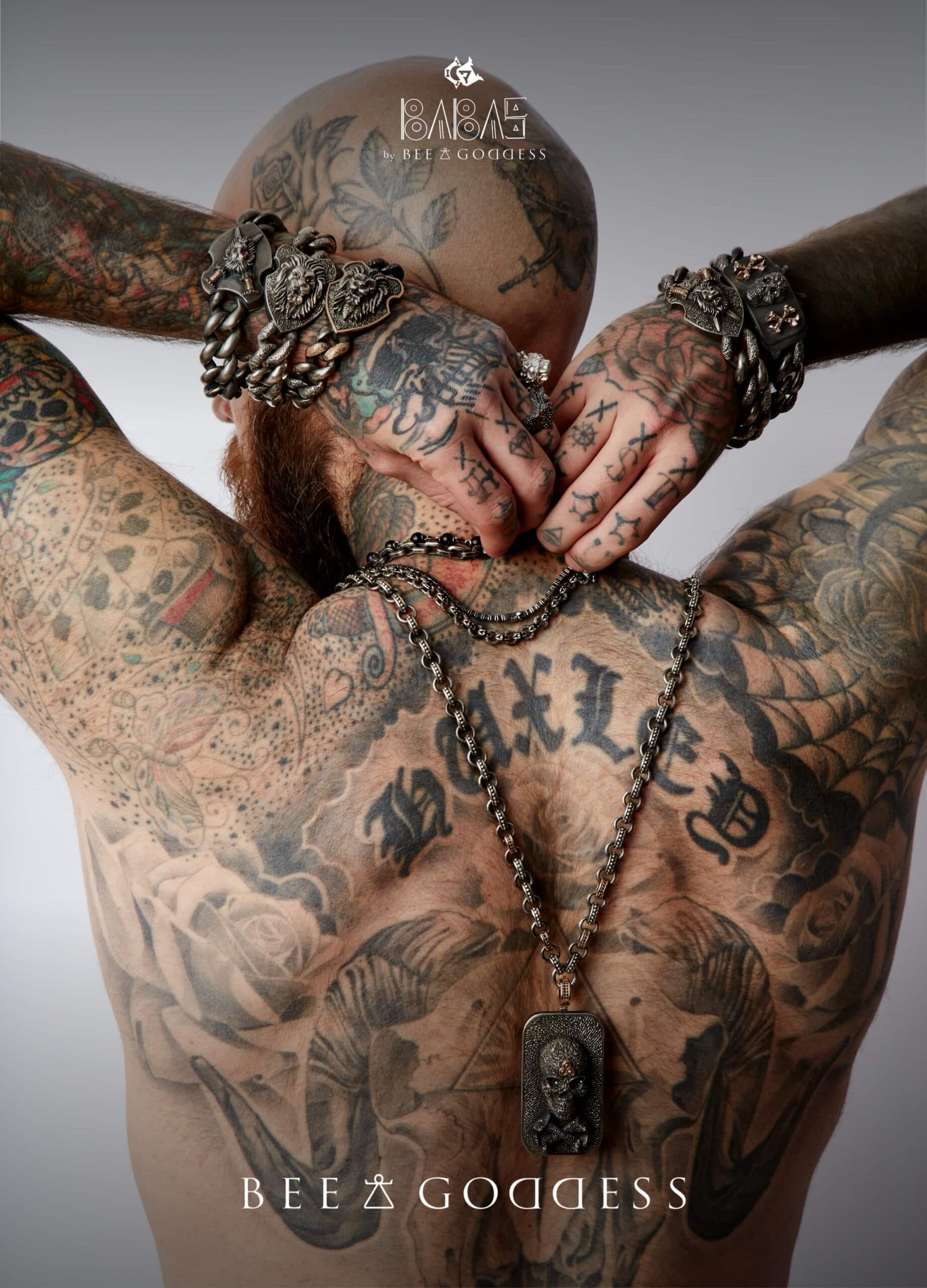
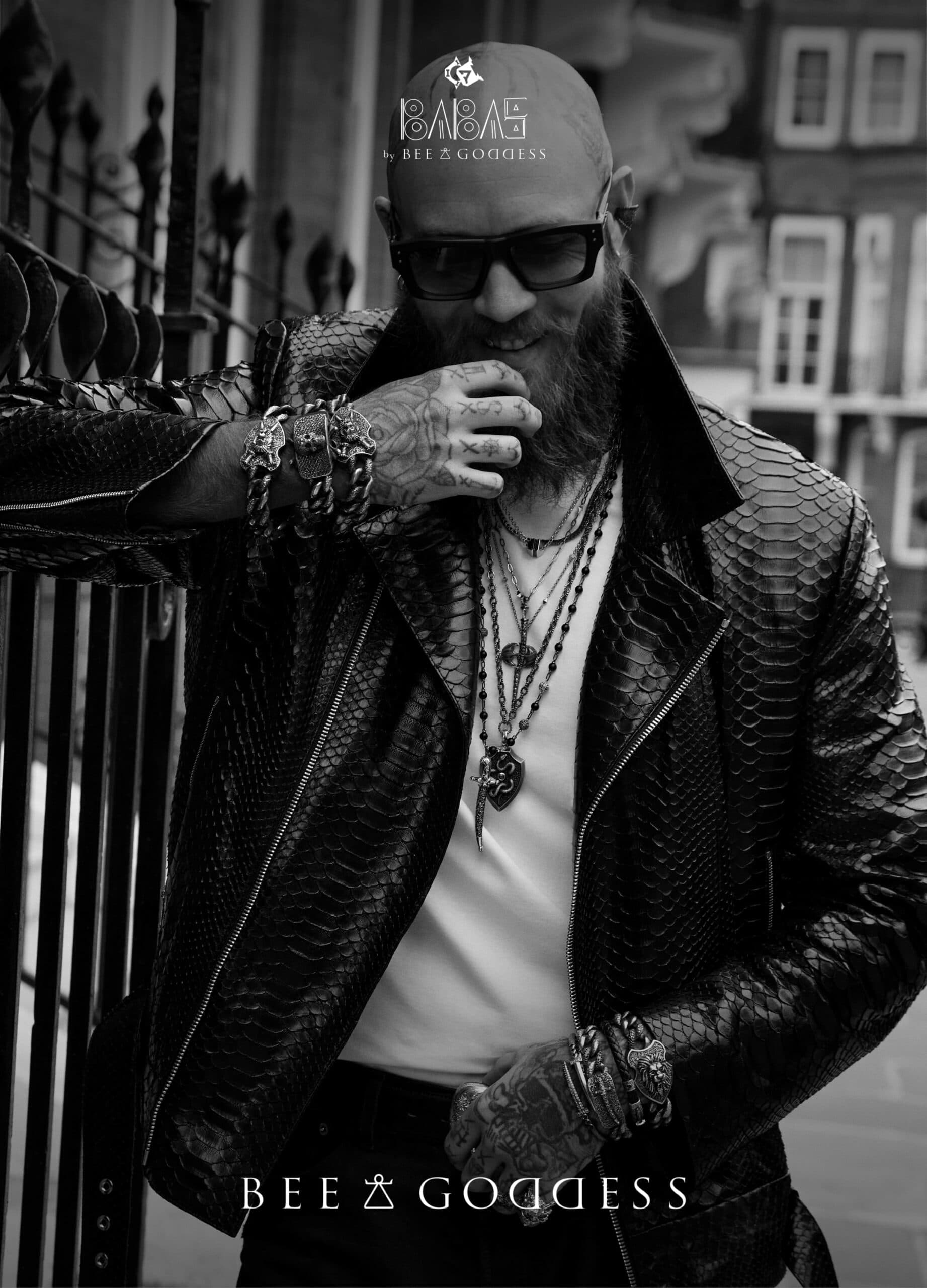
I’d like to turn to the BABAS collection. At its core is the relationship men have historically had with symbols and talismans. What need do modern men share with the warriors of the past?
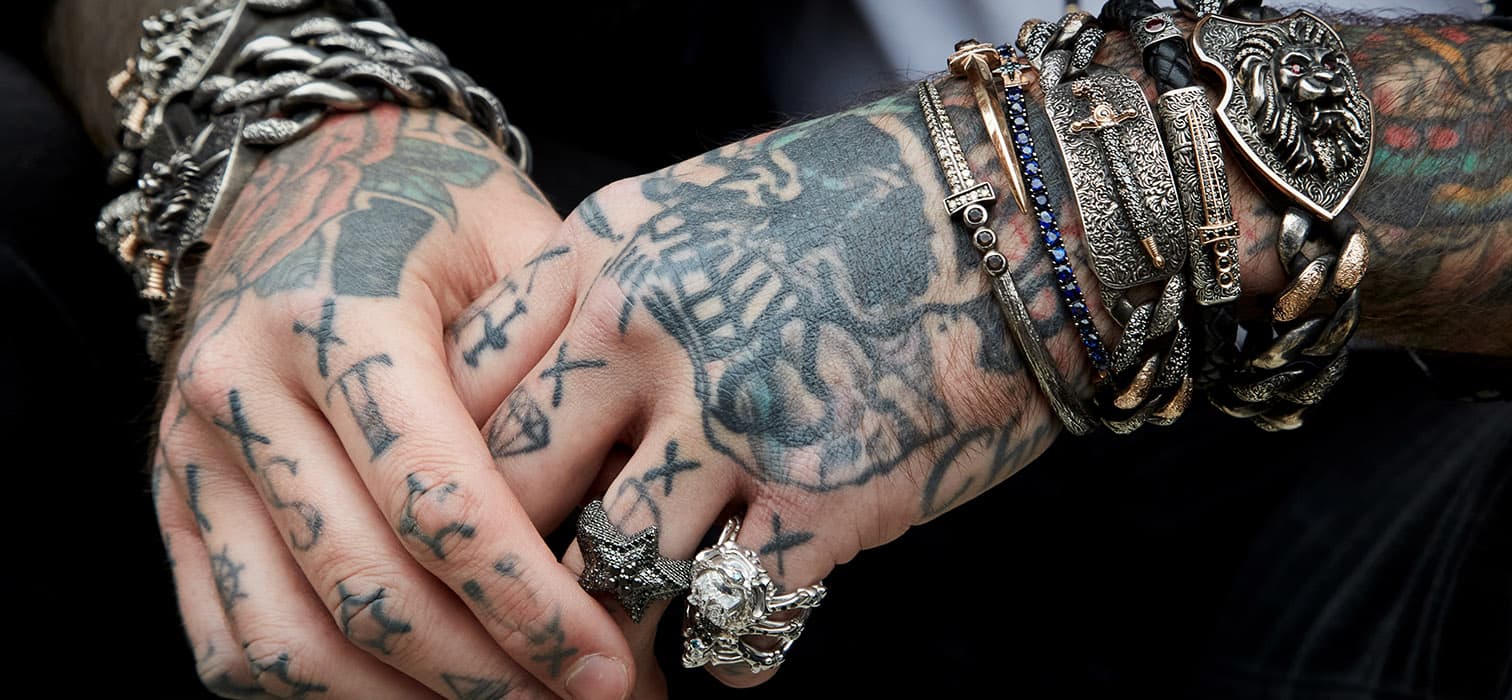
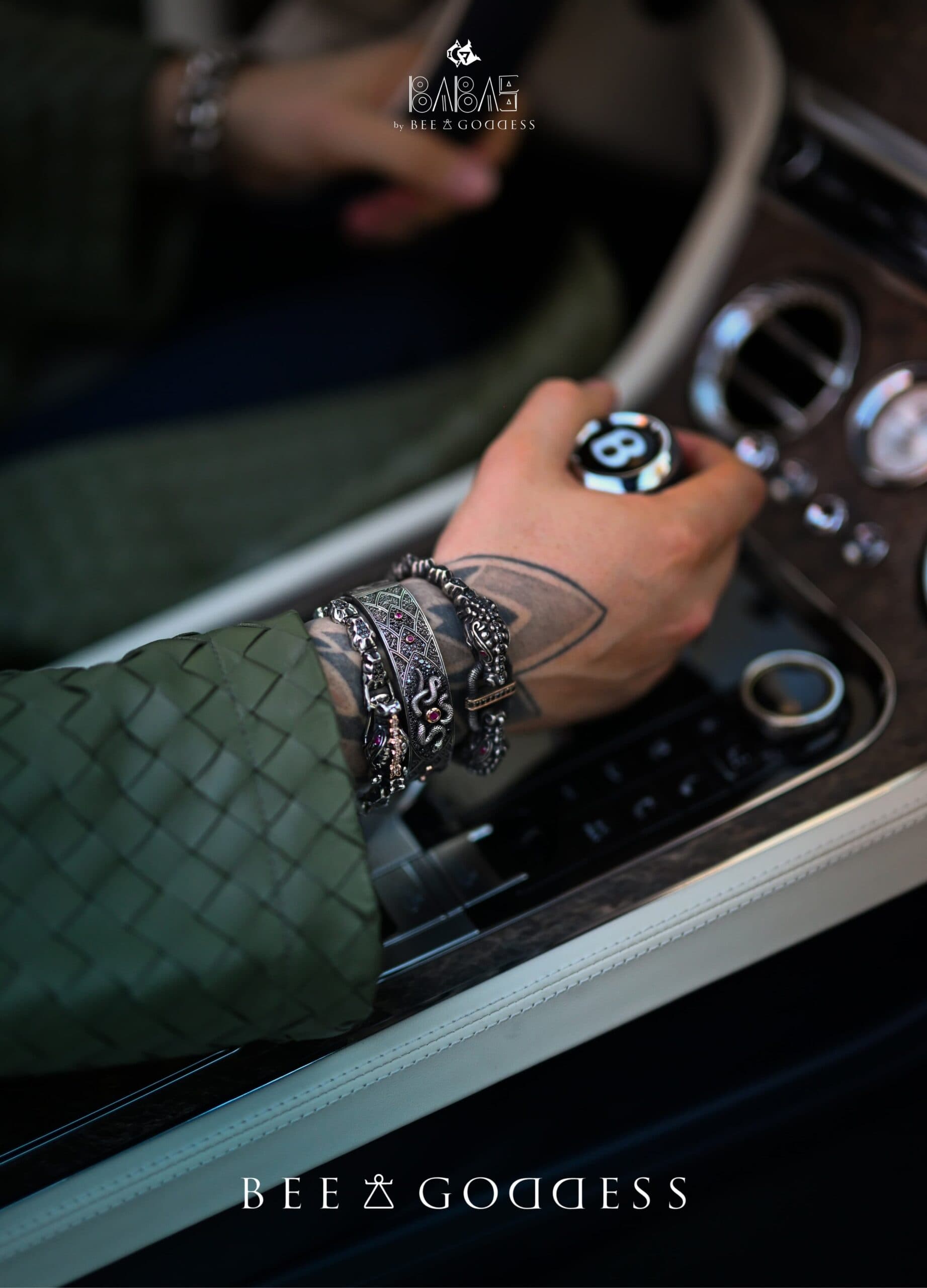
BABAS is more than men’s jewelry; it is a symbolic universe that accompanies a man’s inner journey. Its designs shine with universal symbols of masculine excellence—swords, dragons, daggers, and the North Star—allowing men to express themselves. The warrior of the past donned armor; today’s man wears his symbol and remembers his own myth.
Throughout history, whether warriors, kings, religious leaders, or artists, men expressed their identity, loyalties, strength, and beliefs through rings, seals, coats of arms, swords, and talismans. Modern men still want to show who they are, carry what they believe in, and express themselves. Today, being a warrior is less about conflict and more about character, presence, courage, and inner discipline—much like the warrior pose in yoga.
BABAS is built around archetypes and myths rather than trends. How did this approach emerge?
We never thought of BABAS as a trend, because trends come and go, while archetypes endure. We wanted to reinterpret the relationship men have had with rings, seals, swords, crests, talismans, and symbols throughout history through a contemporary aesthetic. BABAS speaks about masculinity not only through strength and toughness, but also through wisdom, protection, loyalty, courage, and transformation.
This is important because modern masculinity is no longer defined solely by outward power; it is increasingly shaped by inner grounding, character, and awareness. That is why BABAS approaches men’s jewelry not from a decorative perspective, but from a mythological and symbolic depth.
We see powerful symbols throughout the collection—swords, shields, dragons, the North Star, and daggers. Which symbol represents you most, and why?
Every symbol in the collection has its own power, but the sword is especially meaningful to me. The sword is not only a symbol of battle; it is a symbol of truth. It represents the ability to distinguish right from wrong, clarity, courage, and decisive action. At some point in life, we all need to cut through our inner confusion and reconnect with our essence.
In that sense, the sword is not an outward display of power, but the courage to remain faithful to one’s own truth. It represents overcoming all internal and external obstacles in order to reach our highest potential. It symbolizes moving beyond the limitations of the rational mind and connecting with universal intelligence—or simply, connecting with the heart. After all, courage comes from the heart.
The North Star, meanwhile, symbolizes a sense of direction. This is especially valuable in today’s world, where everything is constantly changing. One must not lose their inner compass. That is perhaps BABAS’s greatest strength: it reminds men not only to appear strong, but to remain centered within themselves.
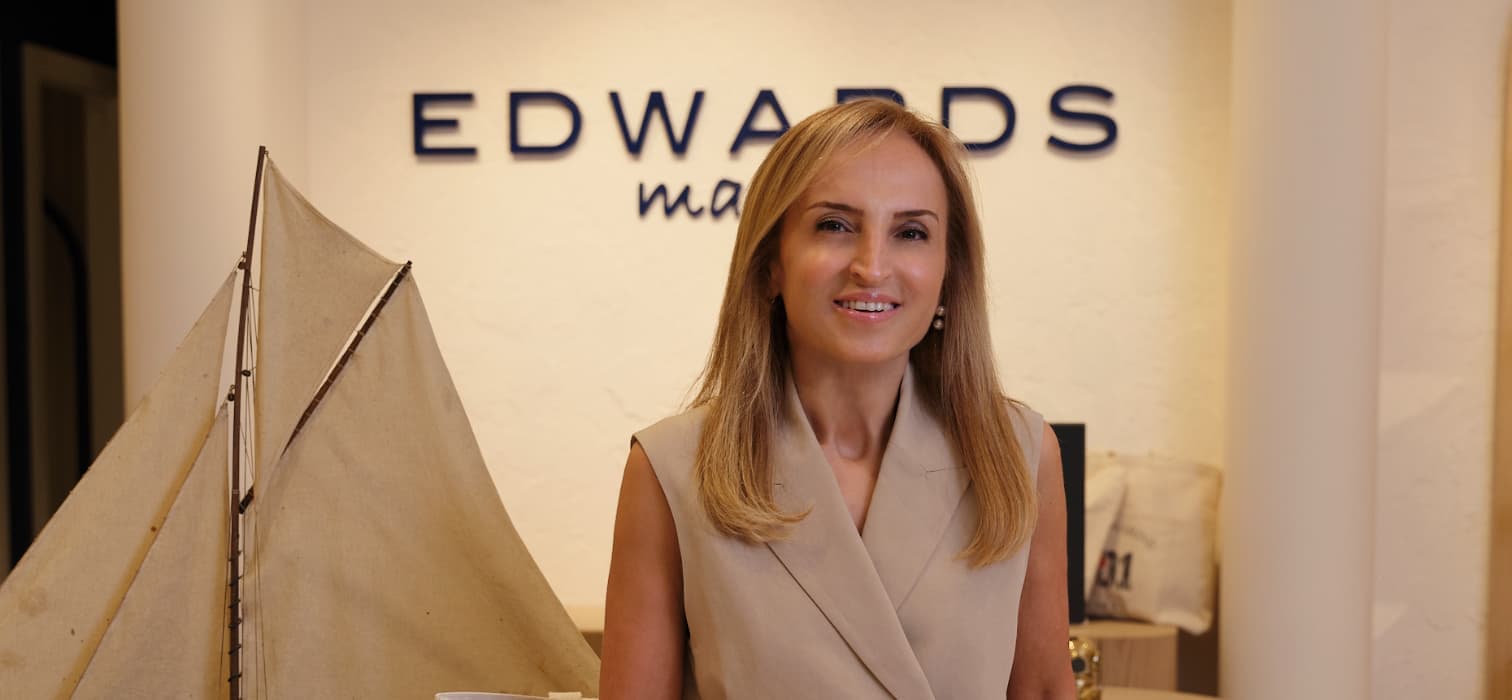
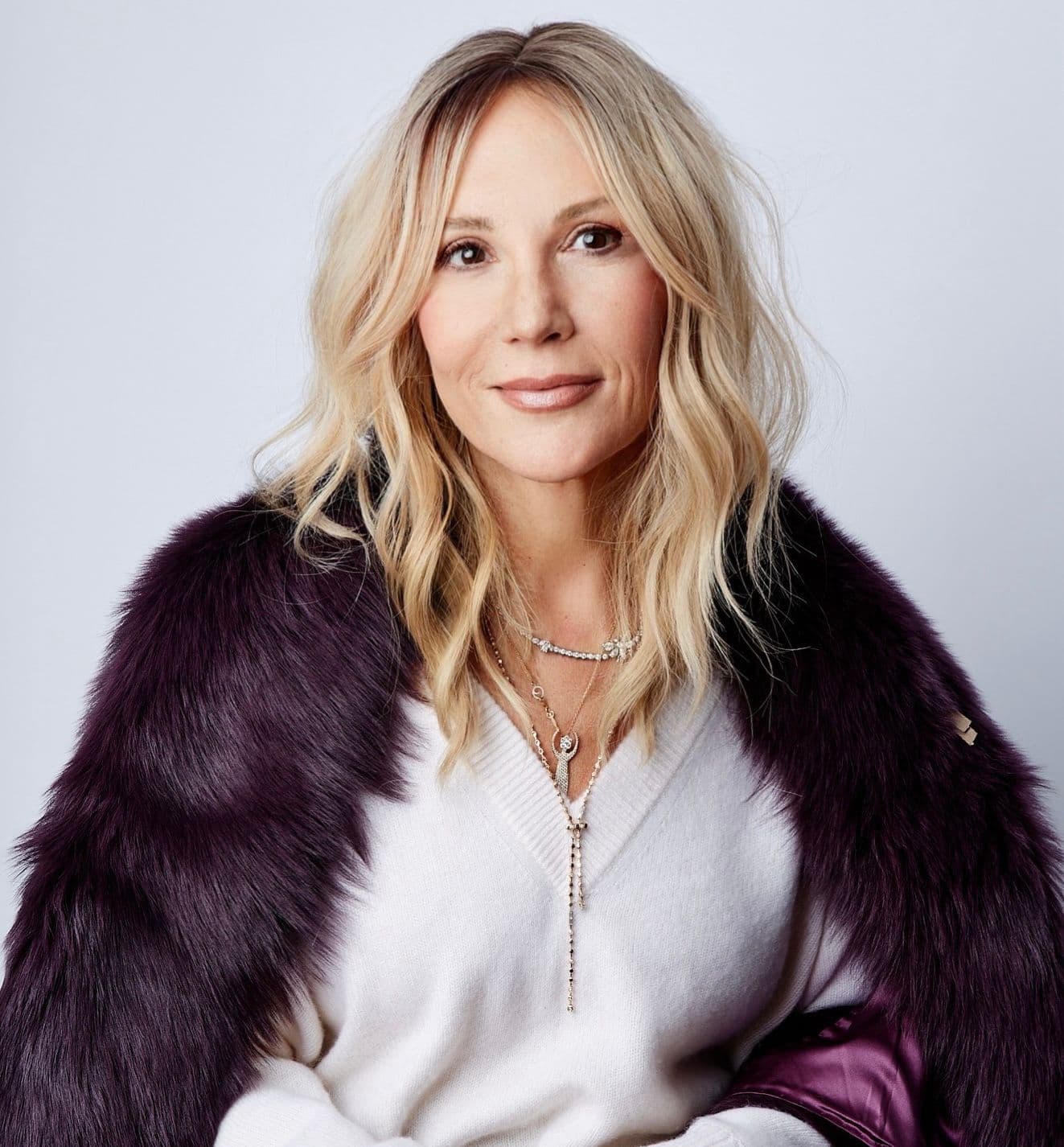
Ece Şirin
“Wear Your Symbol. Become Your Myth.” is a powerful manifesto. How does a person become their own myth?
Our brand’s slogan is “live fully,” and beneath it lies the idea of “live soulfully.” Writing the myth of our lives means honoring ourselves, celebrating ourselves, and feeling the joy of being alive. To become your own myth is to consciously take ownership of your life. We are not defined solely by what happens to us; we write our own stories through our choices, our courage, our transformations, and the meaning we create.
That is precisely what “Wear Your Symbol. Become Your Myth.” expresses. A symbol is a reminder of the person we aspire to become. When you wear a sword, you are not simply wearing jewelry; you are carrying your relationship with courage, clarity, and truth. When you wear a bee, you are reminded of creation, abundance, and the energy of miracles.
A person begins to transform when they choose their symbol and start living the values it represents. Through the symbol that speaks to our hearts, we choose ourselves—we envision our highest potential and step boldly into it.
A person becomes their own myth when they take responsibility for their own story. We are all born into narratives that are given to us: family, society, culture, expectations, fears. But at some point, we must hear our own inner voice and ask ourselves, “Who do I want to become?”
A symbol serves as a reminder. It makes visible the qualities we wish to embody—the potential, courage, love, wisdom, or transformation we carry within. To wear a symbol is, in essence, to carry an intention. Becoming your own myth is not about fitting into a role defined by others; it is about creating your own light, your own path, and your own meaning. This is also the common ground between Bee Goddess and BABAS: inspiring people to write the mythology of their own lives.
Bee Goddess seems to embody feminine energy, while BABAS represents masculine energy. In a world where ideas of femininity and masculinity are being redefined, how do you see these two universes complementing one another?
I do not see feminine and masculine energies as opposites; I see them as two creative forces that complete one another. Feminine energy is associated with intuition, creation, compassion, abundance, and flow. Masculine energy is connected with direction, courage, protection, structure, and willpower. Every person carries both energies within them. One represents the wisdom of the heart, the other the backbone of character.
What we need most today is balance between these energies. Together, Bee Goddess and BABAS create a broader universe centered on human wholeness. Bee Goddess focuses on creation, intuition, abundance, light, and feminine power. It is the nurturing, expansive energy that embraces, carries, and helps things grow. Through it, we remember and rediscover our inner light. Through BABAS, we express that light and bring it into the world. BABAS symbolizes direction, courage, protection, wisdom, and masculine presence.
But these energies do not belong exclusively to women or men. Every individual contains both feminine and masculine aspects. The key is learning how to balance them. In today’s world, femininity and masculinity are being defined in more liberated, layered, and conscious ways. Bee Goddess and BABAS complement each other as two symbolic universes that accompany people on their journey toward greater wholeness.
Turkey possesses an extraordinary cultural and historical richness, and you are particularly skilled at drawing from these elements. Can you tell us about the concepts you would like to explore in the future?
Anatolia is an endless source of inspiration for me. These lands carry a multilayered memory that stretches from the Mother Goddess and Artemis to sacred geometry, mythology, alchemy, and craftsmanship. Looking ahead, I dream of expanding the Bee Goddess universe into something more holistic—something that extends beyond jewelry alone. A world where symbols, rituals, places, and experiences come together, allowing people to build a deeper connection with themselves.
We envision Bee Goddess not simply as something to wear, but as something to live. In terms of symbolism, we would like to focus more deeply on themes such as unity, transformation, protection, inner strength, and collective consciousness. Symbols such as the bee, the honeycomb, and the Flower of Life are especially powerful in this regard. Today, one of the things the world needs most is the ability to reconnect—with one another and with ourselves—and to cultivate a more conscious sense of wholeness.
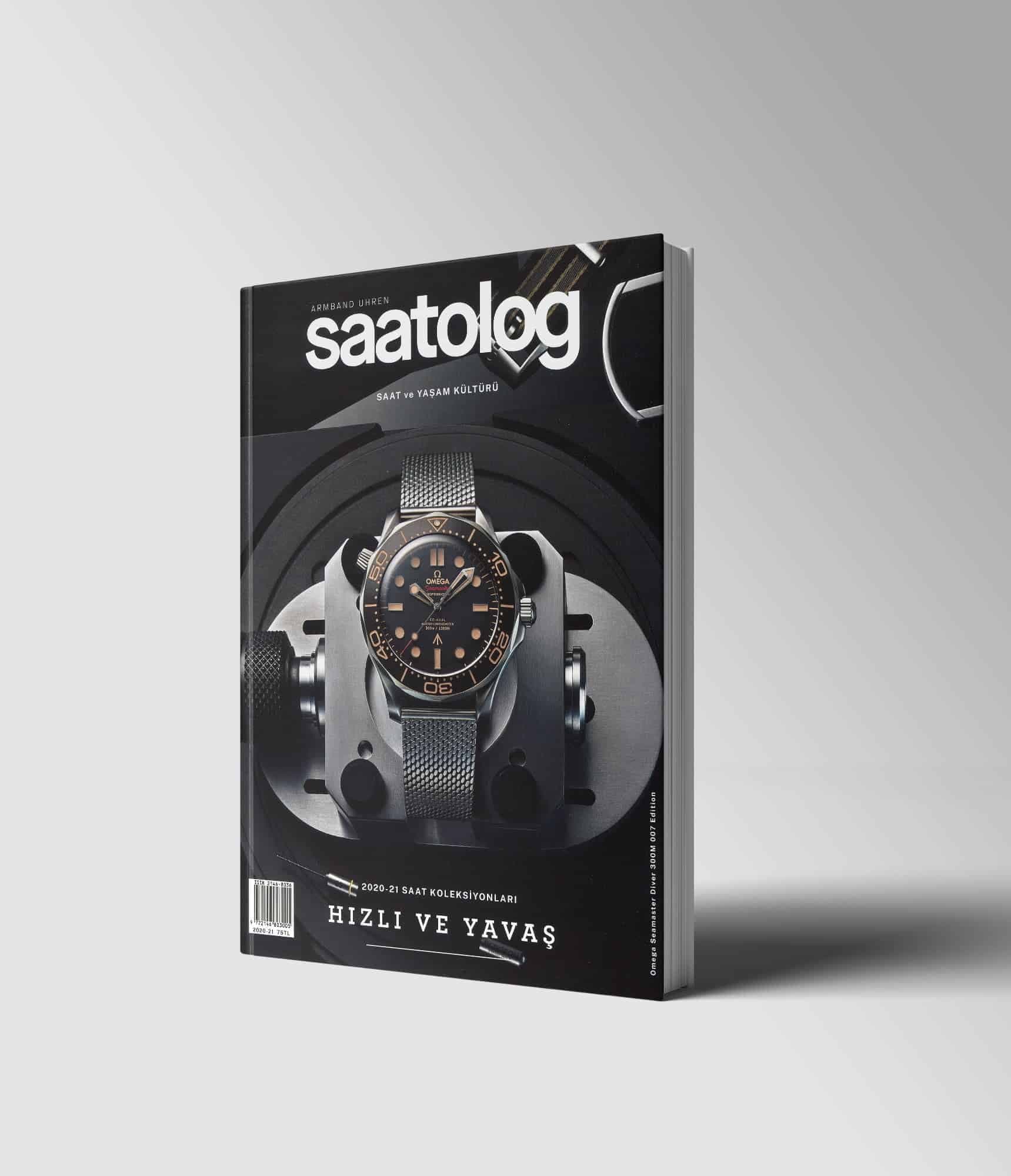
Saatolog Yıllık Saat Dergisi Saatolog’un yeni sayısı, 2020’nin yarattığı bu dönüştürücü etkiden ilham alarak hazırlandı. Dünya dijitalin etkisiyle her zamankinden de hızlı bir şekilde ilerlerken yavaşlamanın da önemini sonunda kavramış bulunuyoruz ve bu tezatlık hayatlarımızın her anına etki ediyor. Biz de bundan yola çıkarak Saatolog 2020/21 sayısını ‘‘hızlı ve yavaş’’ teması altında hazırladık.