Art Basel 2026 brings together the world’s leading galleries around a single question: Is surprise still possible?
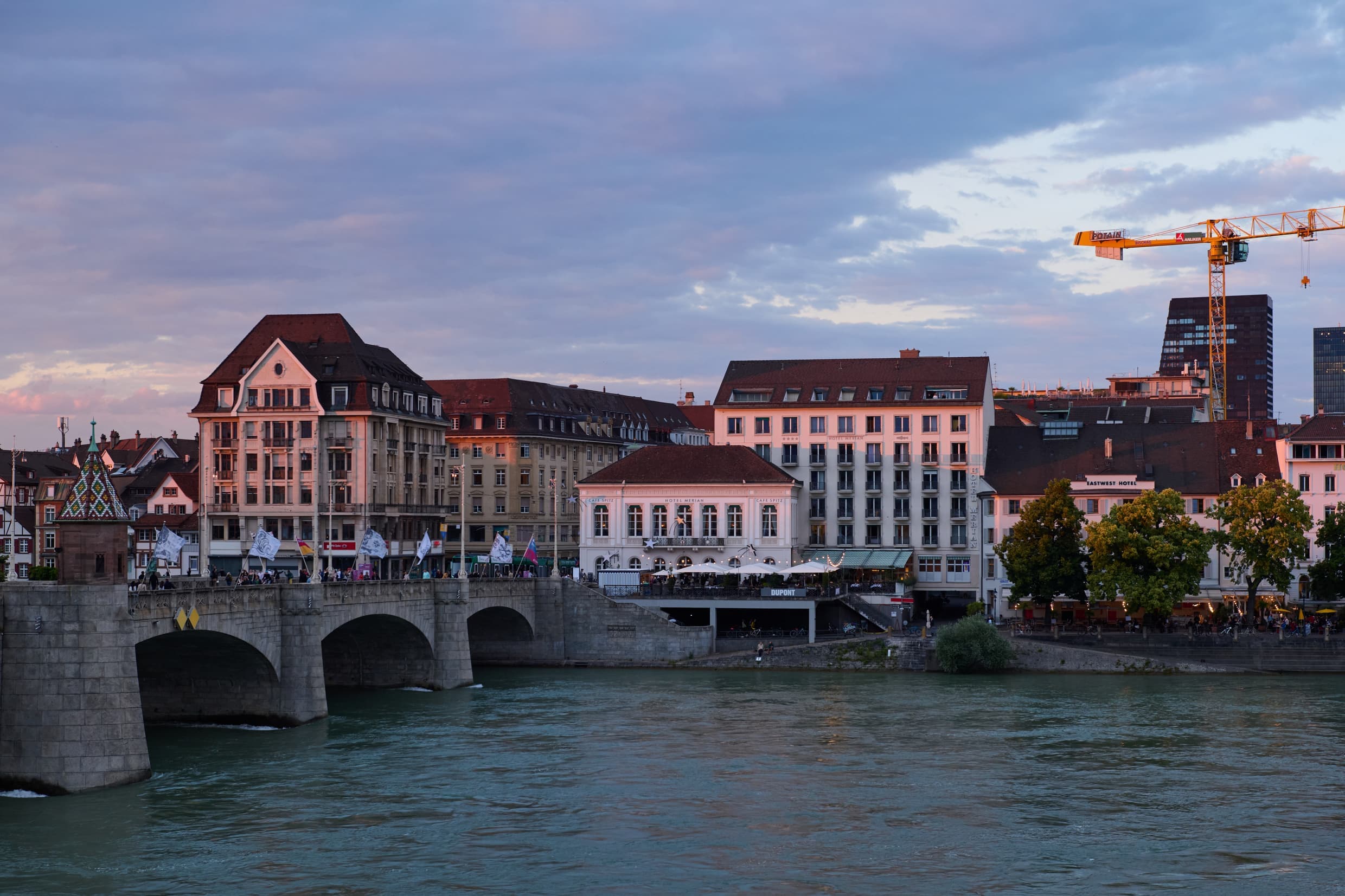
The world’s most prestigious art fair, Art Basel, was founded in Basel, Switzerland, in 1970. Although it has since expanded into a global network stretching from Miami and Hong Kong to Paris and Qatar, its true home has always remained the same: Basel. This year, the fair has decided to bring something back to the city. Surprise.
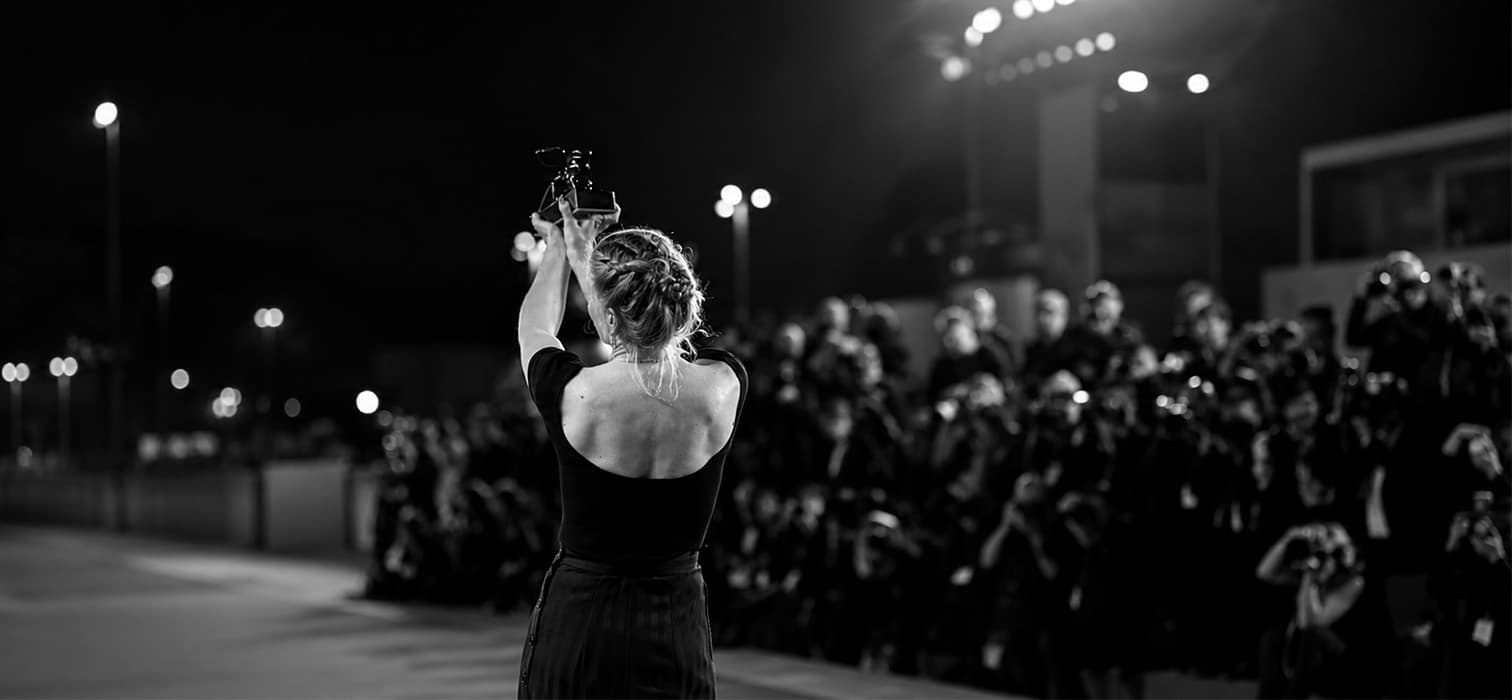
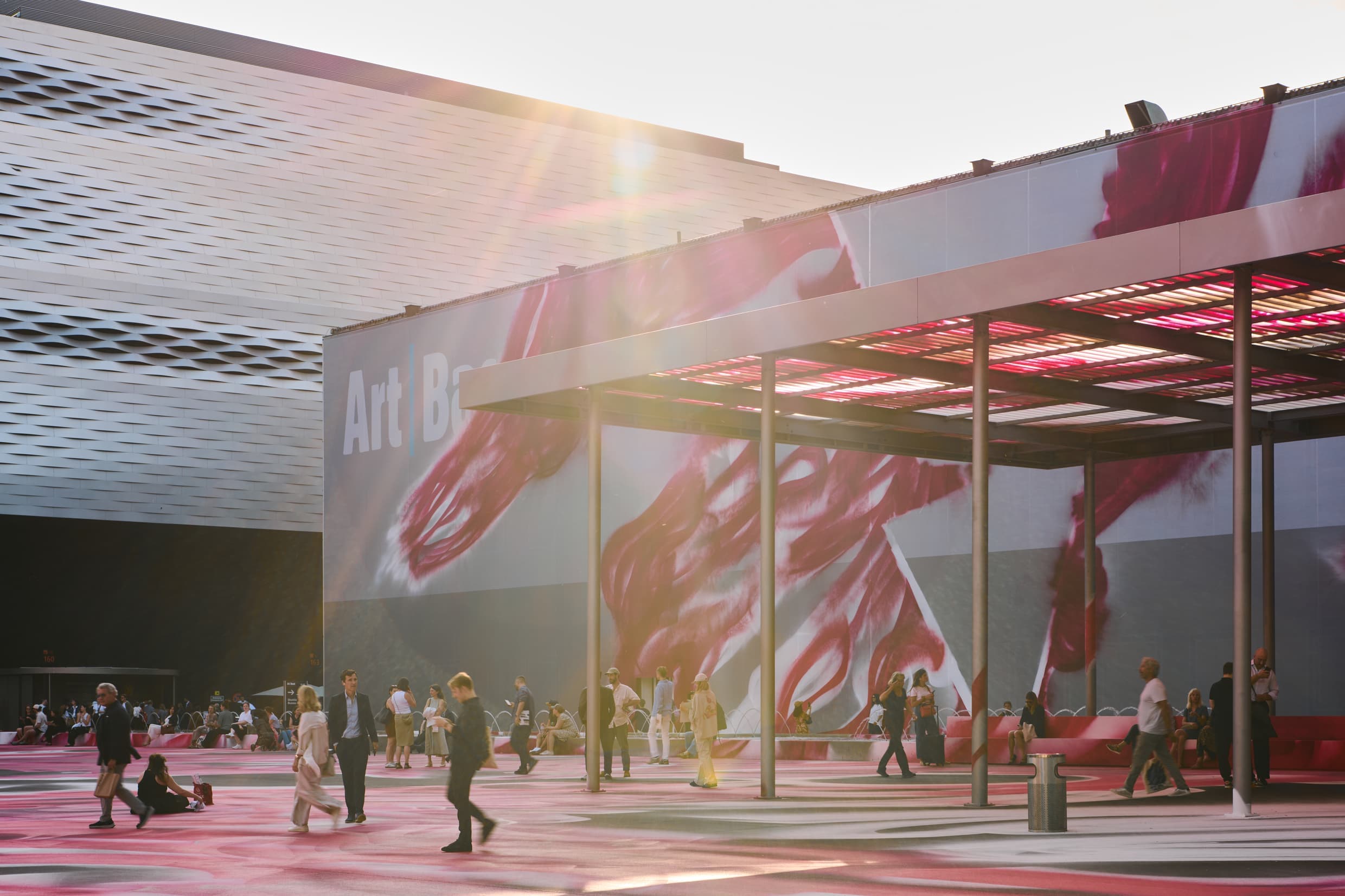
On June 18, 2026, Basel will open its doors to the 56th edition of the world’s most prestigious art fair. Hours before the VIP preview begins, thousands of collectors, gallerists, and museum directors carrying VIP cards will flood the corridors of Messe Basel, the city’s vast exhibition and convention center. But this year there is a difference: some works will be seen by no one beforehand. Their images will not have circulated on social media, they will not have appeared in online viewing rooms, and they will not have been sold before the VIP opening. Art Basel has even given a name to this initiative, which aims to restore the importance of encountering artworks in person and seeing them firsthand: Basel Exclusive.
Courtesy Of Art Basel
This year, the fair’s leadership invited participating galleries to hold back their most important works until the opening hour of the fair. So far, 170 of the 232 galleries have agreed. Among them are some of the biggest names in the industry—Gagosian, Hauser & Wirth, Pace, and David Zwirner—joining what is a deliberate, calculated, and organized surprise.
Let’s emphasize that once again: an organized surprise.
Think of the feeling of walking into an exhibition and encountering a work you have never seen—or even heard of—before. Those who experienced the art world before the internet know the thrill of that moment. Today, however, everything circulates on Instagram weeks before a fair opens. Lists are discussed, previews are shared, and works are presold through online viewing rooms. By the time the VIP opening arrives, what follows is less excitement than a kind of confirmation ceremony.
Art Basel saw this as a problem. Its solution was simple: “Let’s keep it hidden,” and “Let’s reveal it together at the opening.” The market’s major players agreed. But what do the rest think? Does a surprise cease to be a surprise the moment it is scheduled?
Before exploring that question, let’s briefly look back at the fair’s history.
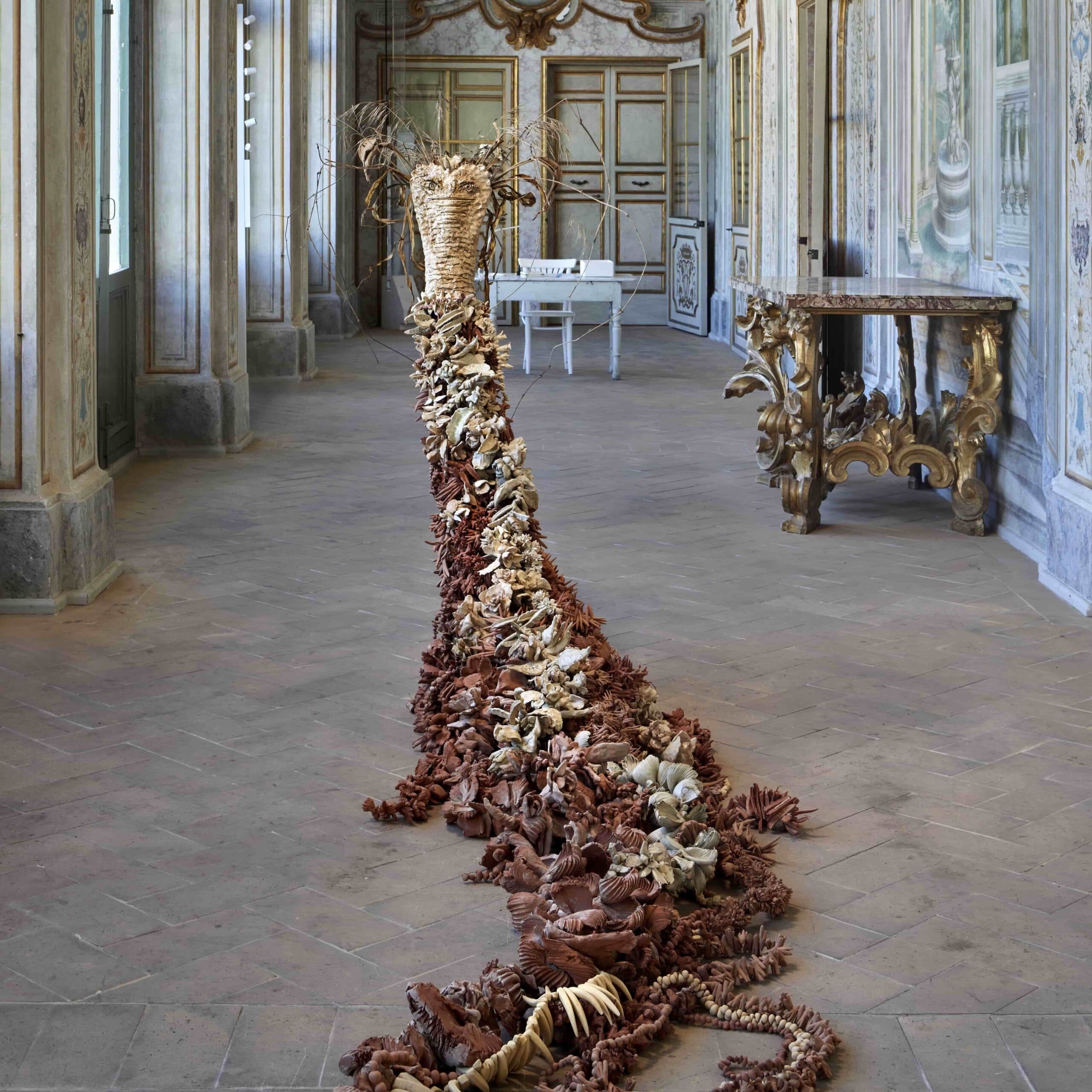
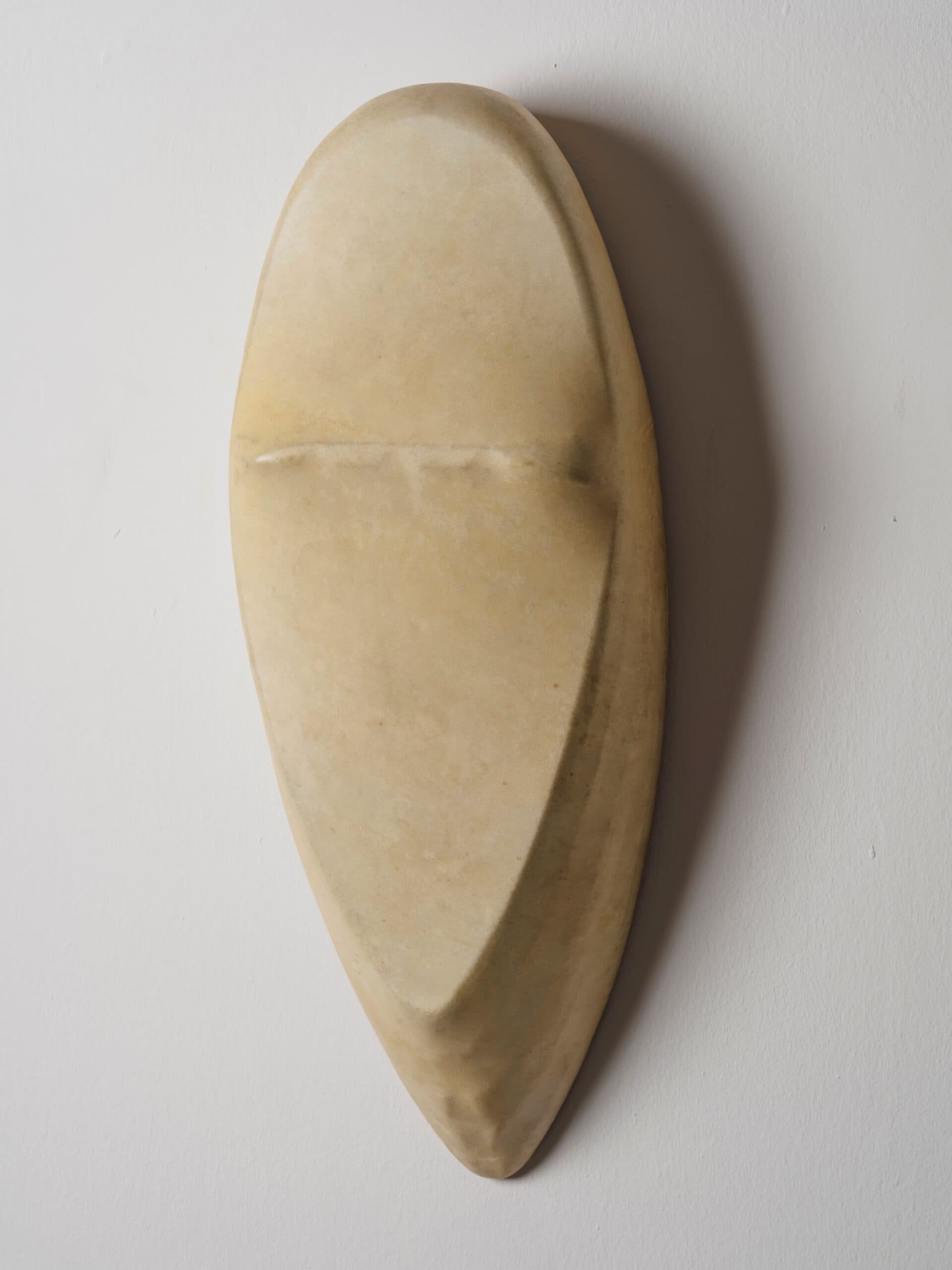
Chiara Camoni, Sister (Serpentessa), 2024 // Courtesy Of The Artist And Spazioa, Pistoia // Photo: Camilla Maria Santini.
The Dream of Three Gallerists
The year was 1970. Kunstmarkt Köln, launched three years earlier in Germany and known today as Art Cologne, largely catered to German galleries. Three Basel-based gallerists—Ernst Beyeler, Trudl Bruckner, and Balz Hilt—objected to what they saw as a narrow and exclusionary model. That same year, they created an international fair without borders: Art Basel.
The first edition welcomed 90 galleries from 10 countries and attracted 16,000 visitors. Within two years, both the exhibition space and attendance had doubled. The fair quickly gained momentum and continued to grow.
In 2000, Art Basel introduced a vast new hall dedicated to large-scale works that could not fit within the traditional booth format: Unlimited. Installations, video projections, and performances—works that demanded the scale of a museum rather than a fair stand—finally had their own space.
But even that was not enough. The fair decided to expand beyond its borders. In 2002, it launched in Miami Beach. The project was postponed for a year in the shadow of the September 11 attacks, but it moved forward nonetheless. In 2013, Art Basel entered Asia through Hong Kong by acquiring a local fair established in 2008. In 2022, Paris joined the network, taking over the historic position long occupied by FIAC at the Grand Palais. Then, in 2026, came Qatar: a modest debut in Doha with 87 galleries, backed by state funding and accompanied by questions the art world has yet to fully answer.
Five fairs, five cities. A world that gathers five times a year. The main city, however, remains Basel. Always Basel. The others are satellites; Basel is the central star.
Courtesy Of Art Basel
Basel Week
The fair begins with VIP preview days on June 16 and opens to the public from June 18 to June 21. There will be 290 galleries, 43 countries, and more than 4,000 artists represented. Four days, one city, five sectors.
At the heart of the fair is Galleries, the main section inside Messe Basel where 232 galleries build their booths, exhibit works, and conduct sales. From blue-chip galleries to regional voices, works from every period and perspective are presented here. All other sectors radiate outward from this core.
Roman Stańczak, M.c., 2025 // Galeria Stereo
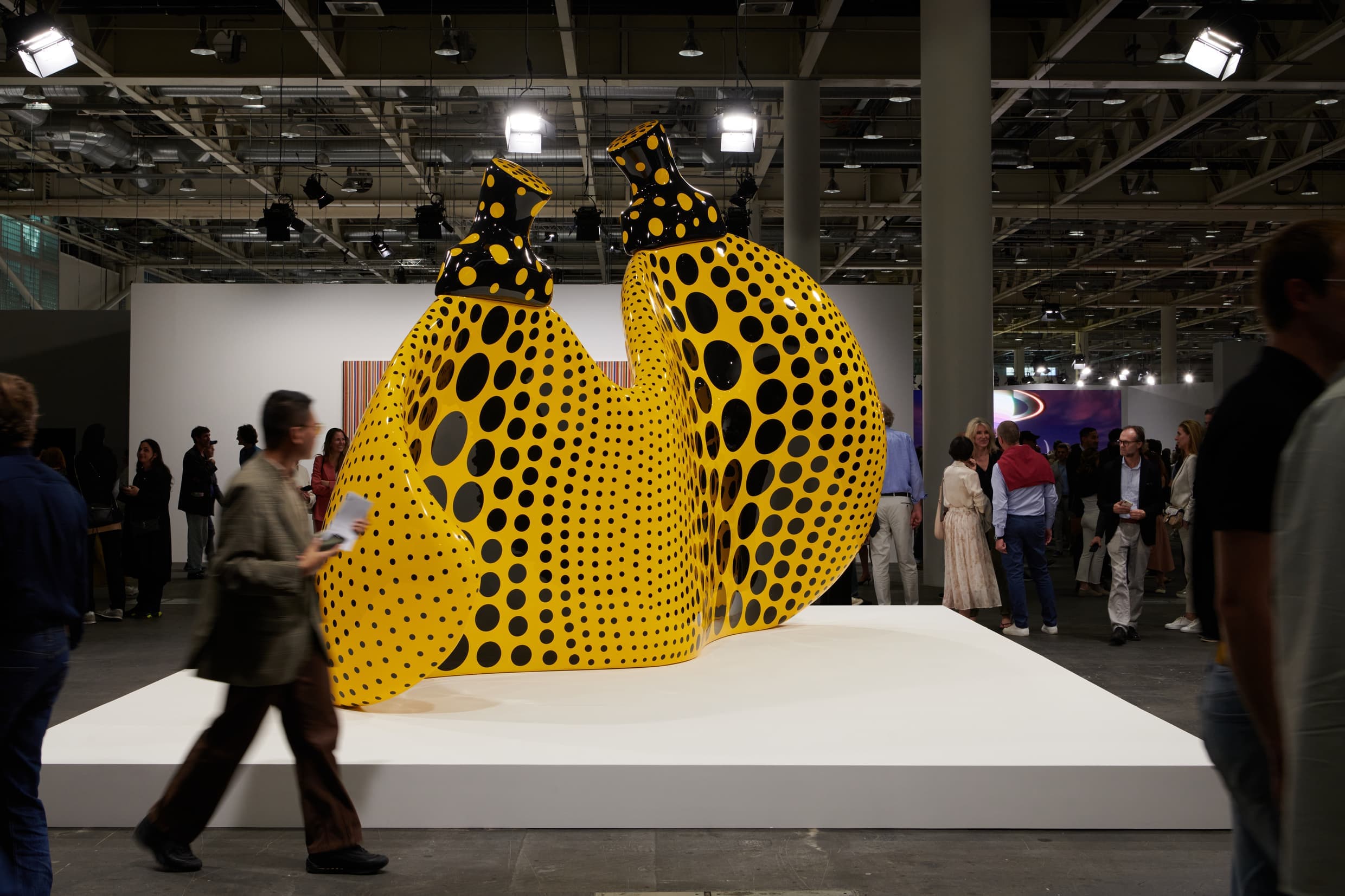
Unlimited is the space for works that exceed the physical limits of Galleries. Spread across a massive 16,000-square-meter hall, it is dedicated to installations, performances, video projections, and sculptures too large for a traditional fair booth. This year, 59 projects will be presented by 66 galleries.
For the first time, the section is curated by Ruba Katrib, Chief Curator of MoMA PS1 in New York. Having brought exhibitions by boundary-pushing artists such as Rirkrit Tiravanija and Jumana Manna into major institutional contexts, Katrib has built this year’s selection around works that grapple with the world around us. Featured artists include Isa Genzken, Bruce Nauman, Theaster Gates, Tracey Emin, and Ed Ruscha.
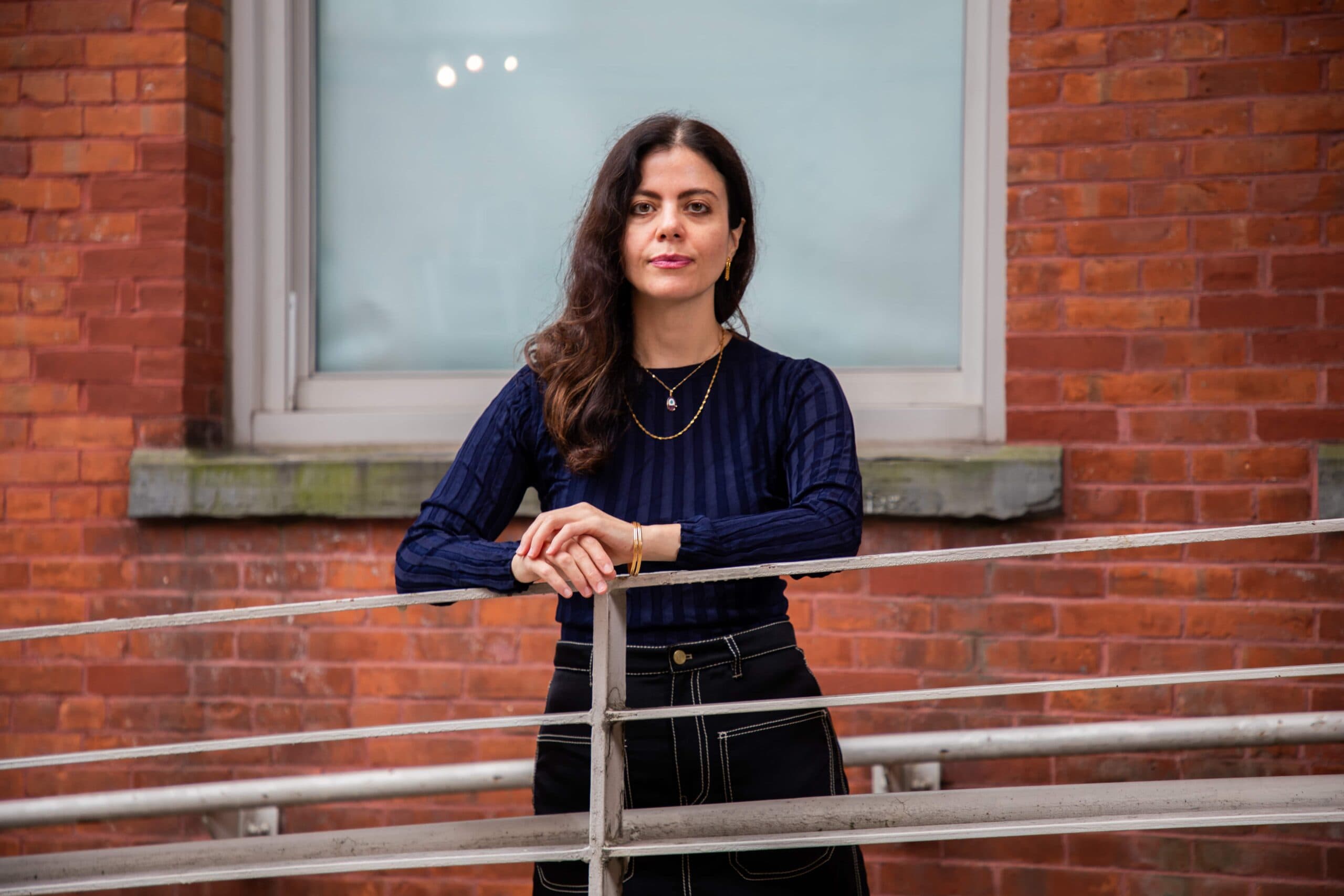
Ruba Katrib // Photo: John Kim
Premiere
One of the fair’s most closely watched sections this year is Premiere. Introduced in 2025, it is among Art Basel’s newest sectors and is now presenting its second edition. Focused on works created within the past five years, Premiere was designed as a platform for mid-career and emerging voices. The growth speaks for itself: the number of presentations has increased from 10 in its inaugural edition to 17 this year, while the number of participating artists has risen to 34.
Istanbul-based Öktem Aykut will also be participating in Premiere. Founded in 2014 by Doğa Öktem and Tankut Aykut, the gallery has become one of the prominent voices of Turkey’s independent contemporary art scene. It enters the section with Koray Ariş’s installation Strings. Born in Adana in 1944, Ariş is one of the foundational figures of Turkish sculpture, with a practice spanning more than six decades. The work consists of suspended leather and wooden forms that move and produce sound when touched.
Öktem Aykut // Photo: Koray Arıs
Feature
Dedicated to 20th-century art, Feature serves as a platform for historical presentations, overlooked figures awaiting rediscovery, and museum-quality works. This year, 16 galleries will participate, presenting artists ranging from André Masson and Joaquín Torres-García to Kurt Schwitters, Mario Merz, and Michelangelo Pistoletto.
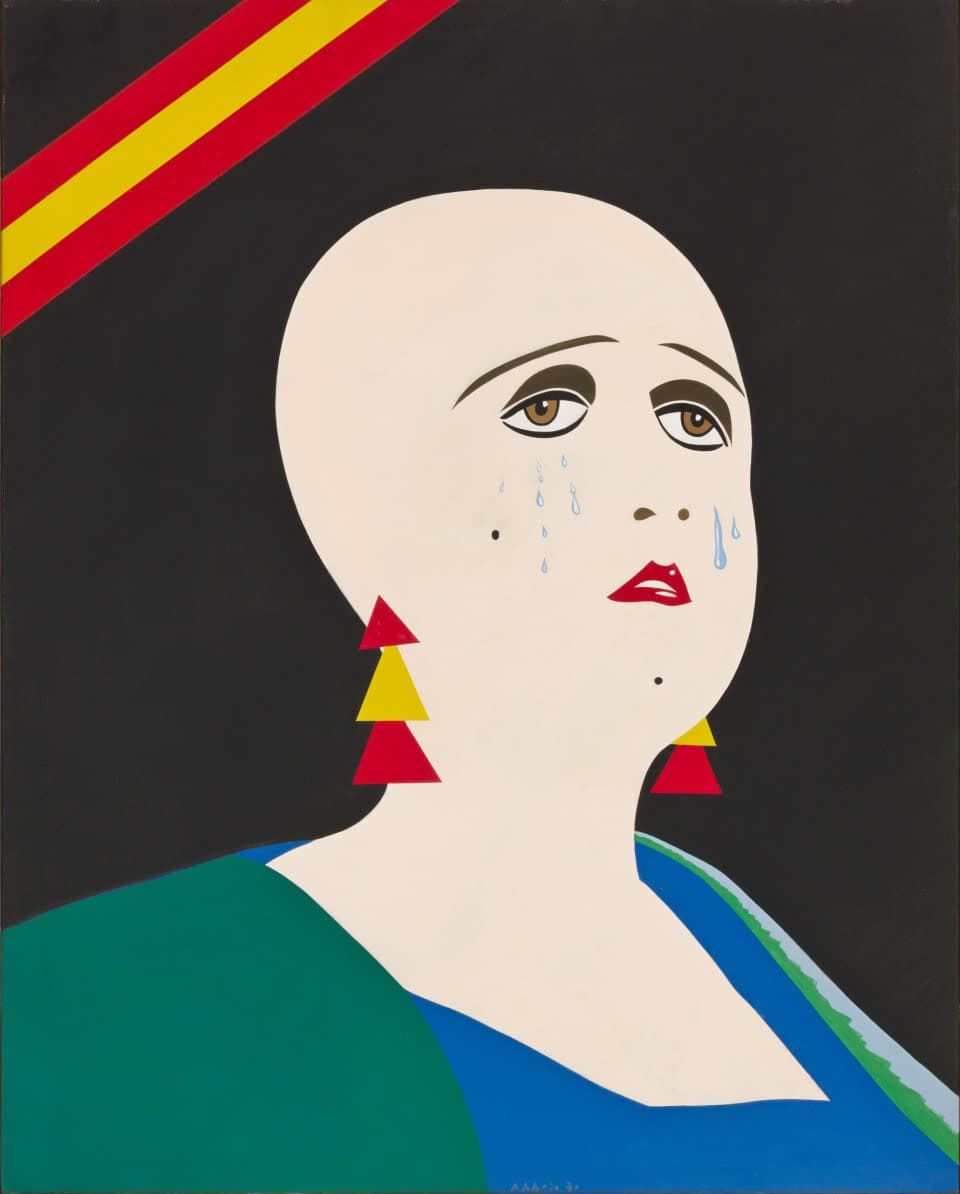
Eduardo Arroyo, Sama de Langreo (Asturies), 1963. Courtesy of Galerie Kaléidoscope
Statements
Statements is dedicated to solo presentations by artists at pivotal moments in their careers. This year, 18 galleries will take part, including Wschód from Warsaw, Marfa’ Projects from Beirut, and Kosaku Kanechika from Tokyo. Nine of the participating galleries are making their Art Basel debut.
Think of it as a discovery zone within the fair—a place where visitors may encounter artists who could later appear in major museum collections and exhibitions around the world.
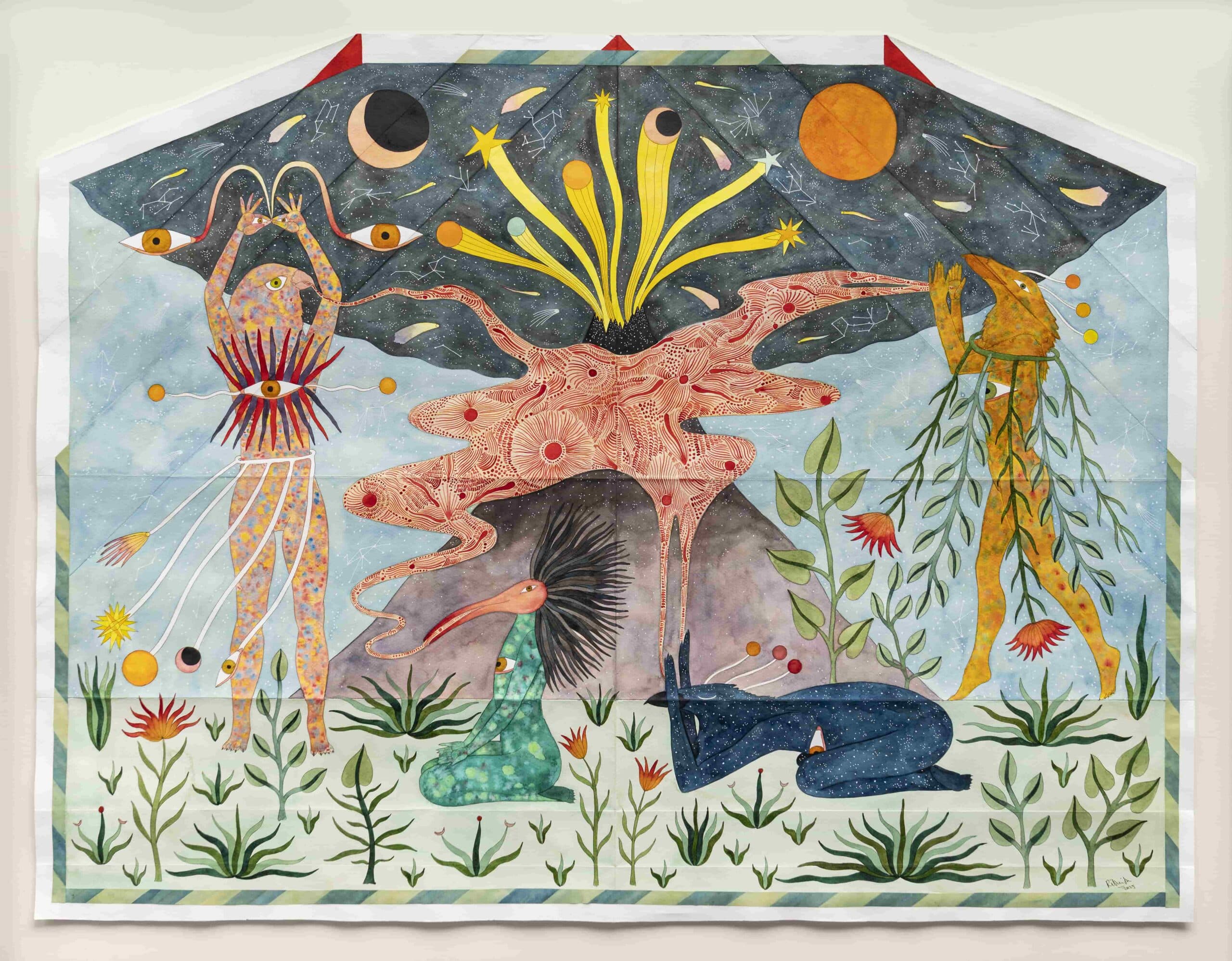
Rithika Merchant, Incantation, 2025. Courtesy of Rithika Merchant and Tarq
Parcours
Parcours is Art Basel’s face beyond the fairgrounds, extending into Basel’s streets, historic buildings, courtyards, and vacant storefronts. It is also one of this year’s standout sectors.
Each project is conceived specifically for its location. No fair ticket is required to experience these works—only a willingness to walk. This year, visitors will encounter 22 projects stretching along Clarastrasse, one of Basel’s main thoroughfares, all the way to the Rhine River.
The section will once again be curated by Stefanie Hessler, Director of New York’s Swiss Institute, marking her third consecutive year in the role. Hessler has chosen “Second Nature”—or rather, in the Turkish text, “Living Together”—as the thematic framework for this year’s edition.
Courtesy Of Art Basel
Works Beyond the Fairgrounds
In Basel’s two main public squares, two major commissions will be presented independently of Parcours as part of the fair’s awards program. These are the first tangible outcomes of the Art Basel Awards Gold Medal, introduced in 2025.
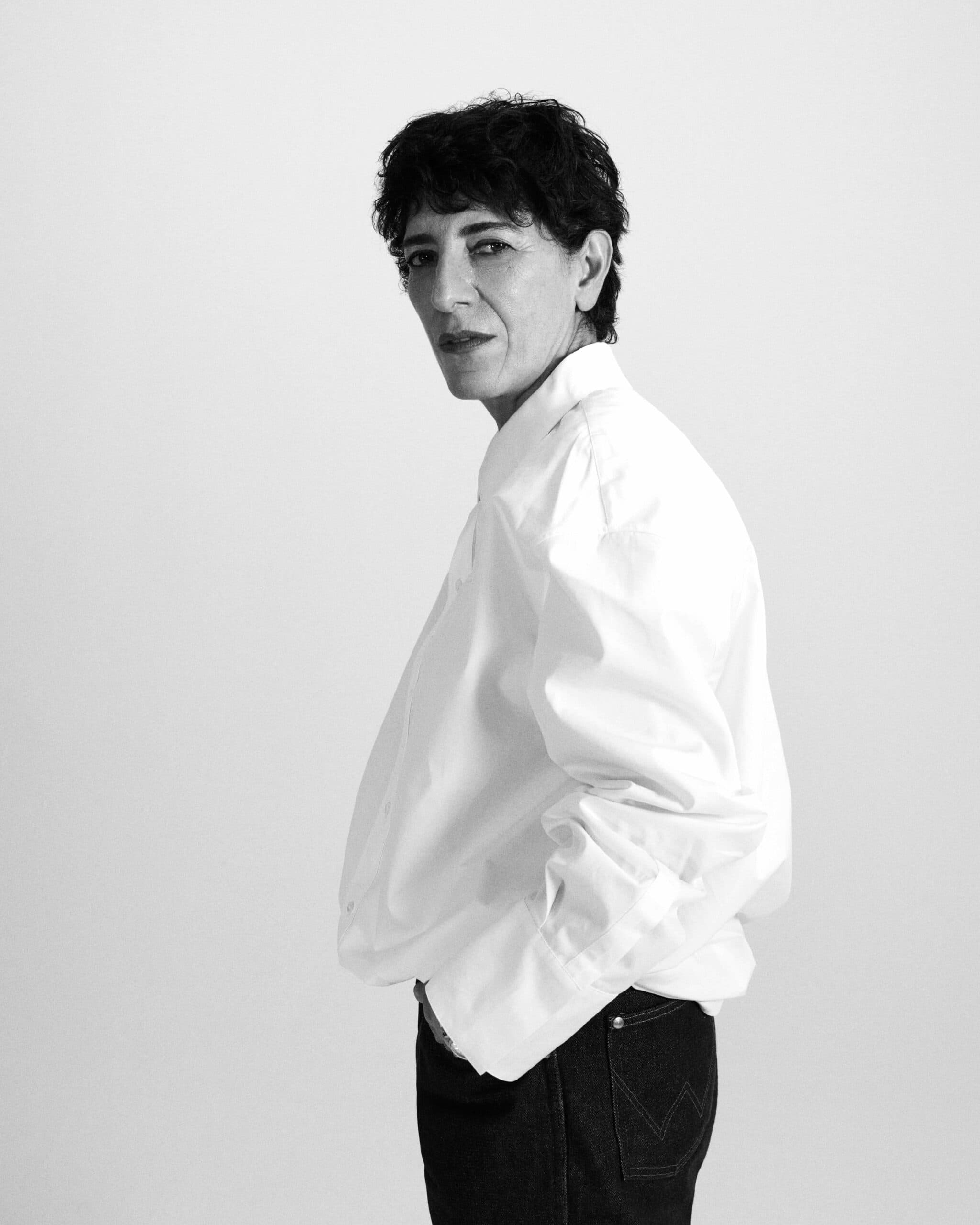
Iranian-born German sculptor Nairy Baghramian has long explored the tension between the body and architecture through material form. Around the fountain in Messeplatz, the expansive plaza directly in front of the fairgrounds, she will install four lavender-colored biomorphic sculptures titled Modèle vivant (S’empilant). Inspired by the tradition of the live model in art education, the work consists of stacked forms. Alongside them will stand a bench-like plinth clad in tiles and surrounded by photographic traces of flies. Those familiar with Baghramian’s practice will recognize the quiet unease that often permeates her work.
Nairy Baghramian // Courtesy of Art Basel
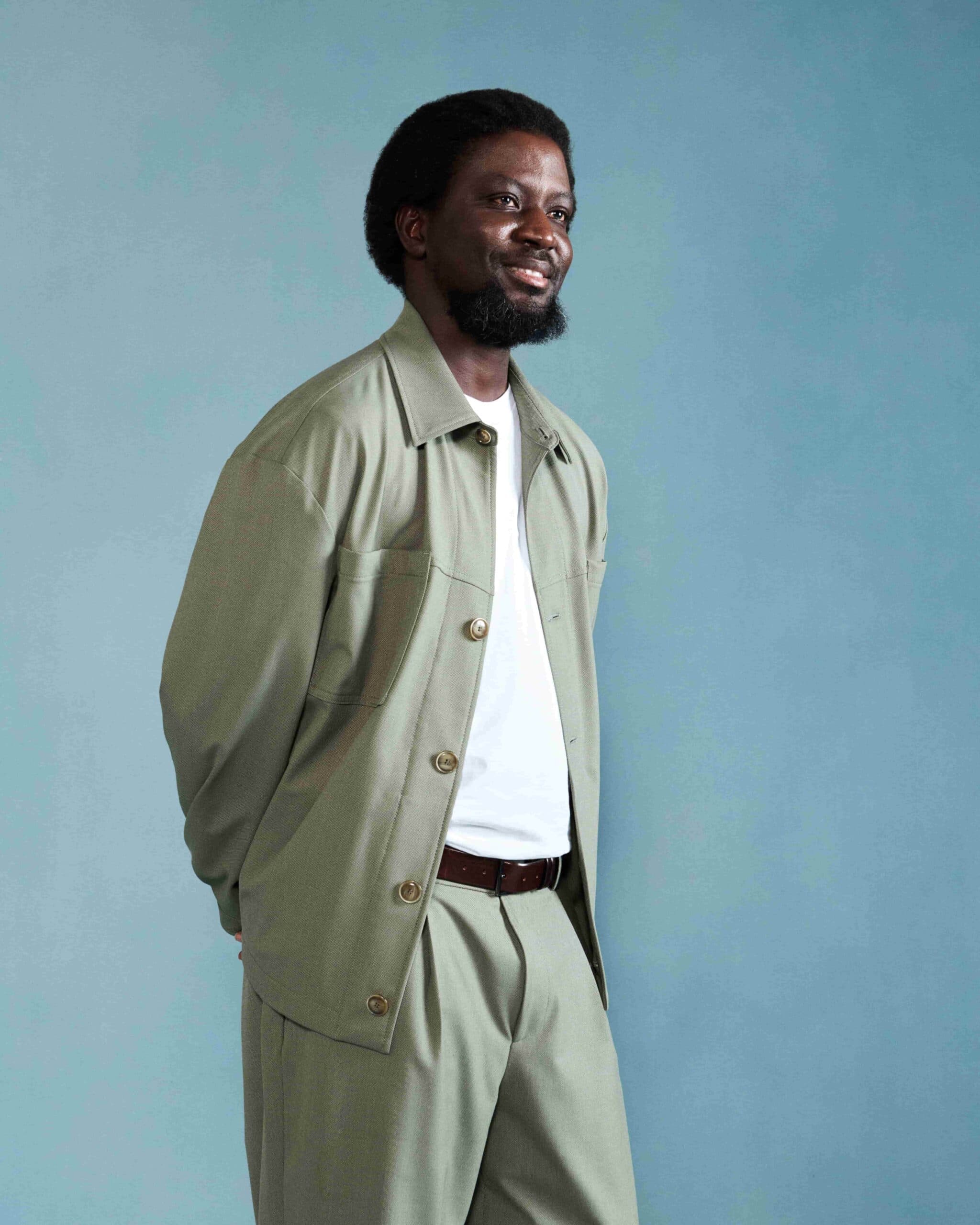
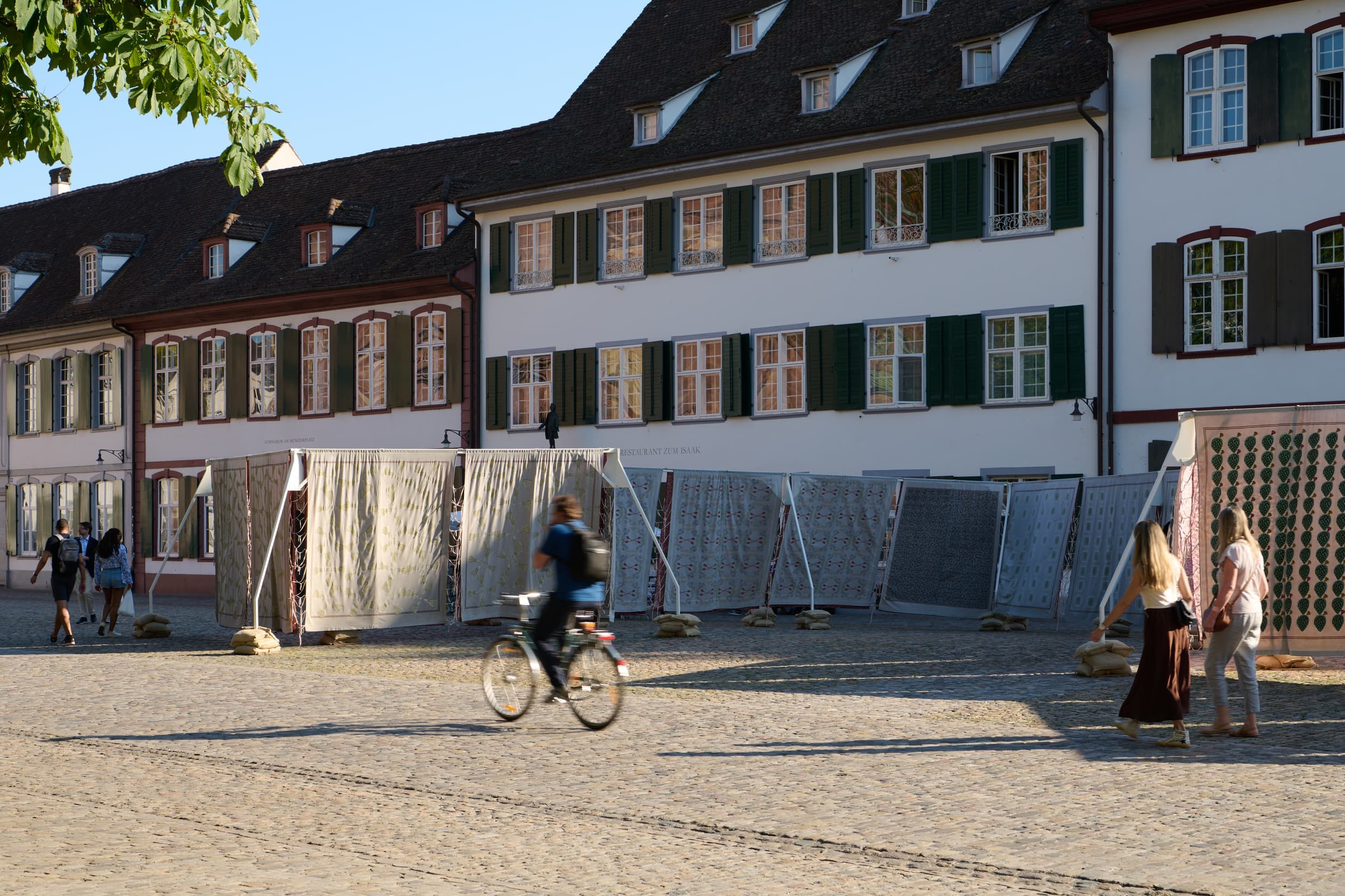
Meanwhile, beneath the shadow of Basel’s Gothic cathedral in Münsterplatz—one of the city’s most historic gathering places since the Middle Ages—Ghanaian artist Ibrahim Mahama will create a large suspended environment. Titled The God of Small Things, after Arundhati Roy’s Booker Prize–winning 1997 novel, the work employs rubber remnants sourced from a factory established during Ghana’s post-independence era. Mahama is widely known for transforming industrial waste into monumental installations.
Neither work requires a ticket. Anyone passing through Basel that week will be able to experience them.
Ibrahim Mahama // Courtesy of Art Basel
And the Real Surprise
Let’s return to Basel Exclusive.
With this initiative, Art Basel hopes to transform the fair’s opening hour into a genuine moment of discovery. Or at least, that is the ambition. Vincenzo de Bellis, Art Basel’s Chief Artistic Officer and Global Director of Fairs, explains the initiative as follows: “We want to re-emphasize the importance of live encounters and seeing works firsthand. Basel Exclusive aims to create a balance within this dynamic; we want to restore meaning to that moment when an artwork is encountered for the very first time.”
Iwan Wirth, president of one of the world’s largest private galleries, Hauser & Wirth, adds: “Basel Exclusive will help revive anticipation and bring the spirit of discovery back to the heart of the art fair experience.”
Courtesy Of Art Basel
“This Will Not Be Verifiable; The Fair Will Have to Trust the Galleries”
Whether the art market is embracing this idea out of genuine conviction or simple necessity is another question entirely.
Italian financial and art-market newspaper Il Sole 24 Ore offers a different reading of the initiative. According to journalist Silvia Anna Barrilà, the practice of pre-sales did not emerge by accident. Faced with an uncertain market and increasingly high participation costs, galleries reduce risk by reaching agreements with collectors before arriving at the fair.
Basel Exclusive is effectively asking them to give up that safety net.
As the article notes:
“This will not be verifiable; the fair will have to trust the galleries.”
In other words, a gallery may sign on to Basel Exclusive and publicly commit to withholding a work until the VIP opening, while still quietly showing it to selected collectors or reserving it in advance. Art Basel has no mechanism to monitor or enforce this. The system is based entirely on trust.
Yet galleries also have a vested interest in supporting the initiative. Reigniting excitement among collectors ultimately benefits them as well.
Courtesy Of Art Basel
Collectors Prefer In-Person Experiences to Digital Ones
Can surprise be scheduled?
Does a version of unpredictability written into a calendar still qualify as unpredictability?
In a year when the fair operates across five cities, when artworks are sold through online viewing rooms before the doors even open, and when even the theme of “living together” arrives carefully programmed, the question feels unavoidable.
Why is this initiative necessary now?
The answer, in many ways, lies in the numbers.
According to the 2026 Art Market Report, published annually by Art Basel and global investment bank UBS, art fairs account for 35 percent of gallery sales. Yet the same report reveals a striking paradox: online sales have fallen to their lowest level in recent years, while collectors increasingly prefer face-to-face experiences over digital transactions.
In other words, the market already wants to return to the fair.
Basel Exclusive simply turns that desire into a formal initiative.
Over the past two decades, the art fair calendar has become increasingly crowded. Online sales platforms have proliferated. Social media has accelerated the consumption of information to the point where everything seems to be seen before it is actually experienced.
Perhaps the real surprise is that surprise itself has become something so valuable.
When Ernst Beyeler founded Art Basel with his colleagues in 1970, there was very little to hide.
Because everything was being seen for the first time.
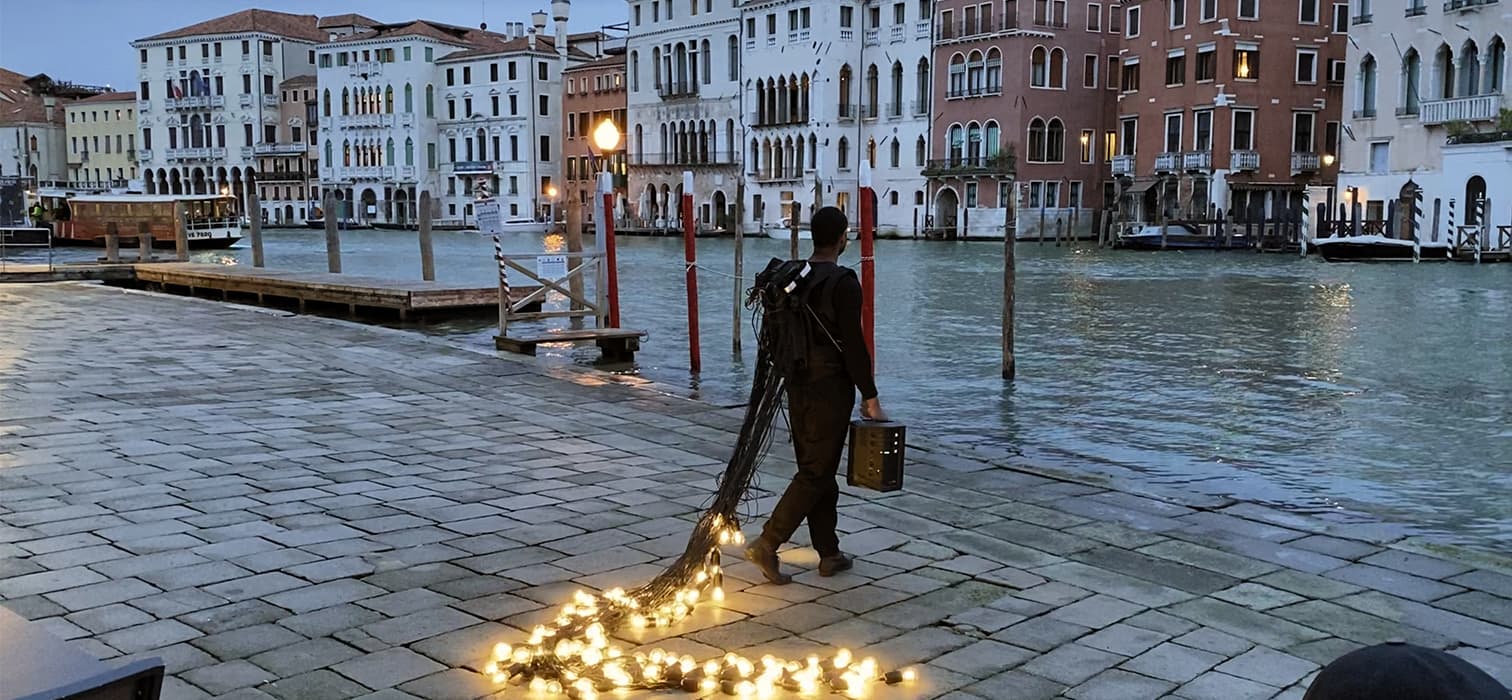
Cover Photo: ‘Agglomerate, Venice’, 2024 // Courtesy of the artist and Antimodular Studio.
Saatolog Yıllık Saat Dergisi Saatolog’un yeni sayısı, 2020’nin yarattığı bu dönüştürücü etkiden ilham alarak hazırlandı. Dünya dijitalin etkisiyle her zamankinden de hızlı bir şekilde ilerlerken yavaşlamanın da önemini sonunda kavramış bulunuyoruz ve bu tezatlık hayatlarımızın her anına etki ediyor. Biz de bundan yola çıkarak Saatolog 2020/21 sayısını ‘‘hızlı ve yavaş’’ teması altında hazırladık.