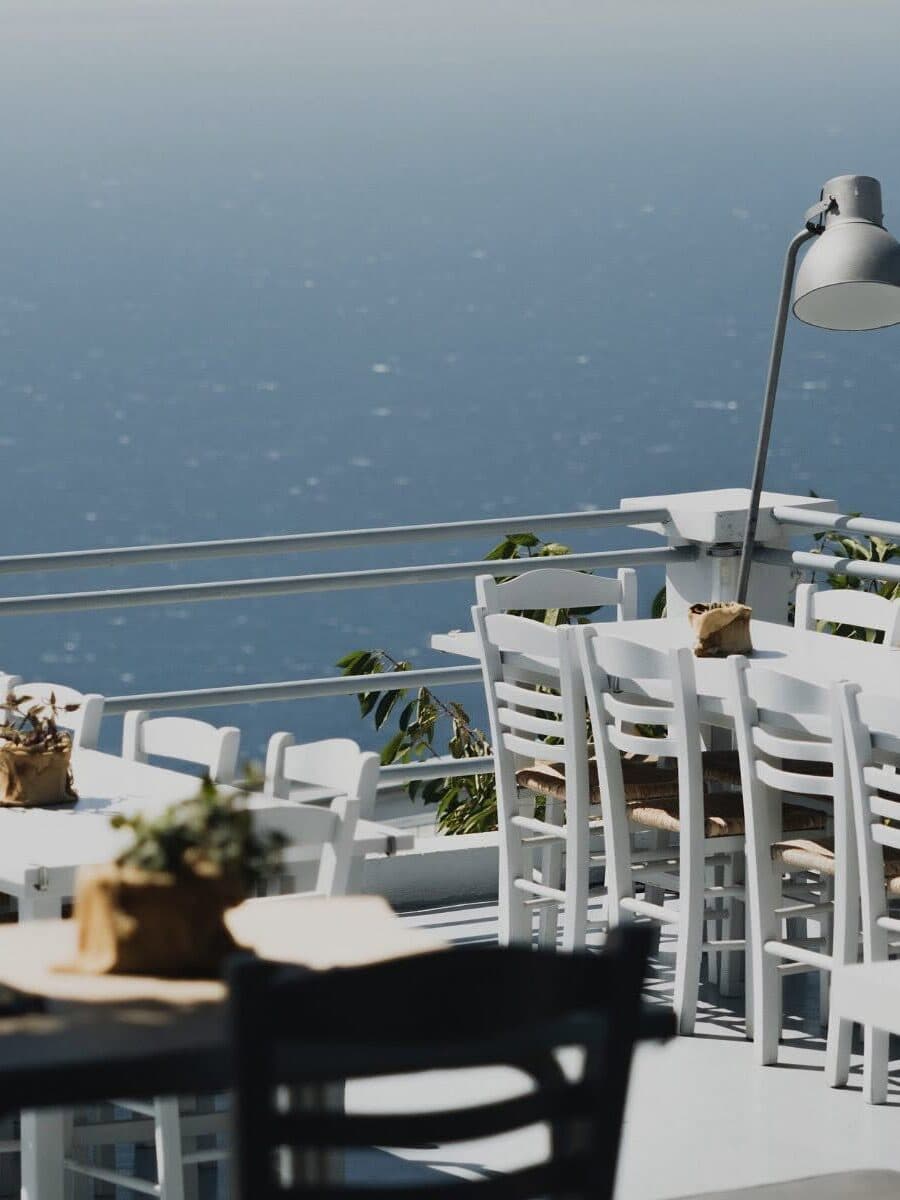
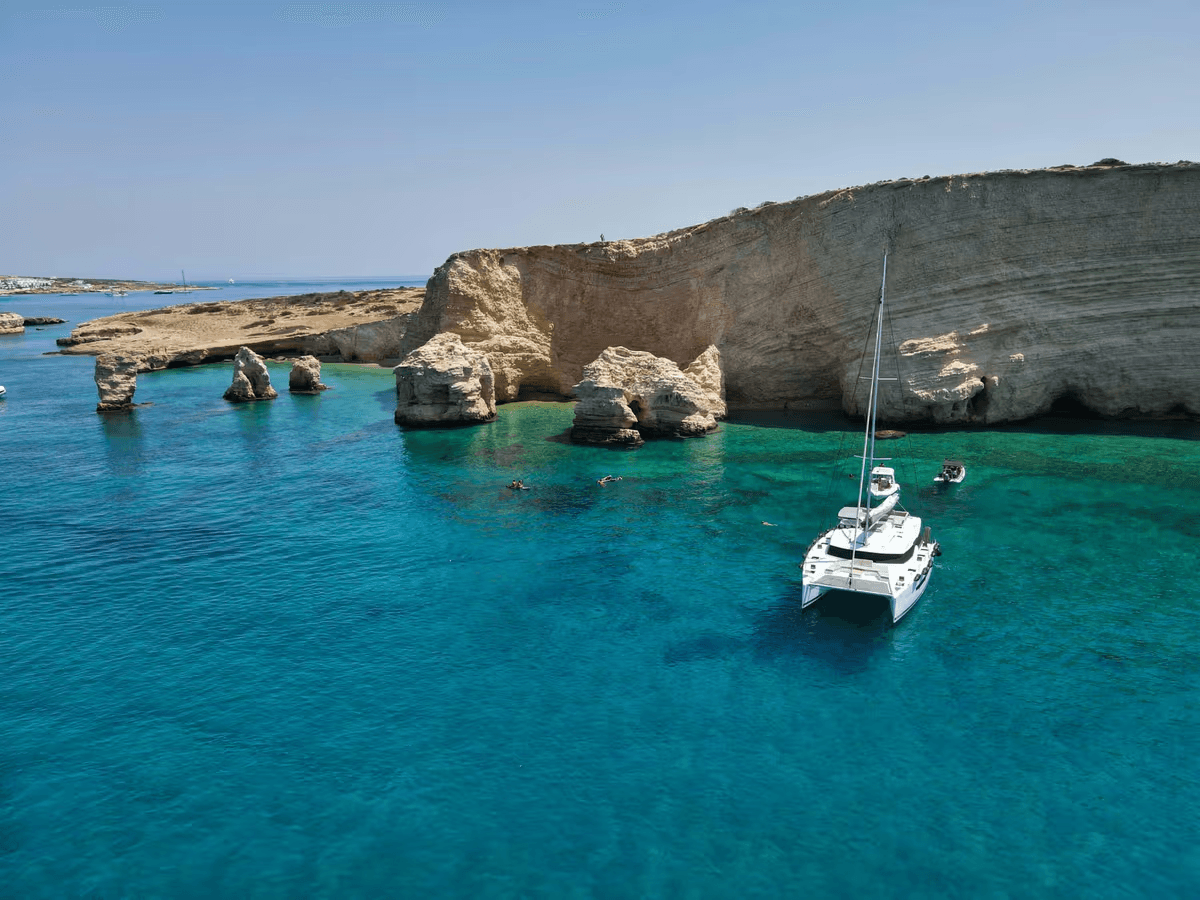
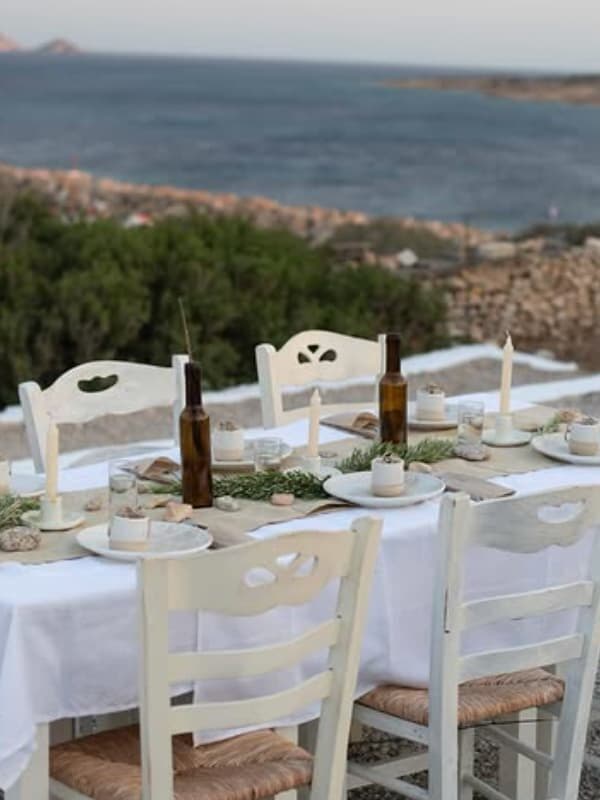
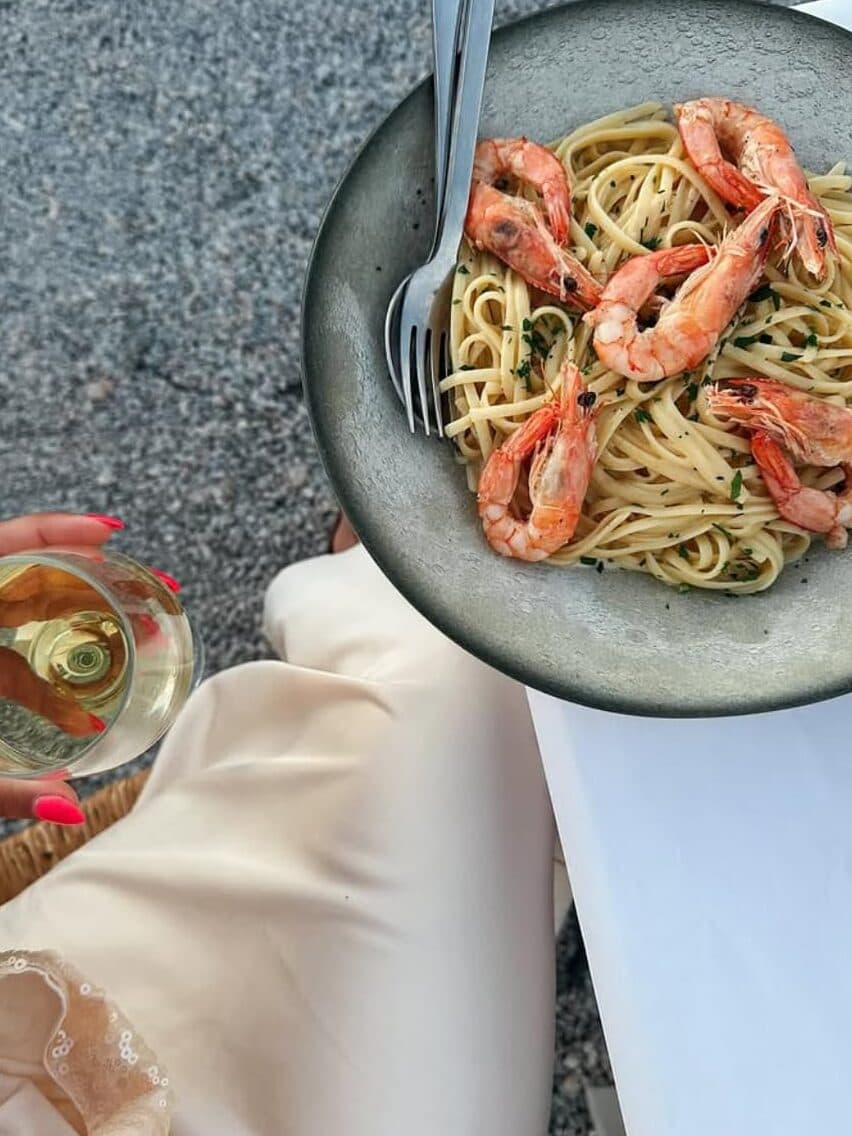
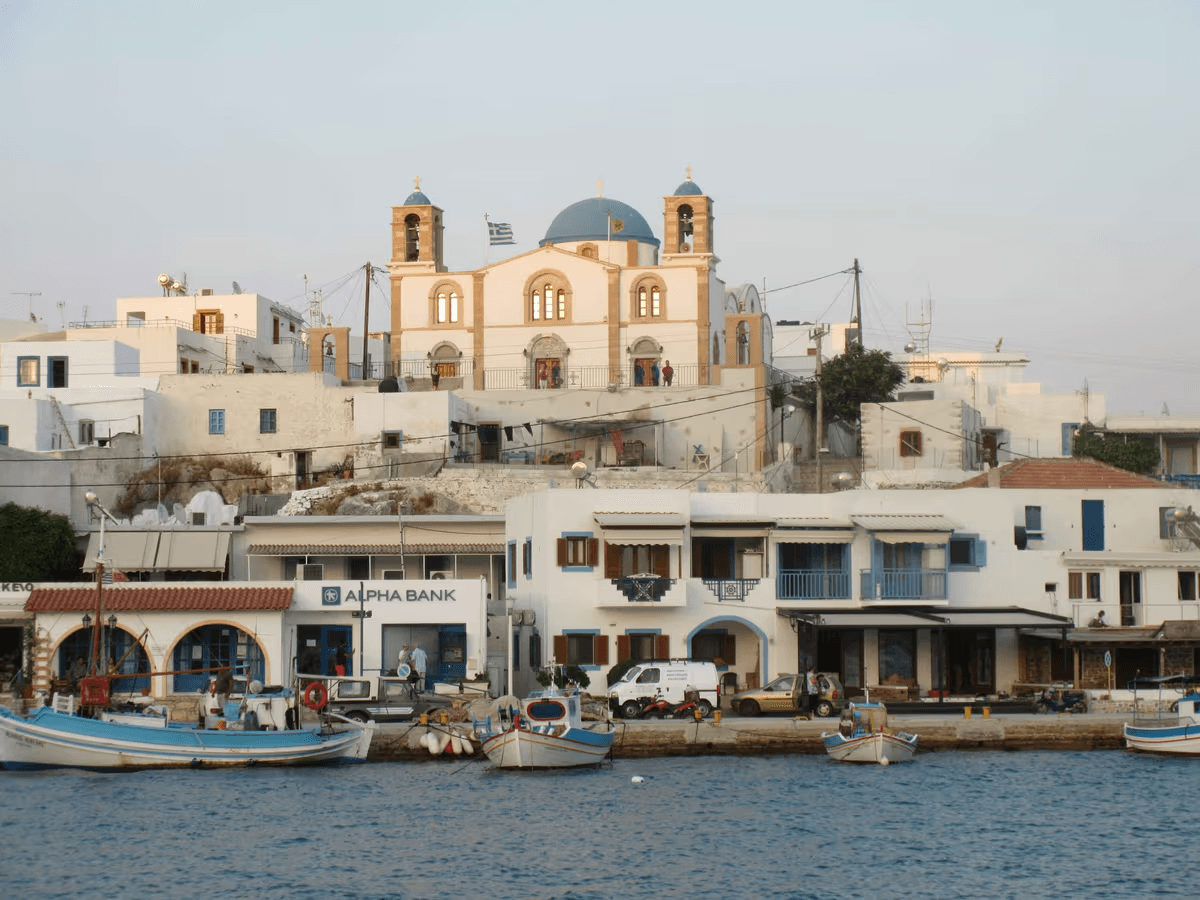
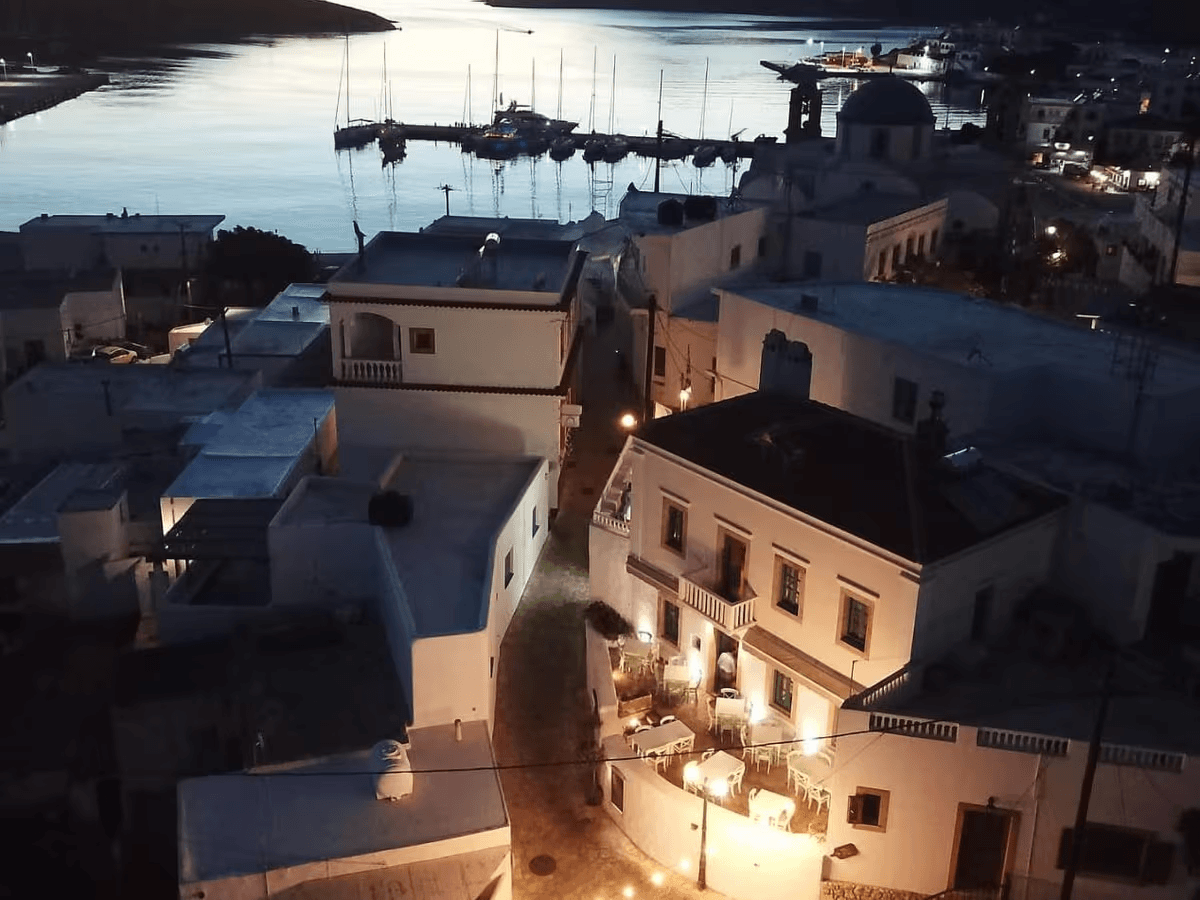
Which Greek island should you visit? Explore the Greek Islands through their beaches, standout restaurants, must-see landmarks, and insider tips.
Contents
The Most Popular Greek Islands
Santorini
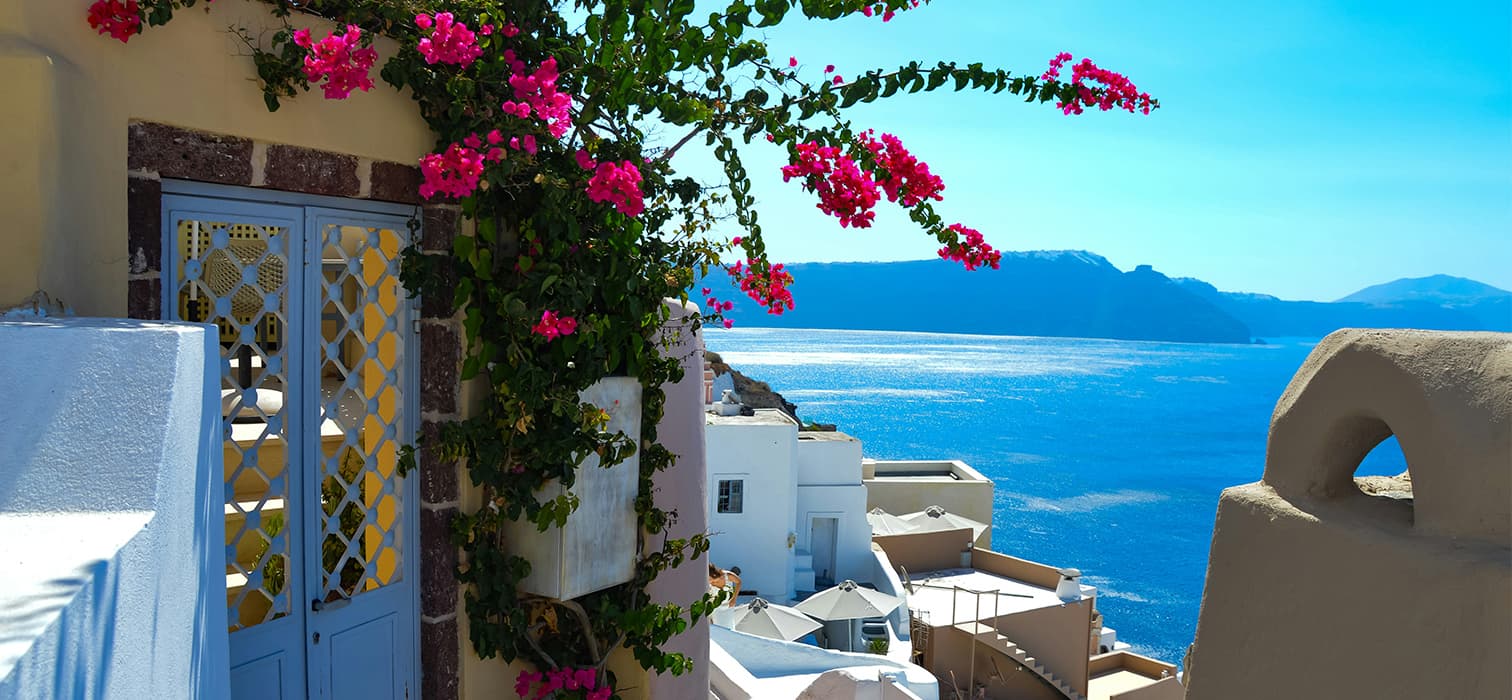
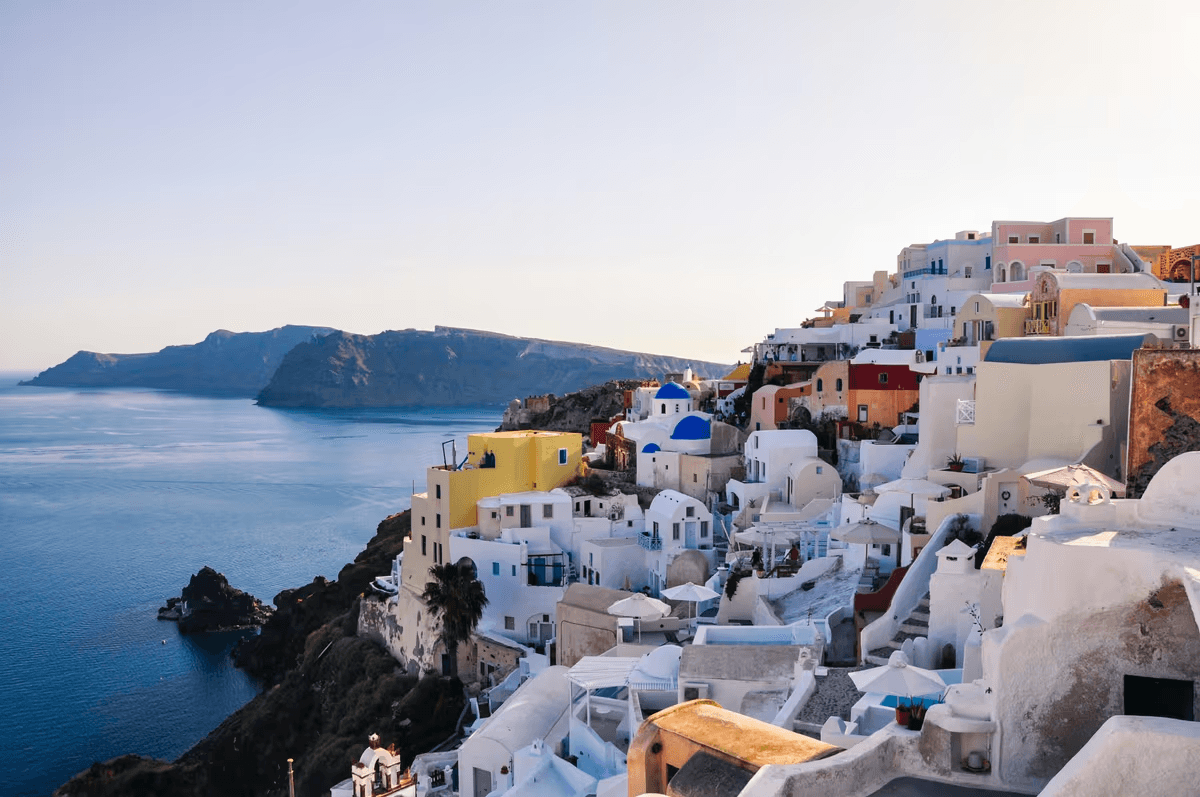
Greece’s most iconic island, Santorini is known for its spectacular caldera views shaped by a volcanic eruption that occurred approximately 3,600 years ago. The whitewashed houses of Oia and Fira, perched dramatically on the cliffs, are home to some of the world’s most famous sunset viewpoints. The island’s black- and red-sand beaches, wines produced from grapes grown in volcanic soil, and archaeological treasures are every bit as captivating as its scenery. Held each August, the Ifestia Festival celebrates Santorini’s volcanic past with fireworks displays and cultural events.
Greek Islands Guide
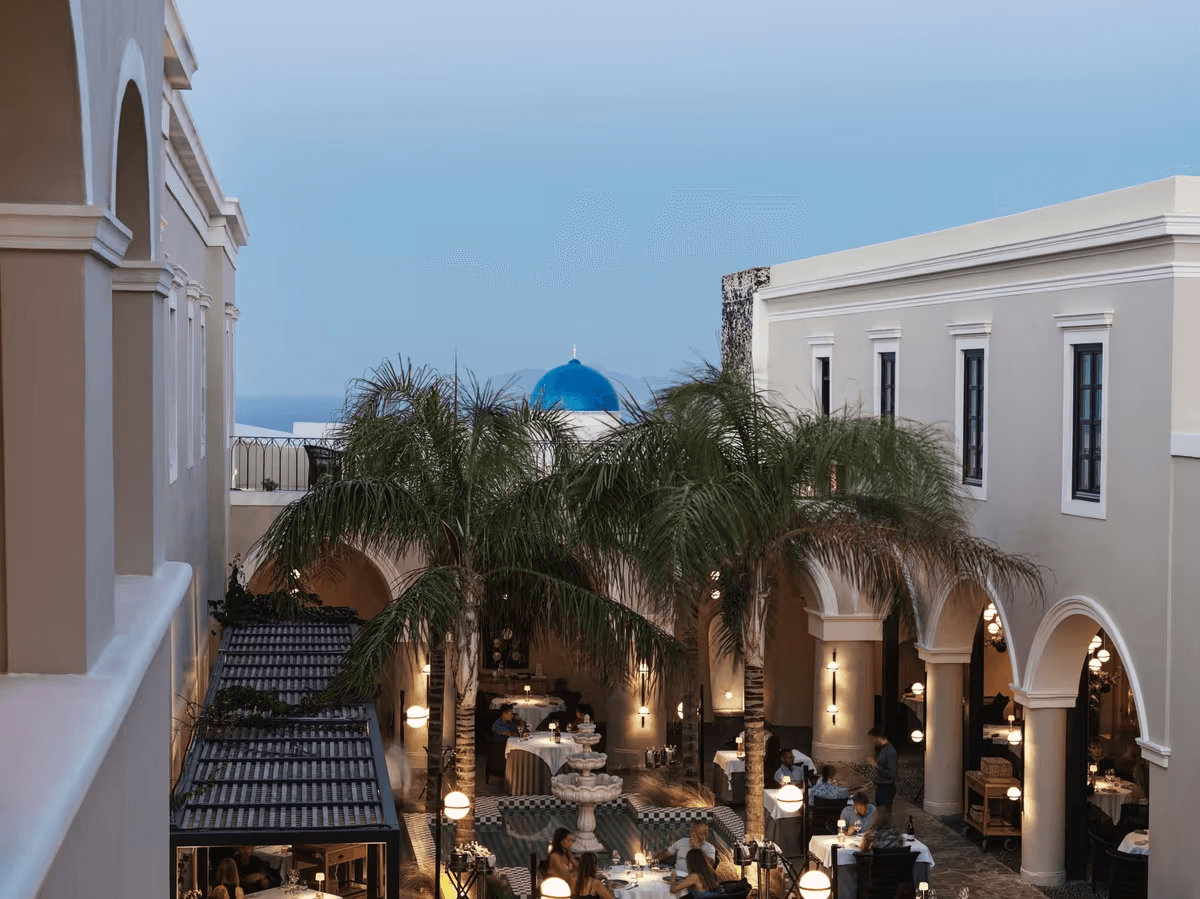
Must-See: Oia, Fira, Akrotiri Archaeological Site, Red Beach, Ammoudi Bay Restaurants: Selene, Metaxi Mas, Aroma Avlis, The Athenian House Bars: Santo Wines, Venetsanos Winery, PK Cocktail Bar Must Try: Fava, domatokeftedes (tomato fritters), white eggplant, and Assyrtiko wines Keep in Mind: Oia can become extremely crowded at sunset during July and August. It is wise to make reservations several weeks in advance.
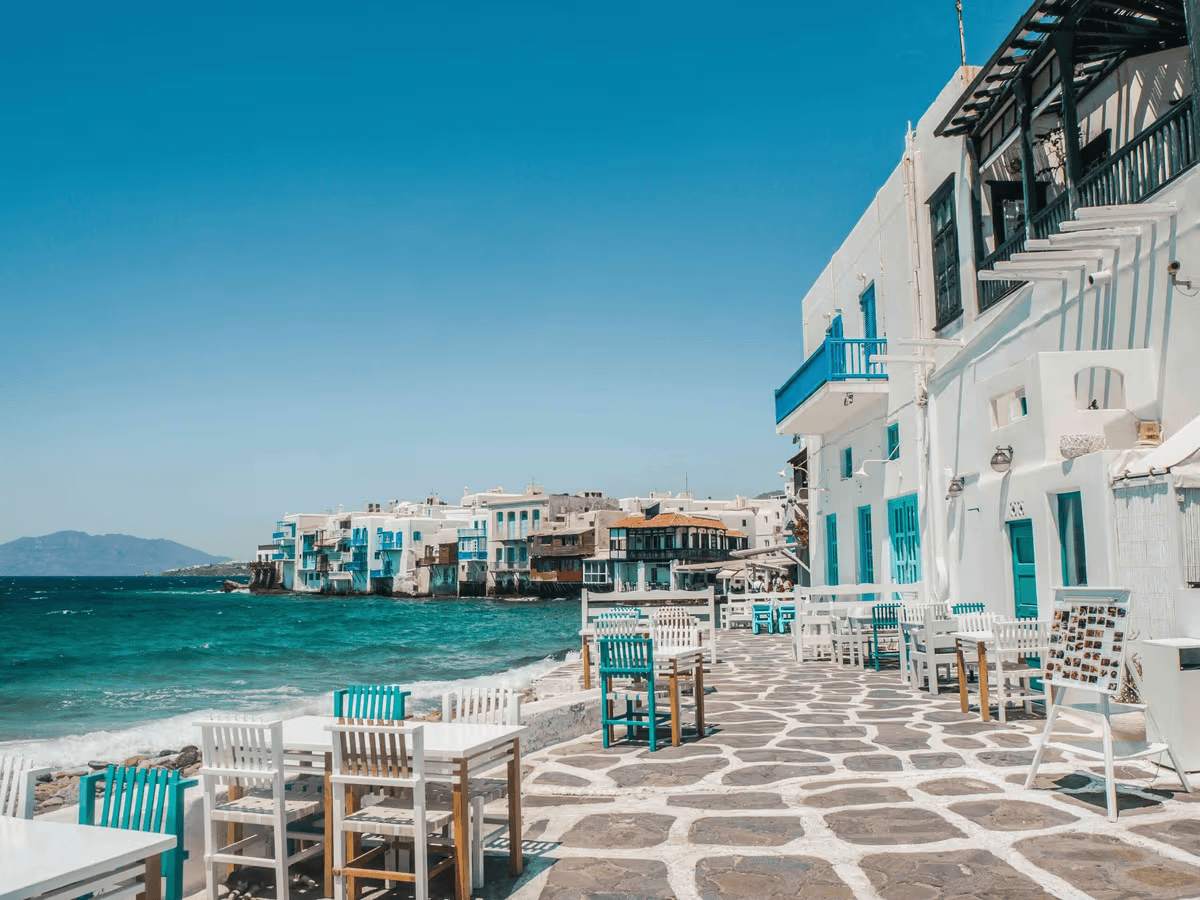
Although Mykonos is best known for its vibrant nightlife and beach club culture, the island’s appeal extends far beyond that. With its whitewashed alleys, sea-facing balconies, and iconic windmills, it is one of the most distinctive destinations in the Cyclades. The nearby island of Delos, one of the most important sacred centers of the ancient Greek world, makes the region equally appealing for history enthusiasts. Welcoming visitors from all over the world during July and August, Mykonos continues to be one of the Mediterranean’s liveliest summer destinations.
Greek Islands Guide
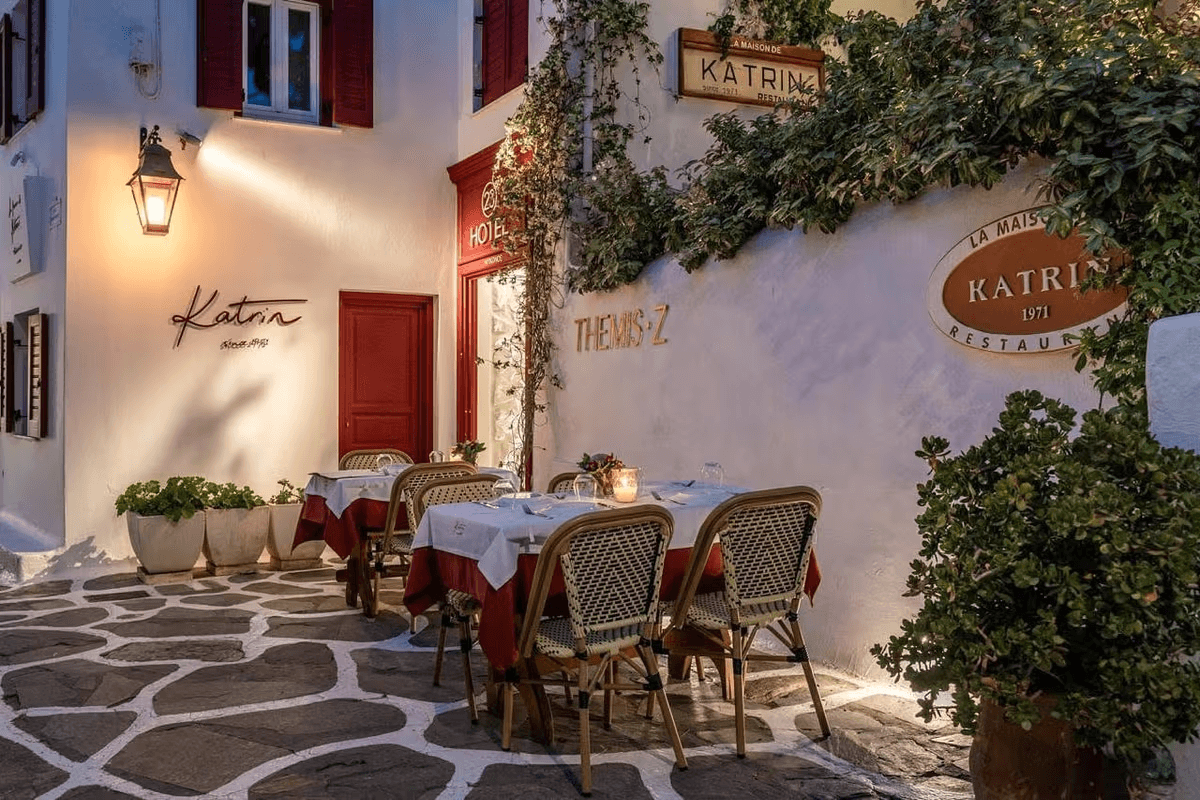
Must-See: Little Venice, Delos, Kato Mili Windmills, Ano Mera Village, Armenistis Lighthouse Restaurants: M-Eating, Kiki’s Tavern, Interni, Katrin Bars: Scorpios, Alemagou, Nammos, Bao’s Cocktail Bar Must Try: Kopanisti cheese, louza (local cured meat), amygdalota almond cookies, and fresh seafood Keep in Mind: Beach clubs and popular restaurants often book out weeks in advance during high season. Reservations, particularly for sunset hours, are essential.
Katrin
Crete
As Greece’s largest island, Crete offers enough diversity to feel like a country in its own right. From the Palace of Knossos, the heart of the Minoan civilization, to the pink sands of Elafonissi Beach; from the Venetian harbors of Chania to the wild landscapes of Samaria Gorge, the island effortlessly combines history and nature. Widely regarded by culinary experts as home to one of Greece’s strongest gastronomic traditions, Crete also retains a vibrant local culture. Traditional panigiri festivals held throughout the summer provide the perfect opportunity to experience the island’s music and dance traditions firsthand.
Greek Islands Guide
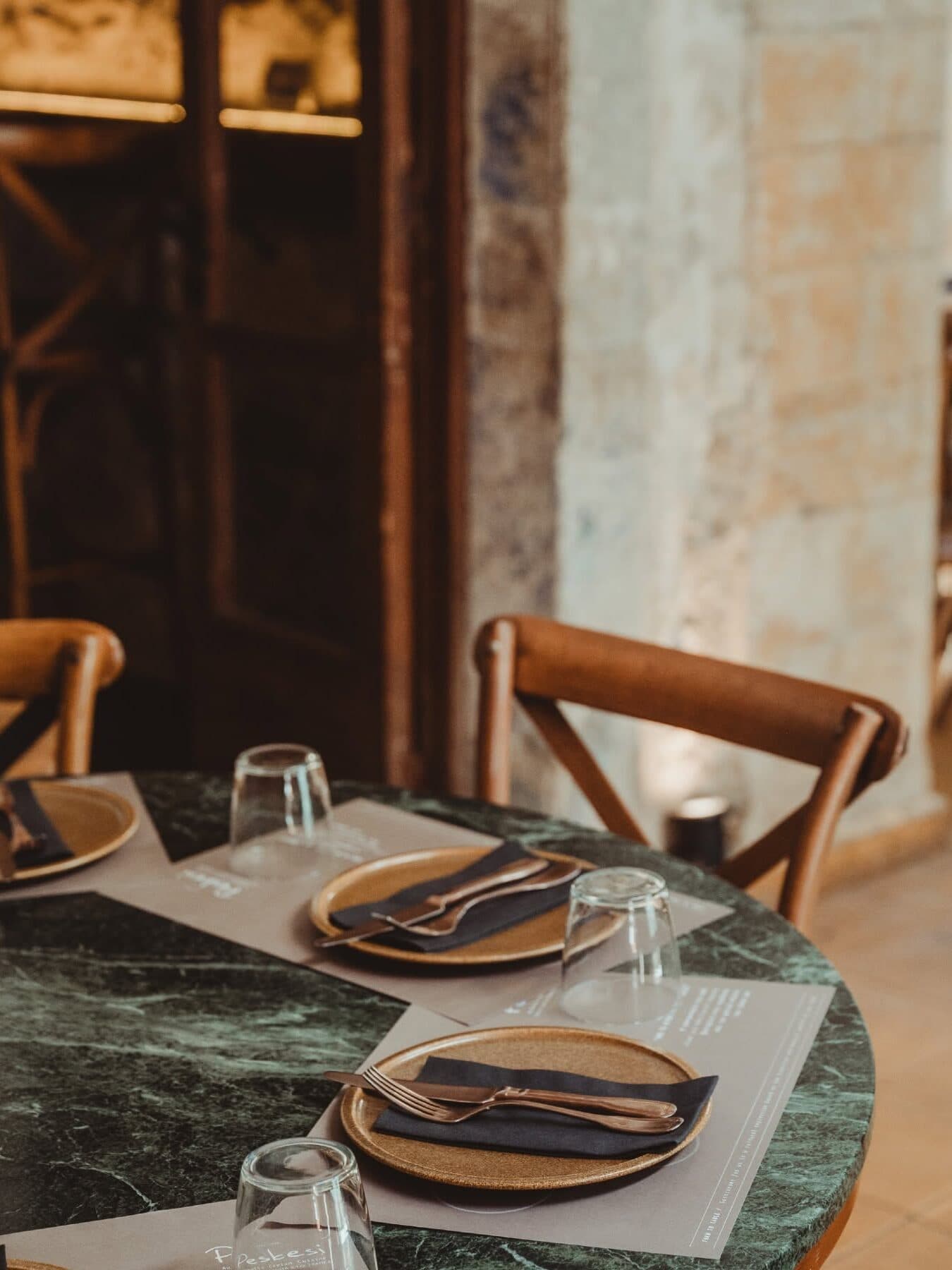
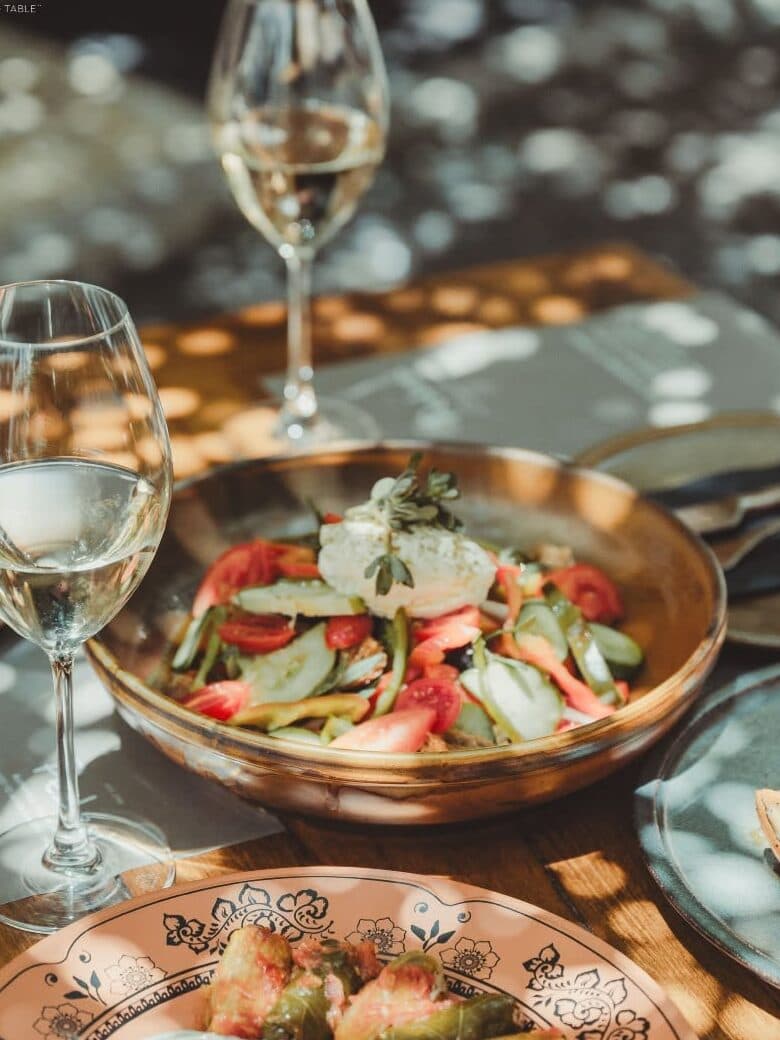
Must-See: Palace of Knossos, Chania Old Town, Balos Lagoon, Elafonissi Beach, Samaria Gorge, Rethymno Restaurants: Peskesi (Heraklion), Salis (Chania), Avli (Rethymno) Bars: Fagotto Jazz Bar (Chania), Swing Thing (Heraklion) Must Try: Dakos, kalitsounia, apaki (smoked pork), staka, Cretan olive oil, and tsikoudia, the island’s traditional spirit Keep in Mind: To truly experience Crete, allow at least four or five days. The island is much larger than most visitors expect, and distances between destinations can be considerable.
Peskesi
Peskesi
Rhodes
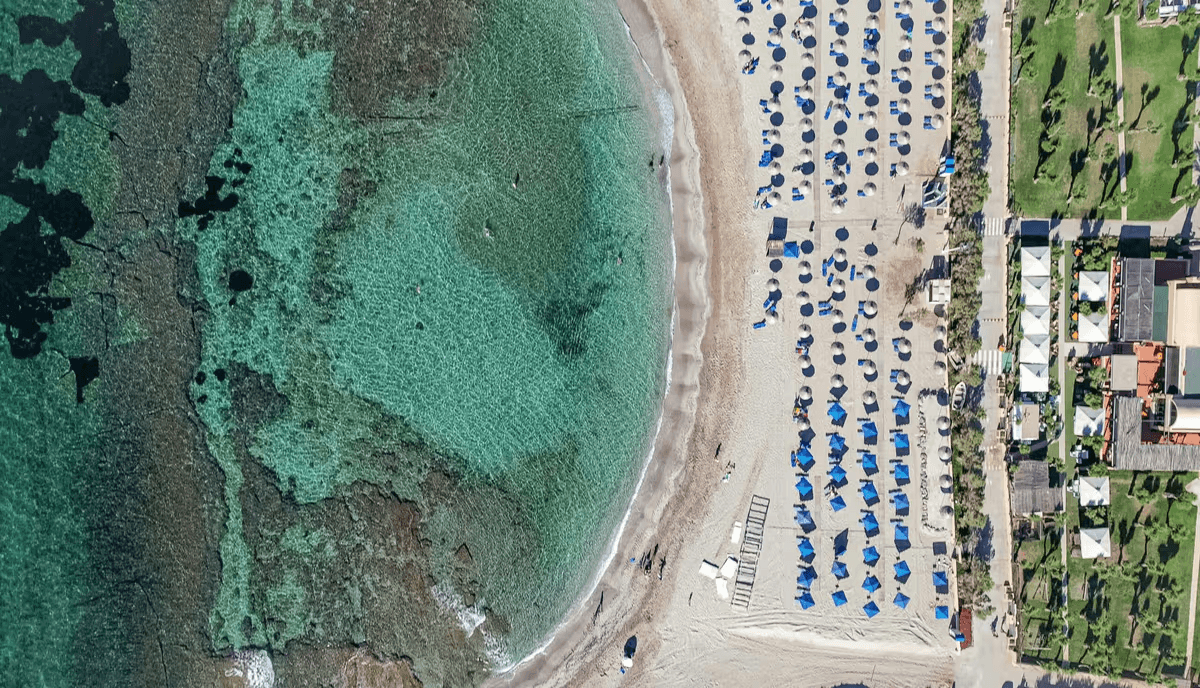
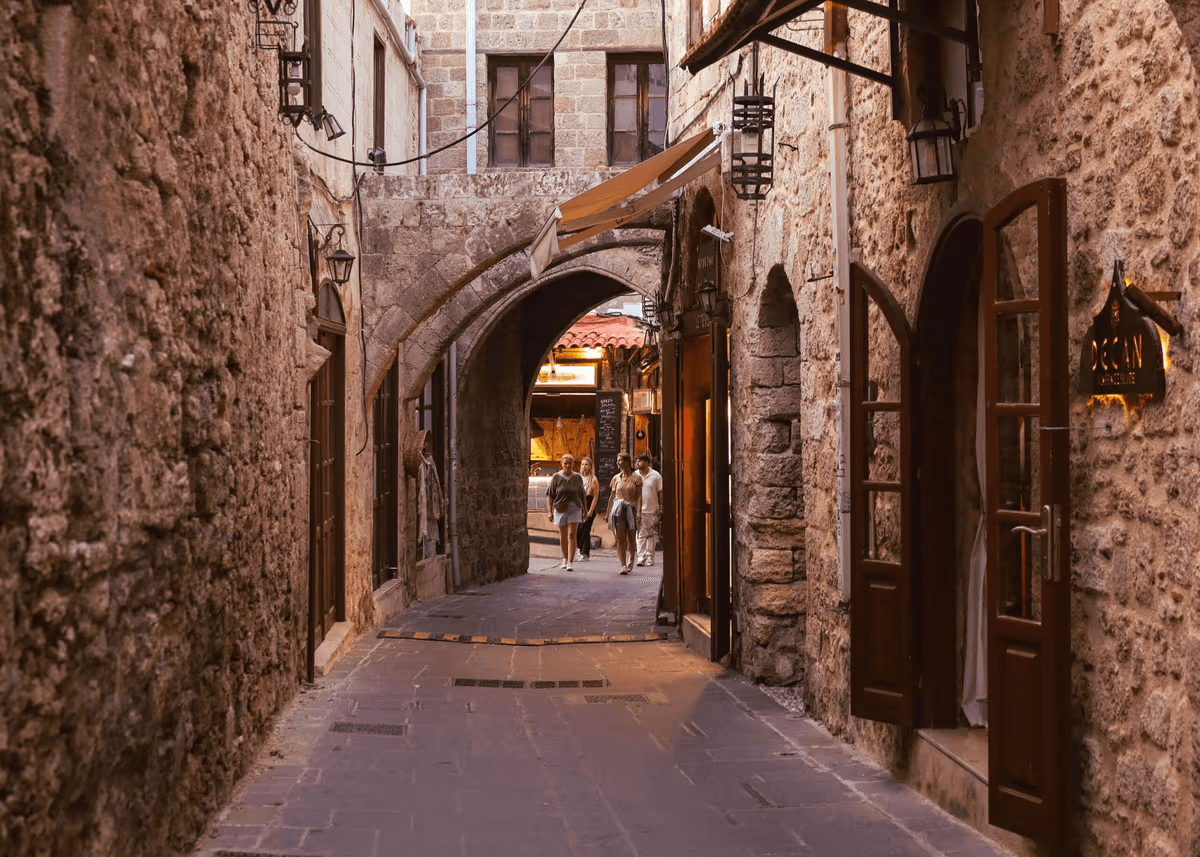
Combining a rich historical heritage with a classic seaside holiday, Rhodes is the largest and most visited island of the Dodecanese. Its UNESCO World Heritage-listed Medieval City, with its knightly fortifications and cobbled streets, is considered one of Europe’s best-preserved historic centers. In the south, Lindos presents the island’s postcard-perfect face with its whitewashed houses and dramatic Acropolis views. Thanks to its long season, extensive beaches, and remarkable cultural heritage, Rhodes remains one of the safest and most rewarding choices for first-time visitors to the Greek islands.
Greek Islands Guide
Must-See: Rhodes Old Town, Palace of the Grand Master, Street of the Knights, Lindos Acropolis, Anthony Quinn Bay, Tsambika Beach Restaurants: Marco Polo Café, Tamam Restaurant, Noble Gourmet Restaurant Bars: Ronda Beach Bar, Nor Must Try: Melekouni (a traditional honey and sesame sweet), pitaroudia (chickpea fritters), fresh octopus, and seafood Keep in Mind: The summer season extends into October. For travelers looking to avoid the peak crowds of July and August, September offers some of the best sea temperatures and atmosphere of the year.
Ronda Beach Bar
Zakynthos
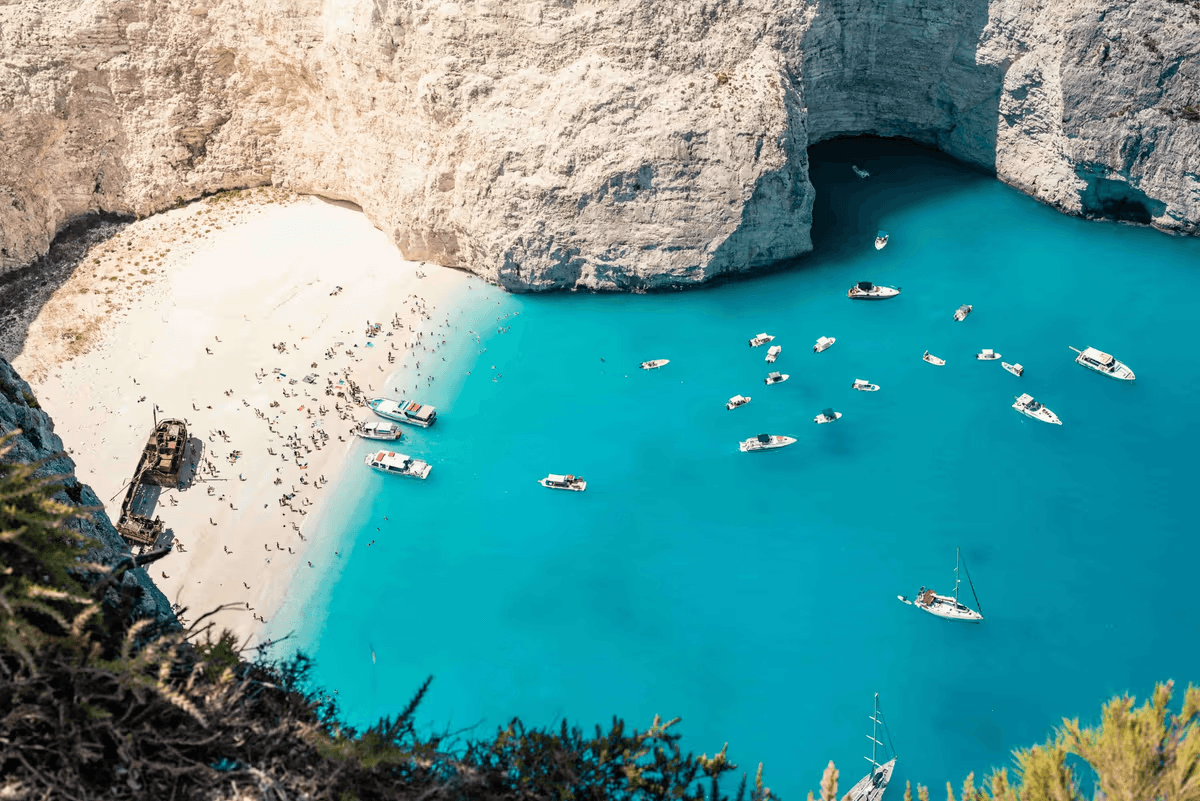
One of the Ionian Sea’s most famous islands, Zakynthos is celebrated for its dramatic coastline surrounded by turquoise waters and the world-famous Navagio (Shipwreck) Beach. Hidden coves tucked between limestone cliffs, sea caves, and protected natural habitats have earned the island a reputation as one of Greece’s most spectacular nature destinations. Zakynthos is also one of the Mediterranean’s most important nesting grounds for the endangered Caretta caretta sea turtle, making it equally appealing to wildlife enthusiasts.
Greek Islands Guide
Must-See: Navagio (Shipwreck) Beach, Blue Caves, Marathonisi Island, Keri Lighthouse, Porto Limnionas, Gerakas Beach Restaurants: Prosilio Restaurant, Bassia Restaurant, Nobelos Bio Restaurant, Olea Restaurant Bars: Base Bar, Porto Azzuro Beach Bar Must Try: Skordostoubi (a garlic-based meat dish), ladotyri cheese, mantolato and fitoura desserts, and fresh seafood Keep in Mind: Certain sections of Navagio Beach may be temporarily closed due to safety measures. It is worth checking current access conditions before traveling. Visitors should also be mindful of environmental regulations in sea turtle conservation areas.
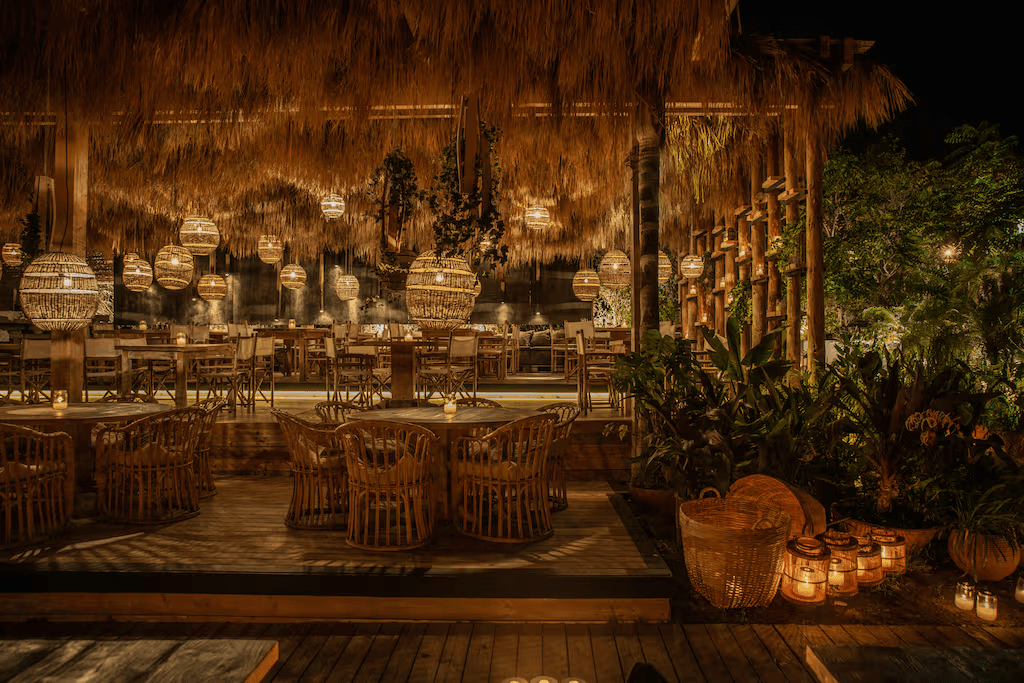
Olea Restaurant
The Favorites of Turkish Travelers
Kos
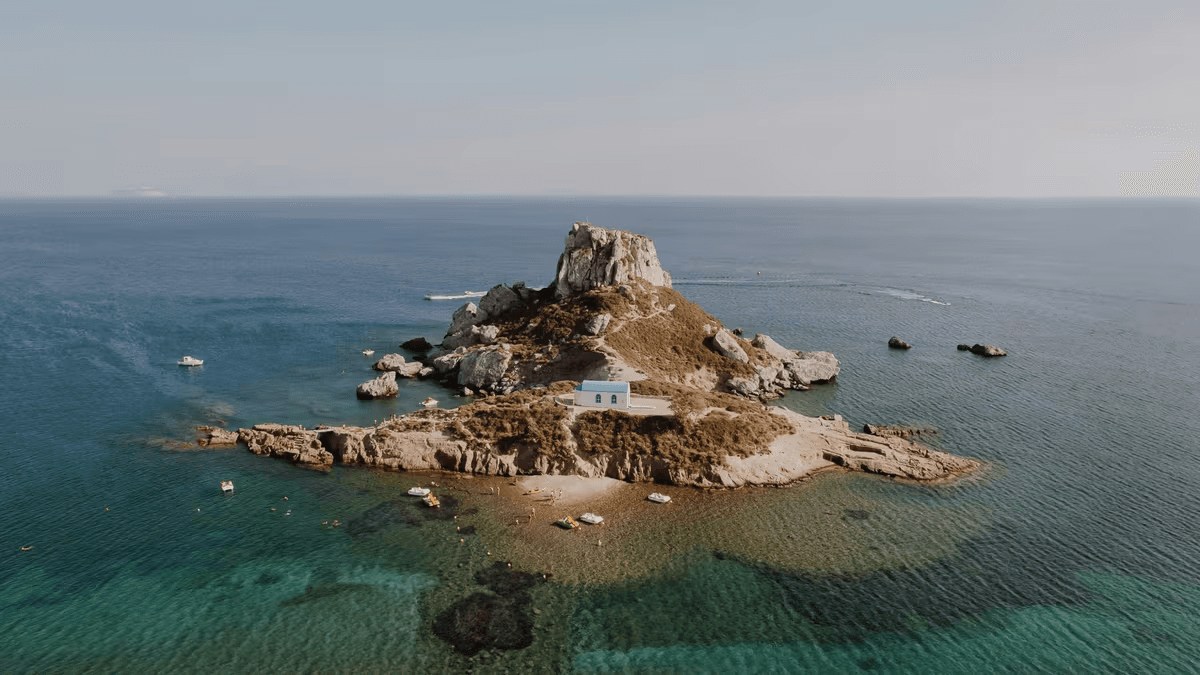
Just a short ferry ride from Bodrum, Kos is one of the first Greek islands many Turkish travelers discover. Known as the birthplace of Hippocrates, one of the most influential physicians of the ancient world, the island stands out for its historical heritage, long beaches, and laid-back pace of life. Thanks to its bicycle-friendly infrastructure, Kos is one of the easiest islands in Greece to explore, making it a balanced option for those seeking both cultural discovery and a seaside holiday. The island’s cultural and artistic events throughout the summer also add a lively dimension to its atmosphere.
Greek Islands Guide
Must-See: Hippocrates Tree, Neratzia Castle, Ancient Agora, Asklepion, Zia Village, Tigaki Beach Restaurants: Oromedon (Zia), Barbouni, Gelsomino Restaurant Bars: Mylos Beach Bar, H2O All Day Bar Must Try: Pitaridia (handmade pasta), krasotyri (wine-aged cheese), dolmadakia, and fresh seafood Keep in Mind: Bicycle rentals are extremely common across the island. Especially around Kos Town, exploring by bike rather than by car is both practical and enjoyable.
Mylos Beach Bar
Samos
Located directly across from Kuşadası, Samos has become one of the most popular islands among Turkish visitors in recent years thanks to its lush landscapes, tranquil coves, and rich history. Best known as the birthplace of the mathematician Pythagoras, the island attracts culture enthusiasts with the UNESCO World Heritage-listed Heraion Temple and the ancient city of Pythagoreio. Its mountain villages, pine forests, and vineyards represent a greener and more peaceful side of the Aegean, while the island is also home to some of the world’s most celebrated sweet wines.
Greek Islands Guide
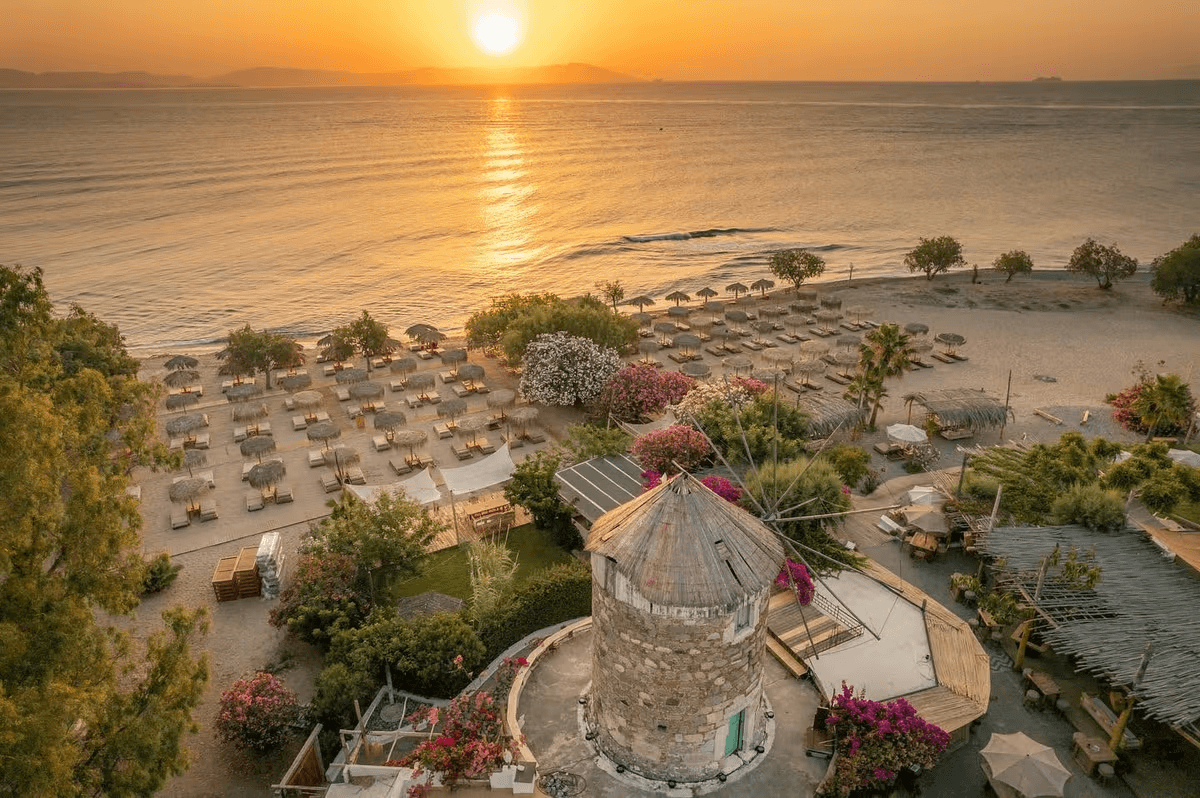
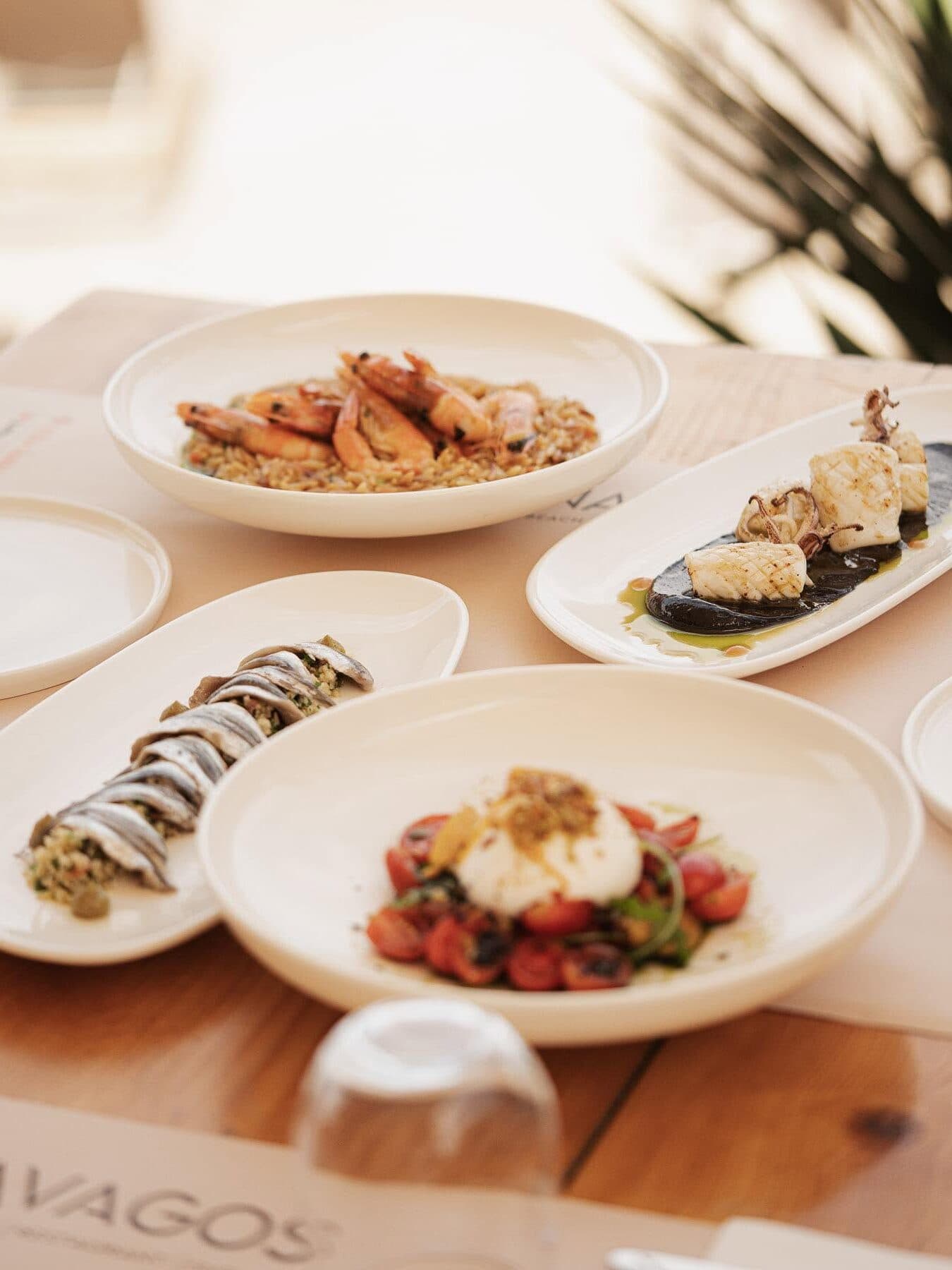
Must-See: Pythagoreio, Heraion Temple, Kokkari, Potami Waterfalls, Manolates Village, Tsamadou Beach Restaurants: Orizontas, Kerkis Bay Taverna Bars: Navagos Beach Bar, Two Spoons Bar Must Try: Muscat wines, revithokeftedes (chickpea fritters), goat cheese, honey, and fresh seafood Keep in Mind: Compared to many other Greek islands, Samos is greener and more mountainous. Renting a car is highly recommended for those wishing to explore its villages and inland regions.
Navagos Beach Bar
Greek Islands Guide
Chios
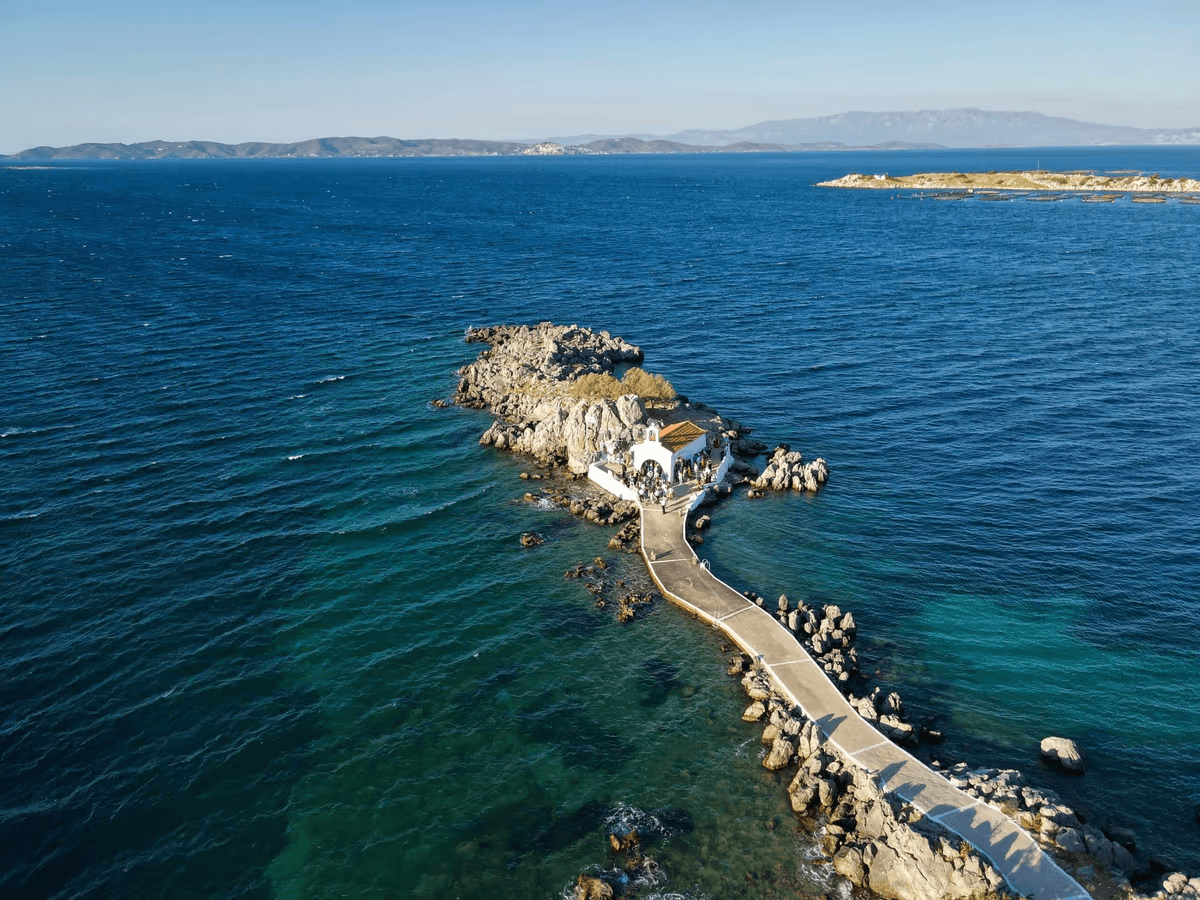
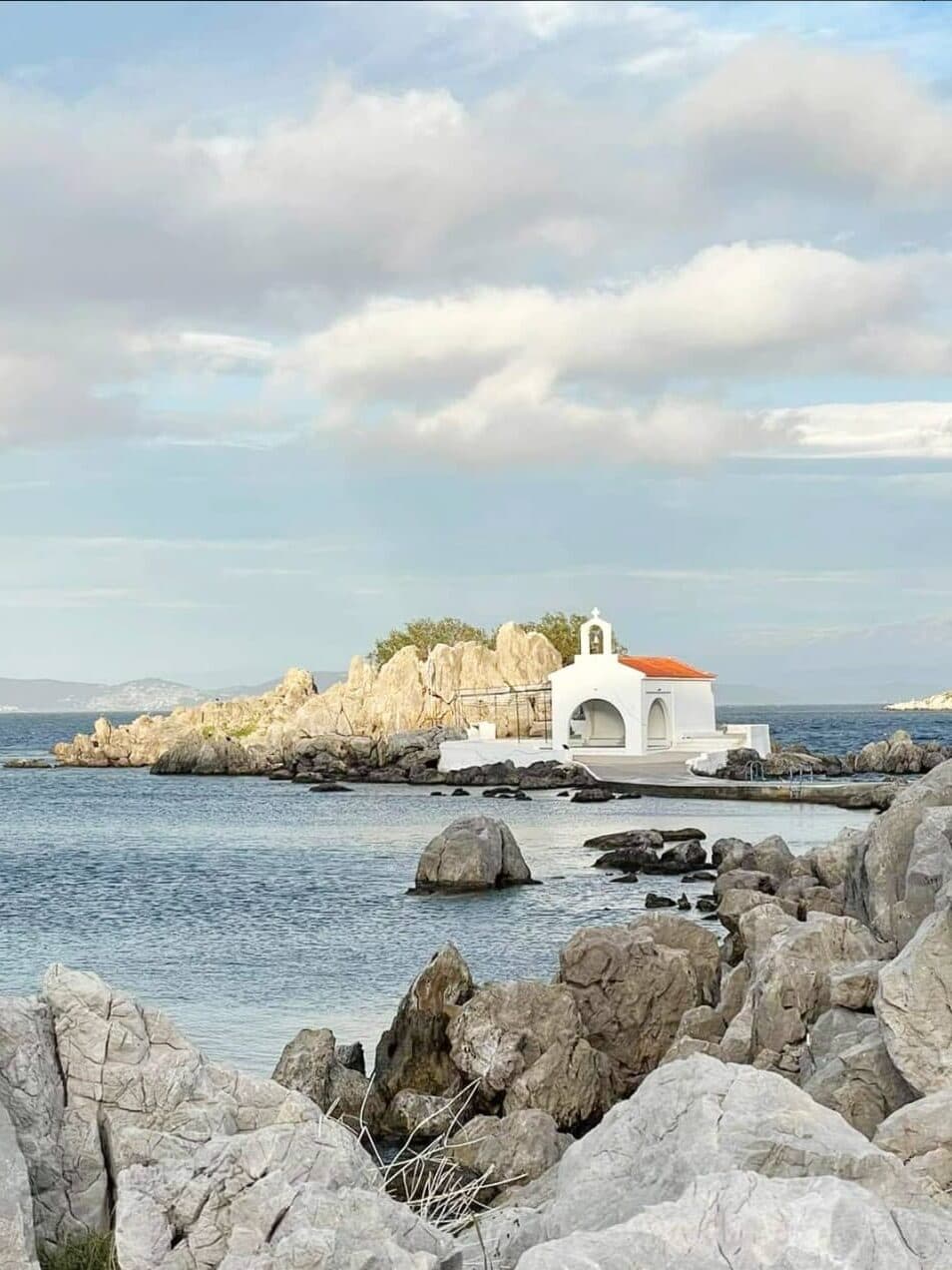
Located just a few miles off the coast of Çeşme, Chios takes its name from the mastic trees that grow almost exclusively on the island. Distinguished by its medieval stone villages, Byzantine heritage, and peaceful coves, Chios offers a more authentic atmosphere than many of Greece’s better-known islands. The mastic villages of Mesta and Pyrgi are among its most characteristic attractions. In spring, the island hosts the traditional Rocket War (Rouketopolemos), a spectacular celebration between two churches that is considered one of Greece’s most unusual festivals.
Greek Islands Guide
Must-See: Mesta, Pyrgi, Chios Town, Nea Moni Monastery, Anavatos Village, Mavra Volia Beach Restaurants: Mouria Tavern, Vradipus Bars: Oz Bay Cocktail Bar Must Try: Ice cream and liqueurs made with mastic resin, mastic-flavored desserts, souma (a local spirit), and seafood Keep in Mind: The island’s unique mastic culture is what truly sets Chios apart from the rest of Greece. No visit is complete without exploring the mastic villages in the south of the island.
Oz Bay
Greek Islands Guide
Symi
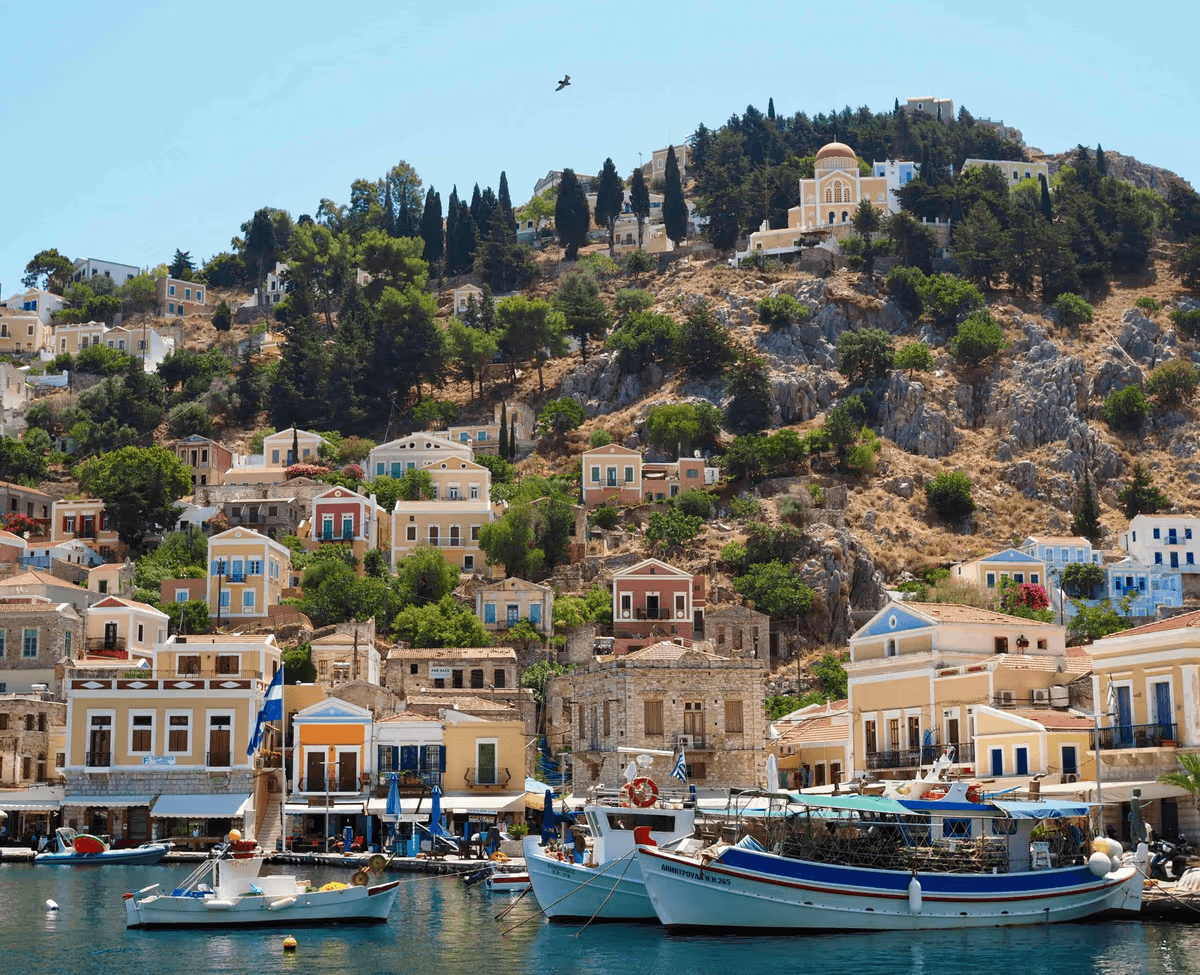
With its harbor lined by pastel-colored neoclassical houses, Symi is widely regarded as one of the most photogenic islands in the Aegean. Easily reached from Rhodes, the island is known less for large hotels and nightlife and more for its peaceful coves, historic architecture, and slow pace of life. The colorful houses rising above the harbor and the maze of narrow streets create one of Greece’s most distinctive island landscapes. At sunrise and sunset, the harbor area offers postcard-perfect views.
Greek Islands Guide
Must-See: Gialos Harbor, Panormitis Monastery, Kali Strata Steps, Agios Georgios Dysalonas Bay, Pedi Village Restaurants: Haris, Pantelis Restaurant, Mano’s Fish Restaurant, Katsaras Must Try: Symi shrimp, octopus, calamari, and traditional island-style seafood meze Keep in Mind: Symi’s greatest charm lies in its tranquility. Many of its most beautiful coves are accessible only by boat, making day cruises one of the most enjoyable ways to explore the island.
Katsaras
Greek Islands Guide
Rising Stars of Recent Years
Milos
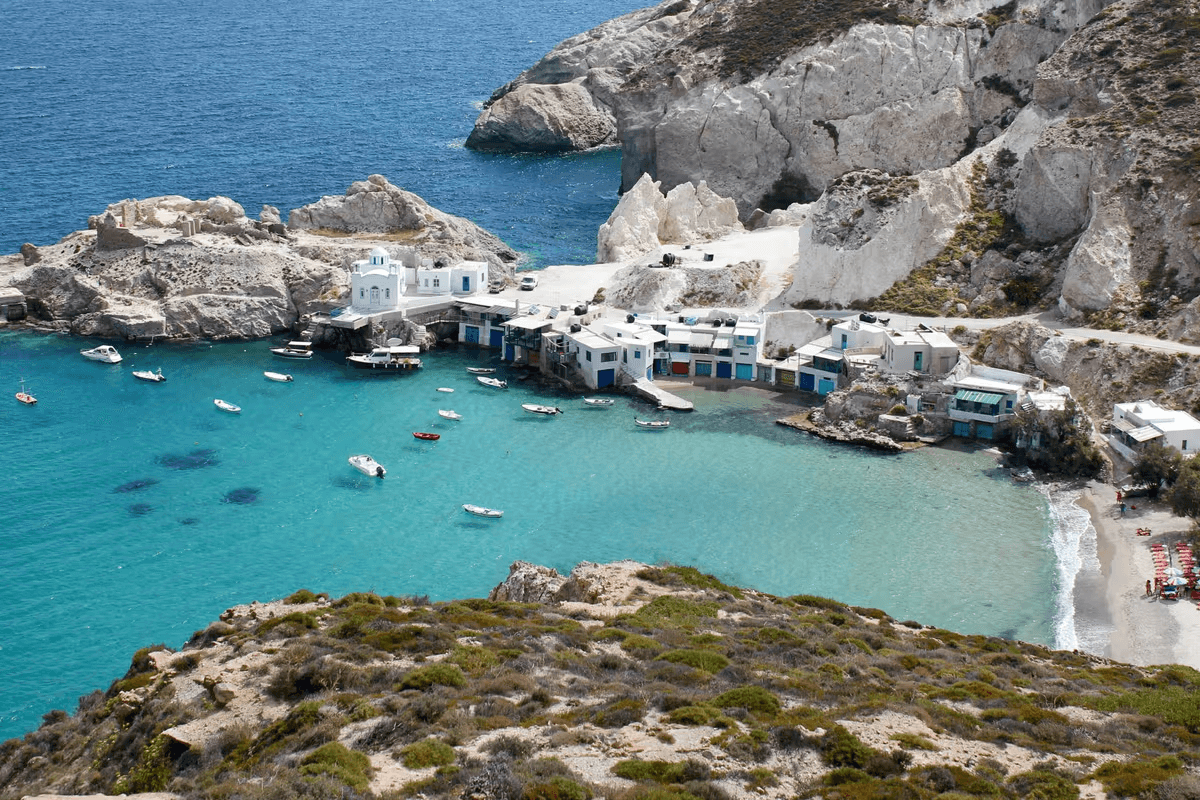
Once a quiet island known mostly to Greek travelers, Milos has become a favorite among international travel magazines and design-conscious visitors in recent years. Shaped by its volcanic past, the island is home to some of the most extraordinary natural landscapes in Greece. It is also famous as the discovery site of the Venus de Milo statue. With its moonlike white rock formations, colorful fishing villages, and crystal-clear coves, Milos is often regarded as a calmer and more natural alternative to Santorini.
Greek Islands Guide
Must-See: Sarakiniko, Kleftiko, Klima, Plaka, Firopotamos, Catacombs of Milos Restaurants: Medusa, Astakas (Klima) Bars: Utopia Café, Akri Bar Must Try: Ladenia (Milos-style pizza), watermelon preserve, local goat cheese, and fresh seafood Keep in Mind: Many of Milos’ most beautiful coves can only be reached by boat. A Kleftiko boat excursion is considered one of the island’s essential experiences.
Medusa
Greek Islands Guide
Paros
Long overshadowed by neighboring Mykonos, Paros has emerged as one of the fastest-rising destinations in the Cyclades. Its whitewashed villages, golden beaches, and increasingly sophisticated culinary scene attract travelers looking for both tranquility and social energy. Naoussa, in particular, has become the island’s vibrant heart thanks to its stylish restaurants, boutique hotels, and lively harbor. In recent years, Paros has become a favorite among creative professionals from the design world and members of the European jet set, earning a reputation as one of the Cyclades’ most refined destinations.
Greek Islands Guide
Must-See: Naoussa, Parikia, Kolymbithres Beach, Lefkes Village, Golden Beach, Antiparos Restaurants: Siparos, Barbarossa, Mario Restaurant, Yemeni Wine Restaurant Bars: Sommaripa Consolato, Sante Cocktail Bar, Linardo Bar, Agosta Lounge Bar Must Try: Revithada (chickpea stew), gouna (sun-dried mackerel), local goat cheeses, and seafood Keep in Mind: Antiparos is only a few minutes away by ferry. If time allows, it is well worth dedicating a day to exploring this stylish neighboring island.
Siparos
Naxos
The largest island in the Cyclades, Naxos may not be as internationally famous as Santorini or Mykonos, but it has rapidly become one of the region’s rising stars. Long sandy beaches, mountain villages, ancient ruins, and a strong gastronomic culture allow the island to combine a traditional seaside holiday with cultural exploration. The iconic Portara Gate, standing at the entrance to the harbor, is one of the island’s most photographed landmarks, particularly at sunset. Thanks to its fertile land and strong agricultural heritage, Naxos also boasts one of the most distinctive culinary traditions in the Greek islands.
Greek Islands Guide
Must-See: Portara, Chora (Naxos Town), Apeiranthos Village, Halki, Agios Prokopios Beach, Temple of Demeter Restaurants: Axiotissa, Rotonda, Doukato, To Elliniko Bars: 520 Cocktail Bar, Like Home Bar, Ocean Club Must Try: Graviera cheese, Naxos potatoes, kitron liqueur, goat meat, and local cheeses Keep in Mind: Naxos is widely regarded as one of the Cyclades’ premier gastronomic destinations. Shopping from local producers in the mountain villages and dining in traditional tavernas are among the best ways to experience the island’s authentic character.
To Elliniko
Greek Islands Guide
For Those Looking to Escape the Crowds
Patmos
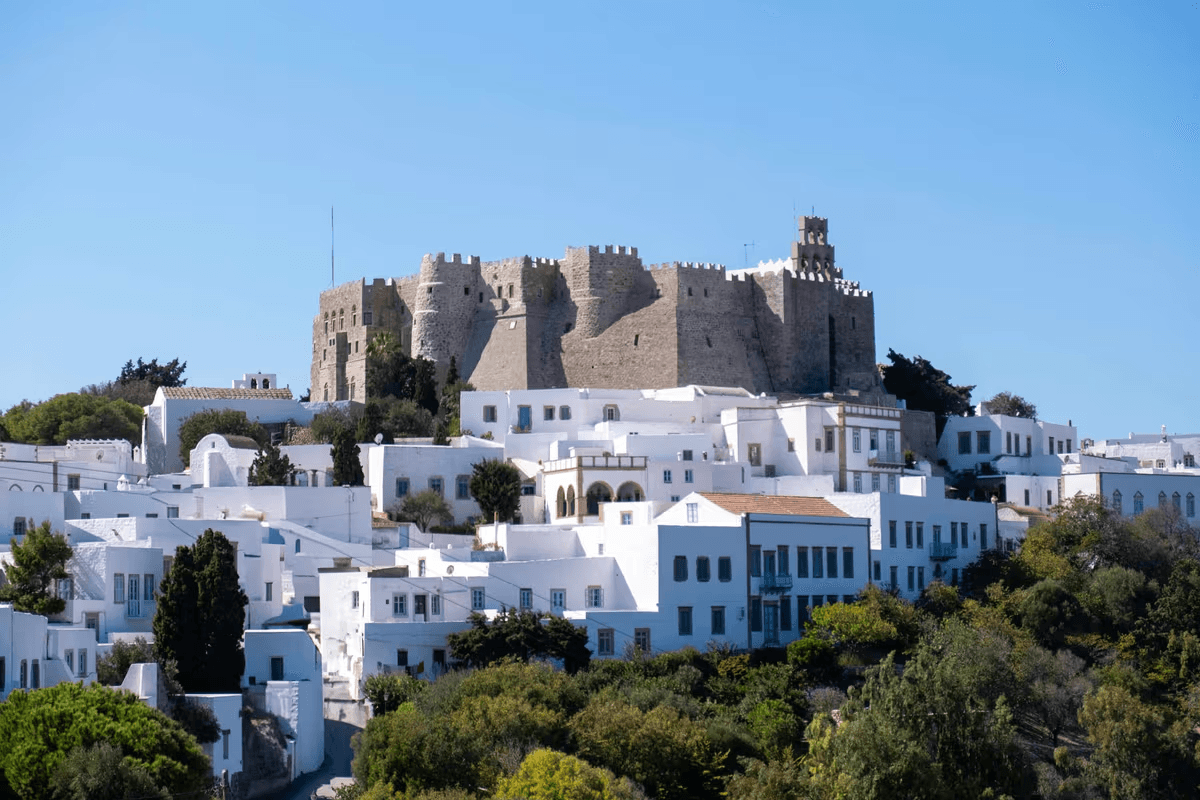
Often referred to as the “Jerusalem of the Aegean,” Patmos stands apart from other Greek islands thanks to its religious heritage, secluded coves, and sophisticated atmosphere. According to Christian tradition, Saint John wrote the Book of Revelation in the Cave of the Apocalypse, making the cave and the imposing Monastery of Saint John among the island’s most important landmarks. Yet Patmos is much more than a pilgrimage destination. With its whitewashed houses, elegant boutique hotels, and peaceful beaches, it is considered one of the Aegean’s most refined escapes. The island is particularly popular among artists, writers, and travelers seeking respite from the crowds.
Greek Islands Guide
Must-See: Chora, Monastery of Saint John, Cave of the Apocalypse, Skala Harbor, Psili Ammos Beach, Grikos Bay Restaurants: Benetos Chora, To Tsipouradiko Mas, Plefsis Tavern, Ostria Restaurant Bars: Astivi Bar, Ginger Cocktail Lounge, Stoa Must Try: Patmos cheese, fresh octopus, dolmades, and local honey varieties Keep in Mind: Patmos is not about nightlife. Long walks, leisurely dinners, and sunset views take center stage here. The island’s charm lies precisely in its serene atmosphere.
Plefsis
Greek Islands Guide
Folegandros
One of the Cyclades’ most elegant secrets, Folegandros is distinguished by its dramatic cliffs, whitewashed houses, and tranquil atmosphere. Reminiscent of Santorini’s breathtaking scenery, the island has largely managed to avoid the crowds of cruise tourism and mass travel. Perched on the edge of a cliff, Chora is considered one of the most beautiful villages in the Aegean, while the path leading to the Church of Panagia offers one of the island’s most memorable sunset walks. With its romantic atmosphere and slow pace of life, Folegandros has become a favorite among travelers seeking new discoveries.
Greek Islands Guide
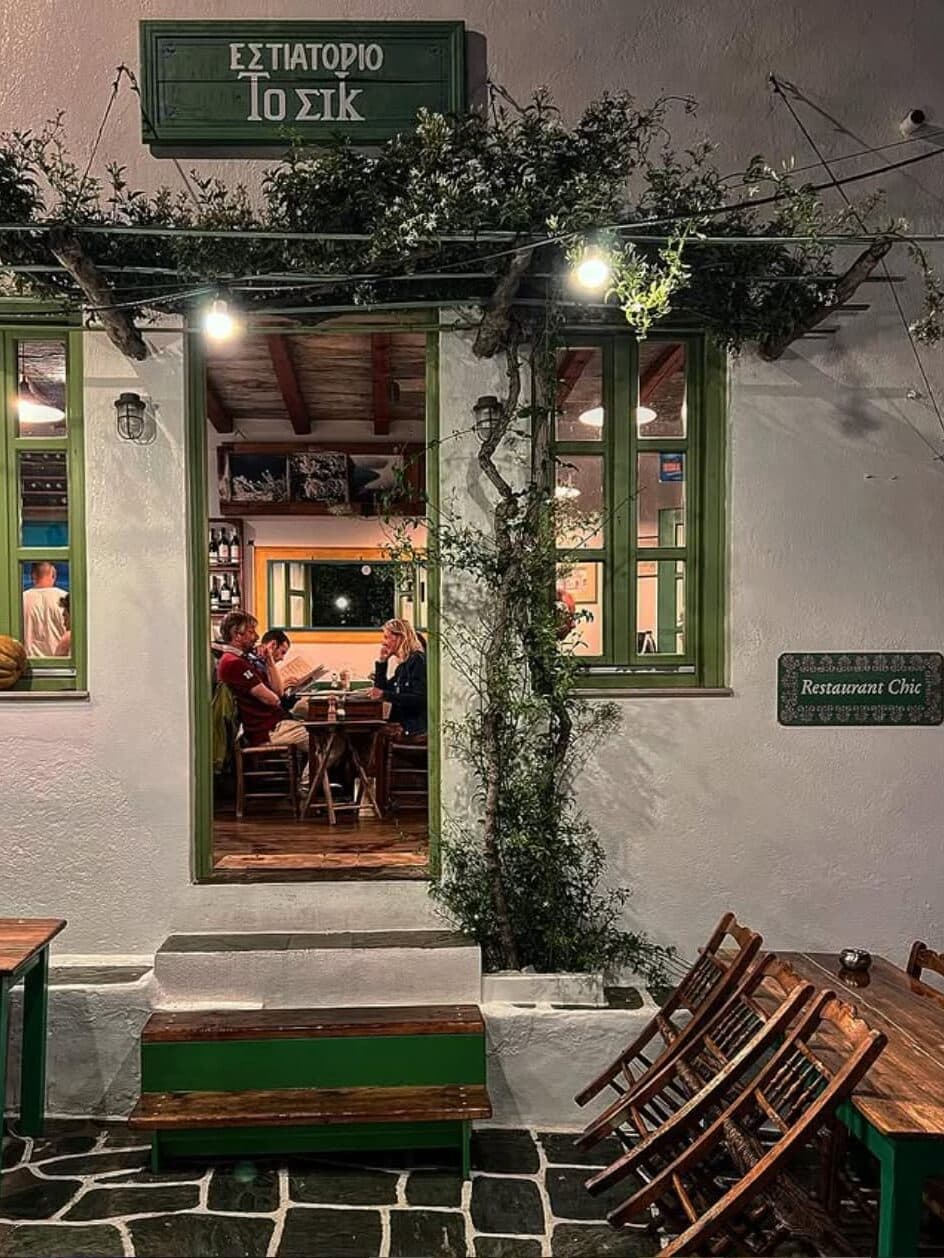
Must-See: Chora, Church of Panagia, Agali Beach, Katergo Beach, Ano Meria Village, Livadaki Cove Restaurants: Chic Restaurant, Piatsa Restaurant, Blue Cuisine Bars: Mikri Chora Bar, Beez Must Try: Matsata (homemade pasta), souroto cheese, goat dishes, and local honey varieties Keep in Mind: Public transportation and taxi services are limited on the island. Walking and boat excursions are among the best ways to discover its coves. Folegandros’ greatest luxury remains the silence it has managed to preserve.
Chic Restaurant
Greek Islands Guide
Amorgos
Catapulted to international fame by Luc Besson’s cult film The Big Blue, Amorgos remains one of the Cyclades’ most authentic and rugged islands. With monasteries built into steep cliffs, crystal-clear coves, and exceptional hiking trails, it is a paradise for nature lovers. The effects of mass tourism are still relatively limited here, preserving the island’s raw and untamed character. The Monastery of Hozoviotissa, perched hundreds of meters above sea level, offers not only one of Amorgos’ most spectacular views but also one of the most breathtaking panoramas in all of Greece. For travelers seeking silence, nature, and a sense of discovery, Amorgos provides a truly unique experience.
Greek Islands Guide
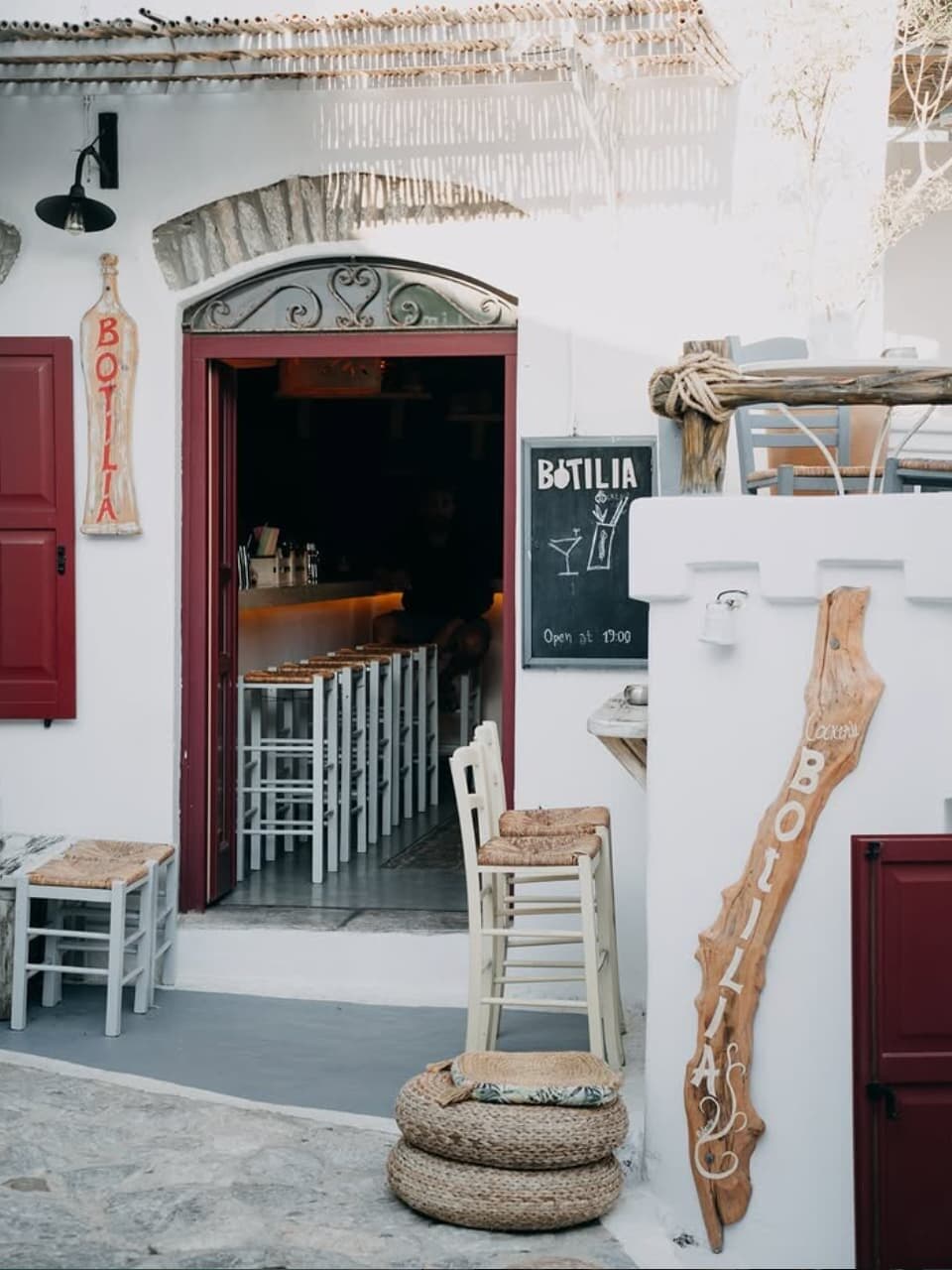
Must-See: Monastery of Hozoviotissa, Chora, Agia Anna Bay, Katapola, Aegiali, Mouros Beach Restaurants: Ambrosia Gallery Restaurant, To Limani tis Kyra Katinas, Amorgialos Restaurant Bars: Jazzmin Café Bar, Disco The Que, Botanica Wine Bar, Lakki Village Bar Must Try: Psimeni raki, fava, goat cheese, patatato (traditional goat stew), and fresh seafood Keep in Mind: Amorgos is less about beaches and more about landscapes and hiking routes. Comfortable walking shoes are essential, and spending time around Hozoviotissa at sunrise or sunset is one of the best ways to experience the island’s spirit.
Botilia
Greek Islands Guide
Astypalaia
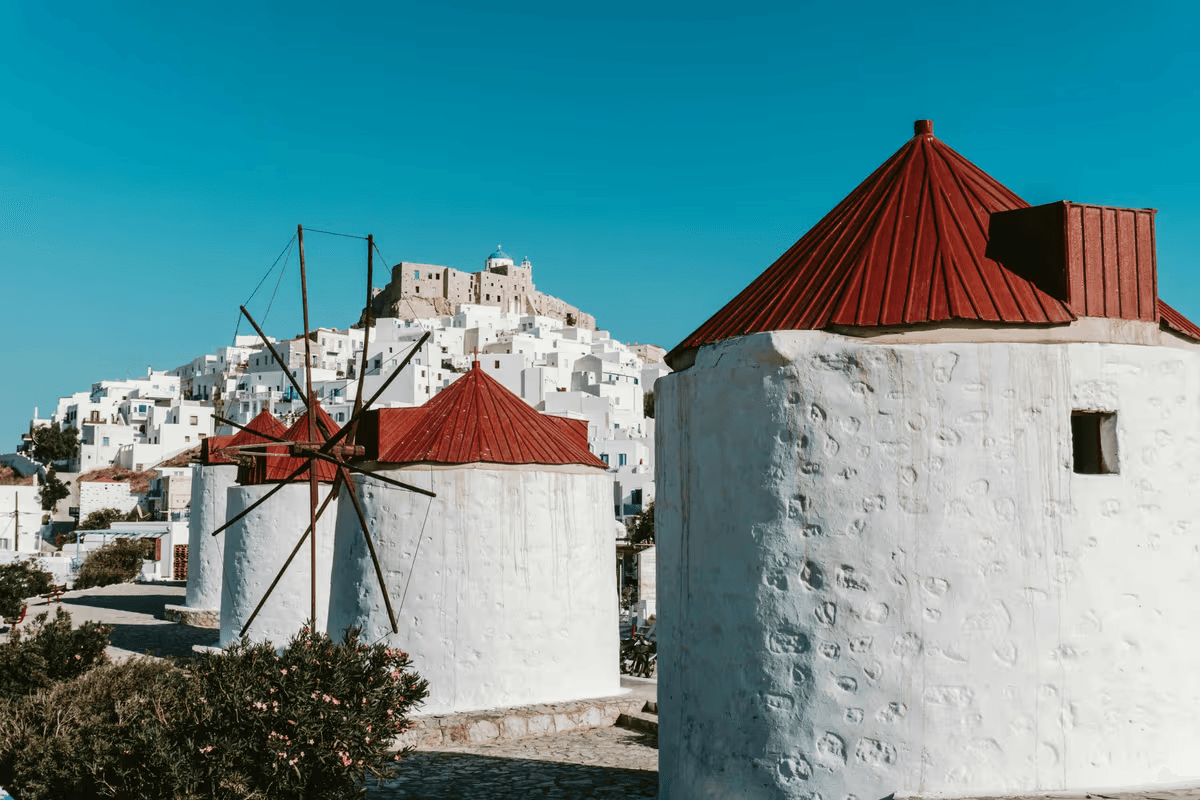
Known as the “Butterfly of the Aegean” because of its distinctive shape, Astypalaia sits at the crossroads of Cycladic and Dodecanese cultures. Its whitewashed Chora, crowned by a Venetian castle, and its secluded coves offer one of Greece’s most unique island experiences. In recent years, Astypalaia has gained international attention for its sustainable tourism initiatives and electric mobility projects, while still preserving its traditional character. Free from large hotel chains and mass tourism, it remains one of the few Greek islands where a genuine sense of discovery still exists.
Greek Islands Guide
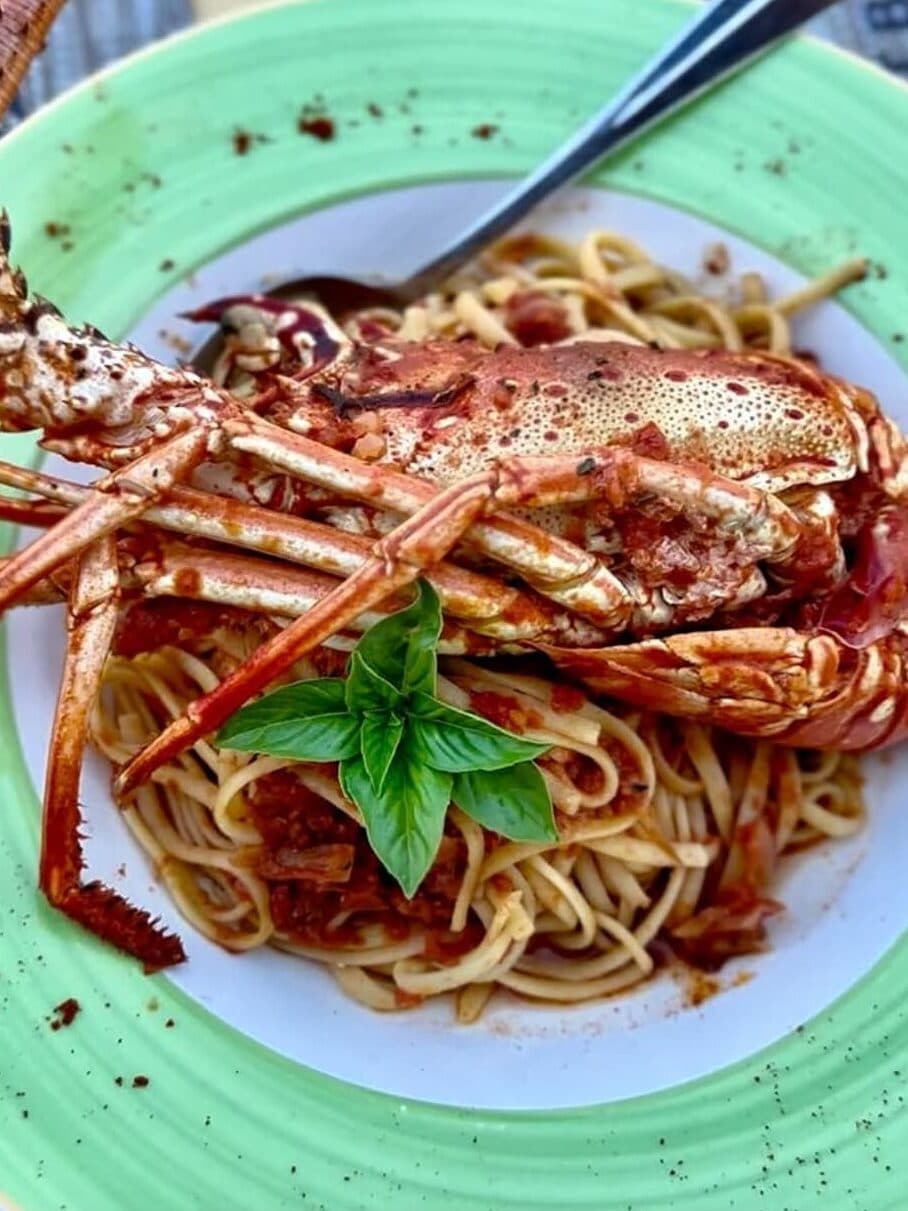
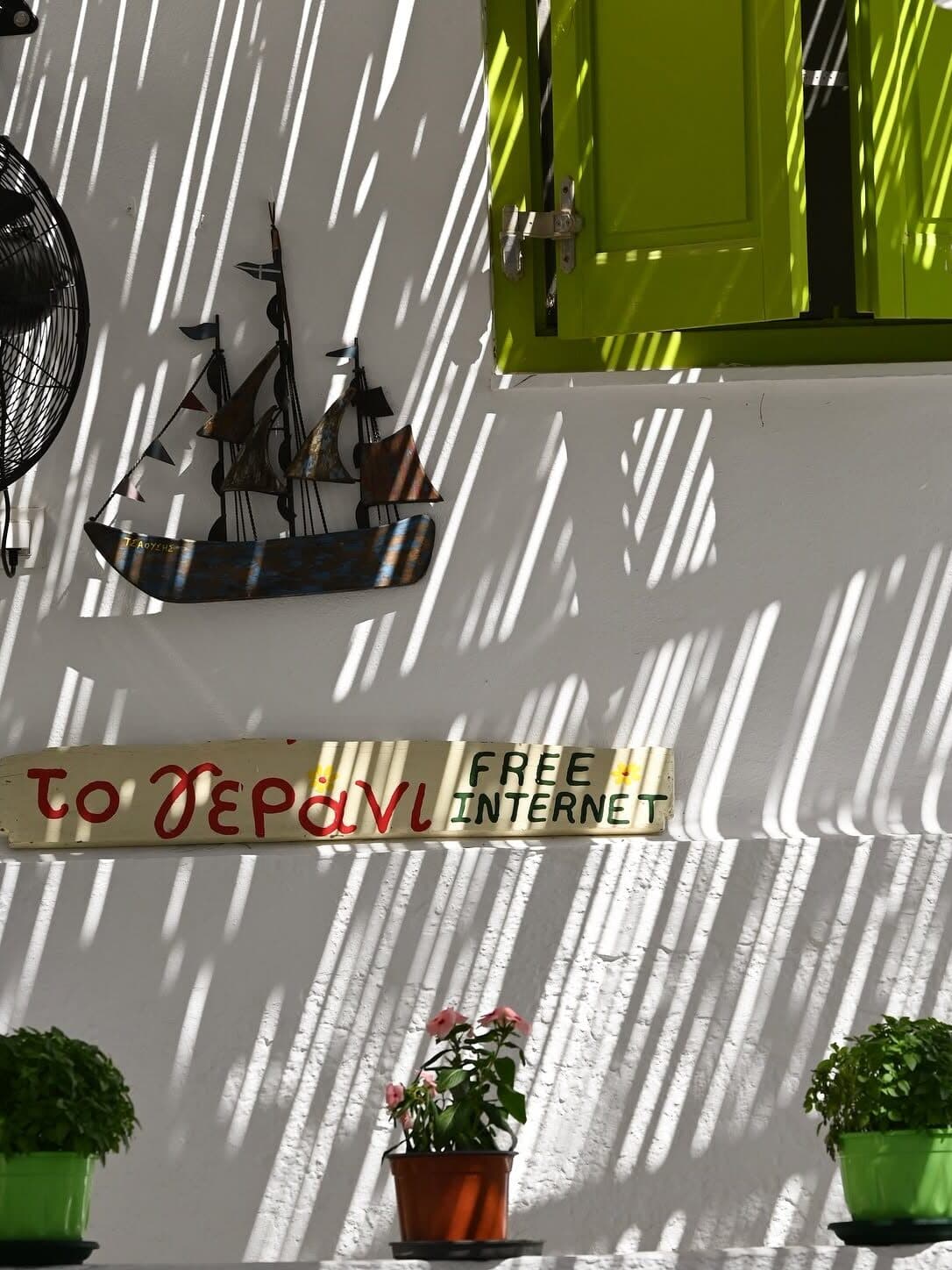
Must-See: Chora, Querini Castle, Livadi Beach, Kaminakia Beach, Vatses Bay, Maltezana Restaurants: Agoni Grammi, Gerani Restaurant, Astropelos Bars: Castro Bar, Meltemi Bar, Almyra Café & Bar Must Try: Pouggia (local cheese pies), saffron-infused dishes, fresh goat cheese, lobster pasta, and seafood Keep in Mind: Astypalaia’s greatest advantage is that it has remained largely untouched by crowds. Many of its coves require a car or boat to reach, so slowing down and embracing the island’s rhythm for a few days is an essential part of the experience.
Gerani
Greek Islands Guide
For Those Looking for a Different Side of Greece
Corfu
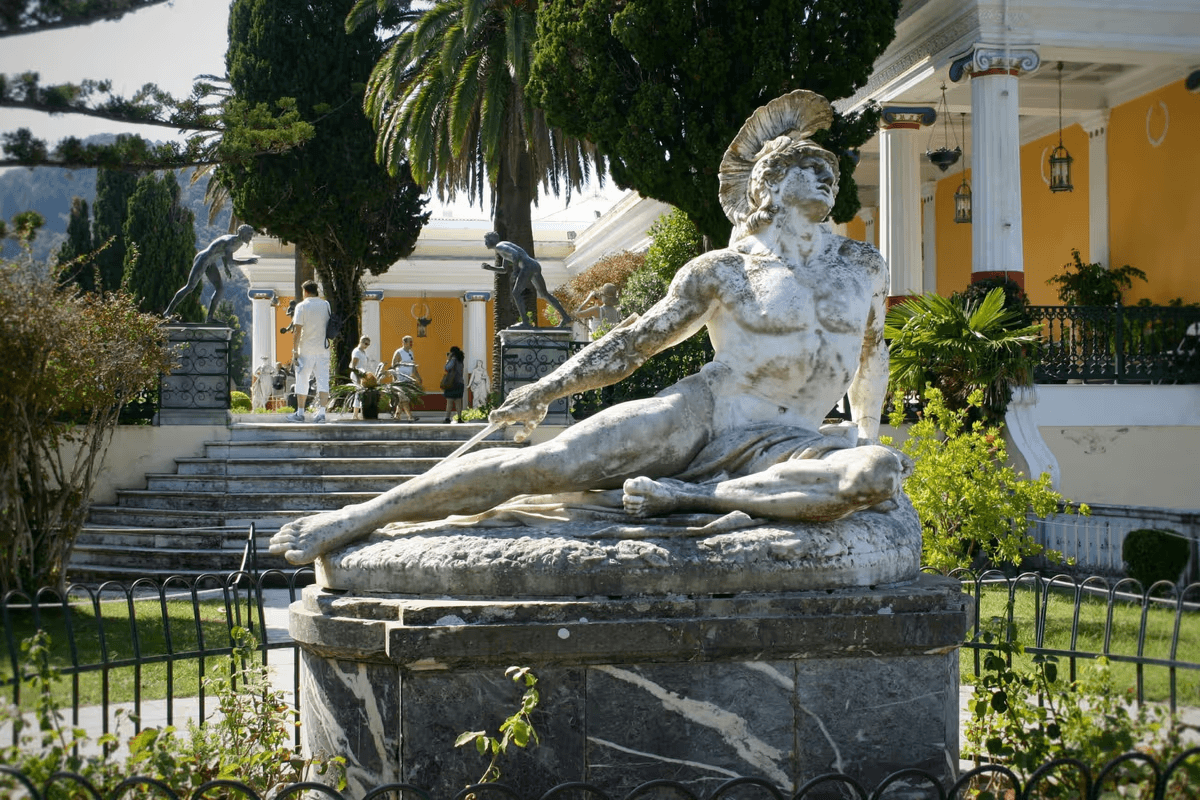
One of the most famous islands in the Ionian Sea, Corfu stands apart from the classic image of Greece with its architecture shaped by Venetian, French, and British influences rather than the familiar white cubic houses of the Aegean. Its UNESCO World Heritage-listed Old Town, elegant squares, arcaded streets, and pastel-colored buildings make it one of the Mediterranean’s most impressive historic centers. Surrounded by lush olive groves, crystal-clear bays, and an aristocratic heritage, Corfu offers a character unlike any other Greek island. It is an ideal destination for travelers seeking a combination of culture, gastronomy, and nature.
Greek Islands Guide
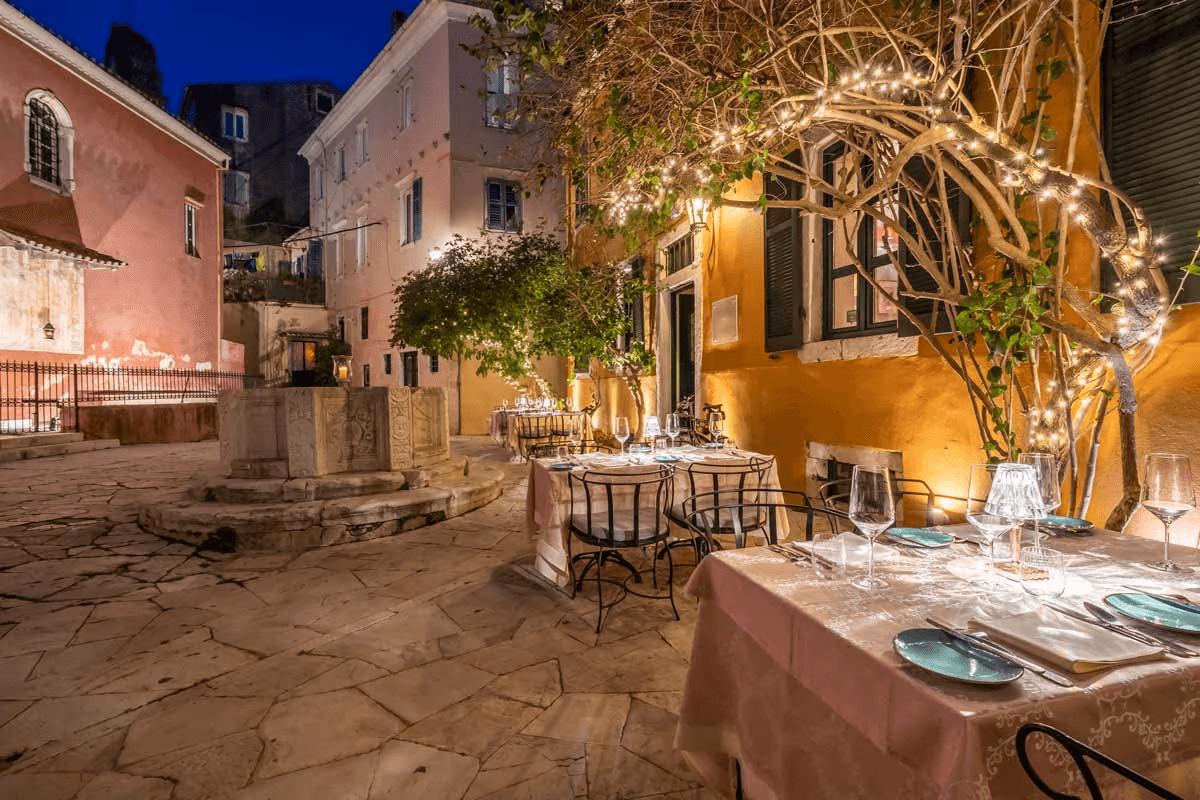
Must-See: Corfu Old Town, Achilleion Palace, Paleokastritsa, Canal d’Amour, Old Fortress, Liston Square Restaurants: Etrusco, Venetian Well, Toula’s Seaside Restaurant, Cavalieri Roof Garden Bars: Bristol Café, 54 Dreamy Nights, Imabari Corfu Must Try: Sofrito (garlic-infused veal), pastitsada (spiced meat stew), bourdeto (spicy fish stew), and kumquat liqueur Keep in Mind: Corfu is greener and more expansive than many other Greek islands. Renting a car is highly recommended for exploring the northern and western coastlines. Spring and autumn are among the best times to visit, offering pleasant weather without the crowds of peak summer.
Venetian Well
Kefalonia
The largest of the Ionian Islands, Kefalonia is considered one of Greece’s most spectacular natural destinations thanks to its dramatic coastline, stunning beaches, and peaceful atmosphere. The island gained international fame through Captain Corelli’s Mandolin, adapted from the novel by Louis de Bernières. Its postcard-perfect villages and turquoise bays have captivated visitors ever since. The breathtaking scenery of Myrtos Beach, framed by towering white cliffs, is widely regarded as one of Greece’s most iconic landscapes. For travelers looking for a more natural and tranquil Mediterranean experience away from the buzz of Santorini and Mykonos, Kefalonia is an excellent alternative.
Greek Islands Guide
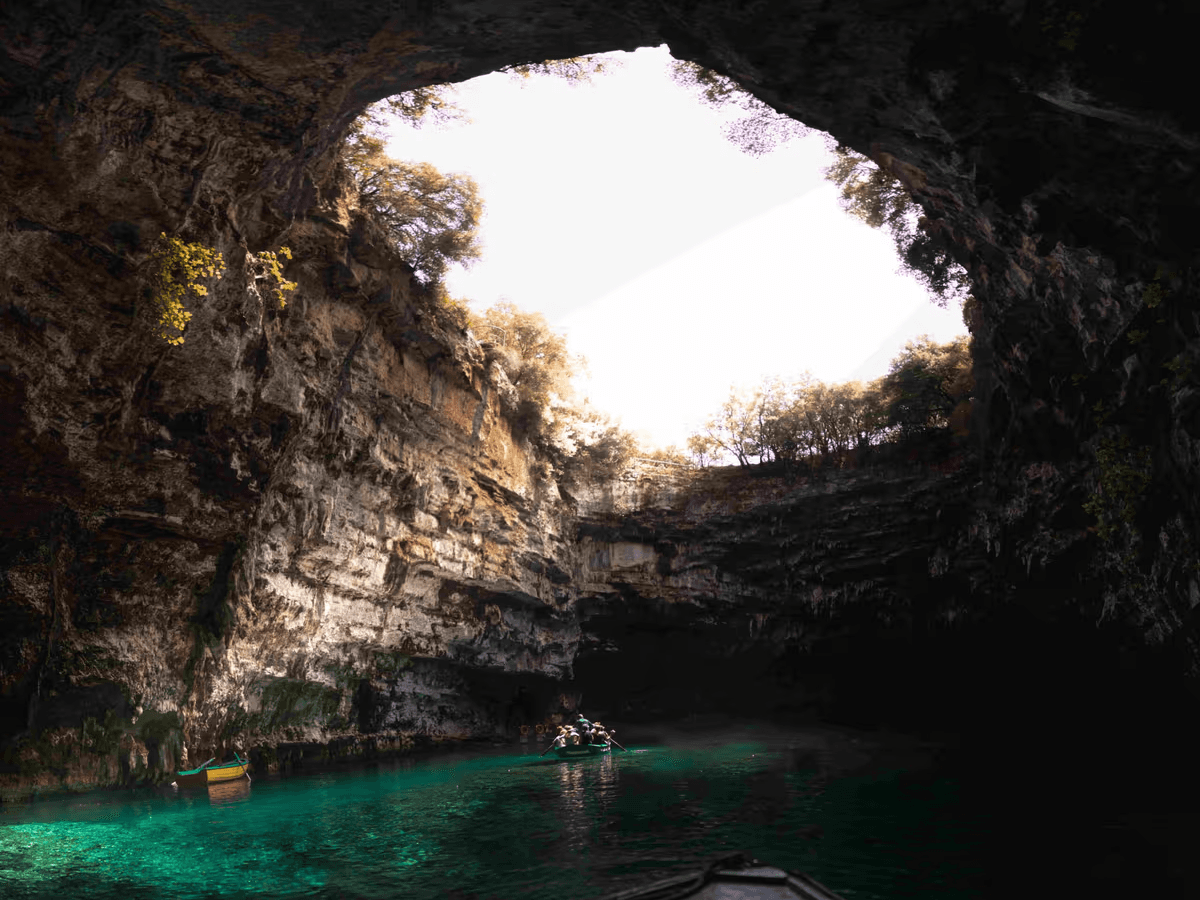
Must-See: Myrtos Beach, Melissani Cave, Assos Village, Fiskardo, Drogarati Cave, Antisamos Beach Restaurants: Tassia Restaurant (Fiskardo), Ampelaki Greek Restaurant, Il Borgo, Lorraine’s Magic Hill Must Try: Kreatopita (Kefalonian meat pie), Robola wine, aliada (garlic potato purée), and fresh seafood Keep in Mind: Kefalonia’s most beautiful viewpoints and coves are spread across different parts of the island. Renting a car is almost essential for exploring the Assos–Fiskardo–Myrtos triangle.
Lorraine’s Magic Hill
Greek Islands Guide
Lefkada
One of the few Greek islands connected to the mainland by a bridge, Lefkada is particularly famous for its spectacular beaches. Porto Katsiki and Egremni, where white cliffs meet turquoise waters, are consistently ranked among the most beautiful beaches in both Greece and the Mediterranean. Thanks to its strong winds, the island has also become a favorite destination for windsurfing and kitesurfing enthusiasts. With mountain villages, olive-grove-lined roads, and peaceful harbor towns, Lefkada offers one of the most appealing combinations of nature and sea in Greece.
Greek Islands Guide
Must-See: Porto Katsiki, Egremni Beach, Nidri Waterfalls, Vasiliki, Agiofili Beach, Lefkada Town Restaurants: Rachi Restaurant, Seaside Restaurant, Thymari Restaurant, Sapfo Restaurant Bars: Karma Bar, Xartes Bar, Copla Beach Bar Must Try: Savoro (fish dish), ladopita (olive oil cake), local lentils, salami, and seafood Keep in Mind: The beaches along Lefkada’s western coast offer spectacular sunset views. Porto Katsiki can become very crowded during the summer months, so arriving early in the morning is highly recommended. The island is also one of Greece’s premier destinations for sailing and water sports.
Rachi
Greek Islands Guide
Greece’s Hidden Gems
Koufonisia
One of the smallest yet most enchanting islands in the Cyclades, Koufonisia has become one of the most talked-about hidden escapes in recent years thanks to its turquoise waters and slow pace of life. Consisting of Ano Koufonisi and Kato Koufonisi, the island group offers a largely car-free lifestyle, with many beaches accessible on foot. Crystal-clear coves and a simple island atmosphere have made Koufonisia a favorite among travelers looking to escape the crowds of the Cyclades. Instead of glamorous beach clubs, life here revolves around small tavernas and peaceful sunsets.
Greek Islands Guide
Must-See: Pori Beach, Italida Beach, Devil’s Eye, Finikas Beach, Kato Koufonisi, Gala Cave Restaurants: Captain Nikolas, Neo Remezzo Bars: Sorokos Bar, Finikas Beach Bar, Lefteris Café Bar Must Try: Fresh fish, lobster pasta, sun-dried octopus, and local goat cheeses Keep in Mind: Simplicity is Koufonisia’s greatest luxury. Rather than checking off long lists of attractions, visitors come here to walk, swim, and slow down. Accommodation options are limited during high season, so booking early is essential.
Remezzo
Greek Islands Guide
Lipsi
Located between Patmos and Leros, Lipsi is one of the quietest and least-known islands in the Dodecanese. Free from large hotels, tour groups, and crowded beaches, it is ideal for travelers seeking an authentic Greek island experience. Its small harbor lined with whitewashed houses, crystal-clear coves, and welcoming tavernas create the feeling that time moves a little more slowly here. Although increasingly attracting visitors searching for simplicity and authenticity, Lipsi still retains a genuine sense of being undiscovered.
Greek Islands Guide
Must-See: Lipsi Harbor, Platis Gialos Beach, Hohlakoura Beach, Katsadia Bay, Church of Panagia tou Harou, Aspronisia Islets Restaurants: Manolis Tastes, Ostrako Restaurant Bars: Café du Moulin, Lipsi View Bar Must Try: Local goat cheese, grilled octopus, seafood meze, thyme honey, and island wines Keep in Mind: Lipsi’s appeal does not lie in nightlife or major attractions. It is found in its quiet coves, long lunches, and relaxed local rhythm. For many visitors, this tranquility becomes the island’s most memorable feature.
Manolis Tastes
If you are planning your first Greek island holiday, Santorini, Mykonos, or Crete are all safe choices. Yet the true magic of Greece is often found on the smaller islands that appear as little more than dots on a map and are visited by fewer ferries. Sometimes it is a leisurely lunch in a harbor taverna; sometimes it is a few quiet hours spent in a secluded bay. These are the moments that make a journey across the Aegean truly unforgettable.
Saatolog Yıllık Saat Dergisi Saatolog’un yeni sayısı, 2020’nin yarattığı bu dönüştürücü etkiden ilham alarak hazırlandı. Dünya dijitalin etkisiyle her zamankinden de hızlı bir şekilde ilerlerken yavaşlamanın da önemini sonunda kavramış bulunuyoruz ve bu tezatlık hayatlarımızın her anına etki ediyor. Biz de bundan yola çıkarak Saatolog 2020/21 sayısını ‘‘hızlı ve yavaş’’ teması altında hazırladık.