Prada’s skirts, Armani’s soft tailoring, Dries Van Noten’s bold patterns… We love our favourite designers’ signatures, but where does consistency end and repetition begin?
Coming out of a fashion show and saying, “That’s so them,” can be the ultimate compliment, especially when we recognise a designer’s influence in someone else’s work. Occasionally, though, it can also express a hint of disappointment. We want to see Miuccia Prada’s skirts and Thom Browne’s grey suits again, yet we also want them to surprise us. Our expectations of designers are hardly reasonable: do something different every season, but never lose your identity.
Hedi Slimane is perhaps the perfect example of this contradiction. Moving from Dior Homme to Saint Laurent and then to Celine, he took his skinny silhouettes and his fascination with youth and music along with him. From the shoulders of his jackets and the proportions of his trousers to the faces he cast and the photographs he took, there was a recognisable sensibility running through everything he did. To some, this persistence signals a designer with a consistent vision; to others, it suggests someone repeating himself.
With Alessandro Michele and Rick Owens, too, we recognise an entire aesthetic or character before we notice individual garments. Michele’s love of vintage prints, jewellery and layered historical references remained unmistakable in his move from Gucci to Valentino. With Owens, it is the proportions created by long, flowing fabrics and heavy footwear that catch the eye. Matthieu Blazy’s curiosity about materials has gradually become one of the qualities we look for in his work. How light can leather become? Can it resemble cotton or denim? The answers to these questions are where we find his signature as a designer. That is why identifying the source of this familiarity is not always straightforward. We recognise Dries Van Noten by his florals, say, but how many designers use flowers? Nicolas Ghesquière’s work at Balenciaga differs from his collections for Louis Vuitton, yet we can recognise his hand in both. The characteristics we associate with designers emerge from their own dressing habits, the people they admire, the cultures they grew up in and the techniques they have spent years mastering.
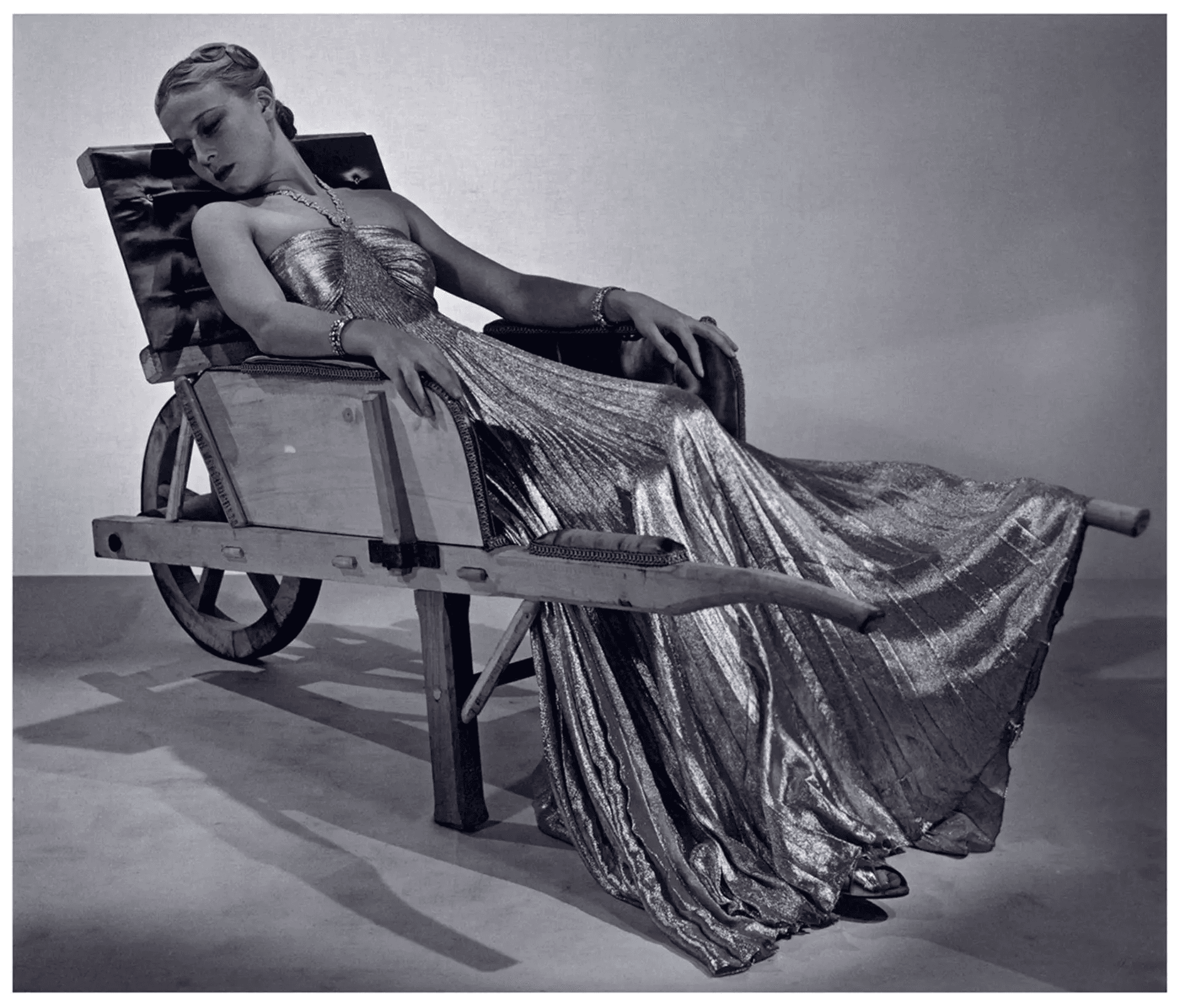
Madeleine Vionnet
The apparent simplicity of Vionnet’s dresses becomes increasingly deceptive the closer we look. The fabric seems to settle naturally around the body, but this was Vionnet’s little trick, and her big idea. Having opened her own fashion house in 1912, she developed her bias-cutting technique during the 1920s, cutting fabric diagonally across the grain to give it greater flexibility. This allowed garments to follow the body more comfortably, without relying on the shape imposed by a corset. Vionnet experimented with fabric, altering the form of a dress according to where and how the material fell. The draping inspired by ancient Greek art was also part of this exploration. Here was a designer who had anticipated every movement of the fabric.
Gabrielle Chanel
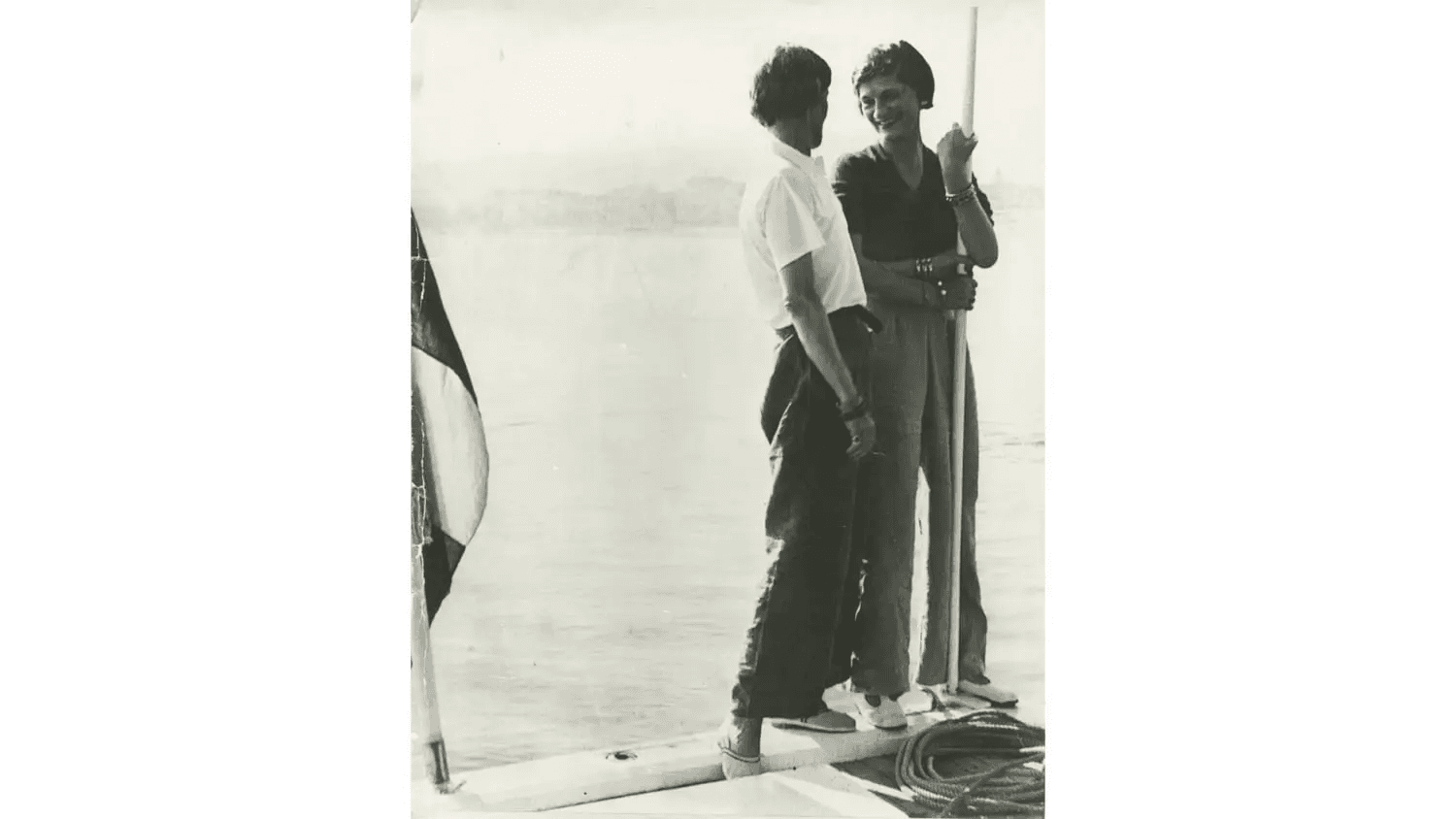
If only every designer started by looking inside their own wardrobe… Gabrielle Chanel’s desire for clothes that suited her own life became the starting point for a wardrobe that others would eventually find indispensable. In the 1910s, she drew on jersey, sailor blouses and sportswear to create garments that allowed freedom of movement. When she returned to couture in 1954, she applied the same principle to her suits. Soft tweed did not restrict the body, while a chain sewn into the inside hem of the jacket helped the fabric hang properly. Today, we recognise almost every detail of this suit, from its buttons and pockets to its trims and skirt length. Yet its construction also took into account how the wearer would move throughout the day. Subsequent designers revisiting that jacket certainly had plenty to work with.
Cristóbal Balenciaga
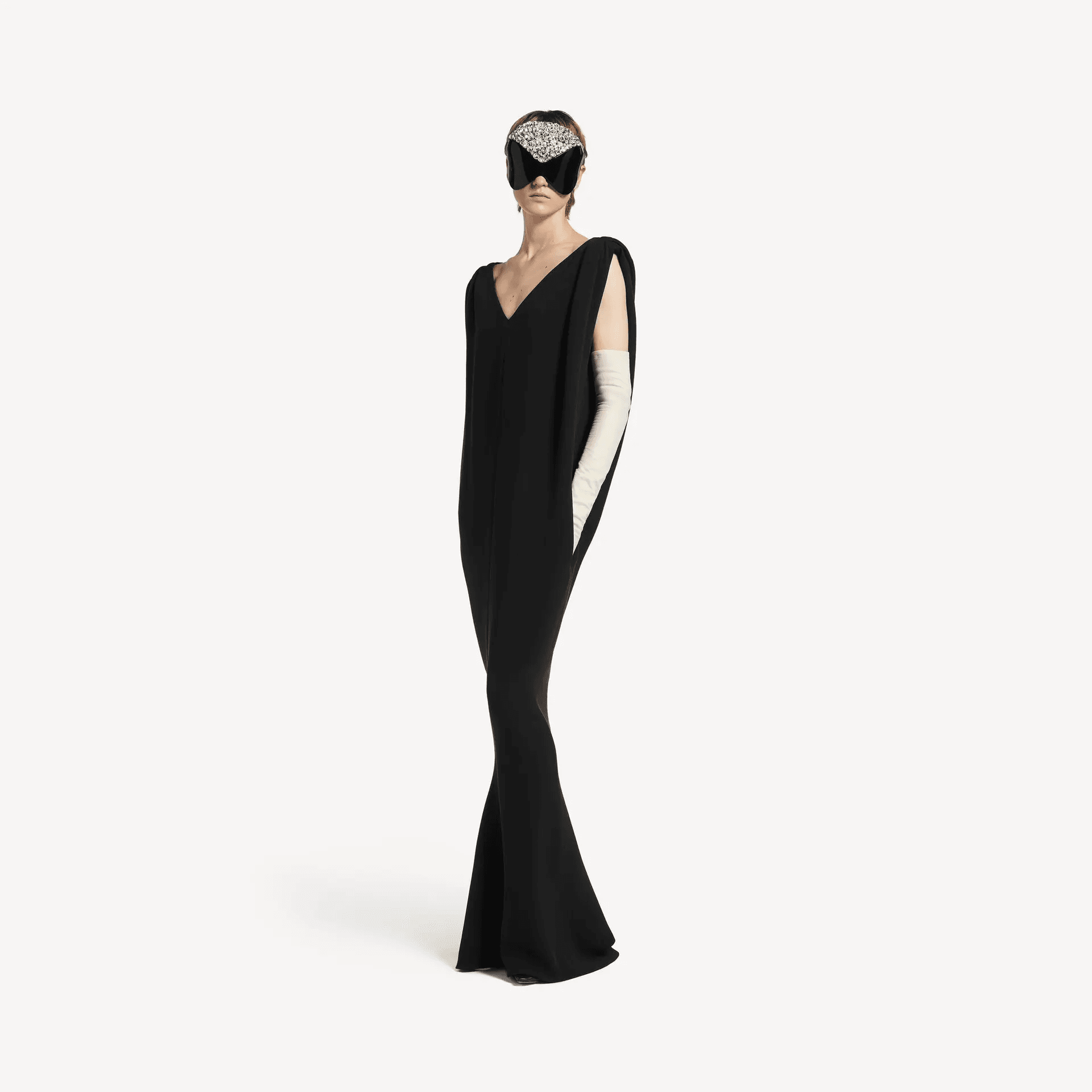
In 1957, when Dior’s cinched waist was still very much in fashion, Balenciaga’s sack dress, which concealed the waist altogether, received a rather chilly reception. Yet the designer had already been widening the backs of jackets and moving fabric away from the body for some time. Drawing on the volumes of Spanish dress and religious garments, he gradually transformed these influences into increasingly pared-back forms. Silk gazar, with its ability to hold its shape, also helped him construct the silhouettes he wanted. For Balenciaga, a dress did not necessarily have to follow the body. A garment that looks remarkably simple from the front may tell an entirely different story from behind. When studying his work in photographs, it is worth seeking out the side and rear views as well.
Azzedine Alaïa
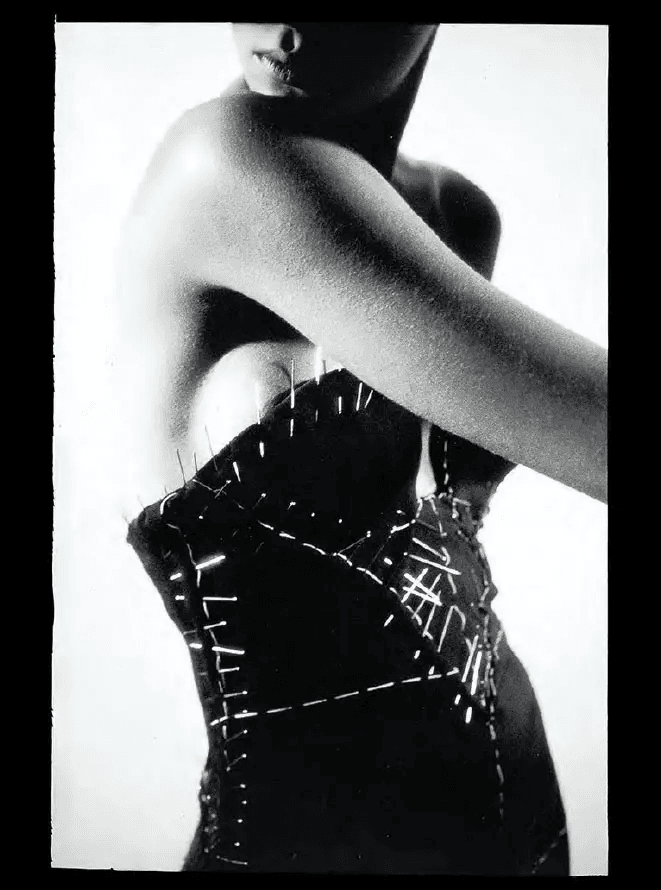
Alaïa’s understanding of the female body came from years spent making clothes for private clients. During fittings, he could see how moving a seam or taking a few centimetres off the waist could transform a dress. For his Spring/Summer 1981 collection, he combined leather, metal zips and skirts that tied at the back with stretch fabrics originally developed for sportswear. The body-hugging dresses that became synonymous with his name in the 1980s owed as much to their precise construction as to the fabrics themselves. His fascination with Vionnet, whose work he studied closely, sprang from the same curiosity.
Giorgio Armani
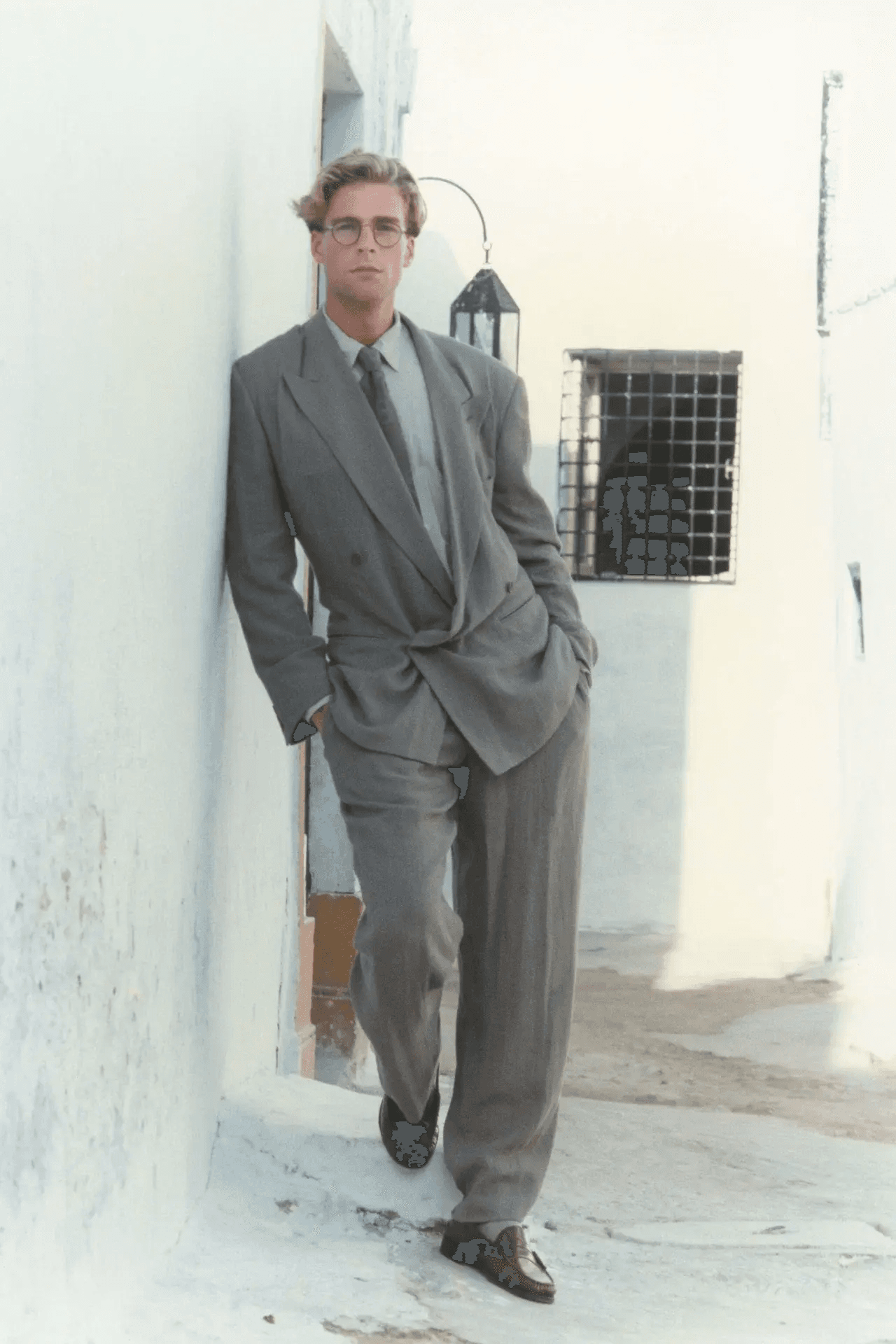
Armani disliked the way men in perfectly tailored suits all seemed to look alike. He wanted the jacket to adapt to its wearer, reducing its internal structure and softening the shoulders. After working at Cerruti, he founded his own label in 1975 and developed the jackets that would reach a much wider audience when Richard Gere wore them in American Gigolo in 1980. With these clothes, he seemed to suggest that looking elegant did not require looking formal. Shades of grey and beige, soft fabrics and a more relaxed silhouette became elements Armani would refine over decades. For customers accustomed to wearing his designs, the appeal was understandable. Perhaps they simply did not want to become a different man every season.
Yohji Yamamoto
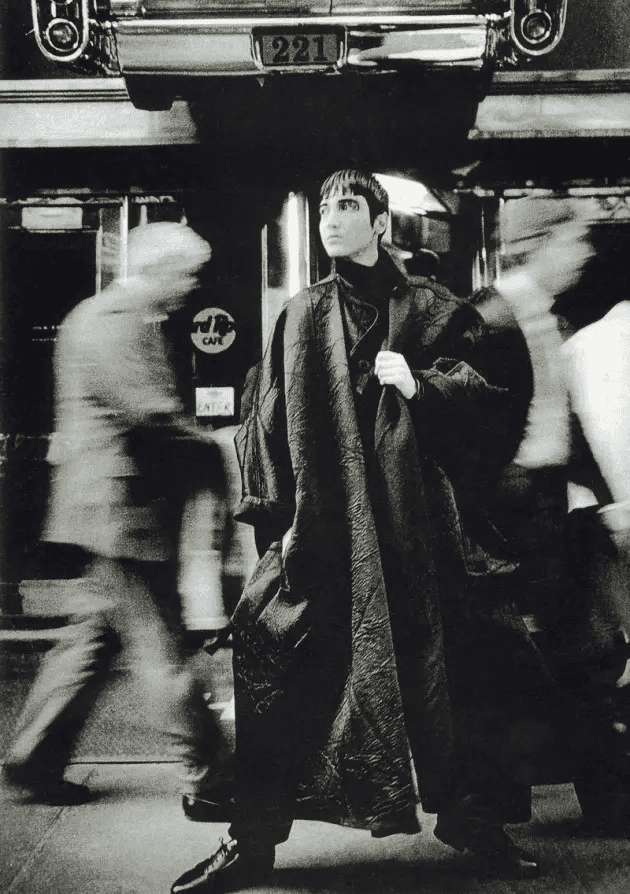
At the heart of Yamamoto’s design DNA is his mother and his relationship with her. Having lost her husband during the war, she raised her son by working as a dressmaker. When Yamamoto speaks about his desire to protect women, he returns to his mother’s experiences. That thinking also informed the loose, menswear-inspired garments he created for Y’s, the label he established in 1972. The blacks, asymmetric cuts and elongated hems seen in his Paris collections in 1981 gradually became synonymous with his name. Revealing the body was never his priority. Quite the opposite: what mattered was allowing the body to disappear inside an oversized jacket. And then, of course, there is the black. Yet what truly makes a Yamamoto silhouette recognisable is often the way that volume is cut. Over time, this silhouette also became one of the major sources of inspiration for The Row.
Issey Miyake
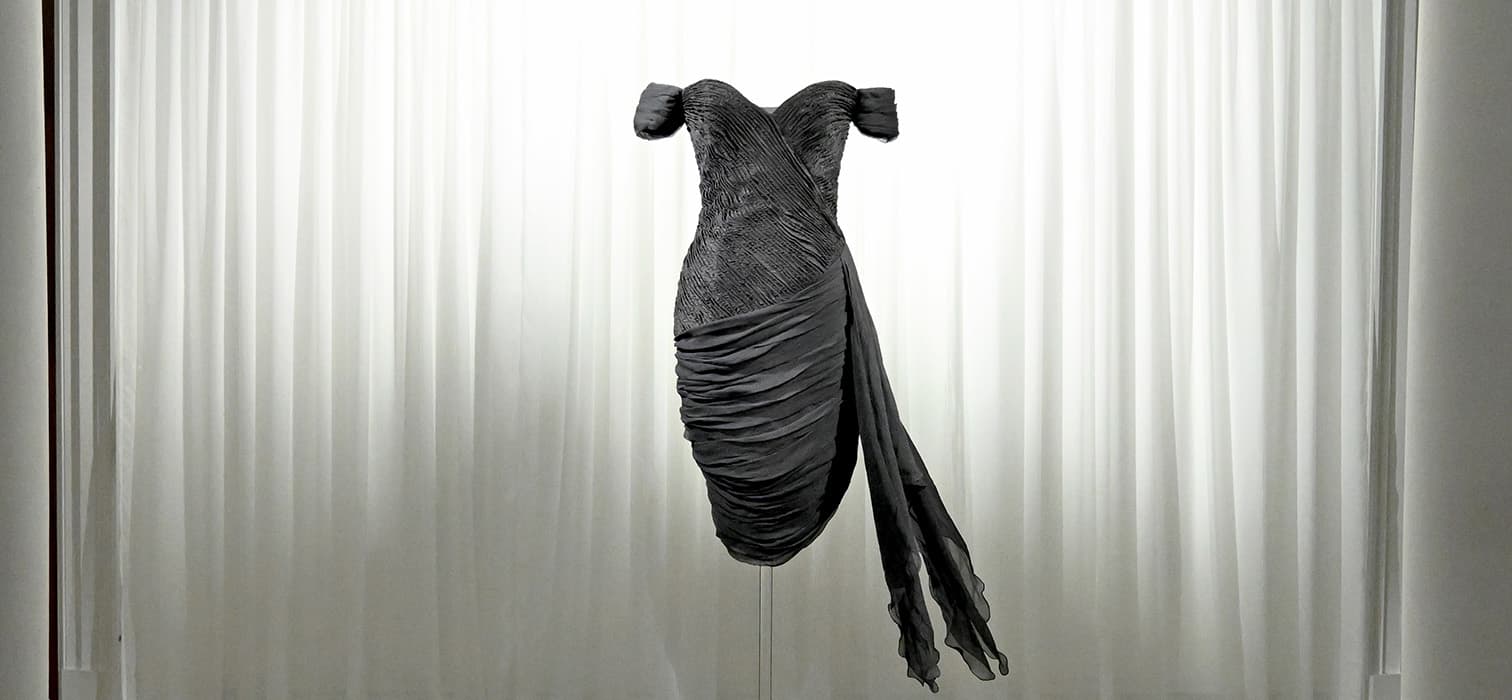
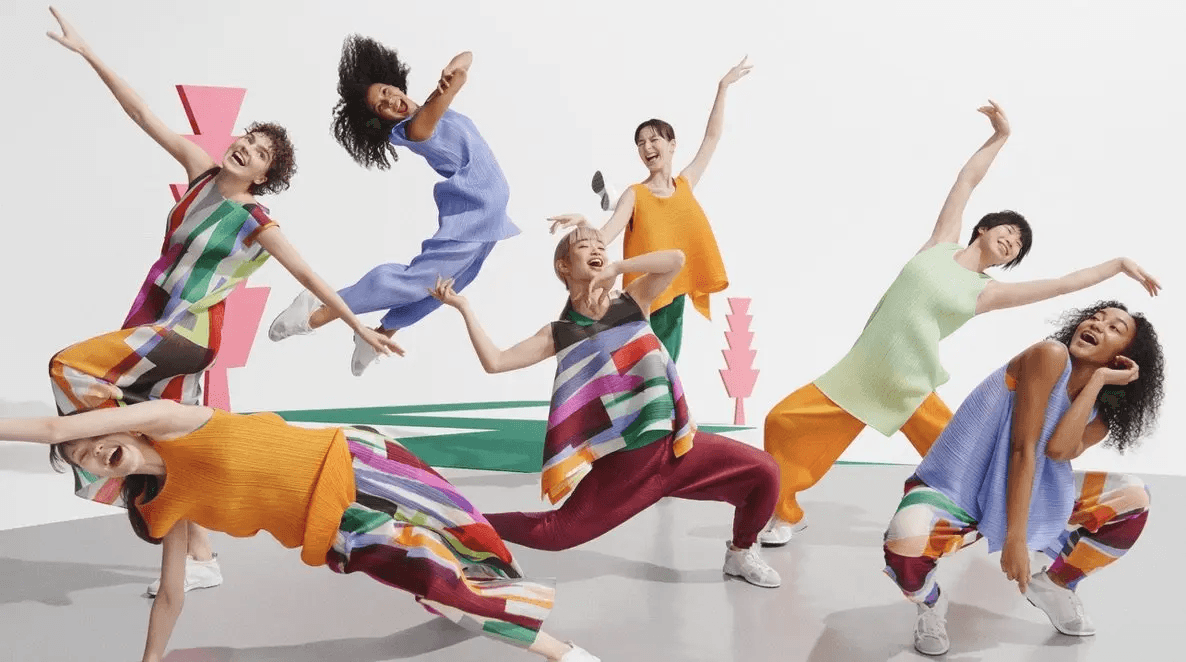
The technique Miyake used in 1991 for the costumes of The Loss of Small Detail, created for William Forsythe’s Frankfurt Ballet, evolved into the Pleats Please line in 1993. These lightweight garments, designed to move with the dancers, were equally practical for everyday life. They could be folded, took up very little space and regained their shape when worn. As the pleats opened and closed, the appearance of a dress or pair of trousers changed, allowing Miyake to experiment with very different volumes using the same technique. Rather than pleating the fabric before constructing a garment, Miyake first made the clothing on a larger scale and then used heat to create its pleats.
Yves Saint Laurent
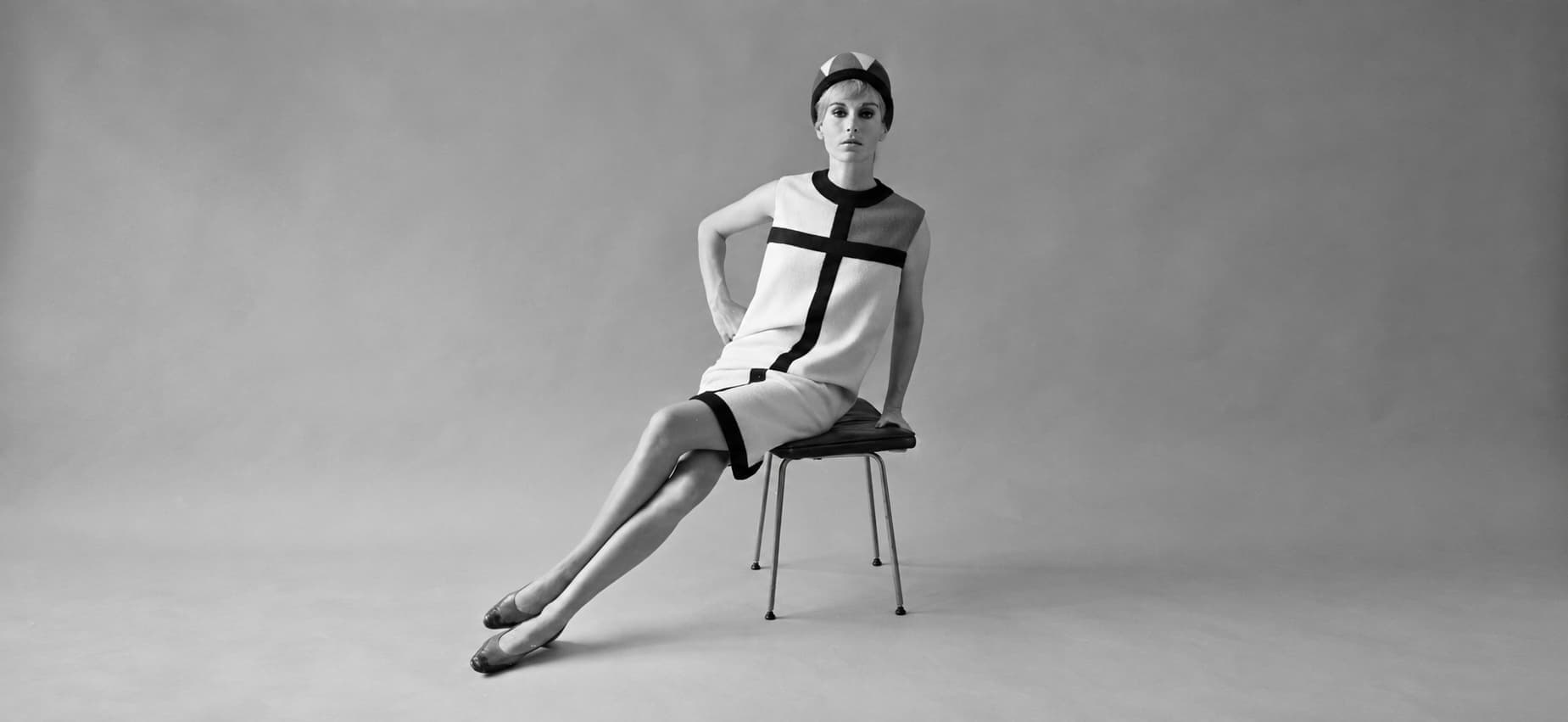
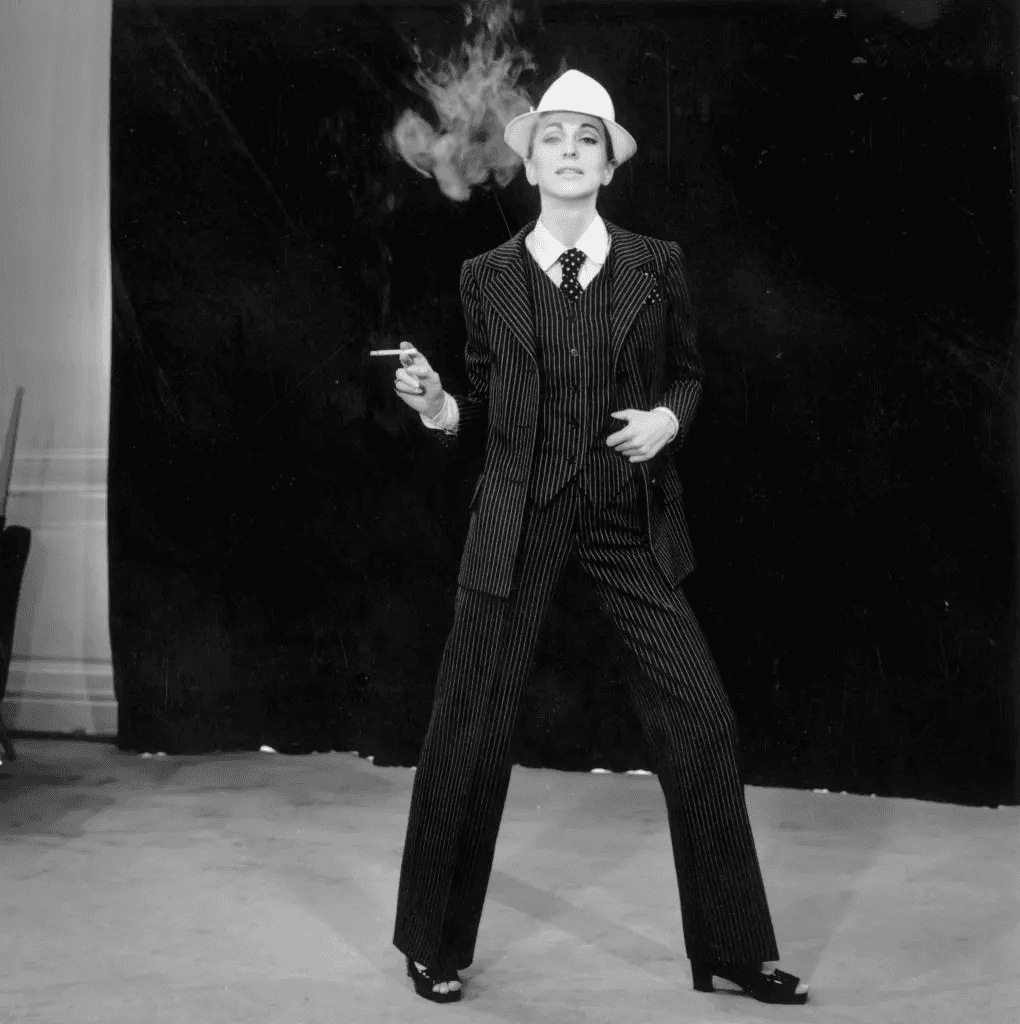
Only one piece of the original couture version of Le Smoking, introduced in Saint Laurent’s Autumn/Winter 1966 collection, was sold. What we now consider a Saint Laurent classic initially failed to appeal to the fashion house’s clientele. Women in tuxedos? How shocking! Fortunately, the younger customers of Rive Gauche embraced it almost immediately. Adapting the male tuxedo to the female body offered a new alternative to women accustomed to evening gowns. Saint Laurent continued to include the tuxedo in his collections. Call it loyalty to a designer, or in this case, to a fashion house. When you know a garment looks good on you, you want to be able to buy it from the same place again.
Vivienne Westwood
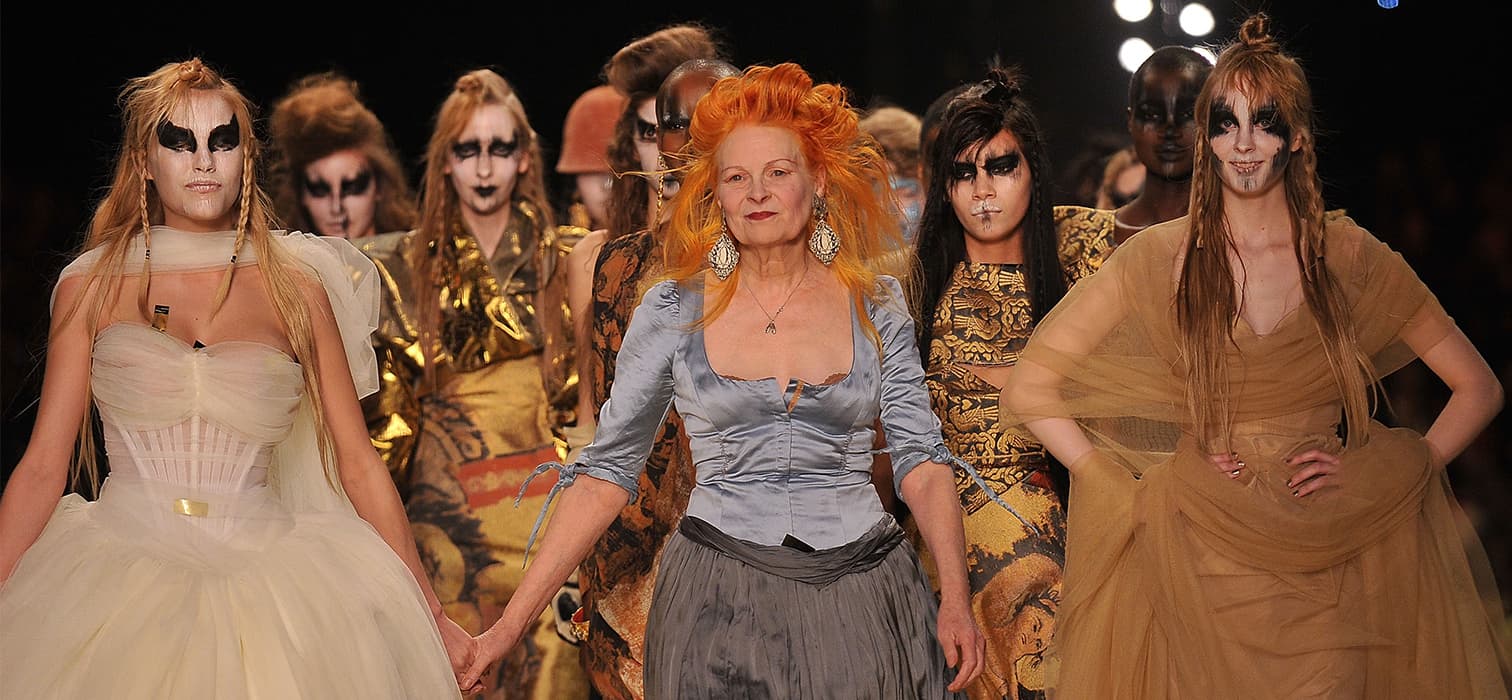
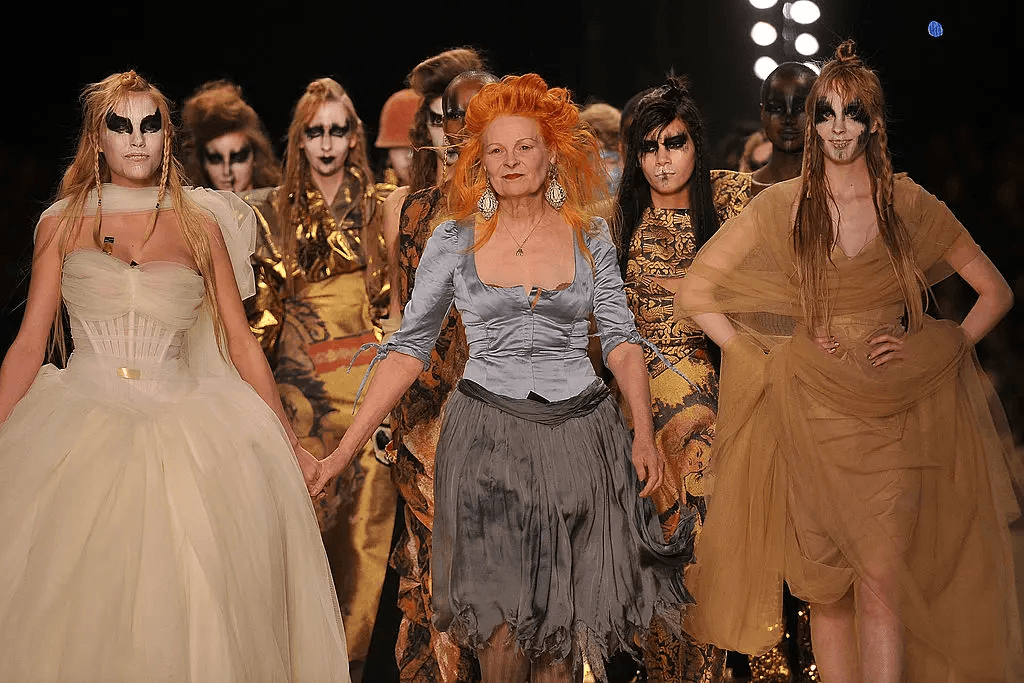
Westwood had a particular fascination with the past, which naturally led her to investigate how historical garments were made. For her Autumn/Winter 1981–82 Pirate collection, she explored historical trouser and shirt shapes. While developing her corsets, she studied an example owned by her friend, the art historian Gary Ness, as well as costumes from the National Theatre. In the versions presented in her 1987 Harris Tweed collection, she incorporated stretch panels and zips to make the corsets easier to wear. The uplifted bust, defined waist and historical proportions continued to appear in subsequent collections. The contrast between the aristocratic air of these garments and the way Westwood styled them was where the punk spirit came in. Today, that silhouette has become one of the coolest on the red carpet.
Jean Paul Gaultier
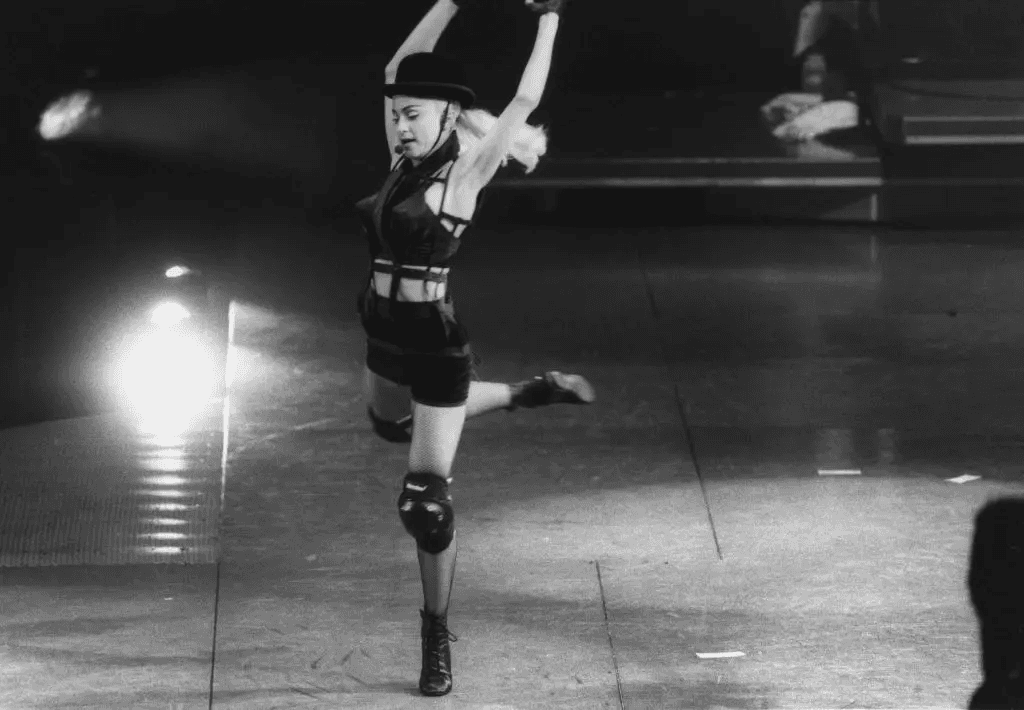
Gaultier’s fascination with corsets can be traced back to a salmon-pink undergarment he discovered in his grandmother’s wardrobe. He presented his first corset dresses in the Spring/Summer 1983 collection. In 1989 came the cage versions, with much of the fabric removed and the boning exposed. A year later, Madonna’s Blond Ambition tour made the cone-bra corset recognisable to practically everyone. Gaultier wanted to challenge the idea that underwear was something to be hidden. So he made it spectacular enough to wear on the outside.
Miuccia Prada
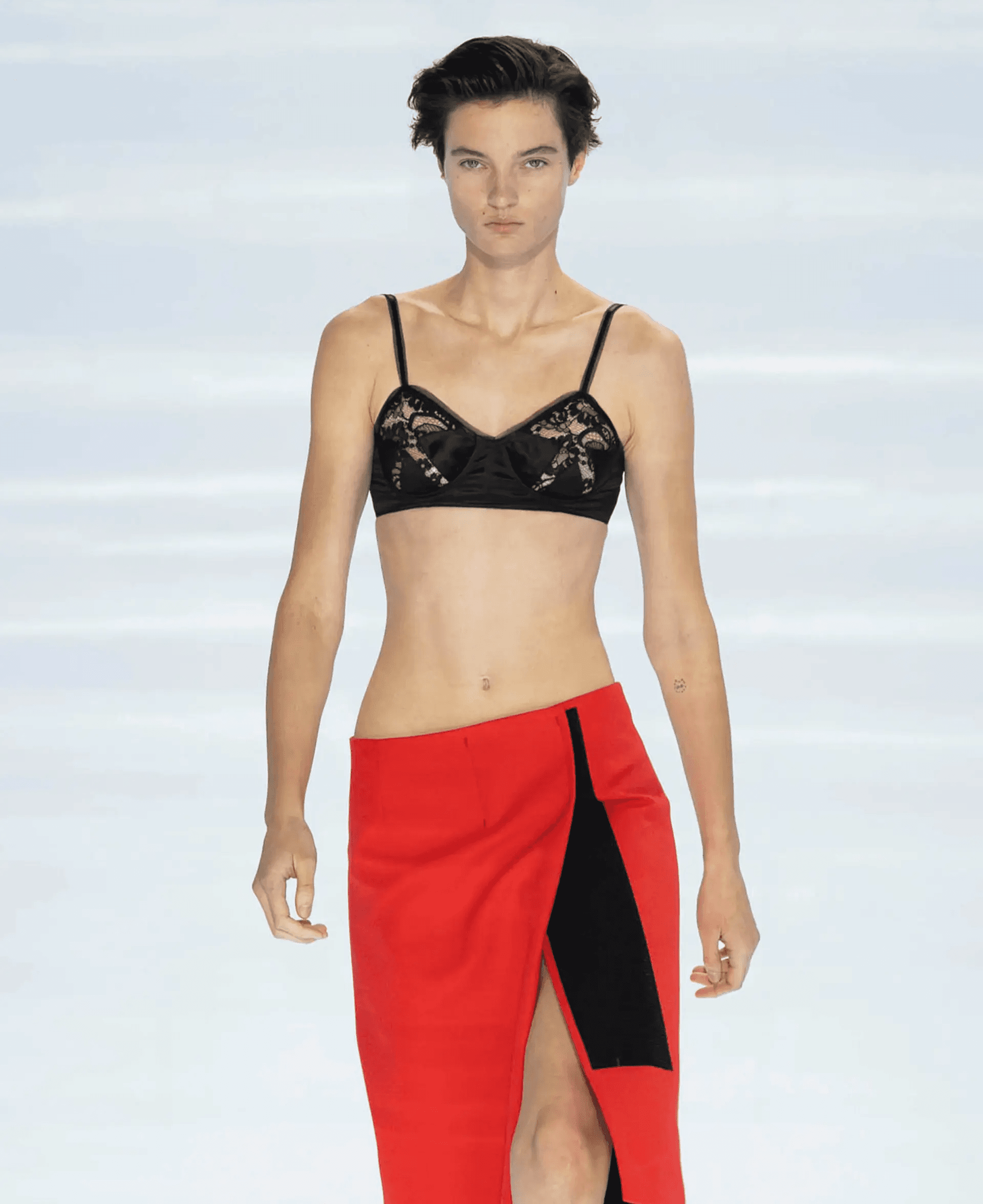
Miuccia Prada’s longstanding habit of returning to the skirt reached its peak in the Spring/Summer 2027 show. Together with Raf Simons, she devoted the entire collection to this single garment. Clearly, they still had plenty left to explore. They pleated nylon, embellished Velcro fastenings with crystals and exposed petticoats that would normally remain hidden beneath a skirt. A simple jumper, shirt or bra worn on top could completely change the mood of the look. We saw just how many different ways that familiar piece from Miuccia’s own wardrobe could be worn. The evolution of her fascination with skirts can also be explored at Pradasphere, the permanent exhibition at Milan’s Galleria Vittorio Emanuele II. One room is dedicated to archival skirts suspended from the ceiling and rotating overhead. Seeing designs from different periods side by side, isn’t it easy to understand why we are still curious about what Miuccia might do with the skirt next?
Thom Browne
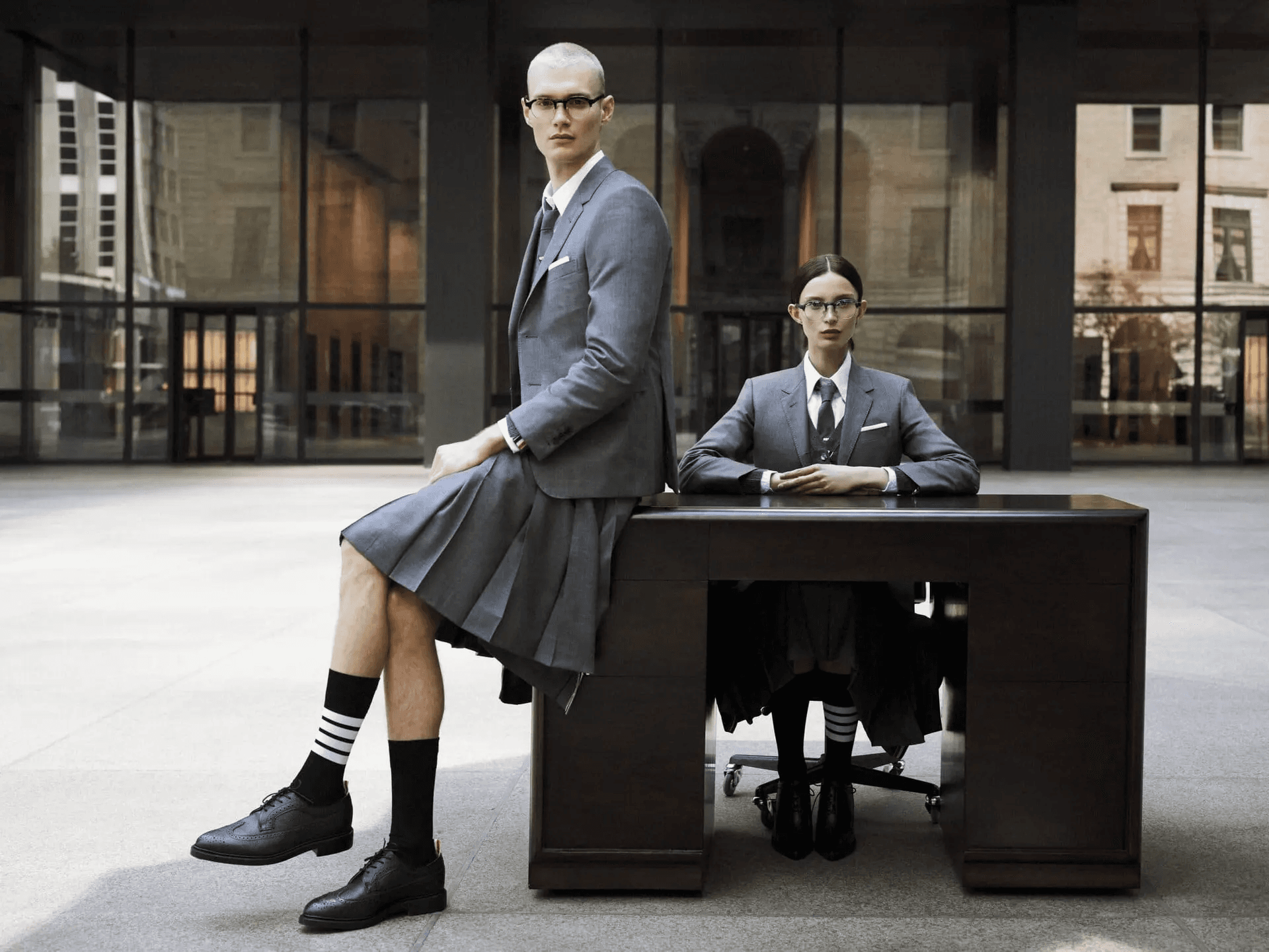
Thom Browne’s grey suit began as something he wanted for himself. When he established his business in 2001, he shortened both the jacket and the trouser legs. The resulting suit looked almost as though it had shrunk, and Browne himself recalls that very few people liked it at first. The uniform he wore at Catholic school and classic American clothing would go on to form the foundations of his subsequent collections. The length of the suit changed, skirted versions appeared, and its proportions were sometimes exaggerated to the point of looking almost like a costume.
Dries Van Noten
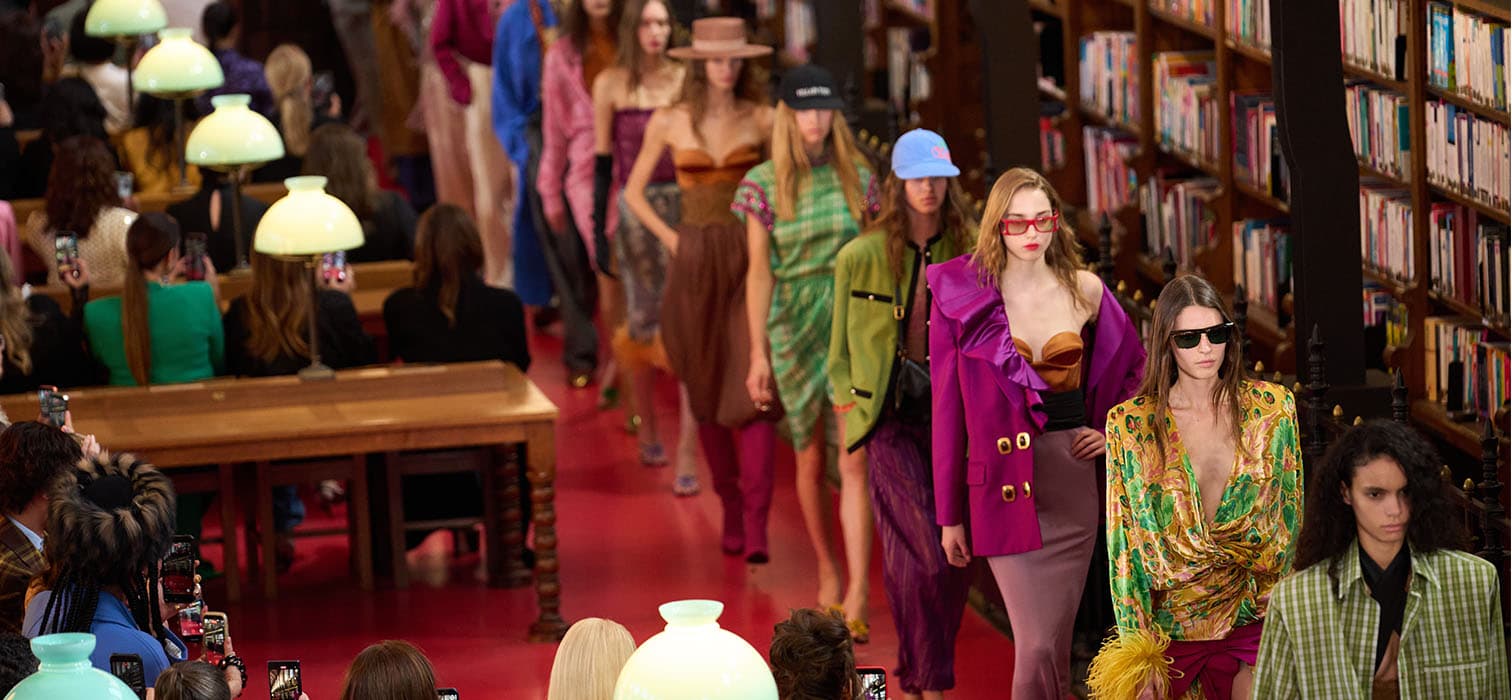
Nobody can mix florals and patterns quite like Dries Van Noten and turn the resulting clothes into objects of desire. For Spring/Summer 2013, he combined pastel florals with punk-inspired checks. A fabric that might have looked romantic on its own became something much easier to wear when paired with plaid. Raised in a family of tailors, Van Noten presented his first menswear collection in 1986 and knows garments such as jackets and shirts inside out. His passion for gardening also informed his choices of colours and flowers. Together, these two interests allowed his clothes to retain a sense of familiarity despite their abundance of patterns and embroidery. When you admire a Dries look and then examine each piece separately, you sometimes realise that none has quite the same impact on its own. The real magic, after all, lies in how he puts them together.
John Galliano
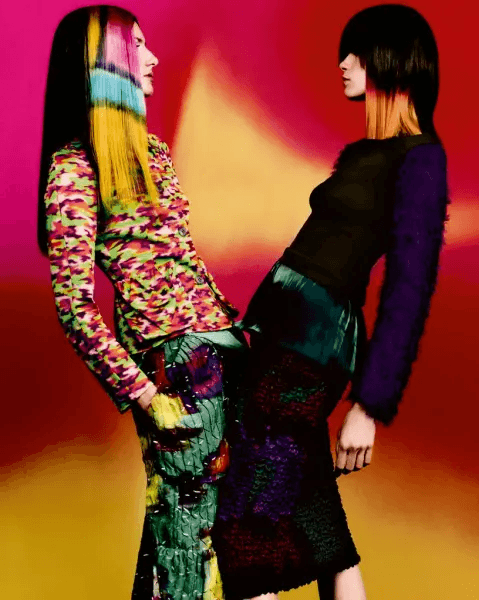
Galliano’s 1984 graduation collection, Les Incroyables, drew inspiration from the extravagantly dressed young people of post-Revolutionary France. This fascination with the past also fitted perfectly with the enthusiasm for dressing up in London’s New Romantic scene. Imagining the person who might wear a historical garment while studying its construction remained a defining feature of Galliano’s later work. We can recognise his hand in a bias-cut dress flowing over the body just as readily as in a tightly waisted jacket that exaggerates the hips. Vionnet’s cutting techniques, historical corsets and period clothing have remained recurring sources of inspiration in his designs. From his own label to Dior and then Maison Margiela, we can trace his habit of telling stories through cut and construction. Had it not been cancelled, the John Galliano: Horizons exhibition planned for the Met in May 2027 would have offered an opportunity to see this continuity brought together in one place.
Martin Margiela
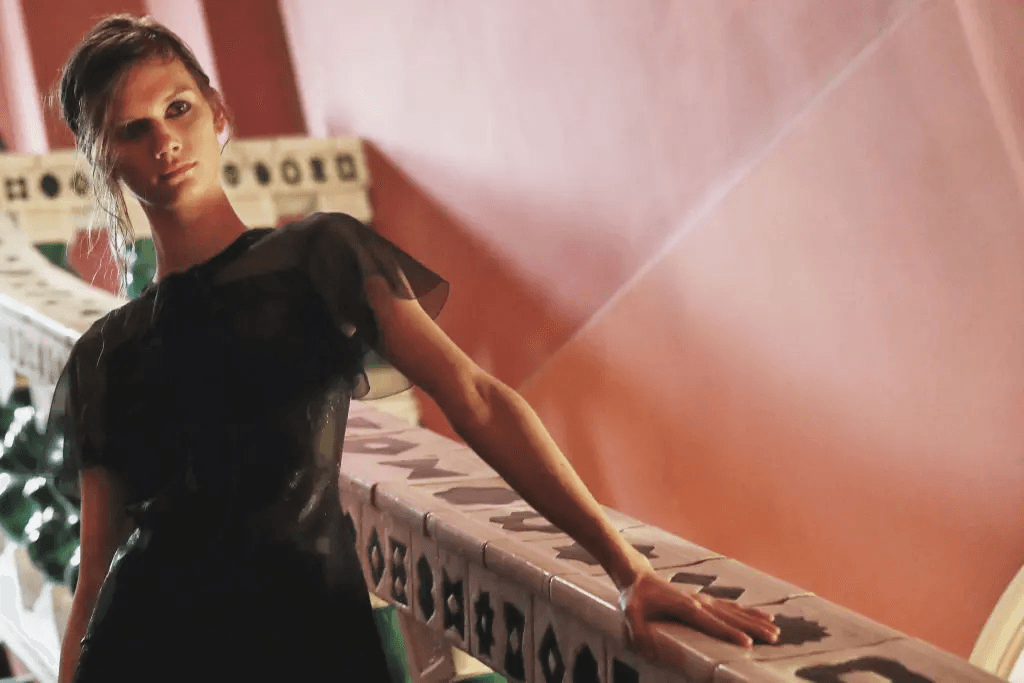
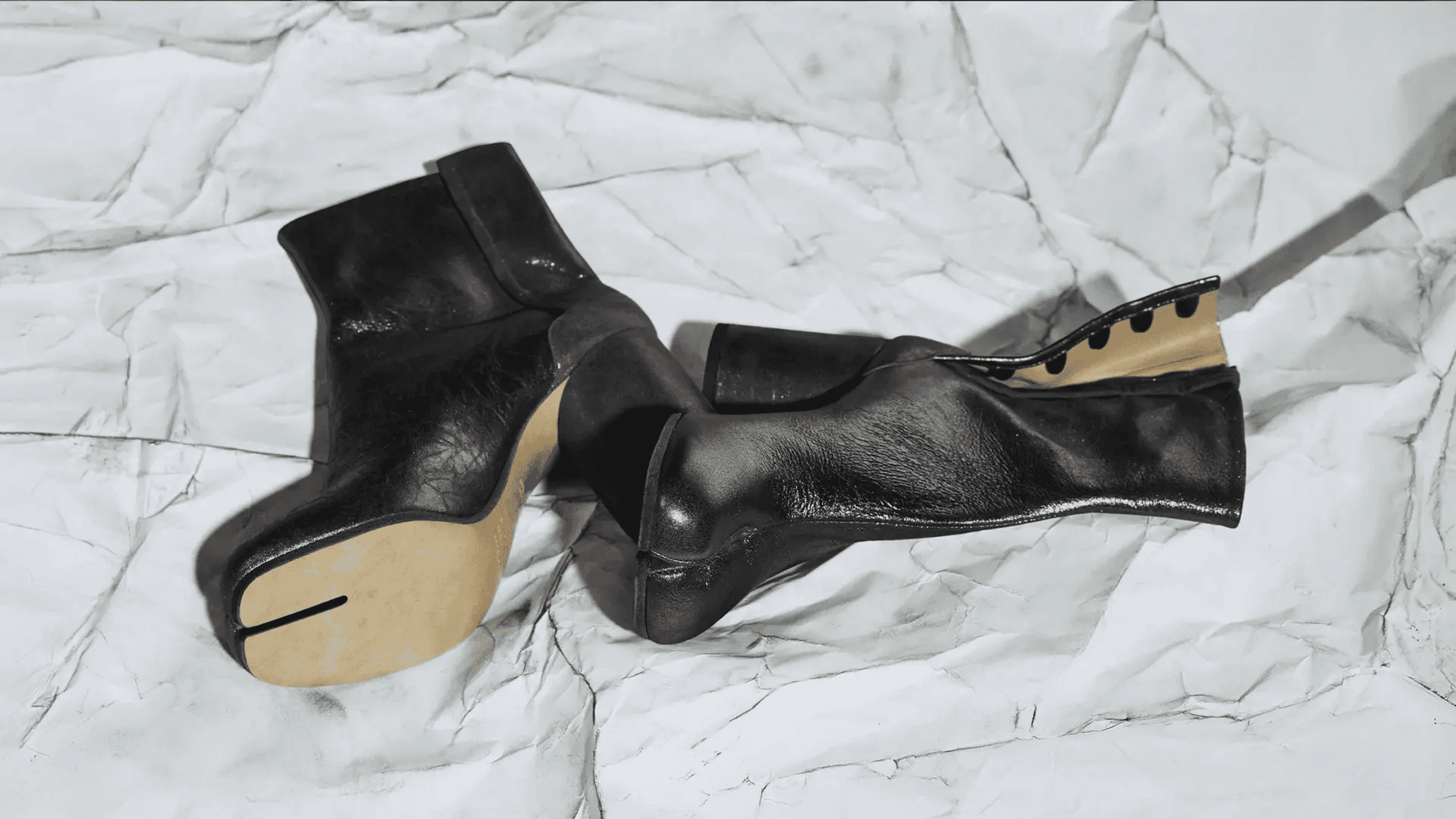
At the Spring/Summer 1989 show, presented in 1988, the red-painted soles of Tabi boots left marks on the white runway. The shoes we now recognise at a glance made their debut in precisely this way. In the years that followed, exposed seams, linings, fitting marks and repurposed vintage garments also became synonymous with Margiela. He made visible the elements of garment construction that are usually concealed or tidied away. Even the way white-painted boots cracked as they were worn became part of their appearance. Looking back at Margiela’s work, we can see how many of his designs emerged from the same working methods. The four white stitches holding a label without a printed name are another example.
Rei Kawakubo
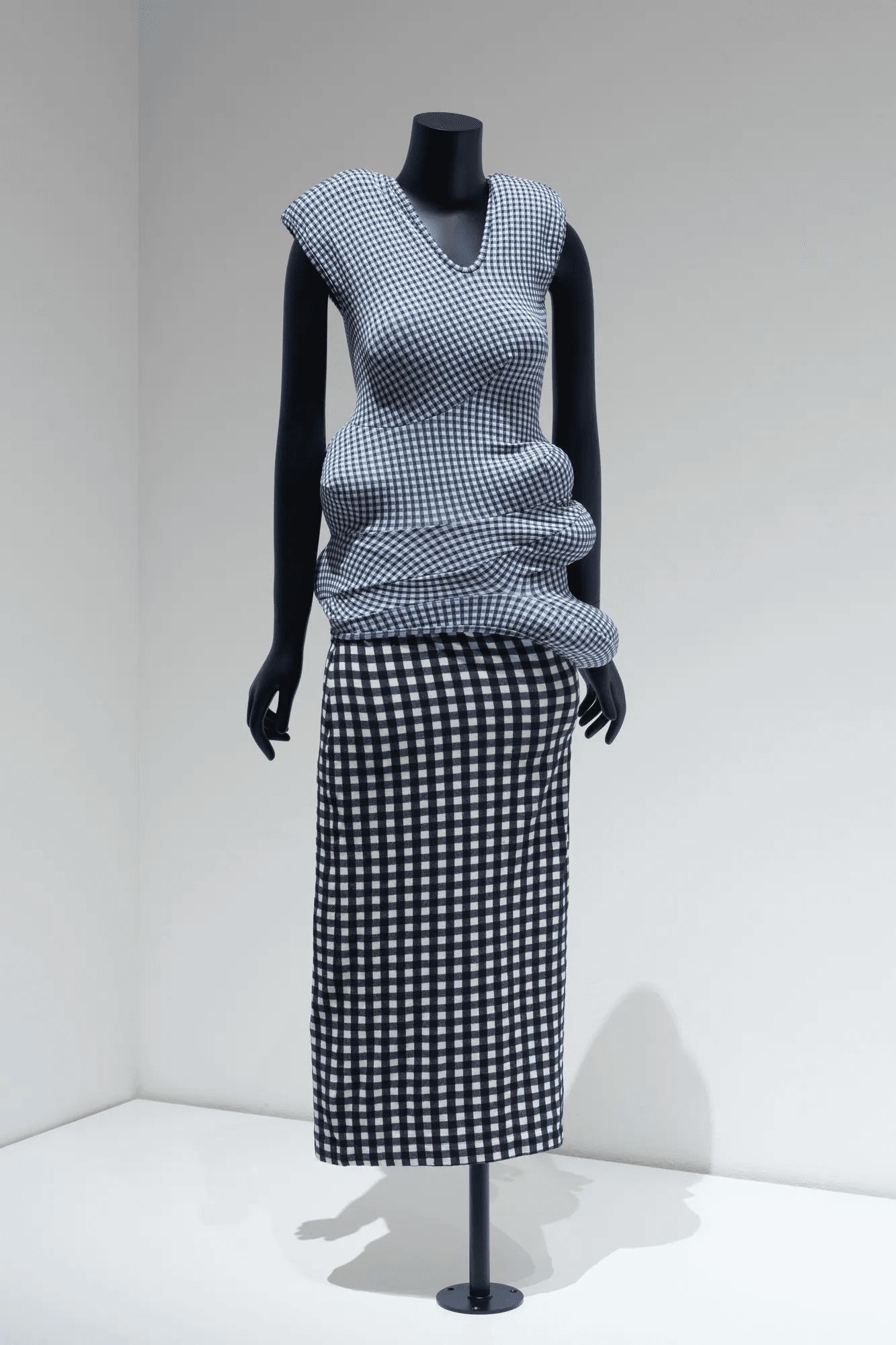
For Kawakubo, dissatisfaction with her own work can become the starting point for a new collection. In 1979, she spoke of wanting to create stronger work, something that had never been done before. The loose, asymmetric and predominantly black garments she presented in Paris in the early 1980s emerged from that search. In her Spring/Summer 1997 collection, Body Meets Dress—Dress Meets Body, she used padding to create unexpected bulges in different parts of the body. There was no requirement for the waist to appear slim or the hips to look conventionally proportioned. Almost everything she created afterwards seemed to build on that very idea.
Nicolas Ghesquière
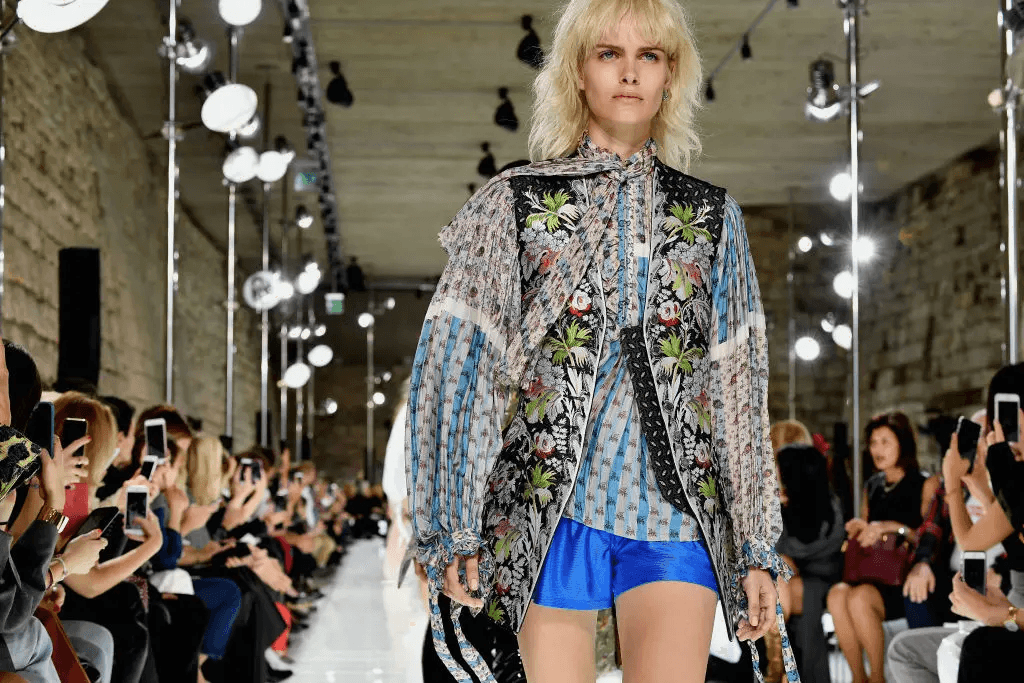
Think back to the embroidered jackets in Louis Vuitton’s Spring/Summer 2018 collection. They looked as though they had been borrowed from 18th-century menswear, yet they were paired with athletic shorts and chunky-soled shoes. Ghesquière’s fascination with mixing historical periods was particularly evident in this look. At Balenciaga, where he took over as creative director in 1997, he studied Cristóbal’s cuts and volumes while introducing his own interests in sportswear and science fiction. An old silhouette, rendered in a new material and altered proportions, could suddenly look as though it had arrived from the future. At Vuitton, the historical references in his designs became more conspicuous. We are accustomed to describing Ghesquière as “futuristic”, but what makes his clothes so intriguing is precisely our inability to decide which period they belong to.
The Fashion Industry’s Uncomfortable Truth