The world’s happiest countries are back in the spotlight, and once again, the North dominates the rankings. But have Northern Europeans, who spend much of the year in darkness, discovered a secret to happiness that the rest of us have yet to figure out?
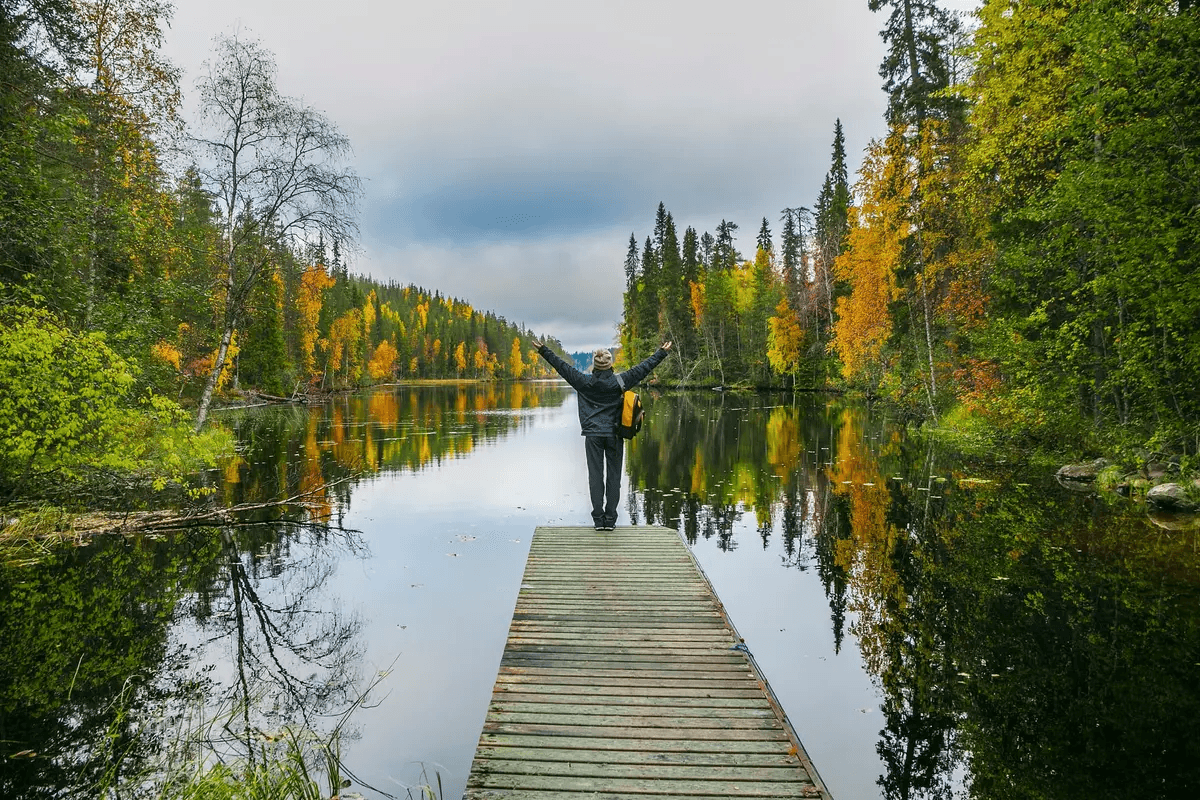
The world’s happiest people live in Finland. At least, that’s what the research tells us. Considering the long winters, short days, reserved social interactions and emotions that aren’t always openly expressed, it’s hard not to wonder, especially from a Mediterranean perspective: Do the Finns know something about happiness that the rest of us don’t?
Apparently, it’s not just the people who are happy. Their passports are, too. According to Global Citizen Solutions’ Happy Passports Index 2026, Finland ranks first, followed by Iceland and Denmark. The very same three countries top the 2026 World Happiness Report, with Finland claiming first place for the ninth consecutive year. Northern Europe certainly seems to have found some consistency when it comes to happiness. But what exactly are we calling happiness?
This is where Hozier’s Northern Attitude comes to mind. The song explores how colder climates can shape a person’s character, and its title seems particularly fitting. How is it that countries where people tend to be more reserved, value their personal space and feel less compelled to fill every silence consistently dominate the happiness rankings?
Gonzalo Azumendi (Getty Images)
Perhaps we should start by looking at what these rankings actually measure. The World Happiness Report doesn’t ask how often people laugh, how much fun they have or how cheerful they feel throughout the day. Instead, participants are asked to evaluate their lives on a scale from zero, representing the worst possible life, to 10, representing the best. Country rankings are based on averages from the previous three years.
In other words, what we’re really talking about is life satisfaction rather than happiness in the everyday sense. We don’t know whether someone living in Finland laughs more often than we do, experiences a more passionate love affair or wakes up on Monday mornings feeling particularly enthusiastic about going to work. What we do know is that when asked to rate their lives, they give them considerably higher scores.
But is being satisfied with your life really the same thing as being happy?
Does Sunshine Really Have Anything to Do with Happiness?
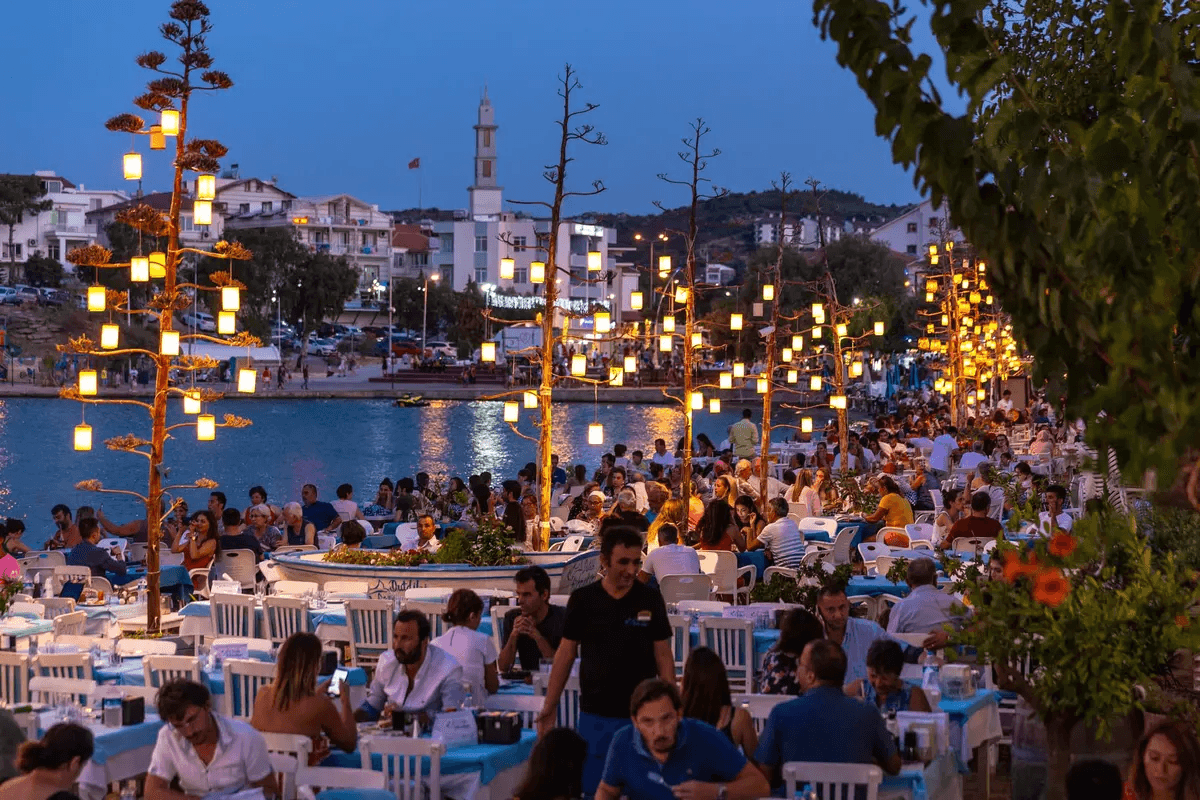
For someone who grew up in the Mediterranean, happiness has a fairly recognizable setting. A sunny afternoon, a long lunch by the sea, crowded tables, streets full of life, a little music and plenty of conversation. We tend to look for happiness outdoors, in the company of others and preferably under clear skies.
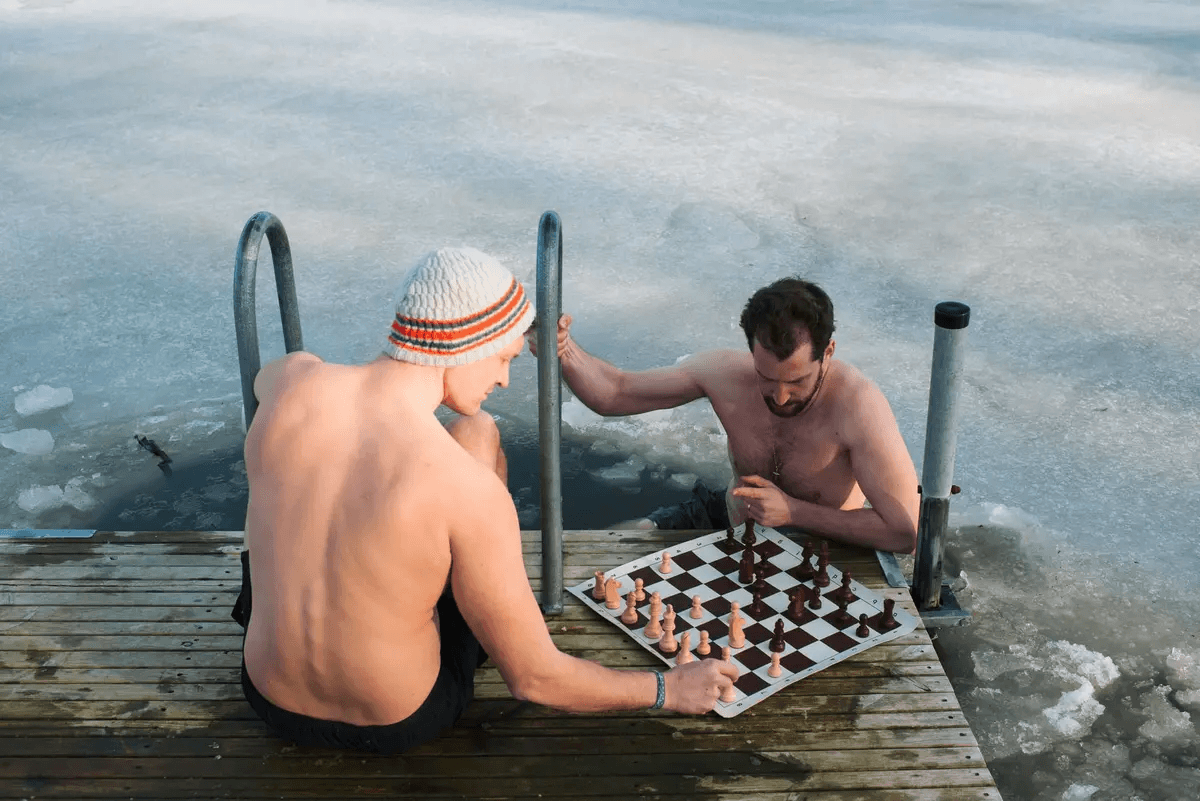
Yet in many of the world’s happiest countries, winters are long, days are short and temperatures are low. Travel far enough towards the Arctic Circle and you’ll find communities where the sun doesn’t rise above the horizon for weeks. We also know that a lack of sunlight can contribute to seasonal depression. So how do we explain Finland’s nine-year winning streak?
Jonas / Bildmedia / 500Px (Getty Images)
Perhaps the answer lies not in the weather itself, but in the confidence that life will continue to function regardless of the forecast. It brings to mind a familiar sign-off from Hülya Uğur, one of Turkish television’s best-known weather presenters: “Whatever the weather, may your spirits always be bright.” Perhaps what we thought was merely a weather forecast was actually a formula for happiness.
Of course, sunshine can have a positive effect on our mood. But living somewhere sunny doesn’t necessarily mean your life will be equally bright. This is precisely where the distinction between enjoying an ordinary day and being satisfied with your life becomes important. Having a good day is one thing. Believing you have a good life is another.
Roberto Moiola / Sysaworld (Getty Images)
What Prosperity Cannot Solve
The Nordic countries’ success in happiness rankings is often attributed to their strong welfare systems. Reliable healthcare and education, unemployment support, workers’ rights and the ability to look towards the future with greater confidence all make life considerably easier. Knowing that you can receive treatment when you’re ill, or that losing your job won’t necessarily mean losing everything, takes an enormous weight off your shoulders.
But there’s another side to the story. Having a state that takes good care of you doesn’t necessarily mean you’ll never feel lonely.
Personal independence is highly valued in Northern Europe. Young people tend to leave the family home relatively early, and adult children living with their parents is less common. Maintaining independence well into old age is also widely encouraged. None of this necessarily means that family relationships are weak, of course. But there are noticeable differences compared with the family structures many of us are accustomed to.
Thomas Barwick (Getty Images)
In Turkey, it’s perfectly normal for children, grandchildren and extended family members to play an active role in an elderly parent’s daily life. In Northern Europe, personal independence may take greater priority. That freedom has its advantages, but it can also come with loneliness. Indeed, loneliness among older people remains an important subject of discussion in these countries.
Living within a system that makes life easier and having people with whom to share that life are two different needs. A strong welfare state and strong family ties don’t have to be alternatives to one another. Wouldn’t the ideal be to have both?
Are We Wearing Ourselves Out by Being So Emotional?
One of the most noticeable cultural differences between Northern Europeans and Mediterranean societies is the way emotions are expressed. Naturally, it’s impossible to assign the same personality traits to millions of people. Still, personal space, silence and emotional restraint tend to play an important role in everyday interactions, particularly in Scandinavian societies.
What a Turkish person might consider a sign of warmth and interest, a long conversation or a series of questions about someone’s personal life, might feel like an intrusion to a Swede. Yet our more direct way of communicating has its own advantages. Expressing emotions openly can reduce uncertainty in relationships, making it easier to understand what another person thinks, feels and expects from us. Close relationships also provide an important support network, not only during happy times but when life becomes difficult.
Joao Inacio (Getty Images)
In the North, relationships may be quieter, boundaries more clearly defined and emotional expression more restrained. It would be unfair to suggest that this means people feel less deeply. The intensity of an emotion and the way it is expressed are not the same thing. But talking less about feelings doesn’t necessarily mean processing them more healthily, either.
Finland’s own history offers an interesting reminder of this complexity. During the 1990s, the country struggled with relatively high suicide rates. Although those rates have declined significantly over the following decades, mental health challenges and loneliness have not disappeared. This doesn’t mean that Finns are unhappy. It simply reminds us that topping a happiness ranking doesn’t mean everyone in a society is doing well.
A country can have a very high average level of life satisfaction while still being home to people who feel profoundly lonely, unhappy or helpless. Perhaps calculating an average for happiness can never fully capture the complexity of human experience.
Costa Rica’s Secret
One of the most intriguing countries on the list is undoubtedly Costa Rica. Ranking fourth, immediately after Finland, Iceland and Denmark, the Central American country has overtaken both Sweden and Norway.
And this isn’t simply a one-year success story. Costa Rica ranked 23rd in 2023 and has climbed remarkably quickly since then. In 2026, it reached the highest position ever achieved by a Latin American country in the World Happiness Report.
Costa Rica’s income per capita remains considerably lower than that of the Nordic countries. It also doesn’t have the same economic resources to devote to social security and public services. Nevertheless, its people report higher levels of life satisfaction than those in many of the world’s wealthiest nations.
Jordan Siemens (Getty Images)
The widely used expression pura vida is more than just another well-being trend destined for the pages of lifestyle magazines. It represents a cultural outlook that emphasizes enjoying everyday life and approaching it with a positive attitude. Strong family relationships, social connections and a sense of community are also frequently highlighted in discussions about Costa Rica’s happiness. Of course, attributing an entire country’s happiness to a two-word philosophy would be rather romantic. Its healthcare system and high life expectancy are important parts of the picture, too.
Costa Rica’s success raises a particularly interesting question: Is there really only one path to happiness?
In Finland, institutional trust and predictability may play a particularly important role. In Costa Rica, social connections and enjoyment of everyday life may carry greater weight. One has long winter nights; the other, tropical sunshine. The fact that both rank among the world’s happiest countries challenges any simplistic attempt to explain happiness through climate, wealth or cultural habits alone.
Where Does Turkey Stand?
And what about us? Turkey ranks 94th out of 147 countries in the 2026 World Happiness Report, with an average life satisfaction score of 5.3 out of 10.
Apparently, there’s quite a distance between the moments when we feel cheerful and the way we evaluate our lives as a whole. A line from Turkish alternative band Büyük Ev Ablukada’s song En Güzel Yerinde Evin captures the contradiction rather neatly: “I’m unhappy, but I’m in a good mood.” Perhaps that’s the shortest possible summary of our relationship with happiness.
We like to take pride in our crowded dinner tables, long conversations, hospitality, close family relationships and ability to come together under almost any circumstances. These are all valuable aspects of our social lives. More importantly, they don’t simply make everyday life more enjoyable; they also create a support system we can turn to when we need help. But a society with vibrant social relationships isn’t necessarily one in which people feel secure about their futures.
Economic uncertainty, the cost of living, anxiety about the future and trust in public institutions can all influence how people evaluate their lives. Our strong social ties may help us navigate difficult circumstances, but support from friends and family cannot always compensate for a lack of economic and institutional security.
Tolga İldun (Getty Images)
Perhaps this is where one of the main differences between Turkey and Northern Europe becomes apparent. In Turkey, family, friendships and close social circles often provide an important sense of security, while in Nordic countries, much of that security is provided through institutions. Naturally, both forms of support exist in both societies, but their relative importance in everyday life can differ. Neither model is inherently superior; each has its strengths and limitations.
Is Happiness a Feeling or a Way of Life?
Every year, when the world’s happiest countries are announced, we discuss Northern Europe’s success. We talk about strong economies, generous welfare systems and cultures built on trust. But we often overlook a more fundamental question: What exactly is happiness?
Feeling secure isn’t the same as feeling excited about life. Being peaceful isn’t the same as being passionate. And being satisfied with your life isn’t necessarily the same as feeling happy every day. A strong welfare state may reduce anxiety about the future, but it cannot eliminate loneliness. Close family relationships may make us feel loved, but they cannot solve economic uncertainty.
Cavan Images / Rachel Bell (Getty Images)
Returning to Hozier’s Northern Attitude, perhaps turning the differences between the Nordic approach to life and our own into a competition over happiness is misguided from the start. One society’s quietness isn’t more valuable than another’s exuberance. Neither emotional restraint nor open expression can guarantee happiness.
And perhaps it’s unfair to treat happiness as an entirely individual responsibility in the first place. We’re constantly encouraged to feel better, think more positively and live more healthily, while the influence of the circumstances in which we live is all too easily overlooked.
Perhaps the world’s happiest people are simply those who don’t have to work quite so hard at being happy every single day.
But one question remains: Is being satisfied with your life enough to truly love living it?
Saatolog Yıllık Saat Dergisi Saatolog’un yeni sayısı, 2020’nin yarattığı bu dönüştürücü etkiden ilham alarak hazırlandı. Dünya dijitalin etkisiyle her zamankinden de hızlı bir şekilde ilerlerken yavaşlamanın da önemini sonunda kavramış bulunuyoruz ve bu tezatlık hayatlarımızın her anına etki ediyor. Biz de bundan yola çıkarak Saatolog 2020/21 sayısını ‘‘hızlı ve yavaş’’ teması altında hazırladık.