Joining 212 Photography Istanbul with her unforgettable images, Jill Greenberg is turning in the opposite direction in an age of flawless visuals: more handmade work, more imperfection, and a little more unease.
A Jill Greenberg photograph often arrives dressed for the occasion. The light is immaculate, the colour almost too perfect, the face polished to the point of unreality. And then the surface begins to crack. Stay with the image a little longer and beauty gives way to something less obedient: humour, tension, discomfort, sometimes even a faint sense of unease. Greenberg has spent much of her career working precisely in that narrow space where seduction and disturbance can occupy the same frame.
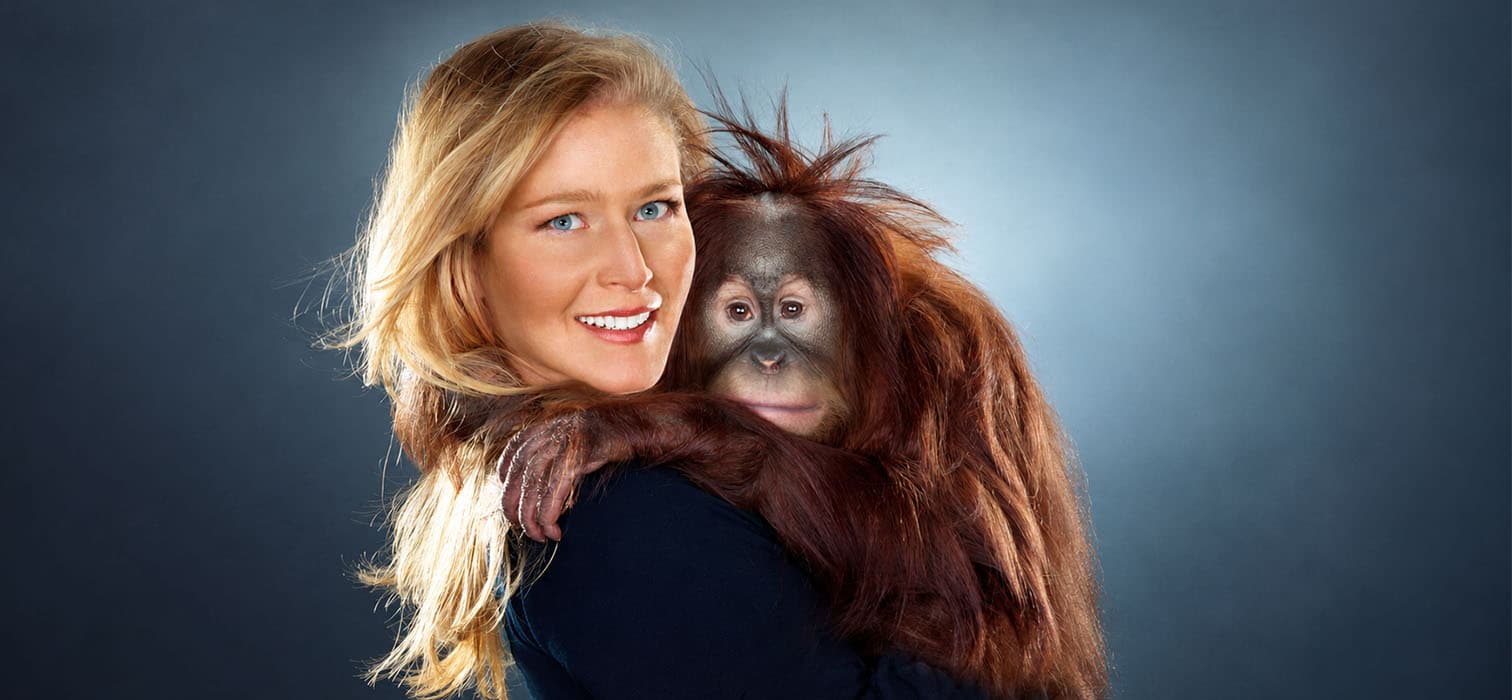
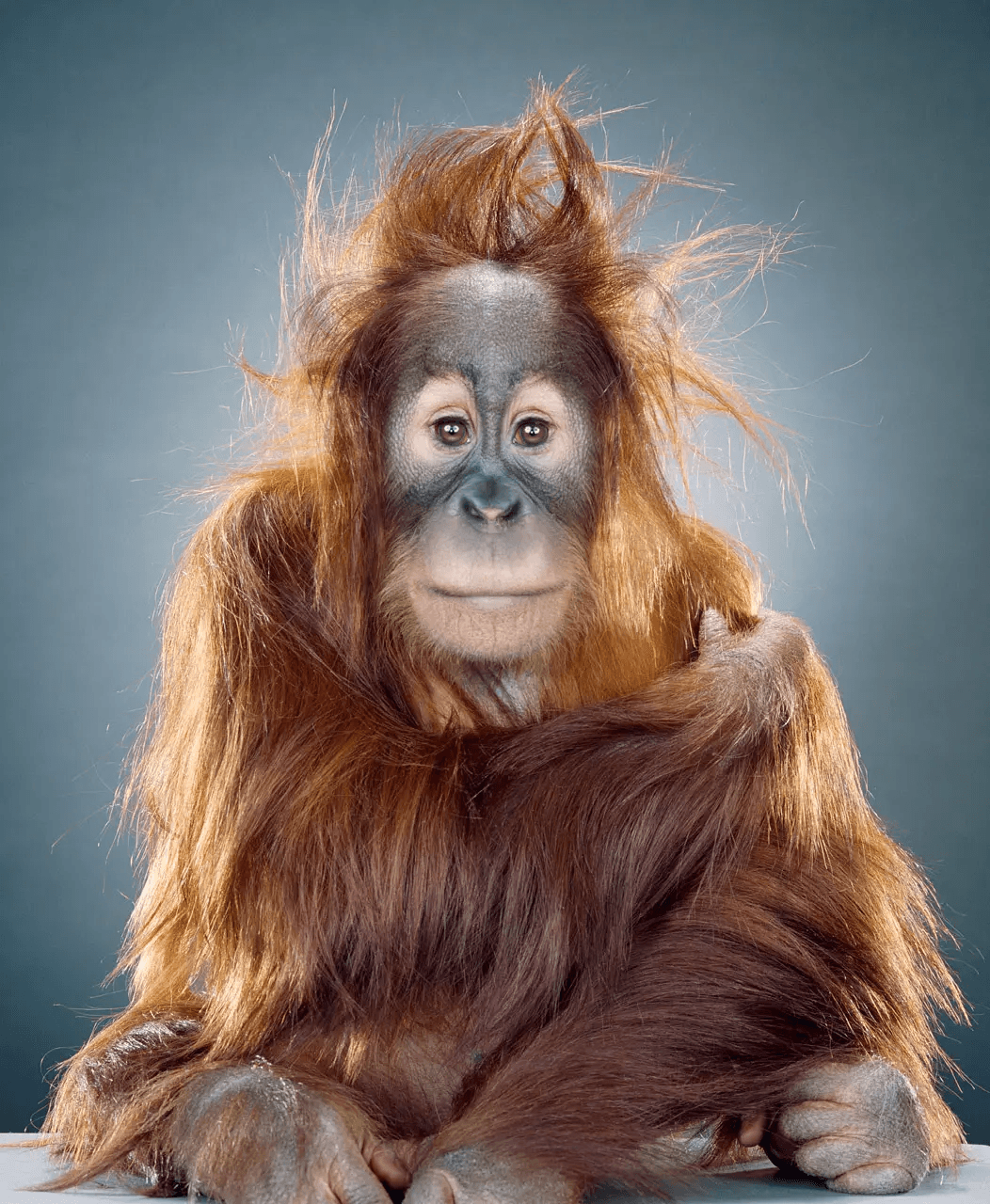
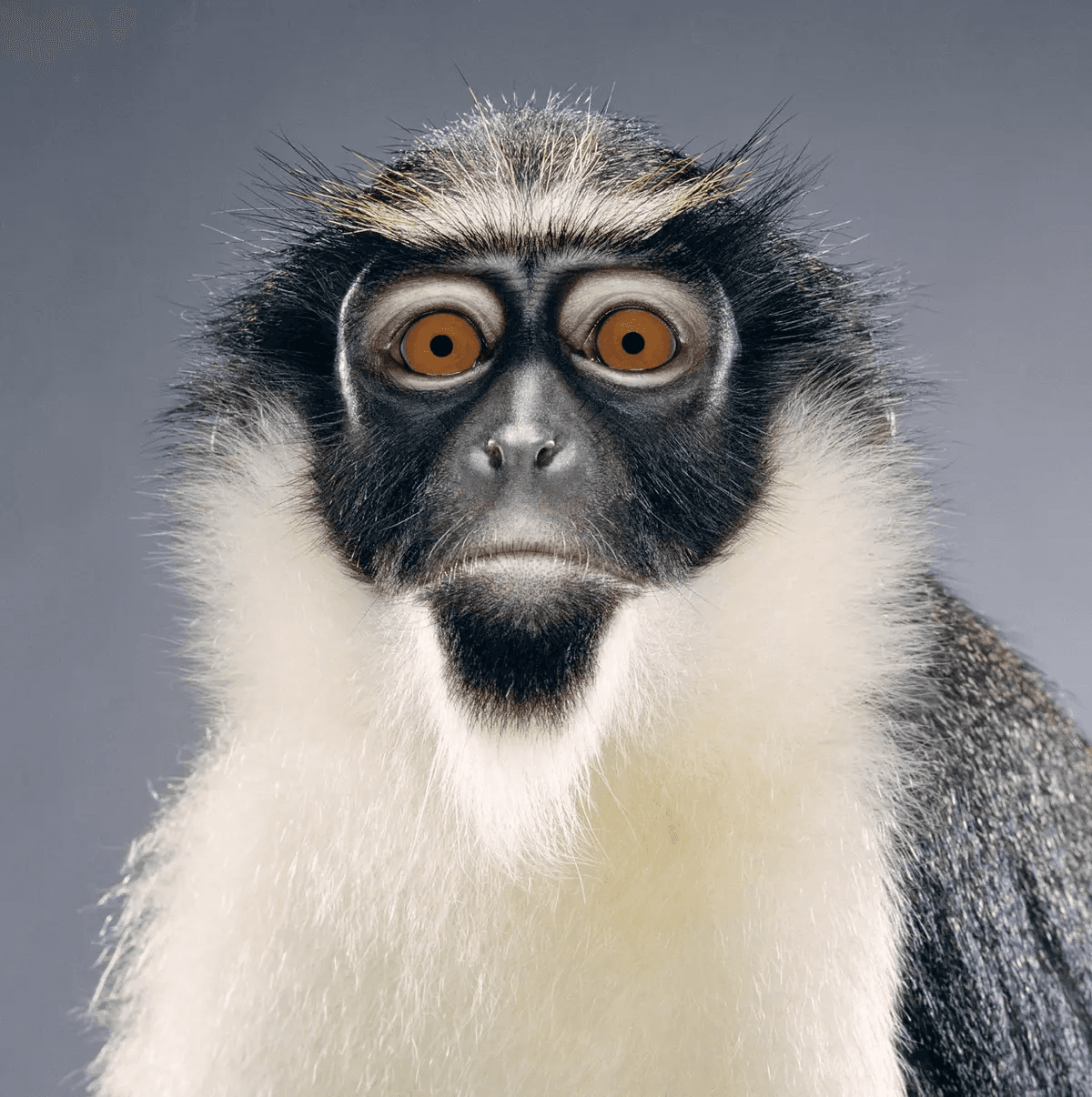
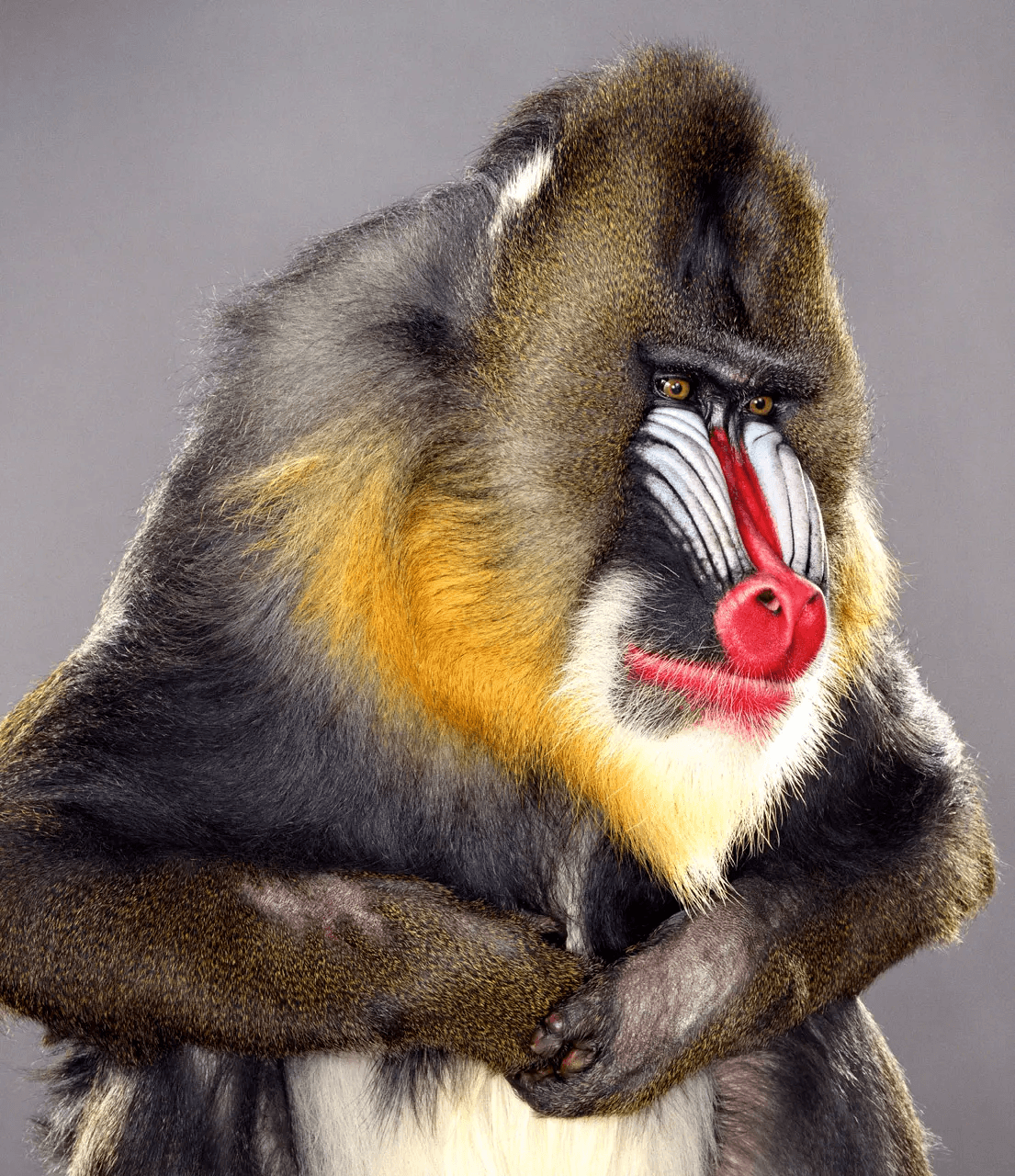
This autumn, that tension arrives in Istanbul. As part of the ninth edition of 212 Photography Istanbul, taking place across the city from September 26 to October 11, Greenberg’s Monkey Portraits / İnsan Aynası will be shown at Eski Posta Han. Created two decades ago, the series now returns to view in a radically different image culture—one shaped by endless scrolling, digital manipulation and, increasingly, artificial intelligence.
There is a certain irony in that timing. At a moment when images can be produced with almost no friction, Greenberg is moving in the opposite direction. Drawing, painting and sculpture have returned to the centre of her practice. The camera has not disappeared, but the hand has become visible again: in the line, the mark, the mistake, the trace that refuses to be perfectly smooth.
Perhaps that is what makes this moment in her career particularly interesting. Greenberg is not looking back at Monkey Portraits as a monument to a signature style. She is more interested in what happens when an artist loosens her grip on the very language people have learned to recognise her by.
We spoke about beauty that refuses to behave, faces that reveal more than they intend to, photographs that may now be mistaken for AI, and the freedom of stepping away from market expectations. At the centre of it all is a simple question: in an age of increasingly seamless images, what happens when the artist decides to leave the fingerprints in?
Your photographs often have a very strong, polished aesthetic at first glance, but the longer we look, another emotion tends to emerge. Is it important to you that an image does more than simply look beautiful — that it also unsettles the viewer in some way?
Indeed. Who said looking beautiful is the only thing art should do? I question almost daily whether I want to make transgressive, abject work or pretty pictures and objects. I strive to do both at once. I like that tension.
Monkey Portraits remains one of your most memorable bodies of work, even many years later. When you look back at those photographs today, what surprises you most? Do you think the series would look different if you were making it now?
I couldn’t make this series now, if only because there are no longer working apes in the way there were then. Understandably and thankfully, laws and industry standards have changed to protect animals from exploitation. So the conditions that allowed the series to exist have changed completely.
Faces have always played a central role in your work. When you photograph someone, what draws you in most: beauty, character, a small imperfection, or perhaps an expression the person cannot fully control?
I love faces—the expressions, but also the sculptural bone structure. I have drawn and painted characters in line for my whole life, so the faces of the monkeys and apes were another way to play with that fascination. I’m interested in how very small shifts in expression can completely change what we project onto a face.
In your more recent work, you have moved beyond photography into drawing, painting and sculptural forms. After so many years of working with a camera, what kind of freedom has returning to making things by hand given you?
As a young child, I was drawing, painting and making sculptures at the same time I was taking photographs. I studied illustration at art school and planned to focus on that, but I loved the immediacy of photography. I never stopped drawing, though, and I missed the handmade mark.
I tried to bring it back into my photographic work through the hand-executed digital painting in the animal series. My marks were more overt in my Horses series. Later, I found a new way for paint and photography to coalesce in my Paintings series, which is also on view at the 212 Festival. Now I’m returning more directly to drawing and sculpture. The line and the mark feel the most important, intimate and vulnerable to me—direct evidence of a human artist’s hand connected to their mind. In a world of increasingly frictionless digital images, and now AI, messy handmade work feels necessary.
Today, we are exposed to hundreds, even thousands, of images every day. What do you think a photograph needs in order to still stay with us?
An image needs a strong point of view. It needs to do many things at once. Shape, color, emotion, composition and, in some cases, backstory all need to sing together. It should make you feel something in your gut. And it needs to be reasonably well executed, although obviously that is subjective.
These days I see writing about straight photography that includes the caveat that the image is “not AI.” It’s sad that we have to state this. My older work was likely used to train AI models, and now I imagine people might look at some of those photographs and assume they were generated if they don’t know they were shot on medium-format film twenty years ago. Strange times.
Your visual language is so distinctive that a Jill Greenberg photograph can often be recognized without seeing the credit. Has having such a strong signature style become liberating over the years, or do you sometimes feel the need to escape it?
I actually think I have several signature styles. I was known for completely different work in the 90s, for example. I get bored and try new things every few years. Some of those styles became so strongly associated with me that they can’t really be disconnected from my name. That’s both a blessing and a curse. I certainly don’t want recognition to become a reason to repeat myself.
What still excites you visually today? Can a city, a face, a color, an object, or even a small detail from everyday life still trigger the desire to make something?
Absolutely. I see art everywhere. Light, color, nature, faces and textures all trigger ideas. I have a long list of things I want to explore and doubt I’ll have enough time in my life to get to all of them.
That said, these days I work much more automatically. I play, make things without knowing exactly where they are going, and pay attention to what keeps surfacing.
If you could sit in the same room with the younger Jill Greenberg at the beginning of her career, what is something she took very seriously about photography that matters less to you now? And what has remained completely unchanged?
I think I took the idea of a career much more seriously. Right now I’m taking a break from career plans while I pivot mediums and play in the studio. I’m happy I worked as hard as I did and accomplished what I did, but at this point I want to disconnect making art from market-driven concerns.
My work has always had a somewhat pop sensibility—I like connecting with an audience—but many of the ideas I’m exploring now are challenging and antithetical to commercialism. I’m enjoying the freedom to make things for myself, including things that simply make me laugh. What hasn’t changed is the work ethic and the need to make things. The goals are different.
It can also be difficult to reinvent yourself when people know you for such specific work. So, for now, some of that experimentation will continue to appear under my alter ego until the time is right.
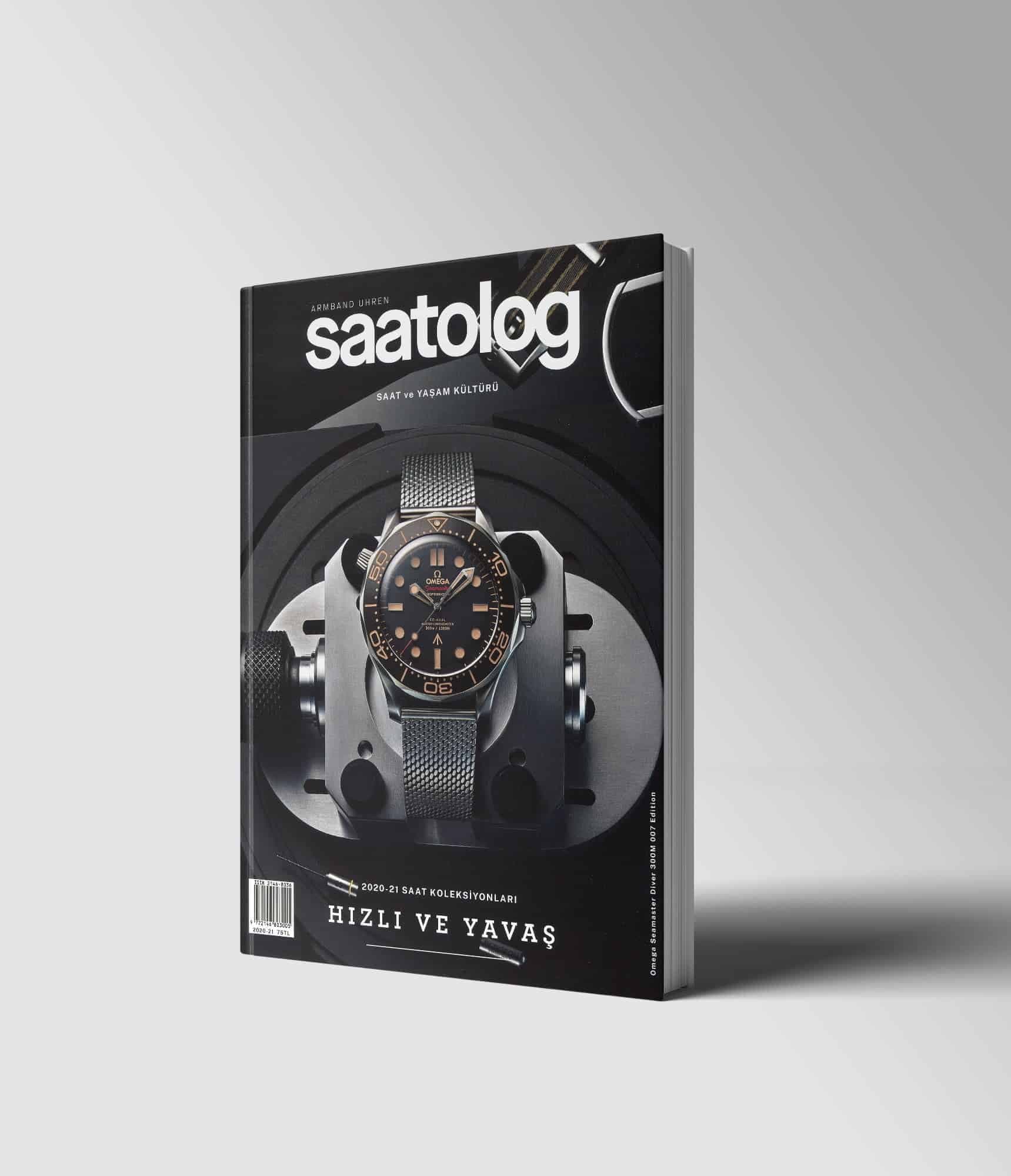
Saatolog Yıllık Saat Dergisi Saatolog’un yeni sayısı, 2020’nin yarattığı bu dönüştürücü etkiden ilham alarak hazırlandı. Dünya dijitalin etkisiyle her zamankinden de hızlı bir şekilde ilerlerken yavaşlamanın da önemini sonunda kavramış bulunuyoruz ve bu tezatlık hayatlarımızın her anına etki ediyor. Biz de bundan yola çıkarak Saatolog 2020/21 sayısını ‘‘hızlı ve yavaş’’ teması altında hazırladık.