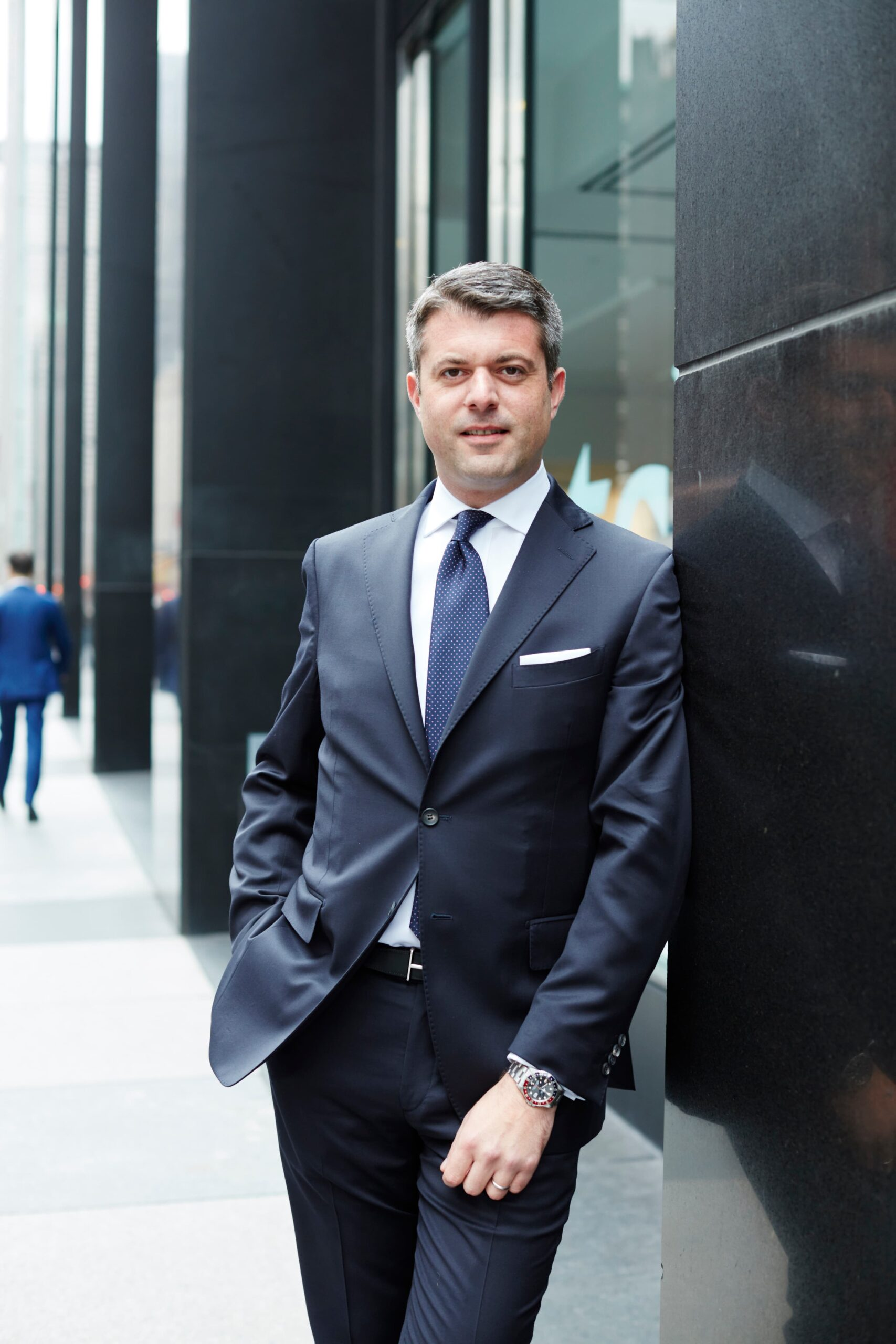
An Exclusive Interview with Thomas Perazzi
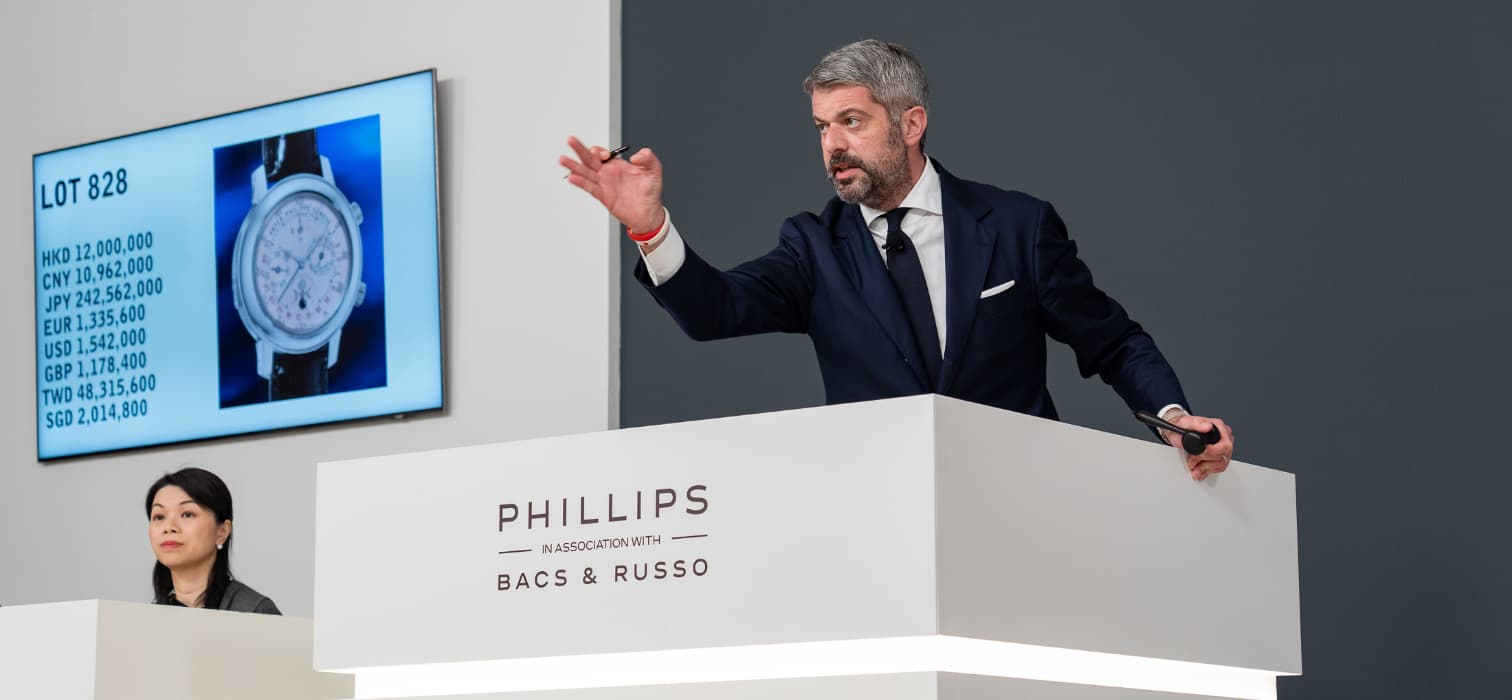
Thomas Perazzi tells about the headline-making Phillips watch sales of 2025 and offers insight into the world of watch auctions.
2025 was a strong year for Phillips. How would you describe it?
In 2025, we had the pleasure of celebrating the 10th anniversary of the establishment of the Phillips Watch Department, in association with Bacs & Russo. At the same time, we marked 10 years of Phillips’ presence in Hong Kong and, more broadly, in Asia. It was an exceptional year in terms of results. We hosted many highly successful auctions, making 2025 the most successful year not only in Phillips’ history, but arguably in the history of watch auctions overall. Total auction sales reached USD 290 million, and our private sales division also performed extremely well, generating an additional USD 80 million. These results exceeded our expectations at the beginning of the year. Beyond the figures themselves, they allowed us to demonstrate the strength, maturity, and overall health of the global watch market.
How do you select the timepieces for your auctions? Can you walk us through the process?
At Phillips, we place enormous importance on curation. Our catalogues are highly selective, featuring only the best watches available on the market. This means focusing on the rarest models and configurations, particularly in the contemporary and modern watch segments. When it comes to vintage watches, as well as pocket watches and clocks, categories in which we have also achieved strong results in recent years, everything comes down to quality. Quality means condition: how a watch has been preserved over decades, or even centuries. This is one of the key aspects collectors look for. Another increasingly important factor is provenance. Knowing who previously owned a watch can add exceptional value. A perfect example is the F.P. Journe timepiece we sold in New York that once belonged to Francis Ford Coppola. It achieved USD 11 million, becoming the most expensive independent wristwatch ever sold at auction.
Some of the biggest watch sales of the year took place at Phillips. What do you think is the secret behind this success?
I wouldn’t say there is a secret, but there is a clear way of working that our collectors value. Trust is fundamental. Collectors trust what we offer and how we present it. Professionalism is equally important. While the transaction itself matters, the pre-sale and post-sale services we provide are, in my opinion, among the best in the market. Our team is made up of specialists who are not only highly experienced, but genuinely passionate watch lovers and collectors themselves. This combination of trust, expertise, and passion is what sets us apart.
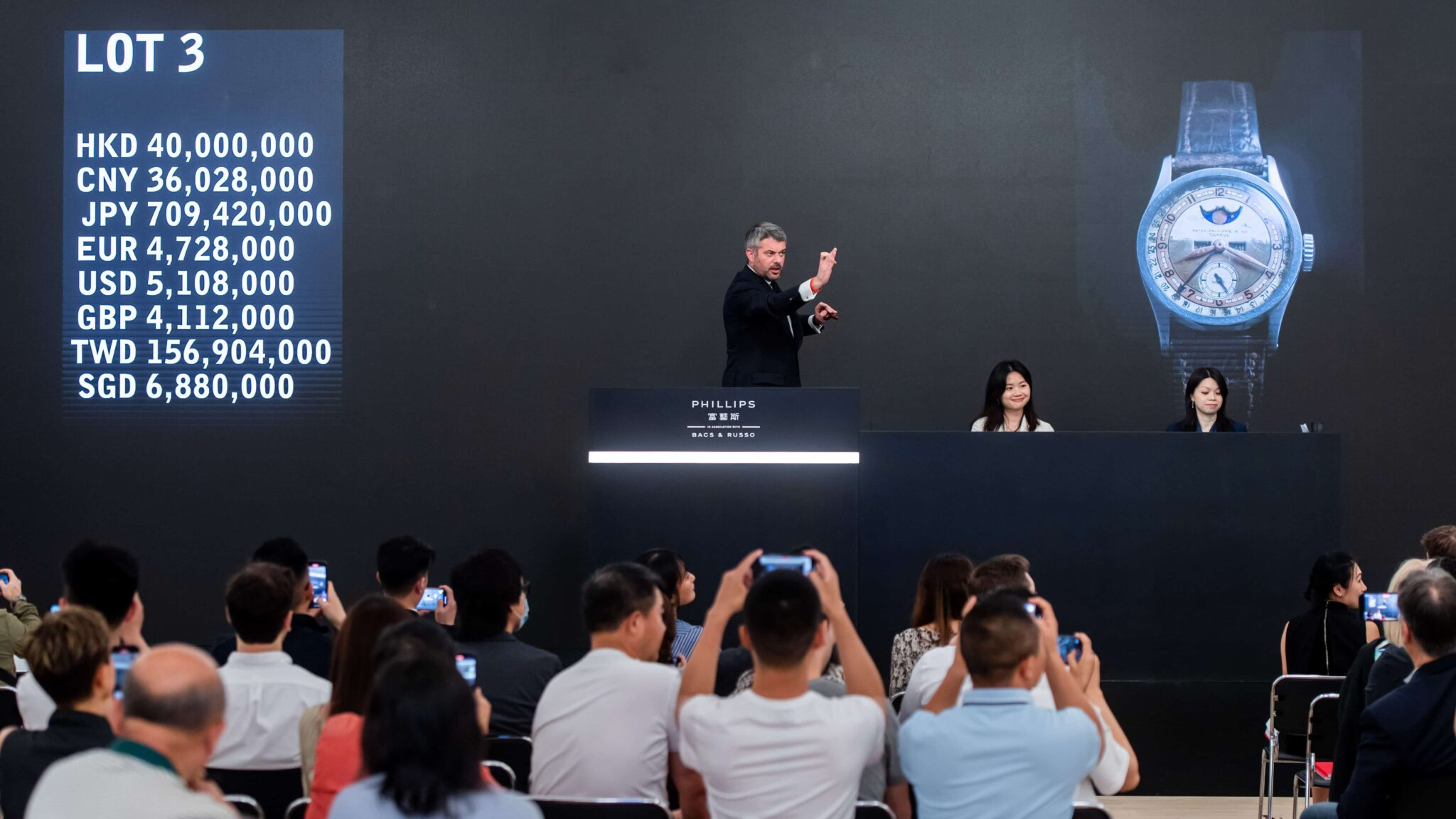
Beyond established names like Patek Philippe and Rolex, are there any emerging brands in the auction world?
F.P. Journe has been the rising star of recent years. The brand perfectly embodies our focus on quality and rarity. Journe produces extraordinary, highly complicated timepieces, while keeping production deliberately limited, around 1,000 watches per year. Compared to major brands, these numbers are very small, and that scarcity plays a crucial role in the brand’s success and growing recognition among collectors.
How do you define a true vintage watch?
Technically, the term “vintage” originates from the champagne world and refers to items made more than 20 years ago. By that definition, even watches from the early 2000s could be considered vintage today. However, in the watch world, the term is generally used for watches produced up until the 1980s or early 1990s, a period before major changes in the industry. More recently, the market has also adopted the term “neo-vintage” or “neo-classic,” referring to watches from the late 1980s, 1990s, and early 2000s. Today, discontinued wristwatches can broadly be classified into three categories: vintage, neo-vintage (or neo-classic), and contemporary.
What advice would you give to someone new to collecting who wants to buy a watch at auction?
The simplest and most important advice is to reach out to a specialist at Phillips. We always take the time to understand a collector’s background, what they like, what they wear, what they are looking for, and their budget. With that information, we can guide them toward watches that truly match their taste and expectations. While headline-grabbing results often attract attention, Phillips offers watches for every type of collector and every budget. This is also why we introduced online sales and our private sales platform, Perpetual, which offers timepieces around the clock.
Last year was very strong for Phillips. What are your expectations for the year ahead?
Of course, we always aim to improve, although it is still early to make precise predictions. What I can say is that the market currently appears to be in very good shape. The global watch collecting market feels solid and positive, and I have a bright and optimistic outlook for the year ahead.
Do you have a personal favorite among last year’s watches?
There were many, but one stands out above all: the Patek Philippe 1518 in stainless steel. For me, as a watch enthusiast for many decades, this watch represents the ultimate holy grail. It is the first perpetual calendar chronograph ever produced by Patek Philippe, dating back to the 1940s. Despite being over 80 years old, it remains remarkably modern in appearance, with an exceptional movement that is still perfectly functional today.
How would you describe the interest of Turkish collectors in watch auctions?
Turkish collectors and Turkish people in general have always shown a strong passion for mechanical watches. In recent years, this interest has grown even further. We are seeing more collectors from Turkey engaging with our auctions and the international market, particularly in search of rare vintage timepieces that are difficult to source locally. This growing enthusiasm is a very positive sign, both for the Turkish market and for the global watch collecting community as a whole.