
Voyager missions that transcended the Solar System and brought interstellar exploration to humanity, and NASA’s most fascinating research…
NASA is known for its innovations in space exploration and scientific research. Mars rovers, groundbreaking observations from the Hubble Space Telescope, and missions like Cassini-Huygens are some of its major successes. However, one of NASA’s most impressive achievements to date, the Voyager Missions, is a pioneering project that pushed beyond the boundaries of the Solar System, encouraging humanity to question its place in the universe.
Contents
Voyager Missions
From the Solar System to Interstellar Space
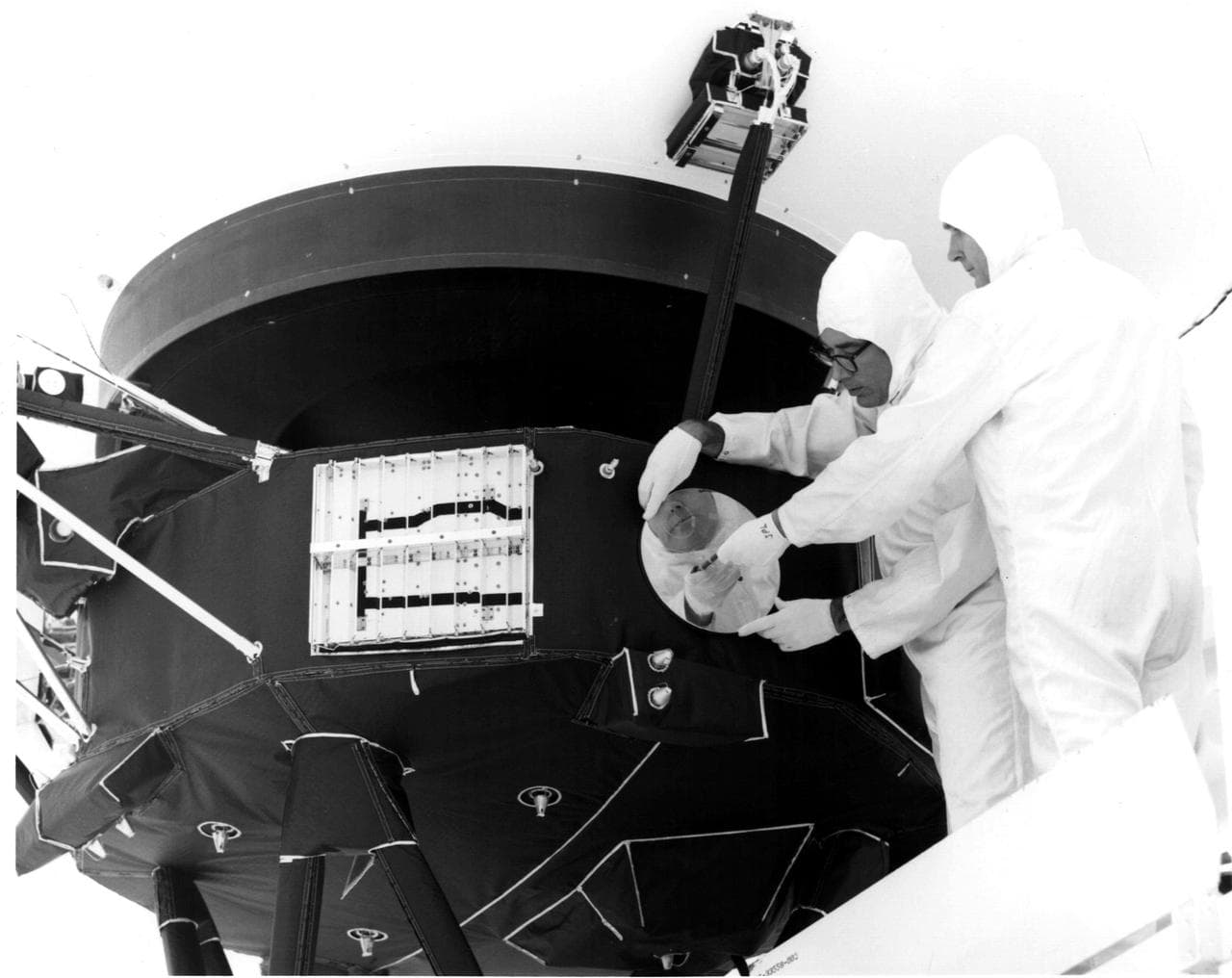
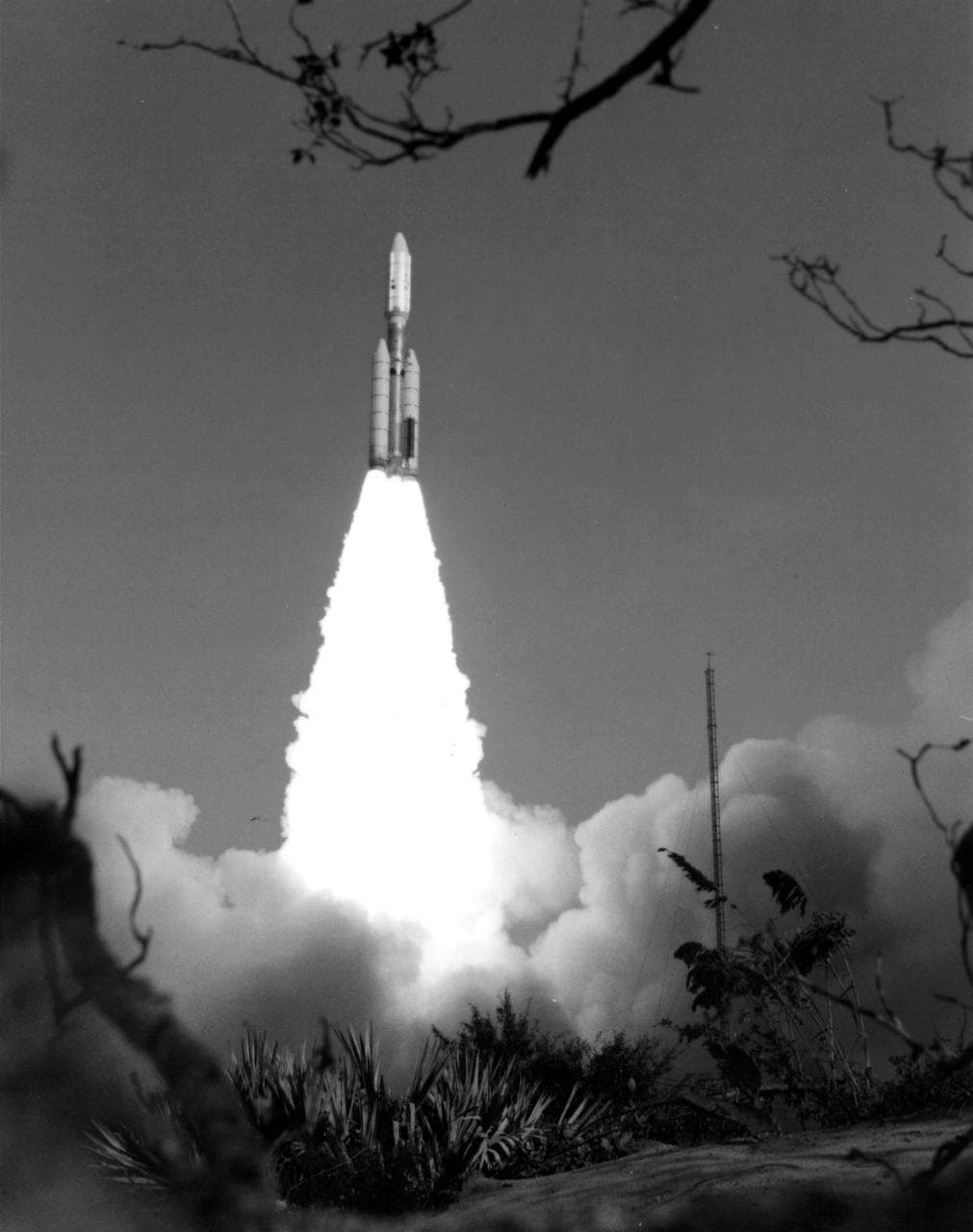
Voyager 1 and Voyager 2 are space probes launched by NASA in 1977, and they are the farthest human-made objects from Earth. Initially sent to study Jupiter and Saturn, their missions became far more extensive. Today, the Voyager probes continue their journey beyond the edges of the Solar System into interstellar space. Voyager 1 became the first human-made object to enter interstellar space in 2012, followed by Voyager 2 in 2018.
These probes are now billions of kilometers from the Sun, with the distance between them and Earth increasing daily. Voyager 1 has surpassed 24 billion kilometers and continues to send data thanks to its remaining energy reserves. However, these reserves are limited. It is estimated that the Voyager probes will continue transmitting data until around 2025, marking the end of their exploration journey. But how much further can these probes go? Is it possible they could one day reach another star system? These questions fuel the curiosity behind the Voyager missions.
Jupiter and Saturn
First Major Achievements

Jupiter and Saturn, the first stops on the Voyager missions, provided scientists with invaluable insights into the structure of these massive gas giants. The Voyager probes made astonishing discoveries by studying the atmospheres, magnetic fields, and moons of these planets in detail:
- Jupiter’s Great Red Spot: Voyager closely examined the structure and size of this massive storm, revealing the dynamics behind Jupiter’s Great Red Spot.
- Io’s Volcanic Activity: Thanks to the Voyager probes, Jupiter’s moon Io was discovered to be the first Solar System body with active volcanoes, opening a new chapter in planetary science.
- Saturn’s Complex Rings: Voyager 2 revealed that Saturn’s rings are much more complex than previously thought, discovering gaps between the rings and new moons.
These discoveries provided new insights into the formation and evolution of the Solar System, with the Voyager missions playing a crucial role in deepening our understanding of the universe.
Interstellar Journey
Crossing Beyond the Heliosphere
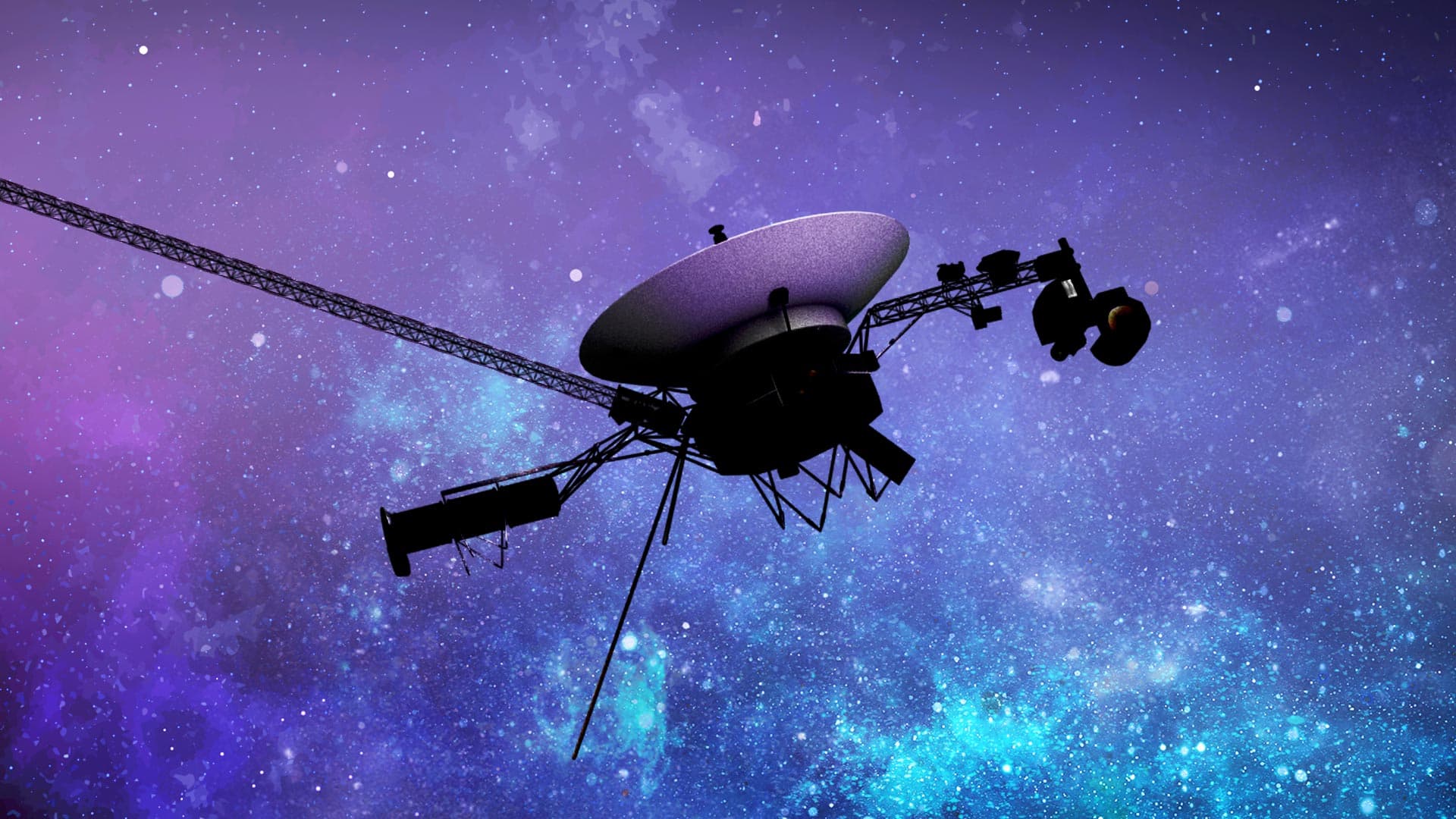
The greatest achievement of the Voyager probes was exiting the heliosphere—a region filled with solar winds that surround the Solar System. Outside this region lies interstellar space, dominated by cosmic particles from other stars. Voyager 1 reached this area in 2012, marking a historic milestone, with Voyager 2 following in 2018. These probes allowed us to study the interactions between solar winds and the interstellar medium, offering a new perspective on how the universe works.
By analyzing cosmic radiation, plasma waves, and other magnetic interactions in this region, the Voyager probes help us understand the physical conditions in the farthest reaches of the universe.
The Golden Record
Humanity’s Message to the Universe
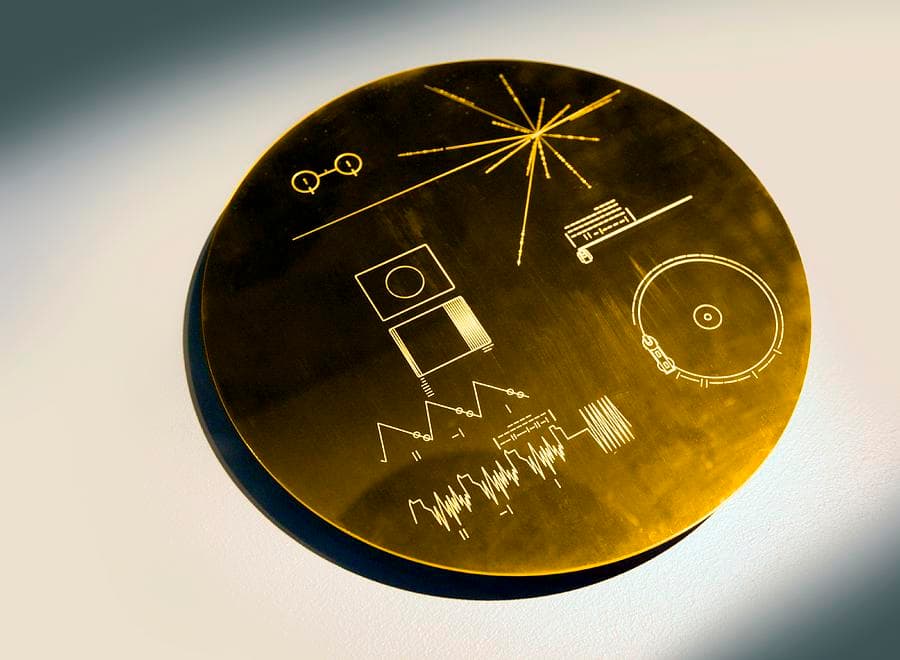
One of the most intriguing aspects of the Voyager probes is the Golden Record—a disc intended to convey humanity’s existence to extraterrestrial civilizations, should they discover it. Led by Carl Sagan, the record contains:
- Greetings in 55 different languages, representing the cultural richness of Earth.
- Nature sounds such as bird calls, rain, and ocean waves, showcasing the planet’s natural beauty.
- Music: Featuring pieces from Bach and Beethoven to African folk music and Louis Armstrong, representing various cultural heritages.
- Images: Depicting human anatomy, Earth’s geography, and different aspects of life.
This disc serves as a cosmic business card, offering a glimpse of who we are to any extraterrestrial life forms that might encounter it in the distant future.
Scientific Impact of the Voyager Missions
Astronomy and Astrobiology
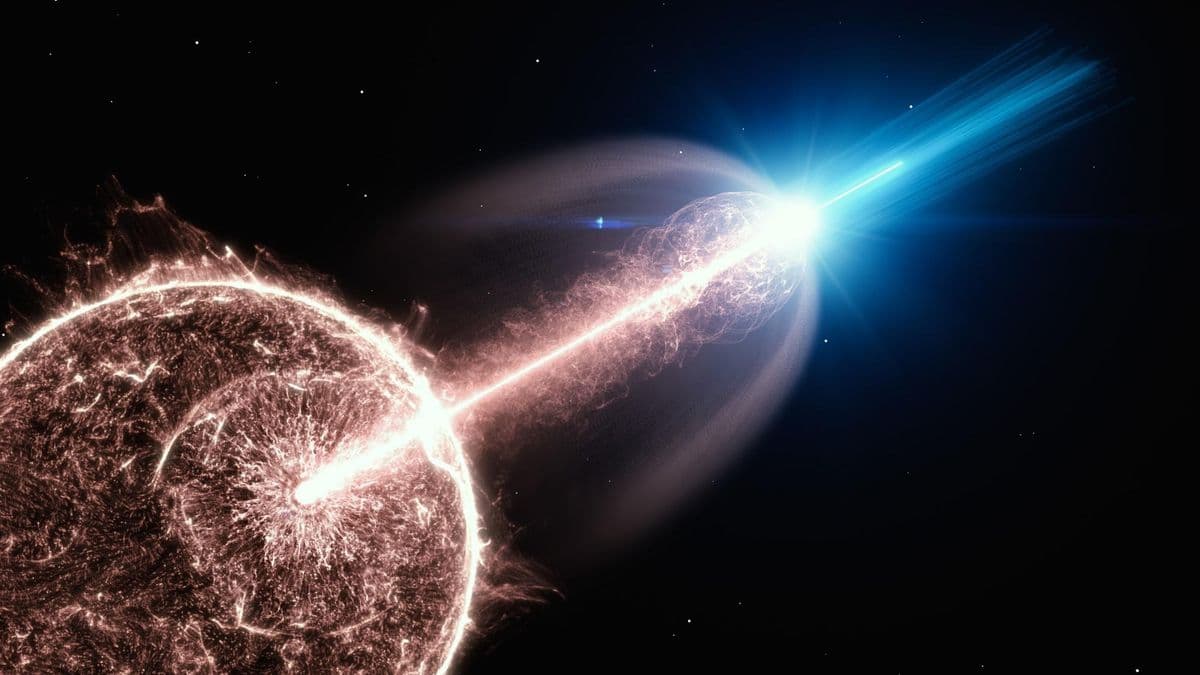
The Voyager missions have produced revolutionary scientific results, particularly in the fields of planetary science, the formation of the Solar System, and astrobiology:
- Structure of the Solar System: The data from Voyager on planets like Jupiter, Saturn, Uranus, and Neptune, along with their moons, contributed to the development of new theories about the Solar System’s formation.
- Exoplanets and Life: In astrobiology, one of the most significant findings was the potential for subsurface oceans on icy moons like Europa (a moon of Jupiter) and Enceladus (a moon of Saturn). These discoveries accelerated the search for habitable locations within the Solar System.
Future Interstellar Missions
Interstellar Probe
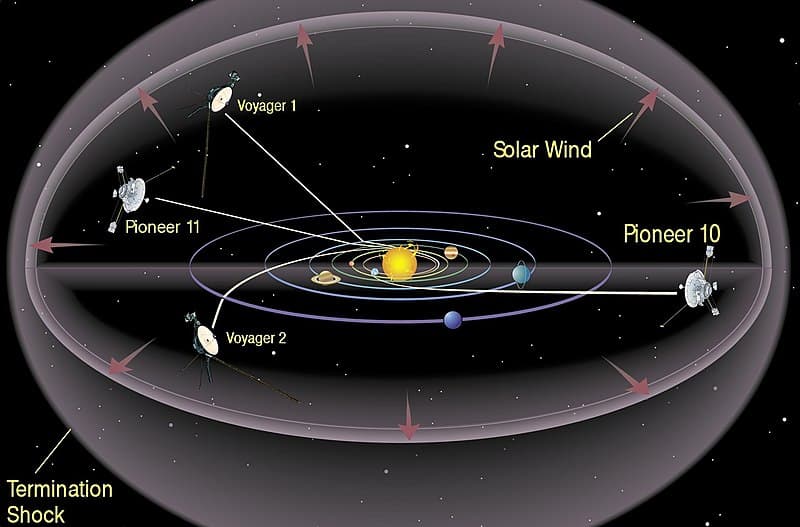
The Voyager missions won’t mark the end of humanity’s interstellar exploration. NASA is planning new projects like the Interstellar Probe, which aims to explore the outermost regions of the Solar System, such as the Oort Cloud, and could pave the way for future missions to other star systems.
Challenges Faced During the Voyager Missions
While the Voyager probes achieved incredible discoveries, they also encountered several technical challenges, the most notable being:
- Communication: As the probes moved farther from Earth, their signals weakened, making data transmission increasingly difficult.
- Energy: The probes run on nuclear energy sources, which are gradually depleting. As a result, scientific instruments are being shut down one by one. NASA engineers have expertly managed the limited energy to extend the missions this long.
Kepler Space Telescope
Discovering New Planets
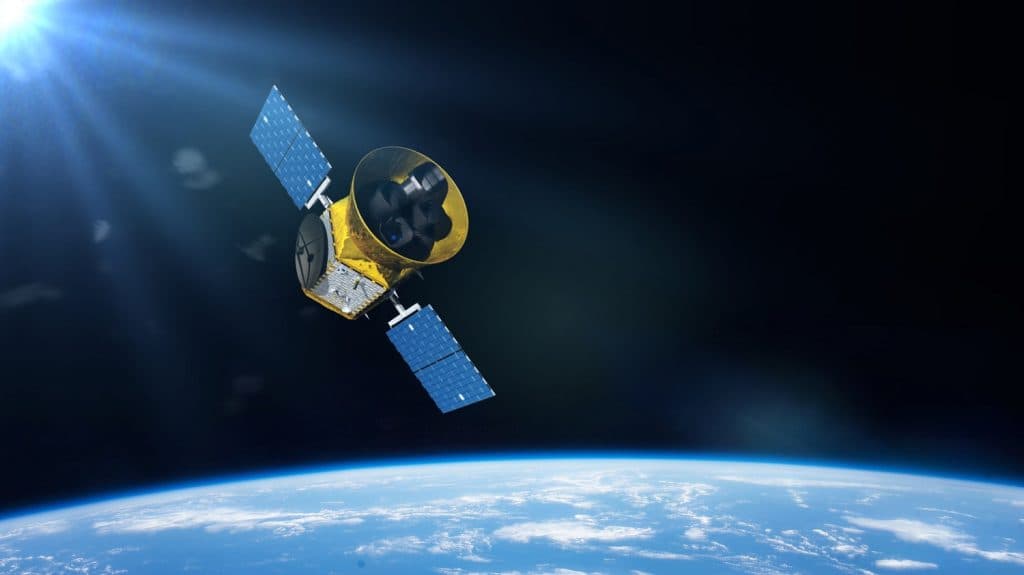
Following the Voyager missions, another groundbreaking project in space exploration was the Kepler Space Telescope, launched in 2009. Kepler discovered thousands of exoplanets, proving that planets are common around other stars, increasing the likelihood of habitable worlds beyond our Solar System, and giving a new direction to astrobiology research.
Artemis Program
Returning to the Moon and Journey to Mars
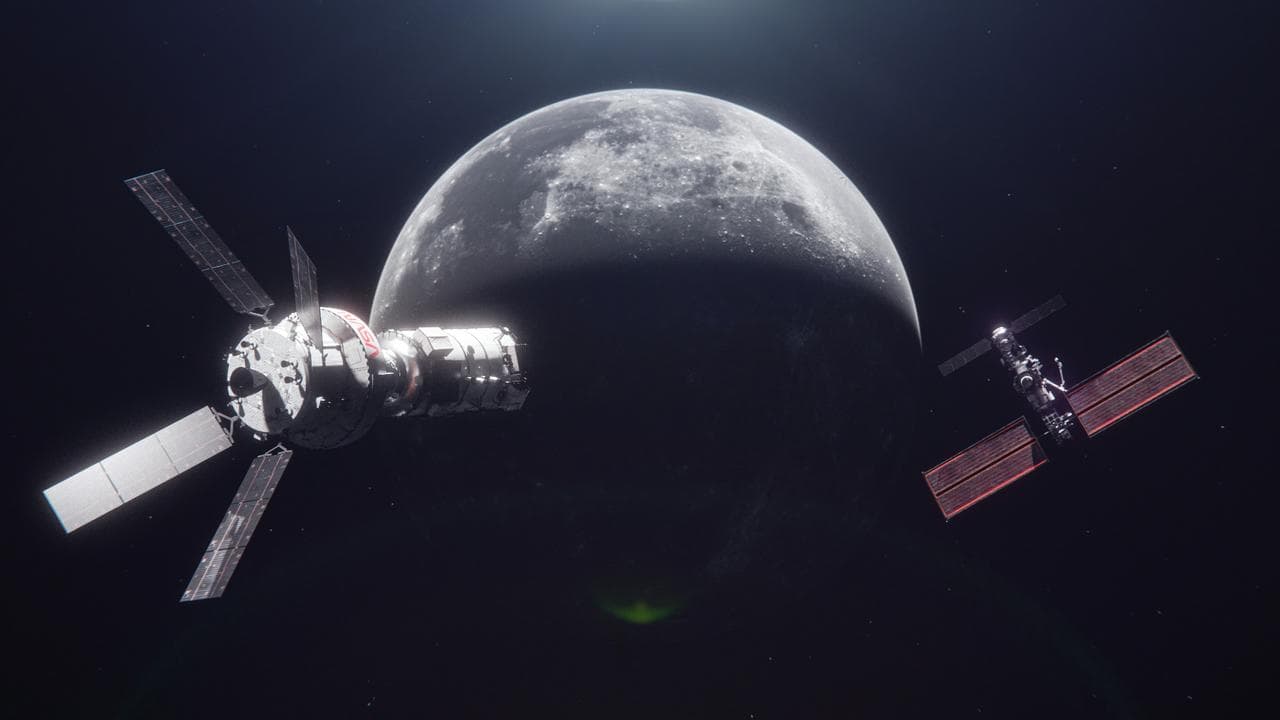
NASA’s Artemis Program, aimed at returning humans to the Moon and eventually sending a crewed mission to Mars, signals the beginning of a new era in space exploration. This program, which plans to send humans to the Moon by 2024, represents the first steps toward reaching Mars in the future.
Water Research on Mars
The Key to the Search for Life
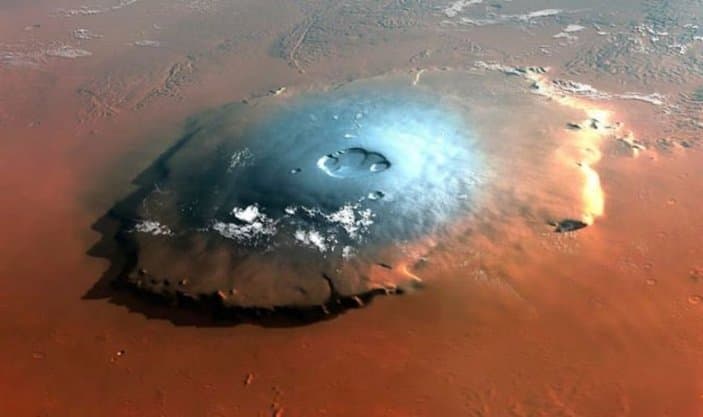
NASA’s Mars missions have intensified the search for water and potential life on the planet. The Perseverance rover, in particular, is designed to search for signs of ancient life on Mars. The discovery of water traces on the Martian surface strengthens the theory that the planet might once have been habitable.