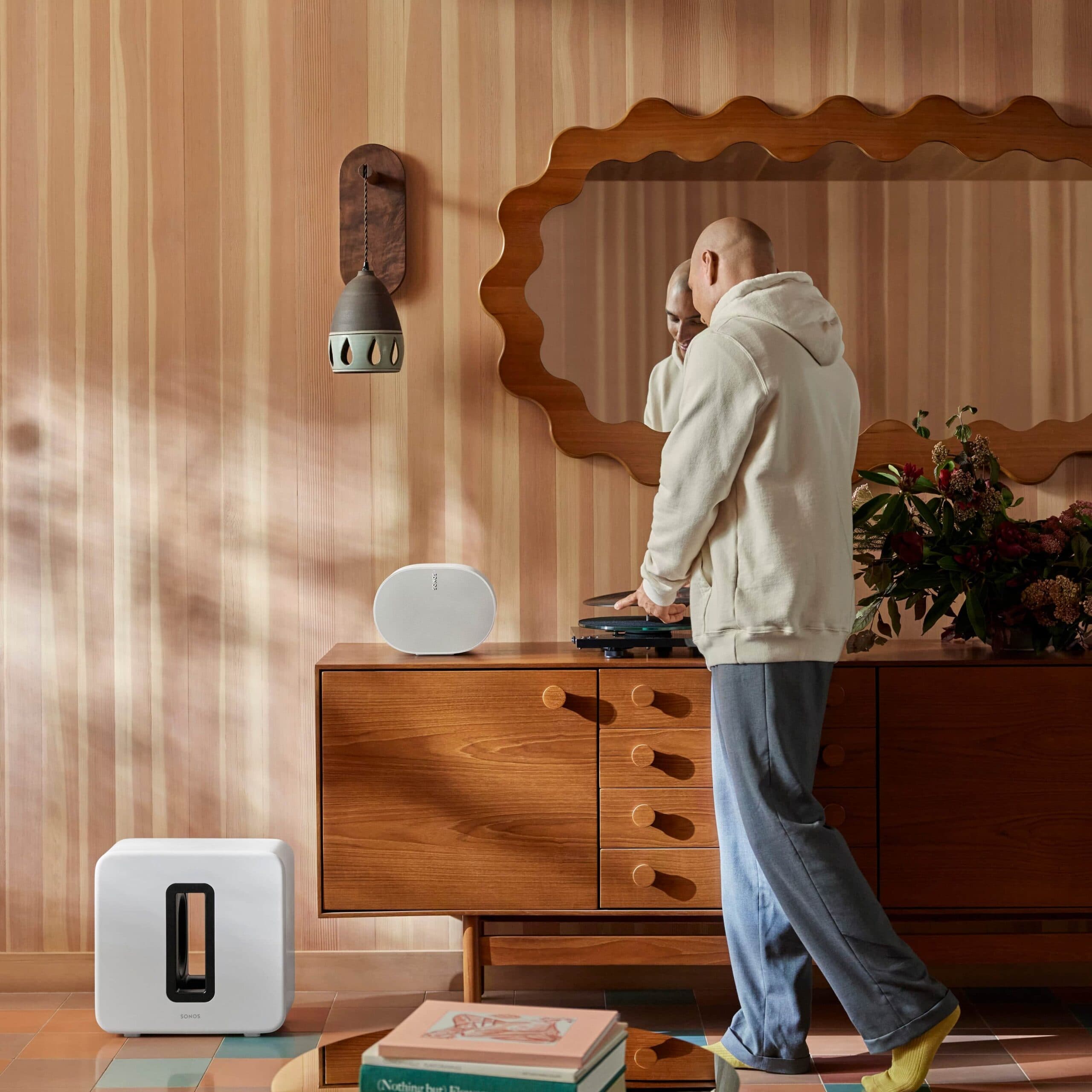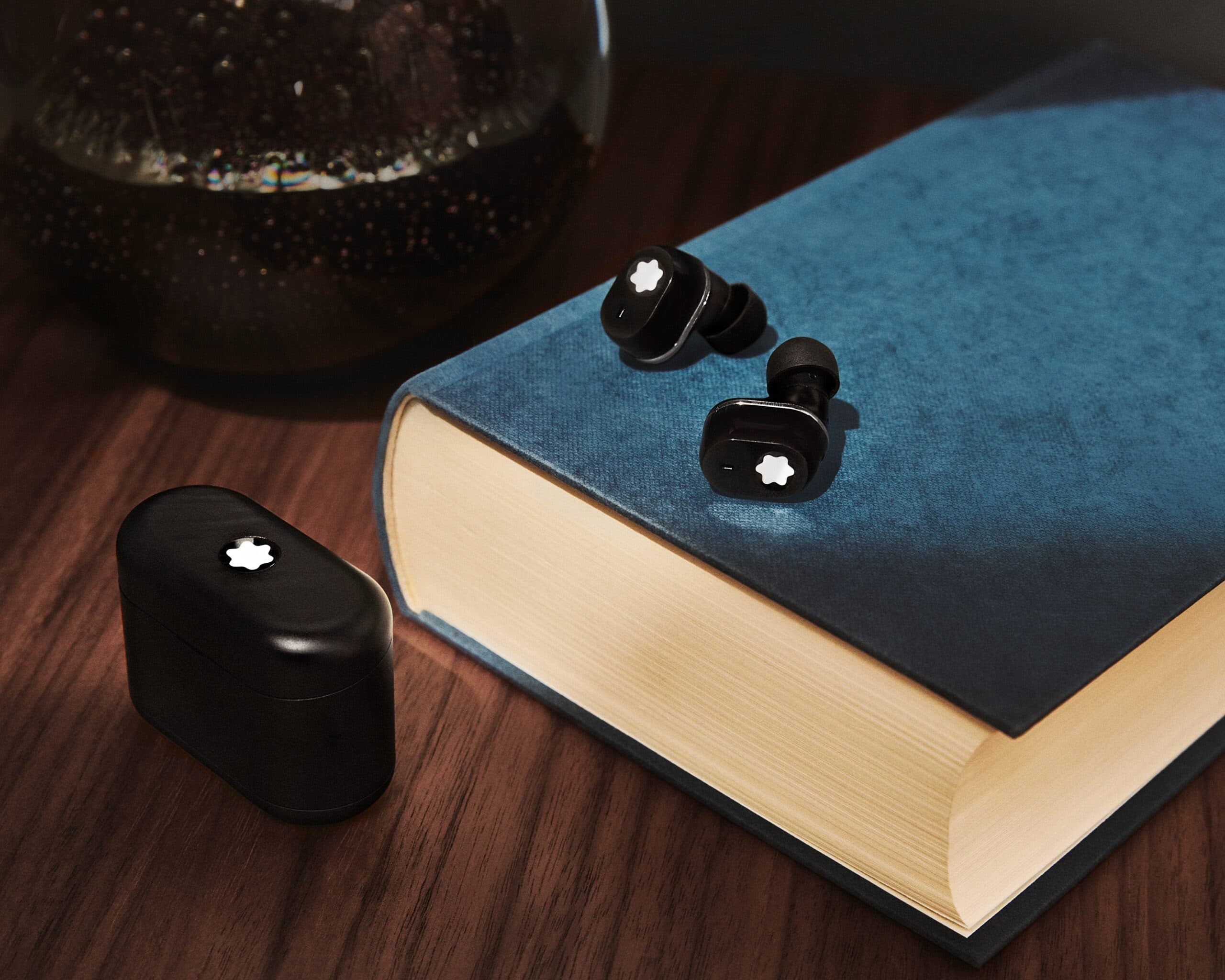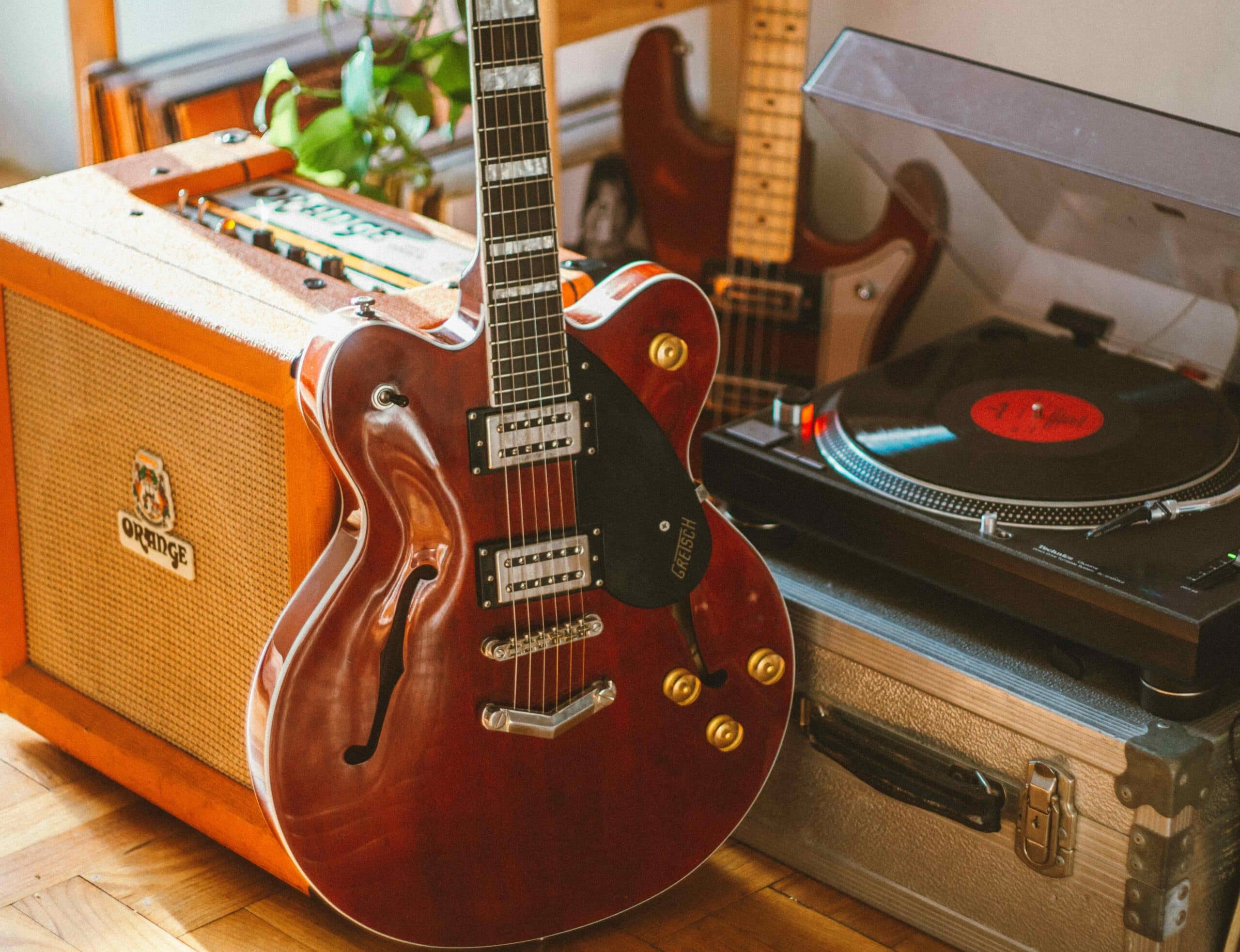
We set out on a journey that doesn’t just hear the sound but feels every nuance of the original recording—seeking the answer to one question: What exactly is the Hi-Fi music experience?
Magic Johnson, Frank Sinatra, Haruki Murakami… All these legendary names share a curious addiction: high-quality sound. And no, you didn’t misread that—we’re not talking about casually listening to music. These figures aren’t simply music lovers; they are part of a rare breed of listener. They’re drawn to the sound itself, driven by its purity, and utterly devoted to the equipment that can deliver it.
Audiophiles—often considered the elite among music listeners—may not undergo formal training, but make no mistake: there’s a kind of education involved. Beyond the emotions a piece of music stirs, there’s a craft to evaluating sound quality, like an engineer listening for micro-details. It’s about catching the breath Miles Davis leaves between trumpet phrases. To hear like this takes more than ears—it takes knowledge, investment, and a certain devotion to the sonic world.

For audiophiles, there’s one guiding principle: Hi-Fi. Short for High Fidelity, the term carries far greater weight in these circles than its casual use in pop culture. Hi-Fi equipment aims to reproduce the original recording as faithfully as possible, and for those who live for sound, it can become nothing short of an obsession.
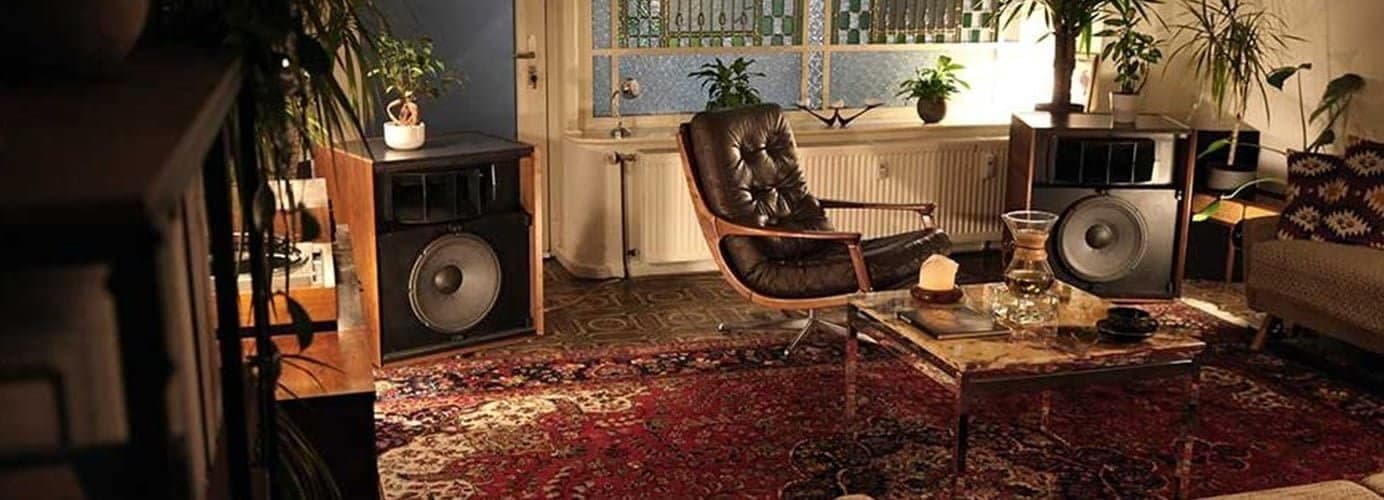
Of course, even the most immaculately recorded track is shaped by the space in which it’s heard. A pair of headphones that can’t shut out external noise won’t do Jim Hall any justice. And sometimes, you’ll find yourself enjoying a genre you never thought you liked—simply because you’ve experienced it on a great system. Hi-Fi equipment is built on a single goal: to reproduce the sound with minimal loss, as close as possible to the moment it was recorded. Picture Ella Fitzgerald singing Ev’ry Time We Say Goodbye, and being able to almost see the vibration in her voice.