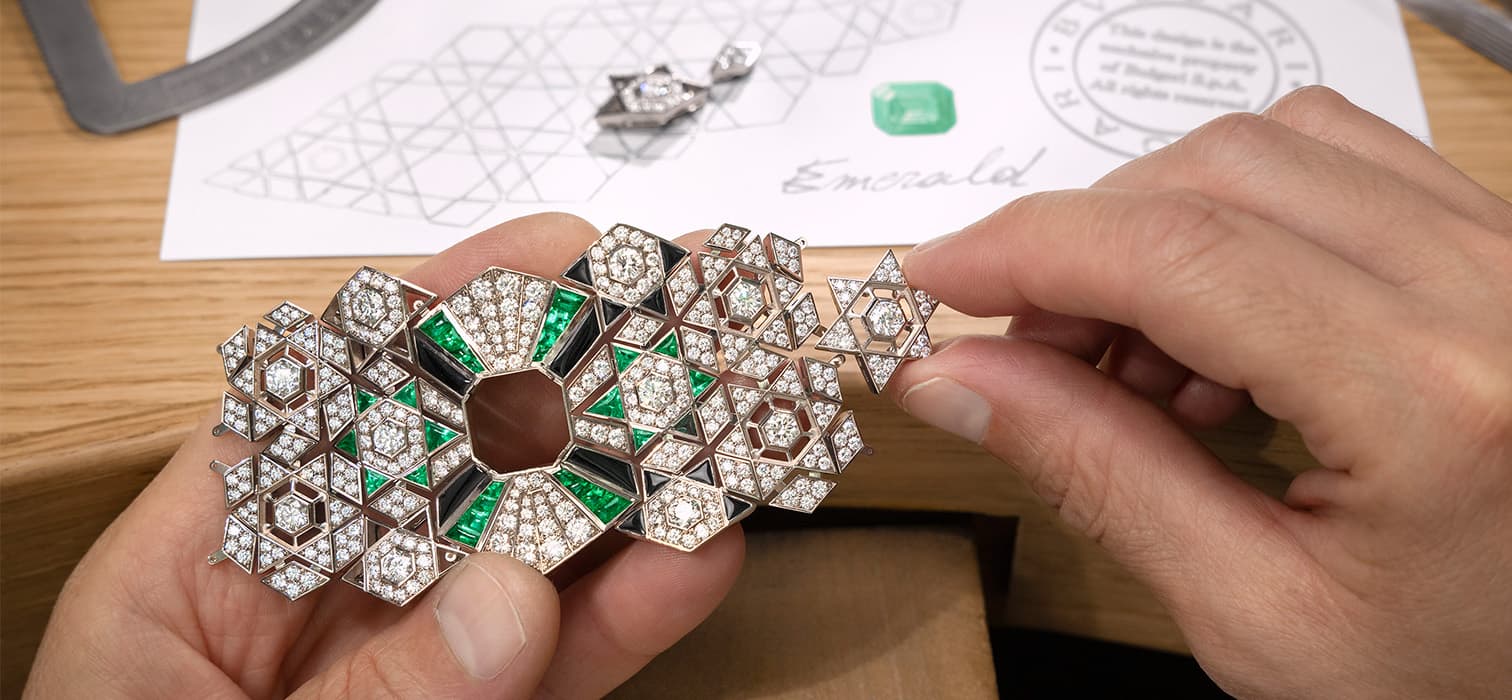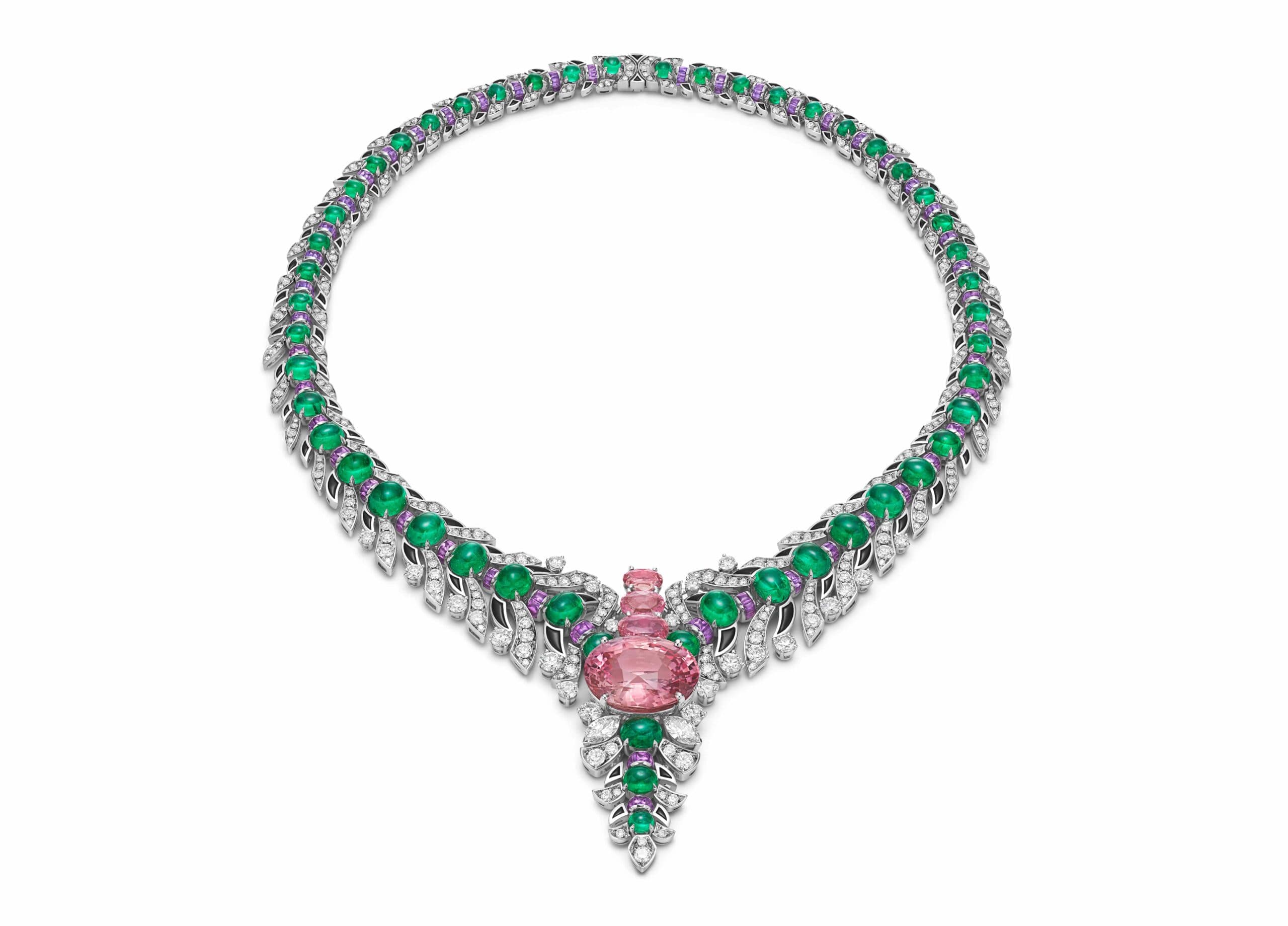
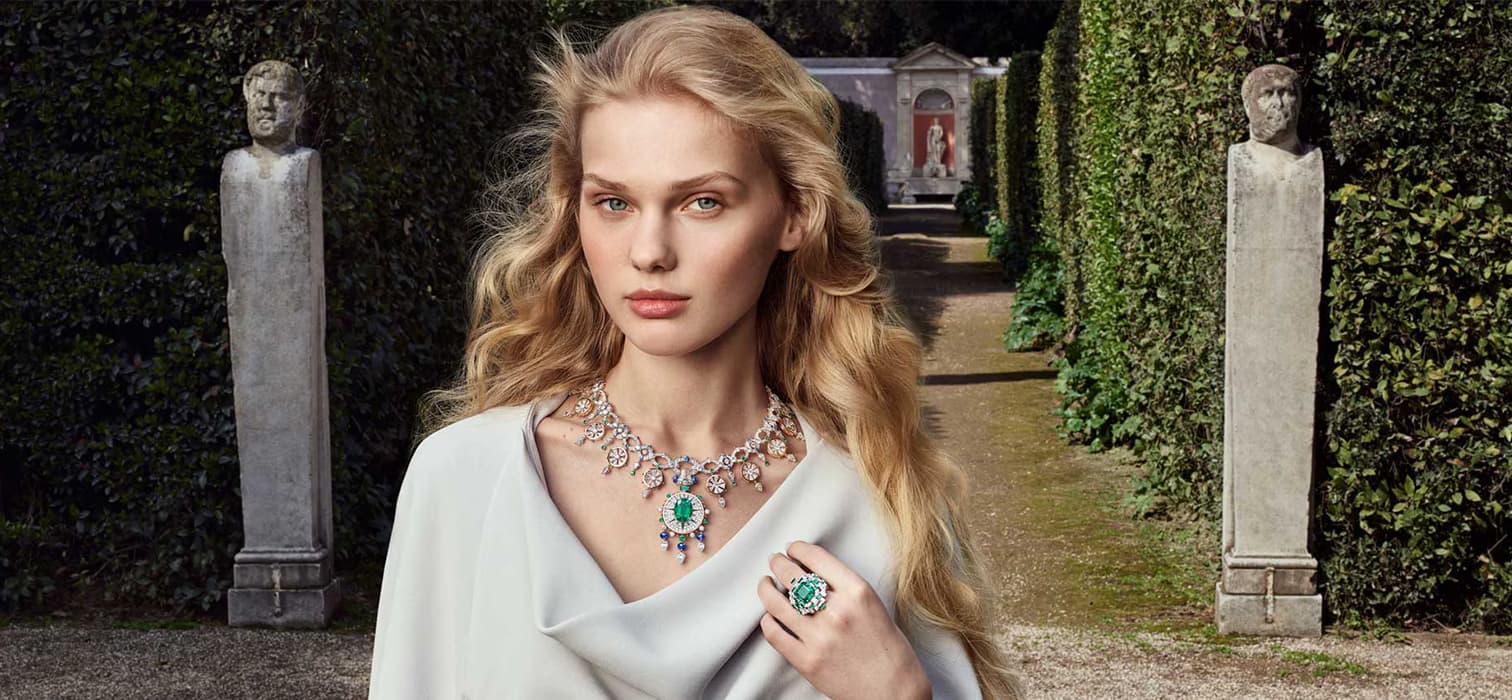
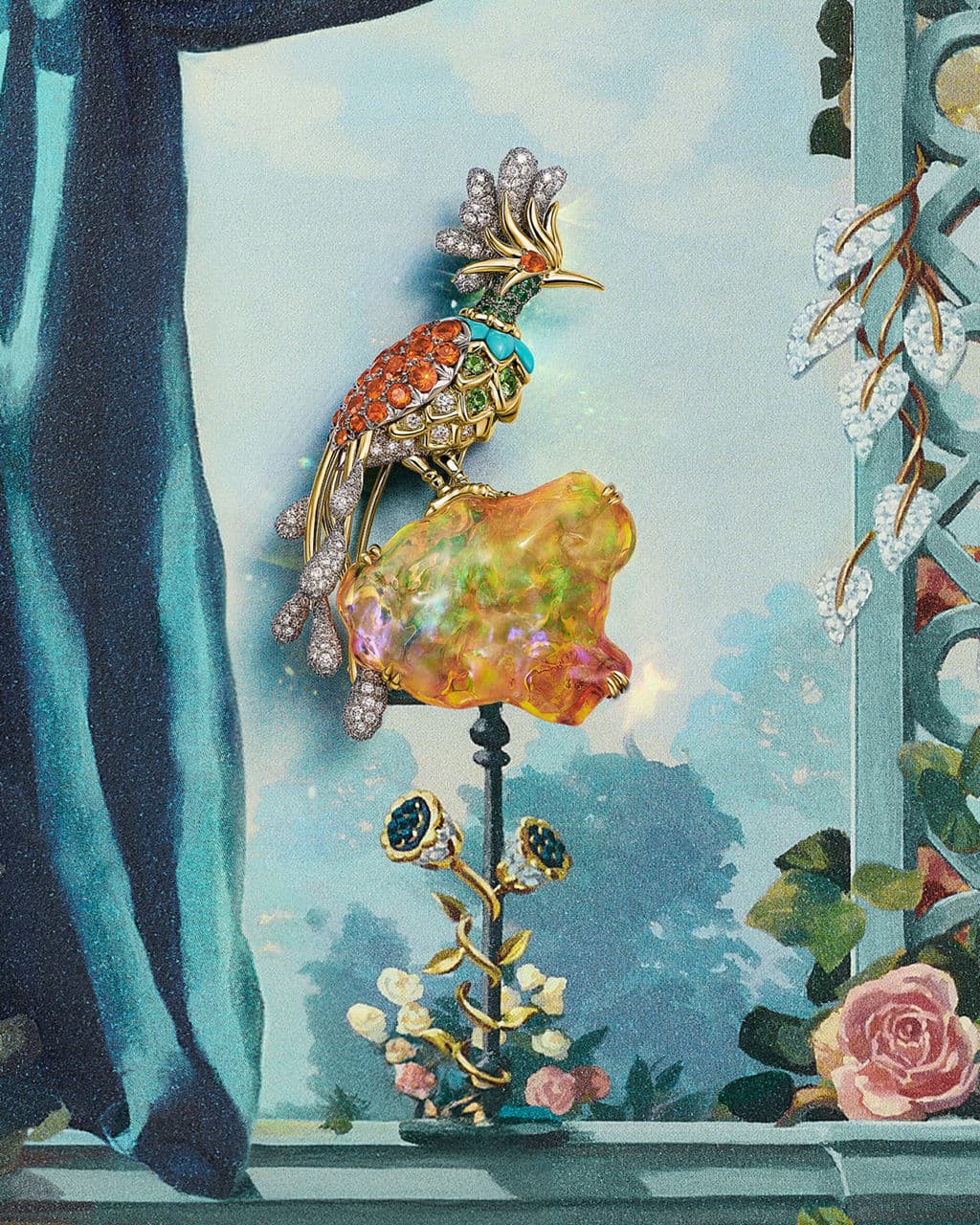
Emerging from the shadow of diamonds, coloured gemstones are becoming the new protagonists of high jewellery, thanks to their rarity, compelling stories and growing collectable value.
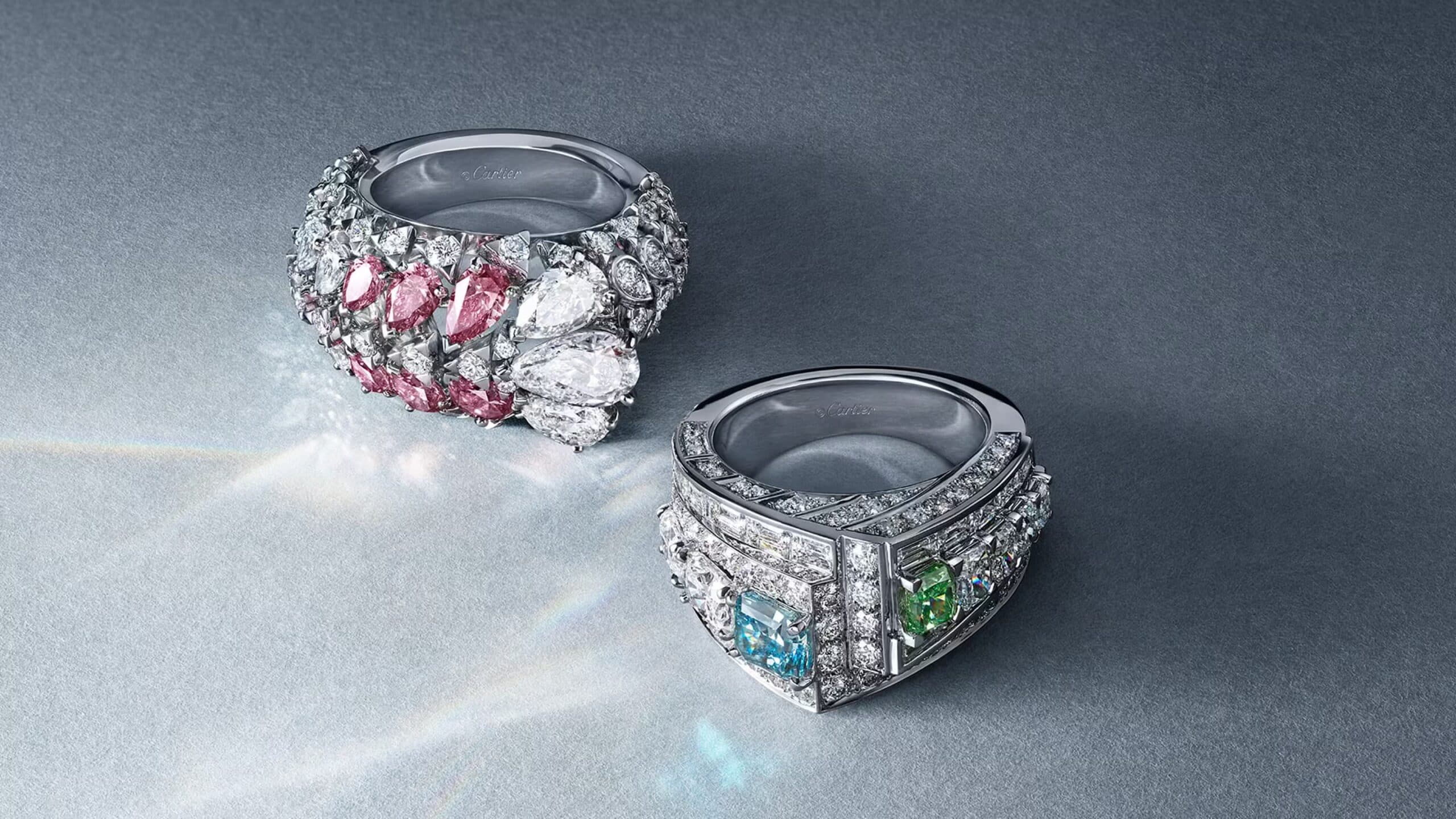
There was a time when the world of high jewellery was fairly easy to understand. The biggest diamond, the rarest diamond and the most brilliant diamond set the rules of the game. Today, however, the picture is changing. From Cartier’s necklaces adorned with tropical birds and Louis Vuitton’s geological narratives to Boucheron’s nature-inspired creations and the fantastical worlds of Dior Joaillerie, there is one striking element they all have in common: colour.
After many years, the world of high jewellery has fallen in love with coloured gemstones once again. This is not merely an aesthetic preference. It is also a significant shift that reflects the transformation of luxury consumption, the expectations of a new generation of collectors and even changing power dynamics within the global jewellery market. Today, emeralds, sapphires, spinels, Paraíba tourmalines and tanzanites are not only becoming the stars of jewellery designs; they are also breaking auction records, appearing on investors’ radars and attracting growing interest from collectors. Coloured gemstones are no longer in the shadow of diamonds; they are taking centre stage.
After the Age of Diamonds
The diamond’s dominance of the jewellery world lasted for nearly a century. Particularly in the 20th century, marketing strategies and the culture surrounding engagement rings transformed the diamond into a universal symbol of luxury.
Yet over the past few years, the balance has begun to shift. Coloured gemstone specialists and jewellery dealers note that collectors are no longer investing solely in carat weight, but also in story, provenance and rarity. This changing approach lies behind the growth of the coloured gemstone market. In 2025, demand for rare, high-quality coloured gemstones reportedly remained strong, with Paraíba tourmalines, rubies and alexandrites standing out in particular.
The rise of lab-grown diamonds has also played a role in this shift. As flawless-looking stones become increasingly accessible, collectors are turning towards rarer alternatives with greater character. This is precisely where coloured gemstones come into play. Every stone differs in tone, internal structure and origin, making each one unique.