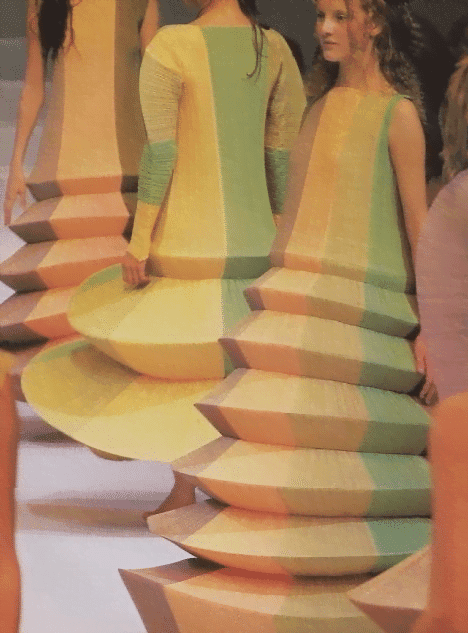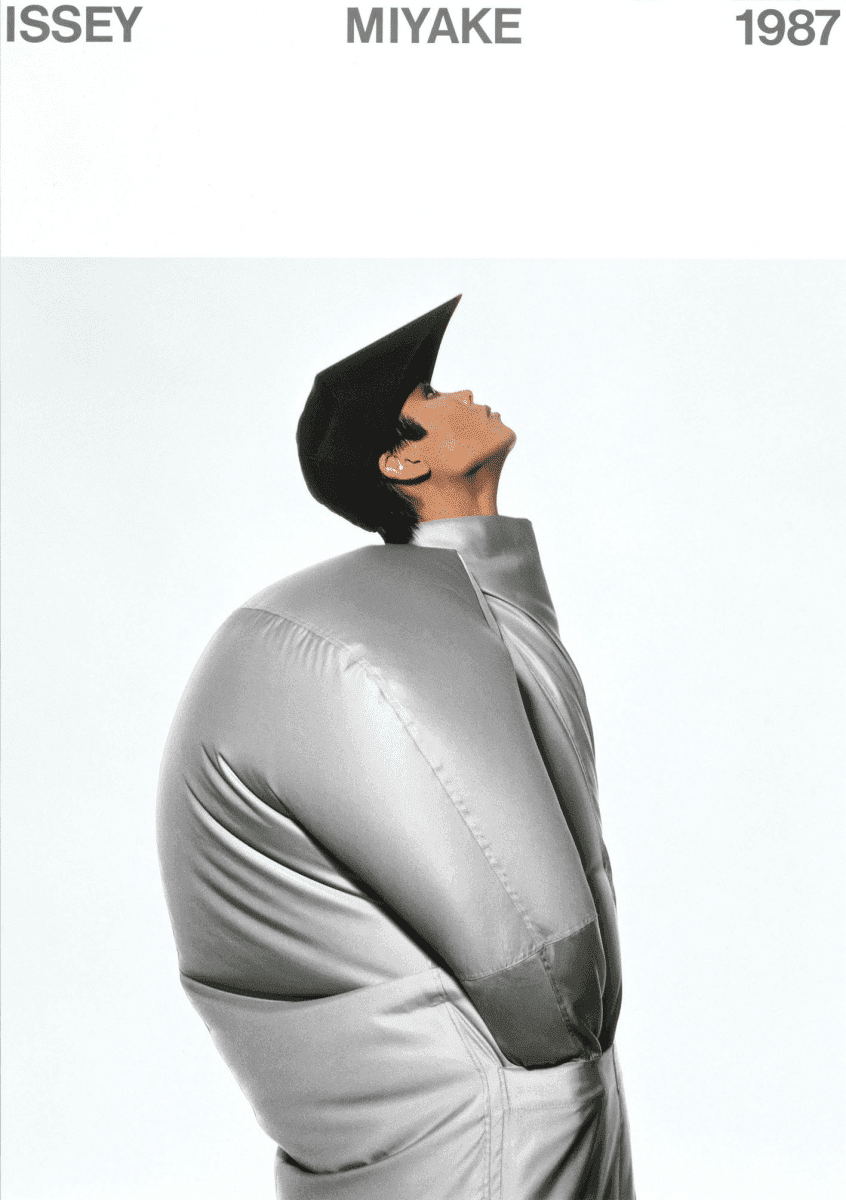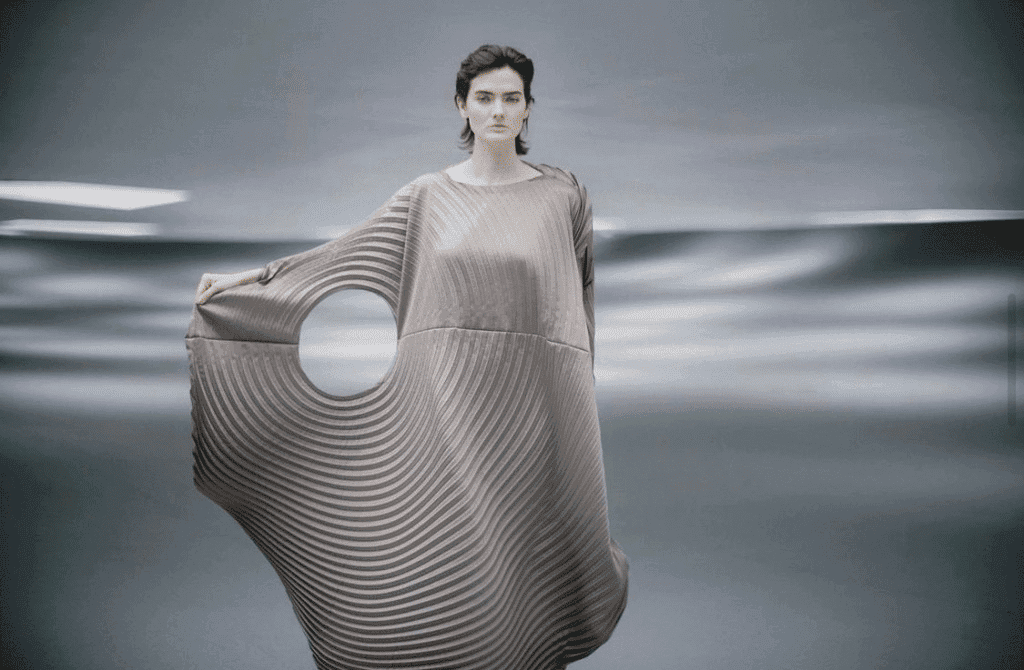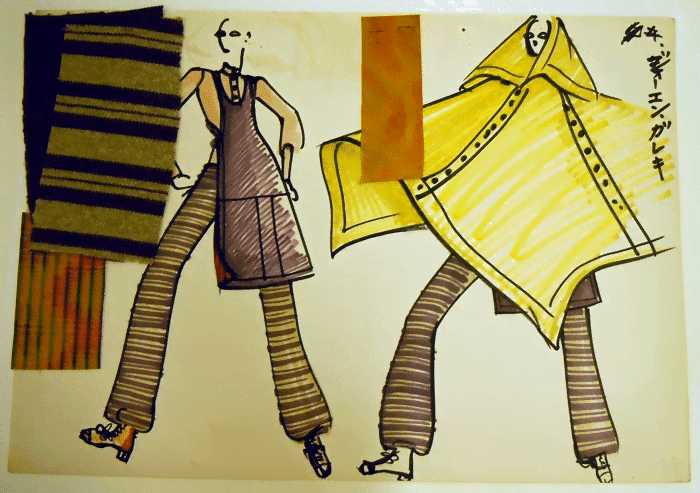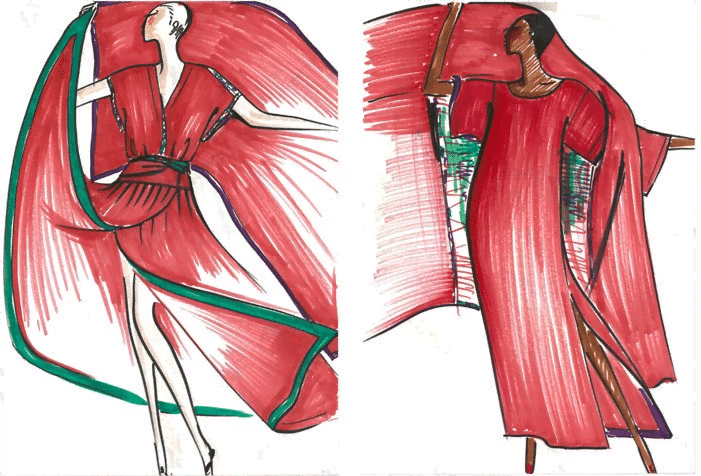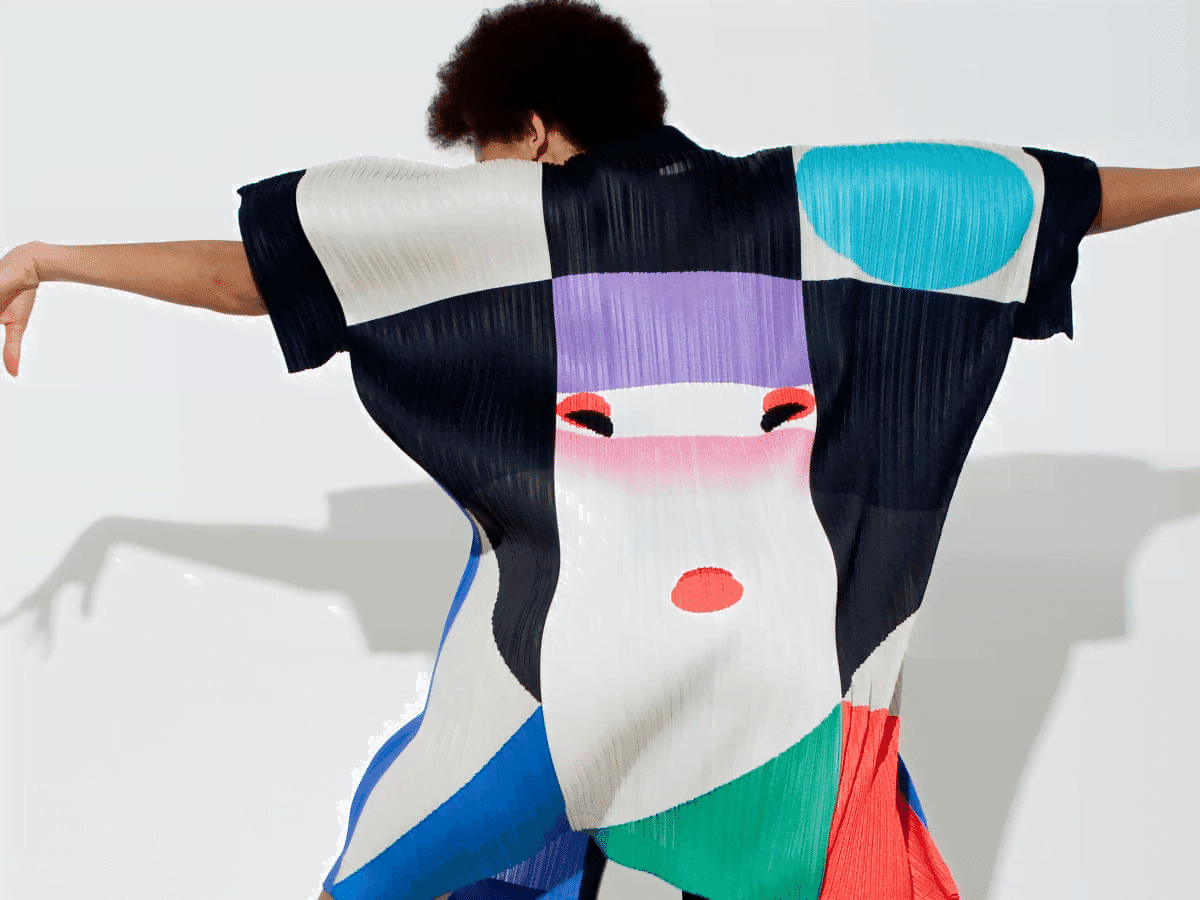
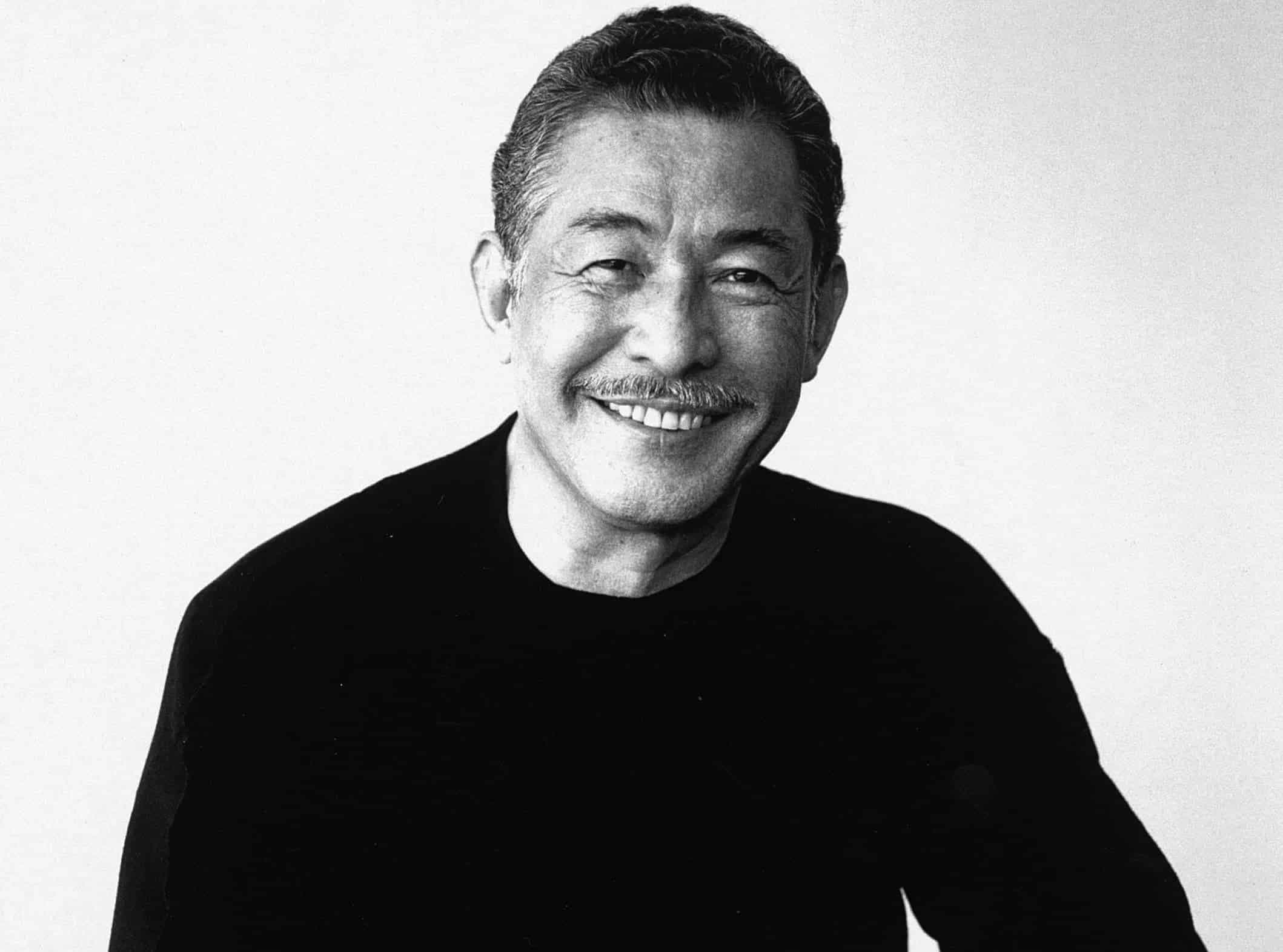
The iconic Bao Bao bags, Pleats Please and an innovative, and avant-garde style hidden between futuristic forms! And here is the legacy of visionary and minimalist Japanese designer.
While the intersection points of fashion and art are debated, Issey Miyake has always created his signature clothes with his interdisciplinary stance by bringing together different, similar or opposite values. He blended technology and emotions, traditional Japanese motifs and the future. He had many admirers… Zaha Hadid, the star architect we lost in recent years, Steve Jobs, the founder of Apple, are among the powerful names identified with the Issey Miyake brand. Miyake designed uniforms for those who want to make life practical but not boring. And not just statement pieces uniformized by other “creative minds”, but literally! For instance, he was such a designer that designs uniforms for the workers at Sony factories in Japan.
With Respect to Japan…
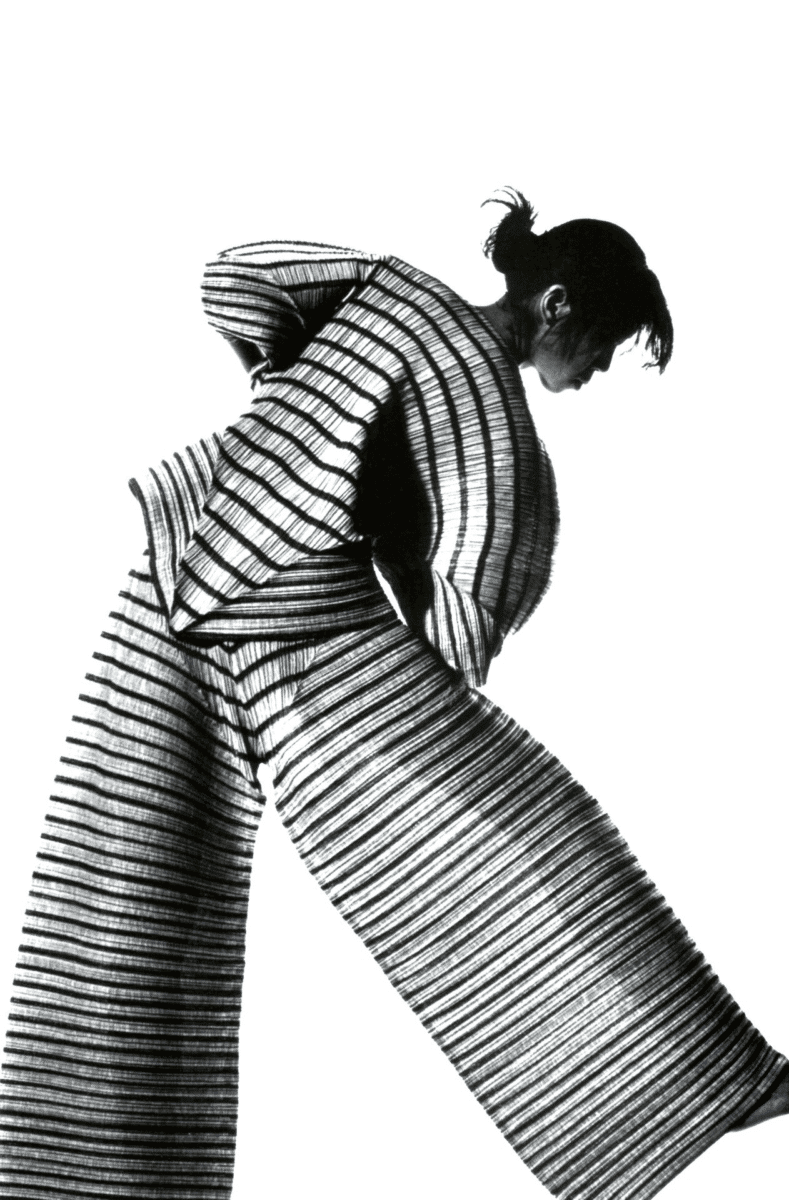
Issey Miyake developed the “monozukiri” technique, which means produce something in Japanese. He took this tactic from the traditions of his culture and interpreted it with a creative approach. His designs were wearable and functional, even when dancers glided across the stage in his designs (he designed the costumes for the Frankfurt Ballet in 1991). Shopping outlets even used slogans such as “machine washable, long-lasting and wrinkle-free” to describe his clothes.
Passed away at the age of 84, the designer rose to fame in the 1970s. As one of the representatives of the Japanese vision, which was popular because it was “different” in the eyes of the West, he began to represent the culture of the island.
Concepts like inclusive mindset, which is one of the fashion world’s favorite trend words, summarized his approach to fashion from his first day that step to fashion. This special fabric that a reminiscent of origami using computer technologies and forming Issey Miyake’s DNA, was beyond age, body size, body structure or race and embraced diversity. For Miyake, everyone and every body should be free. So, he designed clothes in this way. His clothes had a structure that gave space to move. Perhaps, the source of his connection with dance was his passion for movement.