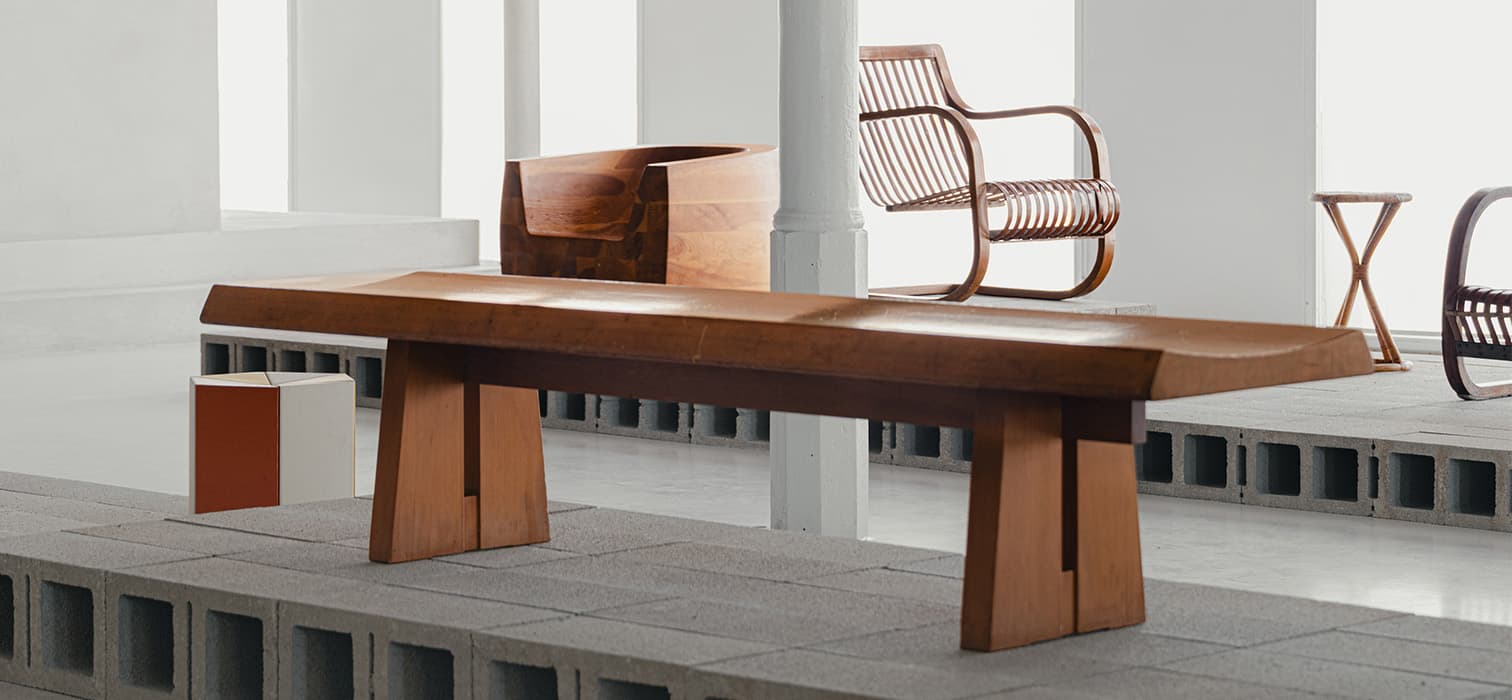
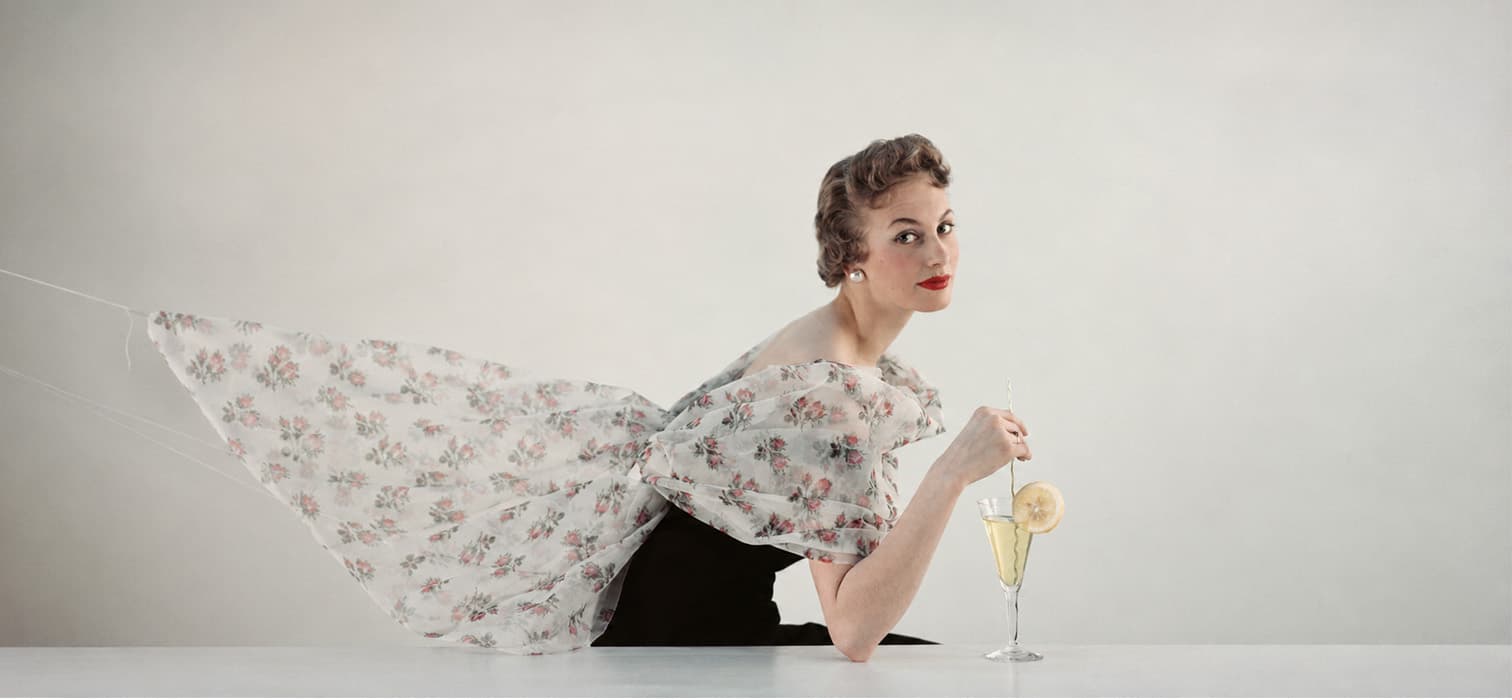
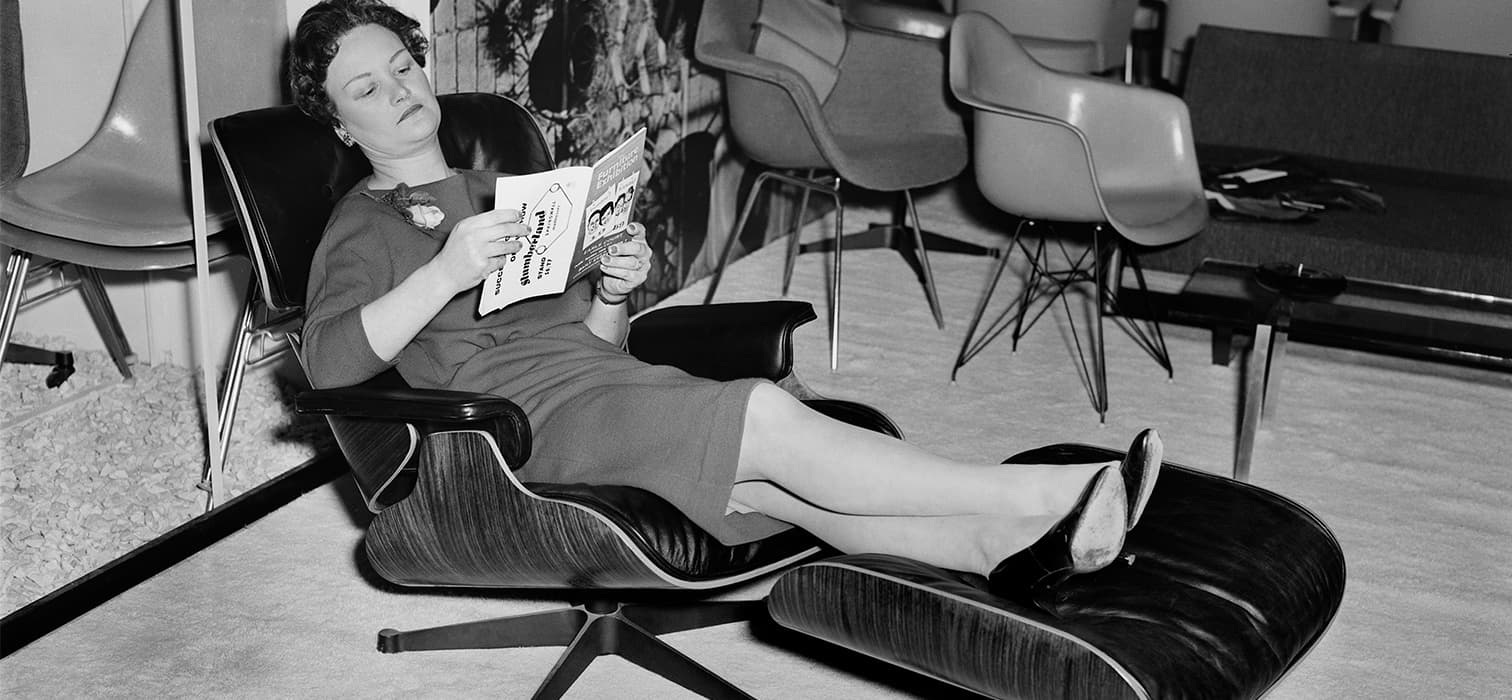
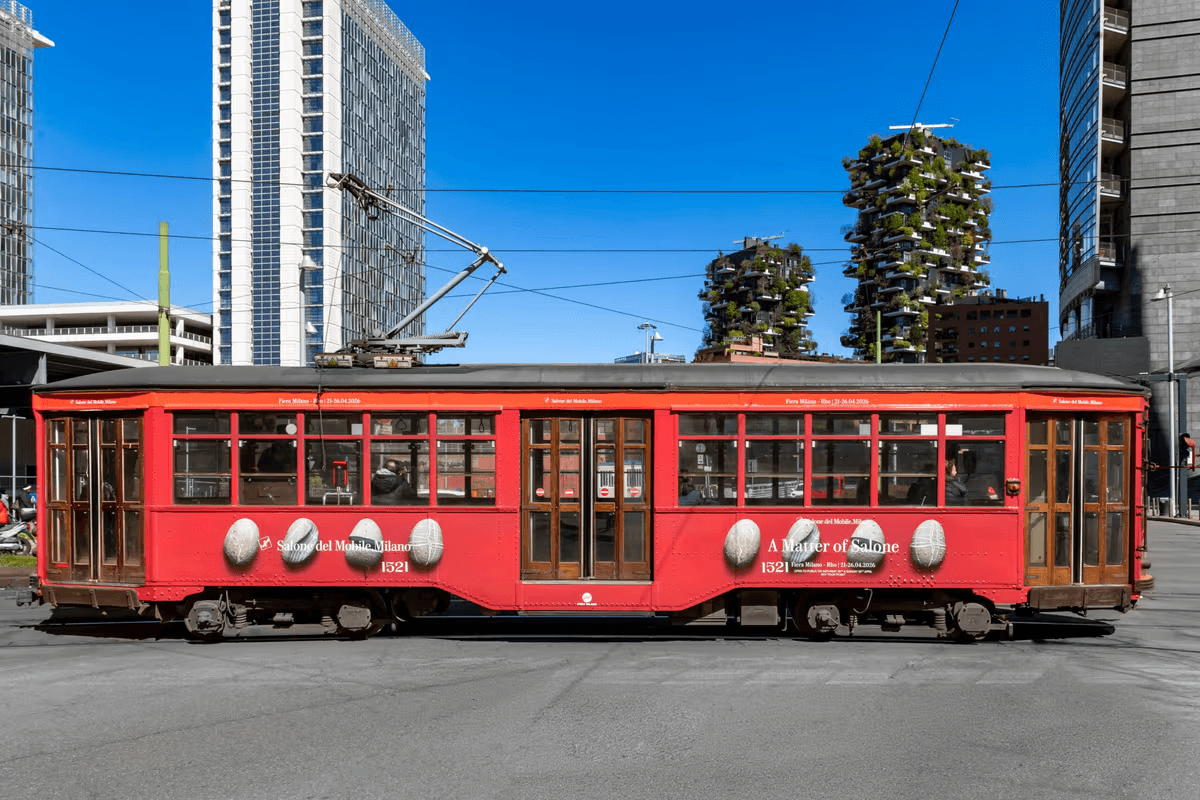
At the 64th edition of Salone del Mobile Milano, there is a clear intention to dial down the noise of product launches. This year in Milan, the real focus is no longer the design itself, but the knowledge, archives, and cultural groundwork that make it possible.
For years, Salone del Mobile Milano has operated with the same reflex: bigger stands, shinier surfaces, more “new.” The 2026 edition attempts to break this cycle—or at least signals the intention to. Framed under the title “Salone in the City,” the program proposes not so much an expansion of the fair into the city, but a re-reading of design through the city itself.
Credit: Louis De Belle
Credit: Louis De Belle
Milan is treated less as a showcase and more as a text. The opening at La Scala is a reminder of design’s relationship with other disciplines. What follows is a city-wide structure: talks, publishing-focused gatherings, and public events taking place between April 17–26 point to a shift—design is no longer just something exhibited, but something discussed. The real question, however, lies beyond these symbolic gestures: does design truly question its own boundaries?
A New Stage for Design: Public Space
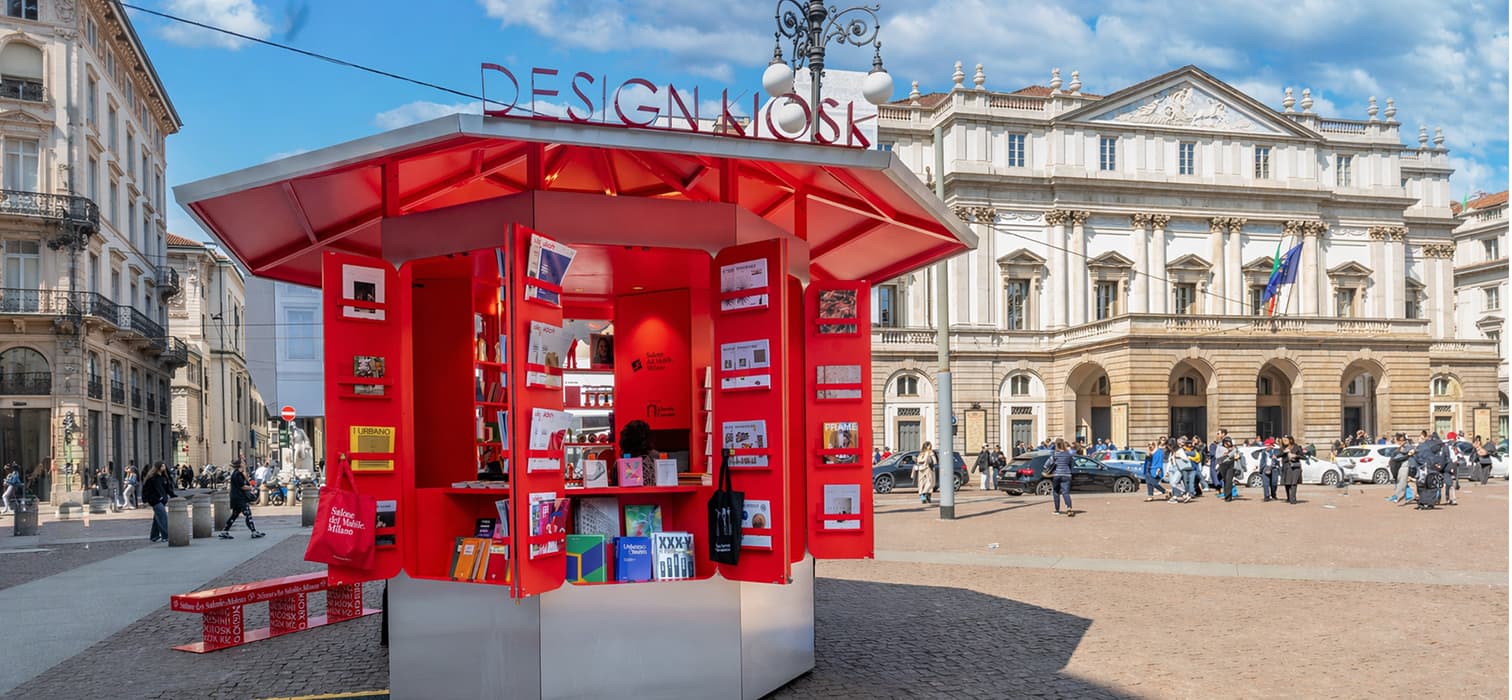
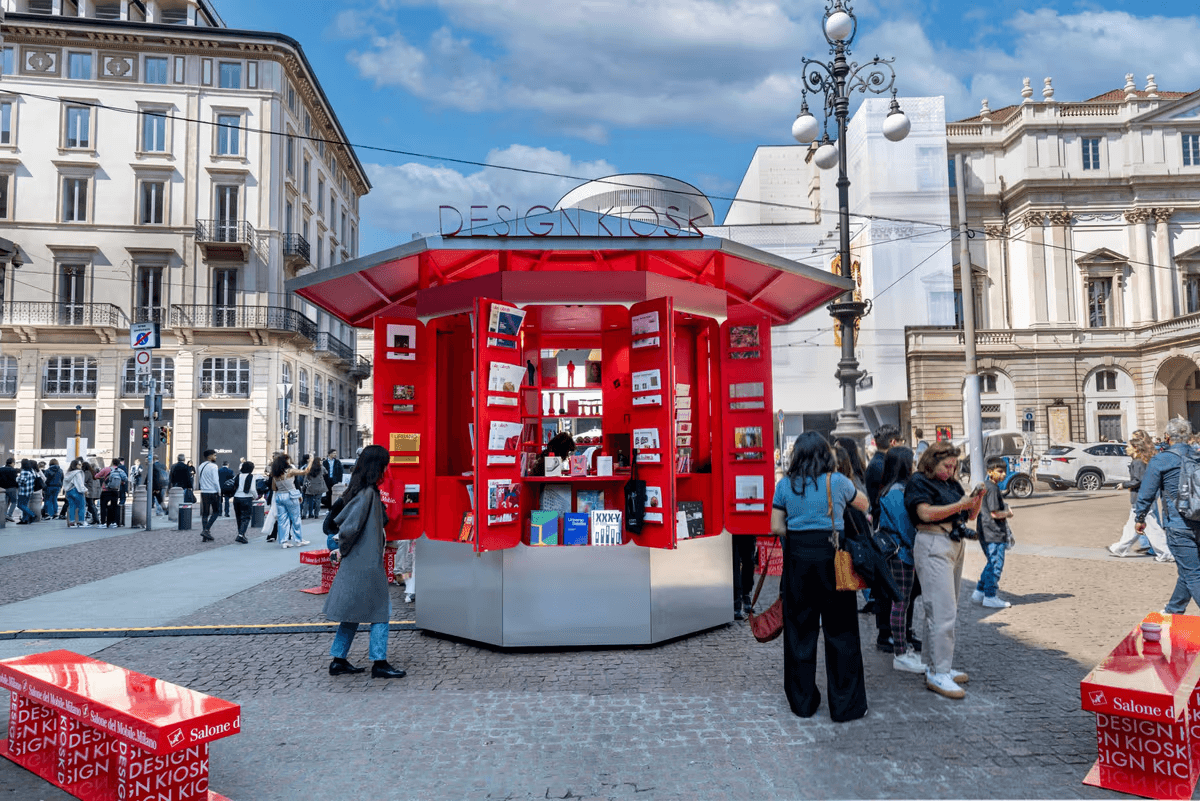
The Design Kiosk at Piazza della Scala is one of the most honest moves this year. Set in the open air, structured around books and conversations, it marks a subtle but meaningful shift. Design, at last, seems to be speaking outward rather than inward. Publishing, space, everyday life—all sit at the same table. Here, design is not an object but a way of thinking. It’s a shift long overdue.
The city guide follows a similar logic. Mapping over 150 locations, it transforms Milan from a checklist of “places to visit” into a lived route. More importantly, the two-way relationship between the fairgrounds and the city reframes design as an ongoing cultural production rather than a time-bound event. In this edition, design reads more clearly as part of the city itself.
Credit: Alessandro Russotti
Reading the City or Consuming It?
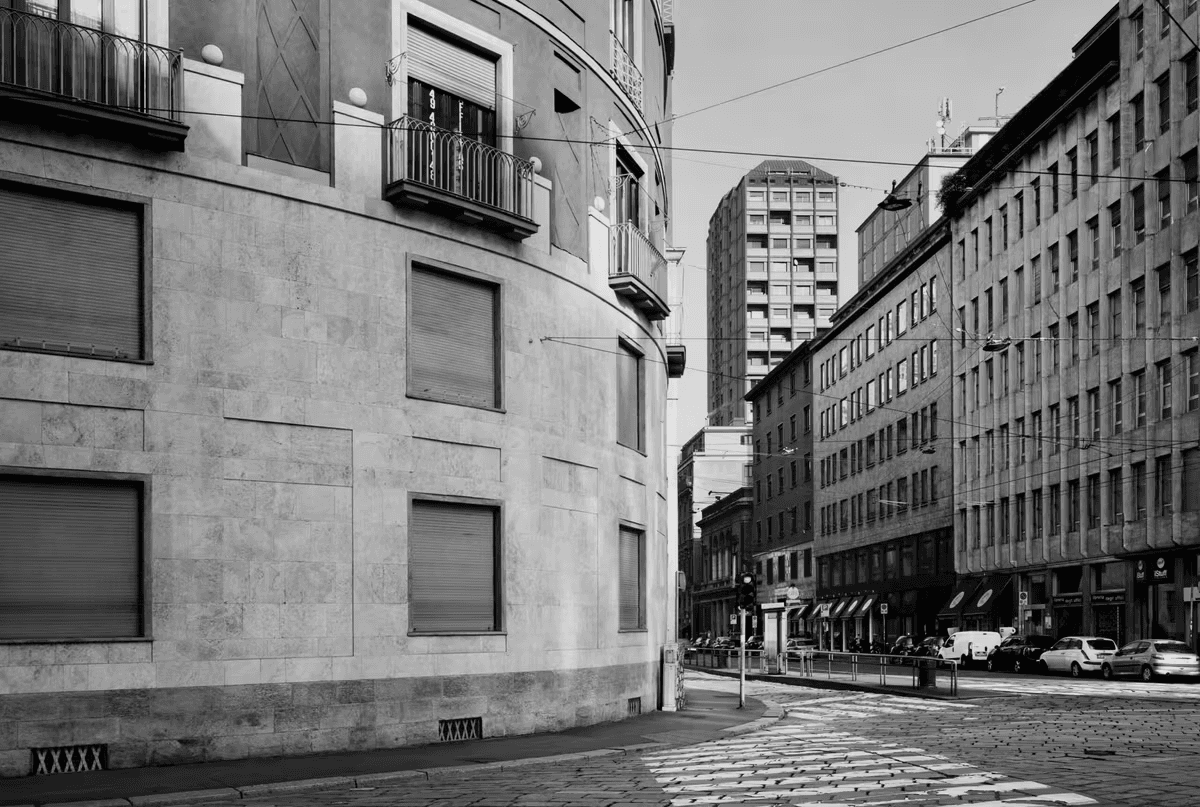
The “Architectures of Freedom” project unfolds across five significant buildings from different periods of Milan’s history. It’s less an architectural tour and more a reading exercise.
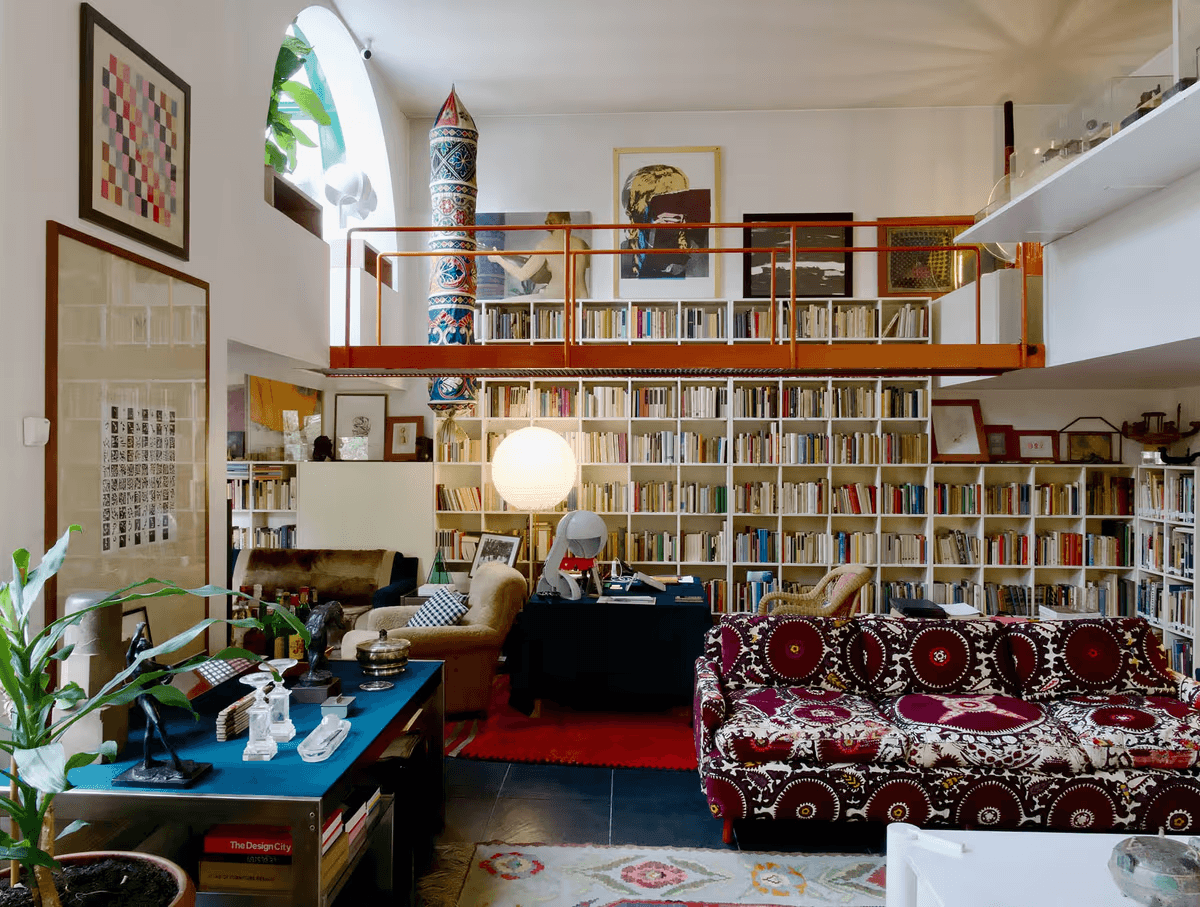
Casa Studio Gae Aulenti / Credit: Odino Artioli
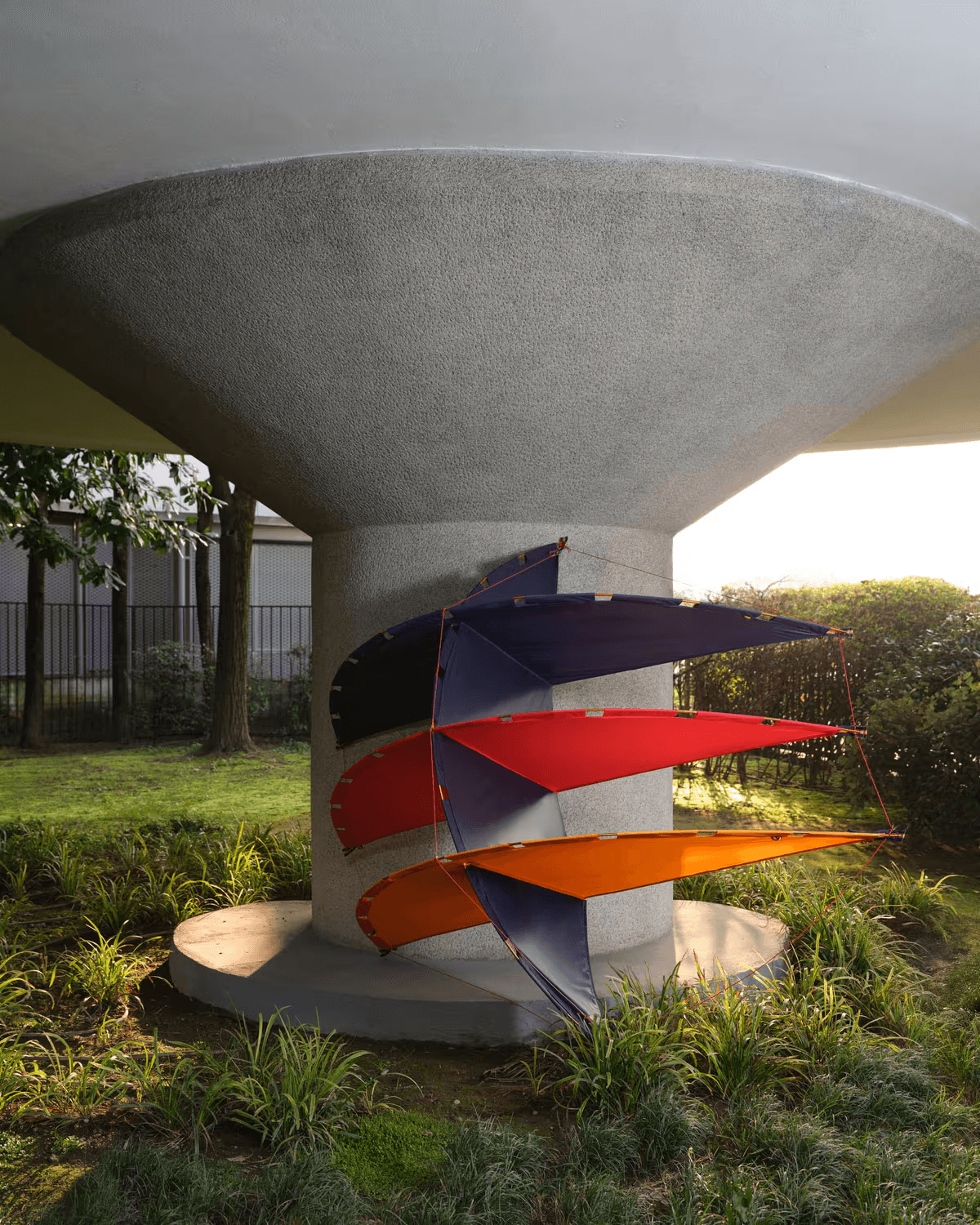
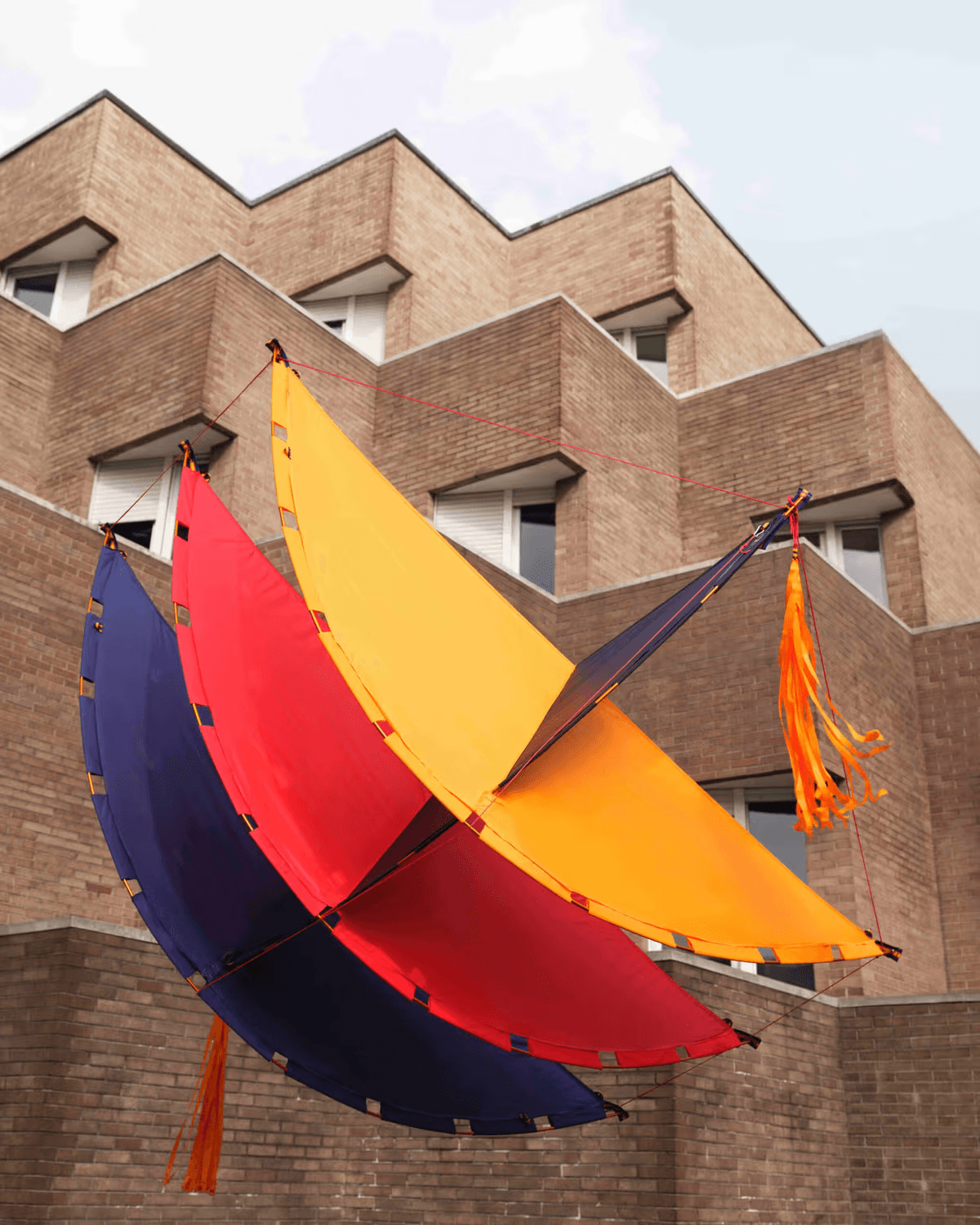
Structures by figures such as Arrighetti, Marco Zanuso, Morassutti, and Luigi Moretti are reinterpreted through temporary interventions. These installations introduce a tension between weight and lightness, permanence and transience. And here lies a subtle but important shift: architecture begins to move beyond being merely photographed, toward being truly experienced.
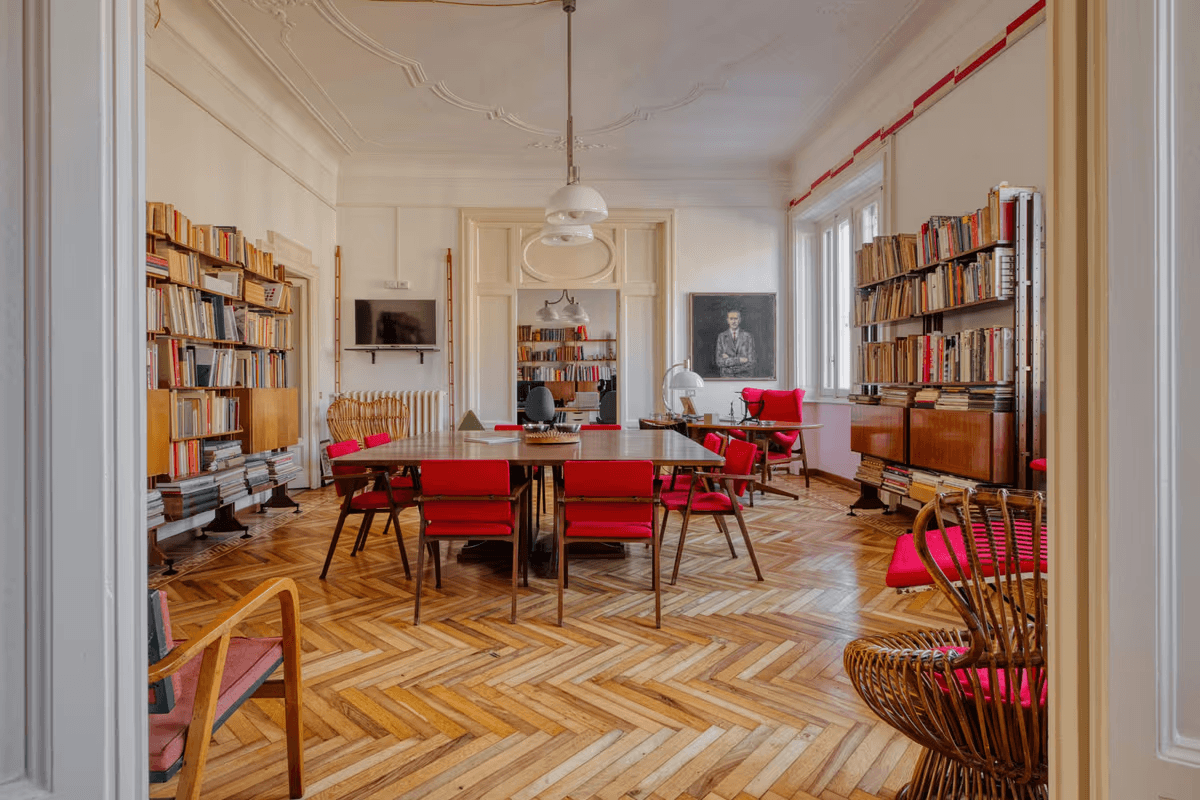
Fondazione Albini
The most radical expression of this approach in the city, as in previous years, appears at Alcova. In its 2026 edition, spread across two locations—the former military hospital in Baggio and, for the first time, Villa Pestarini—Alcova removes design from sterile exhibition settings and situates it within layered, time-worn environments. Bringing together 131 participants, it transforms abandoned or rediscovered architectural spaces into stages of experience. The question is no longer just what is designed, but where and in what context it is encountered.
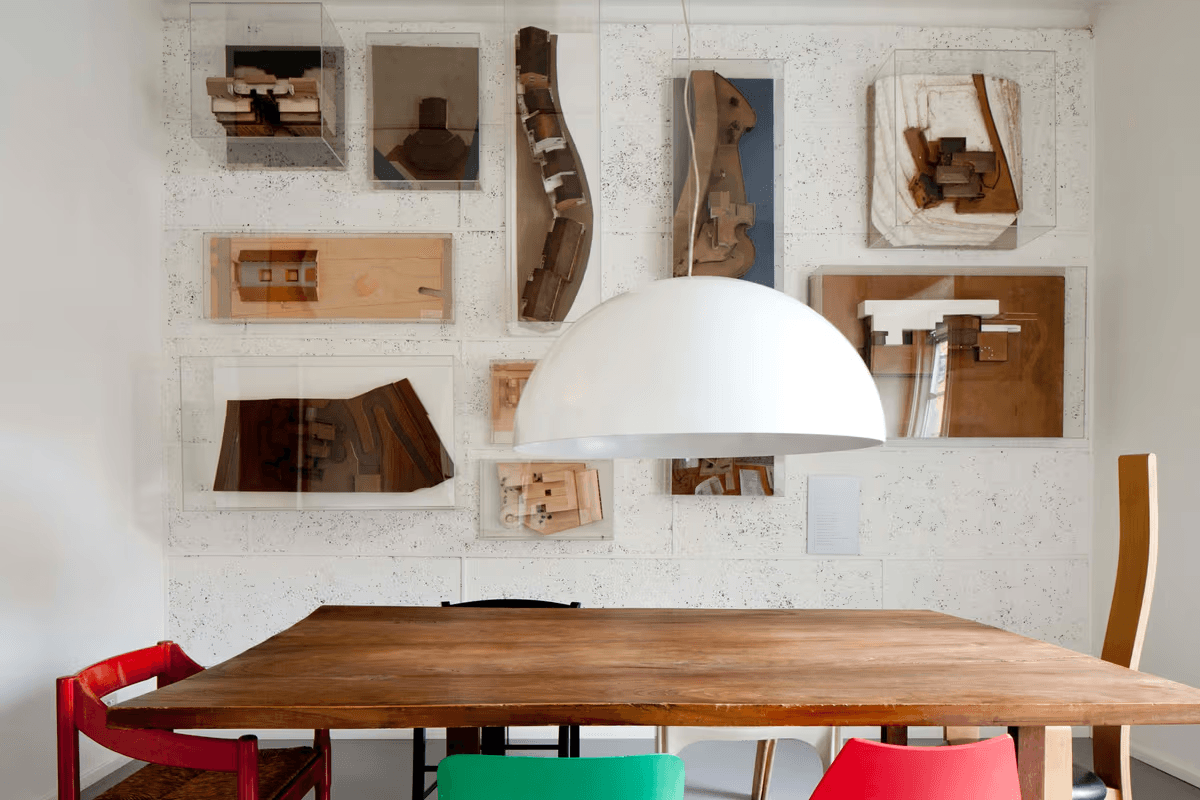
Fondazione Vico Magistretti
The Real Story: Not the Finished, but the Before
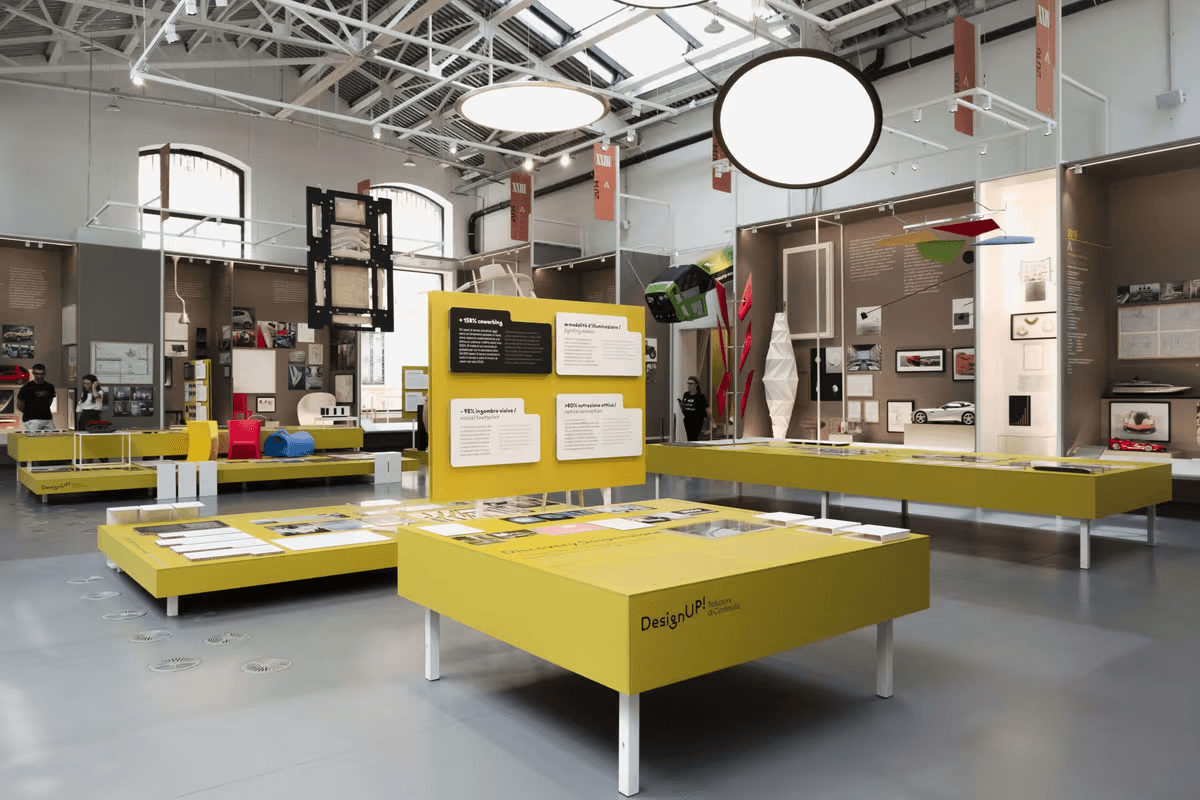
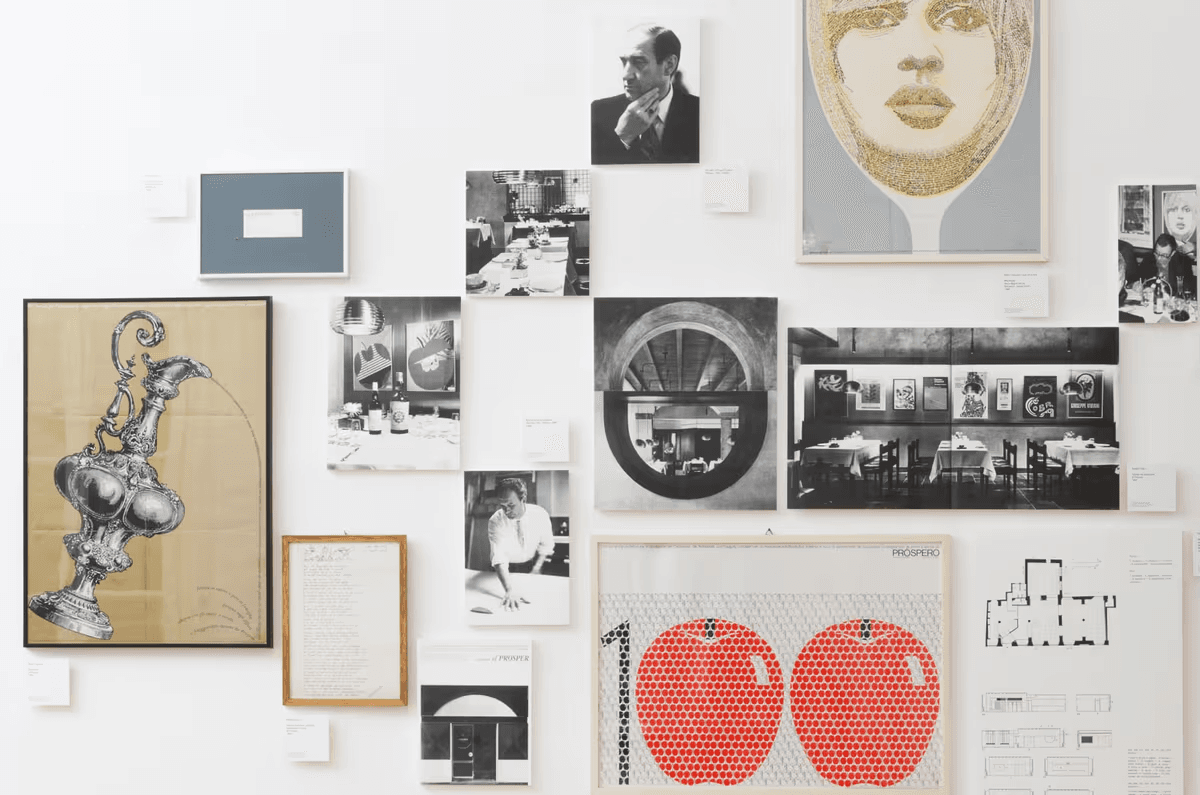
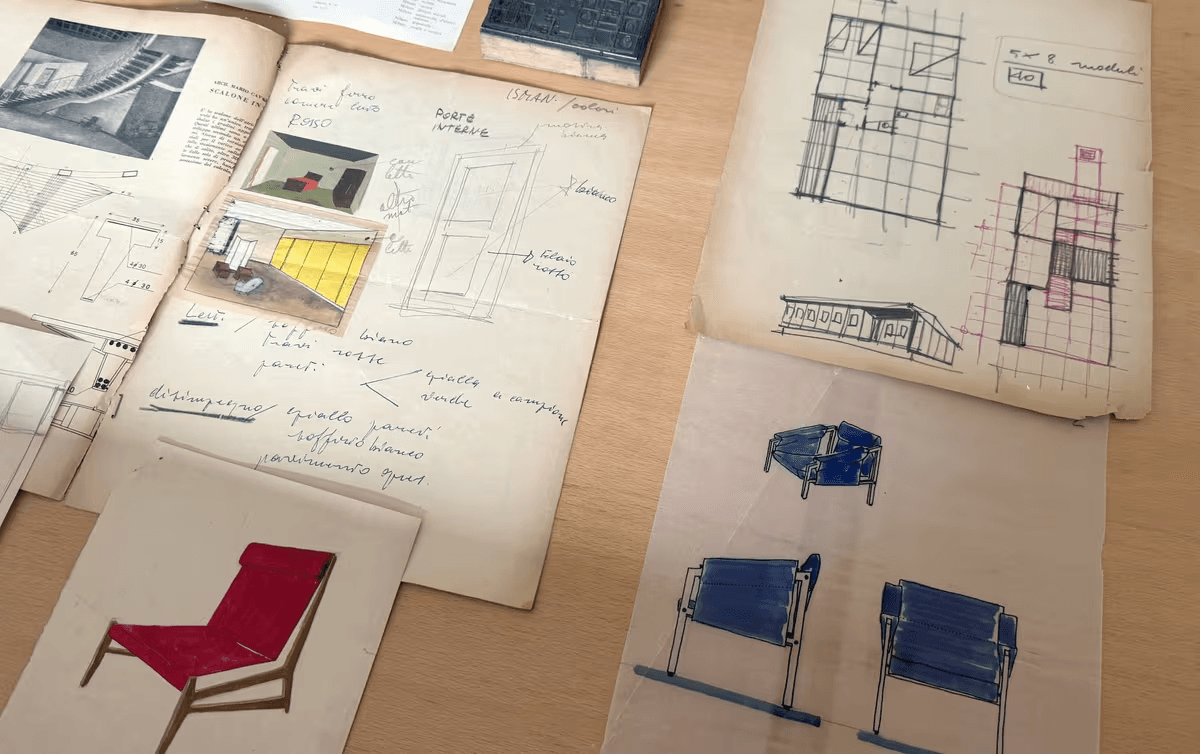
Perhaps the most critical move this year is “Common Archive.” Taking place on the evening of April 24 between 18:30–23:00, the program opens Milan’s design and architecture archives to the public on an unprecedented scale. And this is not merely symbolic.
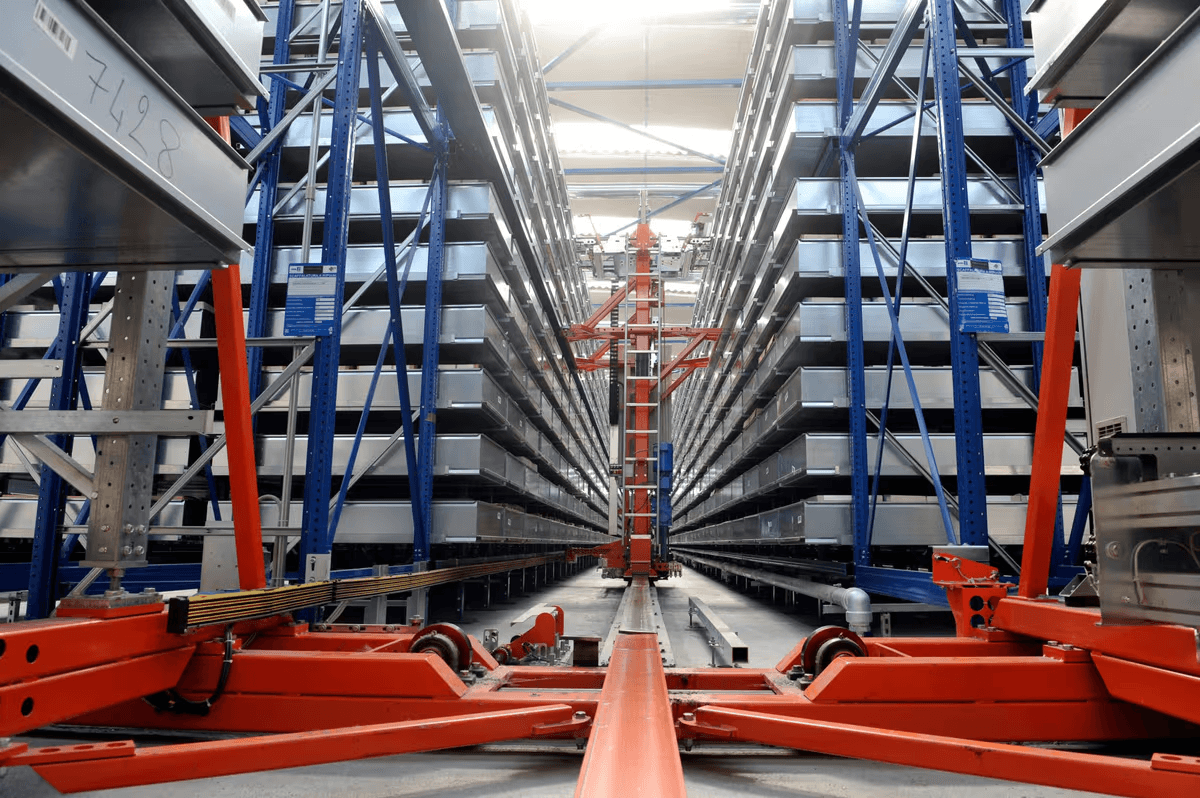
The initiative unfolds across a broad network including institutions such as Politecnico di Milano, Triennale Milano, and ADI Design Museum, encompassing more than 150 collections and archives.
Archivio Aiap
Drawings, models, notes, drafts—everything that exists before an object takes form becomes visible. This touches on one of the least discussed aspects of design: uncertainty.
Archivi Storici
Today, design is often presented in its finished state—polished, flawless, market-ready. Yet the real story lies in what precedes that perfection. To experience this process from the outside is, in itself, compelling.
Cittadella Degli Archivi
“Common Archive” focuses precisely on this. It reframes archives not as storage, but as active fields of knowledge. And it reminds us of something simple yet essential: there is no future without the past. More importantly, how we read that past matters.
Archivio Muzio
What Is Milan Trying to Do This Year?
The 2026 edition is, in many ways, quieter. Less “look what I made,” more “why did I make it?” This may seem like a subtle shift, but it’s not. For a long time, the design world has been overly preoccupied with surfaces.
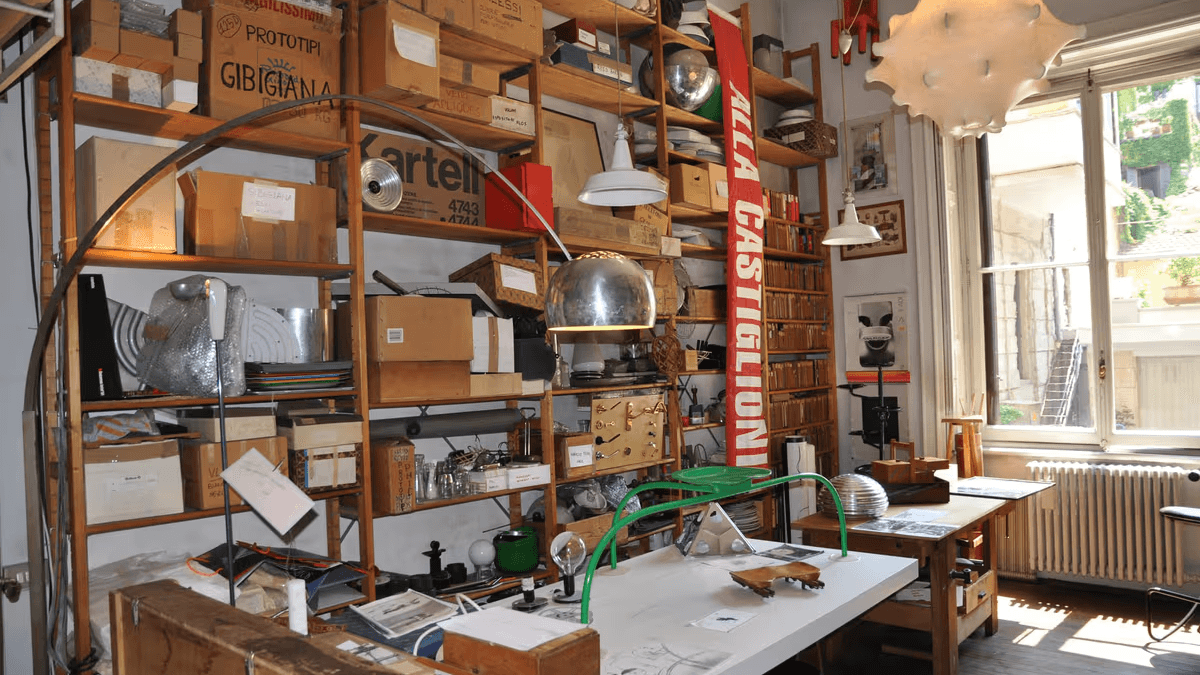
Fondazione Castiglioni
Salone del Mobile Milano 2026 attempts to go beneath that surface. With more than 150 locations spread across the city, a layered program flow, and archive-driven content, this intention does not remain merely rhetorical. Is everything perfect? No. There is still plenty of spectacle, plenty of display. But for the first time, there is a visible urge to look behind the showcase. And perhaps that is the most significant shift of all: not the design itself, but the conditions that shape it are finally being discussed.
Saatolog Yıllık Saat Dergisi Saatolog’un yeni sayısı, 2020’nin yarattığı bu dönüştürücü etkiden ilham alarak hazırlandı. Dünya dijitalin etkisiyle her zamankinden de hızlı bir şekilde ilerlerken yavaşlamanın da önemini sonunda kavramış bulunuyoruz ve bu tezatlık hayatlarımızın her anına etki ediyor. Biz de bundan yola çıkarak Saatolog 2020/21 sayısını ‘‘hızlı ve yavaş’’ teması altında hazırladık.