The Venice Biennale opens on May 9: 100 national pavilions, 111 artists, dozens of debates. Russia has returned, one pavilion was cancelled and reopened, the curator passed away before seeing the exhibition. The noise is loud; yet this year’s theme suggests the opposite: “Listen…”
Hours after the article went live, the Venice Biennale was shaken by one of the largest institutional crises in its history. The entire jury resigned. No official reason was given; however, on April 22 they had stated, referring to Israel and Russia, that “countries facing ICC accusations cannot receive awards.” The five names selected by the Biennale’s curator Koyo Kouoh before her death (jury president Solange Oliveira Farkas and members Zoe Butt, Elvira Dyangani Ose, Marta Kuzma, and Giovanna Zapperi) stepped down together on April 30. Just a day earlier, the Italian Ministry of Culture had sent inspectors to the Biennale headquarters; the official reason was to prepare a response to the EU’s decision to cut funding. Did they resign voluntarily, or were they forced out? There is no official statement—Prime Minister Meloni says, “I don’t know.” It is now being discussed that this year the Golden Lion has been shelved, replaced by a visitor vote, with the award ceremony postponed to November 22. Italy’s Deputy Prime Minister Matteo Salvini has described the visitor voting solution as “a great idea.” The art world is reading that line with irony.
In the article below, we had said that in Venice “what will unfold will only become clear on that day.” It now seems that the Biennale has already experienced its main earthquake. What will follow in the aftershocks? Will this be followed by a second quake? Could this fault line now shifting in the art world trigger other biennales?
The art world is currently organizing its calendars around the week of May 9, because the 2026 Venice Biennale will open its doors on that date. The Biennale dates back to 1895. That year, Italy—right in the midst of the exhaustion of the Industrial Revolution—essentially said, “Let’s take a look at art as well.” One hundred and thirty-one years is no small matter. In all that time, the Biennale has only faltered once—if it can even be called a disruption. In 1973, Chile’s army under General Augusto Pinochet overthrew the democratically elected socialist president Salvador Allende in a bloody coup backed by the United States. In 1974, the Biennale opened its entire space to Chilean artists and resistance figures under the title “Freedom for Chile.” Allende’s widow was invited to the opening, and photocopied sheets were distributed instead of catalogues. Because sometimes rebellion survives better in photocopies.
Today, the world is again weary and continues to be battered… No one knows if or when it will slow down. So once again: let’s turn to art. In the midst of all this chaos, the Venice Biennale opens its doors carrying an internal mourning—the mourning of its curator, Koyo Kouoh.
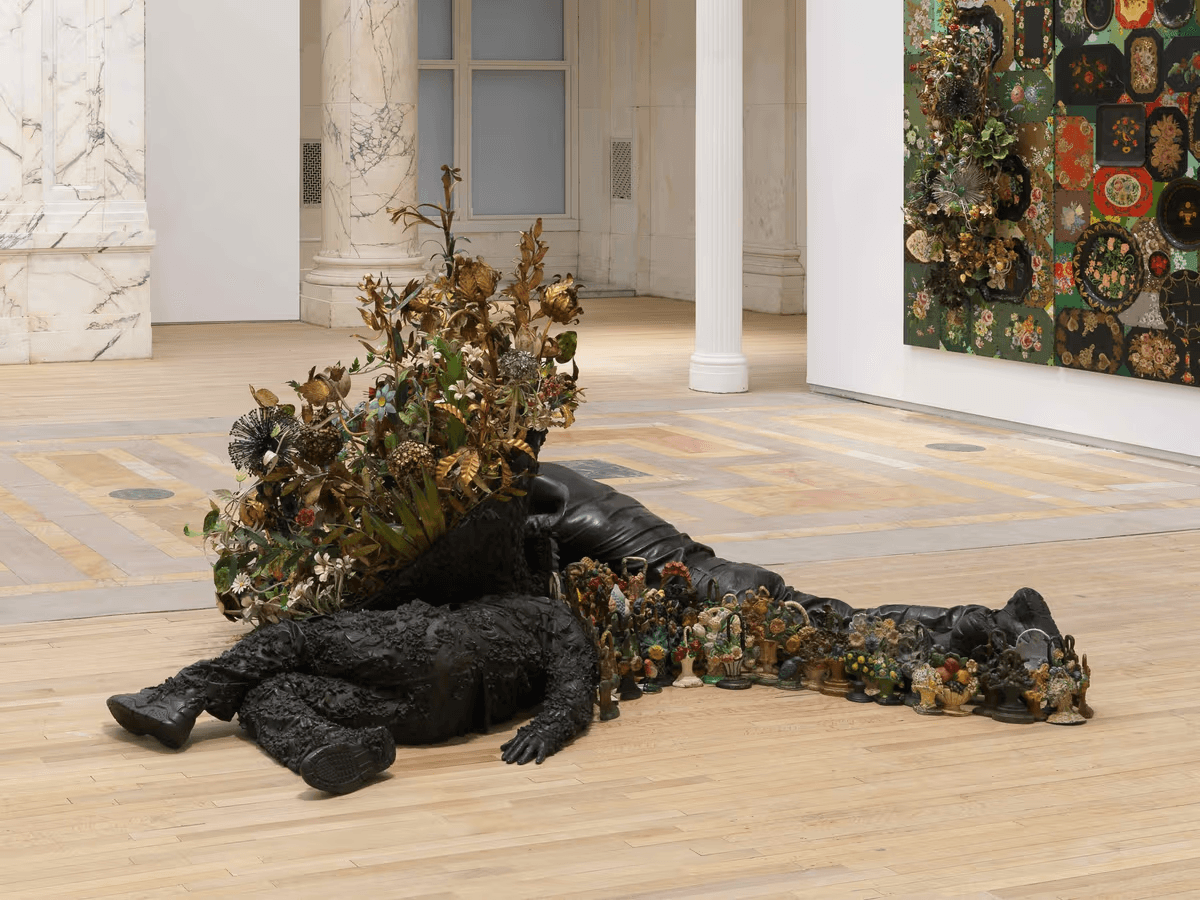
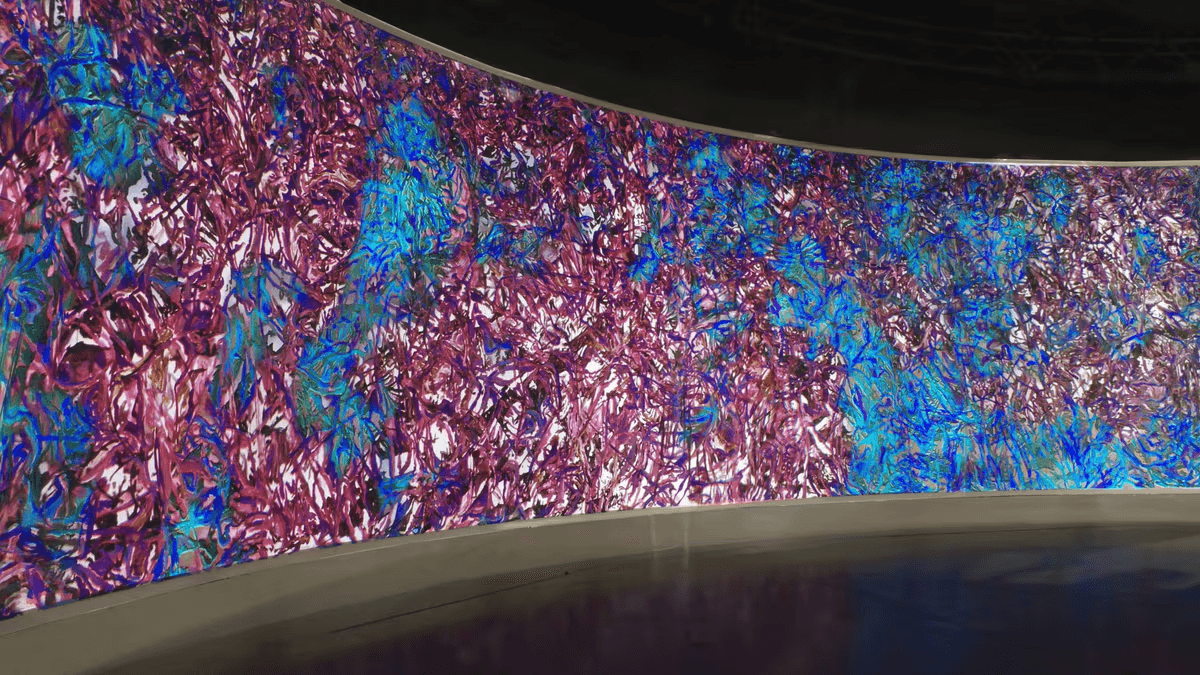
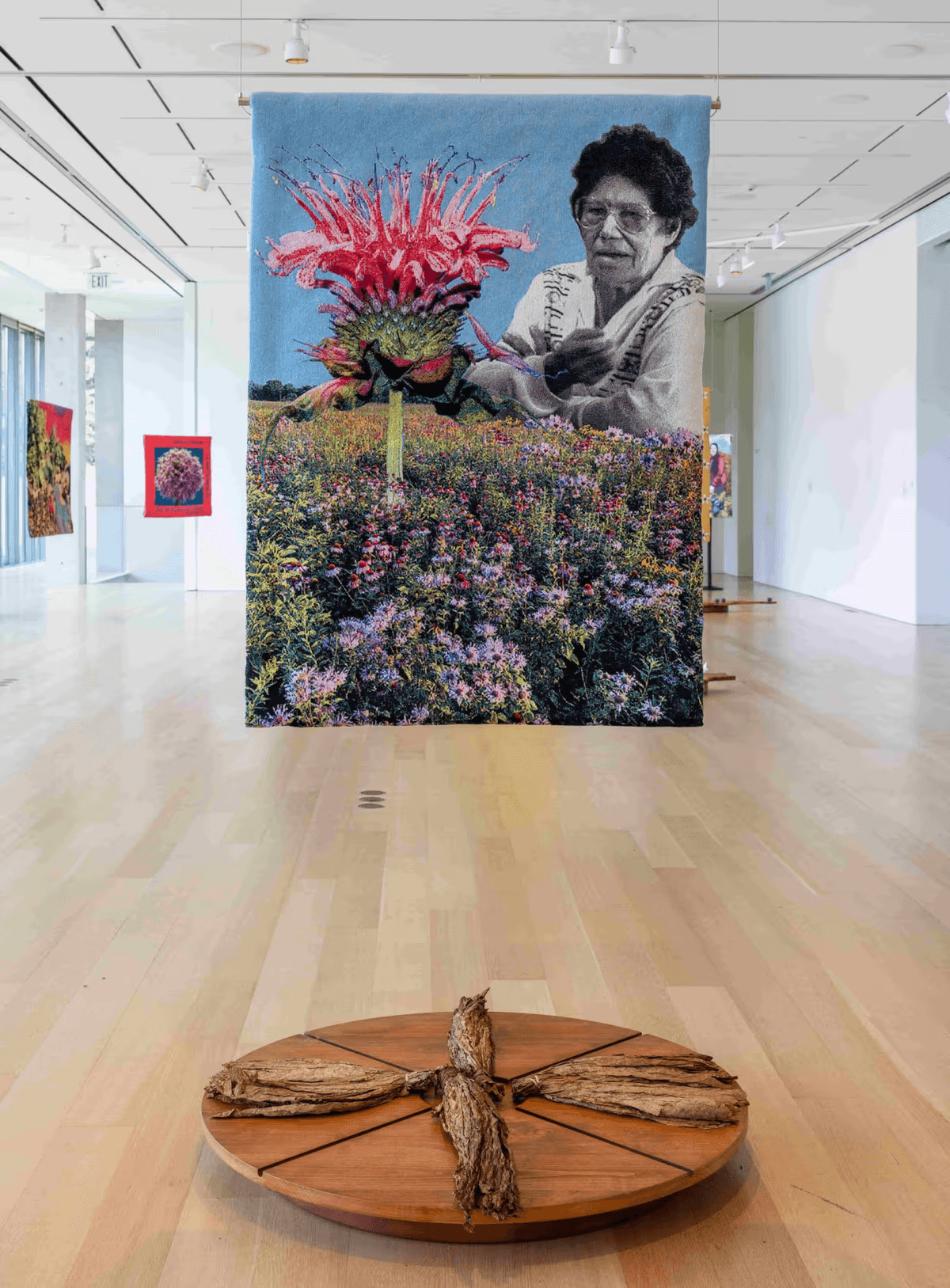
Nick Cave / Credit: Dan Bradica Studio
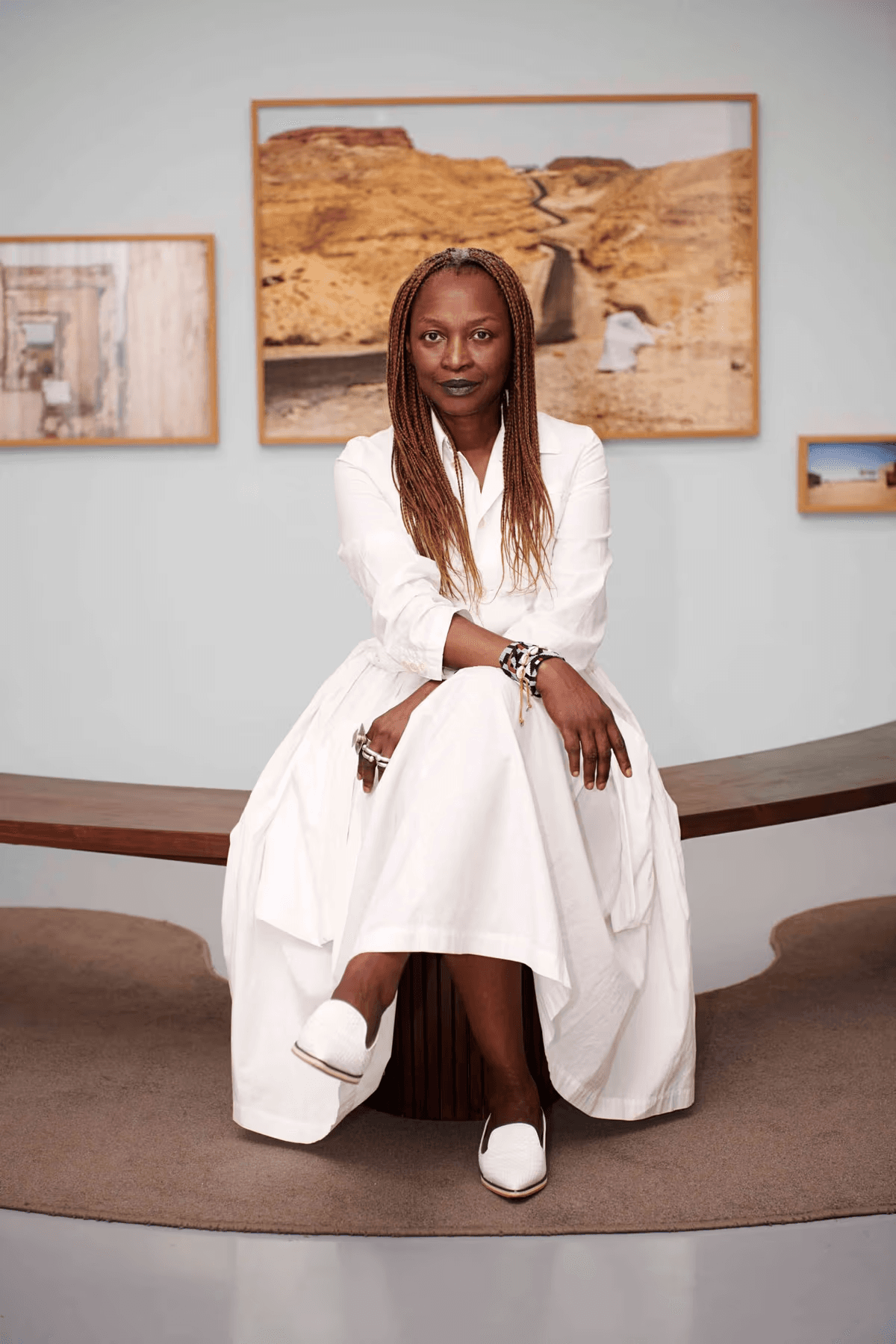
From Elsewhere: Koyo Kouoh
Art followers will likely remember Koyo Kouoh from at least two places. First, the 2022 exhibition she curated at Zeitz MOCAA in Cape Town, “When We See Us: A Century of Black Figuration in Painting,” which brought together works by 156 Black artists from 26 countries and was described by critics as the most comprehensive study of Black self-representation in history. The second is a more indirect memory: from 2014 to 2022, Kouoh was listed every year in ArtReview’s “Power 100,” ranking the most influential figures in the art world.
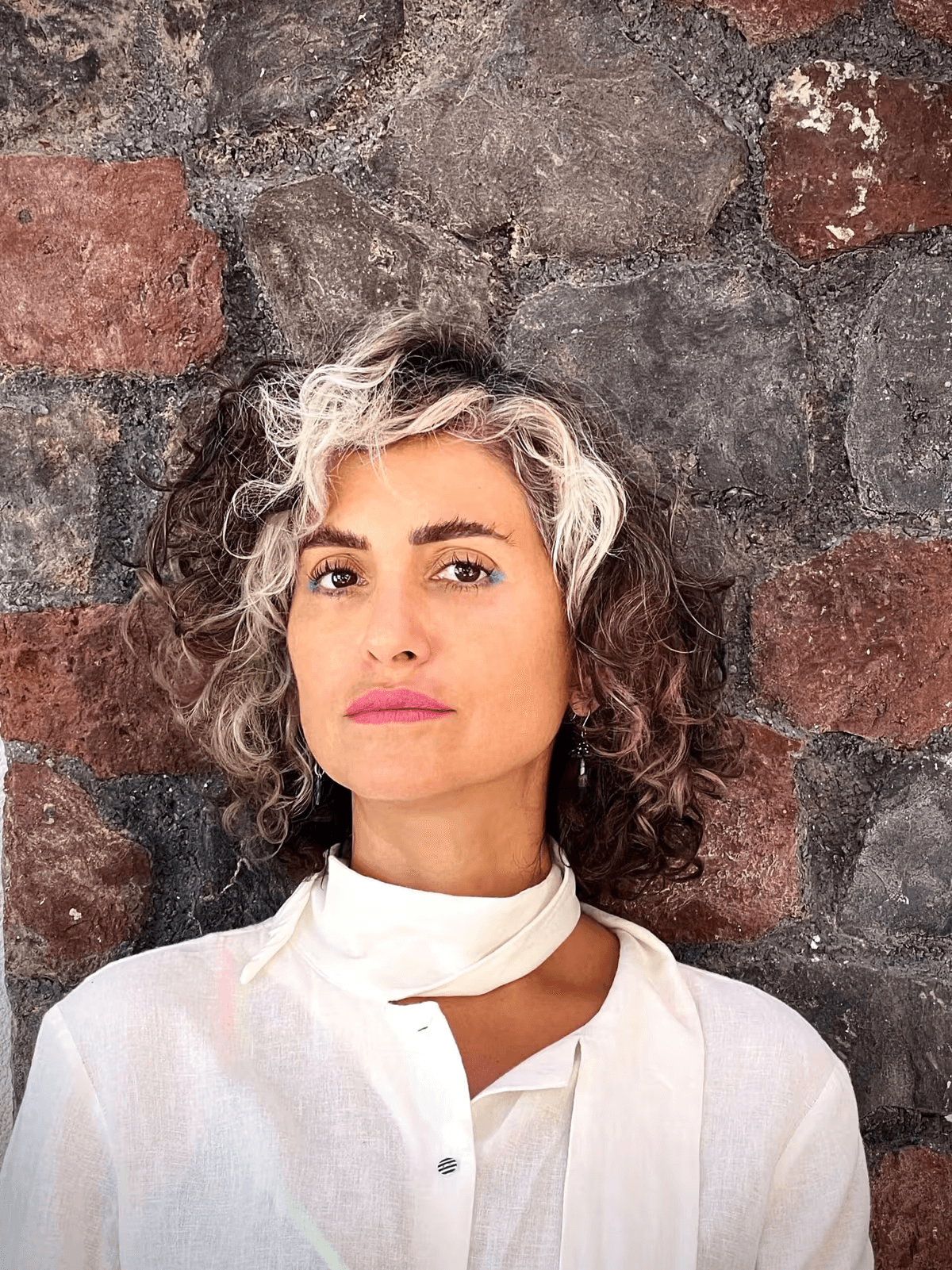
Credit: Mirjam Kluka
A curator and director who shaped galleries, solidarity spaces, and platforms many in her field only dream of, Kouoh was appointed curator of the Venice Biennale in December 2024—the first African woman to hold this role. Ten days before she was set to announce the Biennale’s theme and title, she passed away.
In an article published posthumously in The Guardian, she had written: “My role as the first African woman to curate the Biennale is not about personal legacy.” Before her death, everything had already been completed: the theoretical framework, the list of artists, the spatial design. Her team continued by following the path she had laid out. Every word of the theme belongs to her: “In Minor Keys.”
The Manifesto of the Minor
This is a musical allegory. Kouoh compresses an entire worldview into a system of notes. Major keys are clear, assertive, powerful. Victory marches are in major. Stock market opening bells are in major. Declarations of war are in major. But what about minor?
Minor holds sorrow without surrender. It lingers unresolved, suspended in the air, inviting you to listen again.
The title Kouoh chose is both precise and open to interpretation: an invitation to listen to the world anew. To tune into the whispers beneath the noise, the murmurs that fall outside the relentless machinery of productivity.
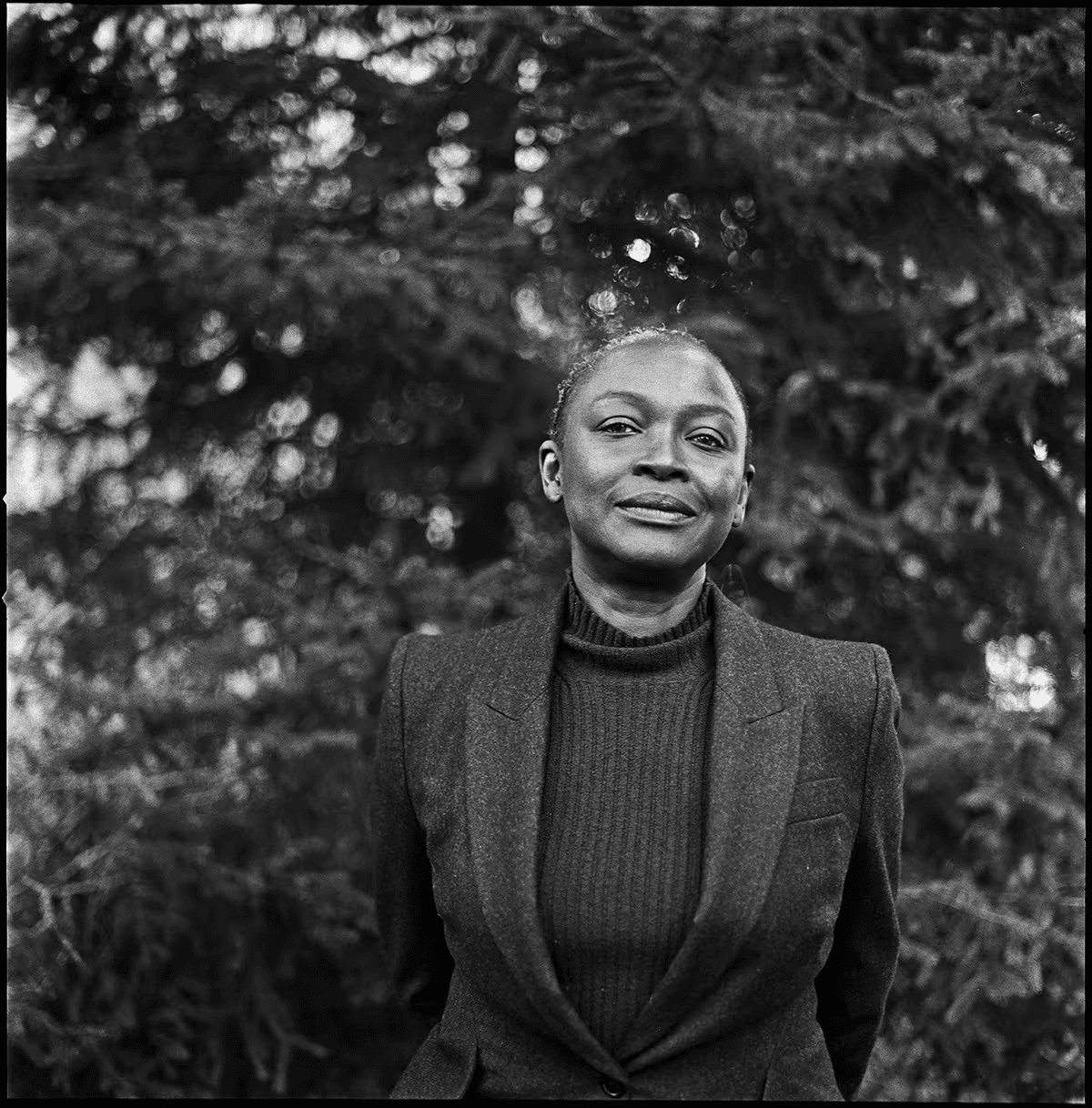
Credit: Mehdi Benkler
In an earlier interview, speaking about her spiritual beliefs, she said: “I believe in the afterlife. I believe in parallel lives and realities. I believe in energies and in cosmic force.” Placed into today’s Venice, these words take on an entirely new resonance.
There is, in fact, a quiet affinity between this theme and the Saatolog reader—whether they realize it or not. Making a watch is, ultimately, a small act of resistance by the minor against the major. In an age ruled by speed, to build a handcrafted mechanism, to measure, to seek symmetry… that act itself is a minor tone.
Before You Go to Venice
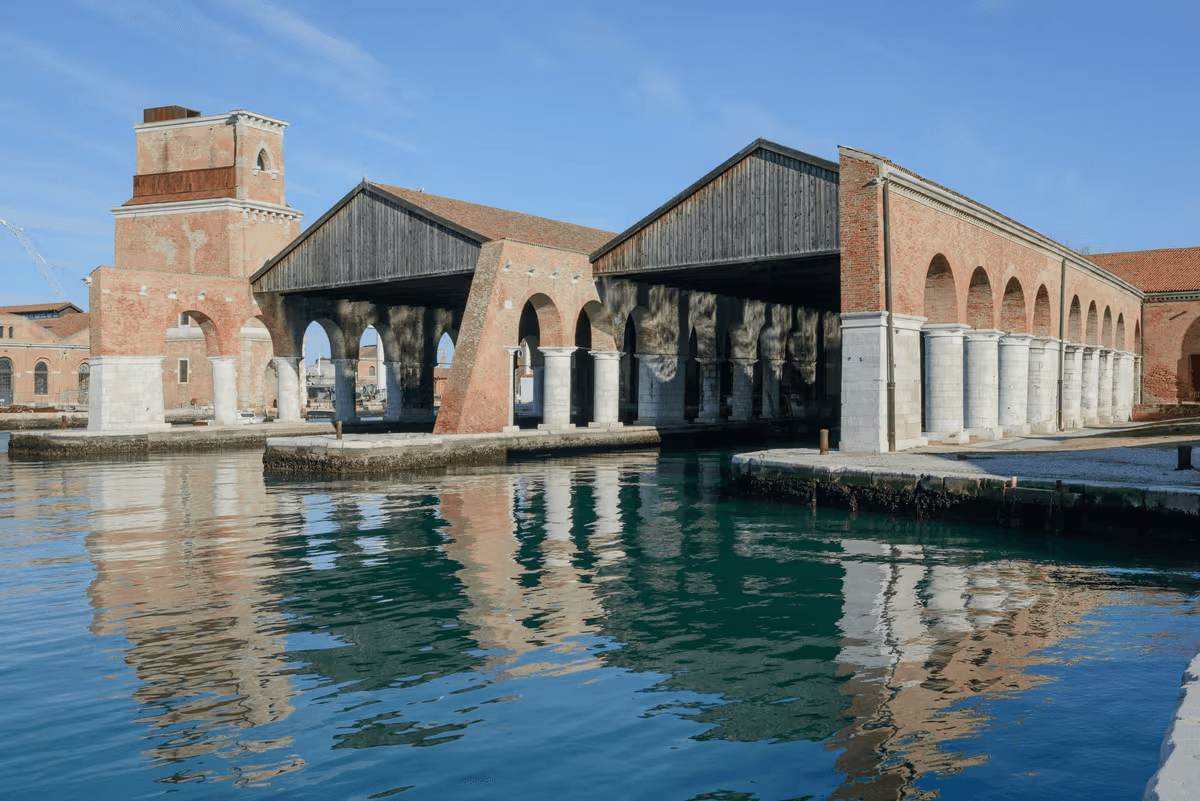
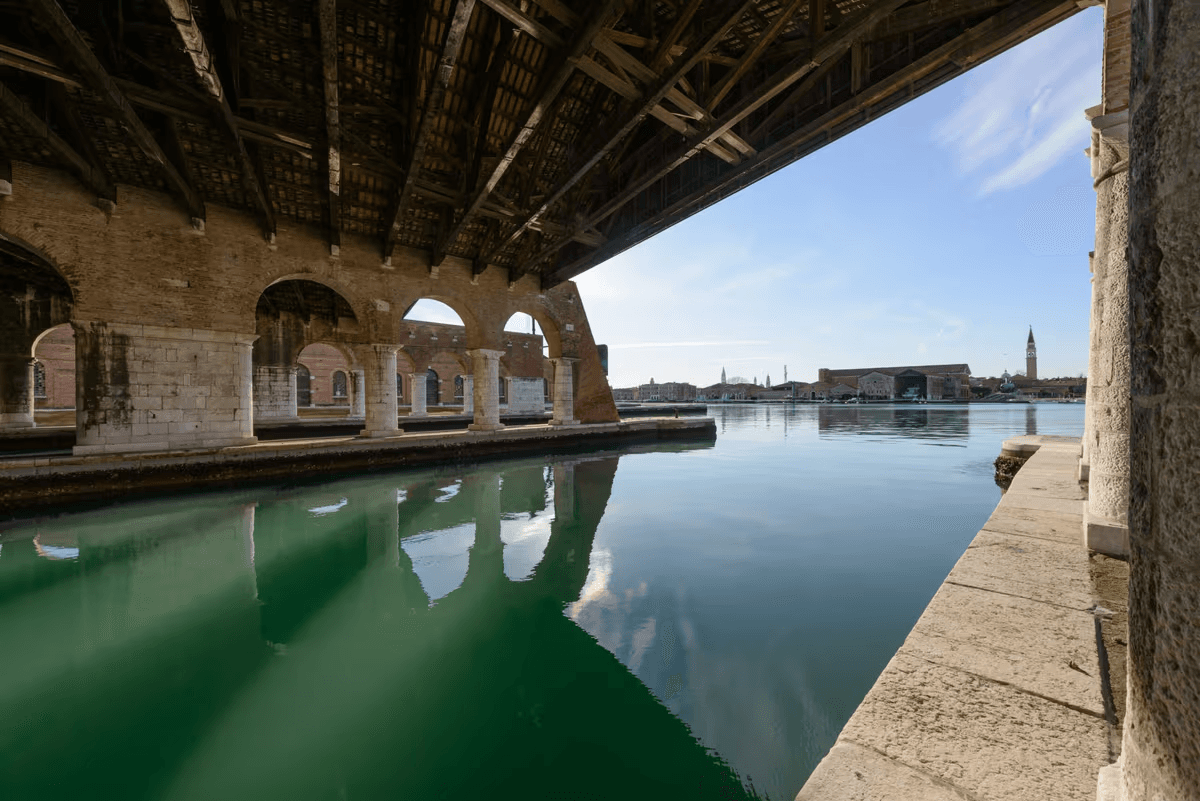
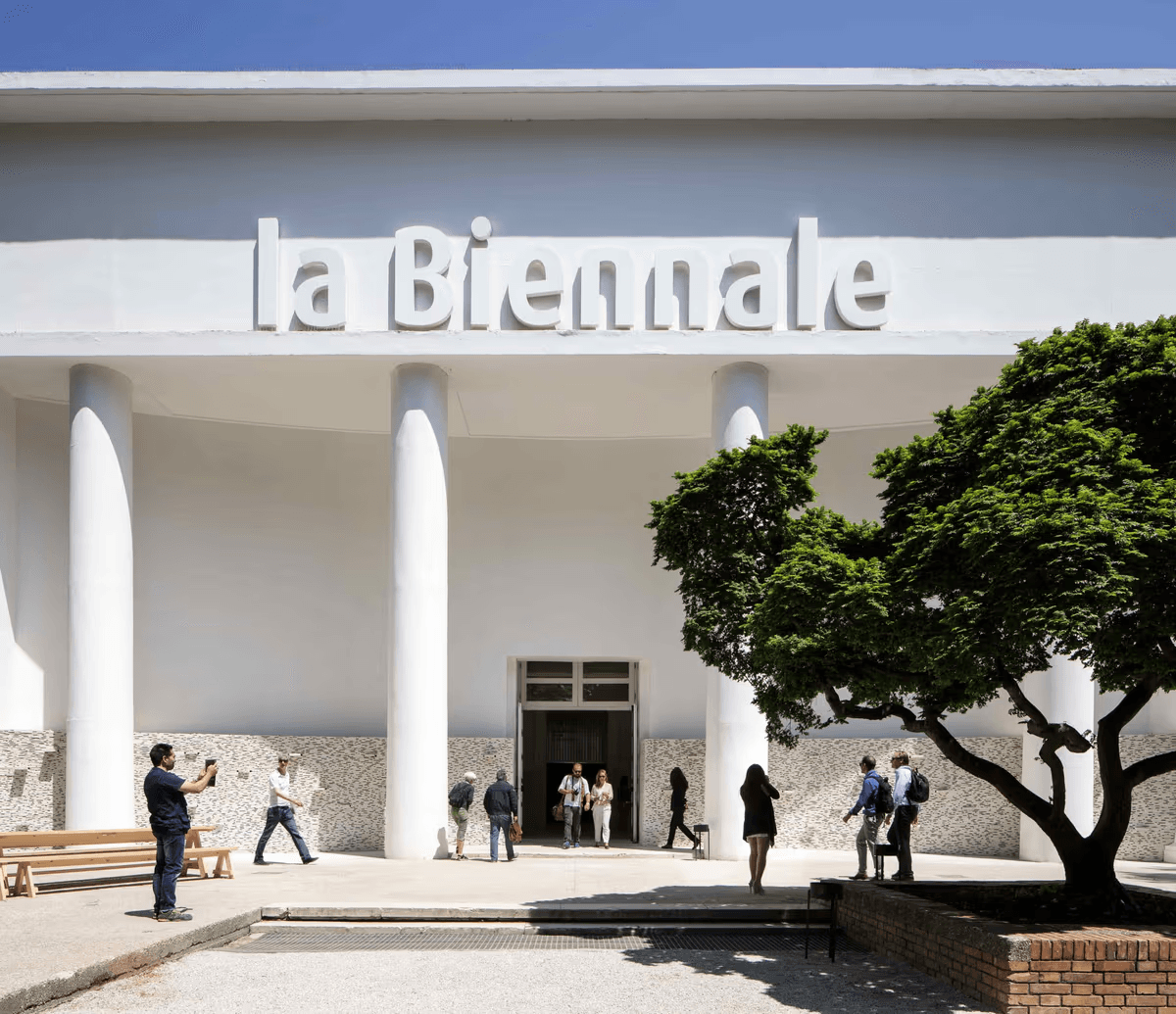
The official opening and awards ceremony will take place on May 9, and the Biennale will remain open until November 22. The main venues are the Giardini park, home to the permanent national pavilions, and the Arsenale, a former shipyard transformed into an exhibition space. But the exhibition is not confined to these; it will spread throughout Venice’s historic fabric.
Credit: Andrea Avezzù – Courtesy Of La Biennale Di Venezi
This year, the main exhibition is shaped by 111 participants—individual artists, duos, collectives, and artist-led organizations. Compared to 2024, there is a noticeable decrease in the number of participants; this is interpreted as a strategy of less noise, deeper whisper. Add to that 100 national pavilions and 31 collateral events. It seems impossible to fit Venice into a single weekend. Those who plan their route carefully before arriving will certainly gain more from the experience.
Credit: Andrea Avezzù – Courtesy Of La Biennale Di Venezi
Five Worlds, One Exhibition
Kouoh structured the main exhibition around five motifs: Shrines, Procession, Schools, Rest, and Performances. These are not categories, but imagined architectures—each a separate world with its own atmosphere.
The spatial design of the Central Pavilion is inspired by two books: One Hundred Years of Solitude by Gabriel García Márquez and Beloved by Toni Morrison. Walls are reduced, the flow intentionally fragmented—less didactic, more polyphonic. It promises a different kind of experience. Biennale president Buttafuoco even has a suggestion: put on Santana’s Soul Sacrifice in your headphones as you walk through.
Credit: Francesco Galli
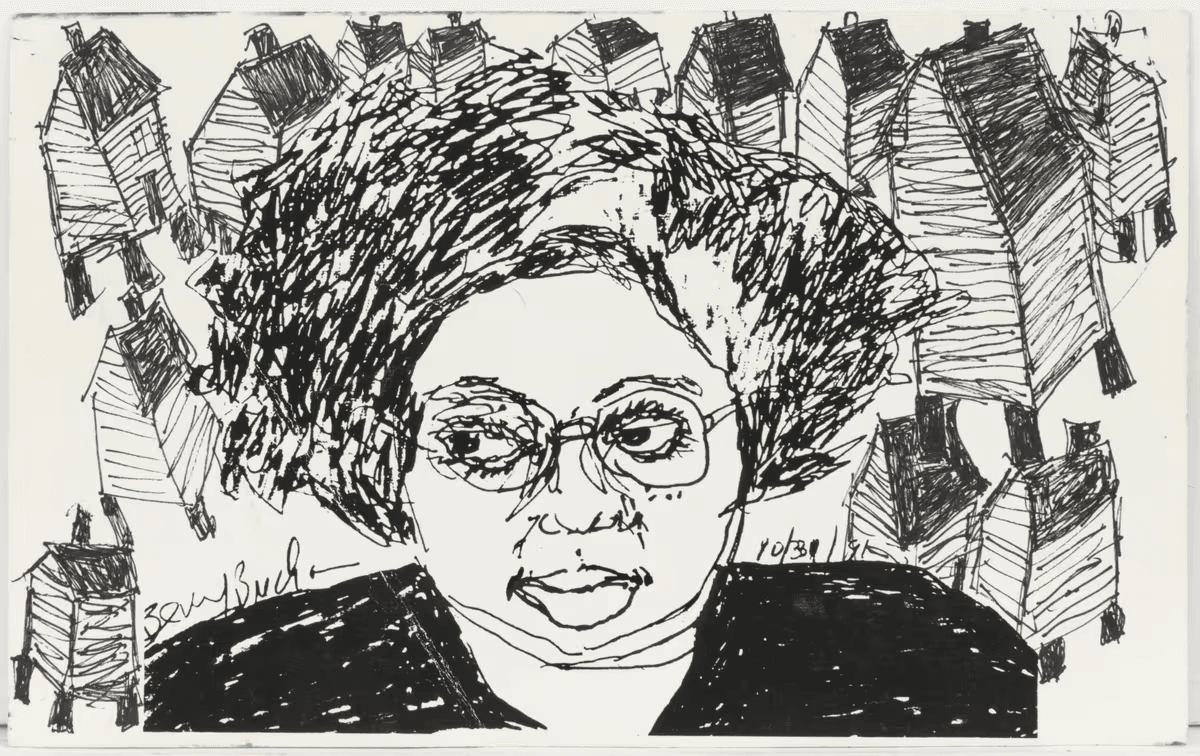
In the Sala Chini of the Central Pavilion, Shrines are dedicated to two figures Kouoh described as “incandescent worldmakers”: Senegalese artist, poet, and playwright Issa Samb, a co-founder of the revolutionary Laboratoire Agit’Art collective in Dakar and Kouoh’s longtime mentor; and American artist Beverly Buchanan. Neither is alive anymore. The curator, now also gone, places them at the very center of everything.
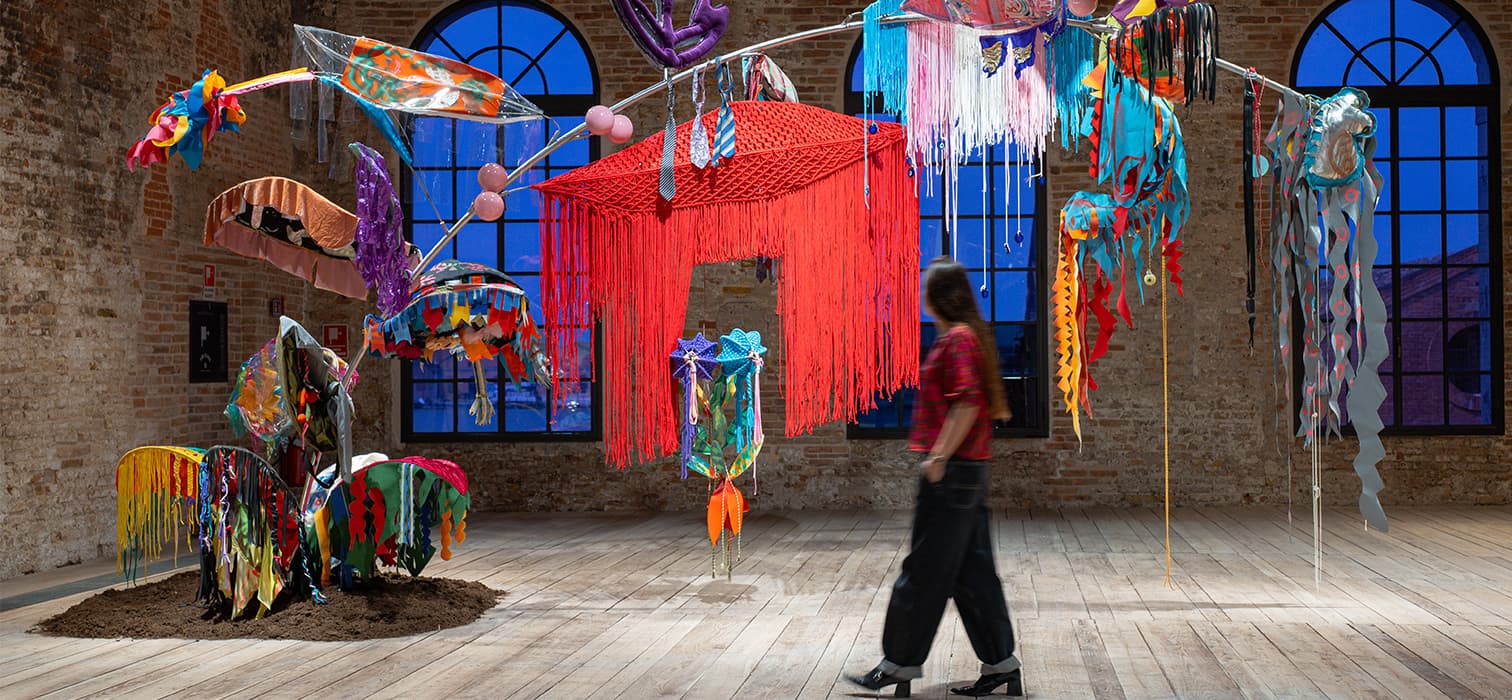
Among Kouoh’s five motifs, Procession will likely be the most visible—drawing from Afro-Atlantic carnival and communal traditions, transforming the viewer into a participant. Rest offers multisensory installations—spaces to breathe within the exhibition. Schools reveal artist-driven learning environments rooted in their own geographies, independent of the market. This may not be the most talked-about section when the Biennale ends, but it could leave the most lasting trace.
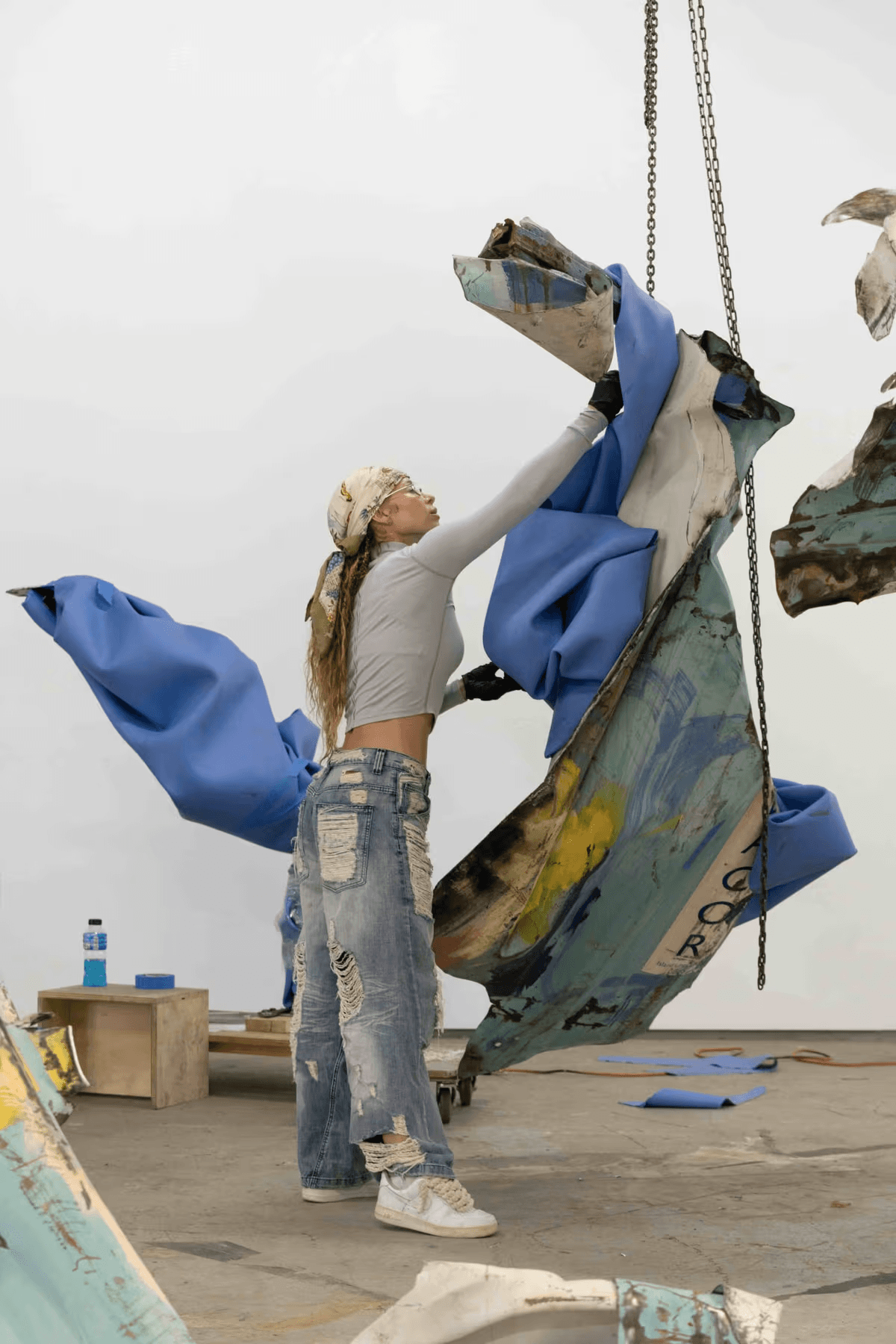
Kennedy Yanko / Credit: Zachary Balber
One of the quieter innovations this year is the inclusion of scattered “oases”—small stopping points resembling studios, courtyards, and learning spaces. Not quite exhibitions, but more like memorial corners, ghost studios, timeless courtyards.
Before You Draw Your Route…
100 national pavilions, 31 collateral events, two main venues, and exhibitions spread across the entire city… The most common advice for visitors is simple: be selective. Here are some of the most anticipated stops:
Italy Pavilion (Arsenale, Tese delle Vergini)
Chiara Camoni is the first female artist to represent Italy at this Biennale. Her installation has been likened to a dim forest filled with 24 anthropomorphic clay sculptures; the visitor will walk through it, measure their body against the sculptures. The Colombino technique—hand-rolled coils without a wheel—has been used. The project has been defined as “magical materialism”; it treats nature as a living artistic laboratory, intertwining myth, craft, and Mediterranean echoes. Slowness itself has become an object.
Turkey Pavilion (Arsenale)
Artist Nilbar Güreş, who lives between Istanbul, Naples, and Vienna, is presented here with the curation of Başak Doğa Temür and the support of İKSV. The artist’s practice moves between photography, video, performance, sculpture, and textile collage; social injustice, gender roles, and cultural identity codes are at the center.
Nilbar Güreş
Başak Doğa Temür
Australia Pavilion (Giardini)
A candidate to be the most talked-about pavilion of this Biennale. Lebanese-born, Sydney-based Khaled Sabsabi was announced as Australia’s representative in February 2025; five days later, he was cancelled. The reason was a 2007 film in which he included a speech by a Hezbollah leader; it was debated in the Australian Senate as “supporting extremism.” Sabsabi and his curator Dagostino said censorship had been applied, open letters and board resignations came from the art world; five months later, they were invited back. Sabsabi will also take part in the main exhibition; Kouoh had selected him before her death. The pavilion is titled “Conference of one’s self”—a self-confrontation. For months, others spoke on his behalf; now the word is his.
Austria Pavilion (Giardini)
Florentina Holzinger has brought choreography into the pavilion space under the title Seaworld Venice. Holzinger is one of Europe’s harshest and boldest performance artists; she uses the body as both a beautiful and brutal tool, and does not hesitate to disturb the viewer. It is unclear what will be encountered, but considering her past, one should not expect a gentle experience.
Denmark Pavilion (Giardini)
Born in 1993, Maja Malou Lyse has become the youngest artist Denmark has chosen for this role. Her project Things to Come brings science, fiction, and pornography into the same frame; it asks how different image systems shape visions of the future, without offering answers. The sentence she said when selected summarizes everything: “I will enter the Biennale in my stilettos.”
Bahamas Pavilion (Dorsoduro)
This marks The Bahamas’ second appearance in Venice; the first was in 2013. This time, it takes its place with two artists: John Beadle, who passed away in 2024, and Lavar Munroe, who is still alive. Both have drawn from Junkanoo, The Bahamas’ most deeply rooted street festival; cardboard, rope, feathers, discarded fabrics… from that colorful, noisy aesthetic that transforms everything. According to curator Krista Thompson, Beadle had also been planned to represent The Bahamas in 2015; the venue had been selected, but funding was cut at the last minute. The opportunity missed then has now arrived—but without Beadle. The pavilion is titled In Another Man’s Yard: John Beadle, Lavar Munroe, and the Spirit of (Posthumous) Collaboration. A belated representation, a delayed farewell…
Beverly Buchanan / Credit: The Estate Of Beverly Buchanan, Andrew Edlin Gallery, New York
Saudi Arabia Pavilion
Dana Awartani, an artist of Palestinian and Saudi origin living in London, is deeply versed in the geometric patterns of Islamic art and has received certification in the art of illumination in Turkey. She reads craftsmanship not merely as skill, but as cultural memory and resistance. Her works unfold the longer you look; at first glance they may seem decorative, but given time, they begin to speak differently. This pavilion will likely attract smaller crowds; but it seems it will stay in the minds of those who visit.
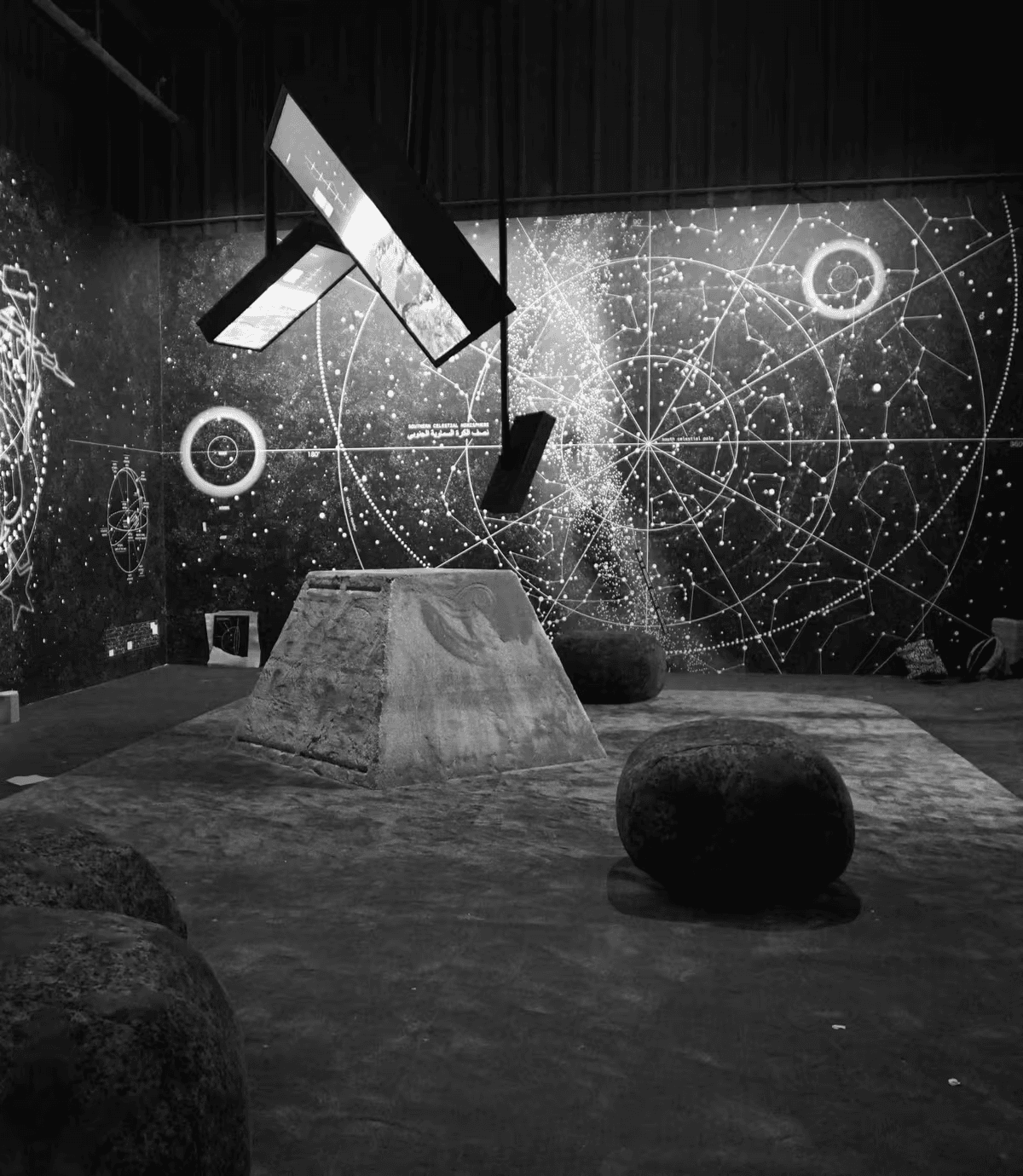
Credit: Nolan Oswald Dennis Studio
And two pavilions at the center of controversy:
Russia Pavilion
Russia had not participated in the Biennale since 2022. This year it has returned. Bringing together more than 50 young musicians, poets, and philosophers, the exhibition is titled “The Tree is Rooted in the Sky.” A tree rooted not in the earth, but in infinity… Russia’s message is that politics are temporary, culture is lasting. The European Commission has described this participation as a violation of EU sanctions and has initiated the process of cutting the 2 million euro fund allocated for the 2028 Biennale. One more detail: the pavilion’s commissioner Anastasia Karneeva is the daughter of a senior executive at Rostec, Russia’s largest state defense company. Art or soft power; the boundary is blurred. It is still not clear whether the pavilion will open; the EU’s decision and Ukraine-related pressures are likely to remain on the agenda even after the opening.
Caycedo / Credit: Tucker Blair
Israel Pavilion
At the 2024 Biennale, the Israel pavilion had not opened at all due to the war in Gaza; artist Ruth Patir had stated that she would not open it without a ceasefire—and did not. This year is different; the pavilion will open. But where it is located matters: as its permanent space in Giardini is under renovation, it has been moved to the Arsenale, right next to Kouoh’s manifesto of solidarity, In Minor Keys. Sculptor Belu-Simion Fainaru, born in Romania and living in Haifa, presents a water installation titled Rose of Nothingness. At the center is a pool filled with black water, into which a dark liquid drips from 16 pipes. The number comes from Jewish mysticism, Kabbalah; it symbolizes transformation. The black water refers to the Holocaust poet Paul Celan’s famous image of “black milk.” Fainaru says, “Art is a place of dialogue, not exclusion”; yet opposite him stands an open letter signed by nearly 200 artists and curators protesting the relocation of the pavilion. The pavilion will open; but the protests and debates around its position in the Arsenale seem likely to remain throughout the Biennale.
Every May, Venice draws the world’s most intense art traffic; gondolas move at the same slow pace, but beyond the canals everything is far louder. This year, there is a different weight within that noise. A curator has passed away before welcoming the artists she invited. A pavilion was cancelled and reopened. It is still uncertain whether the doors of two countries’ pavilions will be open. The Biennale’s president suggests that everyone walk through it with headphones on, listening to Soul Sacrifice. Perhaps this is the most accurate advice within all this chaos; to hear the minor tones, one must first set the major aside.
Saatolog Yıllık Saat Dergisi Saatolog’un yeni sayısı, 2020’nin yarattığı bu dönüştürücü etkiden ilham alarak hazırlandı. Dünya dijitalin etkisiyle her zamankinden de hızlı bir şekilde ilerlerken yavaşlamanın da önemini sonunda kavramış bulunuyoruz ve bu tezatlık hayatlarımızın her anına etki ediyor. Biz de bundan yola çıkarak Saatolog 2020/21 sayısını ‘‘hızlı ve yavaş’’ teması altında hazırladık.