For years, luxury brands have destroyed unsold products to protect their prestige. Fast fashion, on the other hand, tried to hide the consequences of overproduction. As of 2026, this balance is starting to break.
At some point, a question inevitably comes to mind: Is it more tragic for a T-shirt to be forgotten in your wardrobe for a few years, or to be burned in a warehouse while still brand new? Welcome to this absurd riddle of the modern age of consumption. Yes, you heard that right. Brands like Apple, Cartier, Coach, Burberry, Nike and H&M have, at certain times, chosen to destroy their unsold products. Sometimes by burning them, sometimes by shredding them, sometimes by rendering them completely unusable.
So while you are going from store to store “chasing discounts,” somewhere, someone is saying: “70% off? Never. Burn it instead.” While you remove items from your life in the name of minimalism, brands are literally playing Marie Kondo with our lives; but in a much more dramatic way.
This issue is not just a strange whim of the fashion world. It also stands right at the center of a massive debate about economics, brand value, sustainability, and even ethics. And yes, it makes you want to ask: Is a brand looking “cool” more important than the planet burning a little less?
Why Do They Burn?
There are several core motivations behind product destruction, and they are more “logical” than you might think—though we may need to stretch the definition of “logic” a little.
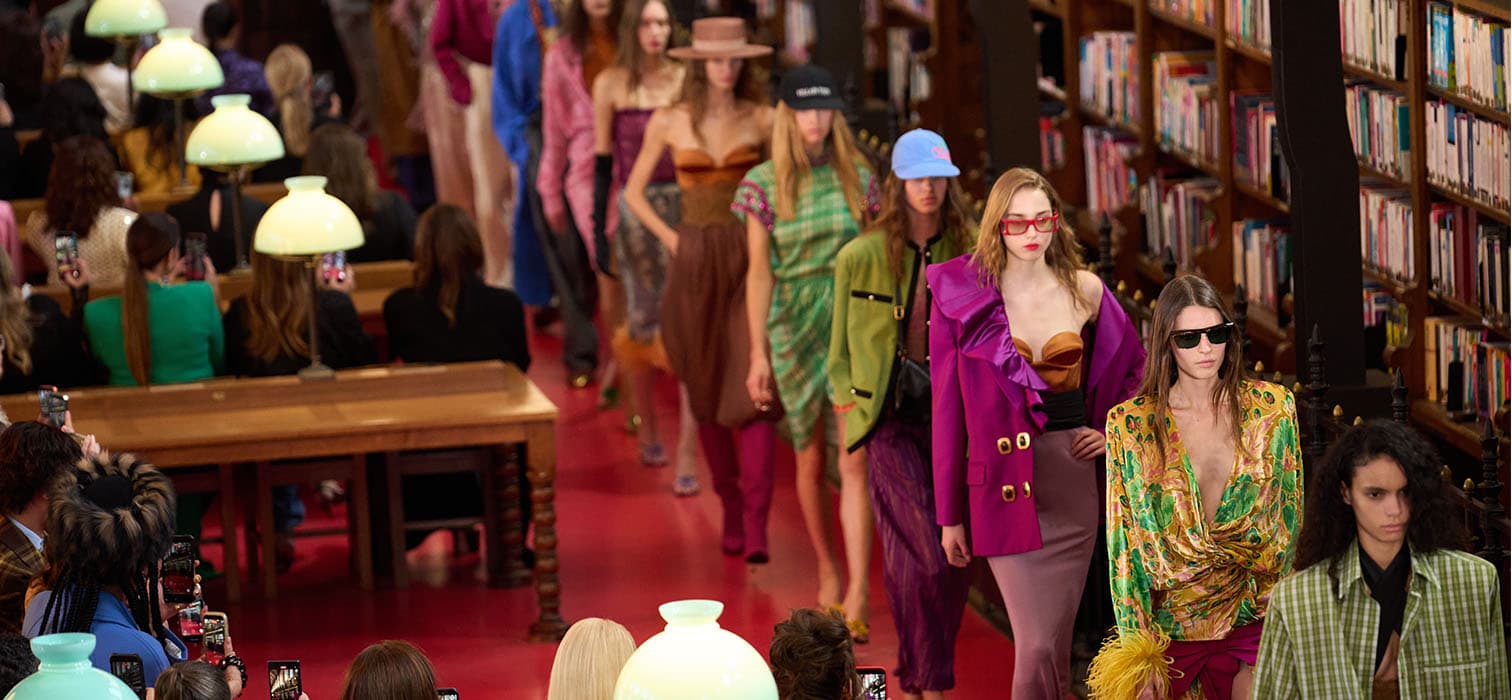
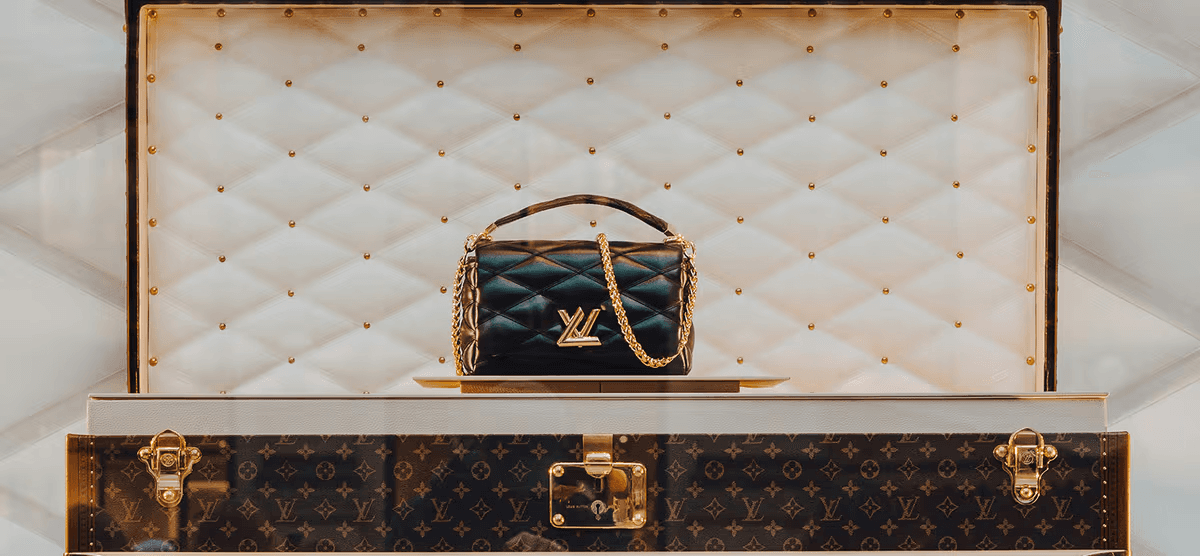
The first and most important reason: brand value and perception management. Especially in the luxury segment, a product being rare, hard to access, and expensive is part of the brand’s DNA. If you can find a Burberry bag at 80% off at the end of the season, the prestige of that bag is seriously damaged. For this reason, for some brands, a product disappearing is a more preferable scenario than it becoming cheap. Business of Fashion defines this as the “core paradox of the luxury economy.” The more a product sells, the more successful it is, but at the same time, selling too much makes it less desirable. Therefore, for some brands, an unsold product is a risk that should be treated as if it never existed, rather than allowing it to reach the wrong person.
The Fashion Industry’s Uncomfortable Truth
The second reason is the fight against gray markets and counterfeiting. If unsold products enter the market in an uncontrolled way, there is a risk of parallel imports, an explosion of outlets, and mixing with counterfeit products. For high watchmaking and jewelry brands like Cartier, this directly threatens brand trust. A product going on discount erodes not only margins but also the sense of exclusivity the brand represents. For this reason, for some brands, excess stock is not just a financial problem, but an identity crisis. One of the main reasons luxury watch brands buy back unsold products and remove them from circulation is exactly this. Because an uncontrolled second-hand flow can weaken the value perception that the brand has built over years by disrupting price discipline. The destruction of products by some luxury groups can also be interpreted as an effort to “sterilize the distribution chain.” In short, the issue is not only to destroy the product, but to prevent it from appearing in the wrong place.
Deloitte reports reveal that especially large fashion and luxury groups still have serious forecasting errors in their supply chains, and this directly creates excess stock. Brands overestimate demand and produce accordingly, then resort to costly and controversial methods to manage this surplus. At this point, destruction stops being a strategic choice and becomes a side effect of the system. Sometimes the issue is simply miscalculation. The fashion industry sometimes destroys products not deliberately, but as a result of planning errors. One really cannot help but be impressed by this level of foresight.
The Fashion Industry’s Uncomfortable Truth
Marketing or Disrespect?
At this point, the debate splits into two.
One side says: “This is a strategy.” And they do have valid points. In the luxury segment, controlling supply is critical for price stability and brand perception. If a Coach bag is constantly on discount, it pushes the brand toward a lower segment. This can lead to a much larger loss of revenue in the long term. In other words, destroying a few thousand products in the short term can mean protecting billions of dollars in brand value in the long term.
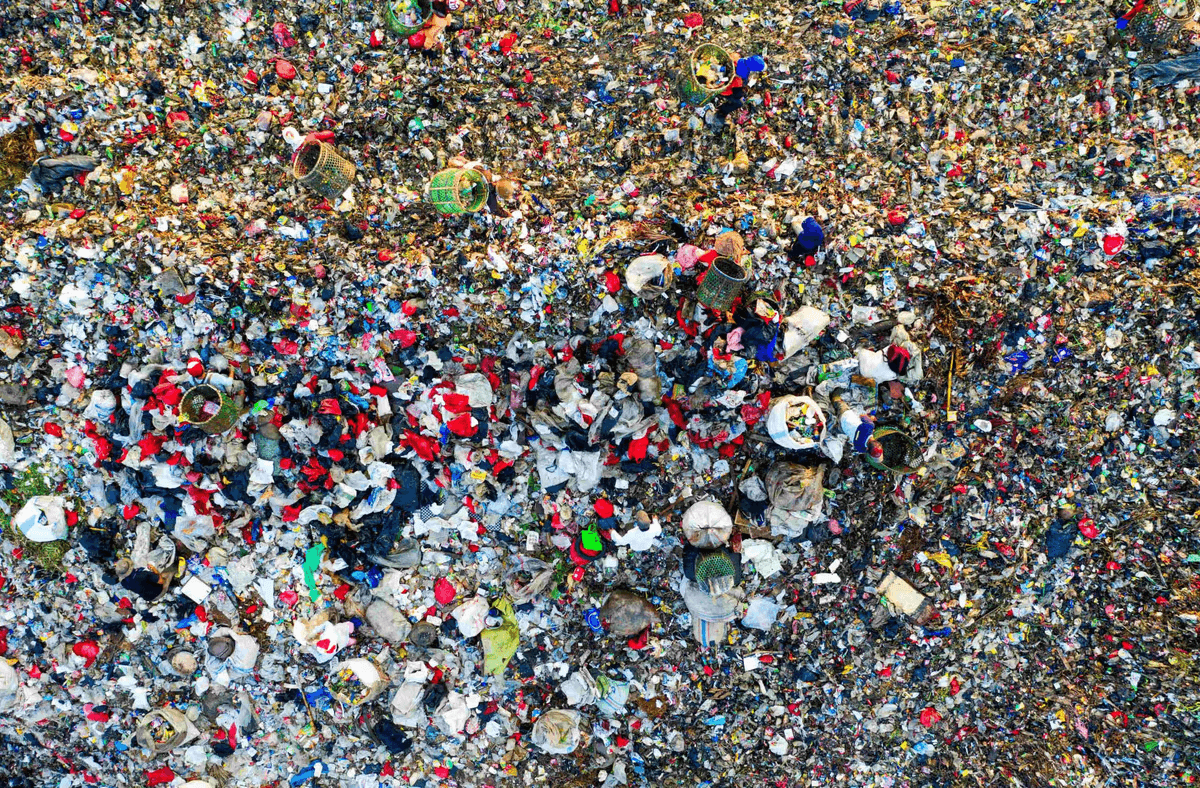
The other side says something much simpler: “This is waste.” And they are absolutely right as well. Because these products are not just fabric; they are a combination of water, energy, labor, and time. This clearly shows that the fashion industry has entered not only a production crisis, but also a post-production responsibility crisis. Especially in recent years, the environmental cost of the textile industry is no longer discussed only through classic metrics like carbon emissions or water consumption, but also through the fate of unsold products. Every year, billions of garments are produced, and a significant portion of them never reaches consumers. While some of these products sit in warehouses, others are systematically eliminated. This situation is not only an economic inefficiency; it also means the invisible destruction of resources.
The Fashion Industry’s Uncomfortable Truth
In fact, we are back at the same point: the fashion industry often produces not to meet demand, but to create demand. And this inevitably means overproduction and, therefore, waste. A product not being sold does not mean it is “worthless”; it simply shows that it was produced at the wrong time, in the wrong quantity. But instead of accepting this mistake, the system prefers to eliminate the product. In this context, product destruction is no longer just a business decision, but an environmental contradiction. Because while the fashion industry runs sustainability campaigns on one hand, it can destroy unused products on the other. This situation creates a serious trust problem, especially among younger consumers.
Research and media analyses show that Gen Z and young millennial consumers expect not only aesthetics from brands, but also ethical consistency. In other words, if a brand says “we are sustainable” while also destroying products, this is no longer overlooked—it is directly questioned. So yes, on one side there is brand prestige. On the other, the planet.
From Buzzwords to Reality
There was once a popular concept: circular fashion. But now, “circular fashion” alone feels like something that belonged to the sustainability trend of 2019. Think of it as conference language. Today, the industry’s language is more fragmented. Brand managers are now expected to give concrete answers instead of throwing around terms like “circular economy”: Should the product be resold, repaired, dismantled and remade, or returned to circulation as material?
The new rules announced by the European Commission on February 9, 2026, are rapidly turning this romantic vocabulary into regulation. The ban on destroying unsold clothing, accessories, and footwear for large companies will come into effect on July 19, 2026; for medium-sized companies, the date is 2030. Companies will also be required to report unsold products that are discarded.
The Fashion Industry’s Uncomfortable Truth
A reality that the fashion industry has long ignored—growth and responsibility—must now be mentioned in the same sentence. Deloitte’s January 2026 Global Powers of Luxury 2026 report shows that the luxury sector is still demonstrating strong growth. However, behind this growth, not only sales volume but also the sustainability of the business model is now being questioned. Because the issue is not just “how much you sell,” but “how you sell,” and more importantly, “what you do with what you cannot sell.” According to the report, major luxury groups must manage not only operational efficiency but also reputational risk. And this risk is no longer only financial; it must be handled together with its environmental and social dimensions. Destroying a product is no longer just a stock management decision, but a crisis potential that directly affects brand value. The report asks another question directly: What is the real cost of a product? Water usage, carbon emissions, labor, waste management—these are the invisible costs of a product. And these costs exist whether the product is sold or not. So destroying a product means destroying all the resources spent in its production process. In other words, a new business model is required.
The Fashion Industry’s Uncomfortable Truth
Success for brands is no longer just about launching collections; it now means extending the life of those collections, reusing them, reselling them, and, if necessary, redesigning them. This is why resale platforms, repair services, second-hand sales channels, and deadstock projects are no longer a “trend” but an operational necessity.
So Who Did What?
Burberry
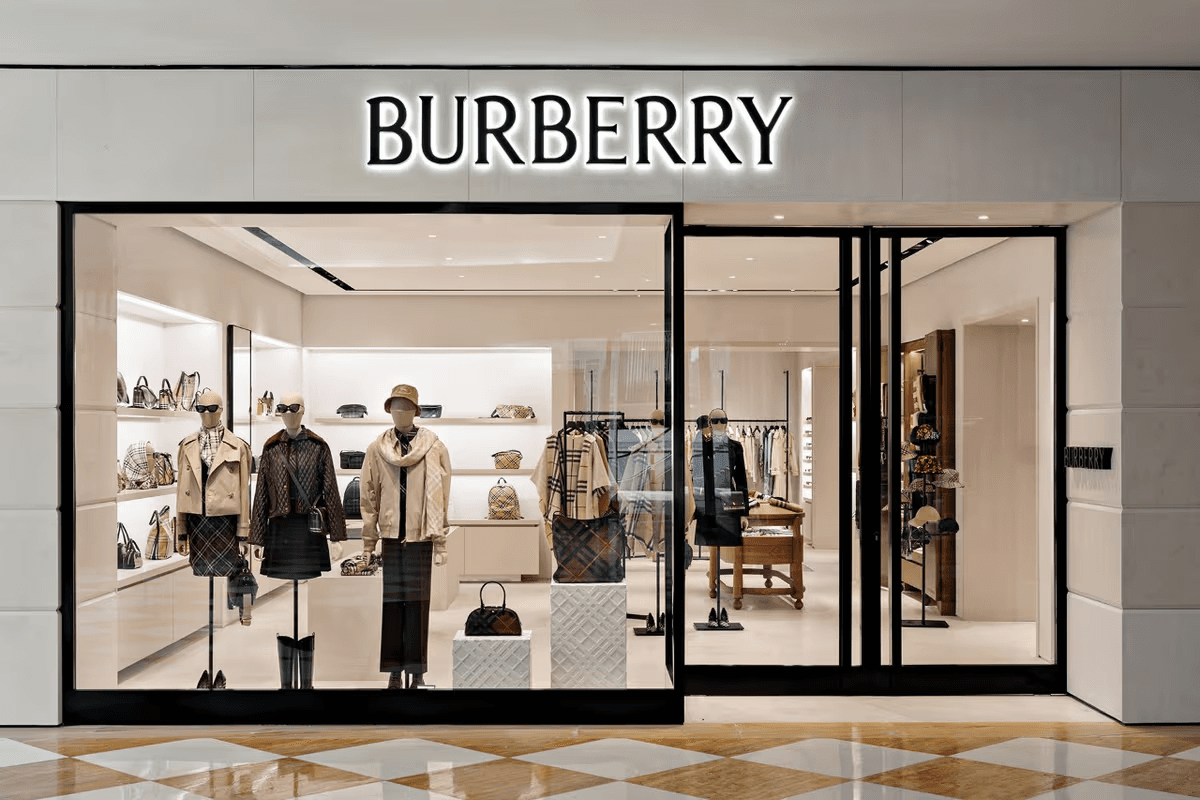
Burberry is one of the most well-known examples of this issue. In 2018, it was revealed that the company destroyed approximately £28 million (around $36 million) worth of unsold products. The total value of products destroyed over five years exceeded £90 million. The justification was classic: to protect brand value and prevent products from entering the market at discounted prices. Some of the products were burned or destroyed in a way that made recycling impossible. While this practice had long been considered normal within the industry, it sparked serious backlash when it became public. Burberry later announced that it would stop destroying products and shift toward more sustainable methods (such as recycling and reuse). This incident caused a method that had been used for years by luxury brands to be questioned by wider audiences for the first time.
H&M
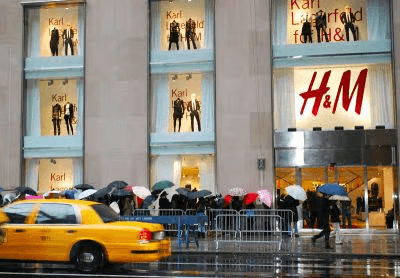
H&M long claimed that it did not burn products. However, a 2017 investigation in Sweden revealed that the company disposed of certain products by incinerating them for energy production. The company stated that this applied only to a limited number of items that carried risks such as mold, dye residues, or chemical hazards. H&M also argued that, as a company producing billions of items annually, the destroyed quantity represented “a very small proportion” of total production. However, this is where the problem begins. The fashion industry produces approximately 100 billion garments annually. According to various analyses, 20–30% of these may remain unsold. So even if the ratio is small, the volume is massive. As Business of Fashion emphasizes, the issue is not only “how many products were burned,” but why so many products were produced in the first place.
Nike
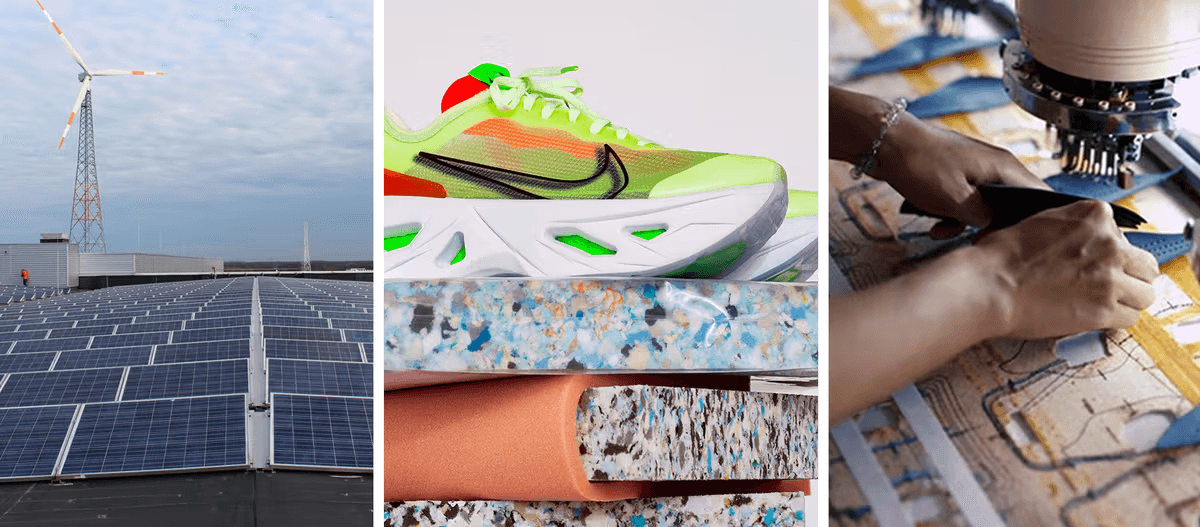
Nike has been criticized for destroying returned or defective products instead of putting them back on sale. In some cases, shoes were cut to prevent reuse. Behind this approach lies the desire to control the brand and limit the second-hand market. However, there is a critical detail: around 300 million pairs of shoes are thrown away globally each year, and sneakers make up a significant portion of this waste. In recent years, Nike has been trying to change this picture by investing in recycling programs such as “Nike Grind.”
Cartier and Richemont
Cartier itself did not become the subject of a direct destruction scandal. However, its parent company Richemont was revealed to have bought back unsold luxury watches between 2016 and 2018 and removed them from circulation. According to sources such as Financial Times and Reuters, the scale of this operation reached hundreds of millions of euros. The purpose was to limit uncontrolled second-hand flows and maintain price stability. Because a loss of value in parallel markets can weaken long-term brand positioning. At this point, the issue is not direct destruction, but preventing products from circulating in the wrong channels. However, regardless of the method, the same question arises: how sustainable is it to deliberately withdraw usable products from the market?
Coach
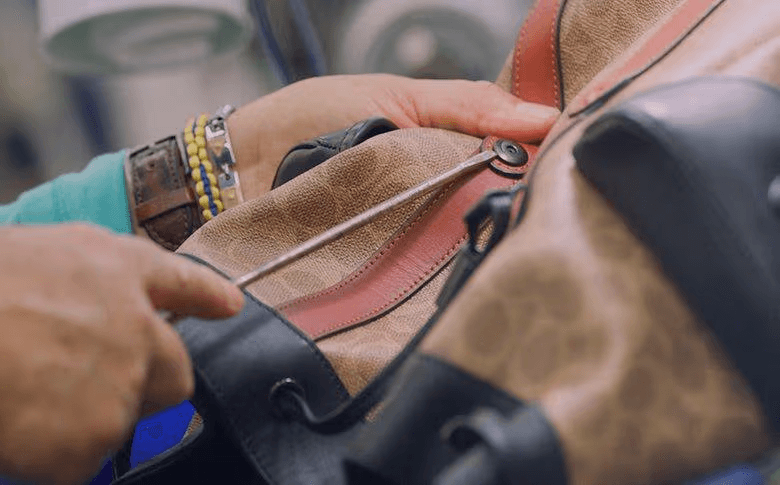
Coach was criticized in 2021 after images emerged showing damaged unsold products. These images revealed that the brand rendered unsold items unusable. While such practices are known to be widespread in the industry, in this case, they became visible. The brand later changed its strategy. Today, under its (Re)Loved program, products are repaired, redesigned, and put back on sale. According to reports from its parent company Tapestry, this program prevents thousands of items from going to waste and extends product lifecycles. More and more people are now willing to accept “refurbished” instead of “new.”
Apple
Apple is not directly in the fashion industry, but it follows a similar approach. The company dismantles returned or obsolete products using robots like “Daisy” and recycles them. According to Apple, this system can process more than 1 million iPhones per year. This is presented as an advanced recycling model. But the question remains: did all of these devices really have to be recycled? Or could some have been reused? Because dismantling a product is not always the most sustainable solution.
Those Who Stopped
The good news: the industry is not entirely hopeless.
Kering (Gucci, Saint Laurent, Balenciaga) announced plans to stop destroying unsold products globally following regulatory pressure in France. Hermès emphasizes extending product life through maintenance and repair services, reporting that more than 200,000 items were serviced in 2024. Some high fashion brands have historically maintained a more defensible position through low production, high quality, repair culture, and longevity.
Hermes
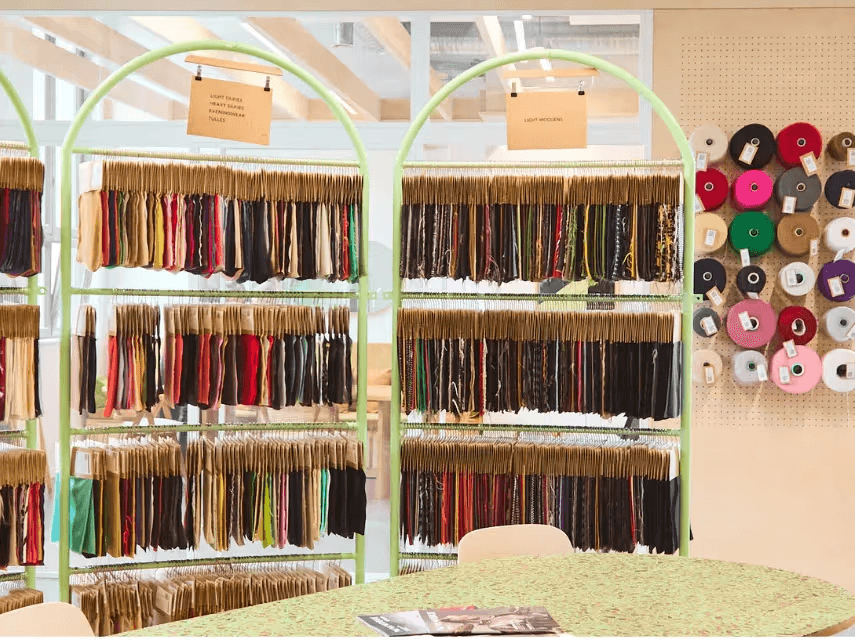
LVMH’s Nona Source, launched in 2021, offers excess high-quality materials to young designers. In other words, instead of “store it or destroy it,” the model becomes “re-source it.” Gucci Continuum similarly transforms deadstock materials into new cultural value through collaborations with designers and artists.
Nona Source
Conclusion: Burn or Change?
Now let’s return to the big question: Is a brand’s prestige more important than thousands of products going to waste?
Short answer: It used to be. Now, less and less.
Long answer: Brands still want to protect their prestige. But they can no longer do so with complete disregard. Because the consumer has changed. The industry is in a transition phase. On one side, the old habits: produce, sell, and if you can’t, destroy. On the other side, the new reality: produce, take responsibility, be transparent.
While you are still wondering whether a discount will come or not, brands are wondering whether to burn or not. And strangely, the consumer’s choice influences their decision.
Which means… yes, the consumer is a bit more important than we think.
But let’s not exaggerate. Tomorrow, we will probably still buy the same T-shirt in three different colors anyway.
Saatolog Yıllık Saat Dergisi Saatolog’un yeni sayısı, 2020’nin yarattığı bu dönüştürücü etkiden ilham alarak hazırlandı. Dünya dijitalin etkisiyle her zamankinden de hızlı bir şekilde ilerlerken yavaşlamanın da önemini sonunda kavramış bulunuyoruz ve bu tezatlık hayatlarımızın her anına etki ediyor. Biz de bundan yola çıkarak Saatolog 2020/21 sayısını ‘‘hızlı ve yavaş’’ teması altında hazırladık.