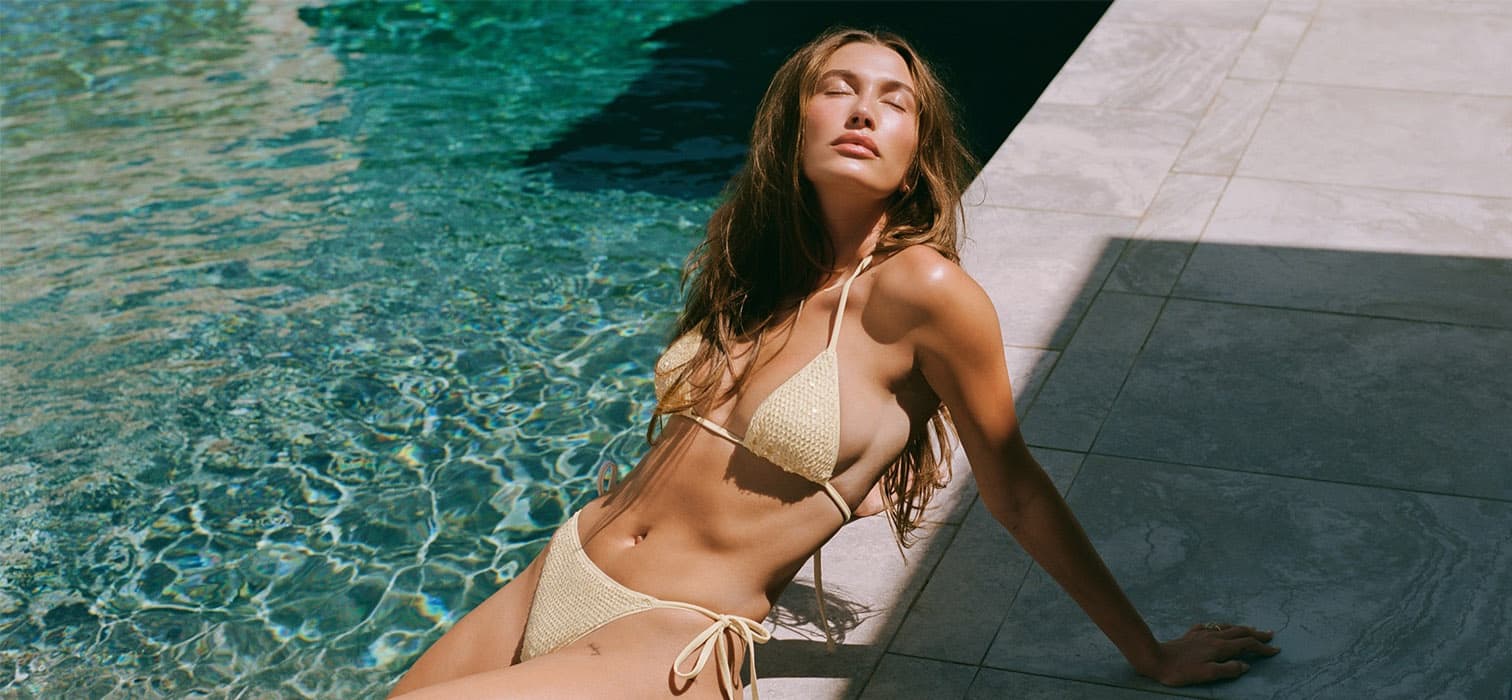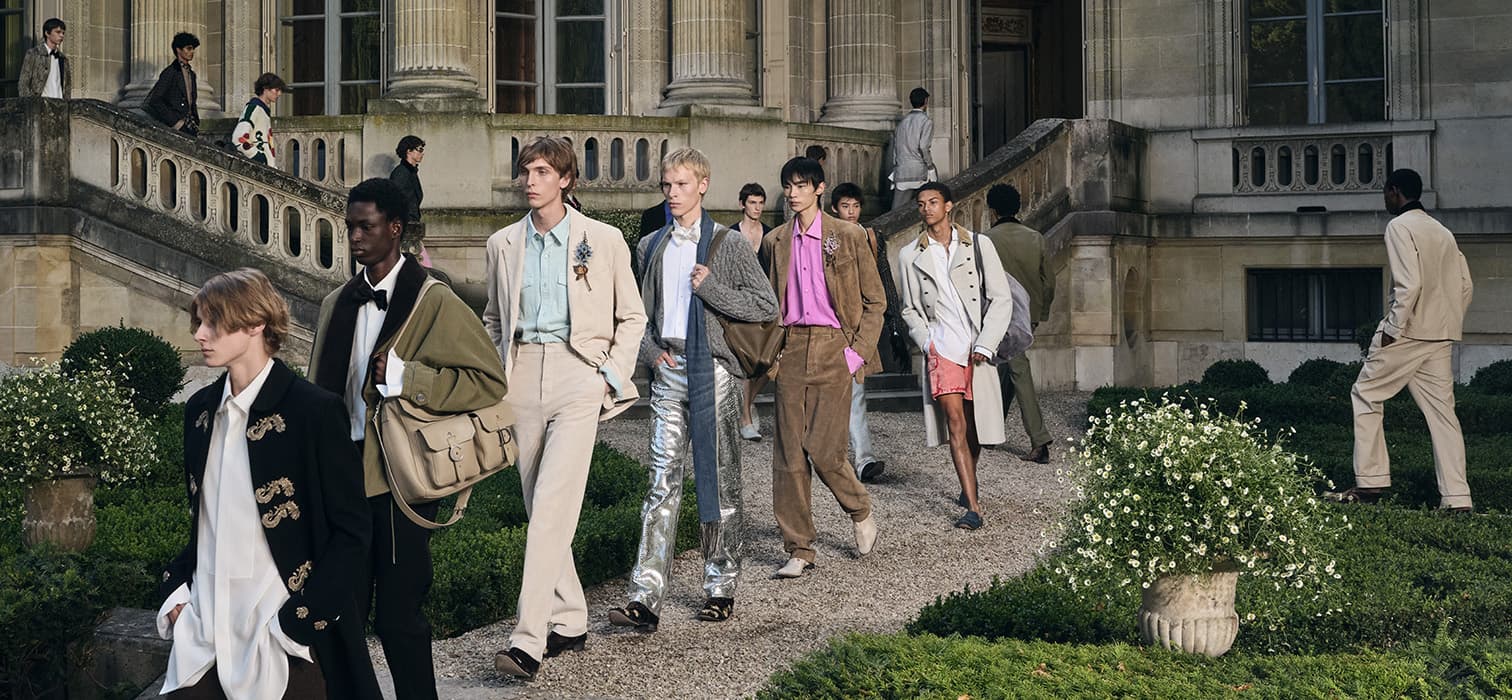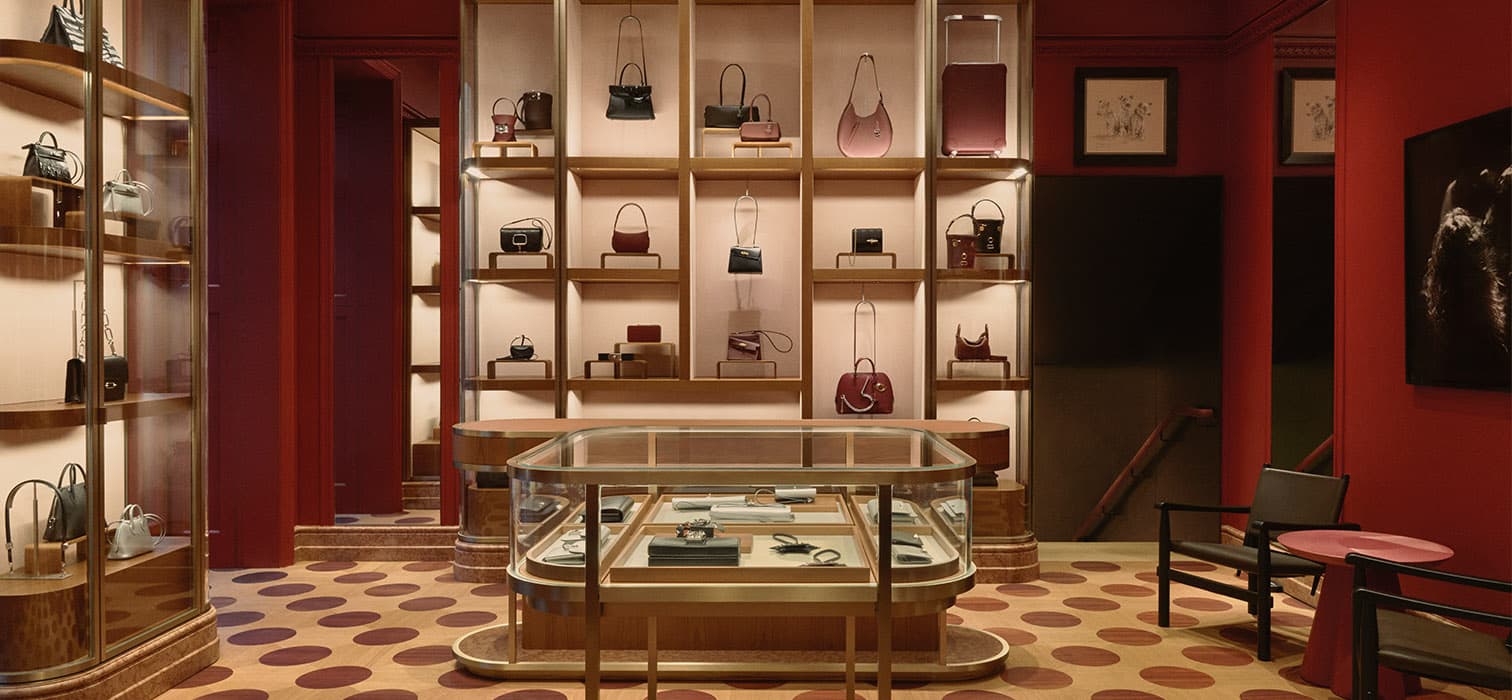
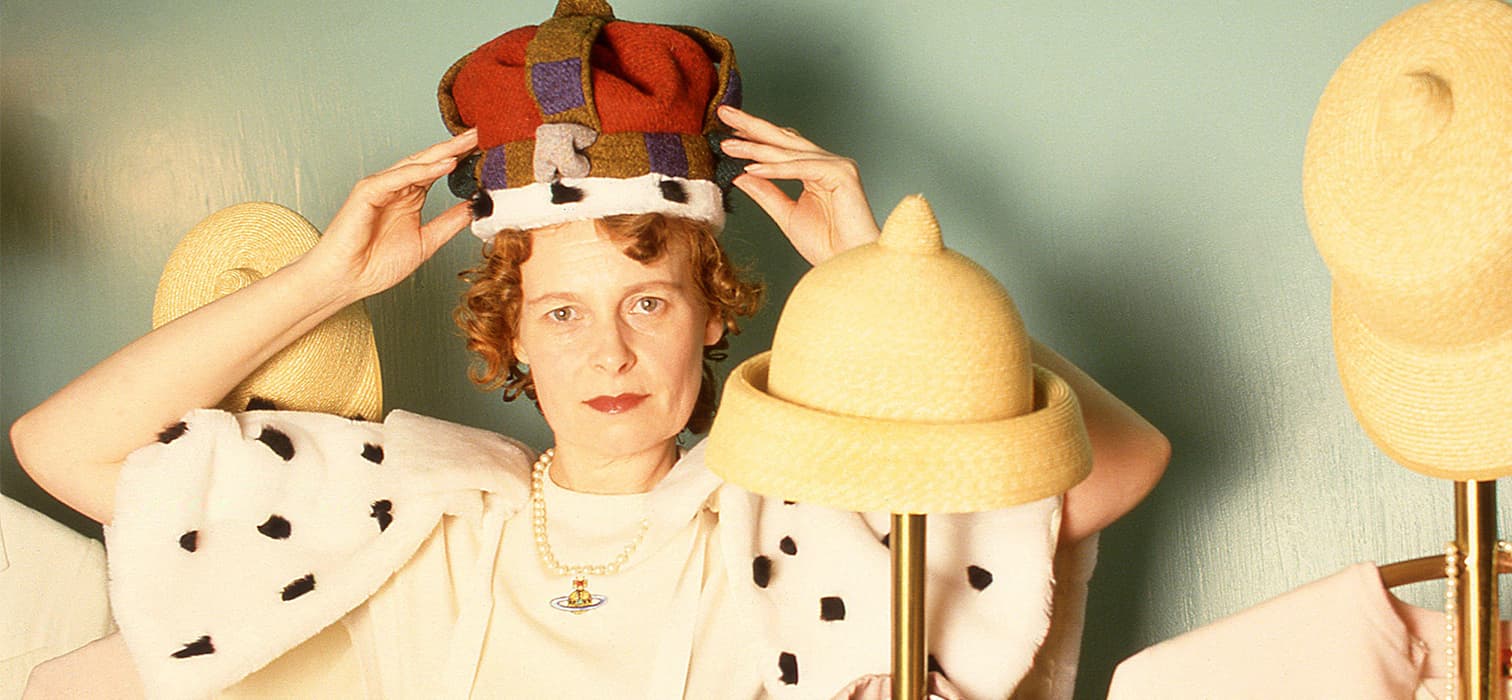
From Antwerp to Paris, and from London to New York City, fashion exhibitions position style not merely as something to be worn, but as a cultural form to be reinterpreted within the museum context.
From the avant-garde corridors of Antwerp to the legendary maisons of Paris, and from the experimental galleries of London to the towering institutions of New York, these curated showcases treat fashion not merely as a collection of garments to be worn, but as a profound cultural medium being radically reinterpreted within the sanctuary of the museum.
Although fashion has engaged in a long and spirited flirtation with the fine arts, it historically struggled to gain formal approval for a lifelong, committed relationship. No matter how aesthetically revolutionary the garments emerging from Paris’s couture ateliers were, they were frequently relegated to the lower shelves of “decorative arts” within the rigid hierarchy of the museum world. In this traditional view, a painting was expected to generate intellectual ideas and a sculpture was meant to narrate a story; fashion, conversely, was viewed at its best as an exceptional craft. Yet, clothing remains one of the most immediate and visceral ways to document and tell human history.
This balance of power has begun to shift dramatically over the last two decades. Curators are now meticulously examining fashion collections as if they were vital historical archives, and designers are being analyzed with the same intellectual rigor as master artists through expansive retrospectives. Today, it is entirely possible to spot Hans Ulrich Obrist, the artistic director of the Serpentine Galleries, in the front rows of major fashion shows. Similarly, as evidenced by Carolina Herrera’s Fall/Winter 2026 presentation, the directors of New York’s most prestigious art galleries have become familiar faces among the fashion elite.
This transformation is far from a coincidence. For museums, fashion has emerged as a powerful, accessible vessel for narrating the complexities of contemporary culture. For the fashion industry, the museum serves as a sacred space that provides a much-coveted historical legitimacy. While Tate Britain re-examines the gritty cultural legacy of the 1990s this year, MoMu – Fashion Museum Antwerp is busy archiving one of Belgium’s most radical and influential design movements. At the Victoria and Albert Museum, Elsa Schiaparelli’s surrealist couture is now mentioned in the very same breath as the giants of art history. Photography exhibitions analyze the profound impact of the fashion image on our broader visual culture, while designer retrospectives treat clothing as a potent form of political and social expression.
However, a subtle tension remains within this newfound proximity. Fashion is a relentless system built upon speed, constant change, and mass consumption. In contrast, museums are institutions rooted in slowness, meticulous preservation, and the pursuit of permanence. This raises a compelling question: How does a collection that lived for only a few fleeting minutes on a runway gain new layers of meaning once it is placed behind a museum display case? When Helmut Lang held an exhibition at the MAK Museum in Vienna last year, he made it a strict condition that the curators were not from the fashion field. He believed the garments needed to be displayed and critiqued in an entirely different context to be understood.
When fashion enters the museum, does it truly transform into art, or is it merely an archived trend? While there is no definitive answer to these questions, one thing is certain: as we look at the exhibition programs stretching from London to Paris and Antwerp to New York, fashion is no longer just something worn. It is a cultural form that is debated, analyzed, and permanently incorporated into the writing of our collective history.
Contents
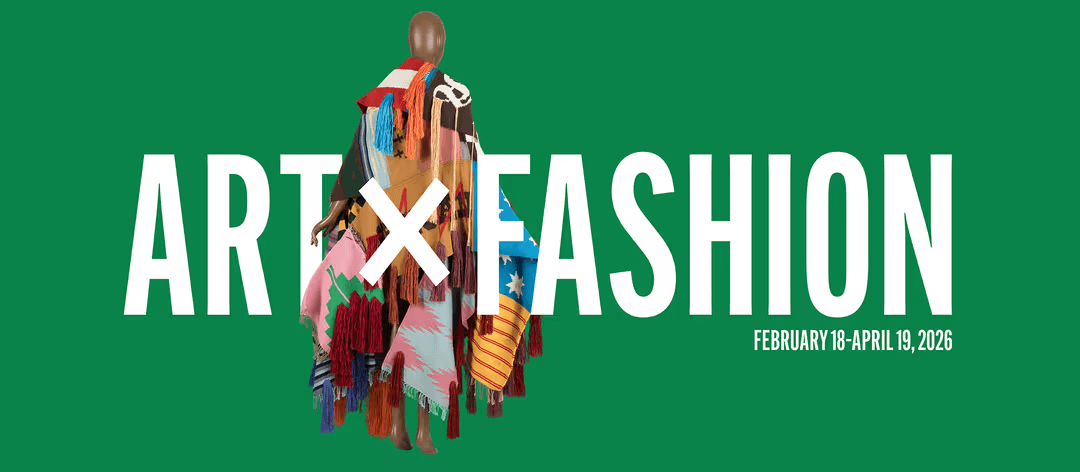
Art X Fashion
Museum at the Fashion Institute of Technology (FIT), New York
Through April 19
The relationship between fashion and art was long described through the lens of a romantic metaphor. However, over the past twenty years, this connection has become fully institutionalized. Designers are now hosting exhibitions in prestigious galleries, renowned artists are shooting high-fashion campaigns, and major museums are aggressively acquiring couture collections for their permanent holdings. The “Art X Fashion” exhibition at FIT analyzes this precise intersection. It is only fitting to begin this selection with this specific showcase.
Recently, the gala theme for the Metropolitan Museum’s upcoming “Costume Art” exhibition was announced as “Fashion is Art,” a bold statement in its own right. This reignited the age-old “chicken-and-egg” dilemma: Is fashion truly art? While icons like Miuccia Prada and Rei Kawakubo argue that it is not, the fact that major art institutions are dedicating their halls to fashion proves that this question has moved beyond academic curiosity. Today, fashion is exhibited not merely as a design object, but as a significant cultural artifact.
Photos by The Museum at FIT
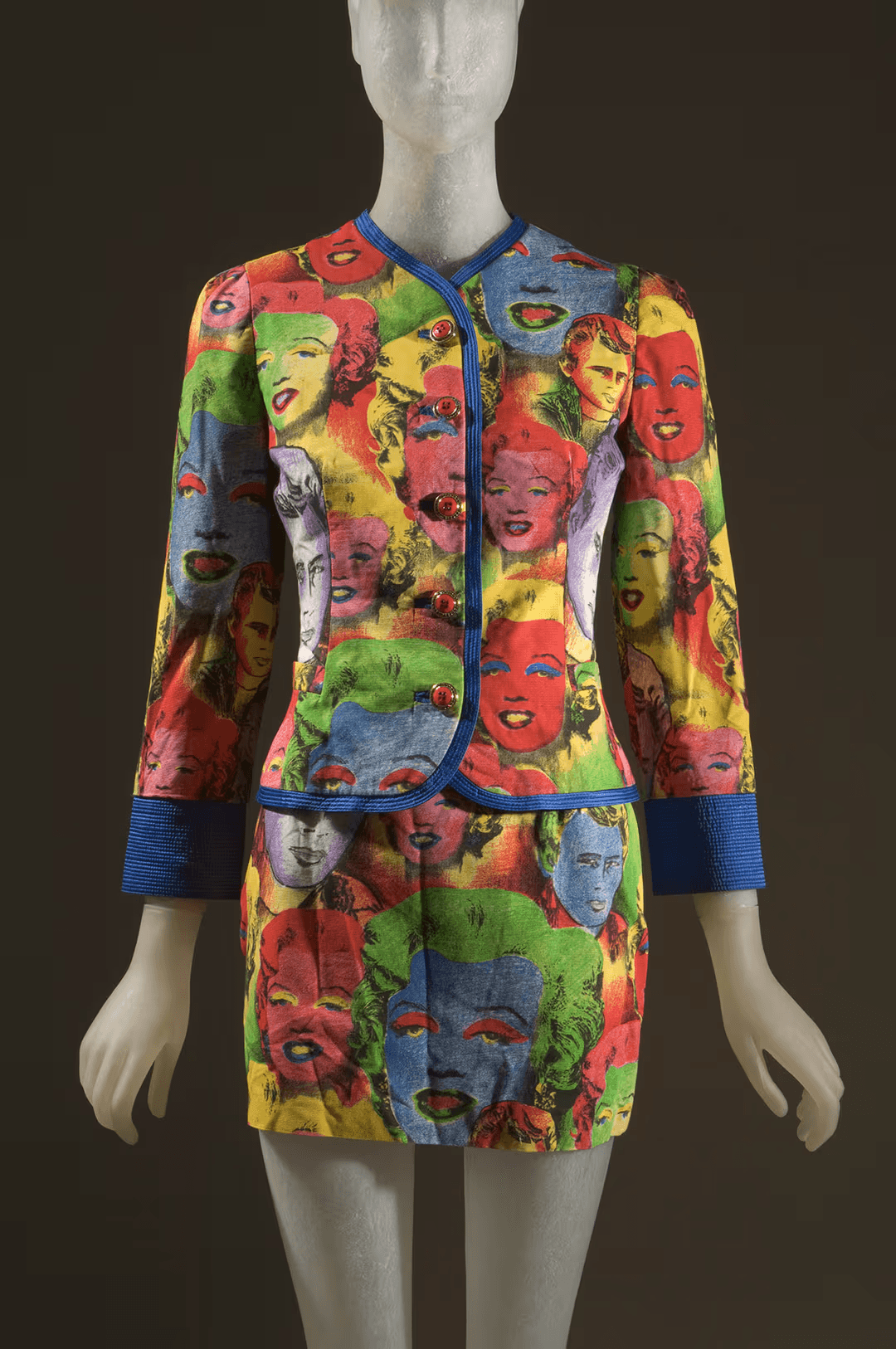
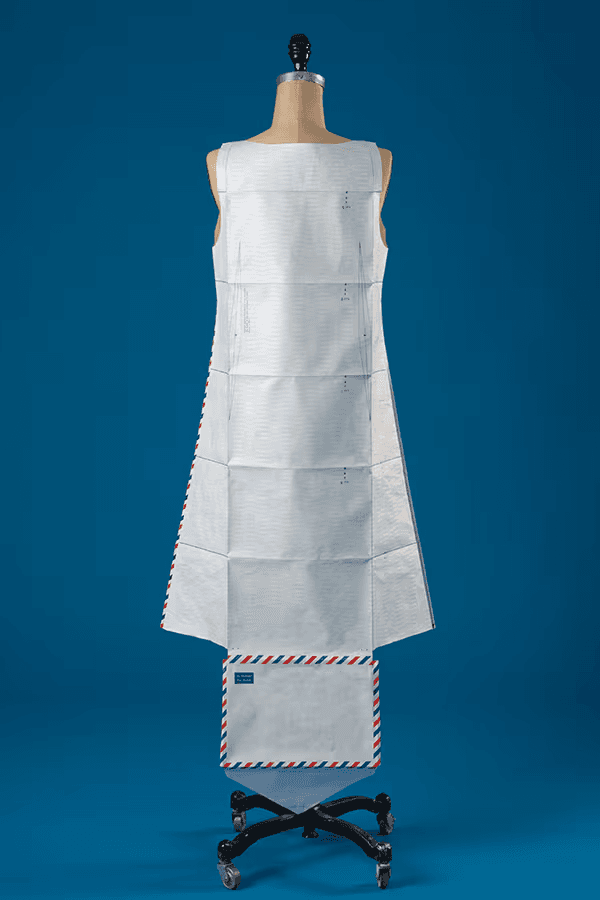
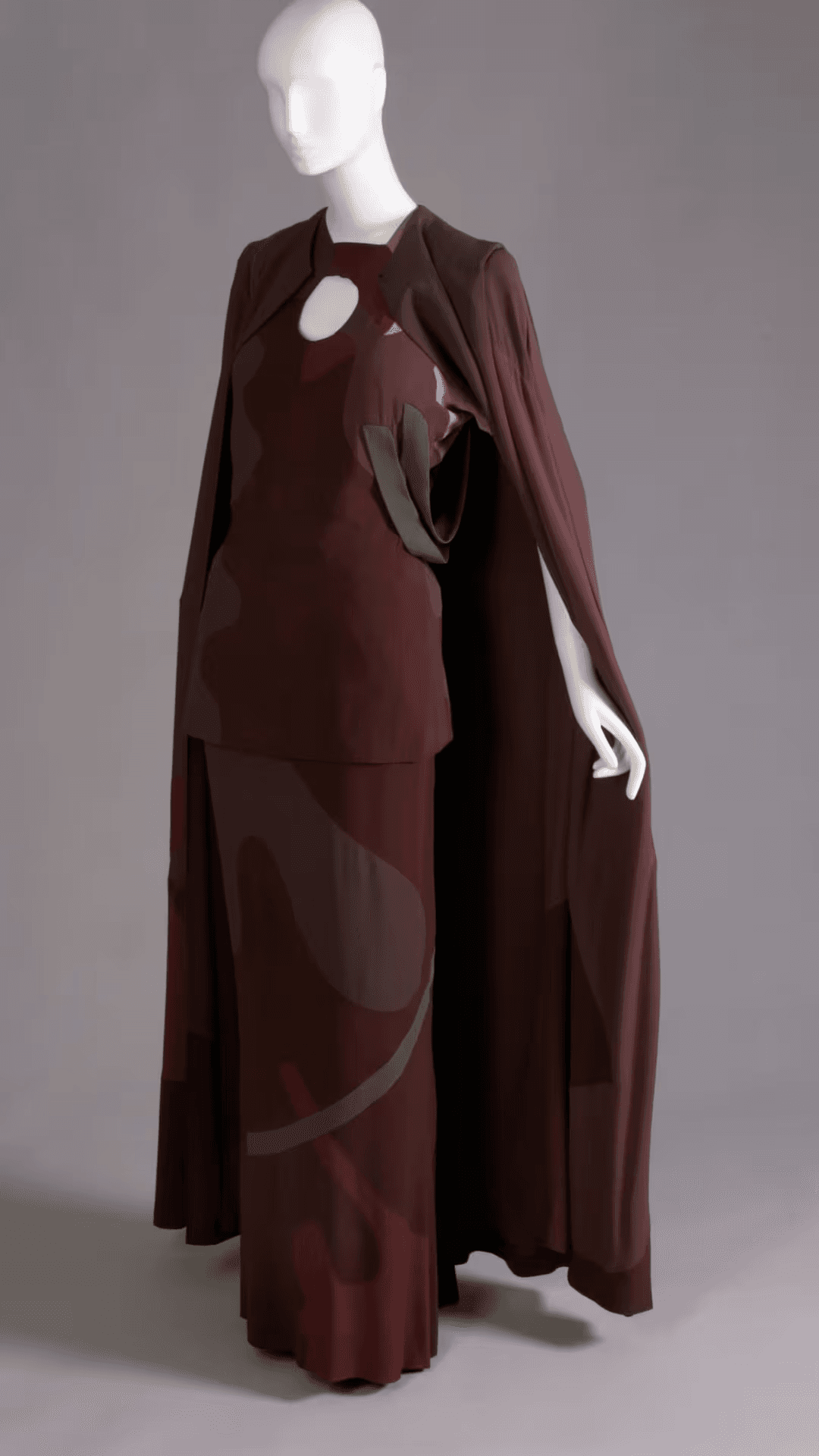
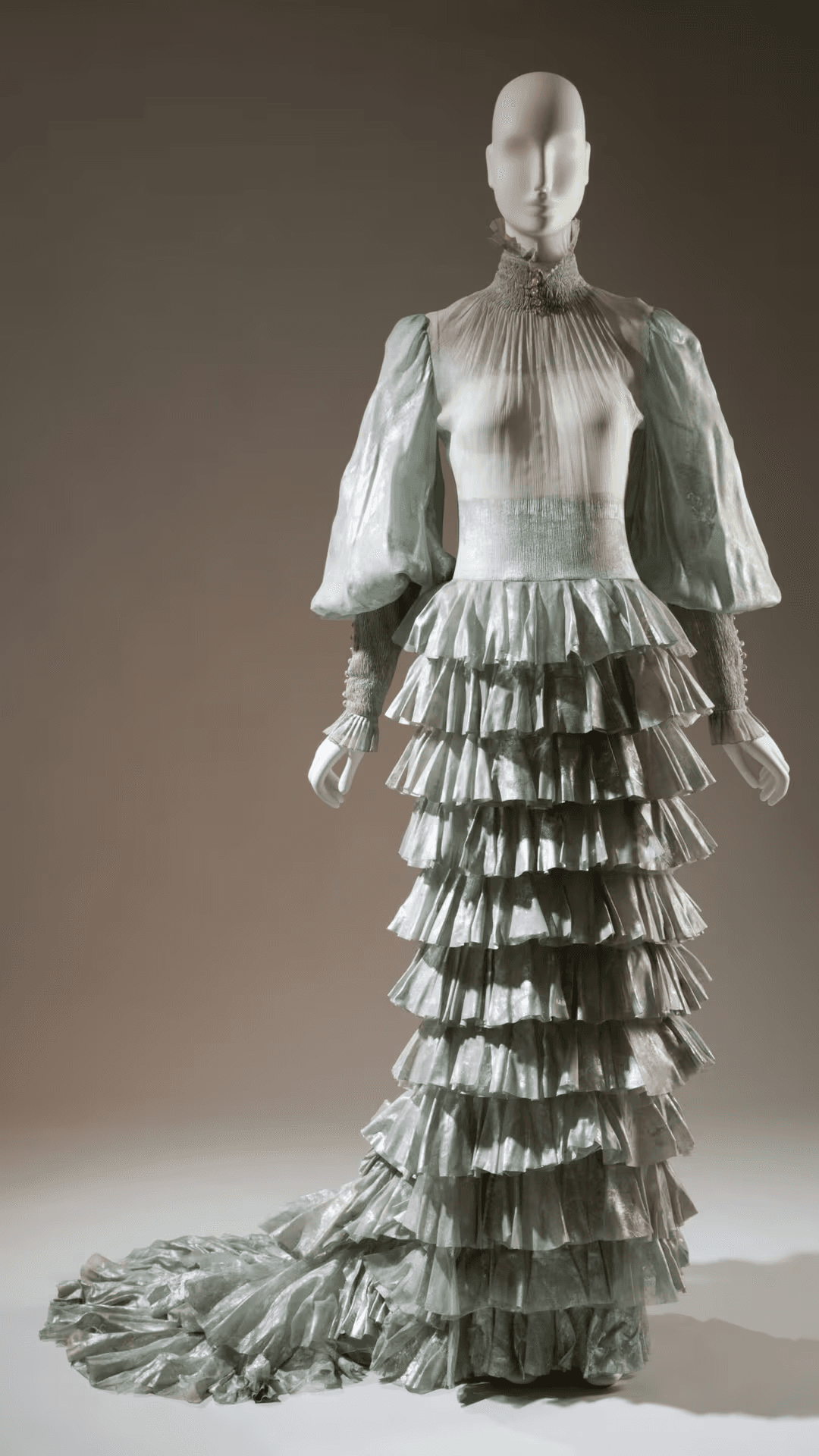
Bringing together over 140 objects—including garments, accessories, textiles, photographs, and original artworks selected from the MFIT permanent collection—Art X Fashion challenges the traditional hierarchies of visual culture. The exhibition aims to demonstrate that fashion has never been a mere follower of the fine arts, but rather an equal partner, bringing to light intersections that have often been overlooked. It presents examples of how fashion and art collaborated in the development of European styles, ranging from the dramatic aesthetics of Rococo to the unsettling world of Surrealism and the shocking visuals of Pop Art.
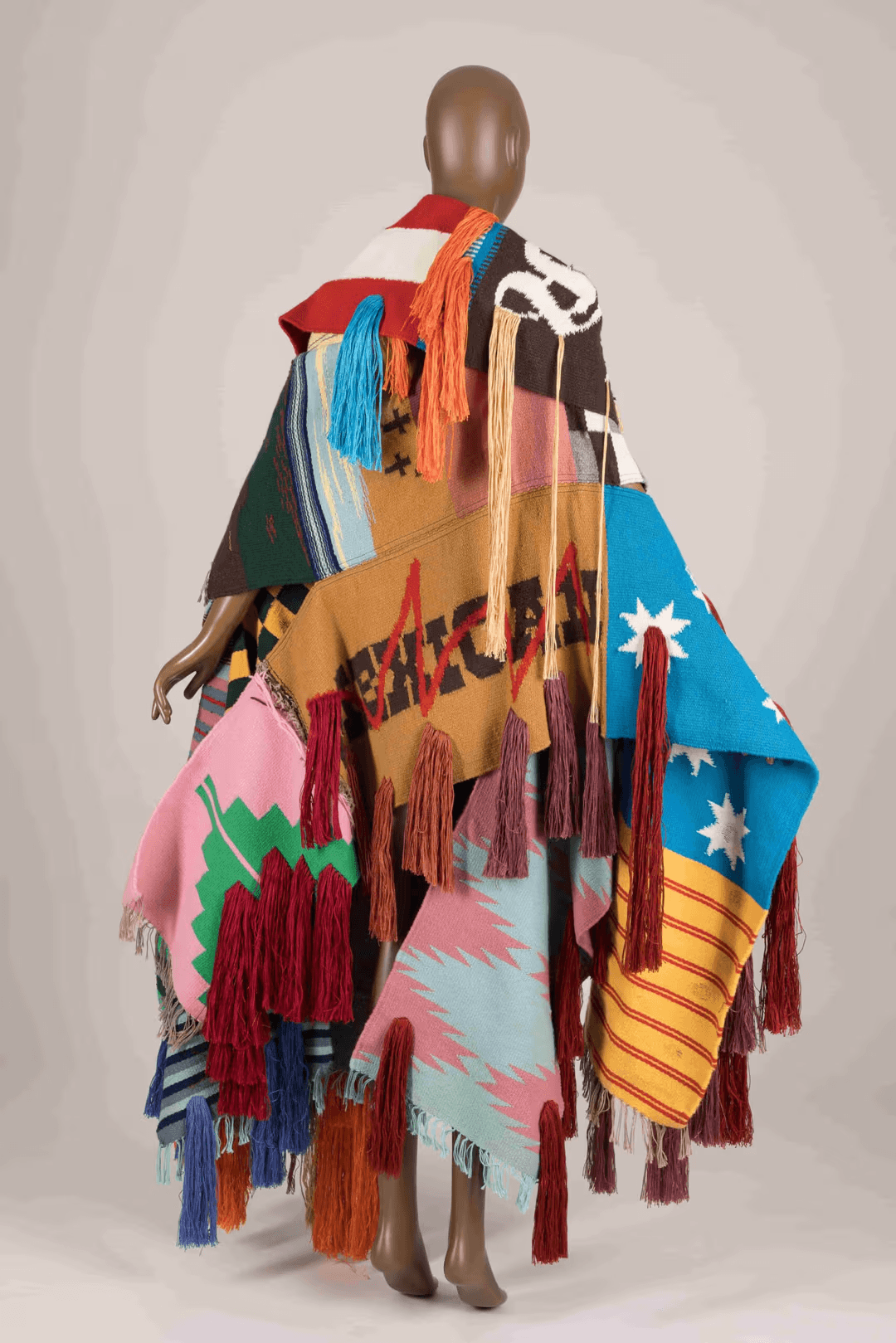
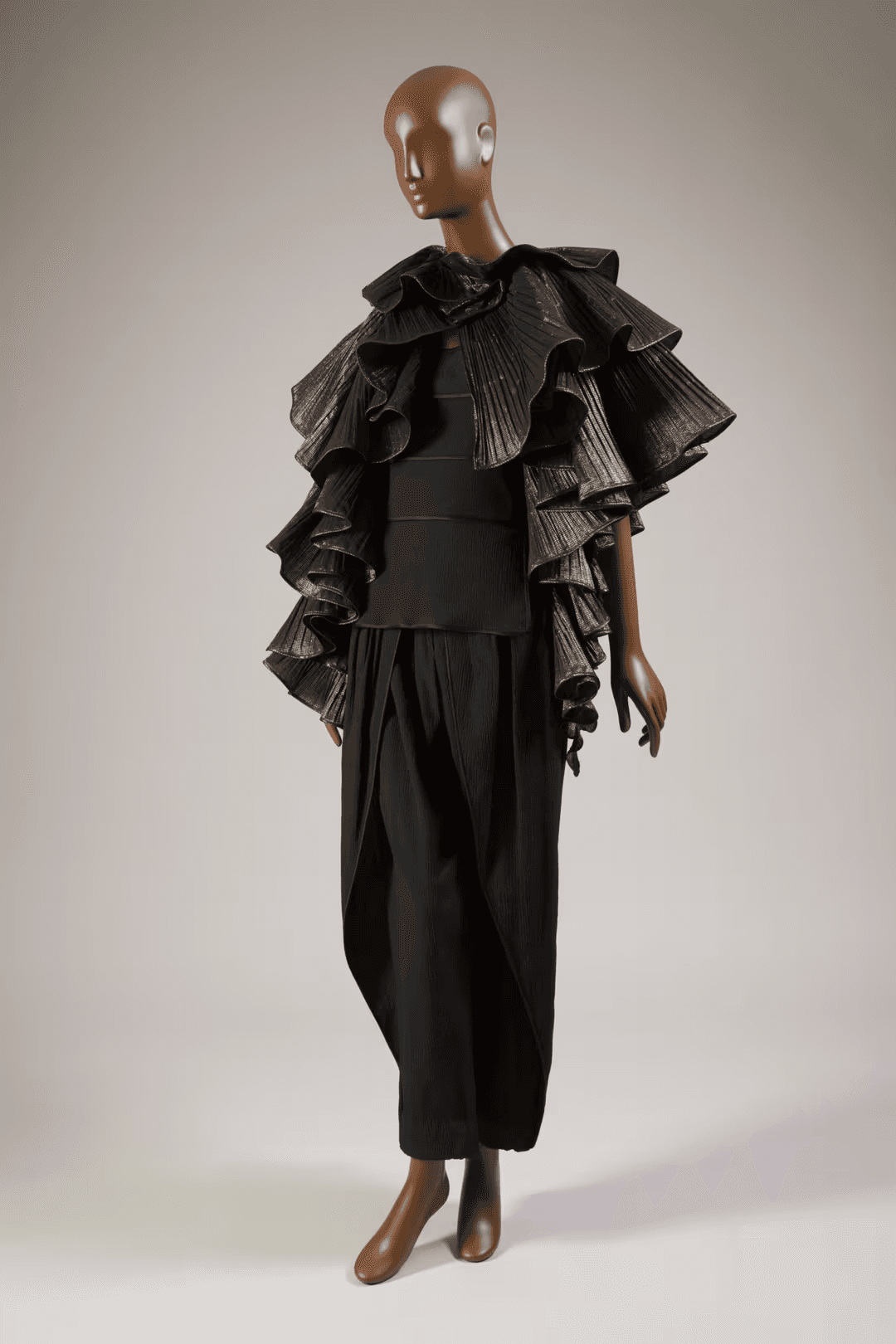
According to the press release, “The exhibition seeks to demonstrate that fashion is not a mere follower of the fine arts, but rather an equal partner, bringing to light intersections that have often been overlooked throughout history. Within this framework, it presents a series of examples illustrating how fashion and art have worked in tandem in shaping European styles—from the dramatic aesthetics of Rococo and Neoclassical grandeur to the unsettling realm of Surrealism, and from the striking visual language of Pop Art to the complexities of Postmodernism.
Photos by The Museum at FIT
The Antwerp Six
MoMu – Fashion Museum Antwerp
March 28 – January 17, 2027
When Dries Van Noten, Ann Demeulemeester, Walter Van Beirendonck, Dirk Bikkembergs, Dirk Van Saene, and Marina Yee arrived at London Fashion Week in the 1980s in a rented van, they were doing more than presenting a collection—they were launching a direct assault on the Paris-centric fashion hierarchy. This group, later immortalized as the “Antwerp Six,” redefined the industry almost by accident. Their impact was so profound that the very existence of Antwerp as a global fashion hub today can be traced back to their story.
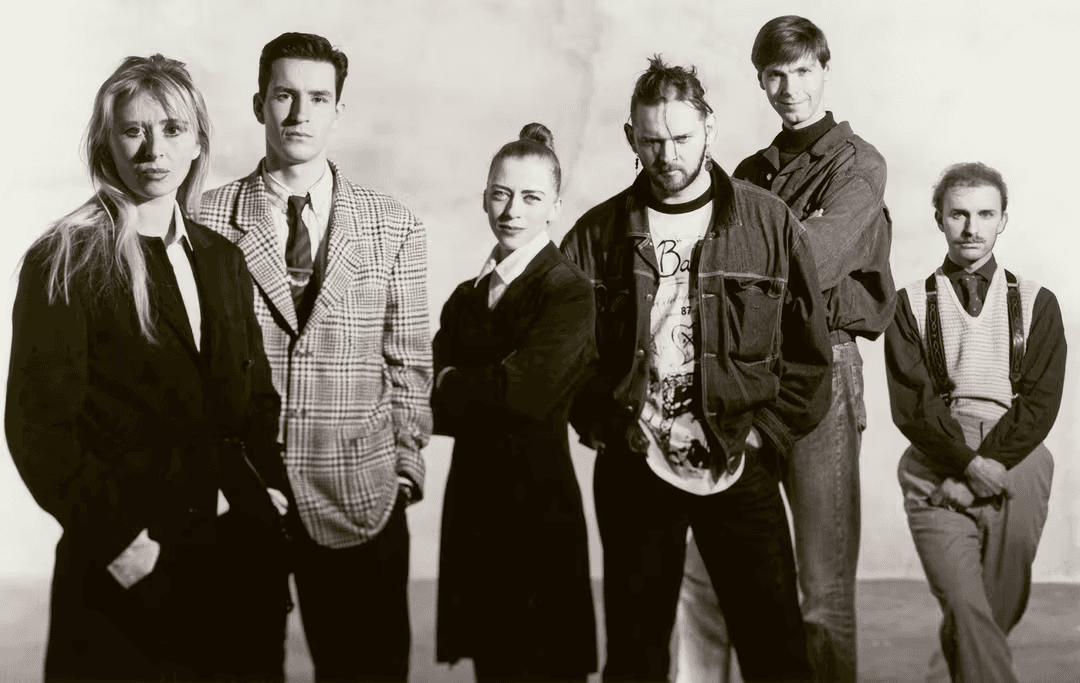
All six designers graduated from the fashion department of the Royal Academy of Fine Arts in Antwerp, where the educational philosophy focused on generating conceptual ideas rather than just designing clothes. Fashion was viewed as a realm of thought rather than mere aesthetics. This approach laid the groundwork for the radical deconstructions later popularized by designers like Martin Margiela.
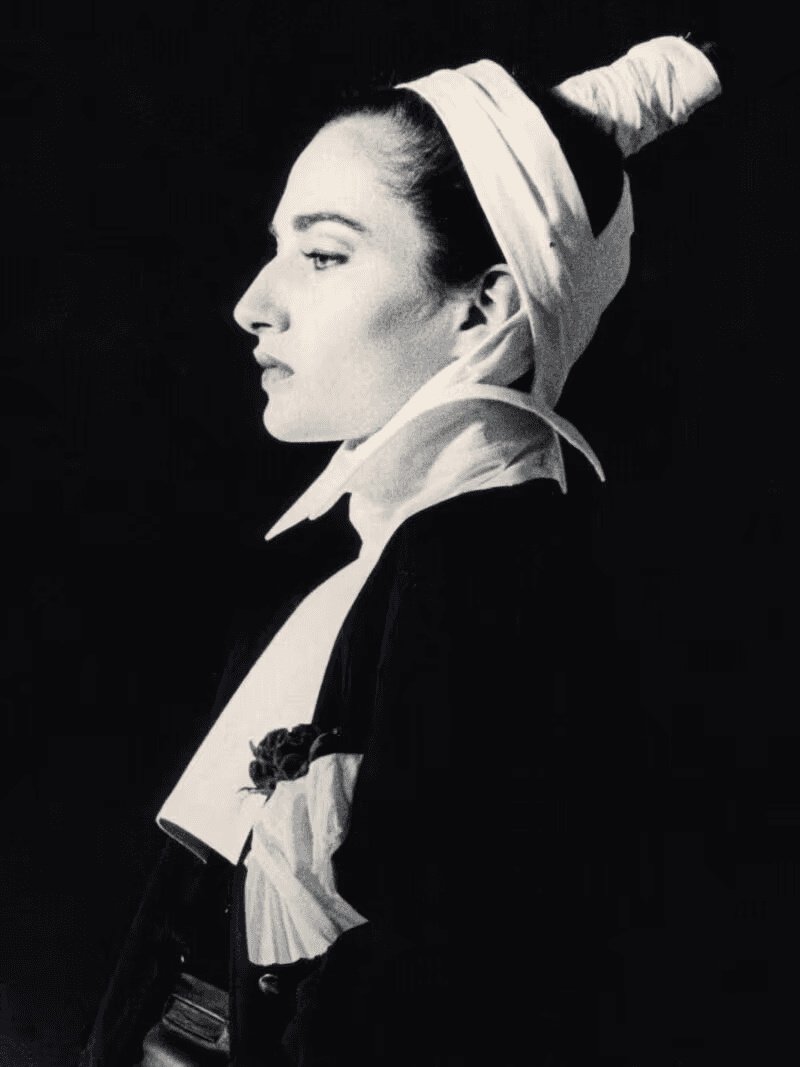
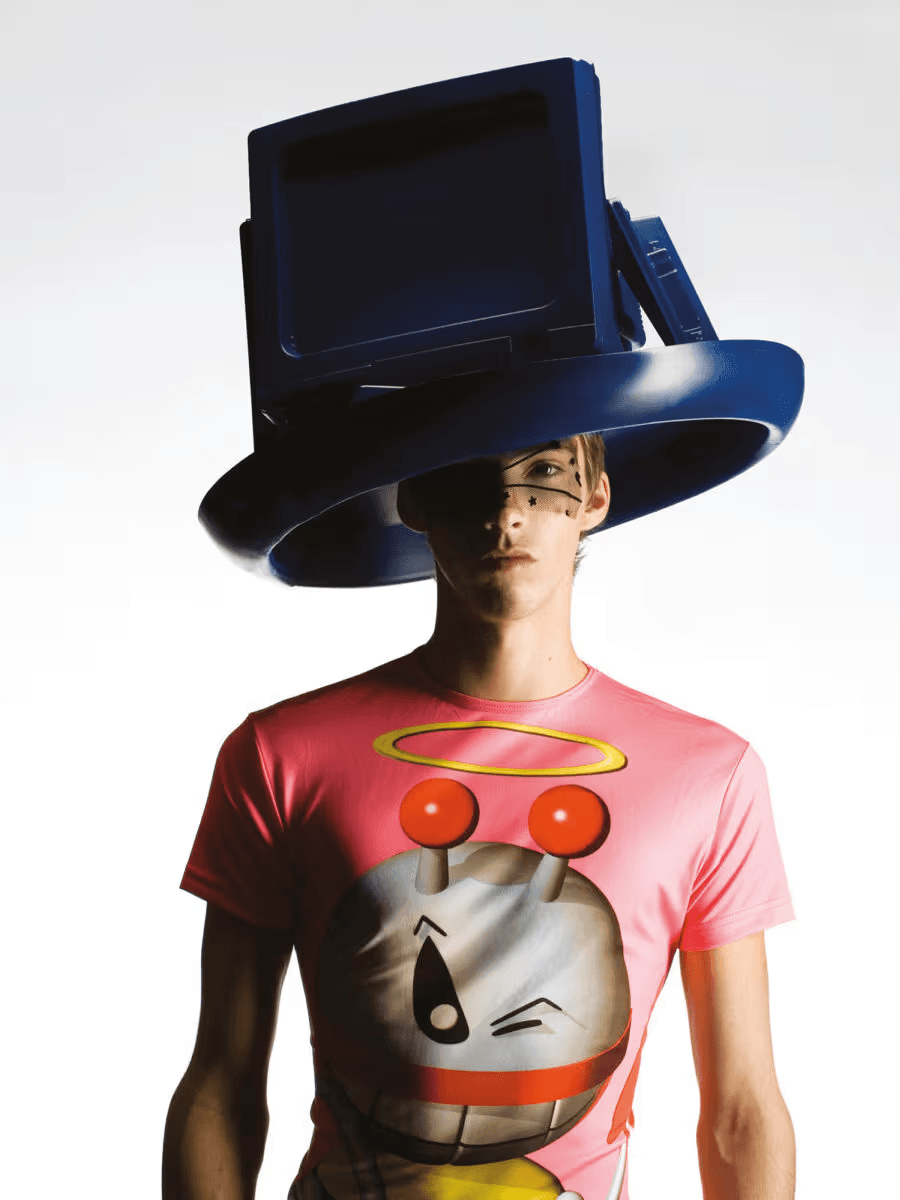
The conceptual side of modern fashion—ironic titles, art references, and performative runways—stems from this specific academic culture. The MoMu exhibition tells the story not just of six individuals, but of a school of thought that continues to produce world-class talent like Raf Simons and Matthieu Blazy.
Schiaparelli: Fashion Becomes Art
Victoria and Albert Museum, London
March 28 – November 1
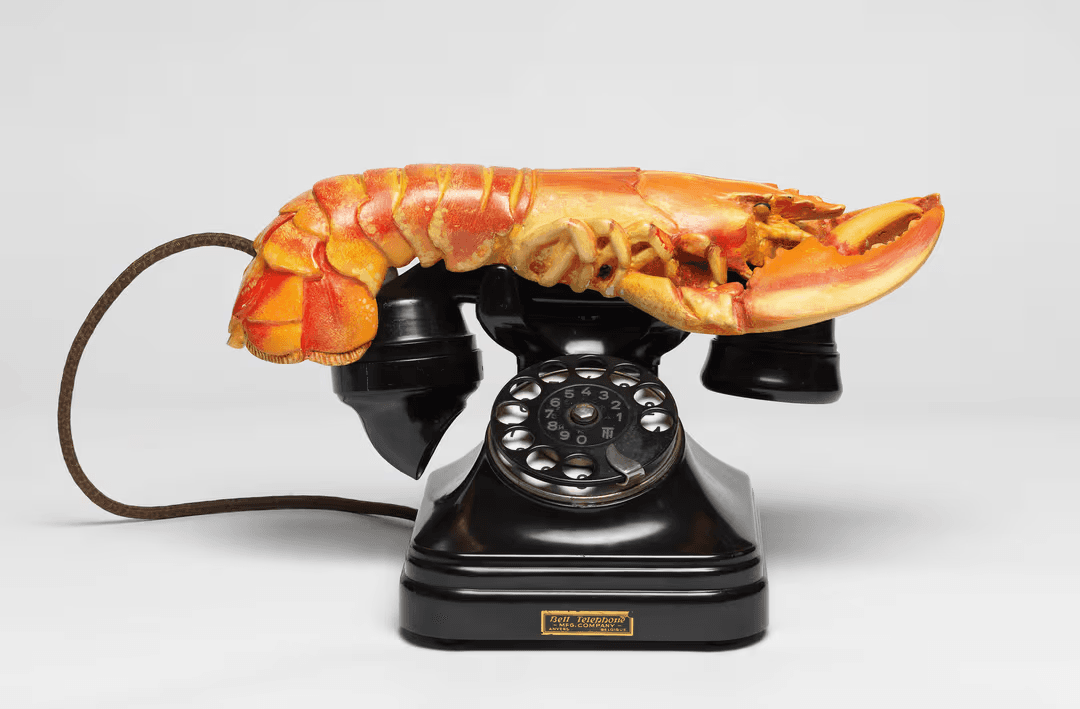
Elsa Schiaparelli remains one of the most theatrical and imaginative figures in the entire chronicle of fashion, but her penchant for spectacle was never merely superficial. The fashion house she established in Paris during the 1930s cultivated a nearly symbiotic relationship with the elite circles of modern art. Her legendary “Lobster Dress,” designed in collaboration with Salvador Dalí, continues to be analyzed as one of the most iconic cross-disciplinary partnerships in history. Operating in the vibrant atmosphere of 1920s and 30s Paris, Schiaparelli viewed fashion as a direct extension of her boundless imagination.
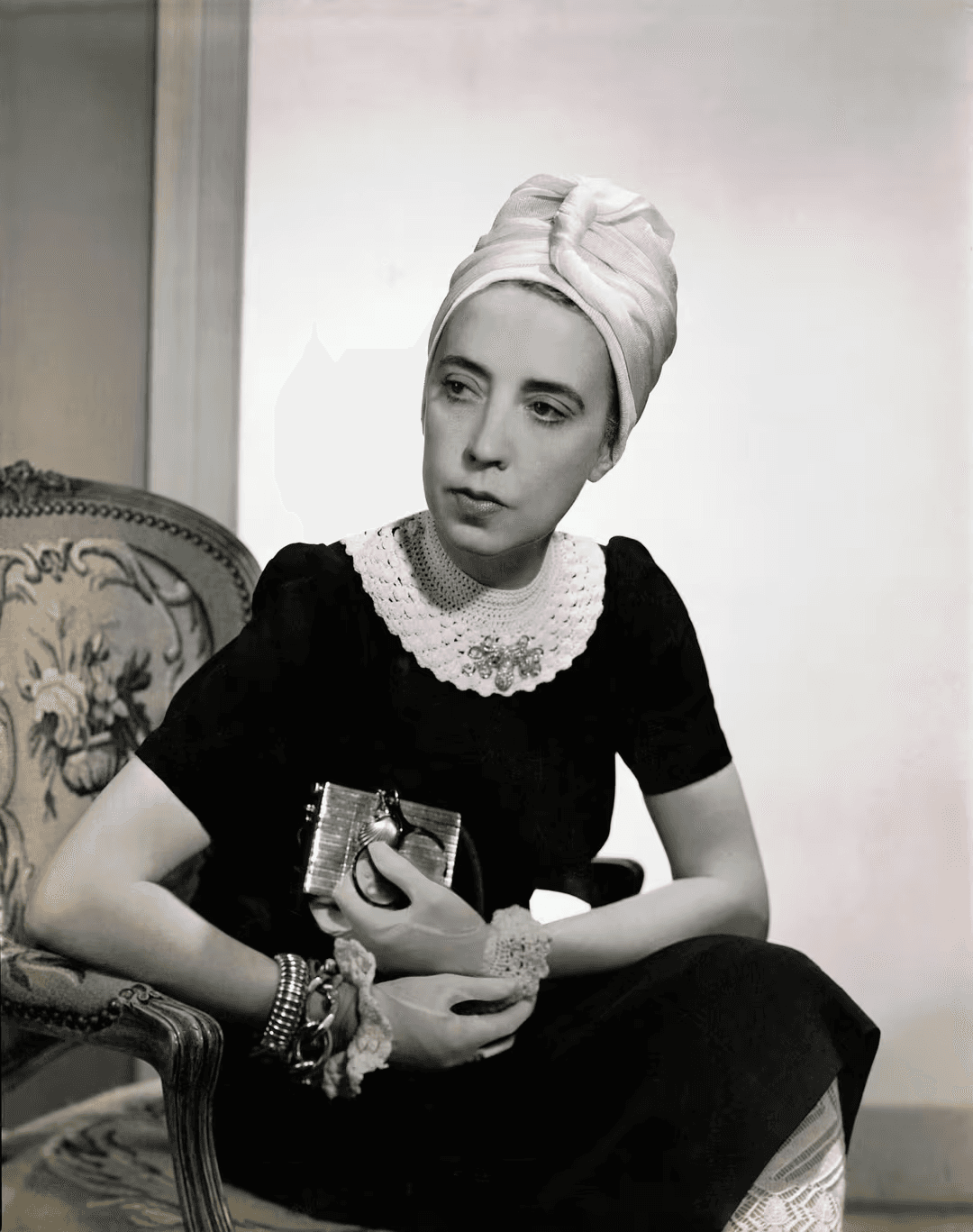
In her creative universe, a single garment could simultaneously serve as high-end couture, a provocative work of art, and a daring social statement. While Coco Chanel acted as the rational architect who sought to simplify and streamline the modern woman’s wardrobe, Schiaparelli functioned as the industry’s vivid imagination—the visionary who proved that couture could be whimsical, provocative, and at times, brilliantly absurd.
In the contemporary landscape, collaborations between fashion houses and artists have become a standardized element of corporate marketing strategy. However, during Schiaparelli’s era, such a relationship was profoundly radical. At that time, it was almost inconceivable for dressmaking to be discussed within the same intellectual and philosophical spheres as fine art. This is precisely why the exhibition at the Victoria and Albert Museum carries such weight: it serves as a reminder of the historical groundwork that allows fashion to move so seamlessly through galleries and museums today.
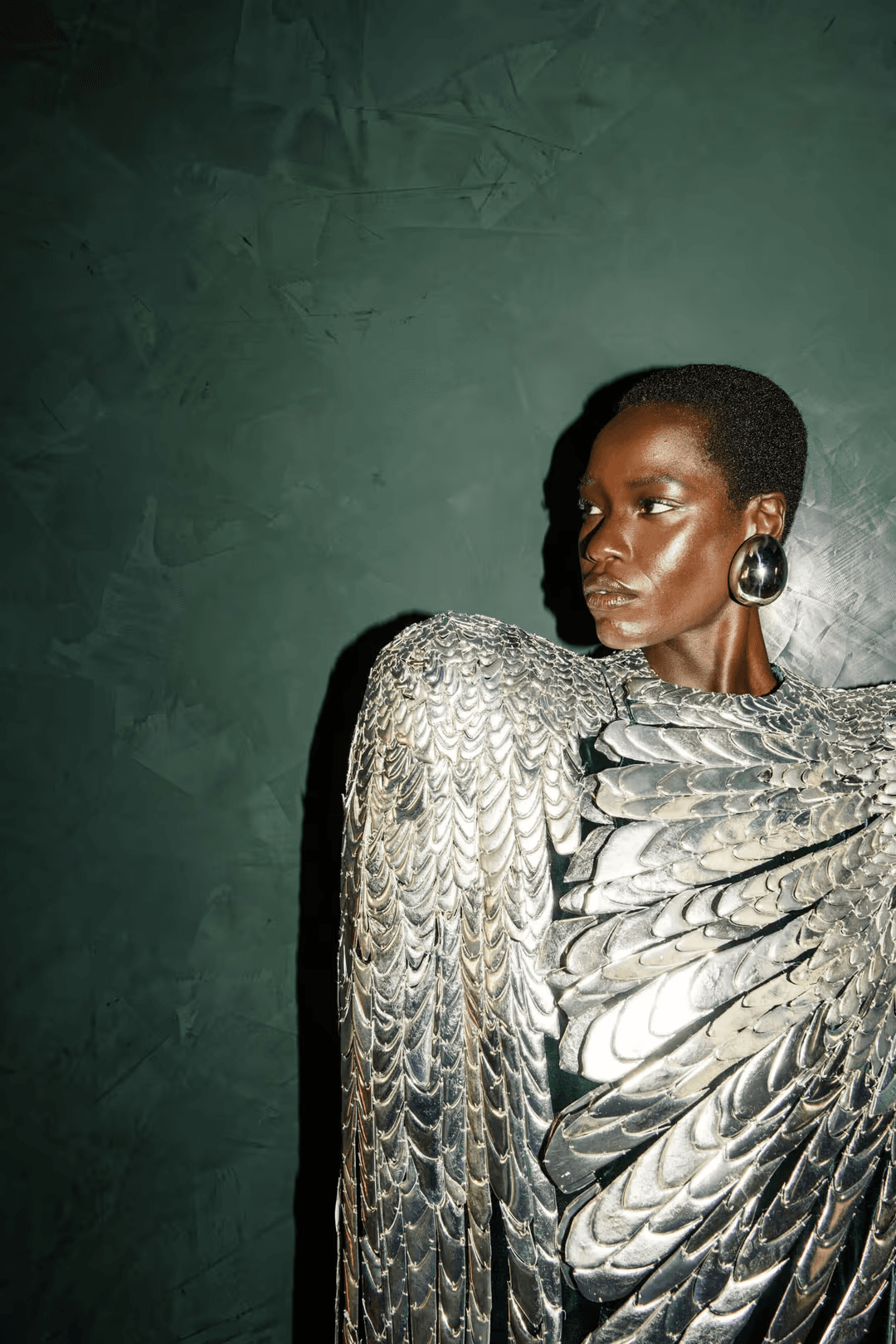
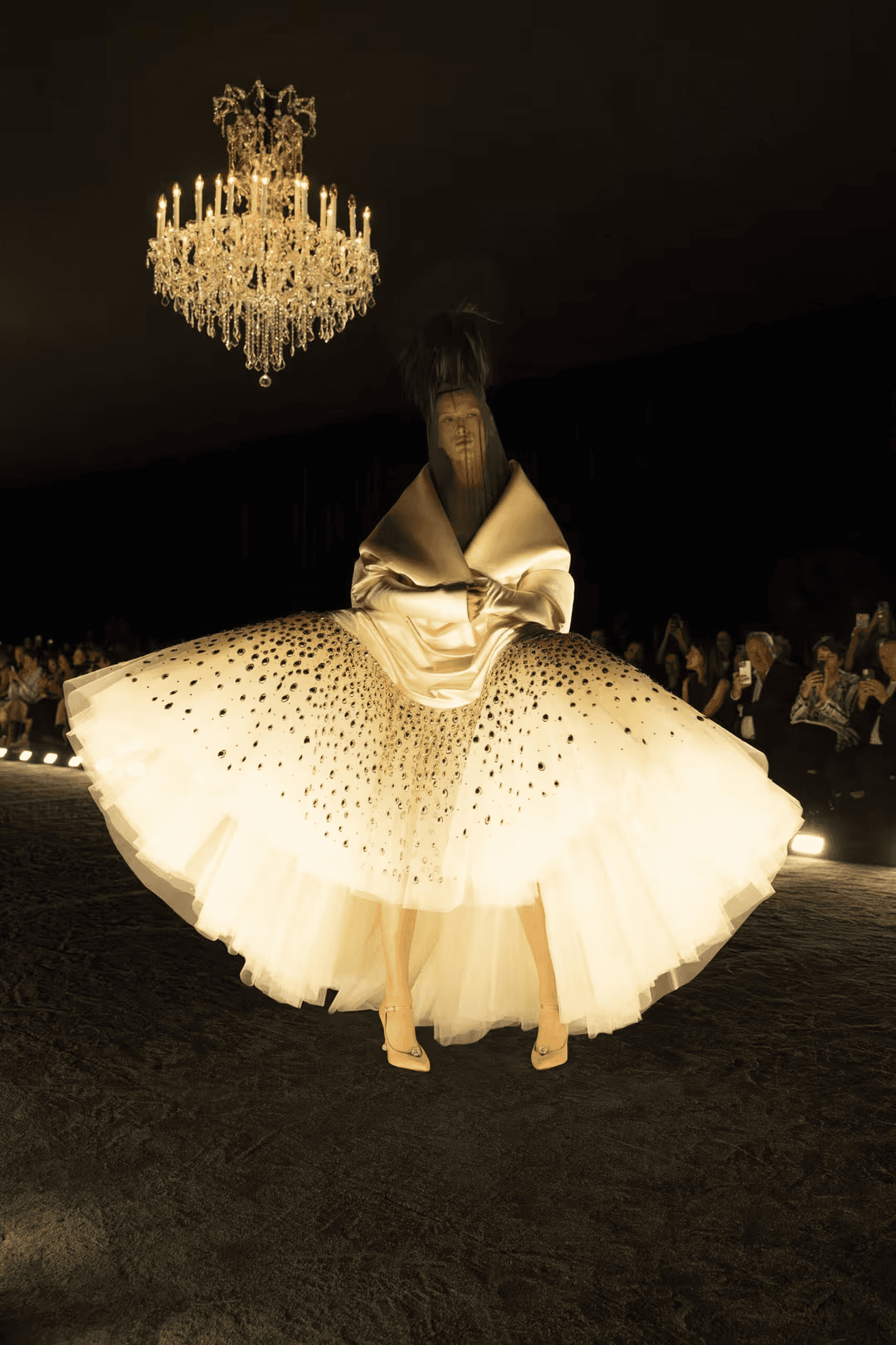
The curation at the V&A naturally traces its roots back to Elsa’s original genius, but it does not remain anchored in the past. Instead, it bridges the gap to the present day, highlighting the modern vision of Texas-born Daniel Roseberry. Since assuming the role of creative director in 2019, Roseberry has approached the brand’s archives with a clear objective: to uphold Schiaparelli’s original surrealist spirit while translating it through the high-drama language of 21st-century couture. This is why his recent collections so frequently feature elements like golden anatomical breastplates, exaggerated facial jewelry, and intricate trompe-l’œil illusions. Roseberry is essentially recalibrating Schiaparelli’s core philosophy to resonate with today’s hyper-visual culture.
Vivienne Westwood: Rebel – Storyteller – Visionary
The Bowes Museum, Barnard Castle
March 28 – September 6
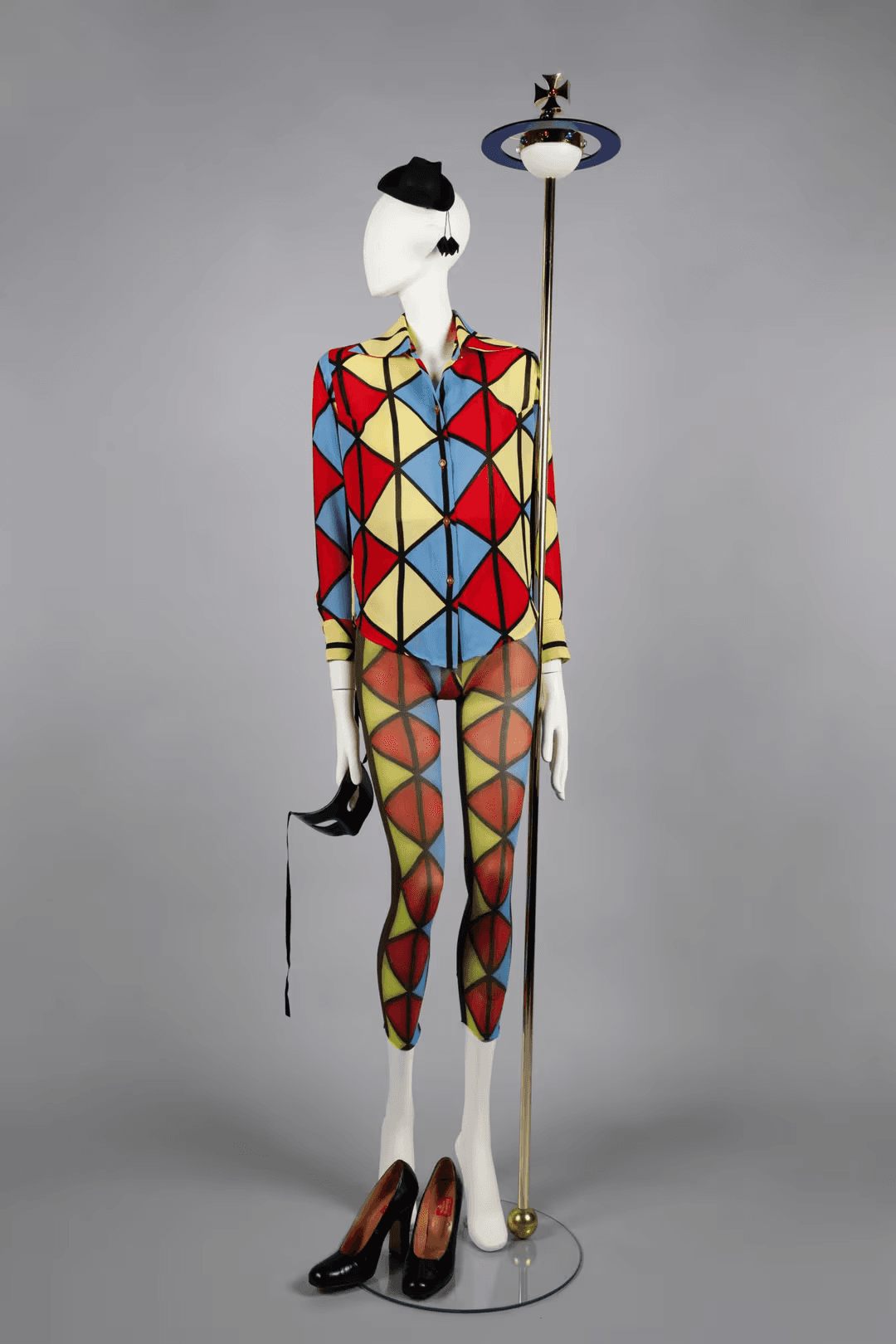
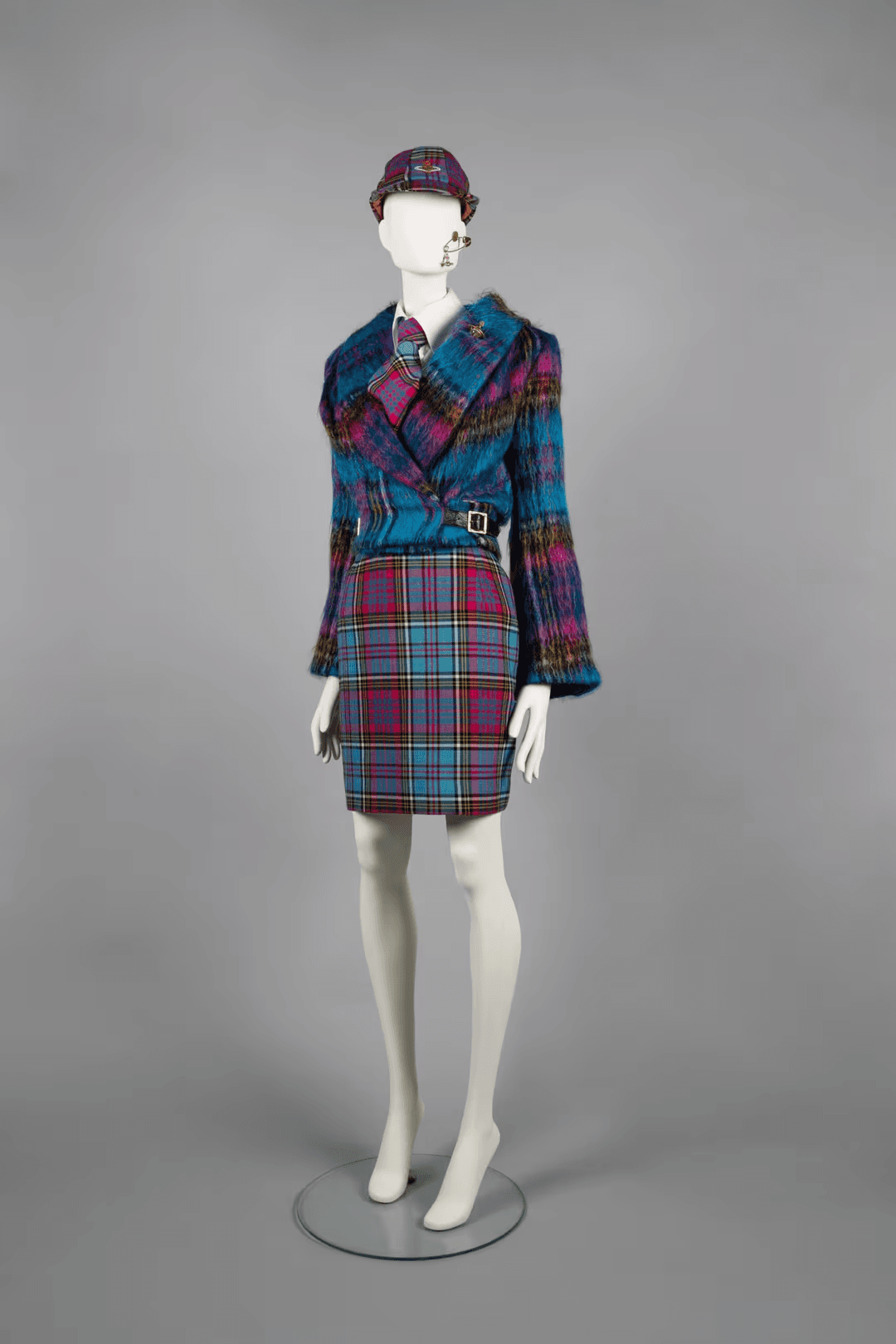
Vivienne Westwood is frequently characterized as one of the most overtly political figures in fashion history. While that description is accurate, it often fails to capture the full breadth of her impact. Westwood’s punk aesthetic did not originate from a desire for a new “look,” but rather from a deeply held ideological conviction. When she and her partner Malcolm McLaren opened the legendary boutique SEX on London’s King’s Road in the 1970s, their primary goal was to subvert the rigid norms of British society. Elements like heavy chains, safety pins, and slogan-laden T-shirts rapidly became the definitive visual lexicon of the punk movement.
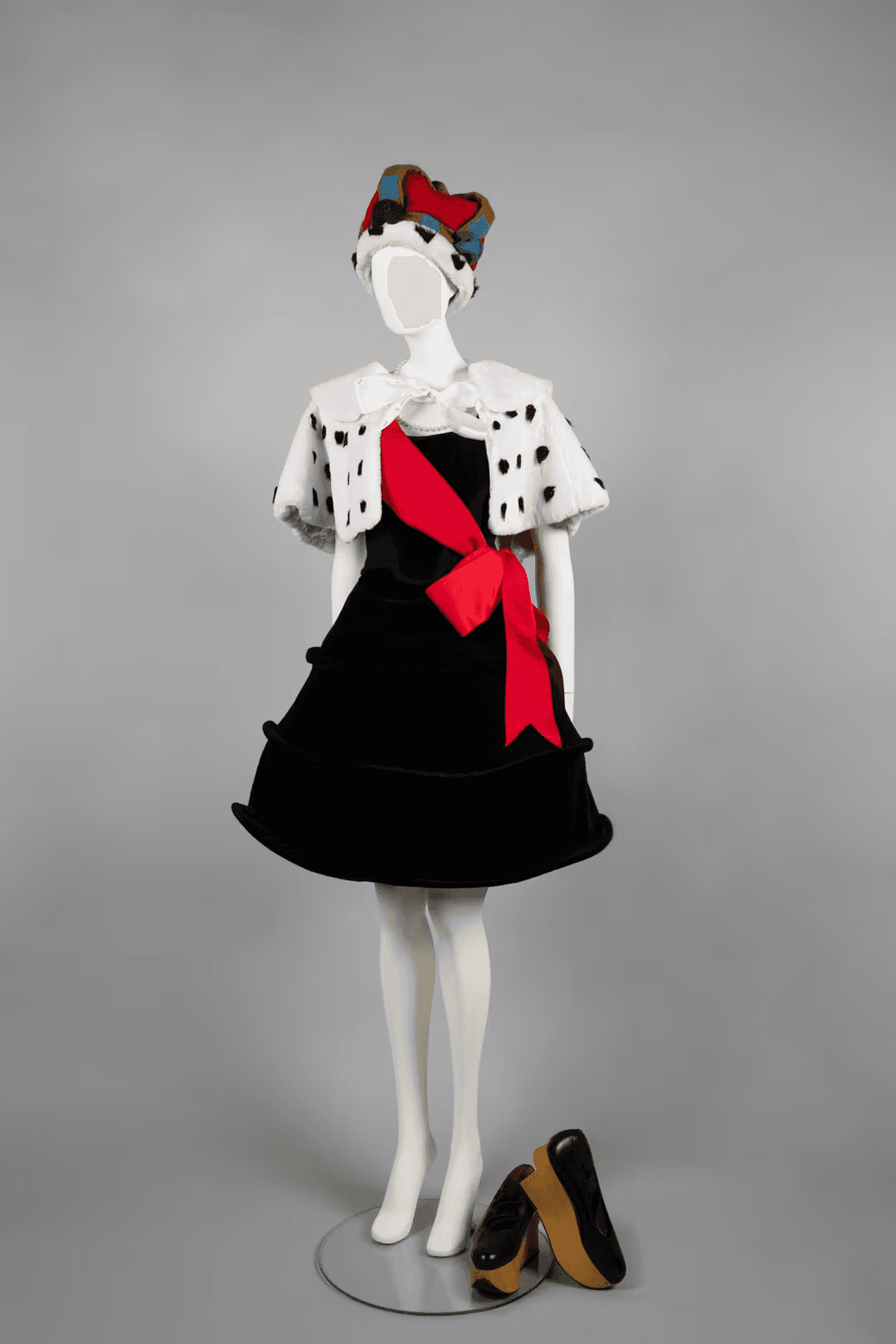
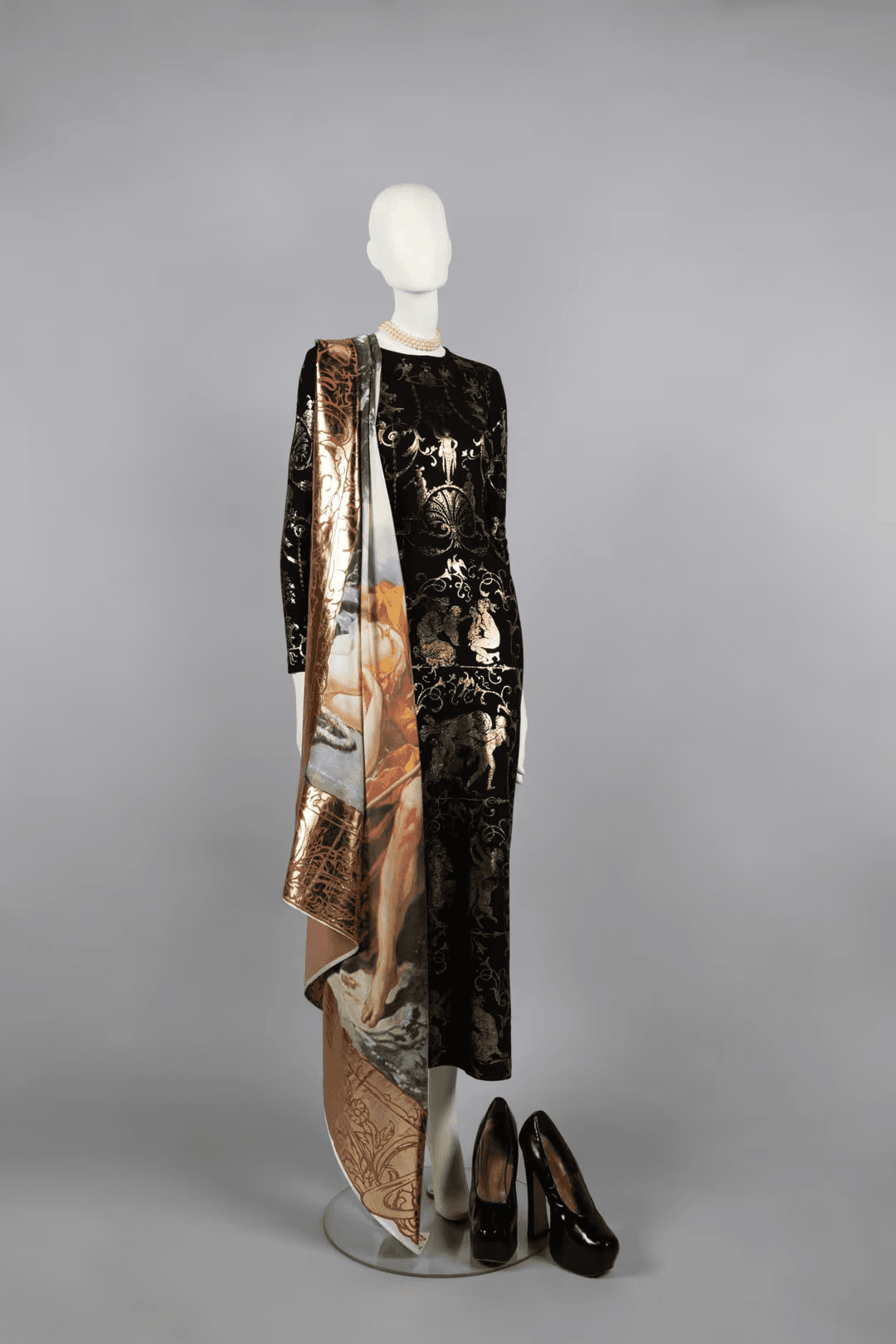
However, Westwood’s radicalism was not confined to the punk era; she successfully transformed the runway into a global political stage. Her collections addressed everything from scathing critiques of capitalism and the monarchy to urgent environmental activism and the defense of civil liberties. One of her most masterful techniques involved the deliberate distortion of traditional British heritage—using tartan fabrics, aristocratic corsets, and historical silhouettes as ironic commentaries on national identity. By breaking the fashion world’s typical silence on issues like the climate crisis or political freedom, she redefined the role of the designer. The exhibition at the Bowes Museum explores this fascinating duality, asking if it was possible for Westwood to be both a chaotic anarchist and a meticulous historian. The evidence suggests the answer is a resounding yes.
Color Power — Rafael Pavarotti
Musée des Arts Décoratifs, Paris
October 2 – May 2, 2027
Rafael Pavarotti has emerged as one of the most distinctive and influential voices in fashion photography in recent years. The Brazilian photographer is celebrated for transforming the medium into a graphic field of expression, defined by an incredibly intense color palette, masterful use of light, and powerful, geometric body compositions. Having risen to prominence through his work for avant-garde publications like Dazed, i-D, and Vogue, Pavarotti uses fashion photography as a tool for exploring identity, physicality, and social visibility rather than just showcasing seasonal trends.
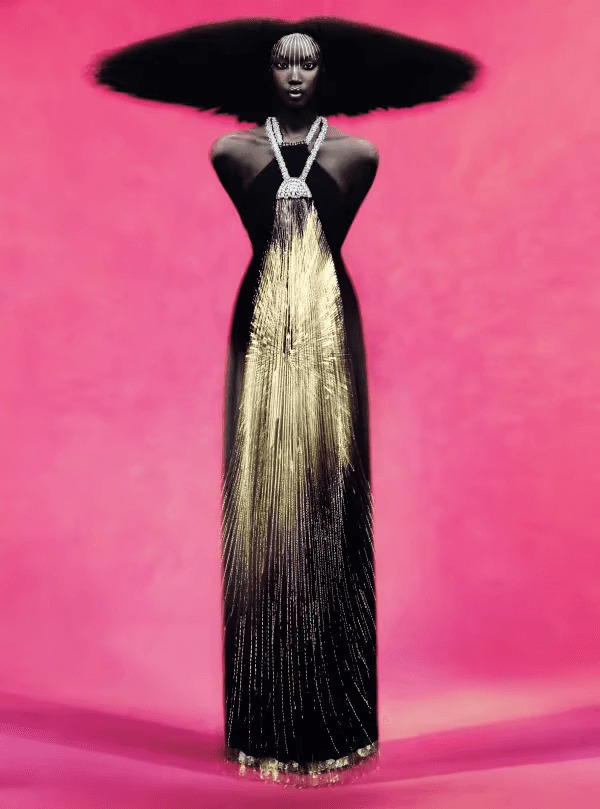
“For me, color isn’t just decoration; it is the emotion itself,” Pavarotti has noted, emphasizing that he wants the viewer’s first visceral reaction to an image to be a sensory experience of hue. This philosophy is deeply intertwined with the politics of representation. Pavarotti’s work centers and celebrates the Black body, rendering his subjects with a heroic, almost sculptural quality that demands attention. His influence is particularly palpable within the visual culture of younger generations, who value his bold, unapologetic aesthetic. This major exhibition at the Musée des Arts Décoratifs will feature over 200 prints, displayed alongside historical photographs from the museum’s own collection. The selection ranges from iconic magazine covers to intimate portraits of global superstars like Rihanna, Beyoncé, and Harry Styles, as well as the high-concept campaigns he has orchestrated for the world’s leading fashion houses.
Tim Walker’s Fairyland: Love and Legends
National Portrait Gallery, London
October 8 – January 31, 2027
“I prefer my photographs to take place in front of the camera, not on a computer. A fantasy built in the real world always feels more magical,” British photographer Tim Walker once famously remarked. This commitment to physical craft has made him one of the most recognizable figures in the industry. A Tim Walker shoot often bears more resemblance to an elaborate film set or a theatrical production than a standard editorial session.
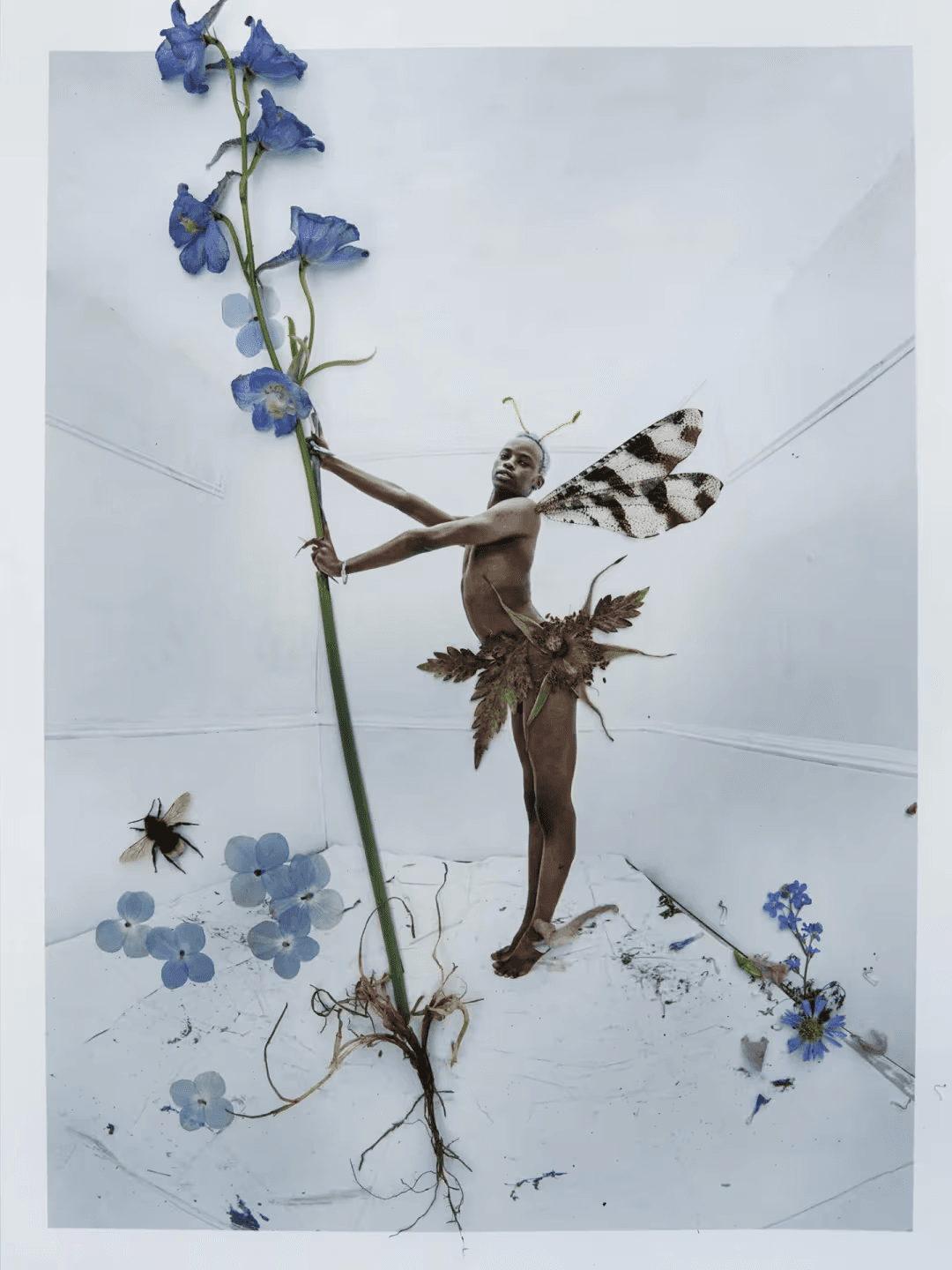
Walker began his career as an assistant at Vogue and quickly distinguished himself through his surreal, narrative-driven imagery. While fashion photography in the early 2000s was leaning toward a sterile, minimal, and increasingly commercial aesthetic, Walker pivoted back toward a lush, Victorian-inspired romanticism. His world is one of giant handcrafted mushrooms, floating balloons, and characters that seem to have stepped directly out of Alice in Wonderland. While many of his peers focused on documenting the technical details of clothing, Walker used the garments as costumes to tell expansive, dreamlike stories. This approach significantly broadened the visual vocabulary of fashion media and elevated the role of the photographer to that of a world-builder. This exhibition at the National Portrait Gallery provides a rare look at the meticulous craftsmanship behind these fantastical realms.
The 90s
Tate Britain, London
October 8 – February 14, 2027
When you think of the 1990s, which image comes to mind first? Perhaps it is Corinne Day’s raw cover of Kate Moss for The Face, or the dark, provocative energy of Alexander McQueen’s “Highland Rape” collection. The 1990s have never truly left our cultural radar, partly due to a lingering obsession with the era’s minimalist icons like Carolyn Bessette-Kennedy, and partly because the “calm” aesthetic popularized by brands like Calvin Klein and Prada continues to serve as a benchmark for modern runways.
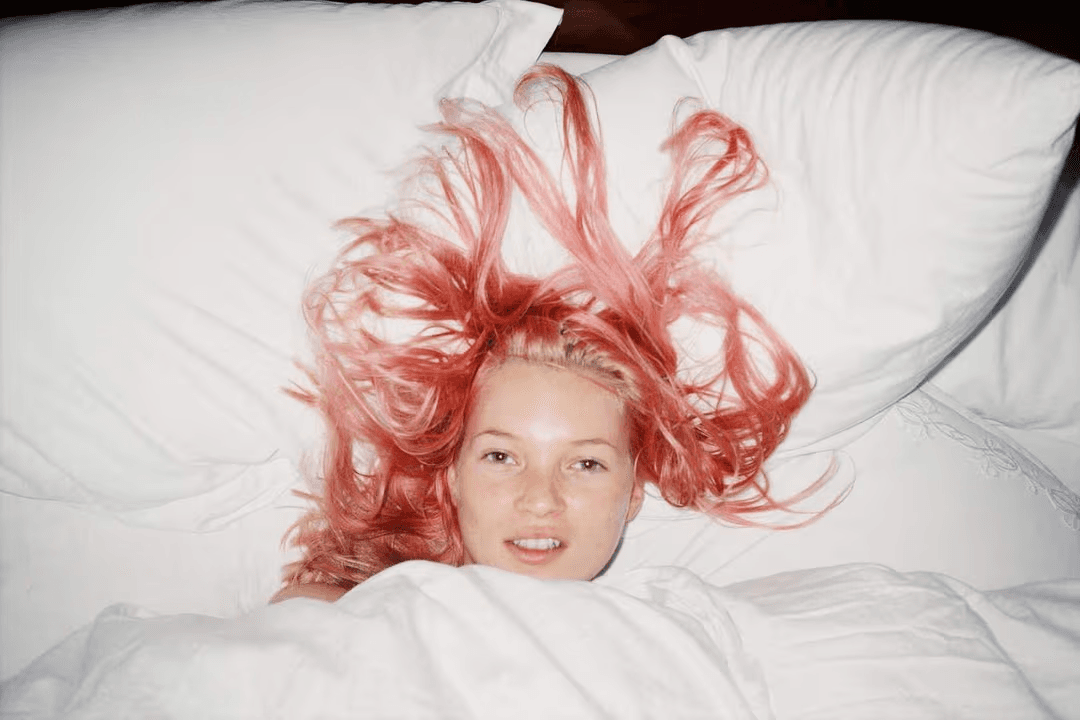
However, understanding the 1990s requires looking beyond mere nostalgia to the systemic transformations that occurred during that decade. This was the period when fashion officially became a cultural battleground. It was a decade of fascinating ironies, where the sterile, laboratory-like minimalism of Helmut Lang existed alongside the deliberate, unpolished “grunge” movement led by Marc Jacobs at Perry Ellis. In Europe, the industry witnessed the rise of high-concept, theatrical spectacles, while simultaneously, Kate Moss became the face of a fragile, “anti-glamour” aesthetic that fundamentally redefined the concept of the supermodel.
This decade marked the first time that fashion became completely intertwined with global pop culture, the music industry, and burgeoning mass media. The legendary Calvin Klein campaigns shot by Mario Sorrenti and the transformation of Harper’s Bazaar under Fabien Baron and Liz Tilberis remain primary references on design mood boards today. In the 90s, designers like Anna Sui, Hussein Chalayan, Alexander McQueen, and John Galliano didn’t just produce clothes; they created cultural icons. The exhibition at Tate Britain is particularly vital because it treats the 1990s not just as a passing style, but as the foundational prototype for our current fashion system. If we are currently obsessed with archival fashion, “normcore,” or the dominance of streetwear in the luxury sector, the roots of all these movements are firmly planted in the soil of the 1990s.