Skirts, loafers, safari jackets, suits… For Spring/Summer 2027, Milan Fashion Week put familiar pieces back on the table. From Prada to Gucci, Ferragamo to Jil Sander, we came across clothes that felt desirable.
Milan started with Prada this season, both literally—because the brand opened Fashion Week for the first time—and because it introduced several ideas early on that would keep resurfacing throughout the week. A return to wardrobe staples, the idea of uniform, eroticism and, above all, how we actually want to dress in real life… There was only one creative director debut in Milan this season, at Moschino, while at the other major houses we were watching new designers present their second or third collections. In other words, the excitement of the “debut” is over; now it is time to see whether those decisions can actually turn into a language for the brand.
Very few designers tried to propose an entirely new wardrobe. Prada worked with the skirt, Gucci with loafers and riding jackets, Jil Sander with the suit, Max Mara with the safari jacket. The newness was more about the materials these pieces were made from, and what they were put next to in order to make them feel current again. Eroticism continued throughout almost the entire week, in varying degrees: Prada’s bralettes and sheer skirts, Fendi’s lingerie, Diesel’s torn-apart clothes and performance, Ferragamo’s transparent rubber surfaces. But most of the time, this eroticism did not feel like a trend in itself; it had simply found its way into a more pragmatic wardrobe.
Contents
Prada
You Really Do Want to Wear a Skirt
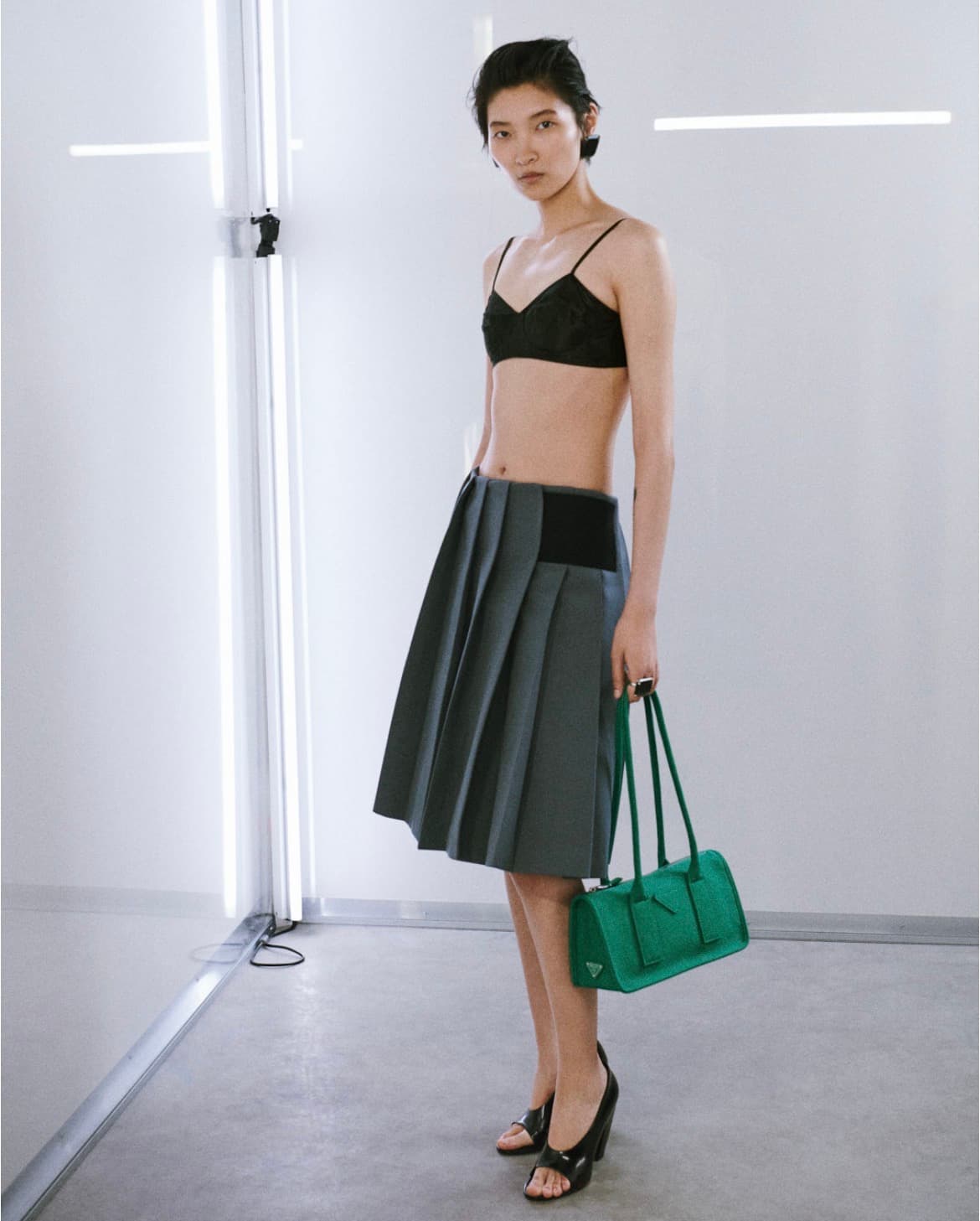
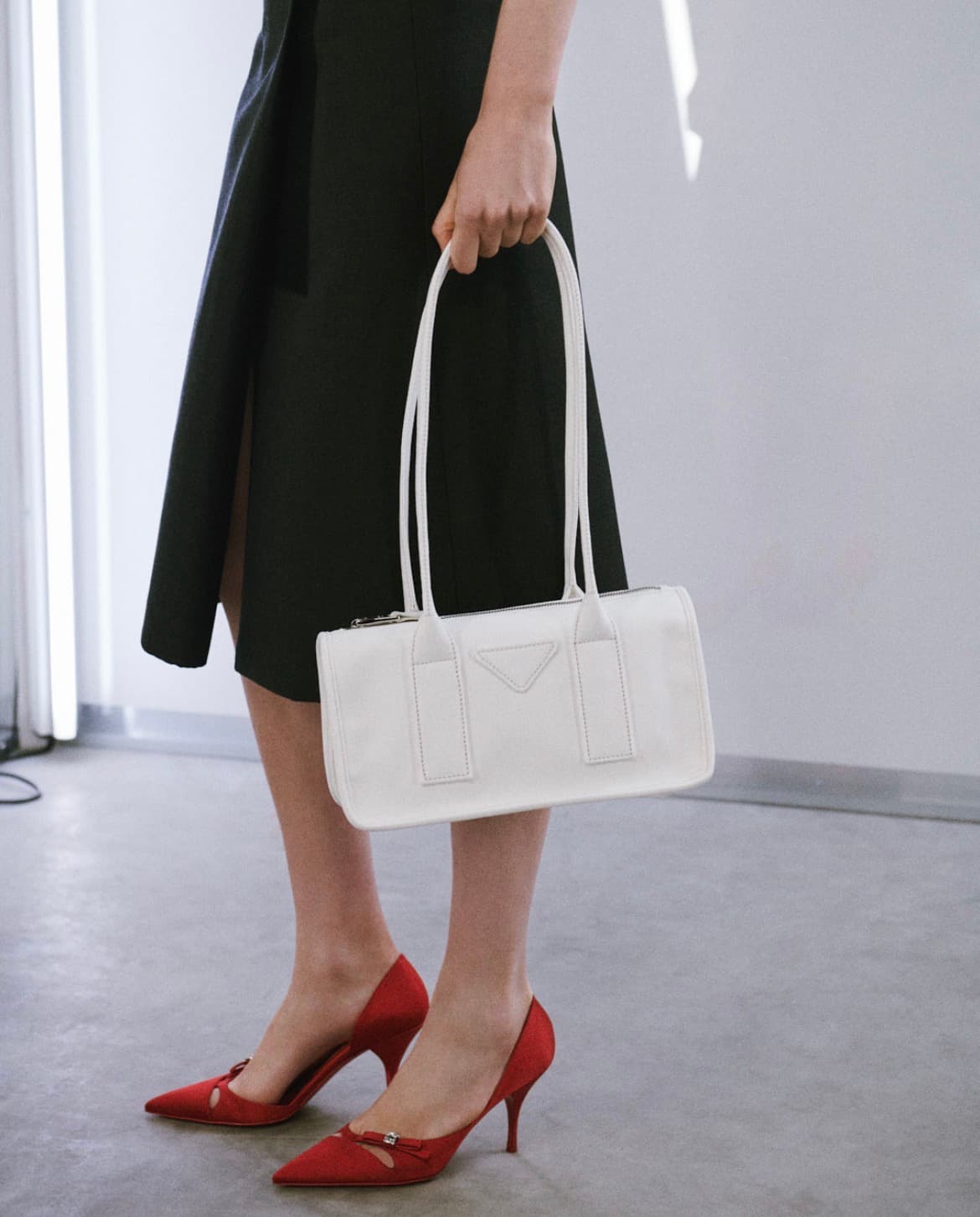
The title of Prada’s collection is clear enough: The Skirt. Miuccia Prada and Raf Simons built all 63 looks around the skirt; there were no trousers or dresses in the collection. The skirts themselves were not simply variations on a single silhouette either. According to the show notes, there were knee-length and mini skirts, A-lines and pleats, pareo-like styles wrapped around the body, high slits, puffed and constructed volumes, transparent latex, embroidered surfaces, crystal and sequin panels, bows and rosettes. Some were held at the waist almost entirely by wide Velcro bands, with clusters of crystals embroidered onto them.
The collection is connected to Miuccia Prada’s long-standing idea of the skirt as a uniform. In a 2006 interview with Charlie Rose, she compared the skirt to the T-shirt; around the same time, Waist Down, an exhibition devoted to skirts designed between 1998 and 2004, was travelling the world. Twenty years later, she returns to the subject with Raf Simons, this time also asking how many different women can be created through the same piece.
Jil Sander
Minimalism 2.0
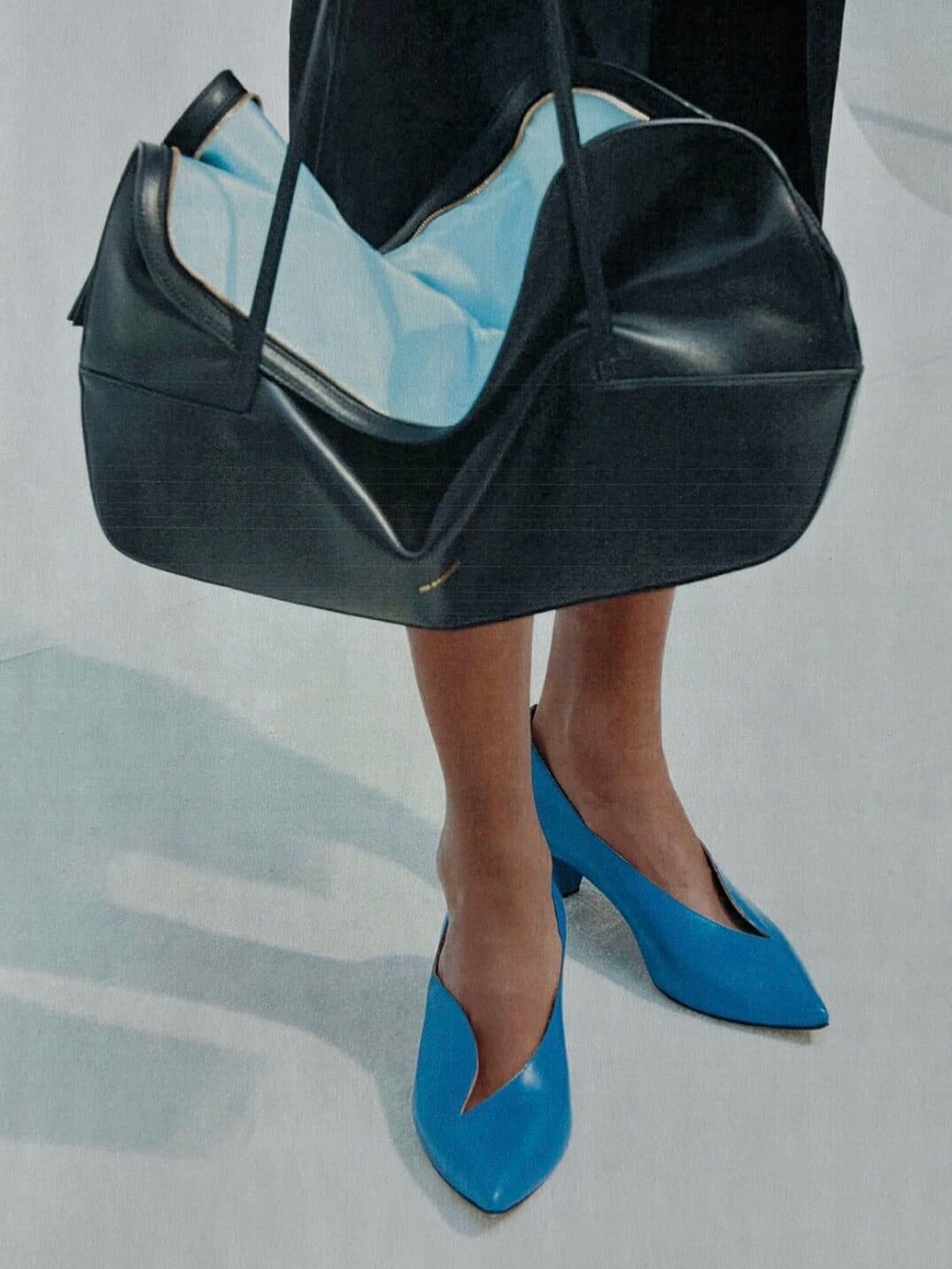
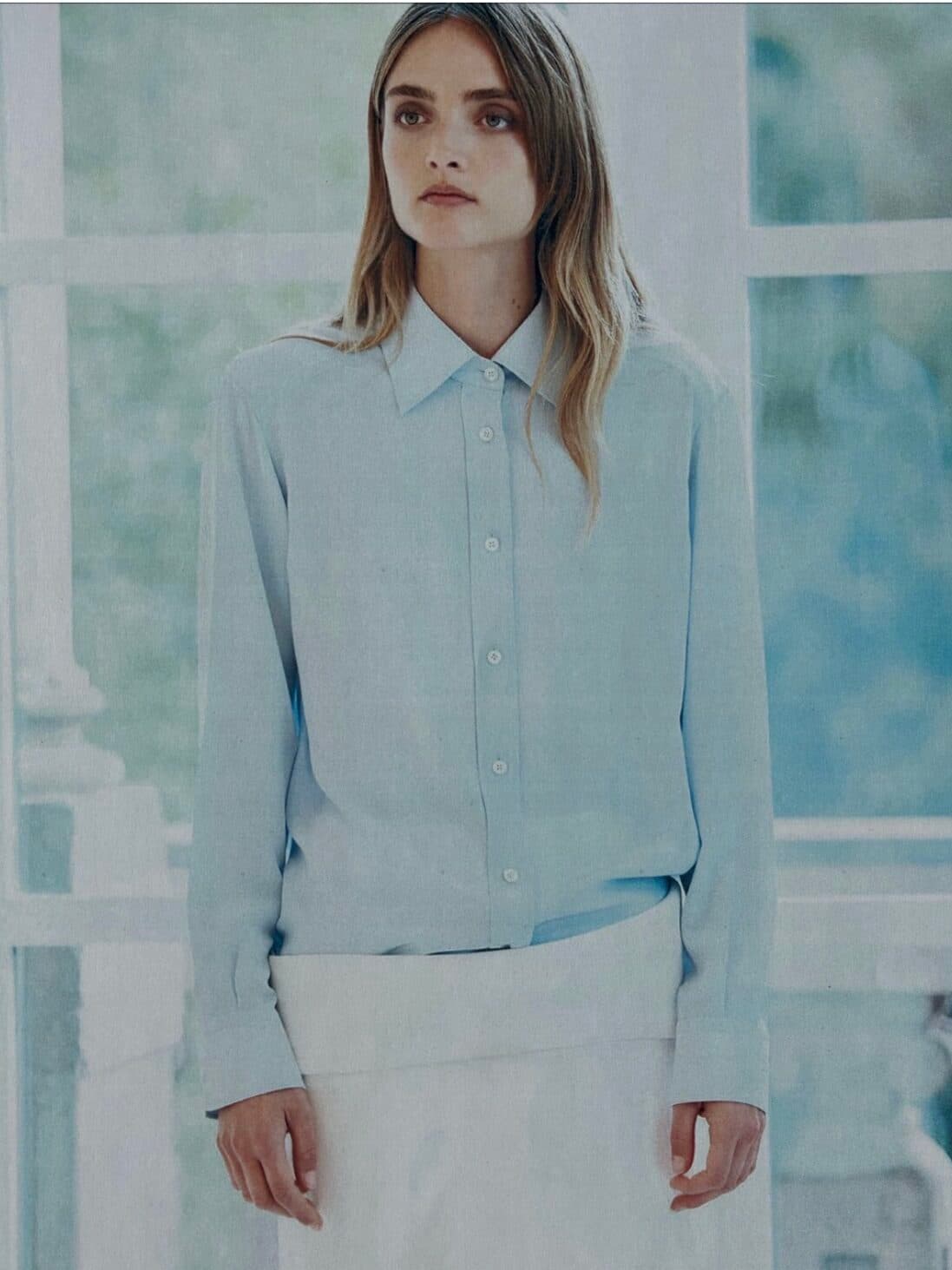
In his third collection for Jil Sander, Simone Bellotti is dealing with the brand’s most fundamental problem: minimalism is no longer a language unique to Jil Sander. Bellotti himself says that minimalism has become far too mainstream, so rather than abandoning it, he disrupts it slightly.
The collarless black leather coat-dress at the beginning of the collection and the jacket, wide-collared shirt and slightly flared trousers at the end are very close to Jil Sander’s familiar DNA. But between the two, all that order slowly begins to disappear. Jackets and coats are cinched and crumpled around the waist, some buttons are moved unusually high on the chest, while the lower half opens into a trapeze shape. Blazers have permanent creases across their surfaces, while shirts come with disproportionately large collars extending beyond the jacket lapels. Slim trousers and strict tailoring sit alongside increasingly voluminous dresses. A yellow taffeta dress resembling a sheet wrapped around the body is one of the collection’s biggest volumes.
Fendi
What Do the Clothes Look Like?
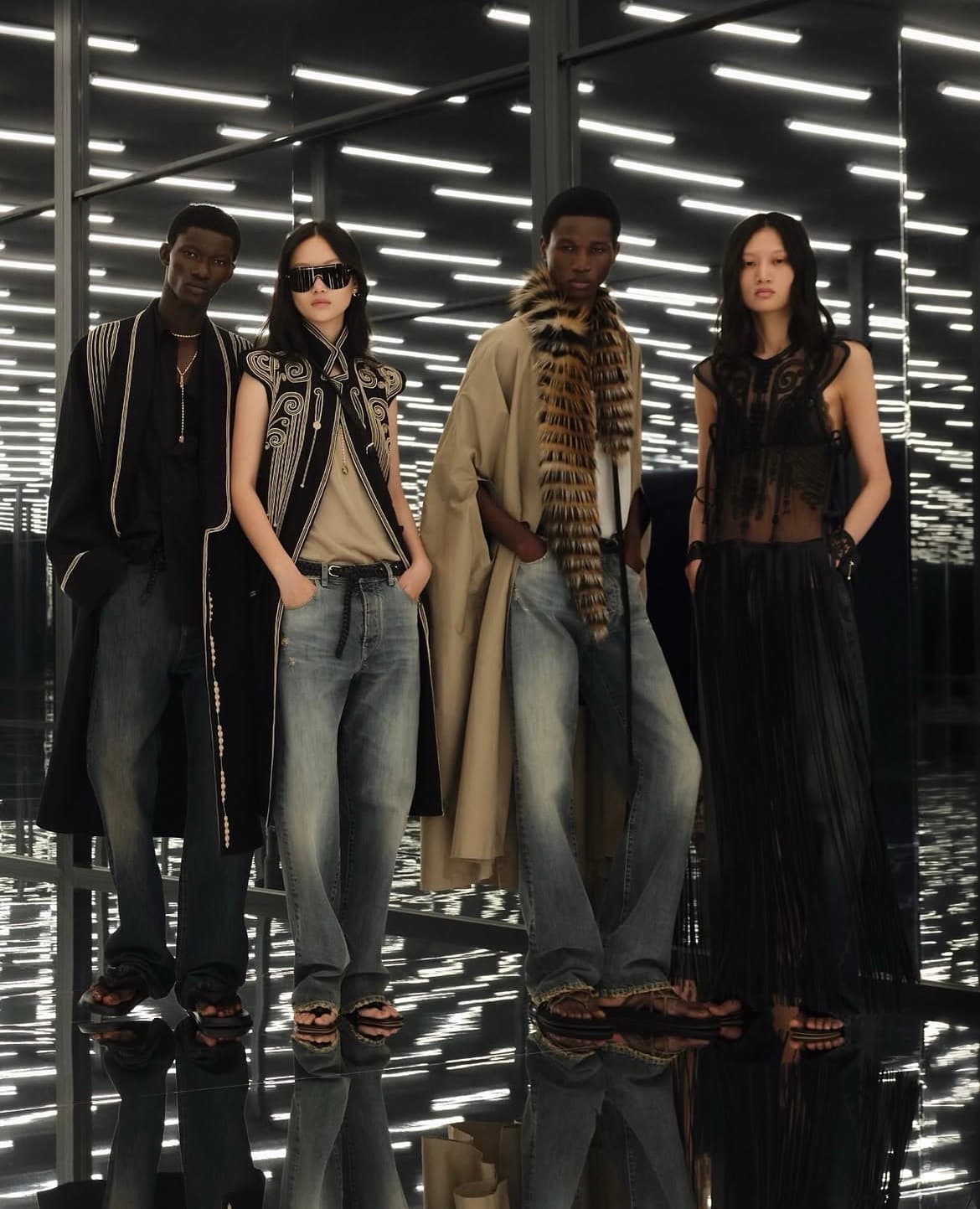
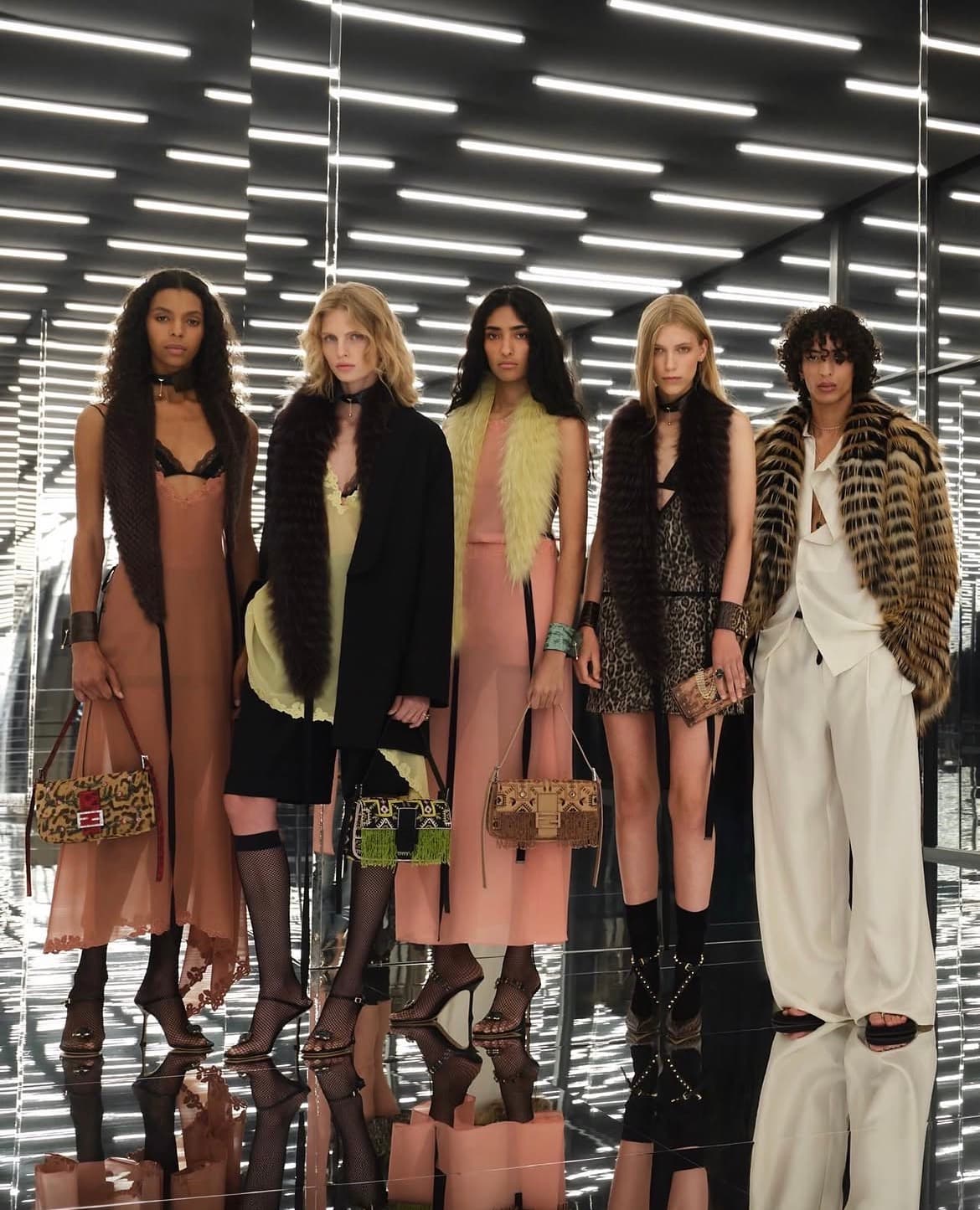
Maria Grazia Chiuri’s second show since returning to Fendi was presented inside a semi-transparent box inspired by Luciano Fabro’s mirrored Cubo di specchi. At times it was difficult to follow the models inside, so the details of the collection became much clearer in photographs after the show.
This time, Chiuri proposed a Fendi that was sexier, more flamboyant and clearly more Italian. Lingerie is visible, shirts are open and transparency spreads across almost the entire collection. In the menswear, shirts open across the chest. Chiuri also developed a new version of the Baguette, shrinking it until it was barely large enough to carry a phone. The soundtrack included Adriano Celentano’s 1972 Prisencolinensinainciusol, made entirely from meaningless words designed to sound like English, alongside Raffaella Carrà.
Diesel
Does Nudity Really Sell?
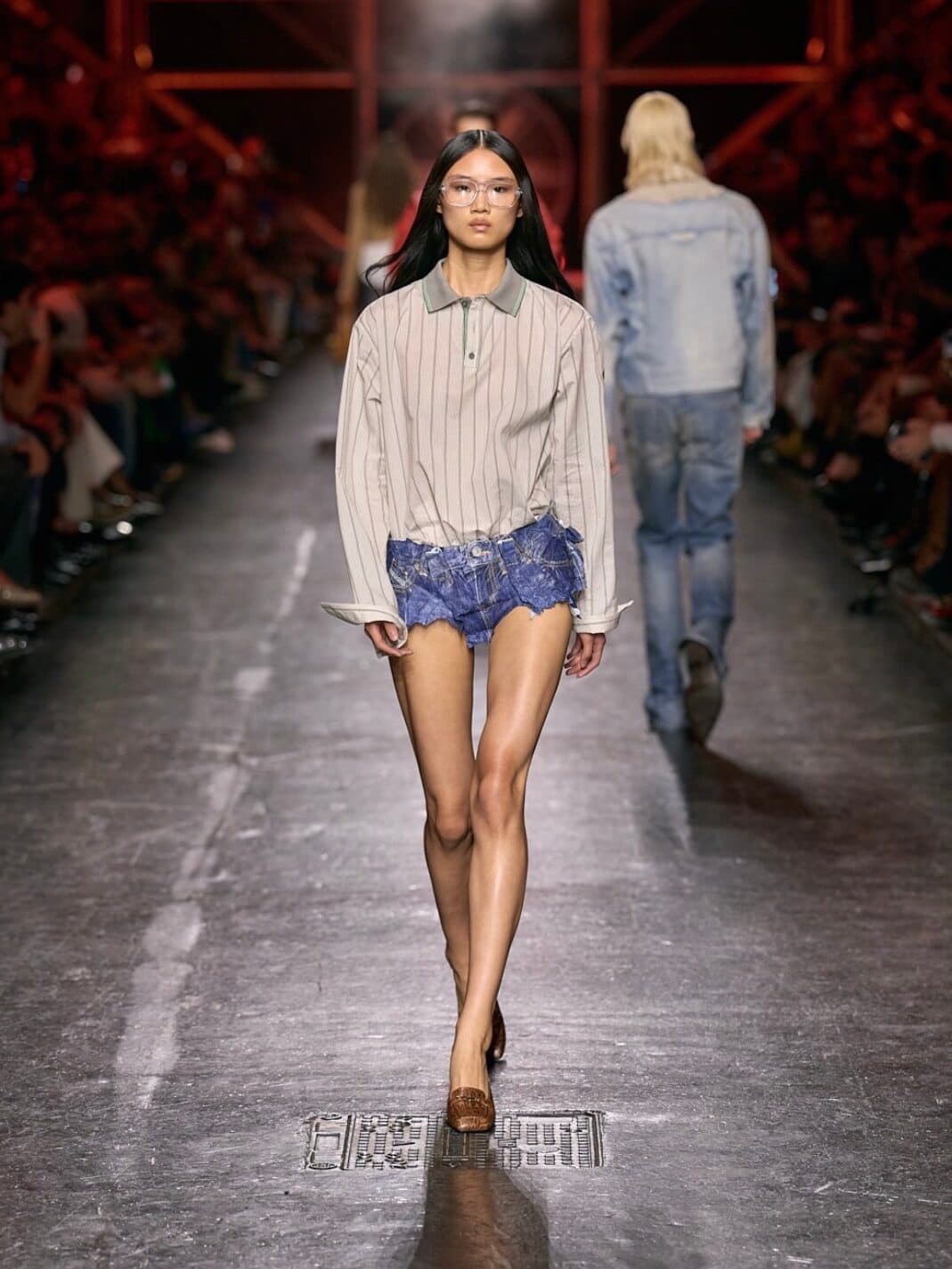
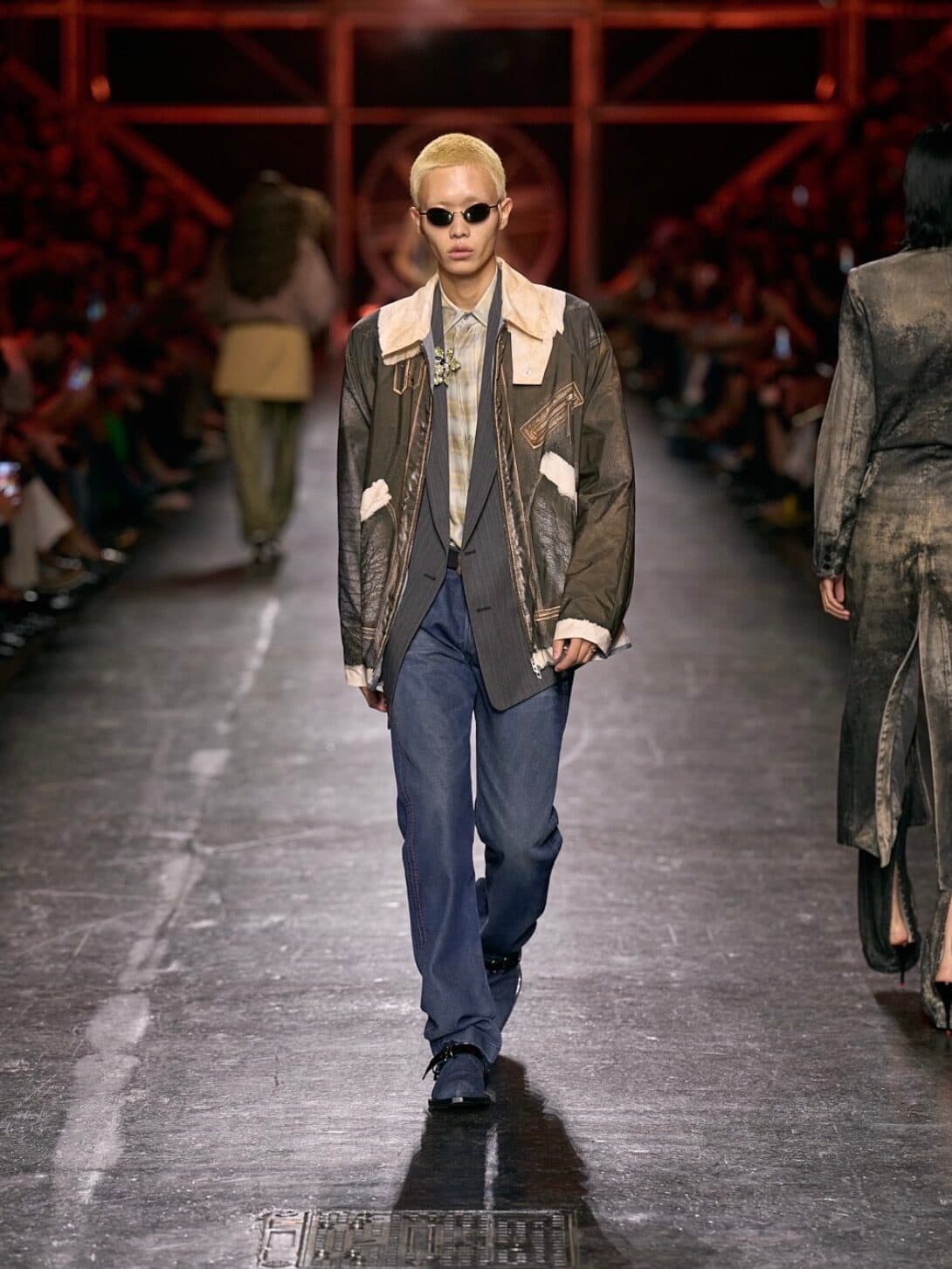
Spring/Summer 2027 was also Glenn Martens’s farewell to Diesel. Martens will now focus entirely on Maison Margiela. When he arrived at Diesel in 2020, the brand’s fashion language largely revolved around T-shirts and jeans; in his final collection, almost every technique he had developed during his time there returned: deconstruction, hybridisation, trompe-l’œil, coating and fabric manipulation.
There was also something deliberate about Ella Snyder, who opened Martens’s first Diesel collection, closing his final show. Then there was the performance. As a techno version of Donna Summer’s Love to Love You Baby played, performers dressed in Diesel and placed among the audience began kissing. Martens did not say goodbye by looking back; the show felt more like one last tour of the Diesel world he had spent six years building. Diesel has yet to announce who will succeed him.
Gucci
Demna in Store
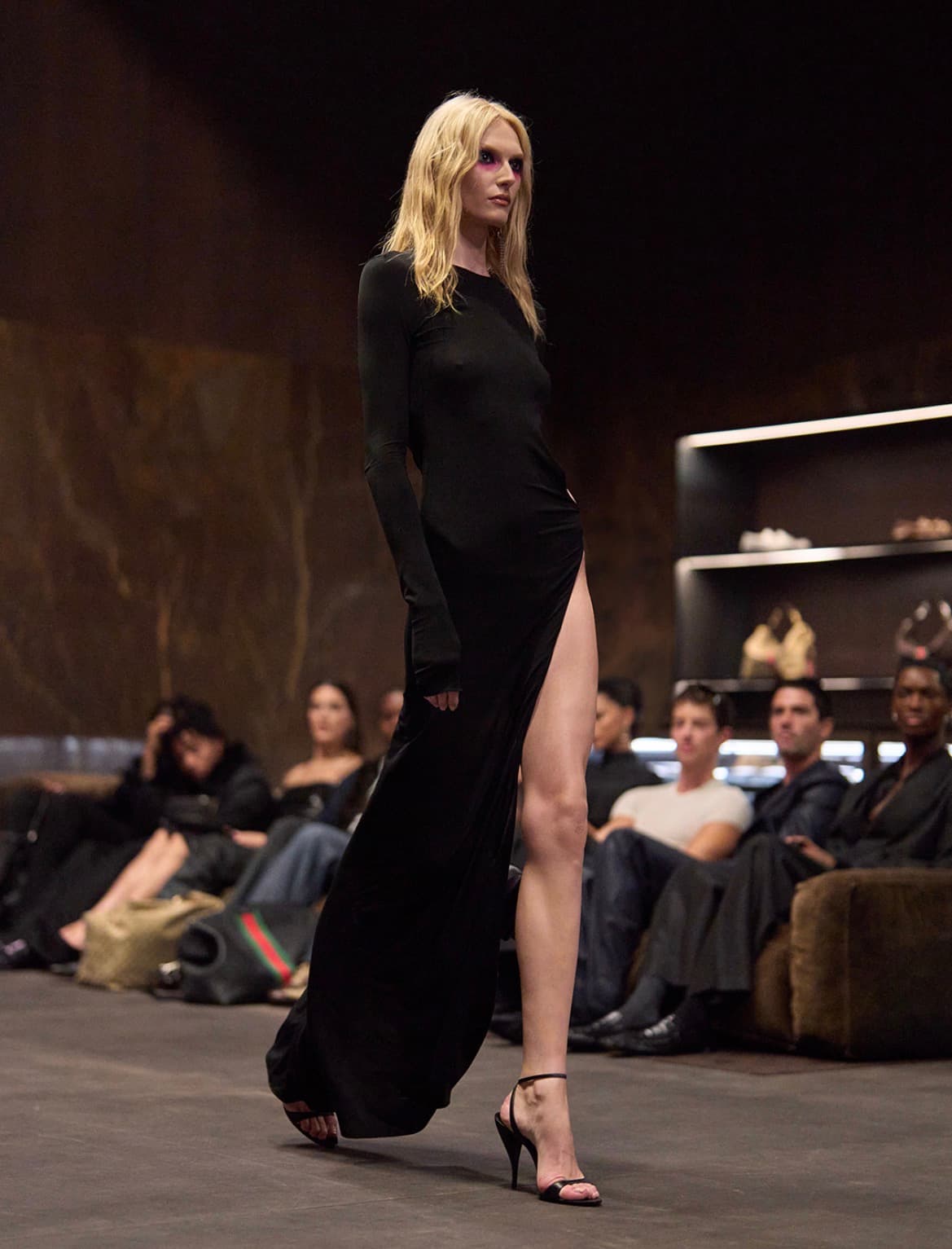
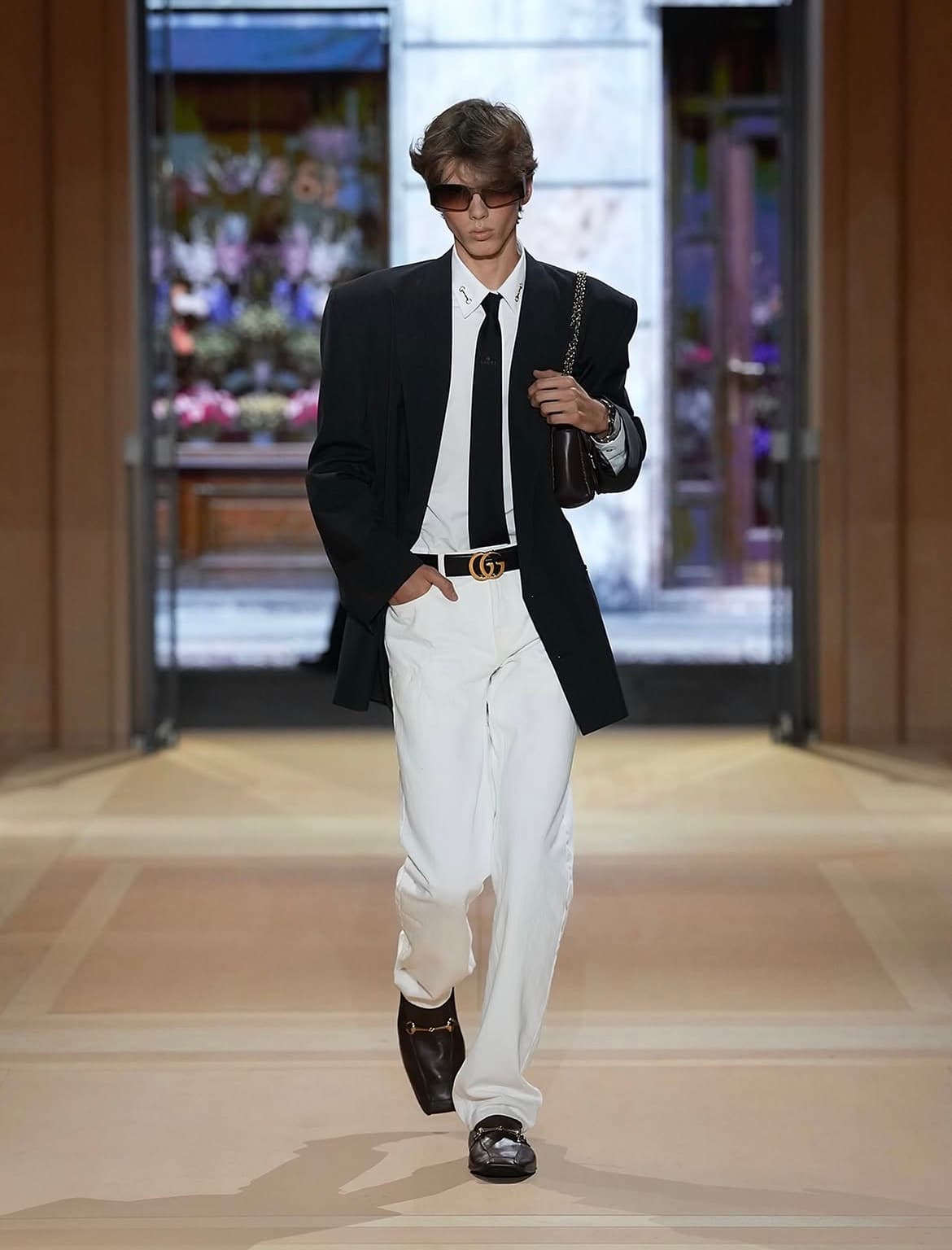
Demna’s first year at Gucci has, in his own words, been something of a laboratory. La Famiglia, the return to the ’90s, February’s sexy collection, GucciCore in Times Square… Spring/Summer 2027 is the first time we see several of these ideas together in the same collection.
The show had been turned into a Gucci boutique. This time, Demna looks not to Tom Ford but to the Dawn Mello years that came before him. Riding jackets and boots, trench coats, cropped trousers, sockless loafers and white jeans build this more bourgeois Gucci, while Demna inserts his own language into the mix. Bomber jackets, rugby tops with popped collars, tartan kilts fastened with enormous Horsebits, jeans sitting below the waist and held up by several belts, necks loaded with chains and sharp-shouldered tailoring make up the harder side of the collection.
For “eveningwear”, there are fluid jersey dresses that nod to the Tom Ford years and voluminous faux-fur outerwear. Whether Diesel or Gucci was the more performative show is something else to debate. The models wandered around the Gucci store like customers. In the language of today’s social media, it was all very meta.
Ferragamo
The Best Moodboard
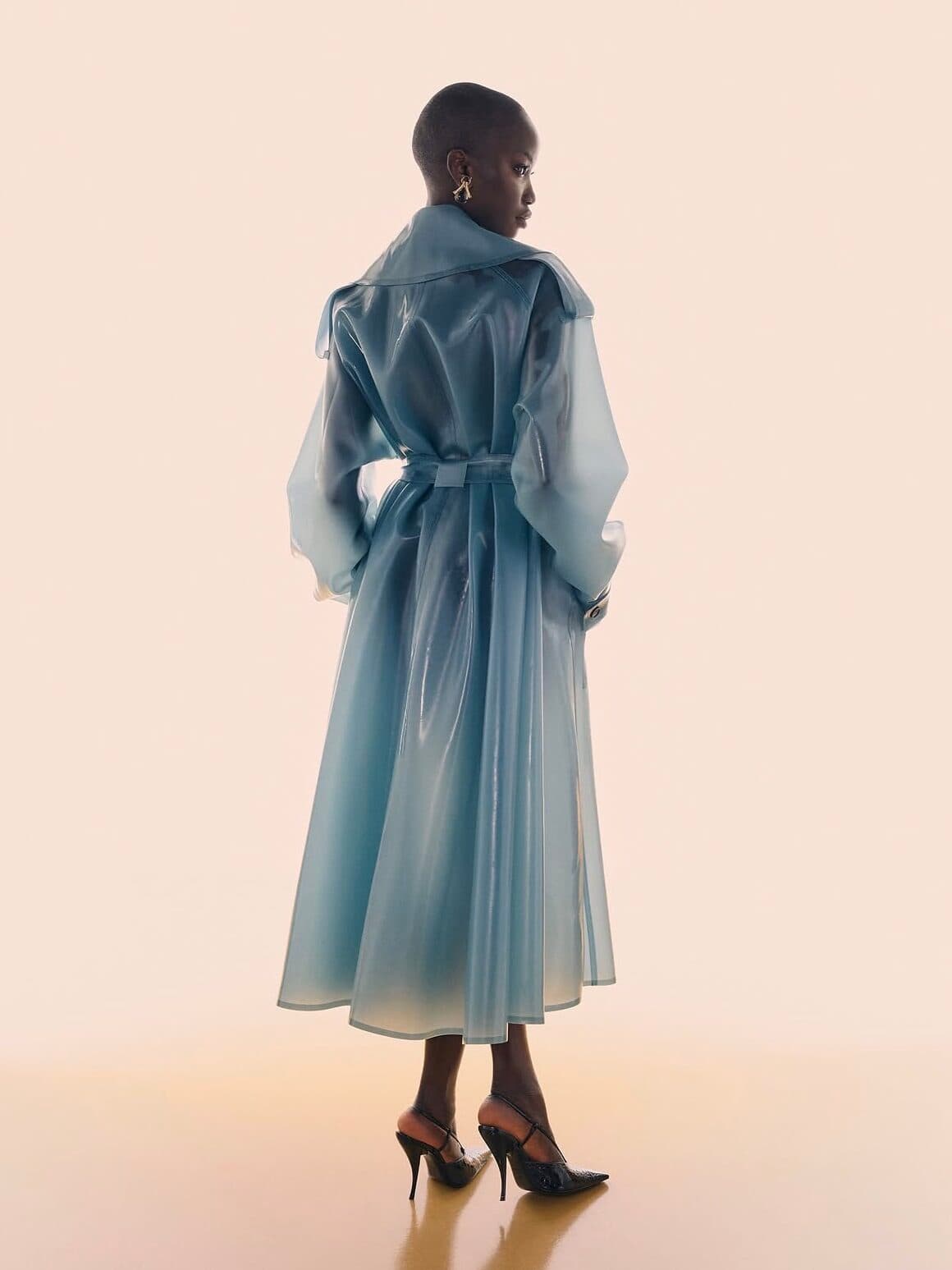
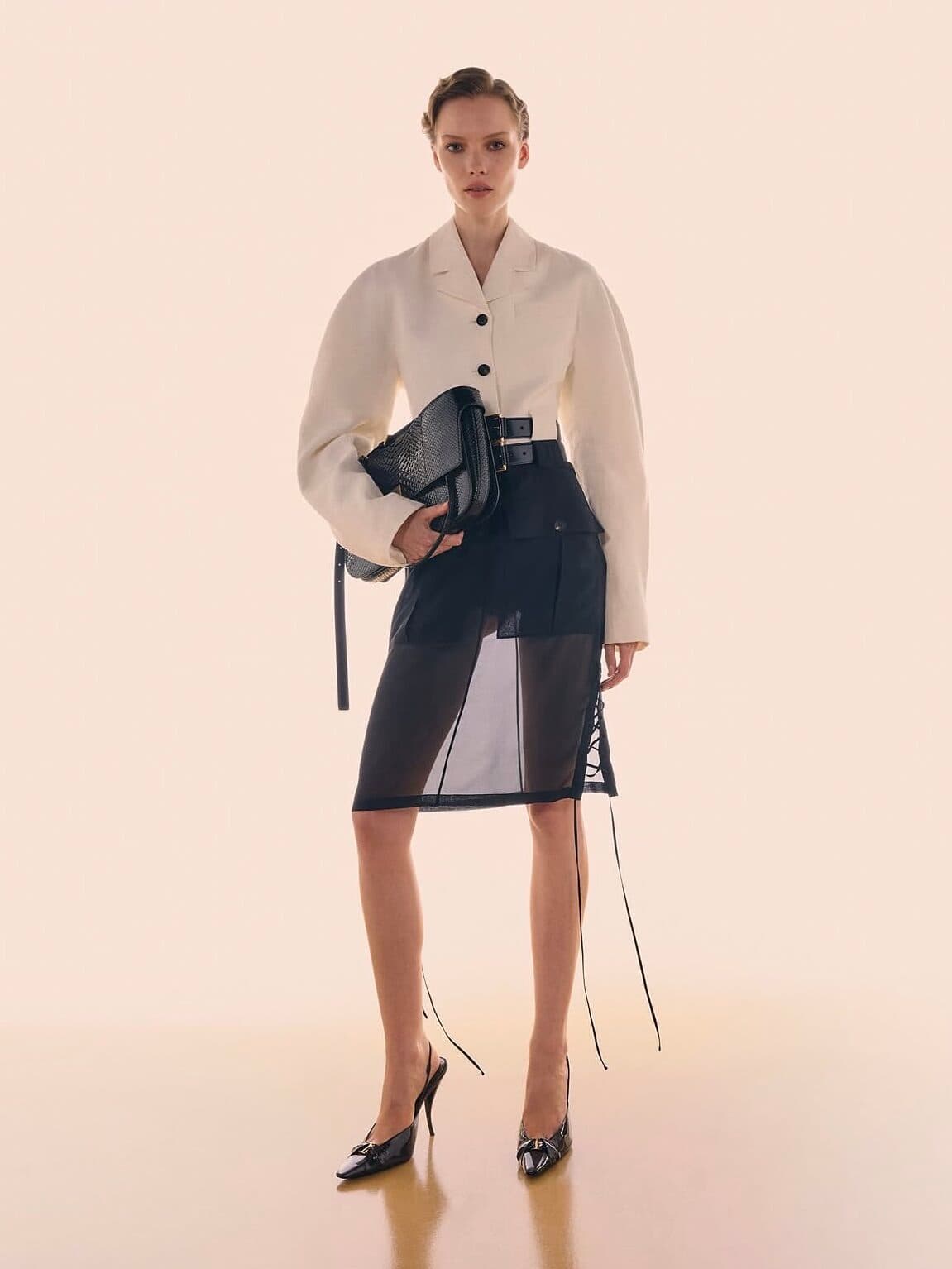
At Ferragamo, Maximilian Davis found an even older starting point: Salvatore Ferragamo’s 1947 Invisible Sandal. Made from transparent nylon threads that made the heel appear to be suspended in mid-air, the shoe’s history led Davis to Lee Miller and Man Ray, to their experiments with solarisation, and from there to Miller’s years in Egypt. I suppose that is what a good moodboard looks like.
You can see the light-shifting effect of solarisation in glossy surfaces, softly blurred transparencies and sequins. The Egyptian side comes through in linen, dry cottons and sandy tones.
Moschino
Real People, Real Clothes
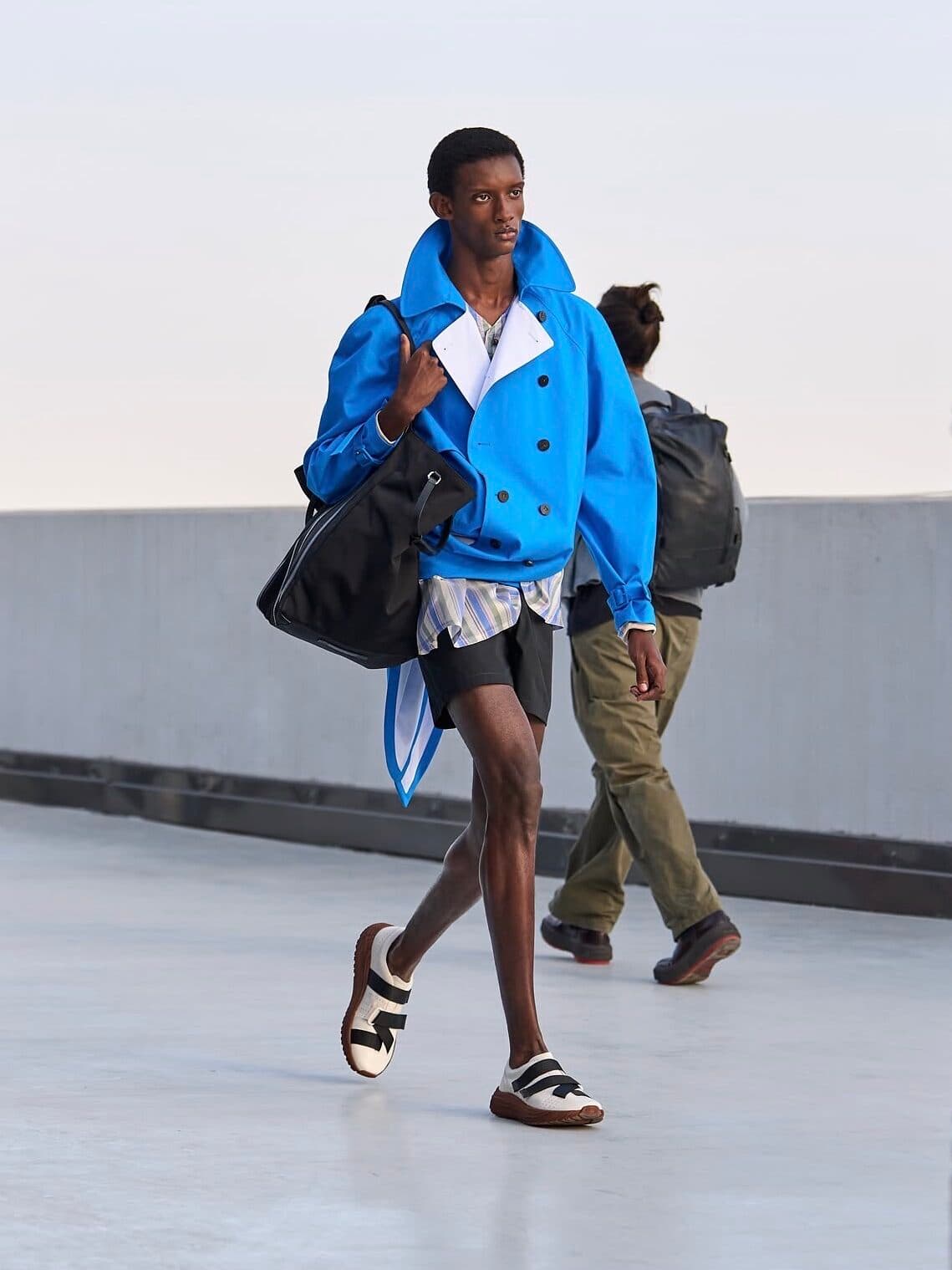
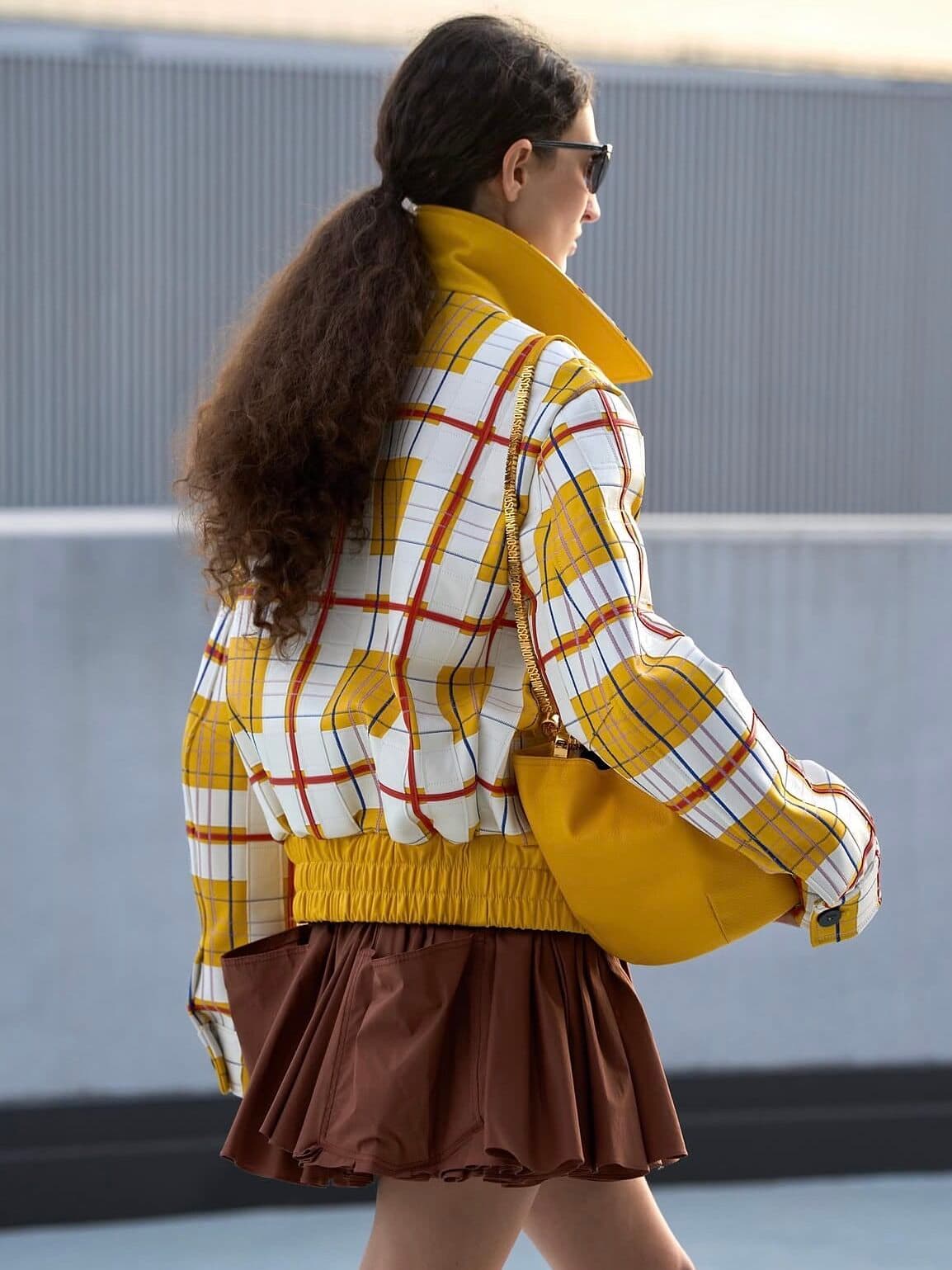
Moschino was Milan’s only creative director change this season. Sunnei founders Simone Rizzo and Loris Messina took over the house following Adrian Appiolaza’s departure in June. The pair, who constantly played with the fashion-show format at Sunnei, staged their first Moschino show on the roof of a car park outside Milan; while the models walked in one direction, hundreds of extras moved in the opposite direction.
According to Rizzo, the idea was to reconnect clothes with the street and with real people. Reprinting Franco Moschino’s old slogans would have been easy; instead, Rizzo and Messina looked for the joke in the clothes themselves. The BBL dress creating exaggerated hips, padded men’s T-shirts enlarging the muscles and graffiti-covered tops were the collection’s jokes.
Marni
Young Spirit
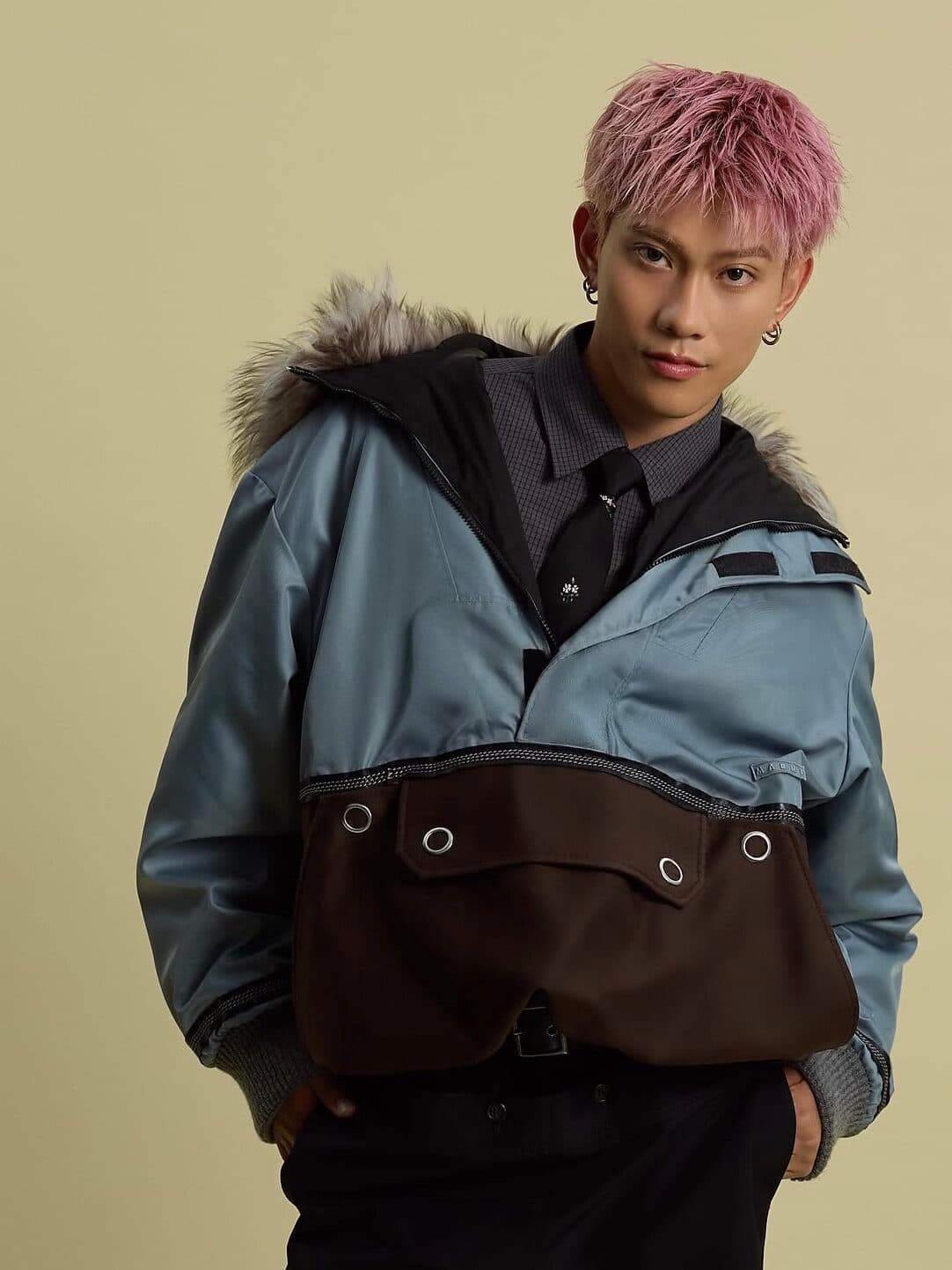
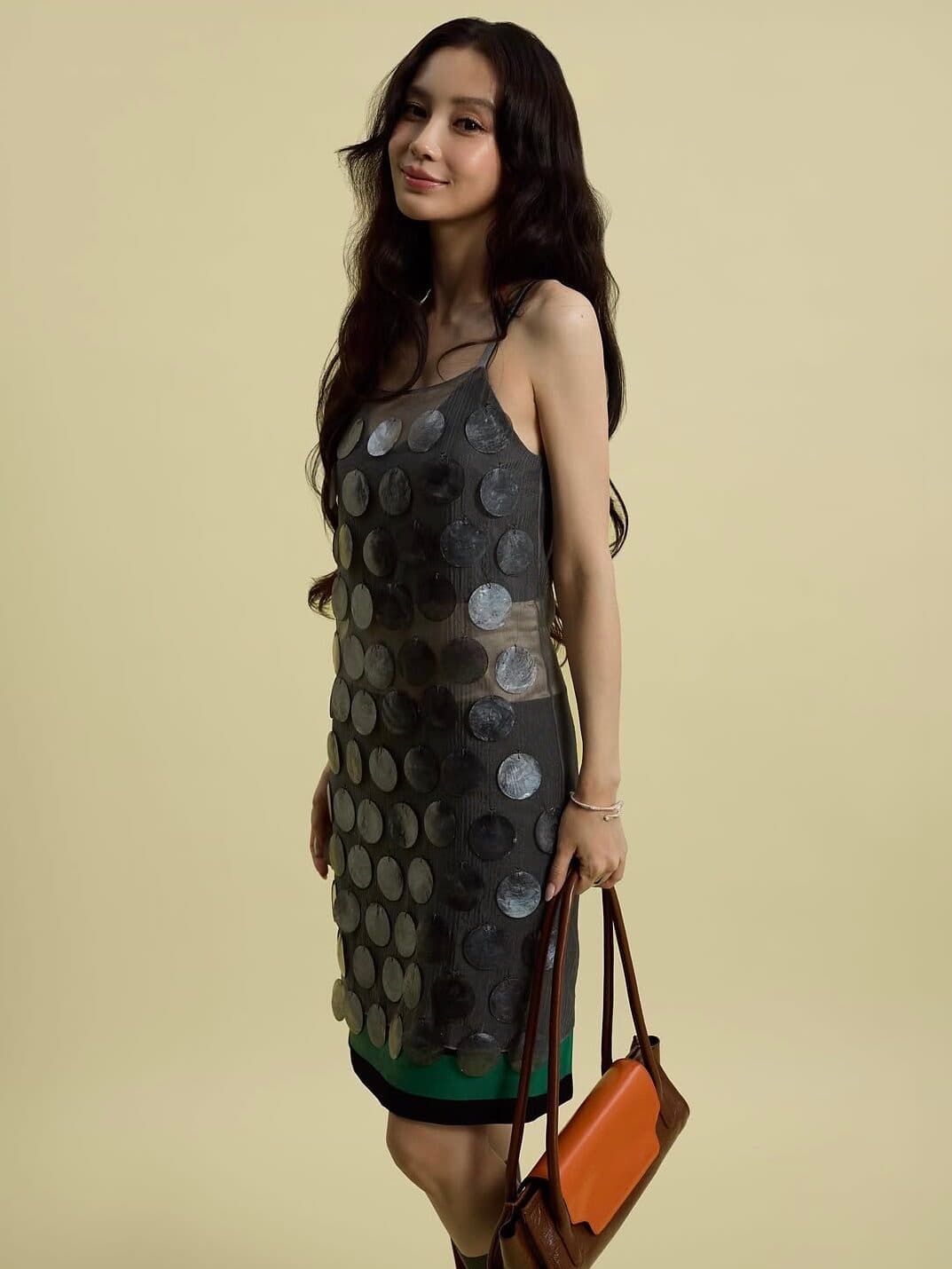
Meryll Rogge’s second collection for Marni felt much more confident than her first season. Compared with the Risso era, Rogge’s Marni is more urban, younger and, most importantly, easier to wear. Graphic silhouettes from the ’60s, strong colours and deliberately slightly “wrong” proportions—or pieces that looked as though they had been put together incorrectly—set the mood of the collection.
That familiar Marni strangeness is still there. Even if Rogge transports us back to the ’60s, she is not taking the brand back into its past. She is neither returning to the Castiglioni years nor continuing Risso. With this second collection, Rogge’s own Marni is beginning to come into focus for the first time.
Max Mara
Safari at the Office
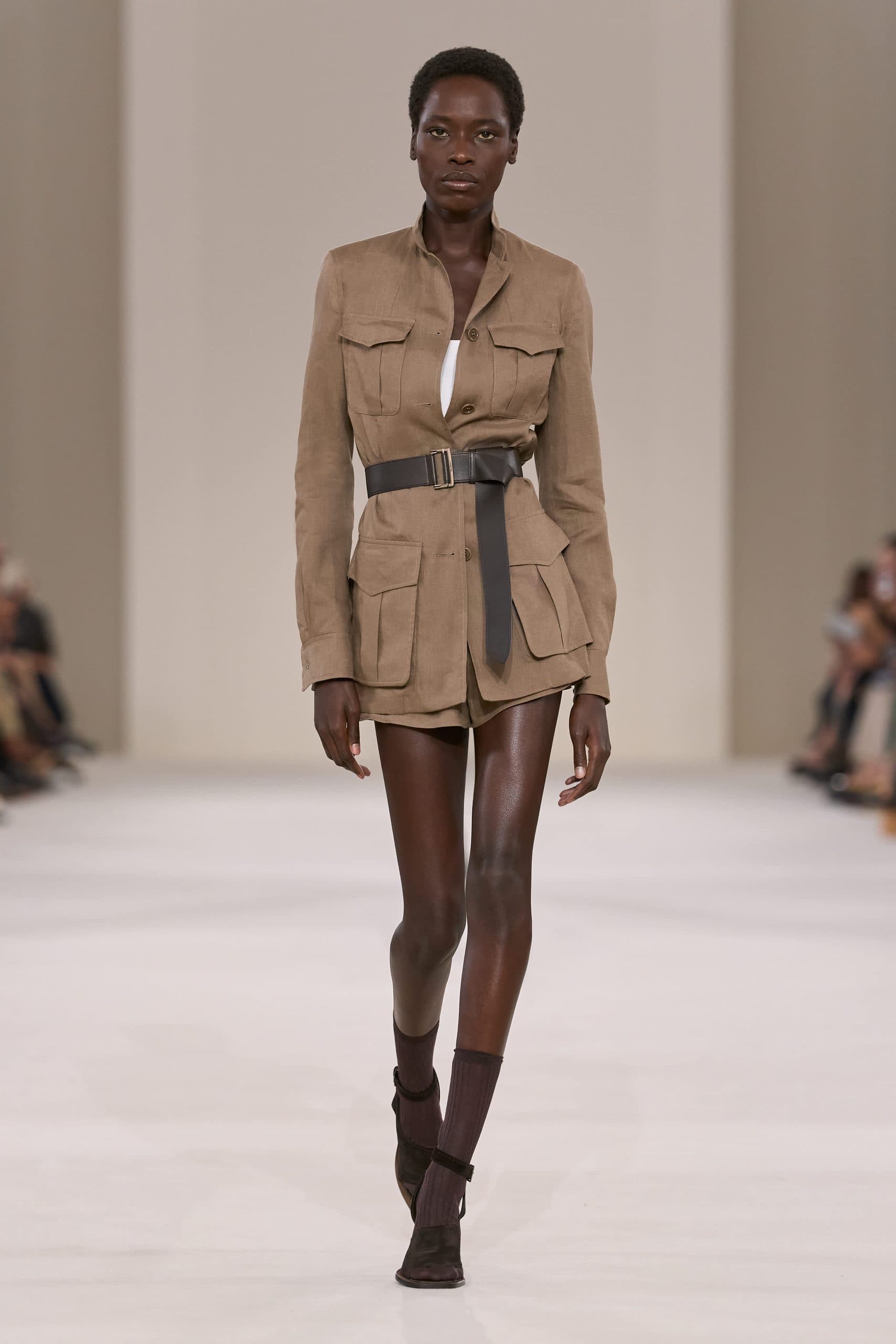
Ian Griffiths’s phrase for Max Mara is “utility luxe”. The collection is built around functional wardrobe pieces such as utility vests, cargo vests, trench coats and safari jackets. The references are the female travellers, pilots and adventurers of the 1930s, but the result does not feel like period costume.
Brown wrap skirts are secured with thick leather bands, silk-linen tailoring is worn with shorts, hunting vests with large bellows pockets are layered over jackets, and long trench coats reach almost cape-like proportions.
Sportmax
Heatwave
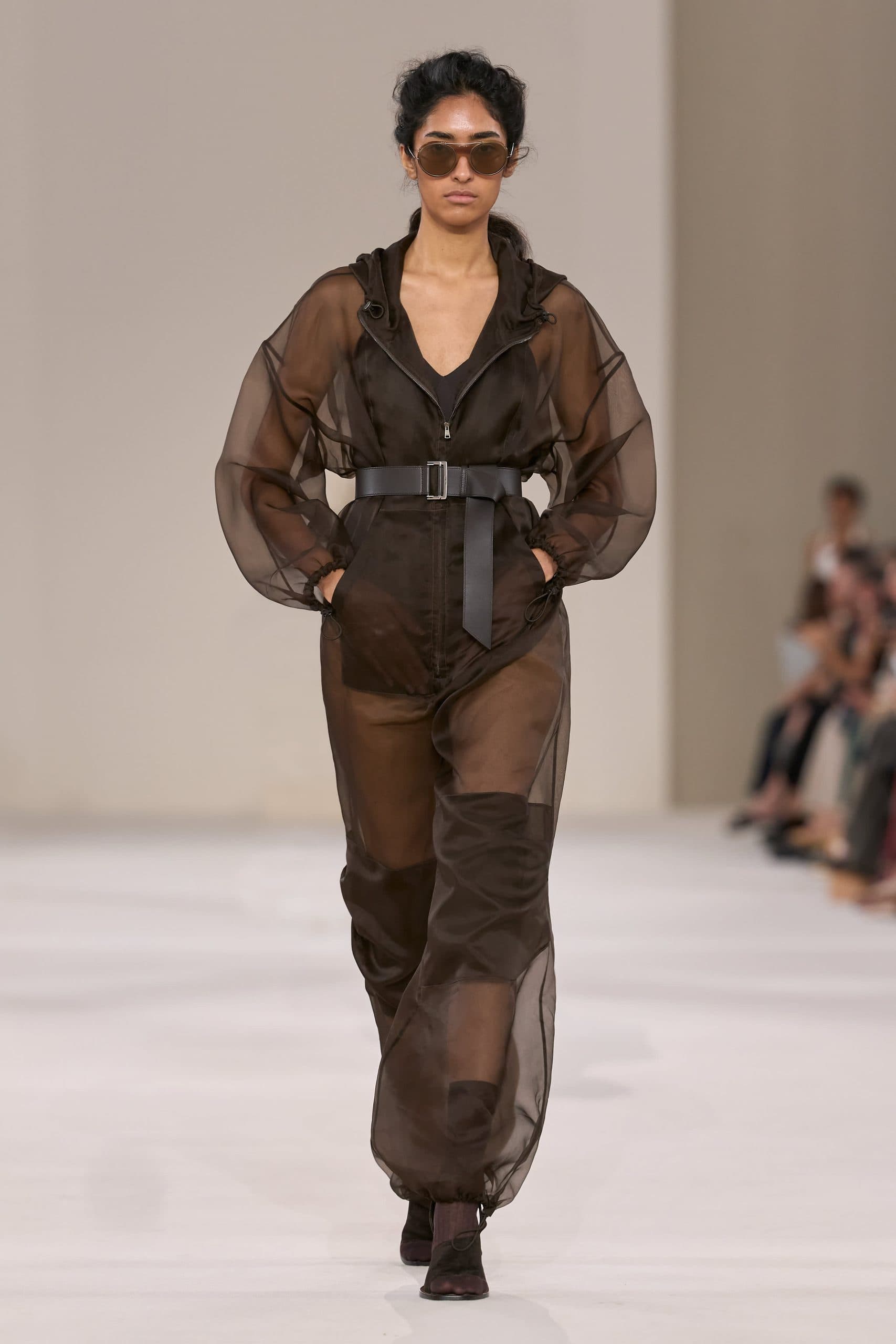
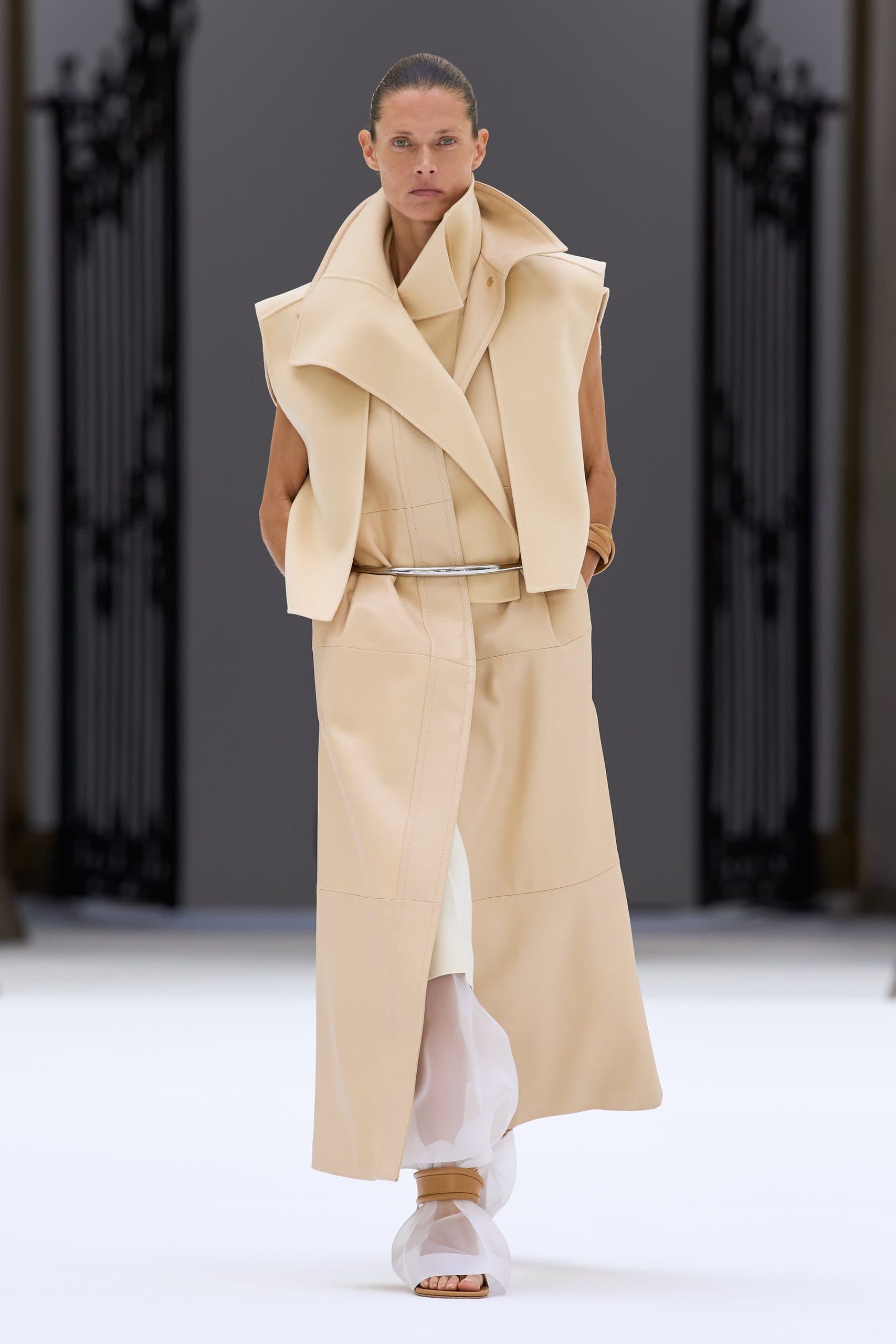
Sportmax, meanwhile, looks more directly at today’s weather conditions. Shown in the courtyard of Palazzo Litta, the collection is about dressing during heatwaves. To do this, the studio removed sleeves from a significant part of the outerwear and layered almost invisible silk organza.
Organza trousers are tied at the ankles; sheer layers are worn over cotton slip dresses embroidered with lace. Proposing a leather hoodie as an answer to the climate crisis is, of course, a contradiction in itself. But what Sportmax suggests with this collection is that dressing for hot weather is no longer simply a matter of seasonal styling.
Bottega Veneta
Light, Lighter
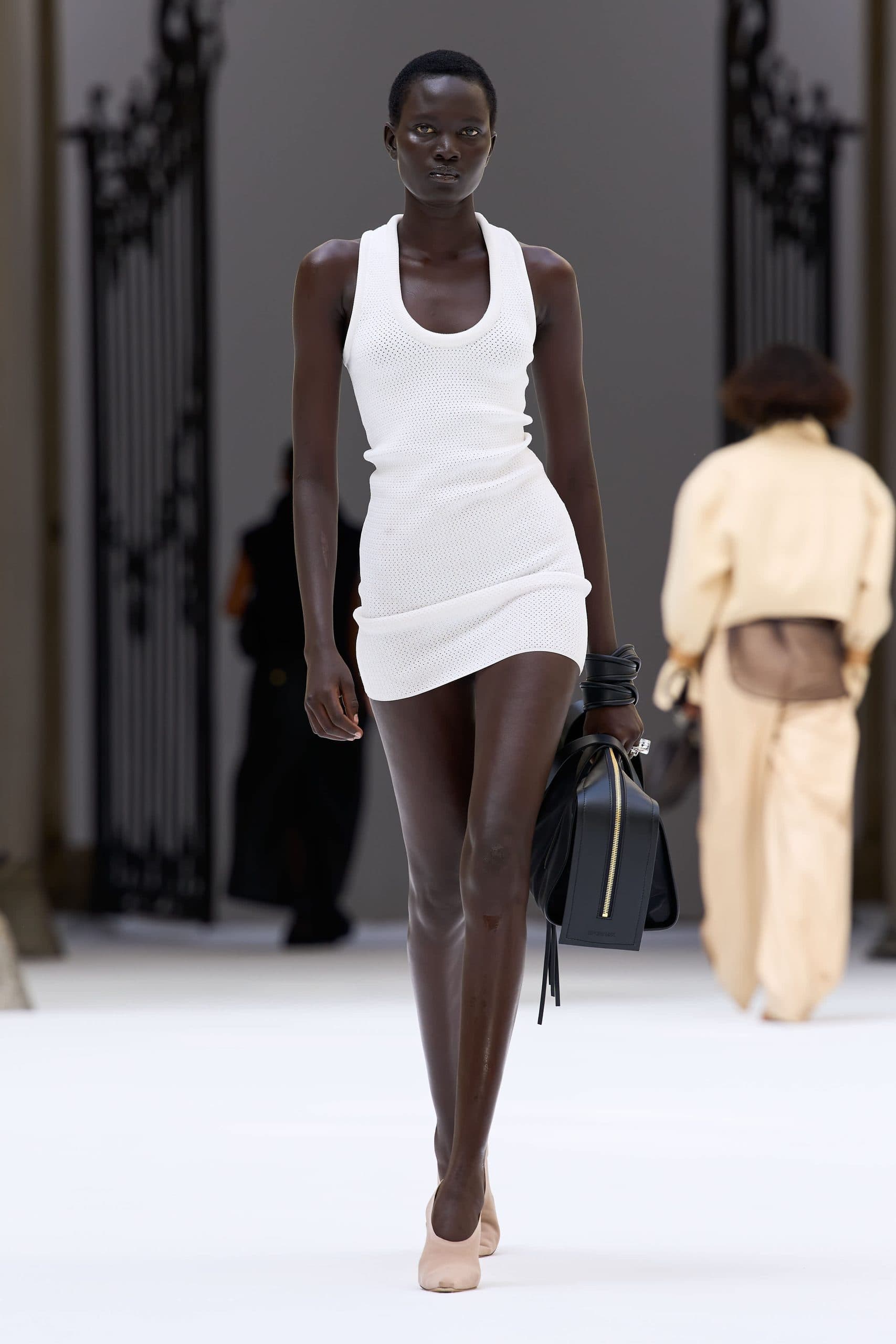
Louise Trotter’s starting point at Bottega Veneta was also the changing seasons and their effect on everyday dressing. After moving to Milan, Trotter noticed how the four seasons change the way we dress day to day; the collection moves from the protective feeling of winter towards removing and shedding layers for summer.
In her first two Bottega collections, craftsmanship sometimes came before the clothes themselves. This time, everything is light. The hems of padded coats are knotted as if their wearers were about to step into the water, tiny pieces of intrecciato leather are tied around the waist; then come lilac, butter yellow, white lace, open knits and fringes.
It is impossible not to compare Trotter’s Bottega with Matthieu Blazy’s, and it probably will be for some time. But the difference is becoming clearer. Rather than Blazy’s “these jeans are actually leather” approach, Trotter seems more interested in the movement of the material.
Giorgio Armani
Armani After Giorgio
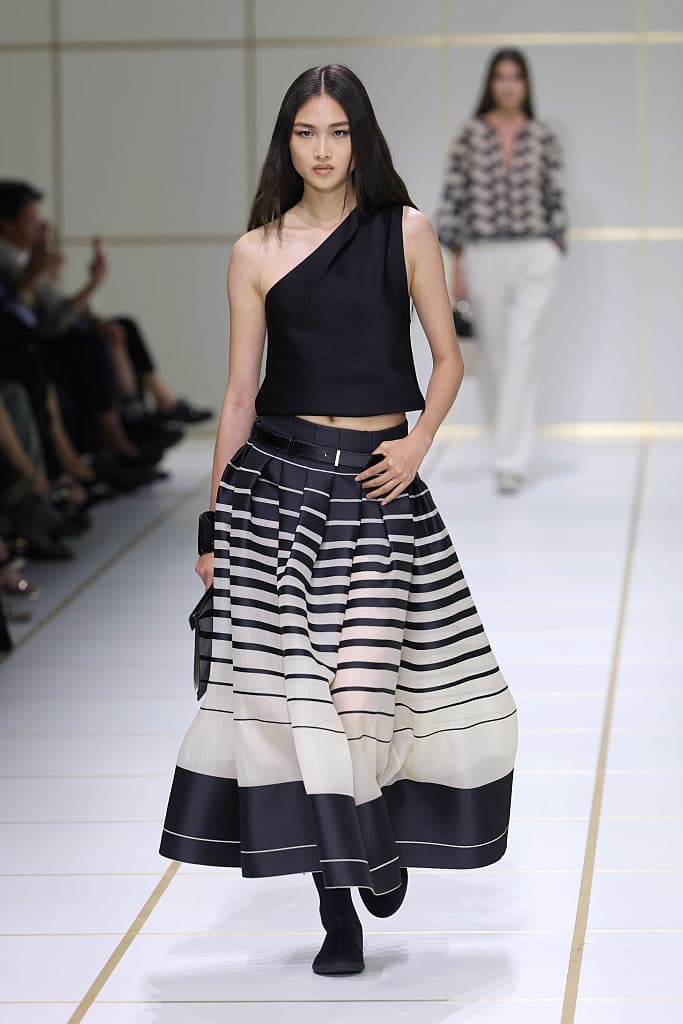
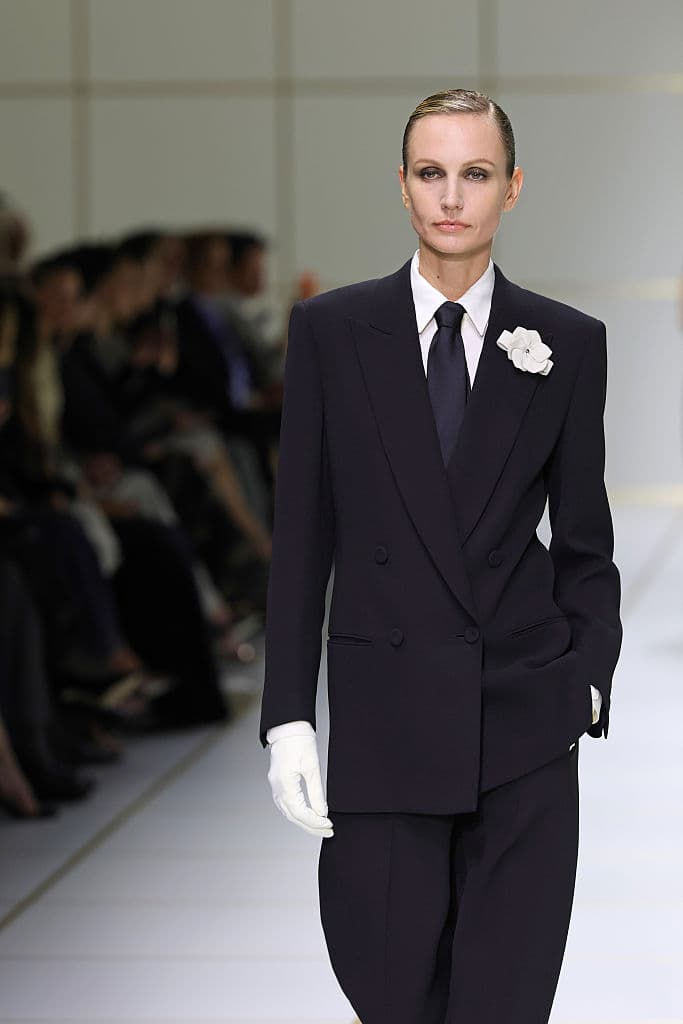
This is Silvana Armani’s second womenswear ready-to-wear collection in the post-Giorgio Armani era, so it is not a “first”. Her first test was Autumn/Winter 2026. But Spring/Summer 2027 feels more symbolic because the house is returning to the Armani Teatro on Via Bergognone after a long absence, and the runway format that had become almost a ritual over the years has changed noticeably for the first time.
The evening began with an invitation in the form of a white Rubik’s Cube and continued with a disco ball. One of Silvana’s key references is the Armani jacket Grace Jones wore on the cover of her 1981 album Nightclubbing. This time, Silvana Armani brings the house’s familiar restraint into eveningwear: black liquid-silk tuxedo dresses, cotton tops with chrome studs. There is also a recreation of the suit Giorgio Armani wore for his First Communion as a child, and a jacket carrying his portrait in crystals.
Expecting every look to make us say, “Giorgio would have done this too,” would make the new creative team’s job impossible; making Armani unrecognisable would be equally pointless. For now, you could say Silvana is writing her own history through small gestures rather than trying to change the language.
Cover Photo: Vittorio Zunino Celotto/Getty Images
The Fifth City: Copenhagen Fashion Week
Paris Men’s Fashion Week Spring/Summer 2027: A Season Defined by Lightness, New Voices and Character