
Luxury hotels’ love affair with historic buildings looks set to continue this year. These five new openings breathe new life into century-old landmarks.
Contents
Serras Sevilla
Seville, Spain
As its name suggests, Serras Sevilla is a luxury boutique hotel in Seville, Spain, where it opened its doors two months ago in the historic Casco Antiguo district. It occupies a restored building designed by celebrated Spanish architect Aníbal González, the man behind the city’s world-famous Plaza de España. Built between 1915 and 1917 as Casa Álvaro Dávila, it was originally the residence of the Marquis of Villamarta.
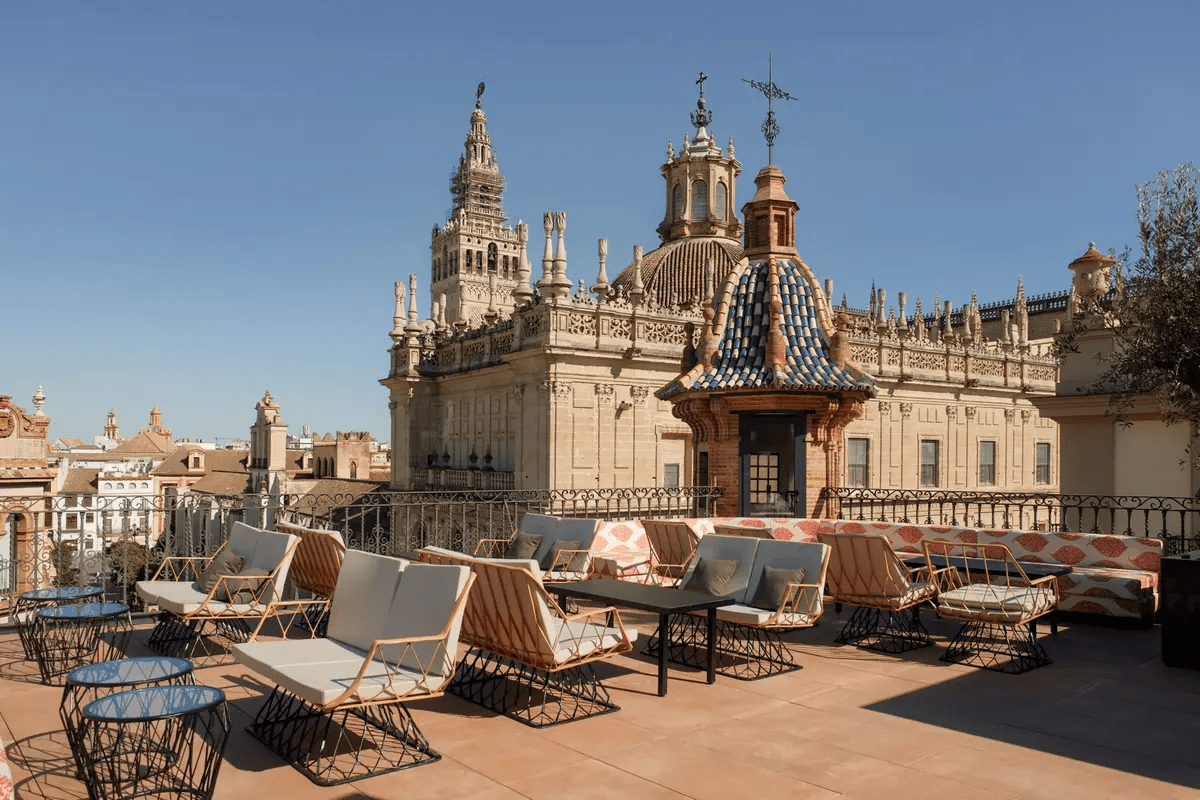
Regarded as one of the finest examples of Andalusian architecture, this historic palace-turned-hotel embodies both the Sevillian Regionalist movement (Regionalismo Sevillano), pioneered by González, and the Neo-Mudéjar style, with its Moorish-Andalusian influences. Its most distinctive feature is the polygonal tower rising from one corner, reminiscent of a church dome. Handcrafted Triana ceramics, synonymous with Seville, feature prominently on the façade and throughout the interiors, while the 43 guest rooms—and the suites in particular—are decorated to reflect the building’s aristocratic past.
Hotel Lucile
Los Angeles, USA
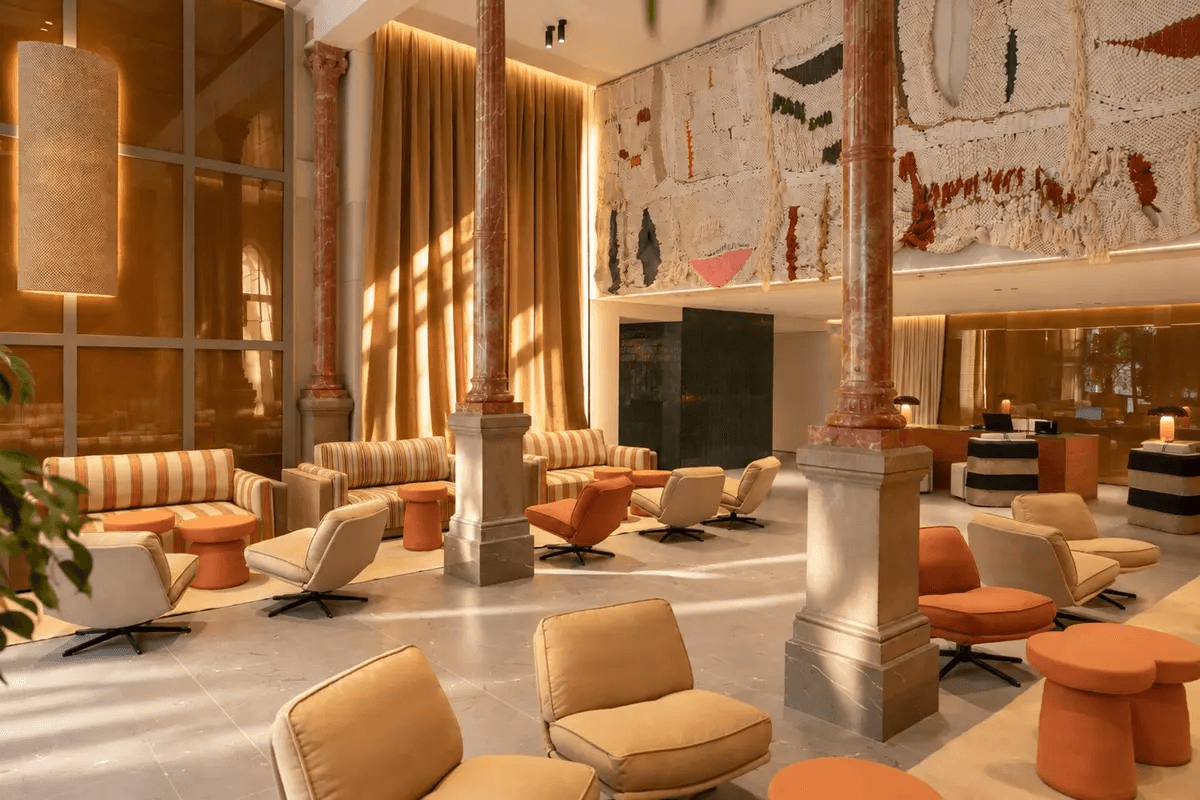
In the heart of Silver Lake, one of Los Angeles’s bohemian neighbourhoods, Hotel Lucile occupies a faithfully restored church building dating from the 1920s, its design bringing old and new together seamlessly. Originally built in 1931 by architect Scott Quintin as Bethany Presbyterian Church, the building was designed in the Romanesque Revival style. Reflecting the spirit of its era, it combines traditional ecclesiastical architecture with early modernist details.
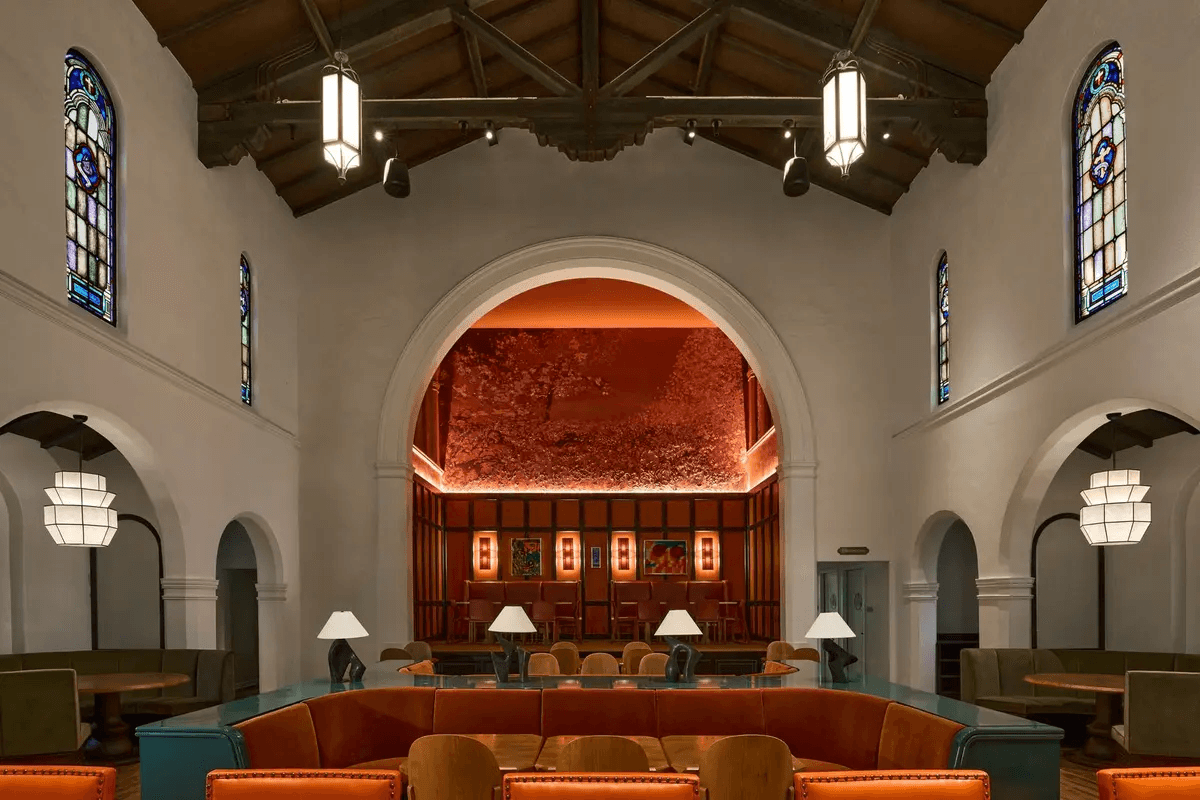
The church’s original vaulted ceilings and stained-glass windows were preserved in full during the restoration. The former nave now houses the hotel’s restaurant, Sous Sous, while hand-painted murals by artist Erin Lynn Welsh and contemporary works by local artists provide a contrast to the building’s historic fabric.
The Seminary
Vermont, USA
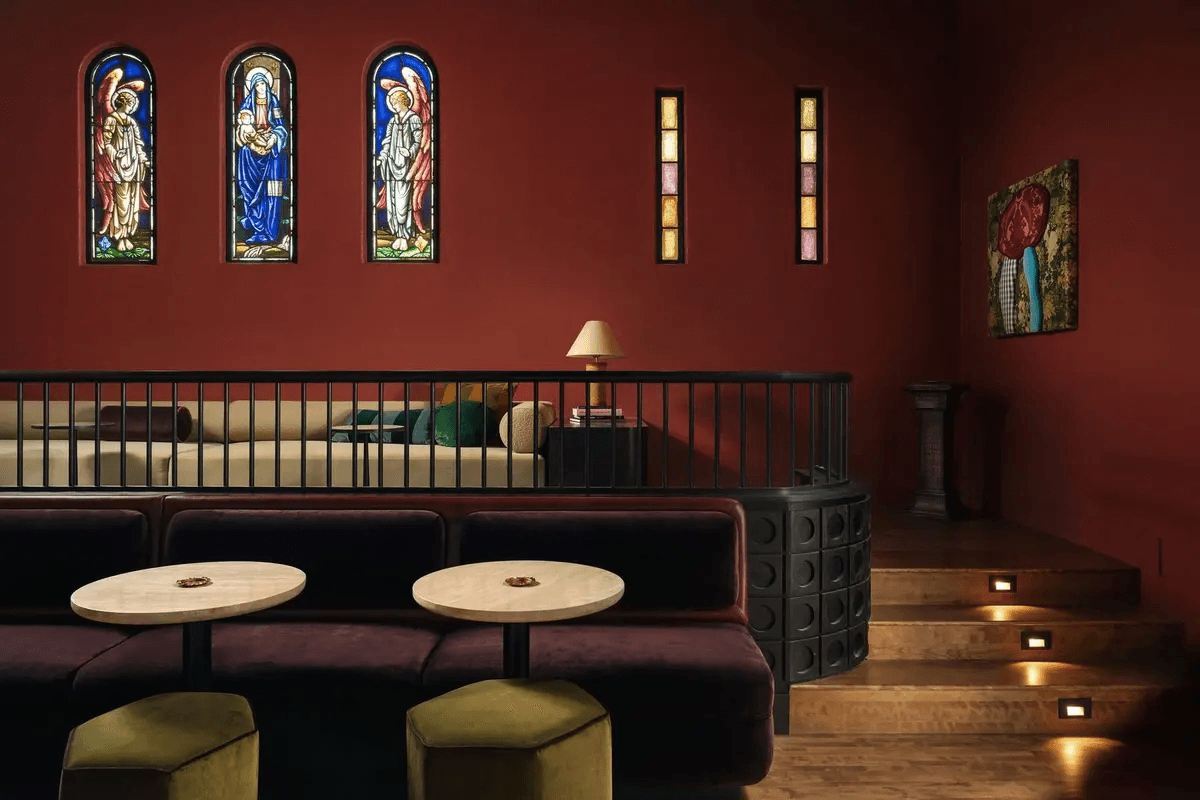
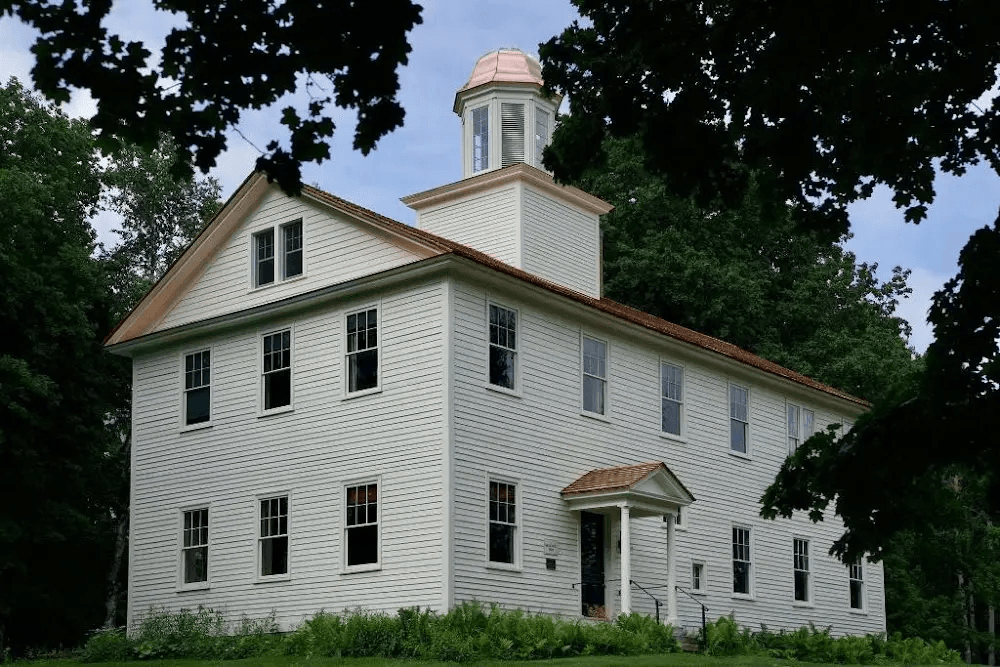
The Seminary is a new boutique hotel in Old Bennington, Vermont. Originally built as a boys’ boarding school in 1829, the historic building has been sensitively converted while remaining true to its nearly two centuries of history. Its interiors are the work of acclaimed architecture firm Hendricks Churchill.
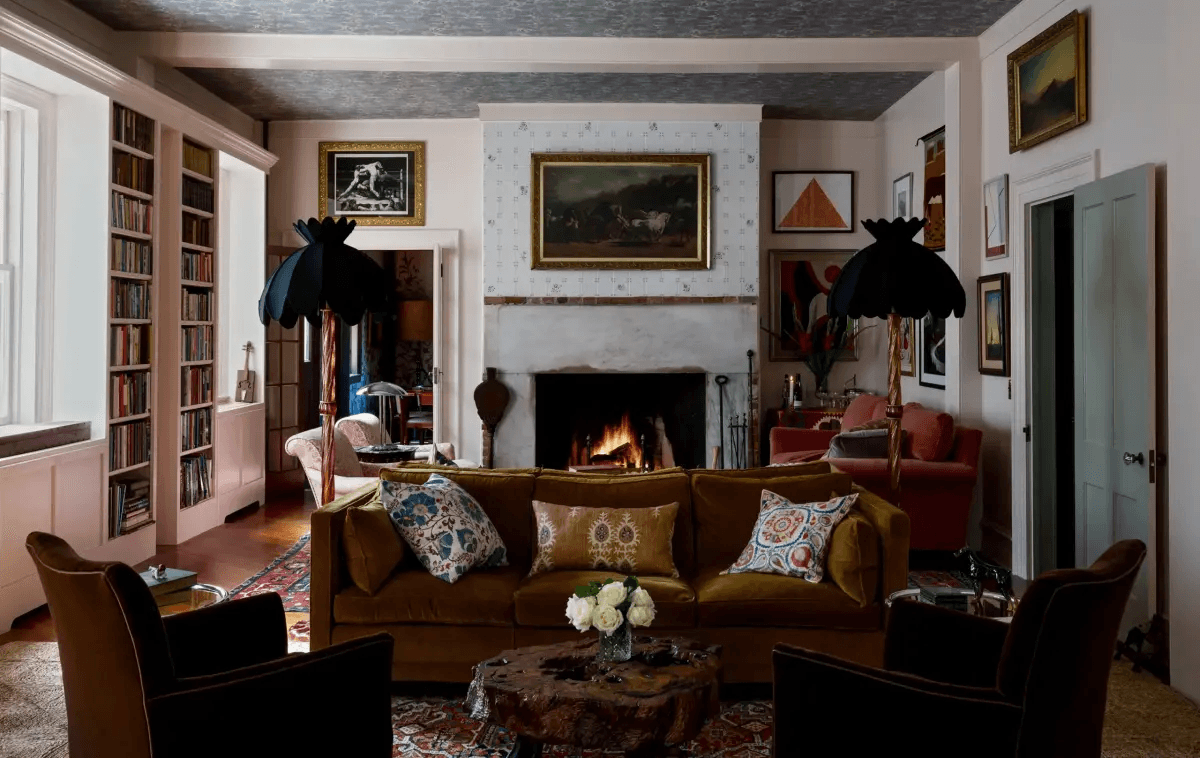
With just five en-suite bedrooms and a spacious attic suite, the hotel pairs a rich colour palette with antique American furniture. A library inherited from the building’s previous owners, with its distinctive book collection and historic character, serves as The Seminary’s principal gathering space.
La Réserve Firenze
Florence, Italy
This newly opened ultra-luxury residence hotel in Florence occupies Palazzo Segni, a Renaissance palace dating from the 15th century. Previously used as a 27-room student residence, the building underwent a four-year restoration during which original Renaissance frescoes and 15th-century ceiling paintings were painstakingly uncovered.
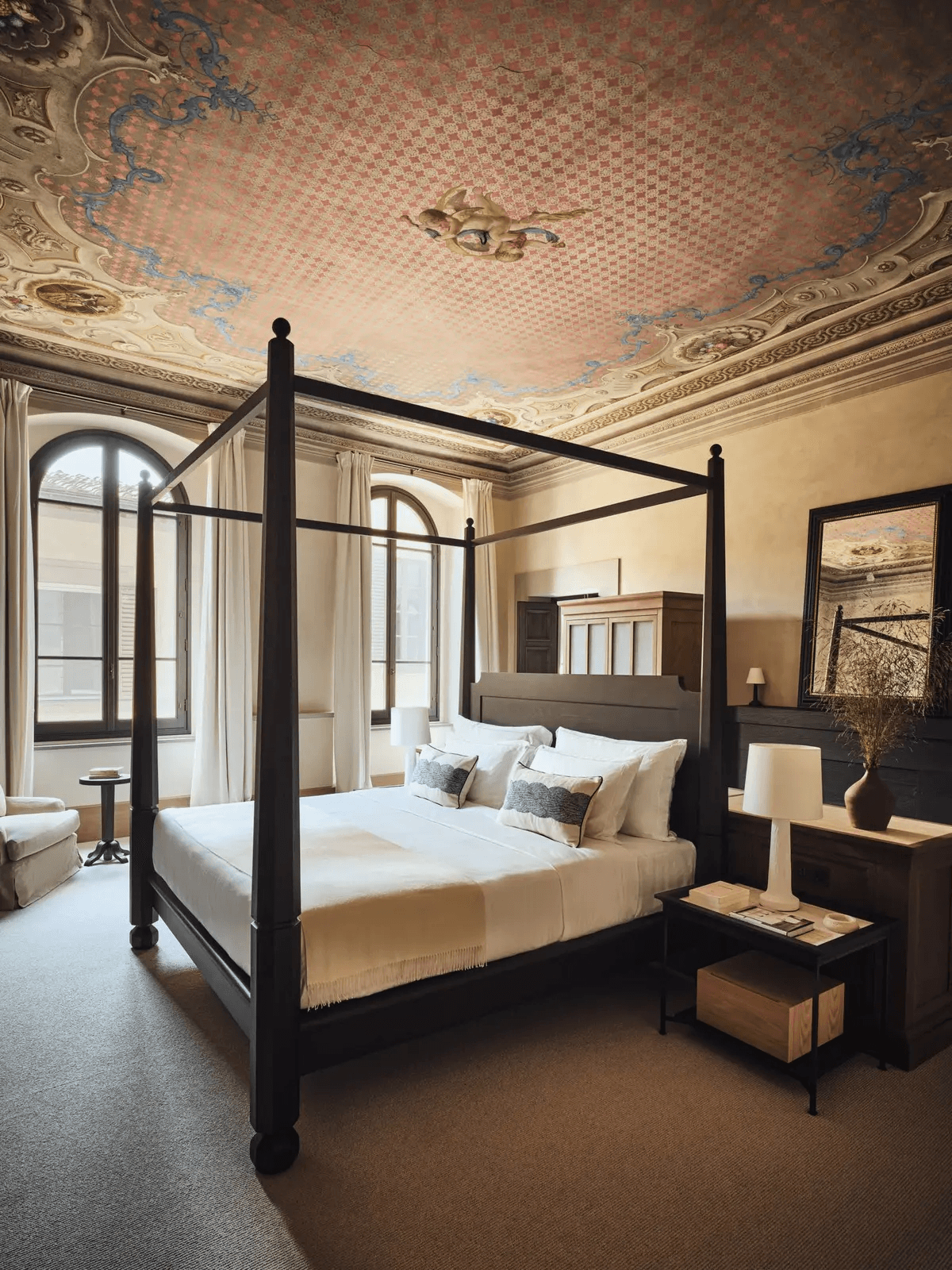
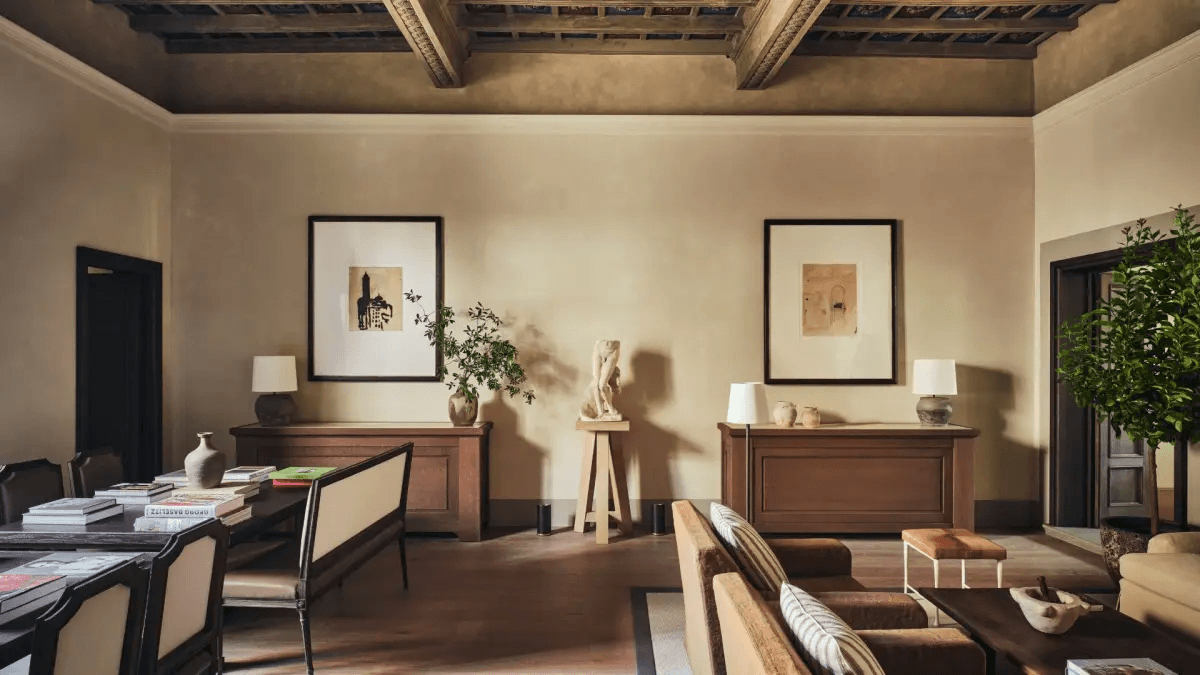
To create a sense of home, the interiors bring together rare objects sourced from around the world and contemporary works of art. With classical sculptures and historic tapestries keeping its illustrious past alive, La Réserve Firenze comprises just six luxury residences, inviting guests to experience the life of Florentine nobility.
Hoshinoya Nara Prison
Nara, Japan
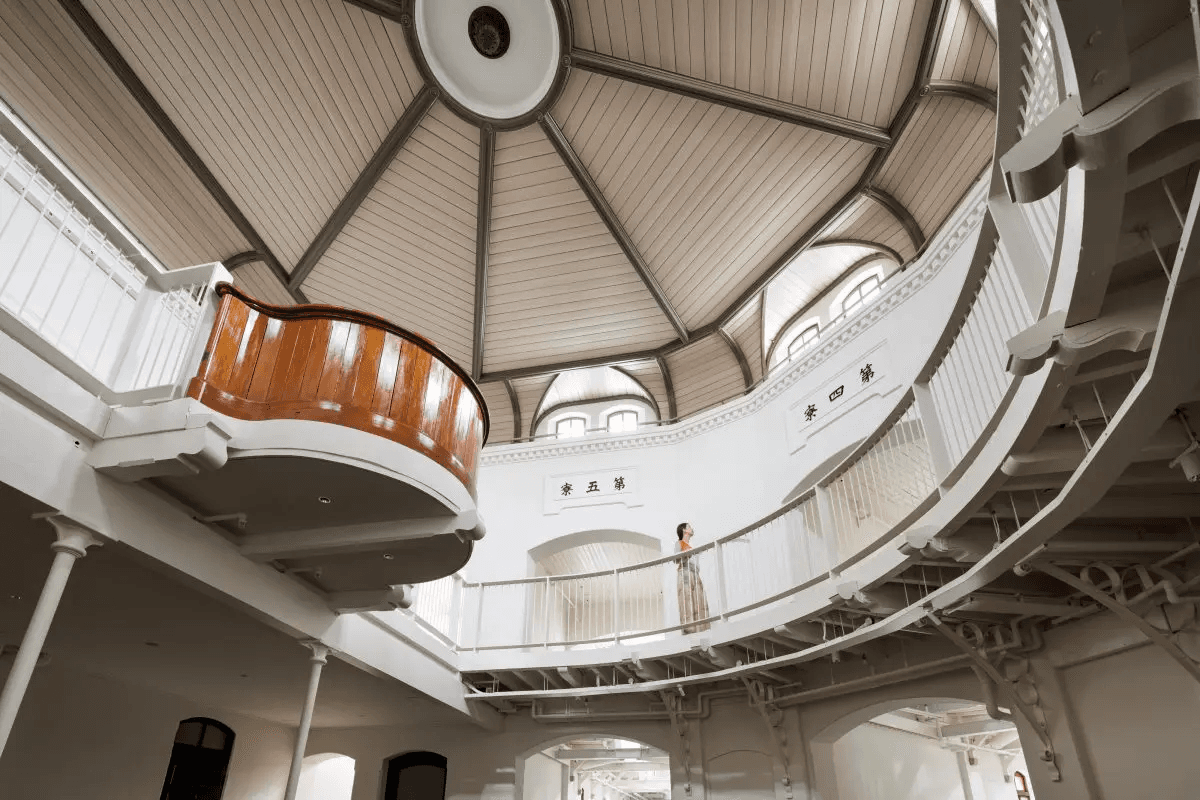
Built in 1908 during the Meiji era and designated an Important Cultural Property of Japan, the historic Nara Prison is now a luxury hotel. Acquired by renowned luxury hospitality group Hoshino Resorts and transformed through a seven-year restoration, the property retains the prison’s red-brick arched corridors, radial layout and watchtowers. Former prison cells have been combined to create 48 elegant, minimalist luxury suites.
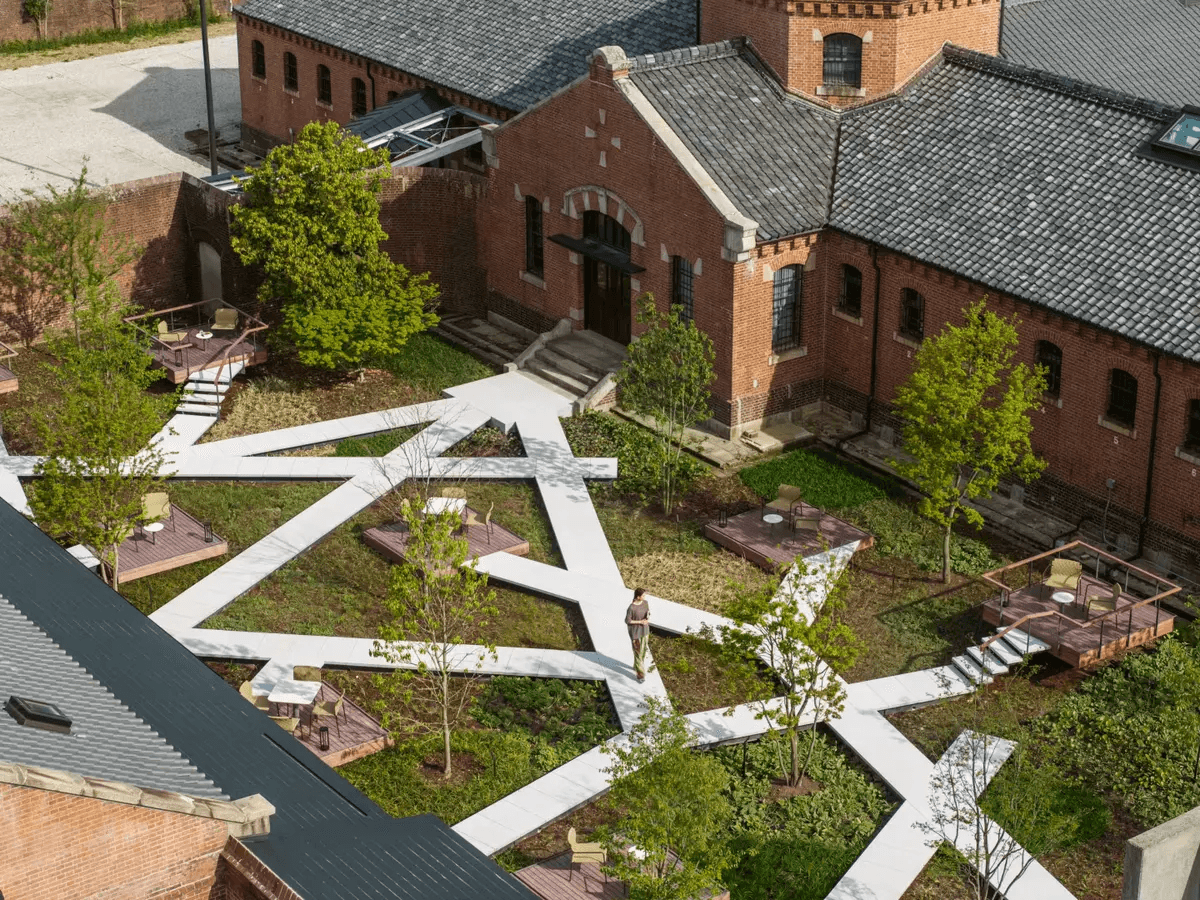
Hoshinoya Nara Prison dispenses with the bars and clubs found in more conventional hotels. Even the iron bars across its windows have been carefully preserved in a nod to its former life. Rather than a destination for entertainment, it is conceived as a retreat for solitude and personal transformation.