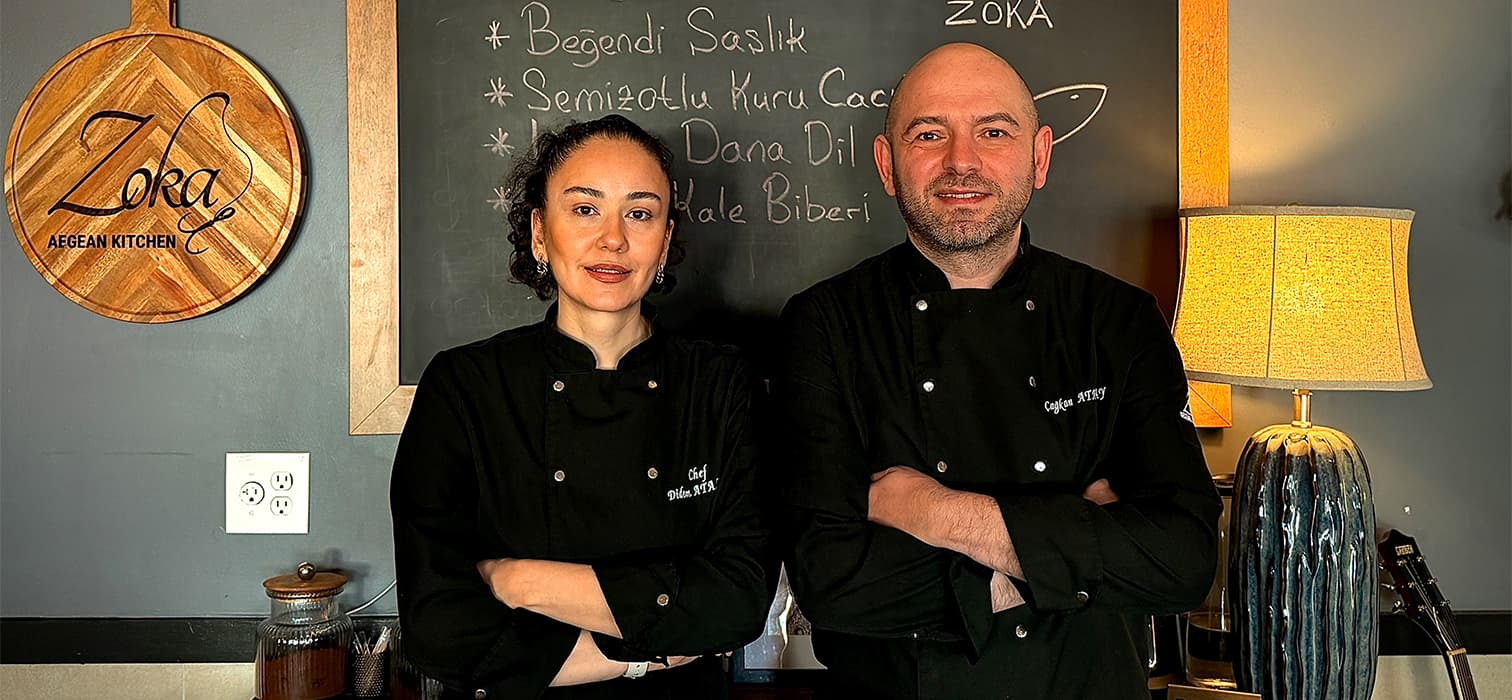
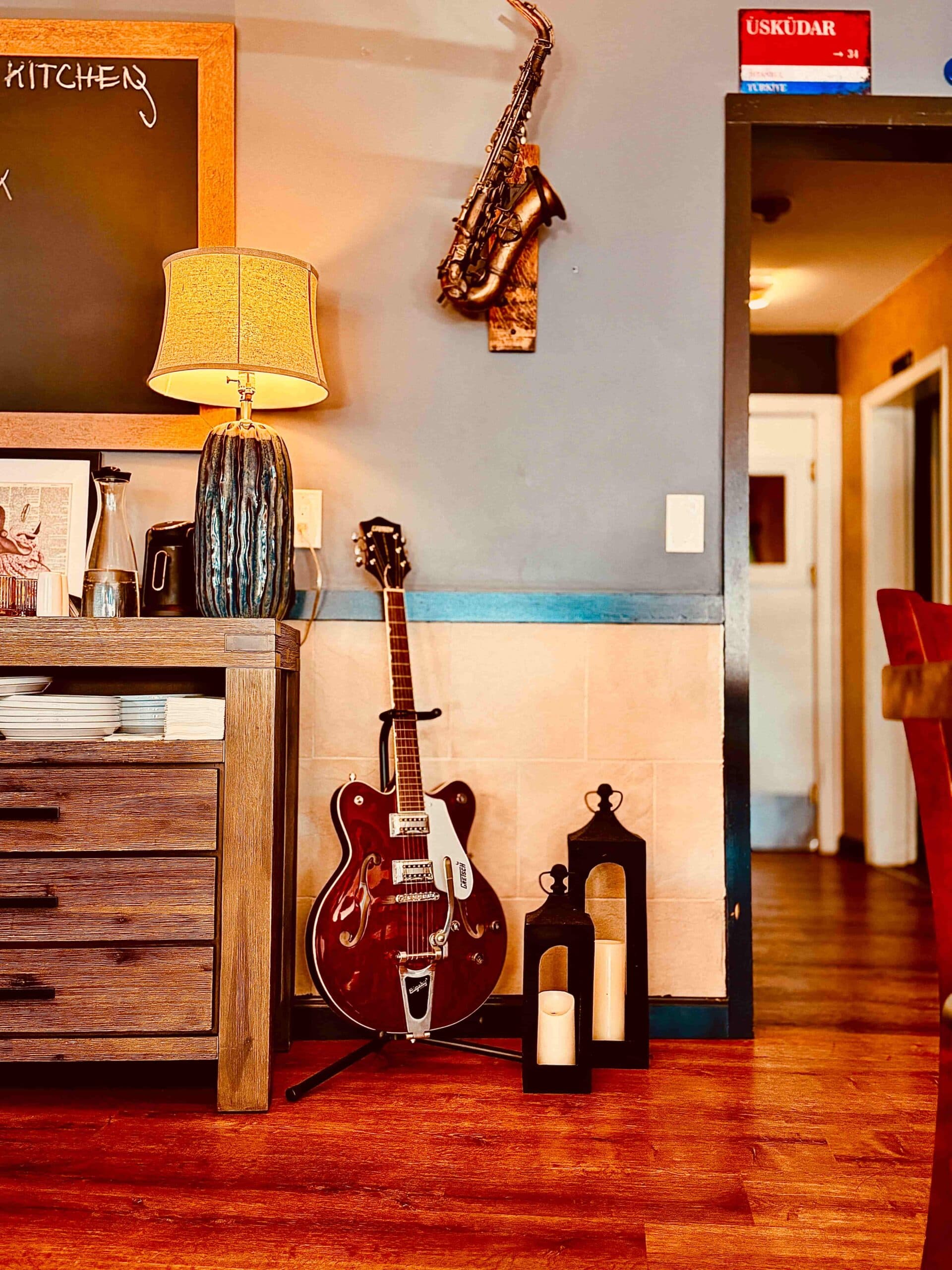
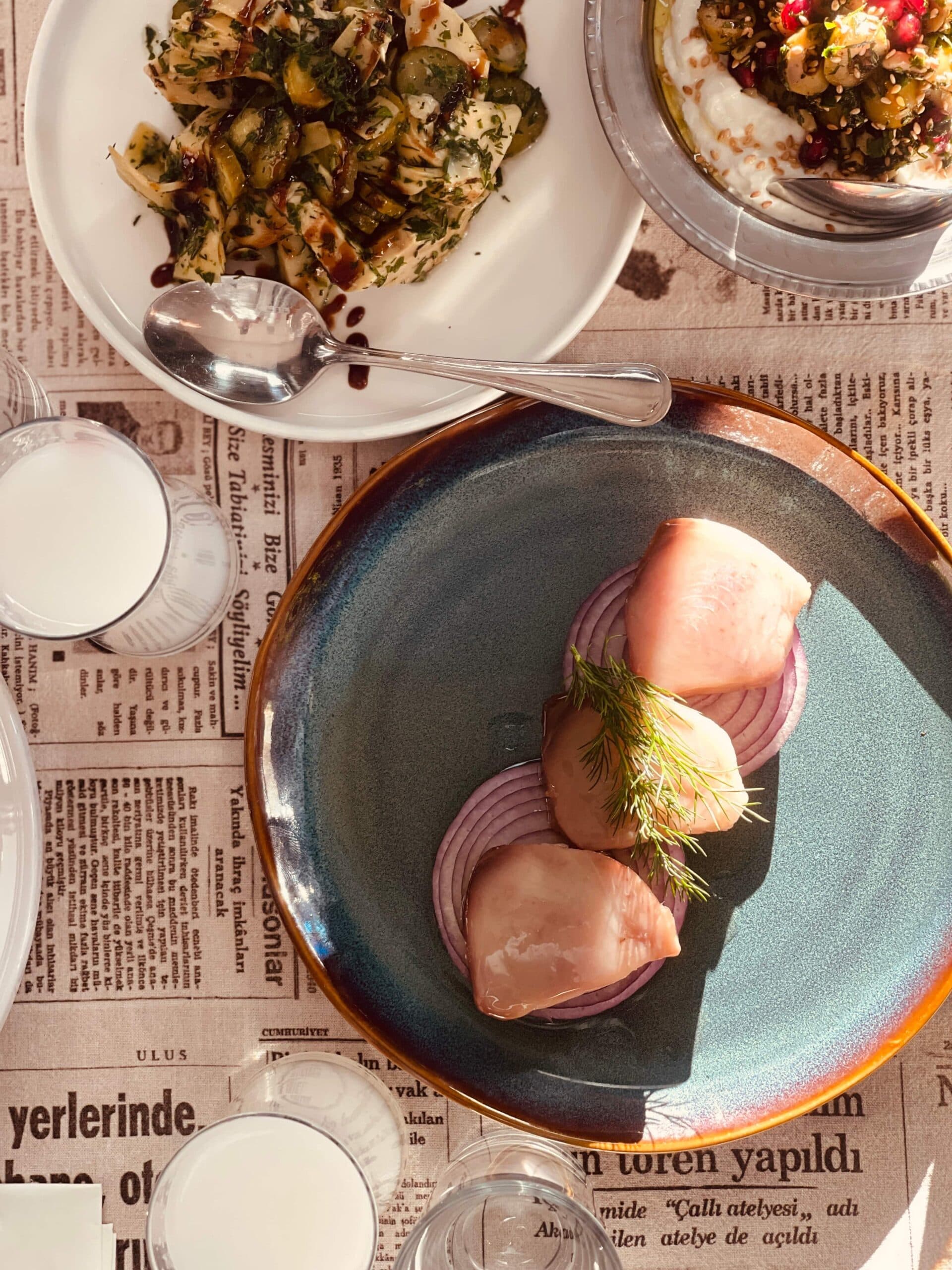
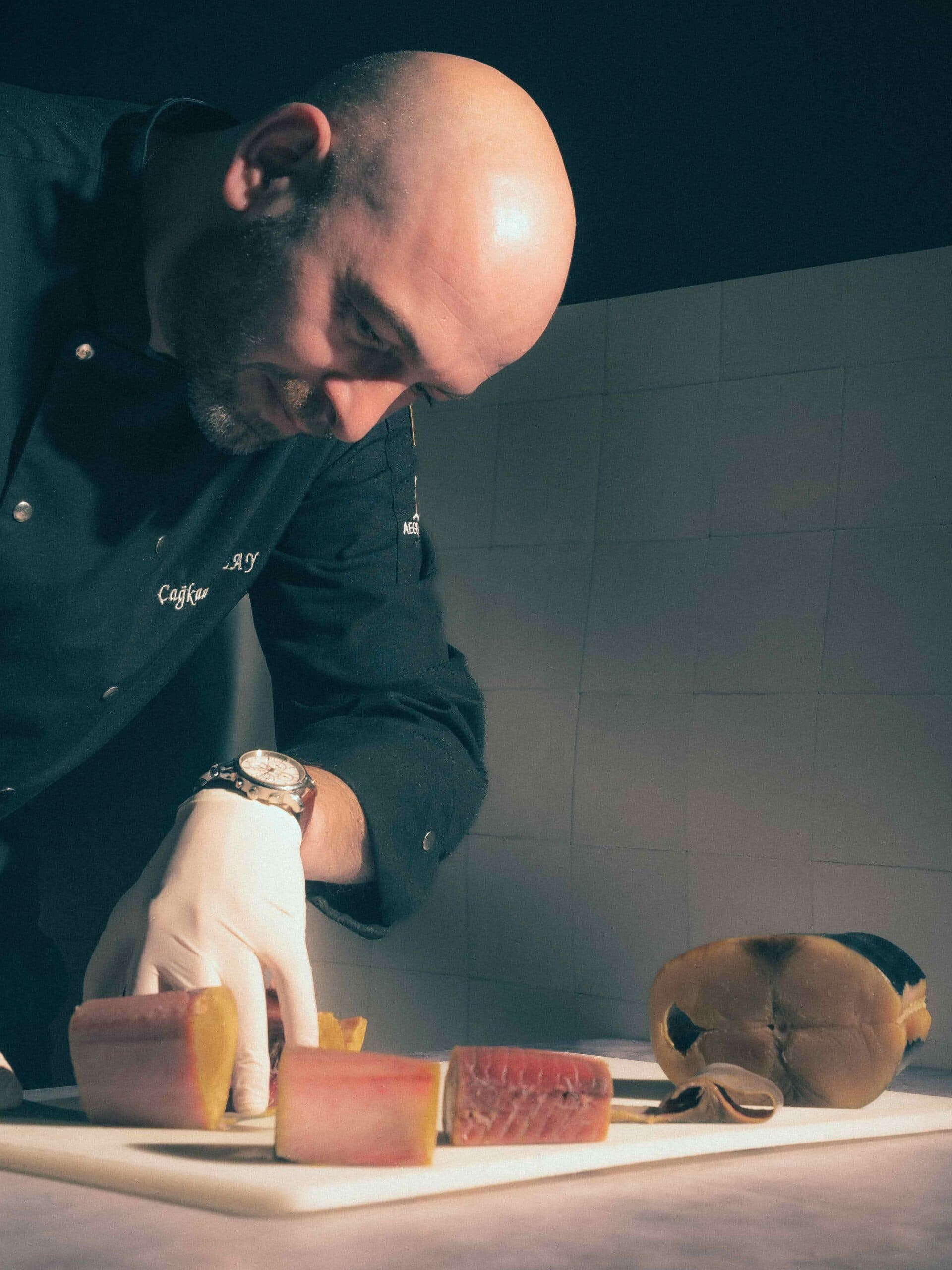
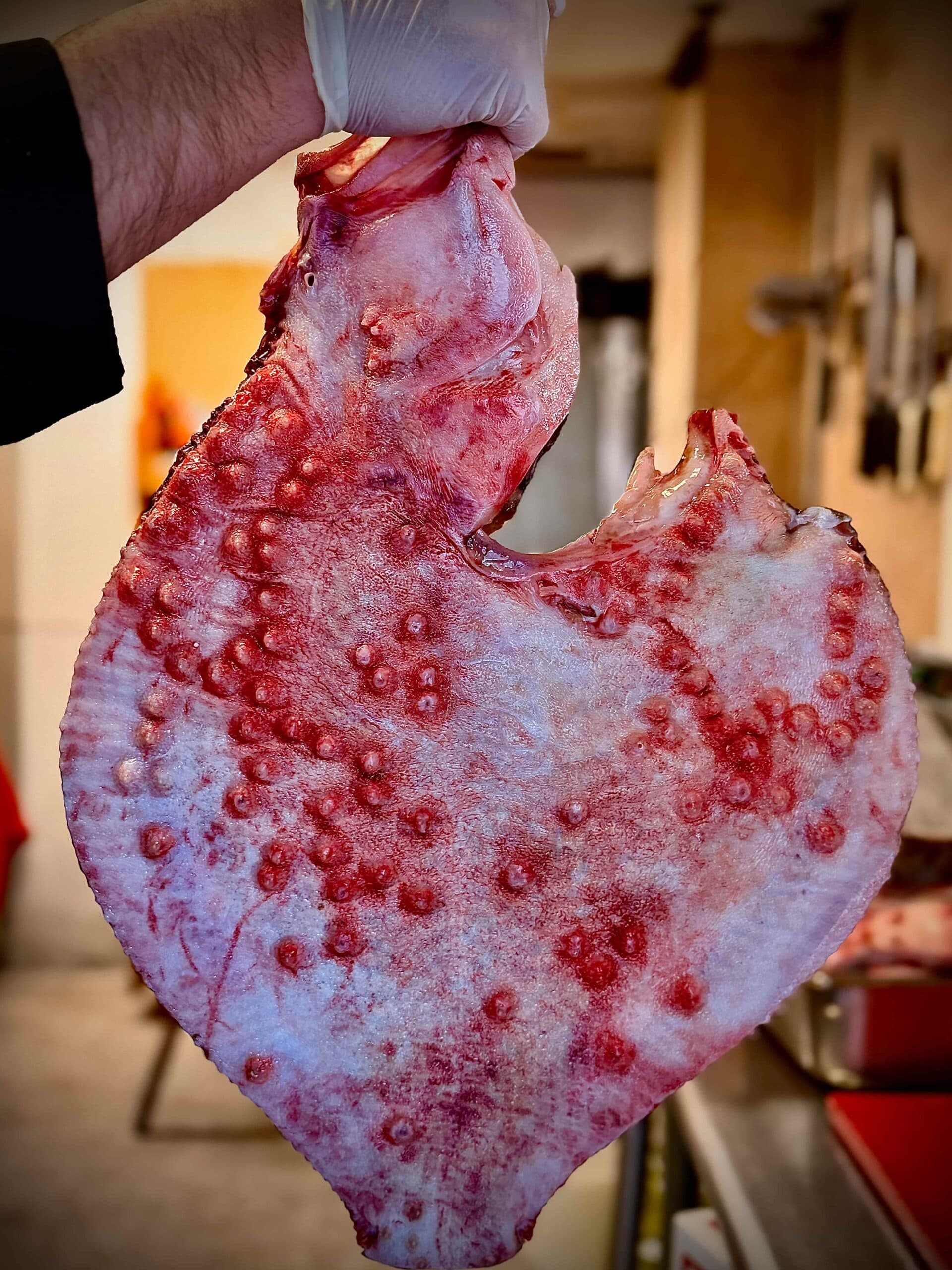
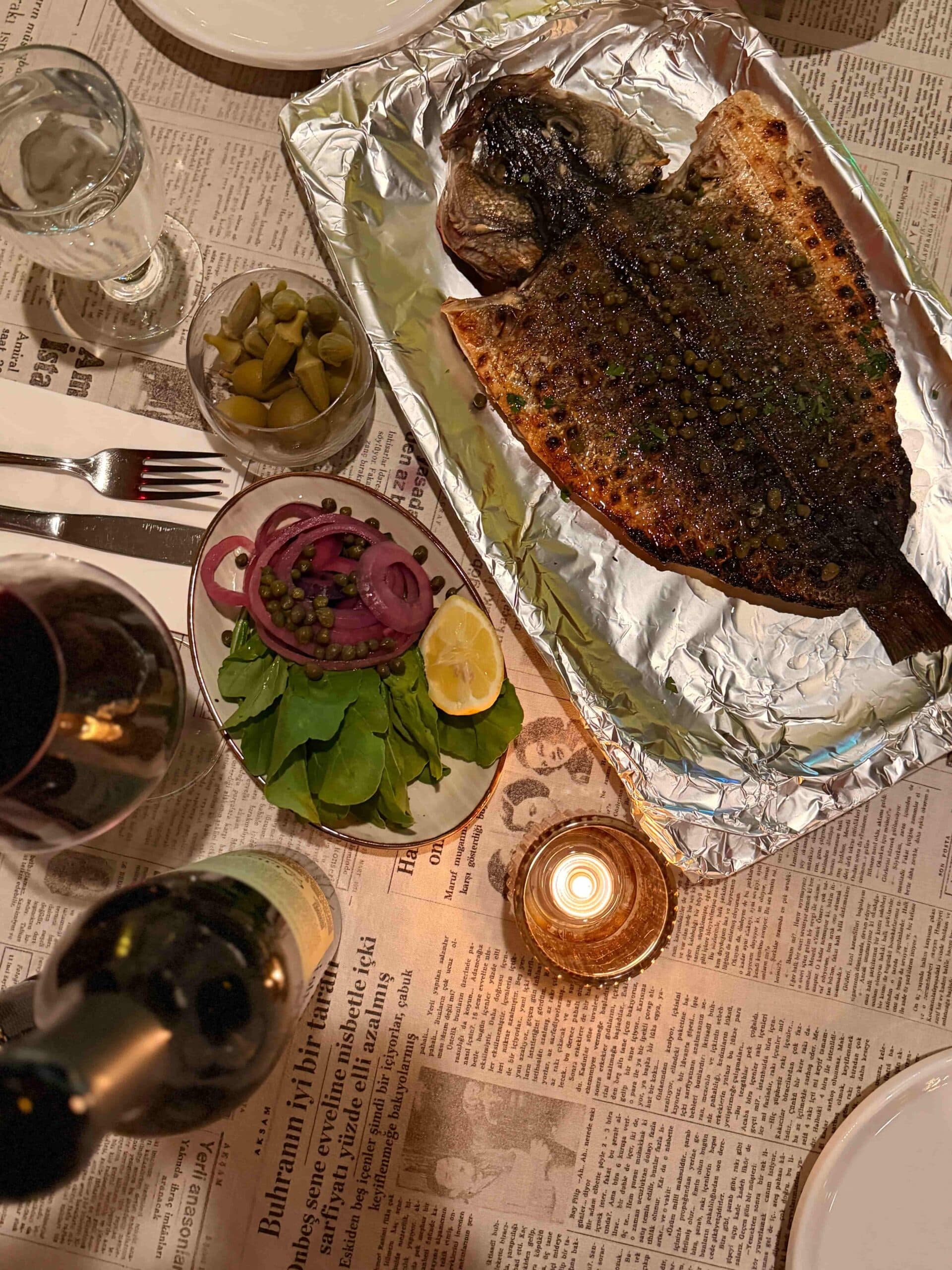
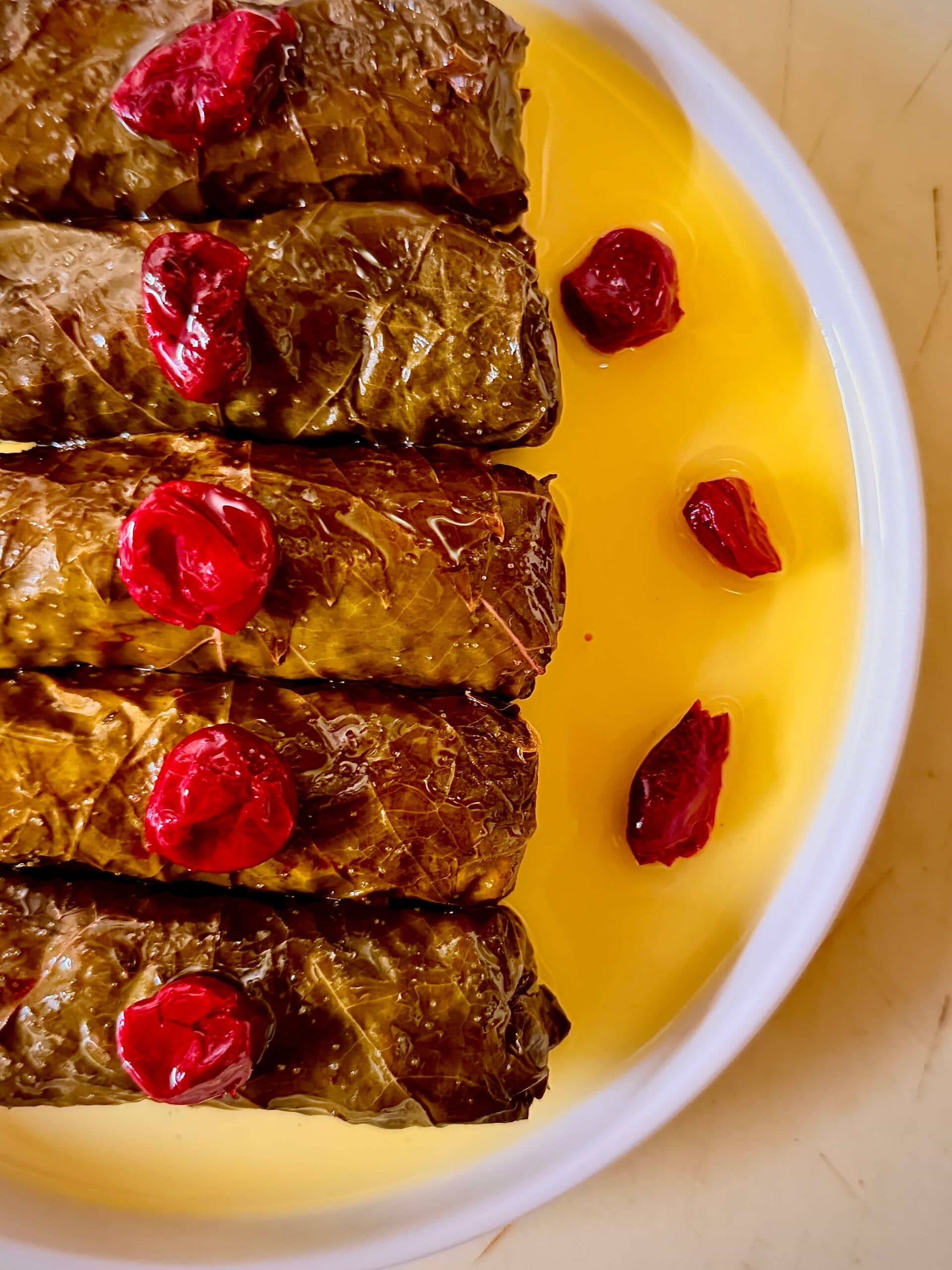
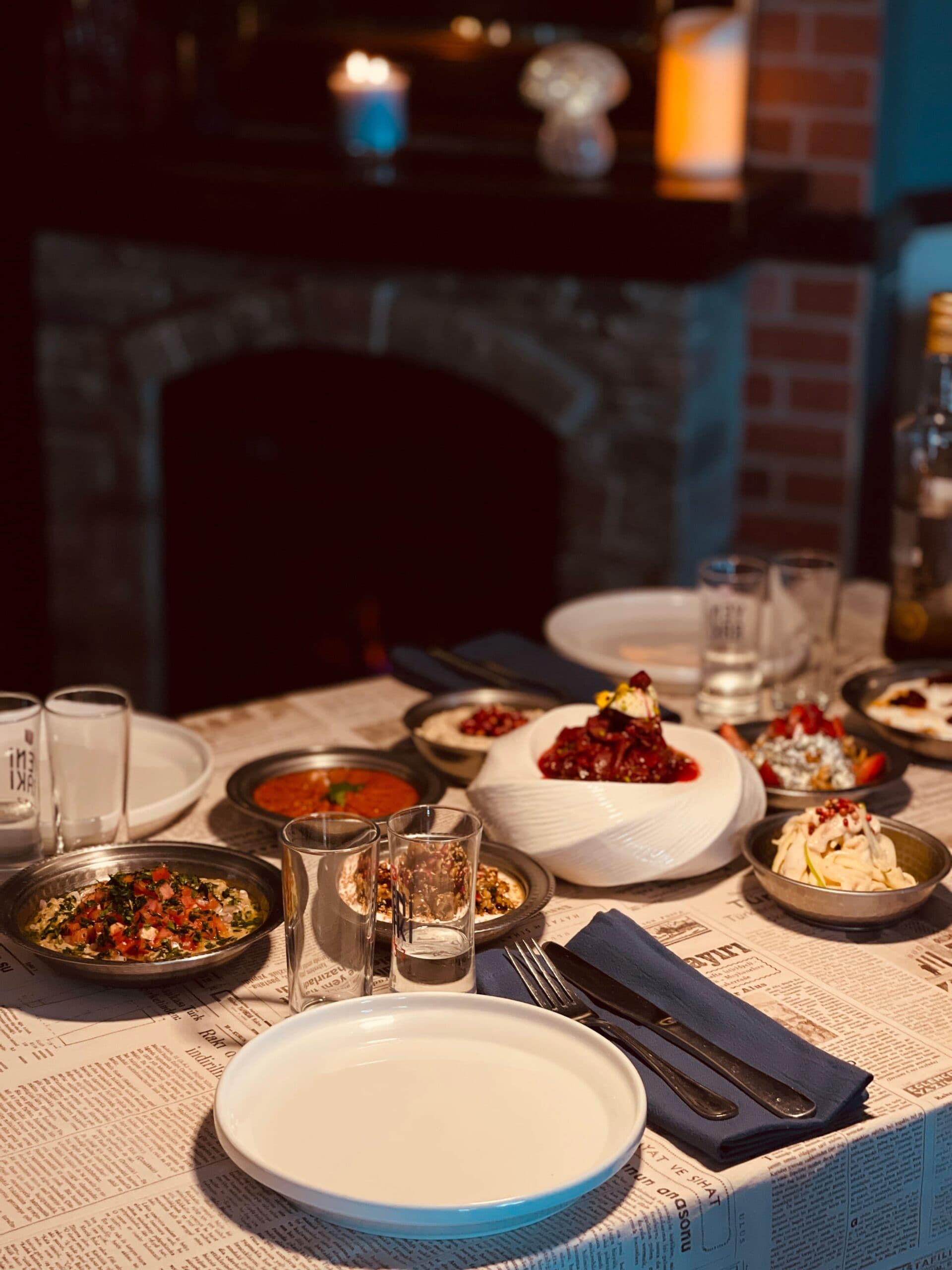
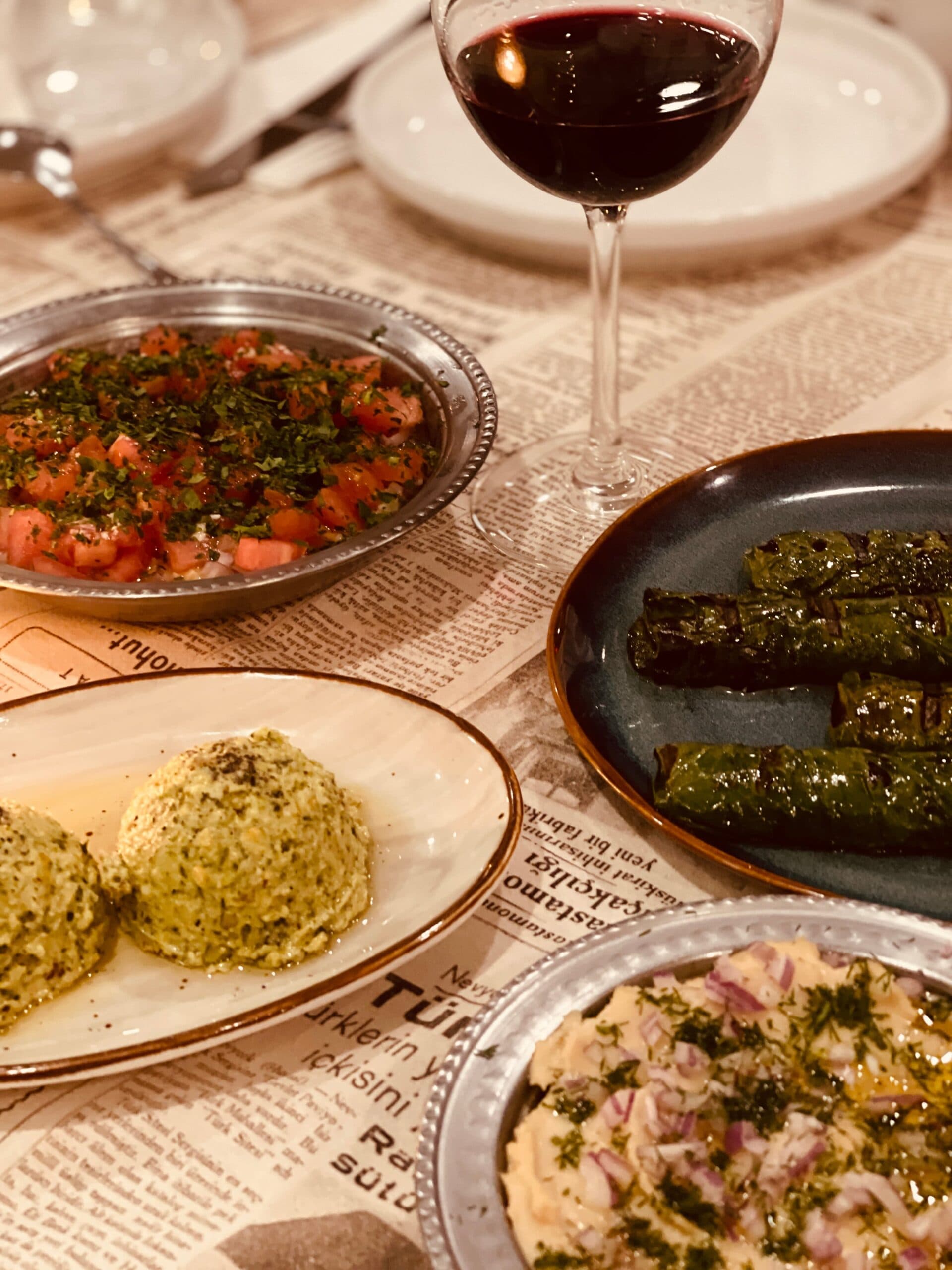
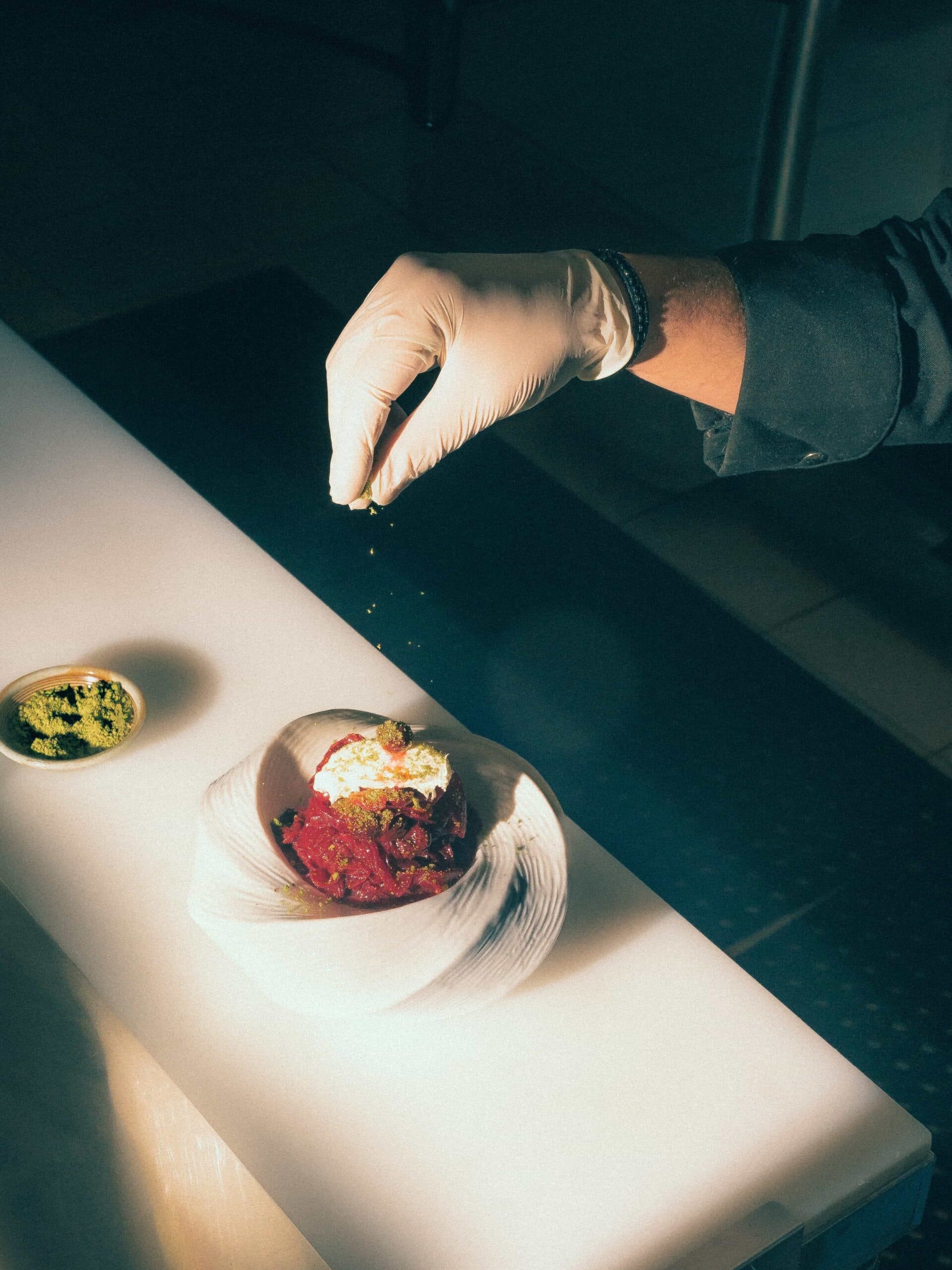
Opened two and a half years ago in New Jersey, Zoka Aegean Kitchen brings the flavors of Aegean cuisine and the fresh fish culture of the Bosphorus to America.
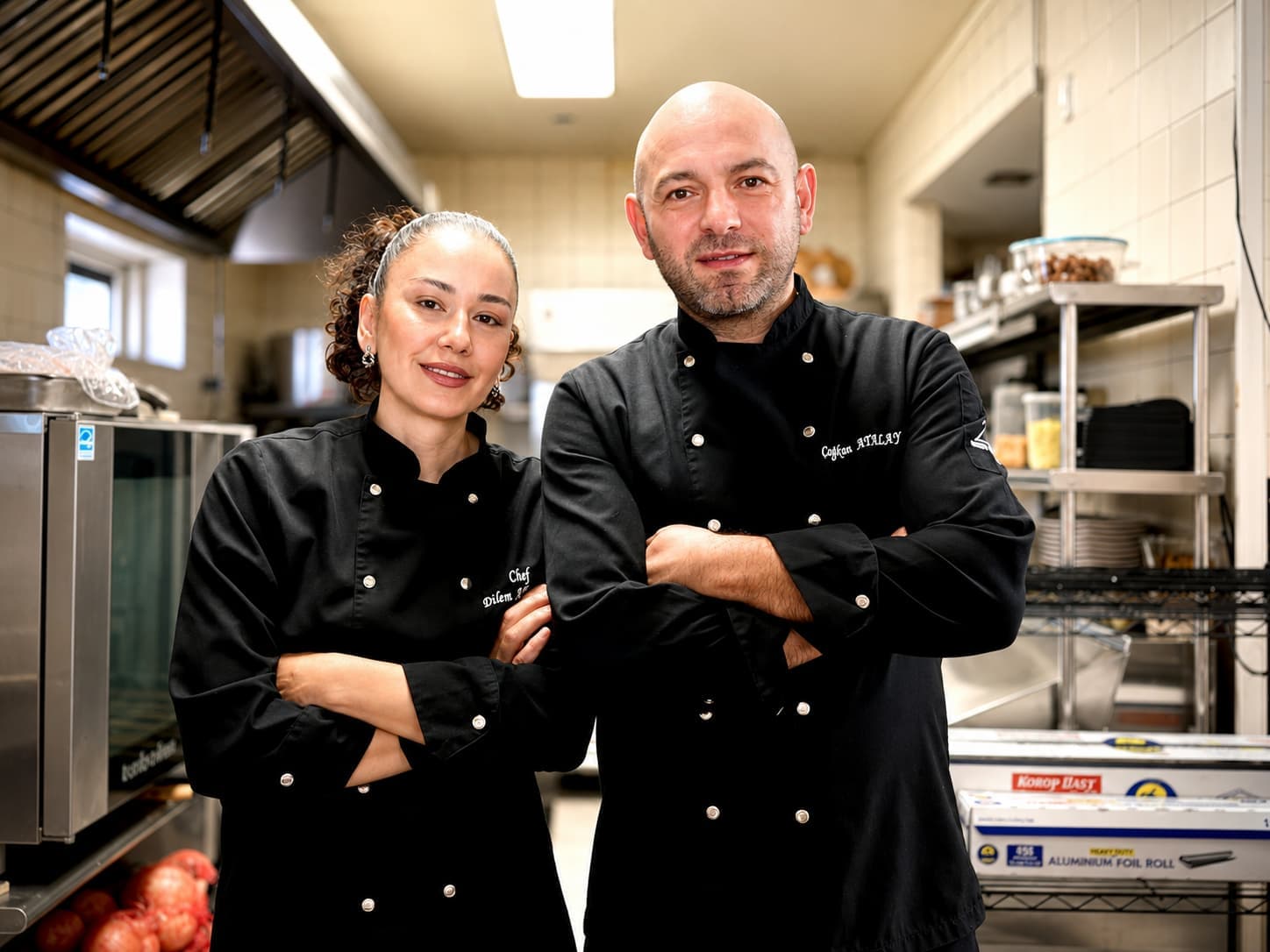
In New Jersey, the neighboring state of New York and home to many of the gastronomy world’s rising stars, there is a restaurant that carries the memory of the Aegean: Zoka Aegean Kitchen. When Didem and Çağkan Atalay moved to the United States in 2022 for the education of their daughter Ada Lina, now 11 years old, they were also preparing to pursue another dream they had nurtured for years. Having spent many years in the world of high watchmaking and fine jewelry, the couple turned their attention to the kitchen after settling in New York. What began as an interest gradually evolved into a passion, eventually leading to the birth of Zoka Aegean Kitchen two and a half years ago.
Opening a restaurant in America that serves delicacies such as lakerda, turbot, garfish, and many of the flavors we associate with Aegean cuisine is undoubtedly a bold undertaking. Yet the Atalays never saw distance as an obstacle. Thanks to Zoka, enjoying a freshly served bluefish caught in the Bosphorus is no longer a dream for someone living in New York. Sometimes, the kitchen becomes the most powerful form of memory, one that erases geographical boundaries; when flavors are authentic, a table can make you feel close to home no matter where you are in the world. Didem and Çağkan Atalay shared the story of the table they built thousands of miles away from Turkey.
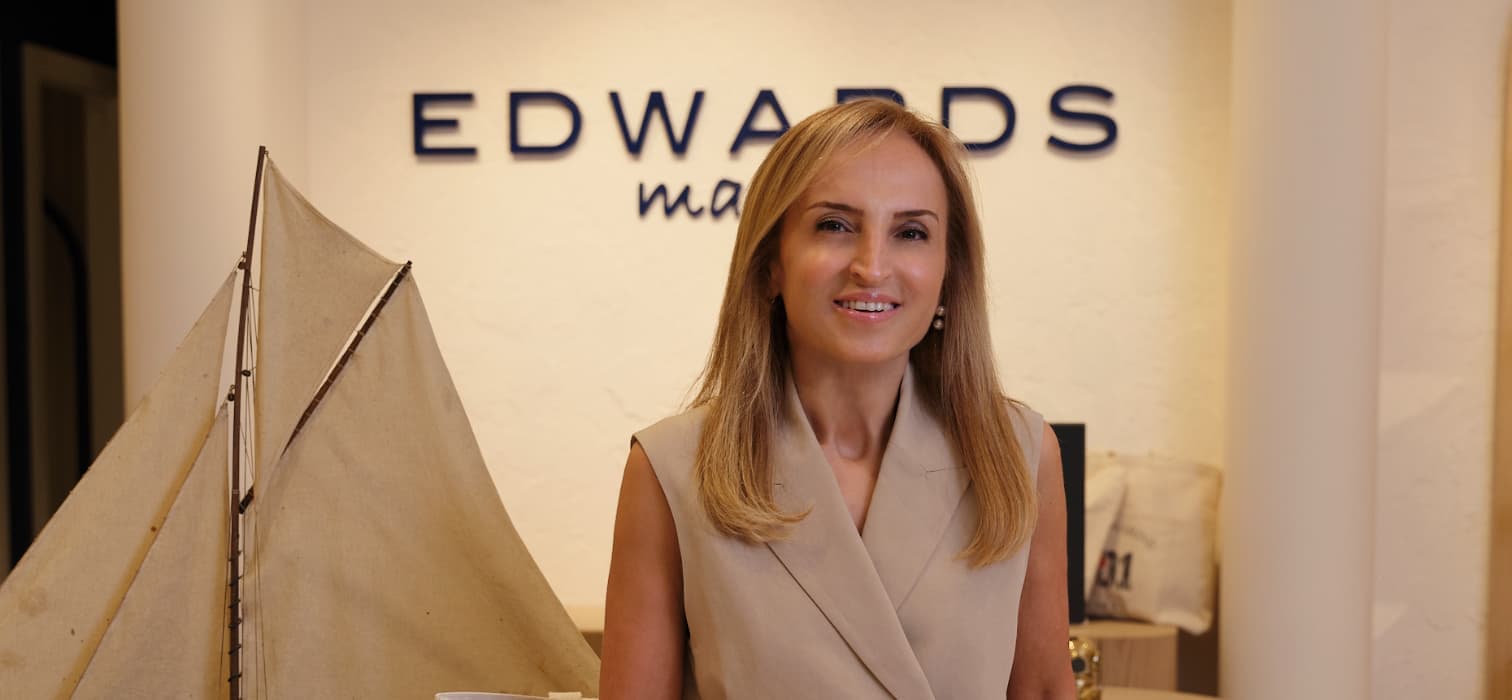
The Founder Of Zoka Aegean Kitchen, Didem And Çağkan Atalay
Could you tell us a little about yourselves? When and how did your culinary journey begin?
We moved to the United States in 2022 for our daughter’s education and decided to open the restaurant we had dreamed of for years. Inspired by the power of the table to bring people together, we wanted to carry the flavors of the lands where we grew up, along with the emotions attached to them, to our guests. Over time, our interest in cooking turned into curiosity, and that curiosity grew into a great passion. As we explored different techniques and flavors, we realized that good food is not only about satisfying hunger—it is also about telling a story. At Zoka, we strive to tell that story by bringing the sincerity, seasonality, and culinary philosophy of the Aegean to the table.
How did you and your spouse meet in the same creative language while opening the restaurant?
What brought us together was not elaborate food, but sincerity. We both believe that a dish is more than just flavor. A plate can carry a childhood memory, a coastal town, or a family table. My spouse and I have different instincts in the kitchen, but we share the same spirit. I tend to be more technical and detail-oriented, while she approaches things more intuitively and emotionally.
Over time, this difference evolved not into conflict, but into a language that complements itself. I even remember sitting on two paint buckets the night before opening the restaurant and talking for hours about one thing: “Everyone who comes here should feel as if they are visiting our home. With every bite, they should find a memory from their childhood, their life, or their past.” I think that sentence we formed that night still describes the spirit of Zoka better than anything else.
Zoka Aegean Kitchen
Zoka Aegean Kitchen
We Never Wanted to Be an Exotic Turkish Restaurant
Do your instincts ever clash while running a restaurant together?
Of course they do. In a creative profession, that is completely natural. But over time, we learned how to recognize each other’s strengths. Today, we can often sense the same thing in the kitchen without speaking. The pace of service, the energy of a guest, the element missing from a dish… all of these have gradually become part of a shared rhythm.
What kind of story did you want to tell when positioning Aegean cuisine within the gastronomic scene of New York and New Jersey?
We never wanted to be “an exotic Turkish restaurant.” The story we wanted to tell was simpler and more genuine. The greatest challenge of introducing Turkish cuisine in America begins right there. Most people know our cuisine only through kebabs. Frankly, we do not think we have been as successful as the Greeks in presenting Aegean cuisine to the world.
Yet at the heart of Aegean cuisine lies simplicity: good olive oil, the right ingredients, seasonal fish, and the balance of fire. We wanted to tell this story in a contemporary language without losing its memory. That is why we try to construct every dish as a small narrative. Because a plate is not merely food—it is the memory of a geography. Through our cuisine, we hope to show people that Turkish food is not only nourishing, but also deeply evocative.
Zoka Aegean Kitchen
Zoka Aegean Kitchen
The feeling that bluefish, bonito, or turbot evokes in us is connected to our childhood memories.
What was it like to rebuild a culinary memory born in Turkey thousands of miles away?
At times, it was a deeply emotional journey; at others, a very challenging one. The tone of voices in a meyhane, the sense of sharing around the table, the meaning of a small meze enjoyed alongside rakı, the music playing in the background… You cannot replicate these things exactly in America, but you can carry their spirit. That is precisely what we are trying to do.
Is working with fish imported from Turkey simply a product choice for you, or is it a cultural statement?
It is definitely a cultural statement. Some flavors are more than just tastes; they carry geography within them. In our opinion, the most delicious fish in the world come from our seas. The feelings that bluefish, bonito, or turbot evoke in us are tied to our childhood memories. Working with these ingredients feels, in a way, like placing the place we belong to on the table.
Zoka Aegean Kitchen
Zoka Aegean Kitchen
Turkish Cuisine Is Often Known Through a Few Clichés
As Mediterranean cuisine continues to rise within the American fine dining scene, do you think Turkish cuisine is still not fully represented?
Yes, we do. Turkish cuisine is often recognized through a handful of clichés. Yet we are talking about a cuisine that is layered, profound, and rich with countless geographically distinctive products. With its vegetable-focused character, lightness, and emphasis on seafood, Turkish cuisine actually aligns very naturally with contemporary gastronomic values. The challenge is that it still needs to be communicated to the world in the right way.
Does the lightness and natural character inherent in Aegean cuisine align with today’s global gastronomic trends?
We believe it aligns perfectly. People are increasingly looking for food that is simpler, cleaner, and allows the ingredient itself to shine. Aegean cuisine has always been built on that philosophy. Rather than relying on heavy sauces, it highlights the product itself. Perhaps that is exactly why it is being rediscovered and appreciated today.
Zoka Aegean Kitchen
Zoka Aegean Kitchen
In Aegean cuisine, fish is not just an ingredient but also a way of life. Do you think this culture is understood in America?
Not entirely, but it is attracting more and more interest. Despite New York being home to the world’s second-largest fish market, we still see farmed salmon dominating many restaurant menus. In our culture, fish has a season, a conversation, and a meze that accompanies it. As people experience this, they begin to realize that they are not simply encountering a dish, but an entire way of life.
Seeing Turkish-style lakerda and turbot on the menu is quite a bold choice for the gastronomic scene around New York. Why was it important for you to make these flavors visible?
We wanted to make the invisible visible. Today, many restaurants gravitate toward safer choices, but we believe taking risks is important. Perhaps the greatest example of that was at the very beginning of our story, when we left our entire established life behind and moved to America.
Without talking about the fermentation process behind lakerda, or the fact that turbot is among the fish species with the highest collagen content in the world, we would be telling an incomplete story about our cuisine.
Some dishes at Zoka evoke the memory of an Istanbul meyhane, yet they also feel remarkably contemporary. How do you balance these two worlds?
We do not actually see those two worlds as separate. Traditional meyhane culture contains a powerful sense of memory, ritual, and sharing. For us, being contemporary does not mean disrupting that spirit; it means retelling it in the language of today. It is incredibly meaningful when our guests experience a familiar feeling in a single bite while also saying, “I’ve never had this quite like this before.”
Zoka Aegean Kitchen
Zoka Aegean Kitchen
How did the idea of importing fish from Turkey come about? How challenging were the logistical and legal processes?
Fish from Turkey was already making its way to America, but it was mostly sold through supermarket aisles. We brought it into our restaurant and expanded the range. Fish such as turbot, bonito, garfish, shi drum, bluefish, and grouper were almost impossible to find.
The most challenging part was establishing a sustainable and reliable system. But we believe it was worth it in order to tell the stories behind these ingredients properly. Today, a significant portion of our guests come specifically for this experience.
Do you care about the story of the fish as much as its freshness? Are you trying to create a sense of “memory” through the menu?
For us, the value of a fish is not measured solely by its freshness. Where it comes from, the waters in which it grew, and the story it carries are just as important. A bluefish that has never passed the Maiden’s Tower, a Beykoz turbot, a Black Sea anchovy, or a bonito caught off the coast of Şile…
Because the season in which a fish is caught, the shoreline it comes from, even the way it smells, all become part of the conversation around the table. What we are trying to do at Zoka is keep that memory alive. Even if what appears on the plate is a contemporary interpretation, we want the first bite to remind our guests of a familiar coastline, an old meyhane, or a table from their childhood.
Zoka Aegean Kitchen
Zoka Aegean Kitchen
For you, in which ingredient is the “taste of home” hidden?
There are hundreds of possible answers to that question. The salinity of sea beans, the tanginess of rock samphire, the pleasant bitterness of blessed thistle, the lightly sweet aroma of cibes greens, the crunch of Denizli Kale peppers… To us, all of these are part of the taste of home.
But if we had to choose just one thing, we would say a good olive oil that carries the aroma of hackberry fruit we remember from our childhood.
What excites you most about the gastronomic scene around New York today?
What excites us is that the gastronomic world around New York is no longer interested only in what is luxurious or visually impressive, but also in cuisines that have a story to tell. Another exciting aspect is the way different cultures influence one another.
In the same city, you can encounter Japanese technique, Scandinavian simplicity, and the spirit of the Mediterranean all at once. That diversity constantly challenges you to think, learn, and evolve.
Has the taste memory you brought from Turkey changed over time? Has distance led you to reinterpret certain flavors?
Yes, absolutely. Distance makes you more selective. Some flavors you want to preserve exactly as they are, while others you find yourself reinterpreting through the lens of the place where you now live.
I think the language of Zoka was formed precisely in that space.
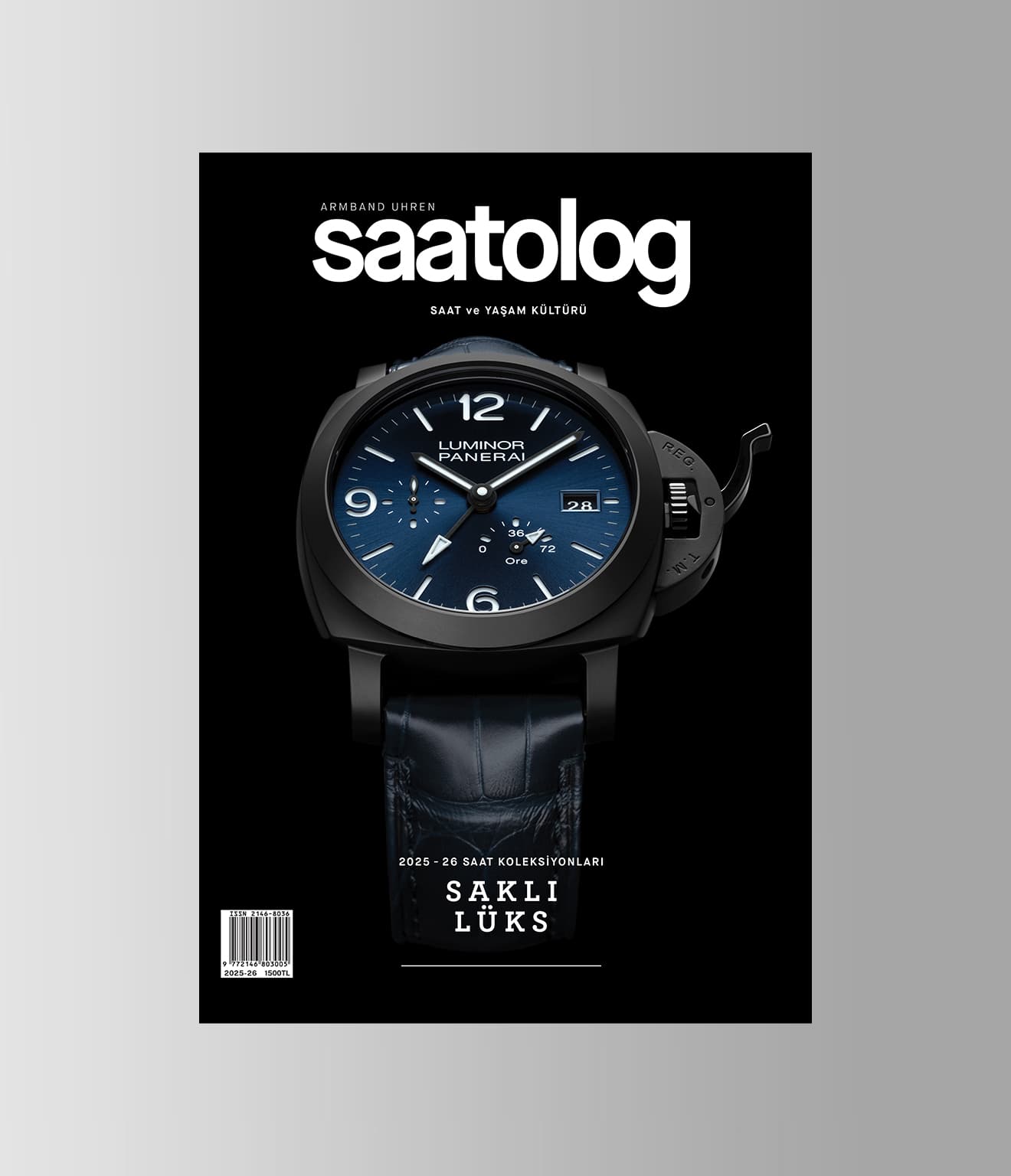
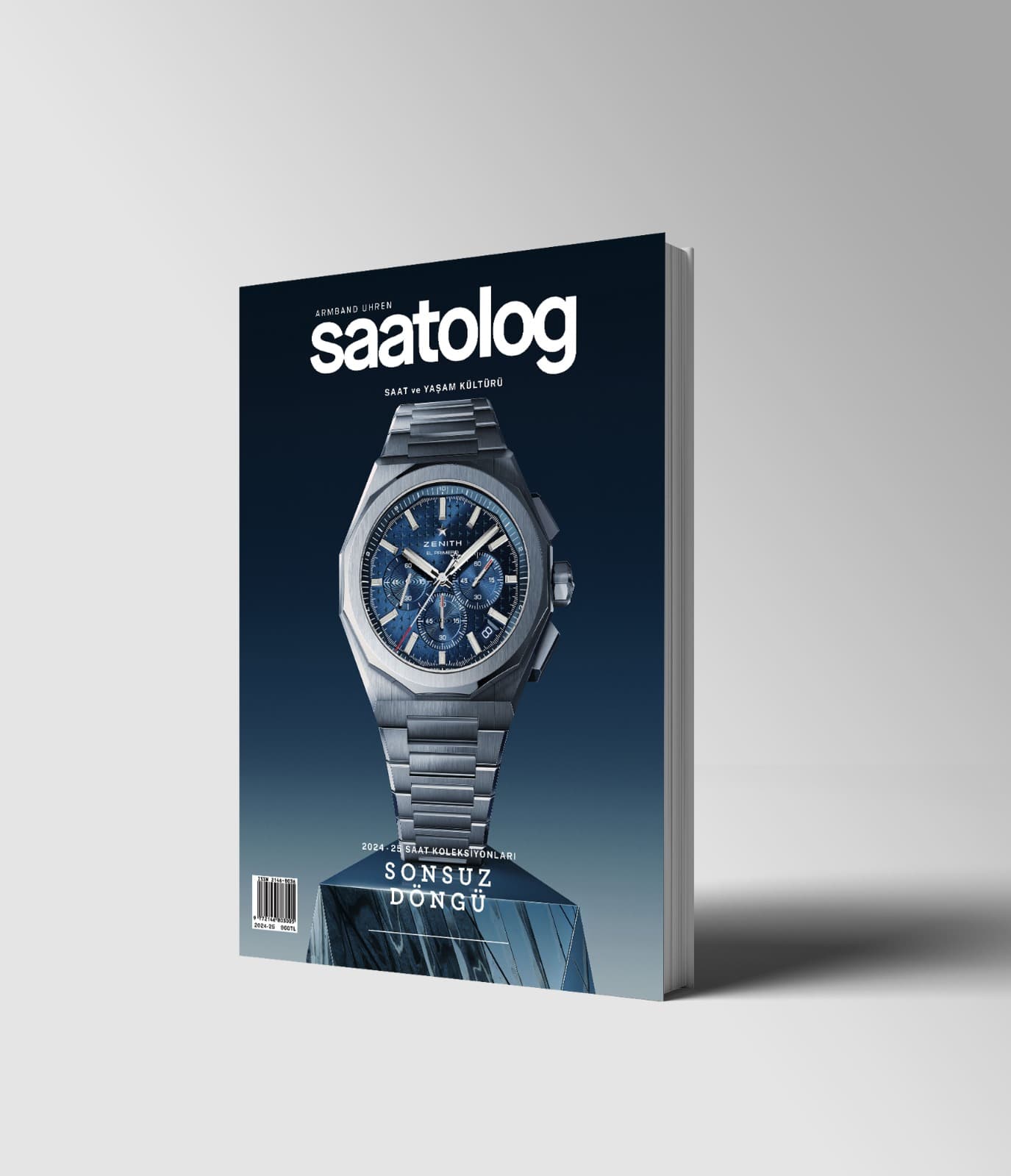
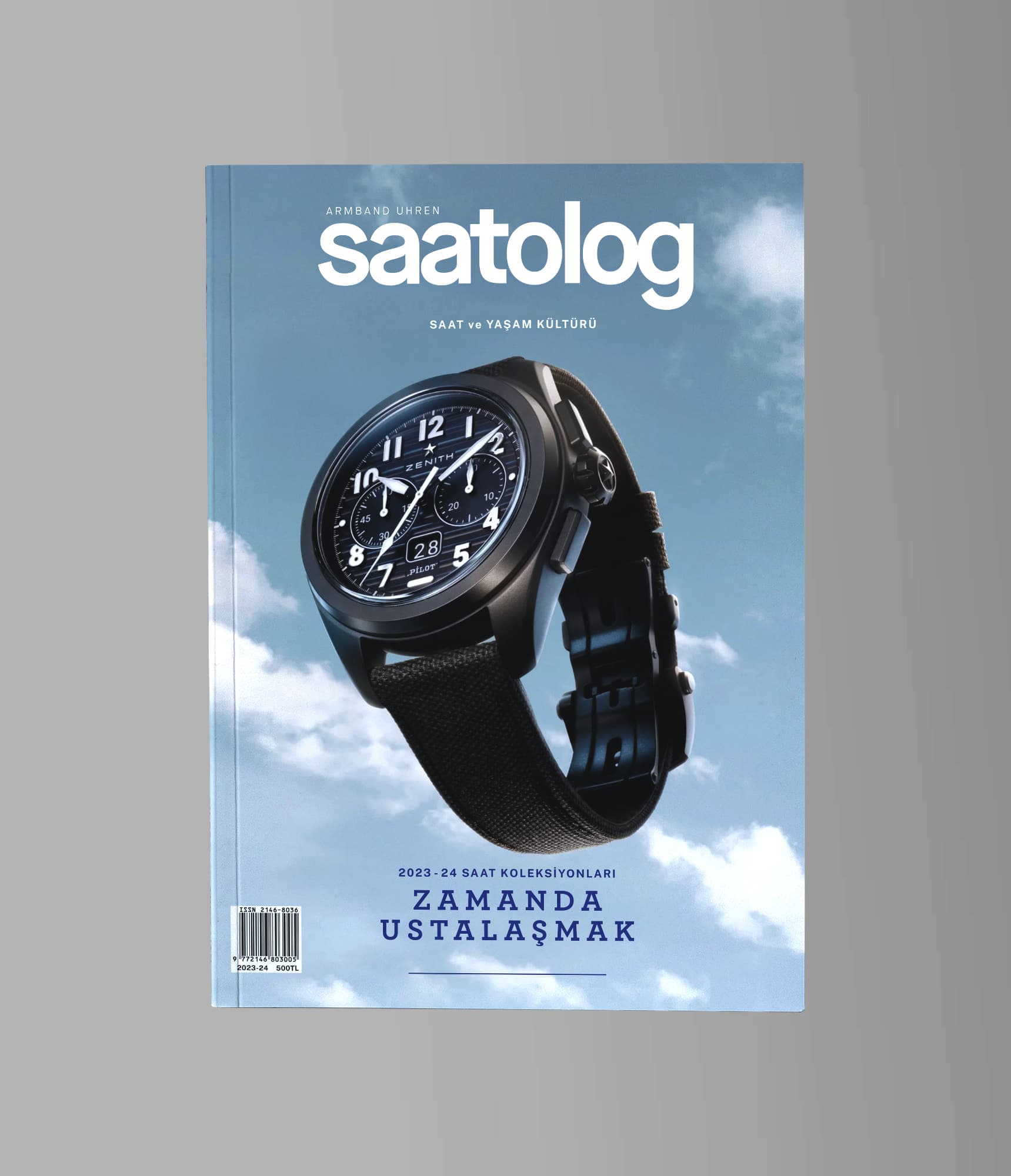
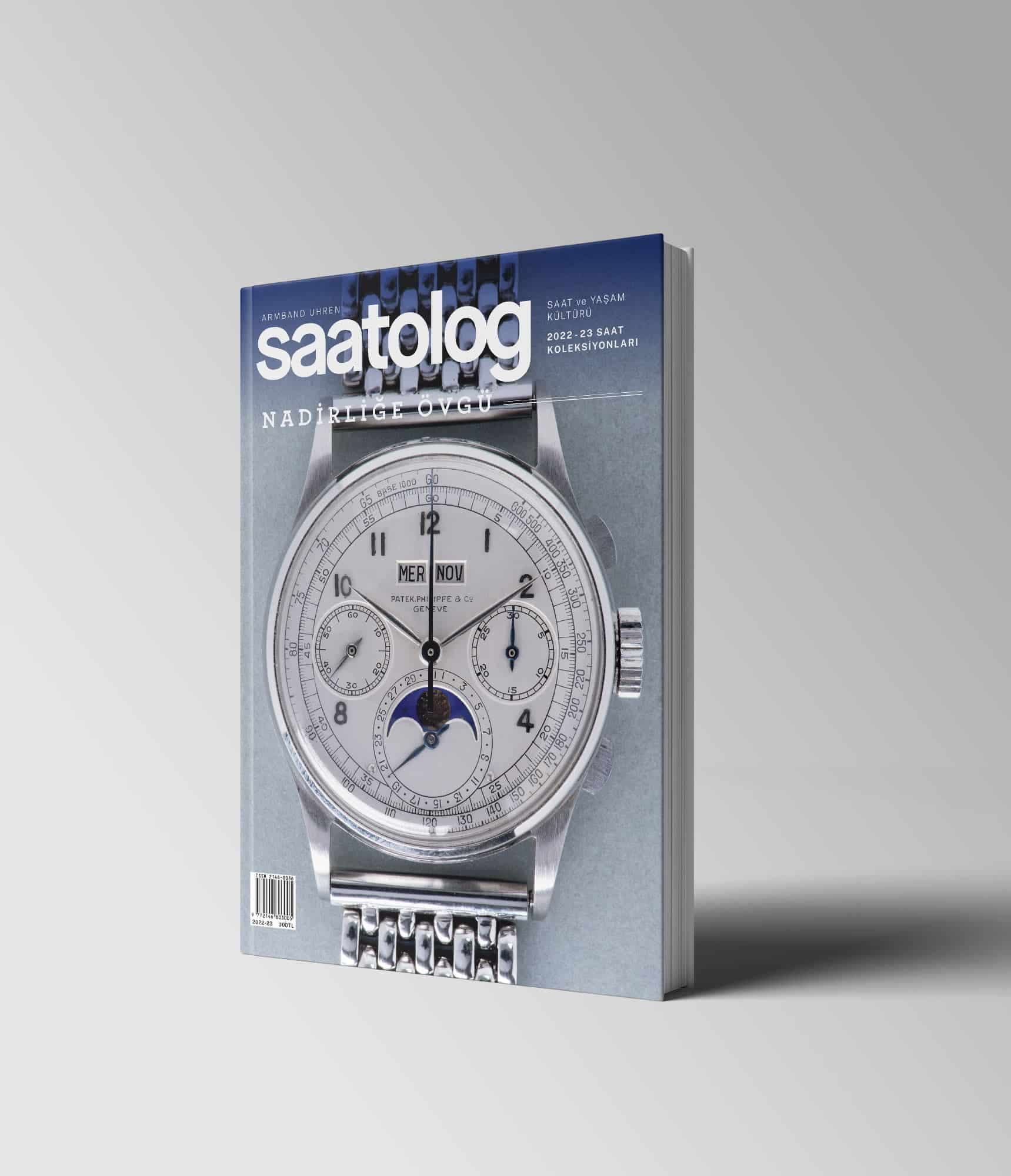
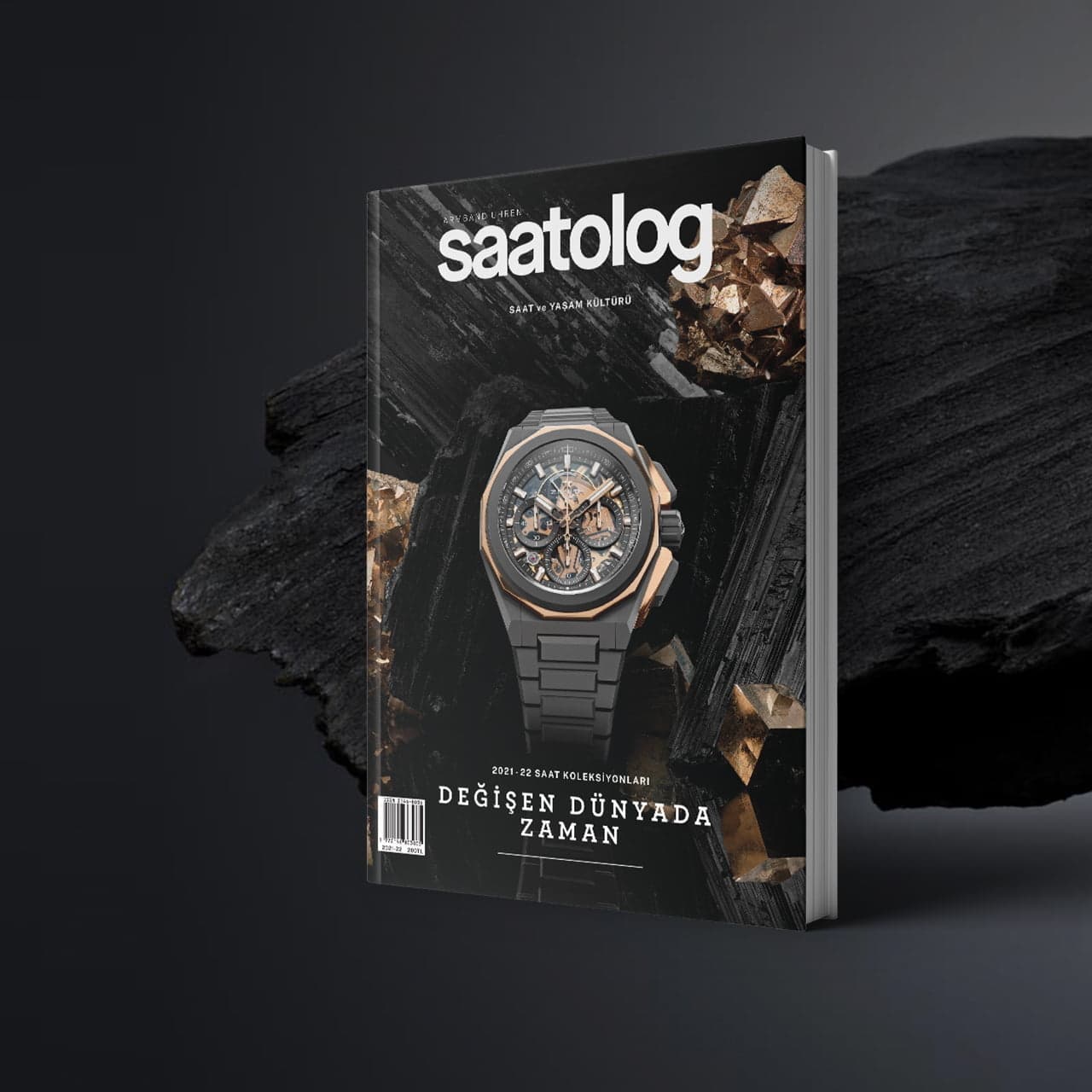
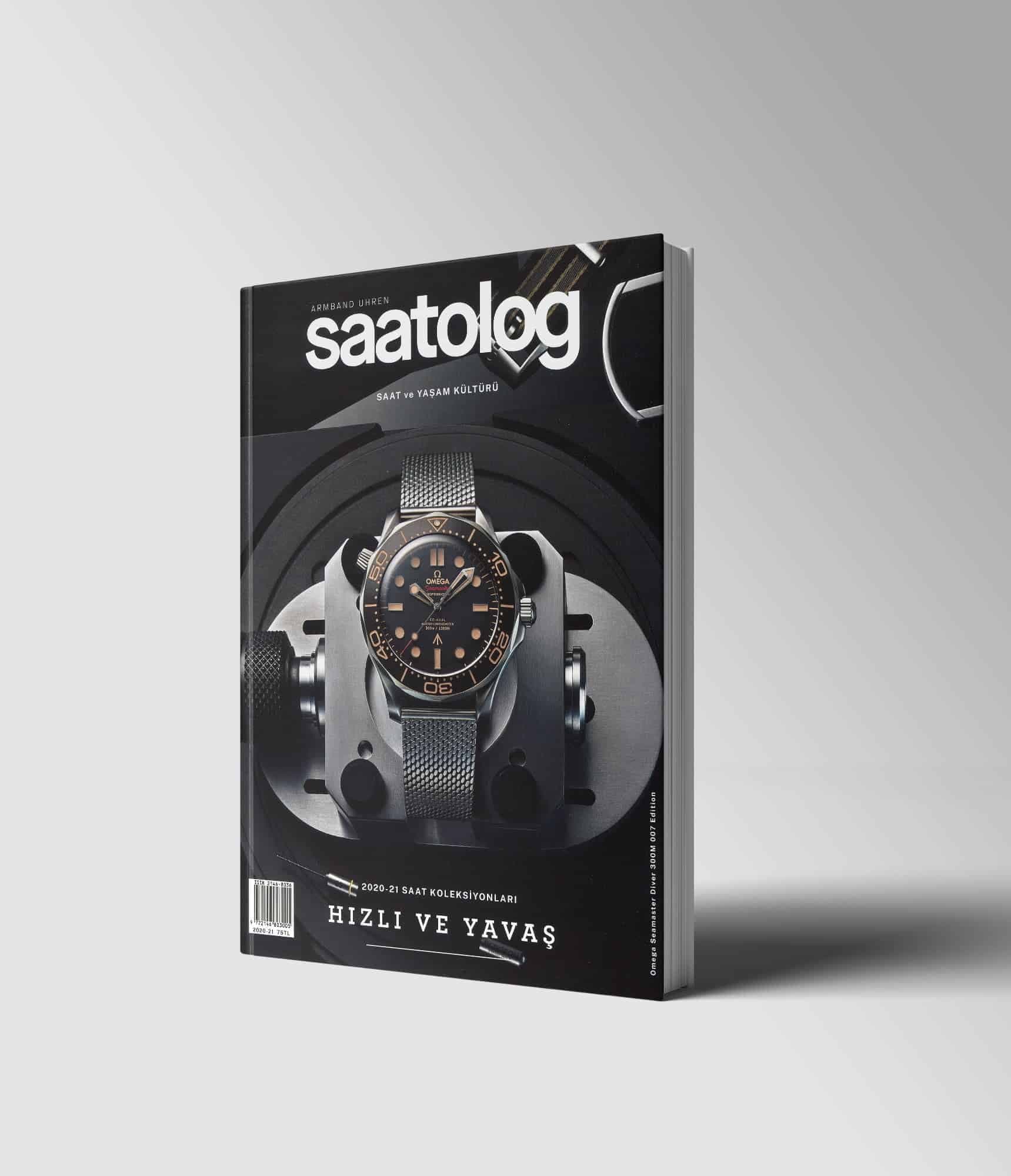
Saatolog Yıllık Saat Dergisi Saatolog’un yeni sayısı, 2020’nin yarattığı bu dönüştürücü etkiden ilham alarak hazırlandı. Dünya dijitalin etkisiyle her zamankinden de hızlı bir şekilde ilerlerken yavaşlamanın da önemini sonunda kavramış bulunuyoruz ve bu tezatlık hayatlarımızın her anına etki ediyor. Biz de bundan yola çıkarak Saatolog 2020/21 sayısını ‘‘hızlı ve yavaş’’ teması altında hazırladık.