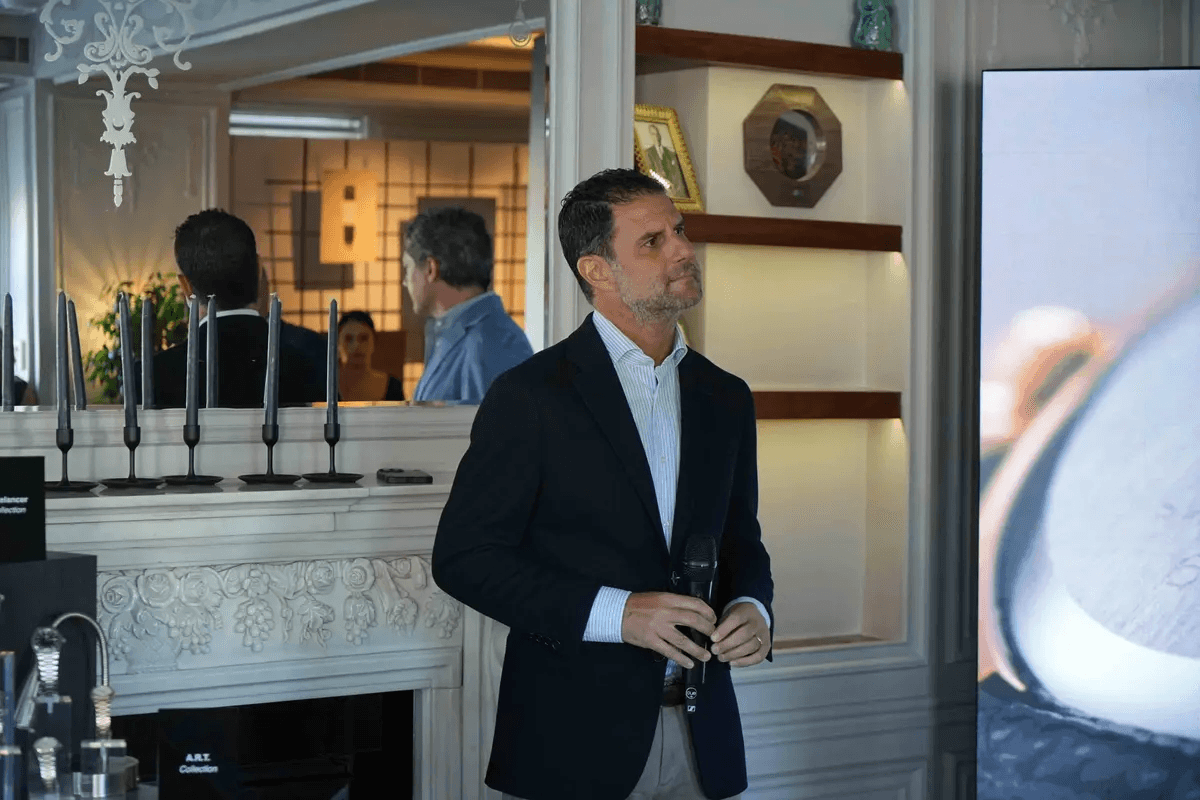
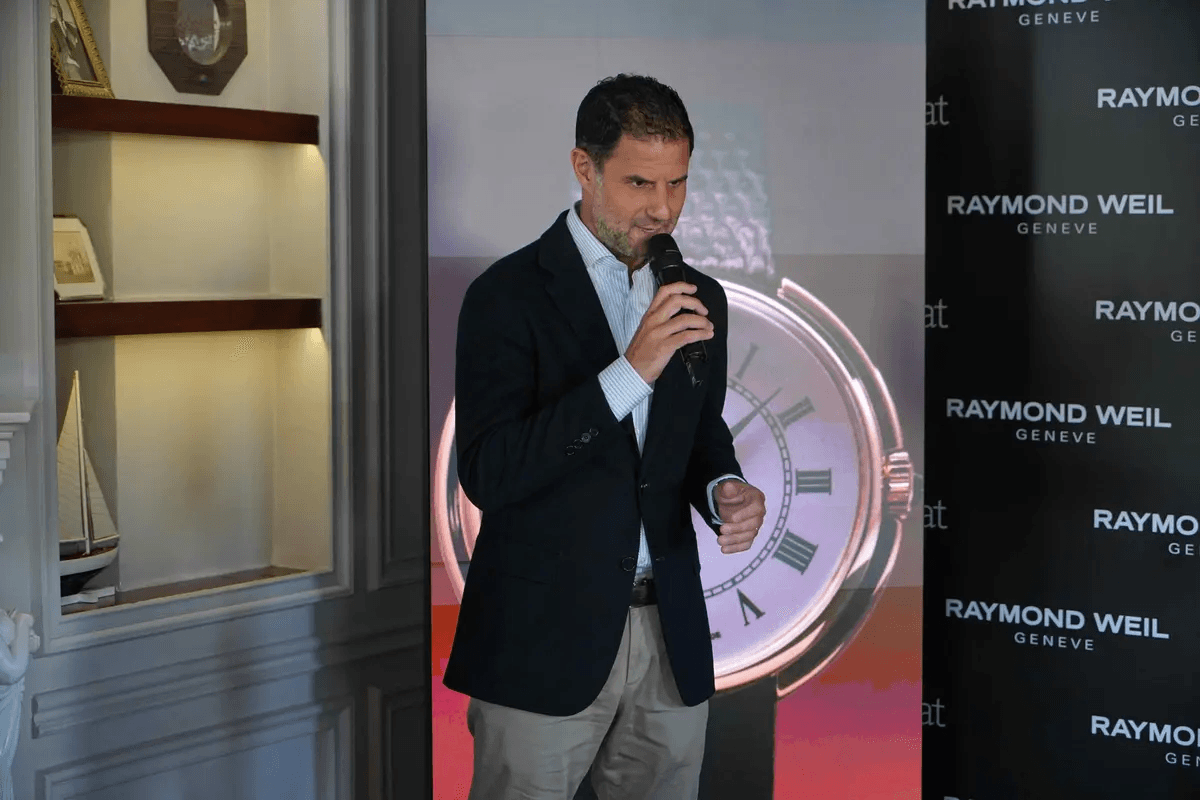
At the Istanbul stop of the Legacy Tour, we sat down with Raymond Weil CEO Elie Bernheim to discuss the brand’s half-century journey, the freedom afforded by being a family-owned company, music’s place within its DNA and the new A.R.T. collection.
A half-century journey in the world of watchmaking reflects more than the passage of time; it also tells the story of values preserved across generations, evolving approaches to design and a family legacy carried into the future. Raymond Weil is shining a light on the different chapters of this journey through the Legacy Tour, launched to celebrate the 50th anniversary of its founding.
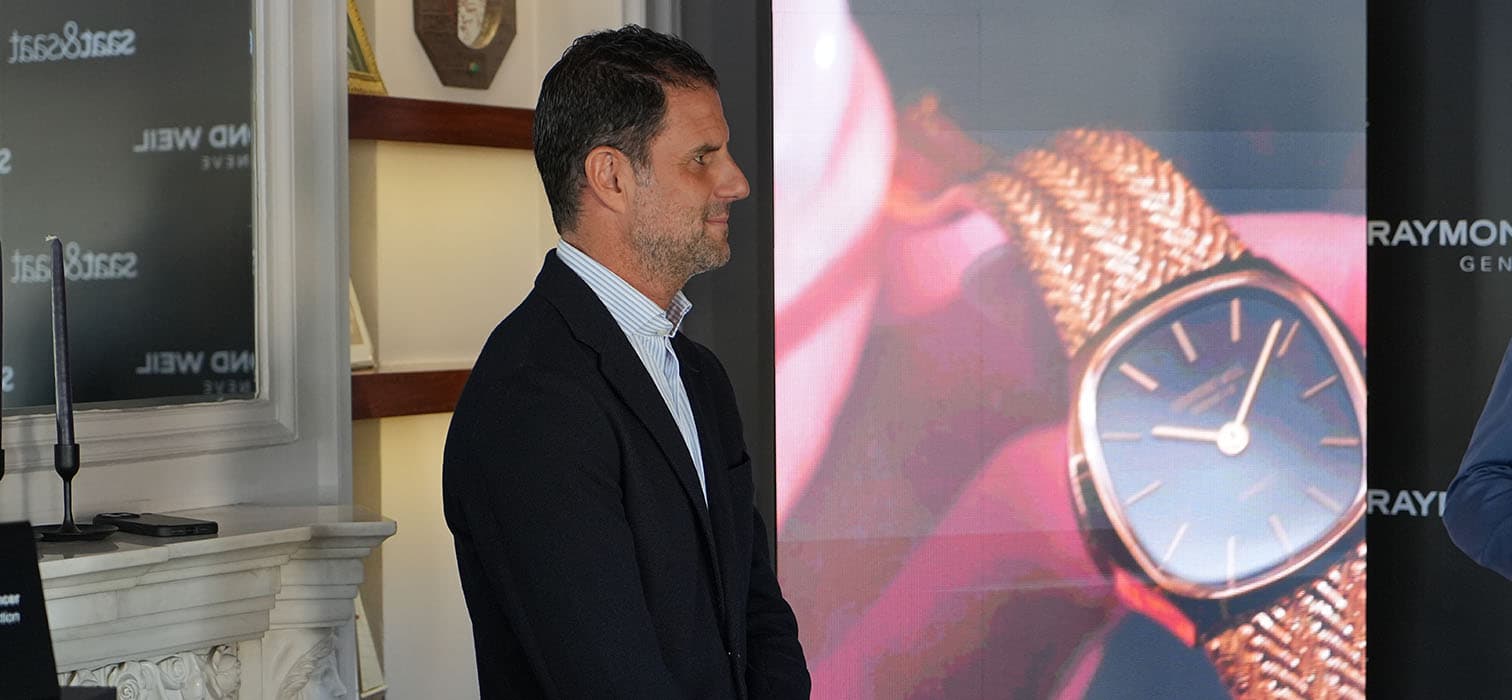
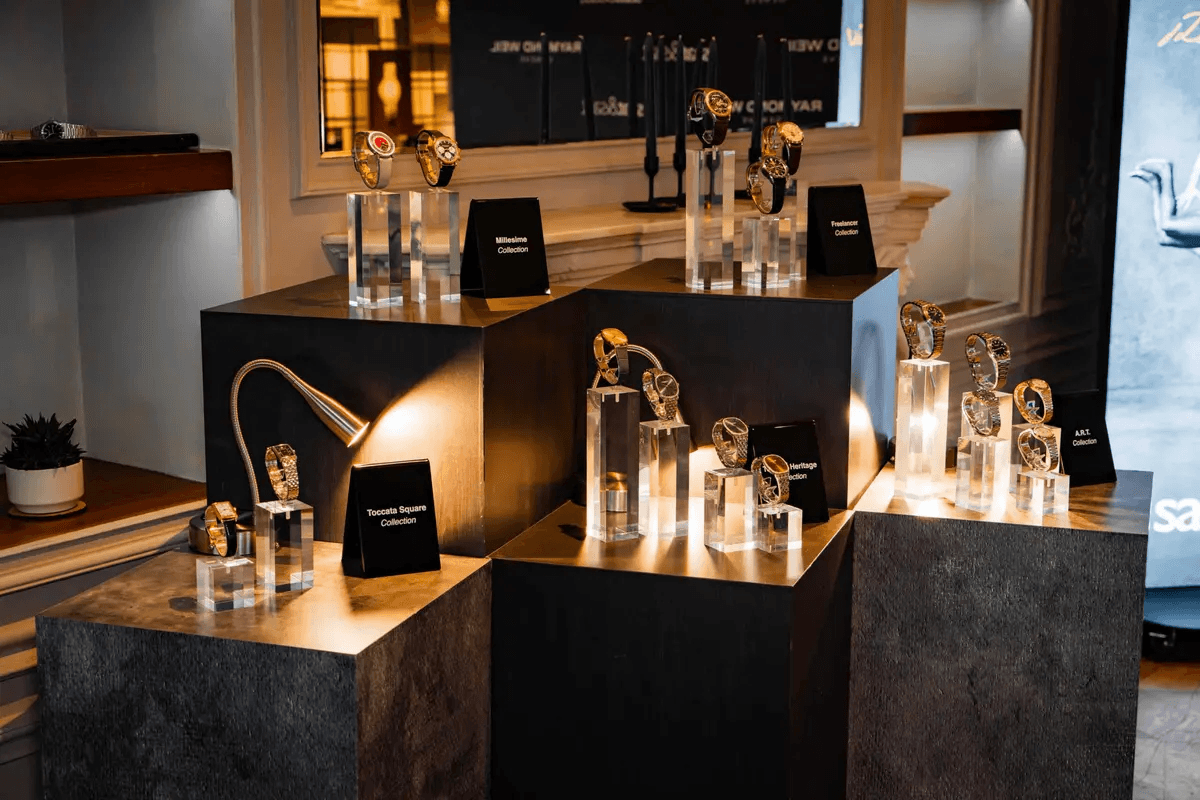
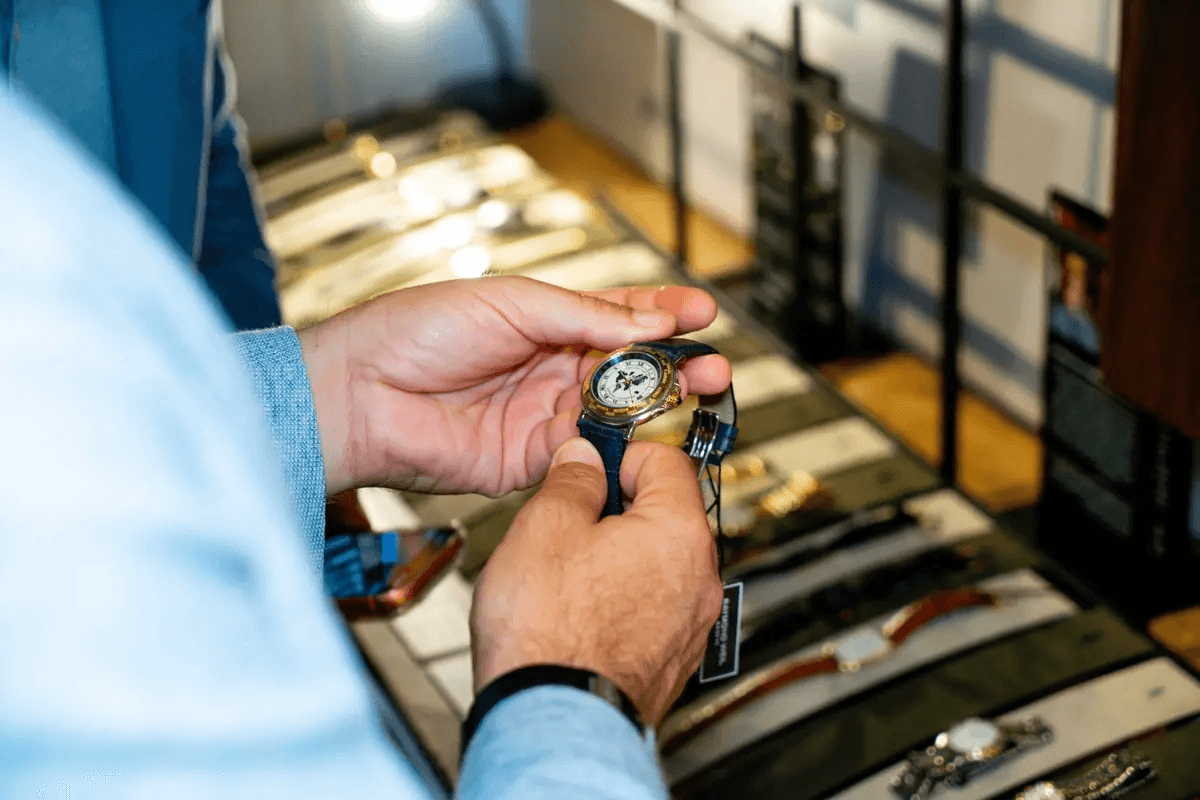
Beginning in Geneva and travelling to cities around the world, the international event series brings together 50 iconic watches that have shaped the brand’s history. At the Istanbul stop of the Legacy Tour, watch enthusiasts, collectors and members of the press had the opportunity to discover the models reflecting Raymond Weil’s half-century design legacy on the shores of the Bosphorus. Elie Bernheim, the brand’s third-generation representative and CEO, also attended the Istanbul celebration of the brand, which is presented to watch enthusiasts in Türkiye through its distributor Saat&Saat.
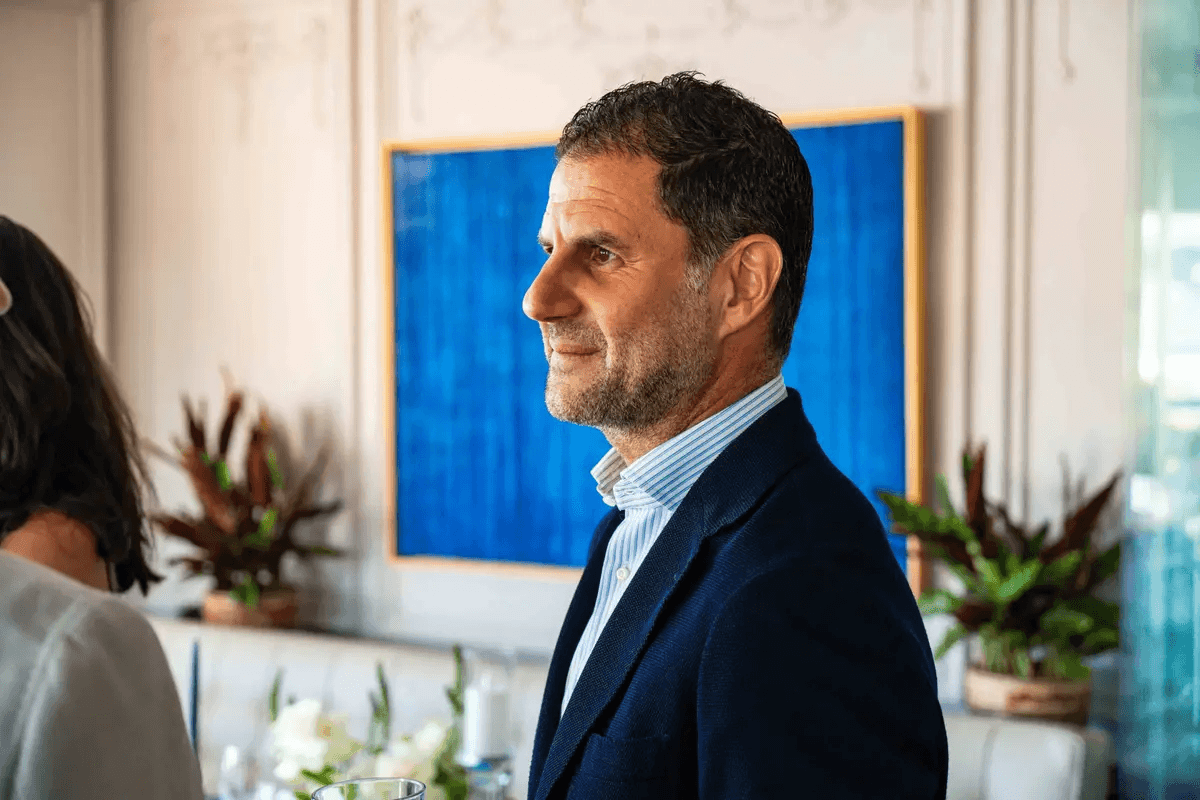
The grandson of the brand’s founder, Raymond Weil, Bernheim has led the company since 2014. While continuing to uphold the philosophy of independence and the strong relationship with the arts inherited from his grandfather, he is also preparing the brand for the expectations of an evolving watchmaking world. We spoke with Elie Bernheim about Raymond Weil’s 50-year legacy, the privileges of being a family-owned company, his passion for music, collectors’ changing tastes and the brand’s vision for the future.
Elie Bernheim On Raymond Weil’s Half-Century Legacy
This year, you are celebrating Raymond Weil’s 50th anniversary. Looking back, what do you think has changed at the brand founded by your grandfather, and what has remained the same?
I would say that almost everything has remained the same. We are still one of the brands in the industry managed by a family. I am the third generation. I continue to uphold the values my grandfather brought to the brand. We have a brand identity that places people at the heart of every important decision and development. Fifty years later, these principles continue in exactly the same way, and I am immensely proud of that.
As you know, there are not many family-owned companies in the watchmaking industry. We are one of them, and we continue to move forward successfully. That is something very special. My sole objective is for the next generation—my children and my nieces and nephews—to contribute to the brand with the same ambition and the same mission.
In your view, what privileges does being a family-owned company offer within today’s watchmaking industry?
I suppose my approach to management differs from that of larger companies. At the end of each year, we consider the returns generated by our efforts. Otherwise, the brand cannot have a future. Every idea must be reconsidered several times, discussed and made concrete. But I believe that, ultimately, the agility and flexibility we possess are our greatest privileges.
Elie Bernheim On Raymond Weil’s Half-Century Legacy
Are there areas in which you have consciously chosen to follow a different path from previous generations?
Of course, there are certain things. When we consider the possibilities offered by technology, we are naturally very different from previous generations. For example, when working on a design, the time it took 40 years ago to move from the initial idea to the final stage was naturally much longer. That is no longer the case. We are in contact with all our teams throughout the day. Sometimes, we discuss a single detail hundreds of times. But ultimately, everything moves incredibly quickly. I think that is the greatest difference.
Elie Bernheim On Raymond Weil’s Half-Century Legacy
We know that your grandfather was passionate not only about fine watchmaking but also about art and music. How do you think these interests have influenced Raymond Weil as it is today?
I am very fortunate that this was not only my grandfather’s passion, but mine as well. In fact, I would say it is shared by our entire family. Art, culture and especially music form an important part of our communications. I studied music, graduated in cello and also play the piano. My son plays the piano too, and he is very talented. I would say music is part of our family DNA. Naturally, this directly influences the brand’s communications and collaborations.
Since taking on this role in 2014, we have created numerous limited-edition projects, and every one of them has been highly enjoyable. The Beatles, AC/DC, Bob Marley… But it is not only music; art is limitless. When I came here three years ago for the Basquiat launch, I remember thinking the same thing. I suppose we share the same dreams.
Elie Bernheim On Raymond Weil’s Half-Century Legacy
Is there a memory of your grandfather that still comes to mind today?
He always used to say: “When in doubt, give up.”
What do you hope people notice first when they see a Raymond Weil watch? What would you describe as the brand’s signature?
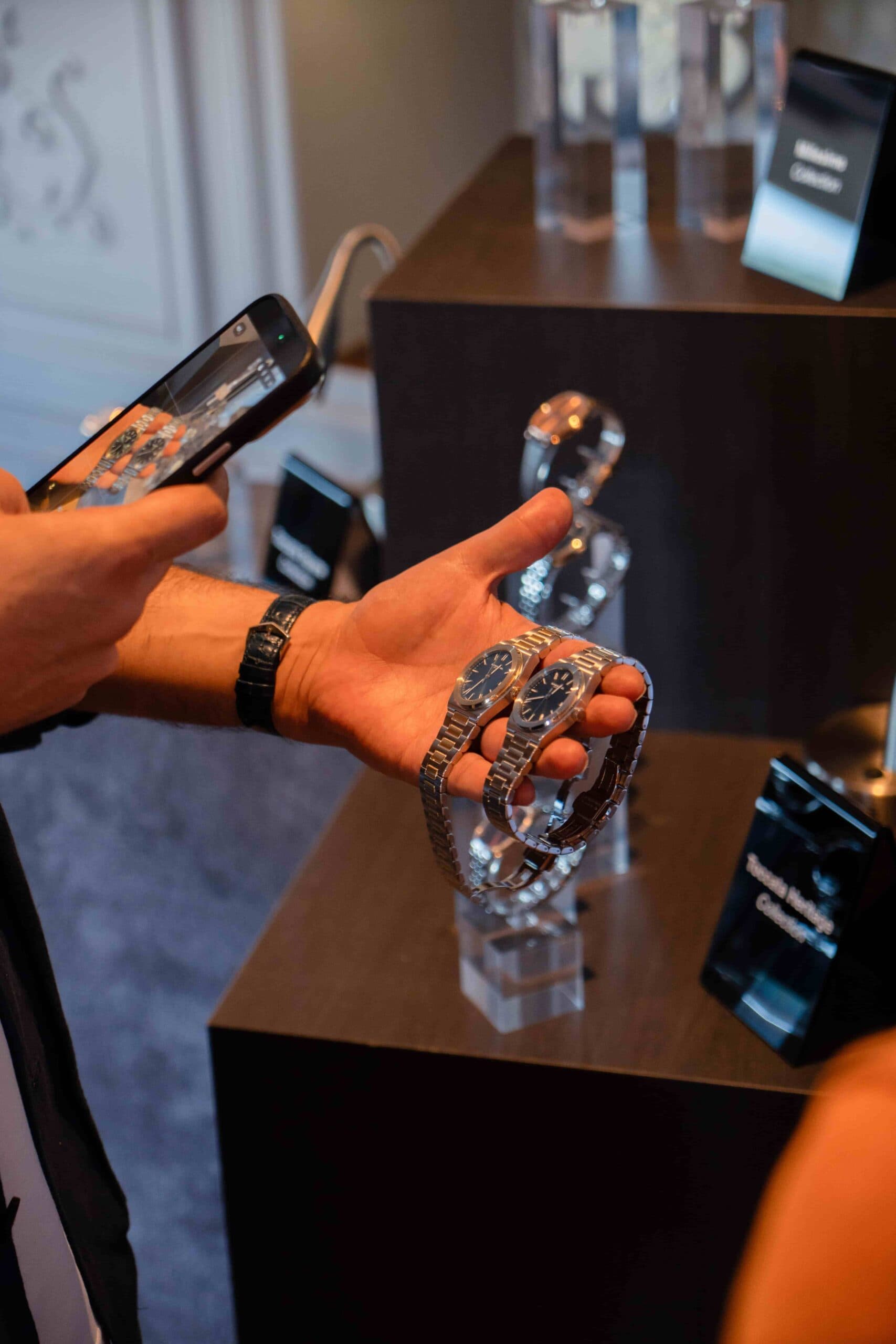
Today, a single glance may not always be enough to define the identity of something. But I hope our brand DNA is visible in every one of our collections and every model. Take the A.R.T. collection, which we launched a few weeks ago, for example. Even when you have a slim wrist like mine, the watch still makes its presence felt.
Your new A.R.T. collection, launched to celebrate your 50th anniversary, has a distinctive feature: it is your first watch with an integrated bracelet. How did you decide that the time was right to enter this segment?
First of all, demand for these models naturally influenced us more than anything else. Of course, we are not the only brand, but we could not ignore this demand. Secondly, the origins of these watches date back to the 1970s, 50 years ago. To me, the fact that this kind of watch emerged during the same period in which our brand was founded felt like a kind of echo.
Elie Bernheim On Raymond Weil’s Half-Century Legacy
Elie Bernheim On Raymond Weil’s Half-Century Legacy
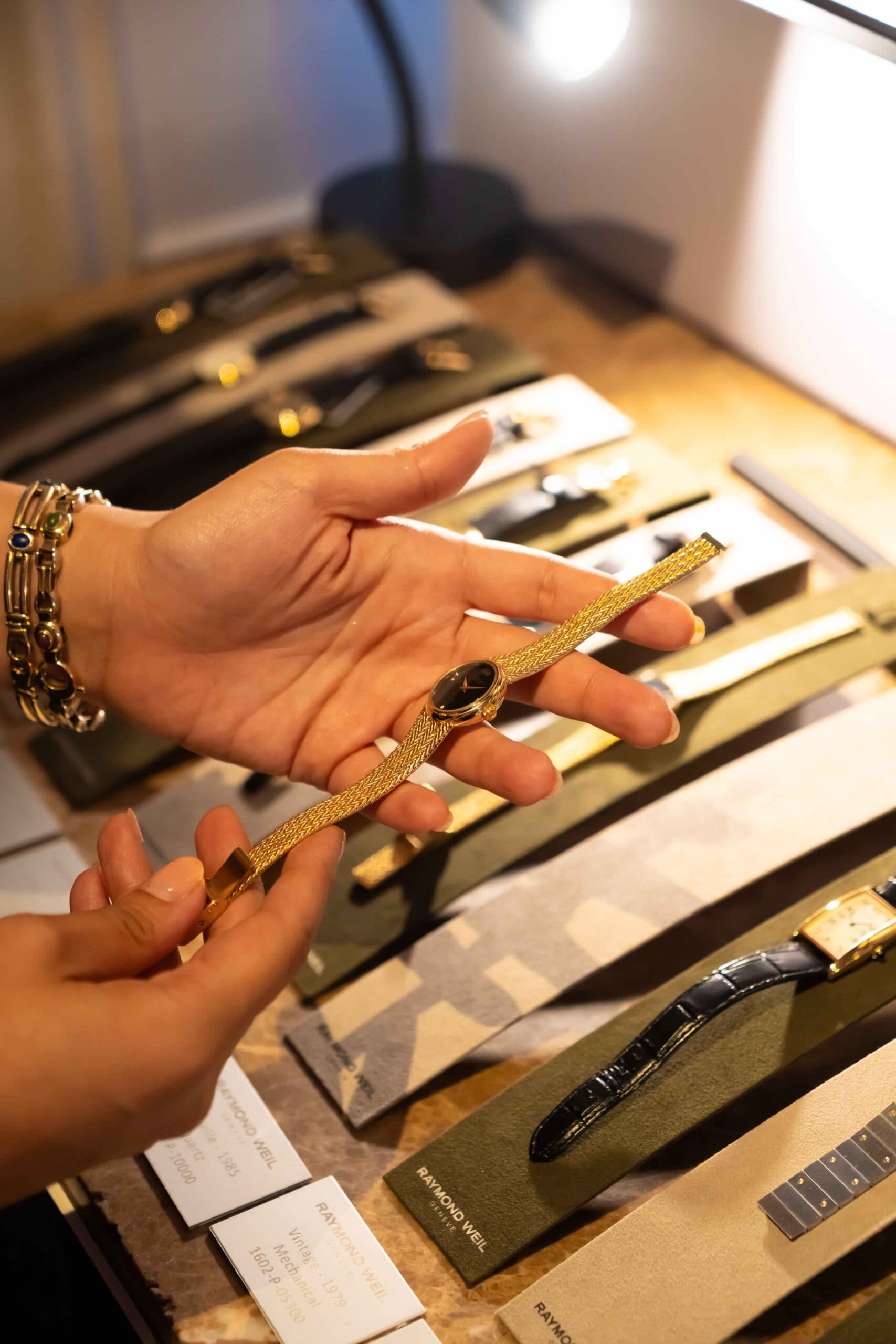
Your vintage-inspired models, particularly the Toccata Heritage collection, have been very well received. Do you think customers’ tastes have changed in recent years? What kinds of watches are people looking for today?
People are showing greater interest in vintage-looking models. I travel extensively, and I see that this trend is present everywhere. Smaller models, removed from extravagance and ostentation, are now attracting more attention.
Raymond Weil has had a presence in the Turkish market for many years. How do you assess the Turkish market, and is there anything in particular that has caught your attention about Turkish collectors?
I believe I know this market well, and Türkiye is also very valuable both to me and to my brand. When I first came here 20 years ago, it was winter. It was a snowy day, and I still remember it today. I also got married here 18 years ago. My wife’s family lives here, so I visit several times a year. As a result, I have many wonderful memories in Türkiye. It is very important to me that my brand continues to grow and attract interest here. In this respect, I must give due credit to our partnership with Saat&Saat. Like us, they approach this industry with passion, and for that reason they reflect our brand’s potential in the best possible way. What I have observed about Turkish collectors is that they are both knowledgeable and consistently enthusiastic about innovation.
Elie Bernheim On Raymond Weil’s Half-Century Legacy
Finally, after 50 years, what excites you most about Raymond Weil’s future?
We have objectives such as further strengthening our brand DNA, following a consistent path with our partners and collaborators, and establishing a strong position within the industry through our products. We have business plans in place that will allow us to continue our vision clearly over the long term. In this sense, I would say we are progressing in a structured manner. At the same time, I am passionate about watchmaking. That is not always the case; you may work in a profession without feeling such a strong passion for it. But I think about watches every day. I think about where we are heading.
As part of the Legacy Tour, you are travelling with these 50 iconic watches. We are sure this is a large-scale organisation. What are the logistical challenges involved in the process? Which models have you observed attracting the greatest interest in the places you visit?
When I visit two markets within such a short period of time, there is always a risk that the watches will not arrive on schedule. Every watch is important because each one tells its own distinctive story.
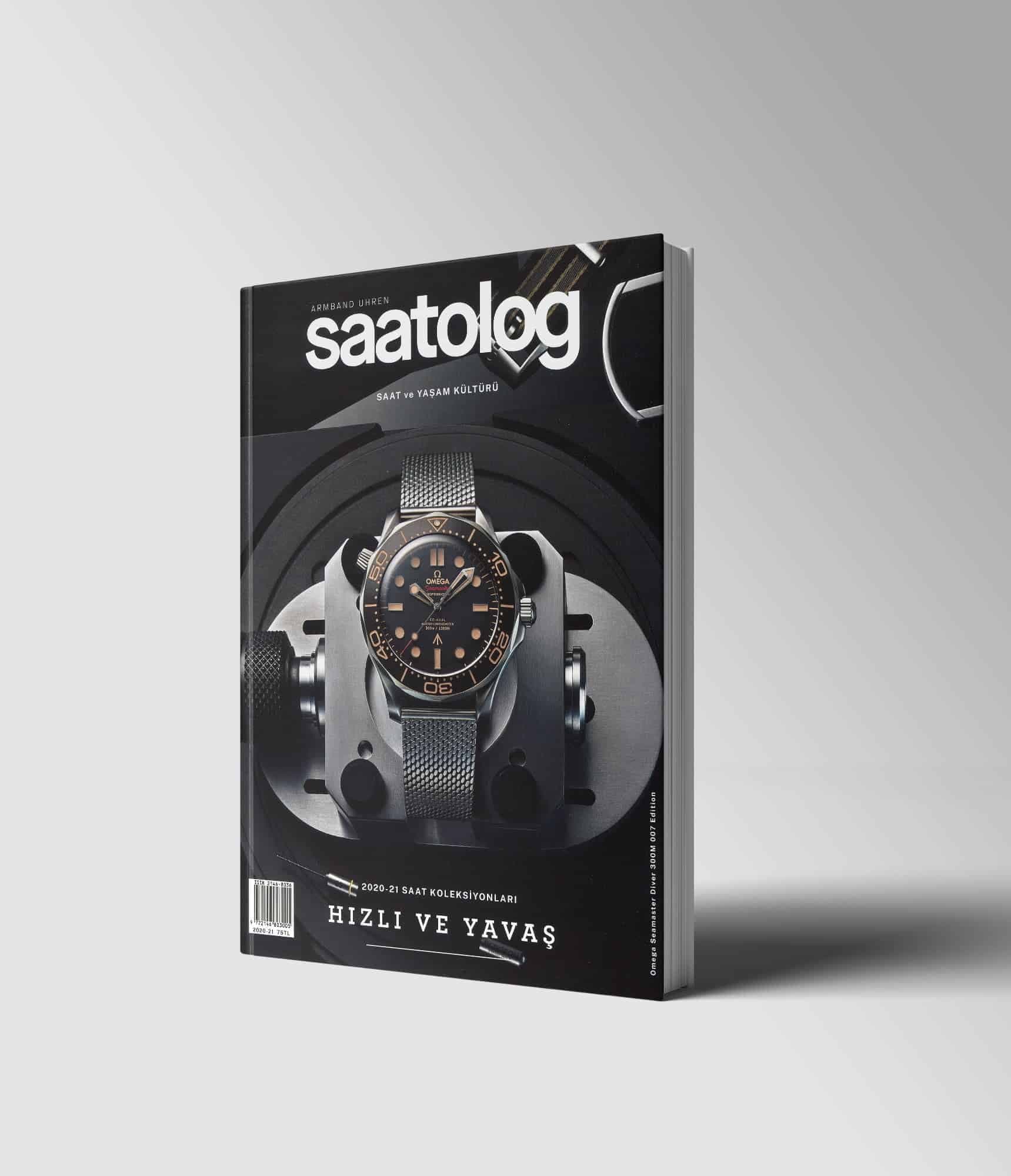
Saatolog Yıllık Saat Dergisi Saatolog’un yeni sayısı, 2020’nin yarattığı bu dönüştürücü etkiden ilham alarak hazırlandı. Dünya dijitalin etkisiyle her zamankinden de hızlı bir şekilde ilerlerken yavaşlamanın da önemini sonunda kavramış bulunuyoruz ve bu tezatlık hayatlarımızın her anına etki ediyor. Biz de bundan yola çıkarak Saatolog 2020/21 sayısını ‘‘hızlı ve yavaş’’ teması altında hazırladık.