Today, chronograph watches are closely associated with motor racing, yet their earliest examples were used to time horse races. They later became indispensable tools for pilots, soldiers and doctors. The history of the chronograph, and some of the best chronograph watches of today, takes us on a fascinating horological journey.
How many terms do you think there are in the world of watchmaking? Moon phase, perpetual calendar, guilloché, crown, pusher, mainspring… Each has its own meaning, a role within the movement beating like a heart, or a function somewhere between the dial and bracelet. Among the terms we encounter most often is the chronograph: a watch that does more than simply tell the time, allowing us to measure minutes and seconds as they pass. On fiercely contested racetracks, polished basketball courts, cycling tours, or in the kitchens of Michelin-starred chefs, in short, wherever time needs to be measured.
What Is a Chronograph?
Derived from the Greek words chronos (time) and graph (to write), chronograph essentially means “time writer”. A chronograph watch features a complication that, in addition to displaying the time, can measure the elapsed time between the beginning and end of an event. This function is generally operated using pushers positioned on the side of the case. The pusher at 2 o’clock starts and stops the chronograph, while the pusher at 4 o’clock resets the chronograph to their starting position. Elapsed time is then read using the central chronograph seconds hand and the counters on the dial.
Beyond standard chronographs, there are more sophisticated variations, including the monopusher, which operates through a single pusher; the flyback, which allows the chronograph to be reset and restarted instantly without first stopping it; and the rattrapante, or split-seconds chronograph, which can time two events simultaneously.
The Role of the Subdials
Chronograph watches often feature two different subdial configurations, commonly referred to as bi-compax and tri-compax. A bi-compax chronograph features two subdials. One typically serves as the running small-seconds display, while the other records elapsed minutes once the chronograph is activated. A tri-compax chronograph, meanwhile, uses three subdials: one for running seconds, another for chronograph minutes and a third to record the elapsed hours while the chronograph is running.
Today, chronographs are closely associated with motorsport and racing. Their history, however, stretches back much further.
In 1816, French watchmaker Louis Moinet developed the Compteur de Tierces for astronomical observations. Capable of measuring extremely small fractions of a second, it is now recognised as the earliest known chronograph. A few years later, in 1821, Nicolas Mathieu Rieussec devised another system to record elapsed times at horse races. Rieussec’s mechanism deposited drops of ink onto a rotating dial, physically recording the timing of each event.
The use of chronographs in sporting competitions increased over the following decades, while their start, stop and reset functions gradually became more practical. With wristwatches becoming widespread in the early 20th century, the chronograph also made its way onto the wrist. Pilots, soldiers and doctors began turning to chronograph watches whenever they needed to measure elapsed time quickly and reliably. By the 1930s, designs featuring two or three subdials had become increasingly established.
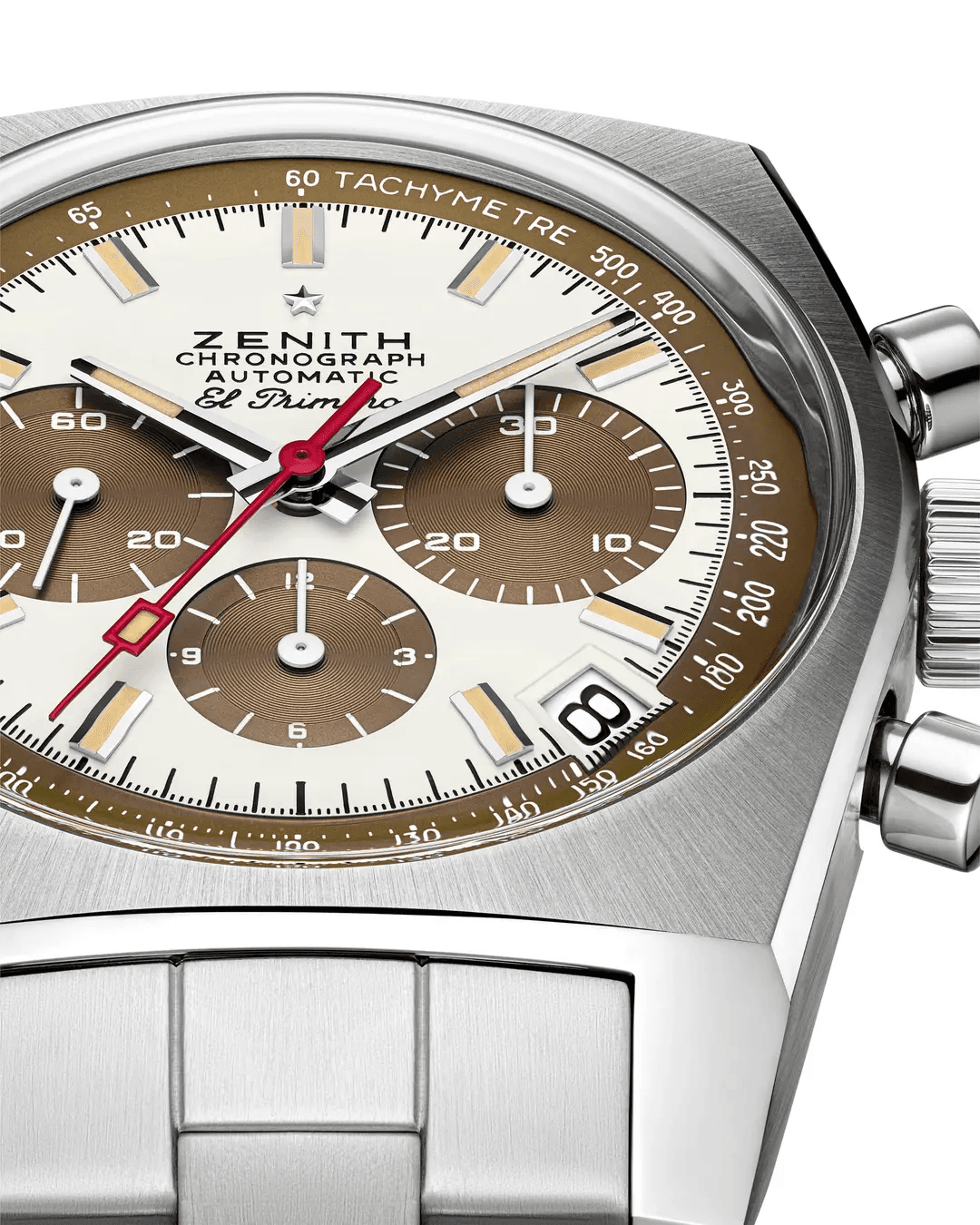
For many years, chronographs were predominantly powered by manually wound movements. The landscape changed around the turn of the 1970s with the arrival of automatic chronograph calibres. Zenith’s high-frequency El Primero, the Chronomatic system associated with Heuer and its partners, and Seiko’s Calibre 6139 all emerged during this pivotal period. Another chronograph from the era would become something far greater than a watch: the Omega Speedmaster. Used during NASA’s Apollo 11 mission in 1969, the Speedmaster entered history as the first watch worn on the Moon.
And then came the Quartz Crisis. One of the most disruptive periods in watchmaking history also profoundly affected the chronograph. As mechanical watch production declined during the 1970s, mechanical chronographs became less common. Yet as the industry recovered and mechanical watchmaking experienced a revival, the chronograph returned to prominence. Having regained popularity throughout the 1980s and 1990s, chronographs remain closely associated with the worlds of racing and aviation today.
The Best Chronograph Watches of 2026
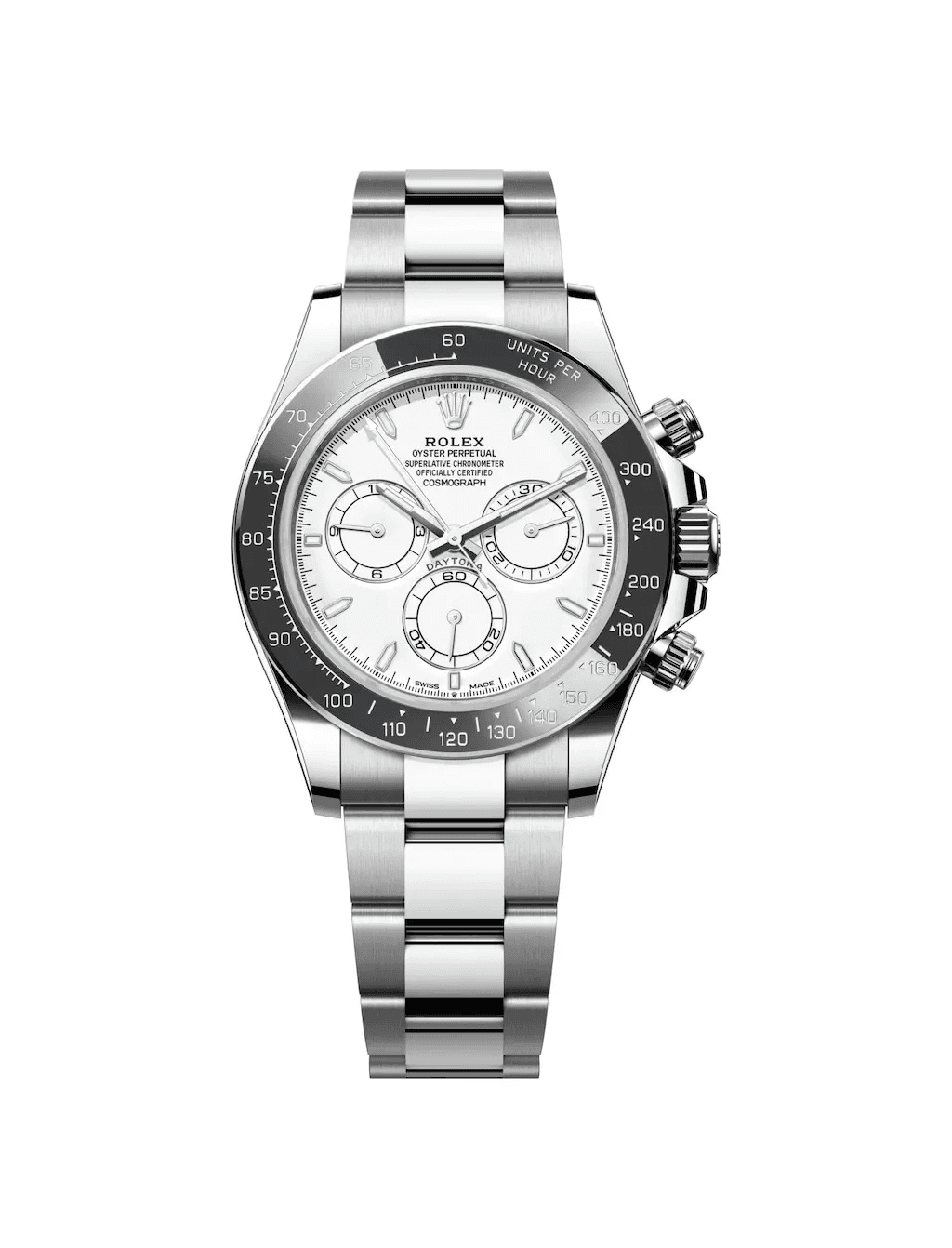
Rolex Cosmograph Daytona Rolesium
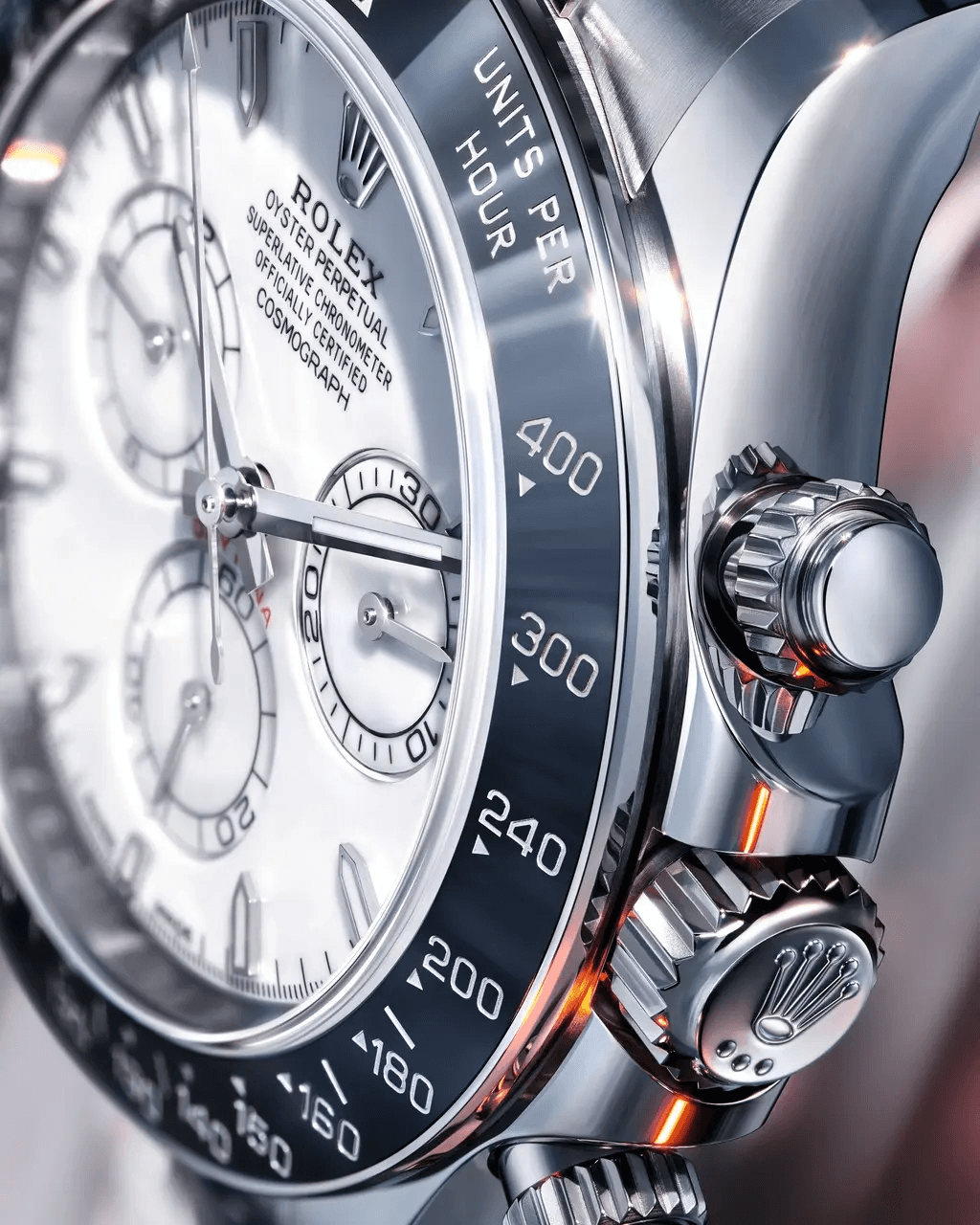
In 2026, Rolex introduced Rolesium, the brand’s combination of Oystersteel and platinum, to the Daytona for the first time with the Cosmograph Daytona Rolesium. The monochromatic subdials, matching the colour of the dial, and the use of Grand Feu enamelling immediately stand out. The Cerachrom bezel carries the characteristic tachymetric scale, while the Calibre 4131 can be admired through the transparent case back.
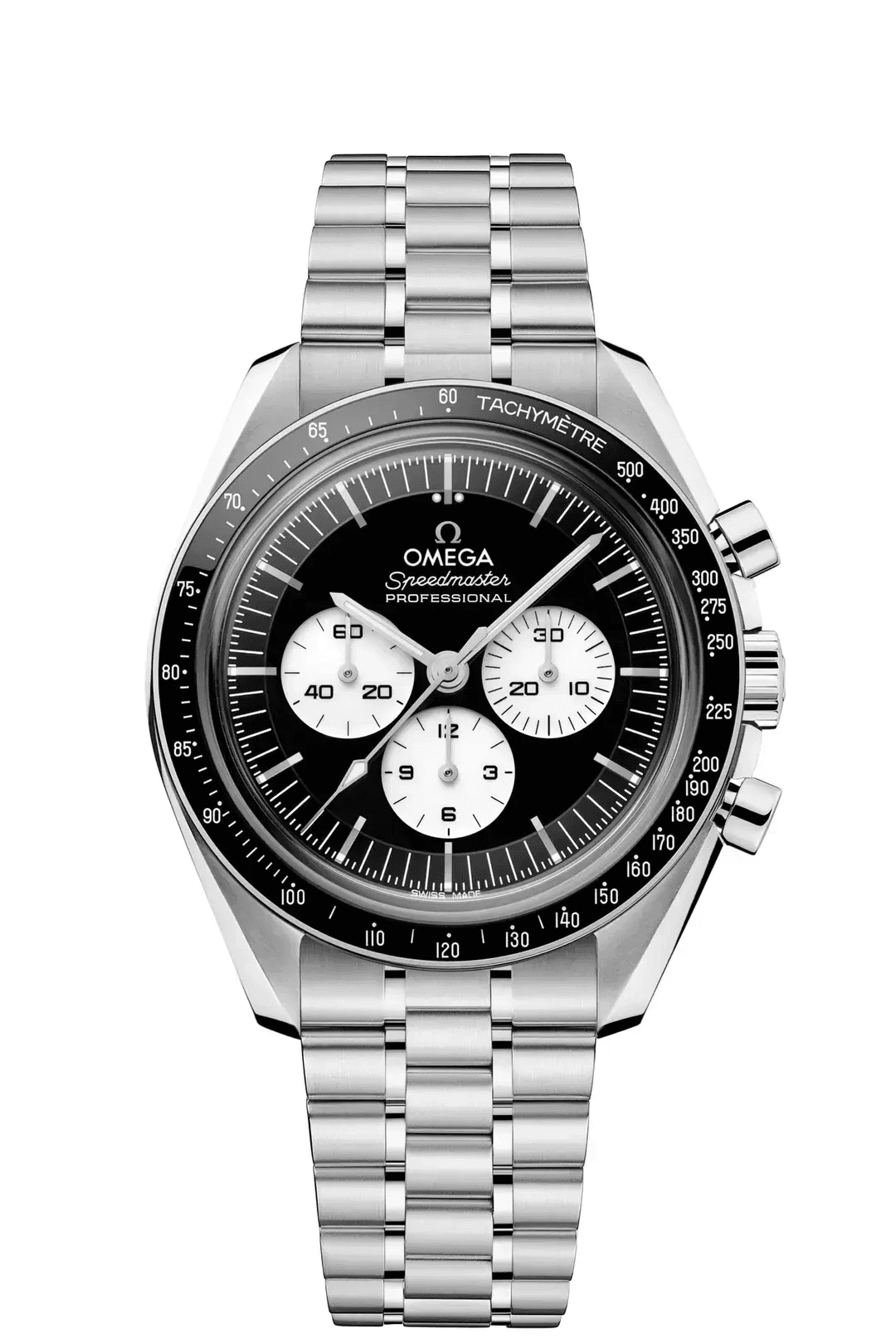
Omega Speedmaster Moonwatch
At the beginning of 2026, Omega unveiled two new Speedmaster Moonwatch models. Offered in stainless steel and 18K Moonshine™ Gold, the watches create a crisp contrast with white subdials set against a black background. A tachymeter scale appears on the bezel, while a minute track surrounds the dial. Power comes from the Omega Co-Axial Master Chronometer Calibre 3861, which provides approximately 50 hours of power reserve.
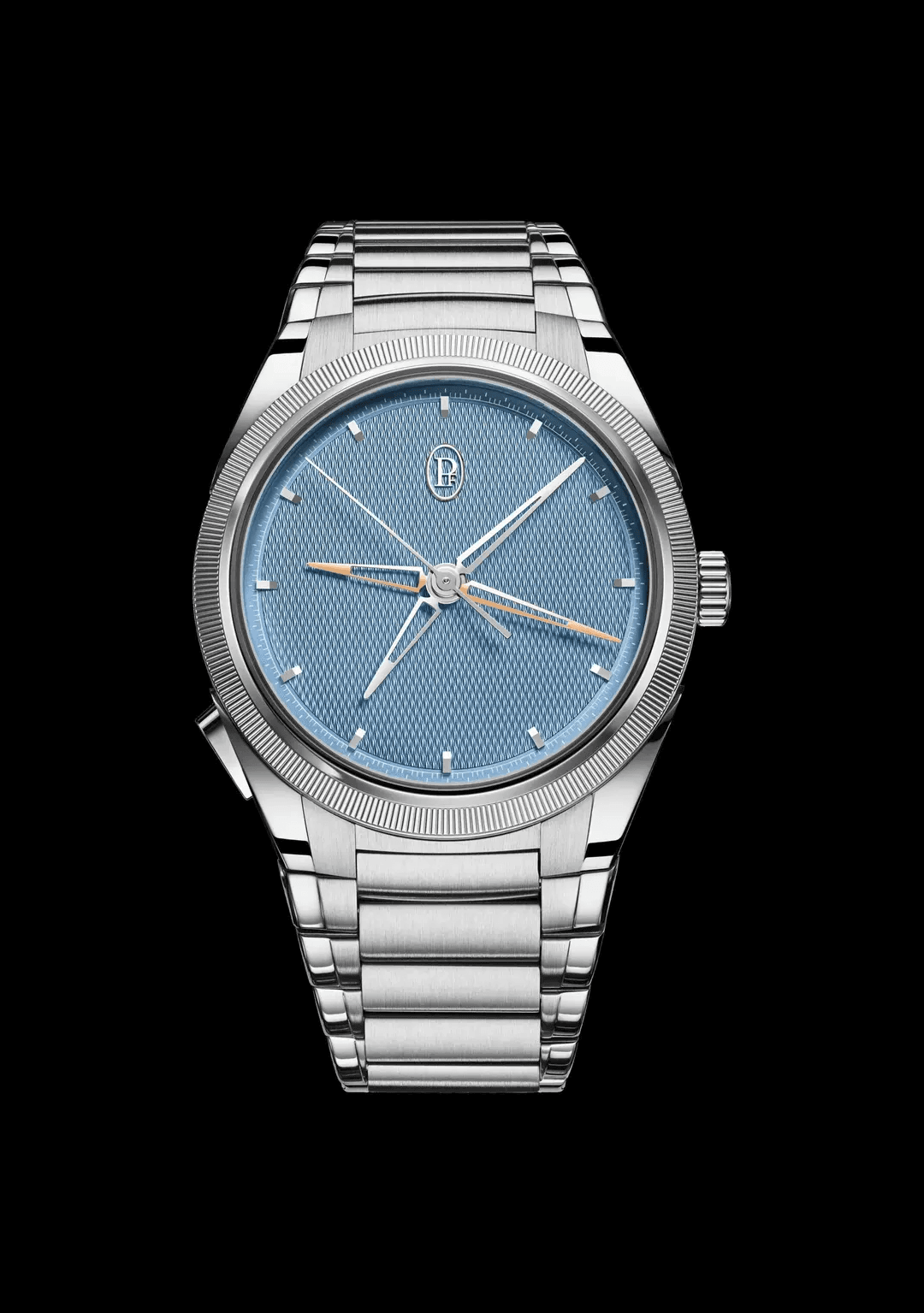
One of the year’s most intriguing chronographs came from Parmigiani Fleurier with the Tonda PF Chronographe Mystérieux. During normal operation, the chronograph hands remain hidden from view, only revealing themselves once the chronograph is activated. This disappearing act is precisely where the watch gets its Mystérieux name. The chronograph function is operated using pushers positioned on the lower-left side of the case.
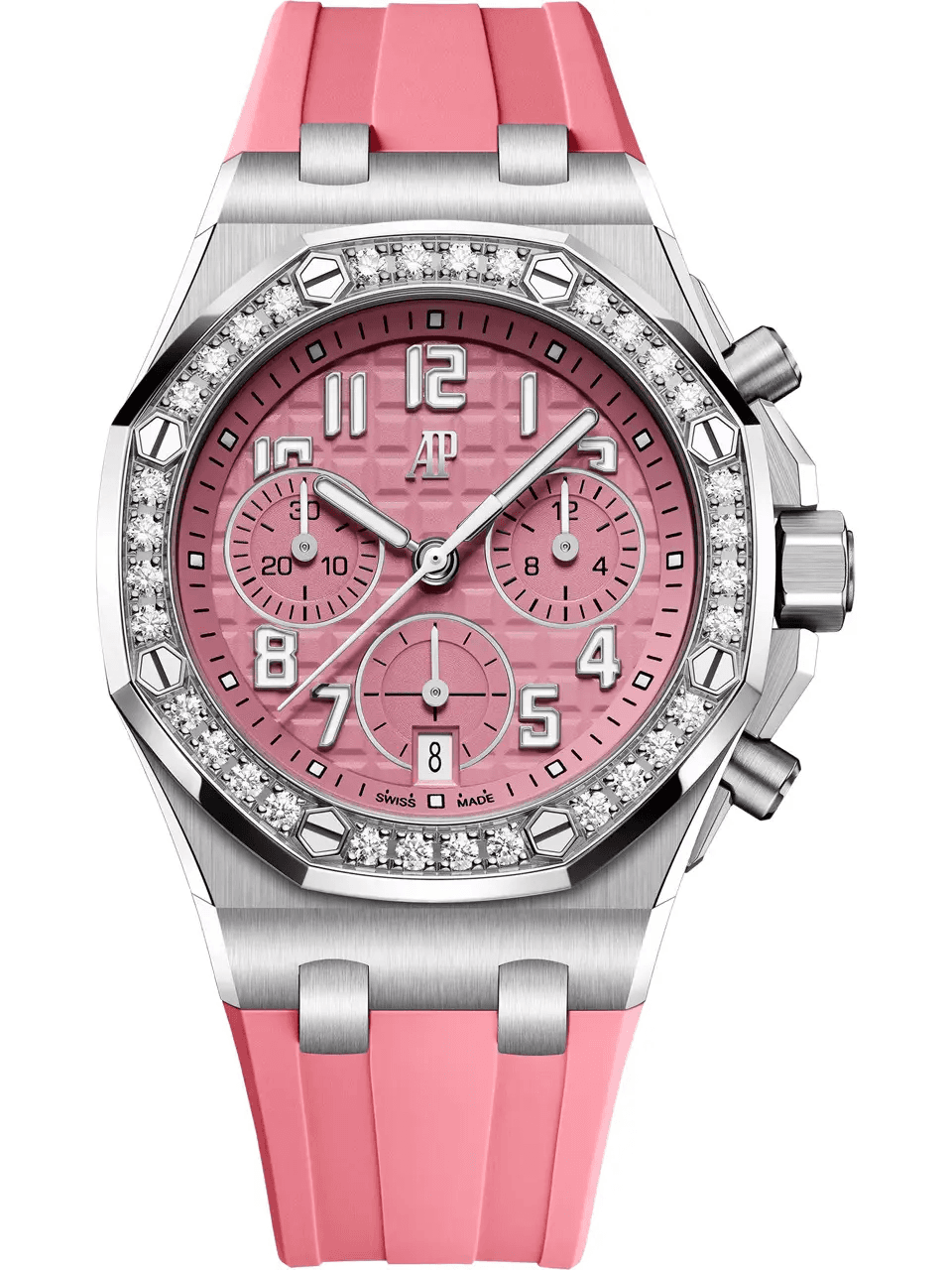
Audemars Piguet Royal Oak Offshore Selfwinding Chronograph 37 mm
In 2026, Audemars Piguet introduced new Royal Oak Offshore Selfwinding Chronograph models in compact 37 mm cases. Among them, the pink-dial version offers one of the collection’s most distinctive looks. Crafted in titanium, the 37 mm case is paired with a matching pink rubber strap. Inside is Calibre 6401, offering a power reserve of approximately 55 hours.
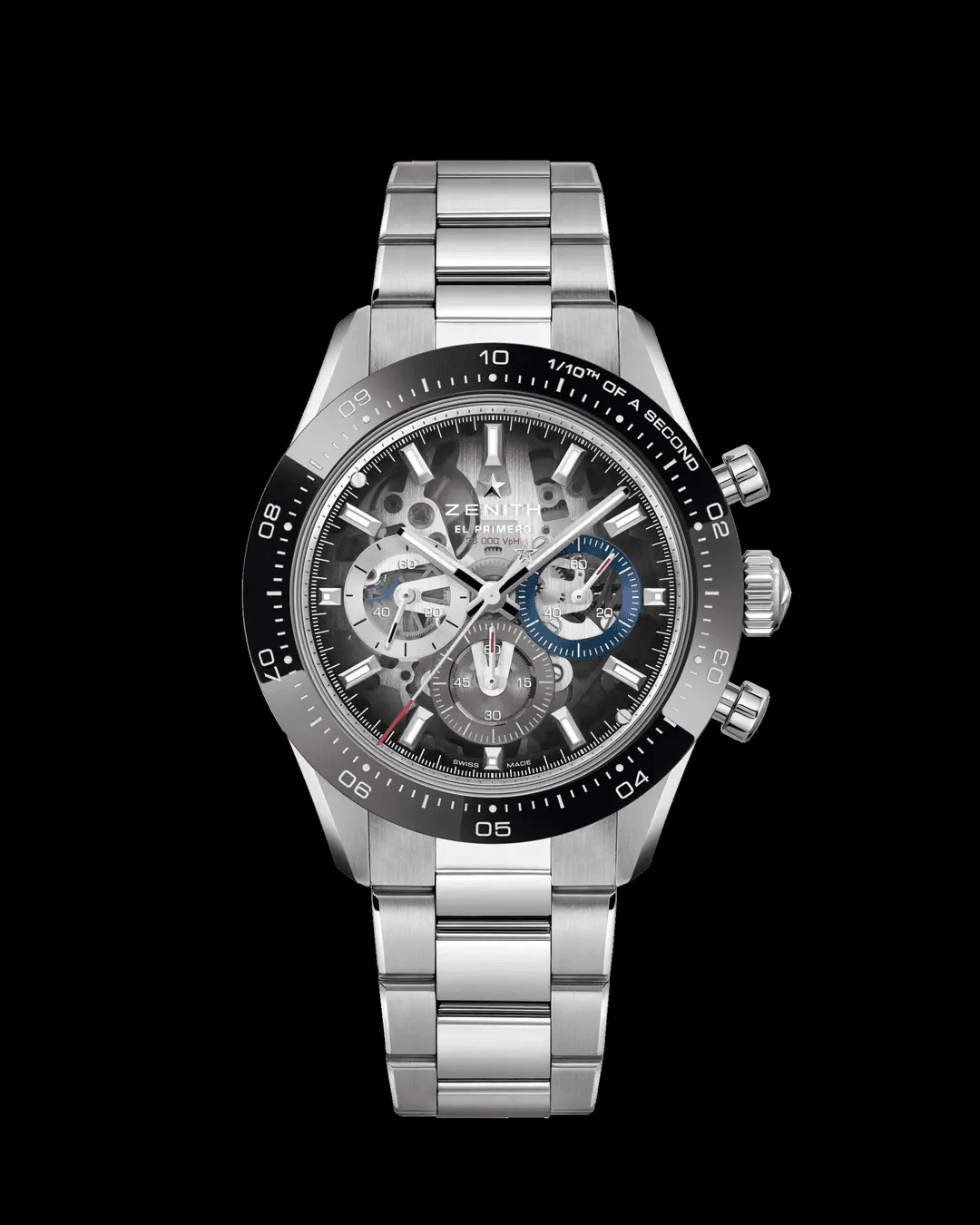
Zenith Chronomaster Sport Skeleton
Zenith brought something new to the Chronomaster Sport family this year, presenting the model with a skeletonised architecture for the first time. Available in 41 mm stainless-steel or gold cases, the openworked dial reveals the El Primero 3600 SK calibre powering the watch. Thanks to its high-frequency 5 Hz movement, the chronograph can display elapsed time to 1/10th of a second. While the skeletonised construction creates a visually complex composition, the chronograph counters remain clearly present on the dial.
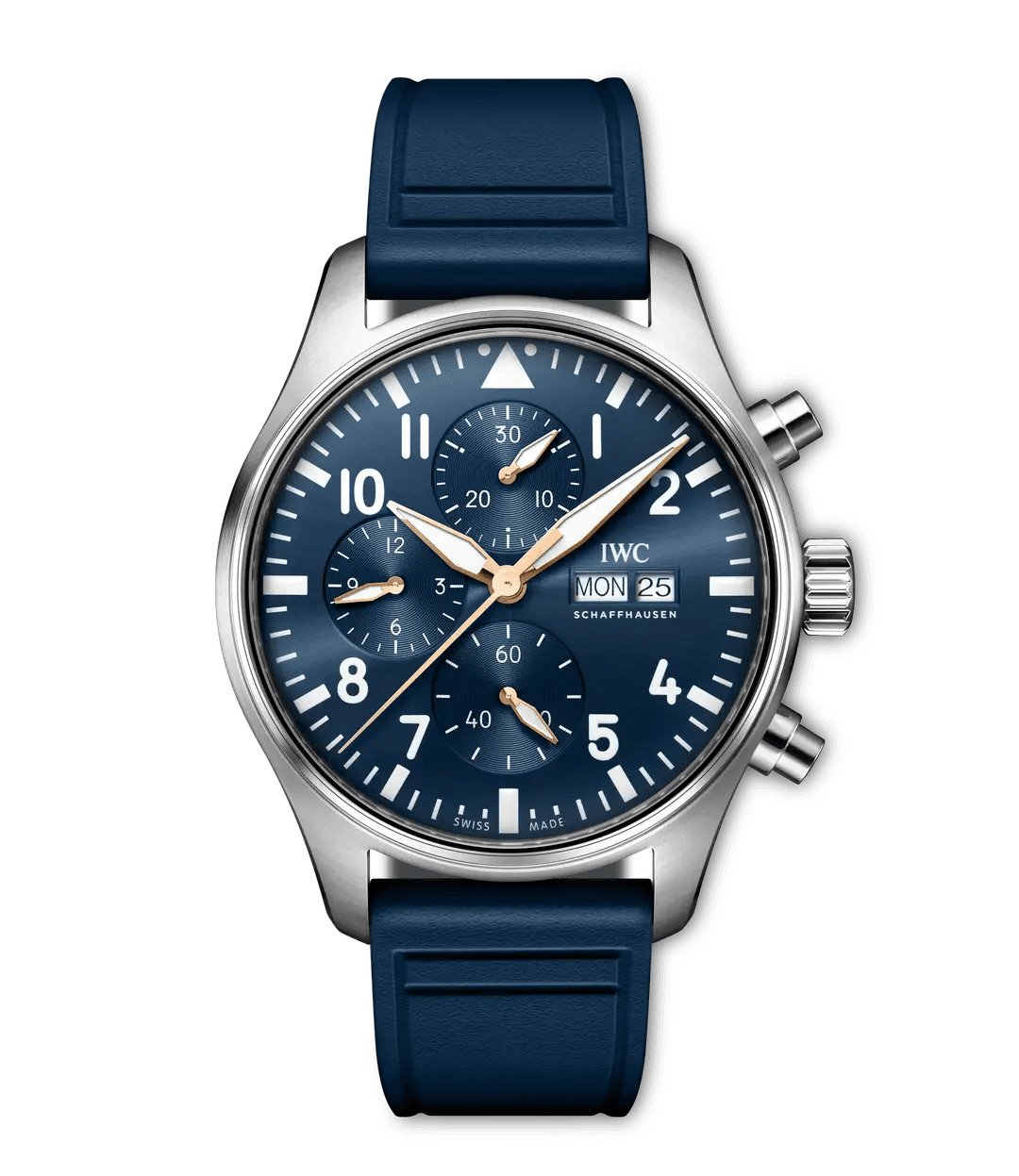
IWC Pilot’s Chronograph Le Petit Prince
This year marked the 20th anniversary of IWC’s partnership with the family of French author and aviation pioneer Antoine de Saint-Exupéry, a collaboration that dates back to 2006. To celebrate the milestone, the brand unveiled a series of Le Petit Prince timepieces at Watches and Wonders 2026. Among them is the Pilot’s Watch Chronograph “Le Petit Prince”. Its distinctive dial features three subdials positioned at 12, 6 and 9 o’clock, complemented by day and date windows on the right-hand side. Powering the watch is the IWC-manufactured Calibre 69385.
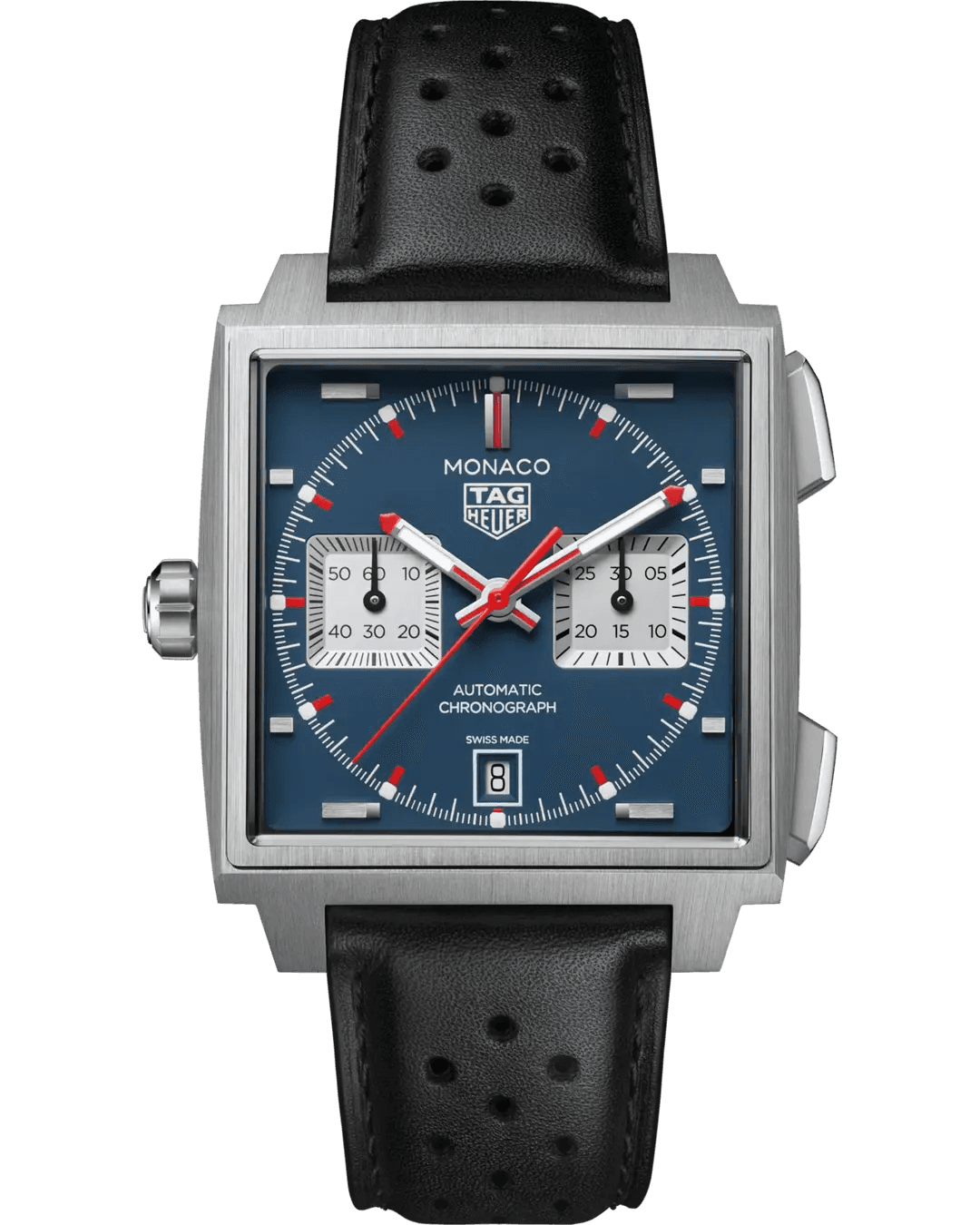
TAG Heuer Monaco Chronograph TH20-11
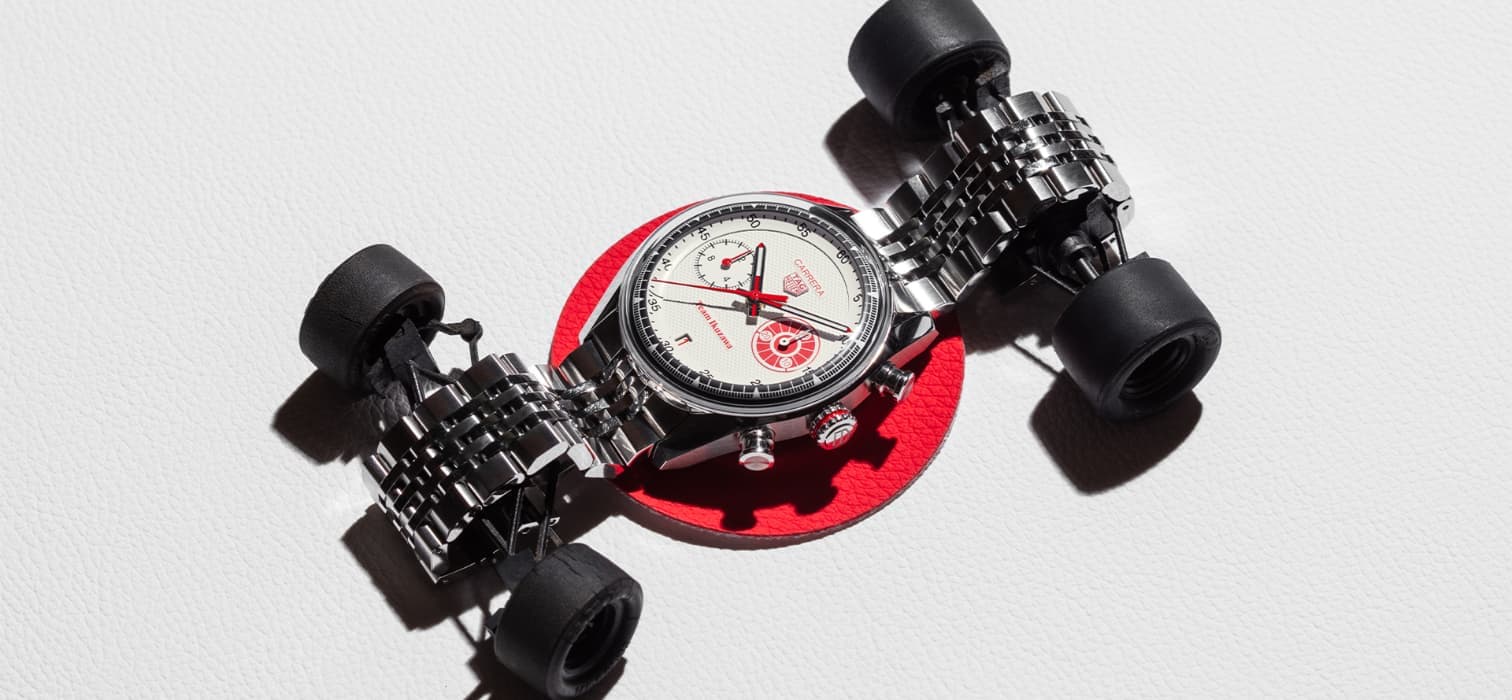
Few watches are as closely associated with motor racing as the TAG Heuer Monaco. Among the brand’s 2026 releases is the Monaco Chronograph TH20-11, powered by the new Calibre TH20-11. In a nod to the historic Monaco, the crown has been positioned on the left-hand side of the case. The watch is housed in a 39 mm Grade 5 titanium case, bringing a contemporary technical character to one of TAG Heuer’s most recognisable designs.
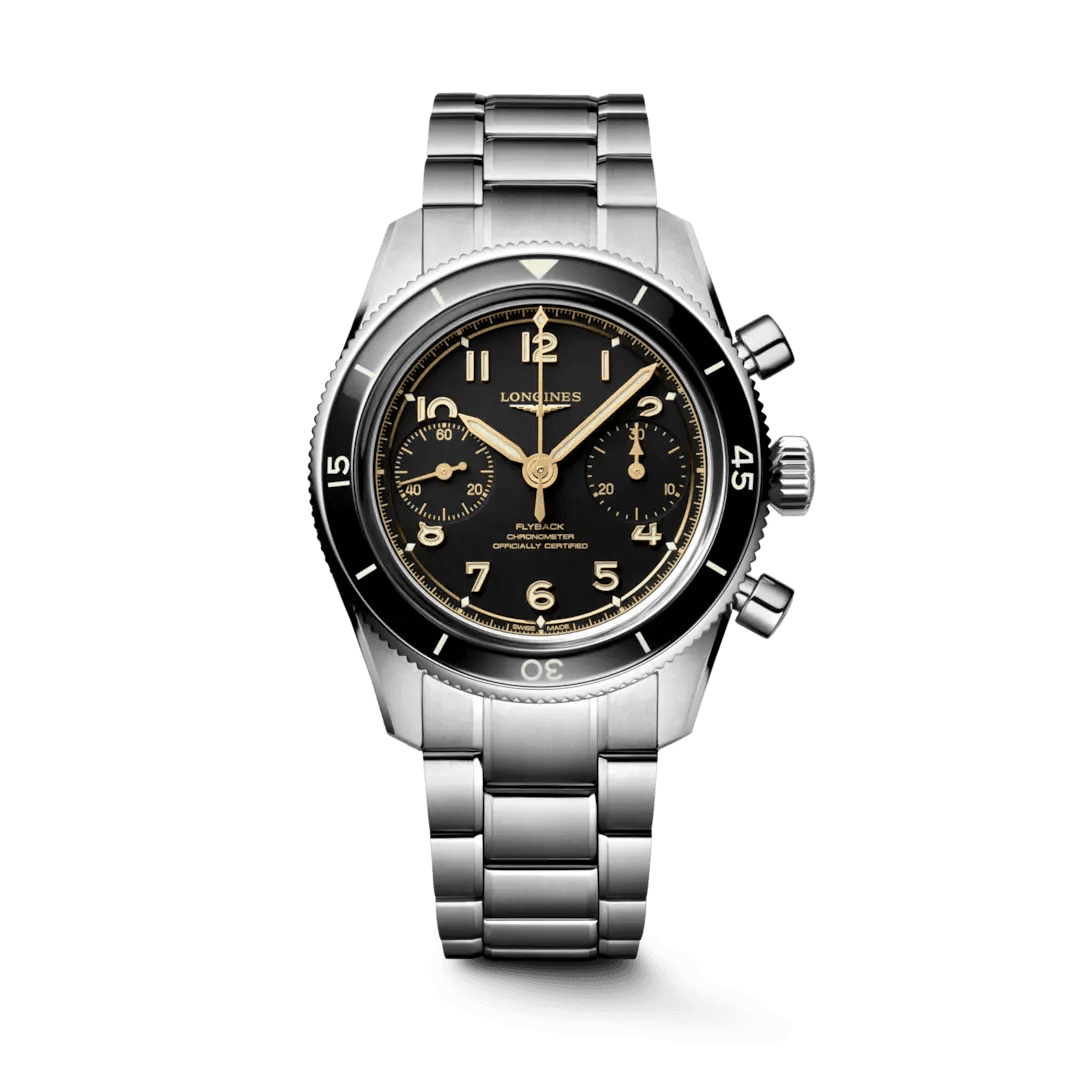
Longines Spirit Pilot Flyback
The Spirit Pilot Flyback, Longines’ pilot chronograph, welcomed a new and more compact interpretation this year. Presented in a 39.5 mm stainless-steel case, the watch is powered by Calibre L792.4. Its bi-compax dial configuration is complemented by gold-toned hands and indexes, adding warmth to the otherwise utilitarian pilot-watch aesthetic.
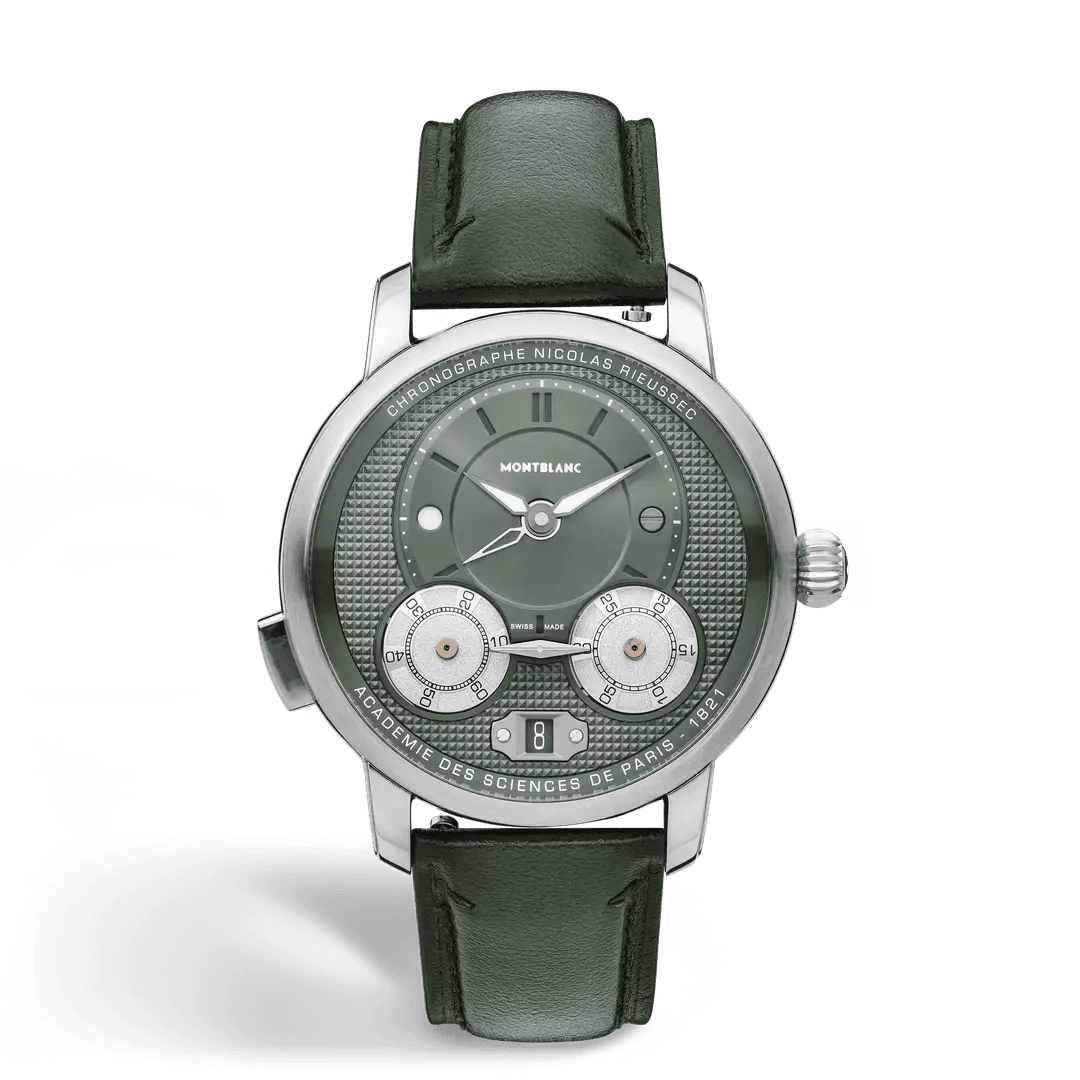
Montblanc Star Legacy Nicolas Rieussec Chronograph
The Montblanc Star Legacy Nicolas Rieussec Chronograph pays tribute to one of the defining chapters in chronograph history through both its name and design. Inspired by the mechanism Nicolas Rieussec developed in 1821 to record times at horse races, the watch replaces conventional chronograph hands with two domed rotating chronograph discs. At its heart is the MB R200 calibre. The special edition is limited to 821 pieces, with the production number itself referencing the year 1821 and Rieussec’s place in chronograph history.
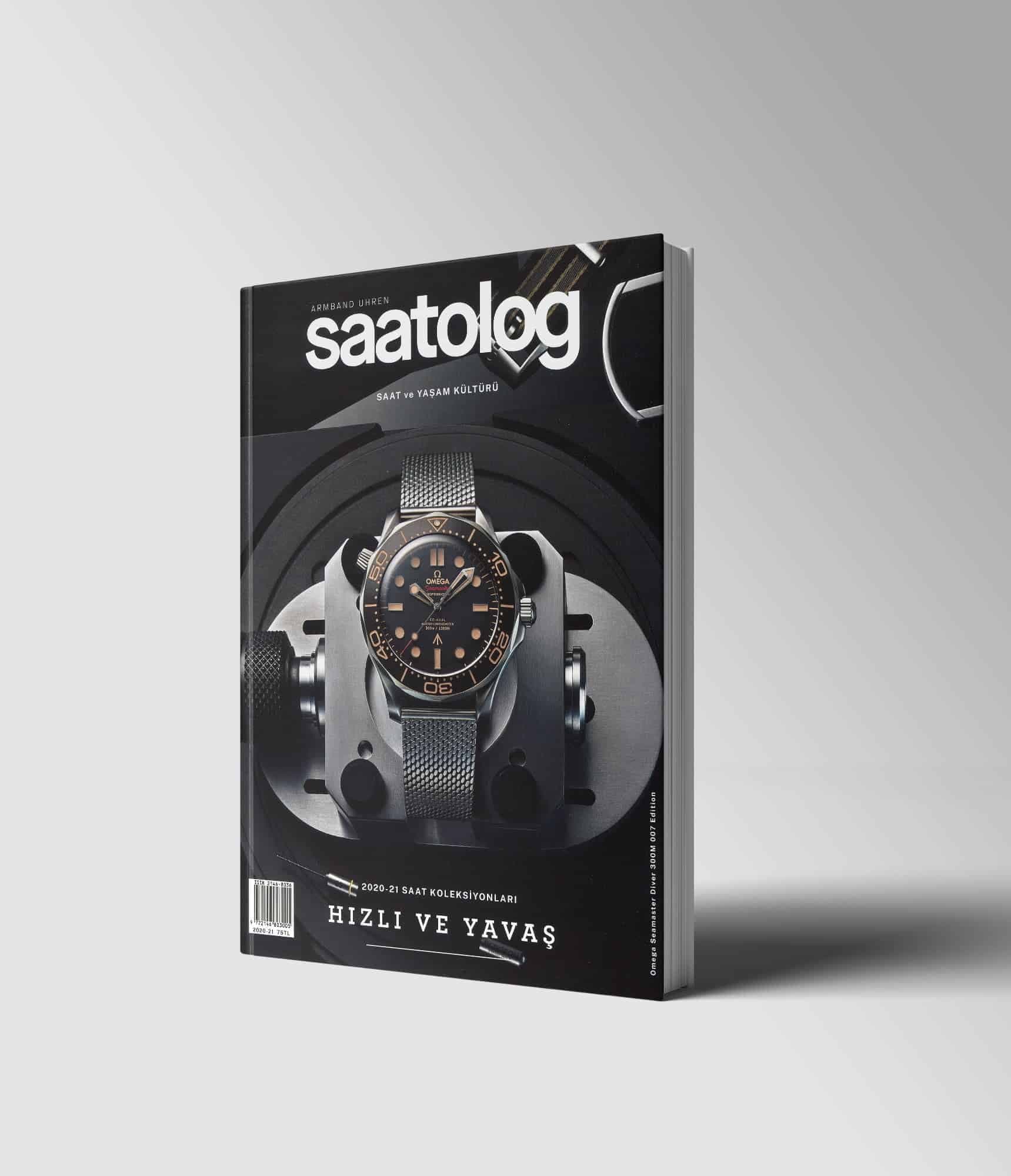
Saatolog Yıllık Saat Dergisi Saatolog’un yeni sayısı, 2020’nin yarattığı bu dönüştürücü etkiden ilham alarak hazırlandı. Dünya dijitalin etkisiyle her zamankinden de hızlı bir şekilde ilerlerken yavaşlamanın da önemini sonunda kavramış bulunuyoruz ve bu tezatlık hayatlarımızın her anına etki ediyor. Biz de bundan yola çıkarak Saatolog 2020/21 sayısını ‘‘hızlı ve yavaş’’ teması altında hazırladık.